For 136 years, generations of the Erickson family have cultivated their home on Vine Maple Farms, near Tenino, a town at the foothills of Washington State’s Cascade Mountains.
But now, they’re kissing their farmhouse goodbye.
The family sold their 94-acre property for $1.1 million, according to The Seattle Times, all to make way for a major wildlife bridge planned to cross over Interstate 5, reconnecting habitats in the Cascade Mountains with the Olympic Peninsula.
With this acquisition, and others like it, the new wildlife crossing is ready to move ahead. It will be the first on this particular freeway in Washington.
According to The Seattle Times, nonprofit Conservation Northwest was pivotal in bringing the project to fruition, raising $2.5 million to help buy land for the crossing, which was returned to the Confederated Tribes of the Chehalis Reservation.
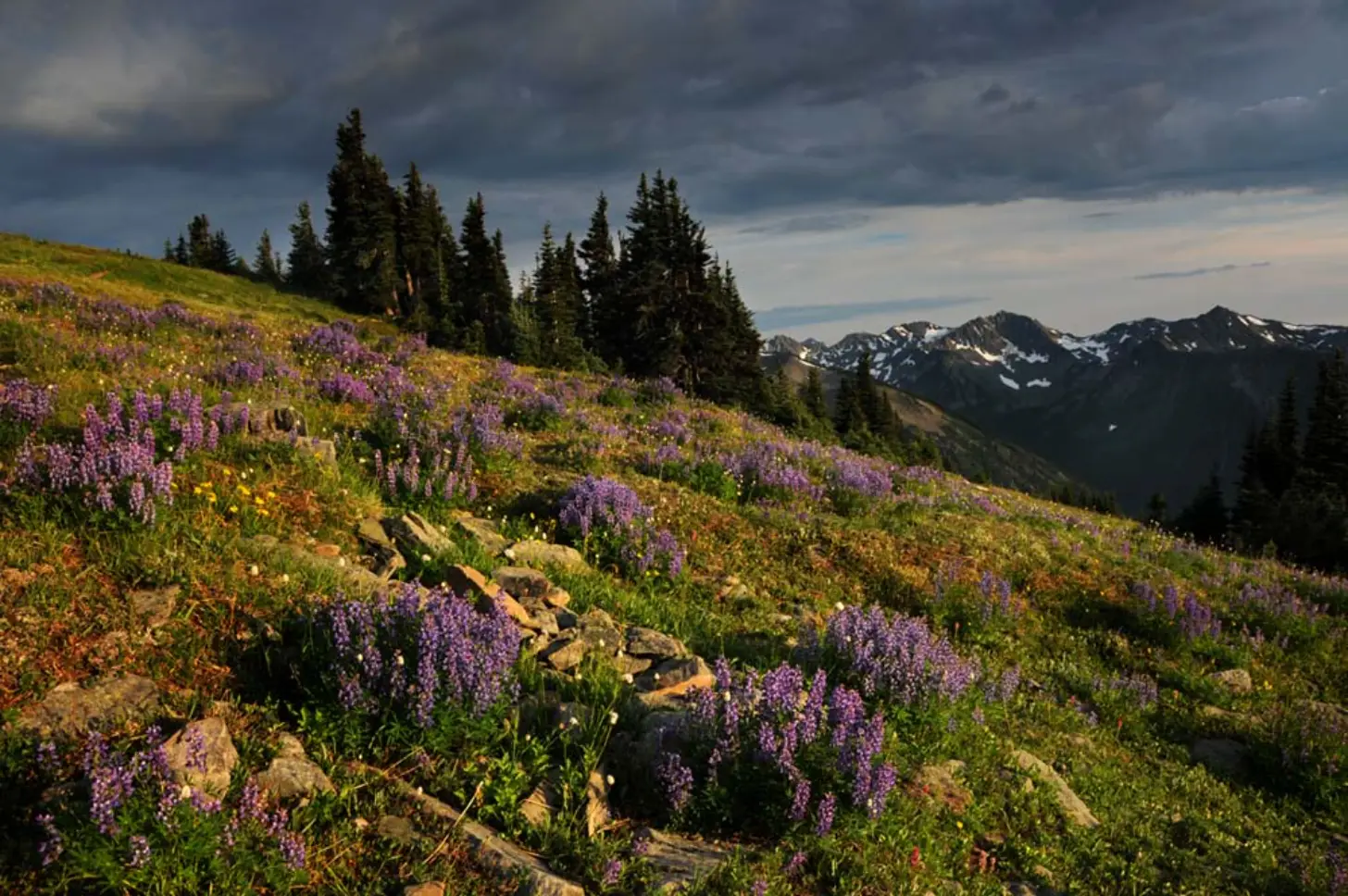
“Existing connectivity pathways are threatened by growing development pressures, especially along Interstate 5. Increasing suburban sprawl, major flooding, and changing forestry, agricultural, recreational and economic dynamics add to this need for innovative conservation work,” Conservation Northwest writes on a web page about its Cascades to Olympics connectivity efforts.
“As an initial step to maintain habitat connections, we are dovetailing off Chehalis Basin restoration strategies and engaging with local communities, tribes, and regional stakeholders to provide means for wolves, elk, fishers, and other wildlife to safely pass I-5 and Highway 12.”
That initial step has quickly become a life-changing pivot for families like the Ericksons, though. But they aren’t sore about the sale of their farm.
In fact, the family told The Seattle Times that about 50 years ago, Allen and Janice Erickson drew up the Vine Maple Farms Trust, stipulating that when all the family’s descendants were gone, the farm should be preserved for conservation.
“So here we have come,” Janice Erickson told the Times.
Marla, the youngest descendant of the Ericksons, said the decision to sell was an easy “yes.”
“Just knowing that this land is going from our family back to where it belongs with the Chehalis Tribes makes us very happy,” Marla said in a statement for Conservation Northwest. “It feels like a full circle moment.”
According to a video from Conservation Northwest, the area this bridge would cover used to be a place where animal populations could traverse with ease, “before European civilization came.” Now, they said, attempting to cross I-5 would spell “certain death.”
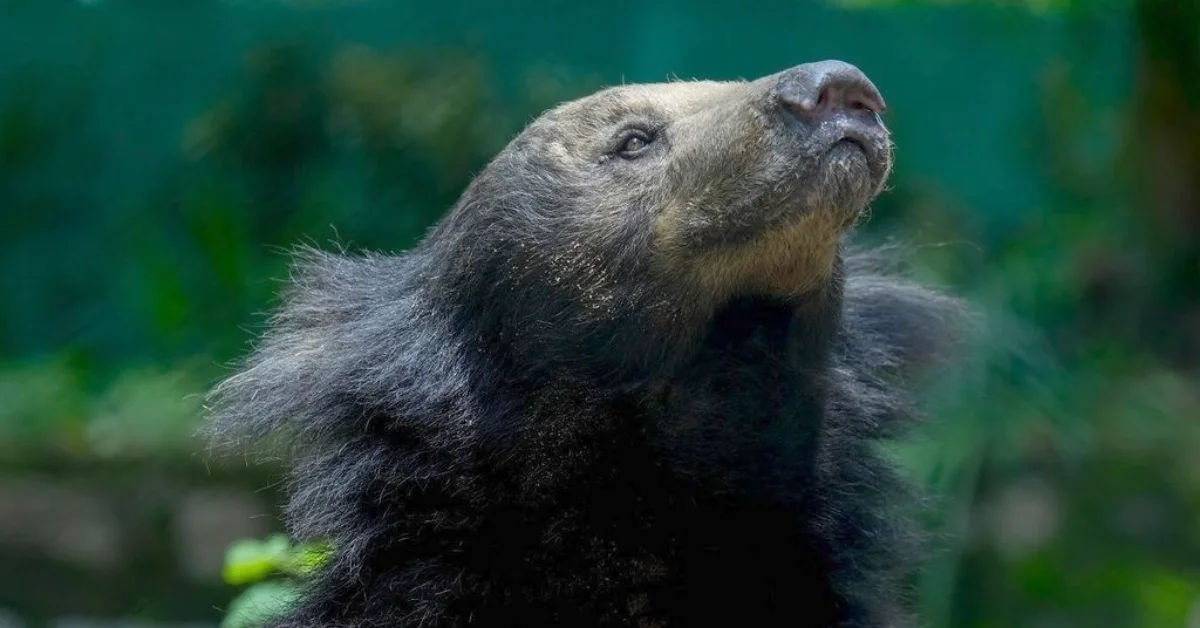
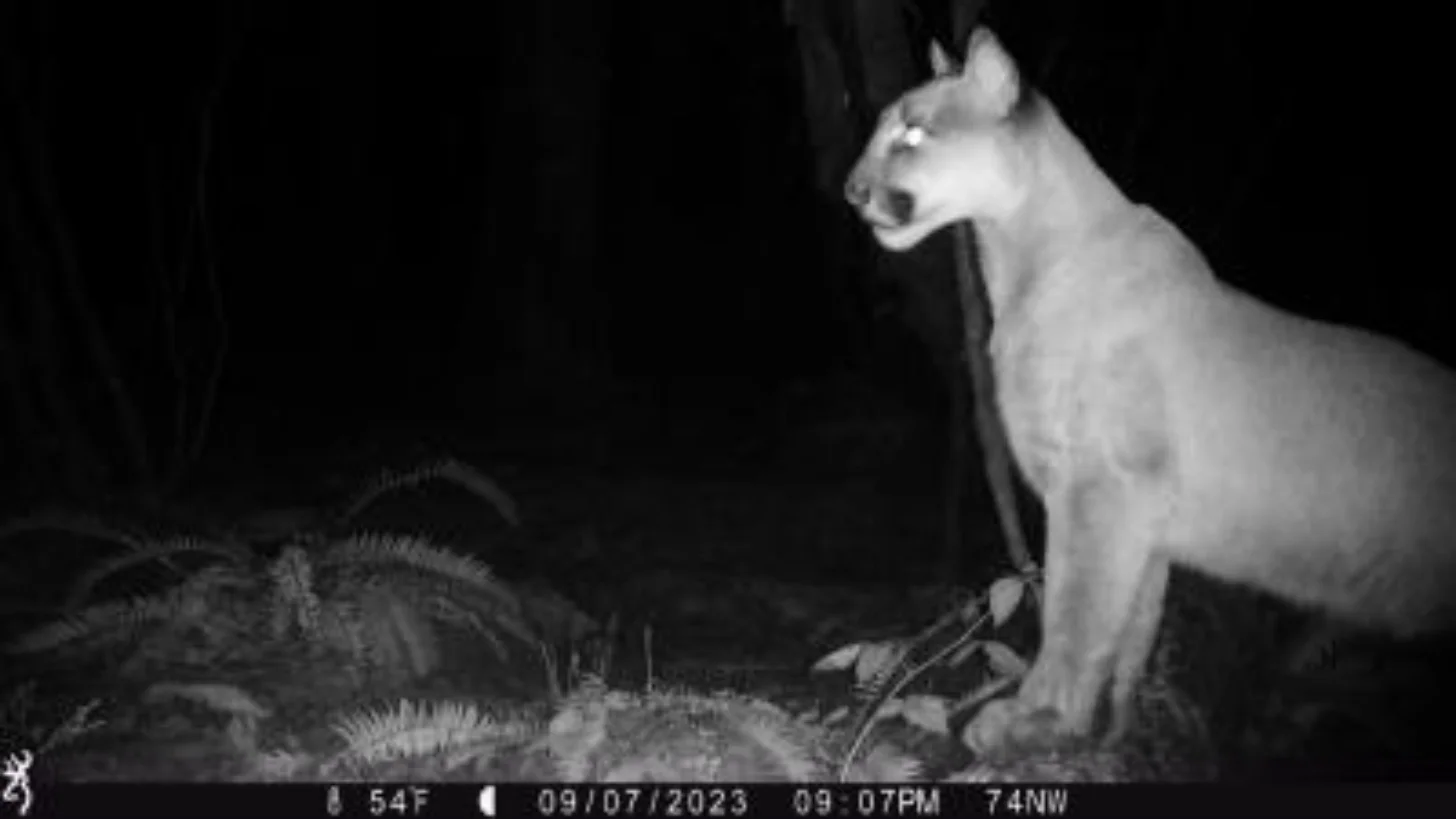
Conservationists believe the wildlife crossing would serve as a lifeline for endangered species like the cougars of the Olympic Peninsula, along with black bears, deer, elk, beavers, newts, and fishers.
Plus, wildlife crossings are widely credited for saving billions in costs associated with wildlife-vehicle collisions nationwide. A 2022 study estimated that Washington has saved an estimated $235,000 to $443,000 each year per structure.
So when the data pointed to this spot as a great opportunity to improve wildlife and reduce vehicle deaths, Conservation Northwest came together with the state’s Fish and Wildlife and Transportation departments, along with Indigenous nations, and other nonprofits like Panthera, to make it happen.
Conservation Northwest helped acquire 180 acres of land, which were returned to the Chehalis Tribe, with adjacent lands conserved under additional agreements. The tribe is also buying ancestral lands back to “heal the habitat.”
“To be good stewards of the land is really important, and I hope everybody realizes that most tribes, we’ve been doing that for centuries,” Sheilah Bray, the Chehalis Tribe’s Vice Chair, said at an event promoting the I-5 project.
“From the tribe's point of view, we couldn't be more excited to find out that this idea is not just a pipe dream … the Chehalis Tribe [is] committed to help do whatever we need to do to make this thing happen.”
The Ericksons were eager to play their part — and now, if everything goes according to plan, The Seattle Times reports the state could pursue federal funding for the crossing in the coming years.
“I think it's really important for people to understand that this landscape has so much potential for partnerships, and so much potential to have private landowners not look at conservation as something that goes against their interests,” Paula Swedeen, Conservation Northwest’s policy director, said in a video about the effort.
“In this age of despair over climate change, this is another place where we can look for hope.”
You may also like: British neighbors are cutting holes in their backyard fences to create a 'hedgehog highway'
Featured Image: NPS Photo