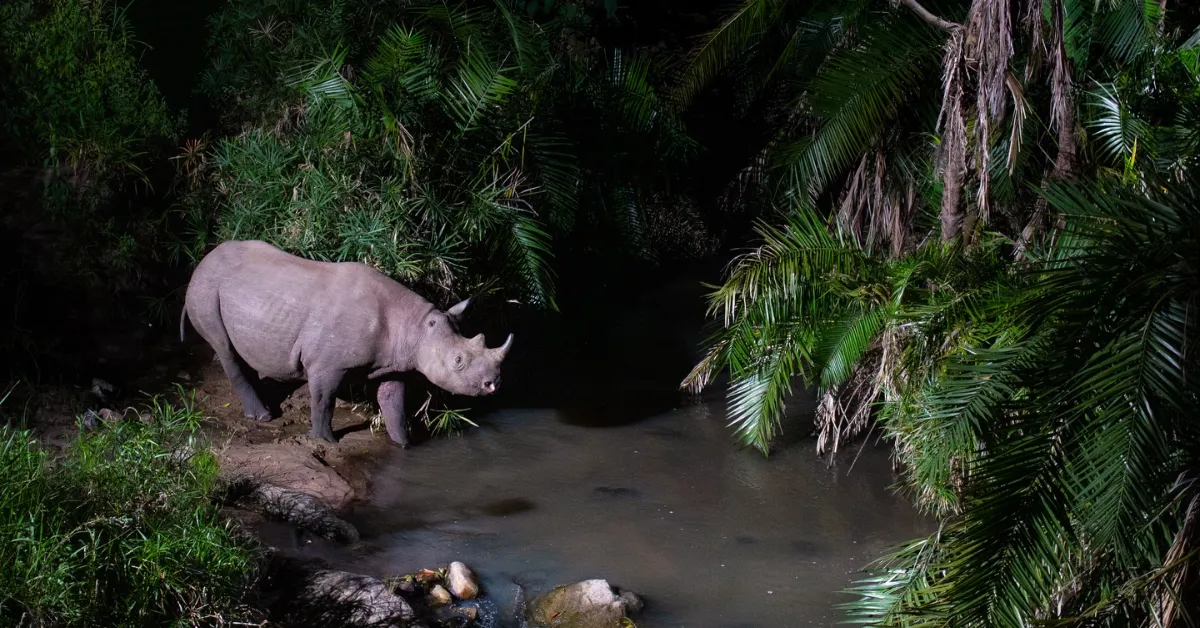
Wildlife photographer Will Burrard-Lucas journeyed to southwestern Kenya’s Maasai Mara National Reserve on a mission: To monitor and photograph the reserve’s endangered black rhino population.
He set up a camera trap for many months to monitor a remote river crossing deep in the nature reserve’s forests.
“For me, the opportunity was irresistible,” Berrard-Lucas wrote on his blog.
“The Maasai Mara is one of the most famous wildlife destinations on Earth, yet even here there are corners that very few people ever see. Placing cameras in areas closed to tourism offered a rare chance to document a hidden side of the Mara.”
And that he did.
The Maasai Mara rhino unit directed Berrard-Lucas to a patch of dense forest, with a small river sandwiched in between, creating a secluded valley for rhinos to drink and socialize.
“The rangers explained that rhinos regularly used the area, but were often extremely difficult to monitor there because the vegetation was thick and the animals were elusive,” Berrard-Lucas wrote.
“A camera trap could help them keep tabs on these individuals more reliably. The moment I saw the place, I knew it was perfect.”
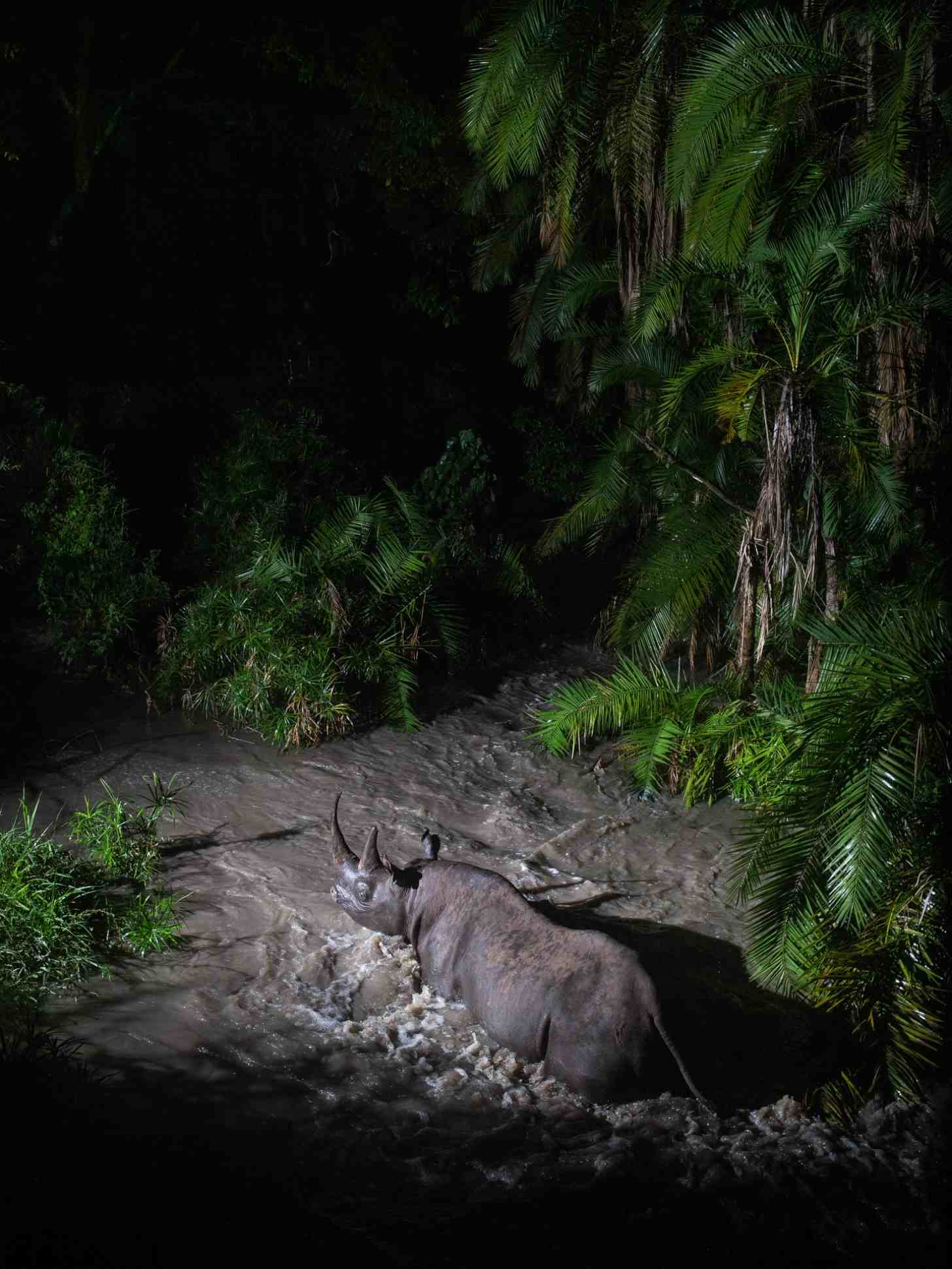
He placed his camera on an elevated riverbank, high above the crossing, framing it so animals could be seen interacting with the environment, not taking up the whole shot. The camera was outfitted with motion sensors and flashes for nocturnal scenes.
He immediately noticed the trail was “deeply worn,” concluding that it was used regularly by all kinds of wildlife.
Soon, he would have photographic evidence to prove it.
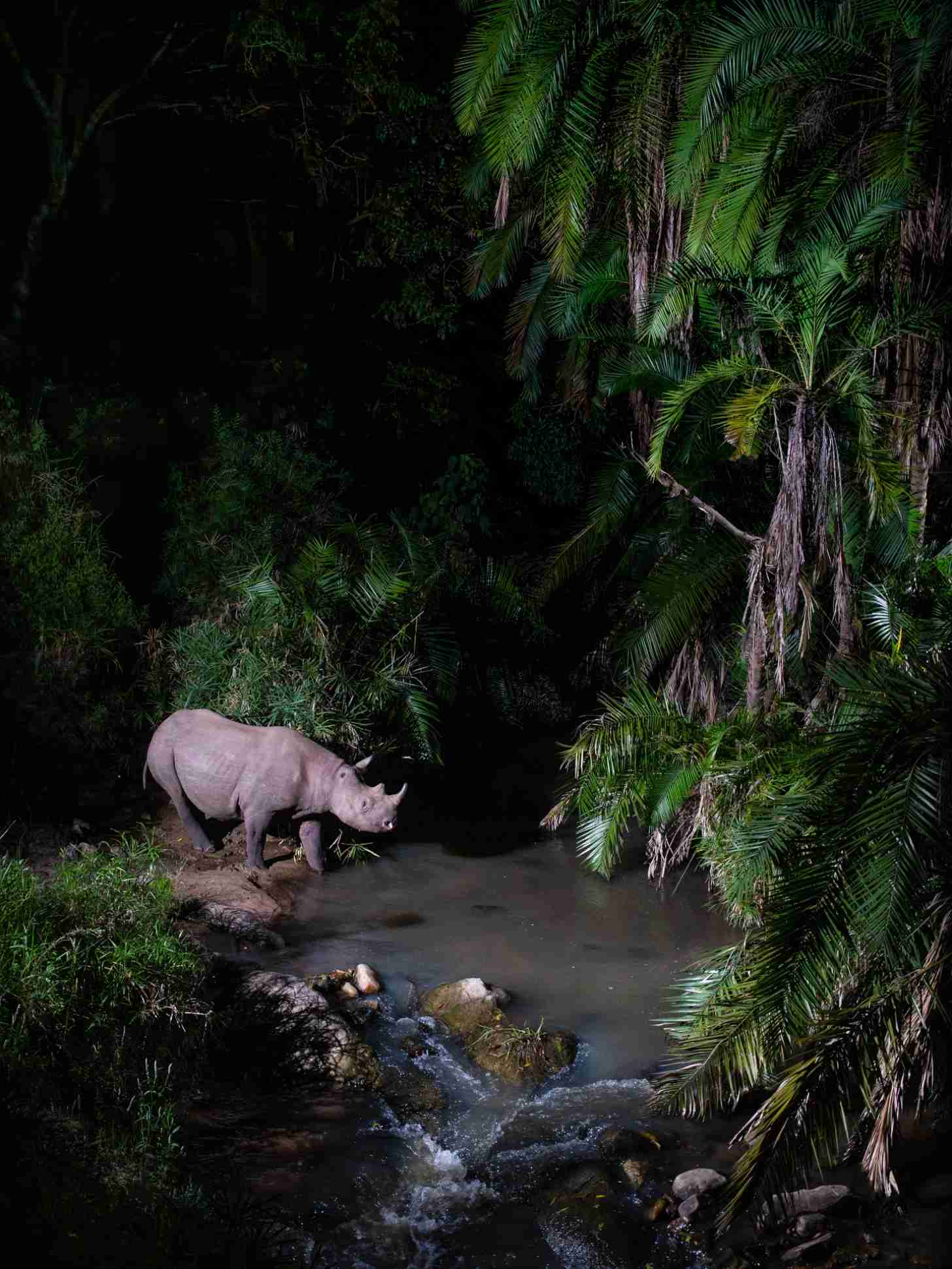
The rangers checked the camera every couple of weeks to swap batteries and memory cards, Berrard-Lucas said, and it wasn’t long before they started to get a glimpse into the river crossing’s activity.
“It quickly became clear that the crossing was even more productive than expected. Rather than capturing the same animal time and again, the camera revealed this to be a well-used corridor for multiple rhinos moving between feeding areas,” Berrard-Lucas wrote.
“Several of these individuals had not been documented by the rangers for many months, and one had not been seen since 2023. As a result, the photographs helped confirm the continued presence of rhinos whose status in the population figures had previously remained uncertain, giving the team greater confidence in their estimates.”
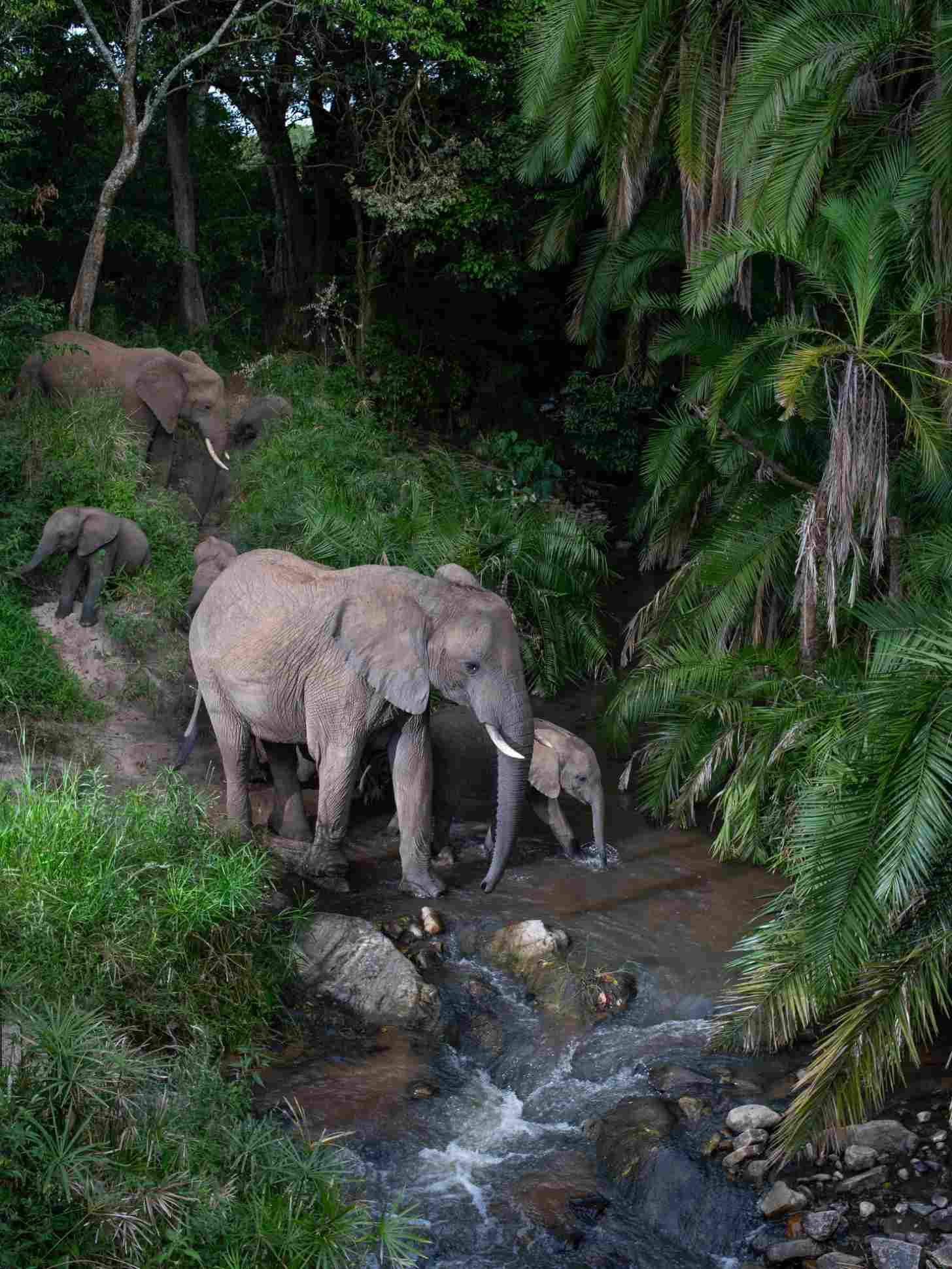
The rhinos weren’t the only animals the camera caught, however.
“Elephants passed through in breeding herds,” Berrard-Lucas wrote. “A leopard appeared briefly before melting back into the forest. Hippos emerged from the river. Bushbuck and giraffe moved cautiously down to the water. The crossing had become a window into the hidden life of the Mara.”
One day, the camera even caught a photo of a greater kudu, the first recorded sighting of the animal for many years.
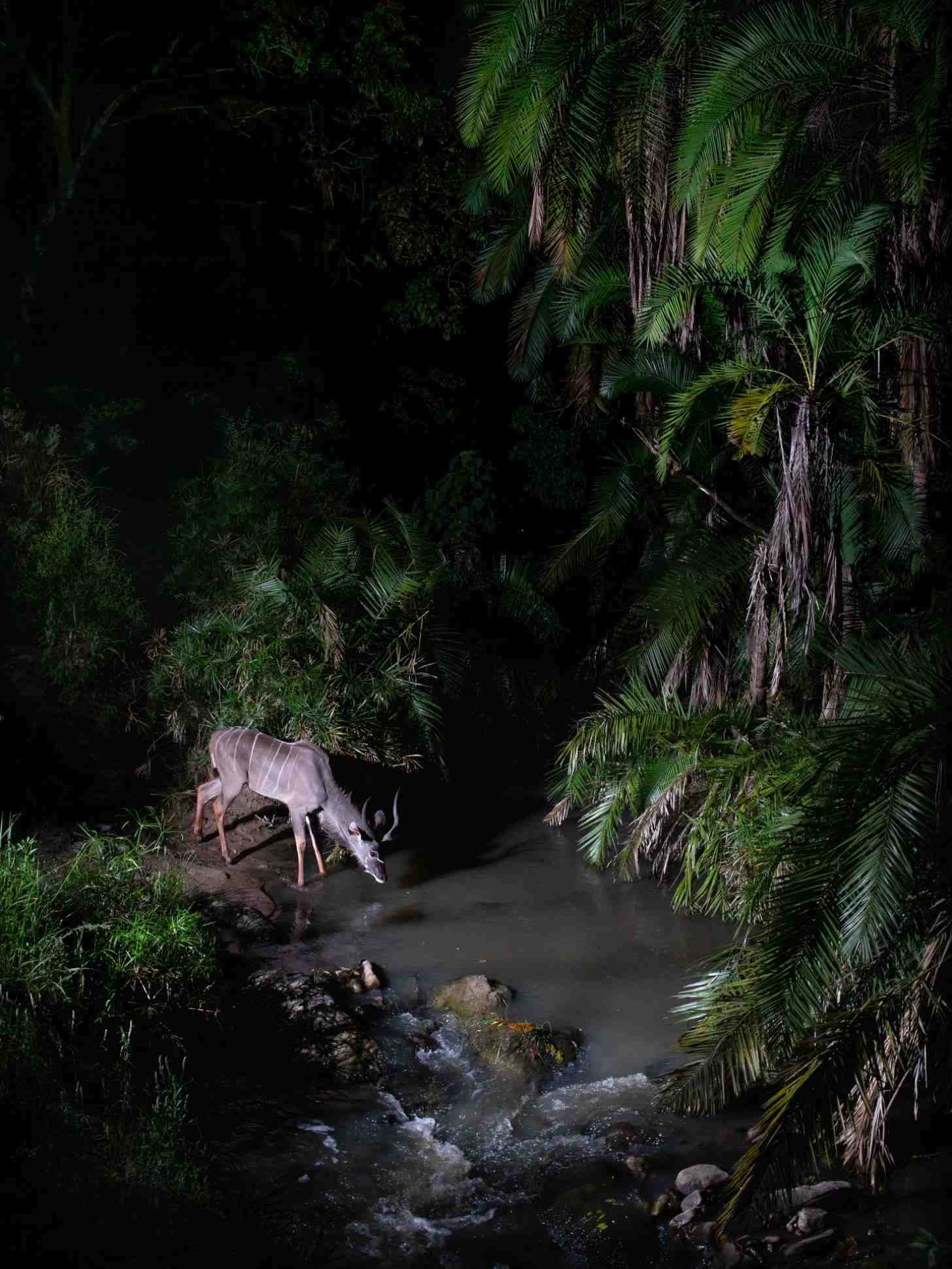
And it was a symbol of the power of these kinds of monitoring systems.
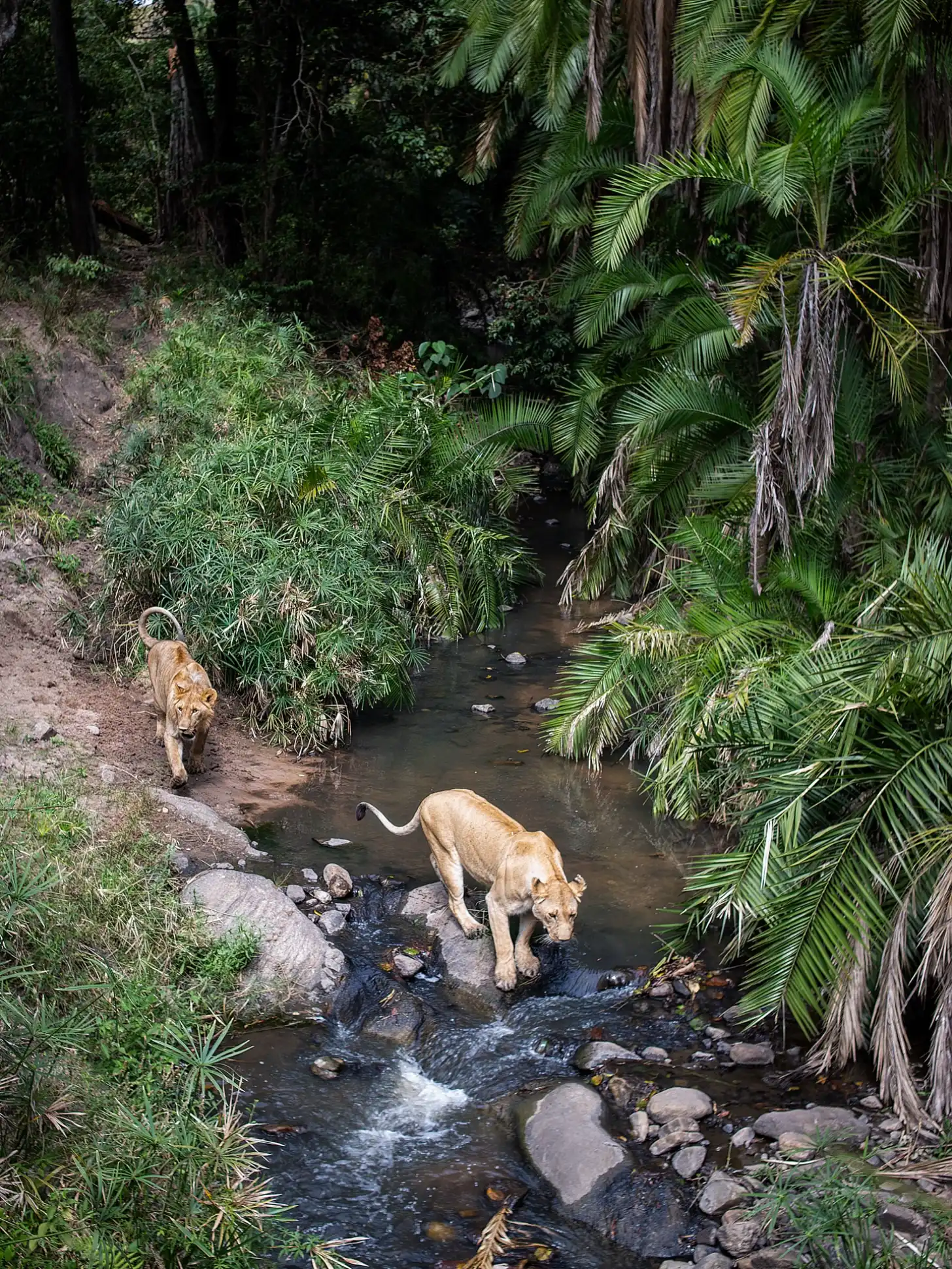
“Camera traps provide a rare glimpse into [the] unseen world, showing how animals move through the landscape at night and how they use quiet, sheltered corridors where they can pass undisturbed,” Berrard-Lucas concluded.
“They are not only powerful storytelling tools but valuable instruments for conservation, too, helping teams monitor elusive species and better understand how animals use the habitats they are trying to protect.”
You may also like: Trail cameras capture rare photo of an elusive lynx in the Himalayas: 'First confirmed evidence'
Featured Image: @willbl/Instagram