Canada’s Wood Buffalo National Park is the largest in the country, home to species like wood bison, whooping cranes, and wolves. It spans an area the size of Switzerland.
Naturally, there is a lot that has not been explored very much inside a park that size.
One natural marvel that many don’t even know about — despite the fact that it can be seen from space — is the world’s largest beaver dam.
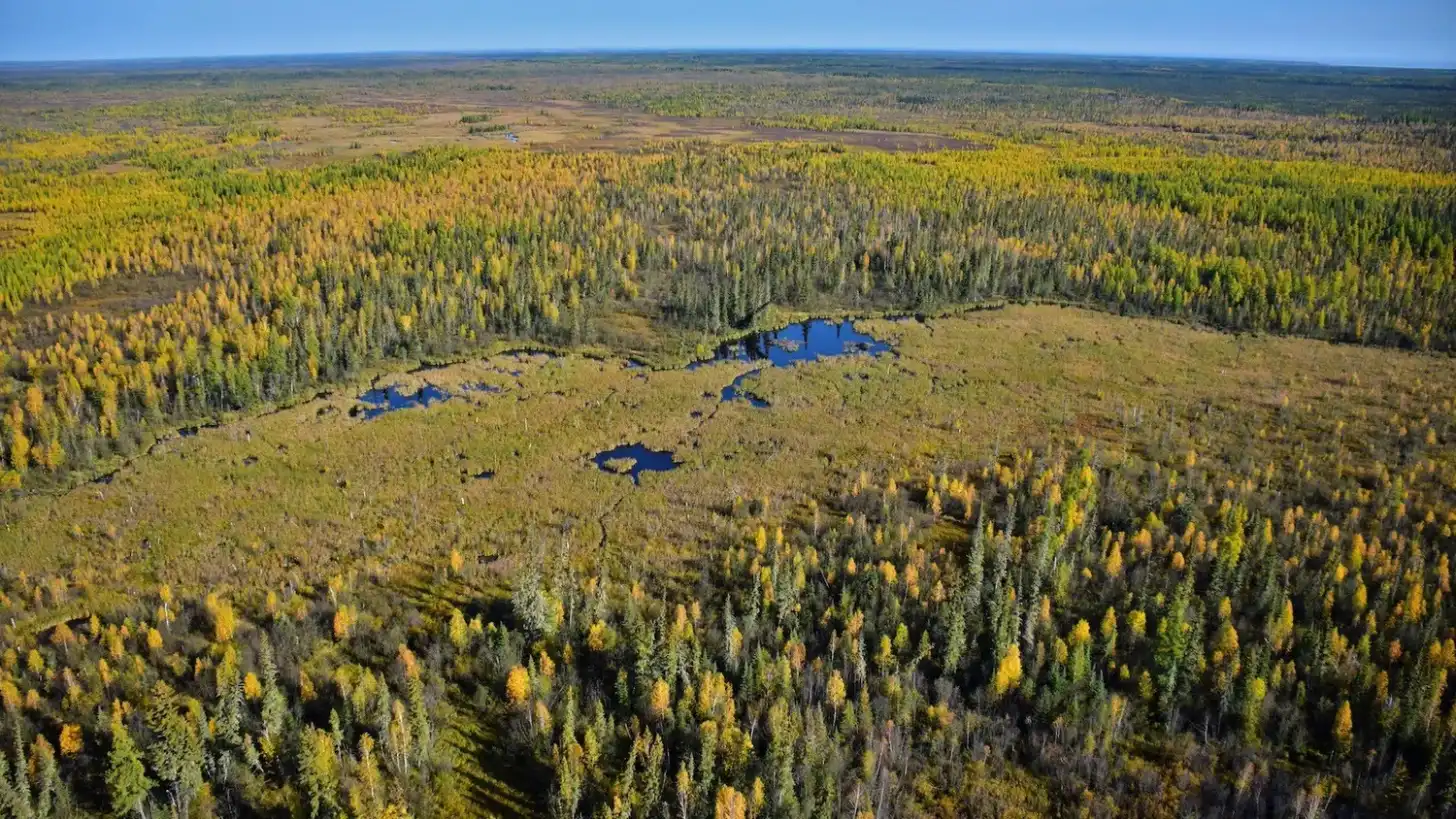
The dam, which spans nearly a half mile (or about 800 meters), is located in the middle of the park. It’s isolated from most human foot traffic; in order to see it, visitors would need to trek for days through wild landscape or pay for a private sightseeing tour via plane.
Before satellite imagery by Jean Thie, a landscape ecologist in the area, was shared with the media in 2007, no one knew the dam existed, including the officials running the park. According to Yale 360, until a reporter called park officials for comment, they had no idea of the dam’s existence. None of the personnel have ever visited it on the ground to this day.
In fact, only one person is recorded to have traveled on foot to see the dam, Rob Mark, who successfully trekked there in July 2014, after three years of planning.
It’s hard to understand the scale of the dam, so Parks Canada has tried to articulate it through comparisons. It’s the length of seven football fields, officials say.

And the surface area of the dam is approximately 8,342 square feet (or 775 square meters). That’s about 1,600 hockey rinks full of water.
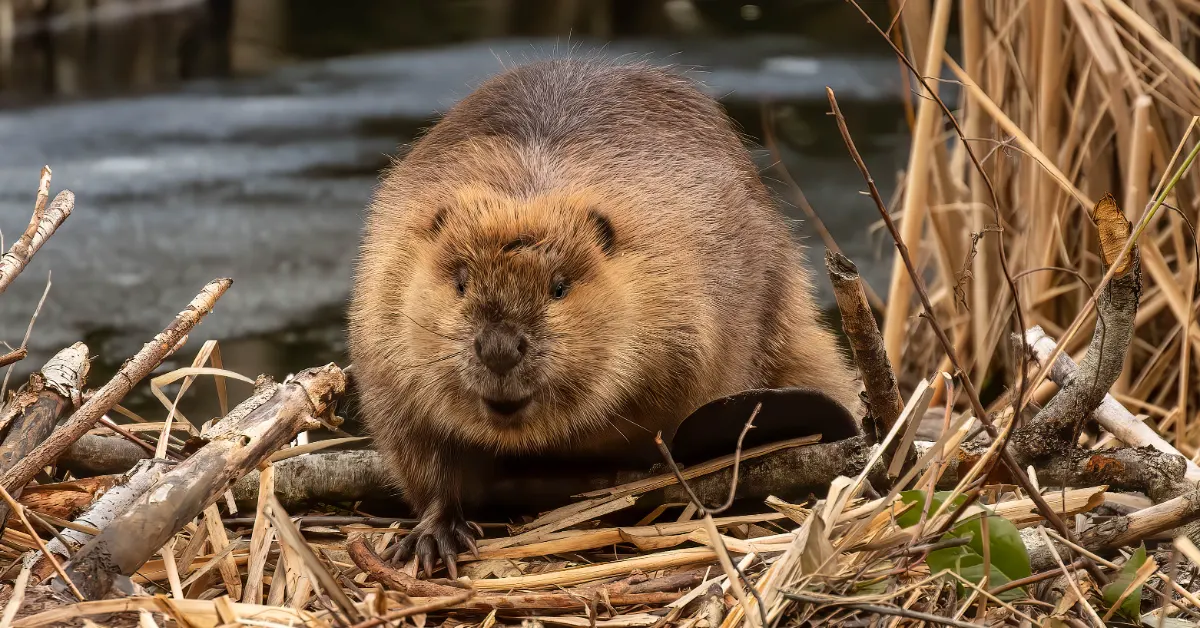
While the size of the dam is in fact astonishing, what may be most impressive is beavers’ natural "engineering" skills. This dam in Wood Buffalo National Park holds back runoff water from the Birch Mountains, protecting the lands from extreme flooding.
Beaver dams have long been shown to help the environment by slowing water flow and reducing the severity of both floods and droughts, as well as filtering pollutants in aquatic ecosystems and helping to create rich wetland habitats.

“Beaver dams act as natural filtration systems, trapping sediment and pollutants, thereby improving water quality downstream,” the World Wildlife Fund explains.
“This filtration process helps to remove excess nutrients and contaminants, benefiting both aquatic ecosystems and communities.”
Although North American beavers exceeded 100 million in the 1600s, the population has fallen between 6 million and 12 million today. Seeing signs that beavers in Wood Buffalo National Park are thriving in their habitat is an encouraging sign — at least to Thie, who was the first to document the world’s largest dam.
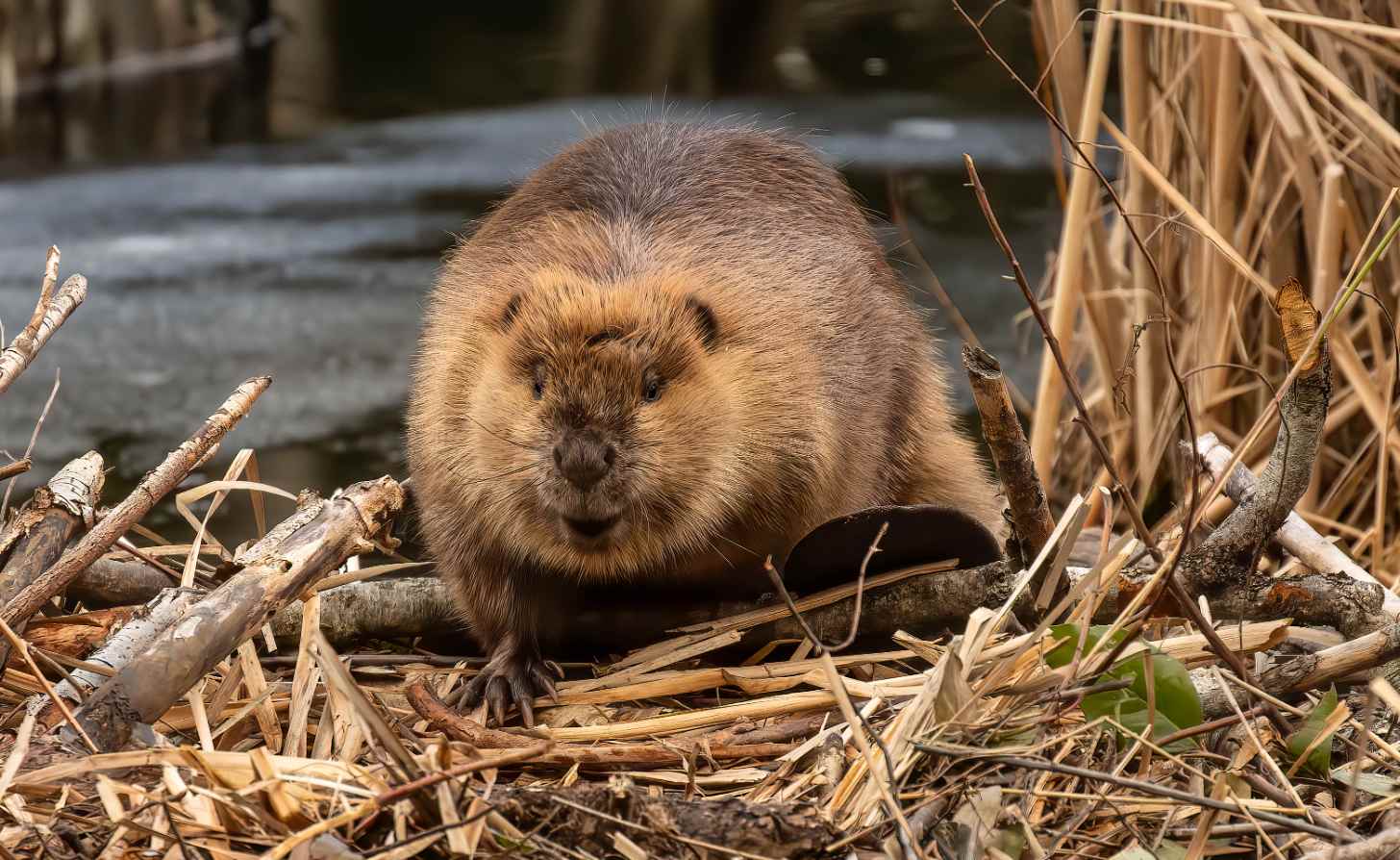
“Of course, I’m not very positively minded about our own future on the planet. But I am an optimist about beavers,” Thie told Yale 360.
“Their presence improves water management, reduces water flows, reduces the loss of runoff, and creates and improves wetlands. In drier landscapes of the future, all this could be of benefit. I think the worldwide flourishing of beavers is a small step in a good direction.”
You may also like: A real-life 'good news' story inspired Pixar animators to make 'Hoppers'
Featured Image: Deborah Freeman/Wikimedia Commons (CC BY-SA 2.0)