Celebrating positive news about animals making a difference for people — and people making a difference for animals
Your weekly roundup of the best good news worth celebrating...
Dogfighting is a widespread underground practice in Italy, but the Humane World for Animals Italy is hard at work to bring it to an end — and give rescued dogs a second chance.
The farmers behind the popular documentary, “The Biggest Little Farm,” spent a fortune to keep gophers at bay. Then they let predators step in.
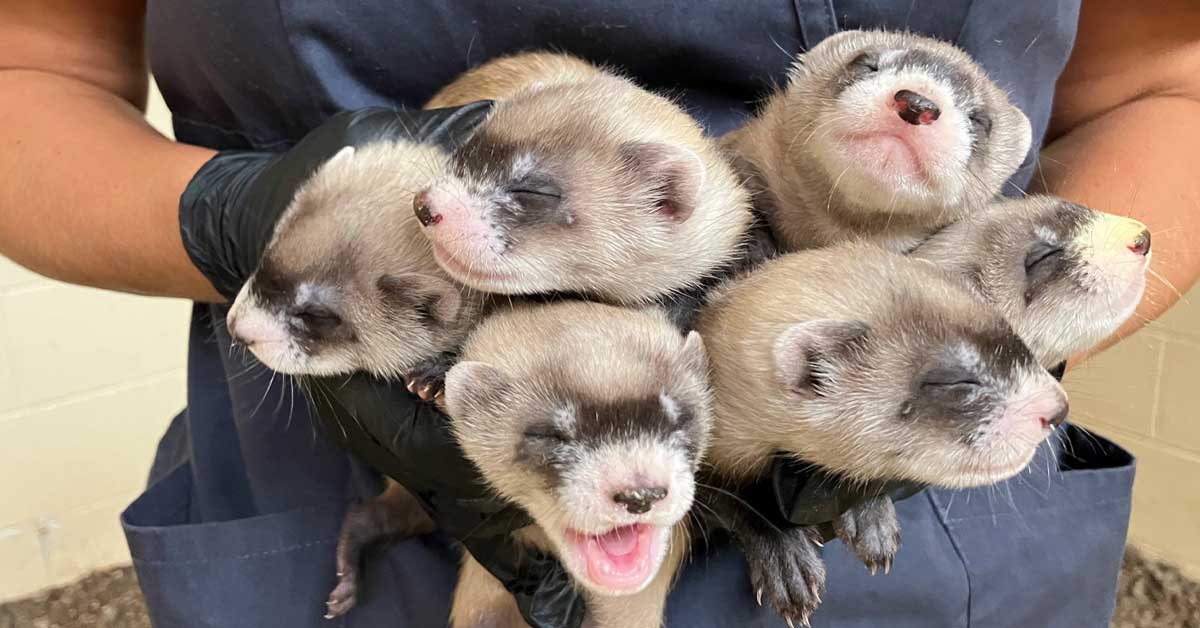
Once thought to be extinct, black-footed ferrets are making a comeback.
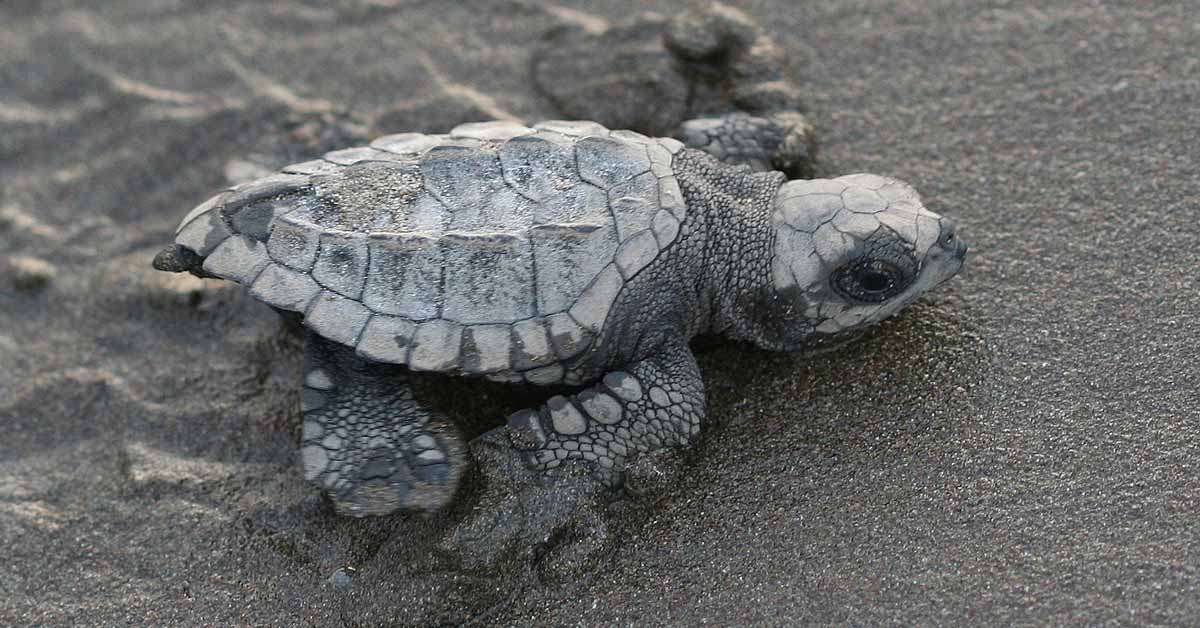
Bangladesh has seen the highest number of olive ridley turtle eggs this year thanks to extensive conservation action across beaches and a local awareness program.
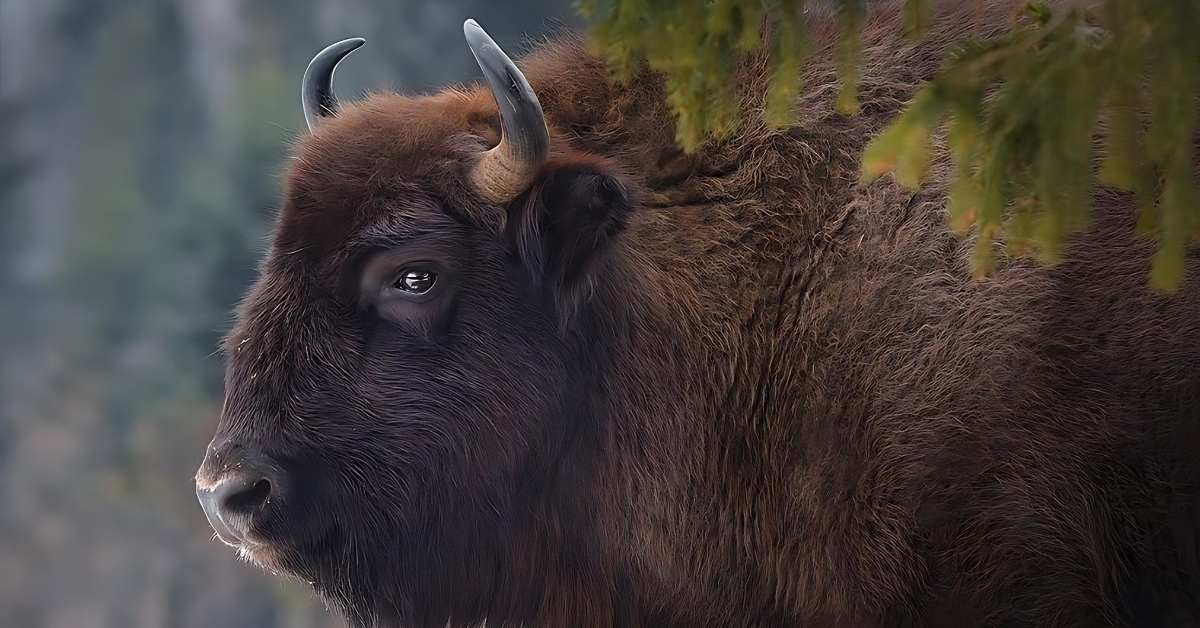
A Yale study found that rewilding a herd of bison helped store 54 thousand tons of carbon annually, highlighting how animals play a significant role in carbon capture.
Insect-eating bats prefer cocoa farms that retain large, old-growth trees that mimic the natural forest conditions.
For the first time since 1943, groups of American white pelicans are once again nesting on a small island in Utah's Great Salt Lake.
The second largest land easement in the country blocks any future development on a huge swath of grasslands and pastures in San Luis Obispo County, California.
Global biodiversity is decreasing and has been for some time. Is anything we are doing to reverse this trend effective?
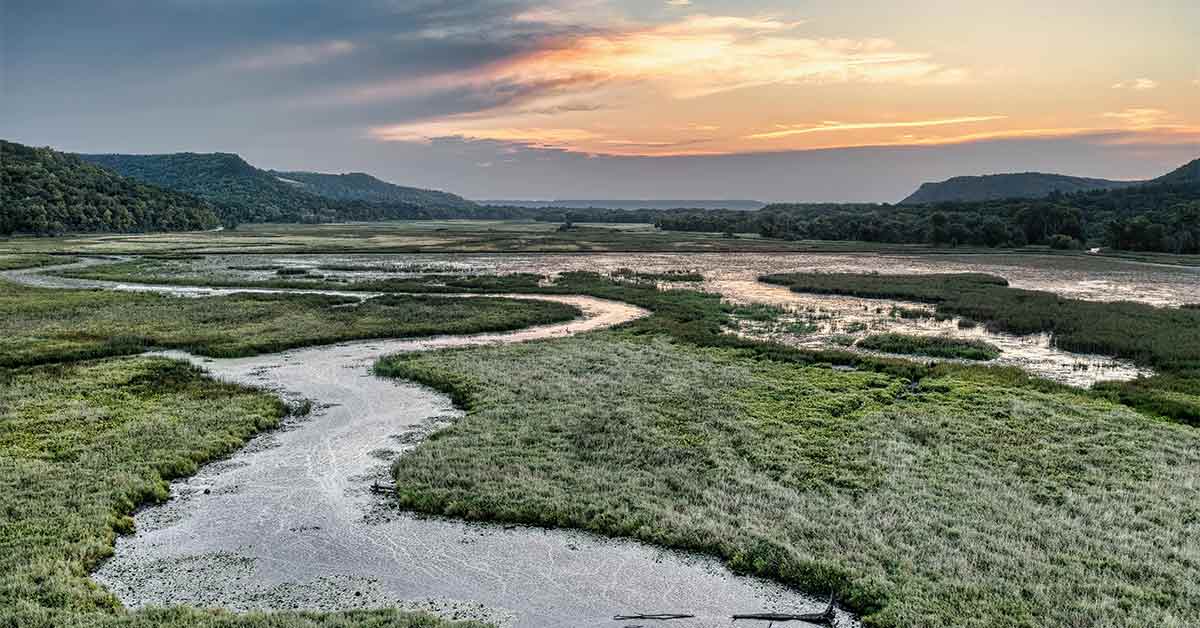
Healthy coastal habitats are the gift that keeps on giving. We need them back, so there’s a lot of enthusiasm for restoring these habitats. But we want to recover more than just the habitats. We want the animals they support too.
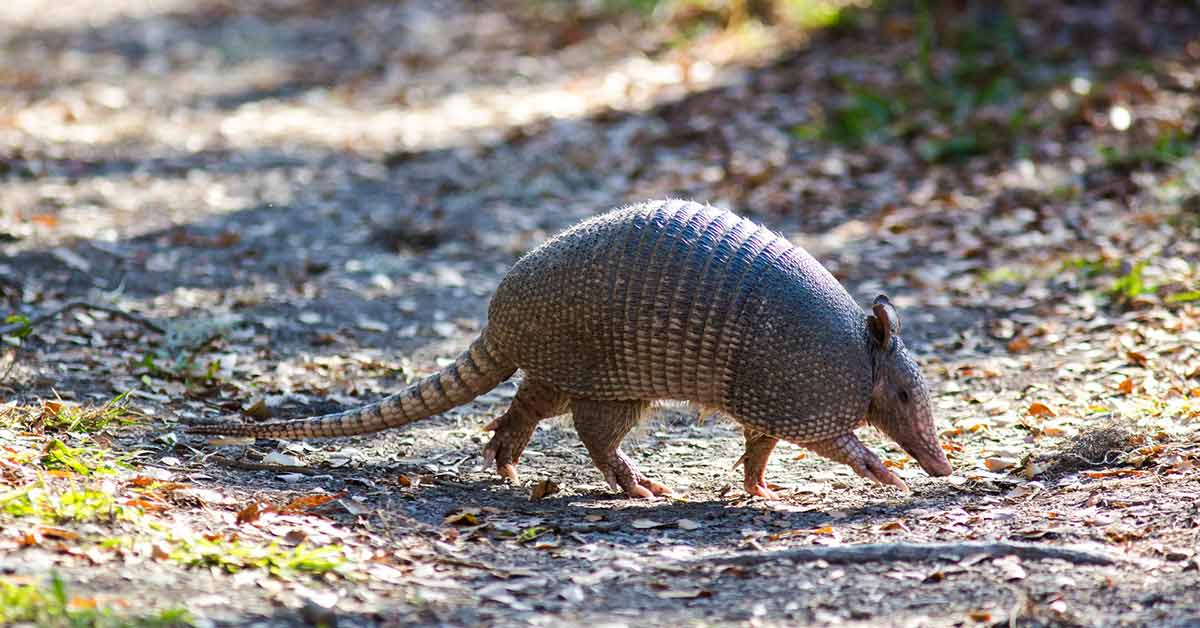
Despite their reputation as destructive pests, new research reveals that armadillos support dozens of other species — including, possibly, humans.
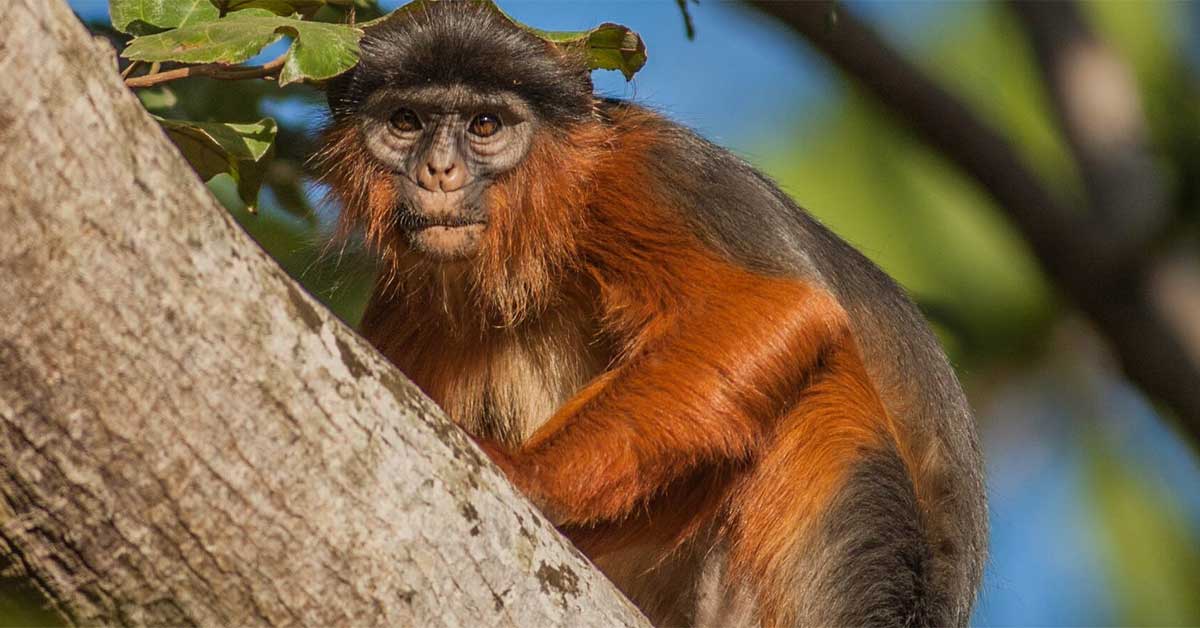
A shade-grown cacao plantations project provides wildlife refuge while generating income for cacao farmers in the Gola rainforest in West Africa.
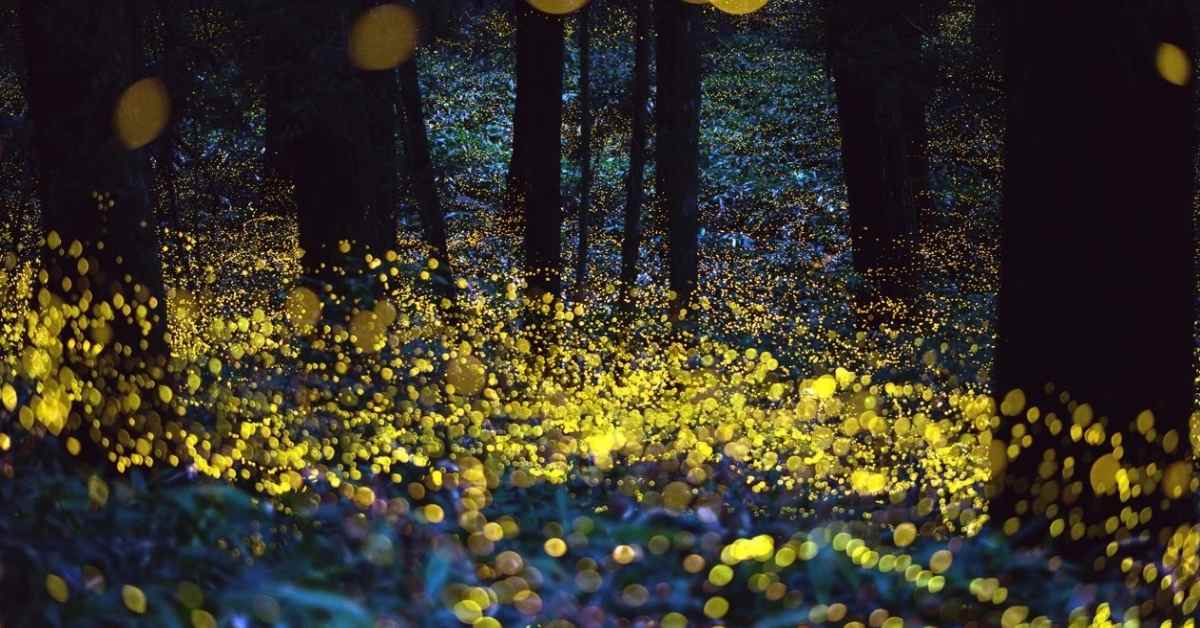
Synchronous fireflies illuminate summer nights in national parks across the U.S., captivating spectators and prompting conservation efforts to protect these beloved insects.
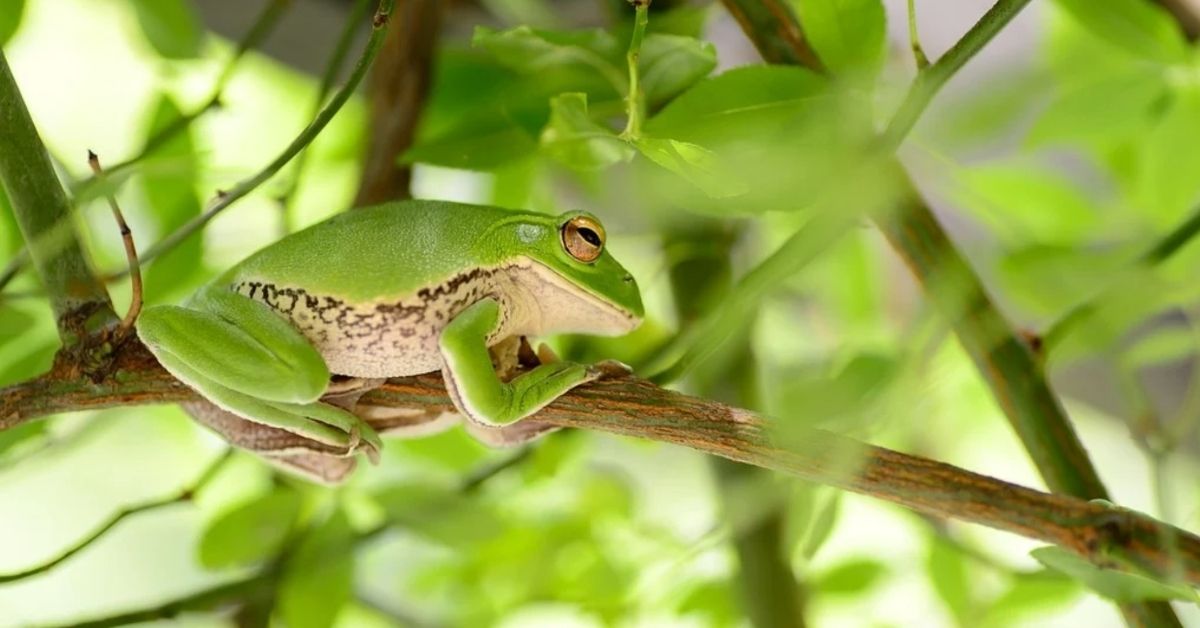
A new study identified a novel virus, which has impacted over 500 amphibian species. The discovery could revolutionize conservation for frogs and toads.
Biologists surveyed a Cambodian mangrove forest, finding 700 species and highlighting mangroves' crucial role in biodiversity conservation amid widespread loss.
Netflix's latest nature docu-series is narrated by Cate Blanchett and explores the wondrous connections between species and ecosystems across the globe.