Sustainable stories of progress for the planet
Your weekly roundup of the best good news worth celebrating...
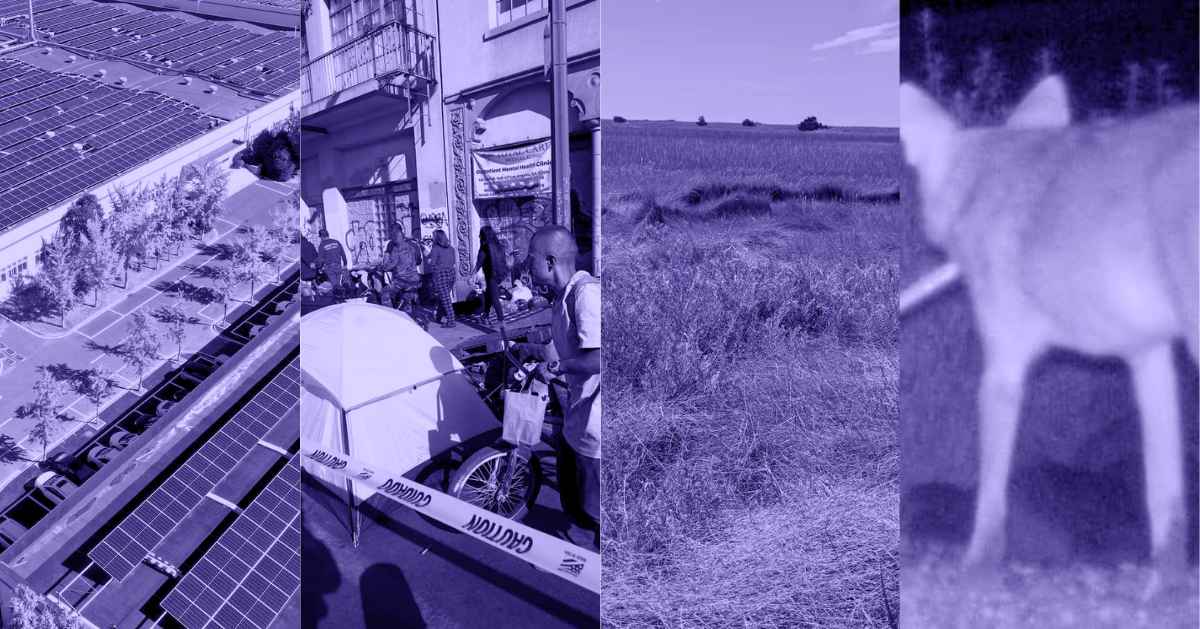
The farmers behind the popular documentary, “The Biggest Little Farm,” spent a fortune to keep gophers at bay. Then they let predators step in.
Democrats swept Congress and won in the states. Here are the races that matter most for decarbonization, disasters, and data centers.
Composting is not just commonplace in South Korea, it’s mandatory.
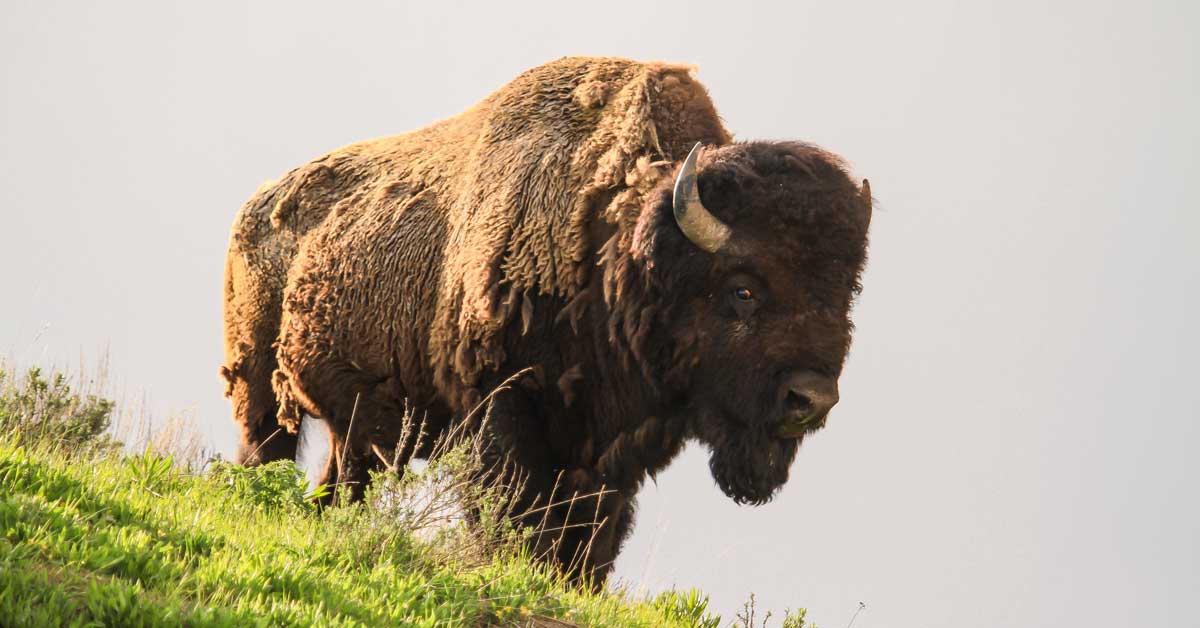
The video was taken by a lucky Yellowstone wildlife guide who caught the moment on film.
The Selfie Control filter keeps visitors from getting too close to wild animals.
Animals like bison and elk will treat domestic dogs like wolves when encountering them in the wild.
Read the pledge for the all-new American Climate Corps. The novelist explains why she wrote it.
A new study shows the potential to use sea lion-mounted cameras to better study the ocean floor — and sea lions themselves.
The structures — called "monoliths" — were surprisingly found to be more effective after multiple uses, making them a reusable and affordable water treatment option.
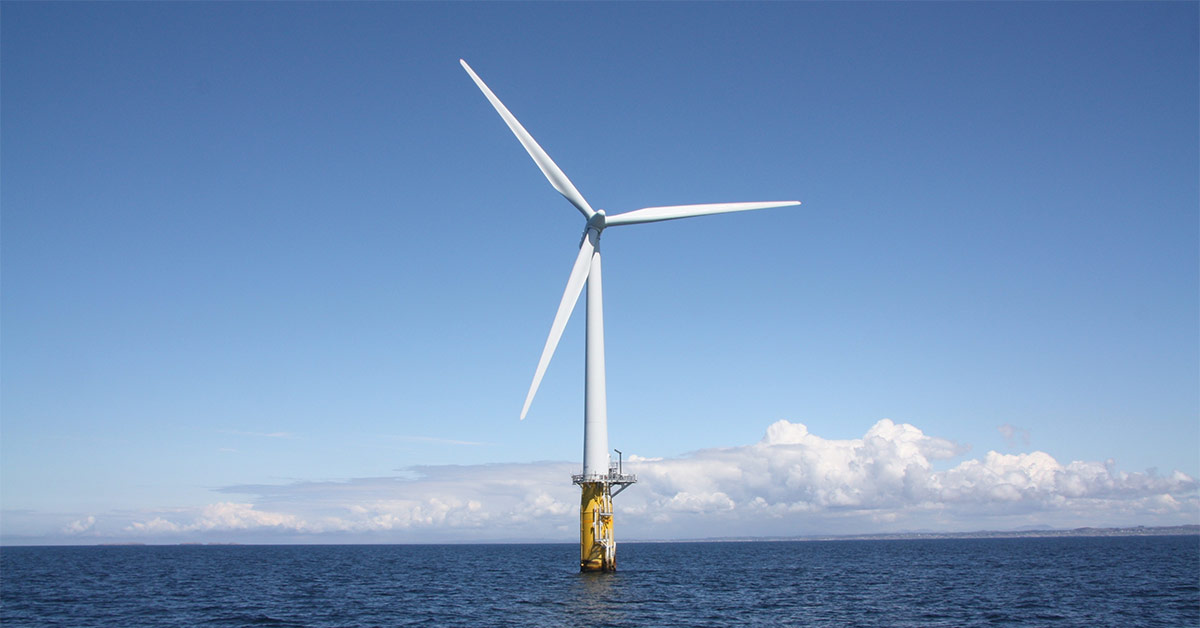
If voters decide in November to keep the cap-and-invest program, the state has plans that could bring the technology to its coastal waters.
In 2020, over 40 Kichwa women began organizing themselves to defend their territory and expel mining from the Ecuadorian Amazon. This is how Yuturi Warmi, the first Indigenous guard led by women in the region, began.
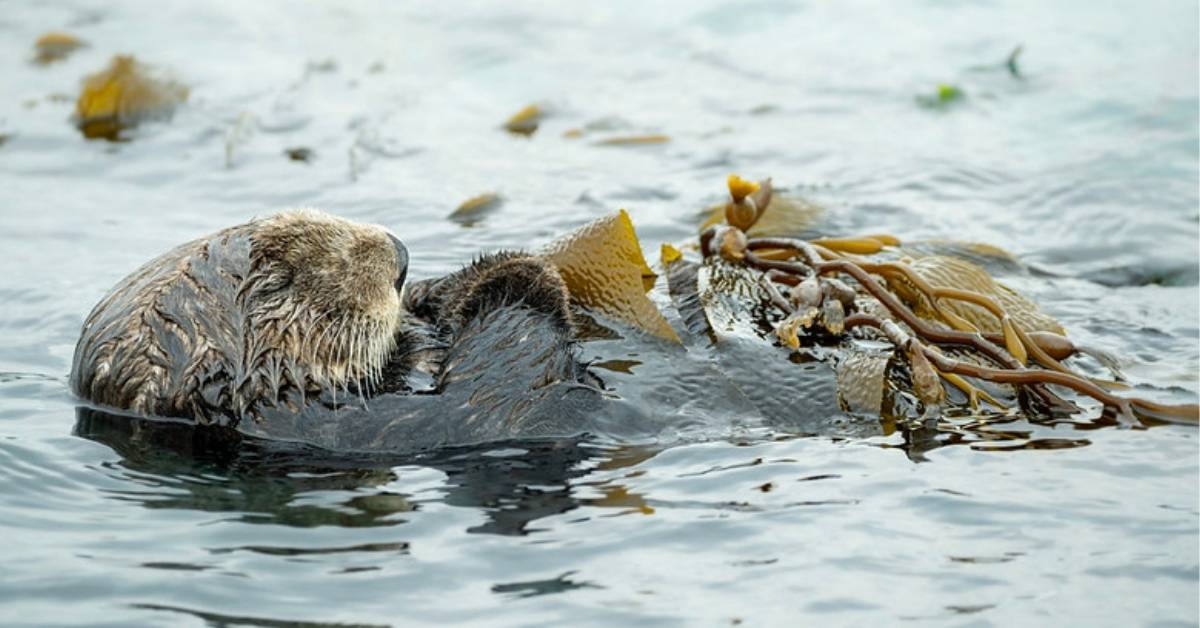
Just by eating sea urchins and destructive shellfish, sea otters are keeping kelp forests healthy and coastal erosion at bay.
The foot long reptile, with a yellow ‘collar,’ was first discovered in 1896.
Using five tiny satellites, researchers will begin building a real-time database of animal migration from space.
The ultimate calendar of August’s awareness days, national months, and more...
The technology utilizes wind propulsion more effectively than other sail designs.
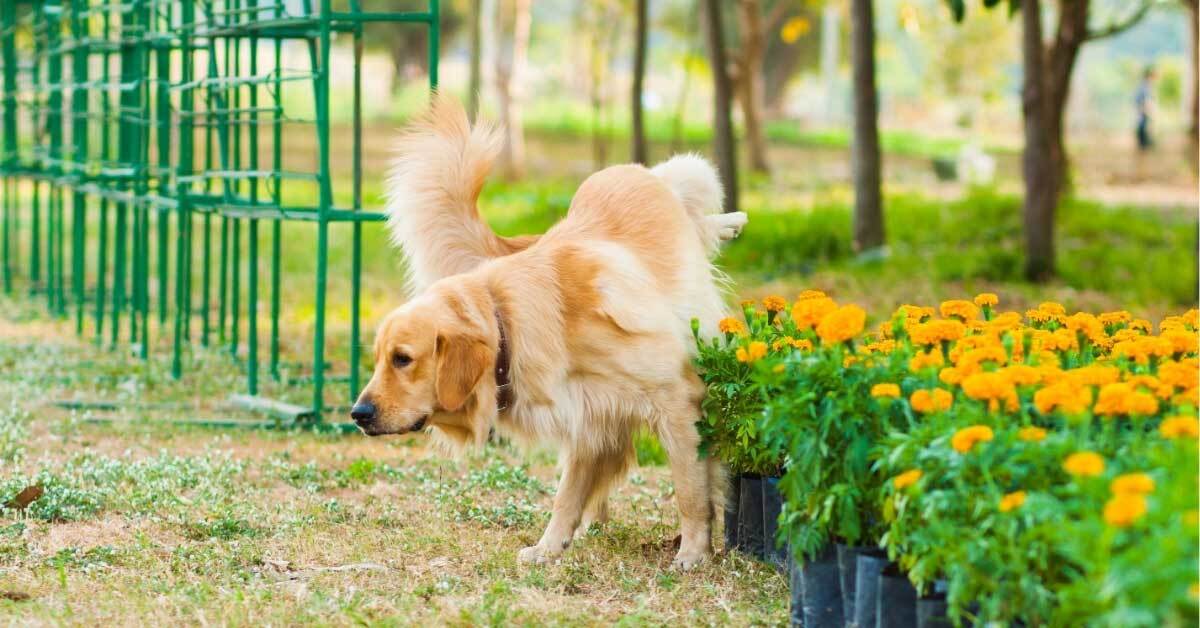
The simple invention helps streamline where pups go potty near lawns and gardens.
Keeping people in cities healthy, especially in poorer neighborhoods, is challenging. One simple, effective, and scientifically proven prescription for better health is planting more trees.
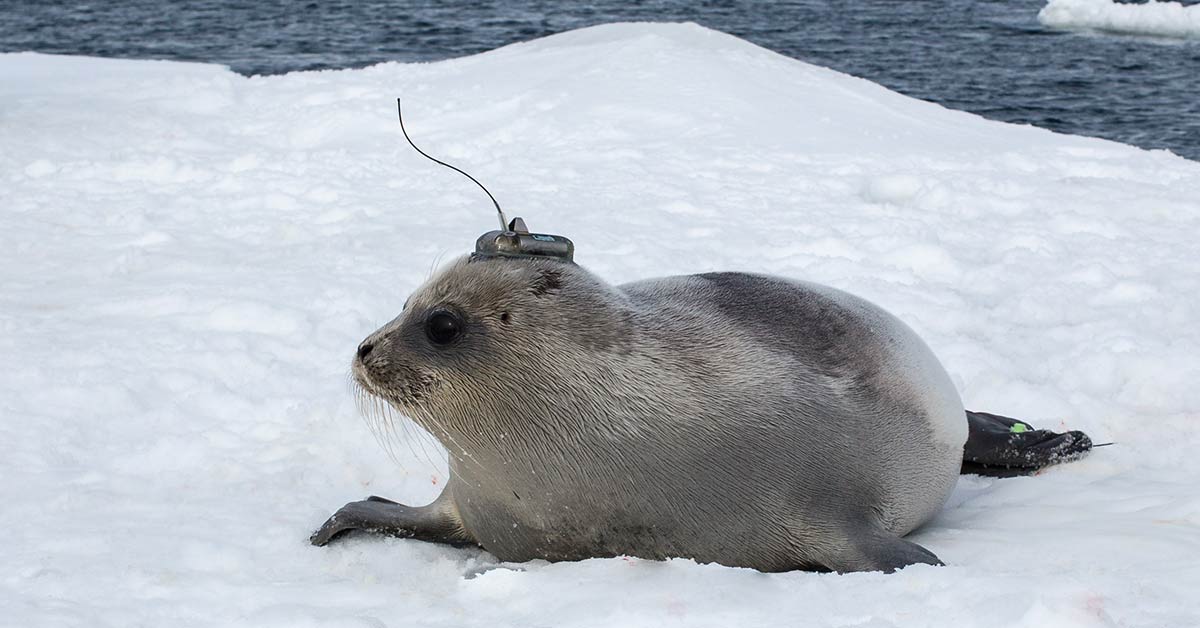
A surprising technique has helped scientists observe how Earth’s oceans are changing, and it’s not using specialized robots or artificial intelligence. It’s tagging seals.