People, governments, and organizations are addressing housing insecurity, homelessness, and affordable housing
Your weekly roundup of the best good news worth celebrating...
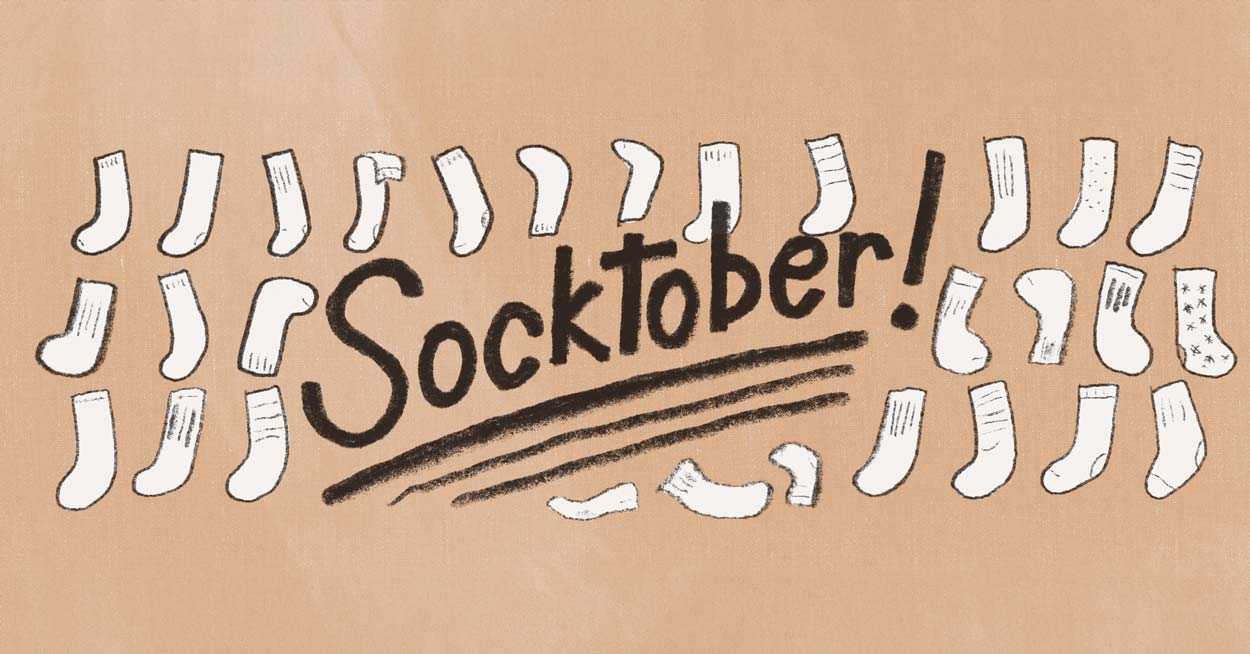
Brad Montague founded Socktober in 2011 thanks to a nudge from a few middle school students. After learning that a concerning number of neighbors were living on the streets, these kids were eager to help in a tangible way.
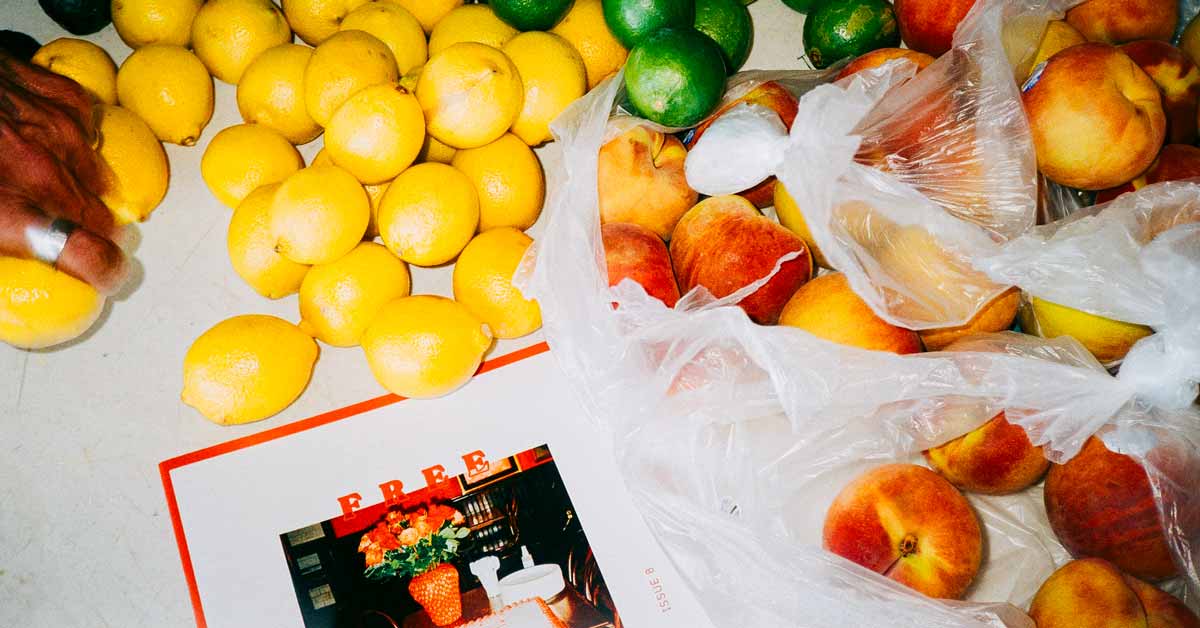
A group of creative activists in Austin creates a quarterly zine to fund the distribution of daily meals to the city's homeless community.
It’s important that we all play a role in helping people experiencing homelessness through community care, systemic action, and everyday kindness.
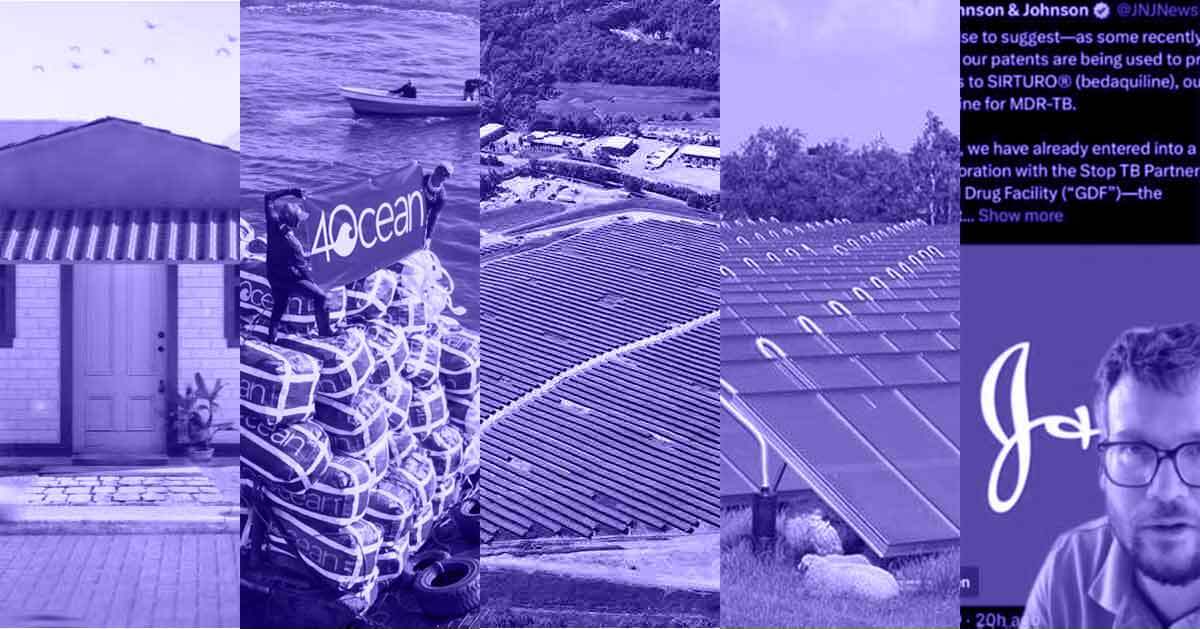
Following deadly earthquakes in early 2023, shipping containers have proven to be a way to quickly provide housing to front line workers.
Using used diapers as a building material could reduce landfill waste and lower housing costs.
A company in Kenya and Ethiopia takes 45,000 kilograms of plastic waste from landfills every day and turns it into houses.
A first-of-its-kind 'hygiene locator' is making it easier for people to find free hygiene supplies near them.
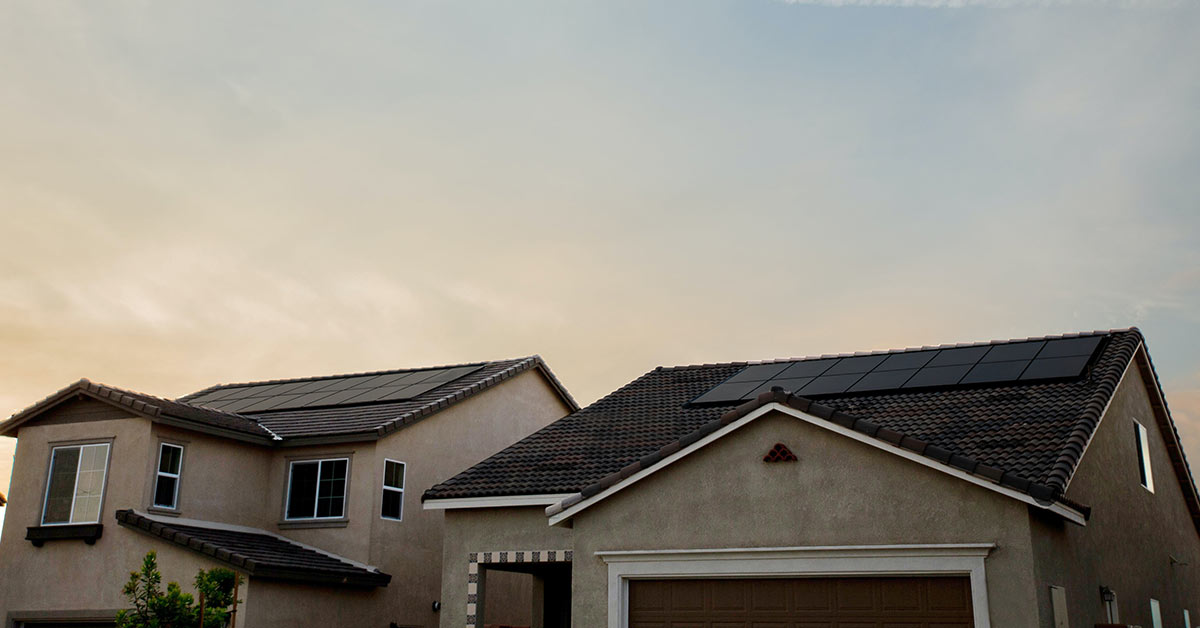
As of 2021, there is enough solar capacity installed in the country to power 23 million American homes. To get a bead on this clean energy trend, we have investigated how solar home energy has grown in the U.S. over time.
Walla Walla is making a push to become the first community in the nation to end youth and young adult homelessness.
While four-year graduation rates for homeless students ticked up steadily across Washington state since the 2014-15 school year, they jumped 15 percentage points in North Thurston.
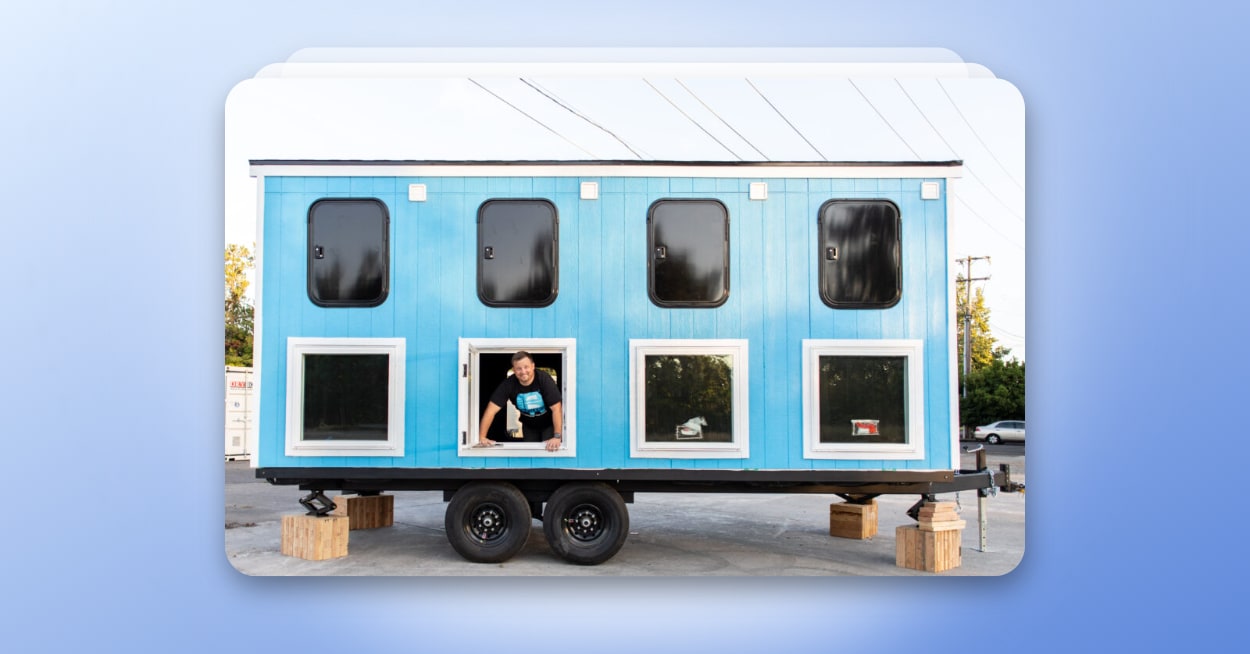
The Sleep Trailer aims to provide transitional support to folks experiencing homelessness and get them on their way to long-term stability.
Foo Fighters frontman Dave Grohl brought his love of barbecue to 500 homeless Los Angeles community members, to fight food insecurity.
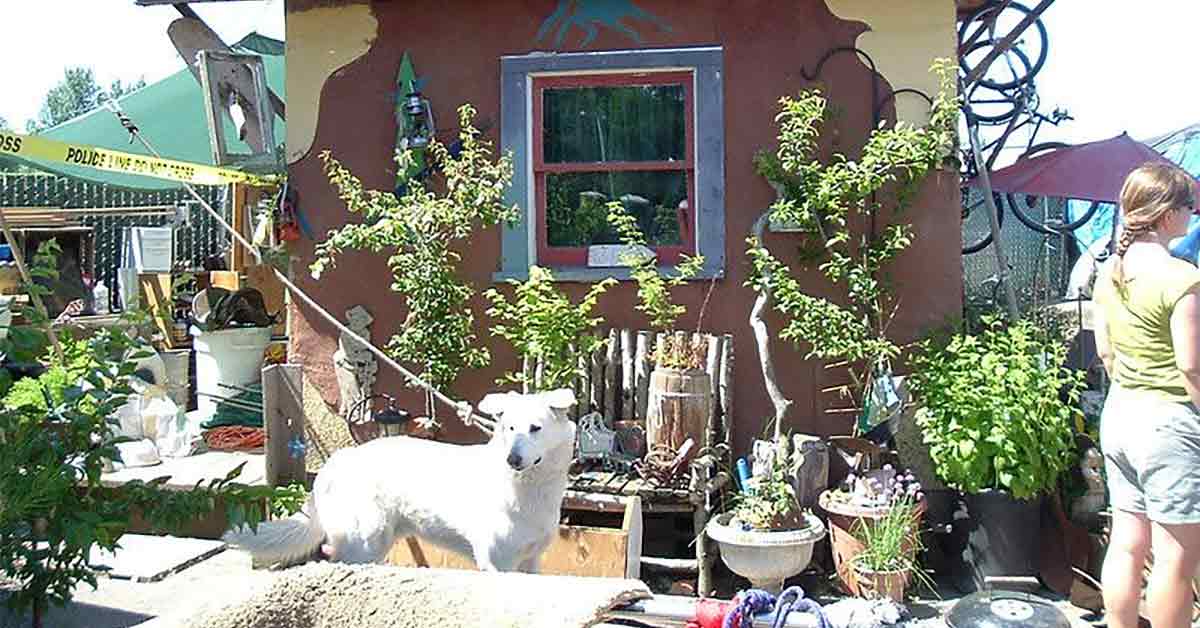
Leaders of the 20-year-old self-run community, sanctioned by the city of Portland, say it’s reached stability. The city’s aggressive new camping ban could throw that into disarray.
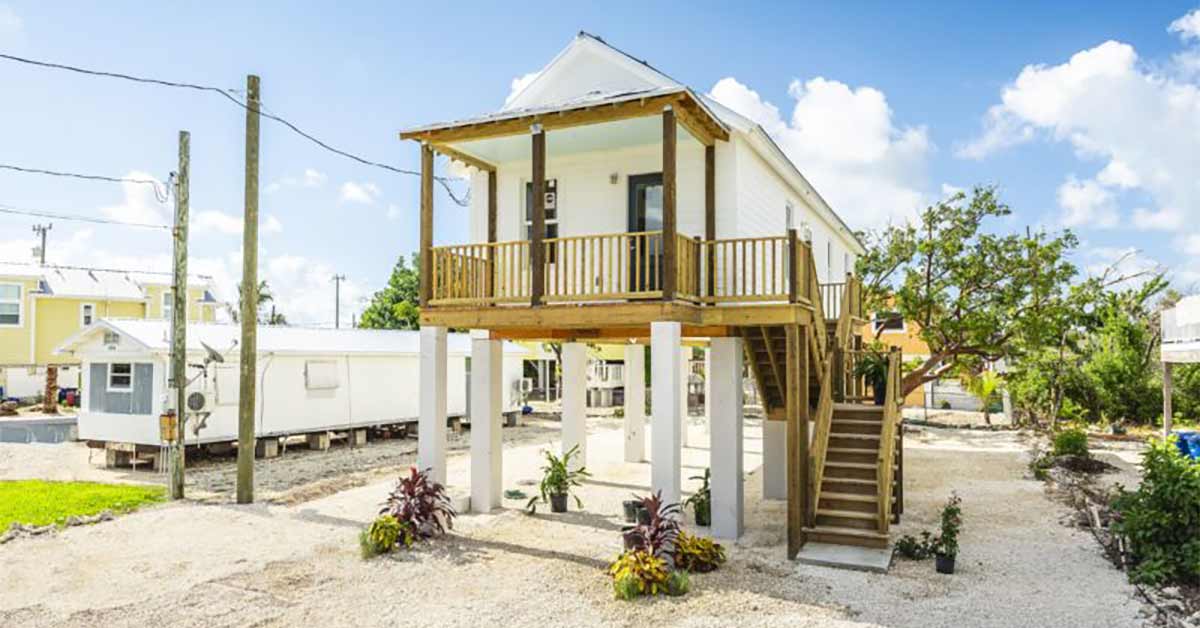
A growing number of community land trusts are readying their housing stock for the next climate-related disaster.