Good news about
Stories About Using Technology and Innovation To Make a Difference
Your weekly roundup of the best good news worth celebrating...
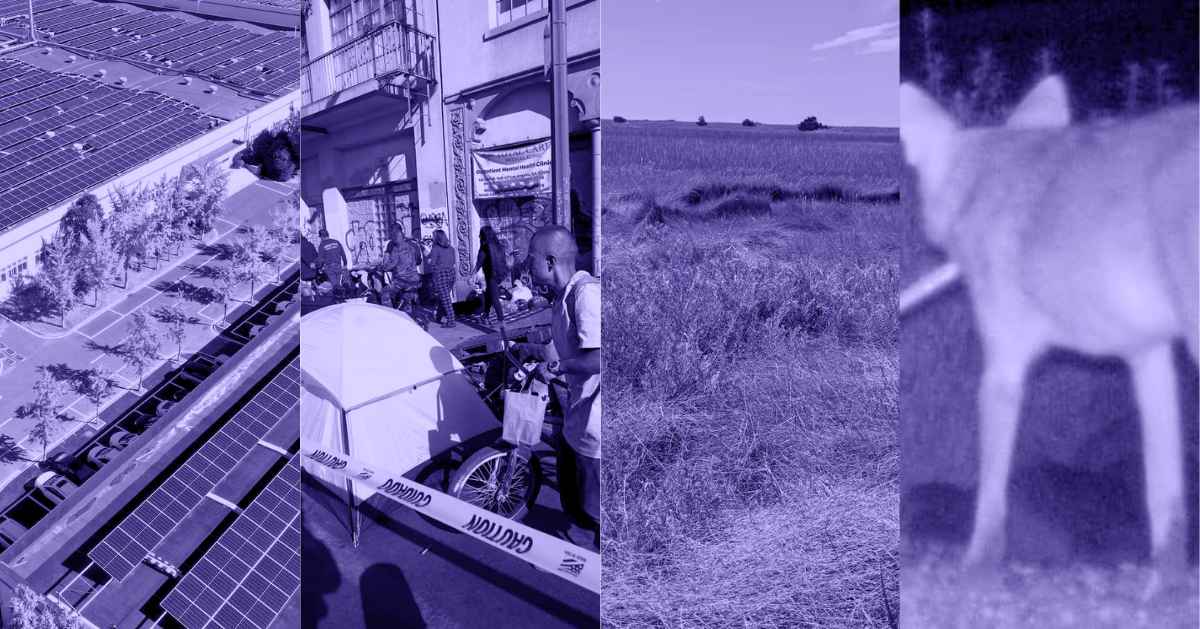
October 2026’s best good news, ranked by 5 million Instagram views. See the top 16, led by a bill that would ban Flock cameras nationwide.
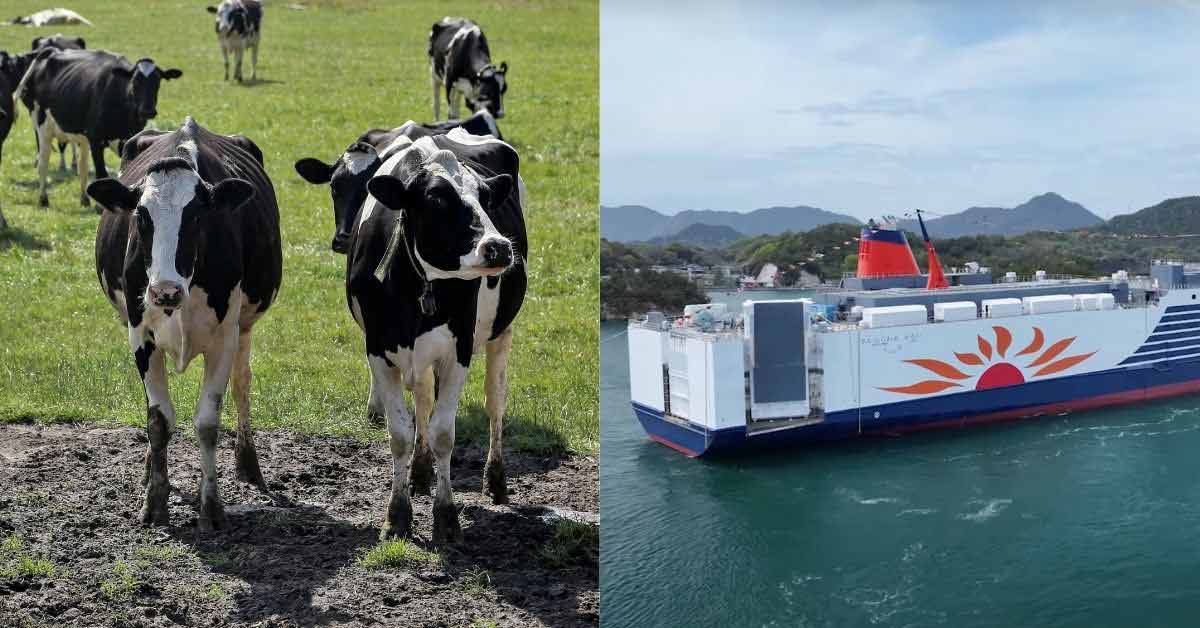
Sourcing biogas from local dairy farms, this initiative could reshape the maritime industry and help achieve Japan’s goal of net-zero emissions by 2050.
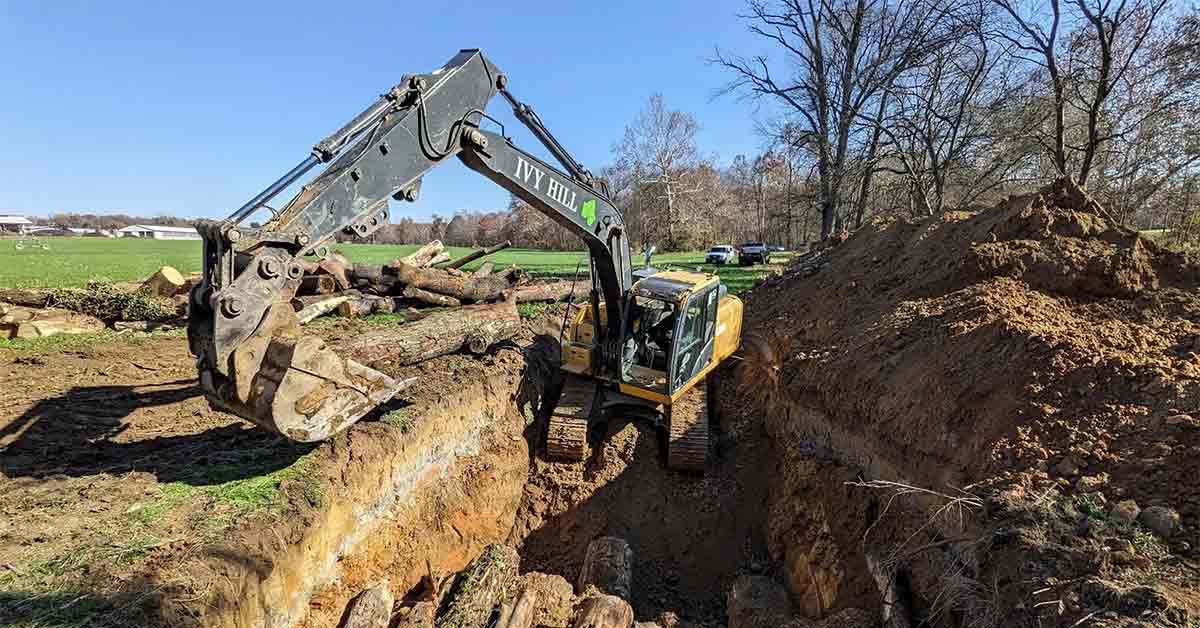
Forests throughout the West are overgrown and full of flammable vegetation, fueling wildfires and carbon emissions. Could burying it help solve the problem?
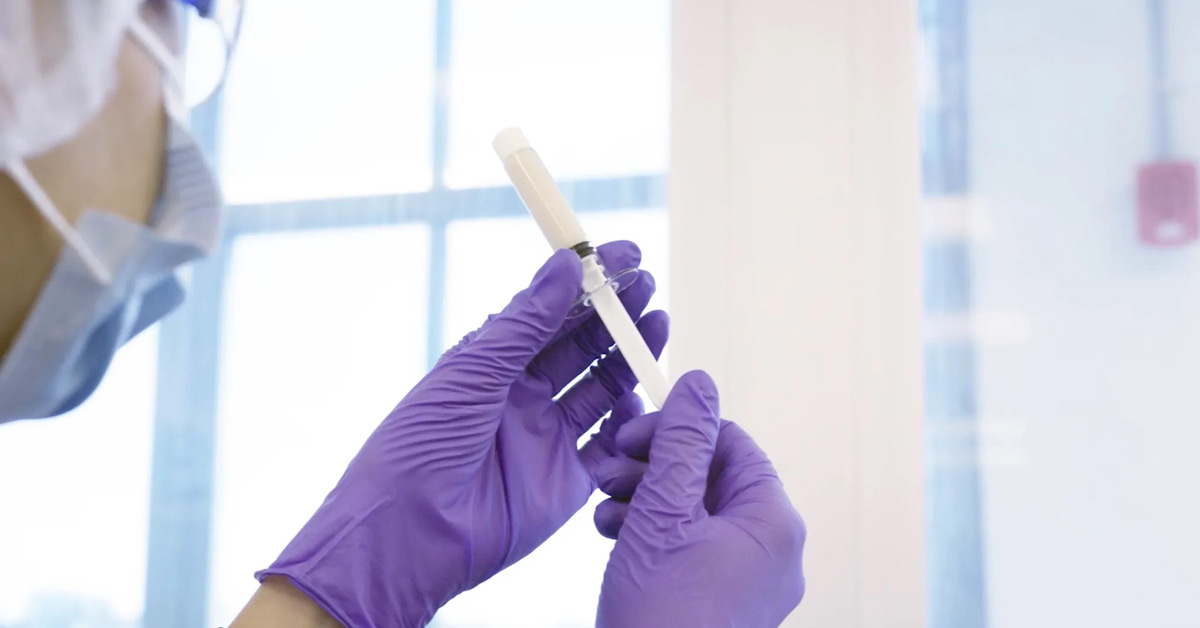
The device is safer than other treatments, working faster for patients, and keeping medical professionals from direct contact with wounds.
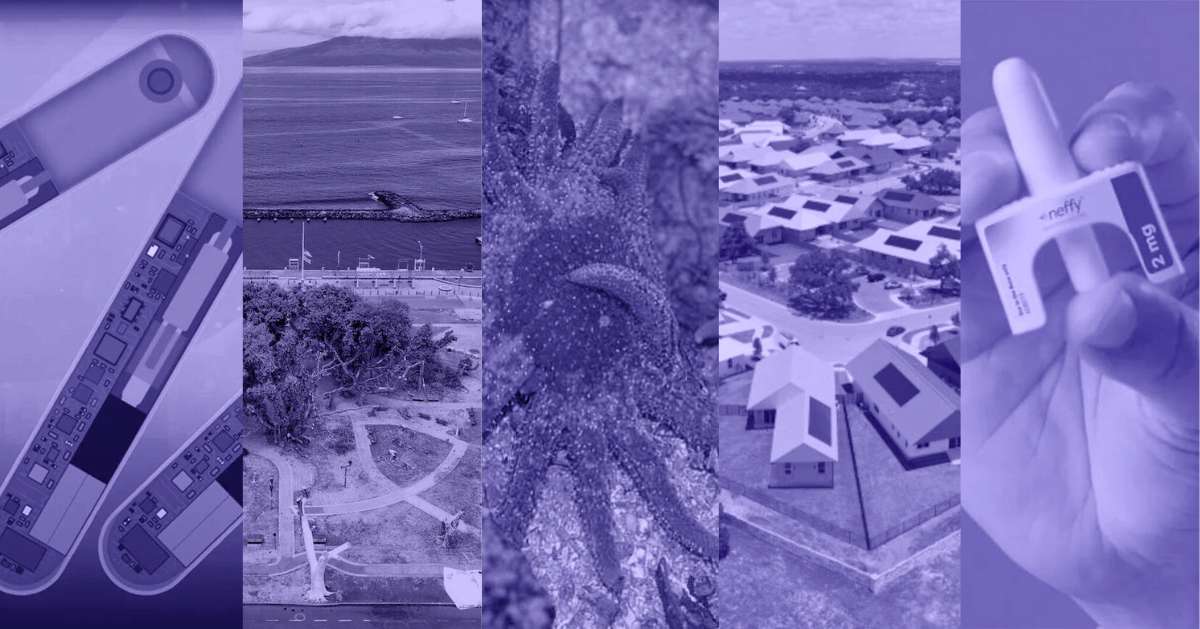
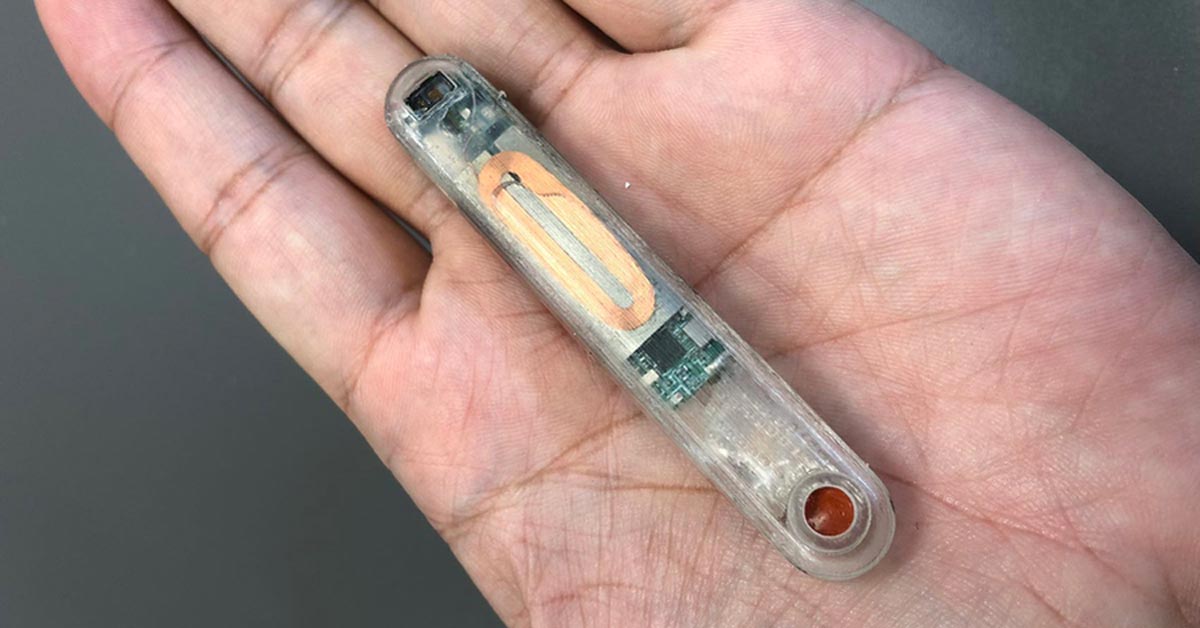
The iSOS sensor saw a 96% success rate in reversing opioid overdoses in the initial study.
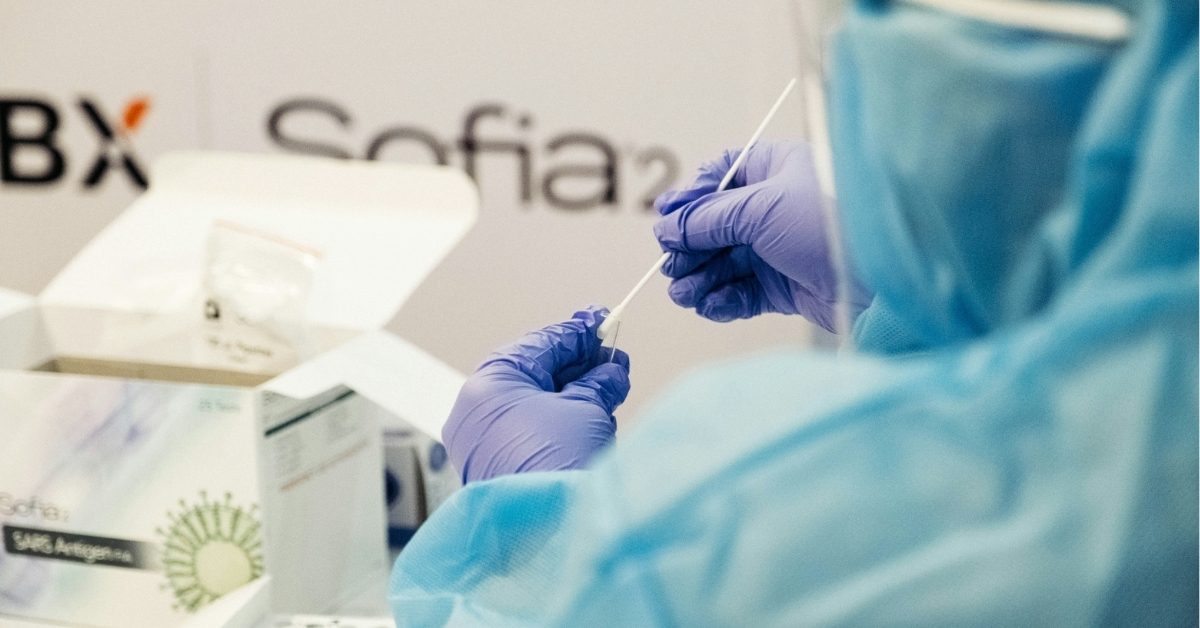
Throughout the pandemic, one of the key questions on everyone’s mind was why some people avoided getting COVID, while others caught the virus multiple times.
The bandages were found to mend wounds faster than conventional methods in animal testing.
In a recent case study, the method was shown to remove 99.2% of PFAS from water every day for six months.
A new study shows that Bhutan has the potential to sequester 68% of its greenhouse gas emissions through biochar, a carbon-rich material made from organic waste that is used to help plants grow.
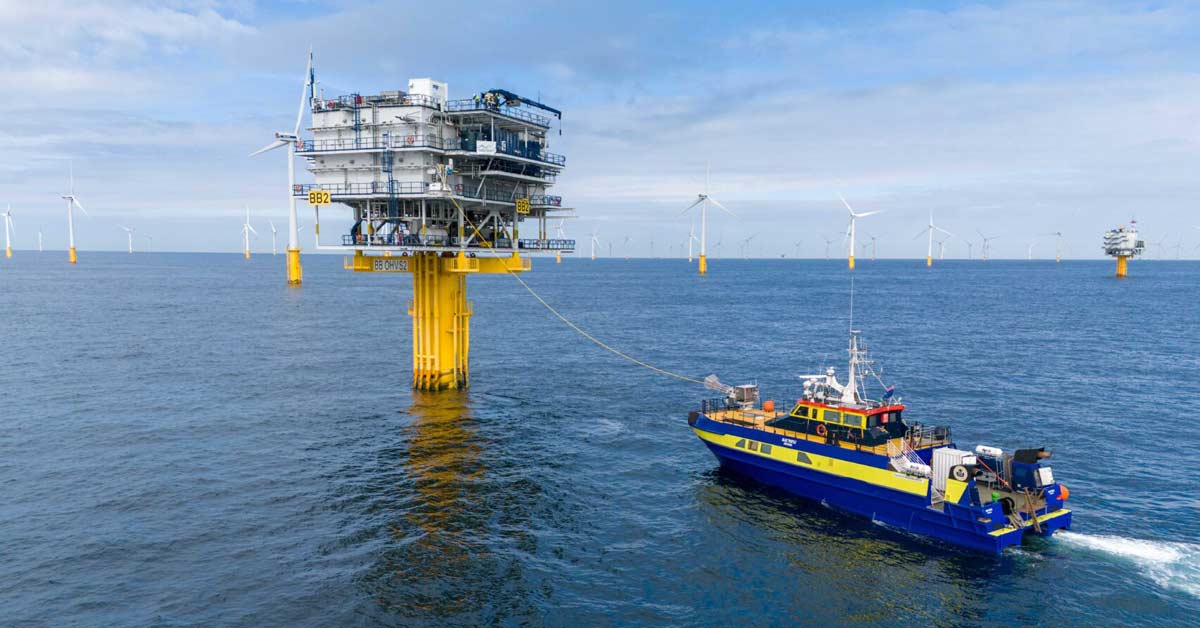
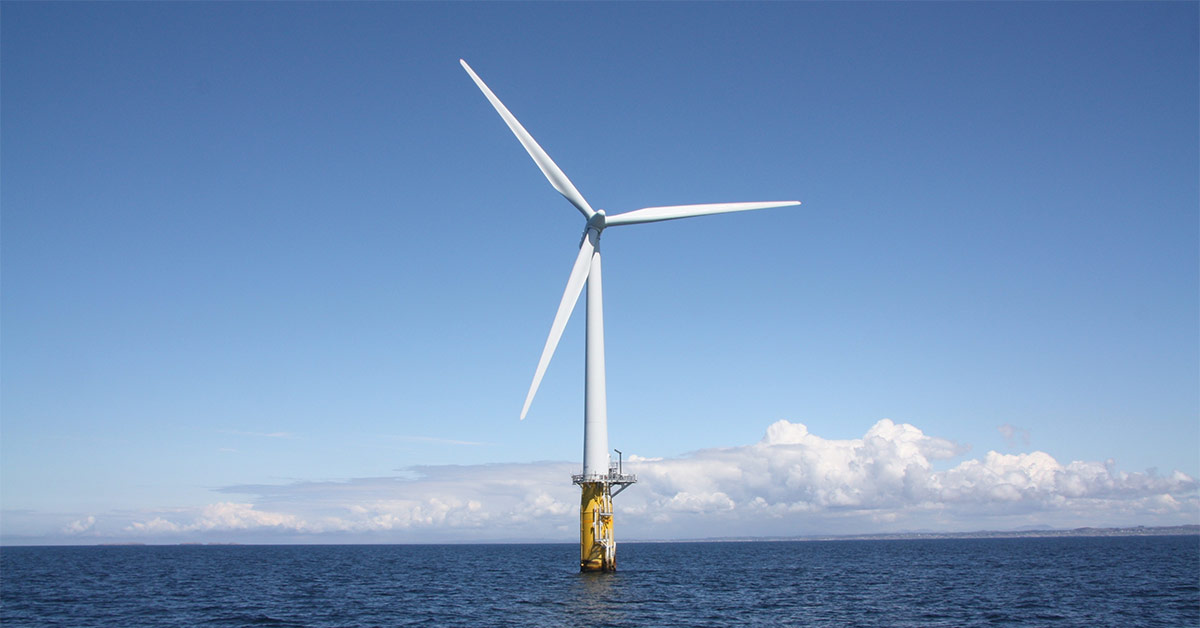
A world-first wind-powered electric ship-charging station debuted in the Belgian North Sea, hoping to reduce atmospheric pollution.
The Selfie Control filter keeps visitors from getting too close to wild animals.
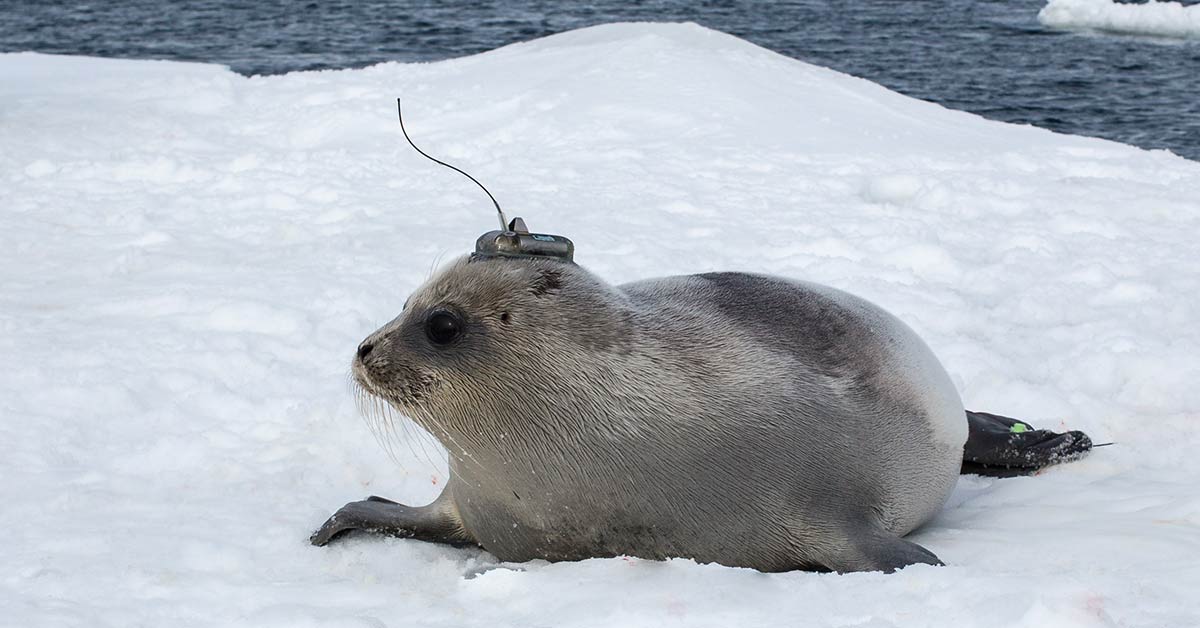
A new study shows the potential to use sea lion-mounted cameras to better study the ocean floor — and sea lions themselves.
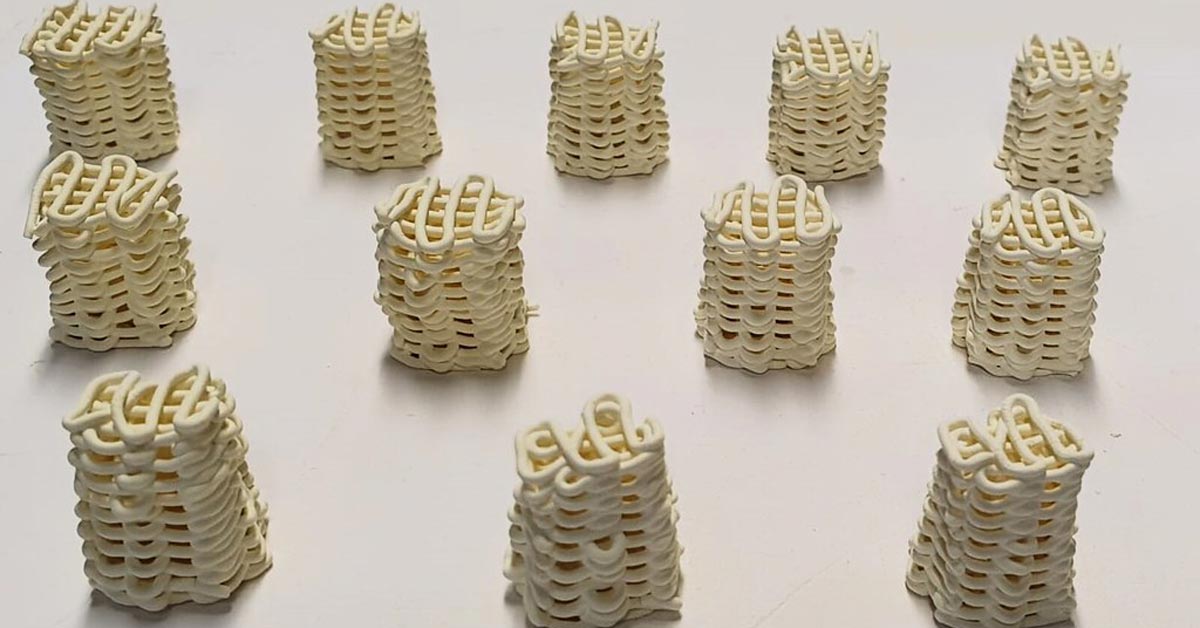
The structures — called "monoliths" — were surprisingly found to be more effective after multiple uses, making them a reusable and affordable water treatment option.
If voters decide in November to keep the cap-and-invest program, the state has plans that could bring the technology to its coastal waters.
Using five tiny satellites, researchers will begin building a real-time database of animal migration from space.
The technology utilizes wind propulsion more effectively than other sail designs.
A surprising technique has helped scientists observe how Earth’s oceans are changing, and it’s not using specialized robots or artificial intelligence. It’s tagging seals.