Good news about
Stories About Using Technology and Innovation To Make a Difference
Your weekly roundup of the best good news worth celebrating...
October 2026’s best good news, ranked by 5 million Instagram views. See the top 16, led by a bill that would ban Flock cameras nationwide.
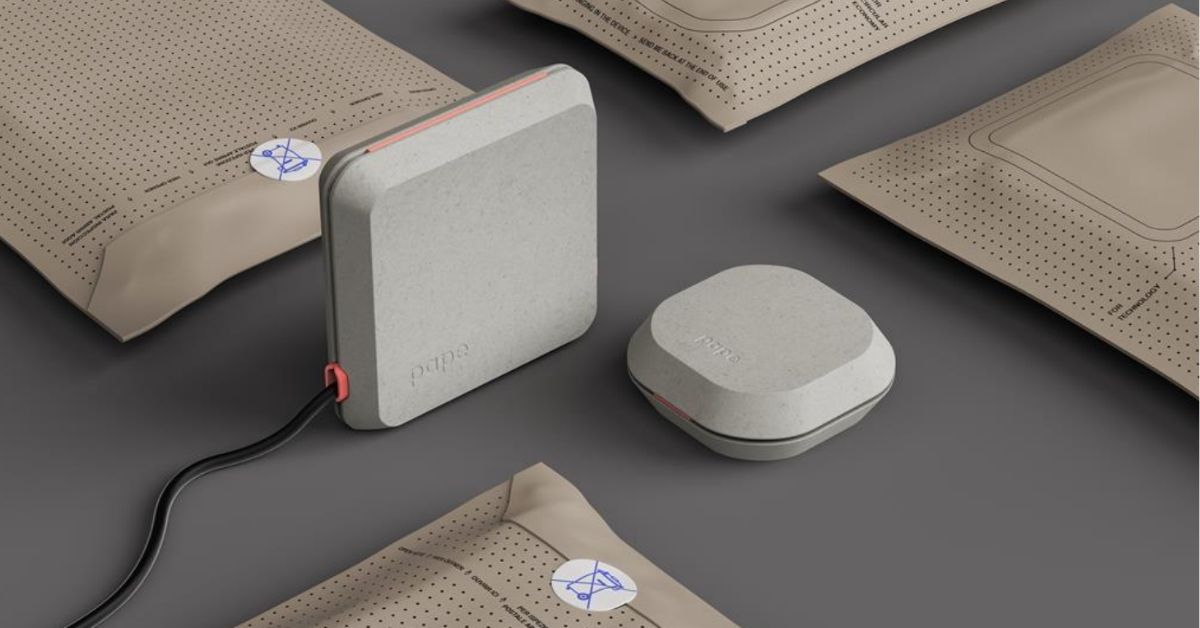
This recyclable router could revolutionize e-waste. We're still working on simplifying Wi-Fi passwords though.
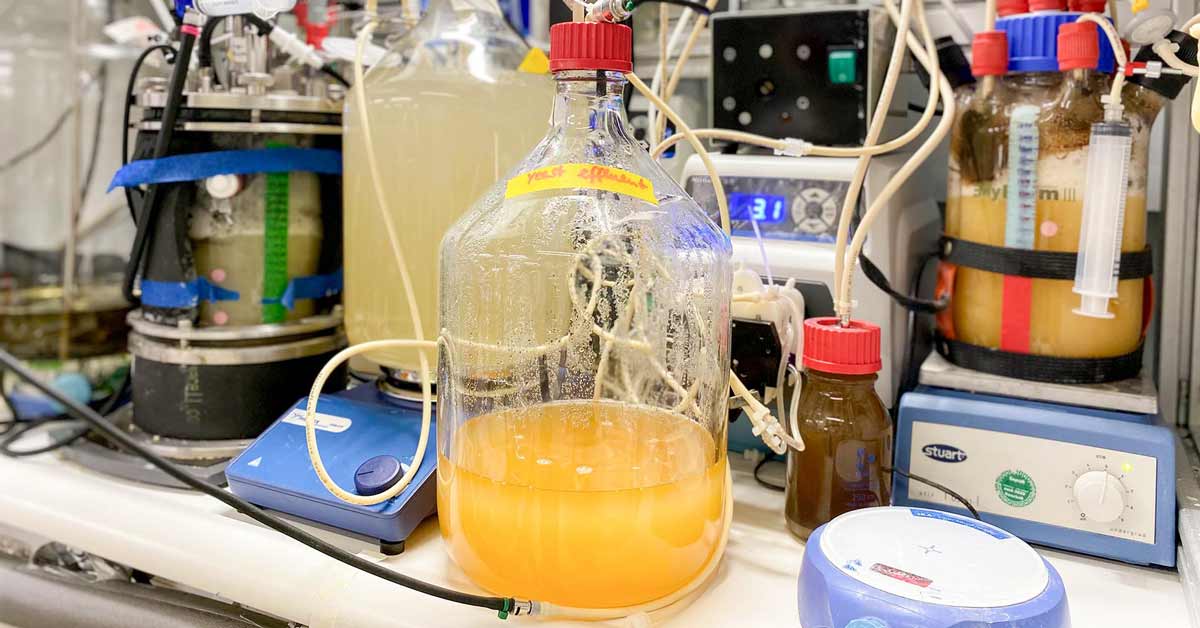
Made in a bioreactor system, the protein and nutrient-rich yeast could change food systems for good.
The groundbreaking device was designed by four students at the Royal College of Art and Imperial College London.
The technology had up to an 84% accuracy rate in detecting hypertension.
For years, thousands of untested rape kits have sat dormant.
More than 100 US cities have banned gas-powered leaf blowers. Not only do gas-powered leaf blowers create extreme noise pollution — the most powerful can produce sounds of up to 100 decibels of low-frequency noise.
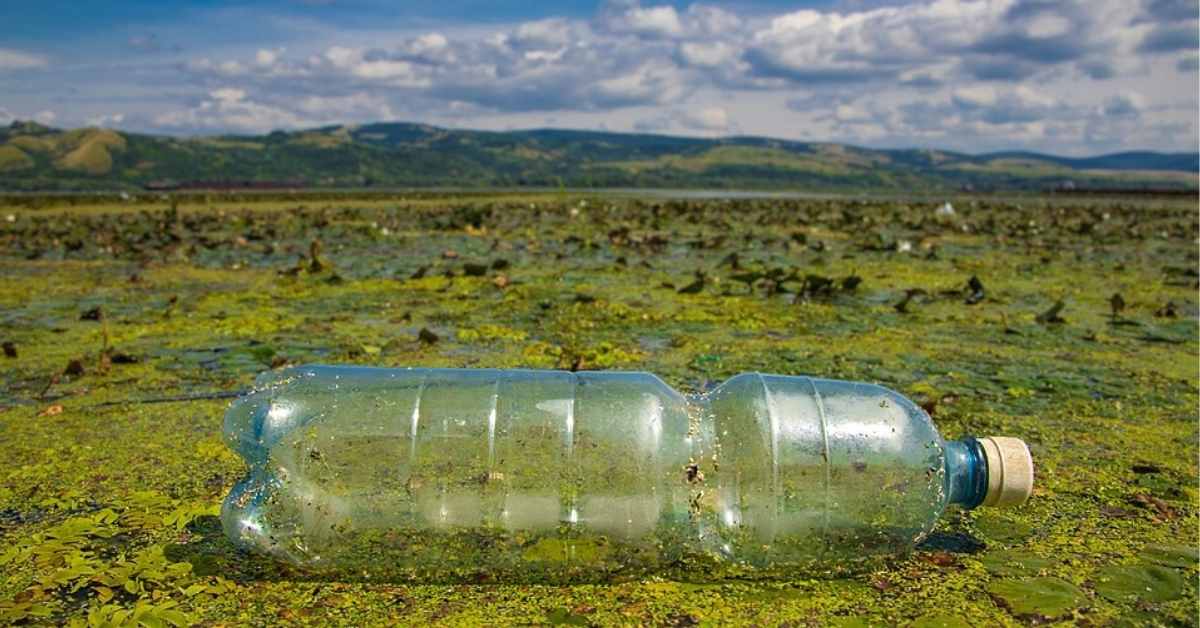
Plastics can take years — even lifetimes — to decompose. But scientists have a new solution in the works.
These highly productive man-made island-farms, which can be found floating on lakes across the south of Mexico's capital, date back to the time of the Aztecs or perhaps even earlier.
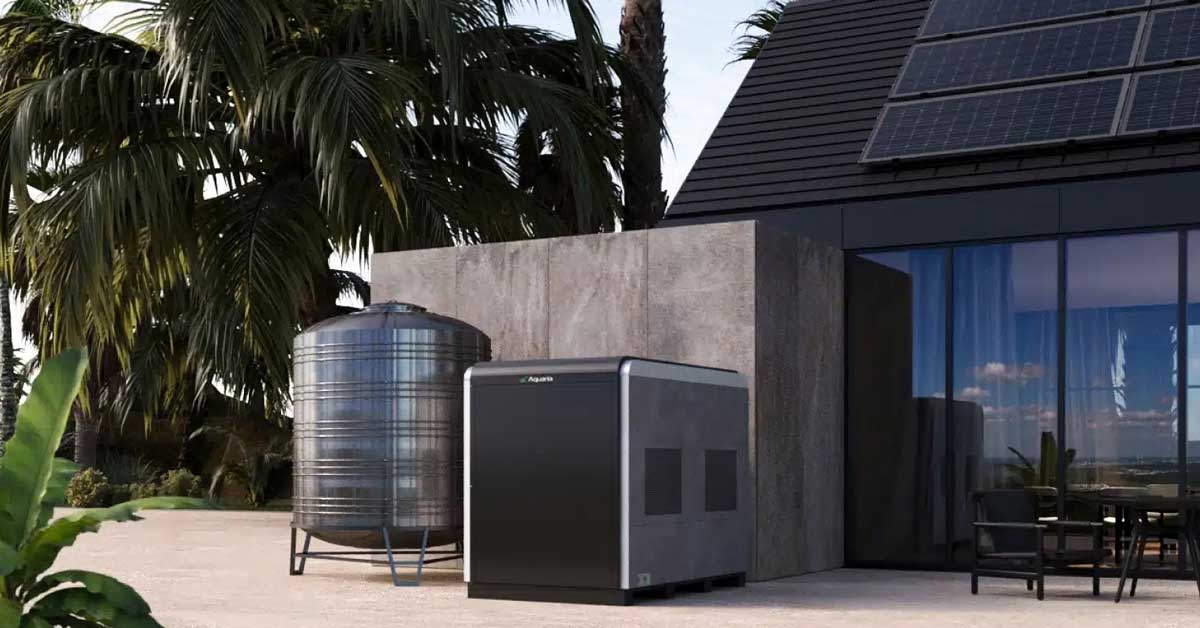
The generators use a heat exchange and condensation method to capture water, after which a filtration and sanitization process makes it potable for humans.
Food’s role in climate change has emerged as one of the defining challenges of our time. At the heart of this challenge is the prodigious use of fertilizers and a growing global population’s increasing demand for meat.
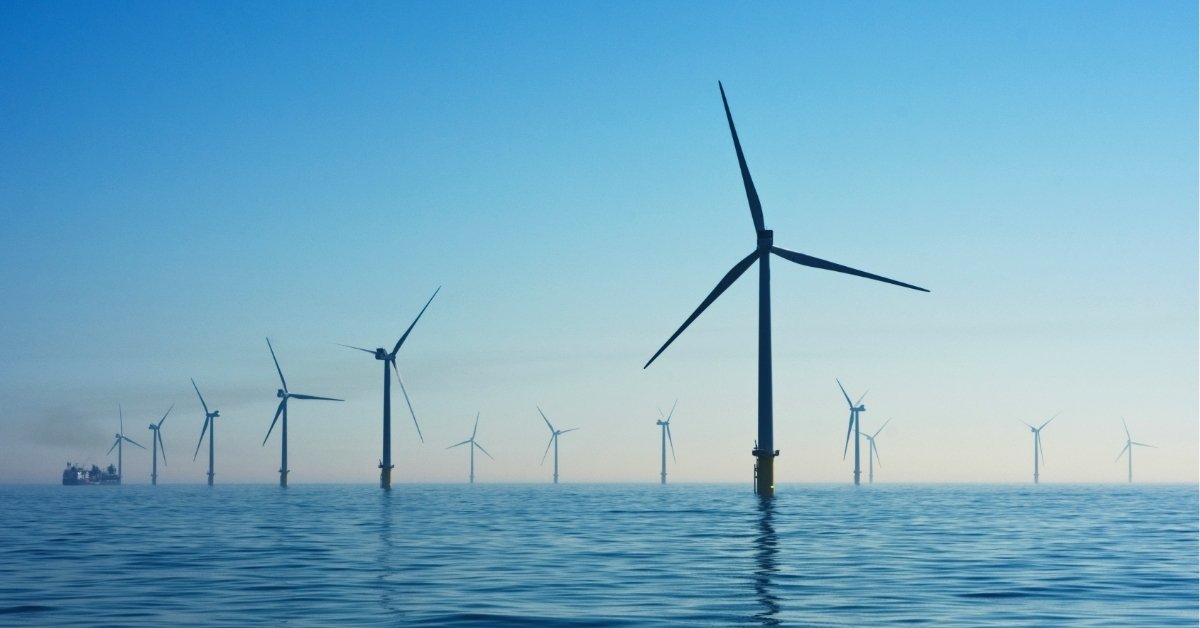
One study estimates wind farms just offshore could meet 11 times the projected global electricity demand in 2040.
Using an unconventional method that reduces mosquito populations, the critically endangered birds may have a fighting chance.
The toxin mimics a human hormone that regulates blood sugar and hormones.
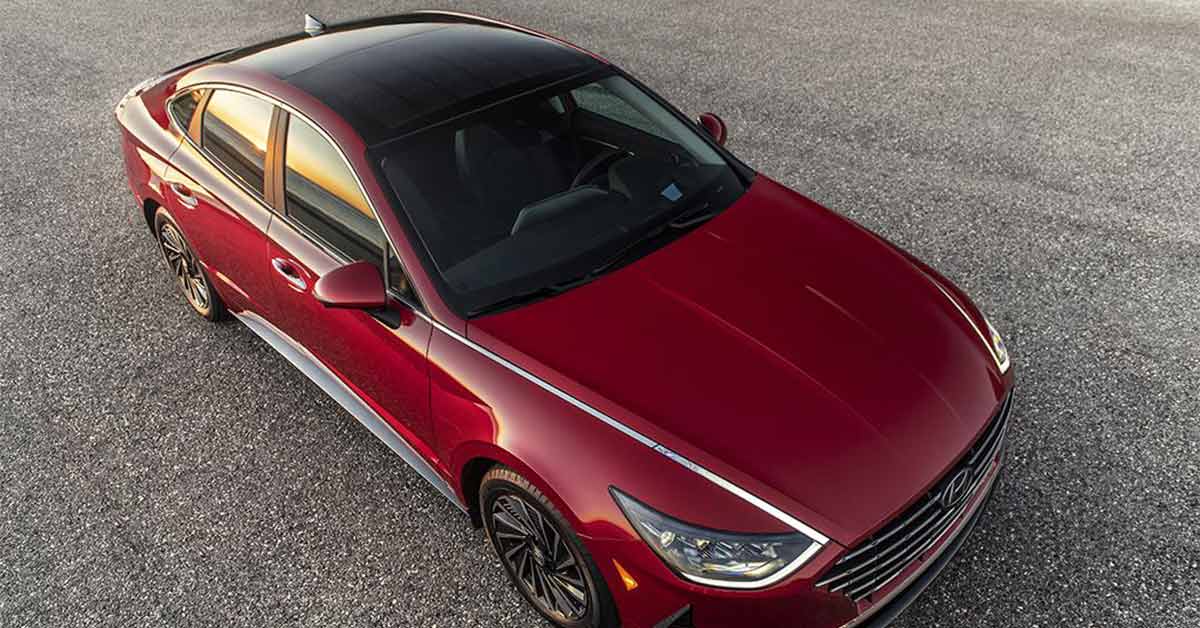
Solar panels aren't perfectly efficient technology, as much of the energy collected is lost to heat. Today's most efficient panels generate power from about 22.8% of the sunlight it collects.
The initiative will be followed by a national park-themed Apple Watch challenge, as well as the rollout of new trail-guiding features on Apple Maps.