Good news about
Stories About Using Technology and Innovation To Make a Difference
Your weekly roundup of the best good news worth celebrating...
October 2026’s best good news, ranked by 5 million Instagram views. See the top 16, led by a bill that would ban Flock cameras nationwide.
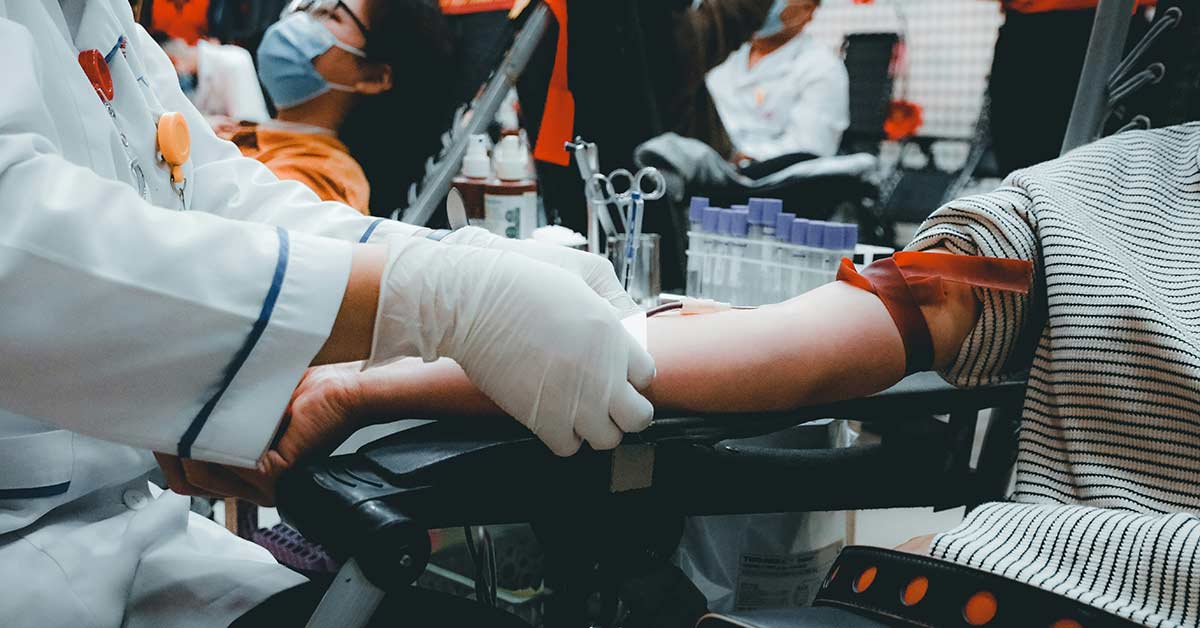
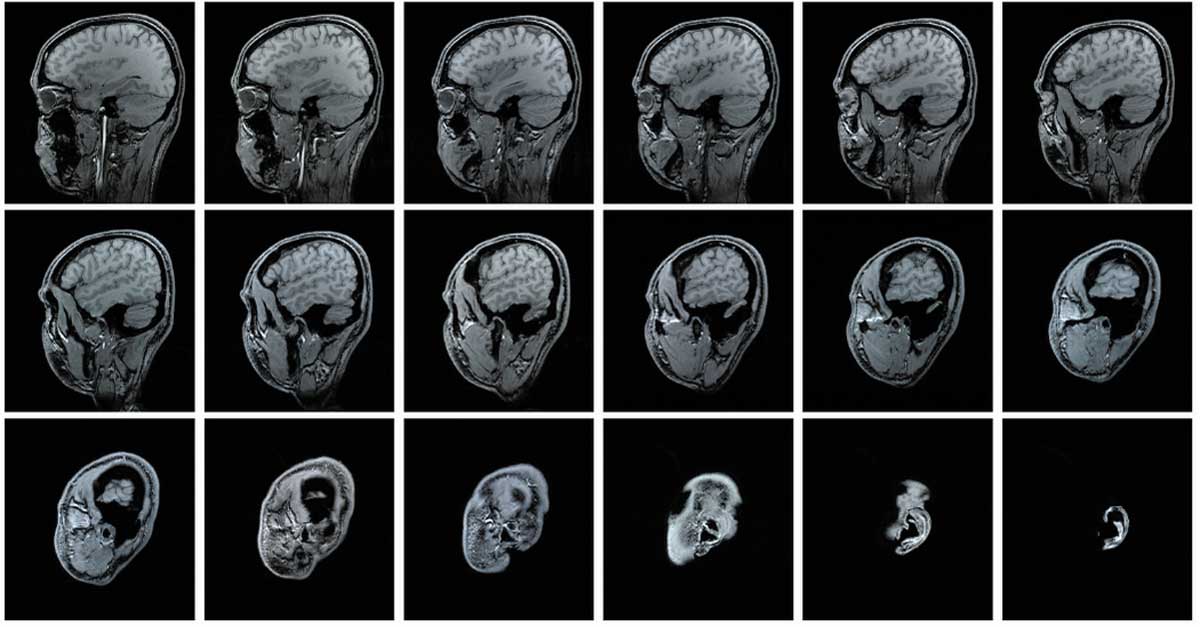
Scientists have discovered a blood test detecting specific proteins could predict dementia before a person receives an official diagnosis.
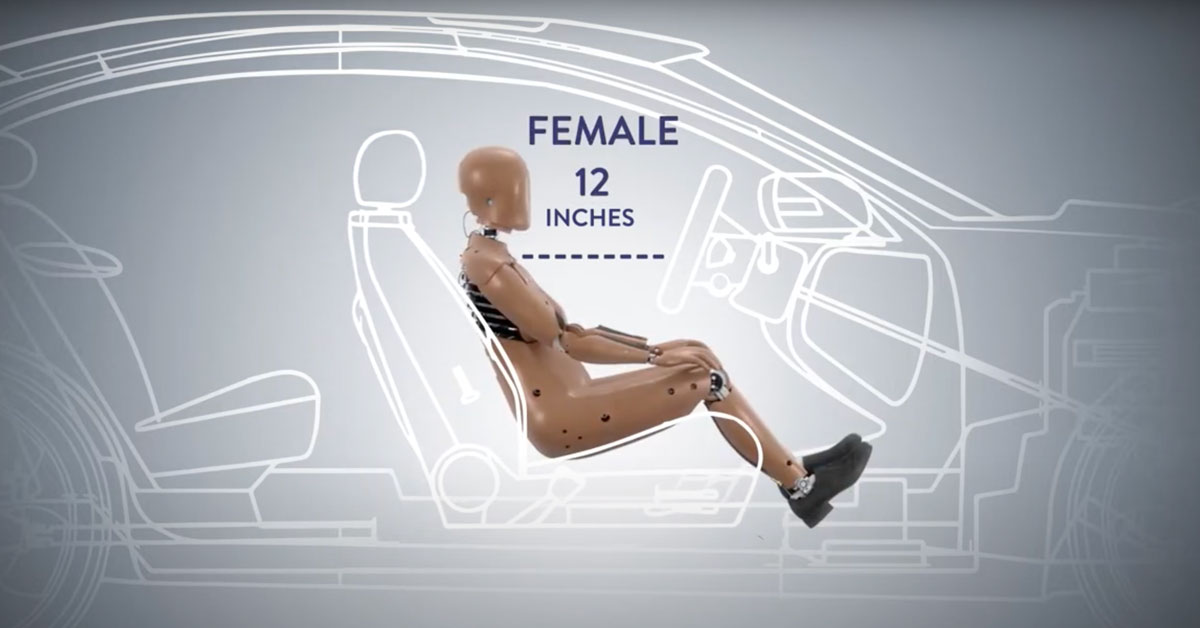
Outdated car safety research reveals that women endure more injuries in accidents compared to men, urging action to update crash test dummies.
With promising trial results and pending FDA approval, the Teal Wand aims to empower women with greater control over their health care.
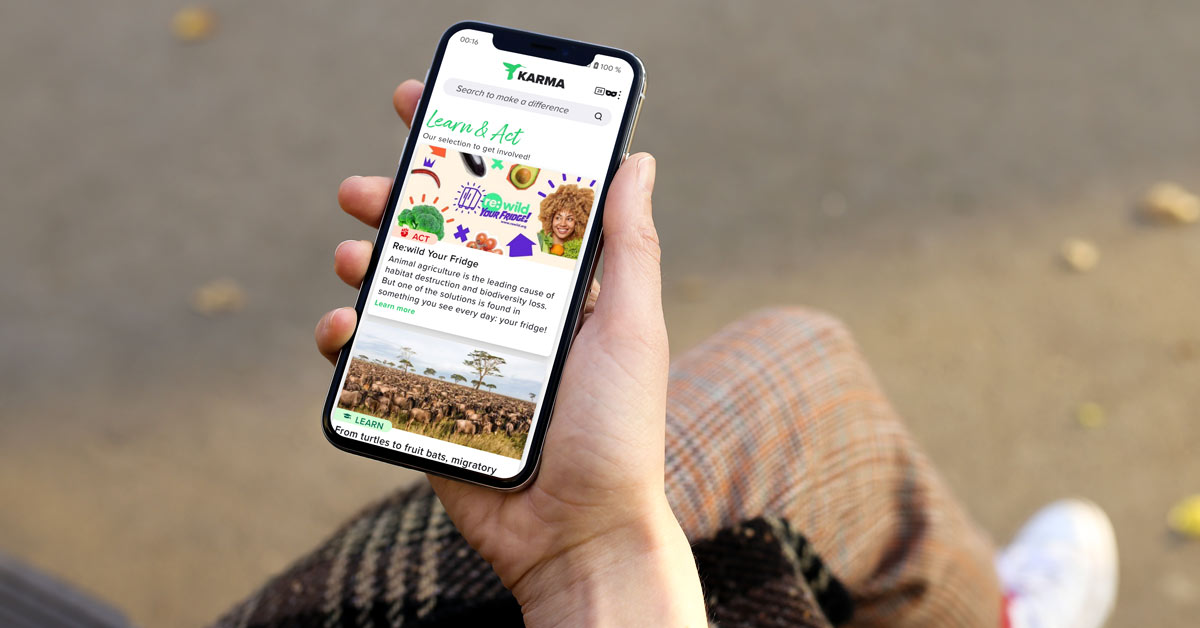
Conscientious web surfers and animal lovers can now search using Karma, a search engine that funds biodiversity efforts.
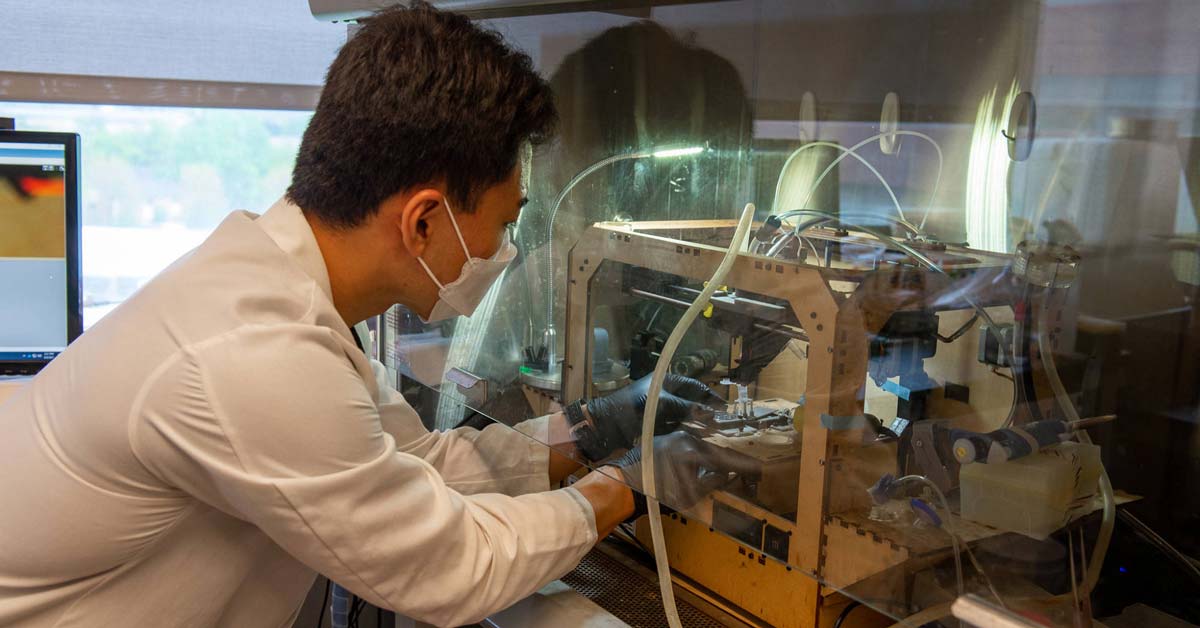
Penn State scientists may have unlocked a new frontier in bioprinting for reconstructive surgeries.
New AI breakthroughs are changing the accuracy and speed of diagnosis and treatment plans for patients around the world.
Caroline Herschel, the first English professional female astronomer, made contributions to astronomy that are still important to the field today. But even many astronomers may not recognize her name.
The Smithsonian American Women’s History museum is addressing Wikipedia's gender gap by hosting a free "Wikipedia Edit-a-thon" to create and edit articles about inspiring women.
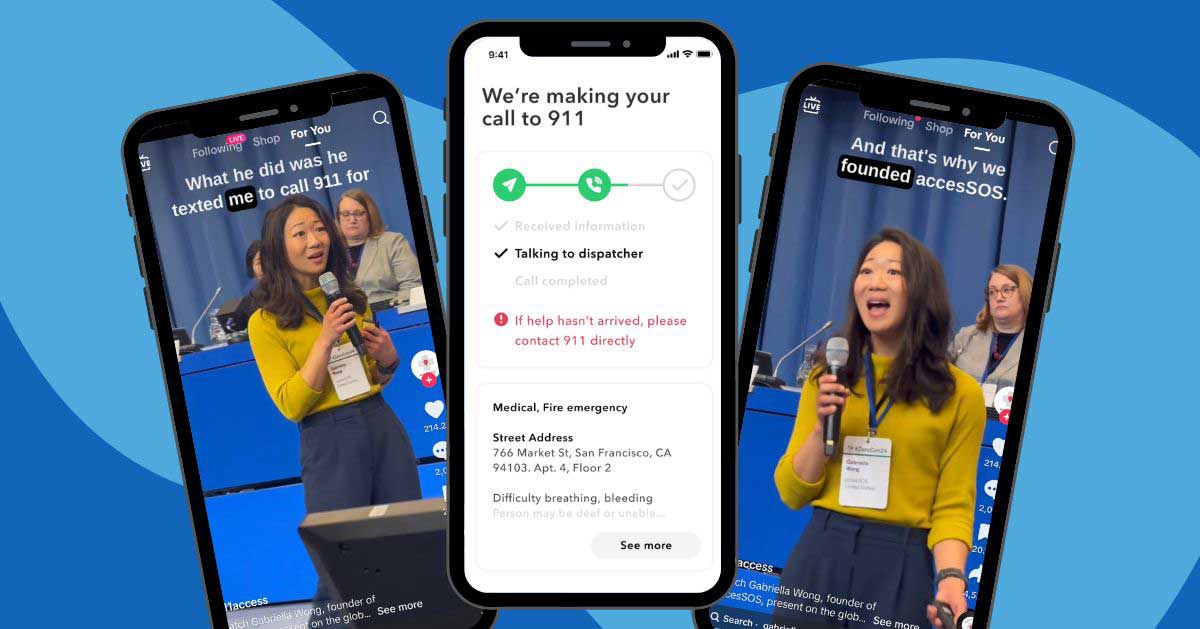
Gabriella Wong's viral speech highlights how outdated the American 911 emergency system is and how it can be changed with a groundbreaking new app.
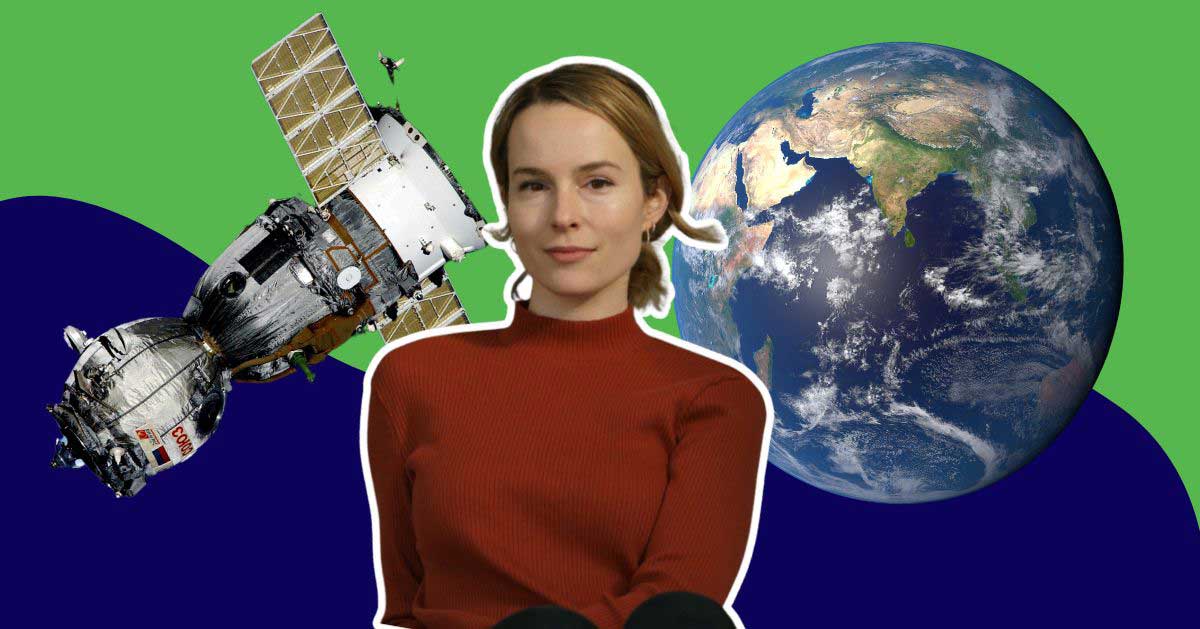
Former Disney star and singer Bridgit Mendler unveiled Northwood Space, a startup aiming to revolutionize satellite data collection by creating a data highway between Earth and space.
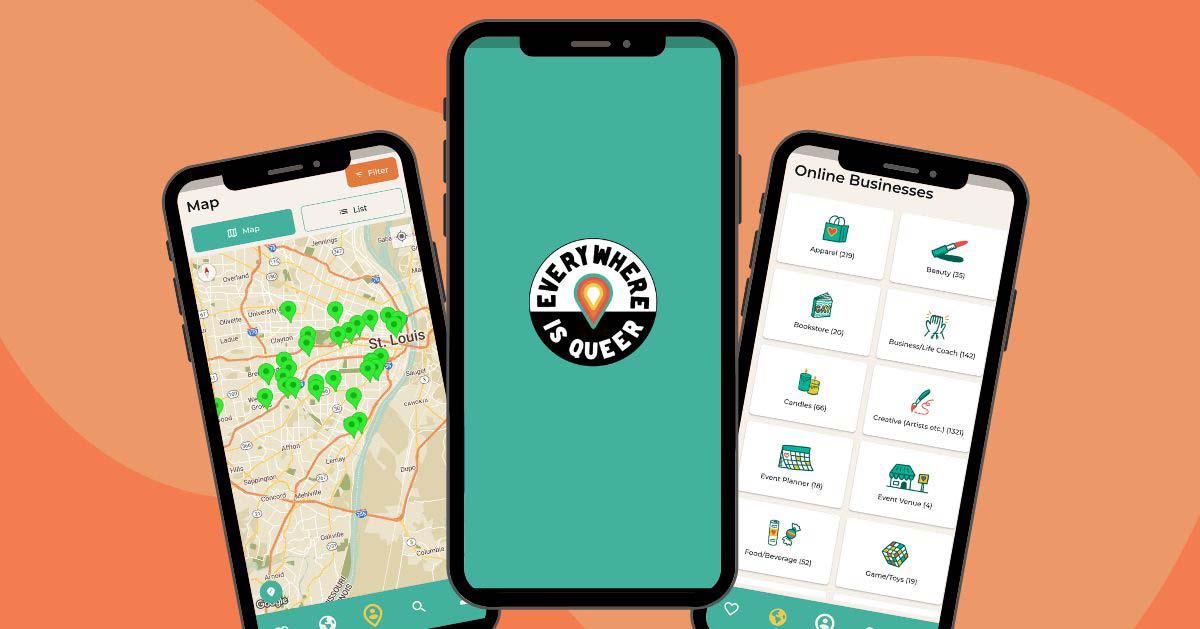
Originally a website, the directory of LGBTQ+ safe spaces has now launched as a free app on Apple Store and Google Play.
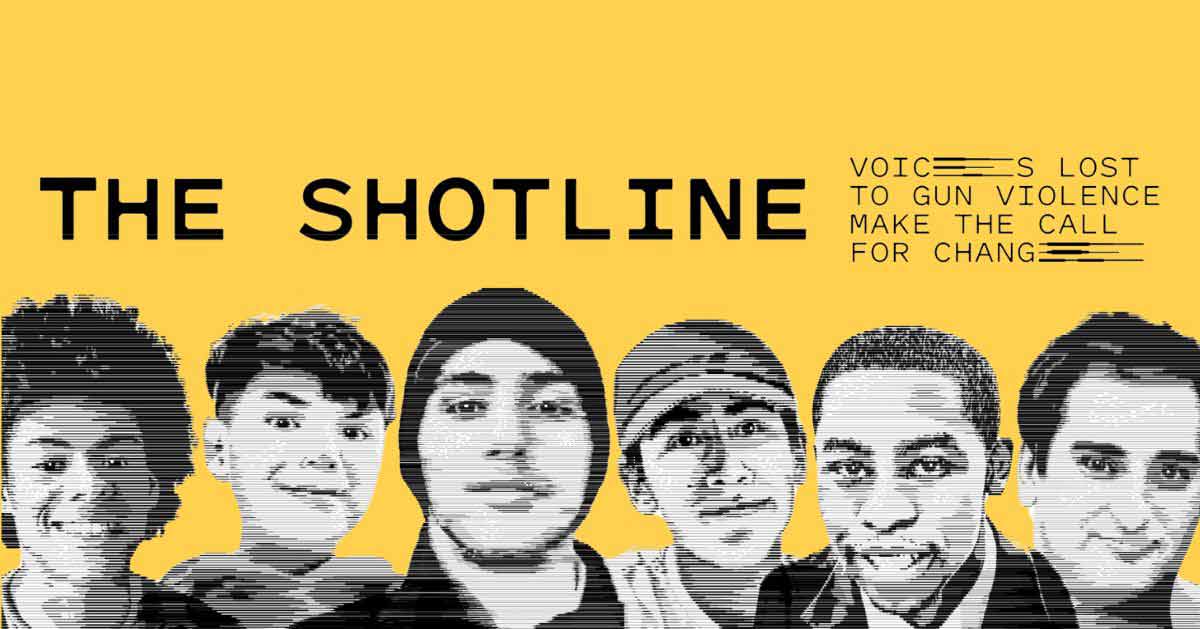
On the anniversary of the 2018 shooting in Parkland, Florida, gun law advocates have launched an AI project that leverages the voices of young people killed by guns to call elected officials.
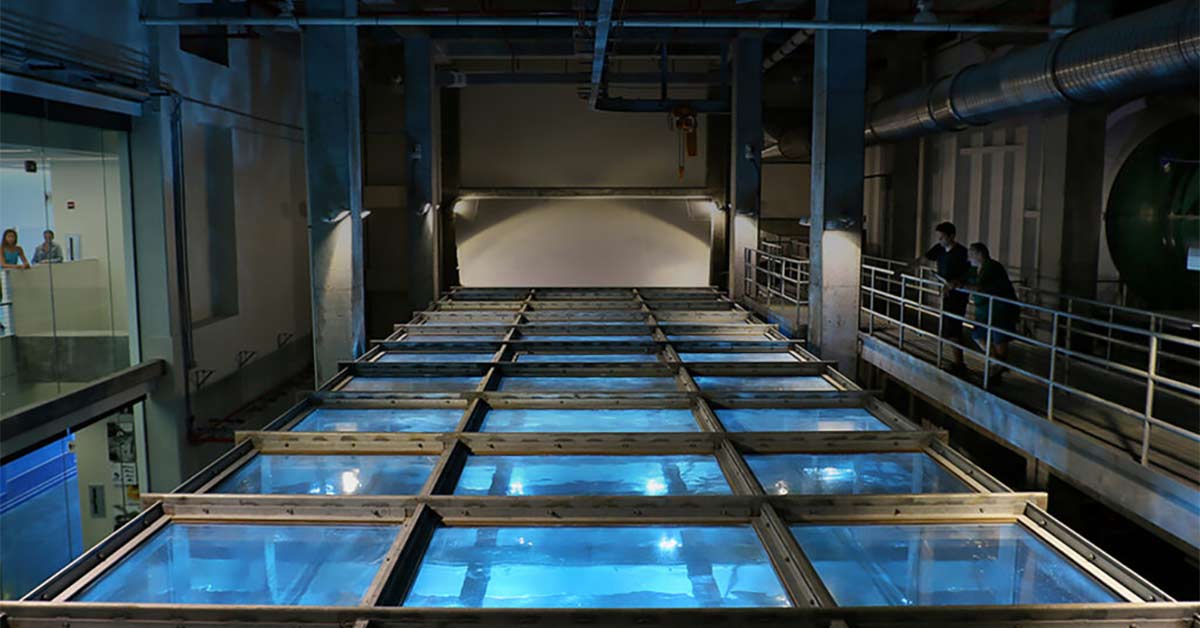
Researchers in Florida are testing an artificial reef planted with live corals.