Good news about
Stories About Using Technology and Innovation To Make a Difference
Your weekly roundup of the best good news worth celebrating...
October 2026’s best good news, ranked by 5 million Instagram views. See the top 16, led by a bill that would ban Flock cameras nationwide.
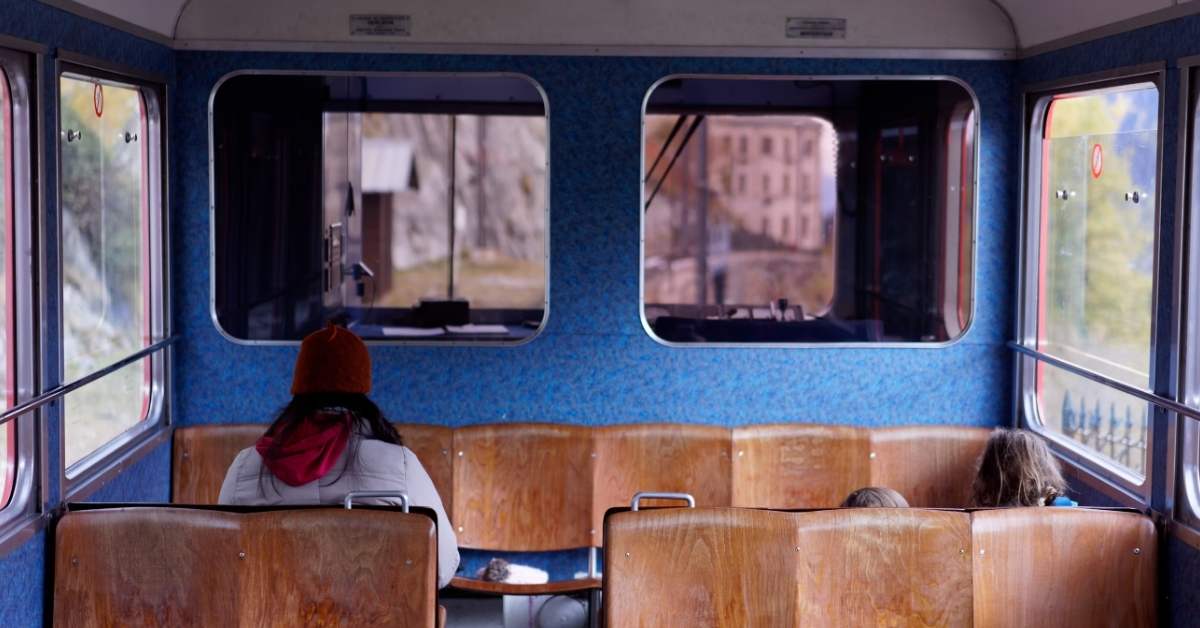
Chronotrains is helping users swap planes for trains with an interactive travel map that encourages sustainable travel.
Brain cancers remain among the most challenging tumors to treat. They often don’t respond to traditional treatments because many chemotherapies are unable to penetrate the protective barrier around the brain.
We have compiled a list of seven scientists and engineers whose contributions are so profound, that society may have even forgotten the problems it once had to deal with before their discoveries and inventions.
Parkinson’s disease is a neurodegenerative movement disorder that progresses relentlessly. It gradually impairs a person’s ability to function until they ultimately become immobile and often develop dementia.
The production of a more sustainable and cost-effective low-carbon cement, often nicknamed “green” cement, is scaling up with a new plant in California.
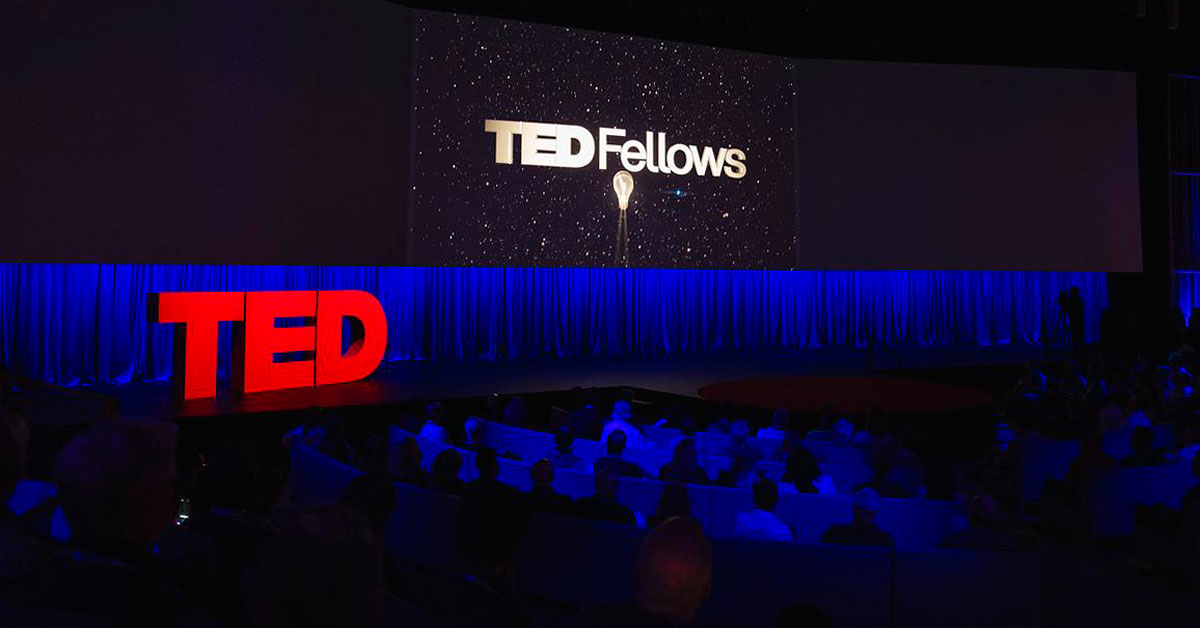
In partnership with a company called Panjaya, TED is taking its iconic Talks and dubbing them — in the original speaker’s voice — into multiple languages. The original speaker’s lip movements will also be changed to match the dubbed language.
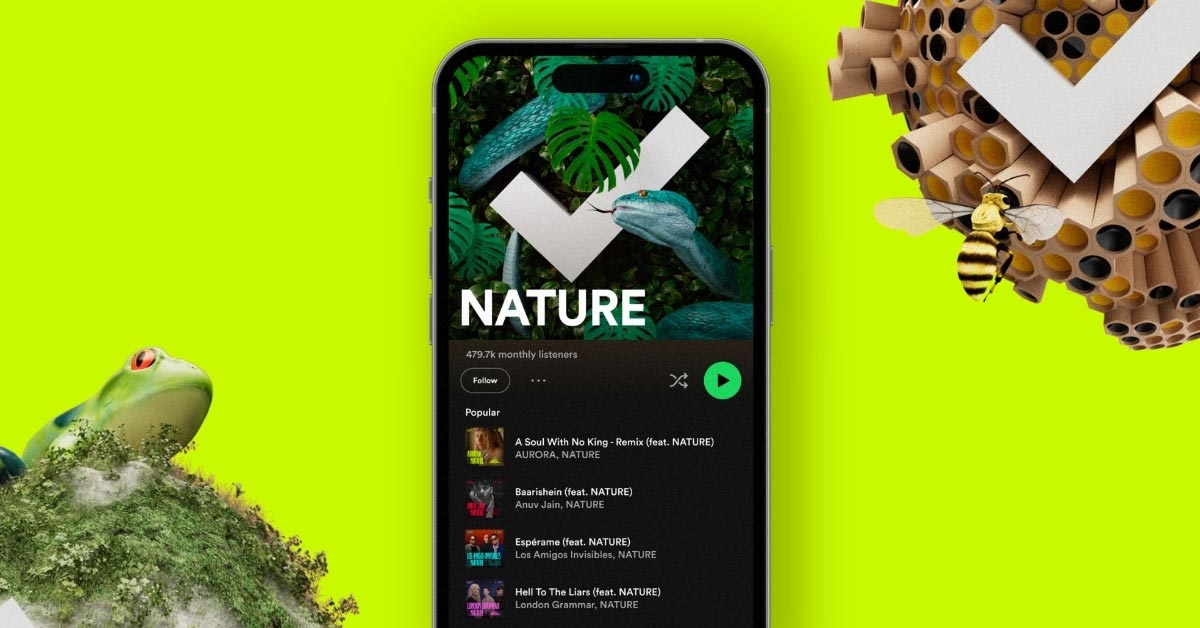
Thanks to a project from UN Live, NATURE is now an official artist on major streaming platforms, using royalties to fund climate projects worldwide.
Representing 11 countries and five continents, and spanning disciplines like health care, bioengineering, artificial intelligence, firefighting, visual art, and more, the newest TED Fellows are building a better future.
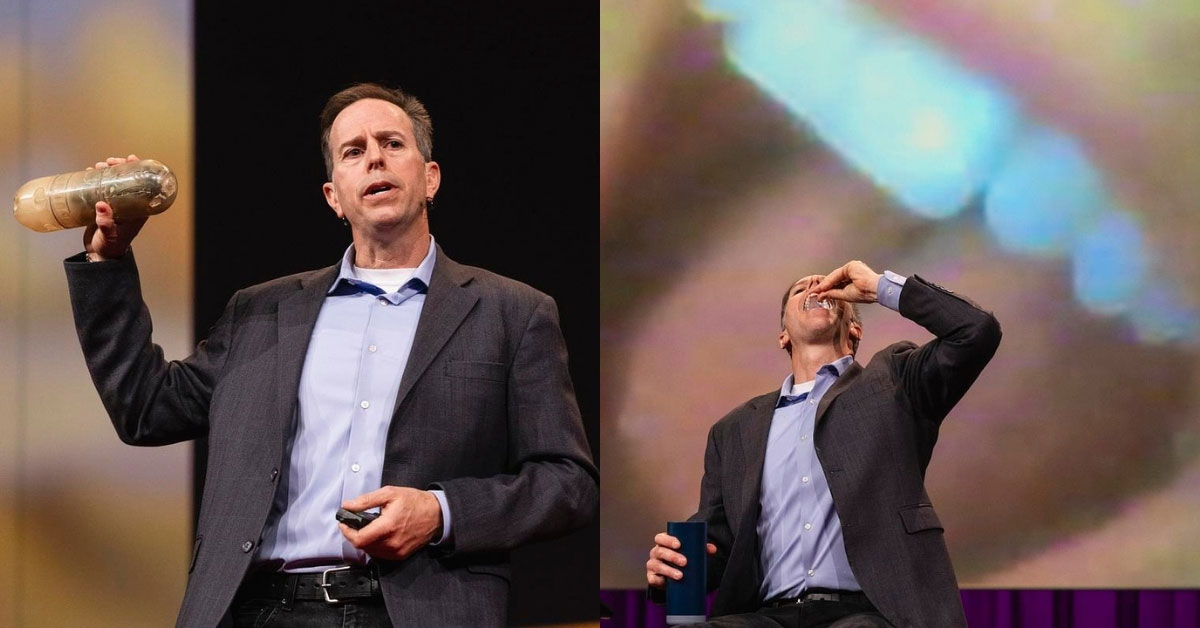
At TED, scientists debuted a microbot dubbed PillBot, new tech that offers real-time internal diagnostics without invasive procedures, revolutionizing medical care and potentially extending lives.
The nonprofit FUNDEMAR has been vital to Caribbean reef restoration amid threats like stony coral tissue loss disease, which is on the rise around the world.
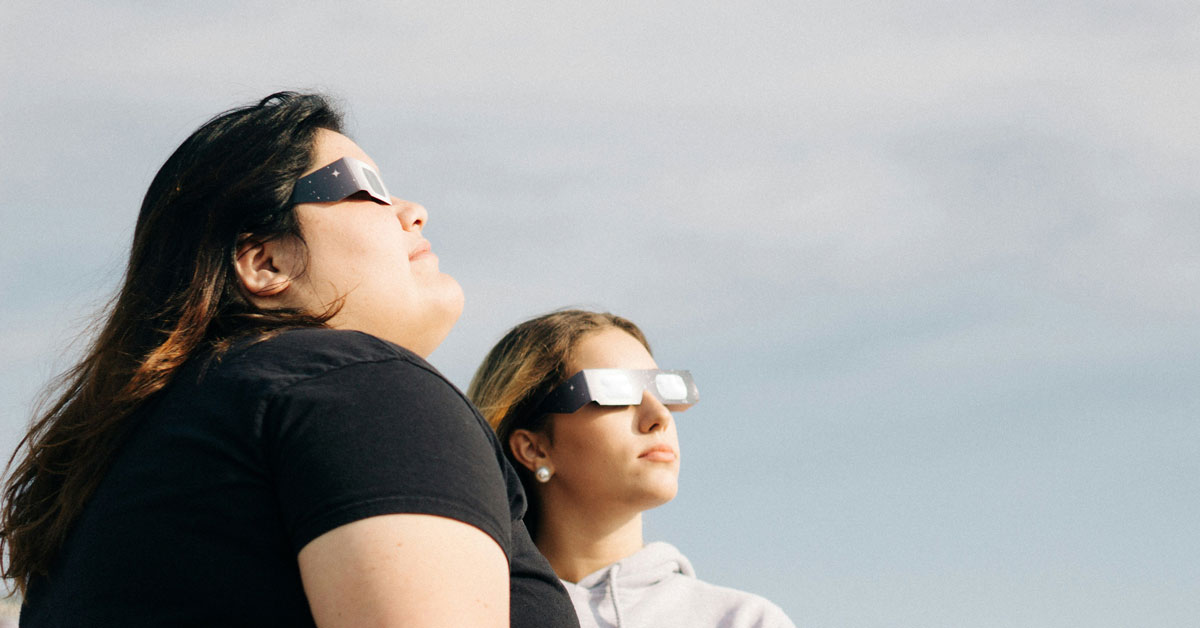
Make the good from yesterday's total solar eclipse last by donating your undamaged eclipse glasses to schoolchildren in Latin America.
Doctors may someday be able to use bodily fluids to noninvasively detect breast cancer in patients earlier than is possible now.
In the U.S., over 7 million people are blind or visually impaired and may not be able to experience an eclipse the traditional way.
This Oregon-based startup aims to make civic engagement a lot more easy and enjoyable — for voters, candidates, advocacy organizations, and businesses alike.
Emissions from mining the cryptocurrency have skyrocketed, researchers reported recently in Scientific Reports. From 2016 to 2021, the carbon footprint of mining a single Bitcoin multiplied a staggering 126 times.