Good news about
Stories About Using Technology and Innovation To Make a Difference
Your weekly roundup of the best good news worth celebrating...
October 2026’s best good news, ranked by 5 million Instagram views. See the top 16, led by a bill that would ban Flock cameras nationwide.
Cities are painting their streets white. The air in these neighborhoods is getting cooler — with huge (positive) implications for the planet.
Food banks and nonprofits do an amazing job helping people who live with food insecurity. But the stigma around asking for help causes some people to go without. Using mobile technology and existing food sector systems, this startup is connecting hungry people.
It’s easy to see that health care looks drastically different than it did just a few generations ago — and it’s for the betterment and wellbeing of our communities.
Instead, they use remote controls to move high-resolution cameras within emergency rooms, where nurses and other health care professionals work directly with patients under the guidance of these remote physicians.
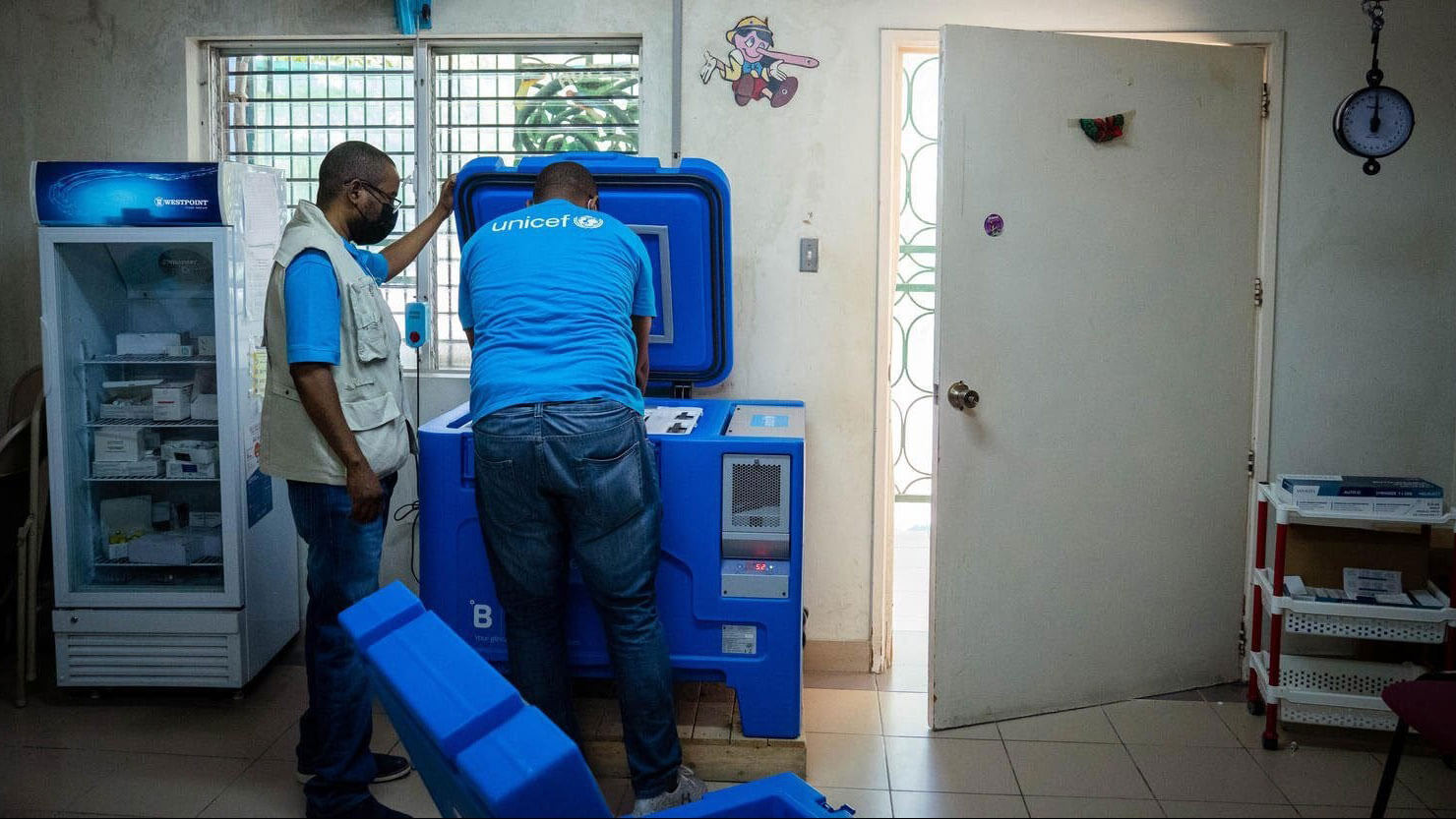
COVID-19 vaccines need to stay cold — so these innovative refrigerators are ensuring that the vaccine is accessible to everyone, no matter where they live.
While about half of cases are in eastern and southern Africa, the impact of HIV/AIDS is far-reaching and global. Not only does HIV/AIDS have major health consequences, but it’s also closely associated with discrimination, including violence against HIV-infected individuals.
Around the world, technological innovations to capture, store, reuse, or replace carbon pollution are on the rise.
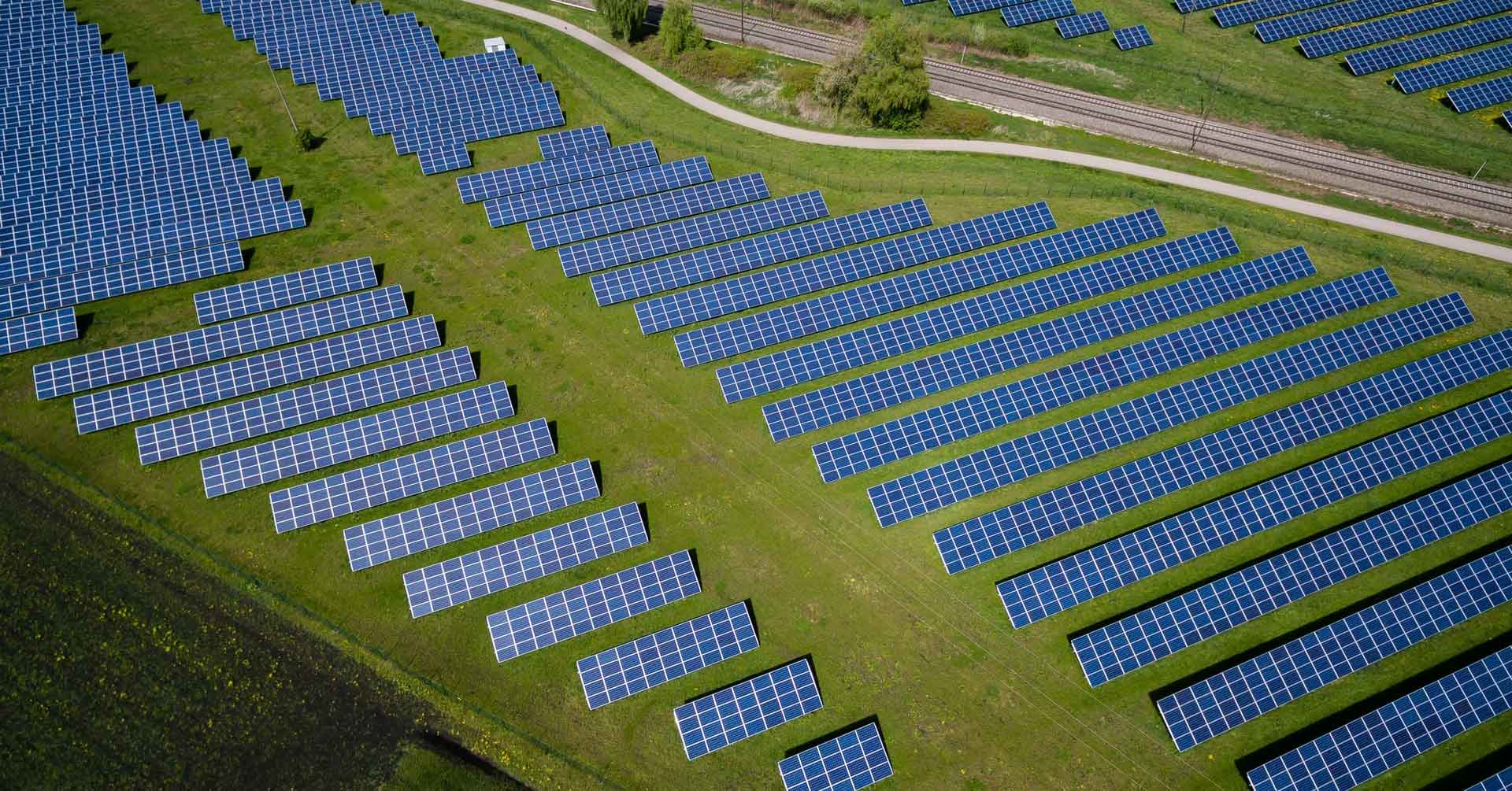
In recent decades the cost of wind and solar power generation has dropped dramatically. This is one reason that the U.S. Department of Energy projects that renewable energy will be the fastest-growing U.S. energy source through 2050.
Until now, Mukuru residents have had no option but to buy polluted water from informal vendors charging exorbitant prices
Using biogas digesters to turn organic waste into electricity, communities are slashing their power bills as they cut climate-changing emissions.
An initiative called Extra Life is uniting thousands of gamers to play games and heal children through their unique fundraising effort benefitting Children's Miracle Network hospitals across North America.
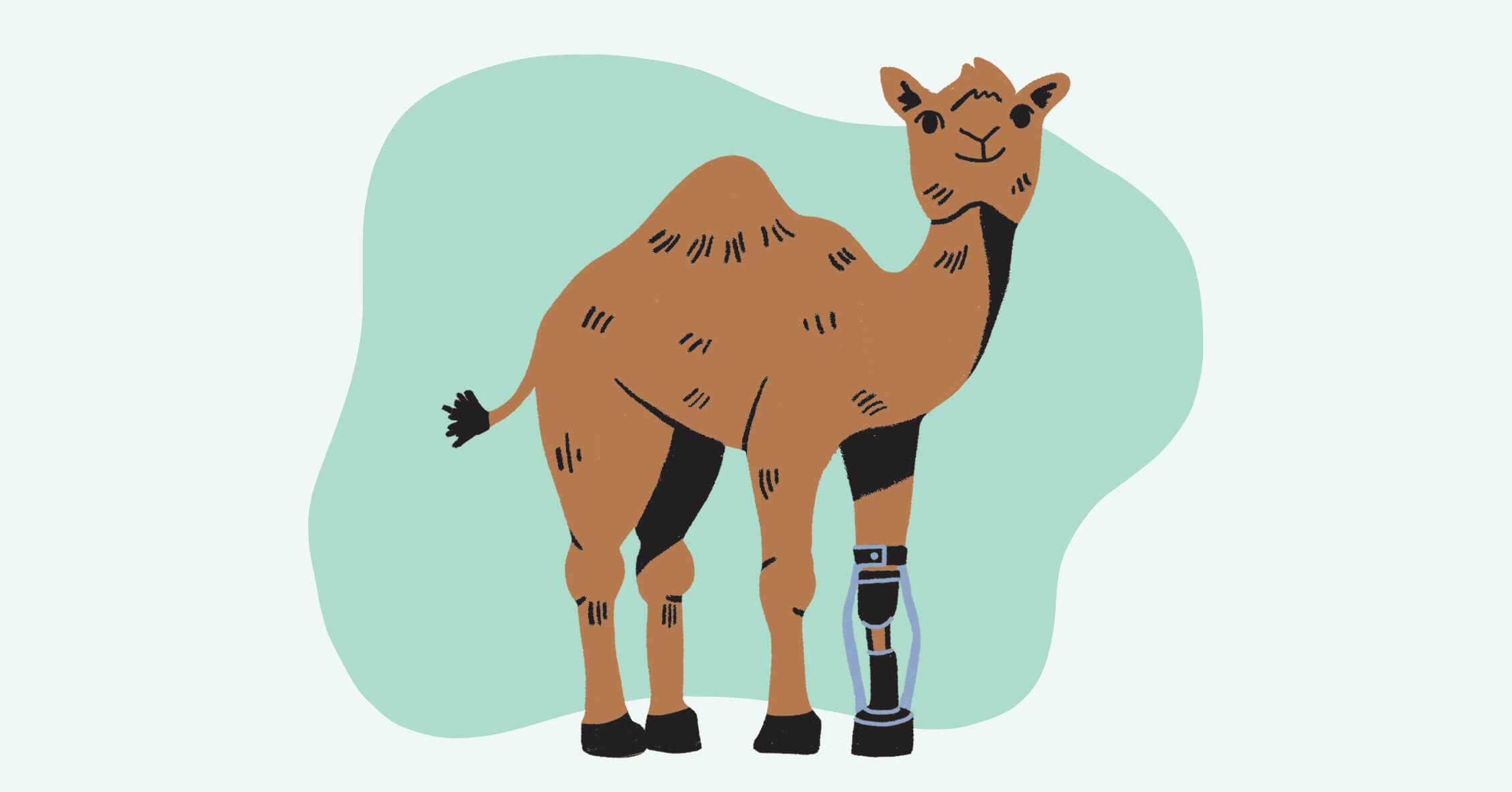
Derrick Campana is an animal orthotist who has saved more than 20,000 pets with his custom-made prosthetics. Campana, who’s from Sterling, Virginia, creates braces and artificial limbs to increase animals' mobility and improve their lives.
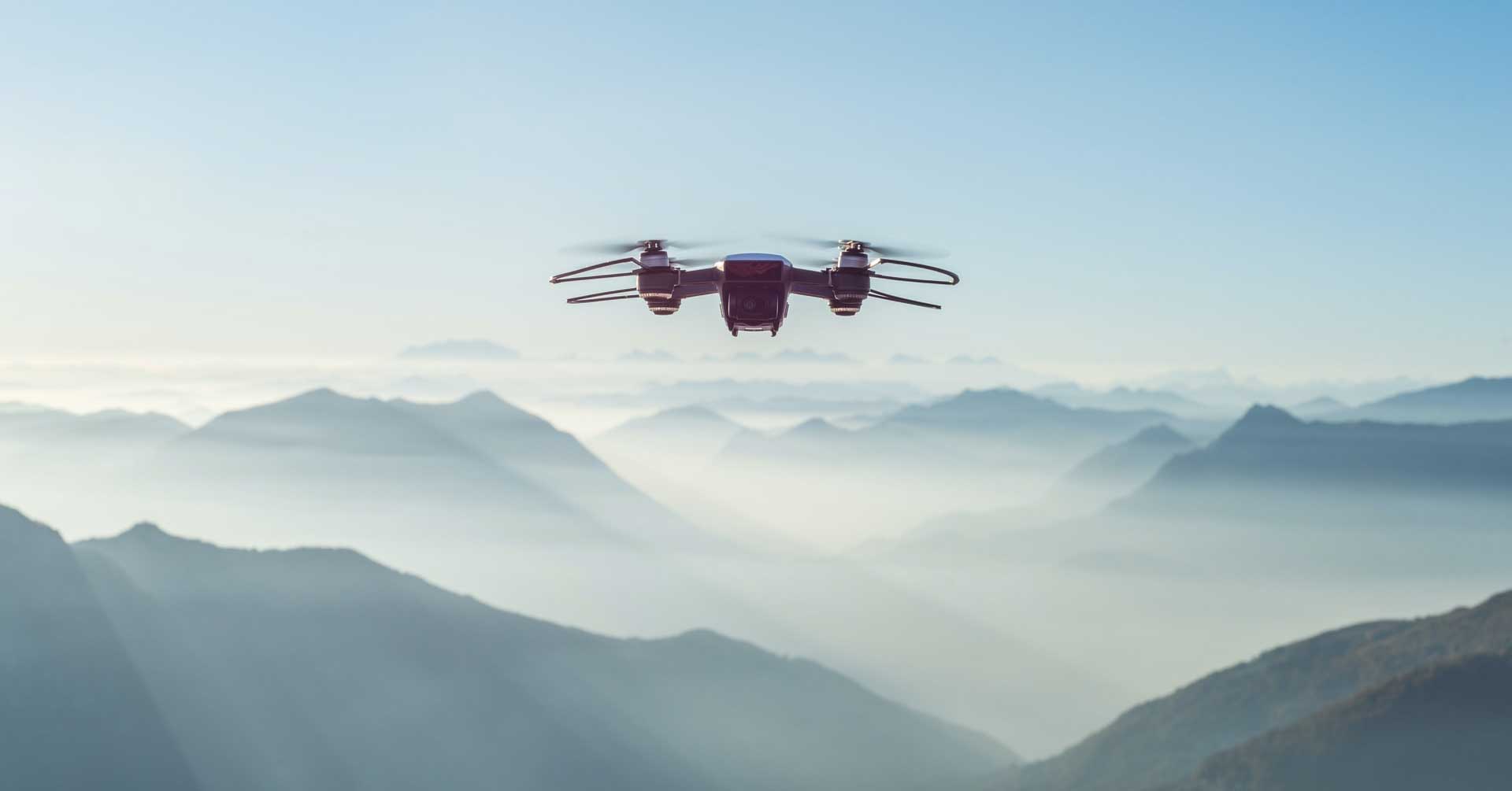
Drones can give operators a birds-eye view of events – including natural disasters – as they unfold. And they can open up difficult-to-access places for emergency supplies to be delivered.
Ashton Kutcher and Demi Moore knew that technology was playing a role in the problem but wasn’t yet part of the solution. They pioneered a technology-led approach, called Thorn, to end online child sexual abuse by identifying victims.
When food ends up in landfills, it releases methane, a greenhouse gas that is at least 28 times more potent than carbon dioxide. Because of a lack of available oxygen, food doesn’t break down in landfills in the same way that it would in nature.
Over the last six years, Crisis Text Line has collected and analyzed the anonymized data which allows them to identify how to best help people in crisis. Here's what they've found...
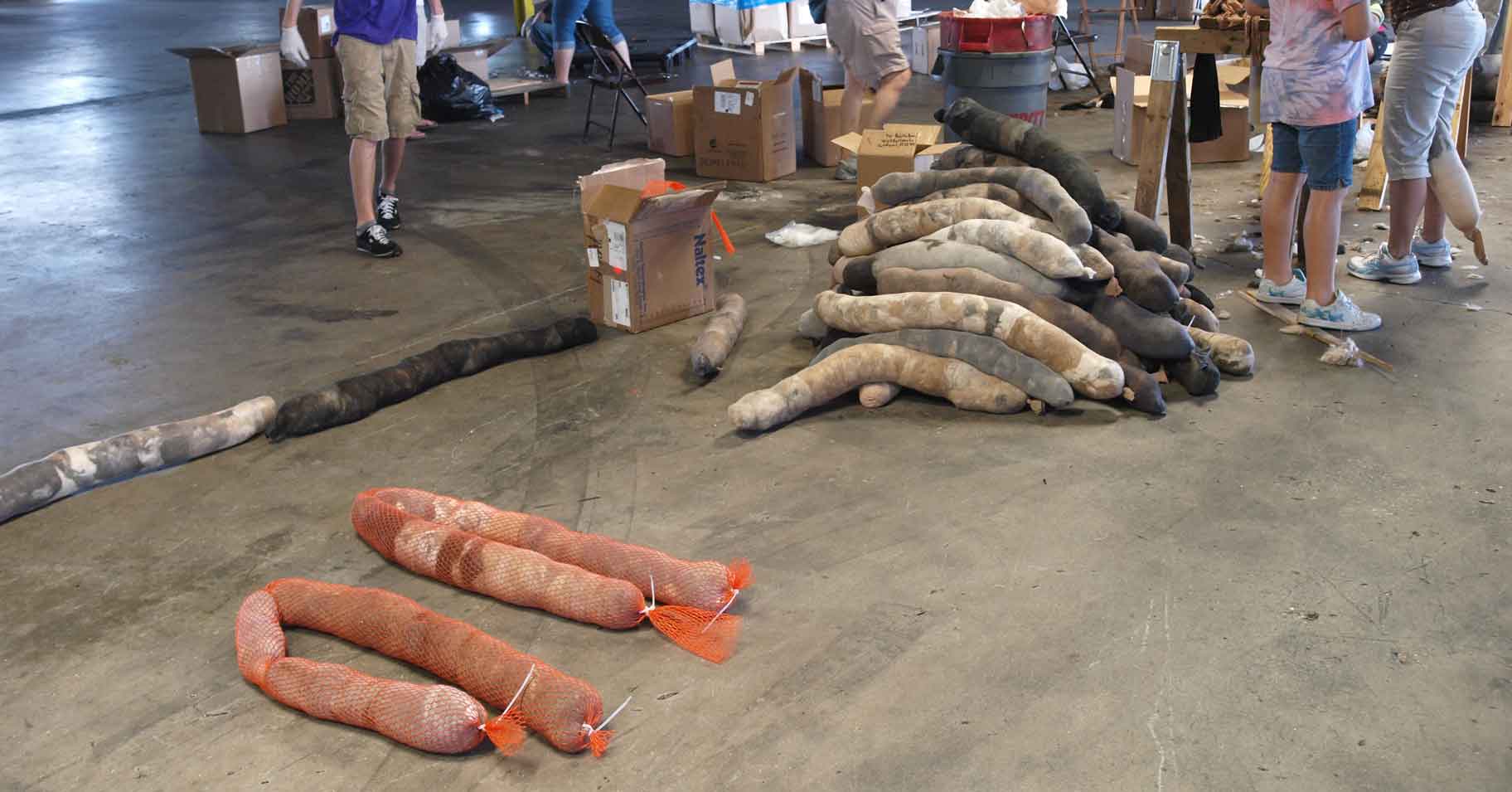
In 1989, Phil McCrory, a hair stylist in Huntsville, Alabama, was watching CNN coverage of the Exxon Valdez oil spill in Alaska while washing a client’s hair in his salon. He wondered... what if human hair could be used to clean up oil spills?
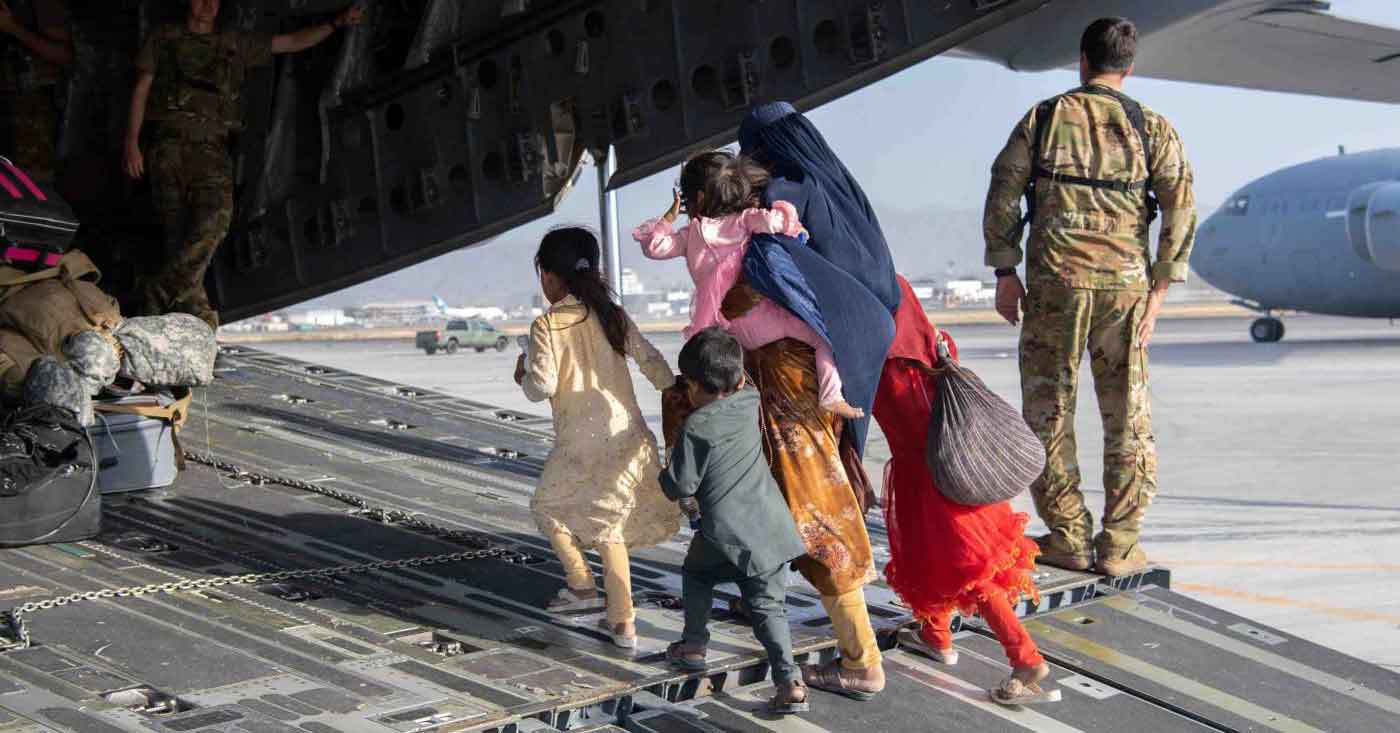
Desperate scenes in Kabul are met with high-tech help as offers of rides, meals, and beds go online.
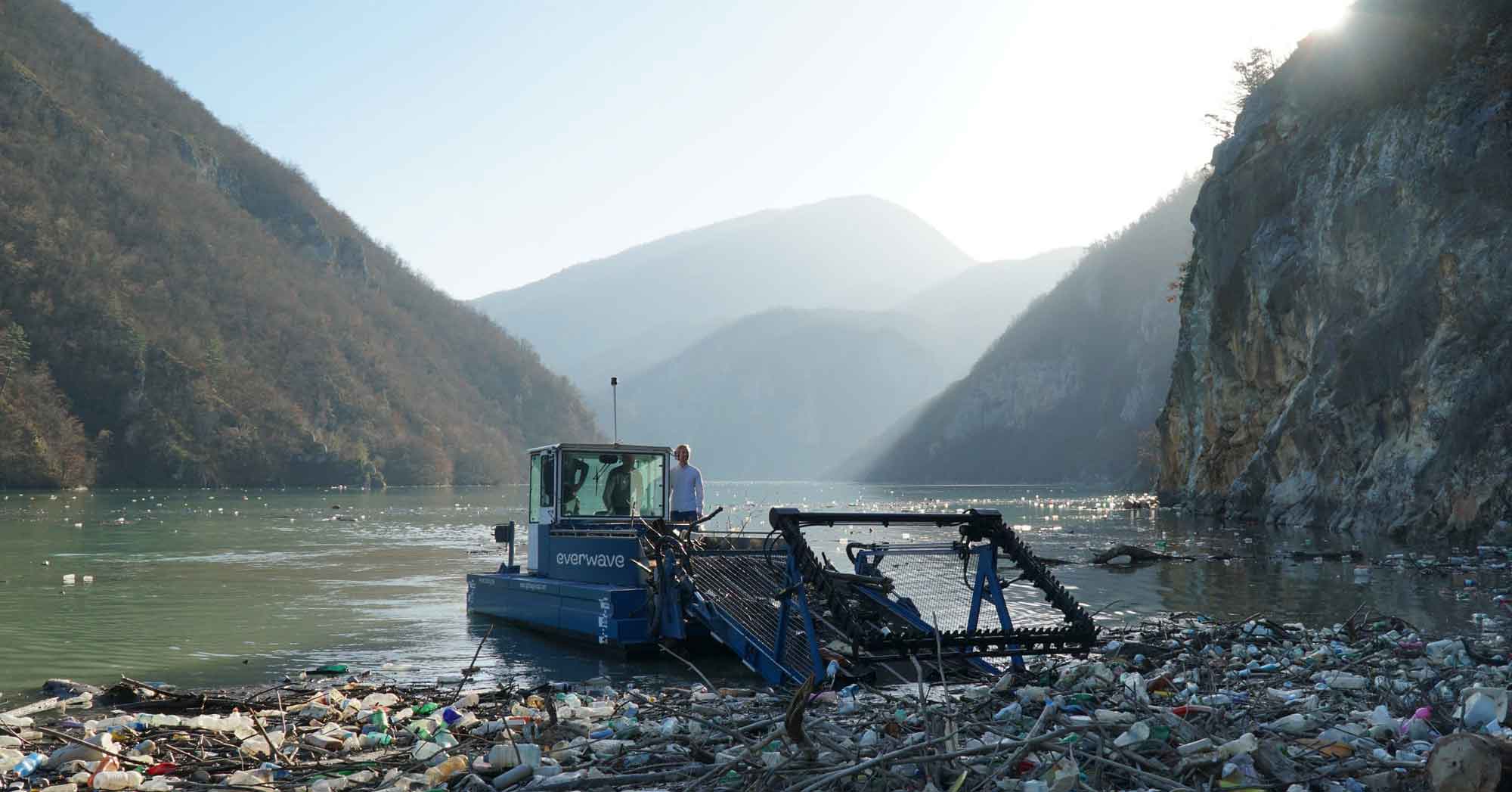
When an architecture student’s dazzling ocean cleanup concept fizzled, she started thinking smaller — and tackled the problem at the source.