If you or someone you know is struggling, we urge you to get help.
We all struggle sometimes. You’re not alone, you and your story matter, and recovery is possible. Getting help helps.
Explore the resources below to find the best fit for you. And please feel free to share this with others who may find it helpful. We’ll continue to update this resource.
For Immediate Mental Health Help
Emergency Medical Services
911
National Suicide Prevention Lifeline
suicidepreventionlifeline.org
Call 988
or live online chat
Crisis Text Line
Text CRISIS to 741-741
crisistextline.org
Help For Depression, Anxiety, & Bipolar Disorders
To Write Love on Her Arms
twloha.org
Anxiety and Depression Association of America
adaa.org
Mental Health America
mhanational.org
Substance Abuse and Mental Health Services Administration
samhsa.gov
National Institute of Mental Health
nimh.nih.gov
Depression and Bipolar Support Alliance
dbsalliance.org
National Alliance on Mental Illness
nami.org
Resources To Find a Therapist
→ Explore Good Good Good's guide on how to find a therapist
Psychology Today
psychologytoday.com
Anxiety and Depression Association of America
adaa.org
National Queer & Trans Therapists of Color Network
nqttcn.com
Therapy For Black Girls
therapyforblackgirls.com
Inclusive Therapists
inclusivetherapists.com
Talkspace
talkspace.com (Affiliate Partner)
BetterHelp
betterhelp.com/GOOD (Affiliate Partner)
Brightside
brightside.com (Affiliate Partner)
Help For Eating Disorders
National Eating Disorders Association
nationaleatingdisorders.org
1-800-931-2237
or live online chat
Eating Disorder Hope
eatingdisorderhope.com
Anorexics and Bulimics Anonymous
aba12steps.org
Help For Grief & Loss
Grief.com
grief.com
Help For Addiction
Alcoholics Anonymous
aa.org
Tempest
jointempest.com
Al-Anon
al-anon.org
Substance Abuse and Mental Health Services Administration
samhsa.gov
American Addiction Centers
americanaddictioncenters.org
Mental Health Help For Young People
Kids Mental Health
kidsmentalhealth.org
Youth.gov
youth.gov
TeenMentalHealth.org
teenmentalhealth.org
Mental Health Help For Domestic Violence
National Domestic Violence Hotline
thehotline.org
1-800-799-SAFE (7233)
or live online chat
National Coalition Against Domestic Violence
ncadv.org
LGBTQ+ Mental Health Resources
The Trevor Project
thetrevorproject.org
1-866-488-7386
or live online chat
Trans Lifeline
1-877-565-8860
translifeline.org
Family & Friends Hotline
TransYouth Family Allies
imatyfa.org
Bisexual Resource Center
biresource.org
Latinx Mental Health Resources
American Society of Hispanic Psychiatry
americansocietyhispanicpsychiatry.com
National Alliance for Hispanic Health
healthyamericas.org
Therapy for LatinX
therapyforlatinx.com
Mental Health Resources For Parents Supporting Youth
Coping Skills for Kids
Coping Skills for Kids offers products and resources to help parents and professionals teach children healthy ways to cope with stress, anxiety, and anger.
copingskillsforkids.com
Parenting Counts
Parenting Counts is a resource to support parents and caregivers in raising socially and emotionally healthy children.
parentingcounts.org
Character.org
This site for parents and educators is all about the basics of character education and how to develop healthy character development in children.
character.org
Gender Spectrum
This resource helps to create gender-sensitive and inclusive environments for all children and teens.
genderspectrum.org/audiences/youth
ReachOut
This site is for parents to help their teenagers navigate conflict within the family.
parents.au.reachout.com
A Kids Book About Mental Health Bundle
This book trio comes with three kids’ books about anxiety, depression, and shame.
akidsco.com/products/mental-health-bundle
HealthyPlace Parenting Community
This guide is full of resources for parents with children who have been diagnosed with a mental illness.
healthyplace.com/parenting
Manhattan Toy Making Faces
This toy encourages kids to recognize a variety of different emotional expressions.
manhattantoy.com
If your child needs clinical support, please reach out to a licensed mental health professional.
Mental Health Help For Service Members and Veterans
Veterans Crisis Line
veteranscrisisline.net
1-800-273-TALK (8255) and press 1
Text 838-255
or live online chat
Military OneSource
militaryonesource.mil
1-800-342-9647
Vet Centers
vetcenter.va.gov
1-877-WAR-VETS (927-8387)
National Center for PTSD
ptsd.va.gov
Make the Connection
maketheconnection.net
Mental Health Resources For Older Adults
Geriatric Mental Health Foundation
geriatricmentalhealth.org
National Council on Aging
Webinars
Web Content
Mental Health Resources Outside of the United States
Explore this list of international mental health resources from To Write Love On Her Arms
More Mental Health Resources
Awareness Holidays
The ultimate calendar of mental health awareness days, weeks, and months
How to celebrate Mental Health Awareness Month
How to celebrate World Mental Health Day
How to celebrate Suicide Prevention Month & Week
Good News
Good news articles about mental health
Comedian John Moe is fighting mental health stigma with humor
More mental health good news...
Media
The best mental health podcasts
The best mental health newsletters
The best mental health documentaries
Guides
How to help someone who's contemplating suicide
A brief guide to commonly misunderstood mental disorders
What actually is OCD — and how you can make a difference
A guide on how to cheer yourself up
The best positive affirmations
Quotes
The best quotes about suicide — to support prevention
Shopping
Shirts and apparel that support mental health
More
A land of contradictions from the outset, the United States was founded by enslavers who spoke passionately and eloquently about liberty, freedom, and justice for all. In the beginning, “all” was limited to men of European ancestry who were wealthy enough to own land. The Constitution’s protections did not apply to most of the people living in America for most of the country’s history—at least not in full.
Women—about 50% of the population—were not included in the country’s concept of “all,” likewise millions of slaves—and for a long time, their offspring. The descendants of the original inhabitants of the United States were commonly excluded from the promise of America, as were many immigrants, ethnic groups, and religious minorities.
Despite all the work that remains to be done, all of those groups and many others now enjoy freedoms that had to be won—won through the courts, through the court of public opinion, through mass demonstrations, through legislation, through boycotts, and in many cases, through martyrdom.
Fighting to expand the definition of “all” requires powerless people to challenge the power structures that benefit from their status as second-class citizens. They often do it at great risk to their jobs, their reputations, their homes, and in many cases, their lives. Even so, brave advocates and activists fought the good fight in every state in America. Each state has a unique story to tell about the epic struggles for civil rights that were waged there, as well as those that continue to be waged. The following is a tiny sliver of their collective efforts.
Using a variety of sources, our partners at Stacker identified a defining moment for civil rights in all 50 states. They stand out for different reasons and led to changes that lifted different groups, but they all prove how much can be achieved—and how much still remains to be accomplished.
Scroll through to find out your state’s contribution to civil rights.
Alabama: Rosa Parks takes a stand
The March from Selma to Montgomery took place in Alabama, as did the bombing of the 16th Street Baptist Church and some of the most important Freedom Rides. One moment, however, stands out as dramatic and consequential, even by the standards of Alabama during the civil rights era.
On Dec. 1, 1955, the arrest of 42-year-old seamstress Rosa Parks for refusing to give up her seat on a city bus led to the Montgomery bus boycott, the first great victory of the movement.
Alaska: A night at the movies transforms a culture
Far from Alabama and 11 years before Rosa Parks took her stand, a teenager with a white father and Alaska Native mother named Alberta Schenck was arrested on March 11, 1944, for sitting in the “whites only” section of a movie theater in Nome, Alaska.
Although their plight isn’t as well known as that of Black Americans in the South, Native Alaskans lived under their own version of Jim Crow—“no natives” and “whites only” signs were standard all over Alaska, just as in the South. Schenck’s arrest ignited a burgeoning Indigenous rights movement whose activism led to the passage of the Alaska Equal Rights Act of 1945, nearly 20 years before Lyndon Johnson signed the 1964 Civil Rights Act.
Arizona: Arizonans refuse to show their papers
In 2010, Arizona passed the most restrictive, most sweeping, and—in the eyes of its detractors—most racist immigration law in America. Among other things, SB1070 required immigrants to carry federal registration papers at all times and allowed law enforcement officers to demand to see the papers of anyone they suspected of being here illegally—with or without probable cause—and arrest them without a warrant.
Known as the “papers, please” law, the moment triggered the creation of One Arizona’s Resilience in the Desert movement, which fights for vulnerable Arizonans no matter their backgrounds.
Arkansas: Little Rock 9 go to school
In 1957, three years after the Supreme Court struck down school segregation in the Brown v. Board of Education decision, nine African American students attempted to integrate Central High School in Little Rock, Arkansas. It took several tries—they were physically blocked on the first few attempts by a combination of enraged white mobs and armed National Guard troops. Finally, President Eisenhower federalized the National Guard, ordering them to escort the students to and from the building, and on Sept. 25, 1957, the Little Rock Nine began attending classes at Central High.
California: Immigrant farmworkers stand up
Decades before Cesar Chavez popularized the plight of agricultural laborers in California, a coalition of Mexican and Japanese farmworkers blazed the trail that Chavez would follow. In 1903 in Oxnard, 1,200 immigrant laborers formed the Japanese-Mexican Labor Association, which would become the first union in California to win a strike against the state’s formidable agriculture industry.
Colorado: A cultural rainbow gets results
Colorado’s sizable population of not only African Americans but also Native Americans, Mexican Americans, Roman Catholics, and Jewish immigrants all faced discrimination through the first half of the 20th century. Alone, these disparate underclasses did not have enough leverage to demand change—so they joined forces.
A multiracial, multiethnic civil rights coalition protested and petitioned until the state passed a series of sweeping civil rights laws in 1957 to protect vulnerable minority groups, outlaw discrimination in housing and employment, and repeal bans on interracial marriage.
Connecticut: Women get some privacy
A Connecticut reproductive rights advocate named Estelle Griswold took the state to court over its 19th-century ban on contraception. The case went all the way to the Supreme Court, which overturned the ban in the landmark 1965 case Griswold v. Connecticut. The case was a watershed moment that set the first legal precedent for a constitutional right to privacy.
Delaware: A road to Brown v. Board is paved
The Brown v. Board of Education decision that banned race-based segregation in schools was actually the culmination of five separate lawsuits, all of which were filed to challenge the “separate but equal” doctrine that propped up Jim Crow. One of them, Gebhart v. Belton, played out in Wilmington, Delaware, where African Americans faced discrimination and segregation modeled after the Deep South.
Florida: A sea change starts in a swimming pool
On June 18, 1964, civil rights activists went into the whites-only pool of a segregated motel in St. Augustine, a hotbed of racial strife in Florida. The motel’s owner, James Brock, responded by pouring deadly muriatic acid into the water. Although the incident is largely forgotten now, it caused national outrage and helped to end an 83-day Senate filibuster on the Civil Rights Act, which was passed the very next day.
Georgia: A King is born
The America that exists today would certainly look much different had a baby named Michael King not been born in Atlanta on Jan. 15, 1929. When his parents changed his name at 6 years old, the child became Martin Luther King Jr., the most revered and successful civil rights leader in history. He would go on to lead the Montgomery Bus Boycott, articulate his vision at the March on Washington, become history’s youngest Nobel laureate, and wage his crusade for justice and equality through nonviolence.
Hawaii: The struggle for Native rights continues
In 1993, the U.S. government formally apologized to the Indigenous people of Hawaii for the overthrow of their kingdom a century earlier, the annexation of their land, and the subjugation of their people. Although they suffered a fate similar to that of their Indigenous counterparts in North America, Native Hawaiians are still not federally recognized the way Native Americans and Native Alaskans are, nor do they have the same power to negotiate on their own behalf.
Related: Indigenous Activists To Follow and Learn From
Idaho: Idaho beats the country to the punch
Idaho has a long, proud, and often overlooked history of important civil rights achievements dating back to mask-ban laws that challenged the Ku Klux Klan at the height of the group’s power in the 1920s. Idaho’s finest moment, however, came in 1961, when the state passed a comprehensive civil rights bill three years before the United States as a whole.
Illinois: Chicago takes on Northern racism
Led by Dr. Martin Luther King Jr. and other major civil rights figures, the Chicago Freedom Movement was a sprawling series of protests, meetings, boycotts, rallies, and other nonviolent actions aimed at dismantling racial discrimination and injustice, neither of which were by any means unique to the South. It lasted for two years between 1965–67 and evolved into the biggest civil rights campaign in the North. The grassroots movement laid the groundwork for the Fair Housing Act, which Congress passed in 1968.
Indiana: A state desegregates early
In 1949, Indiana lawmakers passed the Indiana School Desegregation Act, which banned racial segregation in schools five years before Brown v. Board. As the adopted home of many relocated white Southerners, however, Indiana was a poster child for Northern racism and a longtime KKK stronghold above the Mason-Dixon line. Despite the good intentions of the legislation, attitudes proved harder to change than laws, and de facto segregation continued for decades.
Iowa: Iowa advances in 1868
Iowa’s long record as a pioneering state for civil rights can be traced to 1868, just three years after the close of the Civil War. That year, Iowa lawmakers—all white men—outlawed segregation in schools nearly 90 years before Brown v. Board and granted Black men the right to vote. As in so much of the country, however, the laws rarely matched the realities on the ground for African Americans in Iowa, many of whom remained both separate and unequal for generations.
Kansas: Plessy v. Ferguson meets its end
The “separate but equal” doctrine established by the infamous Plessy v. Ferguson ruling of 1896 came crashing down in 1954 when the Supreme Court ruled unanimously that separate was inherently unequal in American schools. The case was Brown v. Board of Education of Topeka, Kansas, one of the most important civil rights case in history and the ruling that laid the legal foundation for the modern civil rights movement.
Kentucky: Breonna Taylor's murder sparks a movement
In March 2020, white police officers killed 26-year-old Black EMT Breonna Taylor in her home during a botched drug raid and a no-knock warrant obtained on flimsy evidence through clumsy police work. Her death kicked off nationwide protests against not only the killing, but police violence in general and the widespread use of no-knock warrants specifically. Further outrage and activism followed when only one officer was indicted—and only for one of his bullets hitting a neighboring structure.
Louisiana: A little girl brings a burden to school
At just 6 years old, tiny Ruby Bridges became a giant in November 1960 as the first African American child to integrate a Southern elementary school. Born the same year as the Brown v. Board ruling, Bridges began her education at a time when states were using every means at their disposal to resist the court’s ruling and prevent kids like her from attending white schools. Under the escort of U.S. marshals, the little girl braved an angry white mob on the way to her New Orleans school every day, but her courage signaled a point of no return for the civil rights movement, hammering one of the strongest nails yet in the coffin of systemic racism.
Maine: Original Mainers get what’s theirs
Decades of civil rights activism came to fruition when President Jimmy Carter signed the Maine Indian Claims Settlement Act. The legislation awarded the Passamaquoddy, Maliseet, and Penobscot tribes of Maine $81.5 million in reparations for land that had been stolen from their people. Equally important to the money, the moment served as a recognition of historical injustices and as an inspiration for Native rights advocates across the country.
Maryland: A suspicious death spotlights police violence
Baltimore became the center of this generation’s civil rights struggle in 2015 when 25-year-old Freddie Gray died of a spinal cord injury he suffered under mysterious and suspicious circumstances in the back of a police van after a frivolous arrest. His case ignited protests in Baltimore and around the nation, as the all-too-familiar themes of police brutality, racism, poverty, unequal treatment under the law, and the deep distrust in minority communities of the police sworn to protect them once again surfaced.
Massachusetts: Integration arrives by bus
In 1974, Boston became a symbol of Northern racism when riots broke out over a court order to use out-of-district busing as a remedy to the widespread segregation that existed in the city’s schools. Black children bused from the African American enclave of Roxbury to notoriously hostile South Boston were attacked with bricks by angry mobs who screamed racial slurs and spit on them as riot police struggled to hold crowds back. Strikingly similar to the treatment Ruby Bridges received in Louisiana, the moment not only integrated Boston’s schools but forced the country to confront racism outside the South.
Michigan: A white jury delivers justice
Like much of America, Michigan has a long history of using economic and social leverage to ghettoize its African American citizens, but it also has a long history of civil rights achievements that were ahead of their time. When a mob attacked the home of Ossian Sweet, a Black physician who bought a house in a white neighborhood in 1925, the man and his family fought back, killing a white mob member in the process.
A year later, Sweet was acquitted by an all-white jury for a crime that would have almost certainly gotten him executed elsewhere in the country, proving that sometimes justice could prevail, despite its imperfections.
Minnesota: A final breath triggers a revolution
Echoing Eric Garner, the mantra of the modern civil rights movement remains, “I can’t breathe,” the last words spoken by Garner and then George Floyd, a 46-year-old Black man who on May 25, 2020, was slowly killed over 8 minutes and 46 seconds by a white Minneapolis police officer who refused to lift his knee from Floyd’s neck. His death set the spark for the most significant social upheaval since the 1960s and triggered global protests that continue to this day.
Mississippi: A boy’s murder galvanizes a movement
The murder of Emmett Till on Aug. 28, 1955, was by no means unique in Mississippi—Black men and boys there had been killed with impunity for perceived transgressions with white women for generations. The gruesome murder of the baby-faced Chicago 14-year-old, however, put a national spotlight on racial violence and injustice in the South when graphic photos of the child’s mutilated body were published in Jet magazine at the request of Till’s mother. The moment launched the modern civil rights movement.
Related: How To Help Protect Emmett Till Memorials
Missouri: Ferguson erupts
Glimpses of 2020 were evident in the protests that followed the 2014 shooting death of Michael Brown by Darren Wilson, a white Ferguson police officer who originally targeted the Black teenager for walking off the sidewalk. When protestors gathered, the Ferguson police and affiliated law enforcement agencies responded with what looked like an army invading a hostile country—images of police in armored vehicles gassing, beating, falsely arresting, and otherwise brutalizing peaceful protestors and journalists alike circled the globe.
The moment triggered a national debate on police militarization, racism and brutality in law enforcement, institutional cover-ups, and the widespread practice of policing for profit in municipalities like Ferguson.
Montana: A woman goes to Washington
In 1916, four years before the 19th Amendment granted women the right to vote, Jeannette Rankin, a women’s rights advocate and driving force for suffrage in Montana, was elected to Congress. Paving the way for women lawmakers in the decades to come, she was the first woman ever elected to Congress or any federal office in the U.S.
Nebraska: A victim becomes an activist
A man of Japanese ancestry named Joseph Ishikawa came to Lincoln, Nebraska, after being incarcerated in an internment camp during World War II solely on the basis of his race. Unwilling to stay quiet when he learned municipal swimming pools were off-limits to his Black neighbors, he resigned his position as an employee of the recreation department in protest and embarked on a tireless campaign to integrate the city’s facilities. Ishikawa served as an inspiration to countless civil rights activists who risked it all to change an oppressive system, even when they weren’t the ones directly oppressed.
Related: Best Quotes By Activists About Activism
Nevada: A holiday validates a struggle
Every president since 1976 has officially recognized February as Black History Month. That national recognition can be traced to Feb. 11, 1959, when Nevada Gov. Grant Sawyer proclaimed that week to be Black History Week in the state.
New Hampshire: MLK gets his due
In 1983, President Ronald Reagan signed a law declaring Martin Luther King Jr.’s birthday to be a federal holiday, and most states quickly did the same. A few states held out, but none longer than New Hampshire—with its tiny African American population—which refused to budge for the remainder of the 20th century. Despite compromising with Civil Rights Day in 1993, New Hampshire refused to recognize MLK until 2000, when state officials finally conceded to relentless pressure from local activists.
Related: The Best Quotes from MLK
Related: The Best Quotes from MLK's Daughter, Bernice King
Related: The Best Quotes from MLK's Wife, Coretta Scott King
New Jersey: A state provides a blueprint for the future
In many ways, the modern civil rights movement can be traced to New Jersey, where a generation before, the Garden State’s influential Black professional community won early gains more significant than those won by activists in any other state in America. Their efforts led to the New Jersey Civil Rights Act of 1949, which became a model for the 1964 Civil Rights Act.
New Mexico: Early Latino lawmakers blaze a trail
New Mexico’s Octaviano Larrazolo became the first Latino U.S. senator in 1928, but 16 years later, a different New Mexico lawmaker, Sen. Dennis Chávez, introduced the Fair Employment Practices Bill in 1944. The first of its kind in the U.S., it would have banned discrimination based on factors like country of origin and race. The bill failed but stands as a primary prototype for the 1964 Civil Rights Act two decades later.
New York: A community pushes back at Stonewall
On June 28, 1969, police raided the Stonewall Inn in New York City’s Greenwich Village, harassing and arresting patrons as they so often did in the city’s gay bars—homosexuality, after all, was listed as a mental illness by the American Psychiatric Association until 1973. That night, however, the patrons rebelled, fought back when the police became violent, and found a deep sense of unity in the moment. It is known as the catalyst of the modern Pride movement and the start of a long quest for equal rights for the LGBTQ+ community.
North Carolina: The volatile busing strategy is born
By 1971, 17 years had passed since Brown v. Board, but no one would have known that school segregation had been banned by looking at the Charlotte-Mecklenburg school district in North Carolina. That year, the Supreme Court ruled in the landmark Swann v. Charlotte-Mecklenburg Board of Education case that busing Black children to white schools was a logical remedy to the widespread segregation that still existed. The decision had nationwide implications as out-of-district busing improved racial equity in education but also triggered an enormous backlash.
North Dakota: The Sioux take a stand for water
The Standing Rock Sioux Tribe, its ancestral burial grounds, and its water supply were in the way of the Dakota Access Pipeline, but that didn’t stop construction from being approved in 2016. Peaceful protestors converged on the site and were met with a violent response from private energy industry security forces and an assortment of highly militarized police agencies. The moment sparked a movement, as an outraged public learned of tactics like the use of attack dogs, water cannons in subfreezing weather, sound cannons, automatic rifles, and concussion grenades on peaceful protestors exercising their First Amendment rights.
Ohio: A child dies in Cleveland
In 2014, a 12-year-old African American boy in Cleveland named Tamir Rice was carrying a realistic-looking toy gun when he was killed by a white police officer, who shot the child before his patrol car had even come to a complete stop. As is so often the case, no officer was indicted, and the incident sparked nationwide protests demanding police accountability and reform.
Oklahoma: A child gets a burger
In 1958, 13 African American children ages 6–13 and their teacher, Clara Luper, sat in shifts for two days at a segregated lunch counter at Katz Drug in Oklahoma City. Refusing to leave until they’d been served, they were verbally abused, spit on, and had drinks, food, and even hot grease spilled on them by angry crowds until an employee caved in and served a hamburger to one of the children. The moment is remembered as one of the earliest uses of sit-ins as acts of nonviolent protest and civil disobedience.
Oregon: Portland protests ignite
Loud and radical public activism has been a central theme of Portland culture for decades, and the state of Oregon as a whole has a long and ugly history of often violent state-based racism. Those two dynamics contributed to an explosion of sustained civil unrest that gripped the city for months on end in 2020, as protests for racial justice devolved into a sustained anarchistic outburst.
Pennsylvania: A pool party proves progress can be fleeting
Communal pools, beaches, and lakes have hosted some of the bloodiest and most bitterly contested civil rights battles in history. A swim club in a wealthy Philadelphia suburb, for example, canceled a contract with a summer camp when they realized the group they’d rented the pool to consisted of Black and Latino children. Such an event incredibly took place not in the 1950s but in 2009, and when the Pennsylvania Human Relations Commission determined racism was the motive, activists and advocates were once again reminded of the dangers of complacency.
Rhode Island: Hard truths lead to real reform
One of racism’s cruelest traps is that for generations, African Americans were denied access to fair employment and then caricatured as lazy and shiftless for not working. In 1943, the Rhode Island Commission on the Employment Problems of the Negro released a groundbreaking report that did something incredibly rare for the time: provided truthful answers that broke inconvenient stereotypes.
The report concluded that unfair and discriminatory hiring practices were responsible for disproportionate levels of Black unemployment and recommended the creation of what would become the Rhode Island Council for Fair Employment Practices in 1947.
South Carolina: Tragedy spawns a new conversation about old symbols
In 2015, the murder of nine worshippers at a historic Black church in Charleston provided the kind of tragedy that so often seems to be required for any real change to take place. The Confederate battle flag—the most potent symbol of white supremacy and racial intimidation since the Civil War—still flew proudly over the South Carolina Statehouse. The moment sparked a renewed conversation about finally removing the countless Confederate flags, statues, monuments, and other celebrations of white supremacy that had adorned the South since that conflict.
South Dakota: A government reconsiders holiday honors
In 1990, South Dakota took a great leap forward in reconciling its ugly history with its Indigenous population when the state legislature unanimously approved a measure to change Columbus Day to Native American Day. It was a symbolic victory, but not an empty one, as several states, many universities, and more than 100 cities went on to recognize what’s now called Indigenous Peoples Day. More Americans have become aware of the atrocities of Columbus and the impact his “discovery” of America had on the millions of people who already lived there.
Tennessee: Integration begins in Clinton
In 1956, two years after Brown v. Board, a federal judge ordered the integration of Clinton High School in Anderson County. A large influx of Klansmen and other white supremacist protestors overwhelmed the town, and riots ensued. The governor called in the National Guard, and the Clinton 12 eventually integrated the first public high school in the American South.
Texas: Juneteenth becomes official
News of the 1863 Emancipation Proclamation did not reach slaves in Texas for two-and-a-half years when Union Maj. Gen. Gordon Granger marched into Galveston on June 19, 1865, to announce the end of slavery and the Civil War to the last slaves still toiling for their masters on American soil. Also known as “Black Independence Day,” the moment has been enshrined as Juneteenth, one of the most important dates in civil rights history.
In 1980, Texas became the first state to recognize Juneteenth as a holiday, and all but a handful of states honor the date, which received renewed attention amid 2020’s racial turmoil.
Utah: LDS church turns a page
In 1978, the Mormon Church reversed its long-held ban on African Americans holding the priesthood. The move had major implications on attitudes and policies across the state. For generations, the ban had given theological cover for the overwhelmingly white state’s long history of racism and segregation.
Vermont: Young Vermonters channel their outrage
In 1968, an assailant fired shots into the home of a Black minister—where a white woman had been staying—and instead of concentrating on the shooting, Vermont State Police officers quickly focused its investigation on the victim and arrested the pair for adultery. The incident sparked widespread outrage and led to the formation of the Vermont-New York City Youth Project, a race-reconciliation exchange program. The project sent Black teenagers from New York City to Vermont to participate in a wide range of social, educational, and recreational projects designed to foster racial unity.
Virginia: Loving wins in Virginia
In 1958, a white man named Richard Loving married his high school sweetheart—a Black woman named Mildred Jeter—in Washington D.C., and upon returning home to Virginia, the couple were arrested and jailed for violating the state’s miscegenation laws. The Lovings left Virginia but were again arrested five years later when they returned to visit family. The case went to the Supreme Court and—in one of the most aptly named cases in history—the court struck down all laws banning interracial marriage in the landmark Loving v. Virginia case.
Washington: Diversity finds a voice in Seattle
Organized resistance to the racism and segregation that dominated Seattle for much of the city’s history began much earlier than the more famous movements that swept change across the South—and they looked much different, too. Seattle’s location, history, and unique demographic makeup cultivated a diverse civil rights coalition that included people of Chinese, Filipino, Japanese, Jewish, Latino, African American, and Native American ancestry as early as the 1910s.
West Virginia: A woman breaks barriers
As the southernmost Northern state, the northernmost Southern state, and the only state created by the outbreak of the Civil War, West Virginia played a unique role in the struggle for civil rights. One of its finest moments came on Jan. 10, 1928, when Minnie Buckingham Harper was appointed to the West Virginia House of Delegates. She was the first African American woman to serve in any legislative body anywhere in the United States.
Wisconsin: Milwaukee rises—and struggles
After World War II, the Second Great Migration increased the African American population of Wisconsin by 600%, and Milwaukee emerged as one of the most segregated cities in America. In 1965, a civil rights activist named Lloyd Barbee filed a lawsuit challenging segregation in Milwaukee public schools. It worked its way through the courts, and in 1979, the city finally settled and developed a five-year desegregation plan.
Wyoming: Women get a vote and a voice
The 19th Amendment granted women the right to vote in 1920, but women in Wyoming had already been making their voices heard at the ballot box for decades. Before it was even a state, the Wyoming Territory granted women’s suffrage in 1869 and confirmed it after securing statehood in 1890, making it both the first territory and the first state to extend the franchise to women.
It launched a trend across the West, with the next five states to give women the vote being Colorado, Utah, Idaho, Washington, and California, with Arizona, Oregon, Montana, and Nevada also beating the 19th Amendment to the punch.
At Good Good Good, we care a lot about good news. We were founded on the belief that the world is filled with good news — but that it goes underreported and unnoticed.
So we set out to look for the helpers and find the hope within the heartbreak — whether it comes to the environment, COVID-19, racial justice, or animals.
These quotes remind us of the importance and power of good news. And they might even remind us that, in addition to celebrating good news, each of us has the power to become good news.
If you like these sayings, then you’ll also love our collections of the best quotes about hope and optimism , the best quotes about newspapers, and the best quotes from activists and activism.
Oh, and if you hate these quotes, make sure to check out our collection of the best quotes about... bad news.
The Best Quotes About Good News:
“I think there needs to be a change of consciousness with the news ... to try to seek a higher ground. Why can't it be more representative of the way the world really is? I think we don't know what the bombardment of crime and violence does to our minds, I think we're in denial about it.”
— Oprah Winfrey
“We are the good news that we have been looking for,
Demonstrating that every dusk holds a dawn disguised within it.
Today we don't burst into a new world.
We begin it.”
— Amanda Gorman, in the Some Good News Graduation episode
“A lot of times good news happens slowly and bad news happens all at once. And so we tend to focus on the bad news that’s crashing over us in waves, and not on the slow long-term work that people are doing together to try to make a better world for us to share.”
— John Green, in conversation with Steve Levitt on People I (Mostly) Admire
“Bad news travels at the speed of light; good news travels like molasses.”
— Tracy Morgan
“The good news is that every morning we have the choice; not to be controlled by circumstances nor our past but by purposely designing our day, hence our lives better. Not to react to life but to respond with love.”
— Bernard Kelvin Clive
“I realize how this event [the 'Miracle on the Hudson] had touched people's lives, how ready they were for good news, how much they wanted to feel hopeful again. We've had a worldwide economic downturn, and people are confused, fearful and just so ready for good news. They want to feel reassured that all the things we value, all our ideals, still exist.”
— Captain “Sully” Sullenberger
“It's good to remember that in crises, natural crises, human beings forget for awhile their ignorances, their biases, their prejudices. For a little while, neighbors help neighbors and strangers help strangers.”
— Dr. Maya Angelou
“I'm convinced of this: Good done anywhere is good done everywhere. For a change, start by speaking to people rather than walking by them like they're stones that don't matter. As long as you're breathing, it's never too late to do some good.”
— Dr. Maya Angelou
“The news media are, for the most part, the bringers of bad news... and it's not entirely the media's fault, bad news gets higher ratings and sells more papers than good news.”
— Peter McWilliams
“I have found ... that people are thirsting for images of goodness in order to maintain their hope in a difficult world. Sometimes, the measure of our work as journalists is not the professional recognition of colleagues, but rather the mark we make in the hearts of readers who see our work.”
— Gerald Herbert, photojournalist
“Bad news travels fast. Good news takes the scenic route.”
— Doug Larson
“Headlines, in a way, are what mislead you because bad news is a headline, and gradual improvement is not.”
— Bill Gates
“My job is to collect stories of hope — because there's so much going on that's awful. Animals becoming extinct, forests disappearing, people suffering tremendously. If this is the only aspect that gets out to the general public, they think there's not much we can do and they do nothing. And so these stories that show what can be done I think are tremendously important.”
— Jane Goodall, in an interview with Ecosia
“Everyone has inside of him a piece of good news. The good news is that you don't know how great you can be! How much you can love! What you can accomplish! And what your potential is!”
— Anne Frank
“The good news is we have everything we need to leave fossil fuels in the ground. All we need is for you to join the rest of the world to bring about a cleaner, more stable, and peaceful future.”
— Mark Ruffalo
→ Related: Good climate change news
“Celebrating good news reminds you that there's still hope — and the end of the story isn't here yet.”
— Branden Harvey, founder of Good Good Good
“Better to have bad news that's true than good news we made up.”
— Eric Ries
“The bad news is nothing lasts forever,
The good news is nothing lasts forever.”
— J. Cole
“Remember: things can be bad, and getting better.”
— Hans Rosling
“The good news is hopeful doesn't mean dumb. The bad news is cynical doesn't mean smart.”
— Sarah Silverman
“Do your little bit of good where you are; it is those little bits of good put together that overwhelm the world.”
— Desmond Tutu
→ Related: Best Desmond Tutu quotes
“When I read the newspaper, I look for the good news because every thought we think changes our biochemistry. Your hormones are all affected by your thoughts. Pay attention to things that bring you joy.”
— Dr. Christiane Northup
“There is a direct connection between what you’re watching, reading, and listening to all day, and how you feel. Your energy levels, your mood, your ambition.”
— Marie Forleo
Fill Your World with Positive News
If you need more good news in your life, we've got you covered. In fact, that's all we do at Good Good Good.
You can get good delivered to your email inbox every week by subscribing to our positive news newsletter.
We also make a monthly Goodnewspaper (yes, a real newspaper filled with reasons to be hopeful). You can subscribe and get monthly positive news snail mail.
I’ll never forget a student’s response when I asked during a middle school social studies class what they knew about black history: “Martin Luther King freed the slaves.”
Martin Luther King Jr. was born in 1929, more than six decades after the time of enslavement.
To me, this comment underscored how closely Americans associate black history with slavery.
While shocked, I knew this mistaken belief reflected the lack of time, depth, and breadth schools devote to black history.
Most students get limited information and context about what African Americans have experienced since our ancestors arrived here four centuries ago. Without independent study, most adults aren’t up to speed either.
For instance, what do you know about Reconstruction?
I’m excited about new resources for teaching children, and everyone else, more about the history of slavery through The New York Times’ “1619 Project.”
But based on my experience teaching social studies and my current work preparing social studies educators, I also consider understanding what happened during the Reconstruction essential for exploring black power, resilience, and excellence.
During that complex period after the Civil War, African Americans gained political power yet faced the backlash of white supremacy and racial violence.
I share the concerns many writers, historians, and other scholars are raising about the shortcomings of what schoolchildren traditionally learn about Reconstruction in school.
Here are some suggestions for educators and others interested in learning more about that time period:
Reconstruction Amendments
As most students do learn, the U.S. gained three constitutional amendments that extended civil and political rights to newly freed African Americans following the Civil War.
The 13th, ratified in 1865, banned slavery and involuntary servitude except for the punishment of a crime.
The 14th, ratified three years later, granted citizenship and equal protection under the law to all people born in the United States, as well as naturalized citizens — including all previously enslaved individuals.
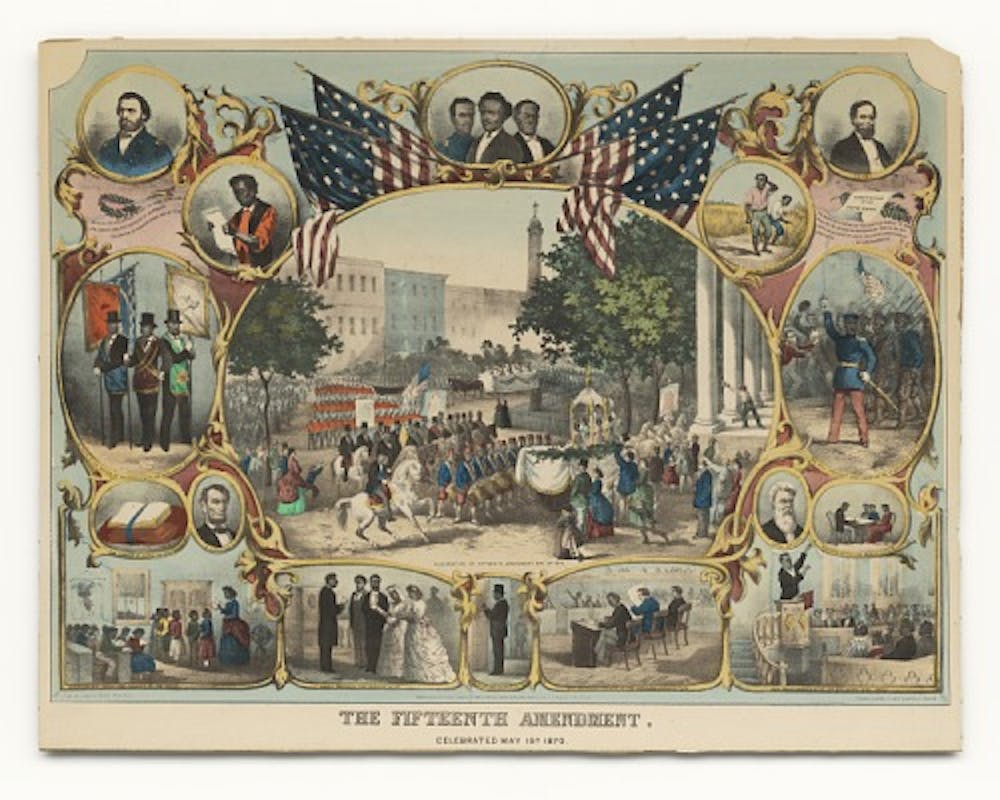
Then, the 15th Amendment asserted that neither the federal government nor state governments could deny voting rights to any male citizen.
The year 2020 marked the 150th anniversary of the ratification of the 15th Amendment on Feb. 3, 1870. The anniversary each year is a good opportunity to learn about how the amendment was supposed to guarantee that the right to vote could not be denied based on “race, color, or previous condition of servitude.”
African American Politicians
What few history and social studies classes explore is how these changes to the Constitution made it possible for African American men to use their newfound political power to gain representation.
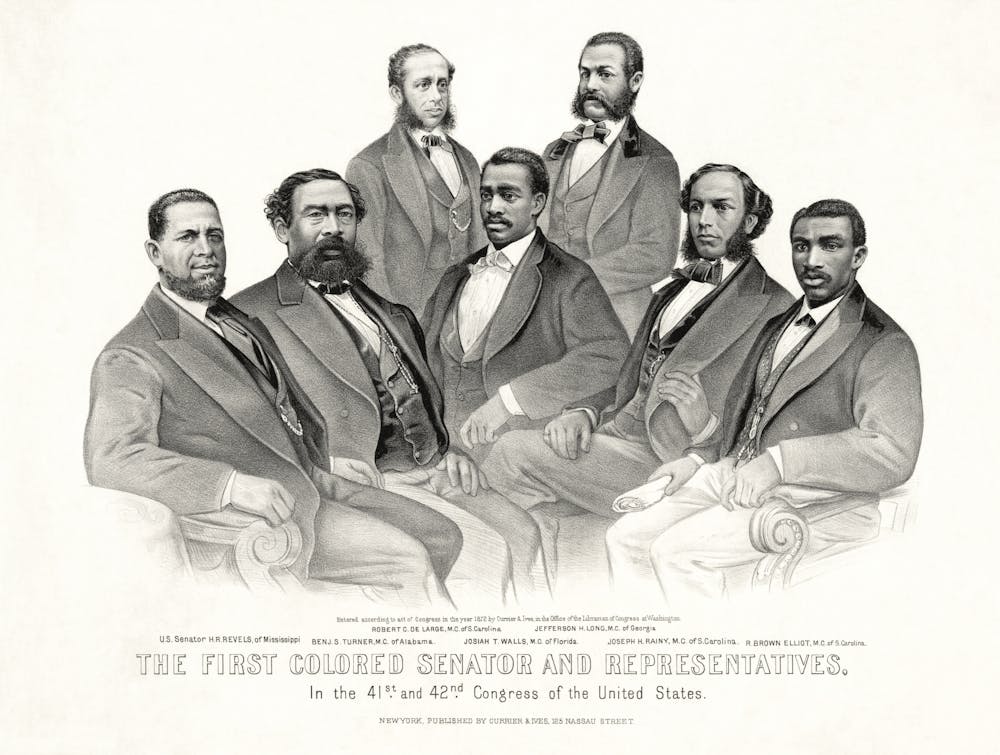
Hiram Rhodes Revels, the first African American senator, represented Mississippi in 1870 after the state’s Senate elected him.
He was among the 16 black men from seven southern states who served in Congress during Reconstruction.
Revels and his colleagues were only part of the story. All told, about 2,000 African Americans held public office at some level of government during Reconstruction.
White supremacist groups like the Ku Klux Klan also formed following the Civil War. These terrorist groups engaged in violence and other racist tactics to intimidate African Americans, people of color, black voters, and legislators.
They thus made the accomplishments of African American politicians even more impressive as they served as public officials under the constant threat of racial violence.
Black Activist Women
African American women technically gained the right to vote in 1920, when the 19th Amendment passed. However, their constitutional right was limited in many states due to discriminatory laws.
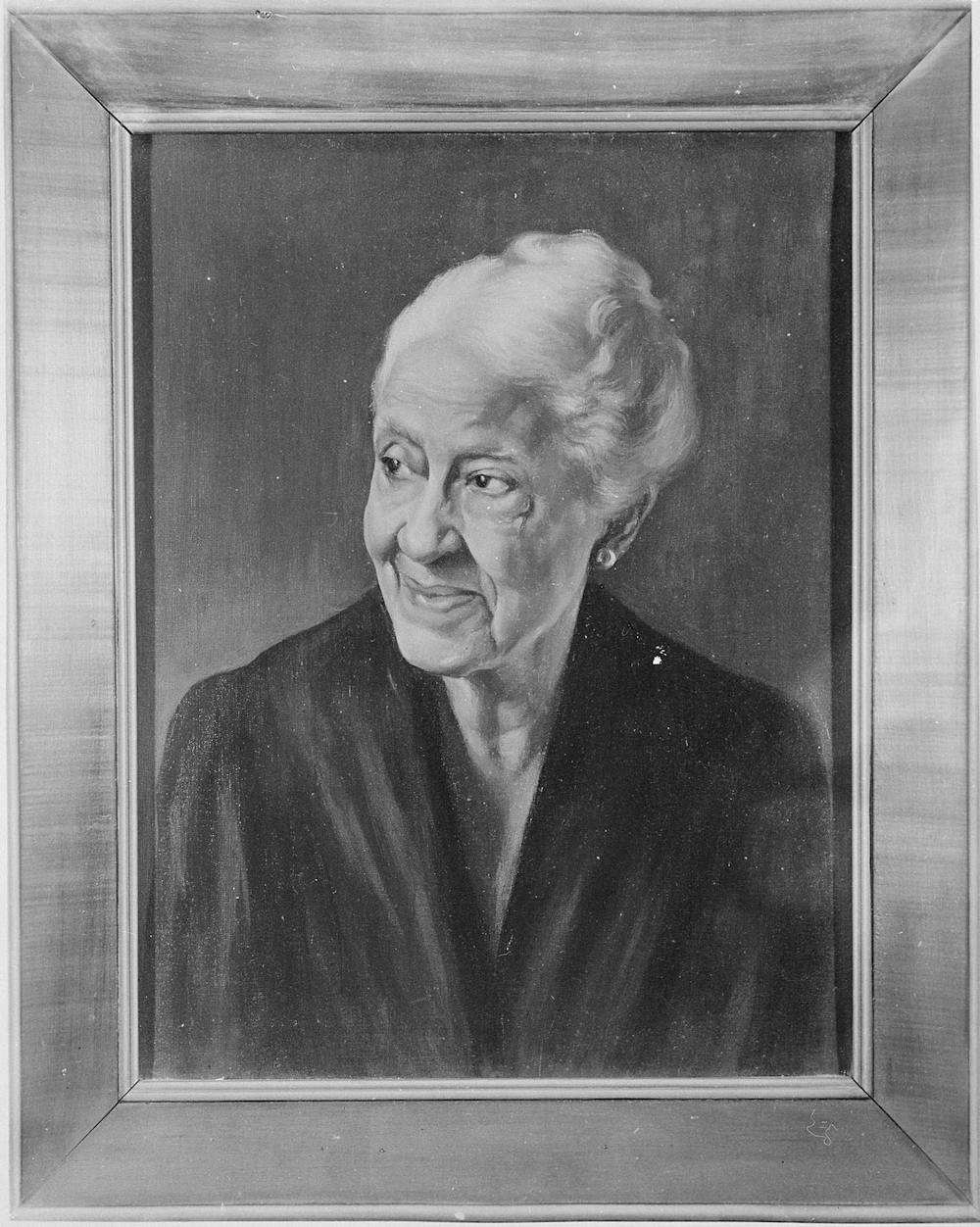
Many black women were activists and women’s suffrage movement leaders. Through public speaking, prolific writing, and developing organizations dedicated to racial and gender equality, they fought for equal rights and dignity for all.
Among the black women who were activists during Reconstruction were the five Rollins sisters of South Carolina, who fought for female voting rights; Maria Stewart, an outspoken abolitionist before the Civil War and suffragist once it ended; and Mary Ann Shadd Cary, the first black woman in North America to edit and publish a newspaper, one of the first black female lawyers in the country and an advocate for granting women the right to vote.
Other women of color who played key roles in the suffrage movement included Ida B. Wells, the journalist and civil rights advocate who raised awareness of lynching, and Mary Church Terrell, founder of the National Association of Colored Women.
Higher Education
Before the Civil War, many states made teaching enslaved individuals to read a crime. Education quickly became a top priority for Black Americans once slavery ended.
While northern, largely white philanthropists and missionary groups and the U.S. Bureau of Refugees, Freedmen, and Abandoned Lands, better known as the Freedmen’s Bureau, did help create new educational opportunities, the African American public schools established after the Civil War ended were largely built and staffed by the Black community.
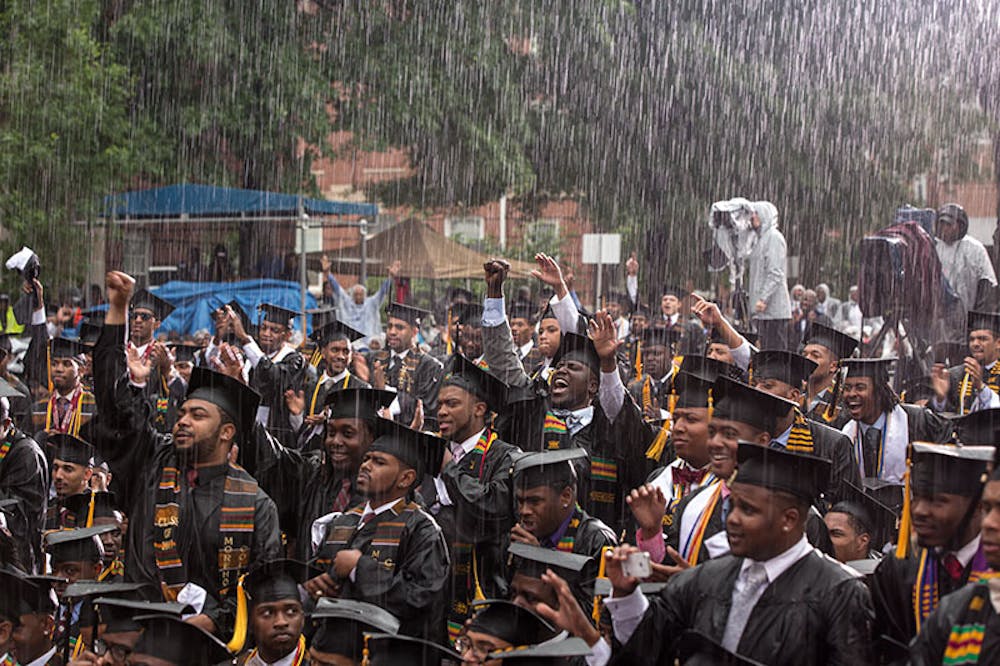
Many new institutions of higher education, now called Historically Black Colleges and Universities or HBCUs, began to operate during Reconstruction.
These schools trained black people to become teachers and ministers, doctors and nurses. They also prepared African Americans for careers in industrial and agricultural fields.
Public and private HBCUs founded during Reconstruction and still operating today include Howard University in Washington, D.C., Hampton University in Virginia, Alabama State University, Morehouse College in Georgia, and Morgan State University in Maryland.
These colleges and universities train a disproportionate share of black doctors and other professionals even today.
Historical experiences
Storytelling, multimedia experiences, and trips to historic sites and creative museums help get people of any age interested in learning about history.
Depending on where you live, you may want to embark on a family outing or school field trip.
The National Constitution Center in Philadelphia has a new permanent exhibit on the Civil War and Reconstruction.
The National Museum of African American History and Culture, which opened in Washington, D.C. in 2016, contains artifacts from the Reconstruction era.
It’s also making the records of the Freedmen’s Bureau, including the names of formerly enslaved individuals following the Civil War, available online.
Another option is the Reconstruction Era National Historic Park in Beaufort County, South Carolina.
I also recommend watching the PBS documentaries about Reconstruction by the scholar and filmmaker Henry Louis Gates Jr. and reading the young adult book Gates co-authored with children’s nonfiction writer Tonya Bolden about the era. Gates has also compiled a Reconstruction reading list for adults.
In addition, the organization Teaching for Change curates a booklist on Reconstruction for middle and high school students.
And the Zinn Education Project Teach Reconstruction Campaign offers a variety of resources including readings, primary sources, and even lesson plans.
An Incomplete Transition
As the renowned Black scholar W.E.B. DuBois observed, racist laws and violent tactics in many states actively limited black freedom.
“The slave went free; stood for a brief moment in the sun; then moved back again toward slavery,” he explained.
This was by no means voluntary. Intimidated and threatened by black enfranchisement and excellence in the era of Reconstruction, white supremacists attempted to enforce subordination through violence, such as lynching; and in systemic ways through Jim Crow laws.
African Americans continued to assert their civil and constitutional rights as activists, politicians, business owners, teachers, and farmers in the midst of white supremacist backlash.
With the latest voter suppression efforts restricting access to the ballot box for voters of color and the resurgence of racist violence and vitriol today, DuBois’ words sound eerily familiar.
At the same time, it’s reassuring to recall how quickly formerly enslaved African Americans made their way to schoolhouses and public offices.
This article was first published by The Conversation — and was republished with permission.
Header image: Many African Americans made education a high priority after the Civil War. / Photo courtesy of National Museum of African American History and Culture
Black History Month provides an opportunity to pull back the curtain and turn the spotlight on individuals who made a difference in the successes of the civil rights movement during the 1960s.
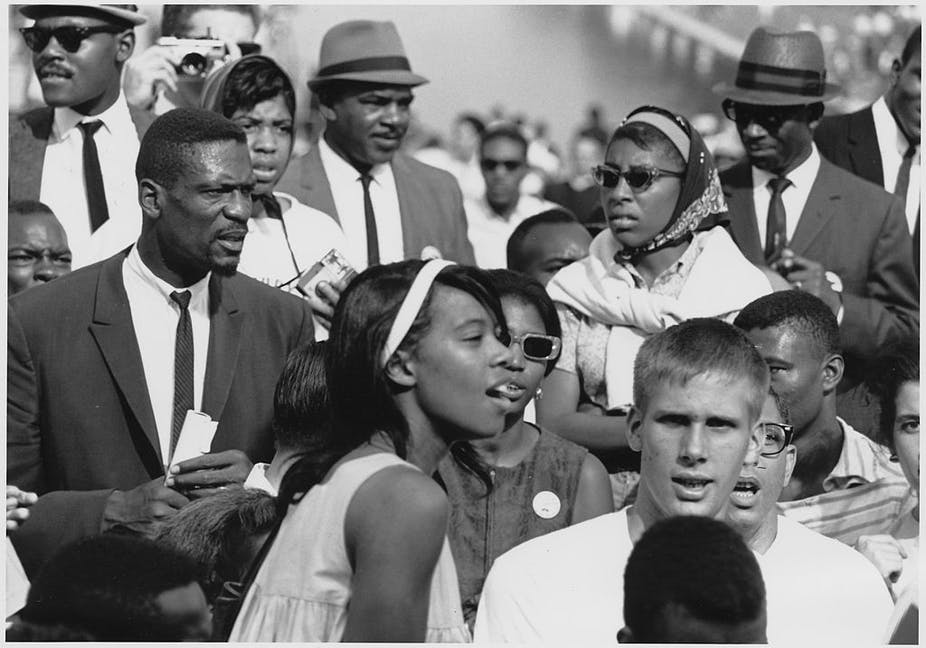
I had the privilege of working with these individuals while participating in the many demonstrations and rallies that occurred in Chicago between 1963 and 1968.
The men and women who organized the nuts and bolts of the Chicago Civil Rights Movement may not be as well-remembered but it was they who provided its essential vision and energy.
They expressed their leadership by handling the “nitty gritty”.
Their dedication gave the movement “legs” and the ability to move beyond speeches and good intentions.
Being ready to be ‘hit over the head’
Consider Al Raby. He quit his job as a teacher in the local school system, enabling him to devote his full energies to shaping the strategy and tactics as the movement tackled discrimination in education, employment, and housing.
In 1965, after two years of demonstrations and marches with no change in the policies of the Chicago school board, Raby signaled his commitment:
“We have come to the point where we have to be ready to go to jail. This business of orderly demonstrations is not going to do a blessed thing. We have to be ready to get hit over the head and to be jailed for our beliefs”.
Raby was indeed jailed – several times.
Raby’s leadership took another turn during the riots that occurred during the summer of 1965. At the height of trouble a police car was dispatched to the headquarters of the movement to bring Raby to the west side.
He felt it necessary to work with the “establishment” in an effort to stop the violence that undermined the image of the movement. At considerable risk to himself, he spoke to the rioters.
“I understand your anger but your actions are hurting what we are fighting for: ending all forms of discrimination in this community”
Al Raby’s leadership and service to the community did not end when the civil rights movement passed from the scene in the late ‘60s.
He served in the Peace Corps and played a key role in the election and administration of Mayor Harold Washington. Like the mayor, he died far too early in his career.
Chicago has not forgotten him — in 2004 a high school was named for him.
'Walking history’
Tim Black is a special hero of mine. Today at age 93, Tim is still active, speaking and writing about the unfinished civil rights agenda.
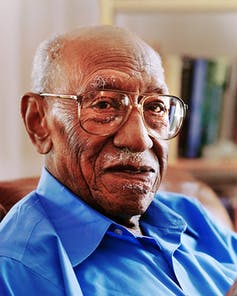
Tim has been referred to as “Walking History”. He has no peer in his grasp of the civil rights scene.
As a teacher, as the leader of the former Chicago branch of Negro American Labor Council (the national organization founded by A. Philip Randolph), and as a writer and commentator on race relations and the social agenda facing our country, Tim continues to be an incomparable resource.
Despite his age, he maintains a full schedule and is completing a major oral history project, Bridges of Memory, that presents the life stories of several generations of blacks, starting with those who grew up in the South and moved to Chicago.
I worked closely with Tim as we planned campaigns to increase employment for minorities at large corporations.
On one occasion Tim had to make a difficult decision.
The logistics for a major demonstration at Motorola’s showroom were in place when the company agreed to meet.
Against the wishes of the militants who wanted to go ahead with the protest, Tim agreed to call it off, observing that the goal of the movement was change — not punishment.
The chief of staff
The third leader who “needs an introduction” is the Rev Al Pitcher. He held a faculty appointment at the Divinity School of the University of Chicago and worked tirelessly as chief of staff, first for Al Raby and then later for Jesse Jackson.
I was able to observe him first hand since he lived with us one summer during the height of the Chicago campaign.
He outlined his philosophy of not creating new institutions but, rather, working within existing organizations to help them become more effective.
As a white person in a movement that required leadership from the African American community to be calling the shots, Al viewed his role as supportive and staying as much in the background as possible.
At the same time the planning of scores of events needed his attention. I asked Al whether he enjoyed his role as manager of all details.
He responded,
“No job is too small for me. I am the person who has the only key to the storeroom. If I didn’t keep control of it, we’d never have any supplies on hand. My job is to serve, whether it’s a small assignment of disciplining rambunctious youngsters or making important policy recommendations to Al Raby.”
His willingness to tackle the nitty-gritty was illustrated by the role he played in planning for a visit by Martin Luther King.
Al had to organize transportation so people could travel from their communities to the center of Chicago for what was hoped to be a massive march that King would lead.
This meant contacting bus companies, assessing the transportation needs of many different communities, and merging those of certain localities in order to conserve expenditures.
This was an operation as complex as a military invasion.
It did not require much imagination. What it needed was attention to detail and many hours of work and endless phone calls.
A proving ground for ‘diamonds in the rough’
These vignettes of three leaders who played key roles, but today half a century later, might not be remembered, illustrate the potential of the civil rights movement to bring forth talent waiting to be developed.
Similar to the labor movement, the civil rights movement was a proving ground for “diamonds in the rough.”
Where else in our society could people with this leadership potential find expression for their energies?
Many activists without substantial formal education wrote brilliant letters of protest -— letters filled with anger but also containing valid points and persuasive arguments.
Their lives are an inspiration and a call to those willing to work on today’s unfinished civil rights agenda.
This article was originally published by The Conversation — and was republished with permission.
- Ownership of a 215-hectare (532-acre) redwood forest along California’s north coast was returned to Sinkyone tribes and has been renamed Tc’ih-Léh-Dûñ.
- The InterTribal Sinkyone Wilderness Council is working with Save the Redwoods League, which donated the land, to protect California’s remaining oil-growth forest, along with endangered species such as the northern spotted owl and marbled murrelet.
- The 30-year conservation plan and land transfer deal is funded by the Pacific Gas & Electric Company (PG&E) in order to offset habitat loss that may result from the company’s activities.
- Indigenous forest conservation principles, such as controlled burnings, will be included in the tribal protected area – an inclusion that should be seen in the 30×30 initiative to protect 30% of lands and ocean by 2030, says Save the Redwoods League and the tribal council.
Ten Native American tribal nations, forming the InterTribal Sinkyone Wilderness Council, have received ownership of 215 hectares (532 acres) of California’s redwood forest.
The tribal council is partnering with Save the Redwoods League, which donated the land, to protect and restore their traditional coastal forest.
Together they have developed a 30-year conservation plan to protect endangered species such as the northern spotted owl and marbled murrelet.
The conifer forest located in the north coast of the state in Mendocino County, is home to endangered old-growth redwood trees, the tallest trees in the world.
Large second-growth Douglas-firs, tanoaks, and Pacific madrones are also found in the area.
The forest has been named Tc’ih-Léh-Dûñ in the Sinkyone language as a testimony to the Sinkyone Indigenous peoples who inhabited the region before they were forcibly removed by European and American settlers.
The forest was formerly known as Andersonia West before it was designated as tribal protected area.
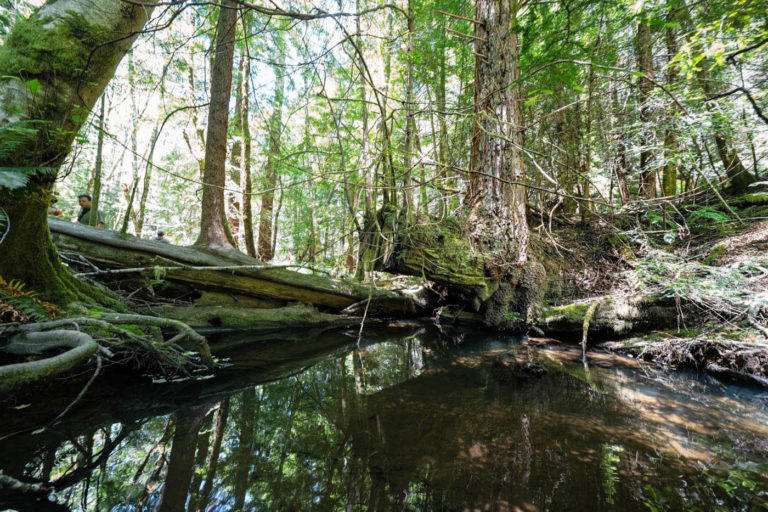
“Renaming the property Tc’ih-Léh-Dûñ lets people know that it’s a sacred place; it’s a place for our Native people,” said Crista Ray, a tribal citizen of the Scotts Valley Band of Pomo Indians and a board member of the Sinkyone Council.
“It lets them know that there was a language and that there was a people who lived there long before now.”
Tc’ih-Léh-Dûñ means ‘fish run place’, a reference to the vast pacific coast and the creek that runs through the forest.
About 1.5 miles of the Anderson Creek, a high-quality fish habitat, passes through Tc’ih-Léh-Dûñ.
Coho salmon and steelhead trout are among the threatened species in the forest listed under the Endangered Species Act.
Only five percent of the original old-growth redwood forest remain from Southern Oregon to Central California.
Today totaling 110,000 acres, redwood forests were logged extensively during the 19th and 20th century to satisfy the demand for lumber and resources.
An offset that includes Indigenous guardianship
In December, Save the Redwoods League, a nonprofit organization committed to protecting and restoring California redwood trees, transferred ownership of the forest to the ten tribal nations.
They expressed confidence that the InterTribal Sinkyone Wilderness Council could permanently conserve and restore Tc’ih-Léh-Dûñ.
“The League believes that the best way to permanently protect and heal this land is through tribal engagement and stewardship,” said the organization in a statement.
In turn, the Council granted the League a conservation easement. Under the easement, there will be no commercial timber operations, fragmentation, development, or public access.
The land will be managed according to a Habitat Management Plan approved by the U.S Fish and Wildlife Services (FWS).
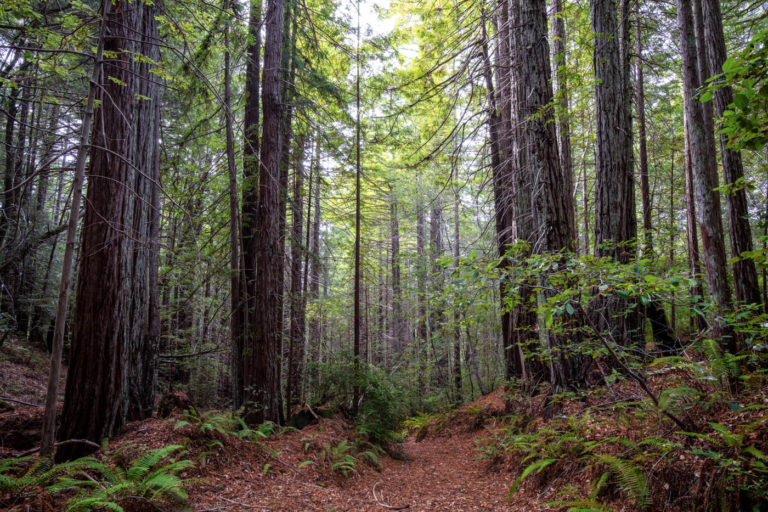
Save the Redwoods League told Mongabay that the easement requires the tribal council to remove invasive plants. It allows, but does not require, forest thinning and other restoration work.
Every few years, the League and the Council are also required to record the presence of northern spotted owls, murrelets and yellow-legged frogs. The owls and murrelets are listed under the Endangered Species Act.
“Logging ceased on the property 50 years ago, and there are many large second-growth trees that are already exhibiting late-seral characteristics, including complex crowns and furrowed bark, meaning they are on their way to becoming healthy old-growth trees,” explained Save the Redwoods League in a statement.
The purchase of Tc’ih-Léh-Dûñ, was funded by the Pacific Gas & Electric Company’s (PG&E) Compensatory Mitigation Program.
It was established through the Habitat Acquisition and Management Agreement with FWS to protect threatened and endangered species along with their habitats.
The tribal council, Save the Redwoods League and PG&E worked together to develop the management and stewardship plan for the forest that was then approved by the FWS prior to the donation of the land.

The agreement between the collaborating parties was developed to meet PG&E’s 30-year conservation goals for the northern spotted owl and marbled murrelet.
As such, Tc’ih-Léh-Dûñ will be included in the company’s mitigation portfolio.
According to Save the Redwoods League, this innovative funding strategy made the conservation project possible.
“It serves as a potential model for how conservation organizations can facilitate returning land to tribes,” the Leage told Mongabay.
According to the League, PG&E is mitigating potential habitat loss that may result from its operations and maintenance activities throughout the utility’s northern and central California service area.
PG&E also provided Sinkyone council with a $1.3 million endowment to support ongoing stewardship of Tc’ih-Léh-Dûñ.
“We appreciate the opportunity to partner with Save the Redwood League, the InterTribal Sinkyone Wilderness Council, and the U.S. Fish and Wildlife Service to bring such an important conservation project to fruition,” said Mariano Mandler, senior director of environmental management for PG&E.
“This is a great collaborative effort that demonstrates our environmental stewardship commitment to protect these valuable resources and the communities we serve.”

Including Indigenous Conservation Knowledge
In a statement, Save the Redwoods League said that they will be working with the tribal council to apply “a blend of Indigenous place-based land guardianship principles, conservation science, climate adaptation, and fire resiliency concepts and approaches to help ensure lasting protection and long-term healing for Tc’ih-Léh-Dûñ and its diverse flora and fauna.”
“The Sinkyone Council’s goal for Tc’ih-Léh-Dûñ is to help expand the matrix of neighboring protected lands that are ecologically and culturally linked, so that tribes can achieve larger landscape-level and regional-level protections informed by cultural values and understandings of these places,” said Hawk Rosales, former executive director of the InterTribal Sinkyone Wilderness Council.
“In this way, Indigenous Peoples will support and participate in the healing of these lands and their communities.”
An overview of the project states that one of these Indigenous conservation principles includes controlled burning. The tall redwoods of Tc’ih-Léh-Dûñ traditionally thrive and regenerate with fire.
According to Rosales, about 25 years ago, researchers learned that the Sinkyone likely practiced rotational burning every five years in many coastal areas.
The Council is now hoping to re-establish traditional burning in Tc’ih-Léh-Dûñ.
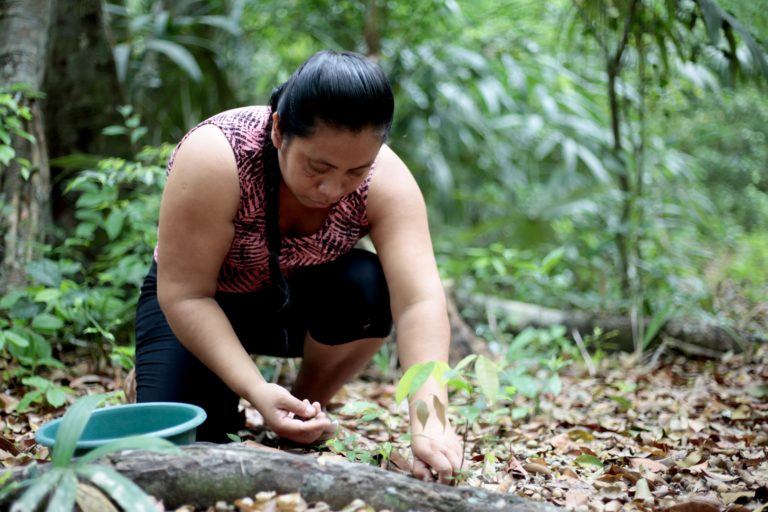
The League says that the new initiative will provide a unique opportunity to contribute to the Convention of Biological Diversity’s (CBD) proposed target to protect 30% of lands and ocean by 2030 (30×30).
However, contrary to concerns that this target will lead to the expansion of protected areas that displace Indigenous peoples from their ancestral lands, the League and the Sinkyone council prioritize including tribal peoples in their conservation plans.
According to the tribal council, for the 30×30 initiative to succeed, federal implementers must uphold tribal sovereignty and ensure that tribes have a key leadership seat at the policymaking table.
This should include tribal rights to fish, hunt, gather and manage their lands.
“To meet the state and federal 30×30 goal of protecting 30% of lands and oceans by 2030, meaningful engagement with tribes in California is key,” the League said.
“In this process, we have an opportunity to restore balance in the ecosystem and in the communities connected to it, while also accelerating the pace and scale of conserving California’s iconic redwood forests.”
This is the second donation of land that the League has made to the Council, with the first being a 66-hectare (164-acre) land called the Four Corners, also located in California’s Mendocino County.
This article was originally published on Mongabay and was republished with permission.
Banner image: Redwood forest in Muir Woods, Marin County, California. Image courtesy of Rhett A. Butler for Mongabay.
Aaron Bolds didn’t consider becoming a physician until he tore a ligament in his knee while playing in a basketball tournament when he was 15. His orthopedic surgeon was Black, and they hit it off. “He was asking me how my grades were, and I told him, ‘I’m a straight-A student,’ and he was, like, ‘Man, this is a great fallback plan if basketball doesn’t work out,’” recalls Bolds, who is African American.
“He looked like me,” Bolds says, “and that was even more encouraging.”
If not for that chance encounter, Bolds, 34, a doctor at Mount Sinai Health System in New York, might never have gone into medicine, he says. When he was growing up, there were no physicians in his family or extended social network to model that career path. And at the schools he attended, he says, his aptitude for science didn’t trigger the kind of guidance young people often receive in more privileged contexts.
What Bolds did get attention for was his athletic ability. He got a full basketball scholarship to Lenoir-Rhyne University in North Carolina, where his team won a conference championship. But when he transferred to Bowie State University in Maryland, where he also played basketball, an academic adviser discouraged his pre-med ambitions, Bolds recalls, saying his grades were low and he lacked research experience.
Bolds is not alone in finding in athletics a fraught lever of educational opportunity. Whereas Black players comprise more than half the football and basketball teams at the 65 universities in the top five athletic conferences, and bring in millions of dollars for their schools year after year, the graduation rates for Black male college athletes are significantly lower — 55 percent as compared to 69 percent for college athletes overall — according to a 2018 report from the USC Race and Equity Center. Many Black college athletes end up without either a professional sports contract or a clear career path.
Now some educators and advocates are looking to reverse this trend by connecting sports, an area in which African American men are overrepresented, and medicine, where the opposite is true. As of 2018, 13 percent of the U.S. population, but just 5 percent of doctors — according to the Association of American Medical Colleges — identified as Black or African American. (The AAMC data notes that an additional 1 percent of doctors identified as multiracial.) Decades of efforts to increase diversity at medical schools have made progress with other demographics, including Black women — but barely any with Black men. “No other demographic group is broken down with such a large split between men and women,” says Jo Wiederhorn, president and CEO of the Associated Medical Schools of New York. “And none of them have stayed stagnant, like that group has.”
According to data the AAMC provided to Undark, the proportion of Black men enrolling in medical school hasn’t changed much since 1978 — with only some headway being made in the past few years.
The absence of Black male medical professionals ripples across the health system, experts say, contributing to widespread health disparities. African Americans tend to be diagnosed later than White people with everything from cancer to kidney disease, leading to more advanced disease and earlier deaths. Meanwhile, a recent study suggests that Black men who see Black male doctors may be more likely to follow medical advice. Other research also suggests that racially concordant care, in which patients and doctors have a shared identity, is associated with better communication and a greater likelihood to use health services.
“We are in a crisis point, nationally,” says Reginald Miller, the dean for research operations and infrastructure at Icahn School of Medicine at Mount Sinai. “I don’t think it’s a stretch to suggest that the health of communities of color are directly proportional to the number of practitioners available to see,” he says. “It’s just that straightforward.”
Last year, the National Medical Association, a professional organization representing African American physicians, embarked with the AAMC on a joint effort to address the structural barriers to advancement for Black men. “We need to look at this with a unique lens,” says Norma Poll-Hunter, senior director of workforce diversity at the AAMC.
There is no single solution to such an entrenched and multifaceted problem, Poll-Hunter says. According to her, some medical schools have adopted a holistic admissions process that evaluates many personal factors rather than relying on standardized test scores, which can exclude promising Black candidates. In addition, she says, students of color need better access to high-quality K-12 science education, particularly in under-resourced public schools. “There are a lot of barriers that exist early on,” she notes, “and that then creates this narrowing of the pathway to medicine.”
But the novel strategy of wooing athletes is slowly gaining traction. Advocates point out that high-performing athletes possess many of the skills and attributes that doctors, psychologists, physical therapists, and other medical professionals need — things like focus, a commitment to excellence, time management, and problem-solving skills, as well as the ability to take constructive criticism and perform under pressure.
“When you say, ‘What’s your ideal medical student?’ it’s not just a kid who’s academically gifted. It’s a kid who’s got resilience, attention to detail, knows how to work on the team,” Miller says. “Because science and medicine are team sports.” And by virtue of being athletes, these young men are already attuned to nutrition, fitness, and other aspects of human biology.

Two former NFL players, Nate Hughes and Myron Rolle, recently became physicians. And there is evidence that competitive sports experience contributes to medical success. A 2012 study of doctors training to become ear, nose, and throat specialists at Washington University, for example, found that having excelled in a team sport was more predictive of how faculty rated their quality as a clinician than strong letters of recommendation or having attended a highly-ranked medical school. Likewise, a 2011 study found that having an elite skill, such as high-achieving athletics, was more predictive of completing a general surgery residency than medical school grades.
Advocates of the athletics-to-medicine pipeline point out its practicality. Thousands of Black men are already in college, or headed there, on athletic scholarships. It would only take a small percentage of them choosing medical careers to boost the percentage of Black male doctors to better reflect the proportion of African American men in the general population, they say.
No one thinks it will be easy. One obstacle, advocates say, is a lack of role models. Black sports celebrities are household names, but some young athletes may never encounter a Black medical professional. “People don’t believe they can become what they don’t see,” says Mark R. Brown, the athletic director at Pace University.
And for the best chance of success, many say, these young men need to form and pursue medical aspirations as young as possible, along with their athletic training. “Those kids who are able to do both, the rewards at the end are enormous,” Miller says. But the adults in their lives may not believe the dual path is possible. “The second that a kid says to a science teacher or someone else that he’s an athlete,” Miller says, “they go into a different category. ‘They’re not really serious about science and medicine, they’re just here, and so I don’t expect this kid to really achieve.’”
Rigid course and practice schedules also make it challenging for busy athletes to undertake demanding and time-intensive science majors, observers say. What’s needed is “a cultural change, and not just a cultural change with the athletes. It’s a cultural change with the whole structure,” Miller says. “Everybody’s excited about the idea” of the physician athlete, he adds, “because it makes sense. But when the rubber hits the road, it is challenging.”
Donovan Roy, the assistant dean for diversity and inclusiveness at the Western Michigan University Homer Stryker M.D. School of Medicine, was one of the first people to envision the potential of directing Black athletes toward medical careers.
Roy, 48, who is Black and a former college football player, grew up in the working class, primarily Black and Latino community of Inglewood, California. Attending an elite private high school on a football scholarship was eye-opening. He vividly remembers the first time he ever saw a walk-in pantry, at a friend’s home. “It was stocked like a convenience store,” he recalls. “Five different types of Hostess, Ding-Dongs, sodas, every type of snack that you ever wanted.” Equally startling was speaking with another friend’s mother, who was a lawyer. “I’d never seen a road map to success in my community,” he says.
Roy’s athletic talent continued to open doors — at 18 he got a scholarship to the University of Southern California — but poorly prepared by the under-resourced public schools he had attended through ninth grade, he struggled academically, and left both USC and later another university that he also attended on an athletic scholarship.
Eventually Roy found his footing, and when he did, he became a learning specialist. After working through his own academic struggles, he wanted to help others with theirs. Roy took a job as a learning skills counselor at UCLA’s medical school. There he helped the students who were struggling with classes like anatomy and genetics. In early 2015, he returned to USC as the director of academic support services at Keck School of Medicine.
“When you say, ‘What’s your ideal medical student?’ it’s not just a kid who’s academically gifted. It’s a kid who’s got resilience, attention to detail, knows how to work on the team,” Miller says.
Something Roy noticed at both these medical schools stuck with him, though it would take a few years for the observation to crystallize. A certain kind of student sought help despite, by ordinary standards, not needing it. These were the athletes, and many of them were Black or Latino. “They always talked about, ‘How can I excel? How can I get better?’” he recalls. They “were getting 90s and they wanted to be 100.”
Roy began a doctoral program in education in 2015, the same year the AAMC published a damning report about the lack of Black men entering medical school. This was a crisis Roy understood both personally and professionally. For his dissertation, he decided to interview 16 Black male students at Keck School of Medicine. What was it about them, he wanted to understand, that had gotten them there against all odds?
The answer, he discovered, was what academics call social capital. For medical students from privileged backgrounds, social capital might take the form of a family friend who arranges a summer internship at a biotechnology lab, or a well-funded high school that offers advanced placement science classes. The young men Roy interviewed did not, for the most part, have access to those sorts of resources.
“Growing up, I didn’t see a Black male with a college degree until I got to college,” medical student Jai Kemp said in a separate interview Roy conducted for a documentary he’s making on the topic. The social capital these young men leveraged to get to medical school took the form of parental support, science enrichment programs and clubs, peer social networks, faculty mentors — and the perks that come with athletics. “For me it was just sports that got me through,” Kemp said.
The pieces started to fit together. Roy knew from his own experience all the benefits athletes get, not just entrée to educational institutions, but travel, enrichment, and academic advantages like tutoring and early class registration. Athletes also tend to possess social cachet on campus and, with more exposure to different types of people, may feel comfortable in environments that seem foreign and forbidding to other young people from disadvantaged backgrounds. Roy also recalled the drive for academic excellence he had observed in the athletes who came to his tutoring programs. “I got this epiphany,” he says. “Why don’t we look at student athletes in order to increase Black males’ representation in medicine, because they have the most social capital and the most network on predominantly White campuses.”
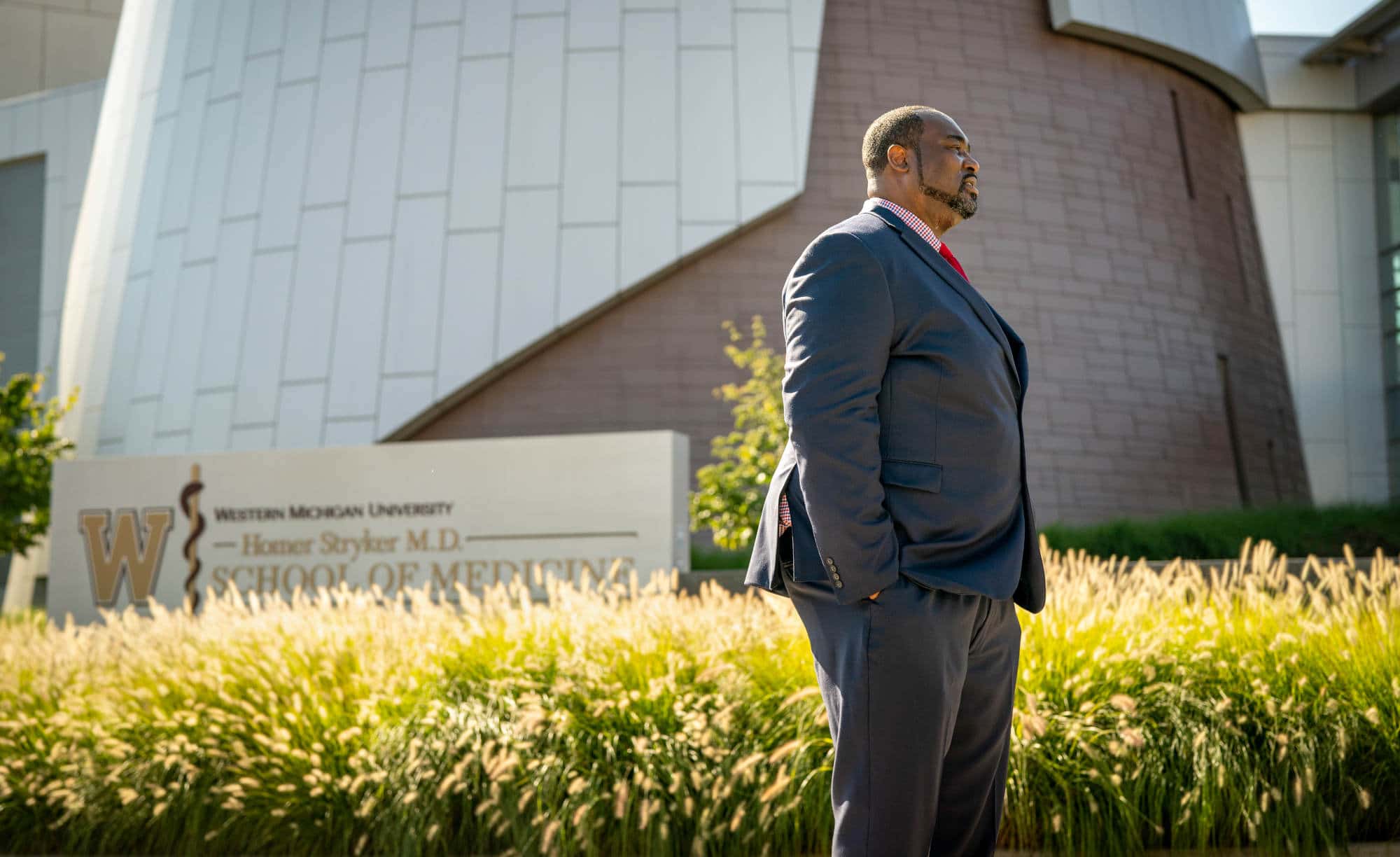
But when Roy began talking to his medical school colleagues about recruiting athletes, who according to a report from the Center for American Progress — a liberal think tank — make up 16 percent of Black male college students receiving athletic aid in the Big 12 athletic conference, he says most weren’t receptive to the idea. The same thing happened when he got up the nerve to make the suggestion publicly at a 2018 conference in Orlando, Florida. The idea ran against type. “I think people tend to lump athletes into this box,” he says. “They just think that athletes are big meatheads.”
Roy knew this truth viscerally, because with his offensive lineman’s build of 6-feet-6-inches and 300-plus pounds, he sticks out in academic settings. “People stare,” he says. “They do not expect me to be in the role that I am in.”
What Roy didn’t know was that the idea was percolating elsewhere, including at the National Collegiate Athletic Association. Brian Hainline, the NCAA’s chief medical officer, says he and Poll-Hunter of the AAMC are in talks with several universities about launching a pilot program to support African American athletes interested in medical careers.
Meanwhile, in 2018 Miller founded the organization Scholar-Athletes with Academic Goals (a.k.a. SWAG, a name he hopes will resonate with young people). The initiative connects promising athletes with a range of available programs to help them pursue and succeed in science and medicine. Recently, Miller worked closely with leadership at Pace University to create a program, expected to launch next year, to support Black college athletes interested in attending medical school. Pace officials want the initiative to become a magnet for out-of-state athletes and a model for other schools. “My hope is that two years from now, colleges and universities will call” and ask, “Wow, how did you do this?” says athletic director Brown. “Once we have some success, and proof of concept, then I think it can really grow.”
Bolds graduated medical school in 2018 and is now doing his residency at Mount Sinai. His focus is rehabilitation medicine, and he plans to tend to injured athletes and serve as a team physician. He got a business degree while in medical school, and his long-term goal is to open his own interventional spine and sports medicine practice specializing in preventing and rehabilitating injuries in both athletes and non-athletes, as well as helping serious players enhance their performance.
But there were tough moments along the way, such as the encounter with that academic adviser, which Bolds says only served to motivate him. At the time, he thought, “Wow, this person doesn’t believe in me. So let me make them a believer,” he recalls. “That was, moving forward, really a turning point for me, honestly. Because I knew that people aren’t going to believe in you unless you give them a reason to.”
Bolds began to apply an athletic mindset to his pre-med classes. “That same grind of having to get up, 5 a.m., get to the gym, get shots up before anybody gets there, to put in that extra time — I was doing that with my studies,” he says. “I would get to the library before anybody.” Once Bolds turned his grades around, professors began to notice and help him, he says. Still, he says, his score on the MCAT, an entrance exam required by nearly all U.S. medical schools, was borderline. Instead of giving up, he attended multiple events at Howard University’s medical school, where he met people who advocated for him. It was the only medical school he got into.
Whereas Bolds had to bushwhack, he saw other Black students fall off the medical path — and his fellow Black teammates avoided it entirely. Many athletes find themselves enmeshed in a profit-making system that may not prioritize their education. The NCAA has been criticized in recent years for its long-standing policy which prohibits profit-sharing with college athletes — a policy that was only recently reversed under interim guidelines. Others have said that Black labor has been especially exploited.
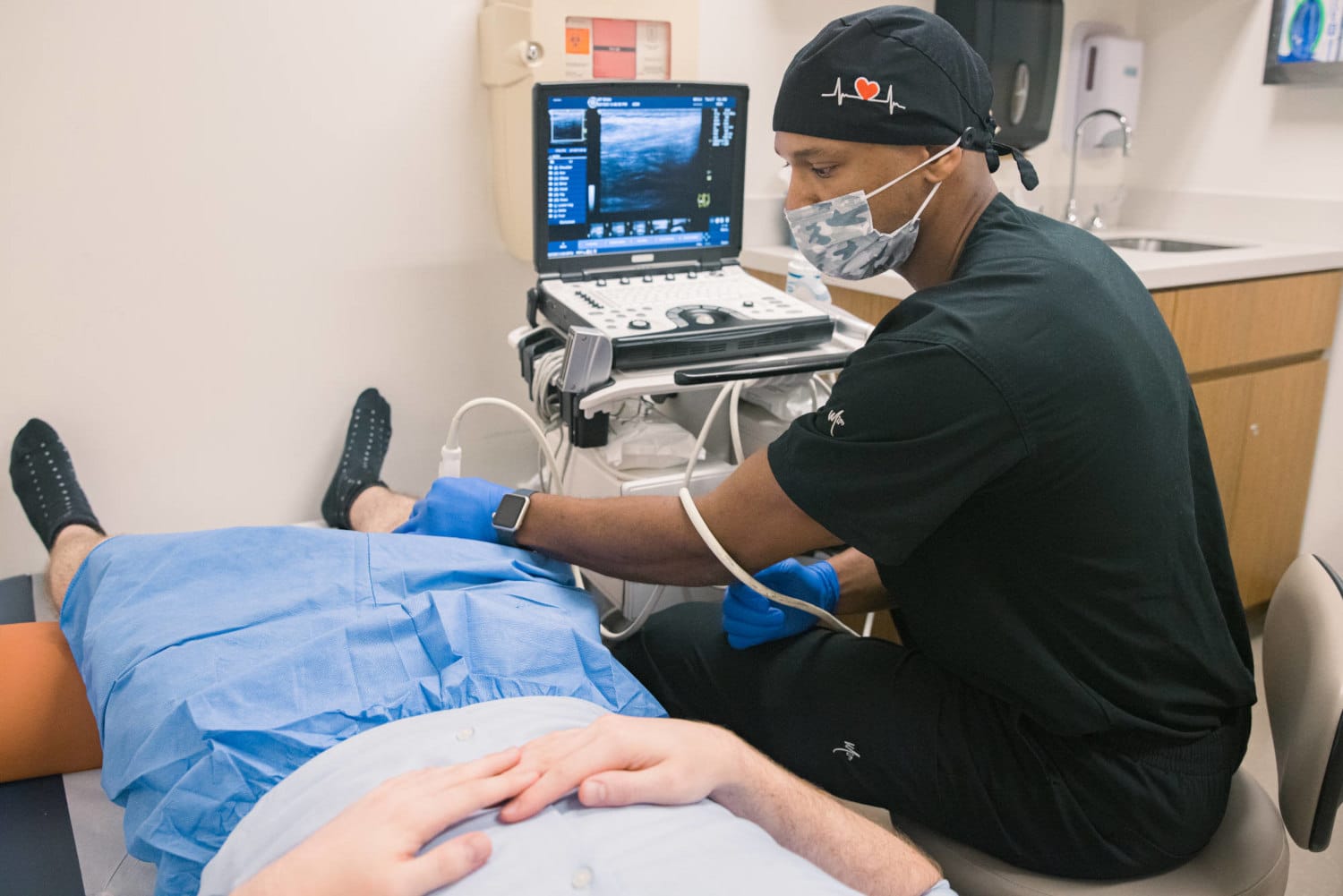

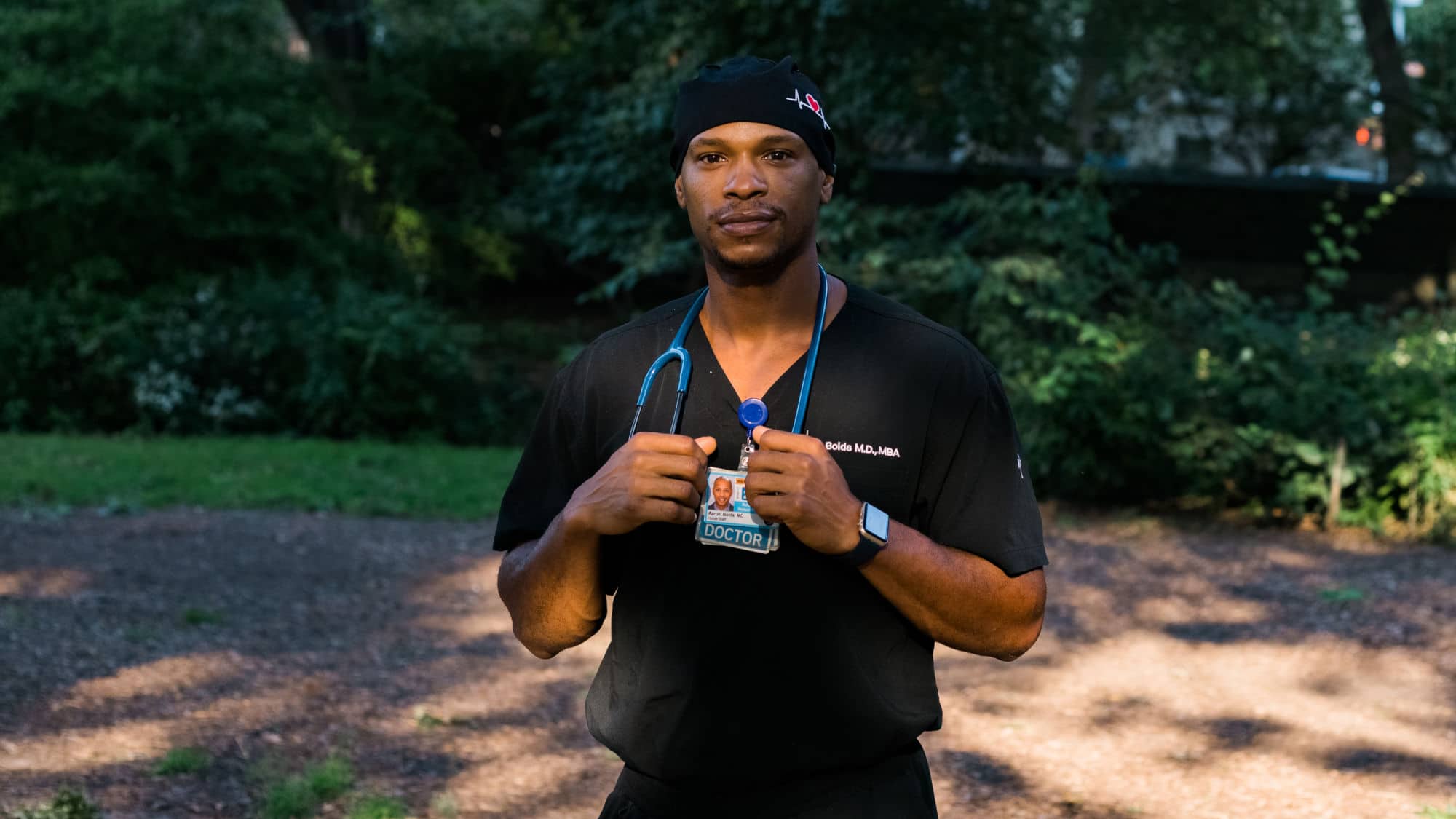
As of 2014 reports, fewer than 2 percent of athletes in the NCAA will go on to play professionally. But for self-serving reasons, critics say, (Clemson University’s football team, for example, made $77 million in average annual revenue from 2015 through 2017) universities often direct athletes to “academic paths of least resistance.” Many schools practice “major clustering,” in which players are steered to the same relatively undemanding major, such as communications, so they can devote themselves almost entirely to their sport. Major clustering is more pronounced among athletes of color, according to a 2009 study of football teams at 11 universities. At six of those schools, the study found, over three-quarters of the non-White football players were enrolled in just two academic majors, although dozens of majors were offered.
Sheron Mark, an associate professor of science education at the University of Louisville, co-authored a 2019 case study of two young Black men who arrived at college on basketball scholarships, with the intent to pursue respective careers in computer science and engineering. But both found it difficult to balance academics with athletics because of pressure and blandishments from coaches and faculty advisers.
“For so long, they’ve been sold this message that you don’t have many choices, that banking on a professional sports career is one of very few options for you if you want to advance your station in life,” says Mark of many Black athletes. It’s important to have a plan B, she says, since “the odds just aren’t in their favor.” But coaches can discourage academically demanding majors because they may cut into practice time, and college athletes are not always capable of pushing back, she says, because their financial packages are tied to fulfillment of their team responsibilities.
Many Black college athletes are already strong candidates for medical school, advocates say, but others may need extra academic support to compensate for deficits acquired at under-resourced K-12 schools. They may also need post-graduation training to take science classes they did not have time for while working long hours as athletes — with some working 20-plus hours a week. “How are they being mentored and guided and protected in planning for their futures?” Mark asks. “They are high achieving in sports, they want to be high achieving in academics. Why don’t we support them?” When people wonder whether student-athletes can cut it in science and medicine, Mark’s response is: “It’s on us. It’s on us to help them do so. That’s how we can grow their representation.”
“That same grind of having to get up, 5 a.m., get to the gym, get shots up before anybody gets there, to put in that extra time — I was doing that with my studies,” Bolds says.
That’s what Pace University intends to do. The school already nurtures academic success in its athletes, who collectively had a B+ average last school year, but premedical studies have never been a great fit, in part because afternoon practices can conflict with long lab classes, says athletic director Brown. As part of the school’s new initiative, Pace science departments have pledged to offer flexibility in course section offerings in order to accommodate football commitments. Athletes of color from any sport will be welcome, but football was prioritized because it is the largest and one of the most diverse teams and has the most complicated schedule, Brown says.
The school also plans to adjust its advising, tutoring, and library services to ensure that pre-med athletes won’t falter when they struggle with personal issues or tough classes like organic chemistry. “Rather than saying, ‘Oh, chemistry, nobody likes chemistry, you’re right, you should just drop that,’ instead now it’s going to be, ‘Yeah, you’ve got to buckle down. And here’s how we’re going to do it,’” says Hillary Knepper, the university’s associate provost for student success.
Meanwhile, Brown will be directing his coaches to actively recruit Black and Latino high school athletes who are interested in medicine. In the past, Brown says, his coaches were less likely to select such students because of anticipated scheduling challenges. But now Pace is trying to establish a partnership through which a nearby medical school would give preferred consideration to pre-med athletes who have completed the Pace curriculum. “With our new approach, you’re not only going to have the ability to do it,” he says, “but you’re going to have a support system, to make sure that you follow the path.”
Some advocates for the athlete-to-doctor paradigm see this work as part of the larger movement for social justice. “Look what Jackie Robinson did, right? Look at Muhammad Ali, look at Colin Kaepernick,” Roy says. “Athletics has always been the vehicle for social change.”
Medical professionals can influence public policy, accumulate wealth, and help empower others in their orbit. “The impacts ramp up really quickly, from just that individual benefiting,” Mark says, to “your family, your neighborhood, your social network, and society — people you won’t even meet, and across generations.”
Studies suggest that African American doctors are more likely to choose to work in underserved communities. They also may be more attuned to, and motivated to combat, the disparities in health care. A study published last year, for example, suggests that Black newborns are half as likely to die when they are cared for by a Black physician.
Bolds is keenly aware of the health disparities for Black communities, and he jumps at opportunities to mentor other young Black men, to show them that they, too, can become doctors. “It seems like there’s so many steps that just are never-ending,” he says. But, he adds, to see someone “that you can connect with that’s at that finish line or has already passed that finish line — I think that’s very key to their success.”
One of the people Bolds has connected with is Darius Ervin, a talented Black basketball player from Crown Heights, Brooklyn, who is now a sophomore at Cornell University. The two met when Ervin attended a virtual event late last year, sponsored by SWAG, at which Bolds spoke. Afterwards, the two chatted, and Bolds now checks in periodically with Ervin, who says he appreciates the encouragement. “Those are people that have once laced up shoes and got on the court and played just like how I did, and now they’re in the hospital helping people,” he says. “Being able to speak to those people gives me the visual, allows me to see that it’s an opportunity and it’s definitely possible for me to do.”
Top image: Aaron Bolds, a former college basketball player, graduated from medical school in 2018. He’s now a doctor at Mount Sinai Health System in New York, specializing in rehabilitation medicine. Visual: Jeenah Moon for Undark
This article was originally published on Undark. Read the original article.

Angela Phillips had been in labor for almost three days when her doctors began to pressure her to have a C-section.
There wasn’t a medical reason other than the fact that her labor had been long, and didn’t seem to be progressing. She declined the procedure. But then Phillips felt the doctors’ and nurses’ attitudes toward her change.
“I felt like I was under a microscope and couldn’t really relax,” Phillips said. It felt as though her experience “didn’t matter” to the doctors, who seemed to be set on performing a C-section “so they could be done with it.”
Phillips, who lives in Richmond, eventually gave birth to a healthy baby girl without a C-section. But her hospital experience was painful and traumatic, and, as a Black woman, she wonders if part of that was due to unconscious biases among the health care workers or the institutional racism embedded in the medical system.
Doctors often fail to listen to Black mothers, resulting in higher complications for their births, research has shown.
Disregarding input from pregnant women increases the risk of death and complications for the mothers and their babies. C-section rates are also higher among Black women.
For her next three children, Phillips gave birth at home with midwife Laura Perez who listened to her needs while also providing medical care.
The use of alternative birthing methods like home births and birthing centers has risen over the past decade, especially among Black women according to Bay Area doulas.
Black women are 3 to 4 times more likely to die from childbirth than white women, according to the Center for Disease Control and Prevention, partially because doctors often shrug off Black women’s concerns.
In 2020, 5,600 people gave birth outside a hospital in California, up from about 4,600 in 2019 and 3,500 in 2010 according to an analysis using California Department of Public Health data.
Births outside of hospitals nationwide rose from 1 percent in 2009 to 1.6 percent in 2019. Data from 2020 and 2021, and data by race are not yet available, according to the report.
Across California, midwives and doulas are working to increase access to their services to more Black and brown women. Bay Area organizations like NuBirth Midwifery and the Oakland Better Birth Foundation are also raising awareness about the options people have to welcome a child into the world.
Some “women of color are unaware that there’s another way to be in your pregnancy, labor, and birth, and postpartum than what’s generally done and prescribed,” said Perez, who works in San Francisco. “You can’t have access to something if you don’t know it exists.”
Perez has primarily worked with communities of color in the Bay Area. Her practice is rooted in traditional midwifery, which means she focuses on clients’ needs and their right to make their own decisions while also adhering to standard regulations as a licensed midwife in California.
“Part of the answer, in terms of access and addressing things like maternal mortality and infant mortality and morbidity, has to do with having providers coming from our own community,” said Perez, who has Native American and Peruvian ancestry.
To ensure her services are accessible to all who want them, she works on a sliding scale and offers bartering. Perez is also the mentorship program director at SisterWeb, a San Francisco-based network of community doulas that works to provide doulas free of charge to women who can’t afford one.
A doula is a person that provides non-medical guidance, information, emotional support, and comfort to a birthing or pregnant person.
According to Perez, women of color have been practicing midwifery for hundreds, if not thousands of years. Before women started going to hospitals to give birth, and before giving birth became a medical intervention, a birthing person would be surrounded by family and friends as a child was being born.
The mythology that women were not safe to give birth at home has been rooted in racism, sexism, and xenophobia.
Midwives who served Black or Native American families, or working-class immigrants were marginalized and even forced underground during the 20th century as states sought to restrict their practice and encourage women to give birth in hospitals, according to the National Association of Certified Professional Midwives.
Trained midwives were among the enslaved Africans brought on ships in the early 1600s.
As chattel slavery boomed in the colonial United States, Black midwives were the primary source of care for both Black and white women and babies, according to researchers at Vassar College. Black midwives were well-respected members of the communities they served.
In the 1910’s, at a time when most women gave birth at home, white physicians began attributing high infant and maternal mortality rates to the “unsanitary” practices of traditional midwives.
In Northeastern states, midwives were displaced as white women considered hospital births the “modern” and “advanced” form of delivery, according to researchers.
Traditional midwives, also known as granny-midwives, were slowly erased as health care reformists pushed for midwives to become licensed professionals.
By the 1970s, midwifery practiced outside of hospitals started making a comeback, and has slowly increased in the decades since.
“Birth at home with a midwife is a woman of color’s birthright,” Perez said. “That’s why I do the work that I do.”
The Oakland Better Birth Foundation was founded by Samsarah Morgan, a doula, community activist, mother, grandmother and author. Morgan has worked as a doula for 42 years.
“We have been working on expanding our reach and ability for more folks to be able to have doula services and childbirth education in ways for people who would never have access to it,” Morgan said.
“African American families need to have informed consent in order to avoid the pitfall of over-medicalized births and unnecessary cesarean births.”
The Oakland Better Birth Foundation also operates on a sliding scale, meaning mothers and students have the option to pay whatever they have in order to receive Morgan’s services.
Morgan invites people from the community to attend classes and workshops on how the body works, opening access to education.
Morgan has seen first-hand the disparity in treatment among low- and high-income communities in the Bay Area, as her clients come from diverse socioeconomic backgrounds. “Our mission is not to turn anyone away”, Morgan said.
Zaree Persley, a 21-year-old mother living in Hayward, gave birth to her daughter in February. Persley was an eager and excited first-time mom, and she hoped to give birth without hospital staff navigating her delivery for her. “I wanted freedom, mobility and one-on-one care,” she said.
But because nurses work in shifts, a woman could have as many as five to seven nurses during her delivery, leaving less time for individualized care.
Five months into her pregnancy, Persley started seeking out birth centers, where she could labor with a midwife.
She gave up when a birth center in Castro Valley asked for $6,500 up front, and another in San Mateo asked for a similar amount. Her only option was to stick with her HMO for care.
Doulas and midwives are often not covered by medical insurance. The state’s low-income health program, Medi-Cal, will occasionally cover midwifery care or a portion of the costs of birthing centers.
Midwifery fees often cost around $5,000 or more per pregnancy. Doulas became fully covered by Medi-Cal insurance in January of 2022, according to DHCS.
Doula services can sometimes be more affordable or free. Some city health departments, like Contra Costa Health Services, offer programs to people who want to be trained as a doula.
Other hospitals, like San Francisco General Hospital and Dignity Health, have similar programs. After training, volunteers can offer services as a doula for a woman who can’t afford one.
On September 29, 2021, lawmakers passed the Black Maternal Health ‘Momnibus’ Act, a federal bill that addresses the higher maternal mortality rate among Black mothers.
The bill aims to invest in factors that influence maternal health outcomes, like housing, transportation and nutrition, among a list of many other goals like more funding for organizations fighting health inequities and removing barriers to access.
At the first White House Maternal Health Day of Action on Dec. 7, 2021, Vice President Kamala Harris described the bill as “a comprehensive bill designed to improve maternal nutrition, to expand affordable housing, and to extend our maternal health workforce to include more doulas and midwives.”
The Momnibus bill would provide funding for doulas to work in hospitals under the supervision of hospital staff. The ultimate goal is to make doulas more accessible to women that would like to work with one but can’t afford one.
Some doulas, such as Morgan, oppose the bill because they fear the supervision would impose unnecessary constraints and regulations that will hinder doulas and prevent them from advocating for the mother when it’s dire.
Others, like Perez, applaud the efforts of the Momnibus bill, but feel more still needs to be done to help Black mothers and their babies, because the problem of racism in health care is systemic.
“It’s like asking doulas to put a Band-Aid on something that is hemorrhaging,” Perez said. “It’s not enough.”
Header image: Zaree, 21, with daughter Sevyn, nine months, as they enjoy the fresh air on their balcony at home in Hayward. / Photo by Myah Overstreet.
This story was originally published by California Health Report. It has been published here with permission.
Browse the hundreds of mental health podcasts on Spotify and Apple Podcasts, and you’ll find shows covering topics such as grief, anxiety, depression, suicide, trauma, divorce, OCD, eating disorders, ADHD, postpartum, and more.
Podcasts can be a simple way to learn from experts and learn about trending topics and helpful interventions, including self-care tips and guided meditations. Plus, research has shown that narrative audio storytelling (like podcasts) can have a positive effect on our brains.
While podcasts don’t take the place of therapy, they can be a helpful adjunct to therapy and can aid in the therapeutic process.
They’re an accessible way to gain insights from the minds of leading psychologists, neurologists, authors, and other industry professionals.
Discover your next favorite mental health podcast:
We've collected our best recommendations for podcasts about mental health. The shows range from giving you an inside peek at therapy sessions — to comedy shows that disarmingly dive into hard-to-talk-about topics. Whatever style you like, there's a mental health podcast for you:
On Our Minds
Apple Podcasts • Spotify • Website
In On Our Minds, a podcast series by PBS NewsHour Student Reporting Labs, high school juniors Noah Konevitch and Zion Williams offer first-person narratives and introspective discussions with experts on what mental health looks like for young people like themselves.
The first season of the student-led and student-produced podcast delves into the biggest mental health challenges young people face, from race and identity, to self-care, school, and depression.
The podcast was created in partnership with WETA’s Well Beings, a mental health public awareness campaign working with local PBS stations nationwide.
Therapy for Black Girls
Apple Podcasts • Spotify • Website

Atlanta-based clinical psychologist Joy Harden Bradford founded “Therapy for Black Girls,” a weekly podcast offering mental health resources and advice for both personal and professional development for Black women and beyond.
Bradford also helps demystify therapy itself and the stigma surrounding it. The podcast is a great choice if you’re looking for advice or insight from a professional or are fascinated by the science of the mind.
Mental Illness Happy Hour
Apple Podcasts • Spotify • Website
So many of us have dealt with mental and emotional trauma in our lives, yet so few of us feel comfortable or even safe talking about it out loud.
Comedian Paul Gilmartin hopes to change this on his weekly podcast, “Mental Illness Happy Hour.” Gilmartin interviews comedians, artists, friends, and the occasional doctor about their experiences with mental illness, trauma, addiction, or negative thinking.
Gilmartin’s interviews run the gamut from tackling the link between sexual assault and PTSD with successful attorneys to uncovering how being raised by a parent with alcohol use disorder can affect you in many invisible ways.
The Happiness Lab
Apple Podcasts • Spotify • Website

Yale psychology professor Laurie Santos hopes to show you that your own happiness is in your control in even the smallest ways using findings from cutting-edge scientific research on the link between human behavior and emotions.
It’s no accident that Santos’ course “Psychology and the Good Life” is one of Yale’s most popular. Her main ambition is to help make you a little bit happier by teaching you to take ownership of how your mind works and how your behavior can be your first line of defense against negativity.
In her podcast, Santos examines the latest scientific research on happiness and shares practical takeaways you can apply immediately to your life.
Each episode tackles common misconceptions about happiness and offers inspiring stories to help you reconsider what happiness means to you.
Terrible, Thanks For Asking
Apple Podcasts • Spotify • Website

This podcast is for those who are tired of saying “fine” when someone asks “how are you?”
Podcast host Nora McInerny is famous for her books on moving forward after life has fallen apart — she lost her father, her husband, and had a miscarriage in the span of weeks.
Her podcast asks people to share what they’re honestly going through, without the effort of trying to make it all seem fine to others.
Sometimes funny, sometimes sad, sometimes both, this podcast is here to let you know it’s OK to respond honestly when someone asks you “how are you?”
The Atlantic says, “The show continuously, unapologetically, ferociously plows into subjects most people are too uncomfortable to touch.”
Where Should We Begin? with Esther Perel
Apple Podcasts • Spotify • Website

This podcast is a relationships podcast first and foremost, but it naturally has overlap with mental health. You can listen in as therapist and author of the best-selling book “Mating in Captivity,” Esther Perel, counsels real couples through their problems.
The couples talk through issues like the impact mental illness has on relationships, infidelity, polyamory, parenting, divorce, and more.
Recently, plenty of content has centered around how the pandemic and lockdowns have made relationships more complicated.
Ten Percent Happier With Dan Harris
Apple Podcasts • Spotify • Website

This franchise started with a book by Dan Harris, a self-described meditation skeptic-turned-believer, and has since spun off into a meditation app and this podcast — all designed to help out people who also have their doubts about meditation.
The show isn’t all about meditation, though. It touches on a wide range of mental health topics, such as social anxiety, compassion, productivity, relationships, and happiness, with the help of leading researchers.
Guests include everyone from His Holiness the Dalai Lama to Brené Brown to Karamo from Queer Eye.
Happier With Gretchen Rubin
Apple Podcasts • Spotify • Website
Like the name suggests, this podcast is all about how listeners can become happier. Happiness and habits researcher Gretchen Rubin is full of tips for anything from habit formation to managing loneliness.
The thought-provoking podcast offers practical, manageable advice about happiness and good habits along with her co-host and sister Elizabeth Craft so you can be happier, healthier, more productive, and more creative.
Unlocking Us With Brené Brown

Brené Brown has become a pioneer in mental health discussions through her research and work in shame, vulnerability, and empathy.
Her podcast is a series of conversations with artists, writers, researchers, and many more.
The podcast is about connection and all the messy emotions and experiences that make us human, covering anything from using joy as an act of resistance to dealing with shame while holding yourself accountable.
The guest lineup includes fascinating mental health researchers as well as public figures like Joe Biden, Barack Obama, Dolly Parton, Laverne Cox, Reese Witherspoon, Kerry Washington, and more.
The Madhappy Podcast

The Madhappy Podcast is a series of conversations on mental health hosted by Madhappy founders Mason Spector and Peiman Raf.
At its core, the show aims to create more conversation around mental health by illuminating the full spectrum of mental health, including the highs and the lows.
The weekly conversations with special guests — including rapper Logic, social media stars Emma Chamberlain, Dixie D’Amelio, and Noah Beck, Gary Vee, Rob Dyrdek, The Bachelor contestant Nick Viall, and actress Ashely Tisdale — help remind listeners just how much we have in common and how much value there is in that shared life experience.
By diving into guests’ stories and the hosts’ personal experiences, the show encourages us to speak more openly about mental health.
Notable Mentions:
- We'd be remiss if we didn't mention our own podcast, Sounds Good. We share conversations with activists and world-changers — and frequently dive into conversations about mental health.
- We also curated a list of the best adult ADHD podcasts (and TikTokers, blogs, and more resources) — and the best podcasts about good news.
- And we've also curated a list of amazing mental health resources and apps supporting Black Americans
- There's lots of good mental health news worth celebrating.
- And if you're looking for a way to take action during Mental Health Awareness Month and beyond — check out our guide
- The podcast Depresh Mode by John Moe is another podcast bringing humor to mental health. We hosted a hopeful conversation with him on our podcast a few months back.
- For those who love newsletters, we’ve curated the best mental health newsletters (and the best newsletters, in general)
- If you're struggling or want to support someone who's struggling, please explore these mental health resources.
It may be hard to believe that Sigmund Freud was a practicing psychoanalyst just 100 years ago. Freud’s time represented a major shift in the field of psychology and represented a turning point in the way we approach mental health.
What followed the Freudian era is a monumental leap in advances in the field as researchers learned more about the brain and behavior, making what was considered innovative practice just a century ago now feel outdated.
Just a century ago, treatments such as lobotomies and electroconvulsive therapy were not uncommon, but now we have access to more comfortable and safe treatment options.

Today you can find a variety of mental health treatment options such as cognitive behavioral therapy, psychopharmacology, and more — and the stigma of having a mental health condition is the weakest it’s ever been.
The advances listed below along with many others have led us to where we are at present — a world with more mental health good news than ever. We know more about the brain and behavior than we ever have, and we have access to the best treatment that history has allowed.
The 5 Most Meaningful Advances In Mental Health In The Last 100 Years:
1. Antidepressants
Modern antidepressants have been a game-changer — and even a life-saver — for millions of people.
The first antidepressant was accidentally discovered in the early 1950s. It was originally developed to treat tuberculosis, but physicians noticed that it had a significant mood-elevating effect and thought it could be used to treat depression. Today’s most commonly prescribed type of antidepressant, SSRIs, came to market in the 1980s.
For people who experience great difficulty getting out of bed, getting showered, or getting to work, antidepressants can be a lifeline and can relieve debilitating symptoms.
2. De-institutionalization
By the beginning of the 20th century, psychiatric institutions became seriously overcrowded. Asylums became notorious for poor living conditions, lack of hygiene, ill-treatment, and even abuse. Many of these institutions functioned much like prisons, and patients were isolated and neglected.
By later in the 20th century, many psychiatric hospitals had closed, and patients are now cared for at home, in halfway houses and clinics, or in regular hospitals.
In 1955, there were 558,239 severely mentally ill patients in the nation's public psychiatric hospitals. In 1994, this number had dropped to 71,619, according to PBS.
The deinstitutionalization movement was made possible by the discovery in the 1950s of psychiatric drugs, which could manage psychotic episodes and reduced the need for patients to be confined and restrained.
Another major impetus was a series of social and political movements that campaigned for patient freedom.
Now community services exist that include supportive housing, although more work is needed to ensure that those with severe mental health conditions can get the help they need rather than end up on the streets or in the criminal justice system.
3. Telemedicine
Virtual therapy and telemedicine started gaining traction in the 2000s, and by May 2020, health professionals — out of necessity — were seeing 50 to 175 times the number of patients via telehealth than they had prior to the pandemic, according to the American Medical Association.
It didn’t take long for mental health providers and patients to recognize telemedicine’s many upsides.
Teletherapy and telepsychiatry provide easier, private access to a broader base of patients, often at a lower cost.
It is especially valuable in rural areas, where access to mental health specialists is limited.
“Teletherapy is still the single most significant change I have seen during this time, at least in terms of potentially benefiting patients,” Jean Kim, clinical assistant professor of psychiatry at George Washington University, told Psycom.
4. Smartphone Apps
From the time IBM sold the first “smartphone” in 1994 to the launch of the iPhone in 2007 to the smart gadgets that now fill the pockets of millions of people around the world, smartphones have hugely impacted mental health.
While some effects have been negative, smartphones have also revolutionized how we access mental health information and support.
Having a smartphone has meant faster access to emergency hotlines, including the National Suicide Prevention Lifeline (introduced in 2005), the Crisis Text Line (introduced 2013), and officially launching in 2022, 988, the first federally designated universal telephone number for national suicide prevention and mental health crisis.
None of this is to mention the tens of thousands of mental health-related apps — such as Headspace, Happify, and Calm — that now potentially calm us with meditation, track our moods, allow us to text with a therapist, guide us with artificial-intelligence-directed chatbots, connect us with social media accounts making a difference, allow us to listen to mental health podcasts, and connect us with other mental health resources.
5. Equitable Insurance Coverage For Mental Illness And Substance Use Disorders
Passage of the Mental Health Parity & Addiction Equity Act in 2008 was a major step toward ending discriminatory practices of covering mental health and addiction treatment at lower levels than coverage for other medical and surgical care, Hannah Wesolowski, interim national director of government relations, policy, and advocacy at NAMI, told Psycom.
For many, this helped put an end to inequitable limits on provider visits and inpatient stays. Same for outsize copays, coinsurance, and deductibles for mental health treatment.
The act didn’t apply to individual and small-group plans and didn’t help the 48 million uninsured people in America, but it set precedent. And fast on its heels came the Affordable Care Act, which guaranteed mental health coverage for those with individual, small-group, and Medicaid expansion plans.
These advances are all worth celebrating, and the mental health landscape has improved significantly in the past century.
Stigma surrounding therapy and depression is dropping, more people are gaining access to affordable and effective treatment, the world is increasing its understanding of mental disorders, and conversations about mental health are more commonplace.
There’s still room for more solutions in the future, and we’re hopeful that the momentum can and will continue with sustained effort to improve and normalize mental health globally.
Creating food entrepreneurs one fork (or tenedor) at a time along historic Route 66
A food incubator program in Oklahoma is giving future business owners the ability and resources to test out their concepts.
Known as Kitchen 66, the program has supported more than 150 businesses, including new businesses founded by immigrants from 10 countries.
More than half of Kitchen 66 entrepreneurs are women, and recent alumni have represented Guyana, Venezuela, Mexico, Ecuador, Canada, Vietnam, the United Kingdom, and Ghana. It’s funded by the Lobeck Taylor Family Foundation.
Last year, a Spanish-language version of the program called Cocina 66 was launched. The programs are located within Mother Road Market, Oklahoma’s first nonprofit food hall along historic Route 66 in Tulsa.

“Food connects us, and sharing a meal is one of the best ways to learn about another person and their culture. We hope Mother Road Market brings those connections to Tulsans and visitors alike along Route 66,” said Elizabeth Frame Ellison, president and CEO of the Lobeck Taylor Family Foundation.
One success story is that of Doctor Kustom, a concept that started as a food truck celebrating the owners, Alex and Gi Figueira, heritage and love of Brazilian food.
It was the first and only Brazilian food truck in Tulsa, and early on, the couple was asked to participate in Kitchen 66’s Takeover Cafe at Mother Road Market.
“To our surprise, from day one, we had incredible visibility and were able to present our food to a much larger number of people,” said Alex.
After working their food truck for a year, the couple set up shop at Mother Road Market.
“We opened our store, in the midst of the pandemic and, even with all the difficulties at the beginning, we had incredible support from the whole team, guiding us and always leading us to the best results and helping us to grow as a company,” Alex said.
“In addition, [Mother Road Market] gave us the chance to participate in projects that benefit the community. We can say, in fact, that being here and being part of this team, for us, is the realization of a dream.”
At Doctor Kustom, everything is made from scratch. The menu is set with fan favorites like the pastel and picanha sandwich but also features Brazilian specialties on occasion.

“Without a doubt, the best part of being in the food business is serving food that has been prepared with so much love and dedication and seeing your customer come back, and say they loved it, and come back again and again,” Alex said, adding that Brazilian food is new to many of the customers.
The food hall is known for a variety of cuisines. Mother Road Market also includes local retail and a general store featuring Tulsa and Oklahoma-sourced products.
And what makes Mother Road Market so appealing? It provides access to space and opportunity to test with customers before launch and scale, which helps make businesses more successful.

“We build an environment that celebrates ‘fast failure’ so that entrepreneurs can pivot quickly to a successful model. The fact that only 4.4% of the businesses launched at Mother Road Market have closed/scaled back is a testament to our ability to decrease barriers,” Frame Ellison said.
“Many of our entrepreneurs are people of color and female, and we are proud that our programs are reducing the additional challenges underestimated entrepreneurs face.”
At the intersection of race and mental health, many BIPOC communities — especially Black communities — experience barriers such as lack of health insurance, increased stigma, and systemic racism.
According to a 2018 survey from Mental Health America, over seven million people that identify as Black or African American reported experiencing mental illness in the past year. That’s more people than the total populations of Chicago, Houston, and Philadelphia combined.
Processing through individual trauma is challenging enough, but adding mass trauma like COVID-19, police brutality, and the current divisive political landscape creates an even more significant need for the Black community to have access to professional counsel.
Historically — and not surprisingly — racism has been an issue within the field of psychology, with most psychological orientations centered on the white, European, male experience — which poses a problem in serving diverse populations.
Data pulled from a 2015 American Psychological Association report shares that 86% of psychologists in the U.S. were white, while only 5% were Asian, 5% Hispanic, 4% Black, and 1% multiracial.
Yes … you read that right. But, we’ve got some good news!
There are a growing number of Black-owned organizations and apps offering top-notch resources and culturally competent professionals.
If you are a part of the Black community, we hope you can find the resources you’re looking for to care for your mental wellbeing. If you identify as white, we hope you’ll share this with friends of color who might find these resources helpful.
We’d also like to suggest donating or sponsoring a membership for those financially unable to access these services.
Black mental health matters. Every. Single. Day.
Black Mental Health Resources and Therapy
The Loveland Foundation
The Loveland Foundation, established by Rachel Cargle, has provided therapy support to over 10,000 Black women, girls, and gender nonbinary individuals since 2018.
They offer resources and collaborative initiatives that prioritize opportunity, access, validation, and healing among communities of color — with a focus on Black women and girls. Through this work, they seek to contribute to the empowerment and the liberation of communities across the U.S.
With finances being a significant barrier to seeking mental health services, The Loveland Therapy Fund specifically provides financial assistance to Black women and girls across the U.S.
Through their strategic partnerships, recipients have access to comprehensive lists of mental health professionals that provide high-quality, culturally competent services.
Beyond its partnerships, The Loveland Foundation offers fellowships, residency programs, listening tours, and so much more!
Therapy For Black Girls
What started as a Google Drive Directory of Black therapists has since grown to become a large community of Black women and girls passionate about destigmatizing mental health.
Founder Dr. Joy Harden Bradford, Ph.D. is a licensed psychologist, speaker, and the host of the wildly popular mental health podcast, Therapy for Black Girls.
Through her organization, Black women are connected with trusted, culturally qualified therapists that understand the distinctive experiences of Black women.
Therapy for Black Girls also works to destigmatize mental health and therapy in the Black community by creating relevant and accessible information to illustrate what are often jargon-dense psychological concepts.
Therapy for Black Men
Mental Health America reports that Black men are particularly concerned about stigma.
However, the good news is that the conversation is shifting for Black men. In 2016, musician, Kid Cudi openly spoke about his depression on social media.
In reaction to his vulnerability, the internet made it a point to talk about Black men’s mental health with the hashtag #YouGoodMan.
This online movement created a platform to encourage Black men to collectively talk more about their mental health.
Other major public figures like Kanye West, Jay-Z, and Logic are some of many who have continued the conversation around mental health.
This is where the organization, Therapy for Black Men, comes in and is set on shattering the existing stigma.
With a rapidly growing directory of over 200 licensed therapists and 40 coaches throughout the U.S., they offer a judgment-free, multiculturally-experienced service to Black men.
Their social media presence alone gives us hope that this organization is helping create a safe space for Black men to begin addressing their mental health.
National Queer and Trans Therapists of Color Network (NQTTCN)

Diverse gender and race representation in the mental health industry is needed. The good news is that organizations like NQTTCN are doing something about it.
NQTTCN started a call for queer, gender non-conforming, and transgender mental health professionals of color to establish and support one another as clinicians and healers.
This organization offers mental health tools for both practicing and aspiring practitioners rooted in social justice and liberation.
GirlTrek
GirlTrek is the largest public health nonprofit for Black women, and girls in the U.S.
With 1 million members, GirlTrek encourages women to walk as a practical first step to inspire healthy living, families, and communities.
GirlTrek members also support local and national policy focused on improving access to safe places to walk and improving walkability in 50 high-need communities across the U.S.
“This is not a fitness organization, this is a campaign for healing,” GirlTrek’s site proudly proclaims. “We walk to heal our bodies, inspire our families, and to reclaim the streets of our neighborhoods.”
One of their most notable programs is the Black History Bootcamp Podcast, a 21-day walking meditation series inspired by civil rights trailblazers.
Black Mental Health Apps
Shine App
The Shine App is on a mission to make caring for mental and emotional health more accessible, representative, and inclusive.
Founded by two BIPOC women, this app was built to address the stark representation issue in the mental health space.
With daily meditations, self-care courses, and a virtual community you can connect with, this app provides its users with practical workshops and professional support from its inclusive network.
The Shine App was also featured as Best of 2020 by the App Store & 2019 Webby Award Winner for Best Lifestyle App.
Ayana

Ayana is a virtual therapy app that helps people from marginalized communities find a therapist they can identify with.
The app was started by former investment banker and fashion entrepreneur Eric Coly, when he realized just how difficult it was for his friend to find a therapist who would understand her unique experiences as a woman of color.
Users can log in anonymously and take a detailed — culturally sensitive — questionnaire through this app.
This includes important considerations such as a person's race, ethnicity, gender, and sexual orientation. Additionally, Coly incorporated eight options for race and ethnicity, with subheads for each.
Once complete, users are matched with a licensed professional to begin their mental health journey.
The Safe Place
The Safe Place is a free mental health app specifically focused on serving the Black community.
Its founder, Jasmin Pierre, is an author, and mental health advocate who was motivated to transform her own mental health recovery into creating a practical resource that offers awareness, education, and hope to a very serious issue.
Data collected in 2019, by the CDC, offered an accurate comparison of America’s mental health status from before the pandemic to June 2020 — around the time of George Floyd’s murder and mass global protests.
That research demonstrated how rates of anxiety and depression skyrocketed in such a short period of time, particularly in the Black community.
The Root reported that Jasmin is continually expanding her free app to reflect the current pressing needs of the Black community — especially young Black Americans.
The Safe Place app includes important Black mental health topics like Mental Illness Descriptions, Self Care During Police Brutality, When Family Doesn’t Understand, and more!
For Immediate Help
If you or someone you know is having thoughts of suicide, a prevention hotline can help. The National Suicide Prevention Lifeline is available 24 hours a day at 800-273-8255.
Or text HOME to 741741 to text a trained crisis counselor from the Crisis Text Line for free 24/7.
During a crisis, people who are hard of hearing can use their preferred relay service or dial 711 then 800-273-8255.
Want more information? Head over to our Mental Health Resources page!
Notable Mentions
- Need a guide on how to find a therapist? We created a guide for you.
- Looking for mental health good news? We've got you covered.
- Want to practice self care but know that it's about more than bubble baths? Explore our collection of self care ideas and self care apps.
- Want to take action during Mental Health Awareness Month and beyond? We've got a few dozen ideas.
- Curious about the best ADHD blogs, podcasts, and TikTokers? We've curated a diverse list of recommendations.
- Love podcasts? Check out our recommendations on the best mental health podcasts and good news podcasts.
- More of a newsletter person? Explore the best mental health newsletters.
- And need a mental health t-shirt? We curated the best ones.
Donated sewing tools are giving newly arrived women from Afghanistan a sense of home in the U.S.
Since Kabul fell to the Taliban last summer after the United States’ withdrawal from Afghanistan, more than 76,000 Afghans have resettled in the U.S.
Like all refugees, they’ve faced the daunting task of restarting their lives in a new place where many don’t speak the language or understand the customs and culture.
Their needs range from immediate survival necessities like shelter to learning English — and much in between.
In the process, sometimes the small things that can make a big impact are overlooked.
Many of the Afghan women who now call Hartford, Connecticut, home, however, have an unexpected lifeline to normal life: a sewing machine.
For reasons that range from cultural identity to material and economic necessity, many Afghan women opt to make their own clothes, including the long tunics they prefer to wear as well as their families’ clothes. But when you’re forced to leave everything behind in a matter of hours or days to find safety in another country, sewing machines don’t make the cut.
So, in response to the expressed needs of Hartford’s Afghan women, a group of volunteers began collecting donated sewing machines, fabric, scissors, and other tools to give them a sense of home in the U.S.
“I’ve been involved with refugee resettlement as a volunteer for many years,” explains Adrian Brown who volunteers with New Haven-based Integrated Refugee & Immigrant Services.
“I started looking at where the holes were and one of the things that kept coming up repeatedly [from the women] was the request for sewing machines.”
Brown decided to post on a local Buy Nothing Facebook group and quickly got dozens of responses with people offering old sewing machines, thread, fabric and more.
Then the Hartford Courant picked up the story and requests really started pouring in. Brown soon enlisted Laura Kasowitz, owner of local sewing studio Hartford Stitch, to help ensure the items were in good working order.
After hearing about the need from Brown, Kasowitz also posted on her business’s Facebook page, and soon Hartford Stitch was receiving everything from sewing machines once owned by grandmothers to those purchased as pandemic hobbies that didn’t take.
Over the course of a couple of weeks in December, Brown, and Kasowitz ended up with 25 sewing machines that were in good enough working condition to make their way to the refugees they were looking to support.
“I knew there were sewing machines out there collecting dust and it was just a matter of collecting them,” Kasowitz says.
With the help of another volunteer who helps move furnishings into refugee homes, Brown soon had the machines distributed.
“There’s a need for so much right now, but it’s a simple way for women to get reconnected with something they would have spent time doing at home,” she explains.
“It seems like there’s a therapeutic piece to it too. I think it’s comforting for them to be able to take charge of something when they have so little control over anything.”
In one small way, sewing brings the familiar into an otherwise largely unfamiliar setting. But Najwa Mayer, a Mellon postdoctoral fellow in Women’s, Gender and Sexuality Studies at Dartmouth, says that conversations around projects like these have to be handled delicately in order to avoid contributing to a media-driven narrative that often reduces Muslim women to what they wear.
A refugee herself, Mayer is often surrounded by questions and assumptions about how Muslim women dress.
“There are all too common paternalistic discourses in the U.S. that project what Afghans, refugees, and women need or need to do — how they should dress, behave, believe — given that there is a decades-long history of U.S. media disproportionately reporting on Afghan women’s dress compared to other issues with gendered consequences like warfare and food insecurity,” Mayer says. “A central tenet of mutual aid and solidarity work is to listen to the needs that our fellow communities articulate.”
While refugee-driven projects like the sewing machine drive in Hartford are meaningful, they also highlight the problematic shortfalls of refugee resettlement in the United States.
“What initiatives like this reveal is how much refugee care and services in the U.S. fall into the hands of incredible community organizers and mutual aid rather than the state,” Mayer says.
By investing $8 trillion in warfare in countries like Afghanistan and Iraq, the U.S. has played a role in the displacement of at least 38 million people, like the 370 Afghan refugees who now live in Hartford.
“Yet, state resources to support refugees’ basic needs, along with other social services in the U.S., are extraordinarily underfunded,” Mayer adds.
This story is part of the SoJo Exchange from the Solutions Journalism Network, a nonprofit organization dedicated to rigorous reporting about responses to social problems. It was originally published by Next City.
Public libraries nationwide are handing out test kits and masks in a growing effort by counties and cities to better protect their residents from the virus.
As public libraries across the nation begin handing out COVID-19 testing kits and N95 masks, librarians have become the latest frontline workers.
Melanie Huggins, president of the Public Library Association, said libraries and librarians are essential to combating the virus seeing as they are vital to their communities and have accessible hours of operation.
"Libraries are one of the most-trusted entities and organizations in communities since we're accessible, friendly, welcoming, and all the things that you would want people to be during this crisis," Huggins told Route Fifty.
"I think that it is a positive thing, and people are noticing how critical libraries are to responding to crises."
Public libraries across the country are rallying. Some began handing out COVID-19 test kits months ago, beginning with polymerase chain reaction tests that residents could use at home, then deposit in a drop box at the library and later get the results.
According to Harvard Health Publishing at Harvard Medical School, a PCR test can detect the presence of the virus and can determine whether a person has an active coronavirus infection.
Prior to Christmas, Washington, D.C. Mayor Muriel E. Bowser announced that select libraries would offer at-home test kits that residents could use to get results in 15 minutes. To qualify for the free test kits, people must show proof of residency. Qualified residents can pick up a maximum of two kits (four rapid antigen self tests) per day.
Nearby Montgomery County, Maryland is also providing rapid at-home testing kits at public libraries.
According to a county press release, residents could pick up free, rapid at-home test kits at any one of 19 Montgomery County Public Libraries beginning Jan. 10.
Like Washington, D.C. residents will receive a maximum of two test kits per person and will be given on a first-come-first-served basis.
“Securing these tests, which are currently in great demand, will help our County mitigate community transmission from the Omicron variant surge,” Montgomery County Executive Marc Elrich said in the press release.
“We appreciate the District of Columbia assisting us and thank our procurement team for their diligence to track down and acquire these tests. We are going to make sure these tests will be given out equitably and fairly throughout the community.”
Although passing out at-home tests in libraries has caused some librarians to be overwhelmed with the added workload, Huggins said libraries are willing-and-able partners to combat crises in communities, and they are doing the best they can under the circumstances.
"We know that this is temporary. This will probably not become a permanent part of our job, but it's what's needed of us right now," Huggins added.
"I know it can be tiresome and certainly be fatiguing, but we know that we have trust and relationships with our communities that really help and test distribution."
This story is part of the SoJo Exchange from the Solutions Journalism Network, a nonprofit organization dedicated to rigorous reporting about responses to social problems. It was originally published by Route Fifty.
Cities and nonprofits across the country are building communities of tiny homes to safely house people amid covid and cold winters. Proponents say tiny homes give people dignity and privacy, but some advocates for homeless people say they don't go far enough.
MADISON, Wis. — Tucked inside a residential neighborhood, and surrounded by a wooden fence and greenery, are nine little houses.
With multicolored siding and roofs, they look like people-sized birdhouses. And they fit right in.
So does Gene Cox, 48. He hasn’t been homeless in more than seven years. That’s the point of this little development.
“This is the longest time I’ve stayed in one place,” said Cox, nursing coffee and a cigarette outside his tiny home after working second shift as a benefits administrator. “I’m very nomadic. I’ve moved around Wisconsin a lot over the last 22 years.”
After Cox got divorced in 2009, he bounced around rentals before living in his van for a year. He tried a local men’s shelter. He lasted only two nights.
Then in 2014, he heard about this community being planned by Occupy Madison, a spinoff of the national movement against income inequality. Cox started helping with gardening, one of his passions.
A few months later, he moved into one of its 99-square-foot houses (echoing the “99%” of the population that Occupy aimed to represent).
With housing costs rising, tiny homes are spreading as a solution to homelessness in California, Indiana, Missouri, Oregon, and beyond.
Arnold Schwarzenegger garnered considerable publicity in December when he donated money for 25 tiny houses for homeless veterans in Los Angeles.
It reflects a growing interest in outside-the-box ideas to get unhoused people off the streets, especially during winter in cold climates and amid the covid-19 pandemic.
“Anything that increases the supply of affordable housing is a good thing,” said Nan Roman, CEO of the National Alliance to End Homelessness. “We have a huge shortage of housing — around 7 million fewer affordable housing units than there are households that need them.”
Housing and health are inextricably linked. In a 2019 study of 64,000 homeless people, individuals living on the streets were more likely to report chronic health conditions, trauma, substance misuse, and mental health issues than those who were temporarily sheltered.
But not all tiny homes are created equal. They range from cabins with a cot and a heater to miniature houses with kitchens and bathrooms.
The communities themselves differ, too. Some are just “agency-managed shelters that use pods instead of the traditional gymnasium full of bunk beds,” said Victory LaFara, a program specialist with Dignity Village, a tiny-home encampment since 2000, in Portland, Oregon.
Some are self-governing, like Dignity Village and Occupy Madison, and a few offer a path to tiny home ownership.
Many are in remote parts of town, though — far from jobs, grocery stores, and social services.
“There’s a balance between the benefits you get from the improved structure and the bad factors you could get from being in a worse location,” said Luis Quintero, a housing researcher at the Johns Hopkins Carey Business School.
Donald Whitehead Jr., executive director of the National Coalition for the Homeless, said he thinks tiny homes are a good emergency option, to protect people from the elements and violence, but are not long-term solutions, like increasing the number of living-wage jobs, the housing stock, and funding for housing vouchers.
“There’s been this theme since the ’70s that there are some people in society that are less deserving,” he said. “And the tiny home kind of fits within that mindset.”
Zoning regulations and building codes have prevented tiny homes from being built in some cities, as have concerned neighbors.
That opposition often fades once the communities are up and running, according to village organizers.
“Since we moved into Community First! Village six years ago, there have been no documented crimes from anyone on this property in any of the adjacent neighborhoods,” said Amber Fogarty, president of Mobile Loaves & Fishes, a homeless outreach group in Austin, Texas, that operates the nation’s largest tiny-home project.
Madison, which has about 270,000 residents and is home to Wisconsin’s Capitol and flagship university, has three different types of tiny homes showcased in three locations.
Occupy Madison’s newest village opened in late 2020 about a mile north of its original site. Next to a shuttered bar, 26 Conestoga huts, resembling covered wagons from the old West, line a fenced parking lot.
The 60-square-foot temporary structures will eventually be replaced by tiny houses, which occupants are expected to help build.
On the outskirts of town, in an industrial development near an interstate, the city’s new tiny-home project features parallel rows of 8-by-8-foot white prefabricated shelters that look like ice fishing shanties.
Unlike the two Occupy settlements, this one has a full-time staff, including a social worker and an addiction counselor; on a recent day, residents streamed in and out of its cramped office, either to use the phone or grab a muffin or some cookies. People walked their dogs outside.
The 30 residents had previously been living in tents in Madison’s busy Reindahl Park.
“The city was solving a political problem, first and foremost,” said Brenda Konkel, president of Occupy Madison and executive director of Madison Area Care for the Homeless OneHealth.
The so-called sheltered encampment cost about $1 million to set up and will run about $800,000 to $900,000 a year to operate.
City Community Development Director Jim O’Keefe said housing people in a traditional shelter would be significantly cheaper in the short term.
But tiny-home villages can often serve those who are either unwilling or unable to stay in a congregate setting, because they have pets or partners, have severe emotional or psychological issues, or are banned from the shelter system.
“Anybody that spent any time at Reindahl understood how unsafe and untenable it was for people who were staying there,” O’Keefe said.
Sara Allee-Jatta, clinical director of Kabba Recovery Services, said residents’ substance use had increased since they arrived at the city-run site, perhaps because they finally had warmth and didn’t have to worry about keeping their belongings safe.
She hopes their newfound quietude will also give them the space to recover when they’re ready.
For Jay Gonstead, a lifelong Madisonian who moved into the camp after it opened in November, the place has been a godsend. After a divorce, he lived in the tent city for seven months.
“Toward the end, it got really bad. I never thought in my lifetime I’d have to shoot Narcan into somebody, but I did,” he said, referring to the treatment that reverses opioid overdoses. “I witnessed a man be shot. I witnessed stabbings. That was not a good place.”
The 54-year-old sets out on his bike regularly to look for work. “I have a criminal history. I’m an alcoholic,” he said. “It makes it tough.”
But he’s noticed smiles on his neighbors’ faces for the first time he can remember. Electricity and hot showers — along with a sense of community — tend to have that effect, he said.
“When you’ve got a roof and a door that locks, that’s home,” he said, fighting back tears. “We’re not homeless.”
This article was first published on KHN and was republished by Good Good Good with permission.
Header image: Gene Cox speaks with Brenda Konkel, president of Occupy Madison and executive director of Madison Area Care for the Homeless OneHealth in Wisconsin. Cox lives in Occupy Madison Village, one of the oldest tiny home villages in the country for people who have been homeless and among the few in a residential neighborhood. (Giles Bruce for KHN)
Four years ago, on February 14, 2018, a mass shooting at Marjory Stoneman Douglas High School in Parkland, Florida, took the lives of 17 people and injured 17 more.
That same year, there were 105 total incidents of gunfire on school grounds in the United States. While this school shooting surely wasn’t the first instance of gun violence in schools — and unfortunately was not the last — students from Parkland were certain to get their message across following this tragic, horrific event: enough is enough.
Students were quick to mobilize and demand action from elected officials, organizing an official nonprofit: March For Our Lives. Founders include students like X González, Cameron Kasky, David Hogg, Jackie Corin, and now, hundreds of local MFOL chapters have emerged, fighting to end the gun violence epidemic in America. The goal: Stop school shootings and all gun violence in America.
While many of these founders continue careers inside and out of politics and advocacy, their legacy remains a major turning point in the reckoning of the gun safety movement. On this painful anniversary, we honor the hope, momentum, and impact spurred by the Parkland activists.
4 Ways Parkland Activists and the #NeverAgain Movement Have Impacted America
New Gun Control Laws Passed in 50 States in 2018
After students mobilized in the early spring of 2018, lawmakers saw unprecedented success in gun control legislation. States from coast to coast took action, culminating in 50 laws, each varying by state. Some of these laws included restricted access to guns, banning bump stocks, expanding background checks, and allowing authorities to temporarily disarm potentially violent people.
In Florida, which was rocked by the tragedy and subsequent movement of the Parkland shooting, lawmakers raised the minimum age to purchase a firearm to 21 and extended the waiting period to three days.
While gun reform succeeded on state levels, it was difficult for activists to find federal support at this time, due to partisan gridlock during the Trump administration. Still — they did not give up.
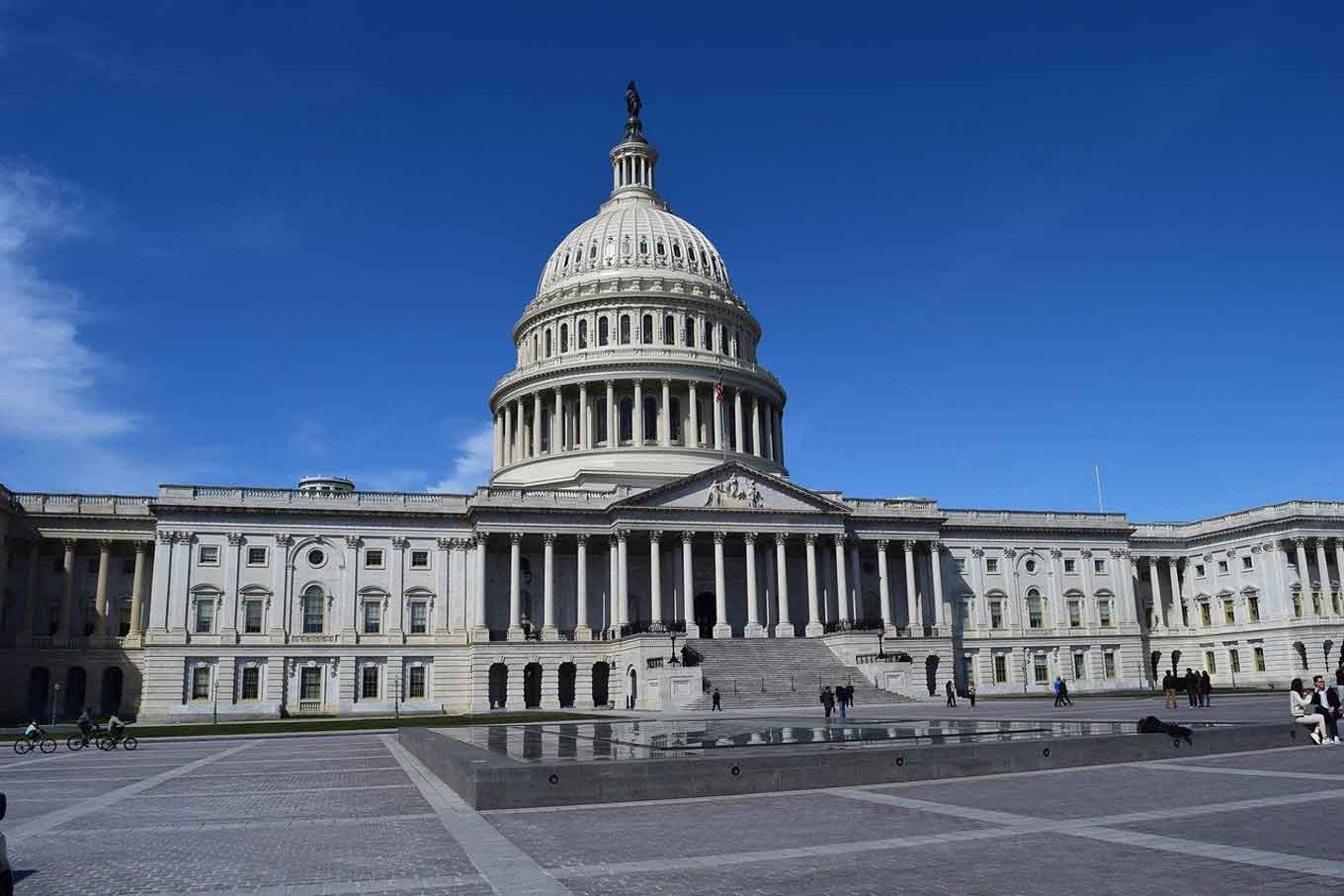
The House Passed Bills To Strengthen Gun Laws in 2019 and 2021
Although federal support was hard to come by, the fight for gun laws persisted. A federal ban on bump stocks, classifying the weapons as “machine guns,” and considering ownership of them a felony charge, went into effect in March of 2019, with more legislation to follow.
The House also passed a bill to strengthen gun laws in 2019, dubbed the Bipartisan Background Checks Act of 2019. This bill aimed to broaden the federal background check system for firearms purchases. While it stalled in the Senate, activists rallied as lawmakers continued to inch toward progress.
In 2021, the House once again passed bills requiring background checks on all gun sales and transfers. The bills again did not make it to the Senate to pass into law, but lawmakers insisted the issue would be of top priority in the 2022 midterm elections.
Senate Majority Leader Chuck Schumer said: "A vote is what we need. Not thoughts and prayers."
Youth Mobilized Through Judicial Advocacy
While legislative action is necessary in the battle to end gun violence, MFOL activists have also mobilized through judicial advocacy, engaging a youth-led team that files briefs in different cases across the U.S.
With the support of MFOL, young people file Amicus Curiae briefs — typically alongside partner organizations like Everytown for Gun Safety, Giffords Law Center to Prevent Gun Violence, Global Exchange, Newtown Action Alliance, and the Violence Policy Center — highlighting the stories of people affected by gun violence.
A number of these cases are heard by either state or federal Supreme Courts. The briefs created by MFOL activists are available to read online.
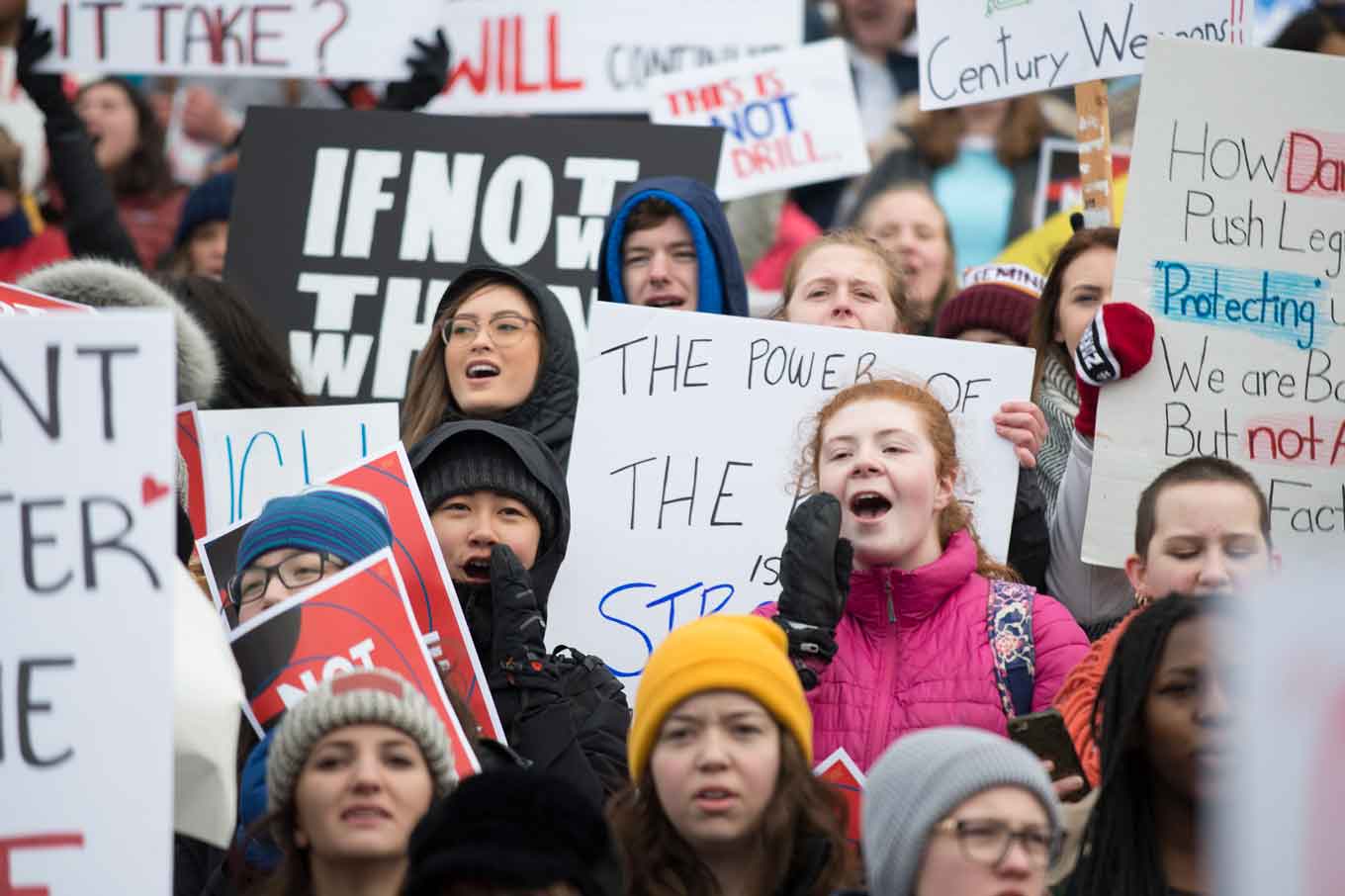
Youth Activism Skyrocketed Through #MFOL and the #NeverAgain Movement
Despite tireless and ongoing efforts to impact gun control laws, the defining milestone of the MFOL movement is its social movement.
The first-ever March For Our Lives occurred on March 24, 2018, just over a month following the Parkland shooting. Vox reports that around 1.2 million people marched worldwide, with about 450 separate marches organized in the U.S., making it one of the biggest youth protests in America since the Vietnam War.
MFOL leaders also urged students to engage in a nationwide school walkout a month following the march, where students from about 2,800 schools participated. The momentum didn’t stop there. In the summer of 2018, the MFOL team toured the country and registered young people to vote.
During this tour, leaders learned more about gun violence and expanded their advocacy to embrace the intersectionality of gun violence in many marginalized communities. They also registered new voters across the country, reaching approximately 50,000 people through these events.
This youth voter engagement was actualized in the 2018 midterm elections. The U.S. Census Bureau reported a record 79% jump in youth voter turnout between the 2014 and 2018 election seasons — 2018 bringing the highest percentage of youth voter turnout ever. A record 46 NRA-backed candidates lost their elections that November.
The MFOL was backed by the #NeverAgain movement, an organization that backs human rights causes and fights against genocide.
These days, MFOL additionally empowers campaigns like Peace Without Police, and Aid & Alliance, which center mutual aid and BIPOC experiences with gun violence.
According to a report by ABC News in November of 2021, MFOL is hoping to pivot to conversations and actions that decenter whiteness from the conversation surrounding gun violence.
The article reads: “While gun control remains the group’s chief mission, the students said they consider issues like racism, poverty, and voter disenfranchisement to be intertwined and have focused extra efforts on communities of color affected by gun violence.”
MFOL was certainly not the first group to ignite the fire in young activists, but their fight was universal among all students in America, a generation punctuated by the historic Columbine shooting and regular active shooter drills in the halls of their high schools. Their fight will rage on.
MFOL co-founder Matt Deitsch spoke to the New Yorker in 2019, quoting Marjory Stoneman Douglas, the school’s namesake, herself: “Be a nuisance when it counts.”
You might also like:
— 19 Things You Can Do To Stop Gun Violence
— The Best Gun Violence Quotes To Inspire Change
— How to Stop School Shootings
Header image courtesy of Erik Drost (CC BY 2.0)
Creating a next generation of Amazon Indigenous leaders is key to preserving fast-vanishing tropical forests. Here's how remote communities are trying:
MIRITI-PARANA, Colombia — Scurrying nimbly through thick Colombian Amazon rainforest, teenager Pablo Galindo Tanimuca abruptly slows his pace and puts a finger to his lips, asking for silence as he approaches a small salt-water pond regarded as sacred by his Indigenous community.
"This is a special place for me. Shamans come here to think," the 17-year-old whispered, as a flock of screeching parrots swooshed above the high jungle canopy.
Galindo, a member of the small Tanimuca ethnic group of about 300 people living in this remote Indigenous reserve in Colombia's southeastern Amazonas province, feels a strong sense of belonging to his community and culture.
"The forest is my home," he said, explaining that he aims to remain in Puerto Guayabo, his community of about 35 families nestled in near-pristine rainforest.
Not all Indigenous youth feel the same way, however — a worrying reality for many Indigenous Amazon communities as they try to hold onto their culture and territory in the face of looming threats from expanding agriculture, mining, and logging.
But nascent efforts to build a new generation of Indigenous leaders — as capable of filing financial reports as performing traditional rituals — could both better prepare communities for the future and help keep young people in their rainforest homes.
Outside Allure
Even in this isolated tropical wilderness — which has no roads and little or no cell phone service, internet coverage, or electricity — the modern world creeps in.
Some young Indigenous men have mobile phones, listen to reggaeton music, drink beer, and feel increasingly reluctant to learn about ancient traditions and take part in ceremonial dances.
Others are not interested in learning from shamans, who pass on oral ancestral knowledge, or undergoing the years of study and strict diet required to become a shaman themselves.
Indigenous youth also are being lured away by the prospect of earning low wages as construction workers or street vendors in Leticia, the capital of Colombia's Amazonas province, reached by a two-week-long boat ride.
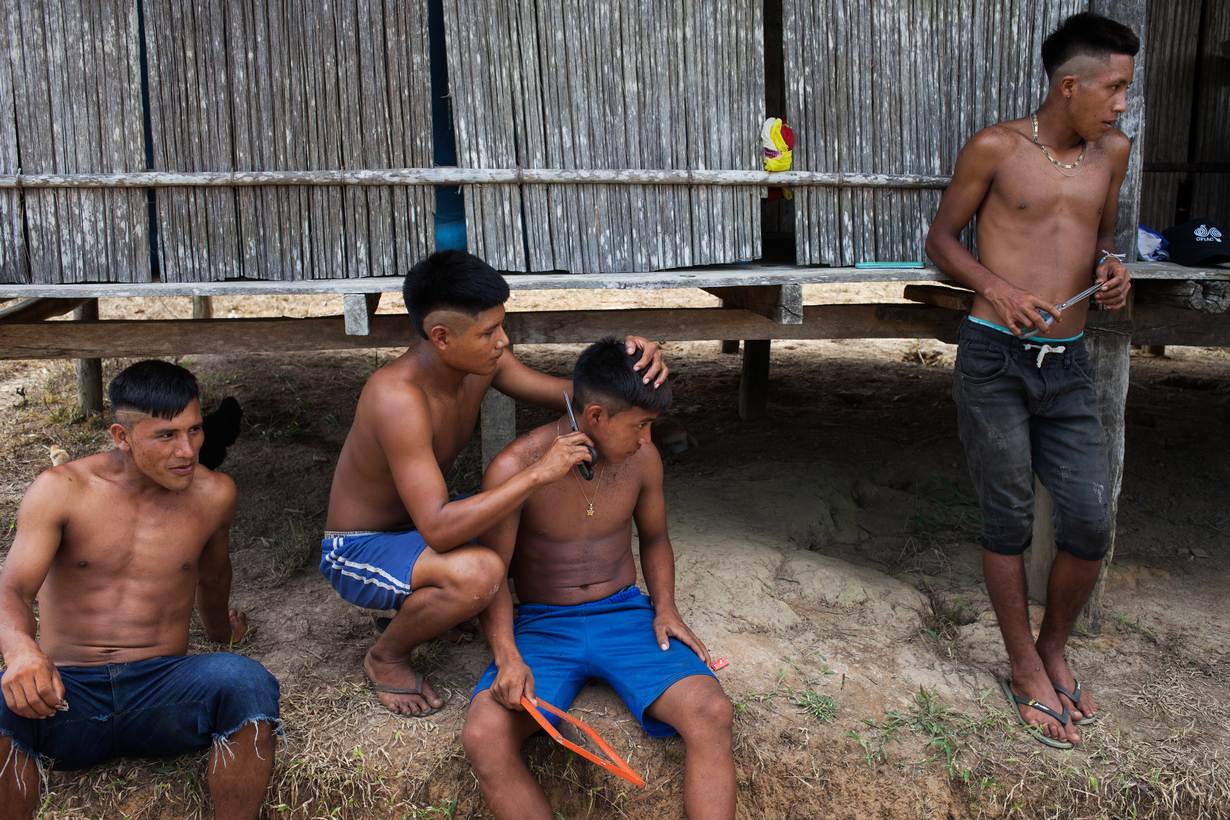
As well, some young men leave their Indigenous reserves in the hope of continuing their education or securing a place on a free government training scheme. A share never return.
"Not all of the youth of today want to be here and some leave," admitted Alfredo Yucuna, who heads the Indigenous Council of the Miriti-Parana Amazonas Territory (CITMA), which represents about 1,150 people from nine ethnic groups, including his own.
"Our culture isn't practiced as it once was by all of the young people," he said. That is a problem because "if we lose our culture, we lose our balance and harmony with nature."
Rising Deforestation
Indigenous cultures that regard nature as sacred have helped preserve forests for millennia.
That is one reason Indigenous communities in Colombia's Amazon, and in many other parts of the world, are regarded by academics, environmentalists, and many officials as the best guardians of tropical forests.
A 2021 U.N. report found that in nearly every Latin American country, Indigenous lands showed lower deforestation rates than other forest areas.
Across Colombia, deforestation increased by 8% in 2020, fueled by illegal logging and gold mining, and land being cleared for coca and farming.
Huge forest fires in February also destroyed swathes of the country's Amazon rainforest. Colombia's rainforest provinces of Amazonas, Vaupes, and Guainia have largely been spared the onslaught of forest losses — for now.
But as outside pressures loom, Indigenous communities are fighting an internal battle as well: How to keep young people in the forest so knowledge is passed on to future generations and a new era of leaders emerges.
Up and down the Miriti-Parana river, a jungle waterway that serves as the region's highway for dugout canoes, dozens of ethnic groups live, each with their own language and culture preserved through a historian, singer, storyteller, and shaman.
A shared language and culture bind each group, strengthened through rituals and ceremonial dances guided by a shaman who acts as a spiritual leader and healer.

But in communities now better connected to an outside world that offers different options for their young people, maintaining traditions is growing more challenging.
"We've lost some parts of our culture. The Matapi language has almost disappeared," said 29-year-old Nery Ernesto Matapi, who lives several hours downriver at the Puerto Nuevo community.
Now many Matapi speak Spanish, a legacy of past incursions by Catholic missionaries. But "an ethnic group without a language isn't an ethnic group," he warned.
Future Leaders
To address such challenges, some Indigenous forest communities are working to create a new generation of leaders who can not only protect old ways but learn crucial new ones.
Nery belongs to a small group of young men and women being trained as environmental and community leaders as part of a pilot project to preserve their culture and nurture future Indigenous spokespeople who can hold their own with government officials and miners.
Mayer Matapi, 25, one of those being trained, left his community for a year to join the police force in the city of Leticia but has since returned.
"Some youth leave. When they don't return, a little bit of our culture is lost," said the youth, one of eight participating in the project run by Gaia Amazonas, a Colombian non-profit that works with Indigenous people to protect the Amazon.
"I need to be here to help keep our culture alive, to protect nature and our territory. We can't lose our culture," he said, sitting on a wooden stool inside a dark maloka, a traditional thatched communal dwelling and meeting place.
Neider Farekade Yucuna, 24, wants to help his community by learning about the "white world" in order to defend ancestral lands from the illegal gold mining and logging he says are the main threats facing the forest.
"The white world is always interested in doing something in the forest. I want to serve my community and be useful. I want to take responsibility," he said.
Since the project began in 2020, Colombian academics from two Bogota-based universities have visited the riverside communities to teach youth basic accounting, computer and report-writing skills, and about laws protecting Indigenous rights.
At first, Neider said he was confused by the unfamiliar words his teachers used such as "prioritize", "criteria" and "synthesize" — terms that do not exist in the Yucuna language.
But he has since learned how to conduct censuses and record and present community data in graphs outsiders can grasp.
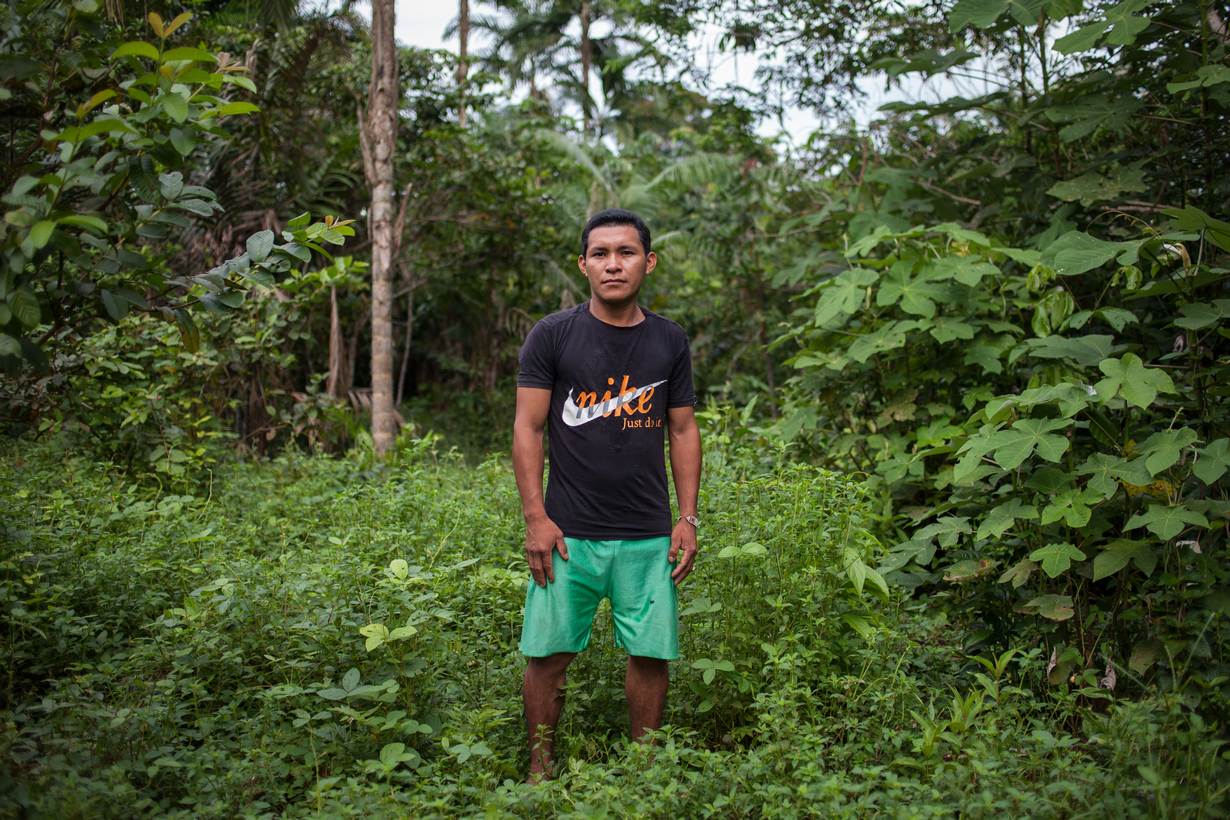
"We have to understand white man concepts and words ... enrich our vocabulary and find synonyms," said Neider, who is now keen to learn how to write financial reports.
Training youth to become community leaders is all the more important as groups in this part of Colombia's Amazon seek to become 'Indigenous territorial entities', or state-recognized local governments with greater power over their land, as part of an $7.4 million initiative across three rainforest provinces.
If approved by Colombia's justice ministry, the new 'Indigenous territorial entities' will need people from their own communities to effectively become civil servants capable of managing state funds and pursuing international donor money allocated for forest conservation.
"We're training our young men and women so they are best equipped and ready to defend our territory to the outside world, and so that we're respected," said Indigenous leader Ciro Matapi.
Indigenous women, who do most of the farming and ensure families have enough to eat, also play an important role in preserving culture and teaching children native languages but until recently were "invisible", said Emith Yucuna Matapi.
But young women are now among those being trained for future leadership positions — in part to ensure any new "Indigenous territorial entities" approved meet criteria set by the Colombian government for women's participation in decision-making.
"We're working hard to make ourselves visible. We contribute to food, the dances and we take care of the forest," said Emith, who heads an indigenous women's committee, though she is not one of the trainees.
"The fight is to not lose our culture, because it's our strength ... but not all young people are interested in the dances and farming," she admitted, sitting on a grassy riverbank dotted with thatched-roof wooden homes and classrooms.
Neider said he is determined to become the kind of skilled ambassador his community will need in the likely difficult years ahead.
"As a future leader, I'll have to converse and negotiate with the white world and represent my community to defend our territory from future dangers. I want to be prepared," he said.
Reporting by Anastasia Moloney; Editing by Laurie Goering. This was originally published by the Thomson Reuters Foundation, the charitable arm of Thomson Reuters, that covers the lives of people around the world who struggle to live freely or fairly. Visit news.trust.org.
If you're looking for a way to make a difference for the earth, one of the best things you can do is become an active participant in the online environmentalist community.
There are tons of great subreddits where you can learn about ways to reduce your environmental impact, connect with other people who care about the planet, and get involved in environmental activism.
Here are our recommendations on the best subreddits on Reddit that can help you learn how to be more sustainable, reduce your waste output, and care for Earth.
If you want to learn from a community of fellow environmentalists, join these sustainability subreddits about anticonsumption, composting, eco-activism, and more.
r/ZeroWaste
r/ZeroWaste is about helping you reduce your waste. This community focuses on living zero waste (finding ways to live without producing any garbage or recycling) by reducing plastic and other single-use items, recycling properly, composting, upcycling (finding creative uses for trash that might otherwise end up in the landfill), and practicing anti-consumerism.
r/LowWaste
Unlike r/ZeroWaste, r/LowWaste focuses on reducing your waste, not eliminating it entirely. Where r/ZeroWaste focuses on the more extreme end of living with less trash, r/LowWaste is about finding ways to reduce your output by making better individual decisions.
This community is about being conscious of the products you buy, how much they cost, and what kind of impact they have on the environment.
I've found that by following both r/ZeroWaste and r/LowWaste, I get a nice balance in my Reddit front page.
r/environment
As perhaps the largest environmental subreddit, r/environment is a must-join subreddit. This subreddit focuses on news articles about environmental issues, but it can also function as a hub for discussions about current events, environmental disasters, the effects of climate change, and other related issues.
If you're looking for a one-stop shop for environmental news, this is the subreddit for you.
r/vegan
r/vegan is a community where Redditors can come together to discuss being vegan. Vegans are often among the most sustainable people out there because they don't contribute to animal agriculture, which is one of the largest contributors of greenhouse gases on the planet. Whether you are considering going vegan, are currently vegan, or have been vegan for many years, this subreddit has something for everyone.
r/ZeroWasteVegans
This community is a collaborative effort between /r/ZeroWaste and /r/Vegan! The goal of this subreddit is to create a connection between two communities that are doing their part to help the environment. Both of these subreddits have members who are committed to reducing their carbon footprint, so why not join forces?
r/LowImpactLifestyle
A low-impact lifestyle is all about reducing the environmental impact of your daily life. This subreddit is committed to helping you think critically about the decisions you make during your daily routine.
Many of these discussions are focused on finding ways to live sustainable, healthy lives without consuming excess waste or energy. If you're looking for a more environmentally-conscious interpretation of what it means to be "green," check out this subreddit.
r/Composting
This subreddit provides you with all the resources you need to get started with reducing food waste and composting, whether that just means adding scraps around your house or turning it into an entire composting operation. It will also provide you with the motivation and inspiration to continue composting over time. The ongoing discussions are great, but honestly, the average person can get a lot of value from just their two pinned posts: Crash Course/Newbie Guide and A comprehensive guide of what you can and cannot compost.
r/sustainability
r/sustainability is a Reddit community that was created with the goal of creating a hub where Redditors could easily find all sorts of information related to going green, reducing waste, and saving planet Earth. It's a big enough community that it consistently has new content — but not too big that it attracts trolls or moves too quickly. Great for self-starters who want to make a difference but aren't sure where to start!
r/Anticonsumption
Anticonsumption is about reducing your impact on the environment by refraining from overconsumption. While it's important to shop sustainably when you do need to buy something, the reality is that the most sustainable thing you can do is not buy new things. By refraining from overconsumption, even if it means buying used items rather than new ones, you can have a big impact on the environment.
r/SimpleLiving
This is another great subreddit for those seeking to align their actions with their values. Describing it as a positive version of r/anticonsumption, one Reddit user said, "Both subs share a very similar idea: the need to reduce consumption and to embrace a simpler life. But the posts you see on those subs are quite different. On r/Anticonsumption you'll find mostly critics of the current system and angering screenshots of articles / posts. It's usually very negative while r/simpleliving posts are usually much more positive because they usually are about success or advice."
r/Envirotech
A little bit different from other subreddits, r/Envirotech focuses on environmental technologies. This includes any tech that can help to improve the environment, like new methods of recycling waste, improved solar panels, sustainable building material innovations, etc. Perfect for nerds and those who want to learn from them.
r/ClimateActionPlan
If you're looking for news on climate action, look no further than r/ClimateActionPlan. From policy, to innovation, to activism, this subreddit is full of posts about all the work being done to "combat/mitigate and or adapt to climate change". Whether you're looking for news, or are trying to figure out what you can do to help, this subreddit is a great place to start.
r/ExtinctionRebellion
Extinction Rebellion is a non-violent direct action group that was formed to address the challenges of climate change and biodiversity loss. Many concerned citizens have joined this movement, including Redditors. This subreddit is all about getting involved with Extinction Rebellion, learning more about it, and joining forces to make real change in the world.
r/GuerrillaGardening
While the idea of guerilla gardening has been around for a long time, it's recently grown in popularity thanks to TikTok and Reddit. This subreddit is full of people farming and gardening on public land, and discussing their flourishing projects.
"Guerrilla gardening is gardening on another person's land without permission, making your city more beautiful to live in," they describe. "We cultivate land, where we're not supposed to"
If you want to explore the history of guerilla gardening, see it in action in communities around the world, and learn what to expect when you get started, check out r/GuerrillaGardening.
r/RenewableEnergy
r/RenewableEnergy is a subreddit for anyone who wants to learn about renewable energy sources, sustainable technologies, and ways to reduce our dependence on fossil fuels.
r/Solar
Similarly, r/Solar is a community for Redditors who are interested in solar power technology, advancements, and initiatives. This includes things like stories about the latest solar products, DIY tutorials on how to create your own energy-harvesting setups, and updates on government policies that support renewable energy choices.
r/UpliftingNews
While this subreddit isn't explicitly about the environment, it is one of the best sources for positive and hopeful news stories — and one of our favorite uplifting news subreddits. This subreddit frequently features stories about successful efforts to save the planet and its inhabitants, and those who are working to make a change for the better. As you're fighting to make the world a better place, it's important you keep an eye out for environmental good news to help you maintain a sense of hopefulness as you work. (That's what we're all about at Good Good Good.)
Reddit is full of brilliant, passionate people who are committed to helping the planet and saving the world. Caring for the environment is an important part of our lives, and it's nice to have a place online where you can talk about your influences, passions, and ideas with others who care just as much. Whether
Check out these amazing subreddits — and then join in on the conversation!
You might also like: The Best Zero Waste Blogs
Communities experiencing the greatest effects of climate change are speaking loud and clear: enough is enough.
These predominantly low-income, BIPOC frontline communities are more often than not the first to experience the worst of climate change — and are rarely supported.
However, those fighting for solutions find themselves faced with the reality that approximately 95% of the $60 billion in U.S. foundation funding dispersed each year goes to White-led organizations, while 70 to 80% goes to organizations led by men.
Research organizations, McKinsey & Company and Peterson Institute for International Economics, have studied and reported on the benefits of having more diverse, women-led representation.
Both findings confirmed that companies and organizations that consciously create space for diverse leaders have greater team performance in decision-making and financial results.
Enter The Solutions Project, an environmental advocacy group creating opportunities for women of color to gain access to funding while also ensuring that “they have a seat at the table, and the materials to build their own tables — as they are the past, present, and future of our movements.”
The Solutions Project Creates Access to Equitable Resources
The Solutions Project was founded in 2013 by actor Mark Ruffalo, Stanford professor Mark Jacobson, banker Marco Krapels, and anti-natural-gas filmmaker Josh Fox.
Very much aware that the organization was started by four white men, their leadership has evolved to reflect a new, more diverse way forward.
Today, The Solutions Project is led by President & CEO Gloria Walton, a Black woman with 16 years of power-building experience. Since joining the national organization in 2020, she’s gone on to raise the largest donation in the organization’s history, making sure frontline communities solving climate and racial injustice are directly supported.
She also expanded the number of grantees from 30 to 100+ with the average grant size from $30,000 to $100,000.
The Solutions Project specifically supports Black, Latinx, Indigenous, Asian Americans and Pacific Islanders (AAPI), Women, Intergenerational, and LGBTQ+-led organizations through capacity building, storytelling and media production training, and grantmaking.
“We give their voices a much larger audience through our celebrity relationships,” the organization states. “We build media partnerships that create space for their solutions to inspire millions more to support what really works.”
As part of their 100% Commitment to Justice, The Solutions Project awards dozens of grassroots organizations and coalitions led by women and people of color.
Affordable housing, healthcare, and clean-energy job opportunities are some of the many ways these climate changemakers are responding to and supporting frontline communities across the U.S.
PUSH Buffalo, a grantee of The Solutions Project, is just one of the many grassroots solutions-driven organizations benefiting from this kind of support.
Rahwa Ghirmatzion, PUSH’s executive director, mobilized neighbors and community leaders to transform an abandoned school into solar-powered affordable housing for seniors and a community center.
This became New York’s first solar project to offer discounted energy entirely to low-income residents.
“This is energy democracy in action: regular people — working-class and low-income — coming together and figuring out how to generate cleaner, healthier energy in their own neighborhood,” Ghirmatzion said. “The Solutions Project understands the importance of getting the word out that no matter what might be going on in Washington, real-world communities are advancing equitable and sustainable economic development powered by clean energy.”
A Seat At the Table
The Solutions Project acknowledges that the people closest to the problems are the ones with the solutions.
Women, Black people, Indigenous, and disabled communities — and everyone else in between — are the key to creating the kind of future for everyone.
You can support The Solutions Project and all the other amazing grantees by visiting its website.
Header image courtesy of The Solutions Project
There likely isn’t a moment in our lifetimes where our society has been more aware of the important work health care workers do. Sure, we've always known that their work was important, but 2020 changed everything.
We hosted virtual concerts, banged pots and pans, and set off (too many) fireworks. In a year filled with division, gratitude for frontline health workers was one thing that united us.
Later that year, we published a special edition of the Goodnewspaper — our print newspaper filled with good news — titled “The Health Heroes Edition”.

The goal was to celebrate this diverse group of helpers — doctors, firefighters, essential workers, advocates, ordinary citizens — scattered in every corner of the globe as the important figures they are.
We call them heroes because we admire their courage and their abilities. But we must also recognize that when we generalize people working on the frontlines as heroes, it's easy to lose a sense of their humanity and individuality.
These heroes all have their own personal stories on how they ended up in the line of duty. Some are well-paid; some aren't. Some jumped at the chance to volunteer to fight a pandemic; others aren't in a position to turn down the work even if it puts them at high risk. Some are getting all the attention, but all are sacrificing something for the sake of making others' lives better.
This issue is filled with stories of people working on the frontline for the good of all.
There are stories about those working on the frontlines of the public health crisis we're currently facing, but there are also so many stories of the previous crises we've beaten or made significant progress against. We have stories of floating hospitals, artificial intelligence, and Toyota Tundras used for good.
May these stories be a celebration of the frontline heroes. But may we not just feel comforted by the knowledge that these people are here to help us. May this be a reminder that we need to be there for frontline heroes in the same way they're here for us.
Let's donate to organizations around the world making communities safer. Let's call our representatives to make sure healthcare workers are provided with all of the protective equipment they need to ensure their safety at work. Let’s get vaccinated to reduce the burden on hospital. Let's fight for legislative and organizational support for frontline workers who aren't being paid a living wage while they're doing vital work.
Cheers and thank you's are important, but they're only the first step. So please enjoy these stories, say thank you to a frontline hero, and then roll up your sleeves and join us in playing our part.
Meet the Frontline Heroes Making a Difference During COVID-19, Natural Disasters, Mental Health Crises, and More:
These Doctors Treat People Experiencing Homelessness Out Of A Minivan
Medical clinics can be expensive and intimidating for unhoused populations. But when left untreated, conditions can quickly become more serious.
Every Wednesday, Cohealth's Street Doctor program provides free medical services to patients experiencing homelessness in Melbourne, Australia. Dr. Kate Coles and nurse Vaan Phongsavan have treated more than 200 patients from their mobile surgery van.
"Some of our homeless clients have problems with transport, have difficulties to get to an appointment on time, so by being there for them, we actually remove a lot of barriers," Dr. Coles told Australian Broadcasting Corporation.
She describes it as general practice on wheels.
"We do see the normal general practice things, people with colds and flus, but we do also see things that are more likely to happen to people who are homeless," Dr. Coles said. These unique problems include, for example, bed bugs that lead to skin infections.
She’s also able to provide mental health assessments and refer patients to a psychologist or drug and alcohol treatment service.
Phongsavan told ABC it’s important to refrain from judgment.
"When we listen to our patients, they actually become quite engaged," she said to ABC.
In 2019 the City of Melbourne committed to investing an additional $200,000 AUD in the Street Doctor program.
An ICU Nurse Drove Through Wildfires to Save Lives
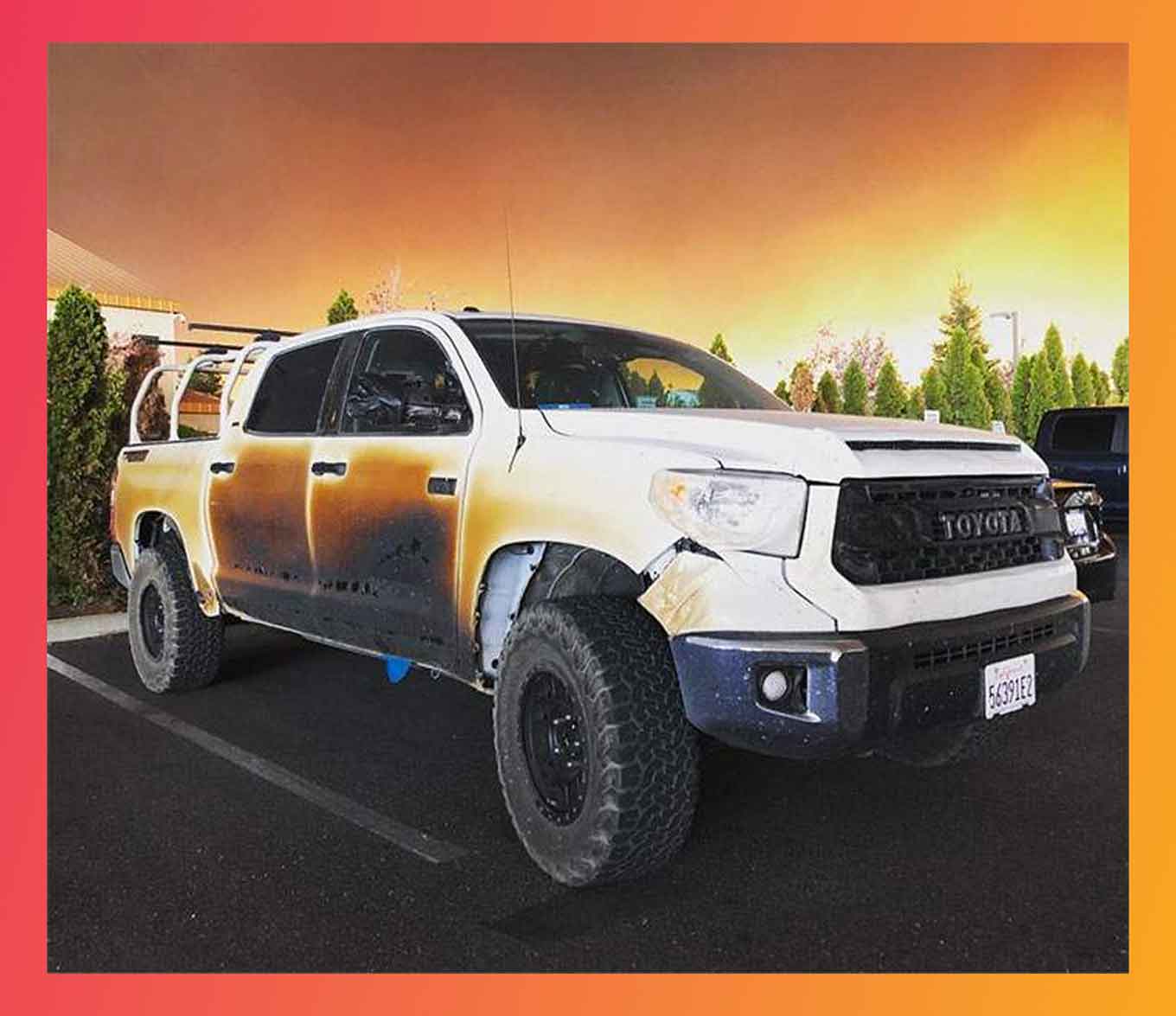
After Allyn Pierce helped evacuate patients from the hospital where he works in Paradise, California, during the Camp Fire that leveled the town — the deadliest and most destructive fire in California’s history — he got in his Toyota Tundra with two colleagues to drive to safety.
They were gridlocked, and cars around them started burning.
He thought he might not make it out alive and even recorded a goodbye message for his family. Much of his truck burned.
“I just kept thinking, ‘I’m going to die in melting plastic,’” Pierce told the New York Times. But instead of continuing on to safety, his truck held up enough to turn back around and return to danger in Paradise.
“We're terrible at burning to death, but we're amazing at taking care of people,” he said. Doctors, nurses, paramedics, and police officers started a triage center in the hospital parking lot and treated about two dozen people.
Shortly later, the hospital caught fire, so they relocated to the hospital’s helipad about 200 meters away. Eventually, authorities cleared a path, and everyone made it out safely.
When Toyota heard about Pierce's brave work, they generously offered to replace his fire-scorched truck. Sadly, the Camp Fire took the lives of 44 people. But thanks to the brave work by Pierce and other heroes, many more lives were saved.
More Than 40 Employees Lived At Their PPE Plant For 28 Days Making Material To Protect Health Care Workers In The Early Days Of The Pandemic

After nearly a month on the job, employees at a Pennsylvania manufacturing plant went home following a marathon effort to create personal protective equipment for health care workers at the onset of the global pandemic.
More than 40 employees volunteered to spend 28 days at the plant in early 2020 to make polypropylene, a raw material needed to make N95 masks, medical gowns, and other protective gear, according to CNN.
The crews worked 12-hour shifts and got occasional drive-by visits from loved ones, who waved signs and honked their horns in support, CNN reported.
The company gave them increased wages and provided beds, kitchens, groceries, internet access, and iPads.
"We're truly honored to be able to give back and support people we will never meet in some way," operations shift supervisor Joe Boyce told CNN. "All the first responders, all the people on the front lines, we thank you. That's what makes our job easy to do."
Thousands Of Retired Doctors And Nurses Returned To Medicine To Assist COVID-19 Efforts
Back in March, Irish health minister Simon Harris launched a recruitment drive to tackle the coronavirus outbreak. “Your country needs you,” he said in the drive.
All around the world, overrun health services were helping retirees reactivate licenses and fast-tracking student doctors and nurses.
“I wanted to come back and help out my colleagues who I had worked with for so long before, to help the cause,” respiratory specialist David Quigley said to Reuters after he returned home to Ireland from Australia to answer Harris’ call to help slow the coronavirus spread. “As soon as it’s safe, I’m definitely, definitely eager to get back working on the frontline.”
In Britain, 20,000 health professionals who had either retired or left the industry returned following the passing of emergency legislation. The government issued a rallying cry for tens of thousands of retired doctors and nurses, telling them: “Your [National Health Service] Needs You.”
In just 48 hours in March, nearly 5,000 retired doctors and nurses signed up to rejoin NHS. Secretary of State for Health and Social Care Matt Hancock said in a tweet it was “brilliant support in our national effort” to tackle the virus.
“But we need many more,” Hancock said in a video accompanying the tweet. “It’s easy to do, and we will make sure that your service is put to best effect.”
France’s Oldest Doctor Is Still Serving Patients Amid The Coronavirus Outbreak

A 99-year-old doctor in France is displaying extraordinary commitment to the health of his country’s citizens. Dr. Christian Chenay is the oldest doctor in France and has been practicing medicine for more than 70 years, according to Al Jazeera, who he told that his mission is to help people in the “forgotten” suburbs of Paris.
Al Jazeera reports that France is seeing a shortage of doctors, and it’s for this reason that Chenay remains in practice. The Paris suburb of Chevilly-Larue, for example, has only three doctors for its population of 19,000 people.
“I was retired, but I resumed my activity four years ago because my city had become a so-called medical desert, and I wanted to help,” Chenay told the National Catholic Register.
Chenay, who started his medical career as a psychiatrist in 1951, continued to work at the onset of the COVID-19 pandemic out of a sense of duty, despite the serious risks for someone of his age and despite his wife’s concern.
“It is the force of habit that keeps me going, even because there are many local families that I have known for so many years and that still count on me,” Chenay said to the Register.
Chenay has even worked longer than his son, who’s also a doctor but retired at the age of 67.
“Your example is an inspiration,” President Emmanuel Macron told Chenay during a visit to the Elysée Palace in May.
“My old age doesn’t prevent me from working, … so I keep going, hoping for better days to come for all of us,” Chenay said.
This Police Officer Has Talked More Than 200 People From Jumping Off the Golden Gate Bridge
Kevin Briggs is the “Guardian of the Golden Gate Bridge.” For more than 23 years, Briggs worked as a California Highway Patrol officer. Most of his time was spent stationed at the Golden Gate Bridge just north of San Francisco.
When he first started his job, he frequently handled traffic incidents and never expected what his job would grow into. He had no training on how to handle a situation in which someone was contemplating suicide. He didn’t realize how pervasive the issue at the bridge was — that about five suicidal people would come to the bridge each month.
“I stand back, and I'll just introduce myself,” Briggs told CBC. “I'll say, 'Hi, I'm Kevin' or 'I'm Kevin with the Highway Patrol, is it okay, is it alright if I come up and speak with you for a bit?' I want to get their permission and empower them.”
Since he started his job, he’s talked to more than 200 people standing on the edge of the bridge. Although he can’t fix any of the problems people are dealing with, he knows he can lend a listening ear and try to understand what they’re going through.
Briggs retired from the California Highway Patrol in 2013, and he now works in suicide prevention.
This Mother Inspired Health Care Companies To Embrace Artificial Intelligence
When Melissa Mulholland’s ultrasound showed a fetal abnormality called posterior urethral valves, she decided to undergo a risky procedure to save her son’s life.
Mulholland’s job at Microsoft is to work with the company’s partners to create their cloud experiences. She thought that with the advances in artificial intelligence, some of the companies she works with could use the cloud and AI to solve health care problems, like the one she experienced. It turns out they could.
She asked one company, Norwegian software business Crayon: What are some ways AI can bring forth the new frontier in health care?
“Melissa’s personal experience got us looking at all aspects of the AI health care field,” Crayon co-founder Rune Syversen told Microsoft. The company now uses AI and machine learning in their work with Norway’s national hospital, Oslo University Hospital, to help augment doctors’ expertise in colon cancer screening by using advanced imaging to make the cancer treatment process faster.
Another Microsoft partner, InterKnowlogy, was also touched by Mulholland’s story. They build enterprise software for other companies, including many that use AI and computer vision. After conversations with Mulholland, the company’s founder decided to “whip up a quick prototype” to recognize PUV in ultrasound images, he told Microsoft. It worked.
Mulholland’s son, Conor, is now 5 years old and has benefited from AI in several ways, including a speech therapy app he uses to help with speech difficulties he faces because of autism, which he was diagnosed with at age 3. Mulholland’s story shows how one person sharing their story has the power to change the world.
“Think of ways that you can really harness technology to drive greater good,” she said to Microsoft. “Imagine how great of a world we could live in if we had more stories like this.”
This Doctor Cared For A Baby For A Month In 2020 After Parents Tested Positive For COVID
A doctor in India cared for a six-month-old baby after both his parents tested positive for COVID-19 and fear of infection kept others from taking on the responsibility.
After one month, Dr. Mary Anitha handed over Elvin to his parents, who completed their home quarantine after being discharged from the hospital.
Elvin’s parents are nurses at a health care facility in the Indian city Gurgaon. In June, his father tested positive for COVID-19, and the mother returned home with Elvin. But the mother had contracted the virus, too.
District child welfare committee looked for people to take care of Elvin, but fear of infection scared many away, including Elvin’s own extended family.
But Dr. Anitha, a clinical psychologist who runs an organization for disabled children, offered to care for the baby.
“I discussed the issue with my family only after expressing my willingness to take care of the baby,” Dr. Anitha told The Indian Express.
Dr. Anitha, who has three children of her own, lived with the child in an empty unit in her apartment complex, where her children would deliver food by leaving it at her door. The doctor regularly made video calls to Elvin’s parents, who told The Indian Express the doctor was a “godsend.”
“Nobody would come forward to take care of a baby of a COVID-19 patient,” the mother said. “I respect her as well as her family who supported her decision.’’
This Charity Provides Free Health Care On Floating Hospital
People suffer and die every day from treatable causes because they lack access to safe surgery. But a charity built state-of-the-art floating hospitals so volunteer surgeons and medical professionals can provide lifesaving surgical procedures in a safe, sterile environment — with clean water, reliable electricity, and a monitored care center.
Mercy Ships operates the largest non-governmental hospital ship in the world, providing humanitarian aid such as free health care, community development projects, community health education, mental health programs, and palliative care for terminally ill patients.
When founder Don Stephens learned that 95 of the 100 largest cities in the world were port cities, he knew a floating hospital could efficiently deliver health care to large populations in these cities. He launched the organization in 1978, and now the charity has operated in nearly 60 developing nations.
In every port Mercy Ships reaches, they train local doctors, provide equipment, and open health care facilities to equip local communities to improve health care after the organization leaves. To date, the charity has performed more than 100,000 free surgeries for people who live in places where safe and quality health care is almost nonexistent.