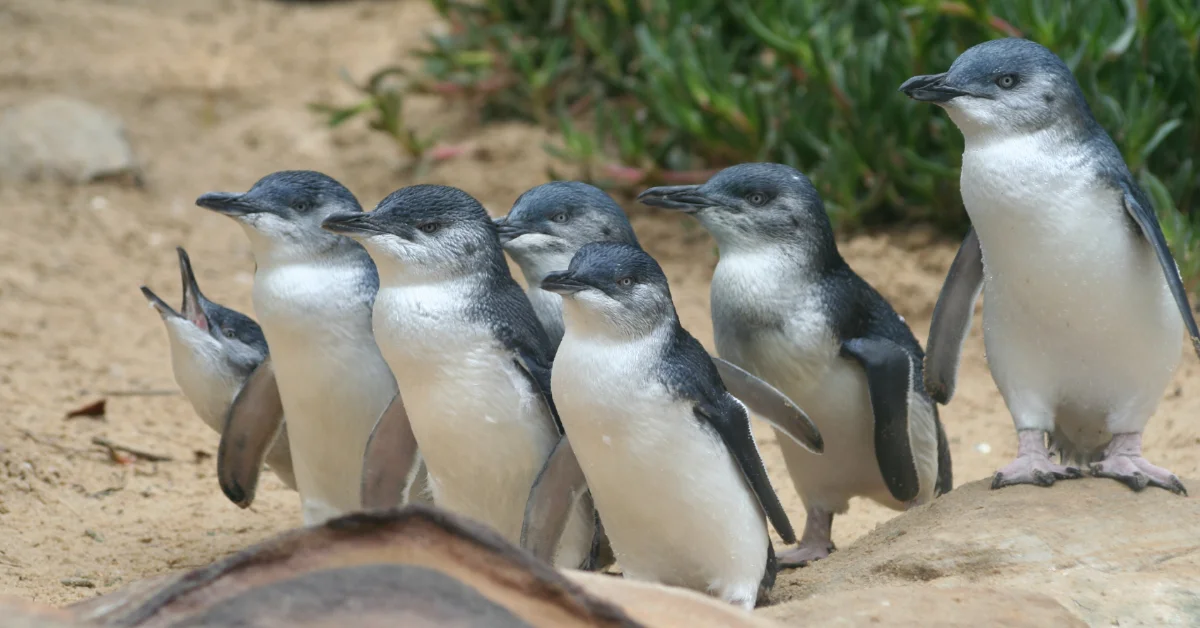
A major push is underway to catch and vaccinate more than 5,000 little penguins in Victoria to protect them against the virulent H5N1 bird flu.
Victorian wildlife officers will carry out vaccinations at little penguin colonies at Phillip Island and St Kilda, in what the state government says is the world’s largest program to target wild birds. One little penguin at Phillip Island has already died of bird flu.
Capturing wildlife for vaccination is difficult, particularly because they may need two or more doses of the vaccine. So, how will this unprecedented program help little penguins?
A significant threat
Little penguins (Eudyptula minor) are the world’s smallest penguin, reaching a height of about 30 centimeters (or 11.8 inches) and weighing around 1.5 kilograms (or about 3.3 pounds). These charismatic birds live on the southern coast of Western Australia, South Australia, Victoria, and New South Wales, as well as Tasmania and New Zealand.
Famously, they can be found on Philip Island in Victoria, where more than 700,000 people come each year to see them emerge from the ocean at sunset and waddle up the beach to their burrows in the “penguin parade.”
The colonies at Philip Island and St. Kilda are home to around 40,000 penguins. Because large numbers of birds live close together, and the virus is highly infectious, bird flu poses a significant threat.
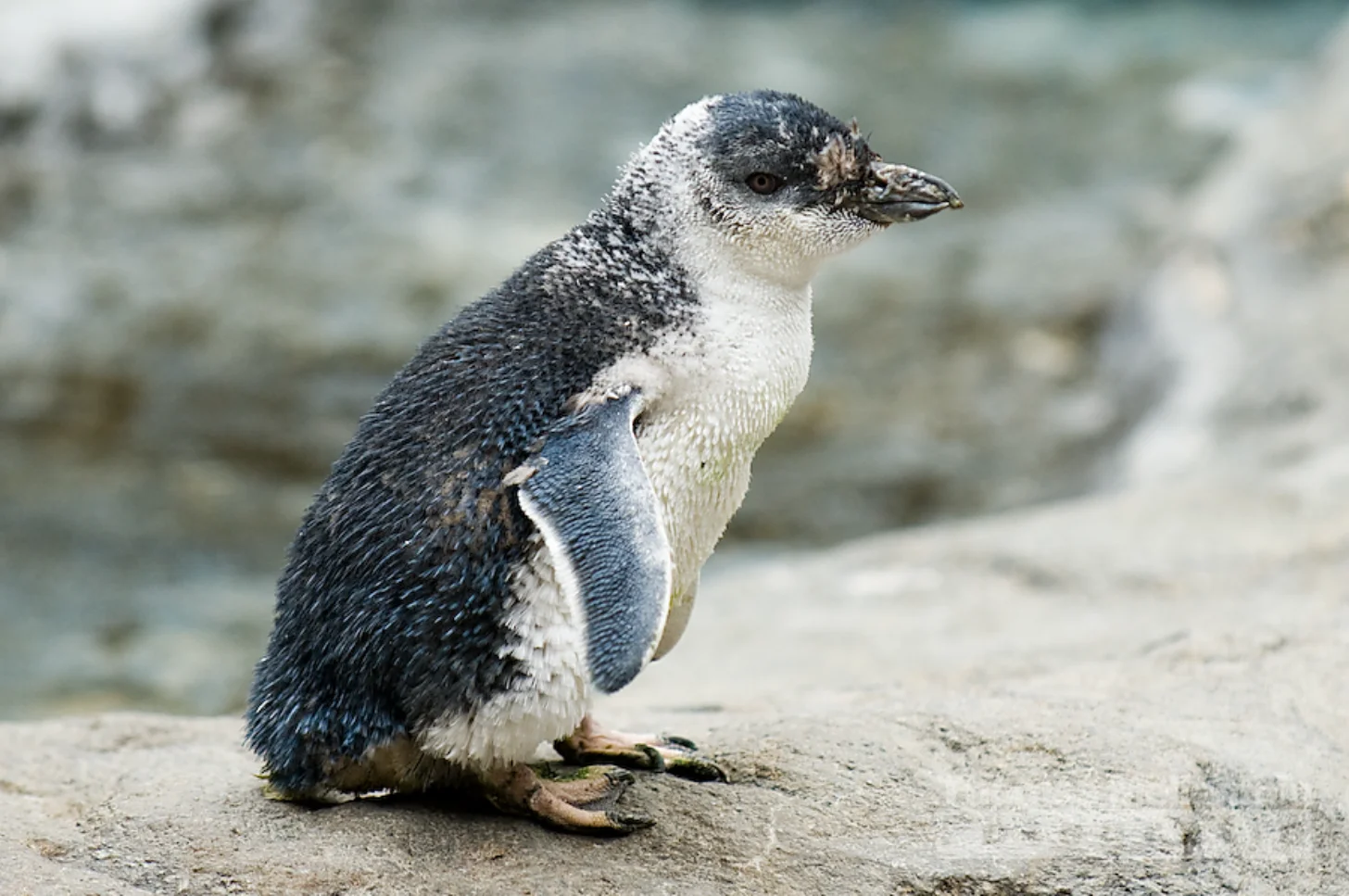
Capturing wildlife to vaccinate them is difficult, particularly because the bird flu vaccination requires they be caught twice, for two doses. However, little penguins are flightless, live in colonies, and return at night to the same burrow, making them easier to capture and vaccinate.
Birds affected by H5N1 may be unable to stand or fly, or may appear lethargic. They may have an unusual head or neck posture, or die suddenly in large numbers without any signs at all.
Little penguins are already under pressure from invasive predators such as cats and foxes, artificial light, roads, and overfishing. Climate change is also taking a toll, with warming oceans reducing fish numbers. A popular tourist attraction in Bicheno, Tasmania, recently had to temporarily close due to adults failing to return to shore and abandoning chicks. Ecologists believed it was linked to a sudden rise in sea temperature.
Other birds also being vaccinated
While the scale of Victoria’s vaccination program of wild birds is unprecedented, New Zealand — the land of birds — is also vaccinating around 300 captive (or flightless) individuals from five species. These include the critically endangered kākāpō (Strigops habroptilus), and endangered South Island takahē (Porphyrio hochstetteri).
Endangered captive birds in Australian zoos are being vaccinated too, including the regent honeyeater (Anthochaera phrygia), orange-bellied parrot (Neophema chrysogaster), and Western Australia’s black cockatoos.
The federal government recently authorized the use of H5N1 vaccines for priority native bird species. The inactivated viral vaccine (made of dead virus particles) had not been tested on any native birds, much less little penguins, until recently.
Why two doses are needed
Just like many of the vaccines we humans receive, this H5N1 vaccine requires a booster shot.
After the initial vaccination, the vaccinated animal’s immune system can detect foreign viral particles and develop antibodies. The first vaccine shot also produces specialized cells called memory B cells, which remember the protein makeup of the virus when they meet it again.
A second or booster vaccine is often required as part of a vaccination regime, typically after several weeks. This leads to a rapid increase in the number of antibody molecules in the blood because the memory B cells recognize the virus and trigger a wave of antibody production.
Having higher levels of antibodies in the blood increases the chances of them locating a virus in the blood stream, ultimately stopping the virus infecting the penguin.
Vaccines essential to response
Vaccines are not guaranteed to prevent an infection every time, and we cannot vaccinate all the penguins. But they are an important tools we can use to reduce the impact of bird flu on precious wildlife, and protect other animals.
The bird flu virus will continue to evolve and adapt to outsmart the host immune systems, much like COVID. Climate change will put even more stress on wildlife and induce virus adaption. Over time, new vaccines will need to be developed for new virus strains.
For now, bird flu is here, and vaccines are an essential part of the fight.
Please not approach or touch birds that are unwell or dead. Report to the Emergency Animal Disease Hotline (1800 675 888).
This article was written by Julie Old from Western Sydney University and originally published on The Conversation.

Featured Image: Wildvik/Wikimedia Commons (CC BY-SA 4.0)