In Manhattan, New York, the average cost of rent is approximately $4,173 per month, 154% higher than the national average.
For newcomers or people struggling to make ends meet, affordable housing options can be few and far between. Many have turned to boarding houses, like an all-women home run by nuns, or Kolping House, a Catholic co-ed boarding house.
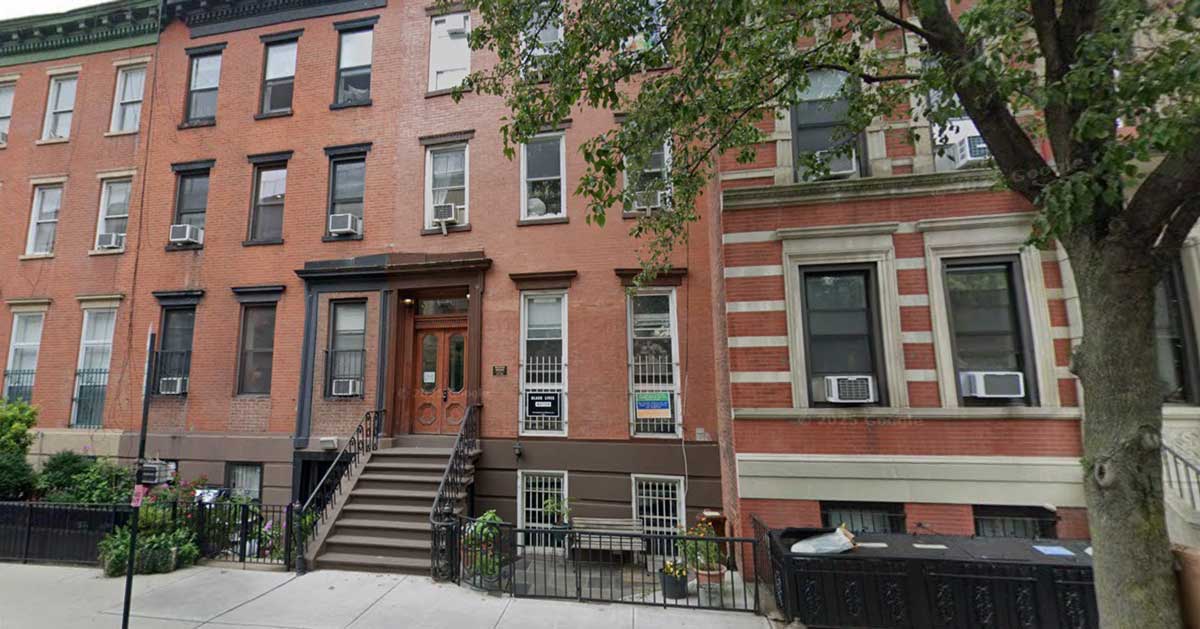
But another surprising option is Menno House, a 10-person residence in Gramercy, a short walk away from the Union Square train station.
Here, the Manhattan Mennonite Fellowship welcomes long-term residents to stay for three months to a year — with the option to reapply for additional lease terms.
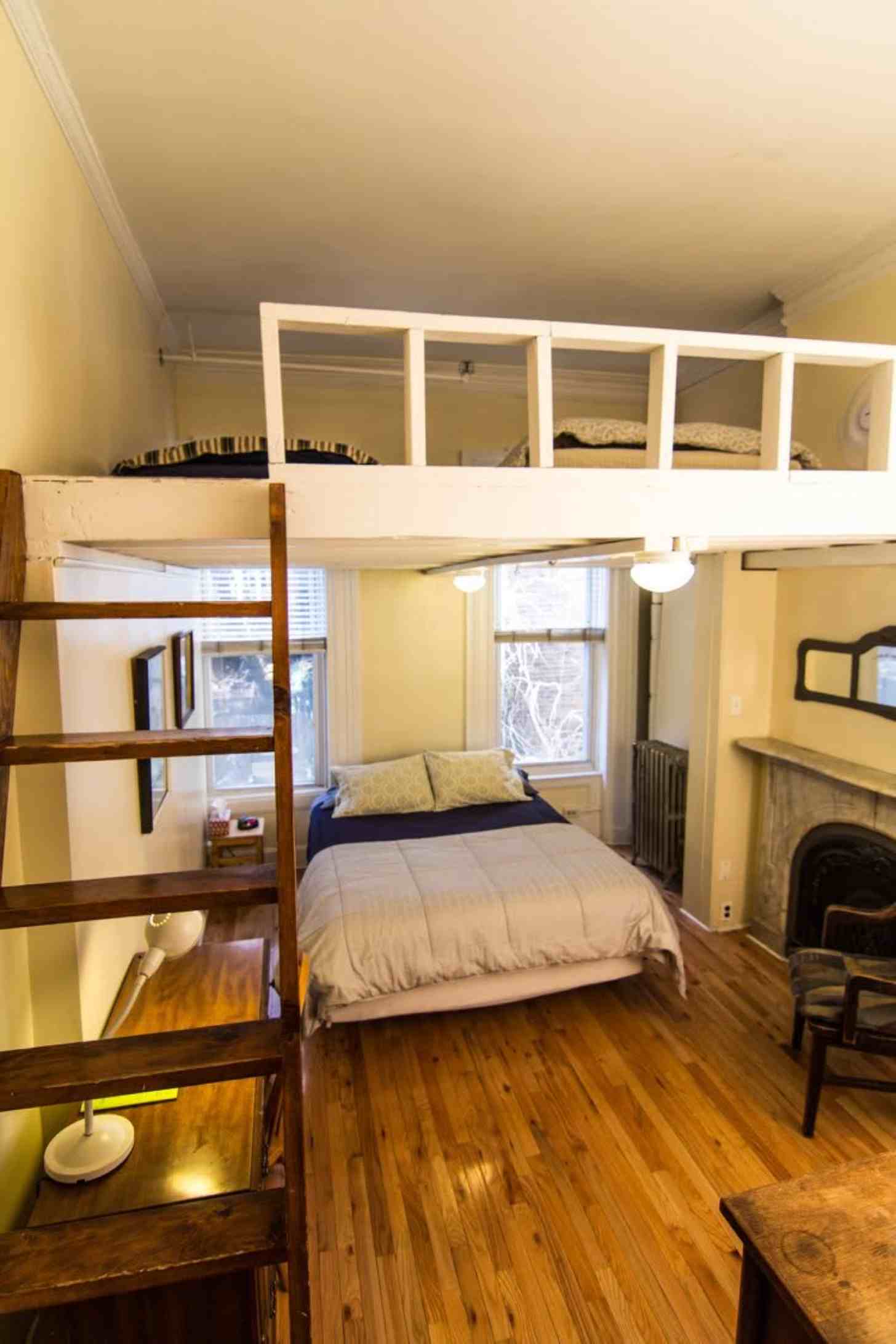
The smallest room costs $582 a month, and the largest is $881 per month, a drastic difference from average rent costs across the borough.
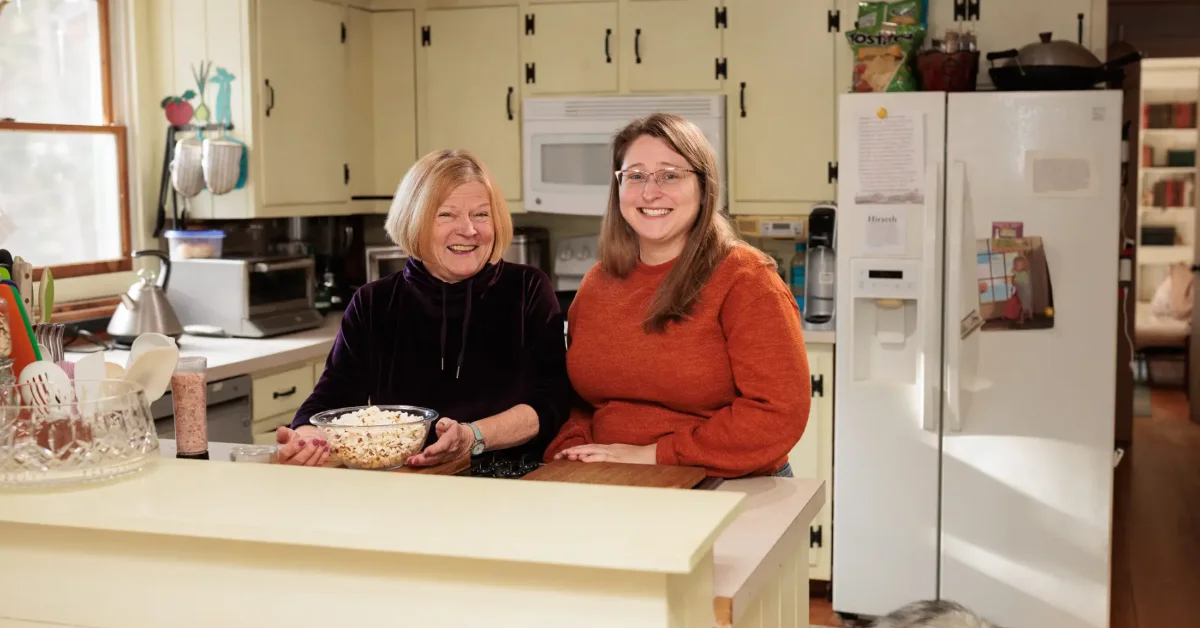
Hannah Keziah Austin, a 24-year-old graduate from New York University moved into the Menno House after graduating, she told The Wall Street Journal.
“It was the cheapest place I found in Manhattan,” she said.
Unlike Centro Maria Residence, which is strictly limited to female residents and has rules like a curfew and no boyfriends above the first floor, Menno House is co-ed and vocally LGBTQ+ inclusive.
“As a ministry of Manhattan Mennonite Fellowship, Menno House celebrates that we are a community with diversity of sexual orientation and gender identity,” the residence’s website reads.
“We are enriched by diversity in race, ethnicity, age, sexual orientation, gender identity, ability, physical and mental health, education, economic standing, and relationship status.”
It doesn’t matter who you are; if you live at Menno House, you take part in kitchen duties and bathroom assignments, as well as a rotating deep-cleaning job every six weeks.
“The resident manager helps to maintain the property, coordinate use of the guest rooms and handle finances,” the Menno House website explains. “However, house residents are expected to take turns cleaning their bathroom and the kitchen, to be generous with guests, and to build relationships with their housemates and MMF.”
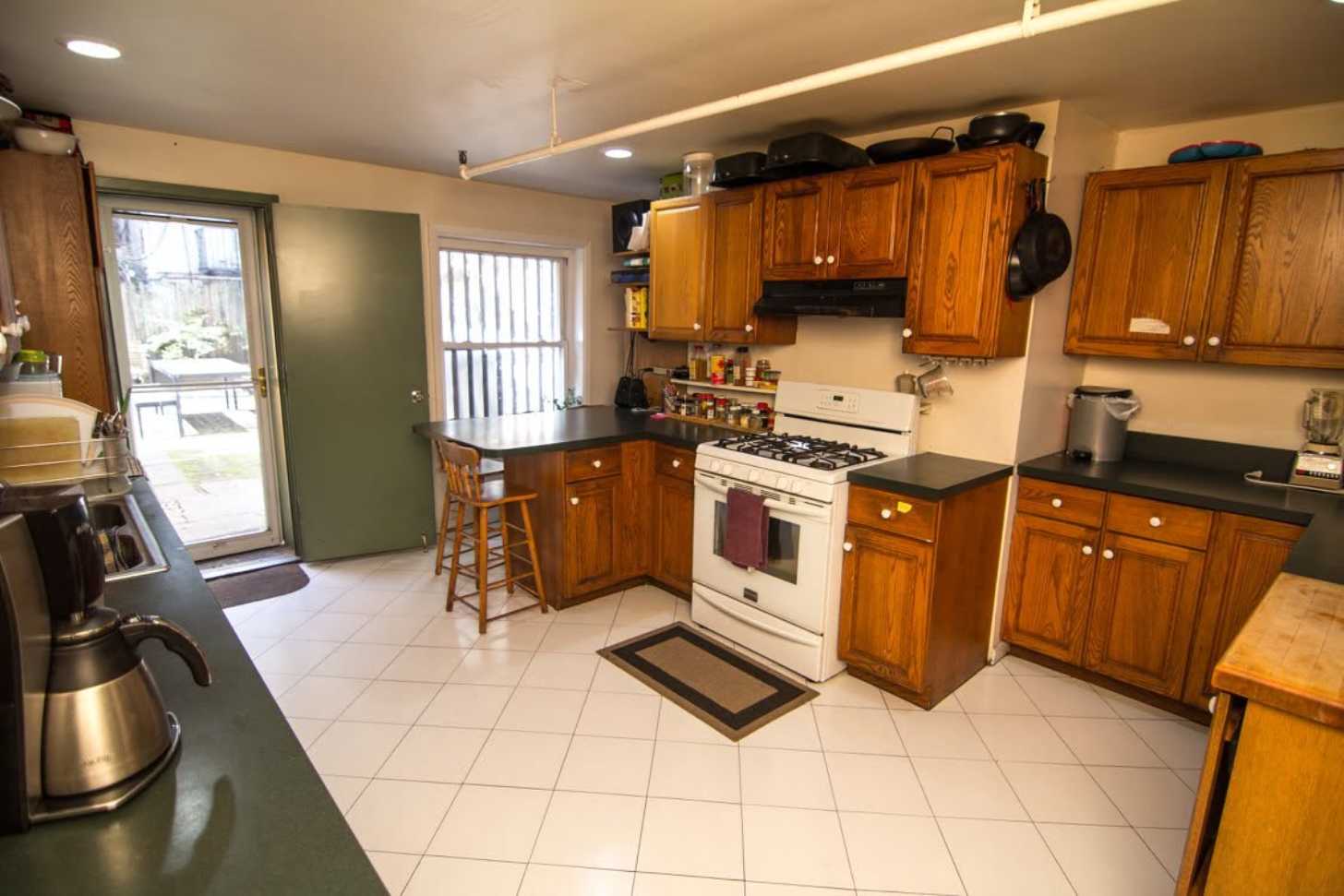
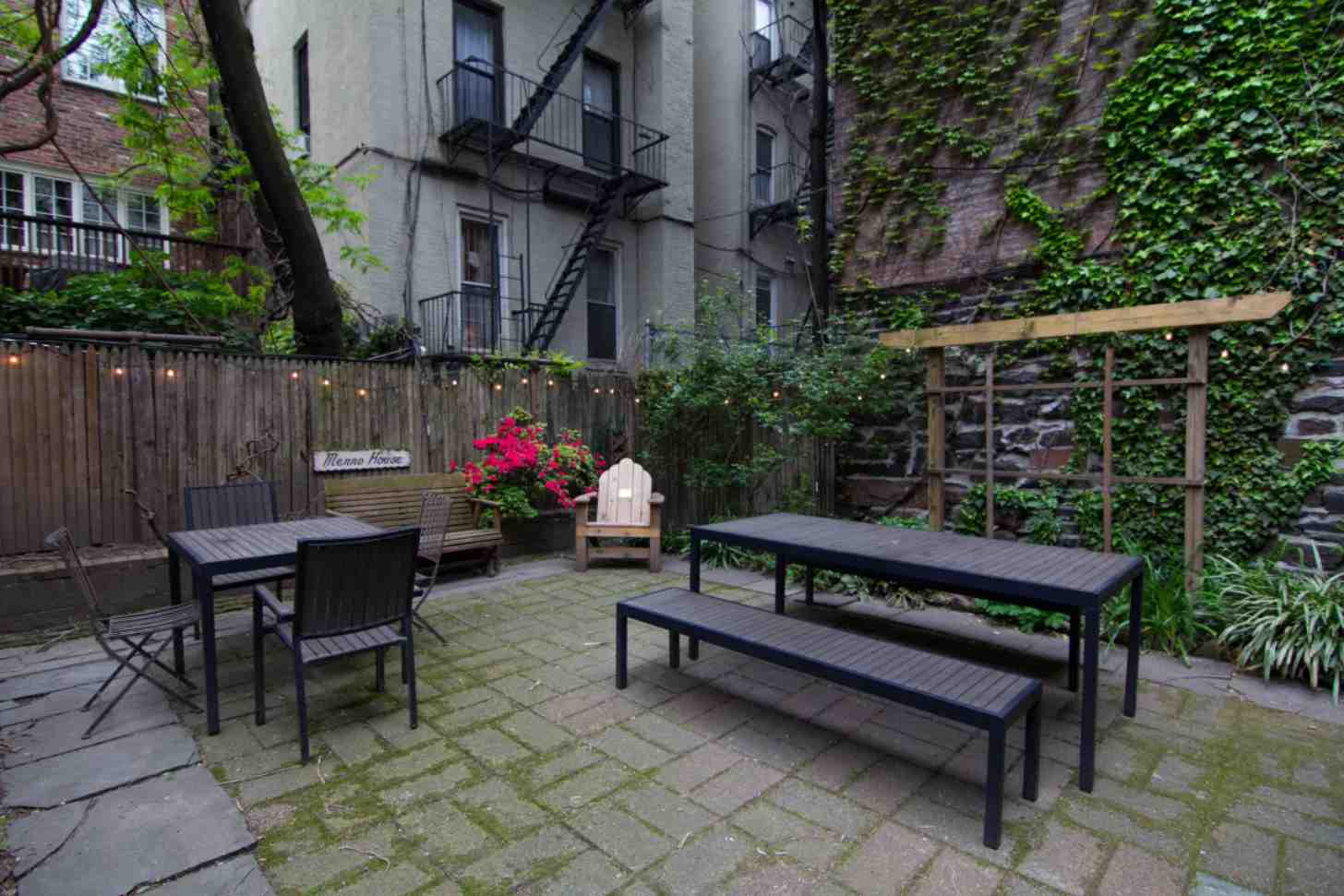
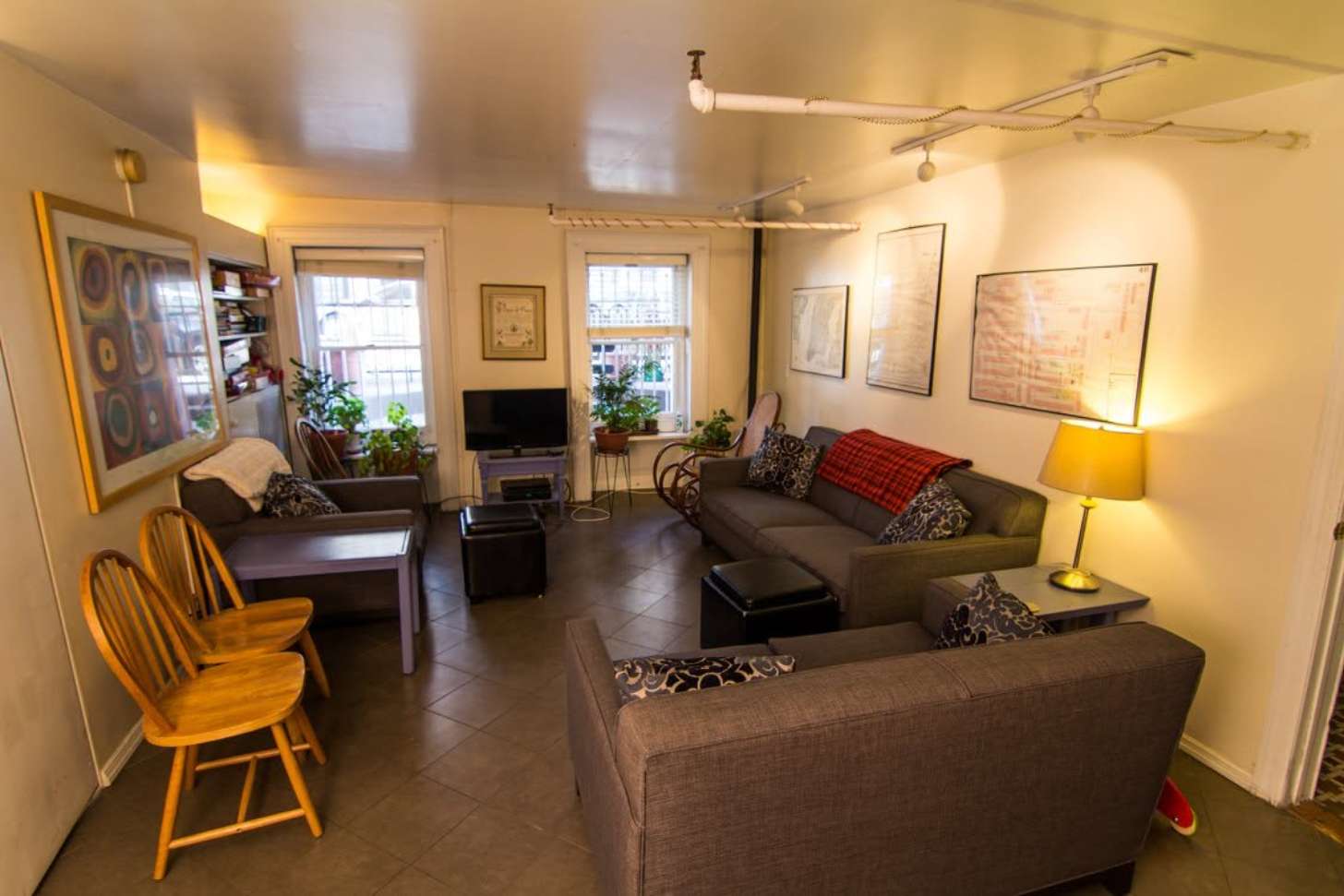
Each floor in the house has a single shared bathroom, and some rooms are set aside for temporary visitors, while long-term residents have access to a common kitchen (with a cupboard for each resident), a small dining room, living room, and a closet with laundry facilities. There is also a small garden behind the house for herbs and flowers — and hosting cookouts.
Mennonites purchased the building in 1957 as members of a Historic Peace Church to house conscientious objectors to war while they completed their alternative government service.
In the 1980s, the house residents formed the MMF and purchased Menno House in 1997, when it began operating as a guest house.
While MMF members and other fellowship volunteers are often given preference in housing, it doesn’t seem that Menno House requires a specific religious practice for people to find a home there.
“Guests arrive from all over the world, including New Zealand, Canada, Germany, Italy, England, Romania, Slovakia, Colombia, Argentina, Indonesia, Korea, Nigeria, South Africa, Japan, and many more,” the website reads. “We are never quite sure how people learn about Menno House as there is no self-promotion, but word gets around."
The website also shares that residents vary in their professions and trades: Nurse practitioners, theology students, artists, opera singers, musicians, United Nations workers, actors, cartoonists, and people from International Volunteer Exchange programs.
“Some are Mennonite, but they also come from a wide range of faith backgrounds,” the website adds.
The MMF touts widespread tolerance in its formal confession of faith, as well.
“We affirm all people as created in the image of God. We wish for our congregation to be a community where people can ask questions, offer creativity, and extend compassion and forgiveness to each other as we journey together,” the MMF website reads.
“We seek to create a place together where we each can feel safe enough to be authentic and share our gifts. Services are open to all who are curious and desiring to participate in the life of the church. A person will be accepted as a member through a personal choice to be involved and to contribute to the work of Manhattan Mennonite Fellowship.”
According to the Menno House website, housing availability remains competitive, with expected availability in June and August of 2027.
You may also like: They turned an old convent into an all-women apartment complex: 'It's about taking control of our lives'
Header image via Google Maps