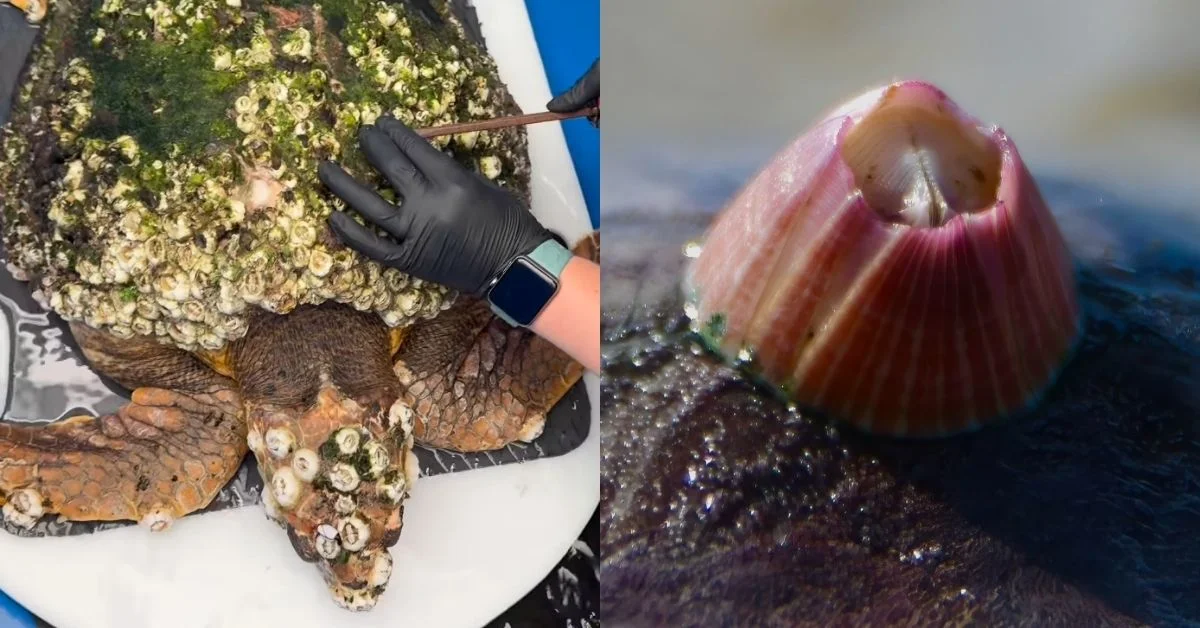
In April, Good Good Good shared the remarkable journey of Syrena, a loggerhead sea turtle that was found struggling to swim in the Gulf of Mexico in 2025.
Tabitha Siegfried, a marine biologist at Florida’s Gulfarium C.A.R.E. Center, documented Syrena’s rescue and recovery over the course of 92 harrowing days, as she healed from a severe case of debilitated turtle syndrome.
“We don’t really know the underlying cause of debilitated turtle syndrome,” Siegfried said in an Instagram video. “It could be due to environmental factors or an infection [or] something that she ate. But it is characterized by excessive barnacles, lethargy, and anemia.”
“And usually when turtles are brought into a rehab facility with this disease or syndrome, their odds of survival are less than 25%,” she said.
Fortunately, Syrena beat the odds. Thanks to fluids, antibiotics, and round-the-clock care, she was cleared for release on July 14, 2025.
“I didn’t know if she’d make it,” Siegfried shared on Instagram. “But Syrena showed us what resilience looks like.”
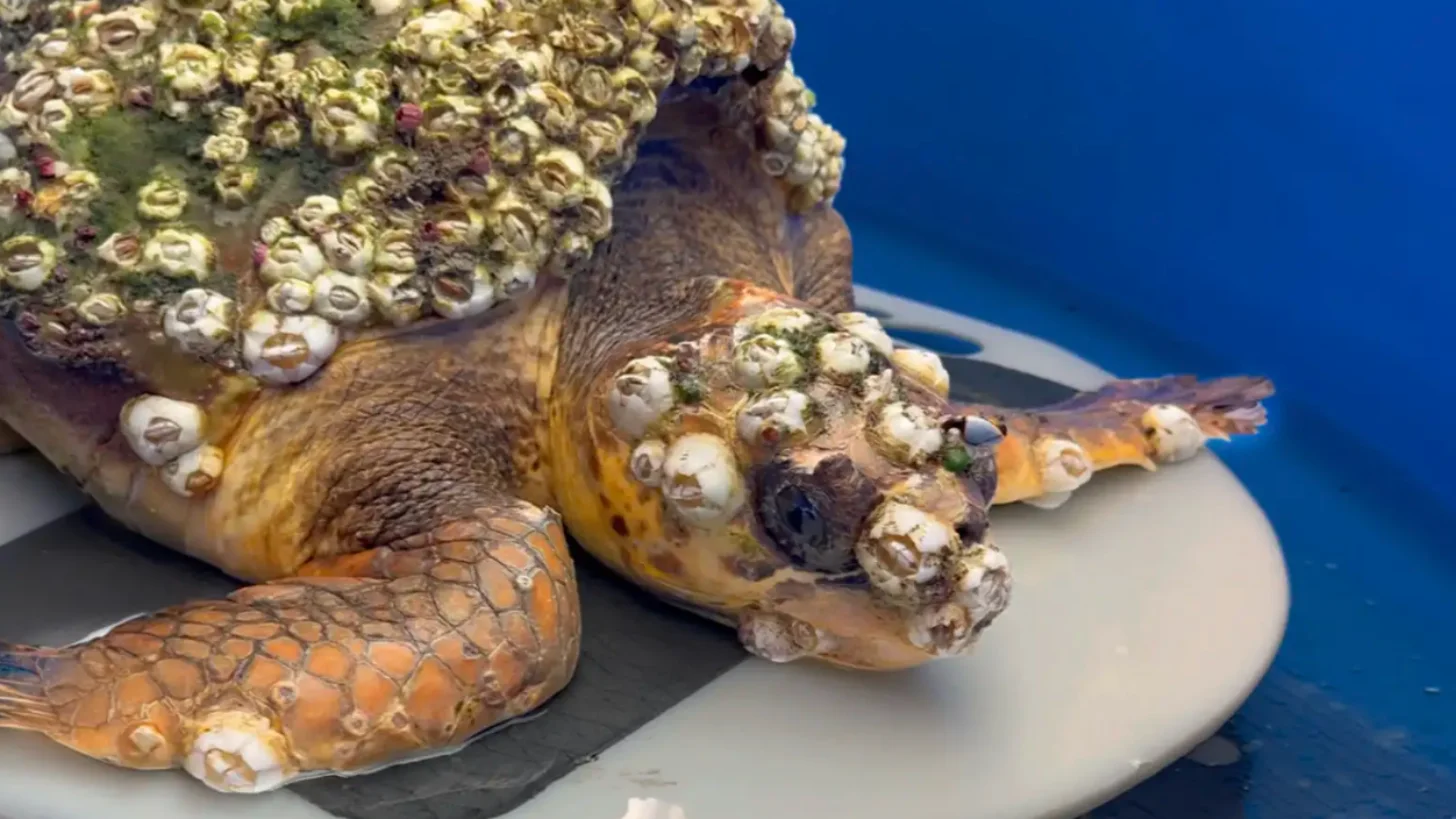
It’s been over a year since Syrena was released back to the ocean, but Siegfried still has a lot to say about her rehabilitation journey. On August 3, she began sharing new behind-the-scenes footage and answering people’s burning questions.
For a sea turtle like Syrena, who was brought in covered in algae and barnacles, many people asked: “Why don’t you just remove all the barnacles right away?”
“Because for a turtle as sick as Syrena, doing everything at once can actually do more harm than good,” Siegfried explained. “When Syrena was rescued, she was severely debilitated, anemic, and extremely weak. Before we could think about removing hundreds of barnacles, we needed to stabilize her first.”
After Syrena gained some of her strength back, the veterinary staff could finally begin removing the barnacles.
Siegfried shared that process in a new video, which has garnered more than 5 million views.
“While the barnacles themselves weren’t the reason Syrena became sick, leaving them in place for too long can create their own problems,” Siegfried wrote in the video’s caption. “Some can become deeply attached to the shell, trap debris, or create pockets where infection or abscesses can develop. Removing them also allows us to better monitor the health of the shell as it heals.”
To make the process more comfortable for Syrena, they first soaked her in freshwater baths to weaken the barnacles that had been clinging to her shell for months — if not years.
Then they took out the flathead screwdriver.
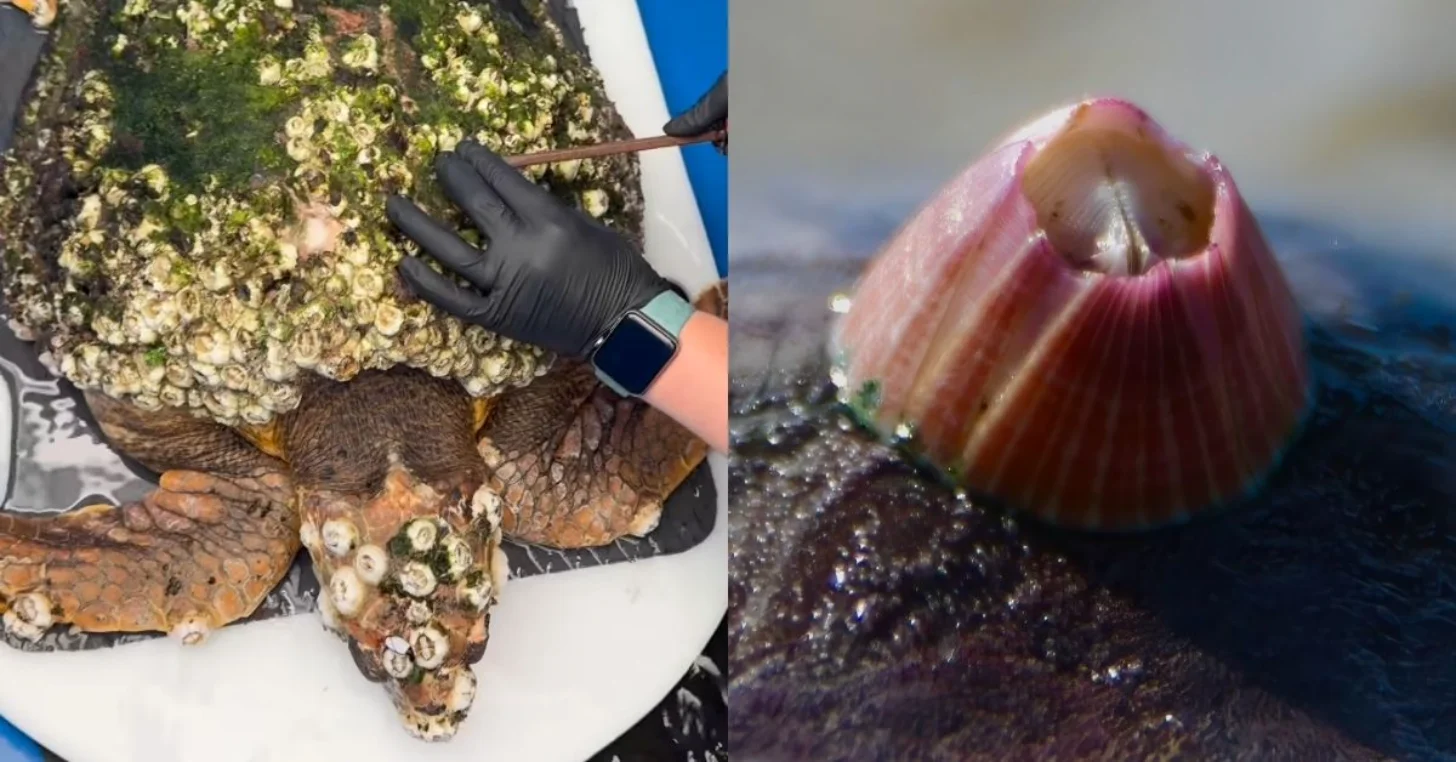
“It may not look like a medical instrument, but it’s one of the safest and most effective tools for this specific job,” she explained.
“Rather than simply ripping them off, we gently broke the seal by crushing the inside of each barnacle first. This helps release their grip on the shell and reduces the risk of unnecessary damage to the shell and surrounding tissue.”
In the video, pops, snaps, and crunches can be heard as whole sections of barnacles are removed in turn.
“Every turtle is different, and the timing of barnacle removal depends on the individual patient’s condition. In Syrena’s case, waiting until she was more stable gave her the best chance at a safe recovery.”
In the weeks since, Siegfried has continued providing new glimpses into Syrena’s 2025 journey, all while sharing the stories of newer turtles under her care.
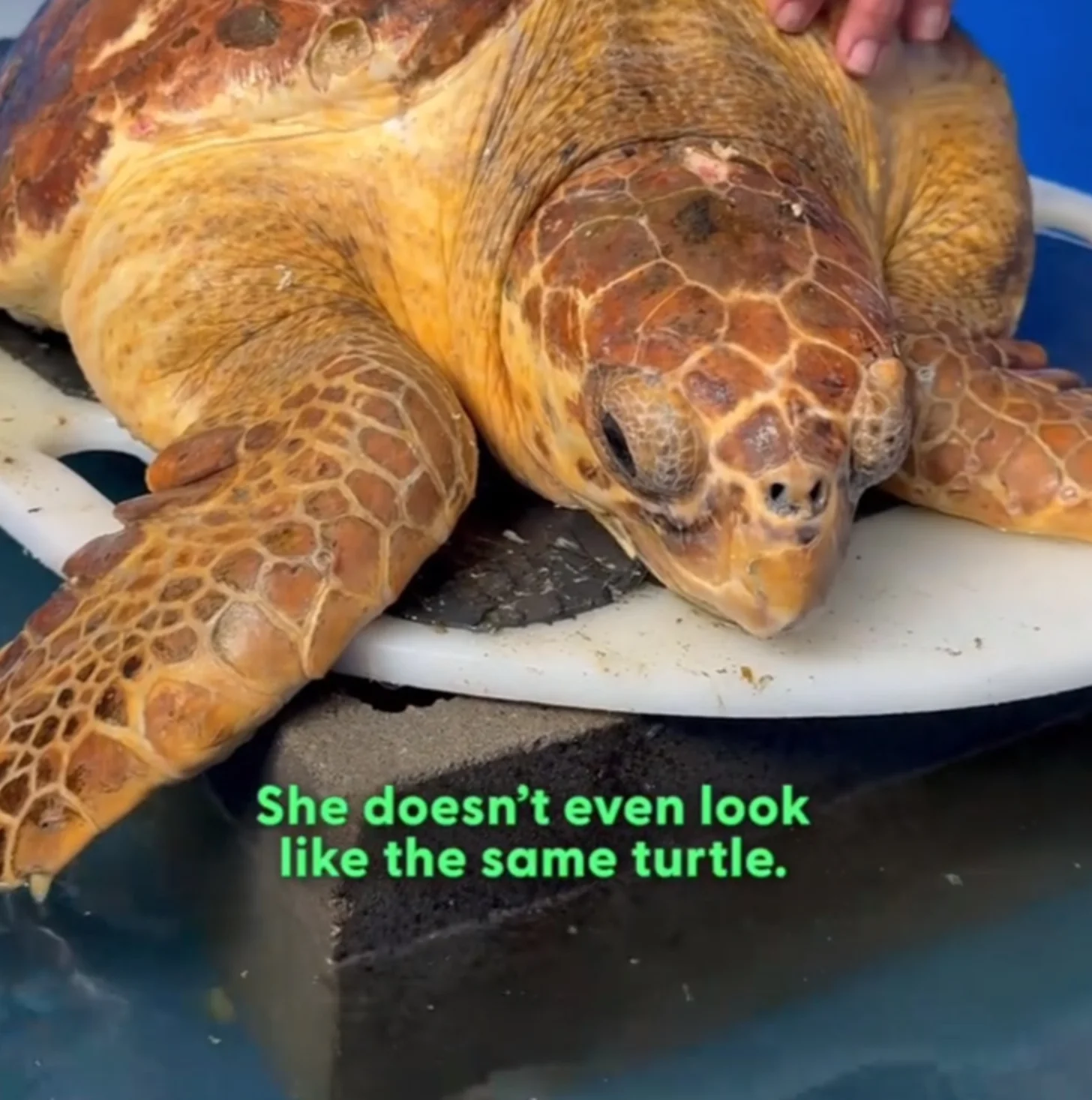
“Watching a turtle you’ve cared for finally disappear beneath the waves never gets old,” she wrote on August 6, under the video of a recent sea turtle release.
“Every release was a reminder that behind every success story were countless hours of work from veterinarians, technicians, volunteers, interns, and conservationists who all believed that one life was worth fighting for.”
You may also like: Woman spends 92 days saving sea turtle covered in hundreds of barnacles: 'She doesn't even look like the same turtle'
Featured Images: Screenshot via tabby.siegfried/Instagram and Harold Litwiler/Flickr (CC BY-SA 2.0)