Peek Outdoors is an outdoor gear company based in Boise, Idaho that specializes in selling trail cameras. For years, the store has shared rare wildlife footage on its YouTube channel, giving viewers a glimpse into animals’ lives in their natural habitat.
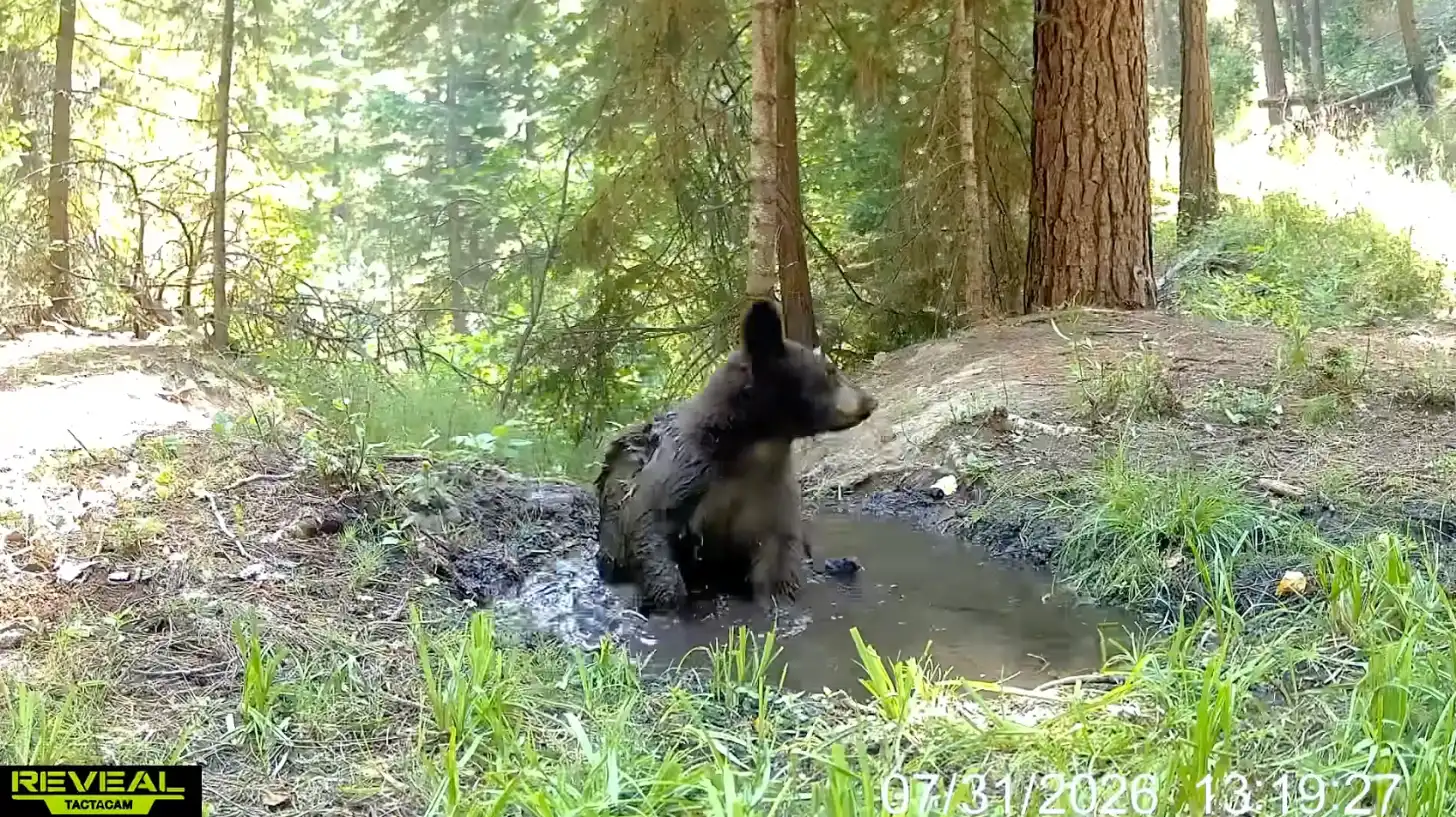
In August, Peek Outdoors shared a montage of trail camera footage collected in Idaho’s backcountry from June through August that revealed the region’s rich biodiversity.
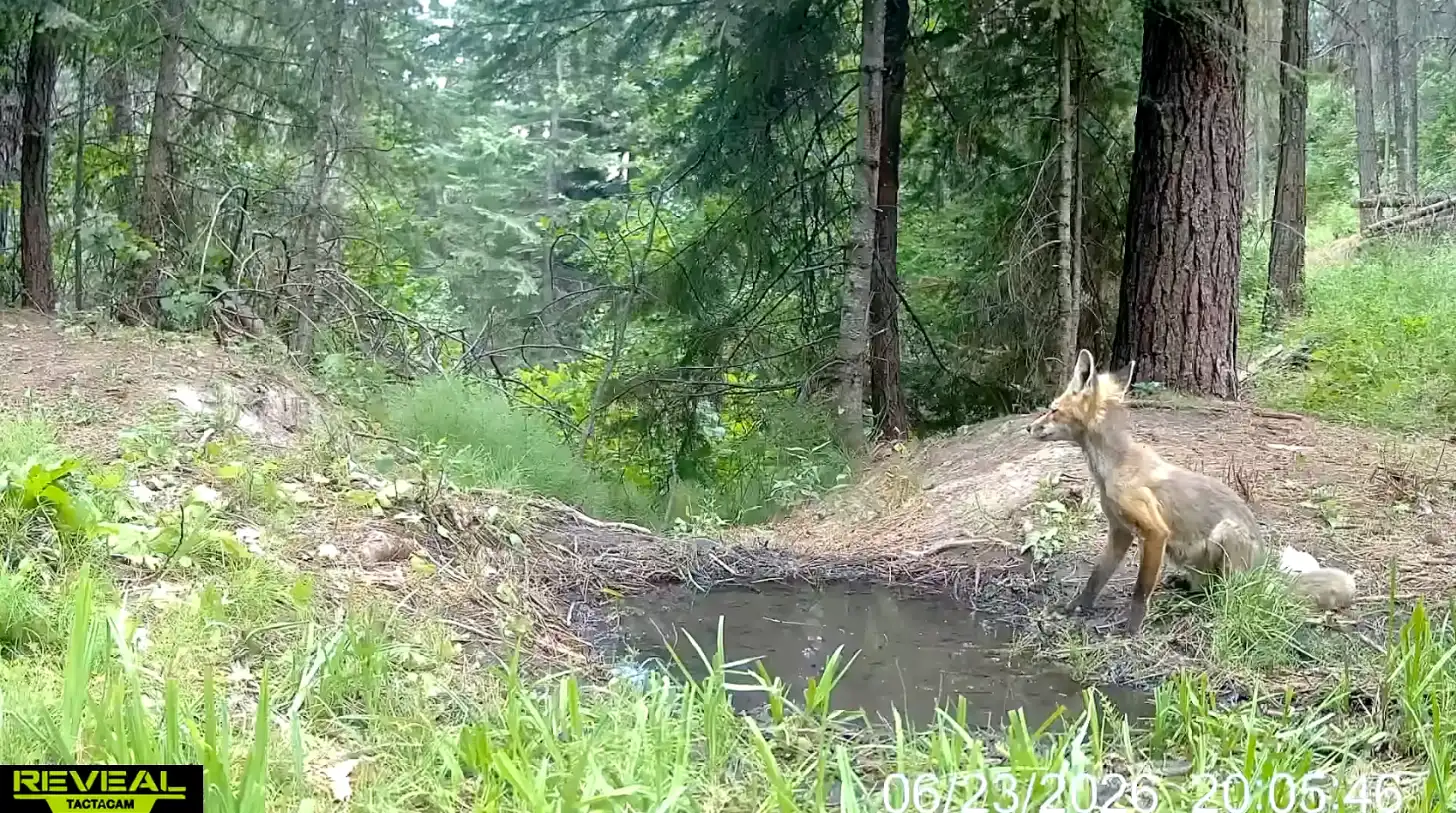
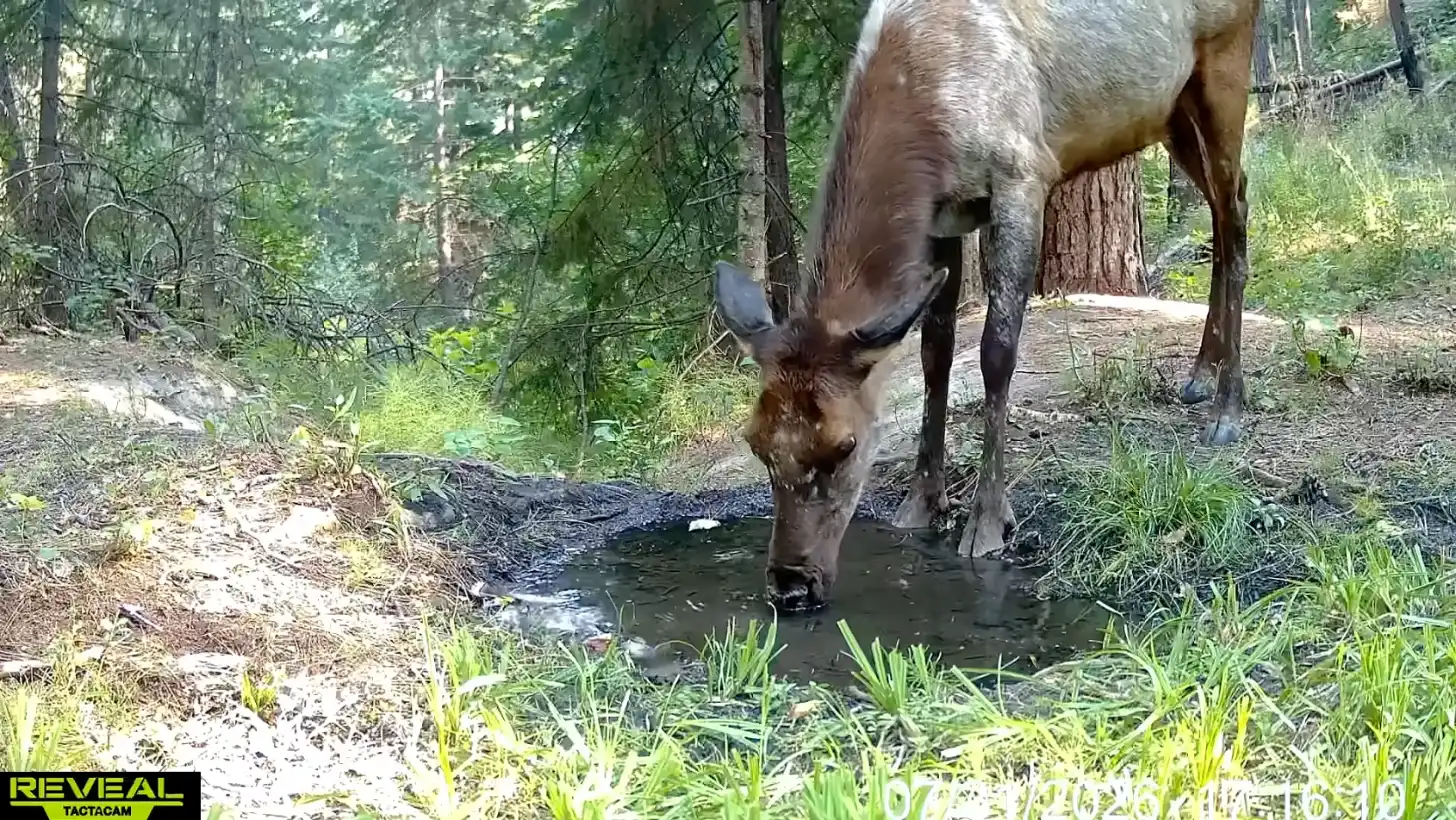
“It’s rush hour at a hidden mountain spring!” Peek Outdoors wrote in the video description. “This trail camera captured an incredible variety of Idaho wildlife as they visited one of the most important water sources in the backcountry.”
The video starts with a “rare daytime encounter” of a cougar leading her spotted trio of kittens to the stream to drink.

“As the footage continues, you’ll see an incredible variety of animals stopping by this secluded spring throughout the season,” Peek Outdoors stated.
The trail camera footage shows a collection of wild animals, from fox kits to wild turkeys, stopping by the stream — sometimes to drink, sometimes to play.
“From elk and deer to bears, predators, and birds, it’s amazing to see how many different animals rely on this single spring,” the outdoor company said.
Trail cameras, which first became available in the 1980s, have surged in popularity in recent years, with everyday people like birdwatchers, photographers, and nature lovers using them to support their hobby.
When paired with long-lasting lithium batteries, trail cameras can be set to run for months, giving people a rare glimpse at species that they’d never be able to spot during the day.
They are also an important tool for conservation.
Through trail cameras, researchers are able to track animals through non-invasive methods in their natural habitats. It can be critical to tracking population declines in endangered species — and conversely, measuring whether a species is rebounding.
In 2025, after Oregon’s Department of Fish and Wildlife tracked a noticeable decline in Central Oregon’s porcupine populations, public libraries across the state began lending out trail cameras to locals so they could help monitor the prickly species too.
“We maintain a bank of trail cameras, and then we make those available to the public,” Jon Nelson, the High Desert Museum Curator of Wildlife, told Central Oregon Daily.
“We teach the public how to use trail cameras to responsibly observe wildlife and then to take those observations and post them to community science platforms such as iNaturalist, so the managers have access to that data.”
Since the program launched, more than 140 porcupine sightings have been recorded.
“It is heartwarming how many people have reached out and called me to say, ‘It was crossing the road,’” Mikayla Bivona, an assistant wildlife biologist leading the state’s porcupine study, told Central Oregon Daily.
“Almost everybody explains they have a really cute waddle as [they] walked down the road. They are a pretty charismatic species, I think a lot of people are getting excited about. Now they are taking a harder look at them.”
You may also like: Secret tunnels in Maine help wildlife cross the road safely. Now, they're expanding for bears and moose to fit, too
Featured Image: Screenshot via @PeakOutdoorsID/Youtube