Stories about money and economics being used for good — and good being done for money and economies
Your weekly roundup of the best good news worth celebrating...
In an effort to retain its educators, Charlotte schools are planning on building housing and offering below market-rate rentals.
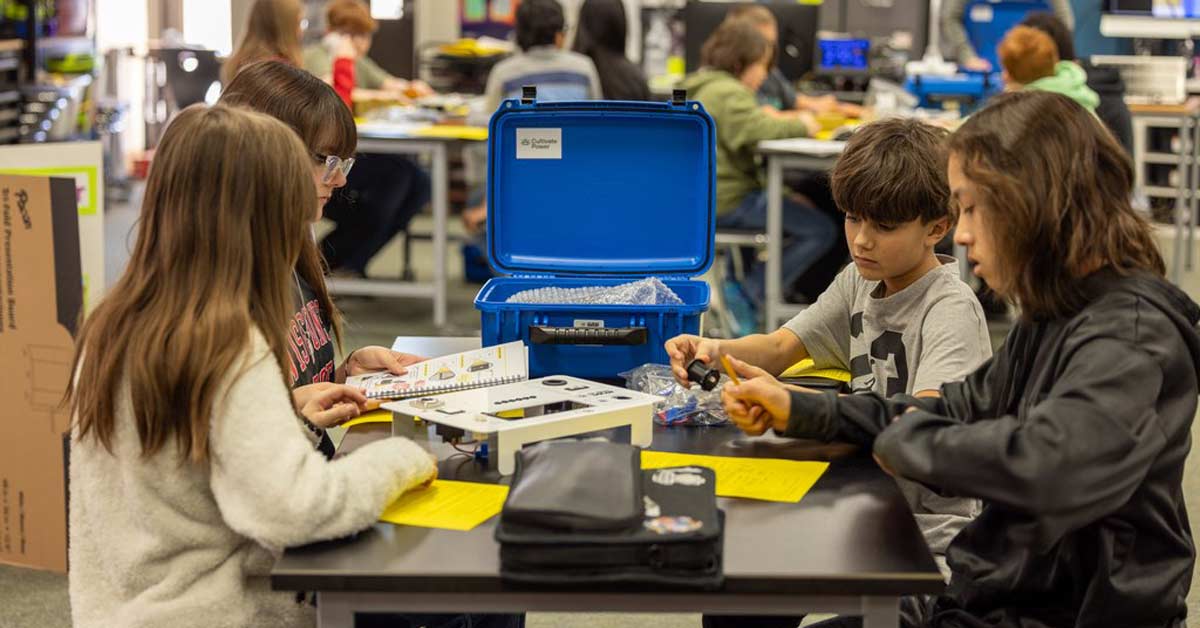
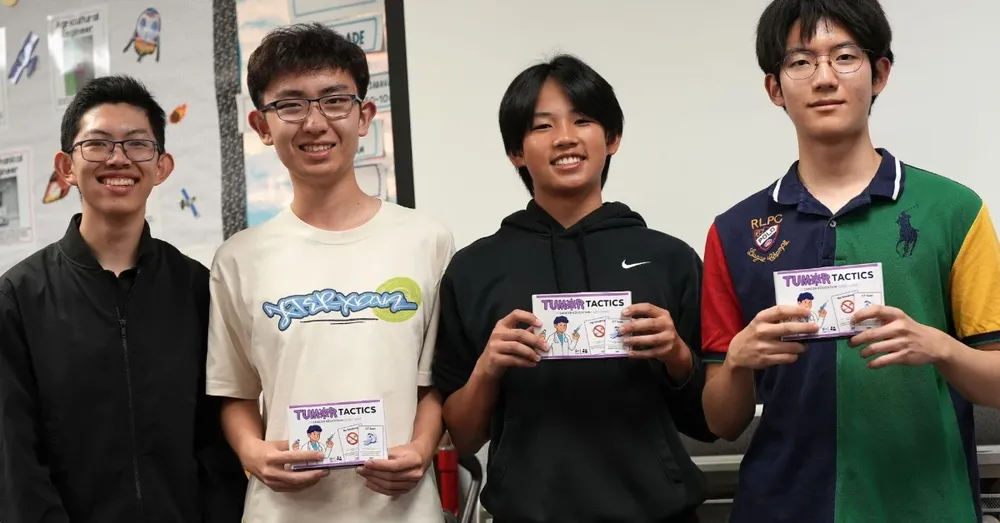
The students are part of We Share Solar’s education initiative, proving that their learning can power real change.
Get your reusable tote bags ready! Small Business Saturday takes place on the weekend following Thanksgiving in the United States. Here are some pointers for shopping small this season.
Going outside more frequently has the potential to improve health outcomes along with your mental health and quality of life. But where you live impacts how easy and convenient it is to spend time in the great outdoors throughout the year.
Australia joined 12 other countries in setting work boundaries, and parts of the US have proposed it too.
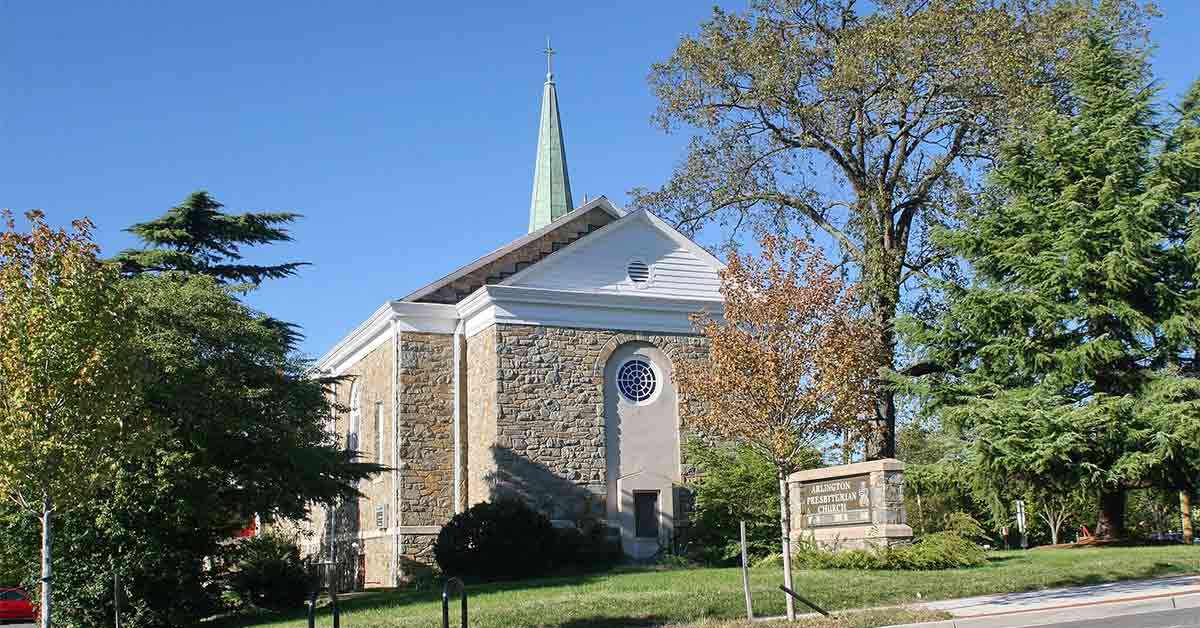
Religious congregations are using their land in new ways that reflect their faith by repurposing their property to provide affordable housing.
There are so many factors that can influence healthy living and weight loss. Genetics and psychology both play a major role, but so can a person's environment.
"Wanna know why I've worked for Bernie Sanders for 25 years? Moments like this," said the Vermont senator's staff director after an event focused on lifting up the working class.
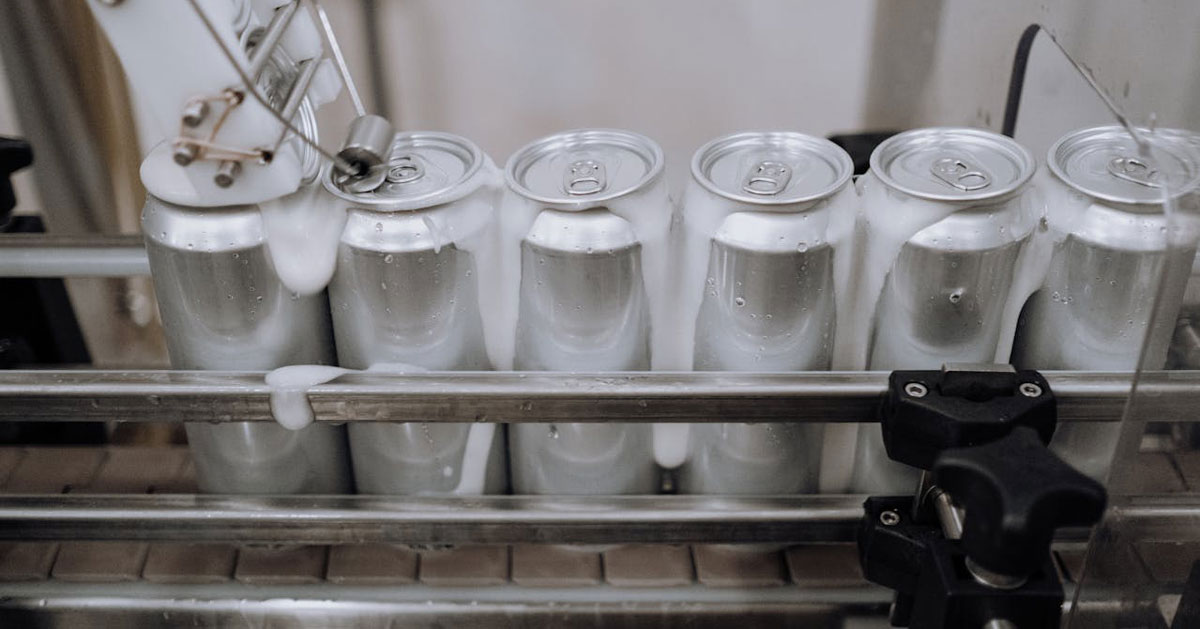
Nearly half — 43% — of the breweries sampled were doing some sort of social advocacy, further cementing the role of craft breweries as important players in their communities.
This home chef is empowering people across the country to make the most of their meals.
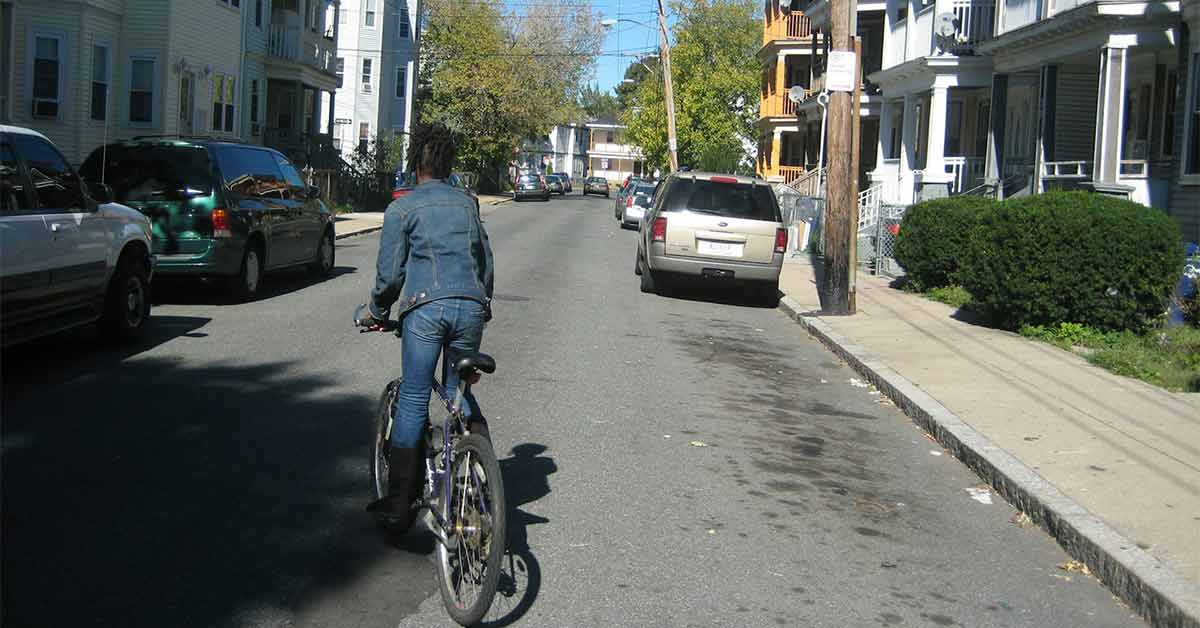
Residents in low-income neighborhoods have been talking about what kinds of bike infrastructure they believe best meet their needs. Some of their preferences were notably different from those of cyclists in wealthier neighborhoods.
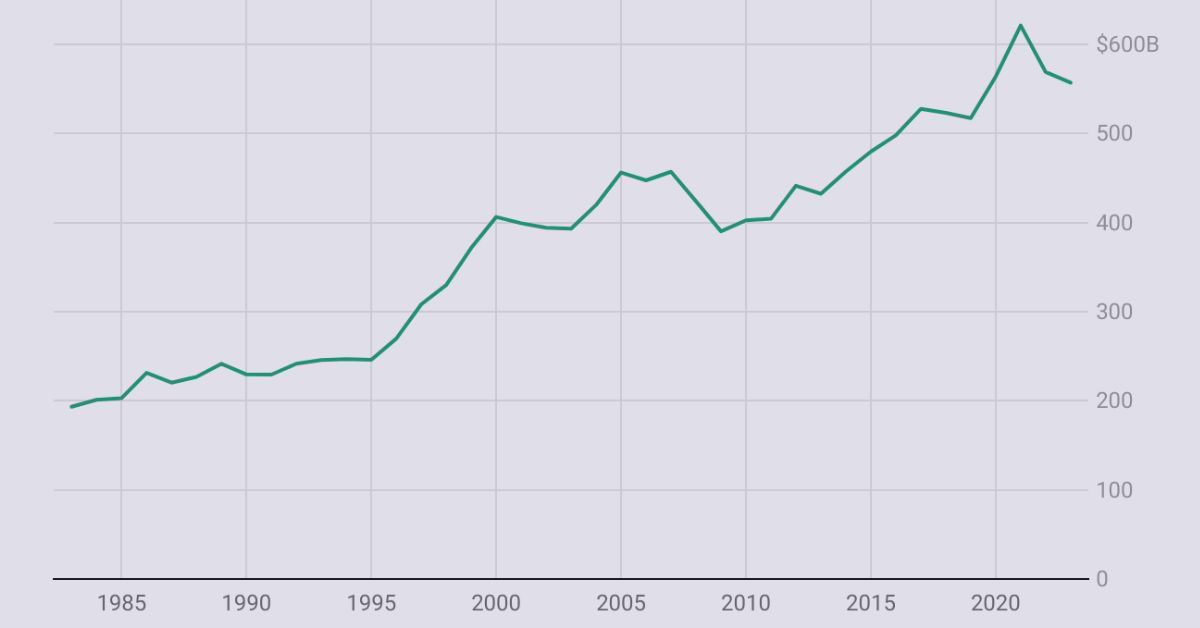
Total giving has swung up and down more sharply than usual in recent years. However, there are more signs of charitable giving’s strength than weakness in this new data.
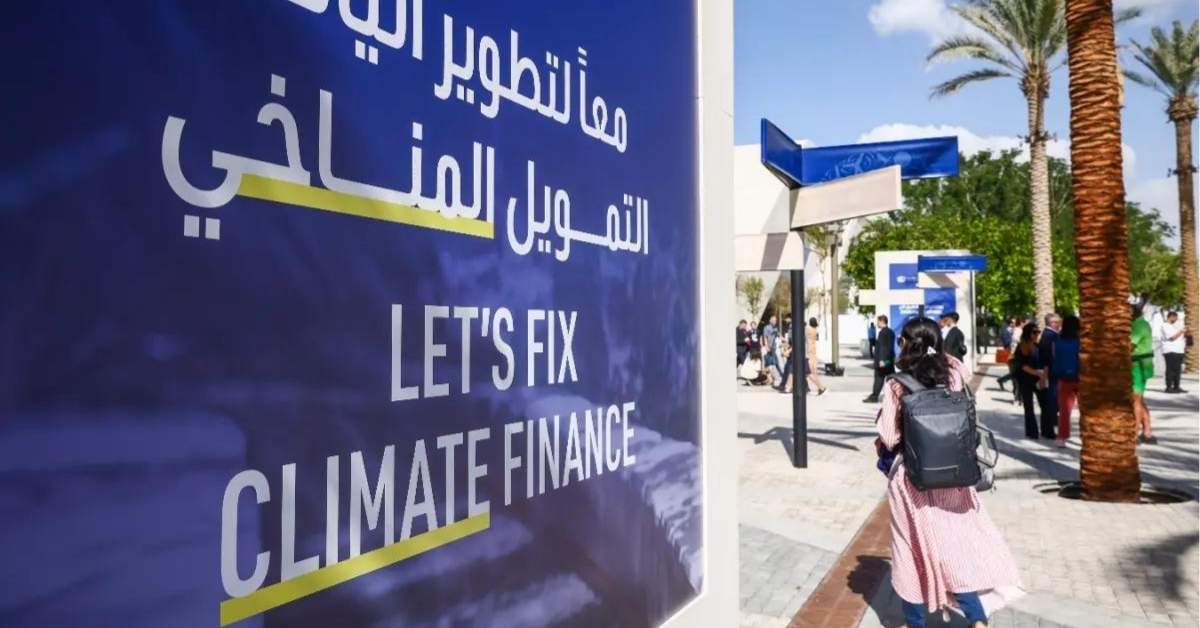
While they were two years late delivering on their promise, rich countries partially compensated for their earlier shortfalls, contributing nearly $116 billion in climate aid to developing countries.
By calling out complicity on the part of colleges, corporations, and the government in South Africa’s system of apartheid, student activists were able to show that demands for divestment could be a concrete and effective form of protest.
For families who can’t pay high upfront costs for solar energy, cooperatives offer a solution.
An assistant professor of biomedical engineering is working to reduce the likelihood that children born with sickle cell disease will die from stroke, one of the most common complications.