Sustainable stories of progress for the planet
Your weekly roundup of the best good news worth celebrating...
The farmers behind the popular documentary, “The Biggest Little Farm,” spent a fortune to keep gophers at bay. Then they let predators step in.
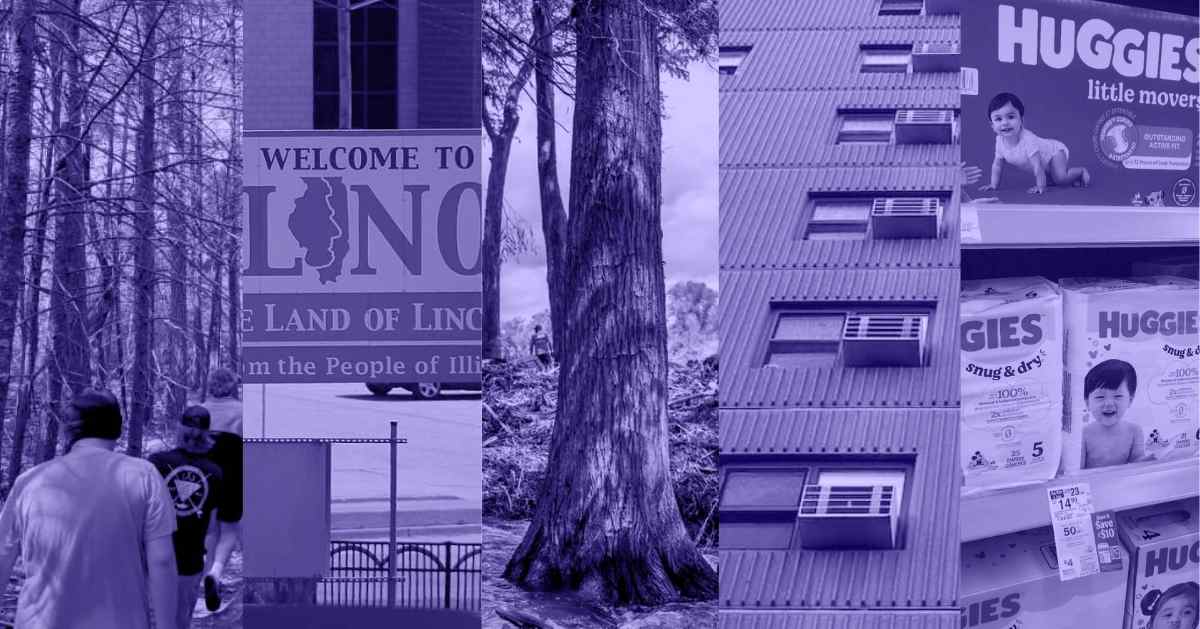
Democrats swept Congress and won in the states. Here are the races that matter most for decarbonization, disasters, and data centers.
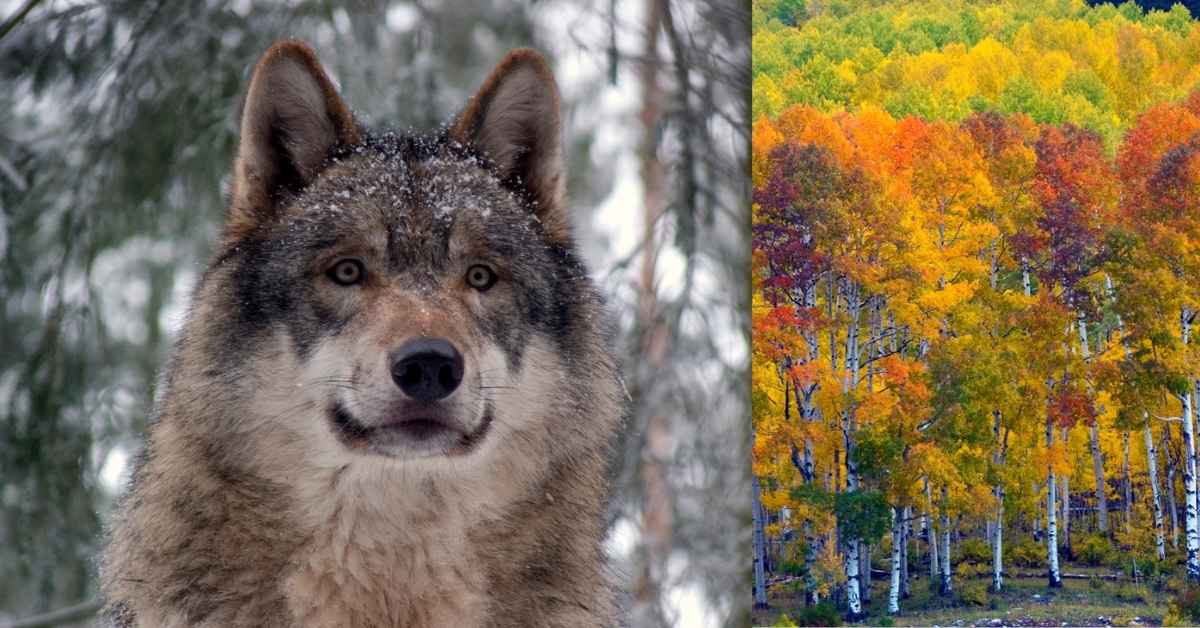
The reintroduction of gray wolves to the national park was controversial — and continues to be. But new research reveals just how vital they have been to restoring the golden glow of aspen forests.
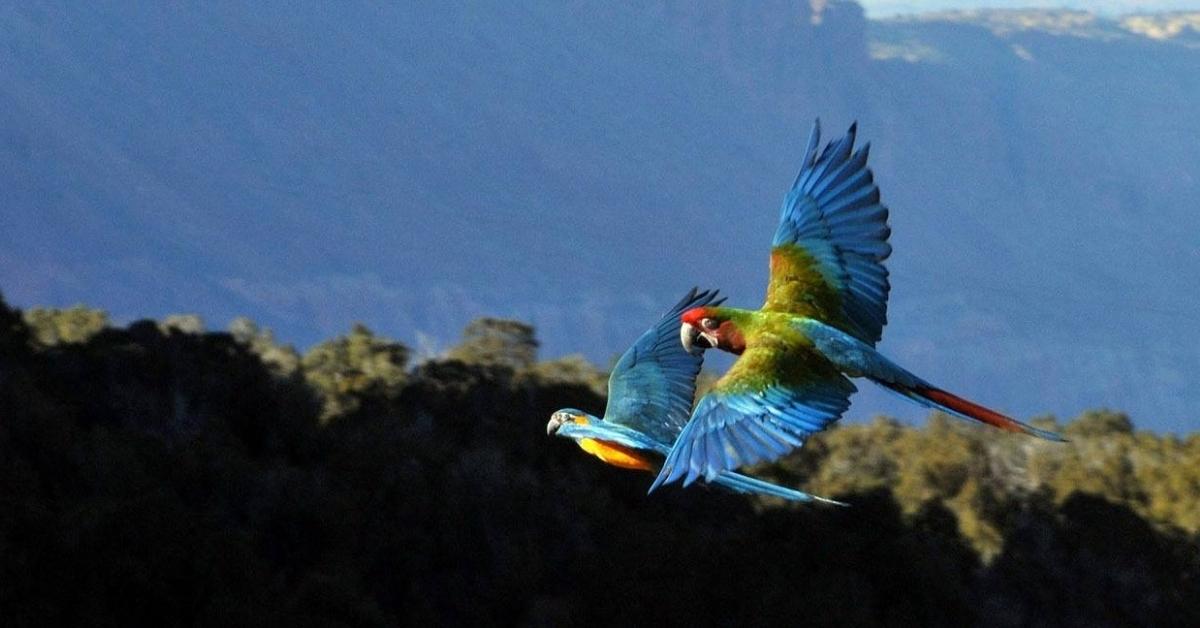
In an unprecedented project in the municipality of São Simão, blue-and-yellow macaws born in captivity were trained in free-flight techniques before being introduced into the wild.
The dogs must train to balance on the paddle boards and sniff out their targets successfully.
Two new reports from the United Nations pointed to huge milestones in renewable energy sectors.
Using colorful BIPV panels, architects retrofitted an existing 12-story residential building in Alberta, Canada.
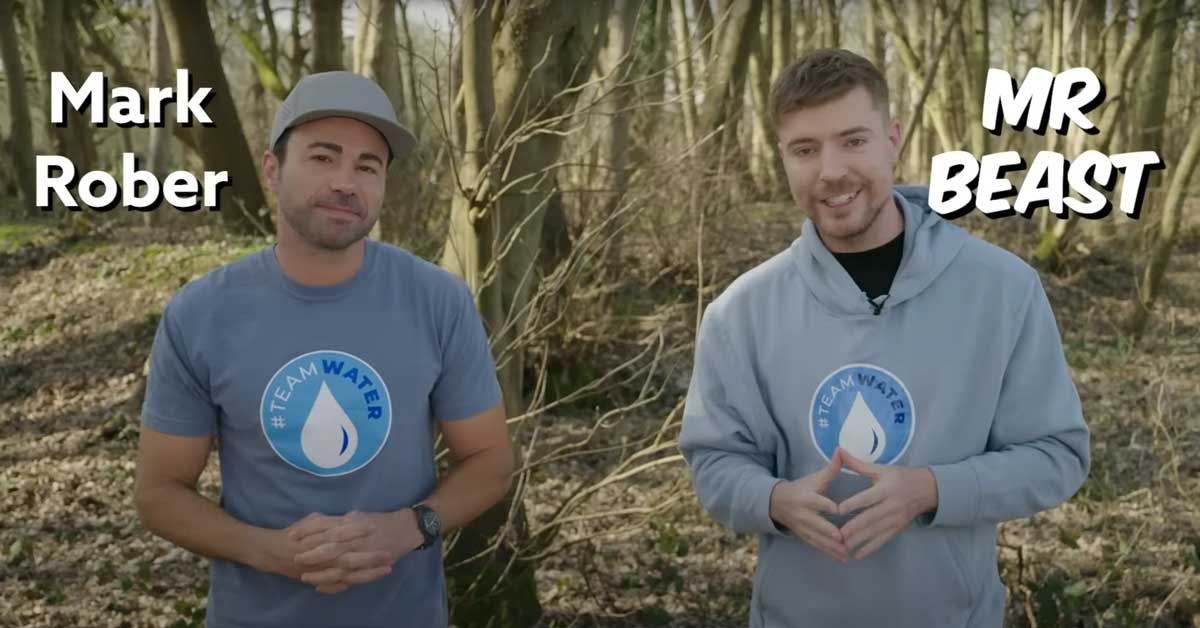
The YouTuber-philanthropist has joined forces with other content creators on the heels of his successful #TeamTrees and #TeamSeas fundraisers.
Researchers at Texas A&M University found a plant-based solution to help cement self-repair.
The spotted lanternfly has been a destructive agriculture pest. But everyday dogs and their owners are coming to the rescue.
White or reflective roofs significantly reduce temperatures. Atlanta is the latest city to mandate their adoption.
Here, women are empowered to develop careers in construction, waste management, menstrual hygiene, and business.
Activist groups Mountain Mamas and Resistance Rangers teamed up for a bake sale in Denver, Colorado last week.
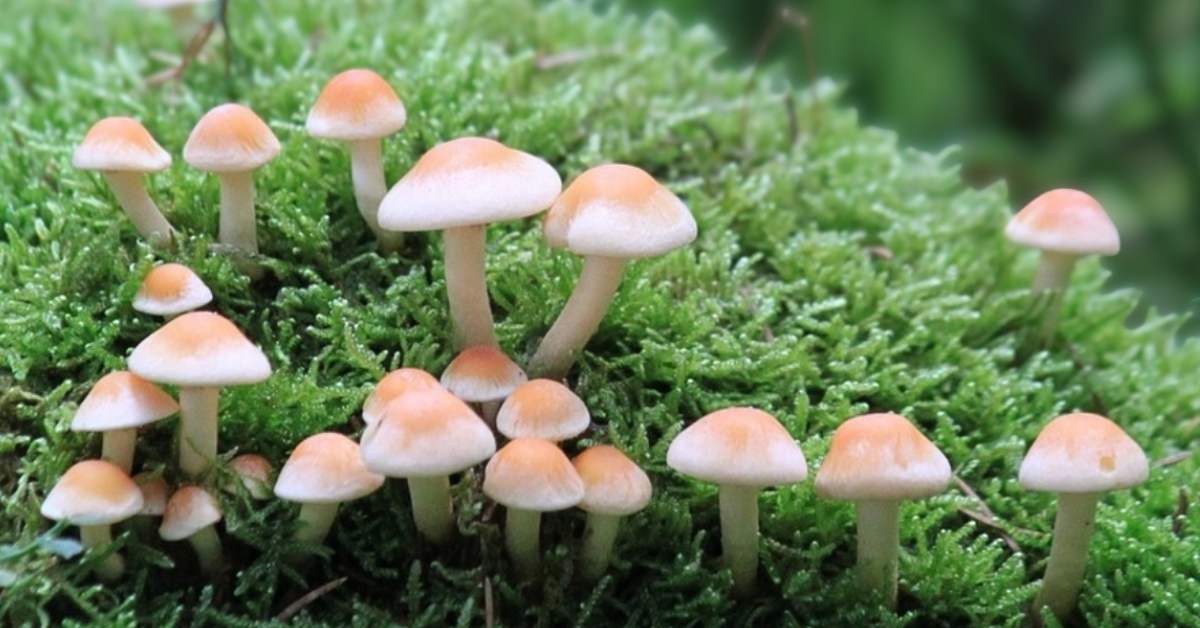
Diapers take up a whole lot of waste. Inspired by plastic-eating mushrooms discovered 14 years ago, Tero Isokauppila created mushroom-based diapers that break down on their own.
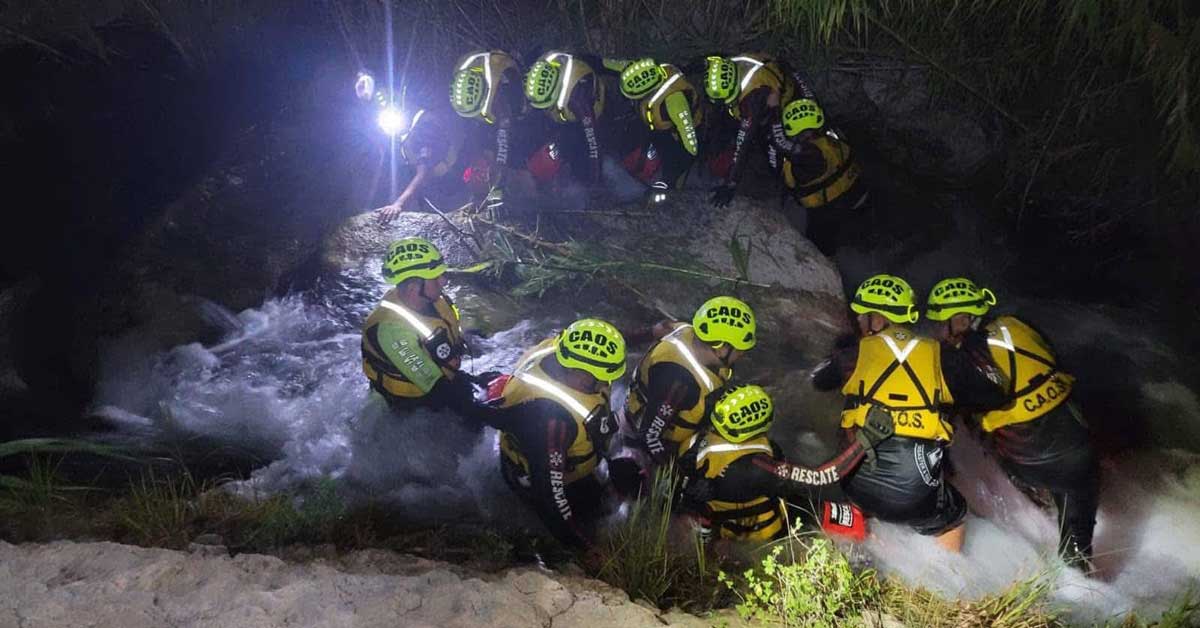
Thanks to volunteers at Fundación 911 and firefighters of Ciudad Acuña, Mexico, search and rescue efforts in central Texas are now an international mission.
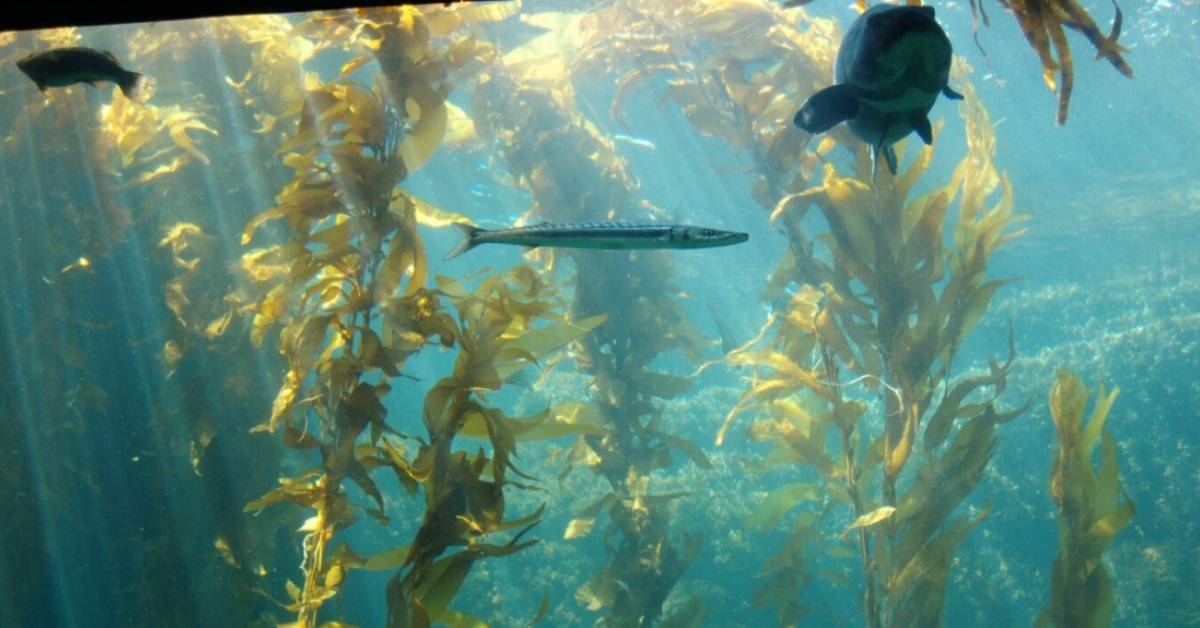
Kelp forests are underwater thickets of algae that keep the world’s oceans rich with biodiversity. And scientists just offered a strong financial argument for keeping them healthy.
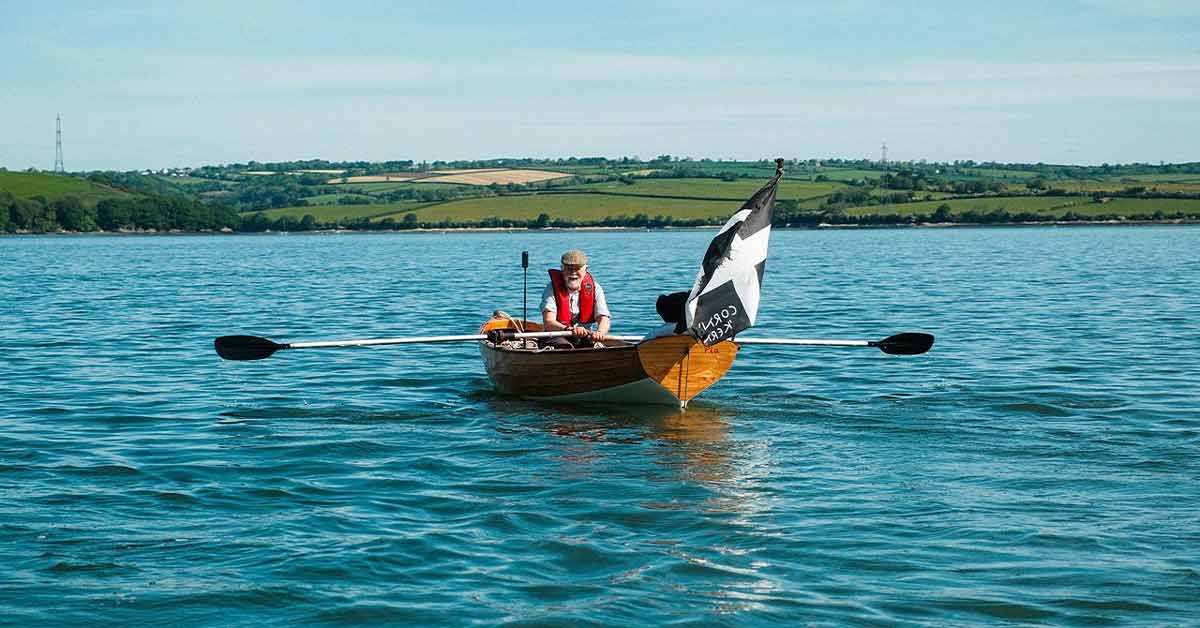
Robin Hanbury-Tenison has not let age stop him from protecting and preserving the natural world.