People, governments, and organizations are addressing housing insecurity, homelessness, and affordable housing
Your weekly roundup of the best good news worth celebrating...
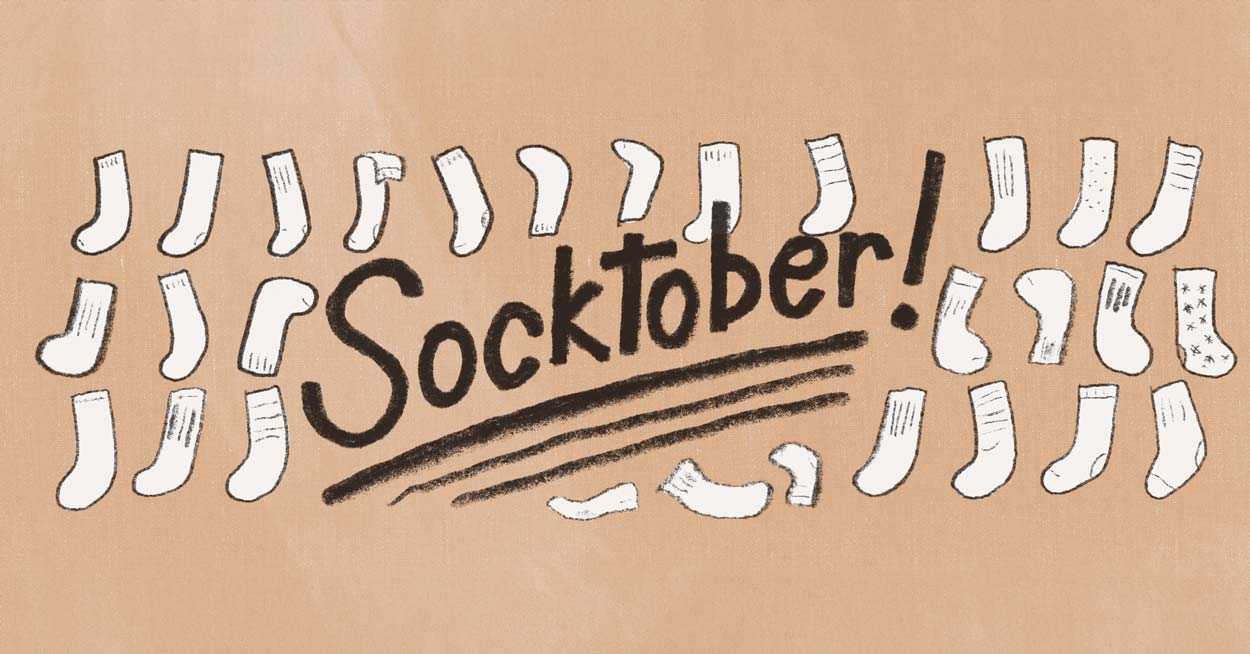
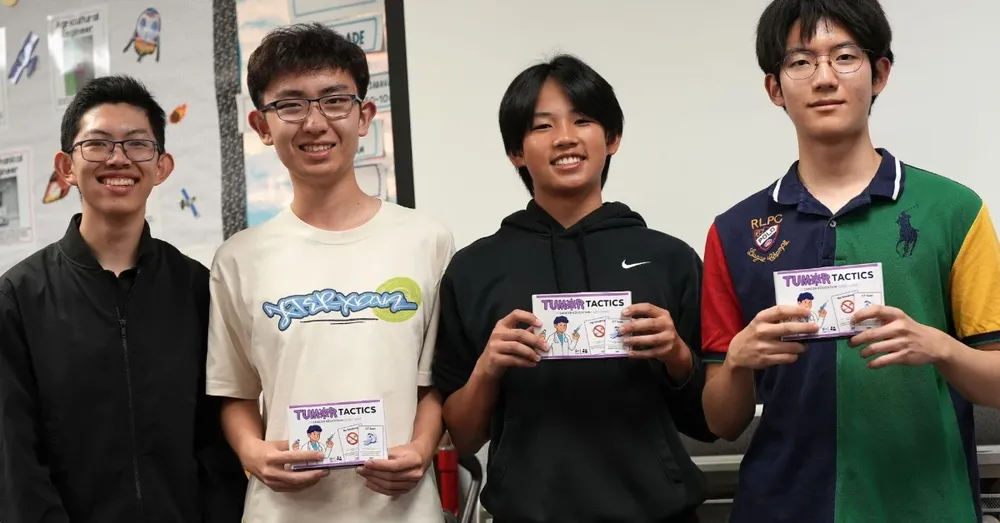
Brad Montague founded Socktober in 2011 thanks to a nudge from a few middle school students. After learning that a concerning number of neighbors were living on the streets, these kids were eager to help in a tangible way.
In India, a new way of identifying where people live is changing the lives of thousands whose homes never officially existed — until now.
In the Dallas area, more than a dozen nonprofits and government agencies joined forces to launch a new program using the COVID federal aid, aiming for successes that other localities could replicate.
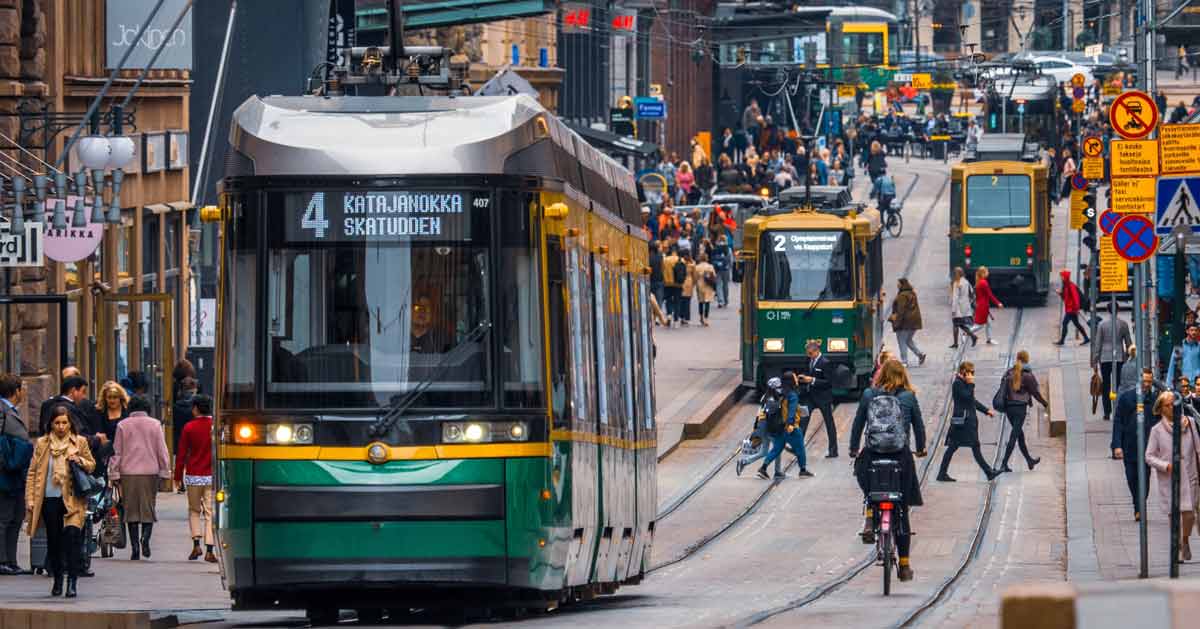
The UK, Germany, and France are Europe’s three biggest economies, and yet they haven’t solved their housing problem. Across Europe, the picture is much the same, except in Finland.
We live in a world where poverty is a lifestyle, not a choice. Inspiring a change is the first step to changing that.
There’s no evidence that banning abortion reduces the number of abortions. There are, however, a few data-backed, safe, and effective ways to reduce the number of abortions.
The affordable housing crisis in the United States has deep roots. But one approach that’s gaining some traction is to separate homeownership from land prices.
To determine which countries have taken in the most people fleeing Ukraine since fighting broke out on February 24, Stacker compiled refugee data from the United Nations High Commissioner for Refugees.
This legal definition of refugees, unfortunately, doesn’t include those who have to flee their homes because of the climate crisis. But it should.
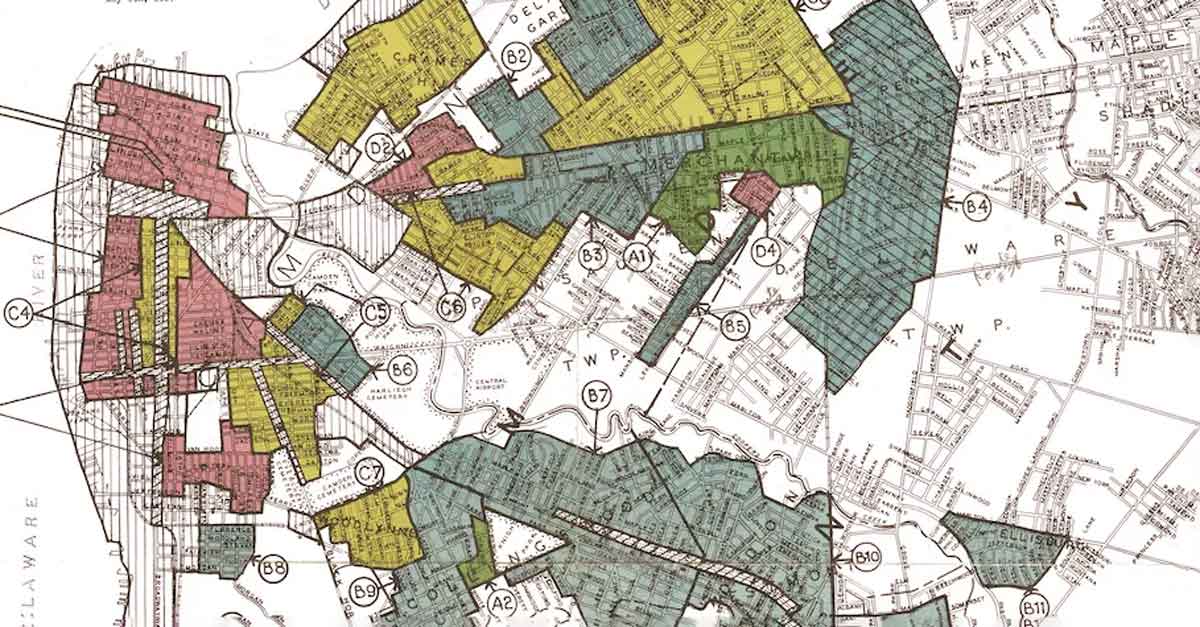
Maps of the hottest areas in major American cities often correspond almost directly to redlined areas on maps from nearly a century ago. Tree equity is an opportunity to create positive change.
When two Cleveland-area nonprofits embarked on major building projects, they also set the lofty goal of going green. They used deconstruction, or the practice of carefully dismantling old buildings for reuse, to reduce the amount of waste going to a landfill.
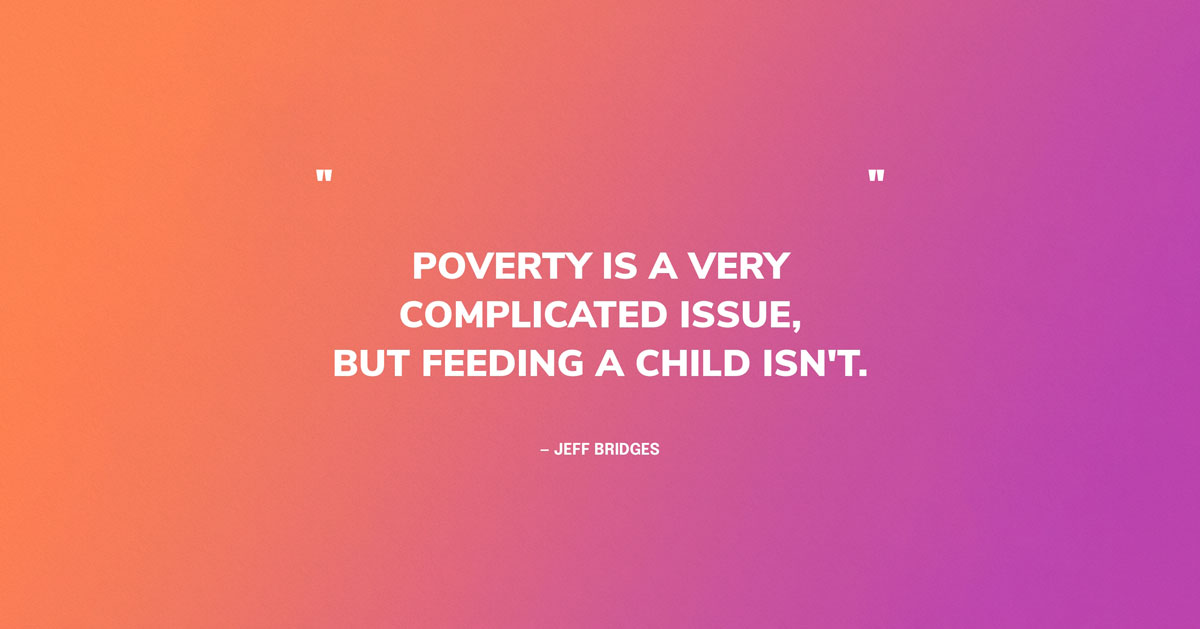
These inspiring quotes remind us of the importance of acknowledging the problem of hunger and working together to fight this global justice issue.
Diverse grassroots organizations are underfunded; This Black woman-led nonprofit is doing something about it
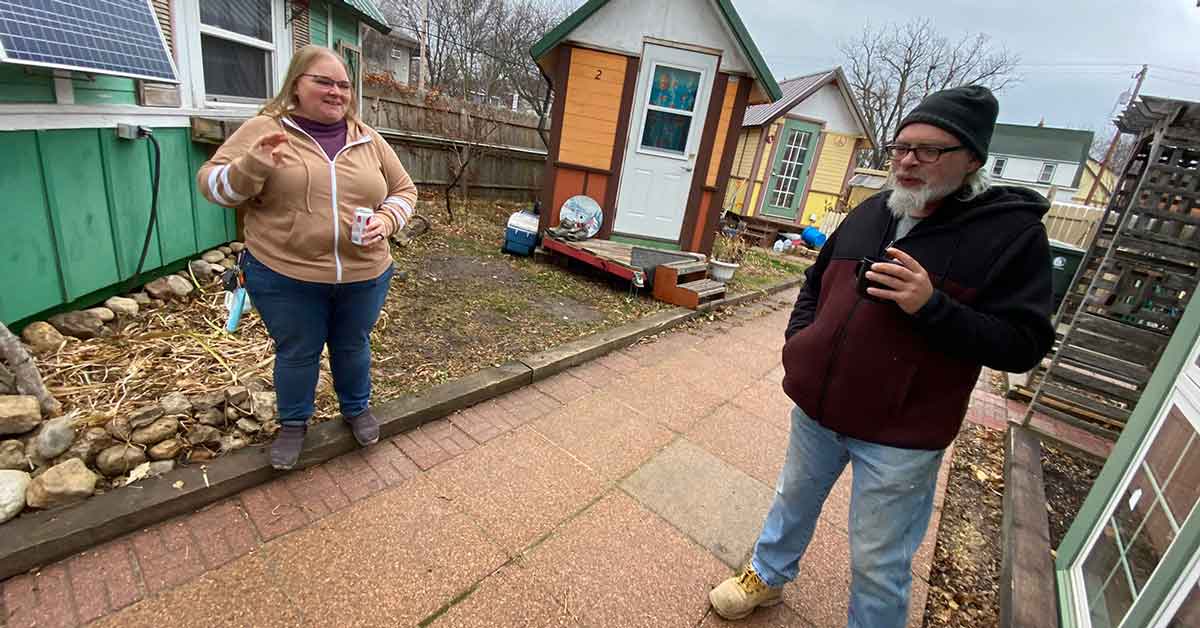
Cities and nonprofits across the country are building communities of tiny homes to safely house people amid covid and cold winters. Proponents say tiny homes give people dignity and privacy, but some advocates for homeless people say they don't go far enough.
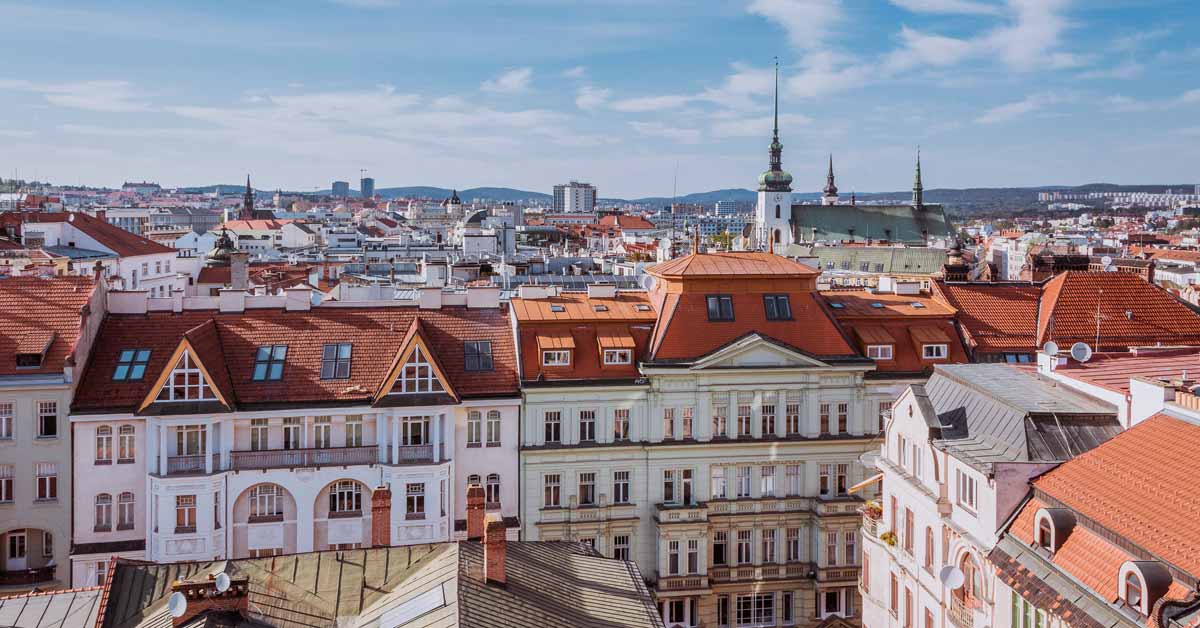
The city of Brno’s growing migrant population had been mostly served by NGOs. It wasn’t enough. So the city brought the work in-house.
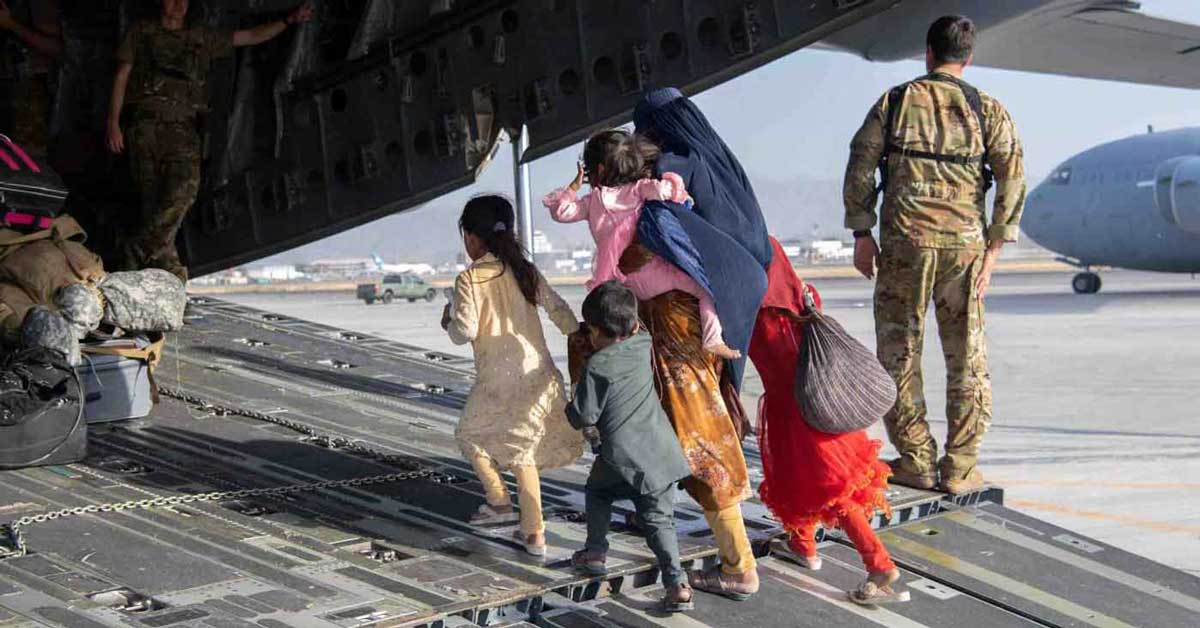
We still have so much work to do to ensure refugees have a safe, clear, and simple way to find not only a safe place to call home and have their basic needs met — but a place to thrive, too. It's also true that we made a lot of progress.
This year was filled with progress for the LGBTQ+ community in the United States and globally. We saw that elections matter, representation is increasing, and people are finding creative ways to support queer people around the world.
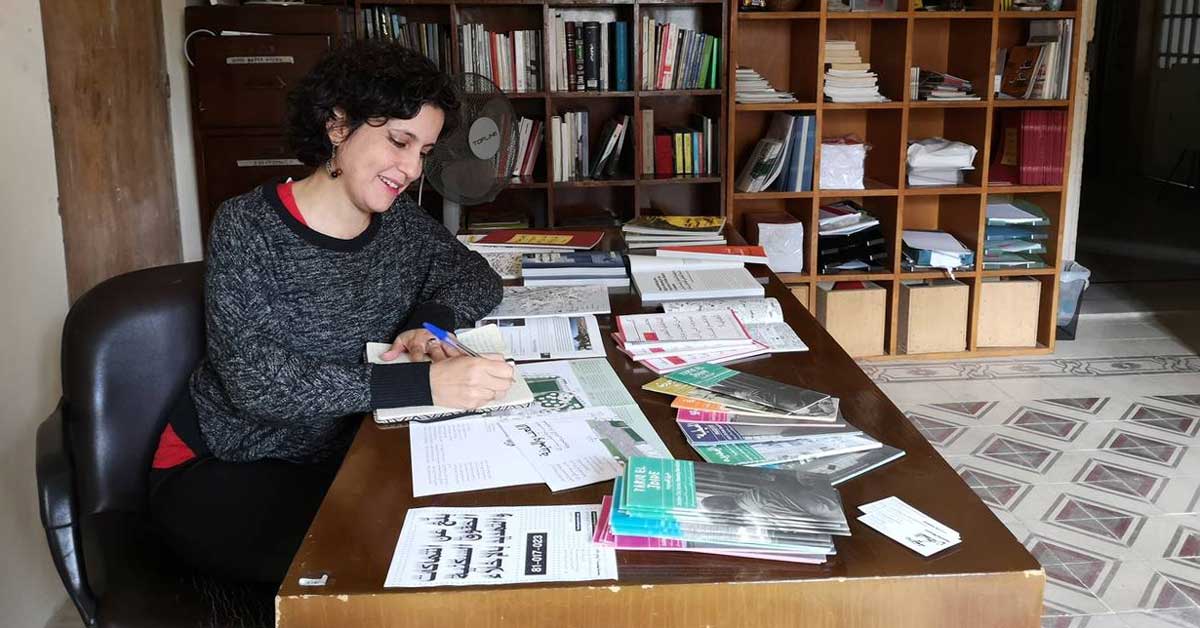
What could bring Syrian refugees, Sudanese migrants and marginalised Lebanese around the same table in Beirut? The threat of eviction – and the housing rights project trying to prevent it.
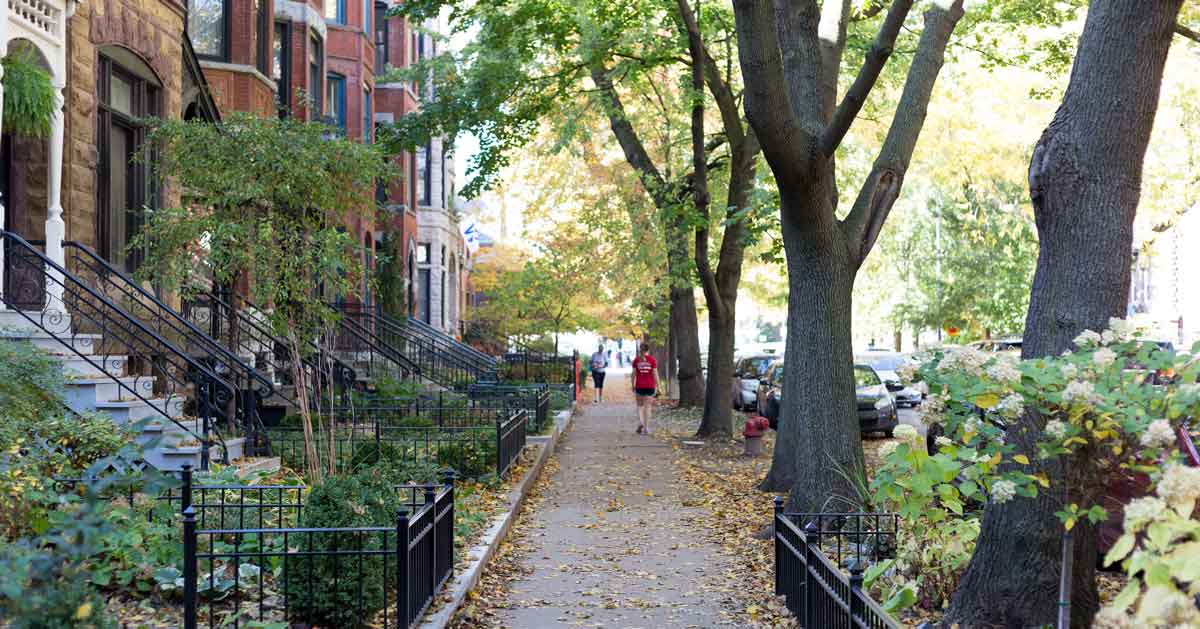
A Chicago effort to plant 75,000 new trees aims to identify areas in greatest need of additional tree cover and prioritize restoring a green canopy in these under-resourced neighborhoods disproportionately affected by climate change.
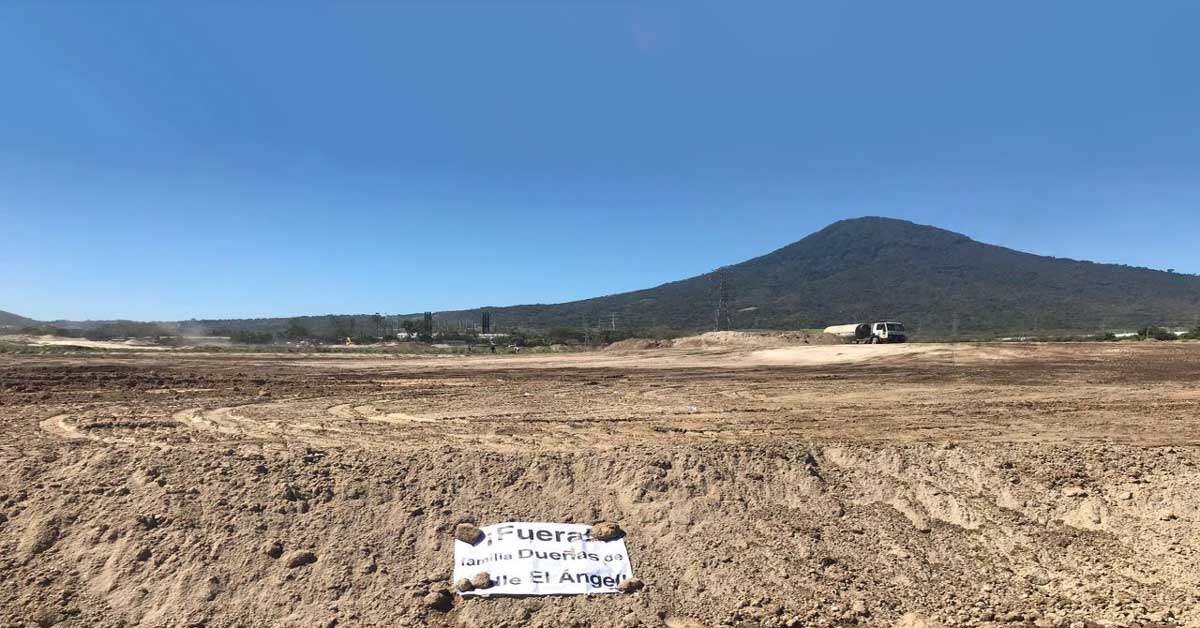
A group of women in rural El Salvador is standing up against a major infrastructure project that threatens to clear hundreds of hectares of forest and cut off access to rivers that provide the community with clean drinking water.