People, governments, and organizations are addressing housing insecurity, homelessness, and affordable housing
Your weekly roundup of the best good news worth celebrating...
Brad Montague founded Socktober in 2011 thanks to a nudge from a few middle school students. After learning that a concerning number of neighbors were living on the streets, these kids were eager to help in a tangible way.
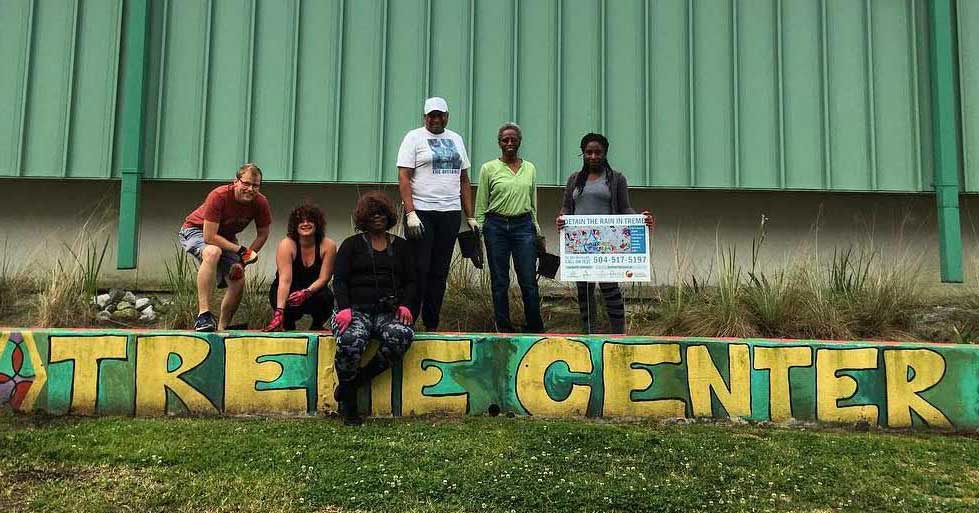
Water Wise Gulf South is an environmental outreach collaborative prioritizing the needs of New Orleans residents who have been, and continue to be, most impacted by regular urban flooding caused by heavy rainfall.
Wildfires often hit low-income, minority families and children the hardest. Talent, Oregon, offers a home-grown housing solution to the displacement that follows.
Public libraries and faith-based organizations, such as mosques, churches, and non-profits grounded in religious belief, are supporting people experiencing homelessness.
In the past decade, Paris has worked hard to align social housing with its larger climate goals. And Americans have a lot to learn from their efforts.
The climate crisis and the pandemic are spurring local governments to take action — and finally, begin to address chronic homelessness.
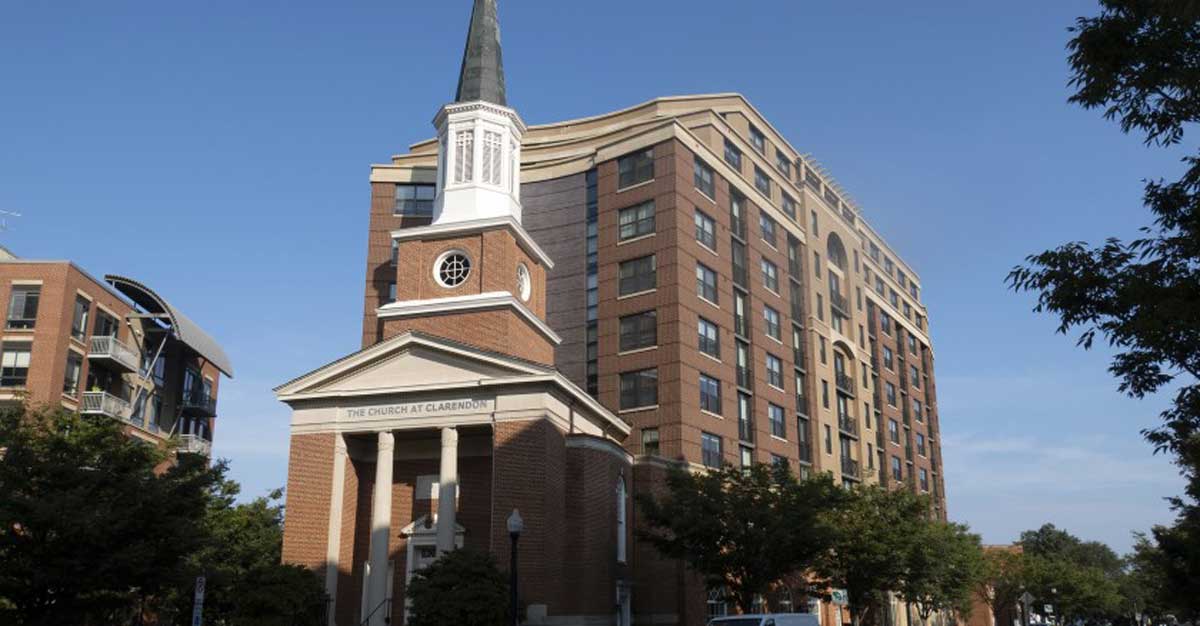
Houses of worship own billions worth of empty, deteriorating, or underused real estate. Some local governments and denominations are overcoming obstacles to carve it into badly needed housing for their communities.
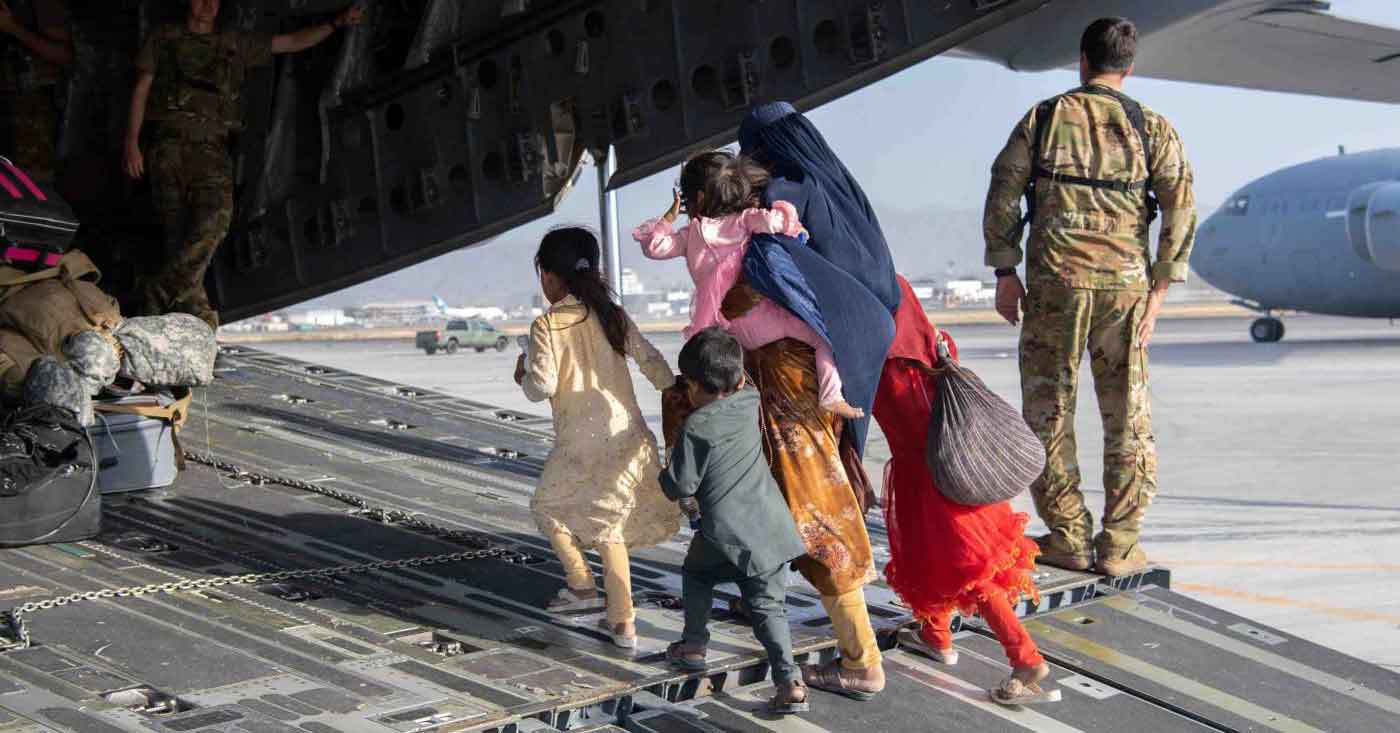
Plunging crime rates in the country have left prisons empty, and many are closing down. But the Dutch government is now using empty prisons in The Netherlands to house refugees.
The Denver study proves that highly vulnerable people living on the street will accept housing and, with help, stay housed for the long term. That’s good news at a time when homelessness is rising nationally.
We did the work of tracking down nonprofits supporting refugees in every single state. Use this tool to find the best local organization to volunteer with or donate to. You can help make a difference for refugees in the United States.
In Tucson Arizona, a group of constables went rogue and stopped enforcing evictions at the beginning of the year.
Certain communities are seeing veteran homelessness become a thing of the past entirely. The entire states of Connecticut, Delaware, Minnesota, and Virginia have effectively ended homelessness among veterans.
Cities and states have struggled to find ways to increase their inventory of low-cost housing over the last decade, and many have pursued policies that they hope will add density to areas zoned for single-family dwelling.
Fourteen communities working with the Built for Zero program have reached the point where homelessness for veterans or those experiencing chronic homelessness is rare overall, and brief when it occurs.