
After seeing the number of students identified with autism spectrum disorder nearly double since the pandemic, Detroit Public Schools Community District Superintendent Nikolai Vitti knew he had to think outside the box to address the shortage of teachers certified to serve them.
Vitti believes he’s found a solution with DPSCD partnering with Michigan State University to expand the pipeline of highly trained special education teachers.
Through the partnership, eligible teachers can pursue MSU’s fully online master’s degree in special education with an autism spectrum disorder (ASD) endorsement while receiving tuition support from the district.
With the number of students identified with autism spectrum disorder increasing from 1,035 in 2019-20 to 1,957 in the 2026-27 school year, Vitti said the district continues to identify more students in need of special supports after a couple of years of online schooling and a general lack of social interactions during that time.
“Basically, what happened during the pandemic is a lot of kids didn’t go to school, or kids were learning online, and those disabilities were not identified, and in some ways, I think we’re playing catch up,” Vitti said.
“A lot of students also didn’t interact like they normally would in the earlier child development years because of the pandemic, and I think that’s led to not diagnosing as much as we normally would and other challenges with social interactions.”
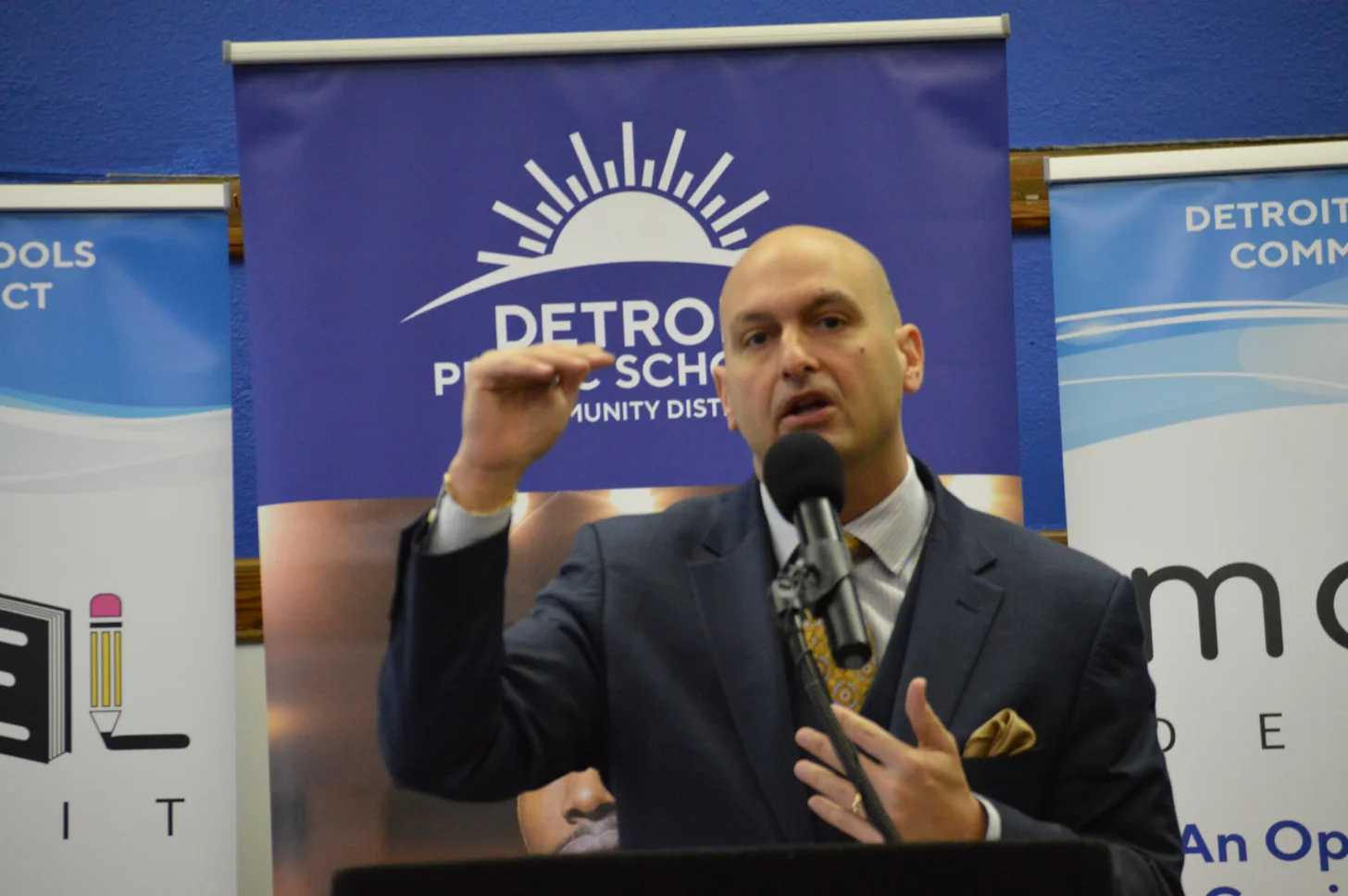
For DPSCD, the partnership addresses a growing need by helping more teachers earn specialized credentials and develop strategies to support students with autism. The school district will pay teachers to earn their ASD endorsement, while teachers will pay to earn their master’s degree.
Vitti said the district has worked tirelessly to fill teaching vacancies more broadly during his nine years as superintendent, decreasing the number of vacancies from about 400 at the beginning of his tenure to about a dozen currently.
DPSCD has around 120 teachers who work with students with autism spectrum disorder currently, with 25 teachers participating in the first cohort of the partnership with MSU, which takes about two years to complete, Vitti said.
Michigan differs from other states by requiring an endorsement certification for the specific area of disability they are teaching in, he said.
The pipeline of ASD-certified teachers the district is attempting to create with MSU will allow it to recruit its own teachers to complete the program.
“It’s a win for our students because they get certified teachers,” he said. “It’s a win for our teachers because we’re paying for them to get additional credentials, which just strengthens their portfolio. Hopefully they stay in our district, but it also gives them greater opportunities in the future moving forward.”
Coursework prepares teachers to implement evidence-based programming for students with autism; assess academic and behavioral needs; design instructional and behavioral interventions; collaborate with families and school teams; and create structured, predictable learning environments.
Teachers also learn to use supports like visual cues, augmentative and alternative communication, peer involvement, social skills instruction, and transition strategies to promote student access and independence.
By connecting district educators with MSU faculty and research-based training, the partnership will help strengthen instruction and support for students across Detroit classrooms.
“One of the things I appreciate most about this partnership is that it helps build expertise from within the district,” said Erin Hamilton, MSU College of Education senior academic specialist and special education master’s program coordinator.
“Teachers are able to strengthen their knowledge and skills and immediately apply what they’re learning in their classrooms. That benefits not only the educators participating in the program but also the students and families they support every day.”
MSU’s master’s degree in special education requires 30 to 36 credits, depending on an educator’s previous preparation and teaching certification. The program combines graduate coursework, clinical projects, and supervised practicum experiences that teachers can complete in their own classrooms or schools.
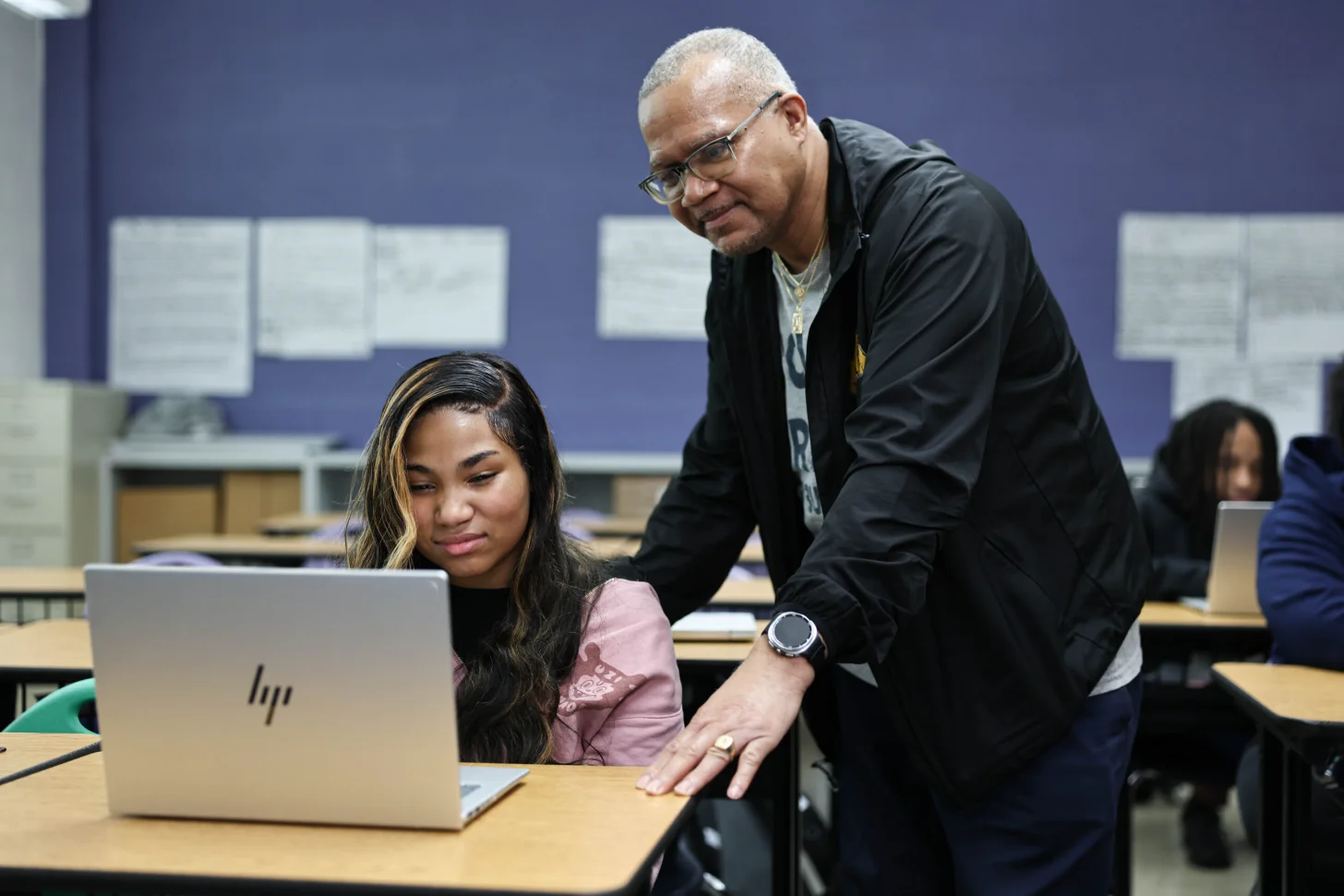
Hamilton said there are several contributing factors to the increase in the number of students identified with autism spectrum disorder — both in Detroit and across the country — including greater awareness of autism, improved screening and evaluation practices, earlier identification and a broader understanding of how autism can present across individuals.
“This is not just a need in Detroit,” Hamilton said. “Schools across Michigan and the country are seeing growing numbers of students identified with autism, and educators want the knowledge and tools to provide effective support. Specialized training helps build confidence and equips teachers to create learning environments where students can be successful academically, socially, and emotionally.
“Ultimately, the goal is to ensure that educators feel prepared to support students with autism and that students have access to learning environments where they can thrive.”
Having an early diagnostic center and process within DPSCD has given the district greater capability of identifying students with autism spectrum disorder, Vitti said, allowing families to detect special needs for their children before they start kindergarten.
“Some of our parents are able to do that; many aren’t because they maybe aren’t comfortable with diagnosing the disability,” Vitti said. “Sometimes parents are even in denial about the disability. But early detection and intervention is key.”
This article was originally published by the Michigan Advance.
Featured Image: Detroit Public Schools Community District