Updated with new good news every day
Your weekly roundup of the best good news worth celebrating...
In 2025 and 2026, efforts to roll back LGBTQ+ rights were repeatedly stalled — or stamped out altogether.
British poet Andrew Mears lives in North East England, which has some of the highest rates of homelessness in the country.
Aarti Malhotra reminds her viewers: “You never know what someone is going through.”
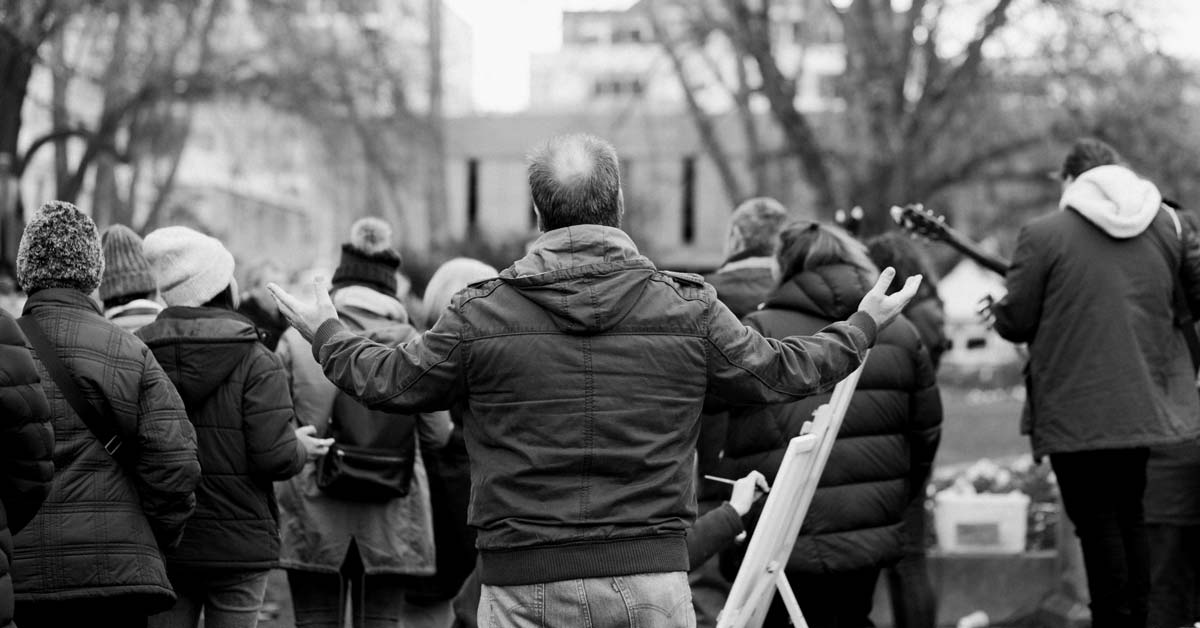
Some of protest music’s power has to do with singing itself. Making music in a group creates a tangible sense of community and collective purpose.
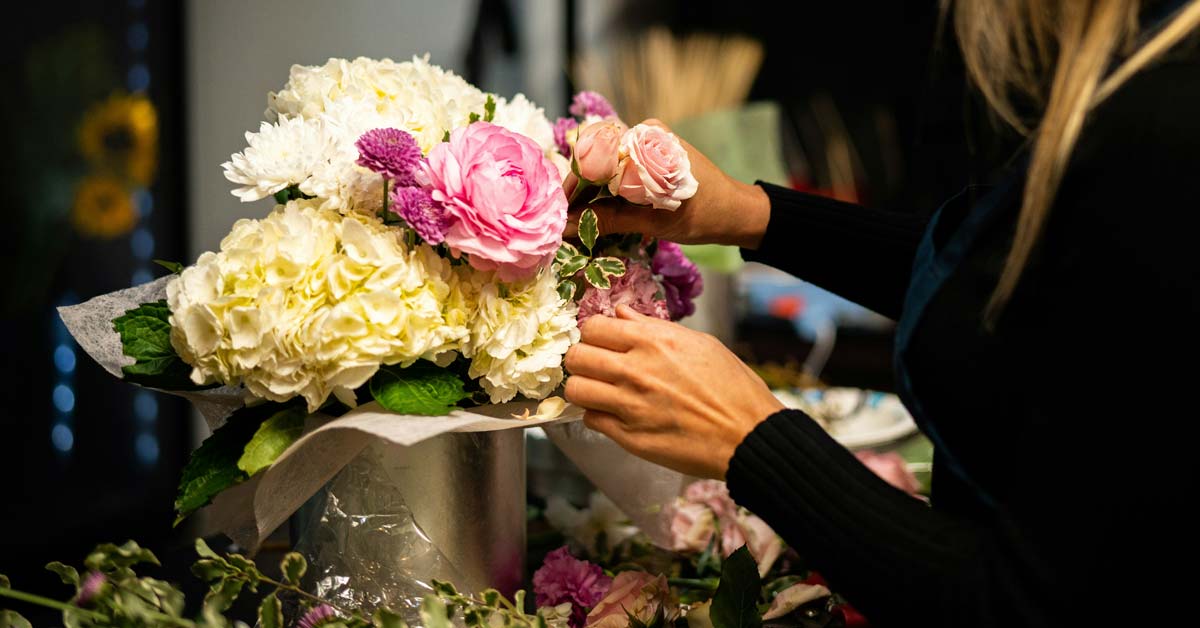
The “Slow Flowers” movement urges shoppers to stop and think before they smell the roses.
What started in California is now a growing movement that empowers Latina women and gives back to immigrant neighbors.
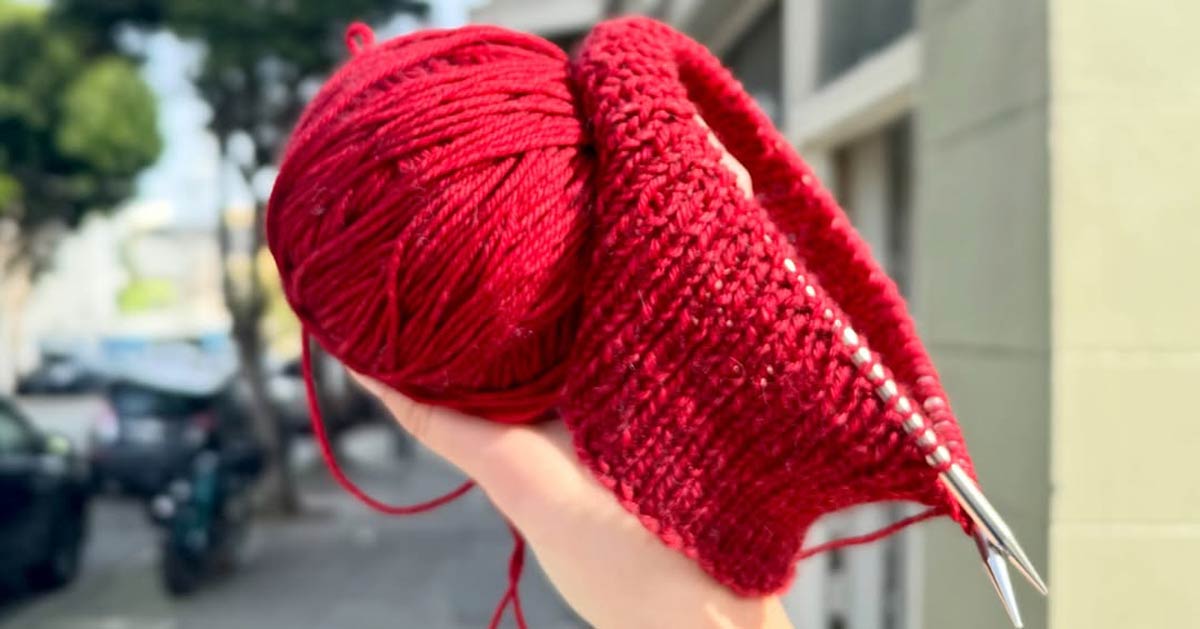
The red knitted hats have gone viral across the crafting corners of the internet as a symbol of resistance against ICE.
In 2024, Colleen Lambo began doing boots-on-the-ground veterinary care in Ukraine.
Volante, a new social housing scheme in the Netherlands, flips the script on affordable homes.
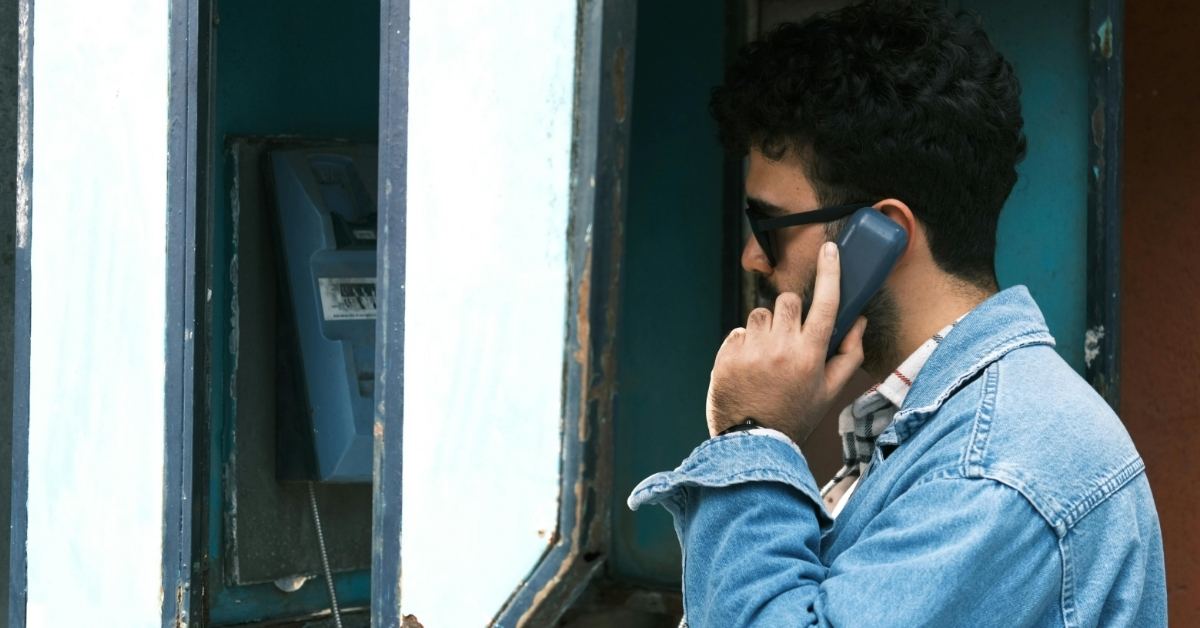
Two payphones 1,500 miles apart from each other are inspiring new kinds of conversations between polarizing cities.
The multi-month peace campaign has gained global attention. But its origins go back thousands of years.
Moms in Minneapolis are donating diapers, food, and time to help families who have been ripped apart by ICE.
The 19 monks, who have walked thousands of miles across the country, prioritize the safety of their canine companion.
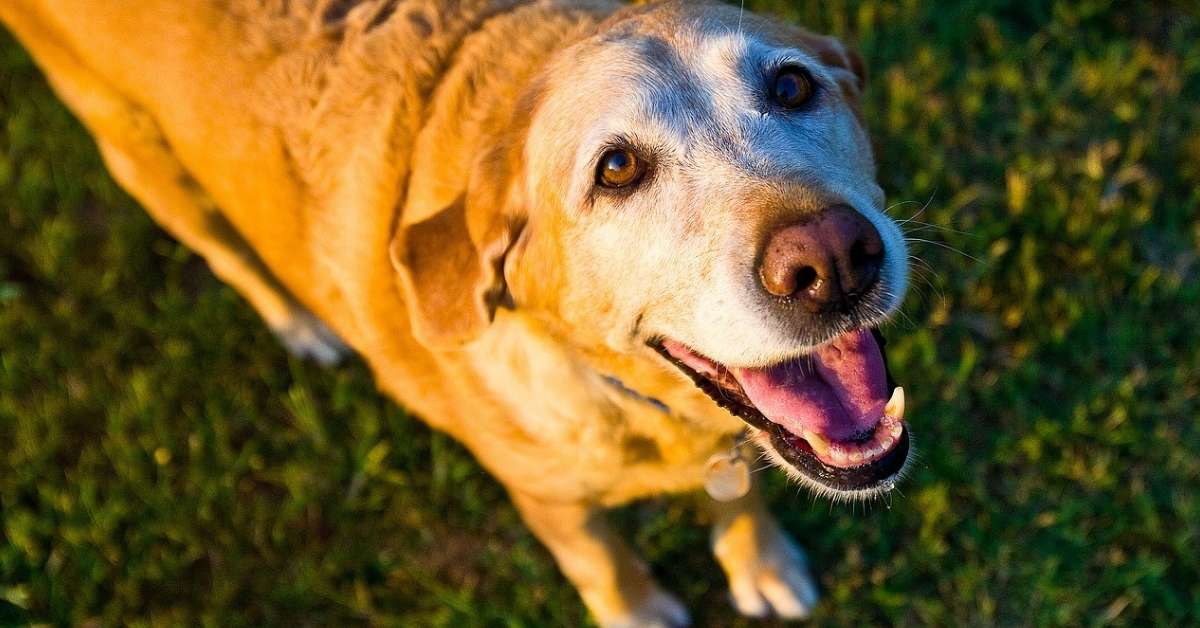
The Dog Aging Project has identified multiple interventions that significantly delay aging and age-related disease in both dogs and people.
The group, Singing Resistance, has mobilized thousands to use their voice — and the occasional tambourine.
The Lower Keyes Underwater Music Festival has been an annual tradition for over 40 years.
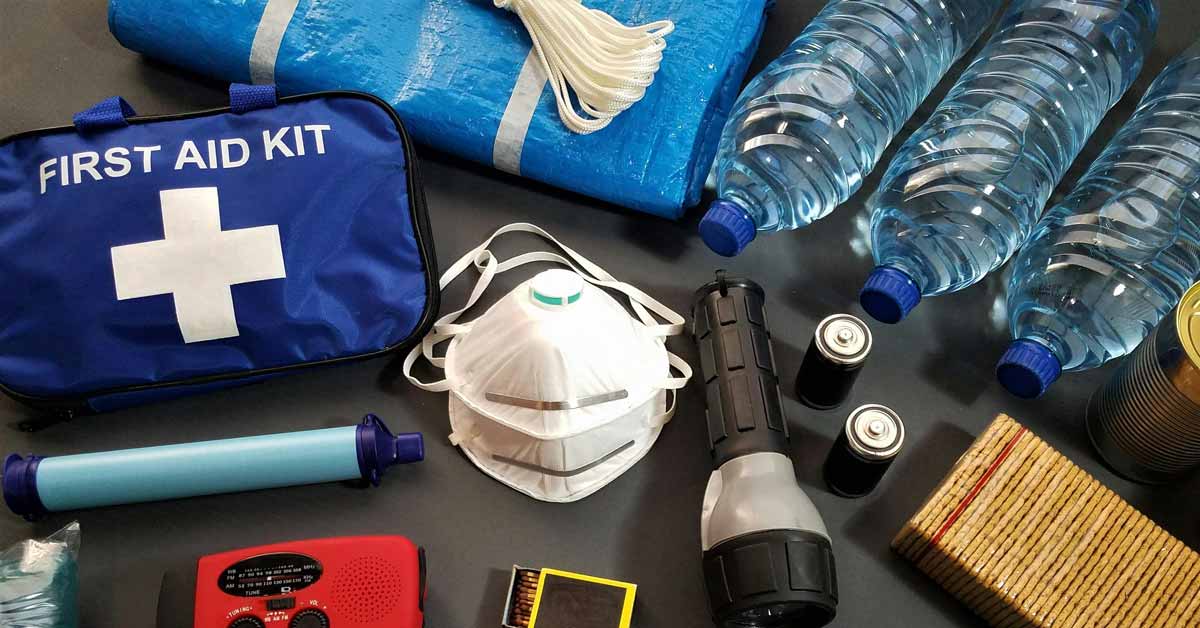
Being ready for an emergency is an act of care for yourself and your community.
Pete Adler and his fellow church members have built over 500 ramps for neighbors in need.
Even knitters in Canada have reported red yarn shortages in response to the anti-ICE protest hats.
As the monks marked their 100th day of walking across the country in Richmond, Virginia, thousands came out to support their efforts.
The #HatsForLiam effort has taken off in the crochet community, with a free pattern available for people to make their own hats in solidarity.
Organizers have created an option for knitters and crocheters to donate hats for people to buy — with all proceeds going to immigrant communities in Minnesota.