The traditional animal shelter experience might go a little something like this: You walk into a well-used facility full of hard-working volunteers and kenneled animals who are desperate to be adopted.
Then, you either walk away with a new furry friend, or heartbroken that there isn’t more you could do for every animal looking for a safe, new home — or both.
Similar to many other holistic initiatives in the animal adoption space, Best Friends Animal Society is working to change this experience to create a better future for pets and pet-lovers alike.
In Bentonville, Arkansas, the nonprofit has just opened the doors of its first-ever Best Friends Pet Resource Center, which is designed to be a modern, community-oriented space with resources beyond just adoption.
By the way, you might also like: Reasons to Adopt a Dog

The 20,000-square-foot property is designed without cages or kennels, but instead utilizes animal foster care, meet-and-greet rooms, play yards, and free-roam pet housing.
According to a press release from Best Friends Animal Society, the facility will serve an estimated 13,000 dogs and cats each year.

But the space goes beyond sheltering and adoption. Programs include:
- A veterinary clinic that offers spay and neuter surgeries, vaccinations, microchips, dental care, and more to homeless dogs, or pets from income-qualifying families
- Adoption, foster, and volunteer programs that work alongside other shelters to save the lives of animals
- Sleepovers for long-distance transports
- A Pet Care Navigator, which helps struggling pet owners get direct access to resources that can help them better care for their pets
- A pet supply pantry for those in need, supported by community donations and other social service agencies
- Specialized foster care for pets who need extra training or are in recovery from illness or injury
- Family-friendly humane education and on-site classes with the Northwest Arkansas Partnership for Animal Welfare
- A coffee shop and lounge that offers drinks and vegan snacks with free Wi-Fi for community members to visit and work at during the day
“This center will usher in a new era of how animals are sheltered in our country, because it’s a new type of animal shelter that’s as much for people as it is for pets,” Best Friends Animal Society CEO Julia Castle shared in the release. “It puts the focus on building relationships between the two.”

Much of the services developed at the facility were fashioned for pet-loving folks who lack access to the resources they need to care for their animals.
This will hopefully keep beloved pets in loving homes, while bolstering the support people need to care for their animals.

“Whether it’s helping someone find an adoptable pet in a beautiful, modern environment, supporting people with pets who need help by connecting them with resources and social services, or involving community members in programs that save more pets in Arkansas and nationwide,” Castle continues. “it’s designed as a community destination with something for everyone who loves animals.”
The new shelter recently had its soft opening and ribbon-cutting ceremony and will be fully open by April 8 of this year. Adoption fees for 2023 will be waived as part of the celebration.

Community member Greg Vogel attended the soft opening event.
“It brings a lot of opportunity for some great animals who just didn’t really have a chance, so it’s good to have this right here in town,” Vogel told the Arkansas Democrat Gazette. “It’s really going to brighten the lives of a lot of animals, and the community, too.”
Why is this good news?
While its many initiatives fill animal welfare gaps in Northwest Arkansas and beyond, the main intent of the Pet Resource Center is to reach Best Friends’ goal of making the state of Arkansas — and the entire country — no-kill by 2025.
This goal may not be out of reach, either. According to a report from the organization, the percentage of U.S. shelters that are no-kill doubled in just six years, from 24% in 2016, to 52% in 2021.

“More than half of all shelters in America are now no-kill, but to get them all to that place, it will take the support of people in local communities,” the Best Friends Animal Society press release reads.
“This center represents the new model of how a community and shelter are intertwined for pet life-saving.”

By developing a contemporary space, filled with playful installations from local artists, a coffee shop to hang out with adoptable animals, DIY bathing and dog socialization activities for community members — and even a slide from one floor to another — the Pet Resource Center acts as an engaging playground that confronts a serious mission with the inherent joy of being in the company of animals.
Header photo by tbmerritt, courtesy of Best Friends Animal Society
March 31 is Transgender Day of Visibility! This annual, international event is an opportunity to highlight and celebrate transgender and non-binary individuals while also fighting for a safer, more just future for all trans people.
This year in particular, TDOV feels especially important.
Across the United States, trans people are under attack. Whether it’s attempts to ban gender-affirming care for trans youth and trans participation in sports, or the constant and harmful barrage of misinformation about trans folks from some of the country’s most powerful leaders, basic human rights have been put up for debate.
Not to mention, Black and Brown trans women continue to face fatal violence, and rates of suicide attempts have skyrocketed among trans youth in the midst of this political turmoil.
It’s never been more imperative to fight for and affirm our trans neighbors, friends, and loved ones.
TDOV is just one opportunity to do our part as allies and members of the LGBTQ+ community to celebrate and care for trans and non-binary folks — but first, we’ll give you a little history lesson.
5 Facts About Trans Day of Visibility
- Rachel Crandall-Crocker is the creator of International Transgender Day of Visibility, which she started in 2009.
- In 1998, Trans Day of Remembrance was started, after Rita Hester, a Black transgender woman, was brutally stabbed in her apartment.
- The goal of Trans Day of Visibility is to celebrate the joy and resilience of trans folks, creating a narrative outside of the loss and grief of Trans Day of Remembrance.
- President Joe Biden was the first U.S. president to issue a formal presidential proclamation recognizing Trans Day of Visibility in 2021.
- Many transgender folks use TDOV to share photos, videos, and celebratory posts online to raise awareness and increase visibility surrounding trans people and their experiences.
While it’s important to learn more about and uplift the experiences of transgender and non-binary people every single day, it’s helpful to have somewhere to start.
We’ve created a guide on how to celebrate Transgender Day of Visibility this year.
By the way, some of the links in this article (like books!) are affiliate links, which means if you make a purchase after clicking a link, we may earn a commission at no extra cost to you. Thank you!
Activities To Celebrate Transgender Day of Visibility
Learn
Learn more about transgender people.
Many of us did not experience thoughtful and affirming lessons about gender and sexuality growing up, but when we know better, we do better.
If you’re confused or curious about gender identities outside of your own, there’s no better time than today to learn more! Here are a few helpful and straightforward resources:
- This infographic from the ACLU
- A gender terminology discussion guide from GLSEN
- Myths and facts about trans rights from the Human Rights Campaign
- Resources for parents and caregivers of trans youth from the Human Rights Campaign
- Guides to understanding gender pronouns
Read more books by trans writers.
Whether you’re looking for a fictional read with a gender-inclusive plot, or a well-documented nonfiction book, we’ve got you covered. Here are a few recs for TDOV:
- “Detransition, Baby” by Torrey Peters (Bookshop) (Amazon) (Libro.fm)
- “Not Just a Tomboy: A Trans Masculine Memoir” by Caspar Baldwin (Bookshop) (Amazon)
- “Redefining Realness: My Path to Womanhood, Identity, Love & So Much More” by Janet Mock (Bookshop) (Amazon) (Libro.fm)
- “Gender Failure” by Ivan Coyote and Rae Spoon (Bookshop) (Amazon)
- “Gender Euphoria” by Laura Kate Dale (Bookshop) (Amazon) (Libro.fm)
- “Trans Like Me: Conversations For All Of Us” by CN Lester (Bookshop) (Amazon) (Libro.fm)
- “If I Was Your Girl” by Meredith Russo (Bookshop) (Amazon) (Libro.fm)
- “Gender Queer: A Memoir” by Maia Kobabe (Bookshop) (Amazon) (Libro.fm)
→ Check out our interview with “Gender Queer” author Maia Kobabe about banned books by LGBTQ+ authors!
Watch documentaries about trans people.
Here are a few documentaries that can better help us explore the realities of trans folks — and be even more thoughtful community members.
- Disclosure (Netflix)
- The Long Road To Your Own Name (an independent German film streaming online)
- Transhood (HBO Max)
- The Trans List (Amazon Prime)
- Mala Mala (Vimeo)
- Transgender, at War and in Love (New York Times)
- Always Jane (Amazon Prime)
Add some new podcasts to your queue.
Hearing about the lived experiences of trans folks directly from trans folks is the way to go. Podcasts are a perfect opportunity to do just that! Here are a few that are sure to inspire and enlighten you:
Learn more about the history of trans people across the world.
Transgender people have always existed. Across cultures, generations, traditions, and faiths, people have always challenged the gender binary — even though the term “transgender” wasn’t coined until the 1960s.
Take advantage of TDOV to better research the history of transgender people — from ancient times, to the Stonewall Riots, to the current change makers paving the way for trans rights.
Read and share quotes from transgender activists.
If you know us, you know we love a good quote. It’s always such a gift to share words of wisdom from leaders and activists, and of course, trans folks are no exception.
- “I’ve never been interested in being invisible and erased.” — Laverne Cox
- “I don’t know what I am if I’m not a woman.” — Marsha P. Johnson
- “I’ve always been Sarah. My gender identity has always existed. I’ve always been a woman. Gay people aren’t straight before they come out as gay, and transgender people are who they are before they come out and transition.” — Sarah McBride
- “The more I hold myself close and fully embrace who I am, the more I thrive.” — Elliot Page
→ Read more quotes from transgender activists!
Take Action
Donate to organizations in your community that support trans folks.
You’ve most certainly heard of large LGBTQ-affirming organizations like the Human Rights Campaign or GLAAD, but there are loads of nonprofits out there that specifically work to protect and uplift trans folks — and they need our support.
If you’re looking to donate your time or funds to a national nonprofit, some great ideas would be:
- Transgender Law Center
- Trans Lifeline
- National Center for Transgender Equality
- Marsha P. Johnson Institute
- Sylvia Rivera Law Project
- Trans Justice Funding Project
- FORGE
- Black & Pink
We also know that small, local, grassroots organizations are the most in need of support. Check out the following organizations, or look for similar initiatives in your own community:
- Princess Jane Place
- Baltimore Safe Haven
- Brave Space Alliance
- TransLatin Coalition
- SisTers PHG
- Ali Forney Center
- The Transgender District
Donate to a mutual aid fund or gender affirming care fundraiser.
Perhaps the best way to support someone on TDOV is to help a friend or community member pay for gender-affirming care.
As a reminder, gender affirming care isn’t limited to surgeries or medical procedures. Gender affirming care is also found in comfortable clothes, chest binders, legal name change support, and more.
If you have trouble finding a mutual aid fund in your immediate circle, you can also find resources for free clothing in your area, search for a fund to contribute to on GoFundMe, or support any of these nonprofits:
Fight anti-trans laws around the country.
The ACLU is currently tracking 500 anti-LGBTQ+ bills in state legislatures around the country. Protecting our trans siblings has never been more important, as lawmakers attempt to deny the safety, support, and full experience of humanity all trans folks deserve.
Whether it’s through free speech and expression, healthcare, public accommodations, school and education, or other civil rights matters, trans people deserve our unwavering solidarity.
Here are a few quick action items:
- Stay up-to-date with the latest news on LGBTQ+ rights in your state and surrounding areas. This map from the ACLU, or this one from reporter Erin Reed are great places to start!
- Call your representatives and urge them to see the humanity of all of their constituents. (We’d even encourage you to set up an in-person meeting, if it’s safe for you to do so.)
- Work with local political action groups or your local chapter of the ACLU on the ground protecting trans lives. They are the experts, and they’ll help you take action in the best ways for your community.
- Be verbally and loudly supportive of trans people. Even if you’ve always been supportive of LGBTQ+ folks, now is the time to make it abundantly clear that you are a safe, affirming person. Consider how you can personally provide sanctuary for trans people in the event that harmful legislation passes.
- Take care of your trans neighbors. Put money directly in their pockets, provide meals and peer-support, or find ways to bring queer joy to the forefront of this deeply traumatic political landscape.
Vote for candidates that are affirming of all LGBTQ+ individuals.
One potential upside of so much anti-trans legislation is that it has become very clear which lawmakers do and do not reflect our values. Take this into consideration, and put your donations, volunteer hours, and votes behind candidates who are ready to show up for LGBTQ+ folks.
Some great examples of trans-affirming and LGBTQ+ leaders include Congresswoman Sarah McBride, Nebraska State Senator Megan Hunt, Montana State Rep. Zooey Zephyr, Colorado State Rep. Brianna Titone, — and so many more.
Celebrate
Attend Trans Day of Visibility events.
Arguably, the best way to celebrate any special holiday is by being in community with the people you love and care about most.
You can find TDOV events around the world by visiting Eventbrite’s curated TDOV search page or searching for related events on Facebook.
Listen to a playlist of songs by trans musicians.
Did you know that the first person to invent the Moog synthesizer, which popularized electronic music, was a trans woman named Wendy Carlos? She was the first trans woman to win a Grammy Award, too!
We owe so much of the pop music we love today to Carlos, and TDOV is the perfect opportunity to celebrate her — and all the trans musicians out there today.
Check out playlists on Spotify, TIDAL, and Apple Music.
Watch movies and TV shows featuring trans actors.
Need a low-energy way to celebrate TDOV? Cuddle up on the couch and watch some shows and movies featuring trans actors and creators.
- Sense 8 (Netflix)
- Transparent (Amazon Prime)
- Pose (Hulu)
- Heartstopper (Netflix)
- The Umbrella Academy (Netflix)
- The Fosters (Hulu)
- Orange Is The New Black (Netflix)
- Chilling Adventures of Sabrina (Netflix)
- Supergirl (Netflix)
- Gossip Girl (Max)
- Clean Slate (Amazon Prime)
Read good news about trans people.
There sure is a lot of disheartening news in the world about trans folks, and while it’s very important to stay up-to-date with everything going on, it’s equally important to maintain hope. And there’s plenty of good news out there to keep us energized in this fight!
We’re all about good news at Good Good Good. Every year, we celebrate Pride with one of our monthly Goodnewspaper editions — and we also have a whole library of good news stories about LGBTQ+ folks to inspire you and help you learn something new.
- Trans Day of Visibility: 13 Good News Stories To Celebrate
- Trans Santa Delivers Gifts To Trans Youth In Need
- This Speech Clinic (Literally) Helps Trans People Find Their Voice
- This Trans Woman Activist Will Compete In Puerto Rico Pageant
- Trans Children Are Being Banned From Sports Nationwide — But These Professional Trans Athletes Are Standing Alongside Them
- Mattel Debuts First-Ever Gender-Fluid Doll Modeled After Fashion Icon Harris Reed
- Mercury Stardust & Friends Raise Millions For Gender-Affirming Care On TikTok, Despite Transphobic Trolls
- Dylan Mulvaney Has A New, Virtual LGBTQ+ Book Club: 'For The Girls, Gays, And Theys Like Me'
At Work
Highlight Trans Day of Visibility in your company newsletter or blog.
Many companies use their company emails or websites to highlight popular mainstream awareness holidays like Earth Day or Women’s History Month (and that’s great!) but all-too-often, marginalized groups like the trans community get left out.
By choosing to acknowledge and celebrate Transgender Day of Visibility in your newsletter or on your site, you’re sending a clear signal to (current and future) trans employees and customers that you are an ally. It means more this year than ever.
Please feel free to share, quote, and link to this article as a resource!
Make sure your workplace is a safe space for people of all genders.
With diversity, equity, and inclusion programs on the chopping block these days, investing in a safe and welcoming workplace is a brave and compassionate act of allyship and solidarity.
Plus, there are lots of simple policies and procedures your workplace can enforce to make sure people of all genders feel safe and affirmed.
For example, you can rethink gender on forms and documents, ensure everyone has access to bathrooms and other “gendered” facilities, and enforce a clear and specific trans-inclusive gender nondiscrimination policy.
Whether it’s events, speakers, philanthropy projects, or social media campaigns, use TDOV as an opportunity to audit your current practices — and plan for even better.
Ensure that gender-affirming care is a priority in your company’s benefits package.
If you are responsible for providing pay and benefits for team members at your company or organization, a valuable way to be inclusive and affirming to trans folks (or folks who have trans family members!) is by working with plans and policies that ensure gender-affirming care in health coverage.
While some lawmakers attempt to rollback gender-affirming care benefits in state healthcare packages, virtually all major insurance companies do recognize the necessity of transgender-related medical care.
If you’re a trans person looking for care (or for work), you can find a list of companies that offer trans-inclusive health benefits, or a breakdown of major insurance companies with varying degrees of trans-inclusive coverage online.
Be intentional about using pronouns in company communications.
Whether or not you already have trans folks in your workplace, it should be common practice to intentionally include pronouns in company communications.
This can look like including pronouns in email signatures, name badges, and other identifying documents, or introducing new employees or guests with their pronouns.
Even if you’re cisgender and feel that your gender presentation often accurately reflects your gender identity without needing to offer your pronouns, it still makes a huge difference for others when you do!
By sharing your pronouns in daily interactions, it helps normalize the fact that not everyone’s pronouns correspond with the gender they were assigned at birth, and it’s a powerful way to reduce harm for trans and non-binary people.
A great resource to get started here is Archie Bongiovanni and Tristan Jimerson’s book: “A Quick & Easy Guide to They/Them Pronouns.”
In a world where it's dangerous to dress in drag and existing as yourself can put a target on your back, the implications of "coming out" are layered and nuanced.
While some may come out to open arms, others may face a backlash that can be difficult to handle. Fear of their families' reactions, loved ones' judgments, and lack of a support system are just a few reasons that many have cited holding their identity as a closely guarded secret. Fears compounded by the world around us.
TIME Magazine listed "the divided States of America" as one of the biggest risks to the world, citing the extremism between "red and blue" viewpoints as a major global issue.
With such a divide, representation through media, film, and arts can be more than important — it can save a life.
When a celebrity comes out, it creates an opportunity for others to see themselves reflected in people they hold in high esteem.
As the outpouring of support rolls in from fans worldwide, those watching at home get a unique opportunity to see there are people from all points of the globe willing to support the LGBTQ+ community.
While representation is always a win, visibility combined with understanding is critical. Understanding pansexuality, and the kind of misconceptions hurled against it, are equally important.
Pansexuality is an attraction toward someone — whether romantic, sexual, or emotional — without gender acting as a factor for the attraction.
While pansexuality is not a monolith, and every person's definition of their sexuality will differ, the overarching theme is you love who you love. Period. Regardless. The end.
People who identify as pansexual are not "greedy" by being attracted to everyone or "confused" because they can't decide who they love — two of the bigger misconceptions — they are able to love someone for who they are, no matter who they are.
Our partners at Stacker compiled this list of celebrities you may not know are pansexual, using various sources, including Cosmopolitan, Variety, Nylon, and others, as well as the celebrities' own personal statements. And Good Good Good has continued to edit and add to it to keep it current and up-to-date.

Meet these celebrities you may not know are pansexual —
Celebrities who have come out as pansexual include Janelle Monáe, Demi Lovato, Miley Cyrus, Mae Whitman, Wayne Brady, Jena Malone, Tess Holliday, Bella Thorne, Tammy Slaton, and more.
Janelle Monáe

Janelle Monáe has been breaking barriers and glass ceilings since the moment she arrived on the music scene. Her immense talent coupled with her impeccable sense of style immediately caught the eyes and ears of everyone, and her albums can be found littered among Billboard charts.
Monáe continued to making statements in 2018 when she came out as pansexual in an interview with Rolling Stone, saying that she "read about pansexuality and was like, 'Oh, these are things that I identify with too.' I'm open to learning more about who I am."
Demi Lovato

Demi Lovato was a teen star who learned to ride the rough terrain of celebrity at a young age. Known for being fairly open about her struggles with addiction, eating disorders, and mental health, it may be less of a surprise that she was open about her sexuality on an episode of "The Joe Rogan Experience" where she admitted frankly and without fanfare that she is pansexual.
Wayne Brady

The charismatic entertainer, celebrated for his sharp wit and dynamic presence on shows like “Let’s Make a Deal,” Wayne Brady unveiled a deeply personal aspect of himself in an interview with People on August 8. In a candid conversation, he declared, “I am pansexual,” adding a touch of his signature humor with, “Bisexual — with an open mind!” This revelation, shared with the world, underscores Brady’s journey of self-discovery and the importance of living one's truth.
ROES (formerly known as Angel Haze)

ROES, formerly known as Angel Haze, is a rapper, a singer, an artist, a writer, a pansexual, a two-spirit, and so much more.
Releasing their first mixtape in 2012 and maintaining a hold on the underground scene ever since, ROES originally came out as pansexual to MTV in 2017, telling the outlet that they love "across the spectrum."
Miley Cyrus

Another megastar who started in the industry as a teen, Miley Cyrus has been in the spotlight since she starred in "Hannah Montana." After transitioning to a full-time music career, her fame and her fans grew along with her.
At 22, while speaking with Elle magazine, Cyrus came out as pansexual, stating she was "very open about it."
Yungblud

Rapper-singer Yungblud blew up with his debut album in 2018, but he's been making headlines for far more than his music.
In the five years since releasing his first project, he has shown up in the media for his relationships — having previously dated singer Halsey for quite some time — his anti-gun violence stance, and for coming out as pansexual in 2020.
In fact, Yungblud credited Halsey for helping him understand his identity more than he had before they started dating.
Jazz Jennings
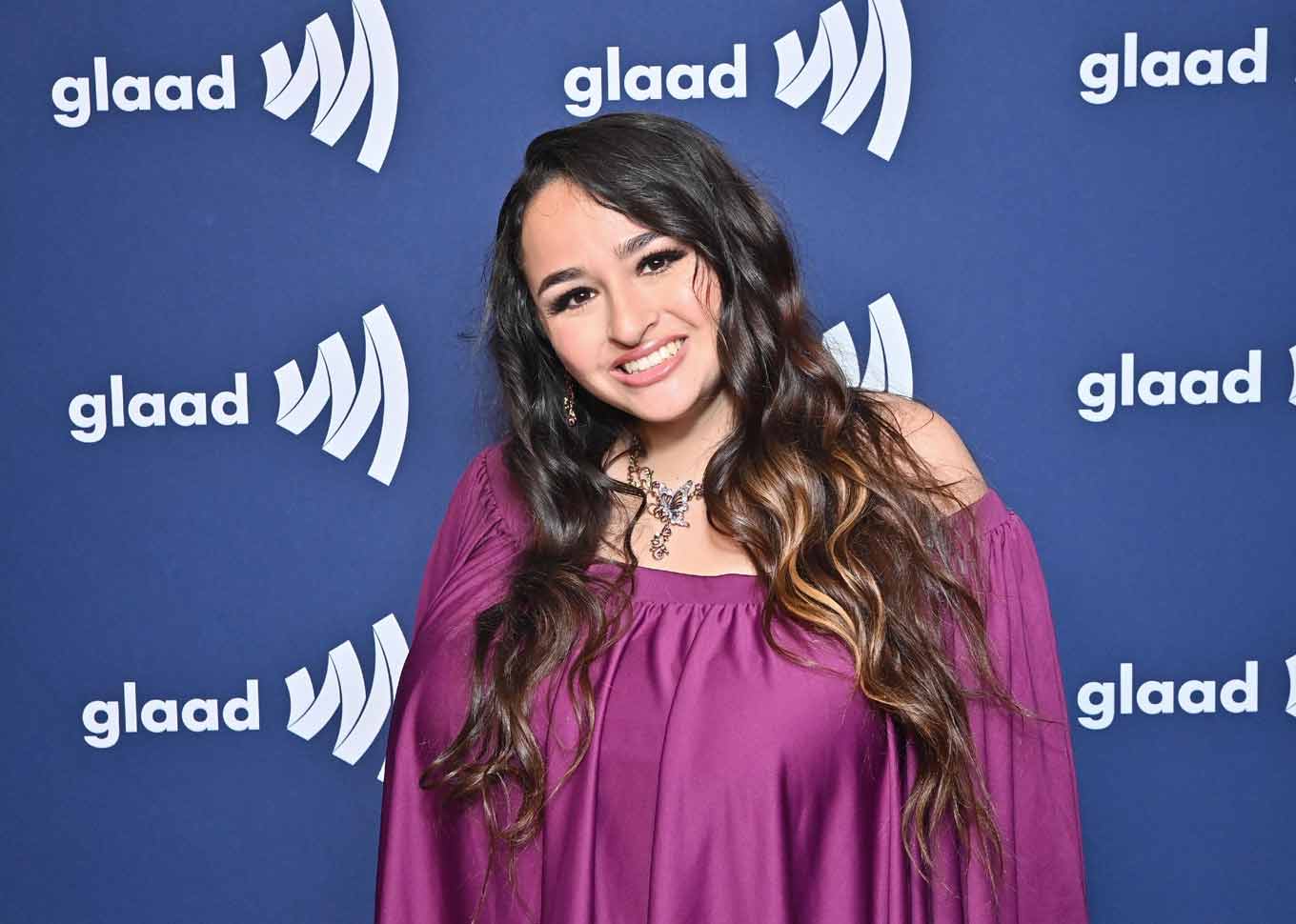
Jazz Jennings is a social media personality, writer, and activist who is considered one of the youngest publicly documented people to come out as transgender.
Using her story of transitioning as a way for others to see themselves represented, Jennings starred on the TLC reality TV show "All That Jazz" (presently known as "I Am Jazz"), which documents her day-to-day life as a transgender teen. Consistently using her platform for representation, she came out as pansexual on Twitter in 2018.
"I am pansexual. This means that I am attracted to people at a level that surpasses gender identity or sexual orientation," Jennings tweeted at the time. "I love people for their souls and internal beauty."
Mae Whitman

Actor Mae Whitman also used Twitter as her platform for her coming-out story. "The Owl House" star tweeted in 2021 how proud she was to be a part of the show, considering she herself is a pansexual and understands the importance of representation.
"I am SO proud to be even a small part of a show like The Owl House," she tweeted. "Being pansexual myself, I wish I had such incredible characters like Amity and Luz in my life when I was growing up. Queer representation is [so] important."
Cara Delevingne

"However one defines themselves, whether it's 'they,' or 'he,' or 'she,' I fall in love with the person — and that's that. I'm attracted to the person," actress-model Cara Delevingne said of her pansexual identity in a 2020 Variety interview.
Elsewhere in the profile, the runway star touched on their coming-out experience with a poignant statement addressing who she loved and how none of it depended on anything more than the person.
Kesha

Kesha is no stranger to media scrutiny. You may remember the painfully public trial she endured to dissolve her music contract. It was a battle she was very open about — and being open has been a theme she's followed for years, both with her fans and in her music.
It was a decade ago when Kesha addressed her sexuality in Seventeen magazine, saying that when it comes to who she loves, it isn't men or women — it's people.
"I don't love just men. I love people," she told the mag in 2013. "It's not about a gender. It's just about the spirit that exudes from that other person you're with."
Nico Tortorella

From "Scream 4" to "The Walking Dead: World Beyond" to "The Following," Nico Tortorella is no stranger to the big and small screen — and the kind of scrutiny that can come from it.
Luckily, Tortorella has had no issue being open and frank about who they are and how they identify. In an interview with Attitude magazine in 2020, Tortorella openly and proudly spoke about their pansexuality.
JoJo Siwa

JoJo Siwa is another reality TV and YouTube star who has used their platform to come out publicly, identifying as pansexual in 2021 — though, in the same interview, she was quick to point out that she was hesitant in general to put any one label on herself or her sexuality.
"I like queer," she told People magazine at the time. "Technically I would say that I am pansexual because that's how I have always been my whole life is just like, my human is my human."
Bella Thorne

Bella Thorne rose to quick fame with the Disney channel show "Shake it Up," and she has been shaking it up ever since, including using her social media platform to come out — first coming out as bisexual, before learning more and understanding that she was, in fact, pansexual.
Taking to Twitter, Thorne shared, "I'm actually a pansexual, and I didn't know that."
She later defined the sexual orientation as liking "what you like," and added: "Doesn't have to be a girl, or a guy, or … you know, a he, a she, a this, or that. It's literally, you like personality, like you just like a being."
Tess Holliday

Body-positive model, makeup artist, and social media influencer Tess Holliday has long been someone associated with the concept of advocating for and uplifting people with larger bodies when she broke into the world of fashion modeling — a space best known for encouraging a thin ideal of beauty.
In her 2019 Nylon cover issue, Holliday spoke about representation, beauty, and cancel culture. The story also wove in the fact that she identifies as pansexual in the interview.
Bob the Drag Queen

Bob the Drag Queen is a force to be reckoned with and seemingly has no qualms with claiming who she is, how she feels, and how she will carry herself to her followers and haters alike. In 2019, he used Twitter to go on record stating, "I identify as pansexual and non binary."
Joe Lycett

One of Britain's most popular comedians, Joe Lycett is also known by his moniker, Mummy. He is known for his outlandish humor, whimsical personality, and hilarious hijinks.
He is also a fierce advocate for the LGBTQ+ community and has often spoken proudly about his identity as queer and pansexual.
Asia Kate Dalton

"Billions" star Asia Kate Dalton has spoken openly about their identifications, including in an interview with Huffington Post, wherein they discussed being nonbinary, using they/them pronouns, and their pansexuality, saying: "From the time I came to understand sex and sexual orientation … I understood that I was pansexual."
They have continued to use their platform to speak on LGBTQ+ issues.
Dalton Harris

"X Factor" winner Dalton Harris has garnered millions of streams on his music and hundreds of thousands of fans with the power of his voice; the same he uses to express and honor who he is.
In what appeared to come after a breakup, Harris took to his social media in a long rant about identity, privacy, and growth. The series of tweets ends with a simple but powerful message — an emoji of the pansexual flag.
Mary Gonzalez

Mary González may not be a "celebrity" in the most traditional sense of the word — she doesn't appear on TV screens around the world for 30 minutes a day to make us laugh or cry. She doesn't dance on YouTube or TikTok. She is, however, the first openly pansexual elected official to serve in any capacity in the United States government.
Danell Leyva

Cuban-born gymnast Danell Leyva came out as pansexual in an emotional series of tweets on National Coming Out Day in 2020. He spoke of his struggles with coming out, especially with cultural normatives, and the overwhelming support he's received since making his revelation.
Rebecca Black

There was no escaping Rebecca Black when her insanely viral hit song "Friday" released in 2011.
The overnight success of the song catapulted Black into the spotlight at a young age, and she credits that feeling with being part of the reason she was able to find a community of people who supported her as she grew and learned about herself — including when she came out as pansexual in 2020.
Caroline Giuliani

Filmmaker Caroline Giuliani is known for having a radical view on sex, sexuality, and identity. She has translated that radical thinking into film, interviews, and essays with a no-holds-barred approach to the discussion on how her exploration of sex helped her discover her own sexuality.
If her name feels familiar to you — but not for her work in the arts — it may also be her last name that rings a bell. Her father is the former mayor of New York and a well-known right-wing personality, Rudy Giuliani, proving that, thankfully, some apples do fall somewhat far from the tree.
Emily Hampshire

Co-star of the sparkling ensemble cast of "Schitt's Creek," Emily Hampshire discovered her sexuality with the help of an episode of the show.
She filmed a scene wherein Dan Levy's character comes out as pansexual to Hampshire's character before explaining what that means. The realization didn't immediately click, but years later Hampshire was reminded of the episode, and everything finally fell into place.
Lady Leshurr

One of the U.K.'s fiercest women rappers who went viral for her series of "Queen's Speech" videos, Lady Leshurr came out in 2018 in a cover story with the Gay Times, telling anyone who felt unaccepting about it, "If you can't take me for who I am, you can leave."
Rina Sawayama

Japanese British pop artist and songwriter Rina Sawayama discussed her sexuality, queer visibility, and the importance of representation in the Asian community across all spectrums in an exclusive interview with Vice, wherein she came out as pansexual for the first time.
Even so, Sawayama has always explored the subject of attraction in her music, telling the outlet of her fan-favorite bop "Cherry": "I've always written songs about girls. I don't think I've ever mentioned a guy in my songs, and that's why I wanted to talk about it."
Madison Bailey

The "Outer Banks" star came out on TikTok and Instagram and spoke about the lightness she felt in her life after telling the world she is pansexual.
The young star has since continued using her platform to encourage others that it's okay to be who they are, creating a safe space for her fans to feel seen.
Olivia Ponton
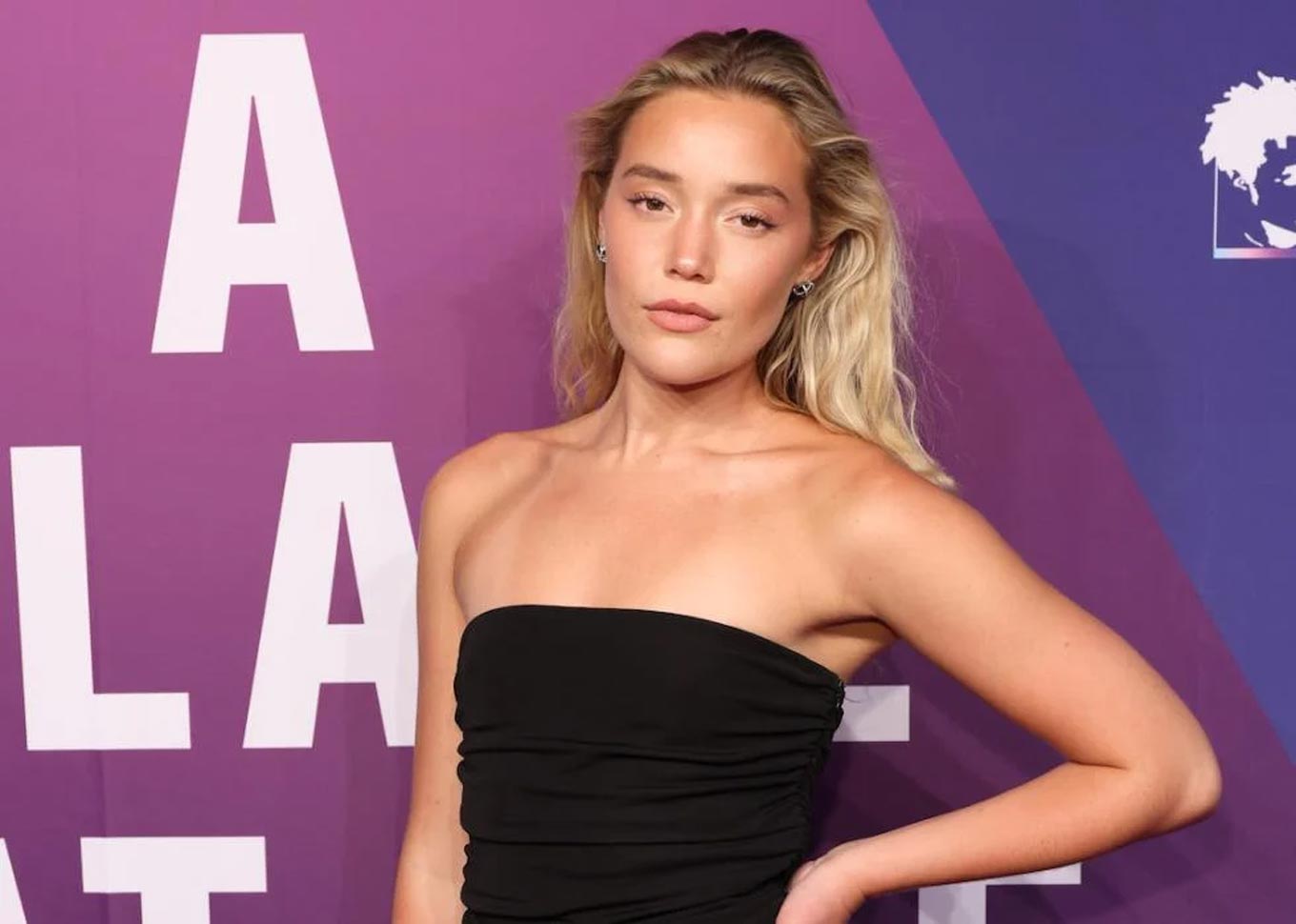
Model and social media influencer, Olivia Ponton, proudly came out as pansexual during Pride Month 2022. She shared a photo in a "Love is Love" T-shirt, expressing her pride and opening up about her journey. Previously coming out as bisexual, Ponton has been honest about her path to self-discovery, encouraging young girls that it's okay to be unsure about their sexuality.
Jena Malone
Known for her role in “The Hunger Games,” Jena Malone recently came out as pansexual in an Instagram post, sharing her journey of self-discovery. Malone described how she felt like she was a "heterosexual man in a woman's body," but realized that was only a part of her story. In an interview with The Hollywood Reporter, Malone expressed her joy in learning more about herself and others through her exploration of pansexuality, sapiosexuality, and polyamory.
She admitted feeling a bit late to the game but has been embracing the process of understanding her sexuality. Despite her late realization, she's been heartened by the supportive response of her family, sharing that her sister is queer and that she grew up with two moms. Malone's open discussion on her sexual identity brings an important perspective to the ongoing conversation on sexual diversity.
A version of this story was originally published by Stacker and republished pursuant to a CC BY-NC 4.0 License. It was expanded upon and edited by the Good Good Good team.
Every day the Good Good Good team collects the best good news in the world and shares it with our community. Here are the highlights for this week!
If you want to get good news in your inbox every day, join the Goodnewsletter — the free daily newsletter designed to leave you feeling hopeful.
The Best Positive News We’re Celebrating This Week —
Minnesota’s governor just signed a universal school meals bill into law, giving free breakfast and lunch to all students
Late last week, Minnesota Governor Tim Walz signed a bill into law giving free breakfasts and lunches to all students in the state, regardless of household income. Minnesota is now the fourth state in the U.S. to pass universal school meals.
The new law is similar to a temporary one that was implemented during the pandemic but expired and reverted to the previous school meals law. Under that law, only certain students qualified for free or reduced meals, but thousands still struggled to afford food.
This new law, which goes into effect during the 2023-2024 school year, is estimated to help tens of thousands of students and eliminate the crippling issue of school lunch debt.
Why is this good news? Besides the obvious (no kids going hungry or racking up debt from eating at school!), experts say this program will have a myriad of ancillary benefits, like creating a more communal, relaxed cafeteria.
Coal demand in the U.K. reached a 266-year low in 2022
In 2022, the demand for coal in the United Kingdom fell by about 15%, bringing total demand to a 266-year low. The last time the country used so little coal (about 6.2 million metric tons) was 1757. To put that into perspective, Mozart was born in 1756.
Coal demand in the country grew exponentially during the Industrial revolution, peaking at 221 million metric tons in 1956. In the years since much of it has been replaced with other sources like natural gas and renewables.
Coal is the most carbon-intensive fossil fuel but only accounts for 1.5% of electricity generation in the U.K. now — much less than solar, wind, and hydropower making up 33%.
Much of the decline in coal use is thanks to the 1956 Clean Air Act, and the country’s more recent pledge to stop using coal for electricity by October 2024.
To address the health impacts of illiteracy, a nonprofit helps doctors distribute millions of books to children at check-ups
In 1989, Dr. Robert Needlman discovered an association between racial disadvantage, low literacy, and poor health — and realized that in order to improve his patient’s health outcomes, he needed to fight illiteracy.
So, he took action and created a nonprofit called Reach Out and Read out of the truck of his car. Its mission is to encourage literacy among young children by incorporating reading aloud into pediatric care.
He started by putting books in the waiting rooms of pediatric clinics — then bringing them into the room for a doctor’s visit. Today, they’re in 37 clinics across Northeast Ohio serving 4.2 million young children, and their books were distributed in over 36,000 well-child visits in 2021 alone.
Super Bowl champion Malcolm Mitchell is doing incredible work to improve literacy in under-resourced communities
Malcolm Mitchell, the football player, was a star wide receiver for the Georgia Bulldogs, and went on to help the New England Patriots win Super Bowl LI. But these days, he’s Malcolm Mitchell, published author and literacy advocate.
Mitchell is currently touring around the country to promote, read, and give out copies of his new children’s book, “The Magician’s Hat.” The story, he says, is inspired by the magic he finds in picking up a book, learning something new, and then applying that knowledge to life.
Mitchell struggled to read even in college, but that all changed when he joined a book club with older women during his time in Athens. He was determined to become a better reader — and now, he’s sharing that determination with others.
→ Read more
Grassroots AIDS activists fought for affordable HIV treatments around the world — and they won
Over the last 20 years, the President’s Emergency Program for AIDS Relief, or PEPFAR, has revolutionized the fight against global AIDS. It’s brought antiretroviral treatment to nearly 19 million people living with HIV, the virus that causes AIDS; prevented mother-to-child transmission of HIV for 2.8 million babies; and brought HIV testing and prevention services to millions of others.
The program would not be so successful — and might not even exist — without the work of grassroots AIDS activists around the world.
Over the course of more than a decade, these activists challenged the status quo to demand (and deliver!) HIV treatment to millions of poor people around the world.
Why is this good news? Today, PEPFAR is still working in over 50 countries, including in Central and South America, Southeast Asia and the former Soviet Union. Since 2003, the program has injected over $100 billion into the fight against global AIDS.
And despite stagnant funds over those years, PEPFAR has brought treatment to an increasing number of people in need thanks to the AIDS activists who fought to make generic antiretrovirals available
Offering resources beyond adoption, a new animal shelter in Arkansas is creating a better future for both pets and pet-lovers
Like many other holistic initiatives in the animal adoption space, Best Friends Animal Society is working to change the traditional animal shelter experience to create a better future for pets and pet lovers alike.
The nonprofit has just opened the doors of its first-ever Best Friends Pet Resource Center in Bentonville, Arkansas. It’s designed to be a modern, community-oriented space with resources beyond just adoption including a veterinary clinic, volunteer programs, a pet care navigator, a pet supply pantry, and so much more.
It’s also designed without cages or kennels, instead utilizing meet-and-greet rooms, play yards, and free-roam pet housing. It will serve an estimated 13,000 dogs and cats each year.
Why is this good news? Many of the services developed at the facility were designed with pet-loving folks without access to the necessary resources to care for their animals in mind.
And ultimately, the main intent of the Pet Resource Center is to reach Best Friends’ goal of making the state of Arkansas — and the entire country — no-kill by 2025.
More good news of the week —
Lawmakers in Oregon are working to become the second state in the U.S. to include climate change education in curriculum. High school students wrote letters of support for the curriculum, too.
A startup is disrupting the harmful palm oil industry by bio-manufacturing an alternative. Palm oil is in an estimated half of consumer goods, and its production comes at a steep cost to the planet.
New Mexico's governor signed a bill ending juvenile life sentences without parole. Under the new law, people who commit a crime will be eligible for parole hearings 15 to 25 years into their sentences.
In response to increasing cruelty in their school, fifth graders in Ohio started a “kindness club.” It’s one of a number of kindness-centered clubs popping up in schools around the country, doing random acts of kindness, and generally making beautiful things happen.
A first-of-its-kind children’s museum is opening in Mumbai aimed at empowering children to build a better world. The Museum of Solutions is a child-led project built on values like making mistakes, thinking collaboratively, and sharing knowledge.
In the face of growing teacher burnout, a foundation is working to support the mental health of educators. Happy Teacher Revolution works with school leadership to improve teacher support so that they can actually be at their best for their students.
Los Angeles’ only Indigenous school is helping return land to California’s Native population. Recently it purchased 12 acres of land with the help of grants and nonprofit funding and returned it to the Gabrielino Shoshone Tribal Nation, its original inhabitants.
Walt Disney World Resort is hosting a major conference promoting LGBTQ rights in the workplace this year. Its decision to host the conference comes amidst a yearlong dispute with Florida Governor Ron DeSantis over, among other things, its opposition to his “Don’t Say Gay” bill.
President Biden designated sacred tribal land as a national monument. Avi Kwa Ame is a mountainous area in Nevada that’s revered by many tribes and is home to one of the largest Joshua tree forests.
One of the last wild rivers in Europe was just declared a national park by the Albanian government. A collaboration between the government, environmental experts, and NGOs (and Patagonia!), Albania’s Vjosa River will be conserved as a living, free-flowing river, to the benefit of people and nature.
Spain just passed a new animal welfare law that imposes stricter punishments for domestic animal abuse. The country considers pets “living beings endowed with sensitivity” and no longer simply “things.”
Kansas City implemented a program that prevented hundreds of evictions by simply providing attorneys. Since launching last June, the program has been so successful, the city is now expanding it.
FIFA announced it’s committing $152 million to this year’s Women's World Cup in July, giving out equal earnings to men and women. The $110M prize purse is a 300% increase from the 2019 WWC when FIFA awarded just $30M.
An NHL team’s president of hockey operations called out players who refused to wear Pride-themed jerseys. The Pittsburgh Penguins’ Brian Burke said he wished “players would understand that the Pride sweaters are about inclusion and welcoming everybody.”
Busting the myth that women’s sports don’t provide a meaningful return, women’s March Madness is attracting record levels of investment. It’s already building on 2022’s tournament success when nearly 5 million people watched the final.
South Carolina women’s basketball head coach Dawn Staley partnered with Aflac to develop a strategy to help close the gap in funding for women’s athletics. And they’re super actionable: investment equity, fan experience, and community engagement.
The cast of Ted Lasso visited the White House this week to discuss the importance of talking about mental health. Mental health is a recurring theme on the soccer football-adjacent show and even featured a team therapist in season two.
Women’s March Madness championship teams are bringing home a W for gender equality once again this year — proving their worth with viewer and sponsor support.
Women’s athletics programs have been underfunded and undervalued for their entire history — and that’s not just a hot take. A 2021 gender equity review of the NCAA showed damning evidence of the inequities facing student athletes.
The review included proof that the NCAA spends more money on male student athletes than female student athletes; did not consider women’s athletics to be “revenue-producing;” and limits marketing funds for women’s athletic teams (thus impacting the ability of women’s teams to even generate revenue).
The findings made way for equal treatment at last year’s March Madness tournaments, where both men’s and women’s teams were treated with the same branding. And in 2022, with no more “Men’s March Madness” or “Women’s March Madness,” women’s teams finally had the opportunity to thrive.
In 2022, nearly five million viewers tuned into the final game, which was the most-watched college women’s basketball game since 2004, and the women’s games also set new attendance and apparel sales records.
It’s almost like when people know about women’s sports, they’ll be excited to support women’s sports.
This year, those records have already been broken.
Already, regular season TV viewership of the games has increased 11% from last year, and broadcasters are airing women’s games on well-known TV channels during prime times.
Attendance has skyrocketed, too. Last year’s first two rounds of the tournament brought in 217,000 fans, while this year saw over 231,000.
What is the good news for women’s sports?
Aside from the moral implications of investing in equitable treatment of athletes of all genders, these record-breaking turnouts for women’s basketball bust the myth that no one cares about women’s sports.
And it means they’re getting sponsors, too. ESPN sold its full advertising inventory for women’s games this year, beating last year’s record of 14 broadcast sponsors and 22 advertisers, with 15 sponsors and nearly 100 advertisers for this season’s championship.
Now that college athletes can sign name, image, and likeness deals, too, individual women student athletes have gained priceless support from brand deals.
While broadcast giants like ESPN and ABC gain new revenue streams, the economic success of these teams leads to the equal and fair treatment of its players.
In fact, the NCAA has just approved more recommendations for gender equity reform, and although things are far from perfect, advocates continue to fight for equality in publicity rights and Title IX enforcement. And both big-name coaches and brands are backing these equity efforts, too.
Seeing as these championship teams will continue to bring in new fans, viewers, and sponsors, athletes are a few yards closer to the goal of closing the gender gap once and for all.
April 22 is Earth Day! This annual celebration is an opportunity to raise awareness and advocate for change around the issues most impacting our planet — and celebrate the beauty of Mother Earth.
While the urgency of climate change should inspire us all to spring to action on Earth Day — so should the exciting progress we’re already making.
So, this Earth Day, we invite you to look for the helpers, make your own meaningful changes for the planet, and tap into joy as a boundless resource for resistance and change.

We already know it’s important to learn more about and advocate for the health of the planet (and the people on it!) every day of the year, but it’s helpful to have somewhere to start. We’ve created a guide on how to celebrate Earth Day this year.
By the way, some of the links in this article (like books!) are affiliate links, which means if you make a purchase after clicking a link, we may earn a commission at no extra cost to you. Thank you!
Activities and Ideas: How To Celebrate Earth Day
Learn
Learn about the real environmental problems we’re facing.
Knowledge is power, and staying up-to-date with the challenges facing our planet helps us create better solutions, fight for equity and justice, and make real, lasting change.
It’s important that we confront the realities of the problems we’re up against. Here are a few facts to know and explore about our personal impact:
- Global average temperatures are on the rise, thanks to greenhouse gasses like carbon dioxide. Since 1880, Earth’s temperature has risen by an average of 0.14 degrees Fahrenheit per decade, but the rate of warming since 1981 is more than twice as fast, clocking in at 0.32 degrees Fahrenheit per decade.
- Food waste is also a major problem — a third of the world’s food supply is wasted every year, while 30% of the global population lives in a state of food insecurity.
- The people in America most impacted by climate change are Black, Hispanic, and Latine communities — who are statistically less likely to be responsible for climate harm.
- Systems of overconsumption and extraction lead to depleted environments and social inequity, as 80% of the world’s natural resources are used by just 20% of the population.
- Personal responsibility is important, but it’s also key to remember that, according to the BBC, the fossil fuel industry has made an estimated $2.8 billion in profits per day for the last 50 years, governments around the world currently spend $1.9 trillion per year on environmentally harmful subsidies, and a small number of companies are responsible for a significant percentage of global emissions.
While these are only a handful of examples of the challenges we’re up against, their impact is devastating.
The results of climate change lead to extreme weather, disasters, and displacement; devastating financial loss caused by climate change; decreased biodiversity; threats to coastal communities due to rising sea levels; and heartbreaking impacts to human health and safety.
All of this is bad news. But there is still so much we can do.
Learn about the progress we’re making in the fight against climate change.
Okay, so that was a lot to start out this list of Earth Day “celebrations.” But, fear not! There is hope, we promise.
Plus, climate doom really doesn’t do much to help. So, once you’re feeling educated and informed about all the big climate challenges we have to face, give yourself a little boost of hope by learning more about some climate solutions worth celebrating.
- Some animals are already rebounding (butterflies, whales, tigers, bison, gorillas, and ugly animals!) thanks to thoughtful conservation efforts!
- All of our action to restore the ozone layer since 1989 has paid off — and now it’s poised to make a full recovery! Climate action works!
- Communities have already begun coming together to organize community composting efforts, build disaster-resilient neighborhoods, plant more urban trees to combat environmental racism, use building materials that absorb CO2, turn sewage (yuck!) into green energy (yay!), buy electric school buses, and paint streets white to reduce heat.
- People are even rethinking entire ways of organizing society and our economy to better serve people and the planet. (Doughnut economics, charging companies for producing trash, and governments paying to repair your stuff… to name a few.)
- Indigenous communities have long cared for the planet and continue to do so. In just the last few years, they’ve driven two oil companies out of the Arctic, are creating innovative solar solutions, continue to share their time-honored farming techniques, and are restoring and caring for forests in Colombia, California, and the Amazon Rainforest.
- We’re protecting oceans and marine life by… sinking old buses into harbors, adding oysters to filter polluted waters, and cleaning up the Great Pacific Garbage Patch.
- All kinds of people are stepping up to take climate action — from combat diving veterans and ‘youth councils’ to motorcycle fans and your retired grandma.
→ Explore even more good news stories in our environmental good news hub.
And check out our annual Environment Edition of our (fully carbon-neutral) Goodnewspaper!
Watch documentaries about the Earth.
Documentaries help us visualize and better understand big, overwhelming issues like climate change.
There is no shortage of Earth-centric documentaries and docuseries — and we’ve curated a whole list.
→ Explore the best documentaries about climate change
Subscribe to podcasts about the environment.
There’s nothing like an emotional support podcast that educates us and journeys with us to the gym, grocery store, or daily commute.
Here are a few environment-saving podcasts to tune into on Earth Day this year:
- Outrage & Optimism
- What If We Get It Right?
- A Matter Of Degrees
- TILClimate
- Climate Curious
- Volts
- Temperature Check
Read books about protecting the planet.
Saving the world sure would be a lot easier if we all had a guidebook. The good news is that so many environmental experts have shared their brilliance in books you can ethically buy or check out from your local library.
- “Climate Optimism: Celebrating Systemic Change Around the World” by Zahra Biabani (Bookshop) (Amazon)
- “All We Can Save: Truth, Courage, and Solutions for the Climate Crisis” by Ayana Elizabeth Johnson and Katharine K. Wilkinson (Bookshop) (Amazon)
- “What If We Get It Right? Visions of Climate Futures” by Ayana Elizabeth Johnson (Bookshop) (Amazon)
- “Climate Wayfinding: Healing Ourselves and the Planet We Call Home” by Katahrine K. Wilkinson (Bookshop) (Amazon)
- “The Hidden Life of Trees” by Tim Flannery (Bookshop) (Amazon)
- “Braiding Sweetgrass: Indigenous Wisdom, Scientific Knowledge, and the Teachings of Plants” by Robin Wall Kimmerer (Bookshop) (Amazon)
- “The Climate Book: The Facts and the Solutions” by Greta Thunberg (Bookshop) (Amazon)
- “How to Save Our Planet: The Facts” by Mark Maslin (Bookshop) (Amazon)
Learn about the Native lands you live on.
Climate activism has been built on the foundation of so many Indigenous communities, and the least we can do is learn more and acknowledge the stolen land on which we all live.
Learn more about the specific land you occupy through this interactive map, which outlines Native communities across the globe.
Subscribe to some new sustainability newsletters.
There are plenty of reasons to subscribe to reputable climate-related newsletters: Because climate change is left out of relevant reporting, it’s utterly overwhelming to keep track of the latest environmental news, or it’s just much more accessible to find factual, hopeful non-paywalled news this way.
We’ve gathered some of our favorite sustainability newsletters to learn more and help combat climate change.
→ Explore the best climate and sustainability newsletters
Learn about intersectional environmentalism.
Intersectional environmentalism is a movement that demands that our planet and its people are both cared for and seen as interconnected.
Developed and coined by Leah Thomas (the author of “The Intersectional Environmentalist: How to Dismantle Systems of Oppression to Protect People + Planet”), the study of intersectional environmentalism is integral to everyone’s work as both climate and social justice activists.
→ Learn about intersectional environmentalism
Read and share quotes about the planet.
Sometimes, the experts can just say it better than we ever can. A good quote goes a long way to celebrate our favorite awareness holidays, and Earth Day is no exception!
We’ve thoughtfully curated several collections of quotes worth reading and sharing on this most special of days. Check out these articles:
- Best Earth Day Quotes
- Best National Parks Quotes
- Best Quotes About Trees
- Best Quotes From Yvon Chouinard
- Best Quotes From Jane Goodall
Volunteer
Plant or support a local community garden.
Connect with people in your existing local gardens, plant your own small patch of vegetables, or assist in food distribution and urban landscaping projects.
Clean up litter in your community.
Cleaning up litter in your community is a small but mighty way to volunteer your time for the sake of the planet.
Register for a cleanup kit from Keep America Beautiful and track your cleanup progress with the Clean Planet Project app, too!
Restore nature in your area.
There are so many opportunities to get involved in nature conservation, no matter where you live. Plant trees and native plants, help restore wildlife habitats, and team up with local experts to keep your community in harmony with nature and wildlife.
You can visit The Nature Conservancy’s volunteer guide to find various volunteer opportunities near you.
Help with wildlife and environmental research in your area.
You don’t have to be a tenured professor to engage with environmental and wildlife research! Become a citizen scientist and help gather information for the pros. Here are a few fun ways to do that:
- Help out the Great Sunflower Project by planting lemon queen sunflowers in your yard. Once they bloom, all you have to do is count the number of pollinators that land on the sunflowers in five-minute segments.
- Count birds! For real, that’s all you have to do. Celebrate migration season, count the birds you see in your area, and submit your data through eBird or iNaturalist to help scientists track wildlife.
- You can also remotely count penguins and iguanas!
Take Action
Donate to environmental justice organizations in your community.
Indigenous and Black communities have been at the forefront of the environmental justice movement since the beginning. Yet, they lack access to the necessary funds and resources they need to protect our planet.
When donating to environmental organizations this Earth Day, practice intersectionality, and redistribute wealth to grassroots organizations that count on your support to survive. Here are a few we recommend:
- Intersectional Environmentalist
- Black Farmer Fund
- Climate Justice Alliance
- Sunrise Movement
- Indigenous Environmental Network
- Honor The Earth
- Living Lands & Waters
Urge your elected officials to enact meaningful climate legislation.
Every day is a good day to call your elected officials and urge them to take action against climate change. Whether it’s a fee for plastic bags in your city, or a campaign to stop a major oil rig across the country, or to stand up against ongoing deregulation of climate agencies, any climate-forward legislation matters.
Not sure where to start? The Citizens Climate Lobby is a great resource to turn to.
Work with political groups to champion environmental justice.
Check out the Citizens Climate Lobby and the Sierra Club to learn more about getting involved with political groups to champion environmental justice.
Volunteering can look like canvassing, writing postcards, testifying to your local elected officials, or registering people to vote. No matter your type of activism, this work truly matters!
Make small lifestyle changes that benefit the planet.
We know nobody can ever be completely “zero waste,” but that doesn’t mean simple lifestyle or sustainability changes are unimportant! Even a few small changes can make a big difference. Here are a handful you can consider starting this Earth Day:
- Make energy-efficient home swaps.
- Choose seasonal produce next time you get groceries.
- Try to buy — and waste — less. And if you do need something, consider investing in mindful eco-friendly (or pre-loved!) products.
- Compost your food scraps.
- Consider going meatless on Mondays.
- Commit to going a year without using plastic water bottles.
- Switch to paperless billing.
As you begin to find small ways to be more environmentally conscious in your everyday life, you’ll likely find more ways to create an even bigger positive impact over time. Let Earth Day be the start of a new personal trend.
Shop sustainably.
Listen, before we get any further, we have to remind you that you do not need to spend any money to take better care of the planet! The best way to be sustainable isn’t to buy the hot new eco-friendly items on the market, but to use up what you already have.
That being said, we know that sometimes even our most beloved essentials reach the end of their life cycle, and you want to be intentional when you buy something new. We have a whole section of our website dedicated to ethical shopping!
A big tip when making an eco-conscious purchase? Know how to spot greenwashing (and avoid it), look for sustainable materials and sourcing, and lean toward brands with certifications keeping them accountable, like Climate Neutral, B Corp, or 1% for the Planet!
In the meantime, here are a couple of sustainable shopping guides to get you started:
- Best Online Thrift Stores For Second-hand Clothes
- Consumable Gift Ideas
- Best Sustainable Bedding Brands
- Best Sustainable Bed Frames
- Best Sustainable Mattresses
- Best Sustainable Rugs
- Best Sustainable Candles
- Best Rechargeable Electric Lighters
- Best Recycled Glassware
- Best Eco-Friendly Products For Every Room In The House
Celebrate
Attend an Earth Day event.
Being in community with other climate activists and Earth-lovers is the best way to spend Earth Day. And the best part? There are so many Earth Day events around the globe!
Check out the official Earth Day website for a map of events, or check listings on Eventbrite and Facebook to find cleanups, seminars, celebrations, and more near you.
Host a clothing swap in your community.
The fashion industry is one of the biggest polluters in the world. Aside from ditching fast fashion brands and shopping secondhand, you can also coordinate a clothing swap with your friends and neighbors.
Go car-free for the day (and then see if you can keep it up).
While you’re bopping around town at events and clothing swaps, see if you can carpool, take public transit, or ride your bike!
There are plenty of ways to live without a car, and even if you just give it a go for one day, you might see that it’s a lifestyle shift you want to seriously consider.
Visit a local farmer’s market.
Boost your local agriculture economy! By late April, most major cities will certainly have farmer’s markets open and thriving, so Earth Day gives you the perfect excuse to source some in-season produce from your local growers.
If you’re not able to find a big market, definitely use the Farmish app to find roadside farm stands to shop, too.
Plant native pollinators.
The real VIPs of Earth Day? Very important pollinators, baby.
If you don’t already have a native pollinator-friendly yard or landscape, this is absolutely the time to start planting grasses and plants to help those busy bees (and hummingbirds) thrive.
You can find a list of native pollinator plants by state or region, and grab some seeds at your local nursery or home and landscape store.
Visit a national park.
A visit to a national park is an opportunity to enjoy nature, protect the planet, and celebrate time with friends, family, and fellow park-goers. Of course, make sure you take good care of your public lands when you visit!
→ Explore all of our national parks-related articles
Spend time in nature.
The easiest way to celebrate this special day is by spending time in the great outdoors. Take a picnic to a local park, swing in a hammock (responsibly), go on a hike, or even pogo-stick to your heart’s content.
Whichever way you choose to breathe in the fresh air, nature is calling.
At Work
Highlight Earth Day in your company newsletter or blog.
Instead of using your company emails or website to highlight a sale or promotion, consider using it as an opportunity to discuss the importance of climate action.
Include action items, celebration opportunities, and more, for your team, customers, and community to learn more about protecting the planet.
Please feel free to share, quote, and link to this article as a resource in your newsletter or on your blog!
Enforce eco-friendly policies and practices in the workplace.
Compostable kitchenware in the break room? Getting rid of meat at company events? Investments in solar power? Helping your employees commute sustainably? Energy efficient tech swaps? Printer restrictions to conserve paper and energy? The world is your oyster!
Get certified by 1% for the Planet, Climate Label, or B Corp.
Certification organizations like 1% for the Planet, Climate Label, and B Corp are amazing at helping to keep companies accountable when it comes to sustainable and ethical business.
It’ll help your customers trust you, and you’ll find lots of support from other businesses working to operate more sustainably and thoughtfully!
For Kids / At School
Read kid-friendly books about climate change and the environment.
Take story time outside and read some informational books about the planet! The amount of kid-focused climate content out there is astonishing, and we have the power to help shape the next generation through simple educational tools and priorities.
Here are a few kids books about the planet to add to your bookshelf:
- “Spring After Spring: How Rachel Carson Inspired The Environmental Movement” by Stephanie Roth Sisson (Bookshop) (Amazon)
- “We Are Water Protectors” by Carole Lindstrom (Bookshop) (Amazon)
- “Old Enough to Save the Planet” by Loll Kirby (Bookshop) (Amazon)
- “What a Waste: Trash, Recycling, and Protecting Our Planet” by Jess French (Bookshop) (Amazon)
- “The First Rule of Climate Club” by Carrie Firestone (Bookshop) (Amazon)
- “No One Is Too Small to Make a Difference” by Greta Thunberg (Bookshop) (Amazon)
- “The Fog” by Kyo Maclear (Bookshop) (Amazon)
Go on a nature walk or litter cleanup field trip.
Most kiddos will jump at the chance to take class outside — so let them! Go on a nature walk, plan a litter cleanup at recess, or even plan a fun scavenger hunt to learn more about the local environment.
Do an eco-conscious craft.
Get even more creative at the craft table and use recycled, found, or natural materials with your crew! Here are just a few ideas of how you can turn craft time into an eco-conscious learning experience:
- Make your own paper
- Plant a terrarium.
- Use leaves and other natural materials to make a self-portrait.
- Make an eggshell mosaic.
- Create collages with fabric or paper scraps.
- Learn how to sew or repair clothes and shoes.
Frequently Asked Questions
Why do we celebrate Earth Day?
Millions of people around the world celebrate and recognize Earth Month as a means to both advocate for and protect the planet and its resources. Earth Day puts a collective global focus on celebrating and preserving the earth’s beauty for decades and centuries to come.
What is the theme for Earth Day 2026?
The theme for Earth Day 2026 is “Our Power, Our Planet.” This year’s theme focuses on the power of collective action. Organizers invite everyone around the globe to unite behind renewable energy by taking action, education, and mobilizing worldwide.
Which president started Earth Day?
Earth Day was started by Senator Gaylord Nelson in the spring of 1970 to bring environmental issues to the national agenda. President Richard Nixon was the first to celebrate Earth Day the following year and signed a proclamation for Earth Week, as well.
When is Earth Day?
Earth Day is held every year on the same day, April 22. This year, Earth Day is on Wednesday, April 22, 2026.
When is Earth Week?
Earth Week is celebrated the week leading up to Earth Day. This year, Earth Week is held from April 18 to April 22, 2026.
What are some other environmental holidays?
Honoring and celebrating the earth goes beyond the month of April. We’ve curated a list of all environmental and sustainability holidays, weeks, and months to celebrate — all year long.
Education is a human right, and a school in rural Uganda is giving rural students a chance to excel.
The Tat Sat Community Academy (TaSKA) in rural Kasasa, Uganda, gives students in the community and beyond a shot at education relevant to their goals and life needs beyond school as well. The school opened in February 2023 with 30 students who live at the school and 82 from the nearby community who live on-site.
The community partnered with The InteRoots Initiative to develop the project. InteRoots is a Denver, Colorado-based nonprofit working both domestically and internationally on projects that are sustainable to local communities.
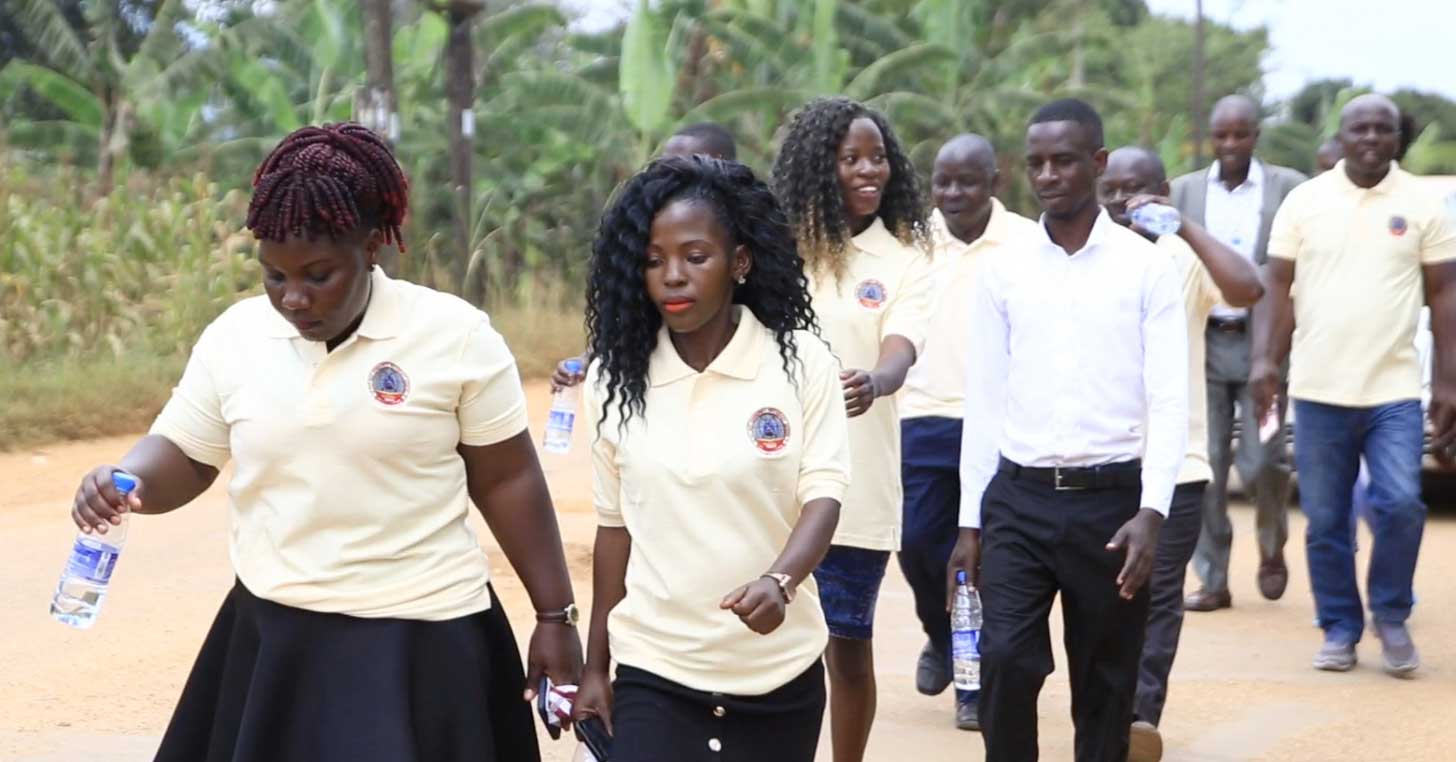
In the case of The Tat Sat Community Academy, several unique characteristics set the school and project apart from others.
To help pay the necessary school fees, families can process and sell their maize at the project’s local, community-owned maize mill. So far, 100 tons of maize have been sold, totaling over $25,000, which helps families subsidize their children’s education.
“This is an innovative and critical piece of the project in Kasasa,” says Scott Frank, co-founder of The InteRoots Initiative. “We are excited to see the maize mill helping students and families pay school fees so students can reach their full potential.”
To that end, one student shared that since her mom is a farmer, she is able to bring maize to the milling machine and produce flour and sell it to the school.
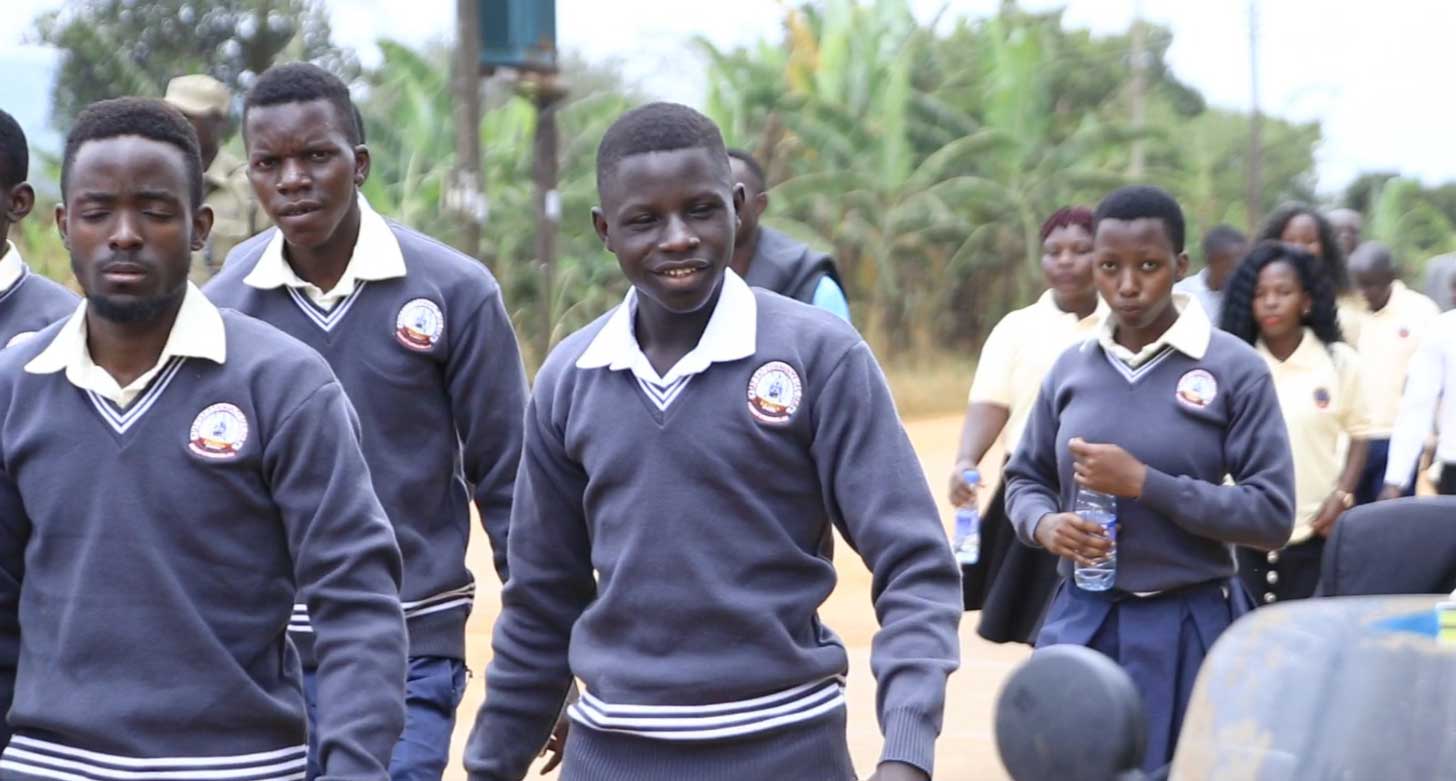
Another student said her father is a farmer and brings the maize to the milling machine as well.
Olivia, a teacher at the school, said the parents in the Kasasa community are very happy because the school is affordable to the community members as well as those who have a bit more money.
“I think this great landmark will help with the development of this area. The response has been very positive. The community has been very excited,” she said.
Besides the school, the project has two other pillars to it: The Institute of Indigenous Cultures and Performing Arts, or ICPA, and a Savings and Credit Cooperative Organization, or SACCO.
The ICPA allows students and community members to keep traditional knowledge alive through music, dance, and other art forms.

The SACCO, meanwhile, provides economic education for students and their families.
The SACCO is community-owned, and among other services, facilitates access to the banking system — often acting as a liaison between members and larger urban banks.
This is paramount, because nearly 60% of Africa’s population doesn’t utilize a bank because it is out of their reach.
By pooling the risk and resources of the community at large — or smaller groups within the community — it makes financing viable from the perspective of larger financial institutions. This approach has seen success in other rural communities globally and it is already seeing success in Kasasa.

Another innovative strategy setting the TaSCA project apart from others is the fact that community members have developed an idea for the Graduate Enterprise Fund.
Every time a student pays tuition, a majority of the funds goes into a fund that will be used to help students pursue their dreams post-graduation. These set-aside funds will be transferred directly to students who apply to use them. They’ll be used to further their goals, like starting a business or continuing their education.
If the plan is approved by a community board overseen by the co-operative, the student will receive direct financial support — an estimated one to two years of stability — in pursuing their dreams beyond graduation.
This funding resource is important to women and girls, who may feel like they lack access to educational opportunities compared to their male peers.

“Women and children have not been given an equal chance to financial progress and development,” said Mrs. Namayega Agnes, a TaSCA Kasasa Community Board member, and farmer. She is married with four children and excited about the possibilities the co-operative will have on the community.
“You cannot imagine how much help this is to our community! When a genuine community program like this, with absolutely no strings attached, develops here, you can be sure we will give it our all.”
Frank, meanwhile, is excited about the future as well.
“We think the community’s goal of providing students and community members with education centered around Indigenous knowledge as well as financial education is paramount to providing a holistic and sustainable practice,” he said.
On Monday, March 27, a shooter entered The Covenant School in Nashville, Tennessee armed with two assault-style firearms and a pistol — six people were killed, including three nine-year-old students.
Immediately following the tragedy, a local bookstore opened its doors to the community, offering a space to come together and share in their grief.
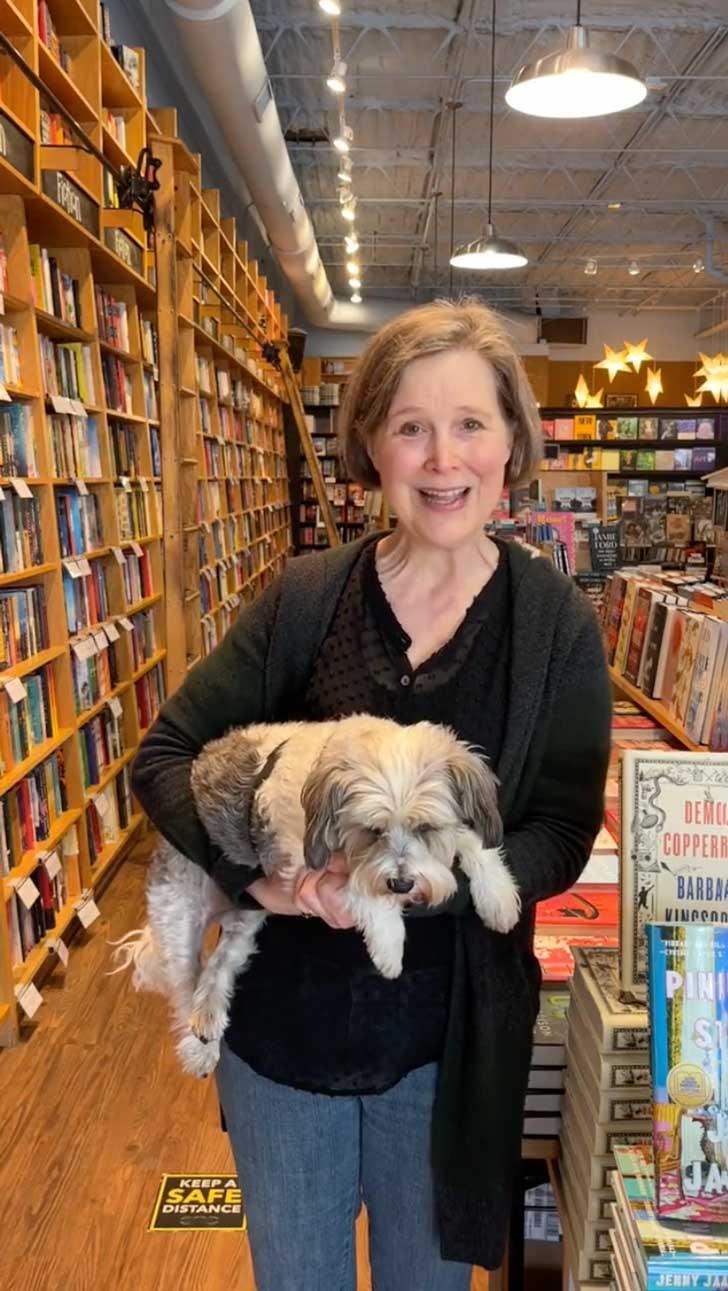
Parnassus Books is an independent bookstore owned by award-winning author Ann Patchett — and it’s located just down the street from the school where the shooting happened.
“Parnassus is here for our community,” Patchett said in a video posted to Twitter. “We’re not here to sell you books, we’re here because we love you and we’re your friends, and we’re a place to come. We want you here, with us.”
We’re here if you need a place to be today. If your kids need a moment to just be kids, we’ll still be hosting our Dog Man Celebration event from 3-5pm. Graphic novels and shop dogs aplenty. We love you, Nashville. pic.twitter.com/6H6xfOmQ0e
— Parnassus Books (@ParnassusBooks1) March 28, 2023
Patchett — and her darling shop dog Sparky — went on to welcome anyone who “didn’t know what to do today” to come to the bookstore, hold a dog, and just “be with us.”
Independent bookstores have long-standing reputations for being an integral, vibrant part of local communities. Not only do they greatly benefit local economies, but they also host community-centered events, bring in authors, and just generally provide a better book-shopping experience.
Parnassus is no exception. The bookshop, which calls itself “an independent bookstore for independent people,” has a diverse range of reads for all community members, a calendar full of thoughtful events — and a number of shop dogs always around to provide some cuddles, emotional support, and companionship.
Why is this good news?
When tragic things happen in the news, especially school shootings, it’s easy to turn away from the heartbreak and pain — to ignore the difficult feelings of grief, sadness, and anger until they pass.
But doing that won’t bring an end to school shootings — something the overwhelming majority of people do want to see happen.
And to make it happen, we need to do something that’s more difficult, but incredibly important: we need to pay attention, to look closer. We need to look for the people coming together and helping create the change we desperately need to end the gun violence epidemic in America.
And we need to be those people.
Patchett and Sparky opening the doors of their bookstore to anyone and everyone who needs somewhere to be together in our grief helps us be those people.
So far in 2023, over 9,900 people have died by guns and there have been 130 mass shootings. Guns are now the leading cause of death for children — surpassing cars. Already this year, 59 children (ages 0-11) have been killed by guns, and hundreds more have been injured.
We say it every time there’s a school shooting, and we’ll keep saying it until we don’t have to anymore: It doesn’t have to be this way. In order to be louder than the gun lobby, it’s going to take all of us coming together, believing a better, safer future is possible (it is!), and demanding change.
Most of us are always looking for easy ways we can make the world a better place — and lucky for us, fish migration season has brought a unique opportunity to do just that.
It’s called the vis deurbel — “fish doorbell” in Dutch — and it’s a website featuring a livestream camera that keeps migrating fish in the rivers and canals in Utrecht from being captured by predators.
Volunteer viewers can watch the fish doorbell livestream from anywhere in the world, and when they spot a fish (or many!), send a dam lock keeper a signal that there are fish waiting to swim through, helping to guide them on their journey.

If you log onto the site this week, you may find a number of other aquatic attendants watching the stream with you, thanks to a video made by TikTok user (and Stanford footballer) Thunder Keck.
Thunder has an ongoing series of “useful websites,” where he has introduced his over 700,000 followers to a website that delivers lasagnas to people in need of food, or a website that shows how healthcare providers get money from pharmaceutical companies.
But this time? He is teaching thousands how to help migrating fish in the Netherlands.
@thunder_keck #usefulclearnetsites finally after a long winter waiting its back open #becomingsustainable ♬ smiles & sunsets - ultmt.
So, how does this doorbell actually help?
During migration season, a number of fish species — like pike, perch, bindweed, rudd, alver, and eels — use waterways in the Netherlands to swim upstream. They help the entire ecosystem in the process, by eating aquatic insects and helping maintain good water quality.
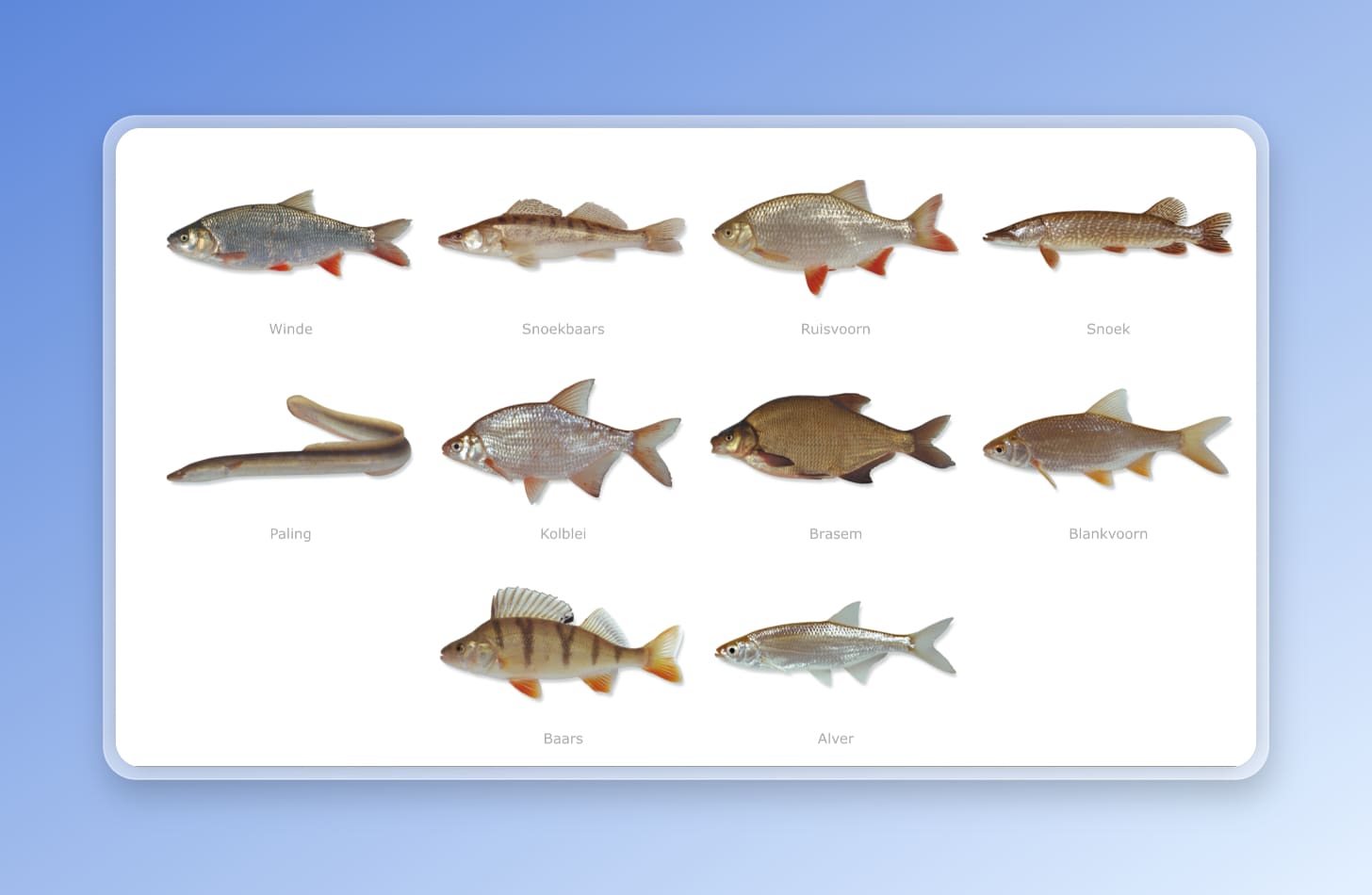
Because of their vital role in the waters of the Vecht and the Kromme Rijn, the city of Utrecht and an organization called Hoogheemraadschap De Stichtse Rijnlanden do their part to make it easier for the fish to find a safe place to lay eggs and reproduce each season.
Part of this entails helping the fish pass through dams and pumping stations — but in the depths of the waters, it can be hard to spot migrating fish, and predators often get to them first. That’s where the fish doorbell comes in!
By giving these fish a helping hand — or helping fin — Utrecht residents, and wildlife enthusiasts around the world, can keep these swimmers from danger and protect waterways all at the same time.
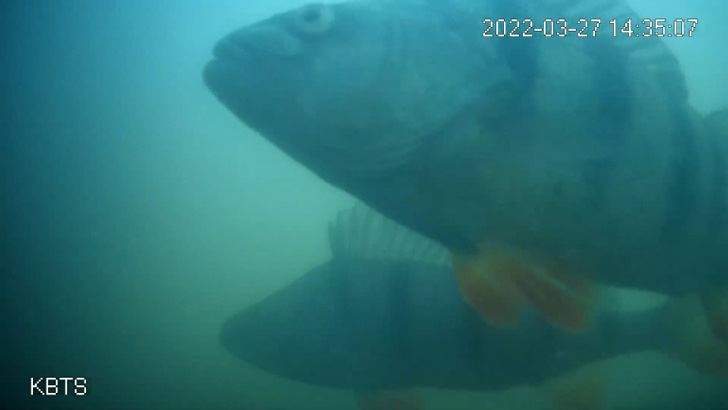
While this may be more of a niche website to visit, it really puts more good into the world! Last year, over 10,000 fish were let through the dam, thanks to the help of community members who rang the doorbell.
And with Thunder’s latest TikTok, hopefully even more fish will find their way to freedom.
“Well, that’s me not getting any work done today now,” one commenter wrote. “I have a far more important job to do.”
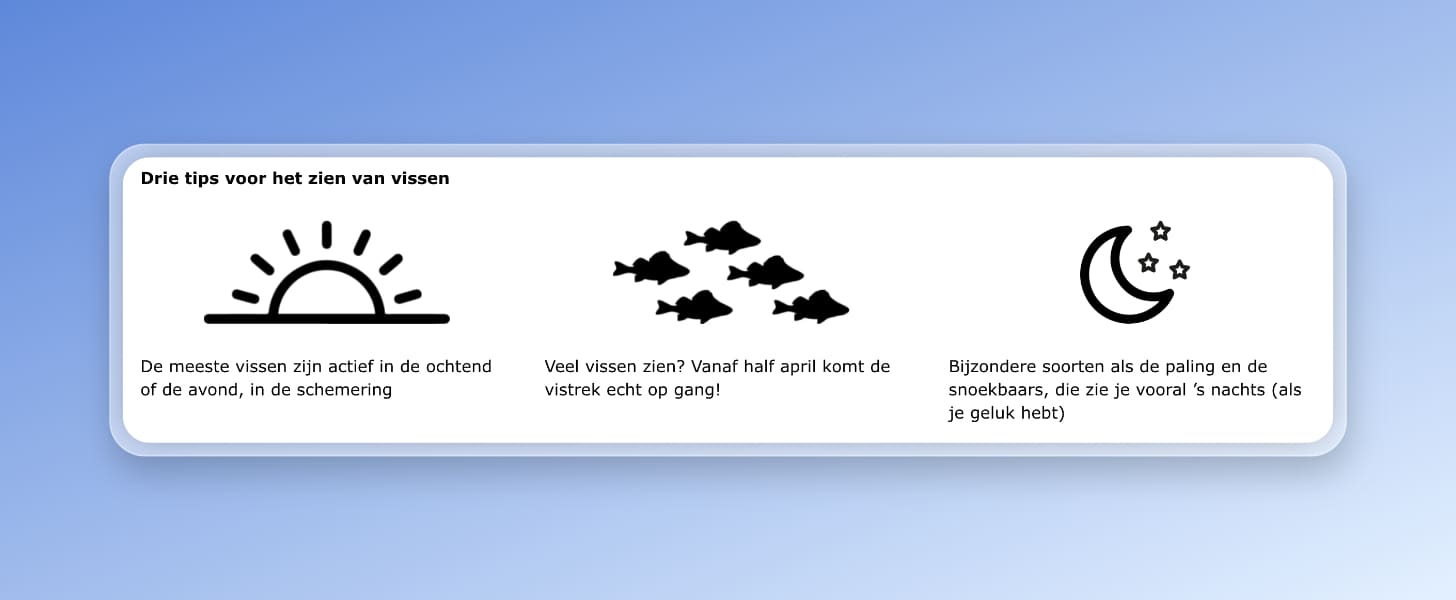
For those who are eager to spot their own fish friends, the website provides three tips:
- Most fish are active in the morning, evening, or at dusk
- The fish migration really gets going in mid-April
- Special species come out at night — if you’re lucky
And if you’re short on time? Check out the collection of the “cutest fish pictures” from other vis deurbel door keepers.
I didn’t know it was a problem. I grew up doing tornado drills in school. Now, my kids do routine active shooter drills at school. In less than twenty-five years, school shootings have become a common tragedy.
More than 9,870 Americans have died by gun deaths since January 1st of this year, according to the Gun Violence Archive. We lost 2,799 lives on 9/11. This means we’ve experienced more than three 9/11s since January 1st.
For the first time in our history as a nation, gun deaths have surpassed auto accidents as the number one cause of death for our children. Auto accidents had previously been the number one cause of death for children for more than 60 years.
Gun deaths are a problem — and we have waited far too long for a solution.
I served as a combat medic in the Army for eight years. I was trained to save lives on the battlefield from gunshot wounds, and I also qualified as a sharpshooter with my M-16 — the military version of the civilian AR-15.
I know guns. When I was deployed to the battlefield of Iraq for 397 days, I lived with one strapped to my hip.
Before we entered any chow hall for meals, there was a barrel full of sand where every soldier had to clear and discharge their gun to prove there wasn’t a bullet in the chamber.
Putting on the safety switch wasn’t safe enough.
The Army was militant about gun safety because they valued and protected their soldiers’ lives. They weren’t willing to lose a single soldier to an accidental gun death.
One day we were on a mission, and the chow hall was run by Czech troops. They didn’t require guns to be cleared and discharged before entering to eat. We were all so hungry, but none of us would go in. We wouldn’t risk it.
We valued our lives more than being in a room with a bunch of soldiers who didn’t follow gun safety standards.
We respected guns and their ability to kill.
In Iraq, whichever squad had the most dangerous mission got the Medic — me — to be in their Humvee, so if something bad happened, I would be right there to keep them alive and call in a medical helicopter.
I saw a lot of things I never imagined when I enlisted at 17 years old. And in this unlikely place, surrounded by things I never imagined, I found my purpose in life: to be a peacemaker.
On the battlefield, this meant that I would give my life or take a bullet for another soldier, an Iraqi, or even an enemy. But I would never take a life. And after I left the Army, this meant that I would seek out other ways to wage peace and fight for safety and security without violence.
So how do we wage peace in the wake of another shooting? What’s the answer to saving lives and ending the all-too-common tragedy of mass shootings and gun deaths?
I believe the Army can show us how.
The Army follows a number of gun standards that truly save lives in the military. Soldiers are held to a minimum safety standard — and I believe that every American who owns a gun should be held to the same standard. It’s not a high standard, it is simply common sense.
Let’s talk about these standards…
These Army gun standards can truly save lives:
#1. Annual Weapons Qualification Test
Every year, for the eight years I was in the Army, I was required to go to a shooting range and pass a weapons qualification test.
I would show up in person and an instructor would ensure I was physically and mentally capable of loading and unloading my firearm, obeying fast-paced instructions, and accurately shooting moving targets — all while maintaining safety for those around me.
Army gun standards required us to prove we are not a danger to ourselves or those around us.
A Pass means you are issued a weapons qualification card. A Fail means you aren’t issued a gun.
No loopholes, no entitlement, just common sense standards.
As a medic, we put the safety of the whole above the individual. And we were better off for it.
#2. 100% Accountability for Securing Weapons
During basic training, I was issued a gun — and that gun’s serial number was immediately connected to my social security number.
It was my gun — and my responsibility to secure that gun. If someone else had access to take it or use it, it was my failure, and I was 100% accountable for those consequences.
Usually, the consequences of not securing a weapon would be for it to be taken away for negligence — because it’s a lethal weapon with the power to cause catastrophic harm.
#3. Concealed and Open Carry Banned on Bases
Base law enforcement officers and military police are the only people permitted to both concealed and open carry guns on most bases, according to The Military Times.
In July 2015, members of Congress were pushing for troops to be allowed to carry weapons on base, but General Mark Milley, now chairman of the Joint Chiefs of Staff, responded by saying, “I don't think soldiers should have concealed weapons on base.”
Most bases do not allow any personal firearms to be brought on the installation or stored in base housing or barracks. Troops living in barracks typically must register and store them in a base firearms storage facility.
In 2023, a panel even made a recommendation to the Defense Department that an even further reduction in access to firearms on military bases could significantly reduce suicide rates among service members.
If soldiers don’t practice carrying personal guns on bases it begs the question of whether civilians might be better off without carrying firearms into Taco Bell or Walmart.
These are the gun standards my fellow soldiers and I were held to during our time in the Army, and I believe they served us well and saved lives — and continue to do so. They aren’t yet requirements for gun ownership in the United States, but countries around the world have implemented similar standards to great success.
Japan, for example, requires gun owners to attend an all-day class, pass a written test (similar to a driving test), and then achieve at least 95% accuracy shooting at a target. That’s on top of a background check, family interviews, and a mental health evaluation at a hospital. Guns are fairly prominent in Israel, but registration with the government is still required and there is a limit of one gun per owner. Many other countries have limited the types of guns that can be issued and require a gun safety class for ownership.
I believe we have an opportunity for the United States to join the rest of the world by implementing common-sense gun reform.
Adopting Army gun standards into law would ensure the Constitutional right to use a gun is connected to the public responsibility of owning a gun.
Minimum safety standards keep gun owners safe by requiring them to have and maintain the proficiency to protect themselves and those around them at all times.
In 2010, only two states allowed adults to carry a gun without a permit. As of 2023, 50% of states allow anybody to carry a gun — no permit, testing, or safety training required. This is dangerous. But, I believe we can still reverse course and implement common-sense reform.
To be sure, we don’t all have to hold the same opinions on guns, the military, or politics in order for us to agree we need to do something.
The people I served alongside in the Army held a wide range of political beliefs, but we shared the belief that we carry the responsibility to keep one another safe, even at our own personal sacrifice.
Unity is not conformity.
We can pass laws that regulate behavior, without requiring anyone to change their opinions or politics.
“Laws cannot change hearts but they can protect our children from the heartless” as Rev. Martin Luther King Jr. says.
As a veteran, I know freedom is not free, and neither is personal freedom without public responsibility.

We want our kids to be free to go to school without fear. We each want to be safe to spend time in public without being afraid of another shooting.
Let’s take action today, for the tomorrow that we dream of for our kids. Call your representatives and tell them to pass military gun standards.
Diana Oestreich is a soldier turned peacemaker and author of the book Waging Peace.
She describes herself as a peacemaker, author, activist, veteran, and former sexual assault nurse. Speaking across the country she empowers audiences to “identify our own rural, urban, political, or religious divides to cross our own ‘enemy lines’ in order to remake the world and heal all that’s tearing us apart.”
She’s appeared on multiple podcasts and blogs discussing justice, faith, peacemaking, refugees, anti-racism, activism with kids, and how her posture of love shapes how she parents and shows up for her neighbors.
Diana, her partner Jake and their two sons, Bridger and Zelalem live along the shores of Lake Superior on Ojibwe land. They are an Ethiopian-American family woven together through adoption and a shared love for bad jokes and competitive card games.
You can get to know Diana, read the first chapter of her book for free, and learn more about The Waging Peace Project at dianaoestreich.com.
In a stark contrast to the creator of the “Harry Potter” franchise that ignited Daniel Radcliffe’s stardom, the actor has become a beloved ally for LGBTQ+ youth.
Most recently, he has announced his continued partnership with The Trevor Project in a new video series from the nonprofit called “Sharing Space.” The series will feature roundtable conversations with LGBTQ+ youth, moderated by adult allies — and Radcliffe is first on the roster.
In the first episode in the series, which premieres on March 31 — Transgender Day of Visibility — Radcliffe chats with six trans and non-binary young people.
“There are a lot of people in the world who are not trying to engage in this conversation with any kind of good faith,” Radcliffe says in a trailer for the series.
“I think a lot of the time, it’s just because people don’t know a young trans person, so there’s just this theoretical idea about this in their head.”
“Sharing Space” aims to give the microphone back to LGBTQ+ young people and let them speak directly about their lives — which are so often co-opted by politicians and lawmakers for an agenda dedicated to excluding trans folks.
“LGBTQ+ young people, particularly transgender and nonbinary youth, are routinely forced to stand by and watch adults debate their very existence and life experiences,” The Trevor Project VP of brand and content, Megan Stowe, said in a statement.
“That’s why it’s so important that we continue to amplify young LGBTQ voices that are so often silenced, and work towards creating a safer, more accepting world where they can thrive just as they are.”
The “Sharing Space” series will include 20-minute episodes released quarterly, with a different theme, host, and participants.
Radcliffe’s participation in the series is especially affirming, as he represents a larger discussion surrounding the Harry Potter franchise.
Author and creator J.K. Rowling has become notorious for her transphobic messages, which stars of the wizarding world have whole-heartedly denounced.
After Rowling’s initial anti-trans tweets in 2020, Radcliffe wrote an open letter with The Trevor Project to LGBTQ+ fans of the series.
“Transgender women are women,” he wrote in the statement.
“Any statement to the contrary erases the identity and dignity of transgender people and goes against all advice given by professional health care associations who have far more expertise on this subject matter than either Jo [Rowling] or I.”
In the following years, Radcliffe has stood by his statements and continued his over ten years of partnership with The Trevor Project, as clearly demonstrated in this new project.
“We listen to so many people talk about trans youth and hear them talked about so often in the news, but very rarely do we actually hear from these youth directly,” Radcliffe said.
“It was an absolute privilege to get to meet and listen to this incredible group of young people. At the end of the day, if you’re going to talk about trans kids, it might be useful to actually listen to trans kids.”
And that’s what we’ll do.
“I have a whole identity; I’m not just trans,” one of the six panelists says in the trailer for the series.
“You’re a person, I’m a person, I treat you with respect,” another adds, “So I deserve it back.”
In need of mental health support? Please visit our Mental Health Resources page.
If you are in need of counseling or support, peer-support services are available at Trans Lifeline. You can call the hotline at 1-877-565-8860.
You can also visit thetrevorproject.org to reach a counselor and access a multitude of resources.
Every day the Good Good Good team collects the best good news in the world and shares it with our community. Here are the highlights for this week!
If you want to get good news in your inbox every day, join the Goodnewsletter — the free daily newsletter designed to leave you feeling hopeful.
The Best Positive News We’re Celebrating This Week —
The women’s March Madness tournament is breaking viewership and attendance records
Women’s athletics programs have long been underfunded and undervalued — and that’s not just a hot take. A 2021 gender equity review of the NCAA showed damning evidence of those inequities.
The findings made way for equal treatment at the 2022 March Madness college basketball tournaments. And viewership soared: nearly five million viewers tuned into the final, making it the most-watched college women’s basketball game since 2004.
This year, those records have already been broken. On top of the 11% higher viewership during the regular season, viewers of the first two rounds of the women's tournament saw a 28% increase over last year. They set a new in-person fan attendance record, too.
Why is this good news? Aside from the moral implications of investing in equitable treatment of athletes of all genders, these record-breaking turnouts for women’s basketball bust the myth that no one cares about women’s sports.
It means they’re getting sponsors, too. ESPN sold its full advertising inventory for women’s games this year, beating last year’s record with 15 sponsors and nearly 100 advertisers for this season’s championship (which is happening this week!).
A new, first-of-its-kind survey found a large majority of trans adults say transitioning made them more satisfied with their lives
Building upon a limited, but growing body of research, a new poll from the Washington Post and KFF is the largest nongovernmental survey of U.S. transgender adults to use random sampling methods. More than 500 people who identify as trans shared their perspective and experiences post-transition in the survey.
The poll found that a majority of trans adults have changed their physical appearance in some way to reflect their gender identity: 77% changed the types of clothes they wear, 31% have used hormone treatments, and 16% have undergone gender-affirming surgery or other surgeries.
When asked about their childhoods, 53% of trans adults surveyed said they had a happy one — that went up to 67% when they had a trusted adult in their lives, and dropped to 44% when they did not. (All still far lower than the 81% of all Americans who report having a happy childhood.)
And importantly, the poll also found that among those who idendify as trans, 78% reported that transitioning made them more satisfied with their lives — over 40% say they are “a lot” more satisfied.
Why is this good progress? Trans people, and especially trans youth, are regularly (these days, daily) attacked and vilified — both in real life and in legislation. Surveys like this help all of us (especially those of us who do not identify as trans) better understand the trans experience — and when we know more, as Maya Angelou says, we can do better.
An innovative school in rural Uganda is combining indigenous and financial education
The Tat Sat Community Academy (TaSKA) in rural Kasasa, Uganda, is taking an incredibly innovative approach to giving both students and the larger community a shot at education relevant to their goals, meeting needs beyond school, and preserving their culture.
Through the project’s Institute of Indigenous Cultures and Performing Arts, students and community members to keep traditional knowledge alive through music, dance, and other art forms.
And through its community-owned Savings and Credit Cooperative Organization, students and their families can get economic education and access to the larger banking system.
Another innovative strategy it takes is that every time a student pays tuition, a majority of the funds goes into a fund that will be used to help students pursue their dreams and goals post-graduation, like starting a business or continuing their education.
An independent bookstore in Nashville is offering solace and a safe space for their grieving community
On Monday, March 27, a shooter entered The Covenant School in Nashville, Tennessee armed with two assault-style firearms and a pistol — six people were killed, including three nine-year-old students.
Immediately following the tragedy, Parnassus Books opened its doors to the community, offering a space to come together and share in their grief. Parnassus is an independent bookstore owned by award-winning author Ann Patchett — and it’s located just down the street from the school where the shooting happened.
Patchett — alongside shop dog Sparky — went on to welcome anyone who “didn’t know what to do today” to come to the bookstore, hold a dog, and just “be with us.”
Why is this good news? Ending school shootings (and gun violence in general) will take all of us coming together and helping create (and demand) the change we desperately need to end the gun violence epidemic in America.
Patchett and Sparky opening the doors of their bookstore to anyone and everyone who needs somewhere to be together in our grief helps us be those people.
The FDA just approved Narcan, a nasal spray that reverses opioid overdoses, for over-the-counter sales
Yesterday, the U.S. Food and Drug Administration approved over-the-counter sales of naloxone, also known as Narcan. Narcan is a nasal spray that reverses opioid overdoses, and once it hits shelves this summer, will be the first opioid treatment drug to be sold over the counter.
While you could previously get Narcan without a prescription, it was only available at pharmacies — and many didn’t even carry it. Law enforcement officers and community organizations also sometimes have it available.
Advocates and activists have long sought over-the-country approval for the drug, arguing it would improve accessibility for those in urgent need, reduces stigma — and ultimately save lives.
Why is this good news? Overdoses have been linked to more than 100,000 deaths in the U.S. every year — and a majority of those deaths are tied to opioids, especially dangerous synthetic versions like fentanyl (which can take multiple doses of naloxone to reverse).
Making naloxone available more widely, especially to those most likely to be around overdoses, including people who use drugs and their relatives, will help so many people and save so many lives.
A Dutch “fish doorbell” and volunteers from around the world are saving thousands of fish during migration season
Perhaps unexpectedly, fish migration season has brought a unique opportunity for people around the world to make a real difference.
The vis deurbel — “fish doorbell” in Dutch — is a website featuring a livestream camera on a year-round dam that keeps migrating fish in the rivers and canals in Utrecht from being captured by predators.
Volunteer viewers can watch the fish doorbell livestream from anywhere in the world, and when they spot a fish (or two, or three!), ring the doorbell to send a dam lock keeper a signal that fish are waiting to swim through, helping to guide them on their journey.
Last year, thanks to volunteers, over 10,000 fish were let through the dam.
Why is this good news? During migration season, a number of fish species — like pike, perch, bindweed, rudd, alver, and eels — use waterways in the Netherlands to swim upstream. It's important they're able to migrate, because they help the entire ecosystem in the process by eating aquatic insects and helping maintain good water quality.
More good news of the week —
The hero who saved hundreds from genocide and inspired “Hotel Rwanda” was just released from prison. The U.S. and Qatar helped arrange for Paul Rusesabagina’s release, who was convicted of terrorism offenses in a widely criticized trial.
To help combat racial disparities in infant mortality, Philadelphia is giving pregnant residents $1,000 per month. Participants in the pilot program will also be offered voluntary support such as benefits and financial counseling, home visiting, lactation support, and doulas.
A group of over 120 lawyers in England pledged to not prosecute peaceful climate protesters. They signed a “Declaration of Conscience” and will also refuse to represent those participating in new fossil fuel projects.
A group of Afghan women launched a school on a military base to help bring education to refugees. The school serves about 200 children.
A mobile school is bringing both tutoring and hope to students experiencing homelessness. The School on Wheels was started by a retired school teacher.
A New Orleans teacher started a special school to meet the unique needs of unaccompanied migrant children. Las Sierras Academy helps prepare students for success in high school.
The biggest corporate backer of deep sea mining just exited the industry. Companies want to mine the seas for materials to make batteries, but activists have been pushing back to ensure due diligence is done to consider the impacts on the planet.
An Ohio contractor built a wheelchair ramp for free to help a family in need. Jerry Tonjes has a month-long waitlist for construction projects, but he made an exception when a local family had an emergency.
A Nebraska lawmaker has promised to block every bill until trans rights are protected. For the last three weeks, Machaela Cavanaugh has filibustered every piece of legislation that has come to the floor over a bill that would ban gender-affirming care for minors.
Maryland lawmakers just passed a bill making it easier for residents to access gender-affirming care. The Trans Health Equity Act passed swiftly and easily in both the House and Senate and the governor has pledged to sign it into law.
Unions for service workers at Disney World reached a deal to raise the minimum wage to $18 per hour. When finalized, the contract will benefit more than half of Disney’s 70,000-plus workforce, including costumed performers, theatrical workers, and more.
Hungary is testing using A.I. to detect breast cancer that doctors may miss. Advancements in the technology are beginning to deliver breakthroughs in breast cancer screening by detecting the signs that doctors miss.
Ukrainian refugees in Minnesota are traveling to Mississippi to help with tornado relief efforts. At least 26 people died late last week after tornadoes swept through northern Mississippi and left many others without homes.
A modern-day Robin Hood is helping tenants in The Netherlands take on greedy landlords. Rent Buster NL alerts tenants who are moving into new apartments that their landlords may be overcharging them —it’s sent hundreds of letters to tenants over the last few months.
A new outreach project is working to bring education to 10 million girls in India. Operating in over 20,000 villages, Educate Girls volunteers identify girls who have dropped out of school and bring them support for exams in “learning camps” set up right in their villages.
After their TikTok went viral, nearly every cat in a Kansas City animal shelter was adopted. Shelter workers shared their favorite things about the cats, with the goal of getting the shelter cats some attention — needless to say, it worked.
Madonna just added a Nashville tour date to protest Tennessee’s anti-drag and anti-trans laws. In her words, “These so-called laws to protect our children are unfounded and pathetic.”
Brazil has removed nearly all illegal gold miners from the Yanomami territory, its largest indigenous reservation. The country is planning to remove miners from six more indigenous reservations this year.
March Madness is still breaking off-court records, especially with TV viewership. The Elite Eight matchup between Iowa and Louisville drew almost 2.5 million pairs of eyes — more than any NBA game on ESPN all season.
Iowa's Caitlin Clark just made history with the first 40-point triple-double in NCAA tournament history. Clark is now also the first player in Division I basketball history — men's or women's — with 900 points and 300 assists in a single season.
Commercial partners are more interested than ever in women’s soccer. And the National Women’s Soccer League’s marketing strategy is to elevate the platform of all players — not just a select few.
Saudia Arabia’s national women’s football team was included in the FIFA world rankings for the first time in history. They’re officially ranked 171st in the world and earned their first-ever international trophy in January.
NASCAR driver Erik Jones donated a book vending machine to his hometown elementary school. Jones also started a #READwithErik program during the pandemic shutdown and has read children’s books to young readers at NASCAR races and on Facebook.
Thinking about climate change can be a drag, but what if we used drag to fight climate change?
In honor of Earth Week, drag queens Pattie Gonia and VERA! are co-hosting an environmental drag show in San Francisco: SAVE HER! Themed around sustainability, the show will feature seven guest performers and will be the first stop of many upcoming performances.
“SAVE HER! will feature drag kings, queens, and things performing numbers about environmentalism, climate change, and our one true queen, Mother Natch,” Pattie Gonia shared on Instagram.
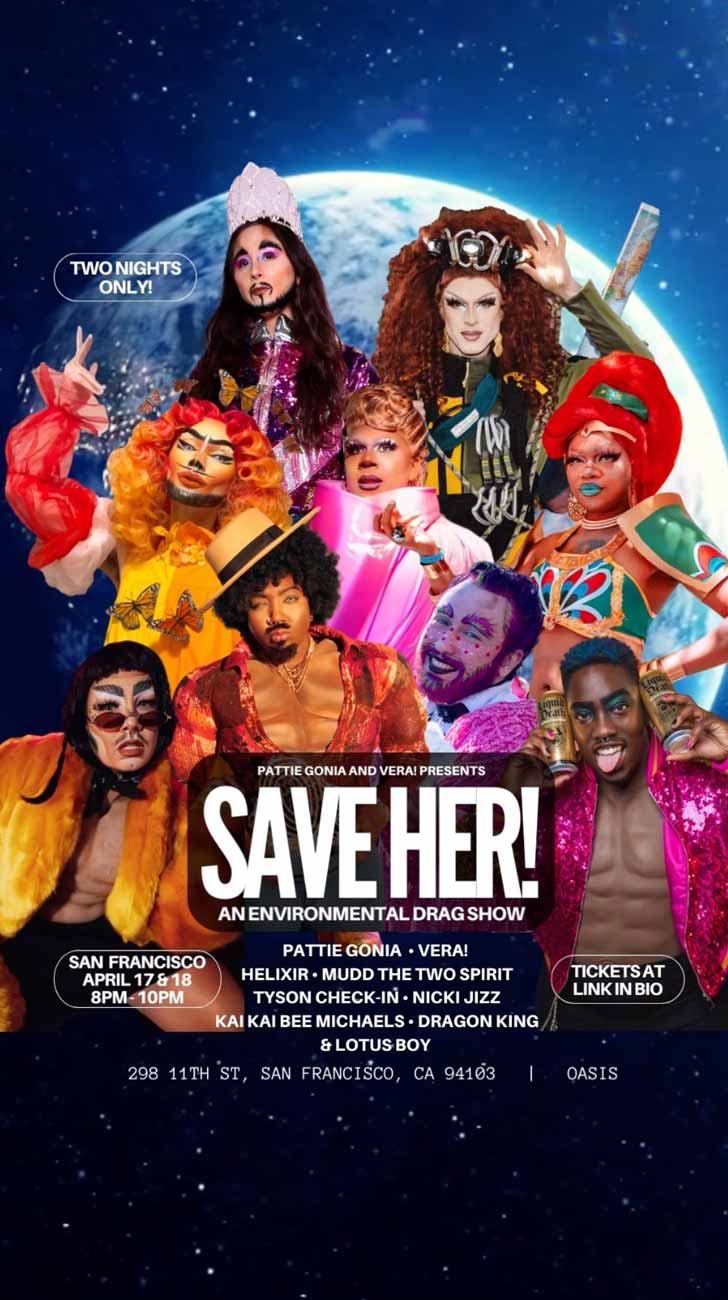
“Be there or be a flat-earther,” she added in the comments.
Performers include Helixer, Mudd The Two Spirit, Tyson Check-In, Nicki Jizz, Kai Kai Bee Michaels, Dragon King, and Lotus Boy.
Who is Pattie Gonia?
Pattie Gonia (whose off-stage name is Wyn Wiley) is a drag queen environmentalist and community organizer. Pattie’s mission is to build a more inclusive, diverse community for LGBTQ+ folks, allies, and the planet, all through the beauty of drag and environmental education.
Pattie’s platform of over 500,000 followers has made way for partnerships with brands like The North Face, Tazo, Nuun, and Hoka, as well as events and speaking engagements with folks like Bill Nye and Johnathan Van Ness.
Pattie is also a co-creator of the Outdoorist Oath, a nonprofit designed for outdoorist communities to think about the intersections of planet, inclusion, and adventure — and how they can uniquely show up for all three.
Her work to celebrate both LGBTQ+ culture and the outdoors in style makes her a leader in both spaces and brings joy, action, and hope to issues that are often clouded in fear, threats, and uncertainty.
Why is this good news?
Across the country, the art of drag — as well as the lives of LGBTQ+ people who perform in drag — have been under attack by lawmakers.
Tennessee became the first state to pass a ban on public drag shows, and states like Nebraska, Texas, North Dakota, West Virginia, South Carolina, and more have introduced similar bills in their state legislatures.
These bills, which are written with broad language, could threaten any public gathering of queer folks, effectively making their existence in public life illegal.”
While legislators are fighting against such bills, and LGBTQ+ activists of all backgrounds work to protect their community members, it becomes more important — and scarier — than ever for LGBTQ+ folks to be present in all areas of the world, including the outdoors.
Intersectional environmentalism has elevated the need for our climate action to consider a wide spectrum of experiences with both social and environmental injustice.
This includes the exclusion of marginalized groups from outdoor communities, such as queer, disabled, Black and Indigenous folks, who may not fit the stereotype of what an “outdoorsy” person is.
Countless organizations, like Queer Nature, or Pattie Gonia’s Outdoorist Oath, are working to make the outdoors safer and more welcoming for LGBTQ+ folks — and urging outdoor companies to unearth and rediscover what it truly means to be inclusive.
By emboldening other drag performers and creating a safe and affirming space in the name of Mother Earth, Pattie Gonia’s drag show provides a glimmer of hope in an otherwise glitter-less political landscape — and puts the spotlight back on diverse, fabulous communities who love the planet.
Climate change is a real problem.
Global temperatures are on the rise; a third of the world’s food supply is wasted every year; systemic issues of overconsumption and extraction impact the most vulnerable populations; and a small number of companies are responsible for nearly all of it.
And the impact of these problems are just as vast and intimidating.
Communities around the world grapple with extreme weather disasters, decreasing biodiversity, deforestation, ocean acidification, and human health threats we’ve never encountered before.
While the urgency of climate change should not be underestimated, neither should our ability to make a difference.
Here are a handful of ways each and every one of us can bring the climate crisis to a halt and create a future that is prosperous for both the planet and its people — as we kick off April and Earth Month:
Just a few little, tiny things that you can do to protect the environment
Don’t pay a French company $1 billion to *not* install offshore wind farms
The Trump administration paid TotalEnergies a billion dollars to abandon plans to build offshore wind farms in the Atlantic Ocean and pursue fossil fuel projects in the U.S. instead.
“Paying to remove affordable, homegrown energy out of the equation leaves American consumers struggling to pay their electricity bills,” said Sam Salustro, Oceantic’s senior vice president of policy and market affairs, to CNN. “This is political theater meant to obscure the fact that offshore wind capacity is being pulled out of the pipeline when energy prices are skyrocketing.”
Since renewable energy sources like offshore wind are only getting cheaper for absolutely everyone, consider spending $1 billion on, idk, actually building them.
Try really hard not to spill 1.2 million tons of oil in the ocean each year.
While it’s hard to narrow down exactly how much oil is spilled into the ocean each year as a result of corporate practices, we do know it’s not just because of barrels being dumped into the sea — but the runoff of fossil fields from other land-based infrastructure.
According to a report from the National Academies of Sciences, Engineering, and Medicine, 1.2 million metric tons of oil is transferred from land to sea each year — and is larger than any other oil from other sources.
Things like petroleum-based fertilizer chemicals, waste from petroleum products, and other compounds are transported by water in drainage systems, streams, rivers, lakes, and groundwater until it finds its way into the sea and harms marine life irreparably.
While oil spills and offshore reservoirs also contribute to ocean pollution, our reliance on fossil fuels on land is a major player in this crisis — so yeah, if you’re a fossil fuel company, maybe just cool it on the oil runoff.
Don’t destroy hundreds of millions of dollars worth of unsold clothing.
The increasing speed of cheap, fast fashion has a number of devastating impacts on the environment; from abysmal carbon emissions, to deeply unethical working conditions across the board.
But even major brands who are advertised as luxury — or have supposedly eco-friendly initiatives — are a huge part of the problem.
For example, Burberry admitted to destroying $36.8 million worth of its own unsold merchandise in 2018, calling it a strategy to “preserve its reputation of exclusivity.”
This is hardly the only case, as brands like Nike, Louis Vuitton, H&M, Urban Outfitters, Eddie Bauer, Victoria’s Secret, and more, have histories of destroying unsold merchandise.
While there are a number of methods these companies use to get rid of this clothing, the most popular is shredding or incinerating, according to Timo Rissanen, an associate dean at Parsons School of Design and a professor of fashion design and sustainability at the school’s Tishman Environment and Design Center.
“Quantitatively, there’s more stuff than there ever has been before. Fashion cycles have also gotten shorter because of the internet and fast fashion, so there’s a push to constantly put new merchandise out on the market,” Rissanen said in an interview with Vox. “So when you combine these two, we are now literally at a place where we no longer have anywhere for this stuff to go other than up a chimney.”
A great way to shrink that carbon footprint and reduce waste would be to completely overhaul your fashion company’s approach to merchandising and waste — and, you know, maybe don’t literally burn items that never needed to be made in the first place.
Don’t accept $148.2 million in bribes from the oil lobby.
The oil and gas industry spent about $148.2 million lobbying the U.S. federal government in 2025, according to OpenSecrets, an organization that follows money in politics.
But what exactly does that mean?
When lawmakers take money from oil and gas companies — like Koch Industries, ExxonMobil, or Occidental Petroleum — it incentivizes them to consider possible legislation through the lens of what would best serve those companies — not the planet or their constituents.
This kind of insidious lobbying has led to the approval of pipeline drilling on sacred tribal lands, the preservation of oil and gas subsidies, and puts an enormous roadblock in the way of passing any positive climate legislation.
In fact, campaign finance data analyzed by Public Citizen indicates that the 29 Congress members who denounced the Biden administration’s pause on oil and gas leasing received a combined $13.4 million over their careers from the oil and gas lobby. When corporate money is so inextricably linked to the actions of our elected officials, democracy is threatened — and so is the future of everyone on this planet.
The good news? There are elected officials who refuse to accept contributions from the fossil fuel industry! 54 members of Congress have signed the No Fossil Fuel Money Pledge.
Turns out it’s really not that hard to not accept millions of dollars from the oil and gas industry.
Don’t fire 29% of your workforce and then expose an entire town to hazardous chemicals.
In 2023, the people of East Palestine, Ohio experienced the unimaginable: a Norfolk Southern train carrying toxic chemicals went off the tracks and leaked contaminants into the town’s air and water.
While it still is not completely clear what caused the train’s derailment, we know that the rail industry has been notorious for aggressive cost-cutting, workforce shrinkage, and lack of regulations in recent years.
Rail workers — as well as government officials and other industry experts — have warned about these kinds of disasters, which could increase in the wake of rail companies slashing worker numbers.
Over the last six years, train companies cut 45,000 employees — 29% of their workforce — and now rely on bigger trains with the potential for more equipment failure.
Don’t worry, though — these rail companies continue to turn record profits.
“In my view, all of this has directly contributed to where we are today — rail users experiencing serious deterioration in rail service because, on too many parts of their networks, the railroads simply do not have a sufficient number of employees,” Martin Oberman, chair of the Surface Transportation Board said in 2022.
It’s the perfect case study in intersectional environmentalism: You can never separate the intertwining relationship between people and the planet.
A good way to prevent future, hazardous train derailments? Listen to the people who work on the railroads every day, and consider their lives and livelihoods above outlandish, Kendall-Roy-from-Succession-level profit.
Once you learn that your fossil fuel company is making the planet hotter, do your best not to lie about that information for 40 years.
Recent research and investigation has shown that one of the world’s largest oil companies, ExxonMobil, has been aware of its impact on global warming since the 1970s.
Yep.
Private research done by ExxonMobil predicted that burning fossil fuels would warm the planet, but the corporation denied the findings publicly. New investigations into internal documents show the company was privy to the issue 11 years before it became a public issue.
“Our analysis allows us for the first time to actually put a number on what Exxon knew, which is that the burning of their fossil fuel products was going to heat the planet by about 0.2C of warming every decade,” the investigation’s co-author, Geoffrey Supran, an associate professor of environmental science and policy at the University of Miami, told the Guardian.
And history shows how ExxonMobil worked diligently to confuse the public about climate change; even going so far as to create the Global Climate Coalition, a group whose work was dedicated to questioning the scientific bases for concern about climate change.
Additionally, ExxonMobil worked to prevent the U.S. from signing the international treaty on climate (the Kyoto Protocol) in 1998, which would have controlled greenhouse gasses.
This story of deception is perhaps the most damning evidence of corporate interests overtaking the concern for the future of our planet. By hiding this information, and continuing to pedal disinformation, ExxonMobil has done unimaginable damage to the Earth.
Not that they can really redeem themselves, but if the goofballs at ExxonMobil want to do their part for the planet, a good place to start could be not lying about climate change for longer than I’ve been alive.
Stop putting petty partisan interests above the future of the entire planet.
While we already know that the oil lobby is a big factor in the legislative realm of climate action, partisan divides also play a role in government inaction.
When the Inflation Reduction Act was passed last fall — which includes the most comprehensive climate legislation in U.S. history — not a single Republican voted for the bill.
“The number drives home an unmistakable reality: Even after years of effort from environmentalists, climate change remains a starkly partisan issue in America,” Robinson Meyer reports in the Atlantic.
Even Republicans, like Mitt Romney and Lisa Murkowski, who have both been more vocal about climate change, voted against the bill, signaling an ongoing partisan divide where climate action is relegated to a “liberal talking point” and not something that gravely affects us all.
Of course, this bill was not only a piece of climate action legislation, and there are certainly small wins in various legislative bodies around the country — but always remember that our elected officials are meant to represent their constituents, and blocking climate action isn’t exactly the best way to do that.
So, if you can, try not to be a roadblock in solving one of the most intimidating global crises humanity has literally ever faced. (If you’re a member of Congress reading this right now, this is not a joke.)
April Fools! But, seriously…
We are big believers in taking individual action and mobilizing our communities to be better stewards of the planet, but the biggest burden should fall on corporations, governments, and elected officials.
A 2017 report from the CDP found that just 100 fossil fuel companies are responsible for producing 71% of all global greenhouse gasses emitted since 1988 — so consider that a sign that it might be time for these institutions to invest in repairing what they’ve damaged.
The most impactful thing we can all do is work towards creating systemic, positive environmental change. Whether it’s boycotting corporations that don’t align with your values, calling your representatives and urging them to support actionable bills that make a real difference, or engaging in personal activism to spread awareness about climate change — we all have a role in this story.
It shouldn’t be one or the other; that either corporations take responsibility, or we continue to work our tushies off to make smart, ethical choices for the planet. We need both efforts working together to create a more just, climate-forward future.
Your personal responsibility for the planet and the people on this planet matters, and any work you’re doing on your own sustainability journey does make a difference — but it sure would be nice if the giant corporations who run the global economy felt the same way.
Happy April Fools' Day from Good Good Good! May this tongue-in-cheek article inspire real change.
Pillows might seem like the cherry on top of a beautifully-made bed, but they really are the whole darn dessert when it comes to getting a good night’s rest.
The right pillow helps support the structures of your head and neck to keep your shoulders, hips, and spine in alignment, allowing you to relax and rest comfortably. But even if you’ve got the right shape and size of your pillow, it’s still important to be mindful of the materials it’s made out of.
After all, pillows join a very exclusive category of items that touch your face day-in and day-out, and if you’re anything like us, you want the best for your health — and the health of the environment around you.
Of course, if you’ve already fallen in love with your current pillow, there’s no need to buy anything new. We all know the most sustainable thing you can buy is nothing at all.
However, if you’ve been on the lookout for new pillows (perhaps to complete your eco-friendly bedroom buildout?), we’ve aimed to make that research process as light as a feather — all while making mindful choices for our homes and the planet.
Keep reading for some helpful information about picking your perfect pillow, our recommendations for the best eco-friendly pillows out there — and perhaps some more pillow puns.
You might also like our deep-dives on:
- Sustainable Bed Frames
- Sustainable Mattresses
- Sustainable Mattress Toppers
- Sustainable Bedding
- Sustainable Dog Beds
By the way, some of the products and links in this article are partners and affiliates, which means we may earn a commission at no extra cost to you. Everything in this article was independently and honestly written by the Good Good Good team. Thank you for your support!
What makes a pillow eco-friendly (and non-toxic)?
If you’ve explored the options of sustainable mattresses, you already know that the sourcing, manufacturing, and distribution of your bed essentials really do impact your own little world — and the world around us.
In fact, most standard pillows are made with nightmare-fuel materials like petroleum-based polyurethane foam. While these materials might seem fine off the bat, they can emit volatile organic compounds (VOCs) that can be harmful to the planet, and your own health.
The best route to sweet dreams starts with finding pillows made of non-toxic materials.
Materials

Don’t take this as an indisputable fact, but when 1980s R&B band Eurythmics sang “sweet dreams are made of this,” they may have, of course, been referring to the materials that make up an eco-friendly pillow.
Since pillows are made with a variety of different materials (for casing, inner-fluff, and more), you’ll want to look for any of the following textiles and fibers when shopping for an eco-friendly or non-toxic pillow:
- Certified organic cotton
- Certified organic latex
- Eucalyptus or kapok tree fibers
- Certified ethical wool
- Responsibly-sourced down
- Buckwheat hulls
- Sugarcane fibers
- Bio-engineered memory foams
Certifications

When we mention “certified” materials, that’s not just some arbitrary word. There are a number of third-party environmental and health protection organizations that set rigorous standards for sourcing and manufacturing, so you can feel confident in your consumer choices.
Non-toxic and eco-friendly pillows are often certified or endorsed with the following labels:
- Global Organic Textile Standard (GOTS)
- Global Organic Latex Standard (GOLS)
- OEKO-TEX
- Made Safe
- GreenGuard Gold
- CertiPUR-US
Environmental Impact

Brands and bedding companies that care about the health of you and the planet often proudly share their environmental impact initiatives.
In these cases, it should be easy for you to find information about carbon offsets, thoughtful packaging, connections to environmental nonprofits (like 1% for the Planet) or brands that are Climate Neutral certified (like us!)
Social Impact

Another strong indicator of an ethical brand is one that transparently shares its supply chain and labor practices. Lots of these brands might have B Corp and Fair Trade certifications.
Our reviews of organic & non-toxic pillow brands
The brands you see listed in this section sent members of our team sample pillows to review for this article. (Our reviews are always honest. Receiving free products for testing never impacts our writing — and brands don’t have any influence on our writing or editorial process.)
Savvy Rest
What’s good: Savvy Rest is a certified B Corp that sells natural latex mattresses, and certified textiles and pillows. The brand prioritizes prioritizes health impact, materials re-use, renewable energy, water stewardship, social fairness, and more.
The brand also offsets annual estimated carbon emissions with the help of Carbon Fund, which helps businesses and individuals reduce their climate impact.
Materials: Savvy Rest offers a number of different pillows, utilizing materials like certified organic cotton, wool, and kapok, as well as GOLS-certified dunlop latex and Cradle to Cradle GOLD and FSC-certified talalay latex.
Pillow options:
- Shredded Latex Pillow
- Wool-Latex Pillow
- Wool Pillow
- Kapok Pillow
- Talalay Pillow
- Latex Contour Pillow
- Latex Soap-Shaped Pillow
- Talalay Wedge Pillow
- Body Pillow
Jonathan’s thoughts: I tried the organic Kapok pillow from Savvy Rest, which is a fluffy pillow made with Kapok fibers, which come from the ceiba tree and are a plant-based alternative to down. The pillow is encased in an inner case and super soft flannel-feeling outer case and is “adjustable,” meaning you can unzip the inner case and remove cotton to your personal preference of fluffiness.
The quality of this pillow is definitely top-tier. It came in a single plastic bag in a cardboard box, and you can genuinely tell how soft and natural the materials are from the minute you unpackage it. The outside is thick and soft, and the stitching feels sturdy.
The pillow was pretty firm and packed with cotton upon arrival and has really held its shape. I like how plush it feels while also being firm and supportive.
→ Shop pillows from Savvy Rest
Holy Lamb Organics

What’s good: Holy Lamb Organics has a small and sustainable operation out of Oakville, Washington that relies on skilled manufacturers to create bed and bath staples.
The brand uses certified organic materials and has a partnership with California mill Woolgatherer to ensure practices that are good for animals (who are sheared like it’s a yearly haircut!), the land, and the community.
The Fair Trade certified company also has certifications and testing clearance from GOTS, OEKO-TEX, Eco Wool, UC Davis Toxicology Lab, and Element Materials Technology.
Materials: Holy Lamb utilizes organic cotton fabric, organic latex, premium natural American wool, and certified organic New Zealand wool.
Pillow options:
- Wool Bed Pillow
- Woolly Down Bed Pillow
- Wool-Wrapped Latex Bed Pillow
- Orthopedic Neck Pillow
- Neck Roll
- Body Pillow
- Travel Pillow
- Nursing Pillow
- Wool Yoga Bolster
- Child’s Bed Pillow
- Snuggle Pillow
- Throw Pillow
Jessica’s thoughts: I got to try out the natural wool-wrapped latex pillow from Holy Lamb Organics. I really think it’s a great option for all!
The wool is soft and cushy but the pillow holds its shape better than many other soft pillows do. The exterior fabric of the pillow is a minimal but beautiful organic cotton fabric.
I love that the packaging was plastic-free, making it easy to properly dispose of everything responsibly.
→ Shop pillows from Holy Lamb Organics
Saatva

What’s good: Saatva is an eco-conscious mattress brand that offers ethically made, supportive sleep essentials.
By sourcing Fair Trade and certified organic materials, adhering to ethical labor standards, and planting trees with Evertreen, Saatva is another great choice for your next snooze.
Materials: Saatva sells pillows made with either natural shredded latex, chemical-free memory foam, and down alternative fibers. They are all covered with certified organic cotton.
Pillow options:
Branden’s thoughts: I’ve been testing two of the Natural Latex Pillows from Saatva and have slept on them for more than 100 nights so far. The first thing I appreciated about the pillows is how “heavy” they are — they find a nice balance between being soft, enveloping my head, while also being firm and supportive.
Aesthetically, they look so much better than my previous (kind of flat) pillows, because they look more full and cloud-like.
My one key note: I found that the pillows are so big that some of my pillow cases couldn’t fully contain them. They seem to be just a little bit bigger than a standard pillow.
Fortunately, I just switched from open-ended pillowcases to the kind with a zipper — no big deal. But worth considering picking up a new set of (eco-friendly) pillowcases if you’re upgrading from standard pillows.
Nest Bedding

What’s good: Nest Bedding carries three types of sustainably-sourced pillow options — and you can even take a quiz to find your perfect fit!
The brand is Fair Trade, GOLS, OEKO-TEX, and Certi-PUR certified, and select products (including all mattresses) are made in the U.S.
Materials: Some of Nest’s pillows use non-toxic certified virgin foam, and others are made with premium shredded natural latex.
Pillow options:
- Easy Breather Shredded Foam Pillow
- Easy Breather Natural Latex Pillow
- Easy Breather Side Sleeper Pillow
Jessica’s thoughts: I tested out two of the Easy Breather Natural Latex pillows. I was pleased that the pillows arrived with minimal plastic, sealed with plastic but otherwise packaged entirely in cardboard.
The first word that comes to mind when I think of this pillow is ‘cozy.’ The exterior fabric is soft to the touch and it is definitely on the softer, squishier side of firmness.
If you like more structure for your pillows, this might not be the one for you, or you might need to double up with a second pillow underneath.
→ Shop pillows from Nest Bedding
Coop Home Goods
What’s good: Coop Home Goods offers customizable pillows that are all CertiPUR-US and Greenguard Gold certified. Since there are many different types of Coop pillows, you can find your perfect nap-time companion by taking a pillow quiz or setting up a consultation with a Coop Pillow Coach.
Materials: Although Coop pillows aren’t made with the recycled or latex materials of some other bedding companies, its pillows are non-toxic.
Coop creates shredded memory foam filler in-house, which is CertiPUR-US and Greenguard Gold certified, meeting strict standards for content, emissions, and durability. The casing of Coop’s pillows is also made with a polyester blend using bamboo-derived viscose rayon.
Pillow options:
- The Original Pillow
- The Eden Cooling Pillow
- The Original Cut-Out Pillow
- The Original Crescent Pillow
- The Original Maternity Pillow
- Original Body Pillow
- Orthopedic Knee Pillow
Kamrin’s thoughts: Although Coop pillows aren’t nearly as eco-friendly as others on this list, I was excited to try the Original Pillows out, since they’re at a more accessible price point and have a reliable memory foam filler that I’ve always liked for my neck and spine.
My pillows came in a cardboard box containing a rolled up pillow, and a bag of extra filler, making the pillow adjustable to my standards. That being said, I thought this additional filler was all totally necessary to bulk up the pillow enough for the support I traditionally need. That might not be the case for everyone, but I did think the pillow was pretty skimpy before I filled it up more.
After sleeping on my Coop pillows for a couple of weeks, I do think they are a solid option, though I would suggest considering making the investment in a more sustainable latex pillow if you can.
Other sustainable pillow companies to shop
Avocado Green Mattress
What’s good: Avocado Green Mattress is dedicated to a mantra of “natural, safe, and responsible.” The brand aims to raise the bar for other sustainable brands, too, and leads the way as a B Corp, Climate Neutral certified company, with products certified by GOTS, GOLS, Made Safe, and Greenguard.
Avocado also works with 1% for the Planet to donate one percent of its annual revenue to environmental organizations. We love their mattress and look forward to testing out their pillows, too.
Materials: Avocado’s pillows are made with organic, certified materials like latex, kapok, and cotton.
Pillow options:
- Avocado Green Pillow
- Molded Latex Pillow
- Plush Pillow
- Latex Wedge Pillow Set
- Toddler Pillow
- Mini Pillow
- Yoga Meditation Pillow
- Yoga Bolster Pillow
- Pranayama Yoga Pillow
- Square Meditation Pillow
SIJO

What’s good: SIJO is an AAPI-owned luxury sustainable bedding company that creates high-performance products that put the planet first. With certified sustainable materials and inventive cooling tech, you’re in for a night of temperature-regulated dreams.
Additionally, SIJO’s manufacturers make fair wages, have access to a number of insurance plans, and one month of vacation time.
Materials: SIJO offers two types of pillows: a plush eucalyptus down-alternative that uses recycled polyester, as well as a firm, cooling talalay latex pillow that helps relieve neck pressure.
Both pillows use fabrics made from Tencel Lyocell made with FSC and PEFC-certified eucalyptus fibers, and are OEKO-TEX 100-certified.
Pillow options:
Coyuchi

What’s good: Coyuchi uses a circular business model and only sources organic materials to bring shoppers ethical and sustainable bedding essentials.
The brand is certified by GOTS, GOLS, Fair Trade, and Made Safe, and champions climate nonprofits as a partner with 1% for the Planet.
Even better? Coyuchi’s 2nd Home recycling program encourages shoppers to recycle their textiles through the company — and then purchase their new products made with those recycled materials!
Materials: Coyuchi’s pillows are made with organic dunlop latex, 100% organic cotton, or humanely-sourced down from an Indiana duck farm.
Pillow options:
- Turiya Latex Pillow
- Down Pillow
- Shredded Latex Pillow
- Molded Latex Pillow
- Latex Body Pillow
- Down Feather Throw Pillow Insert
- Latex Throw Pillow Insert
Takasa
What’s good: Takasa is a BC Benefit Company (essentially Canada’s version of a B Corp) that plants a tree for every purchase and uses Fair Trade and GOTS-certified materials. Takasa is also well on its way to total carbon neutrality.
Materials: Takasa pillows are made with GOTS-certified organic wool batting and cotton.
Pillow options:
Buffy

What’s good: Buffy is newer to the bedding scene, but only uses the good stuff in its products. Additionally, the brand sets off all carbon emissions from shipments, encourages donating used textiles, and has robust plans for its closed-loop business model and take-back program.
Materials: Buffy pillows are made with either all-natural latex, or recycled polyester fill that is certified by either the Global Recycling Standard or Recycled Claims Standard.
The outside of its pillows are made with soft hemp or eucalyptus lyocell.
Pillow options:
Brentwood Home

What’s good: Brentwood Home is owned by Avocado and echoes its parent company’s priorities of inventive and eco-conscious materials.
With trusted certifications (like Fair Trade, FSC, Greenguard, GOTS Organic, Recycling Claim Standards, and more) the Climate Neutral certified brand offsets emissions at all levels of business, while delivering a safe and comfortable product right to your door.
Materials: Brentwood Home carries a variety of shapes and sizes of pillows made with materials like certified organic latex, cotton, and tencel wood pulp.
Its memory foam is also made with BioFoam, which is biologically made using vegetable materials, such as corn, sunflower seeds, castor oil beans, and soybeans.
Brentwood’s charcoal pillows are also made with CertiPUR-US-certified charcoal graphite memory foam, which is a natural cooling material without any harmful chemicals.
Pillow options:
- Crystal Cove Activated Charcoal Pillow
- Crystal Cove Charcoal Body Pillow
- Crystal Cove Mini Charcoal Pillow
- Crystal Cove Wedge Pillow
- Oceano Gel Memory Foam Pillow
- Oceano Wedge Pillow
- Zuma Foam Wedge Pillow
→ Shop pillows from Brentwood Home
Boll & Branch

What’s good: Boll & Branch is specifically dedicated to making Fair Trade bedding items that are 100% traceable from farm to finish.
This means that the brand works directly with family-owned farms and factories to ensure its organic cotton and non-toxic materials are sourced and manufactured sustainably and ethically.
Boll & Branch milestones include purchasing over 5.3 million pounds of fair trade organic cotton and paying over $880,000 in additional wages to farmers and factory workers to sustain and invest in their communities. Now that’s what we call dreamy.
Materials: Boll & Branch pillows are made with International Down Standard-certified down and alternative down fillers. The shell of each pillow is made with 100% organic cotton.
Pillow options:
- Down Chamber Pillows (in Soft, Medium & Firm)
- Down Alternative Pillows (in Soft, Medium & Firm)
- Feather Down Decorative Pillow Insert
- Down Alternative Pillow Insert
→ Shop pillows from Boll & Branch
Happsy

What’s good: Happsy is all about health, comfort, and environment. The brand is a member of 1% for the Planet, and financially supports a variety of sustainability initiatives, including Women’s Voices For The Earth, Kids For Saving Earth, Sustainable Furnishings Council, and more.
The latex used in Happsy products is also GOLS or Rainforest Alliance FSC Certified and approved per the GOTS organic standard.
Materials: Happsy figured out a formula and kept it simple. The brand’s one pillow offering is an organic latex core wrapped in organic cotton fabric. Designed for both softness and support, these materials work together for proper spinal alignment and a good night’s rest.
Pillow options:
Rawganique

What’s good: Rawganique is a brand that creates organic and chemical-free lifestyle goods, from clothes and shoes, to bed and bath essentials. Based on a homestead in Denman Island in Canada, the company grows, weaves, knits, and sews many of its items in-house, and has warehouses in the U.S. and Canada.
Materials: Rawganique carries a number of various pillows from different U.S. manufacturers — all GOTS certified, hypoallergenic, chemical-free, and organic.
They use organic cotton, linen, and hemp casing and are made with wild kapok, organic latex, buckwheat, wool, and hemp.
Pillow options:
- Cotton Bed Pillow
- Kapok Bed Pillow
- Shredded Latex Pillow
- Buckwheat Pillow
- Wool Pillow
- Cotton Body Pillow
- Hemp Pillow
→ Shop pillows from Rawganique
Naturepedic

What’s good: Naturepedic believes in “caring for the environment inside out.”
The brand is a member of 1% for the Planet, and is certified by GOTS, GOLS, Made Safe, Greenguard, PETA, Green America, and the Organic Content Standard. Additionally, Naturepedic works to increase its use of renewable energy, among other sustainability initiatives.
Aside from 1% for the Planet, Naturepedic also works in partnership with over 30 other ethical business and climate organizations, like Textile Exchange, Regenerative Rising, Organic Farmers Association, and more. That’s a club we want to join!
Materials: Naturepedic pillows are manufactured with materials like GOLS or FSC-certified latex, organic cotton, and a biopolymer PLA batting, which is a sustainable fiber derived from non-GMO sugarcane.
Pillow options:
- Adjustable Latex Pillow
- Solid Latex Pillow
- Side-Sleeper Latex Pillow
- PLA Sugarcane Pillow
- PLA Sugarcane Body Pillow
→ Shop pillows from Naturepedic
Birch

What’s good: A sibling company to Helix, Birch is a big name for organic sleep products. The brand’s materials are certified by the Rainforest Alliance, Greenguard, Forest Stewardship Council, Fair Trade, GOTS, and GOLS.
All of Birch’s products are recyclable and are designed to be naturally comfortable, all without threatening the health of you or the environment.
Materials: Birch pillows are made with the same intentionality as Birch mattresses, using ethically-sourced materials, such as organic cotton, wool, and talalay latex.
Pillow options:
Any emergency room soap opera will paint the same picture: Children who are hospitalized lay still, connected to wires and beeping machines in a dimly-lit room, waiting for the worst.
While hospitalization can definitely be scary and isolating, these children are still full of life and deserve access to all the things that make childhood so joyful and explorative: Like an afternoon of “Fortnite” or “Animal Crossing.”
Gamers Outreach is a nonprofit that brings top-of-the-line tech and gaming equipment to children in hospitals, restoring a sense of joy and normalcy.
The GO Kart
To fulfill its mission, the organization created the (aptly named) GO Kart, a portable gaming kiosk that is easy to sanitize, deploy, and develop, so any pediatric hospital staff can set up patients with a place to play.
Each of these Karts can easily accommodate modern consoles, like the Xbox Series X, Nintendo Switch, and PlayStation 5, so kids can keep up with gaming trends from right where they are.
The newest generation of the GO Karts will be deployed in the U.S. and internationally, and despite inflation, will be the same price as previous iterations of the consoles: $3,500 per unit.
This cost includes the kart, the gaming consoles, and games attached to each unit, as well as ongoing support from Gamers Outreach team members.

Gamers Outreach launched its fleet of new units in November 2023 and aims to deploy at least 2,000 GO Karts to children around the world.
Other Gamers Outreach initiatives
The organization also empowers a fleet of video game-loving volunteers with its Player 2 program, who help to distribute and manage games — and hop on to play a few with patients, too.
Gamers Outreach is supported by a number of partners, like Xbox, but it also hosts an annual Gamers For Giving streamathon and LAN (local area network) party every year to fundraise for its programs.

In 2022, the event passed the $1 million fundraising threshold for the first time, with streams hosted by over 550 streamers.
Last year, for the fundraiser’s 15th anniversary, the Gamers Outreach community raised over $535,000. Using these funds for equipment improvements and new GO Karts, 2023’s Gamers for Giving funds alone will provide an estimated 290,000 gaming experiences.
“In the midst of treatment, kids deserve a chance to be themselves,” the Gamers Outreach website reads. “Video games are unique tools that provide children with access to digital playgrounds. Through gaming, kids can explore worlds, connect with others, express creativity, and most importantly — simply have fun.”
A version of this article was originally published in The 2023 Fandom Edition of the Goodnewspaper.
Get your own Goodnewspaper by becoming a good news subscriber today.
Header images courtesy of Gamers Outreach
A wholesome smile, paired with a bald head and impressive mustache, Dr. Simi has become an icon in the music industry. The mascot represents a chain of pharmacies across Mexico: Similares, which has become an affordable healthcare destination in its 26 years of business.
The pharmacy was one of the first in Latin America to make cheap, generic medication accessible to the public, as well as provide on-site consultations in isolated areas of Mexico — and Dr. Simi became a household figure people could trust.
In fact, Dr. Simi is the resident greeter who answers calls to the “Simitel” hotline, which provides free access to doctors, nutritionists, and psychologists.
By pressing ‘1,’ callers can reach the mascot’s cheerful voice, which is indeed the voice of dozens of operators who have perfected his nasally voice. They read pre-written jokes from a binder or offer a friendly ear to callers from across the country, according to the LA Times.
And now, he’s meeting all of your favorite celebrities.
Why do fans throw Dr. Simi dolls on stage?
These days, Dr. Simi has been captivating audiences on stage with world-famous acts, like Lady Gaga, Dua Lipa, Harry Styles, Coldplay, and more, as fans throw plush dolls of his likeness on stage to show pride in their Mexican heritage.
“Dr. Simi has always been a figure who protects Mexicans,” Victor González Herrera, the son of the now-retired Similares founder Victor González Torres, told VICE.
“At the end of the day, he’s someone that resolves a problem,” Mexican health system analyst Xavier Tello added.
@dianameowtezuma Harry Agarro los Simis en Monterrey 🥹🤩🤩🫶🏻🤠 #harrystyles #monterrey #loveontour2022 #drsimi #fyp ♬ original sound - Diana Moctezuma
Whether the doc does a little dance with Harry Styles, parties it up with Camila Cabello in Colombia, or even convinces My Chemical Romance to tour in Mexico, Dr. Simi has become a symbol of pride and joy for Mexican fans of all stripes.
Who makes Dr. Simi dolls?
While Dr. Simi dolls are a great marketing tool for the company, Similares doesn’t make a profit selling the dolls. In fact, a company called CINIA, which designs and manufactures the Dr. Simi dolls is known for employing a team of folks with mental and physical disabilities.
For 17 years now, the company has employed folks with intellectual, motor, hearing, and sensory disabilities, who manufacture each doll by hand.
The trend of throwing dolls on stage has increased the demand for the cute plush mementos, boosting production from 12,000 dolls to 40,000 per month.
This increase continues to provide opportunities for SOLTRA - CINIA team members, who rely on the company for an accessible, inclusive livelihood.
The company employs around 440 people, and with the rise of production for the Dr. Simi dolls, estimates show that CINIA has hired 10% more people over the past year.
“We are giving a bit of our hearts towards the world, we, as people with disabilities,” Mario Arriola, a manufacturer at CINIA, told VICE. “Apart from being a Mexican product, it also represents that as people with some sort of disability, we can do many things.”
A version of this article was originally published in The 2023 Fandom Edition of the Goodnewspaper.
Get your own Goodnewspaper by becoming a good news subscriber today.
When Robyn Warren was a health and physical education teacher in the New York City public school system, she realized that engaging her students through fan-inspired twists made them a lot more excited about wellness.
With Hunger Games-themed gym class games, and language like “single-player and group programs,” she found her own superpower: Helping geeks and nerds like herself evolve their relationships with their bodies and wellness.
What is Geek Girl Strong?
Warren founded her health coaching and wellness brand Geek Girl Strong in 2015, which now operates out of Philadelphia.
Her focus is on girls, women, and non-binary clients, intentionally building multidimensional health knowledge in social, emotional, spiritual, environmental, sexual, occupational, intellectual, and physical modalities.

While Warren does coach clients one-on-one, she also offers a wealth of workshops, events, Patreon programming, and more both online and IRL.
Philadelphia residents can attend her Fangirl Health Club fitness classes or join the Fangirl Walking Club to explore geeky spots like comic book shops. Patreon supporters can also access themed recipe cards, or even join virtual dance parties.
Warren encourages joyful movement and meaningful lifestyle shifts; not just weight loss or diet overhauls. Her social media feeds are filled with engaging challenges that include helpful modifications for anyone at any place in their fitness journey.
@geekgirlstrong I’ve yet to trick my brain into enjoying creating content specifically for social media, but boy do I still love making movement demos for our community. So here’s look into some of the modifications that I share on Patreon, along with our themed recipes, health coaching check ins, and of course the private Discord server. 💜 #geekgirlstrong #geekgirltok #fangirling #athomeworkout #redefineexercise #modifications ♬ Super Mario (Trap Remix) - Trap Remix Guys
“I believe that no one should have to choose between being the athlete and the nerd,” Warren shares on the Geek Girl Strong website.
“I live at the intersection of a lot of different communities, including being an athlete, a nerd, a Black woman, and a first-generation American, so I sought to create a health and wellness space inviting to nerds, geeks, and bodies of all kinds.”
By incorporating the stories, video games, music, and media other geeky girls love, Warren has found a sweet spot where movement, modifications, and education can be accessible to those who have long distrusted and disliked wellness systems.
“My goal is to help kids, women, and non-binary people realize that they are the superheroes they thought they would only read about,” Warren says. Geek Girl Strong gets to be their “trusty sidekick.”
A version of this article was originally published in The 2023 Fandom Edition of the Goodnewspaper.
Get your own Goodnewspaper by becoming a good news subscriber today.
Designer Emily Kelley has an ongoing TikTok playlist where she reviews new Taylor Swift merchandise whenever it drops. In one video from 2021, she shows a picture of a black crew neck sweatshirt that reads “Taylor’s Version.”
“I do think this is really cute,” she says. “But I could make it for, like, ten dollars, with my Cricut.”
Kelley does make Taylor Swift merch, with designs like flowers that represent each Swift album, or a visual representation of every song the singer has ever released. And she’s certainly not the only one.
Mashable writer Elena Cavender wrote an article in February 2023 about the rise of “subtle” fan-made merch, detailing various small businesses from a wide range of fandoms that sell reasonably-priced, handmade merch that evokes more subtle clues to fandom than traditional concert tees or giant posters.
Cavender points to research by Avi Santo, about fans and merchandise, that explores how media industries try to define fandom through consumerism.
“It’s an attempt to make fandom a lifestyle that fans pay corporations to have, rather than something that’s more organic and community-based,” Cavender writes.
But fans do value the tangential objects of fandom that connect them to one another — and their faves.
“Fans give their consumption an inherently private and personal nature that removes the object of consumption from the logic of capitalist exchange,” Santo writes.
In other words: when fans make goods to gift and sell to one another, they are creating an emotional connection; not just a capitalist one.
Lexy Jones, owner of a small Etsy business aptly named Lexy Styles, makes prints, stickers, keychains, and other small goods incorporating Harry Styles lyrics and themes.
When she started creating art around her favorite musicians in high school, she never realized it would lead to her undergrad degree in graphic communications — or a business that supports her studies.
“I think a lot more time and effort goes into making subtle, artist-coded merch. In my opinion, it’s much more intentional than just a hoodie with a giant photo of Harry Styles on it,” Jones says.
“Obviously, official merch is partly an advertisement for whatever tour or album it’s promoting, so it can’t really be too subtle, however, there is a special level of intentionality that small business owners have — to be able to take imagery from a song and turn it into a sticker that only the biggest of fans will understand.”
While there is certainly something to be said about self-branding, consumerism, and the fan economy, even at the hands of the fans themselves, Jones knows that it’s not just her brightly-colored designs that her followers and customers are there to see.
“No one is there that doesn’t want to be,” Jones says, of her over 28,000 Instagram followers.
“Even though we’re from all over the world, we all have at least one thing in common that brings us all together: our love of music.”
A version of this article was originally published in The 2023 Fandom Edition of the Goodnewspaper.
Get your own Goodnewspaper by becoming a good news subscriber today.
Nick Hardman is a single dad and 3D printing hobbyist who loves a good project. In 2020, he made PPE during the COVID-19 pandemic and soon found himself transitioning to a new endeavor.
“I’m Nick, and this is the 3D Toy Shop Teddy Hospital,” he says in a viral TikTok.
“We make toys that don’t exist — like little pacemakers and little tracheostomies so children who are going through the hardest time can have a friend like them.”

Hardman, who is based in Leeds, England, has shipped over 2,300 bears all over the world with features like prosthetic limbs and heart transplants.
He does the 3D printing work, and other volunteer “surgeons” help sew and assemble teddies when the demand is too high for Hardman to do on his own.
Parents who are interested in getting a teddy or doll for their children can request one through a form on his website, and folks can even donate to an ongoing fundraiser to help sponsor these special toys for families who can’t afford them.
Hardman’s collection of specialty teddies includes some with insulin pumps, foot splints, and even a mini dialysis machine that has helped a young girl better understand her dad’s condition and how she can help when he does dialysis at home.

“I didn’t know that people needed toys like this,” Hardman told the BBC, “So I can make toys that don’t exist. I can make a 3D model, I can 3D print it, and they seem to really help people.”
Not only do the toys provide a representative and inclusive option for kids experiencing difficult medical conditions, they also help them better understand what is happening in their bodies.

“It gives her a visual representation of what is happening inside her head and inside her body,” Alison, a mom of a daughter with spina bifida, who got her own special teddy, told the BBC.
“Sometimes the shunts go wrong, so we can explain to her which part has broken. It shows a bear that’s just like her.”

One parent reached out to Hardman and shared the story of her daughter, who has Hydrocephalus, a condition where fluid builds up in the brain.
Folks with this condition have a shunt valve implant in their brains that needs periodical replacing, and after Hardman made one for a 3-year-old customer, he was inundated with messages and wanted to “do it properly.”

Now, the Teddy Shunt Valve is a fully EU toy safety law-compliant design that can be shipped to families and children’s hospitals around the world to be sewn right onto a favorite plushie.
Although he has an Etsy page where folks can order their custom teddies and shunt valve accessories (and coloring books of the unique teddies, designed by his daughter), Hardman isn’t in it as a businessman.

“It’s not really a business because I’m not doing this to make money,” he told the BBC.
“I’m only charging about 20 pounds, and some teddies take, like, three days to make. I’m doing it because it helps the children.”
Header photo courtesy of Nick Hardman