Good news about rare wildlife sightings, baby animals, and conservation wins caught on trail cameras and camera traps
The nearly 9-mile corridor links Tanzania's savanna to the Udzungwa Mountains, where up to 1,000 elephants climb steep rainforest slopes.
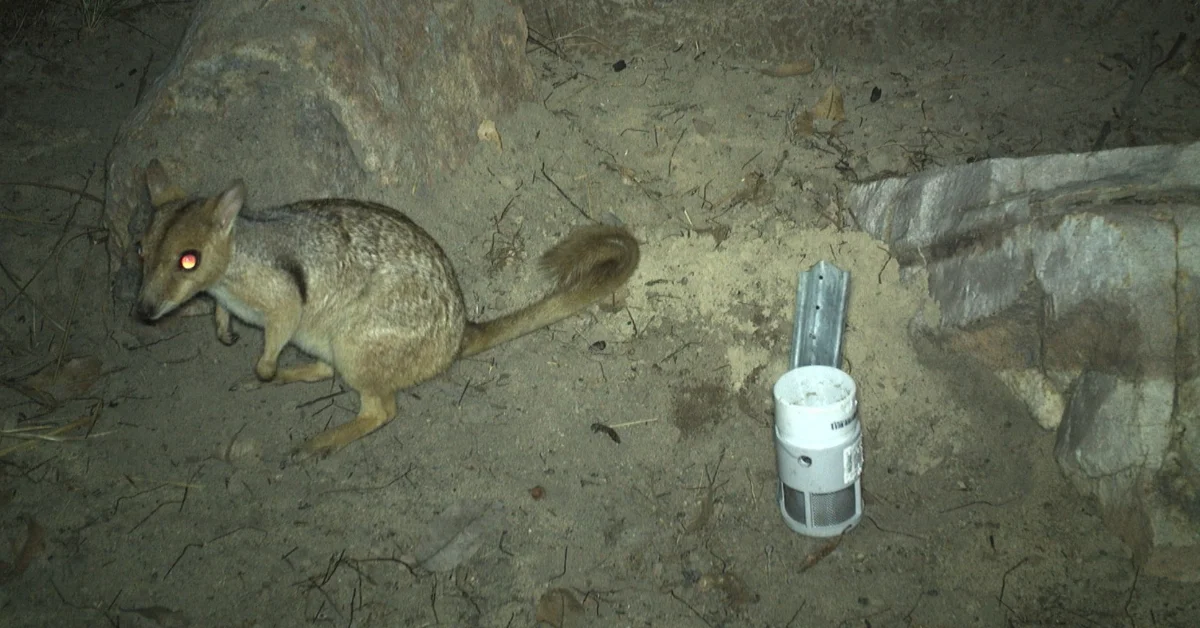
Conservationists say spotting the species is the “ecological equivalent of finding a needle in a haystack.”
70-year-old Craig Berg’s hike through Isle Royale National Park turned into a survival story earlier this month.
A wildlife montage on YouTube is piquing public interest in trail cameras.
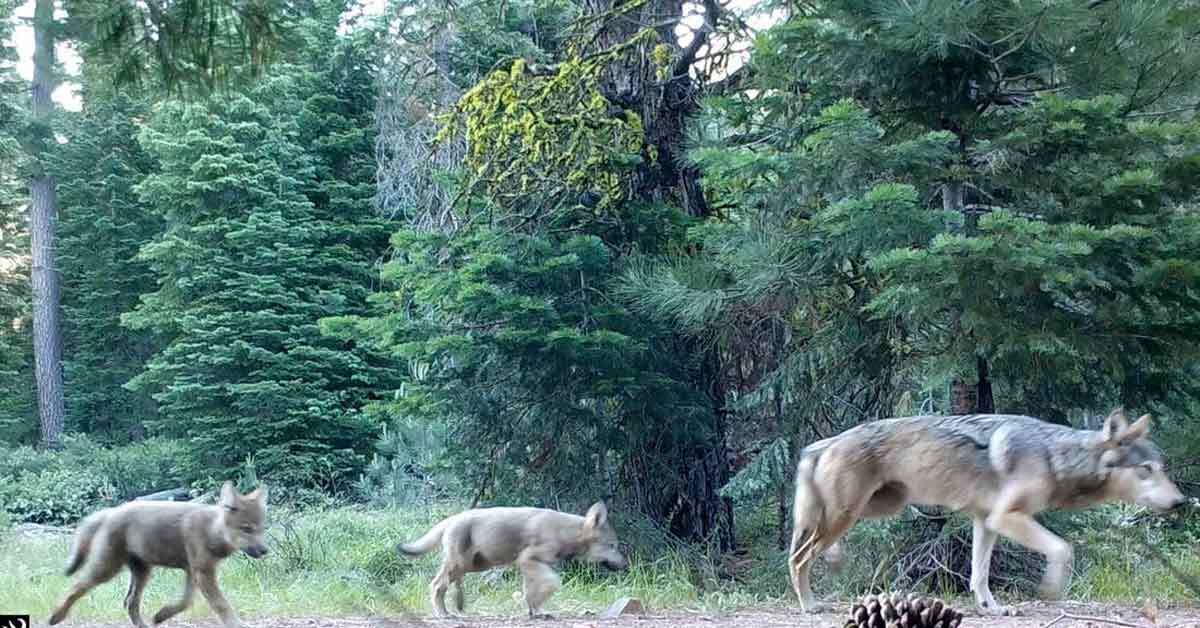
The family is thought to be descended from the local Lassen wolf pack in the neighboring county.
Data revealed in a new study show a steady recovery of tigers in Thailand’s Western Forest Complex over the past two decades. This recovery has been mirrored by a simultaneous increase in the numbers of the tigers’ prey animals, such as sambar deer and types of wild cattle.
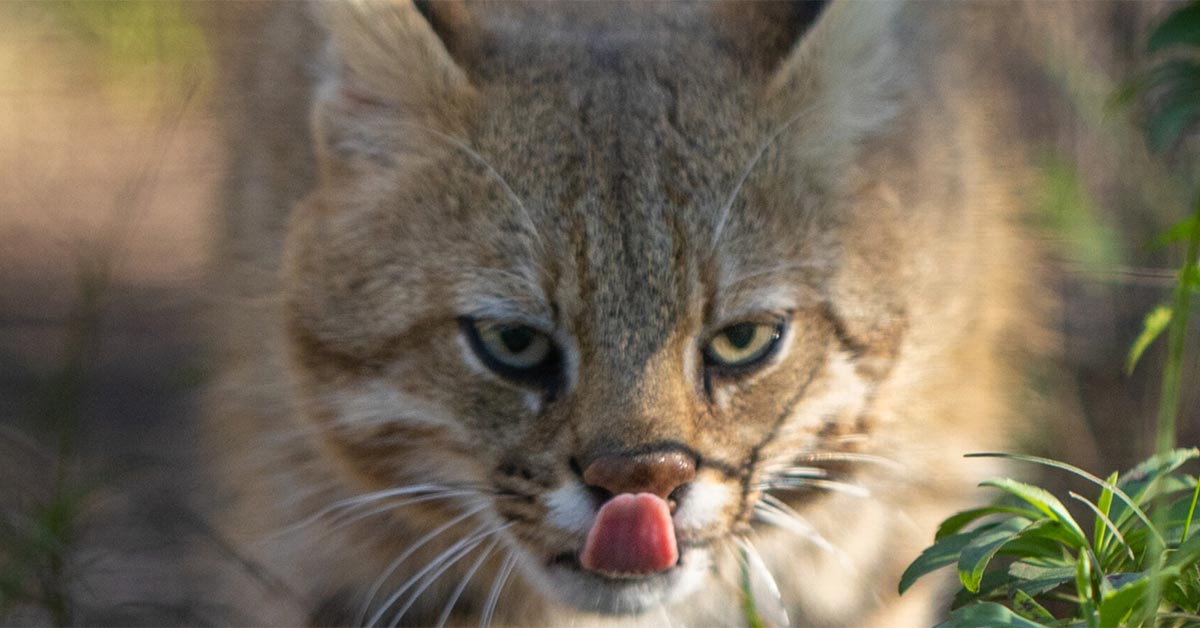
The Pampas grasslands, spanning southern Brazil, Uruguay, and northeastern Argentina, are home to a wildcat so rare that researchers consider it the most endangered of its kind in the Americas, and possibly the world.
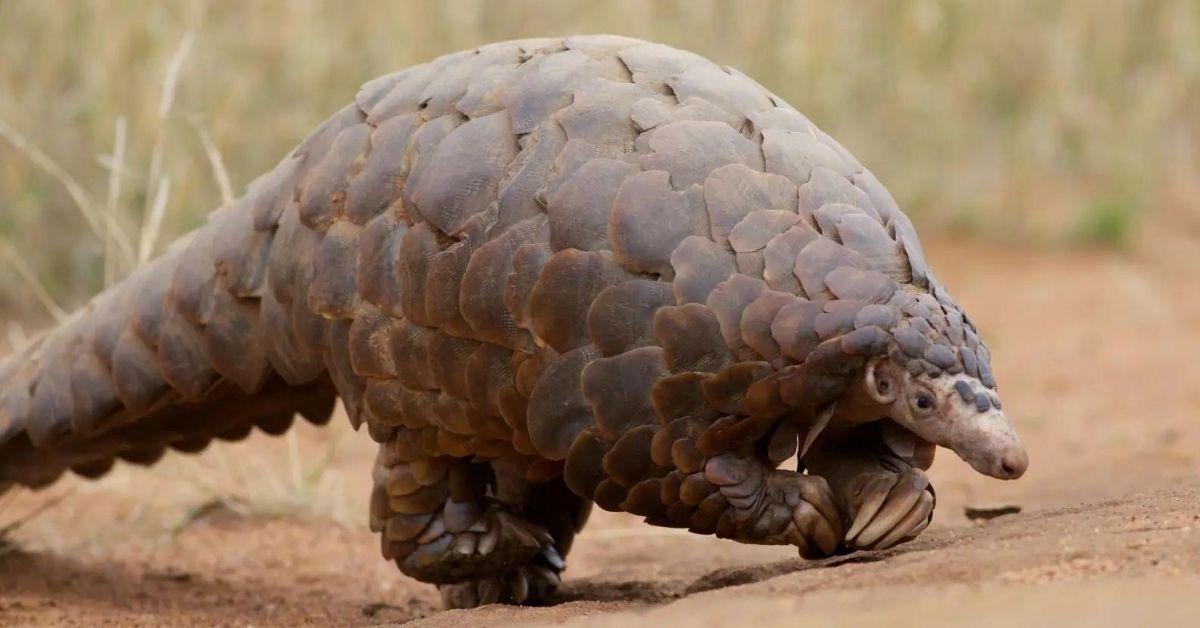
Conservationists thought that this massive, scaly creature was gone altogether in this West African country, until it was spotted on their trail cameras for the first time since 1999.
The discovery has captured the world’s attention — prompting news articles, social media posts, and celebrations by conservationists. Here’s what all the excitement is about...
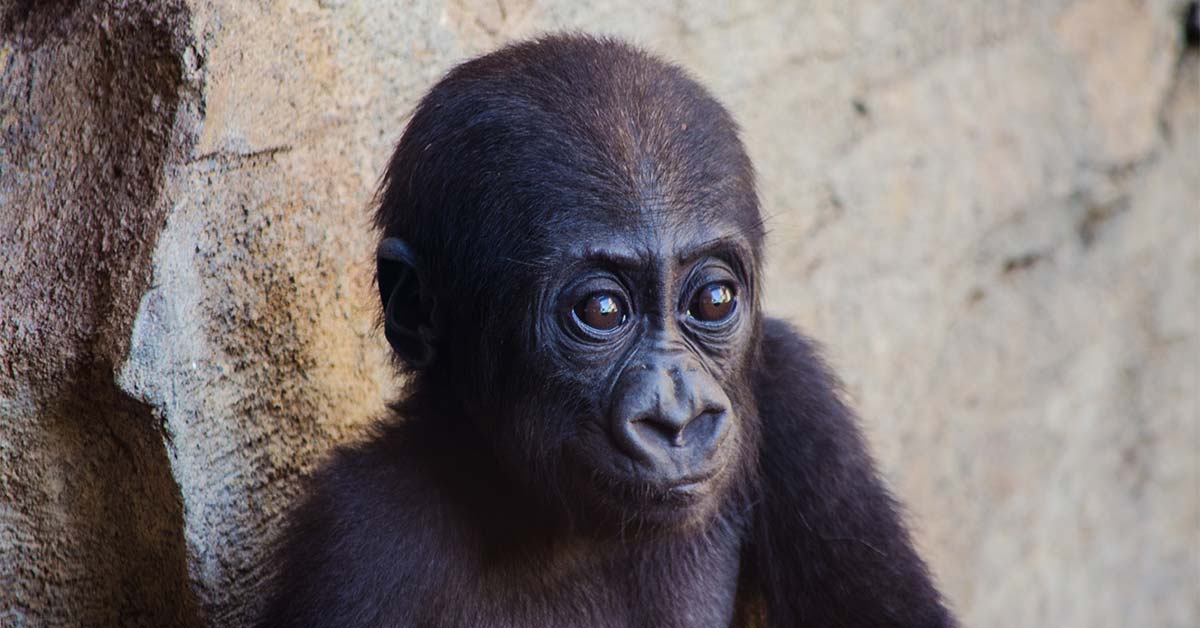
Camera traps in the Tayna Nature Reserve in the Democratic Republic of Congo have recorded two mother-infant pairs of eastern lowland gorillas, confirming the presence of healthy family groups in one of their last strongholds.
Camera trap footage taken between 2013 and 2018 revealed that about 55 endangered Amur tigers (commonly referred to as Siberian tigers) are now living in northeastern China.