Low-income expectant parents in Arkansas should be able to have their doula care covered by Medicaid starting Sept. 1, Elizabeth Pitman, director of the Division of Medical Services for Arkansas Medicaid, told lawmakers Thursday.
The Arkansas Legislative Council on Friday approved the rules for Medicaid’s coverage of doulas, part of a 2025 law requiring the program and private insurance to cover such services for Arkansans. The council’s rules subcommittee gave preliminary approval Thursday.
Doulas provide emotional, physical, educational, and logistical support to parents-to-be and serve as middlemen between them and other medical professionals. The coverage requirement law was aimed at improving the state’s maternal health outcomes.
Madison Jones of Cabot said she’s looking forward to having a doula’s help when she has her second child in December. She could not afford a doula when she had her first child in 2024, and “another voice in the delivery room” would have helped her push back against the medical professionals that didn’t respect her wishes for her birth plan, she said.
“It’s really hard to speak for yourself when you’re in the middle of a huge transition, a painful transition at that, and you can’t really put your focus into both,” Jones said.
There’s one more bureaucratic hurdle to clear before the state can fully implement the policy: enrolling certified community-based doulas in the program, said Annie Hill, who runs the Bright Blessings doula service in Cabot.
Hill said she hopes the state can fast-track enrollment so as many clients as possible can receive care starting Sept. 1 as promised. She also said Medicaid reimbursement will not be financially profitable for her business but will broadly expand her client base.
“I’m incredibly excited that we’re this close to putting it into practice,” Hill said.
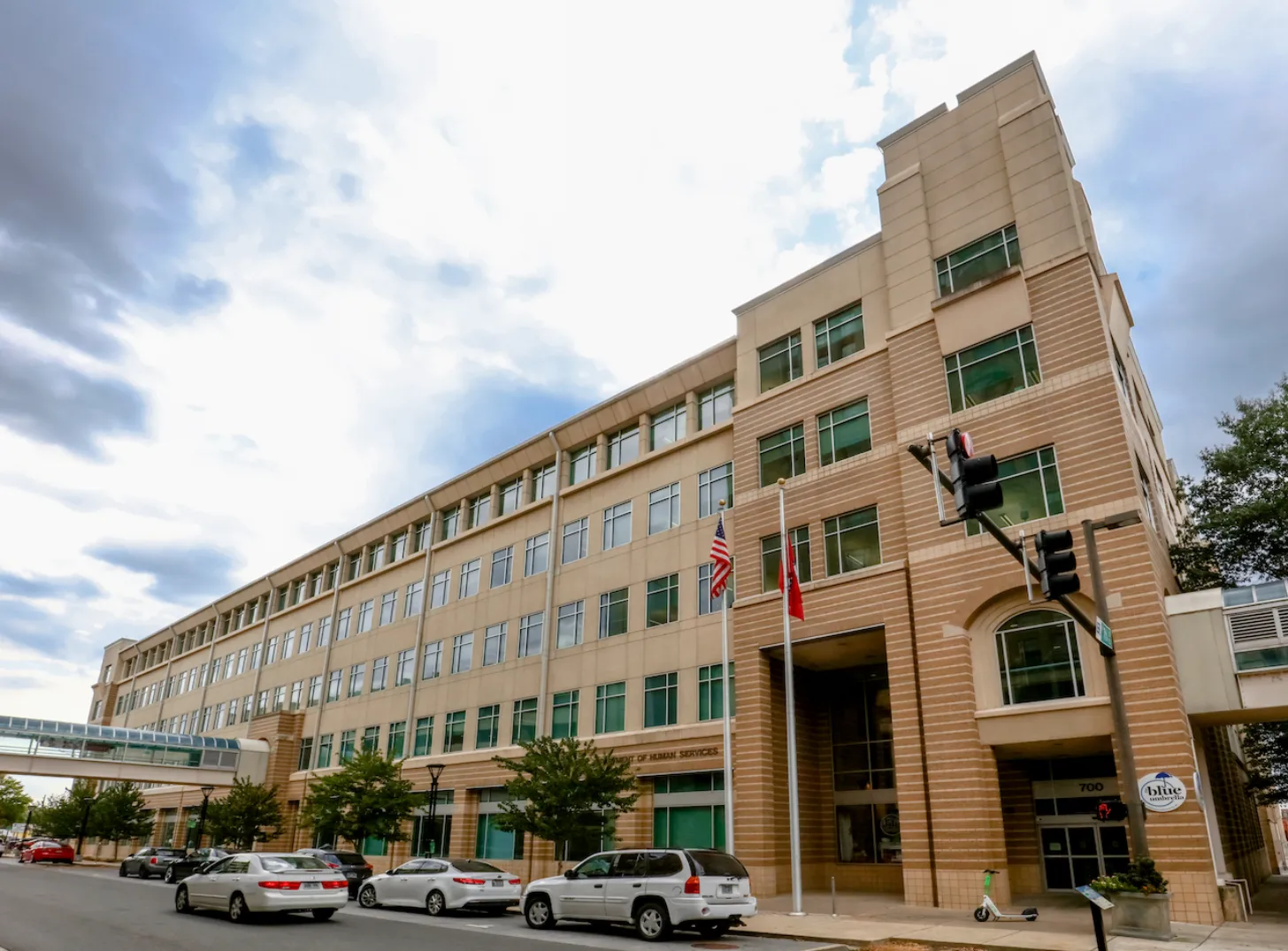
Doulas must be certified with the Arkansas Department of Health before they can enroll with DHS as Medicaid providers, DHS spokesperson Gavin Lesnick said Friday. The agency will reach out to prospective providers via email, and its website will launch a page with Medicaid enrollment information and training materials on Sept. 1, Lesnick said.
“[The Division of Medical Services] is committed to supporting these efforts as expeditiously as possible, and we are typically able to complete this process in 15 days or fewer,” he said.
DHS missed the legally required Dec. 31, 2025 deadline to put forth the Medicaid coverage rules for public comment, drawing frustration from doulas and their clients who hoped Medicaid would cover their 2026 births.
Private insurance companies also were not yet covering doula care in Arkansas at that time, doulas and clients both said.
After DHS made the rules public in February and collected feedback, the U.S. Centers for Medicare and Medicaid Services “engaged in multiple rounds of reviews and questions” before approving the rules in July, Lesnick said.
Insurance coverage for doula care was among the recommendations from a task force Republican Gov. Sarah Huckabee Sanders created in 2024 to improve Arkansas’ maternal healthcare landscape. Arkansas consistently has among the nation’s highest maternal and infant mortality rates.
Additionally, rural Arkansans face increasingly long drives to hospitals that deliver babies. Several labor and delivery units have closed due to financial strain in the past several years, leaving 53 of Arkansas’ 75 counties without delivering hospitals.
A 2022 study from the American College of Obstetricians and Gynecologists found that longer drives to delivering hospitals increase the risk of health problems for mothers and newborns.
Hill is working to spread the word to expectant parents in Cabot that the state is making doula care more affordable. Biliah Muhammad owns an indoor playground and said she’s advertising the policy to low-income parents among her customers.
Muhammad said she was on Medicaid when she gave birth in February and would have appreciated being able to afford Hill’s services.
“That help wasn’t available to me, and now it is, and we can spread the word and help other mamas who can’t afford it [otherwise],” she said.
This article was originally published by the Arkansas Advocate.
Featured Image: Pavel Danilyuk/Pexels