When Congress passed the so-called “big, beautiful” spending bill last year, which was signed into law by President Donald Trump on July 4, 2025, lawmakers approved $46.5 billion for a border wall expansion.
That expansion includes a plan for a 175-mile stretch of 30-foot-tall steel bollard walls along the United States-Mexico border. The wall would be constructed in Texas’s Hudspeth, Jeff Davis, and Presidio counties, and notably in Big Bend National Park and the surrounding Big Bend region.
The plan includes three separate border wall projects — Big Bend 1, 2, and 3 — and federal contracts were awarded to each of them in March, totaling nearly $3 billion in construction costs, with a timeline for completion sometime in 2027.
Two other construction areas are reportedly part of U.S. Customs and Border Protection construction projects.
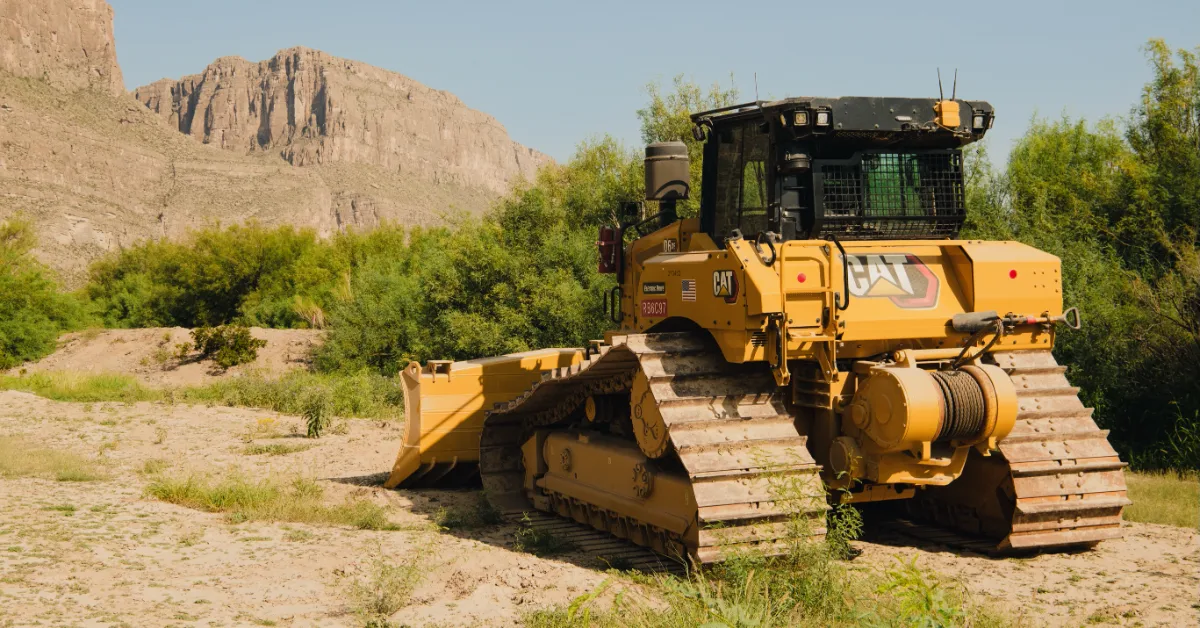
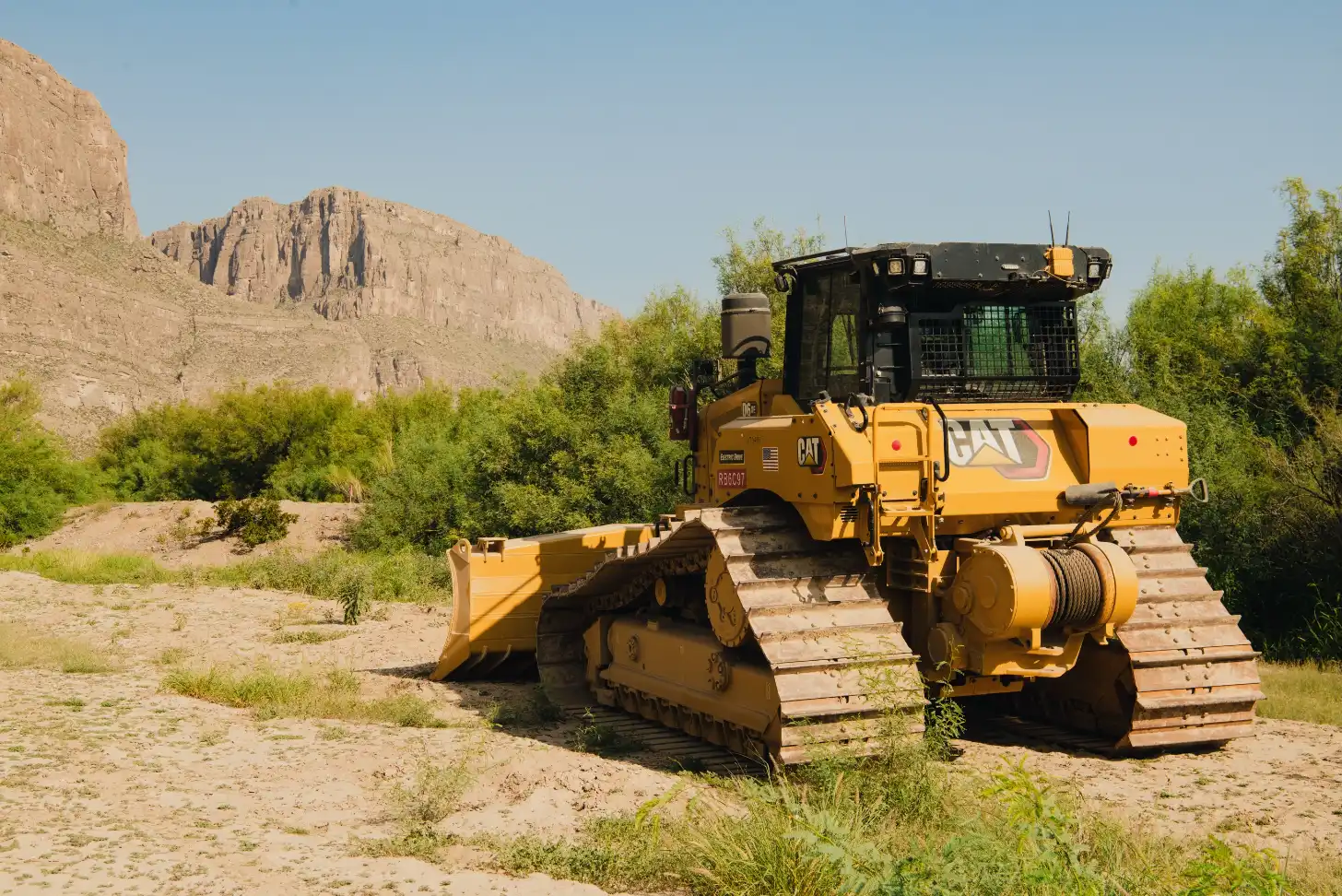
Earlier this month, bulldozers began arriving at the national park, but a groundswell of pressure from local activists seems to have halted the project — for now.
People across the political spectrum have spoken out in opposition to Trump’s border wall plans in Big Bend, including cattle ranchers, environmentalists, sheriffs, Republican senators, and more.
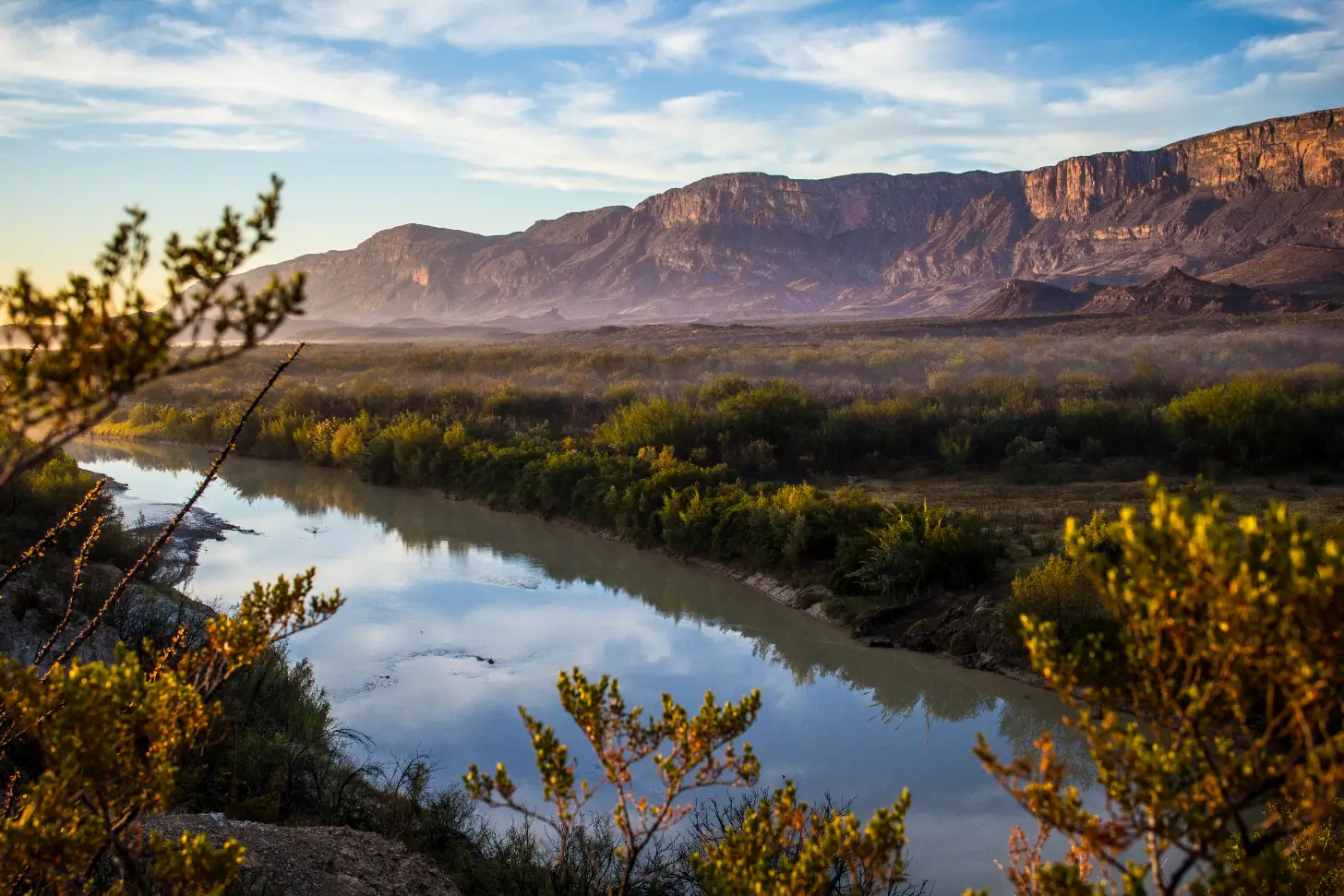
The 801,163-acre expanse of Big Bend National Park is larger than the state of Rhode Island, with more than half a million visitors every year. The park sits along 500+ miles of Texas borderlands, including the Rio Grande, and the larger Big Bend region encompasses 77 Texas counties.
It’s a big area to defend, and people, many associated with the grassroots activism group No Big Bend Wall, have taken on the mantle of protecting the public land and the people most connected to it.
On Monday, August 17, CBP Commissioner Rodney Scott, announced all construction work in the national park was being temporarily suspended.
“Last night I put a pause on all activity in that park as far as construction goes ‘till I can get down there and do a personal evaluation,” he said in a video posted to social media site X.
Activists with No Big Bend Wall are still not backing down.
“Big Bend National Park is one part of a CBP sector stretching more than 500 miles across the Texas borderlands. And across that sector, border infrastructure is still planned,” the group shared in a social media statement this week.
“Communities are still affected. Private landowners are still holding the line. Public and ancestral lands are still at stake. We welcome every acre that has been spared. We celebrate every plan that has changed. But here’s the important part: Plans changed because people fought to change them.”
A local Texas photographer and No Big Bend Wall’s director of strategy, Anna Claire Beasley, spoke with Good Good Good about the group’s activism up to this point — and what they hope to achieve in the coming weeks and months.
Answers have been edited for length and clarity.
Meet the bipartisan group trying to stop Trump’s Big Bend border wall
Good Good Good: What's the latest that's been happening in the Big Bend region with regard to the border wall?
Anna Claire Beasley: No Big Bend Wall formed in February, after the federal government announced plans for 30-foot steel bollard walls and other “Smart Wall” border infrastructure throughout the Big Bend Sector.
One thing that's really important to understand is that when we say "Big Bend," we're not just talking about Big Bend National Park. The Customs and Border Protection Big Bend Sector covers more than 500 miles of the border and includes Big Bend Ranch State Park, Big Bend National Park, Black Gap Wildlife Management Area, Seminole Canyon, Lake Amistad, private ranches, ancestral lands, and communities throughout the region.
The plans have changed dozens of times since February, and that's part of what has made this so confusing for the public. Right now, 30-foot steel bollard walls are still planned for project areas 1 through 3, and vehicle barriers are planned throughout project area 5.
The federal government has recently emphasized that “no wall is planned” for parts of Big Bend National Park, but that framing really misses the larger picture. Those steel bollard walls are still being planned and constructed throughout the broader Big Bend Sector.
Our response to Commissioner Scott also highlights some of our key concerns and questions about the proposed infrastructure specific to the national park, including patrol roads, technology, vehicle barriers, and more. That’s not to mention the local resources, including limited water, that this construction would drain from the area.
Aside from the lack of transparency and concerns about their plans, we also believe the scale of these projects simply isn't supported by what's actually happening here.
The Big Bend Sector represents roughly 26% of the entire southern border, while accounting for less than 2% of apprehensions, and apprehensions here fell dramatically last year.
We're talking about billions of taxpayer dollars being spent on infrastructure that, in some places, is being proposed on top of cliffs and terrain where vehicles physically cannot cross. That’s why we've continued to say: This isn't opposition to border security. It’s opposition to wasteful, destructive infrastructure that isn't grounded in the realities of this region.
Good Good Good: How is No Big Bend Wall opposing these efforts from the federal government?
Anna Claire Beasley: We’ve been working every lever available to us — locally, statewide, and federally.
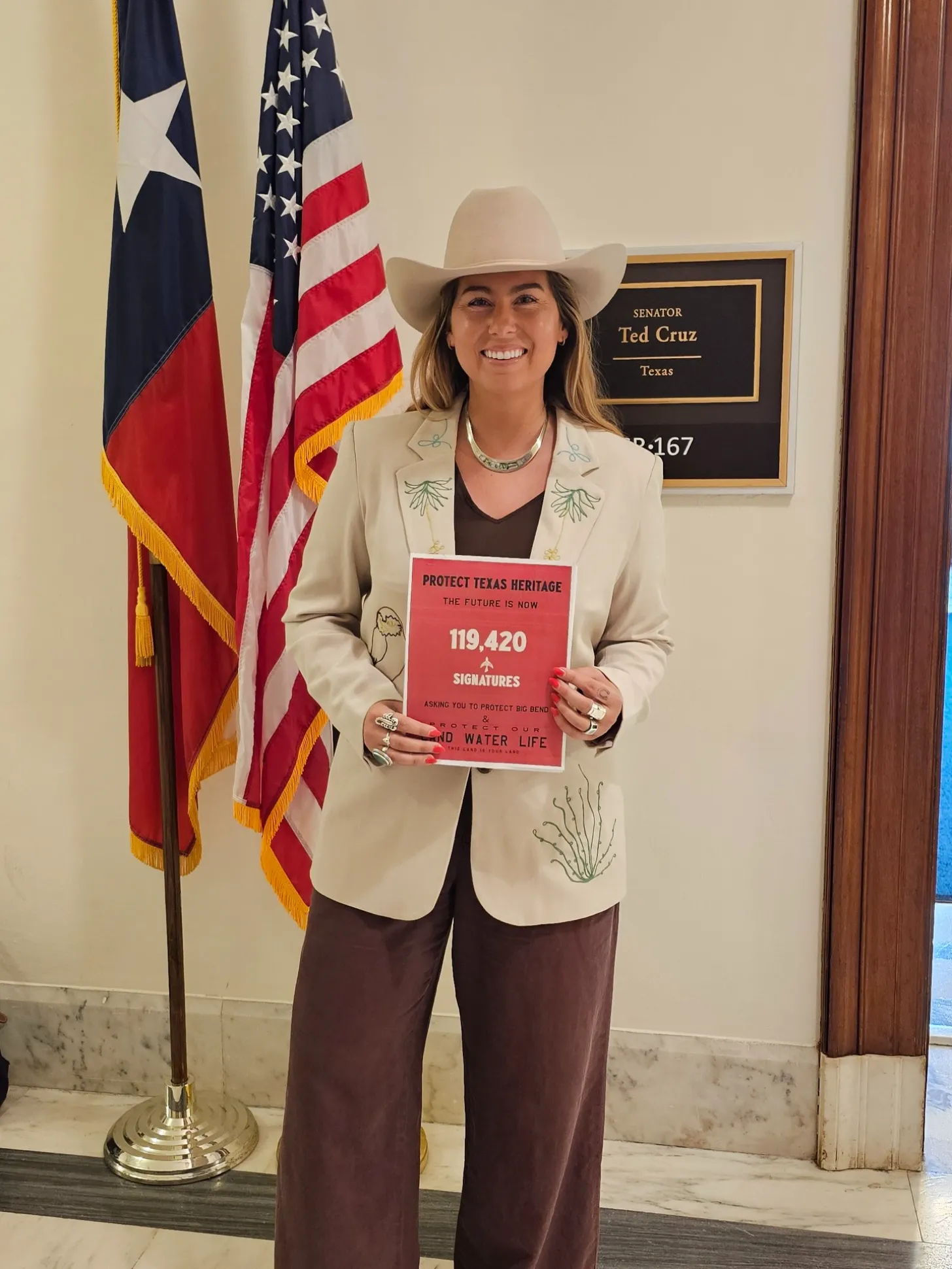
That includes supporting legal efforts, working directly with private landowners who are being approached about access to their property, tracking county regulations and permitting requirements, engaging elected officials, building relationships with other organizations, and sharing information and strategy across hundreds of miles of borderland.
We've also been working to make sure the people who actually live here have a seat at the table.
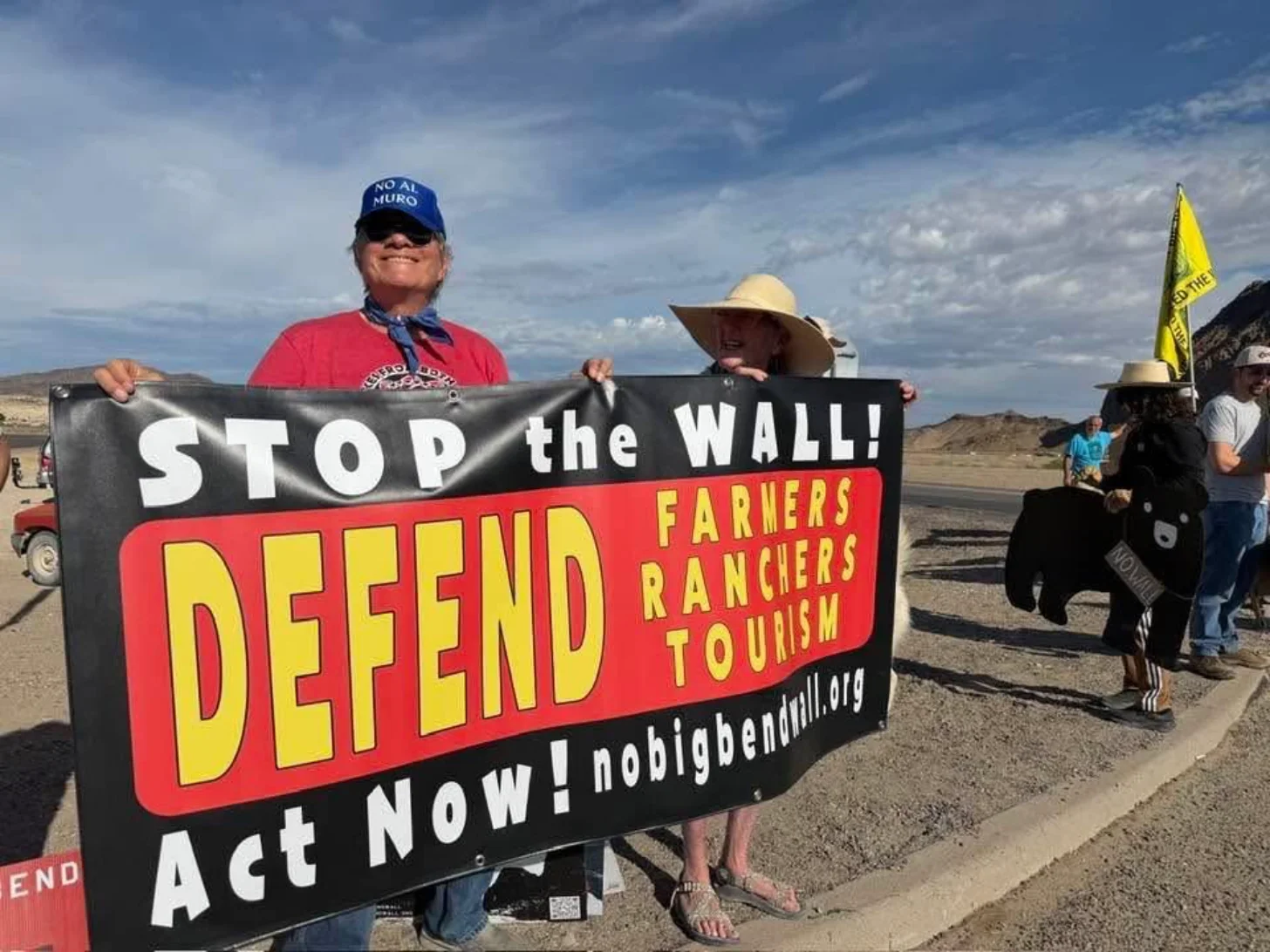
We've brought together landowners, county officials, business owners, conservationists, Indigenous voices, and other local stakeholders because decisions this consequential shouldn't be made thousands of miles away without meaningful consultation with the communities they affect.
And increasingly, we're not just saying "no." We're working to articulate what smarter border security could actually look like in a place like Big Bend — solutions that are precise, fiscally responsible, technologically modern, and informed by the people who understand this landscape.
Public advocacy is certainly part of our work — letters, petitions, media, social media, public comments — but there is a tremendous amount happening behind the scenes as well.
Our goal is to use every peaceful, lawful avenue available to protect this region.
Good Good Good: What progress have you seen so far that's giving you hope?
Anna Claire Beasley: One of the things giving us the most hope is that the plans have changed. They have changed repeatedly since February, and we don't think that happens in a vacuum.
It shows us that public pressure, local opposition, scrutiny, and organizing matter.
We're also seeing an incredibly diverse coalition emerge around this issue. People who may disagree on plenty of other things are finding common ground around protecting private property, preventing government waste, preserving public lands, and making sure border security decisions actually make sense for the communities along the border.
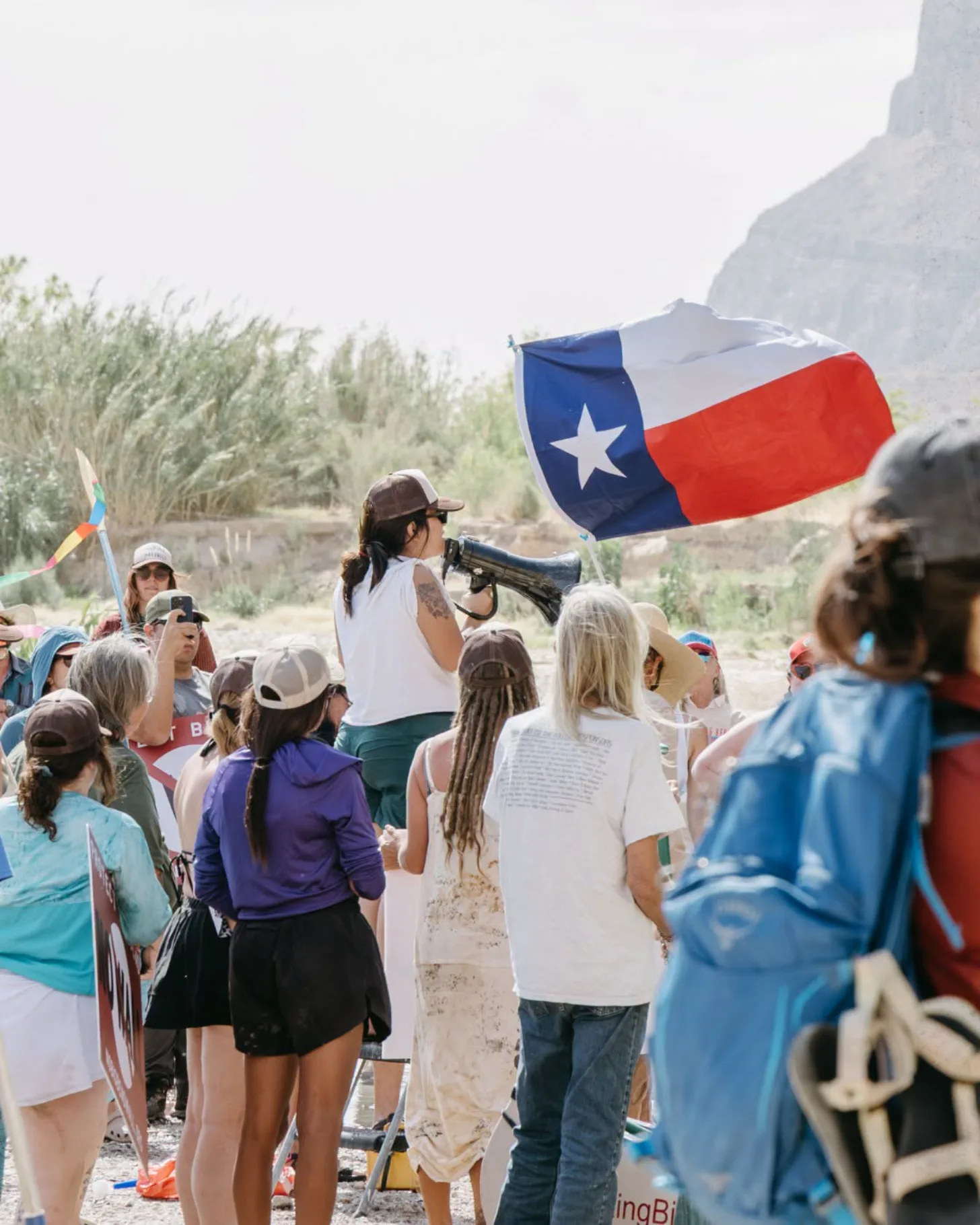
Especially in the last two weeks, we are seeing that this issue has become a national one.
What began as a very local fight has grown into a much larger conversation about Big Bend, how taxpayer dollars are being spent, and whether a one-size-fits-all approach to border security makes sense — with some Republican representatives believing that this issue could affect how people vote in November.
There's still a tremendous amount of work ahead of us, and construction moving forward in parts of the region is heartbreaking.
But we've seen enough movement to know that speaking up matters. The plans are not immutable, and we're going to keep pushing.
Good Good Good: How can those who want to support your efforts to stop a border wall in the region contribute?
Anna Claire Beasley: The biggest thing right now is to help us tell the full story.
There's a lot of messaging focused specifically on whether a 30-foot wall is being built inside Big Bend National Park. But Big Bend National Park is only one piece of a more than 500-mile sector.
We need people to understand that 30-foot steel bollard walls are still planned elsewhere in the sector, vehicle barriers are still planned, and private, public, and ancestral lands throughout the region remain affected.
Follow @nobigbendwall on Instagram, share our updates, sign up for our newsletter, and help us get accurate information outside of the region.
We also need people to contact their elected officials — wherever they live — and ask questions about how these billions of taxpayer dollars are being spent.
Ask why infrastructure is being proposed in one of the lowest-crossing sectors of the southern border. Ask whether local officials and landowners were meaningfully consulted. Ask whether these projects actually reflect the terrain and security needs of the region.
And, of course, donations make a huge difference. We’re a locally-driven organization taking on an enormous federal project, and those resources allow us to support legal work, communications, research, organizing, and the people doing this work on the ground.
You don't have to live in Big Bend to have a stake in what happens here. These are public lands, taxpayer dollars, private property rights, cultural landscapes, and part of our shared national heritage.
We need people everywhere to help us protect them.
You may also like: Following budget cuts and layoffs, national park rangers host a bake sale to take on $1.2 billion deficit
Featured Image: Natalie Newman/@nobigbendwall/Instagram