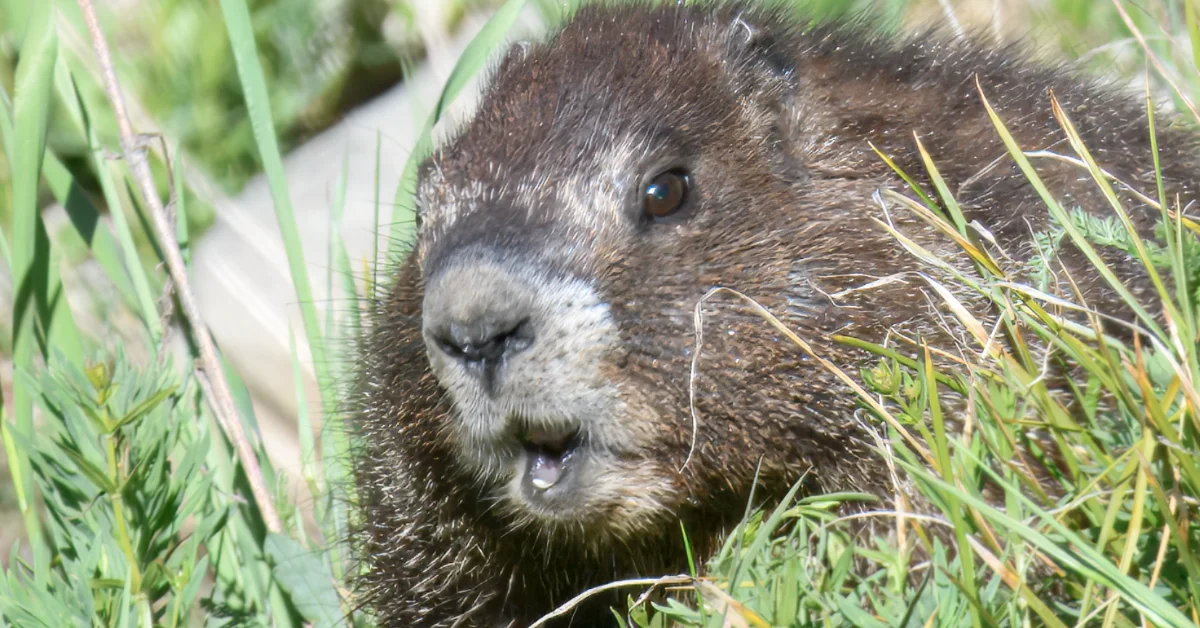
In the abandoned mining town of Gothic, Colorado, scientists at the Rocky Mountain Biological Laboratory are helming the world’s longest-running studies of free-living mammals — second only to Jane Goodall’s research on chimpanzees.
Their subject? Yellow-bellied marmots.
Since 1962, the RMBL has been tracking generations of marmots. The research has been vital to the global science community, with thousands of data points on animal communication, relationships, and adaptations to climate change.
Daniel Blumstein, a University of California, Los Angeles ecology and evolutionary biology professor who has led the program for years, said the study was largely funded by the National Science Foundation over the past decade.
Then the funding stopped. After three attempts to secure funding through the NSF, Blumstein realized that they had hit a wall with their biggest donor.
His lab is far from the first, or last, casualty in recent cuts to science-backed studies. So far, the Trump administration has cut more than $700 million in NSF grants in its second term.
So the team at RMBL decided to turn to more creative means.
Emily Renkey, a first-year master’s student in Blumstein’s lab, is credited with their first “viral” fundraising endeavor: a G-rated OnlyFans account called “OnlyMarms.”
“Sometimes I’m just posting the videos I think will get the most ‘aws,’” told SFGate. “But my favorite is when I find footage of a particular behavior, and I can use that to educate people.”
The second campaign is “Fat Marmot Week,” a nod to “Fat Bear Week,” an online tournament that celebrates brown bears of Alaska's Katmai National Park and Preserve as they pack on pounds ahead of winter.
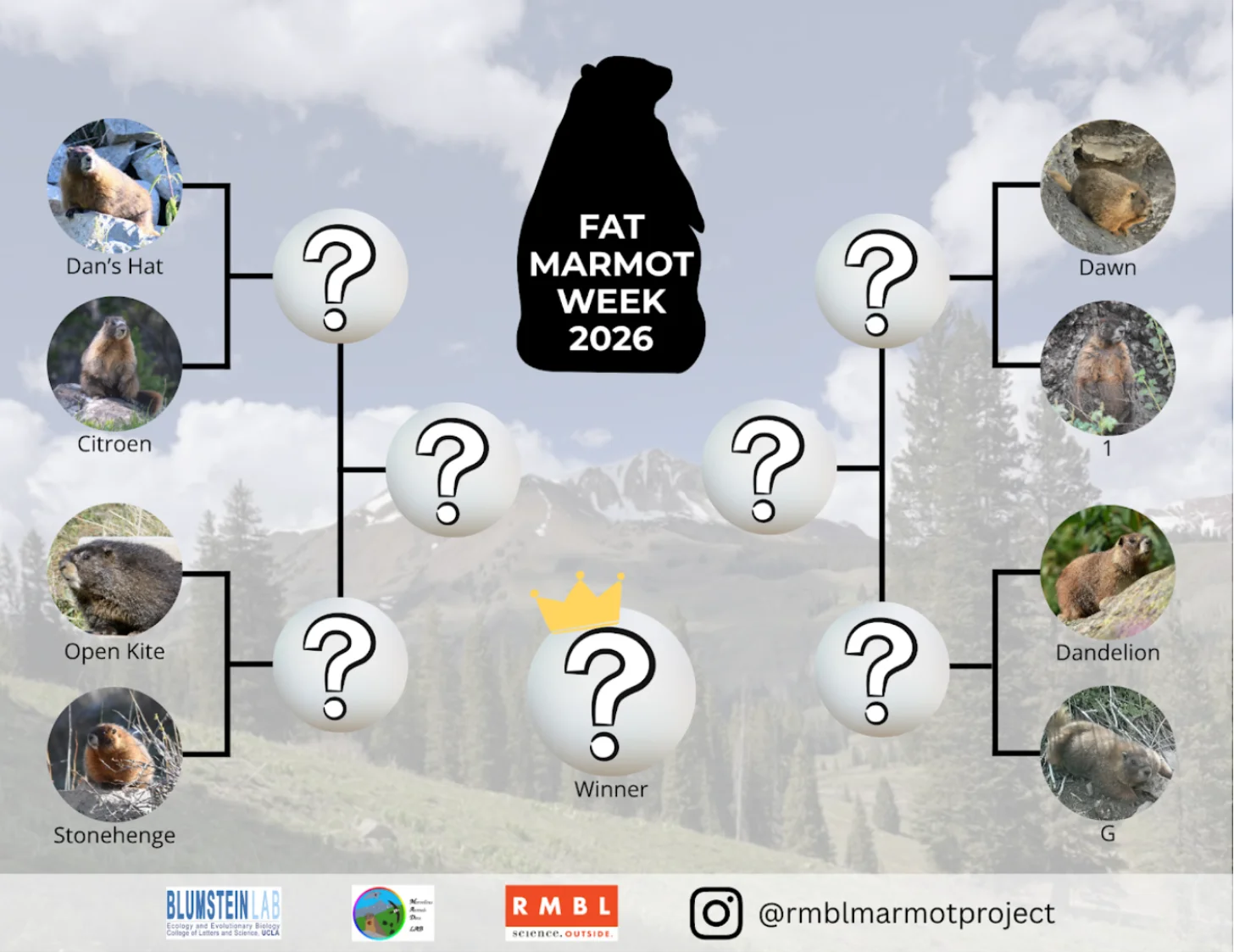
“The largest of the true hibernators, marmots bulk up all summer to survive the winter,” the researchers wrote on the official Fat Marmot Week website.
“Fat Marmot Week is an opportunity to get folks excited about yellow-bellied marmots, one of our favorite alpine residents, and to share the science behind their weight gain.”
To track marmots for their research, scientists at RMBL use non-toxic fur dye to paint distinct shapes on their backs and give them small, numbered metal ear tags, or “earrings,” allowing researchers to identify each animal and better monitor their behaviors.
Those distinct shapes often inspire their unusual names, like “Dan’s Hat,” “Open Kite,” and “Paper Plane.”
Voting will be open from 9 a.m. to 9 p.m. EST on August 24, August 26, and August 28. The marmot with the largest “estimated weight” will be announced on August 29, and the winner of the popular vote will be announced on August 30.
Meet the contenders of Fat Marmot Week
Dan’s Hat
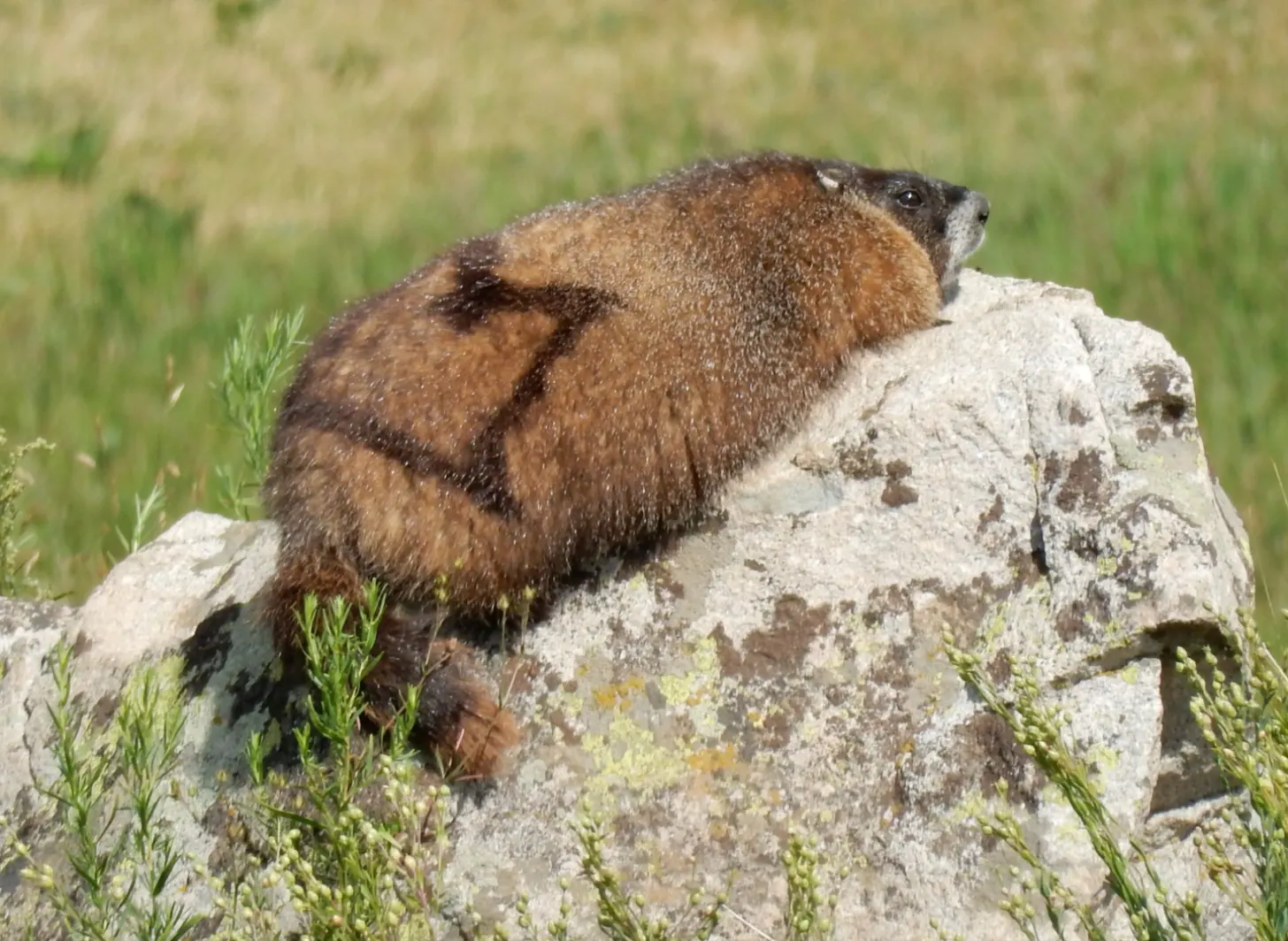
Researchers describe Dan’s Hat as the “cool aunt who’s part of Stonehenge’s matriline.” Matrilines are groups that form when adult females let their daughters stay in their social group instead of sending them off on their own.
“She didn’t breed this year and was hoping to be an aunt until a badger ate all of her nieces and nephews,” the team of researchers observed.
Citroen
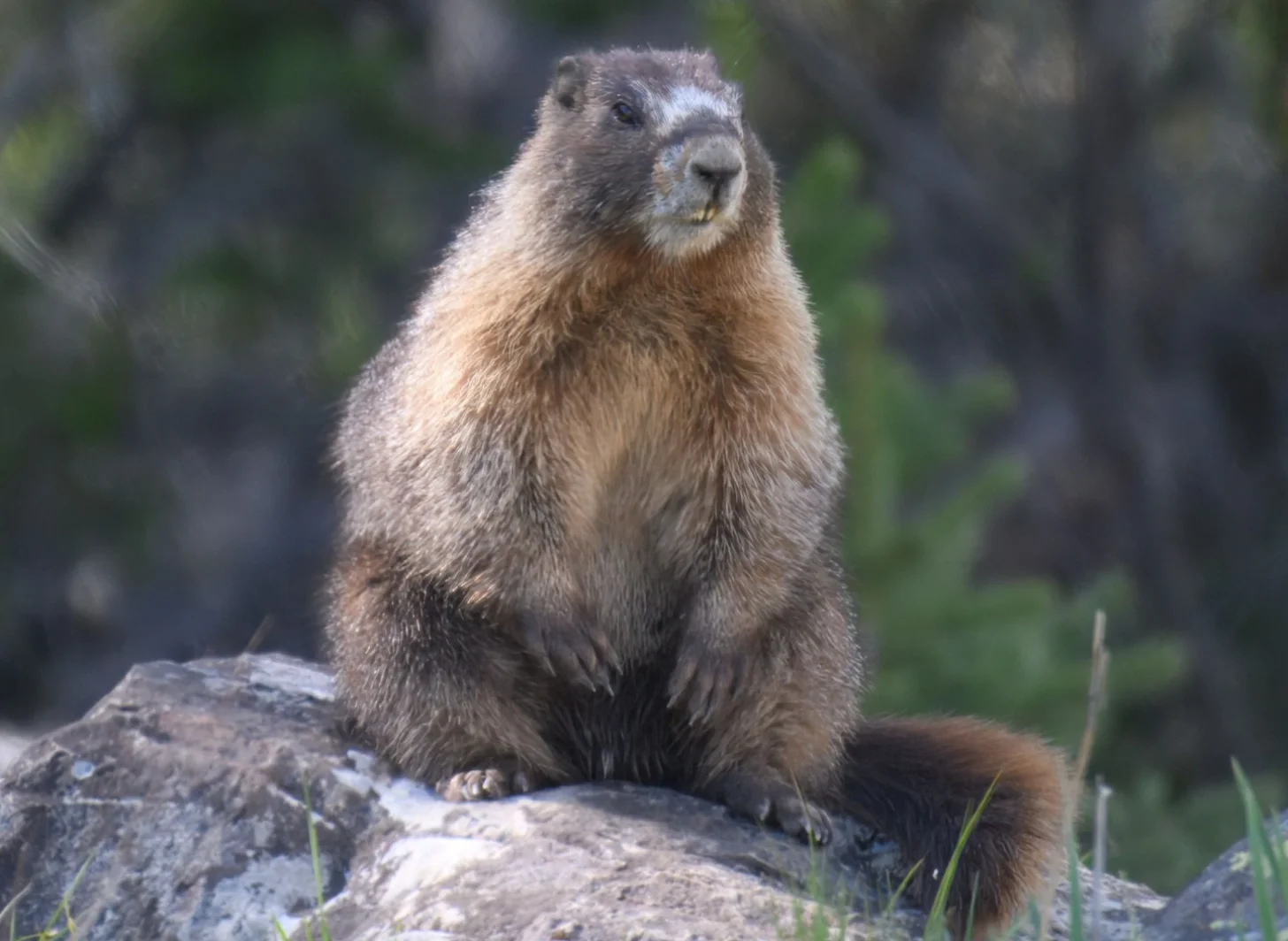
Citroen is a recent addition to the “marmot manor,” having first appeared in late May.
“As Open Kite’s new man, Citroen has taken his role as stepdad to last year's pups very seriously,” the researchers wrote. “We are excited to see just how chunky this boy can get!”
Open Kite
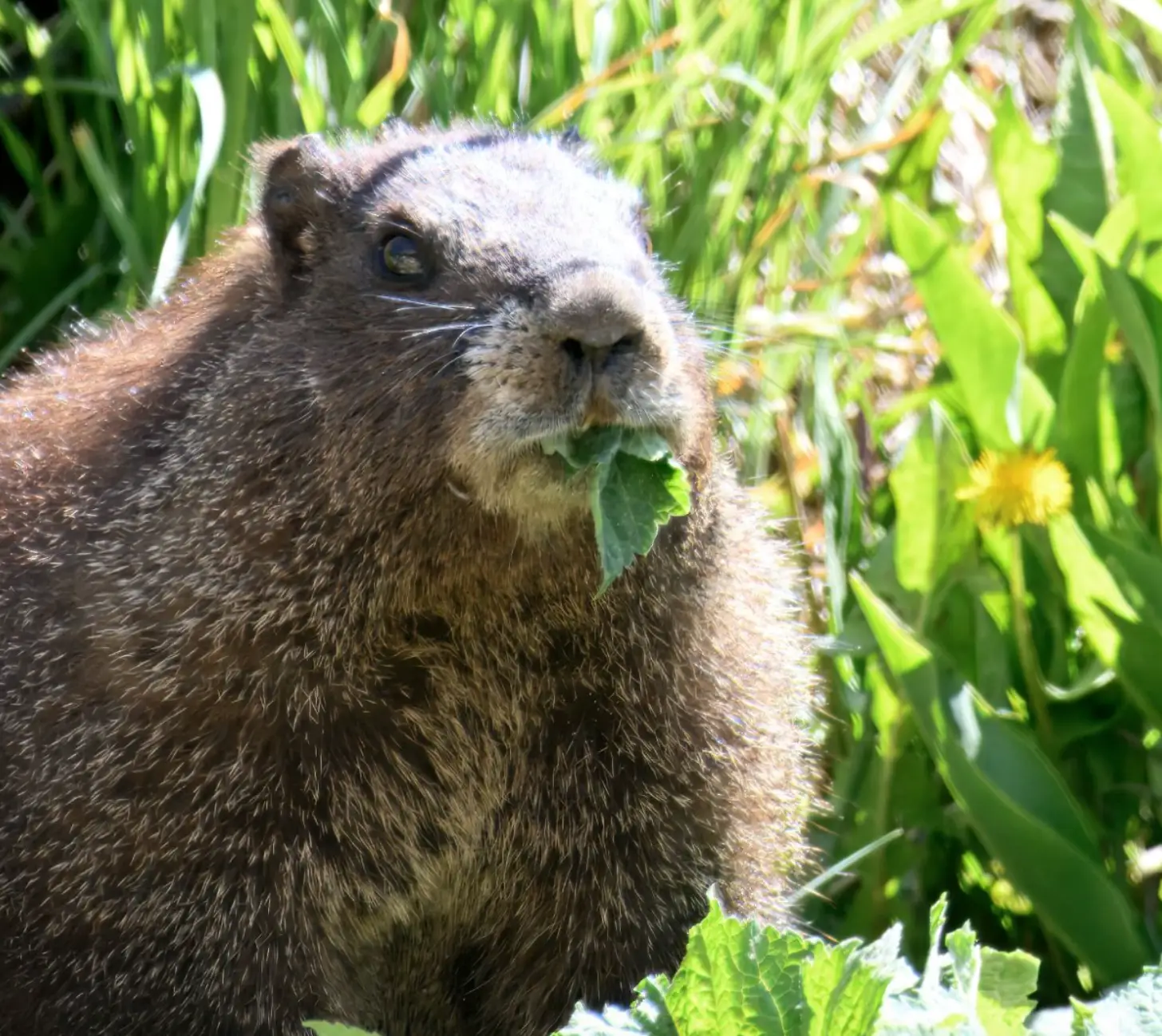
Open Kite is described as a “girl boss who runs the RMBL townsite!”
“With no male to mate with, she was able to allocate all of her energy to self-maintenance,” the researchers wrote on their website. “While we’re proud of her mass gain, she’s declined to weigh in for our contest this year! We’ll keep trying.”
Dawn
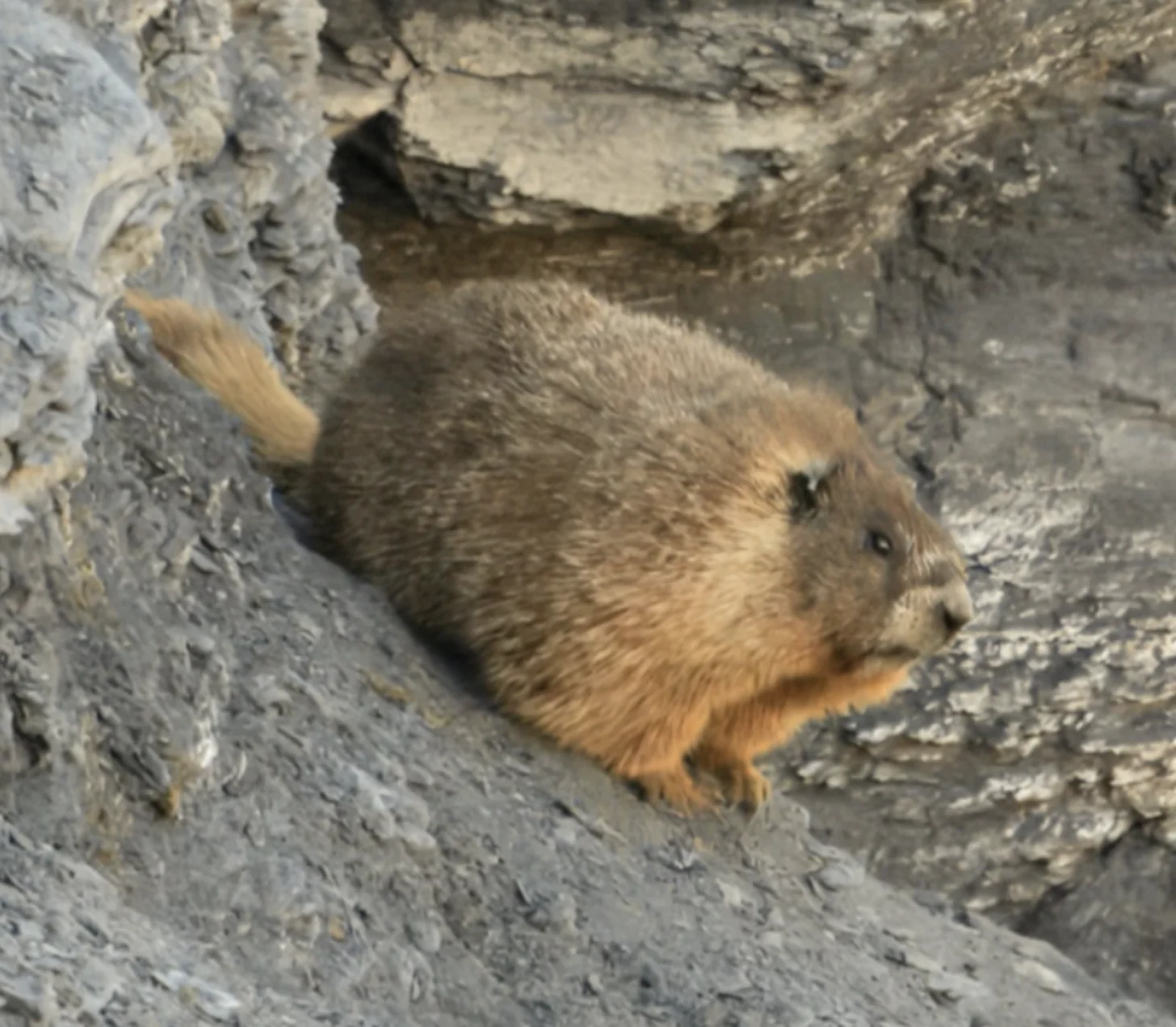
Dawn is a dependable father — despite his unusual hobby.
“Dawn is a very special boy who enjoys the taste of rocks,” RMBL researchers wrote. “He is a father to many of the litters over the past 5 years and watches carefully over his pups while they play. His first order of business every year is to travel across his territory and check in on his ladies.”
Stonehenge
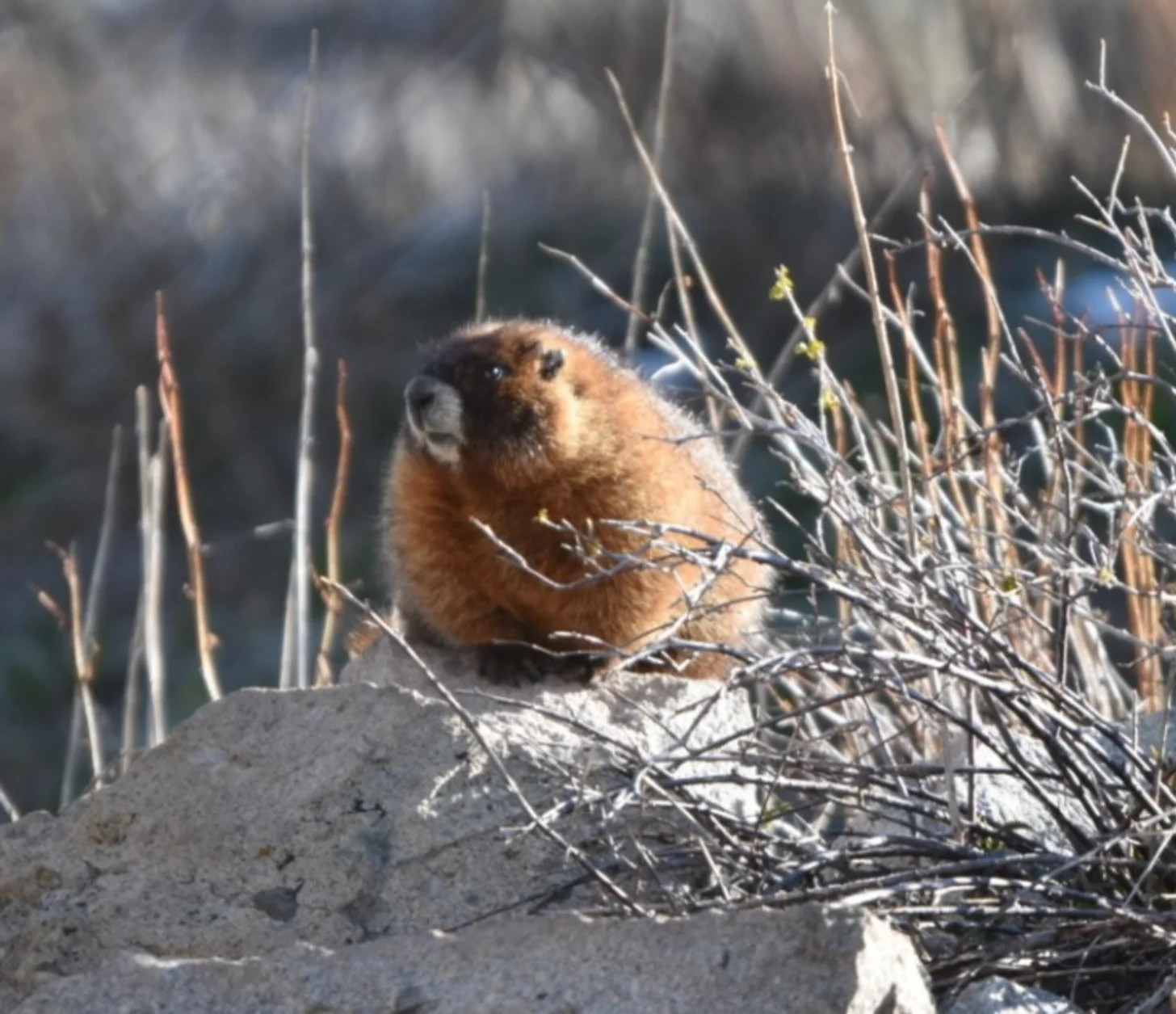
Stonehenge lives on the “marmot equivalent of a castle” — a stone wall within their habitat. She is also a “big mama” and “queen of the Bench colony matriline.”
“She reproduced this year only to lose her litter to a hungry badger,” the researchers wrote. “Never phased, she’s been focusing on self-care since then and is gaining mass nicely!”
1
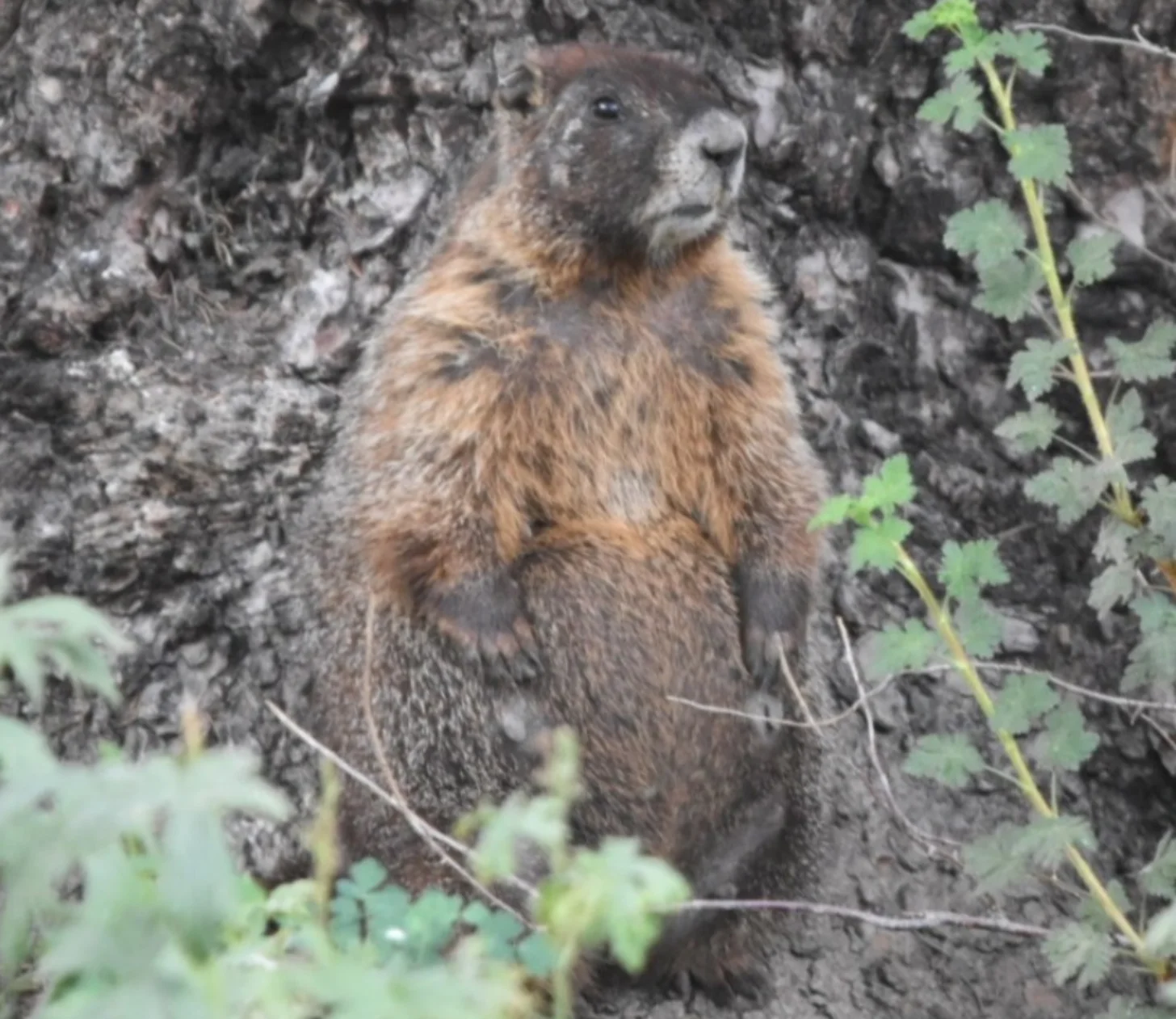
Simply named after the number one, this marmot is described as “one proud mama!”
“She is extremely watchful of her babies,” researchers observed. “When not on the lookout, 1 enjoys landscaping and decorating her burrow, which she shares with another mother, 2.”
Dandelion
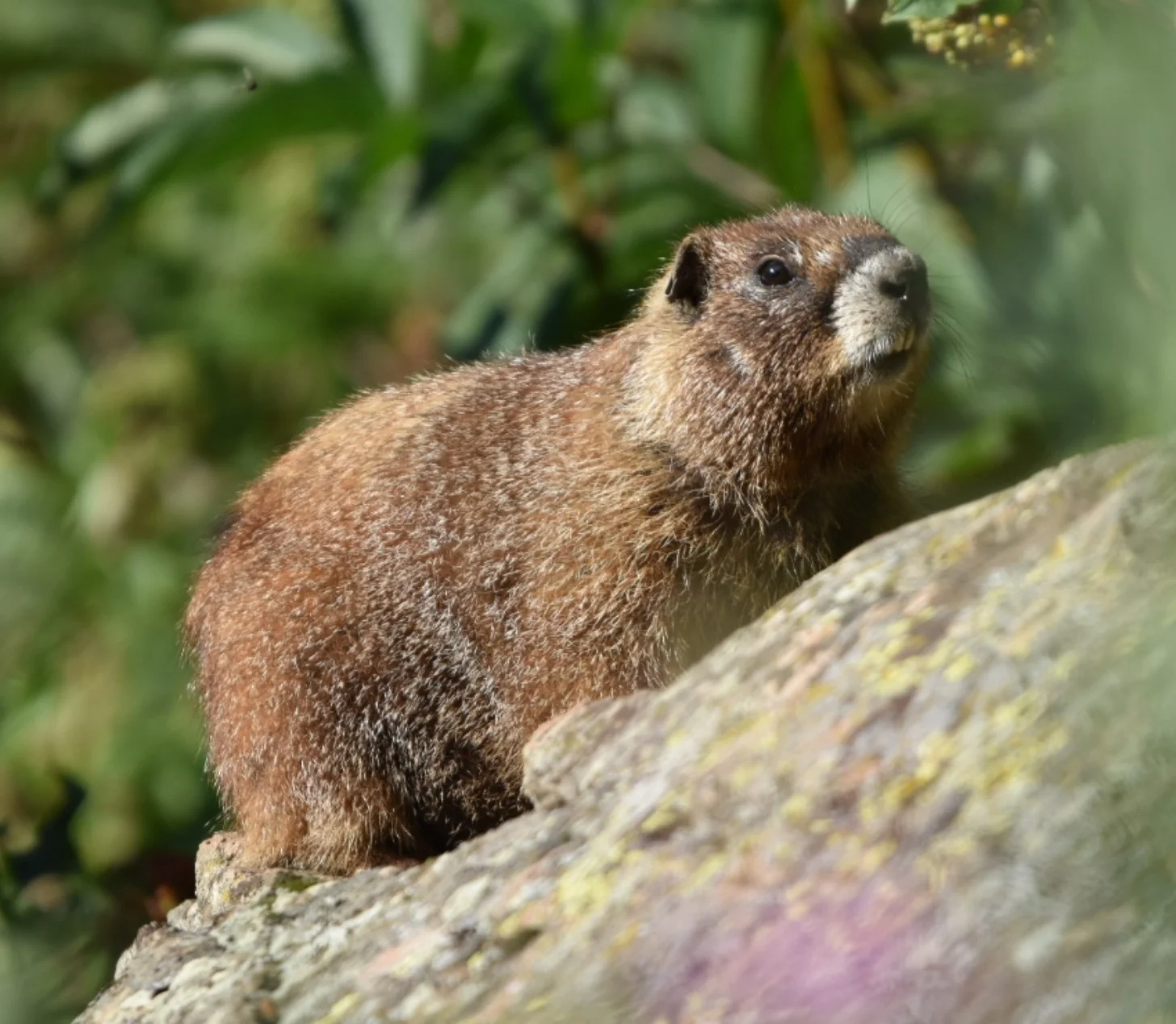
Dandelion is a bit more introverted than the other marmots.
“She is a shy queen and young mother with six pups!” The researchers wrote. “Dandelion can often be found soaking up some sun on her favorite rock. She shares her burrow with her sister, Paper Plane, but will sometimes kick her out when she needs more space.”
G
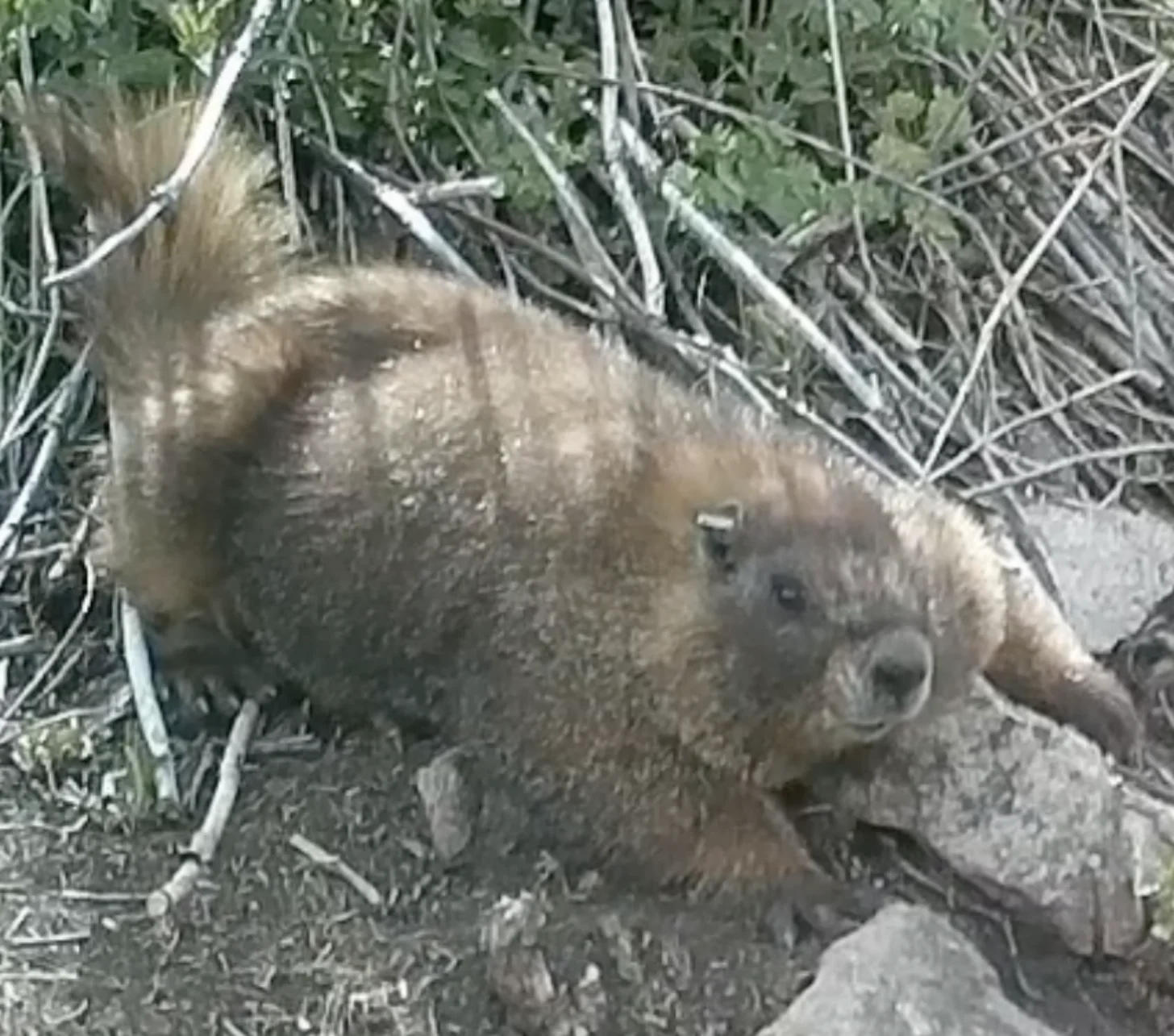
G, short for Goblin, is “one loud and proud marmot.”
“He has a need for speed and no time for walking,” RMBL reported. “He runs from burrow to burrow at his colony, but that doesn’t seem to stop him from packing on the pounds. You better not mess with his ladies — he is not afraid of a fight and will defend them without hesitation.”
Ready to vote? Head to the Fat Marmot Week official website.
You may also like: California condors are critically endangered and hard to spot in the wild. Two just photobombed a trail camera
Featured Image: Rocky Mountain Biological Laboratory