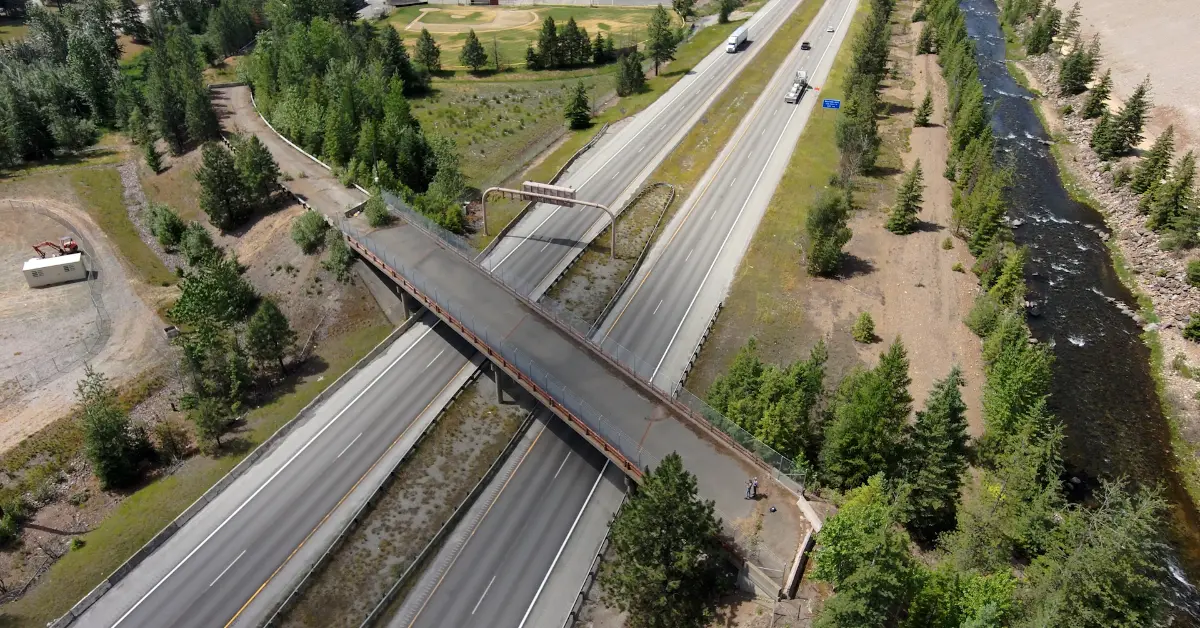
In 1969, the city of Osburn, Idaho built a bridge over Interstate-90 and the South Fork of the Coeur d’Alene River in anticipation of the city’s growth. But soon after, a mining company bought up a large parcel of land and blocked residential expansion.
The company demolished half of the bridge, and what was left was essentially a “bridge to nowhere,” according to High Country News.
It was something long-haul trucker and Osburn resident Carl Wilson saw potential in, however.
As an avid outdoorsman spending his days on the road, Wilson took notice of the sheer amount of roadkill on highways and started to wonder: Could the unused bridge be repurposed into a wildlife crossing?
“Carl was concerned about the elk herd that crossed I-90 near the overpass and regularly got hit on the freeway. He rallied neighbors, local businesses, and state partners to bring the vision forward,” Idaho’s Department of Game and Fish wrote about Wilson.
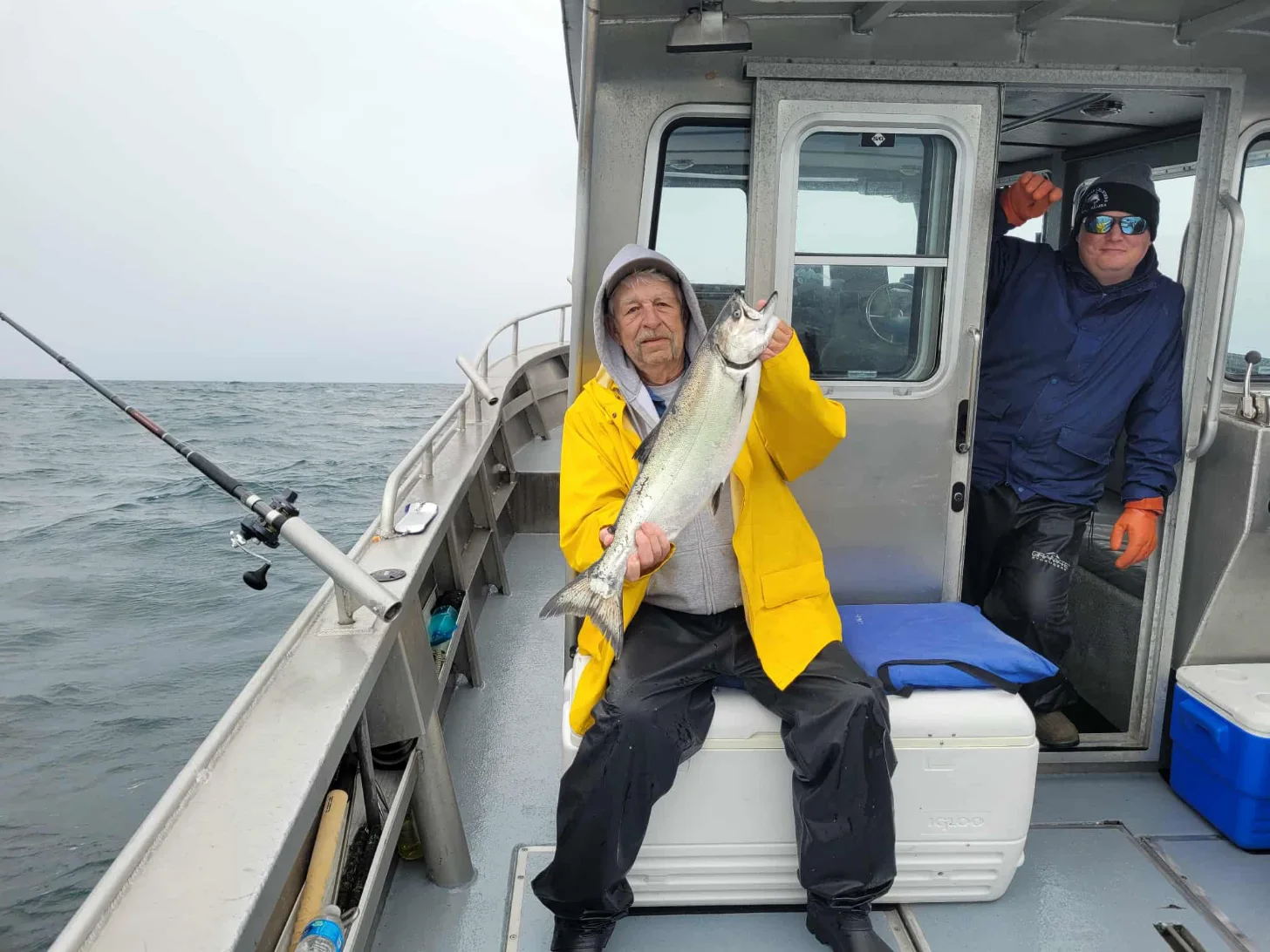
It took about a decade to turn his question into a reality — and Wilson didn’t live to see it come to fruition.
Finally, in 2021, the state began working alongside Osburn residents to secure grants and install wildlife infrastructure. The design also incorporated nearby I-90 bridges along the Coeur d’Alene River to create an underpass, as well.
But by the time Wilson died in December of 2022, it still wasn’t complete. However, he had the foresight to pass the torch to someone else: Kirsten Voorhees, a fourth-generation Silver Valley resident and civil engineer.
“He had no problem hustling,” Voorhees told High Country News. “He never gave up.” But, as she added, “One person can’t do it all himself.”
Just a year before his passing, Voorhees got involved with the effort. She had a personal connection with wildlife-vehicle collisions, too. When she was 16, she hit a whitetail deer on the freeway while driving alone late at night. She was told she was lucky to be alive.
When Wilson was worried he might not live to see the project’s completion, he made Voorhees promise she’d continue the fight.
“I told him, ‘You have my word,’” Voorhees said. “Whatever it takes. It became a blood oath.”
And she kept her promise.
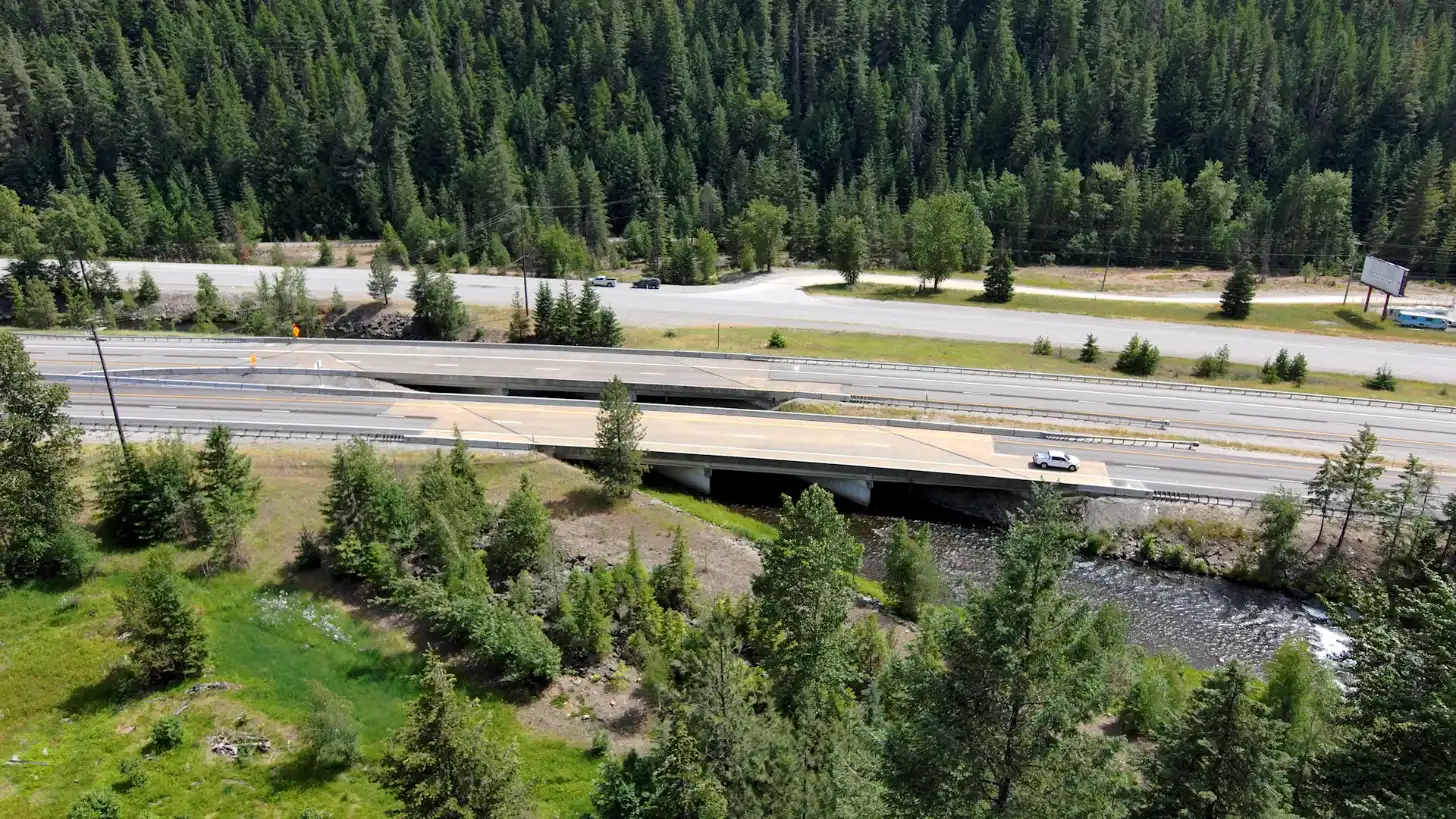
With the support of grants from the Rocky Mountain Elk Foundation (of which Wilson was a longtime supporter), National Fish and Wildlife Foundation, and the Yellowstone to Yukon Conservation Initiative, the $645,000 project found its final funders.
Fencing and bridge retrofits were completed in August 2025, and in the year since, camera traps have captured deer and elk using the crossing with ease.
“Before funnel fencing led them to the overpass, these animals crossed Interstate 90, endangering motorists and themselves,” the state’s Fish and Game department shared on Facebook in March of this year.
“They now enjoy a safe alternative. Fish and Game, along with project partners, is excited to see the overpass being used and expects use will only increase in the future.”
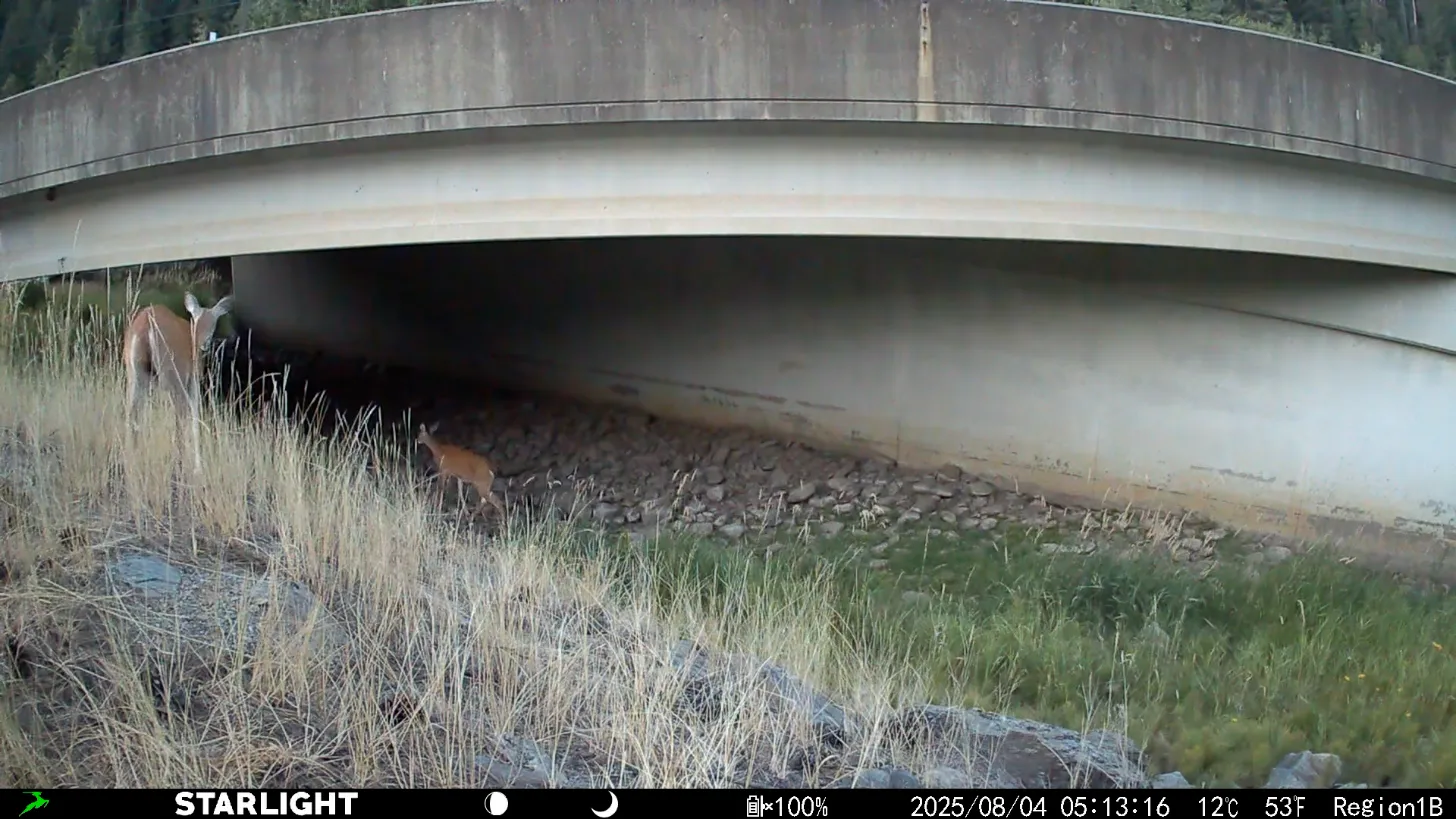
High Country News reports that the retrofitted bridge is only temporary, with the state’s Department of Transportation planning to remove it within 10 years, due to its lack of clearance for large semi-trucks.
But Vorhees said that the reduction in human-wildlife collisions during that time is still worth it — and will hopefully inspire an even better, higher overpass in the future.
Most of all, though, she will keep working to ensure Wilson’s legacy.
“Carl’s vision is the story,” she said in a statement for the Idaho Fish and Game Department.
“He cared deeply, and he convinced others in the community to care as well. He found and brought together the people who could make it happen — and that led to action. Our community wants him to receive credit for this project and to be remembered for it.”
You may also like: Family sells 136-year-old farm to make way for wildlife crossing deemed 'a lifeline' for mountain lions
Featured Image: Courtesy of Idaho Fish and Game