Sustainable stories of progress for the planet
Your weekly roundup of the best good news worth celebrating...
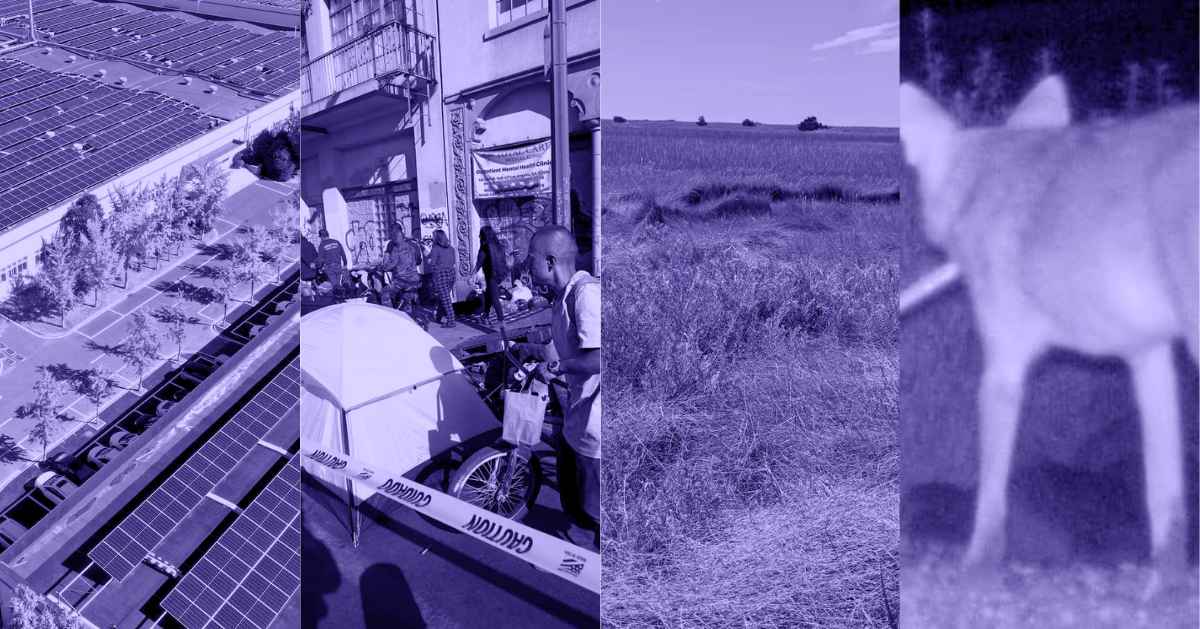
The farmers behind the popular documentary, “The Biggest Little Farm,” spent a fortune to keep gophers at bay. Then they let predators step in.
Democrats swept Congress and won in the states. Here are the races that matter most for decarbonization, disasters, and data centers.
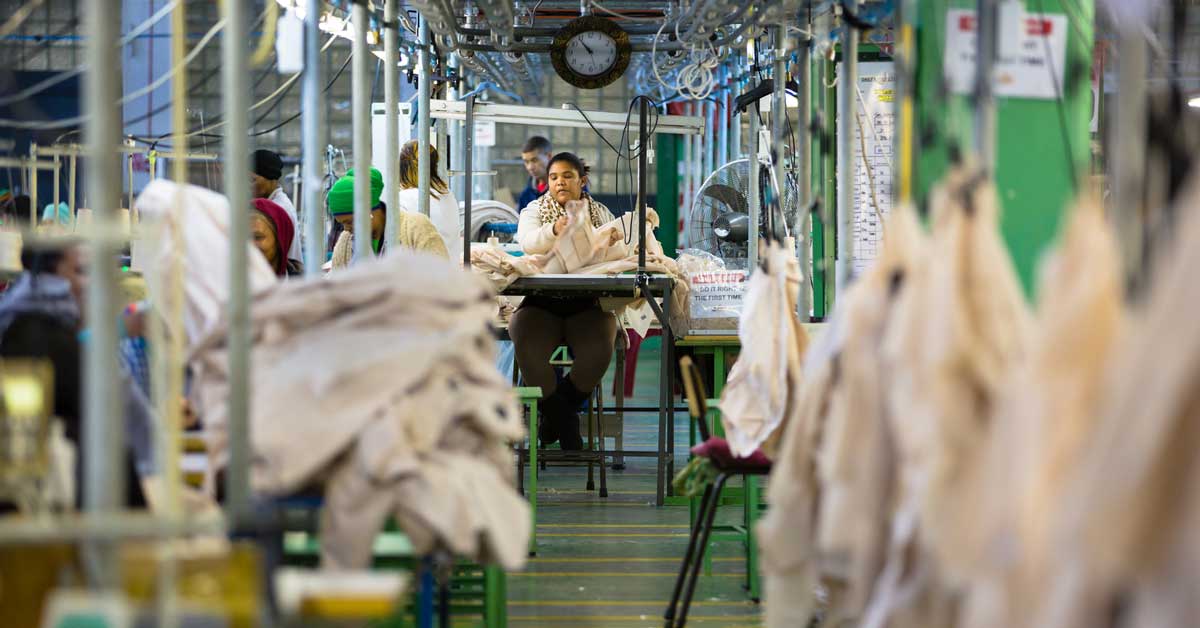
Exploring the problem that garment workers in the fashion industry face — and unpacking how we can make a difference (and the good already being done)
A Chicago effort to plant 75,000 new trees aims to identify areas in greatest need of additional tree cover and prioritize restoring a green canopy in these under-resourced neighborhoods disproportionately affected by climate change.
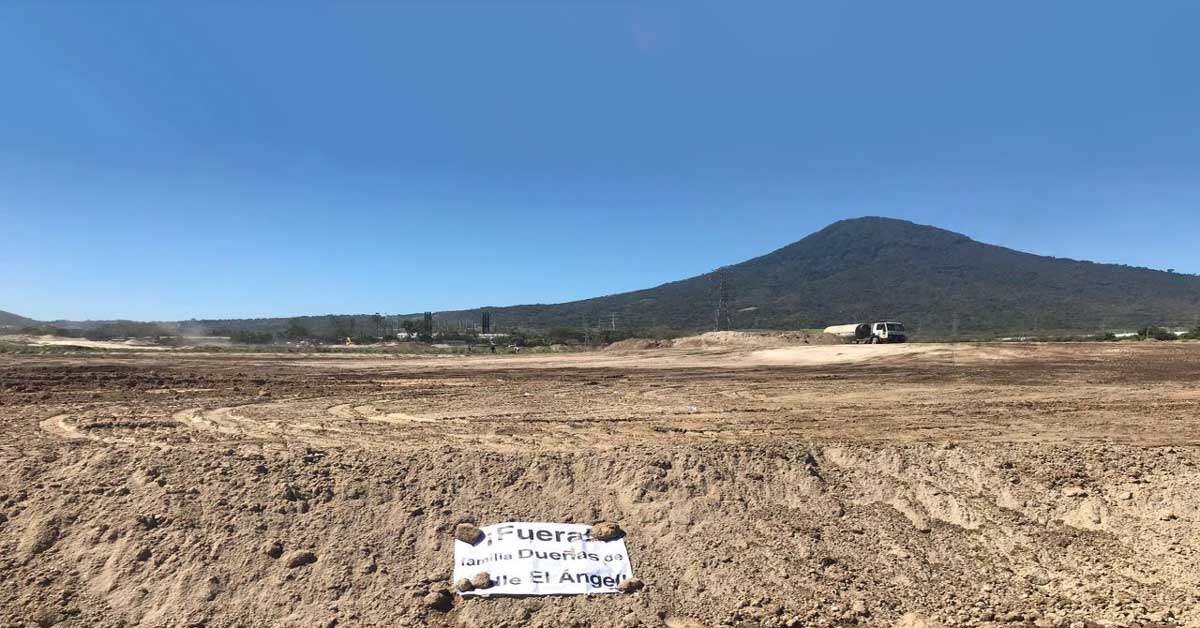
A group of women in rural El Salvador is standing up against a major infrastructure project that threatens to clear hundreds of hectares of forest and cut off access to rivers that provide the community with clean drinking water.
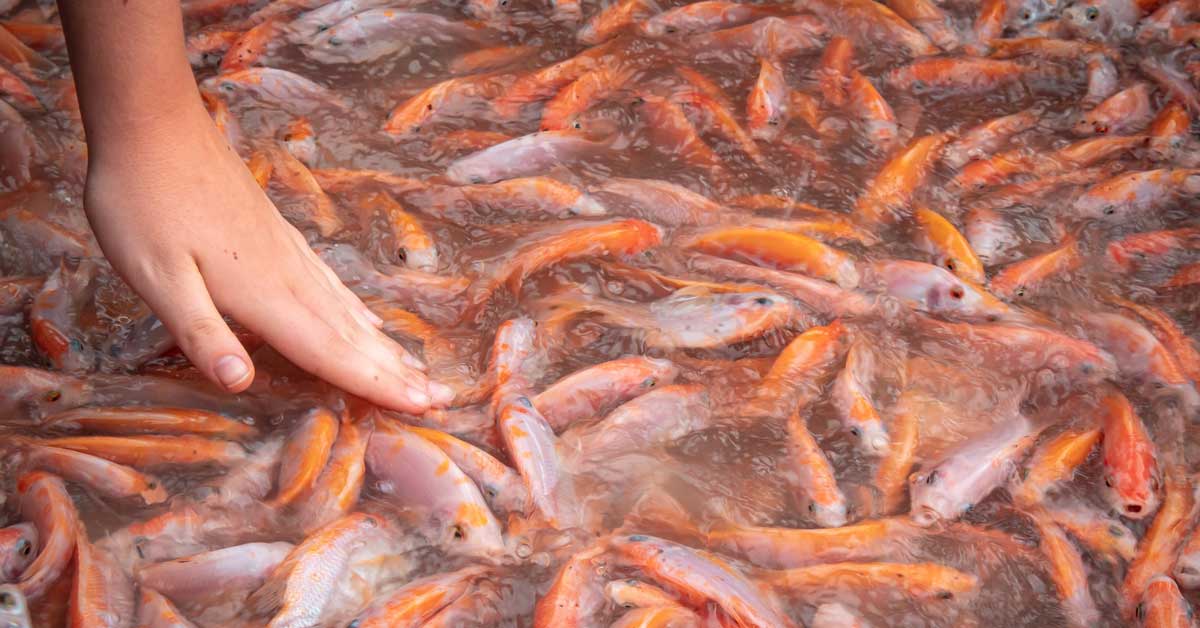
The result could solve two problems at once - the increasing demand for fish protein, and the emission of a harmful greenhouse gas
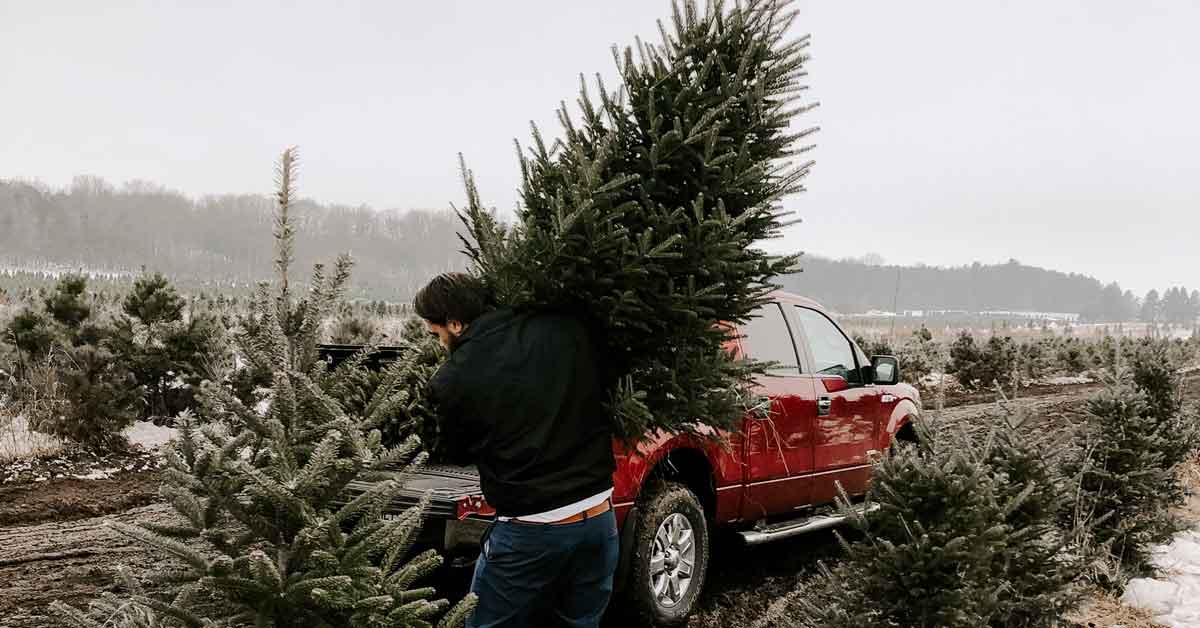
If you celebrate Christmas, chances are you are planning to decorate a tree (or have already). But how do you make an informed and environment-friendly choice? Environmental impact is a complex question for any product, and Christmas trees are no exception.
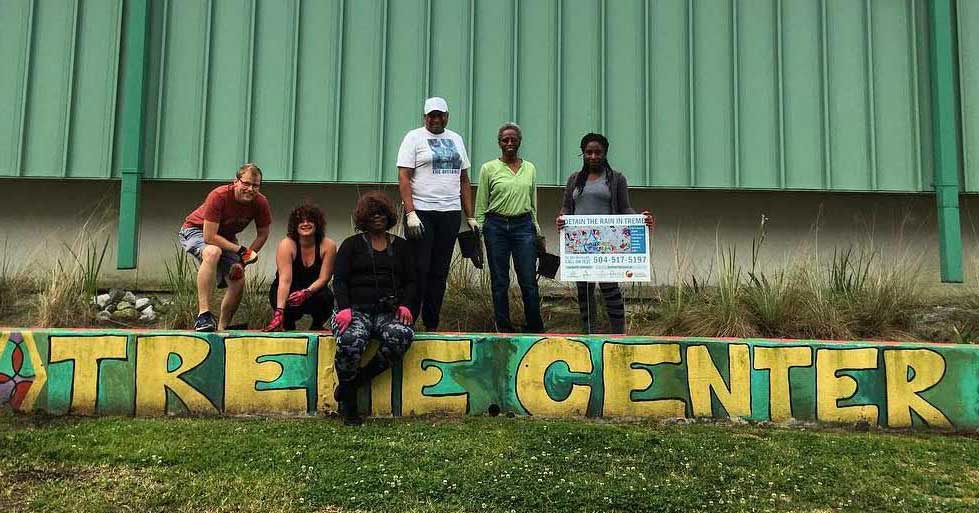
Water Wise Gulf South is an environmental outreach collaborative prioritizing the needs of New Orleans residents who have been, and continue to be, most impacted by regular urban flooding caused by heavy rainfall.
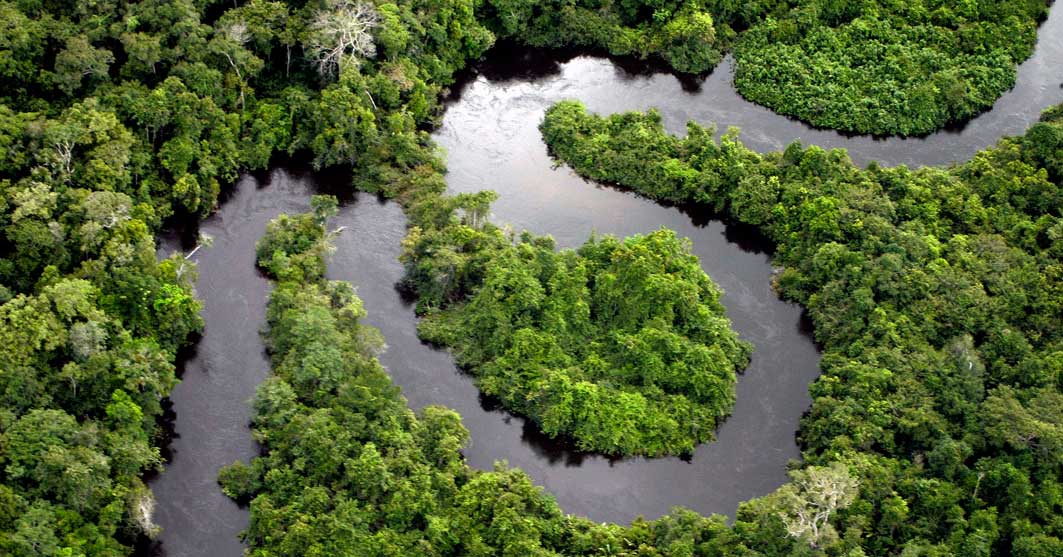
A new plan called the Amazon Sacred Headwaters initiative proposes the protection of 80% of the Amazon in Peru and Ecuador by 2025, consisting of 35 million hectares (86 million acres) of rainforest.
A new type of cooling cube could revolutionize how food is kept cold and shipped fresh without relying on ice or traditional cooling packs — free from waste and mold.
Nepal is the only country on track to meet a 2022 pledge to double its wild tiger population from a 2010 baseline. Key to the growing tiger population is the combination of a tough anti-poaching approach and close engagement with communities living near tiger habitats.
These five books offer an alternative perspective. In contrast to the simplistic idea that all we need to do is implement a set of technological and lifestyle changes, they offer a new way of understanding and relating to nature.
One of the most innovative projects now underway may be WildEast, which ambitiously hopes to rewild an area more than three times the size of New York City, creating interconnecting wild corridors across East Anglia, the country’s most intensely farmed region.
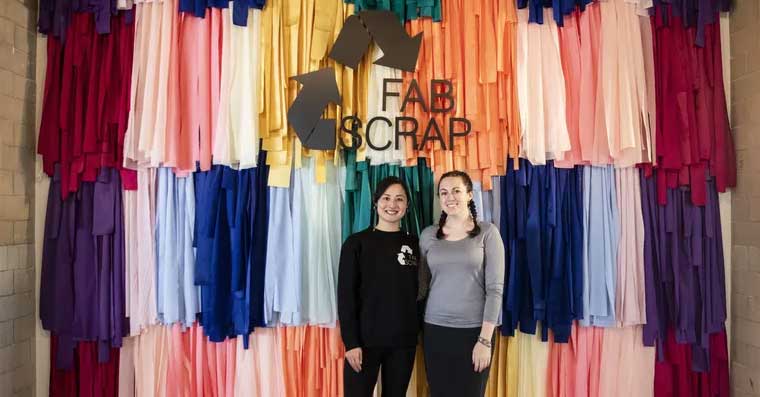
Brooklyn-based Fabscrap hopes to sign up 20 to 25 brands to recycle textile waste in the Philadelphia, Baltimore, Washington, DC, and southern New Jersey areas over the next year.
Milan launched a new Food Policy aimed at creating a more sustainable food system, involving local players such as the city’s research centers, institutions, private sector and NGOs as much as possible.
Uninhabited Poilão Island in Guinea-Bissau is Africa’s most important nesting ground for green sea turtles. Researchers and local people now work together to study the turtles with the aim of better protecting them.
Coral Catch Gili Air recently received a grant to fund an all-women conservation team to train women from all over Indonesia how to plant, breed, graft, and garden corals.
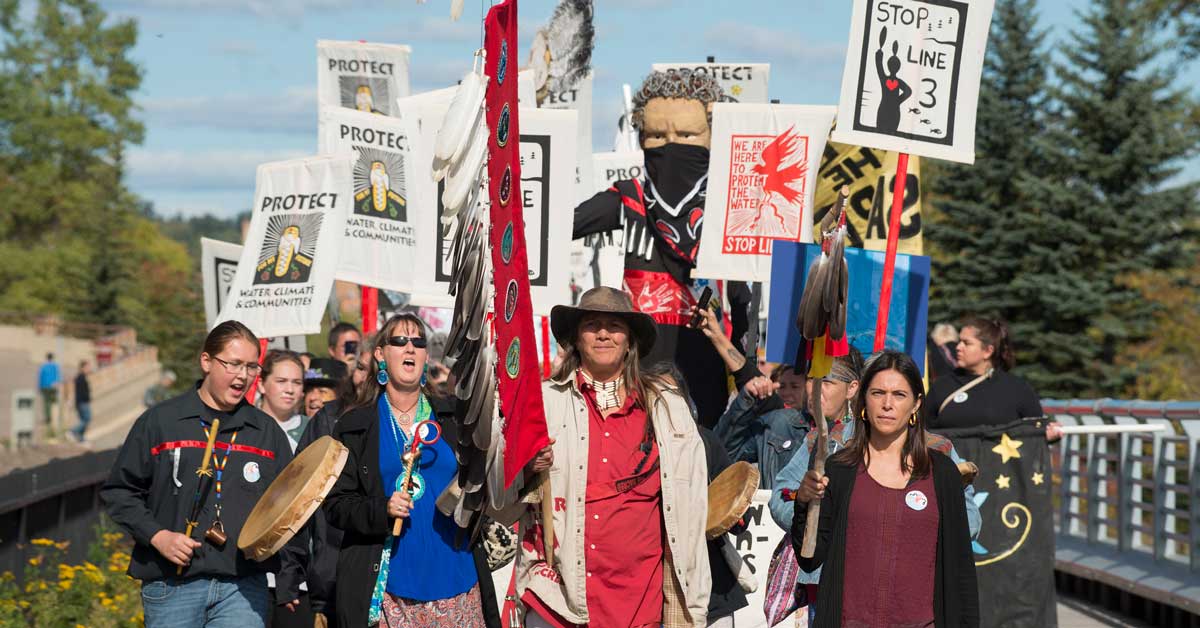
Indigenous activists have fought time and time again for the sacred nature of both land and water: we’ve seen them fight against the implementation of The Dakota Access Pipeline, the Trans Mountain pipeline, and at the forefront of the anti-Line 3 movement.
Emma Watson — actor and UN Women’s Goodwill Ambassador, hid more than 40 books around Glasgow during COP26 for people to find. The inspiring reads on climate issues are part of the #COPBookFairies campaign.
The country is seeing a growing trend in green spaces governed by local residents, bringing conservation, educational benefits, and income to urban and rural communities.
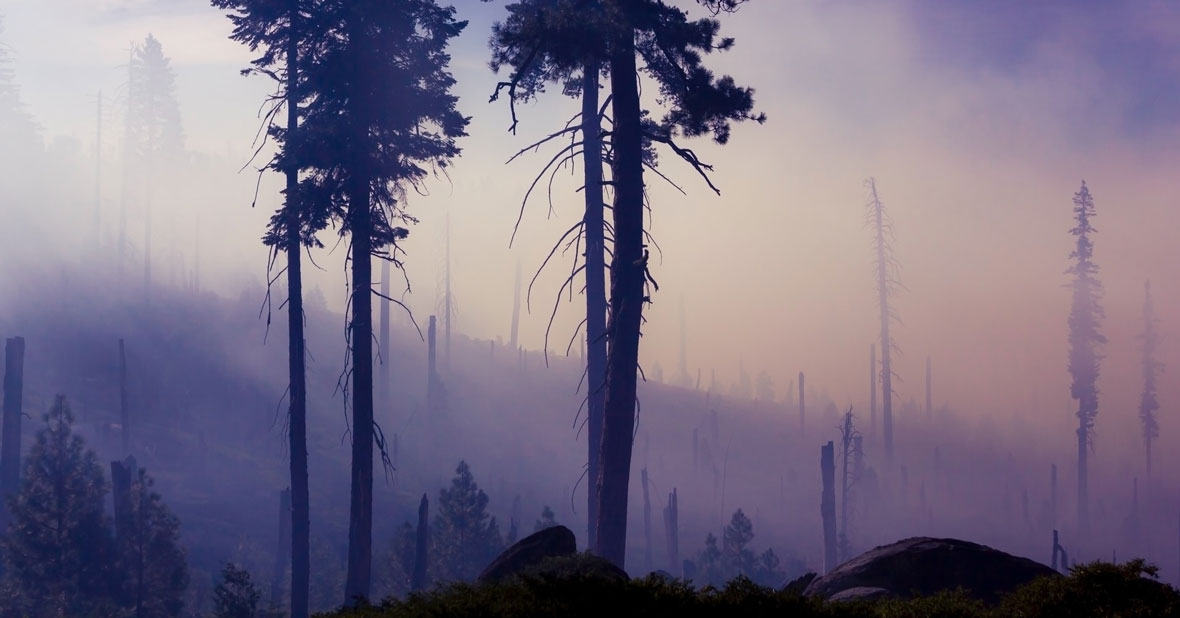
The Western Fire Chiefs Association, a nonprofit that started in California during the 1800s, sees much potential in a new tool that can save substantial time and manpower in wildfire recovery missions.