People, organizations, and governments improving people's health
Your weekly roundup of the best good news worth celebrating...
According to experts, being intersex is a physical characteristic that’s as common as having red hair or green eyes.
The ballot measure's failure offers a rebuke to efforts by Missouri’s Republican leaders, who largely oppose abortion.
When vets could only retrieve two fishing hooks lodged in a sea turtle’s digestive tract, a local gastroenterologist stepped in.
Governor Kathy Hochul signed an executive order pausing the development of hyperscale AI data centers on Tuesday.
The concept was created by a robotics engineer who was stuck at home for years due to illness.
The New Carlisle mobile route passed out about 150 food boxes last Wednesday.
At least four states in recent months have enacted new laws.
Know the warning signs of heat stroke — and how to prevent overheating in general — to protect yourself this summer.
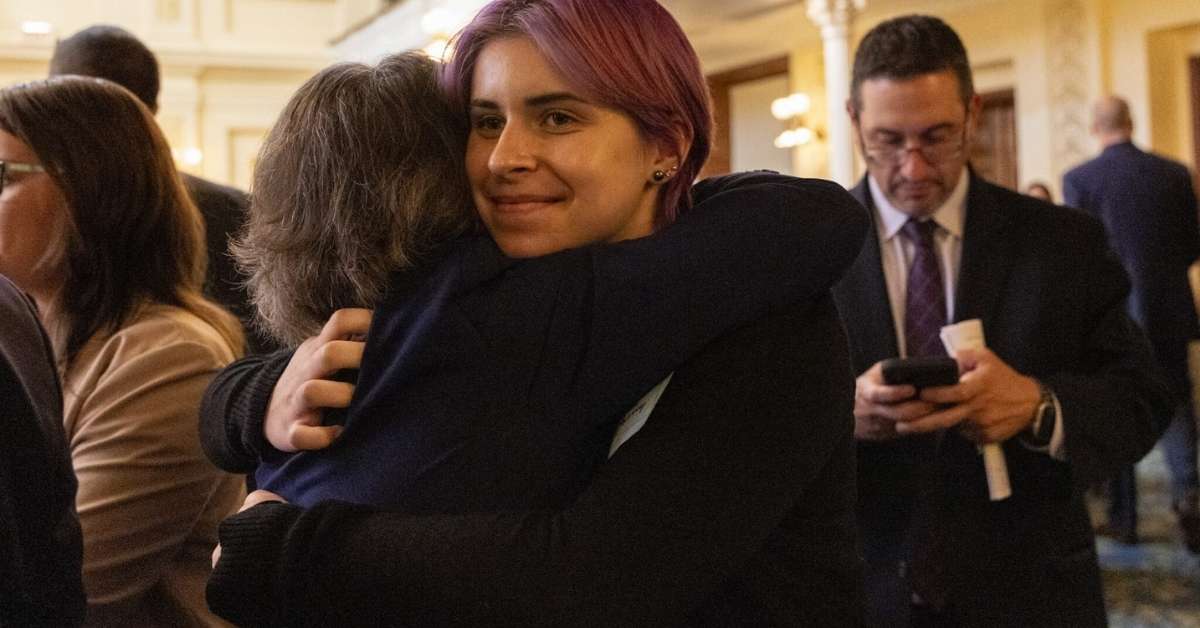
The law makes it a fourth-degree crime to harass or harm patients and healthcare providers, staff, or volunteers or block them from entering a facility that provides reproductive care, including services for trans people.
July is Disability Pride Month — a time for all disabled people to unapologetically celebrate our bodies as they are. Whether you are disabled or an ally, Disability Pride Month is full of so much to celebrate.
As extreme heat reshapes air quality, the network of 227 monitors is expected to help identify localized pollution hot spots.
The couple’s gift will lead to the erasure of medical debt for families starting in mid-July.
Deaths have dramatically declined since school-age girls in England started being offered the vaccine in 2008 — and it’s saved around 200 lives in England so far.
The “stupid song” singer continues her legacy of funding reproductive rights.
To qualify, a city must be connected by safe, low-stress routes like bike lanes, park loops, and protected paths. The better the safety and access, the higher the score.
A campaign led by the MENstruation Foundation put a spotlight on the 8 million South African women who can’t afford sanitary products.