Good Good Good’s collection of positive news stories
Stanford University behavioral scientist Jennifer Aaker studied the impact of a well-told story versus dispensing facts alone.
Your weekly roundup of the best good news worth celebrating...
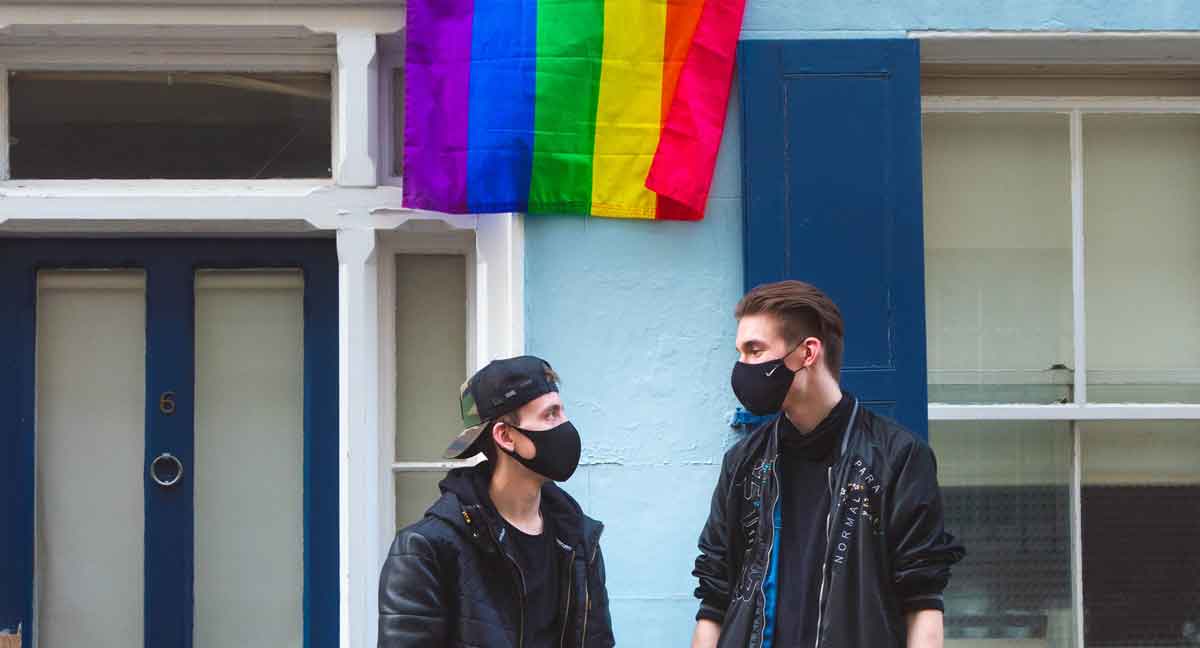
In 2025 and 2026, efforts to roll back LGBTQ+ rights were repeatedly stalled — or stamped out altogether.
British poet Andrew Mears lives in North East England, which has some of the highest rates of homelessness in the country.
More than 60% believe national divisions have worsened since the pandemic began. The Human Library brings disparate people together with the aim of breaking down prejudices. Originating in Denmark, the not-for-profit now has over 1,000 human ‘books’ available for loan.
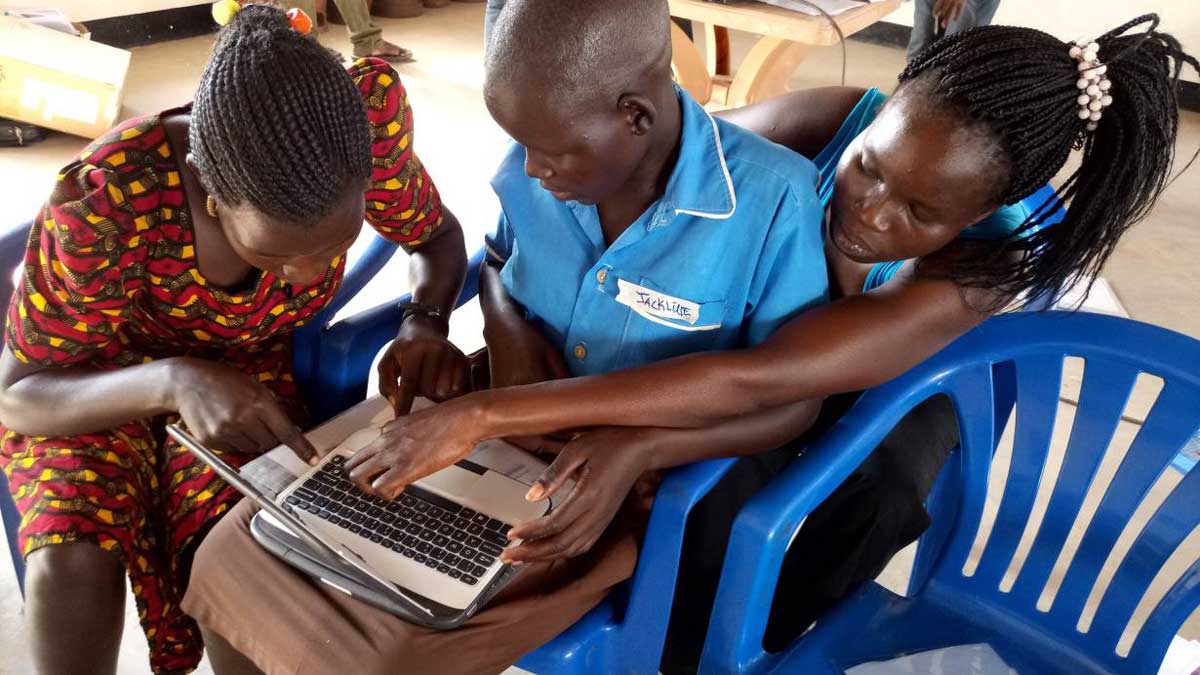
In villages and townships, Africans are building their own internet infrastructure to connect — and protect — the unconnected
We talked with the founders of The Power of Plus to see what inspired them to build an online community, what their long-term goals are, and how they see the future of fashion evolving as the conversation around diversity and inclusivity continues to heighten.
Seeing someone do something good for someone else motivates people to perform their own helpful acts, researchers report. We all have the power to create a chain reaction of good.
Revolutionary stem cell treatment offers hope of 'functional cure' for people living with HIV.
Throughout the pandemic, local neighborhoods — especially gay neighborhoods — have played a critical and well-documented role providing the health and social services necessary for American communities and businesses to survive and recover from the COVID-19 pandemic.
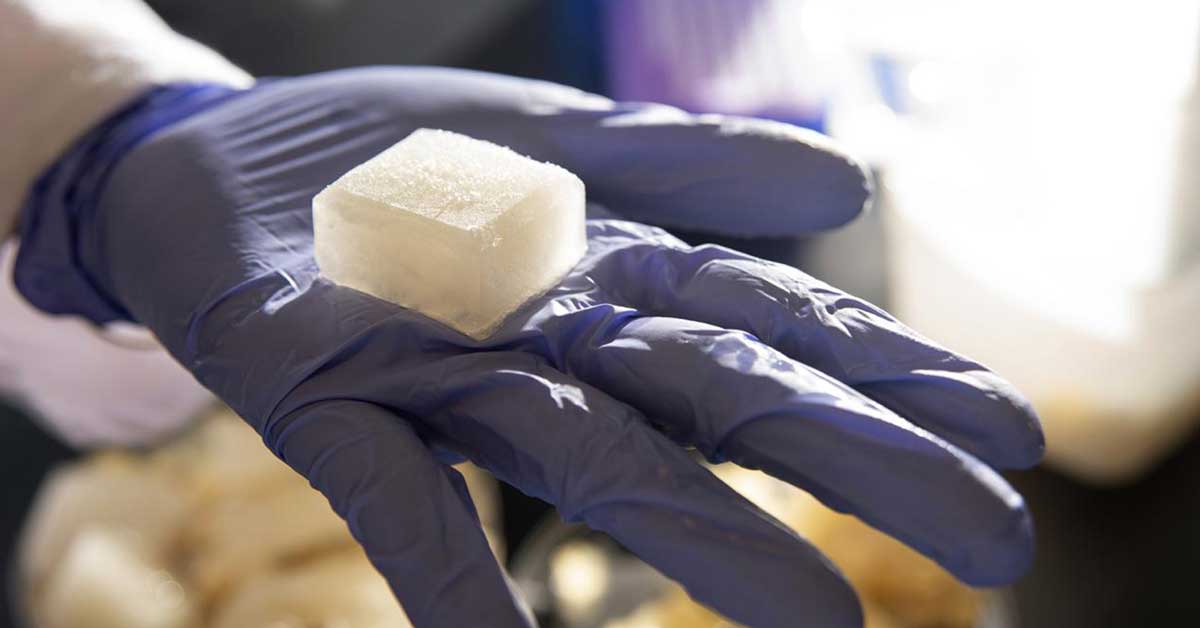
A new type of cooling cube could revolutionize how food is kept cold and shipped fresh without relying on ice or traditional cooling packs — free from waste and mold.
Nepal is the only country on track to meet a 2022 pledge to double its wild tiger population from a 2010 baseline. Key to the growing tiger population is the combination of a tough anti-poaching approach and close engagement with communities living near tiger habitats.
One of the most innovative projects now underway may be WildEast, which ambitiously hopes to rewild an area more than three times the size of New York City, creating interconnecting wild corridors across East Anglia, the country’s most intensely farmed region.
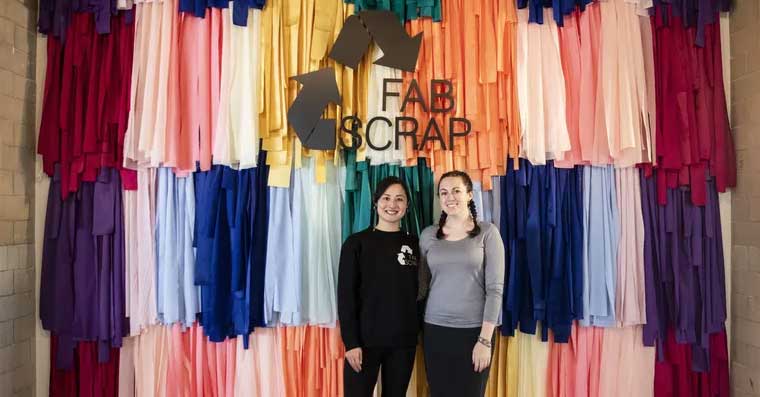
Brooklyn-based Fabscrap hopes to sign up 20 to 25 brands to recycle textile waste in the Philadelphia, Baltimore, Washington, DC, and southern New Jersey areas over the next year.
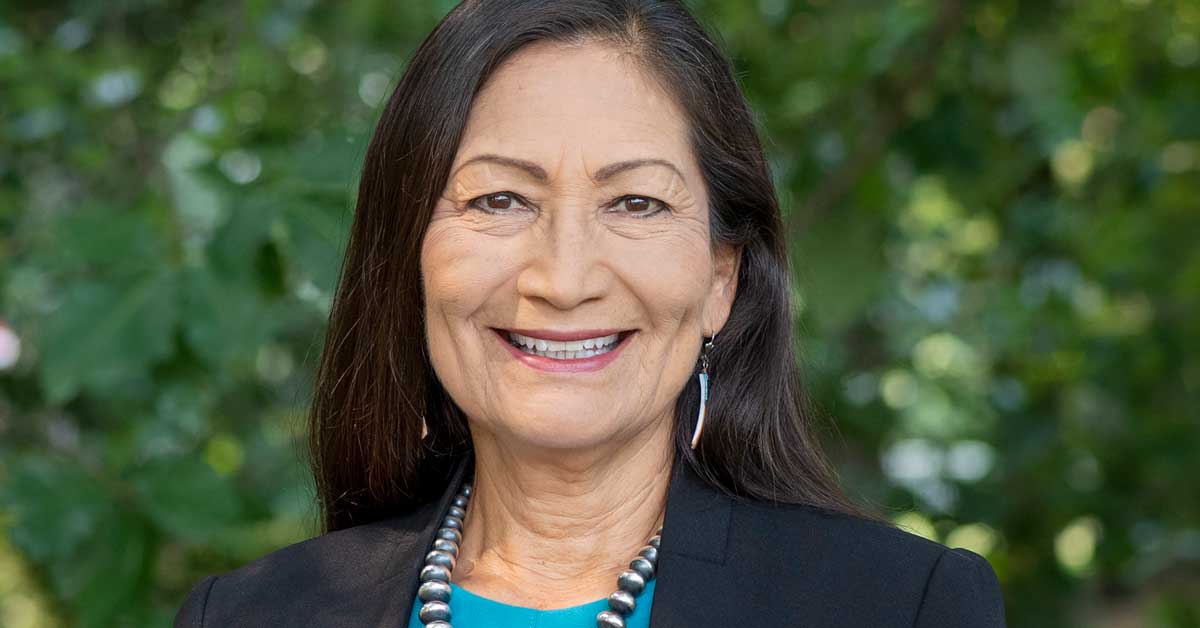
Deb Haaland, an enrolled member of the Laguna Pueblo, said she is 'proud to be in a position' to start with a term offensive to Indigenous women on 650 different places on federal land.
Milan launched a new Food Policy aimed at creating a more sustainable food system, involving local players such as the city’s research centers, institutions, private sector and NGOs as much as possible.
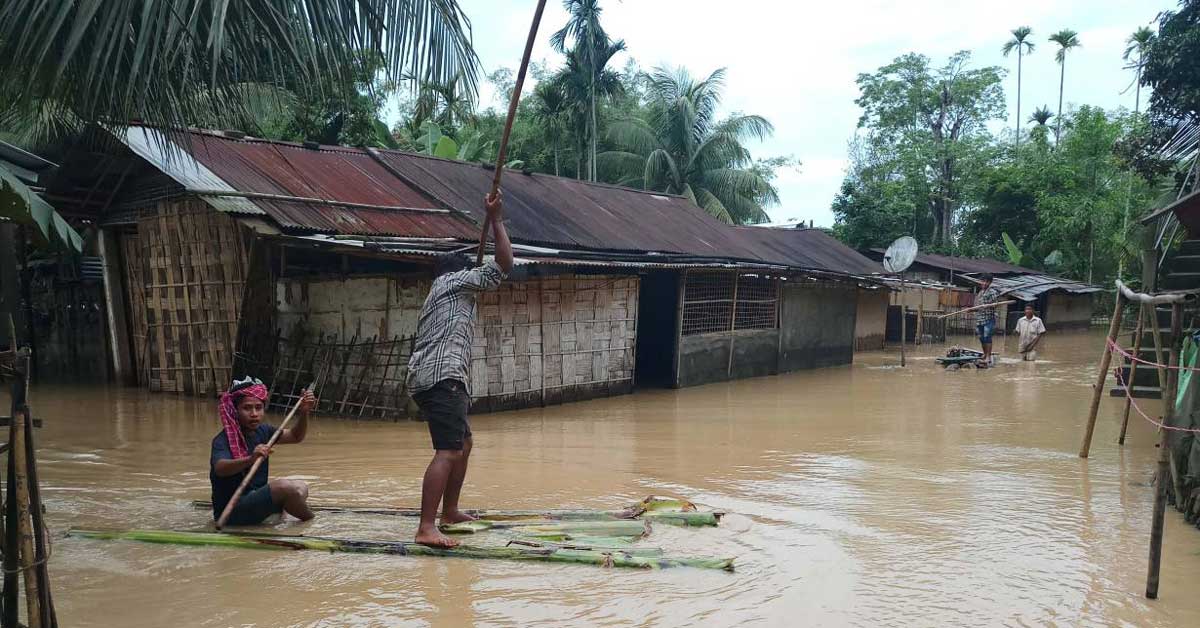
With homemade rafts and plastic-bottle life jackets, teams of young villagers save stranded locals when the Brahmaputra River bursts its banks.
Uninhabited Poilão Island in Guinea-Bissau is Africa’s most important nesting ground for green sea turtles. Researchers and local people now work together to study the turtles with the aim of better protecting them.
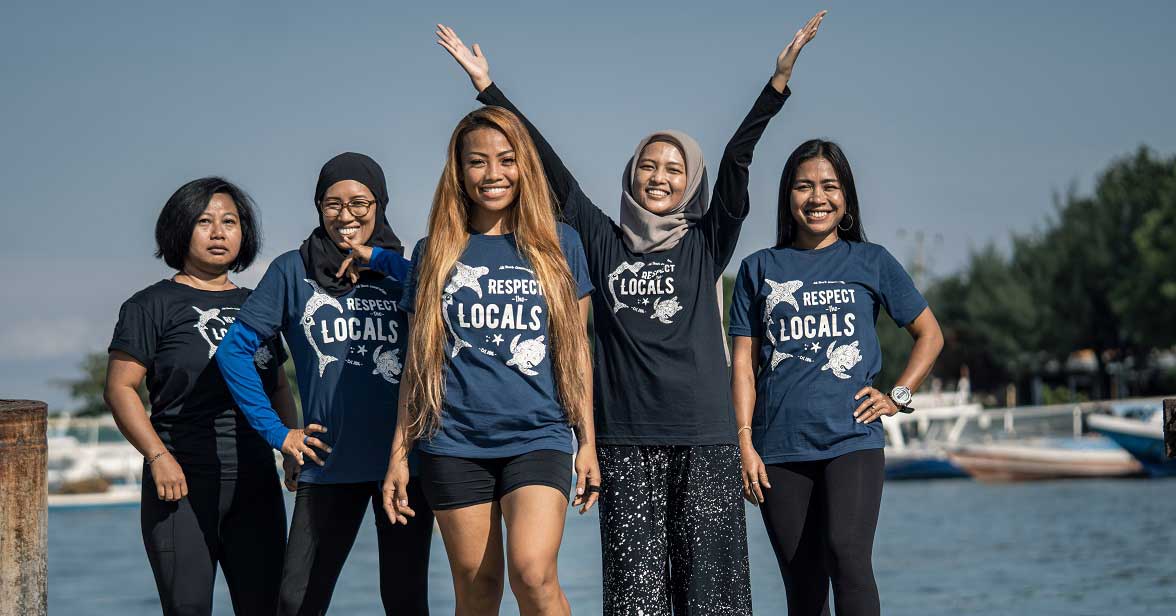
Coral Catch Gili Air recently received a grant to fund an all-women conservation team to train women from all over Indonesia how to plant, breed, graft, and garden corals.
Indigenous activists have fought time and time again for the sacred nature of both land and water: we’ve seen them fight against the implementation of The Dakota Access Pipeline, the Trans Mountain pipeline, and at the forefront of the anti-Line 3 movement.
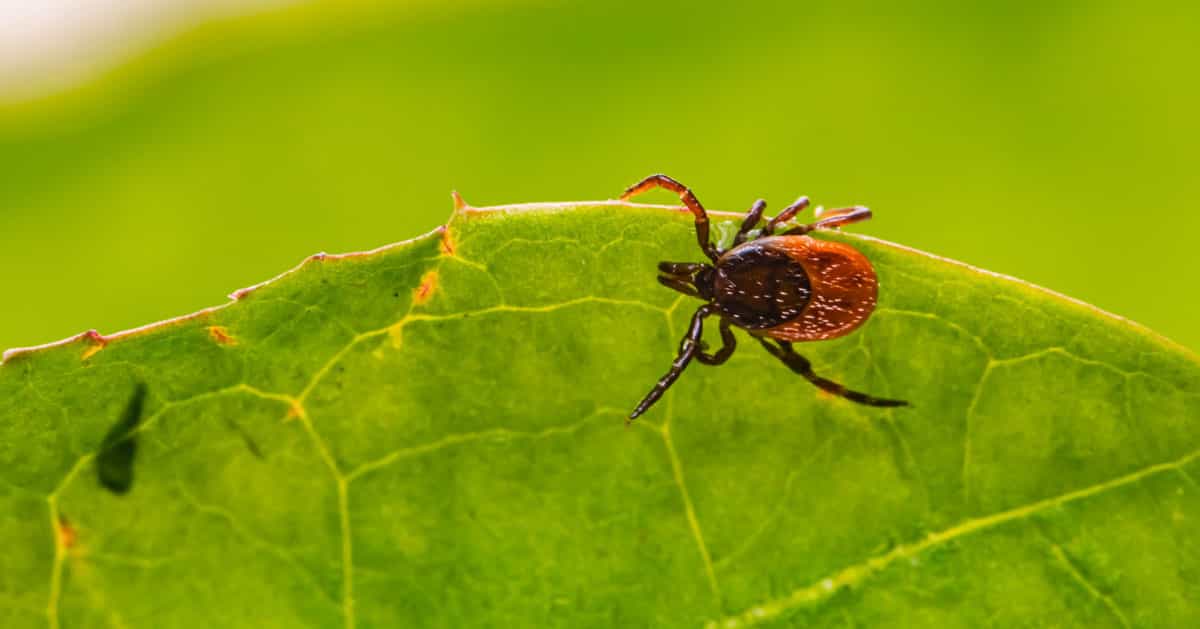
A new laboratory-stage mRNA vaccine that teaches the immune system to recognize the saliva from tick bites could prevent these bugs from feeding on and transmitting tick-borne diseases to people, according to a recent study.
The country is seeing a growing trend in green spaces governed by local residents, bringing conservation, educational benefits, and income to urban and rural communities.
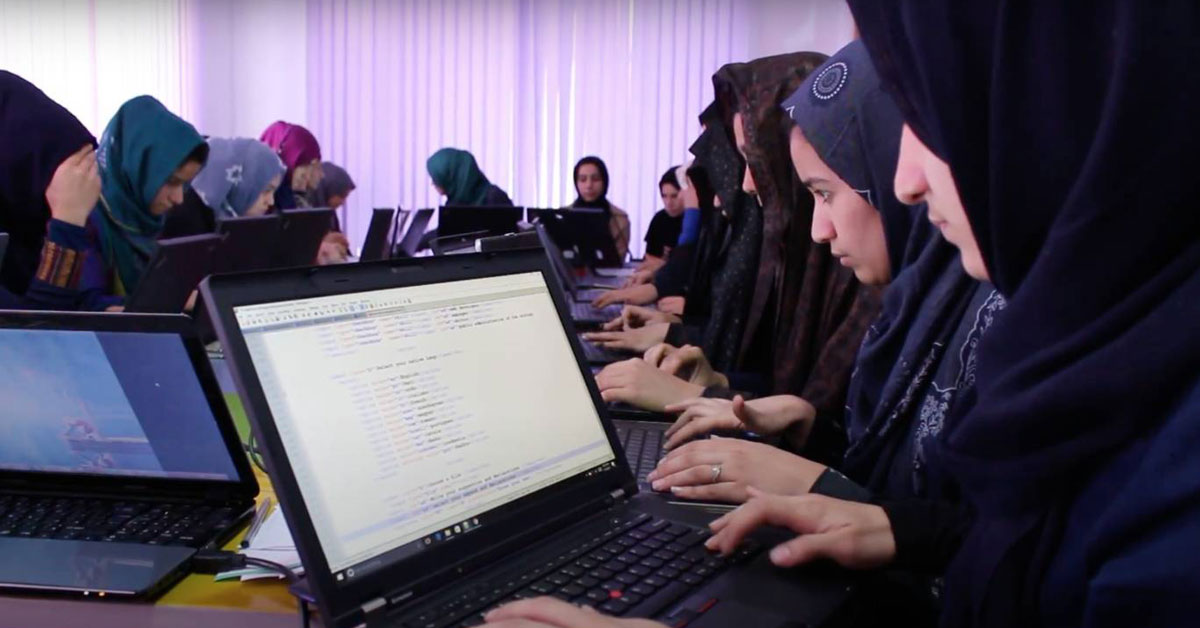
Hundreds of Afghan girls and women are continuing to learn online and in hidden classrooms, despite Taliban restrictions on education