Stories of Indigenous activists and communities making a difference — plus, ways you can support their work
Your weekly roundup of the best good news worth celebrating...
Democrat Deb Haaland will be the country's first Native woman governor, and Democrat Peggy Flanagan is set to become the first Native woman to secure a U.S. Senate seat.
Tribal nations across the country are trying to restore culturally important species, like the Arctic grayling, while grappling with climate change.
To help the turtles recover, a group of seven Siekopai women, who call themselves Tari Nomiowa’i, or “turtle women,” patrol the riverbanks looking for turtle tracks and nests.
While Indigenous communities still see shark as a valuable source of protein, their fishing methods have changed drastically.
The I-5 wildlife crossing would bridge the Cascades and the Olympic Peninsula.
Indonesia is developing a roadmap to recognize and protect Indigenous peoples’ and local communities’ traditional knowledge in biodiversity conservation, aligning with its commitments to international frameworks.
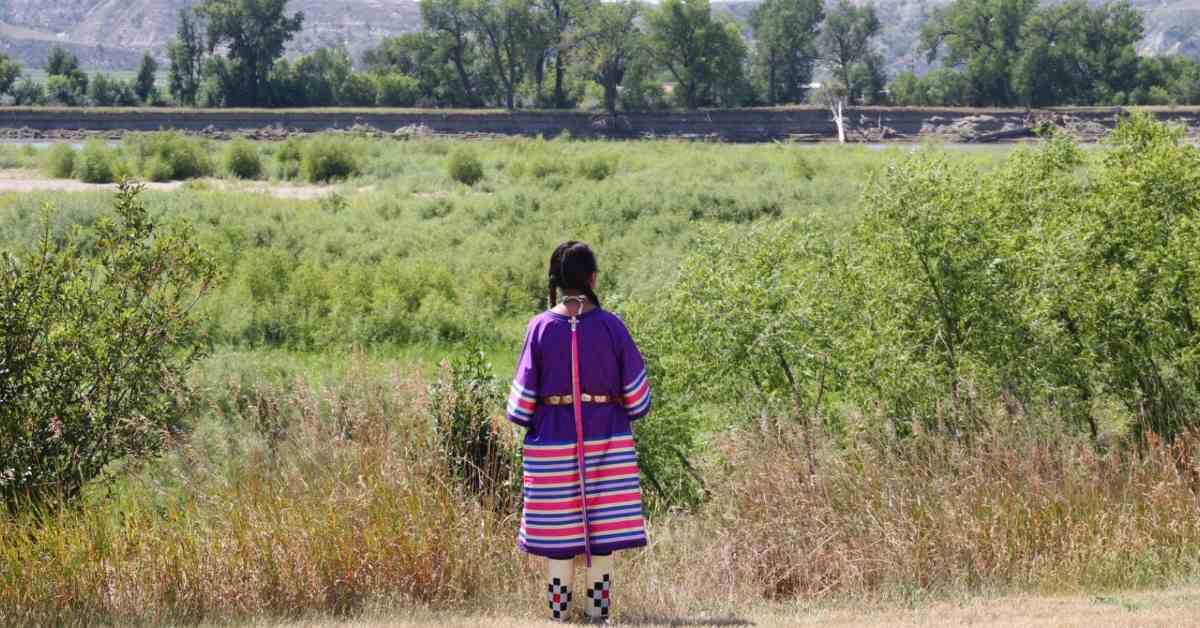
Indigenous lands are crucial for climate mitigation and resilience. Research shows their health is a direct result of Indigenous stewardship.
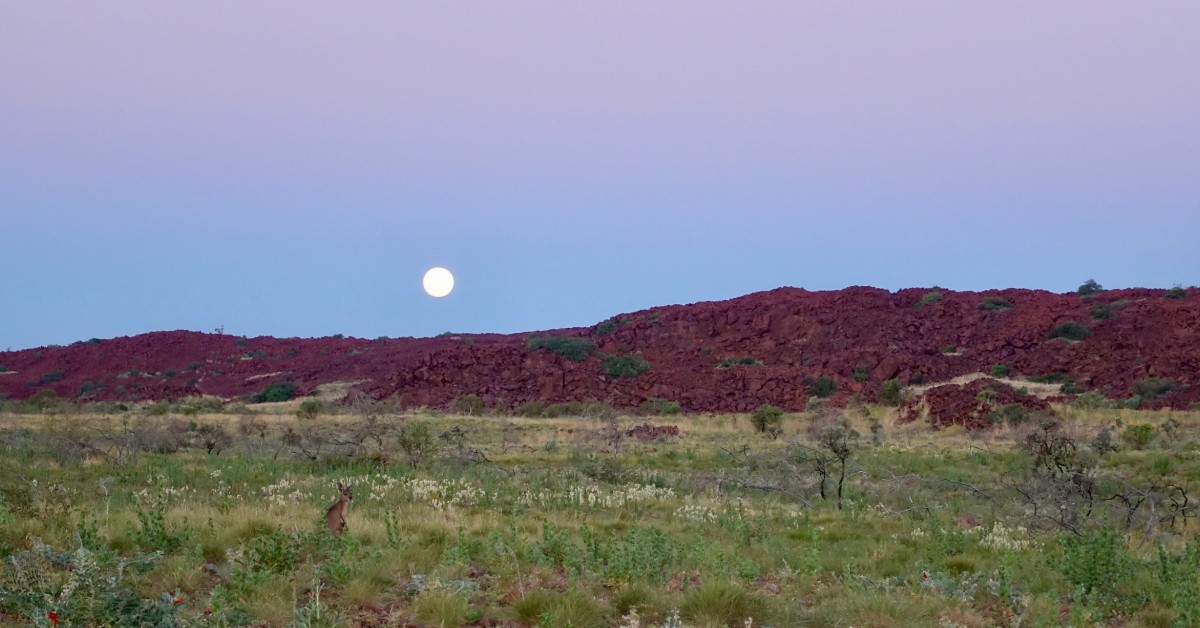
The songlines at Murujuga hold ancient lessons from Indigenous communities that occupied the land centuries ago.
As we celebrate Earth Day this year, may we reflect on the wise words of environmentalists, climate activists, faith leaders, lovers of nature, and the youth of the world.
Earth Day is celebrated every year on April 22nd. We’ve put together the best ideas and activities to help you meaningfully celebrate it...
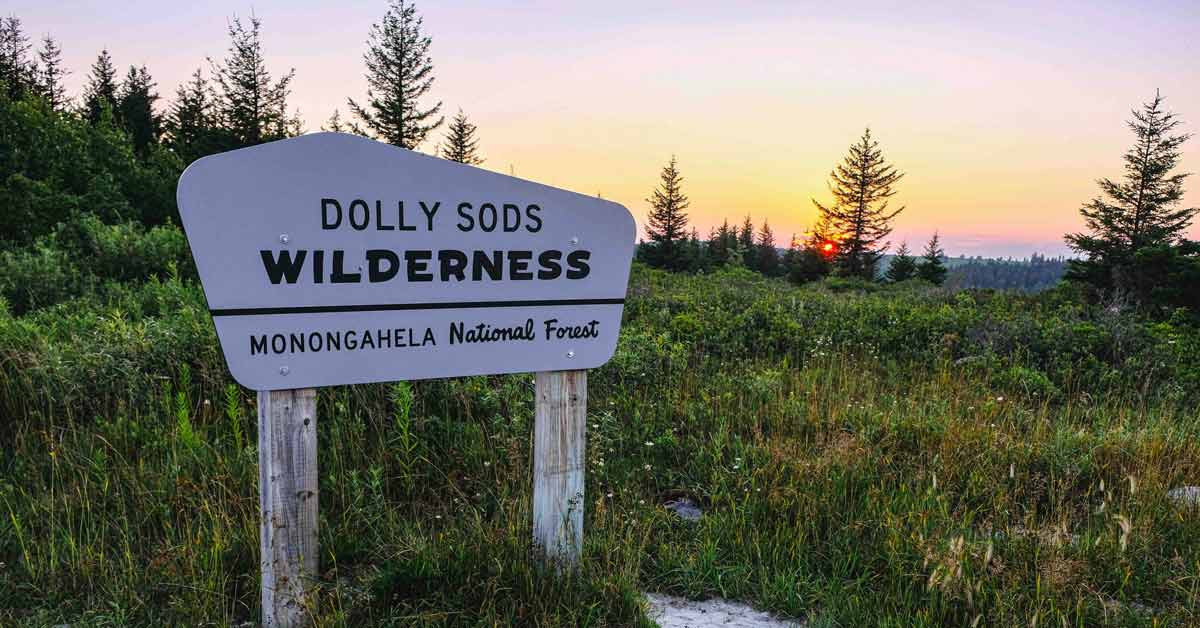
In a time when lands are experiencing the effects of climate change, protecting wild spaces may require action, not inaction.
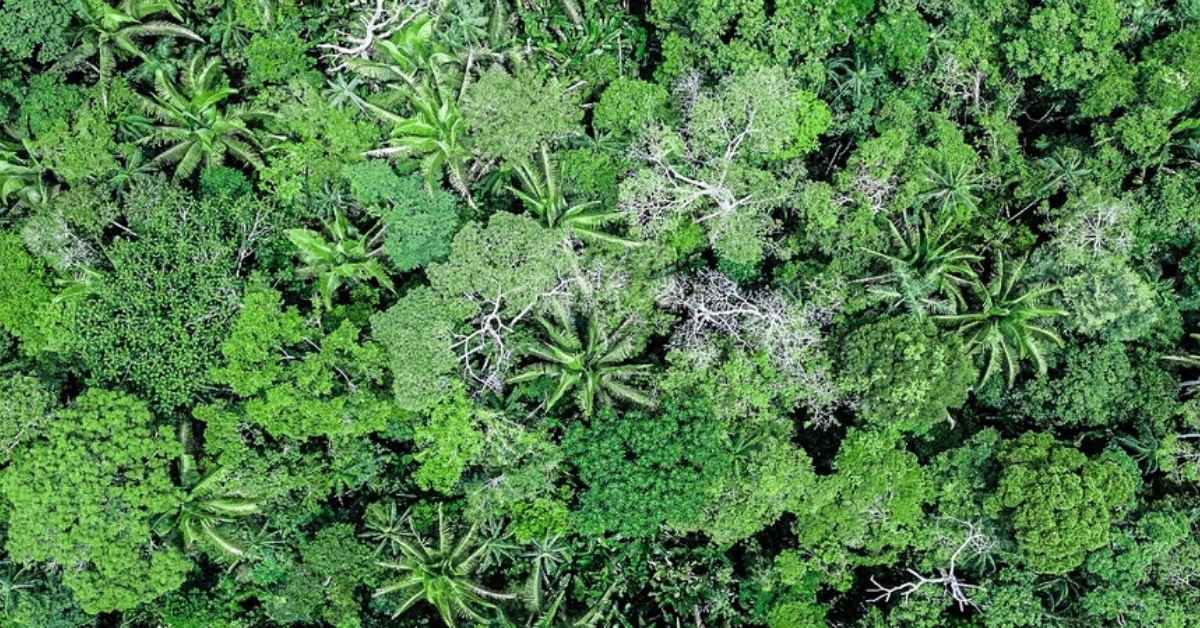
Bolivia has created four new protected areas covering 907,244 hectares (2.2 million acres) of Amazon lowlands and Andean highlands.
Artists involved in the program include Dakota Bear, Jayli Wolf, Samian, Twin Flames, and Aysanabee.
Even though Clarence “Taffy” Abel isn't the most notable figure in hockey history, his story impacts the sport today.
From the Grand Canyon to Yosemite, Indigenous leadership is guiding restoration, protecting land, water, and culture.
In the face of mounting climate disasters, tribes, scientists, and Southern communities are rallying around a nearly forgotten native plant.
The 3,000-acre park protects land and features important to the Mississippian culture, which built the mounds there starting roughly 3,000 years ago.
There are fewer than 100 speakers of the Arapaho language today — all of whom are above the age of 70. Researchers hope to preserve their voices.