For conservation experts and road ecologists, it’s no secret that wildlife corridors like overpasses, underpasses, and tunnels work wonders to prevent wildlife-vehicle collisions.
According to Pew Charitable Trusts, wildlife crossings can cut large mammal collisions by up to 97%, and each prevented wildlife-vehicle collision can save up to $110,000 in costs. States that have implemented structures like wildlife overpasses also see their investment come back in spades, with these crossings reducing crashes by 90%.
But it’s always exciting to see the exact number of lives saved for each crossing.
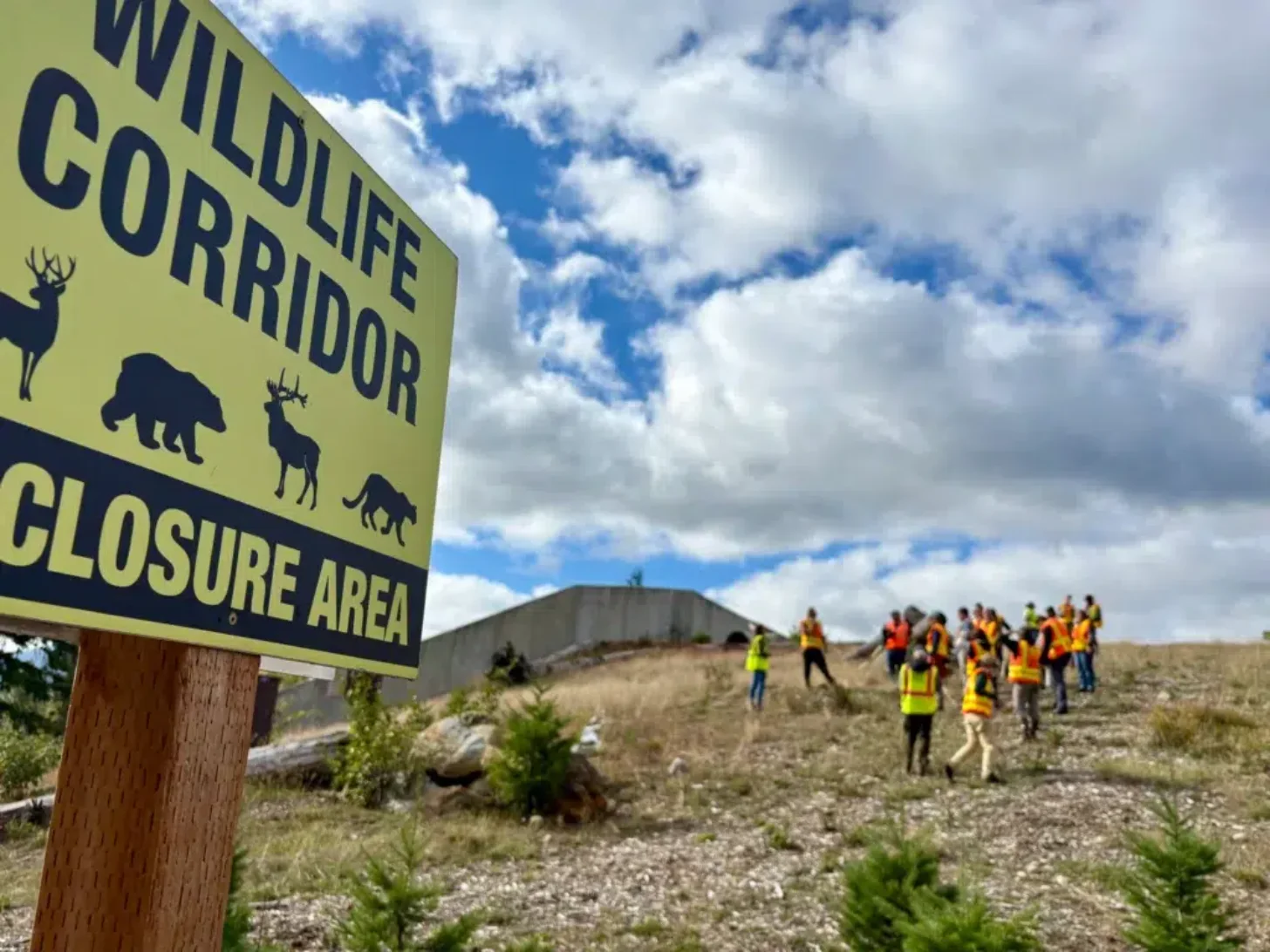
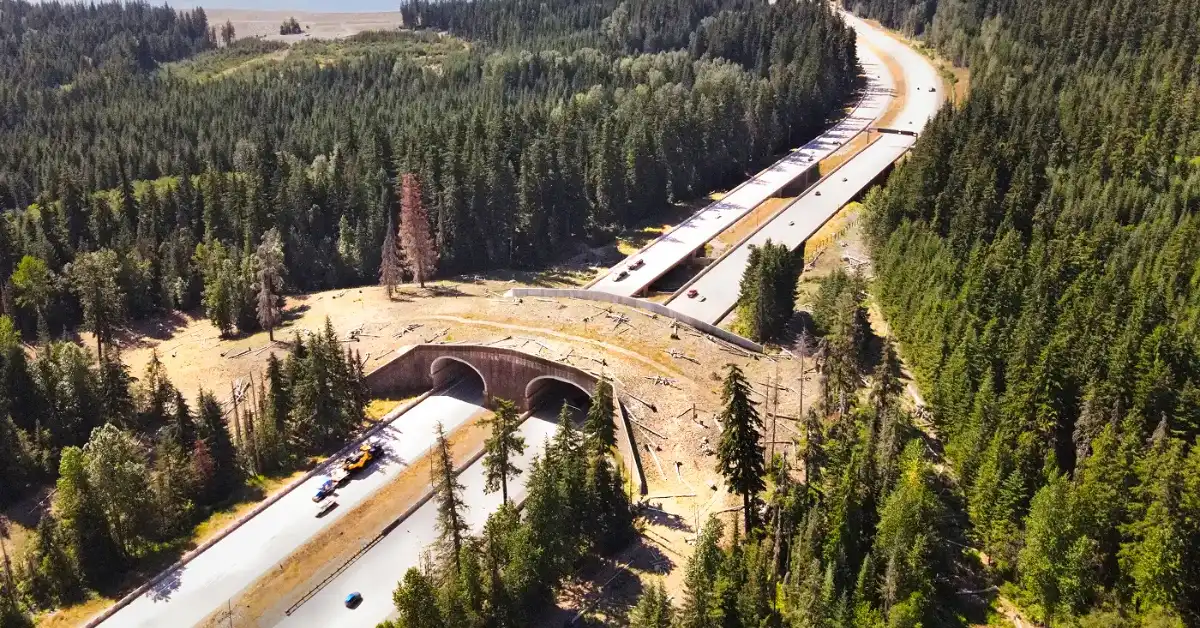
The Washington State Department of Transportation recently announced that there have officially been 10,000 recorded crossings along the I-90 Snoqualmie Pass overpass since it first opened.
“Want a success story? In July, we recorded the 10,000th successful crossing on our I-90 Snoqualmie Pass wildlife overcrossing,” WSDOT shared in a social media post. “Between that overcrossing and our 11 undercrossings on Snoqualmie Pass, we’ve seen nearly 40,000 crossings since 2014.”
That means trail cameras picked up at least 10,000 instances of an animal using the wildlife corridor to cross the interstate safely.
“Between 2019-2023, we removed 39,258 carcasses from state highways,” WSDOT added on social media. “In the stretch of I-90 Snoqualmie Pass where the overcrossing and undercrossings exist… that number has shrunk to nearly zero.”
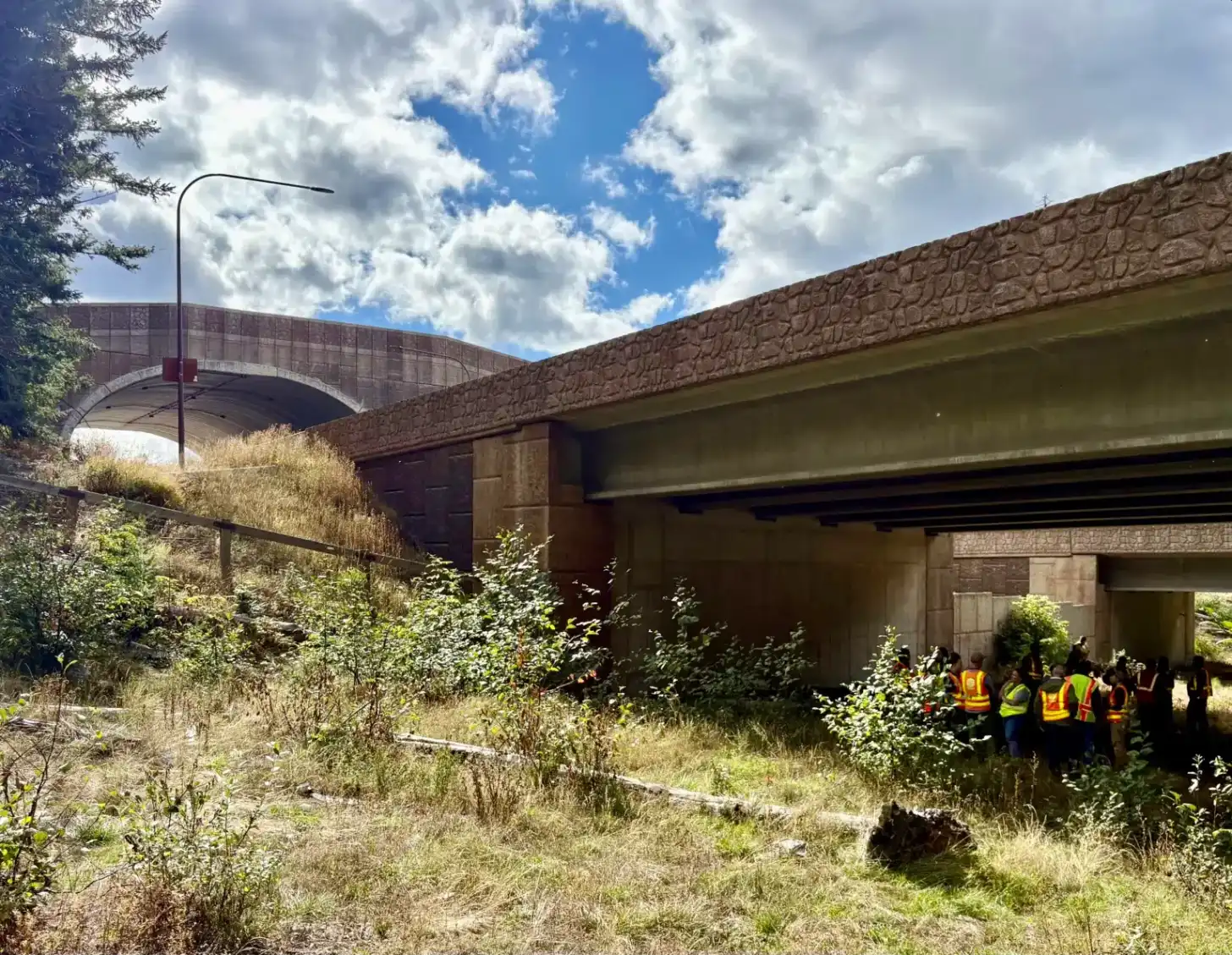
Conservation Northwest was a key organization in advocating for and implementing the Snoqualmie Pass crossing and continues to work toward improving habitats and wildlife outcomes along I-90.
“This structure has helped restore the ecological integrity of the North and South Cascades by reducing wildlife vehicle collisions, reconnecting habitat, and allowing herds and solitary travelers alike to move safely through one of Washington’s most important wildlife corridors,” the group shared on social media earlier this month.
“These crossings now serve as a national model for how transportation and conservation goals can align to restore ecological function across major highways,” Conservation Northwest added on its website.
The group is now working on expanding wildlife corridors across the interstate, in hopes of bridging the habitats spanning the Cascade Mountains and Olympic Peninsula.
State officials seem to agree with the efficacy of these advancements, even if they may take a few years to come to fruition.
“There’s a few reasons we built these structures. For one, it allows wildlife to safely access their full range of habitat. Isolated wildlife populations lead to weaker genetics over time,” WSDOT explained in its social media post.
“Wildlife crossings also carry an economic benefit. On average, a deer collision carries an economic cost of around $15,000. For elk, that figure jumps to $54,000. Fewer collisions can save the state hundreds of thousands of dollars each year.”
The Snoqualmie Pass structure has proven to be a success, and has inspired further advances, WSDOT said on social media.
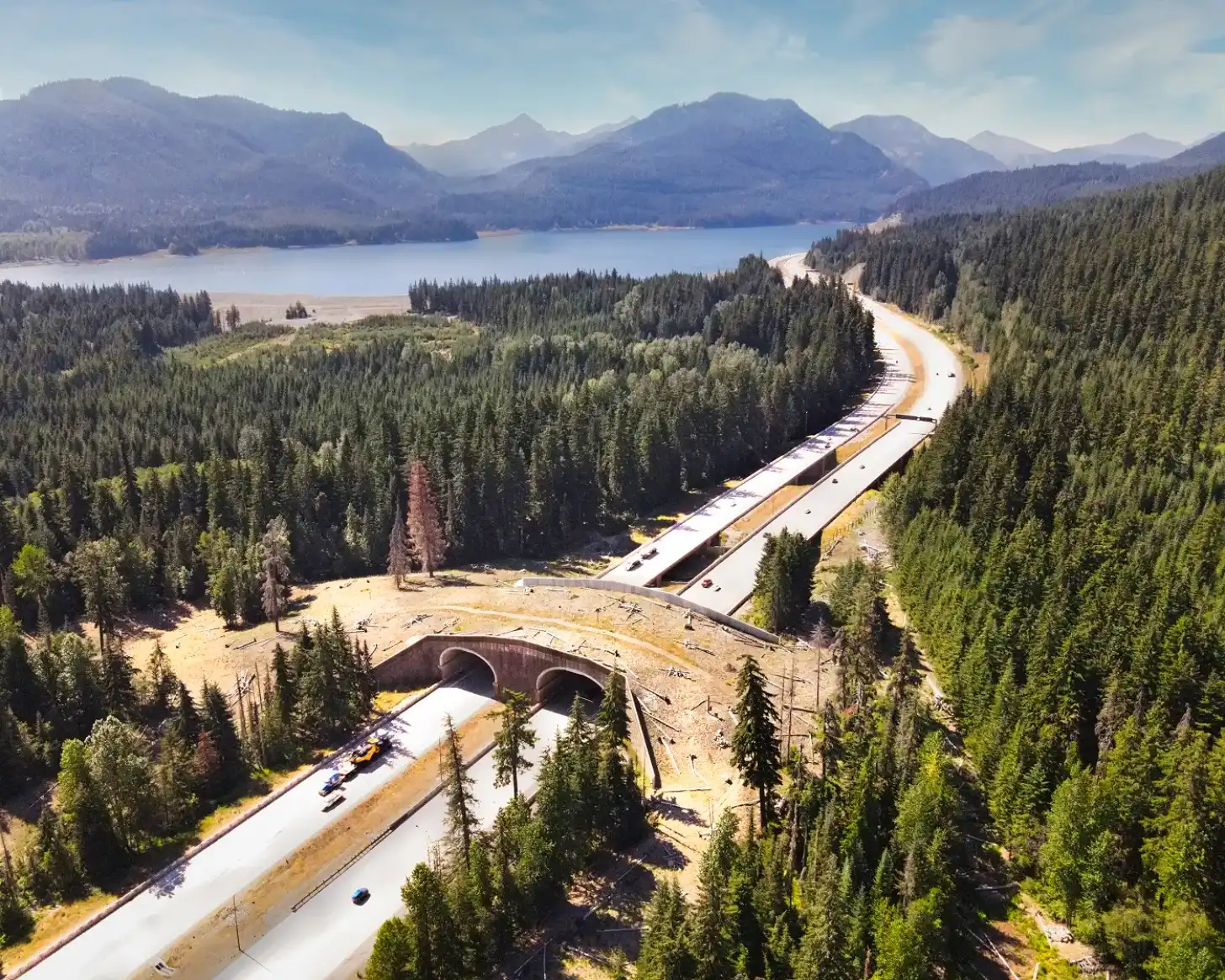
“Between now and 2031, we have plans to build an additional 15 undercrossings and one more overcrossing along Snoqualmie Pass East,” WSDOT announced.
“Our mission is keeping travelers connected to wherever they need to go, no matter if it’s by wheel, foot, paw, or hoof.”
You may also like: Family sells 136-year-old farm to make way for wildlife crossing deemed 'a lifeline' for mountain lions
Featured Image: Courtesy of Conservation Northwest