Celebrating positive news about animals making a difference for people — and people making a difference for animals
Your weekly roundup of the best good news worth celebrating...
Dogfighting is a widespread underground practice in Italy, but the Humane World for Animals Italy is hard at work to bring it to an end — and give rescued dogs a second chance.
The farmers behind the popular documentary, “The Biggest Little Farm,” spent a fortune to keep gophers at bay. Then they let predators step in.
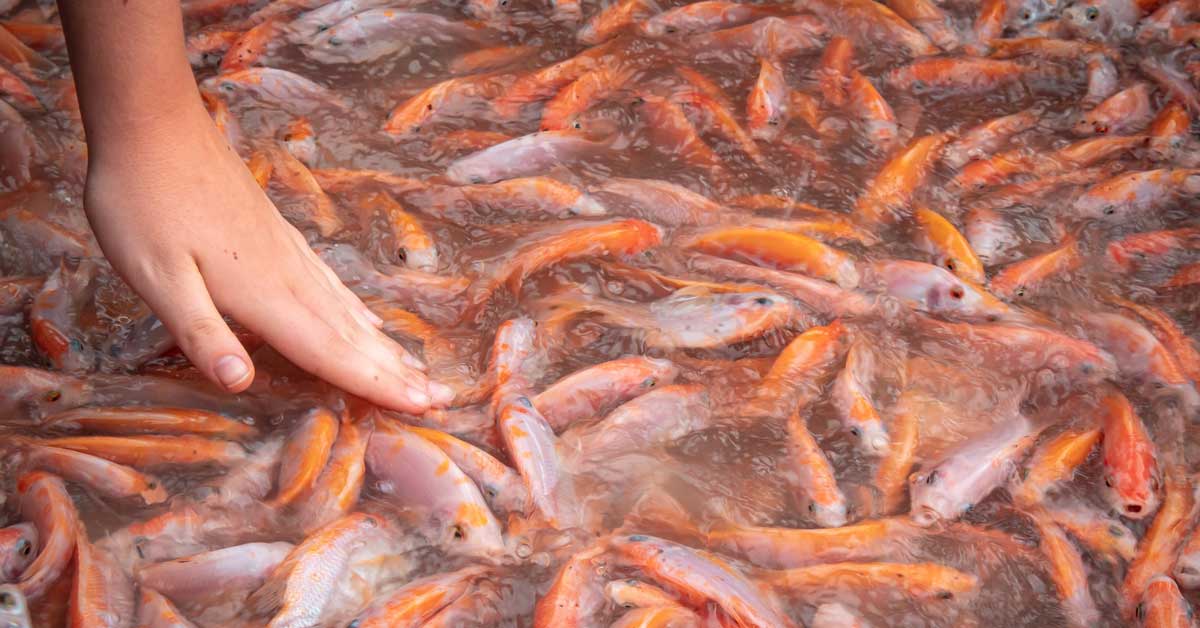
The result could solve two problems at once - the increasing demand for fish protein, and the emission of a harmful greenhouse gas
Nepal is the only country on track to meet a 2022 pledge to double its wild tiger population from a 2010 baseline. Key to the growing tiger population is the combination of a tough anti-poaching approach and close engagement with communities living near tiger habitats.
One of the most innovative projects now underway may be WildEast, which ambitiously hopes to rewild an area more than three times the size of New York City, creating interconnecting wild corridors across East Anglia, the country’s most intensely farmed region.
Uninhabited Poilão Island in Guinea-Bissau is Africa’s most important nesting ground for green sea turtles. Researchers and local people now work together to study the turtles with the aim of better protecting them.
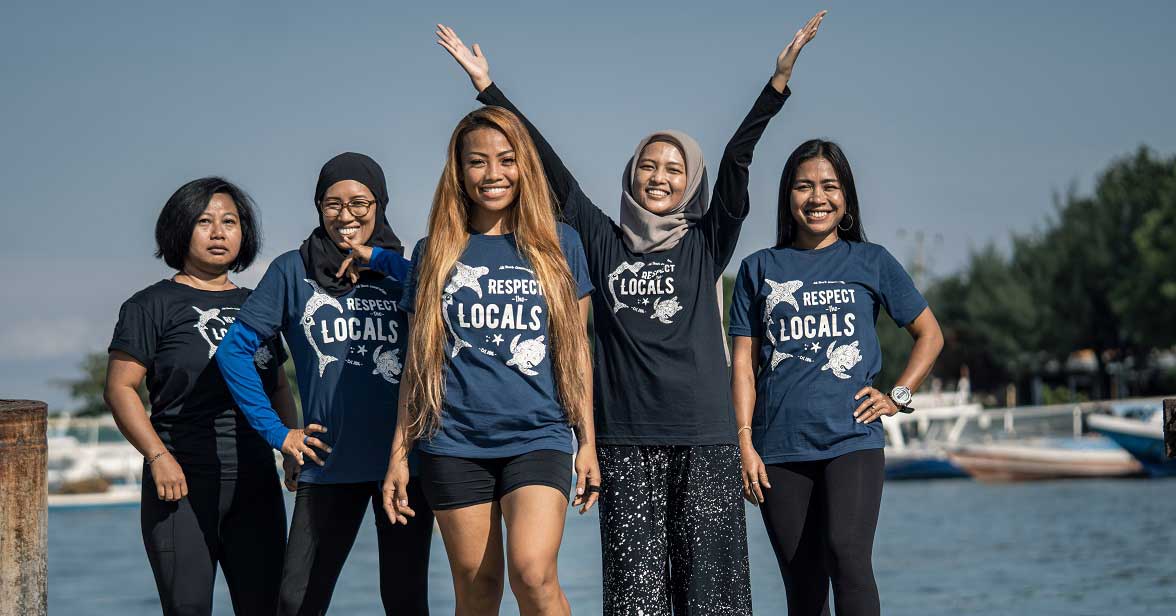
Coral Catch Gili Air recently received a grant to fund an all-women conservation team to train women from all over Indonesia how to plant, breed, graft, and garden corals.
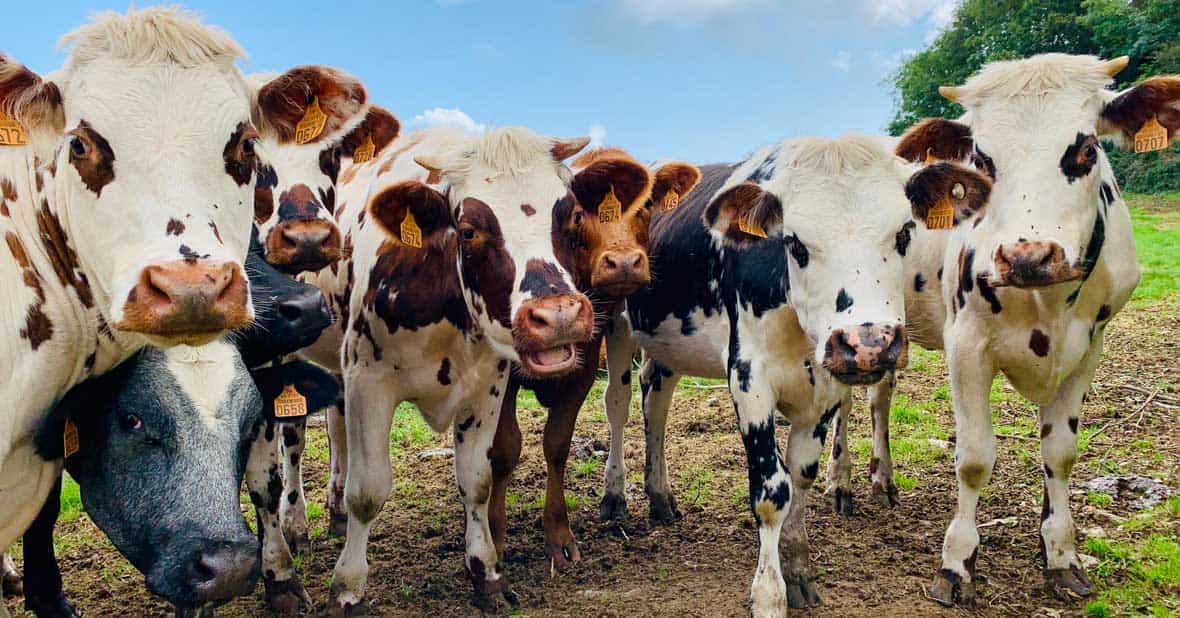
Researchers are teaching cows to pee in designated places where the urine can be collected and neutralized, sharply reducing methane emissions.
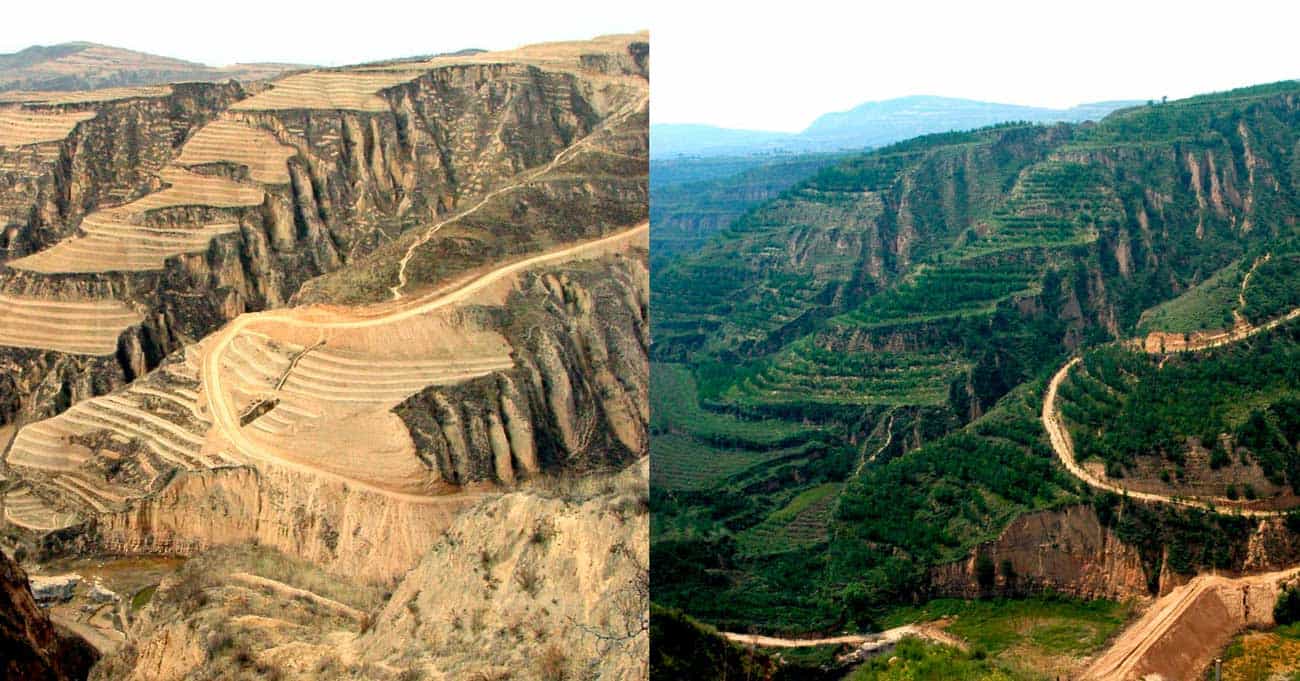
A group of “holistic engineers” wants to return the arid Sinai peninsula to the lush, green landscape it once was.
Camera trap footage taken between 2013 and 2018 revealed that about 55 endangered Amur tigers (commonly referred to as Siberian tigers) are now living in northeastern China.
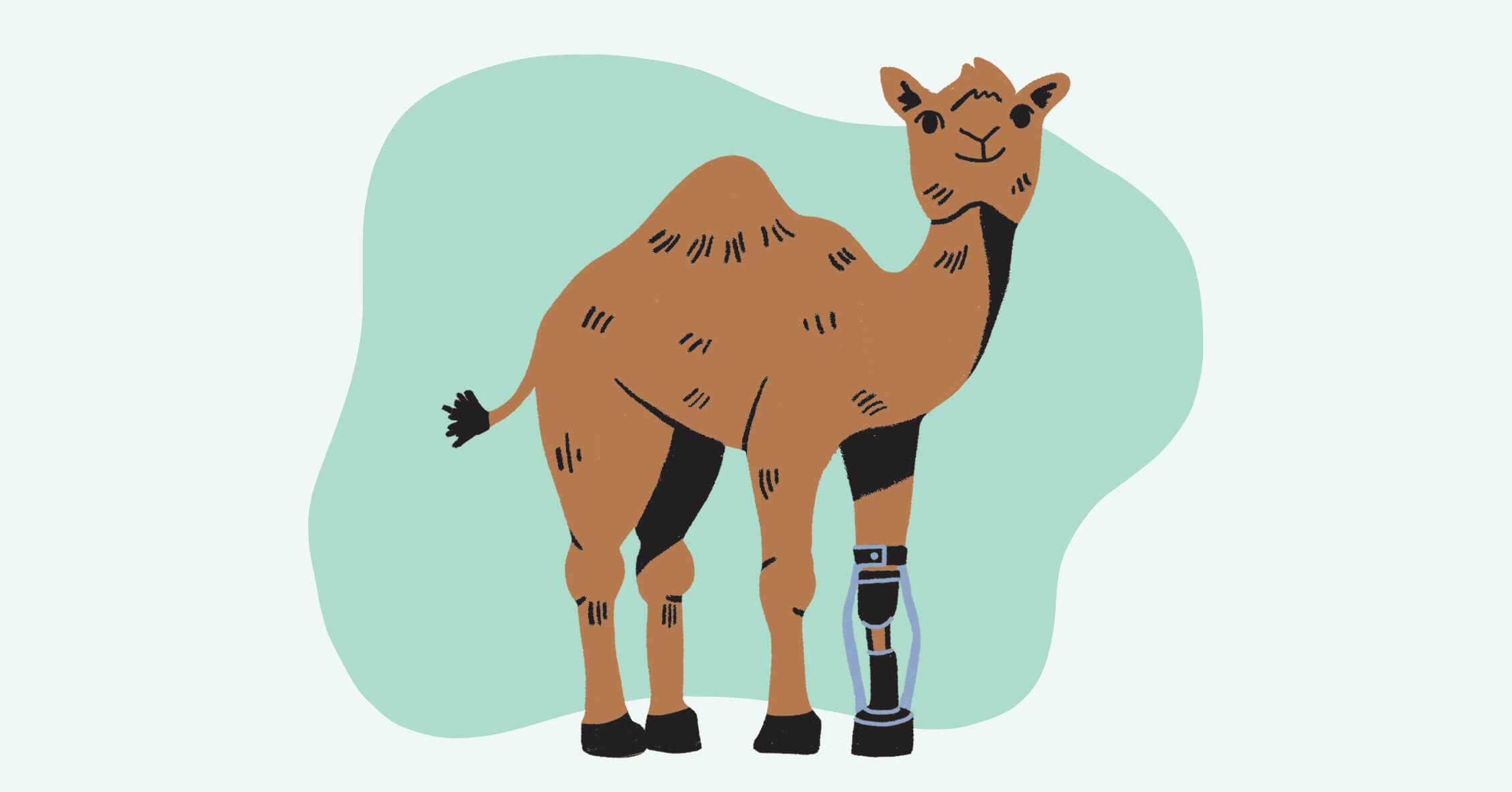
Derrick Campana is an animal orthotist who has saved more than 20,000 pets with his custom-made prosthetics. Campana, who’s from Sterling, Virginia, creates braces and artificial limbs to increase animals' mobility and improve their lives.
“Within the first year it was pretty clear that the account had some serious influence, and we were trying to figure out a way to give back to the amazing community.”
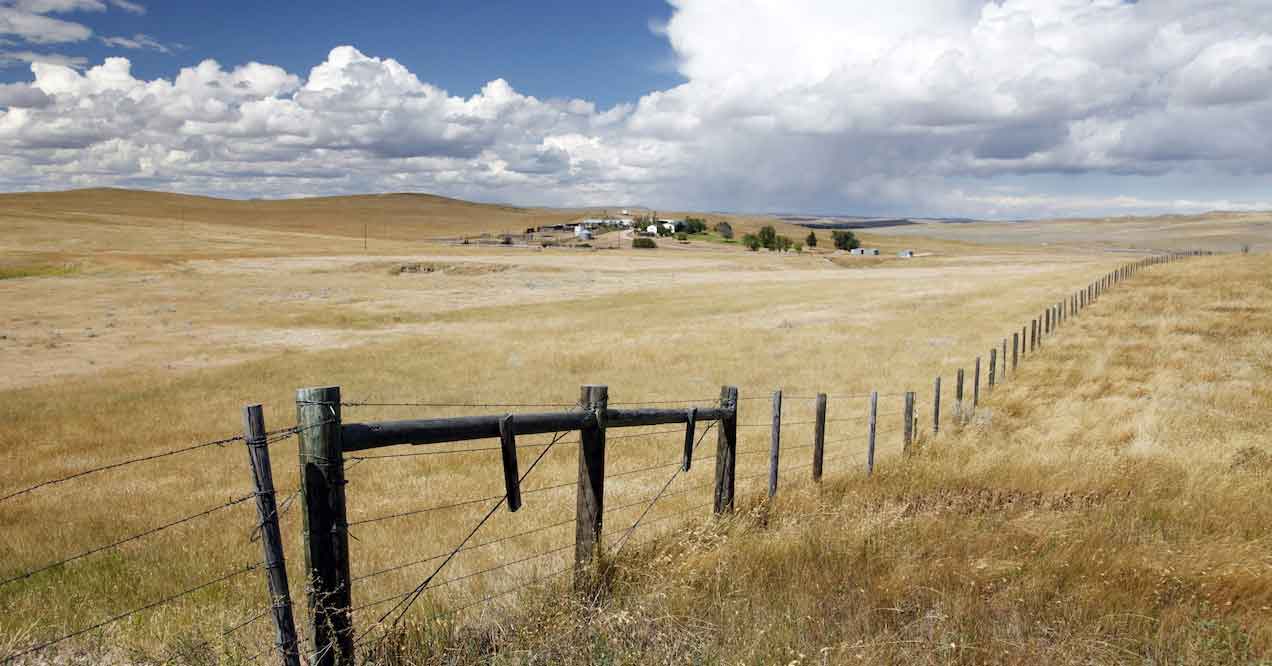
More than 600,000 miles of fences crisscross the American West, blocking animal migration. Outside Yellowstone this summer, volunteers dismantled a few.
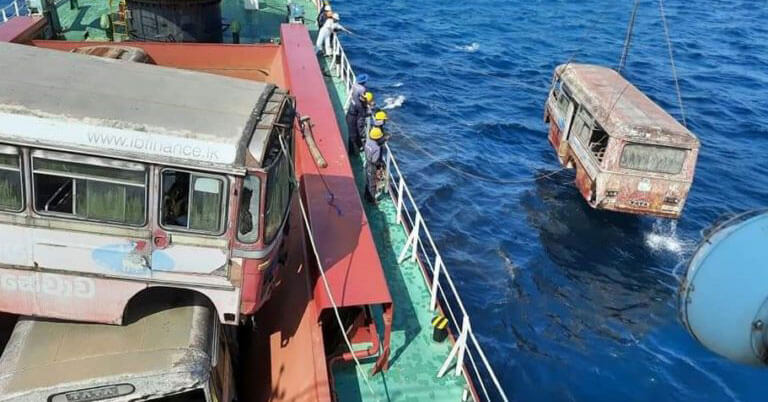
Buses are the most common mode of public transport in Sri Lanka. But after thousands of trips, the buses are decommissioned and sent to junkyards, where they decay and corrode under the elements. Now, however, they're being given a second lease on life.
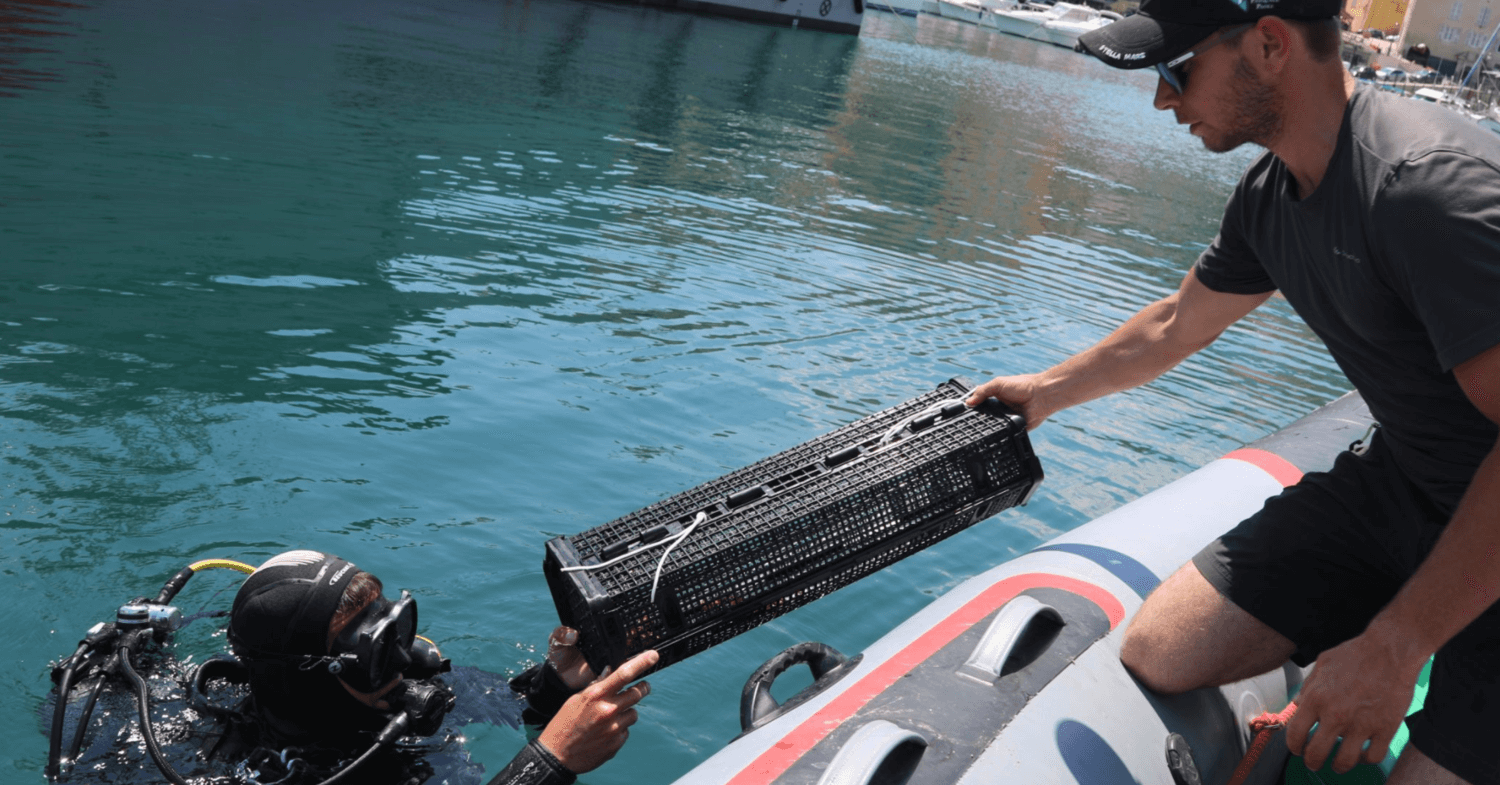
Scientists have discovered that a byproduct of the oyster growth process is that harmful pollutants such as phosphorus, pesticides, pharmaceuticals and nitrogen from fertilizers, which are difficult to remove from water...
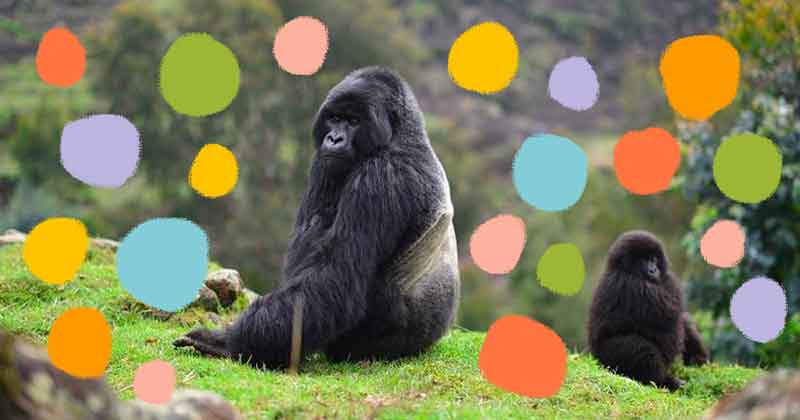
After decades of endangerment, mountain gorillas are growing in population thanks to conservation efforts of the World Wide Fund for Nature, the International Gorilla Conservation Program, and the Dian Fossey Gorilla Fund, among others.
In addition to concerns about harm to sea life, progressives said the money would be better spent on healthcare and other human needs.
Along temperate coasts, the effects of climate change—including sea-level rise, erosion, and more frequent and stronger storms—are threatening a vital habitat that offers one of the best natural defenses against those perils.
Sound is essential to the survival and prosperity of marine life, but human-made ocean noise threatens this fragile world. Sound travels much farther and faster underwater than in air and is vitally important to marine animals.
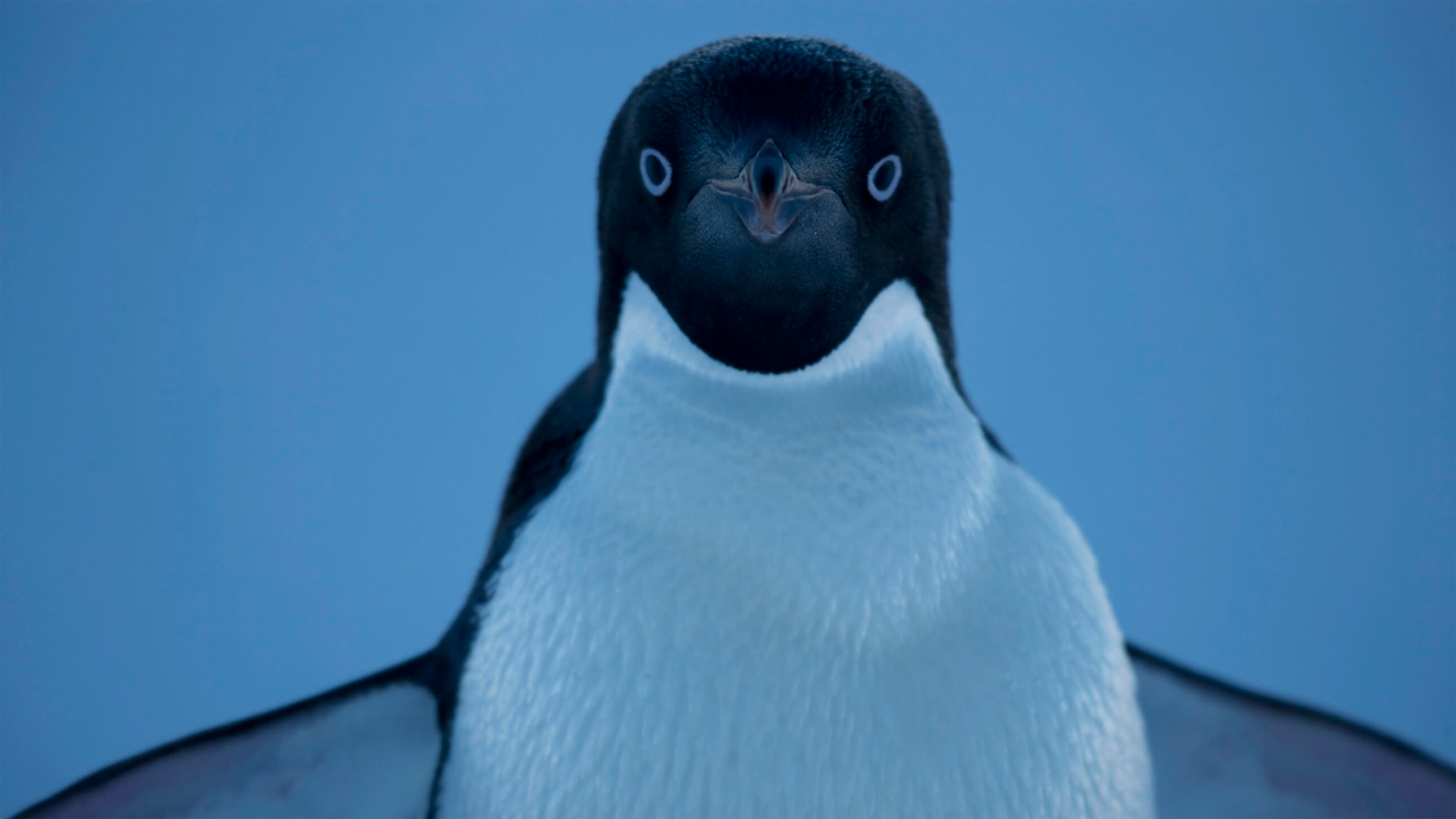
It’s fitting that ARK’s voluntary fishing closure includes Hope Bay because it represents new hope for Adélie penguins. Several of the world’s largest mega-colonies of these penguins live in this part of the Antarctic Peninsula, relying on krill as a prime source of forage food.
Marley’s Mutts partners with California state prisons and pairs incarcerated men with a rescue dog for three months, with the goal of “mutual rehabilitation.”