Stories about using art and creativity to make a positive difference
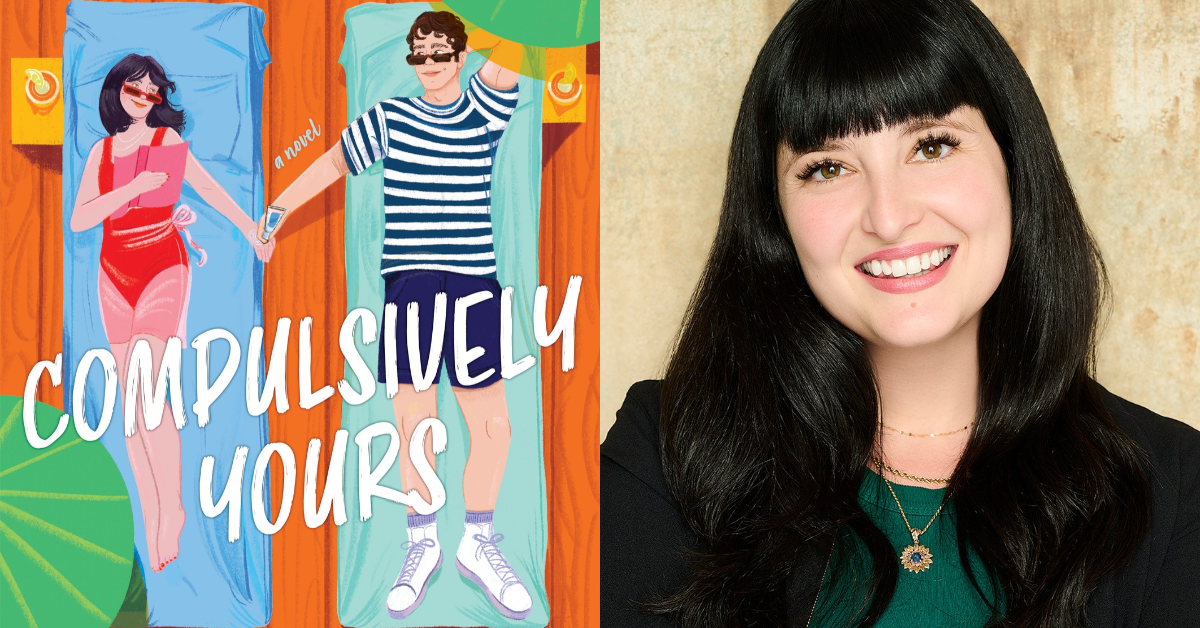
In her sixth book, “Compulsively Yours,” Allison Raskin breaks new ground in the world of rom-com literature.
Your weekly roundup of the best good news worth celebrating...
The country star spoke out on social media, urging followers to sign a petition against the development.
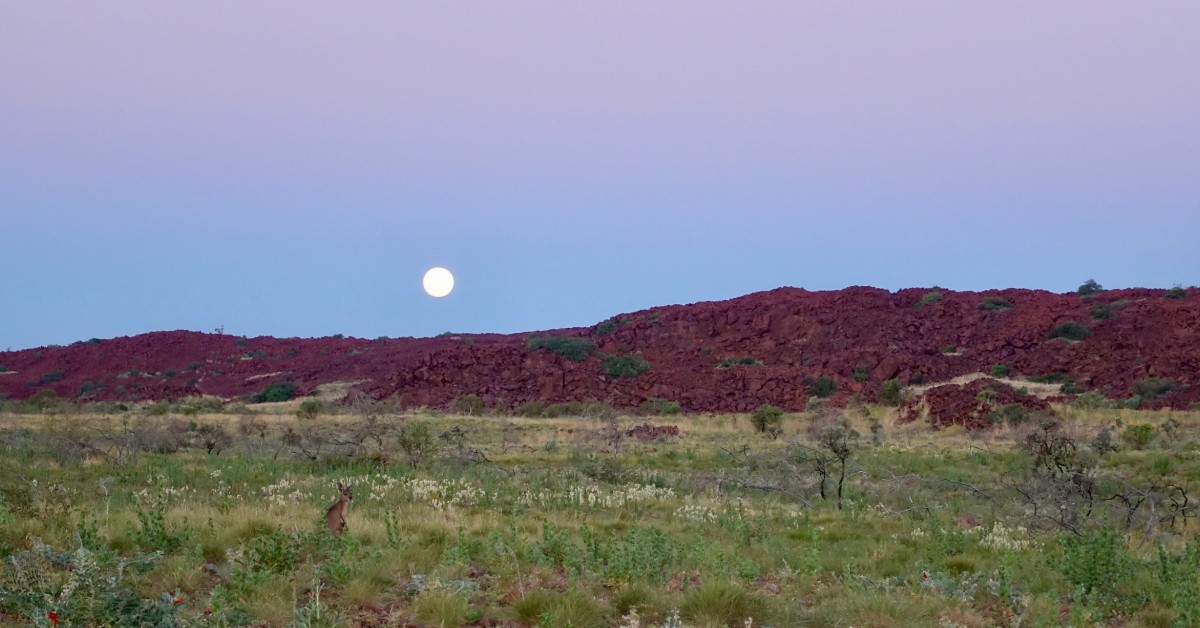
The songlines at Murujuga hold ancient lessons from Indigenous communities that occupied the land centuries ago.
The “Great Divide” singer references the Elizabeth Mine project in Strafford, Vermont in his new song, “Haircut.”
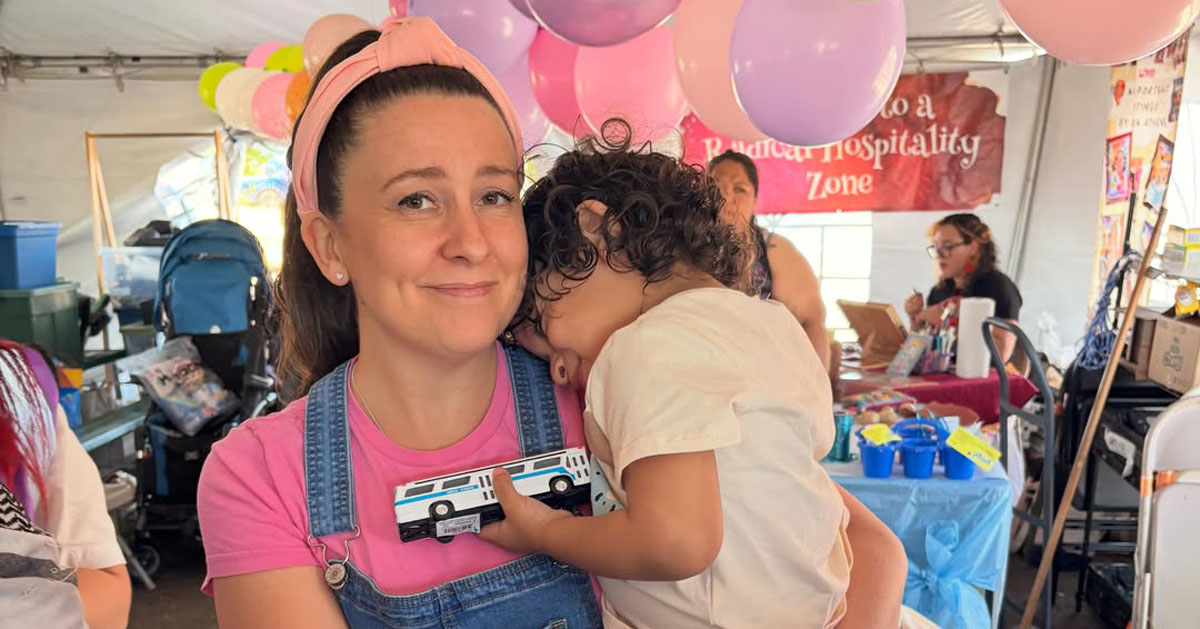
“I can’t say enough about how this cruelty is harming and traumatizing precious children who should get to just be kids,” the children’s entertainer wrote.
We the People is a nationwide contest, a roast, and an online game show all rolled into one.
The channel includes iconic full-length episodes from the show’s 33-year run.
Maria Bamford has been grappling with depression and OCD since she was a child. In her stand-up sets, she transforms that pain into laughter.
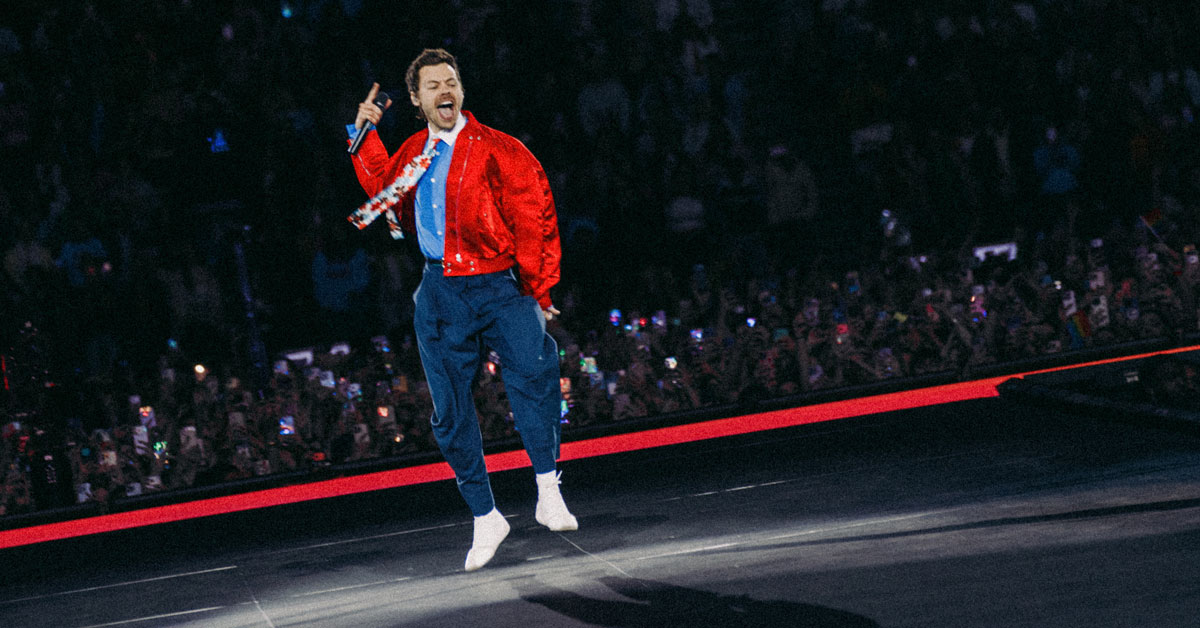
It may be the only way for some fans to make their way to the “Together Together” tour this summer.
A 90-minute concert in New York City will headline the fourth No Kings event.
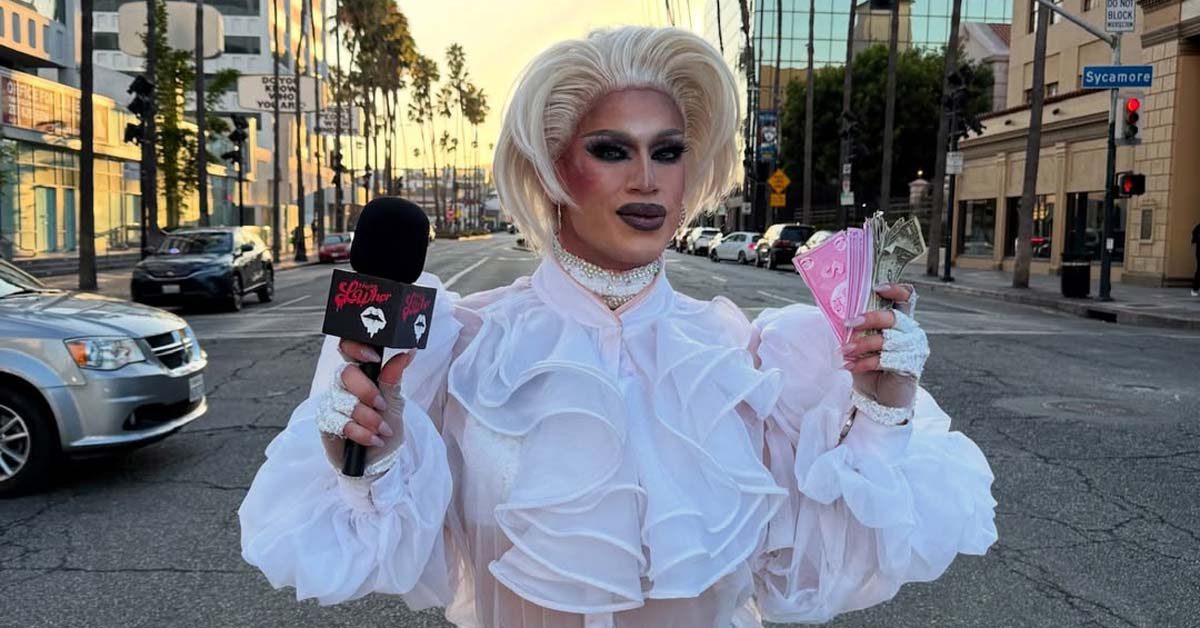
Jessica L’Whor’s “Ask A Queen Anything” segment has taken the internet — and the streets of Denver, Colorado — by storm.
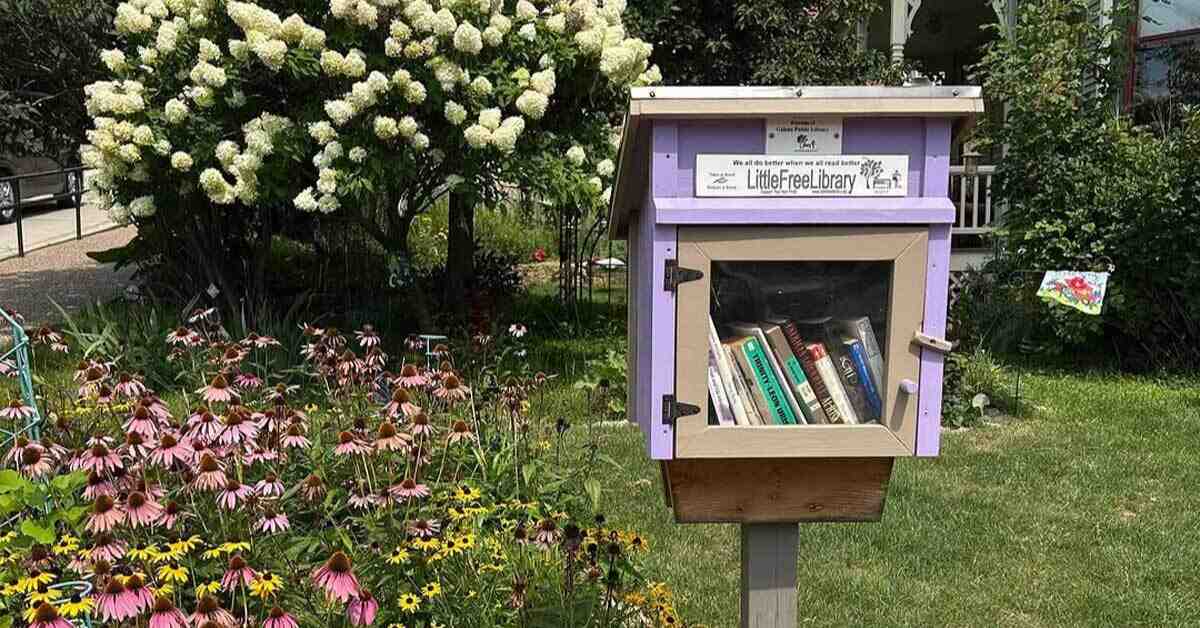
In addition to neighborhood plant swaps, trinket exchanges, dioramas, and more, Rachael Harms Mahlandt proposed a new craft idea that helps pollinators thrive.
In a study, GLAAD tracked the metrics of LGBTQ+ representation in films released by Hollywood’s 10 biggest film distributors.
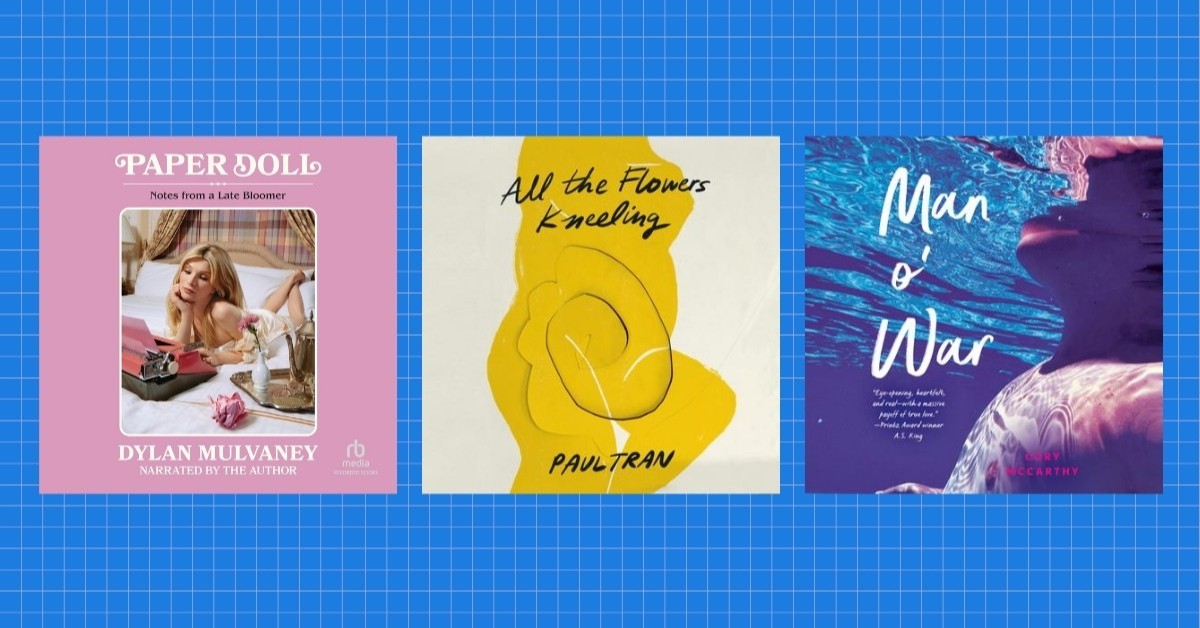
It is more important than ever to learn directly from trans and nonbinary writers. Here’s a reading list to get you started.
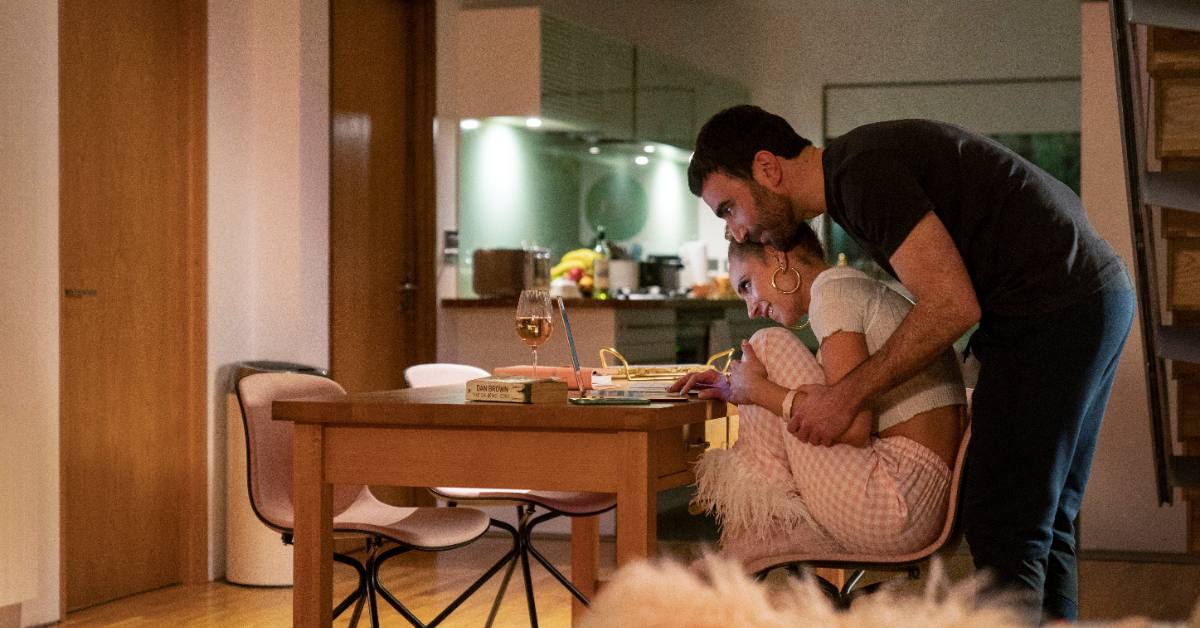
Turns out, Cameli’s shirtless scenes in “Off Campus” also do good.
The beloved “Mister Rogers’ Neighborhood” stamps will be available to purchase in June.
Many of the plants found at the Alice Austen House are non-binary or sex-changing species, such as ferns and flowers that self-pollinate or have both reproductive organs.
Despite most public housing residences closing in the 1960s and 70s, this one has been preserved for the future.
For a new crop of novelists, optimism is not just a character trait — it’s the whole point.