Stories about money and economics being used for good — and good being done for money and economies
Your weekly roundup of the best good news worth celebrating...
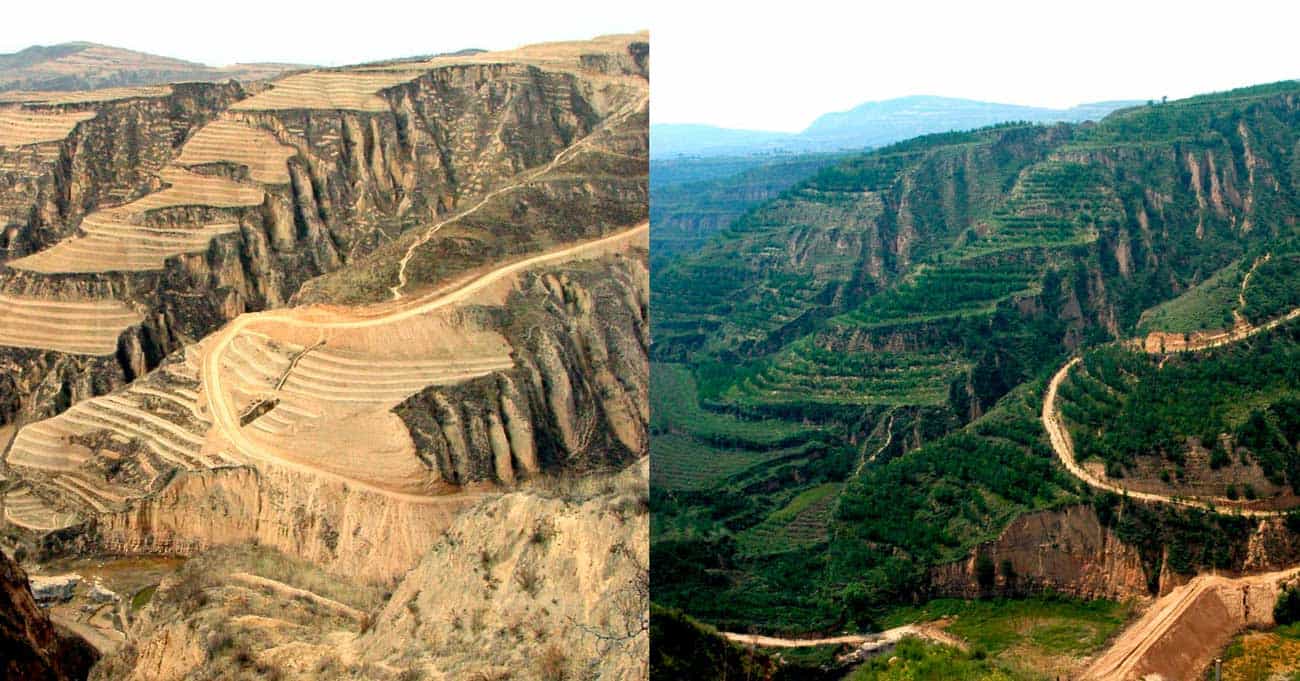
A group of “holistic engineers” wants to return the arid Sinai peninsula to the lush, green landscape it once was.
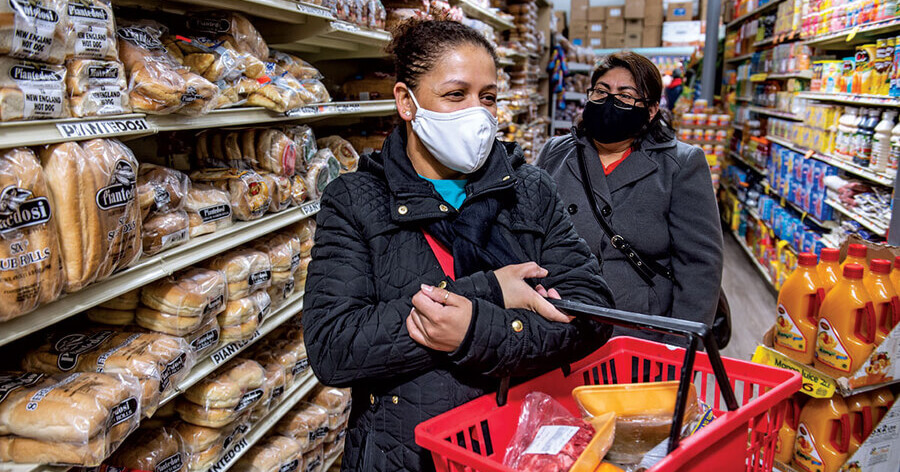
As the government’s response to the COVID-19 pandemic has demonstrated, the United States can, I believe, assure a “right to food” in the United States through government interventions, especially through expansions in benefits and SNAP eligibility.
Jason Wang is the founder of FreeWorld — a nonprofit that helps people who were formerly incarcerated start a well-paying post-prison career in the trucking industry.
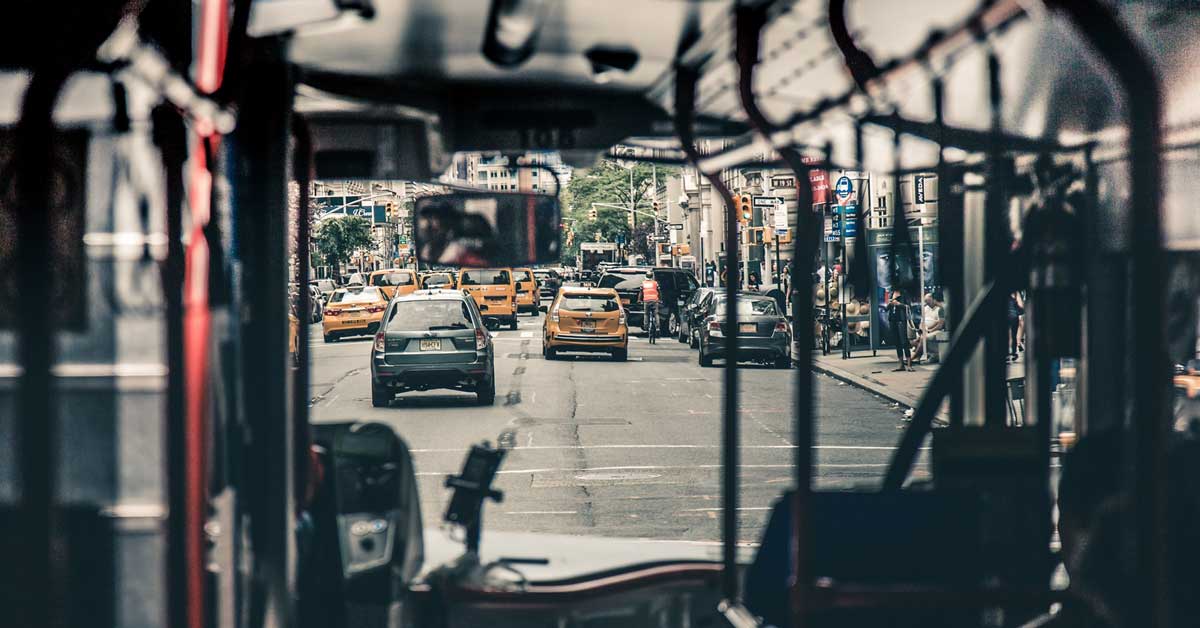
During the pandemic, commuter trains ran nearly empty while buses shuttled essential workers. Now, cities are reevaluating where they spent their transit dollars.
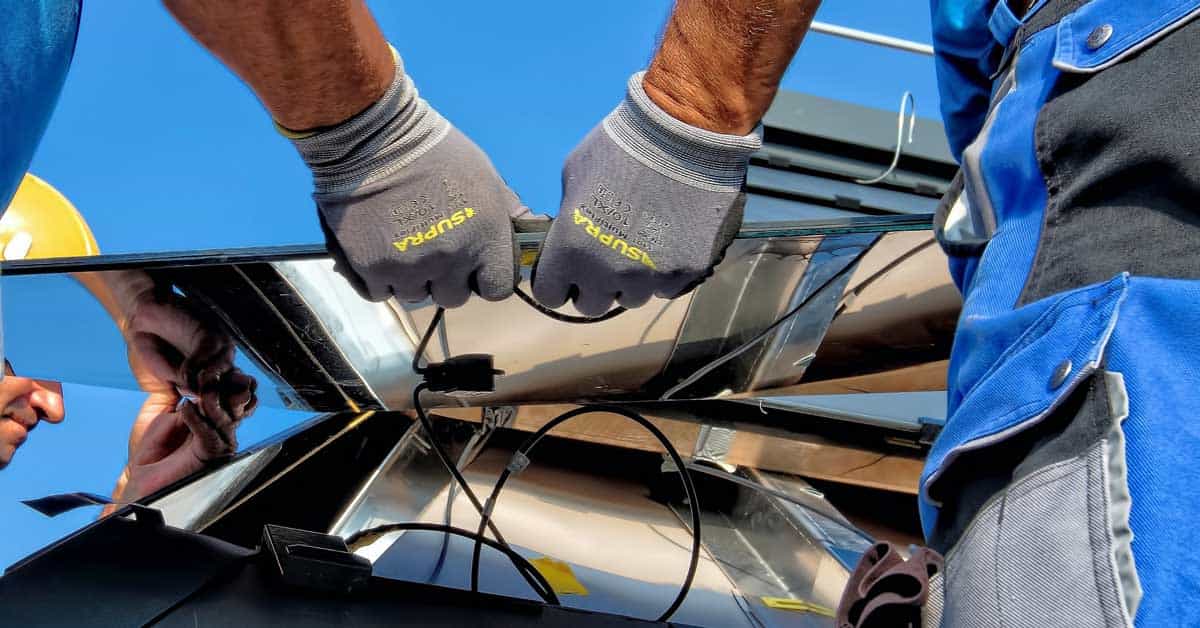
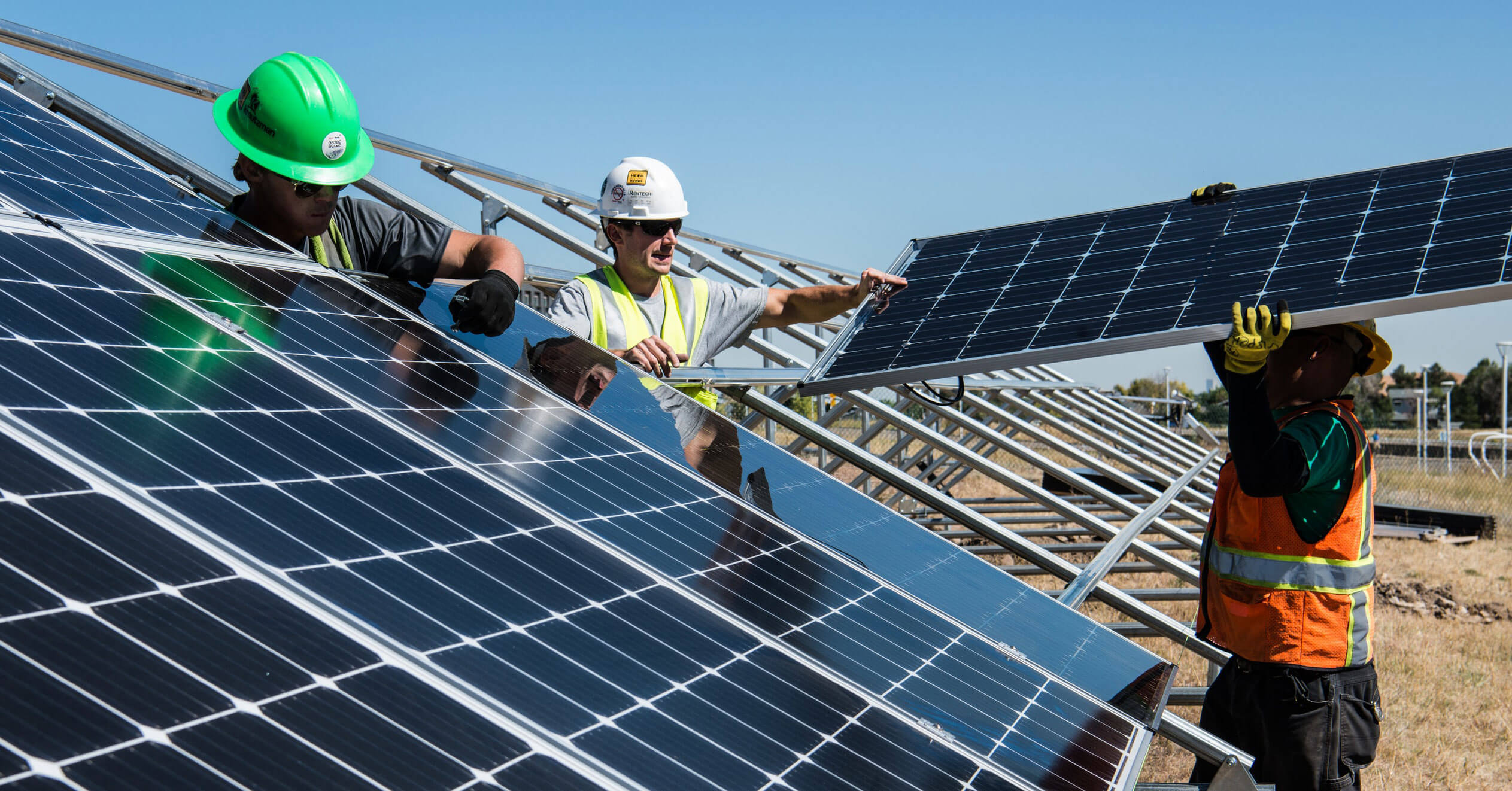
Clean energy jobs rose to 12 million last year even amid the pandemic but officials say green employment must come with decent conditions and bring in more women.
Liberty in North Korea believes the North Korean people will achieve liberty in our lifetime. Here's why we can be hopeful about North Korea — and how to make a difference.
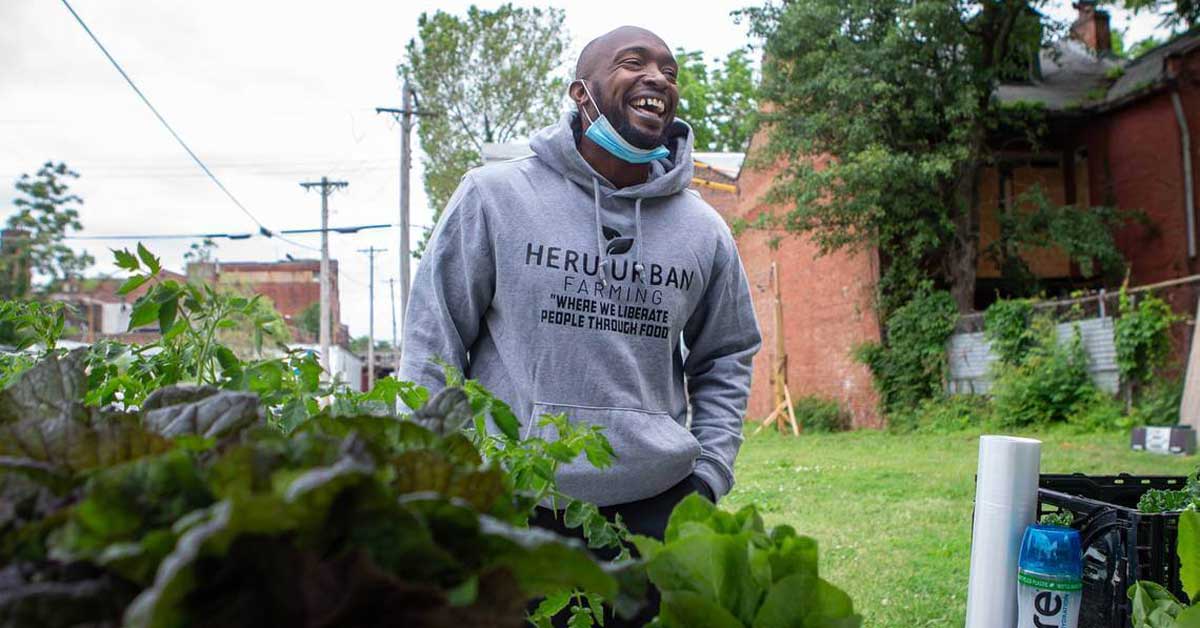
Large swaths of St. Louis are without easy access to fresh food and nutritious produce. These “food deserts,” are most often in low-income communities. Organizers, farmers, and nonprofits are using a variety of creative methods to ensure people have access to the food they need
Food banks and nonprofits do an amazing job helping people who live with food insecurity. But the stigma around asking for help causes some people to go without. Using mobile technology and existing food sector systems, this startup is connecting hungry people.
The climate crisis and the pandemic are spurring local governments to take action — and finally, begin to address chronic homelessness.
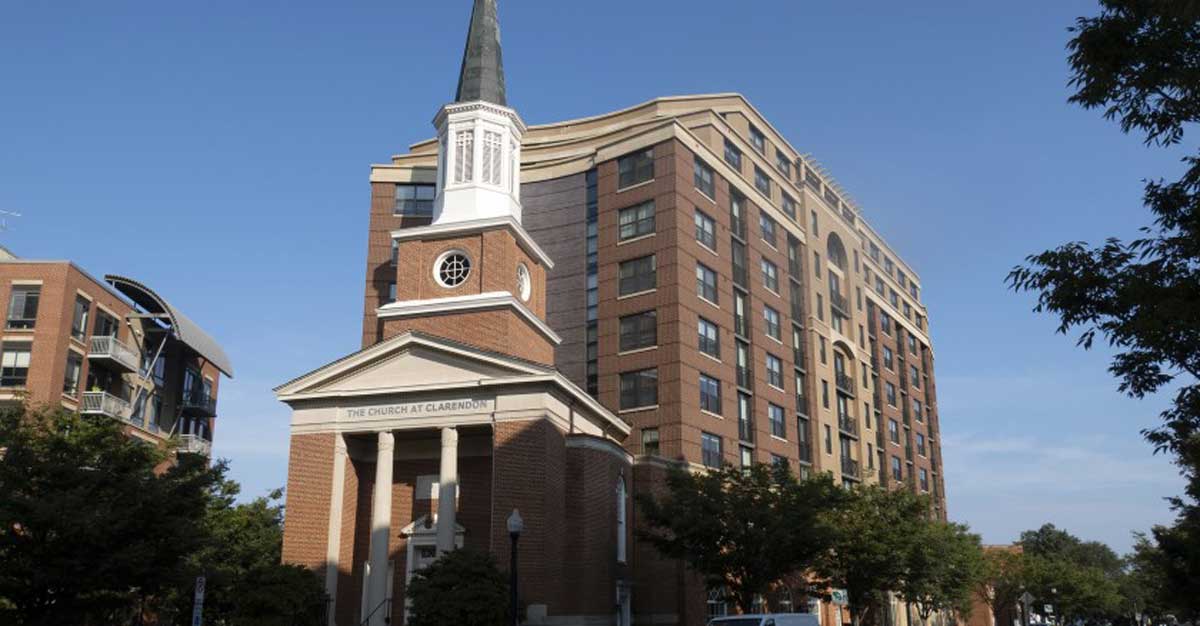
Houses of worship own billions worth of empty, deteriorating, or underused real estate. Some local governments and denominations are overcoming obstacles to carve it into badly needed housing for their communities.
Until now, Mukuru residents have had no option but to buy polluted water from informal vendors charging exorbitant prices
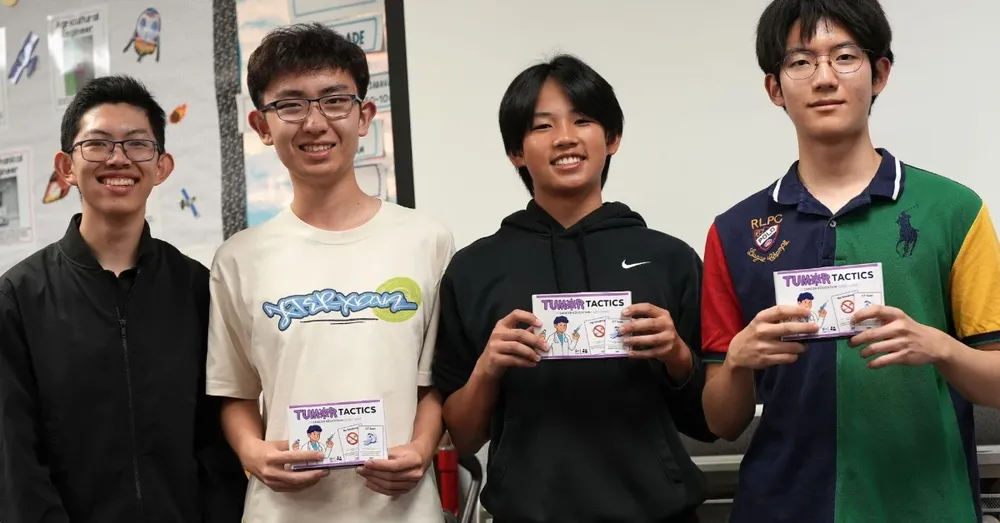
As with many national social movements, young people have been on the frontlines of the menstrual equity push. In 2020, students across the country raised money, lobbied, held school assemblies, and launched social media campaigns to make period products free in their schools
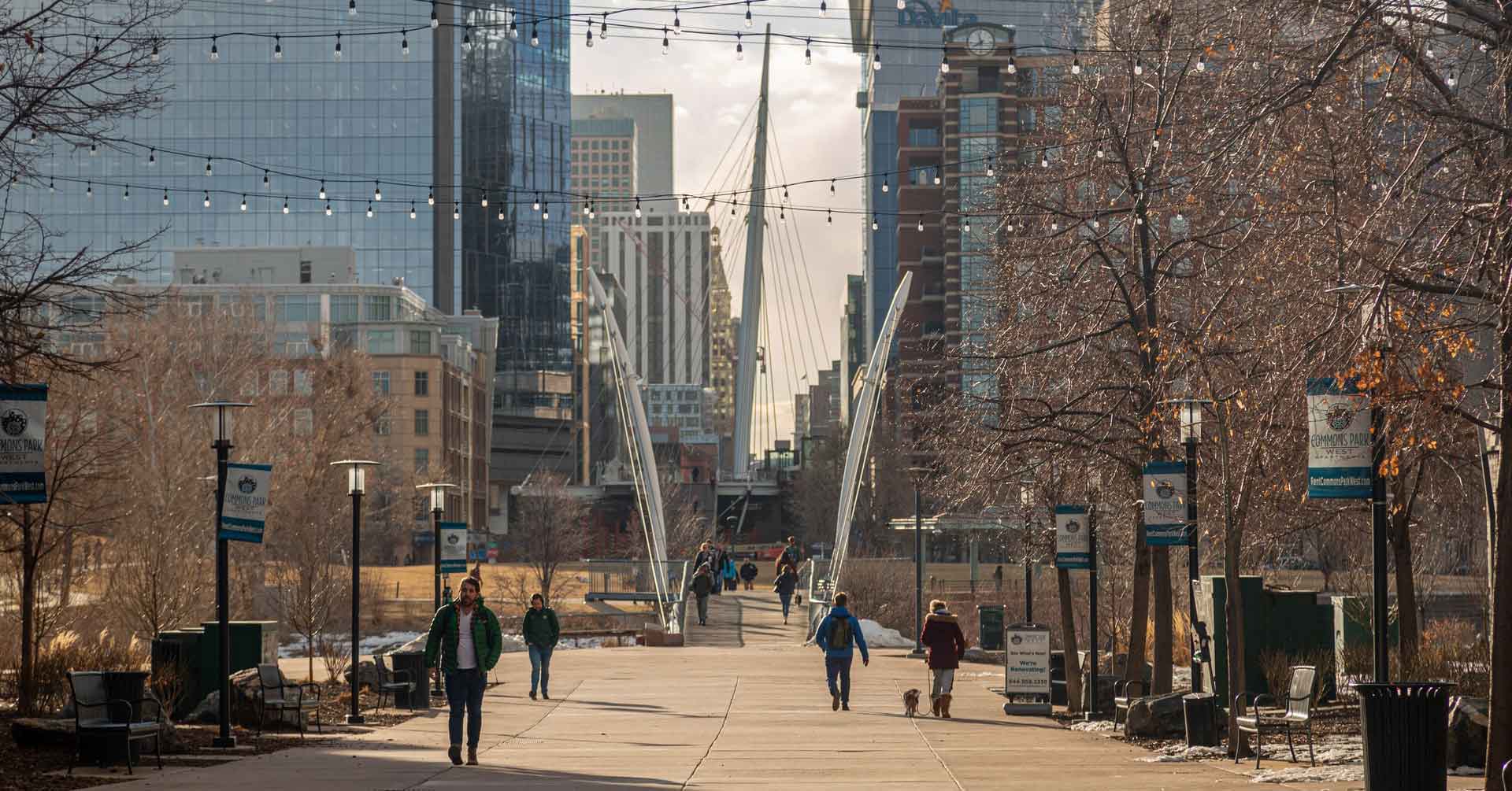
The Denver study proves that highly vulnerable people living on the street will accept housing and, with help, stay housed for the long term. That’s good news at a time when homelessness is rising nationally.
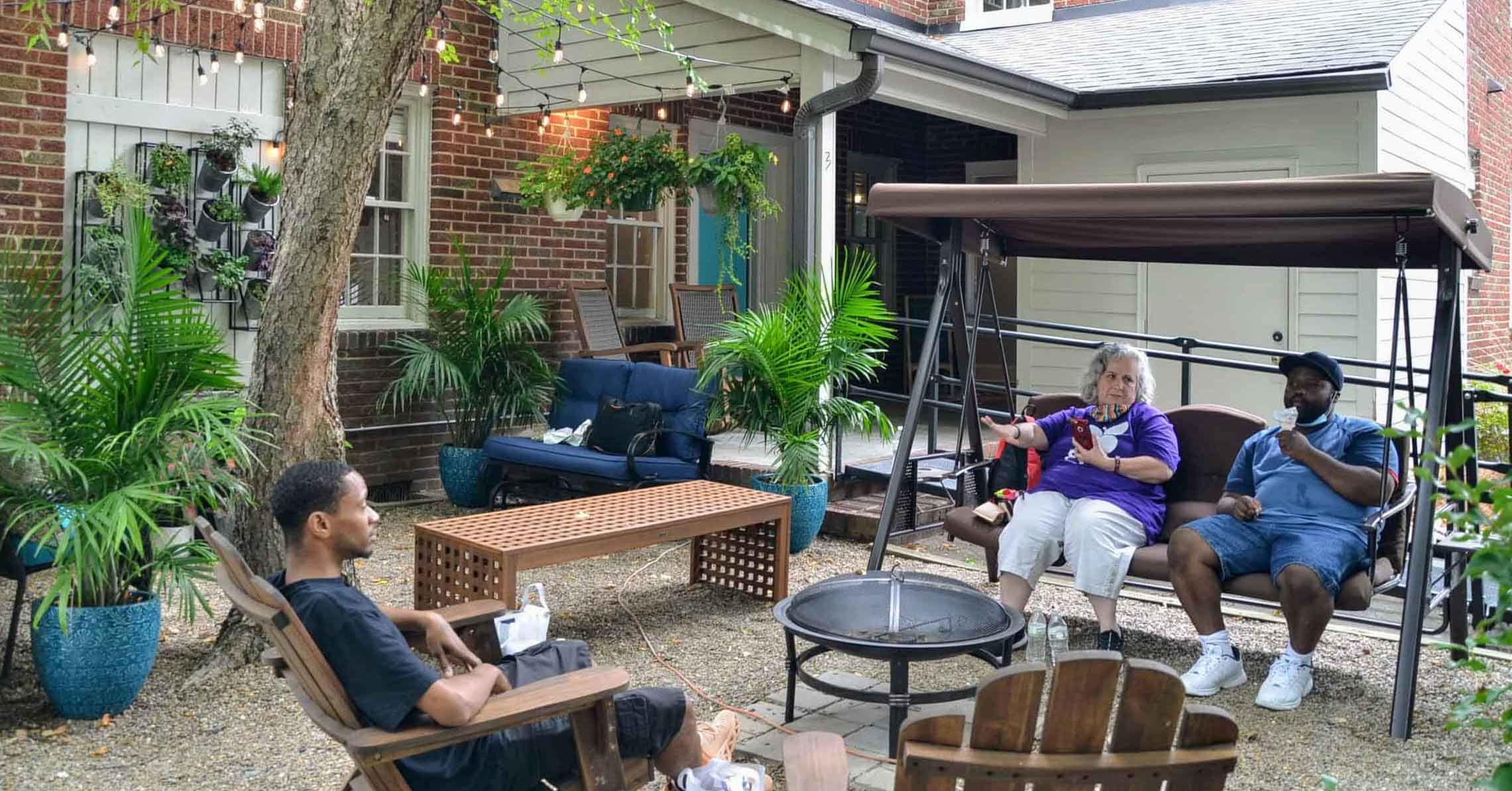
A mental health agency in Charlotte run by people with lived experience opens North Carolina’s first peer-run respite center as an alternative to landing in the emergency room for mental health issues.
The reward system works like credit card cash-back points or frequent flier programs. The more you shop, the bigger the rewards you earn. This gamification setup encourages people to shop locally, support small businesses and have fun in the process.
"We can trust people to spend money appropriately. Just because people are poor doesn't mean that people are irresponsible." – Tom Ambrosino, city manager in Chelsea, Massachusetts
Transgender people are at higher risk of experiencing violence, homelessness, and abuse, attributable to transmisogyny and transphobia in their communities. These risks increase exponentially at the intersection of race and gender.
In a report, WWF examined the potential impact on employment of channeling into greener activities the annual $500 billion governments now put into damaging subsidies that support things like fossil fuels, over-fishing, and unsustainable agriculture.
Steering billions of dollars in climate-related federal spending to rural parts of the United States would generate a substantial return on investment, researchers said Wednesday, urging policy-makers to seek regional equity in the clean energy transition.