Stories about money and economics being used for good — and good being done for money and economies
Your weekly roundup of the best good news worth celebrating...
An early entrant in the petrol-to-electric race, Nepal has tens of thousands of electrified cars, buses, and rickshaws on its roads but few motorcycles — the most popular form of transport in the Himalayan nation.
How have women's lives in Afghanistan improved since 2001, from education and clothing to reproductive rights and political power? Here are six ways life has got better for women since the last Taliban government fell - gains now feared at risk.
For decades, mining has eaten into the forests of mineral-rich Chhattisgarh. But as the state moves away from opening coal mines, authorities have introduced measures to boost output of forest goods - from tamarind to cashew nuts and medicinal seeds.
In Tucson Arizona, a group of constables went rogue and stopped enforcing evictions at the beginning of the year.
Cities and states have struggled to find ways to increase their inventory of low-cost housing over the last decade, and many have pursued policies that they hope will add density to areas zoned for single-family dwelling.
The money, available through both the Coronavirus Aid, Relief, and Economic Security Act and the more recent American Rescue Plan Act, allows eligible colleges to wipe out student debt and provides grants directly to students in need.
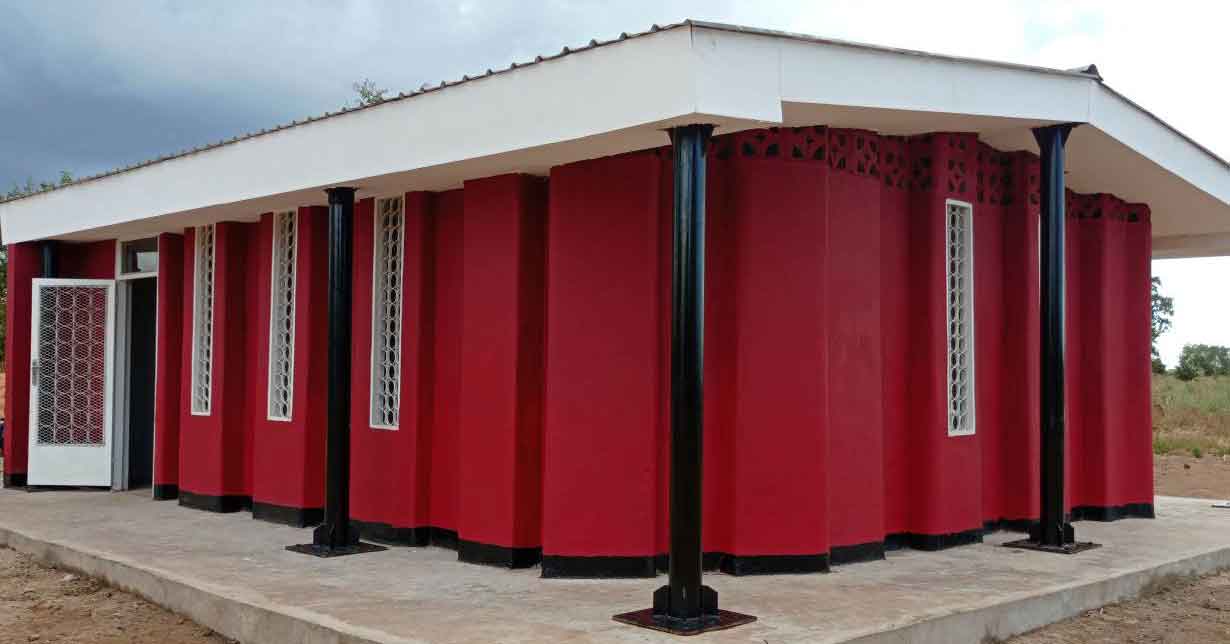
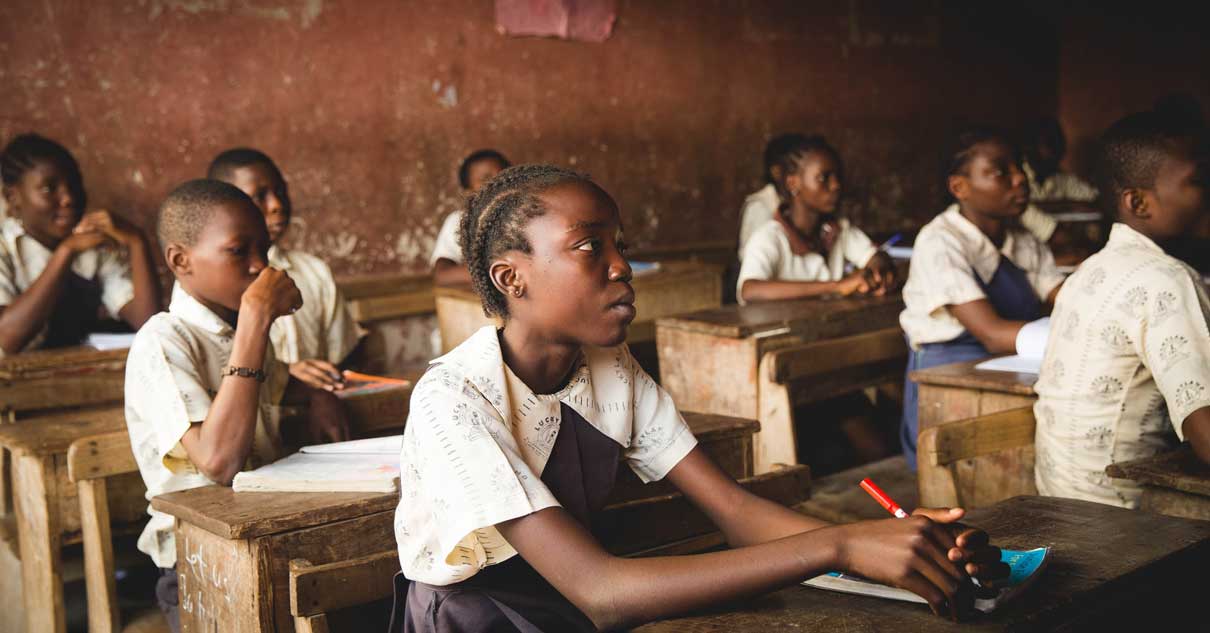
Faster, cheaper and greener than regular construction, 3D printing could help African countries close their education gaps.
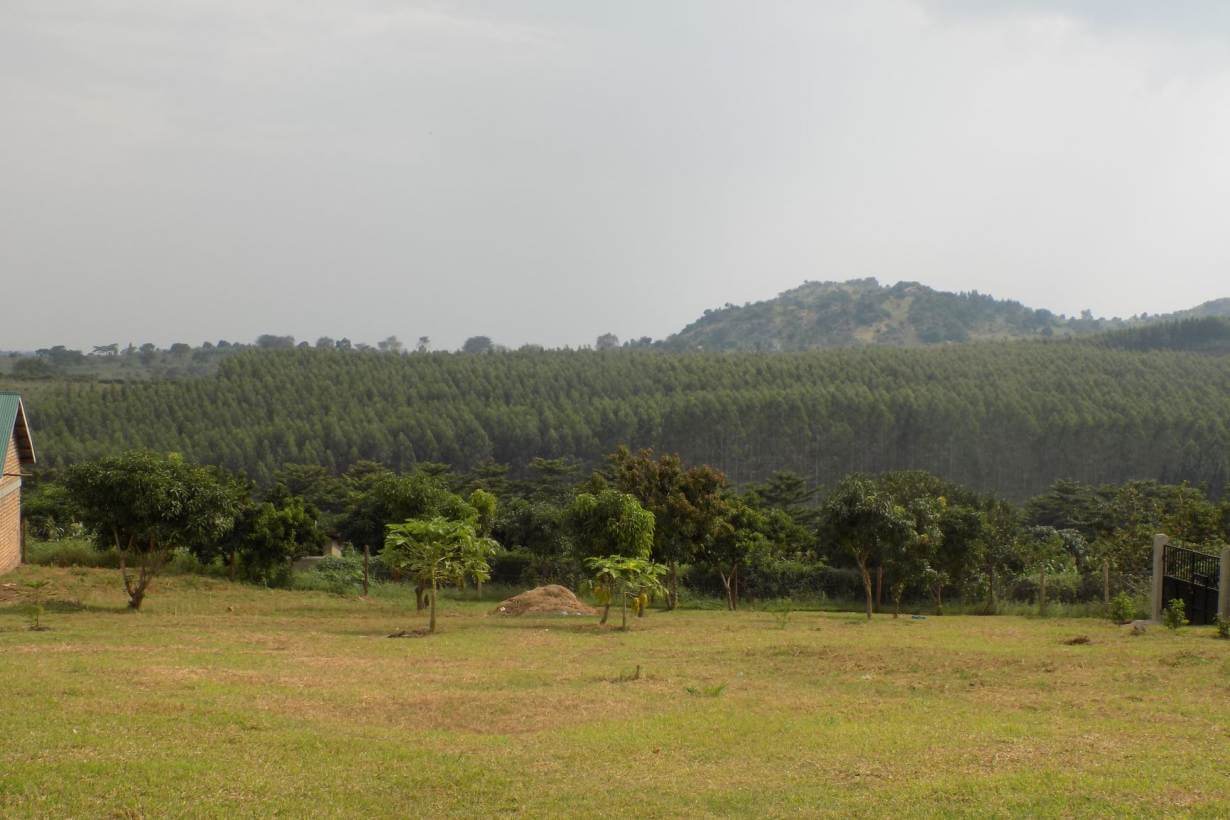
The country is curbing encroachment by paying farmers to grow trees for firewood and timber, but environmentalists say outside of plantations, the forest is still shrinking
Fourteen communities working with the Built for Zero program have reached the point where homelessness for veterans or those experiencing chronic homelessness is rare overall, and brief when it occurs.
Recent news reports indicate that the Canadian government is mulling over introducing a budget that would focus on new indicators of progress like happiness and well-being.
Good news stories from around the world — from ending student lunch debt in Seattle, to a neo-Nazi removing his swastika tattoos. There's so much good to celebrate.
For the socially conscious consumer, it can be difficult to determine the origins of the clothes we buy. In a slow shift that signals increasing changes in the industry, more companies recognize consumers expect their clothing-makers to take their social duty seriously.
When it comes to gender equality, we’ve all got a long way to go. From healthcare to income, the situation around the world is dire, with women in every country consistently being given opportunities at rates well below their male peers.
Today, the approximate number of malnourished people in the world is 795 million. That’s a big number, but it’s 216 million fewer than there were 12 years ago.