Good news about
Stories About Using Technology and Innovation To Make a Difference
Your weekly roundup of the best good news worth celebrating...
October 2026’s best good news, ranked by 5 million Instagram views. See the top 16, led by a bill that would ban Flock cameras nationwide.
Experts believe the litter could indicate a growing population of the big cats in the region.
The new law limits data gathering and bars some algorithmic recommendations.
Spiders produce silk from a specialized gland and use it to build incredible web structures. Scientists are figuring out how to replicate this biological feat.
The new kits are the offspring of a group of endangered pine martens who were released into the wild in 2024 and 2025.
In response to souring public opinion on data centers, Pennsylvanians have flocked to grassroots Facebook groups.
The approach is being called a “revolutionary” non-invasive conservation method.
The sighting challenges the perception that high-altitude rangelands are empty and barren, and even suggests a full predator-prey system.
Across the continental U.S., intense single-day precipitation events are growing more frequent, fueled by warming air that can hold increasing levels of moisture.
The courts can hold 330,000 gallons of water, half the volume of an Olympic-sized swimming pool.
In addition to using clean energy, the ambulance aims to close healthcare gaps in some of the world’s most remote regions.
At the end of this year, the European Union Deforestation Regulation is set to go into force, prohibiting products linked to deforestation from entering the EU market. Coffee is among the target commodities.
The researchers, part of the Search for Lost Birds project, were overjoyed by their findings.
Small-scale solar microgrids for Appalachian communities could help keep communities warm and fed during future blackouts.
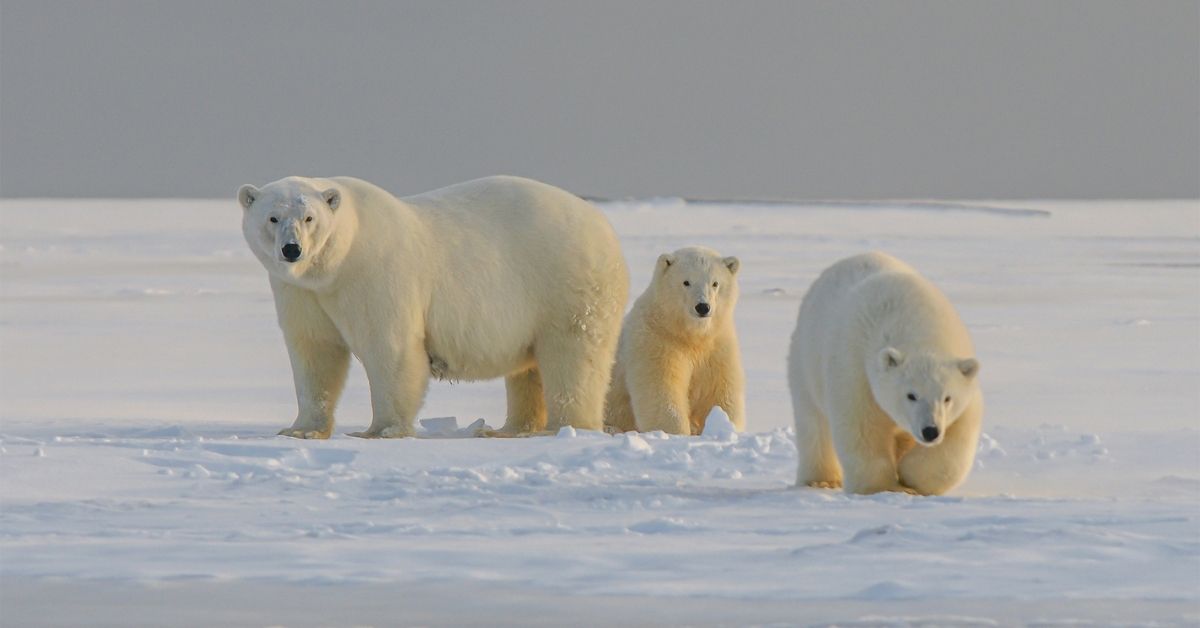
The goal of the new technology is to reduce human-polar bear encounters in the Arctic, where warming temperatures lead to more brazen bears.
Because a kitten named Gelato deserves to feel like a Transformer, too.
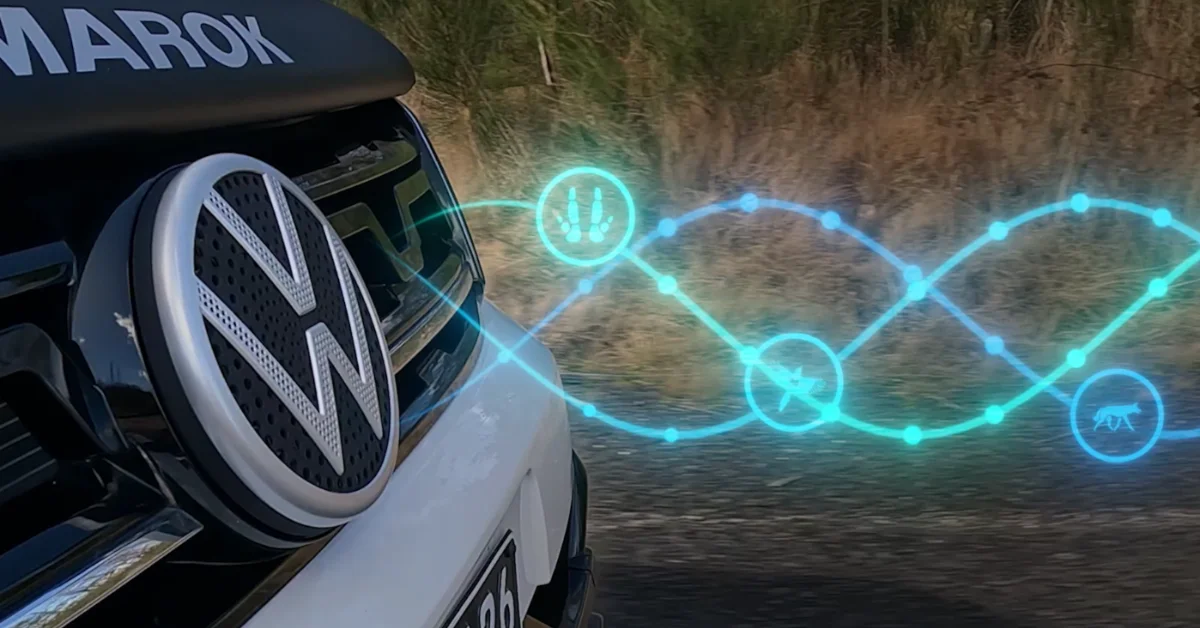
Kangaroos are the leading cause of wildlife-vehicle collisions in Australia. Volkswagen's breakthrough technology aims to use specific frequencies to alert them to oncoming traffic.
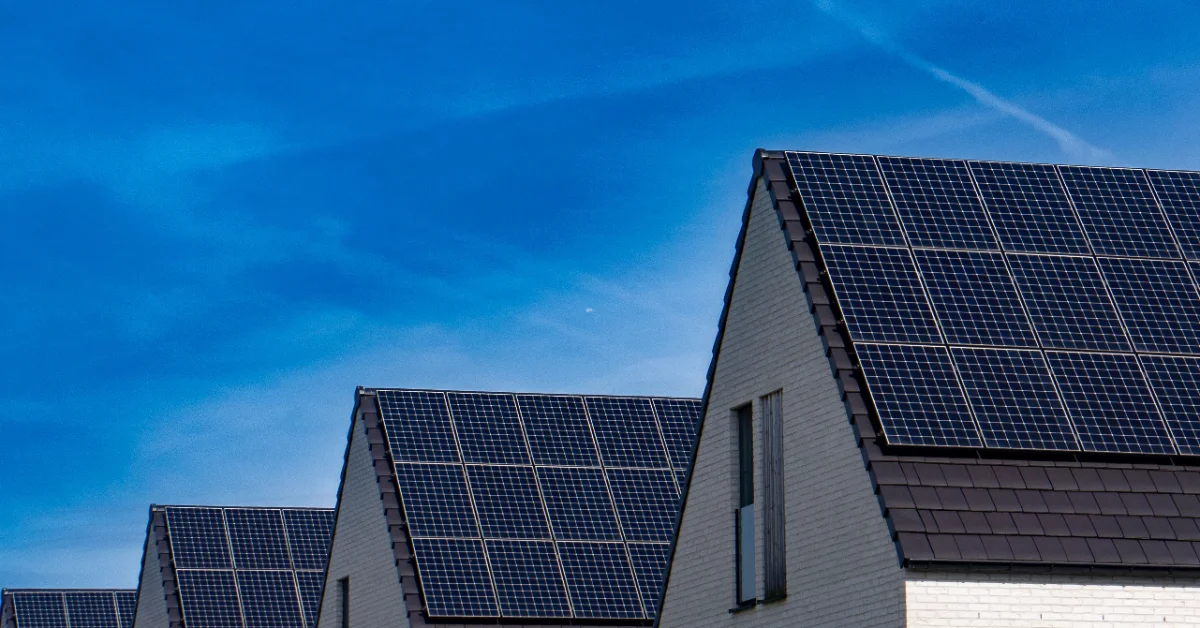
A new report found that solar arrays saved $39 million to $54 million in a single day of a recent heat wave.