Good news about
Stories About Using Technology and Innovation To Make a Difference
Your weekly roundup of the best good news worth celebrating...
October 2026’s best good news, ranked by 5 million Instagram views. See the top 16, led by a bill that would ban Flock cameras nationwide.
This line of research into how insects hear sounds using specialized, microscopic hairs could inspire a new generation of acoustic tools.
Los Angeles and New York City banned most students from using artificial intelligence in classrooms this school year.
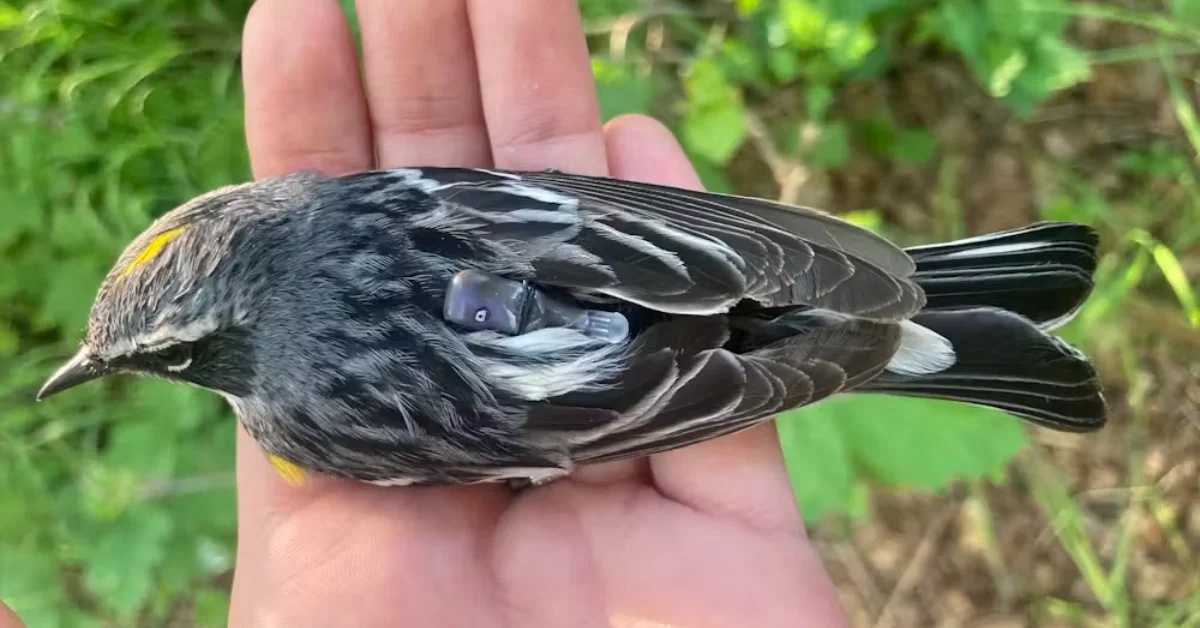
The devices are light enough to be carried by small migratory songbirds, which often weigh less than a spoonful of sugar.
A federal administrative court has temporarily revoked authorization to build a massive data center near Boulder City, Nevada.
Anika Puri won $10,000 for her AI-enabled invention.
There are fewer than 100 wild ocelots left in the United States. Wildlife crossings may have saved them from extinction.
The order came as The Texas Tribune was preparing to publish an investigation detailing how a state agency has devoted at least $30 million to building the state’s Flock surveillance network.
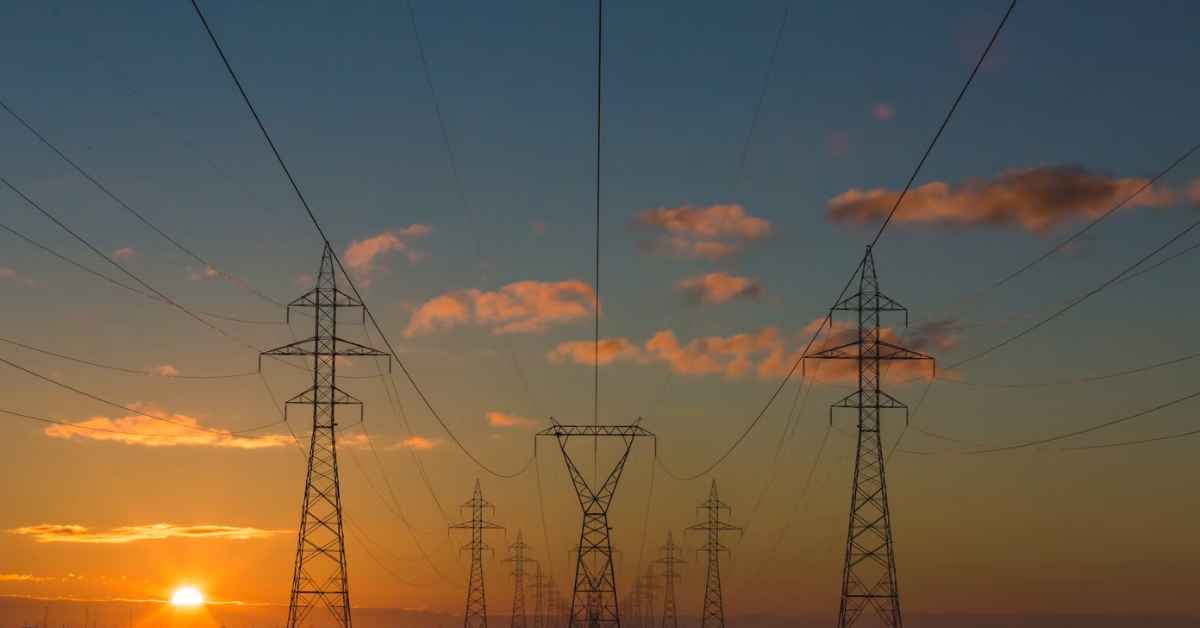
Abundant sunshine and smart policy have made New Mexico’s grid far more climate-friendly.
The law requires operators to disclose total energy consumption, energy used for cooling and IT equipment, peak daily water use, water sources, and backup power supplies to the state Board of Public Utilities twice a year.
Europe’s solar panels produced 17% more power during the summer’s heat waves than they normally do, stabilizing the grid as afternoon cooling demand climbed.
Global food demand is expected to rise 35–56% by the year 2050. Could 3D-printed food sourced from plastic waste be the answer?
The $8-billion Airo fleet promises cleaner, more reliable service as passenger rail enjoys record ridership.
The rare sighting came as a result of lion and leopard research carried out by conservation nonprofit Panthera.
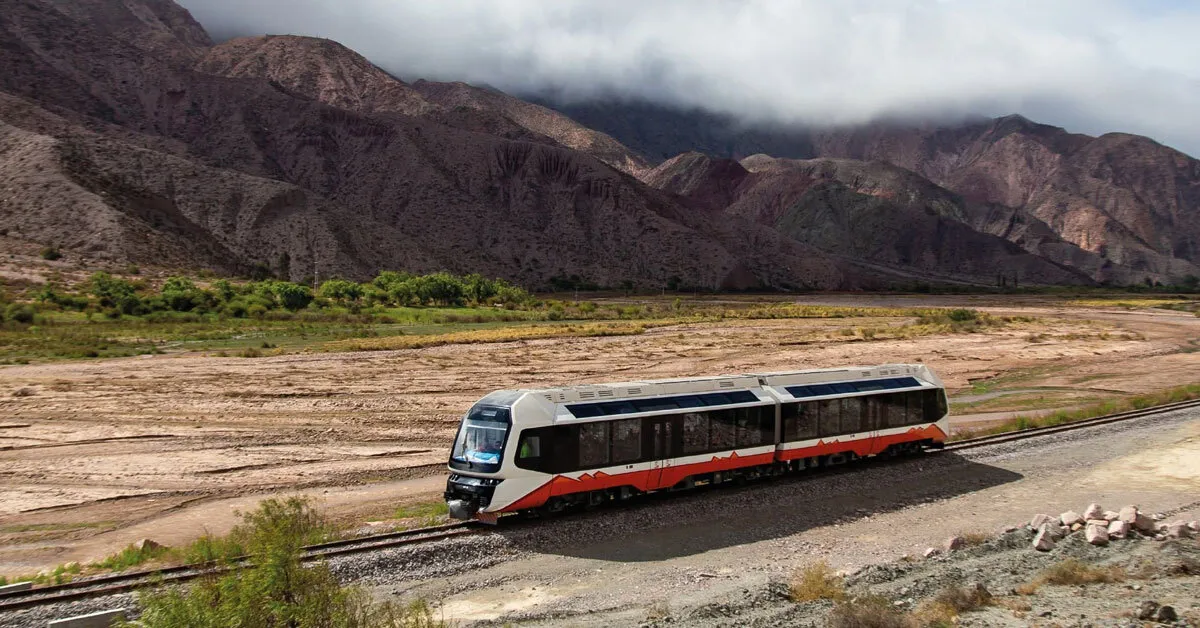
The Tren Solar de la Quebrada travels through a UNESCO World Heritage Site.
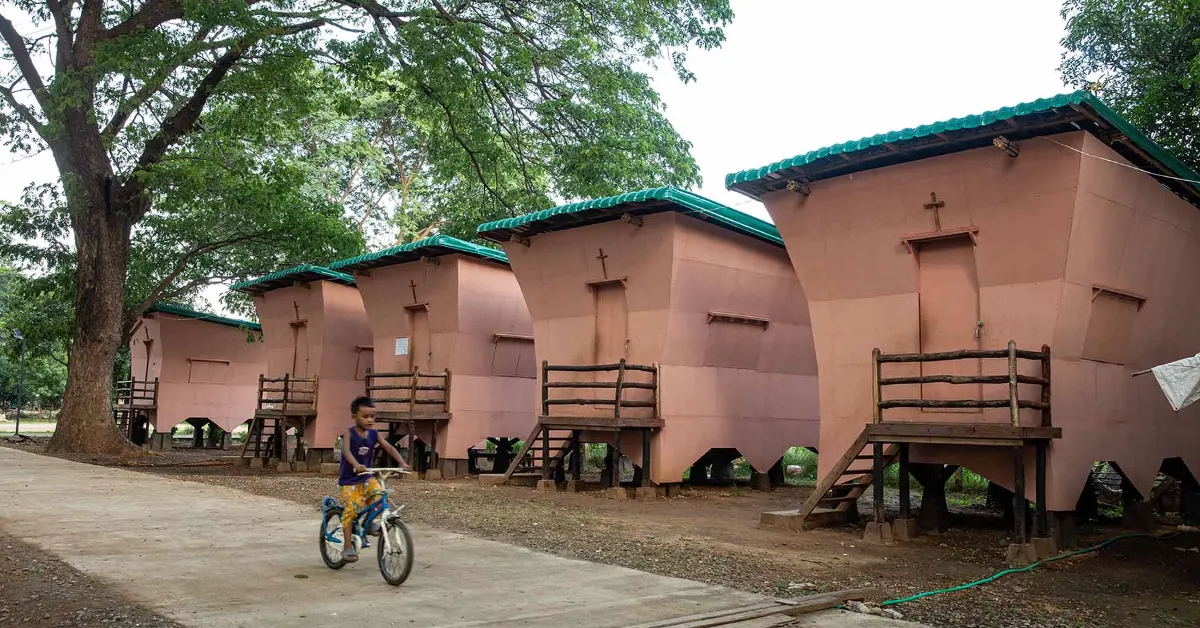
These simple one-room homes could be a new blueprint for scalable disaster housing.
Wildlife photographer Will Burrard-Lucas initially visited Maasai Mara to study its black rhino population. Then he found an oasis for all forest species.
The nonprofit Lion Landscapes uses trail cameras to incentivize villagers to earn “points” for spotting and saving local wildlife.