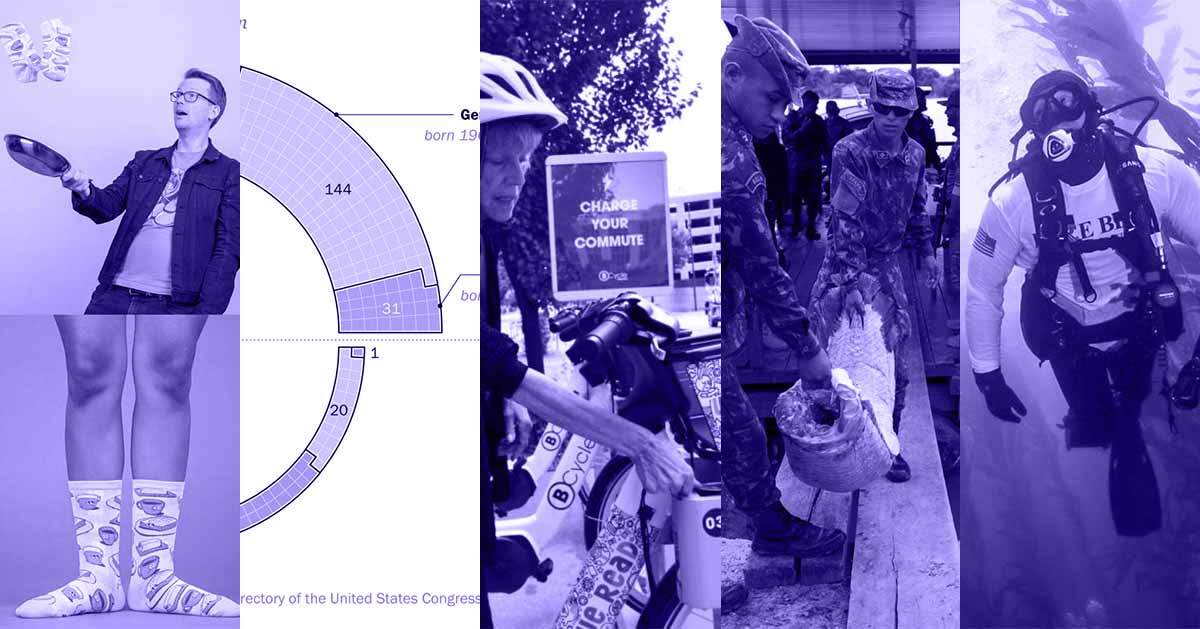
Good Good Good’s collection of positive news stories
Stanford University behavioral scientist Jennifer Aaker studied the impact of a well-told story versus dispensing facts alone.
Your weekly roundup of the best good news worth celebrating...
In 2025 and 2026, efforts to roll back LGBTQ+ rights were repeatedly stalled — or stamped out altogether.
British poet Andrew Mears lives in North East England, which has some of the highest rates of homelessness in the country.
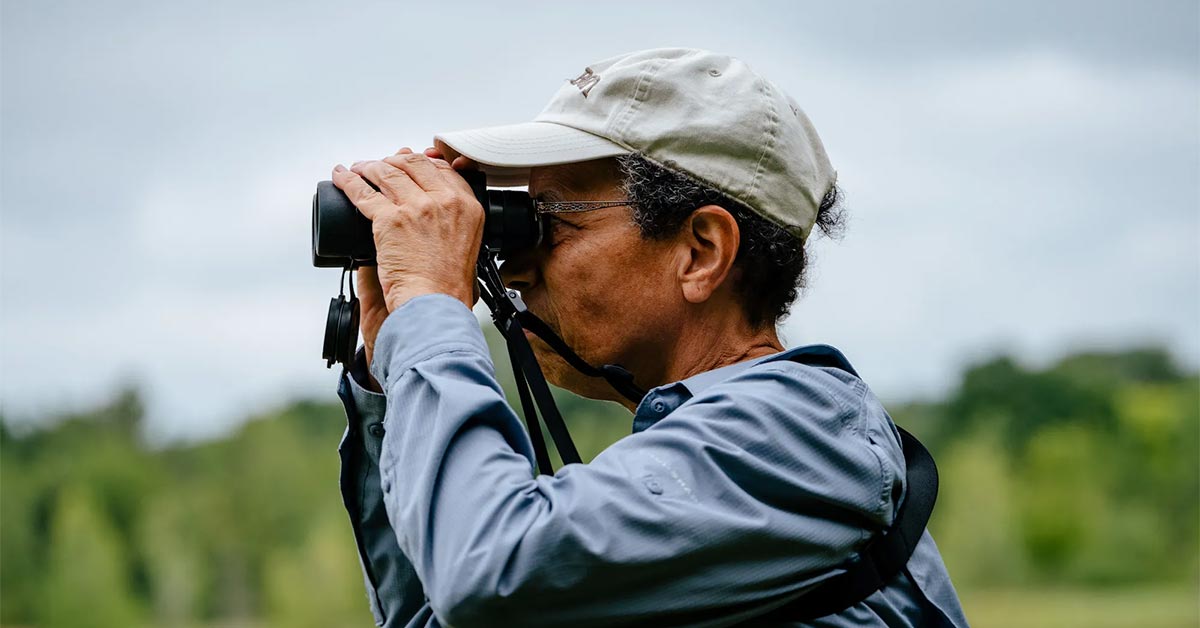
Developing a Black-focused birdwatching group for people of color in Michigan took a dogged willingness to bypass those standing “in the way.”
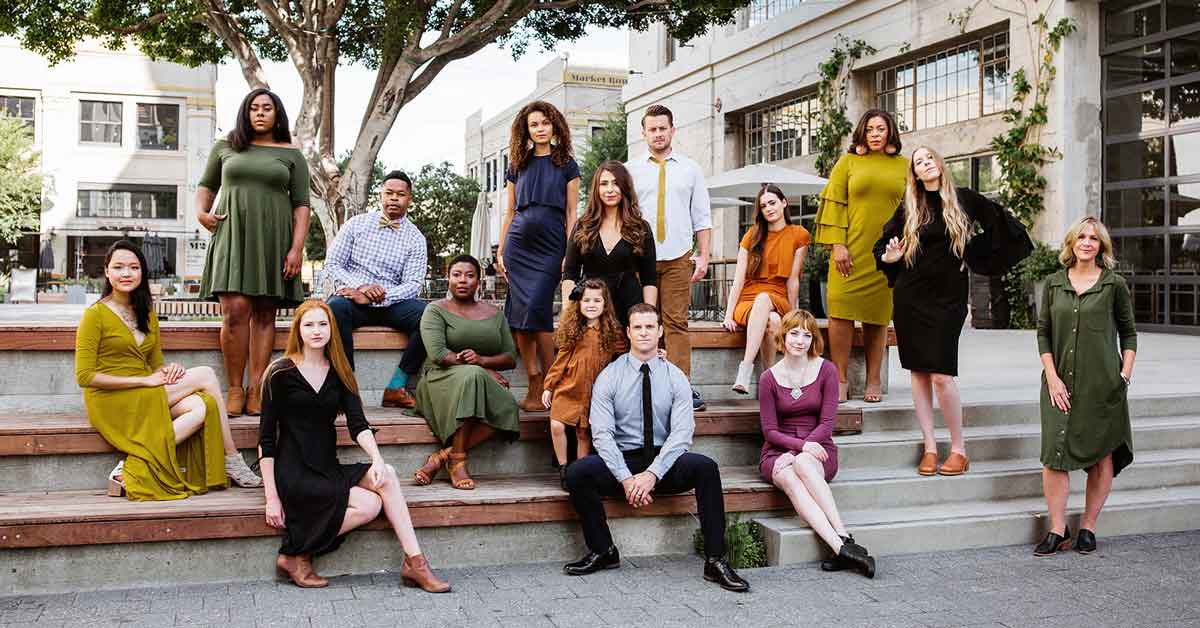
Their vision: a world without slavery. Their tool is a dress. The challenge is simple: Every December, participants commit to wearing a dress — or tie — every day for 31 days, regardless of the occasion or weather.
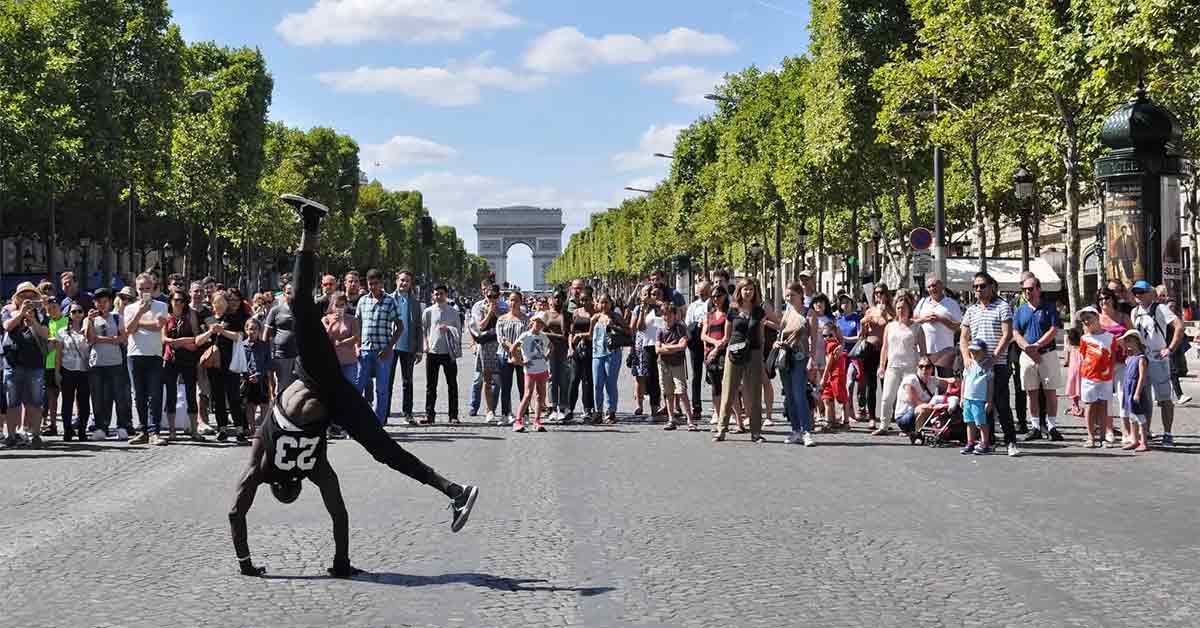
The share of journeys made by car in the city has fallen by nearly half, and the trend is only accelerating.
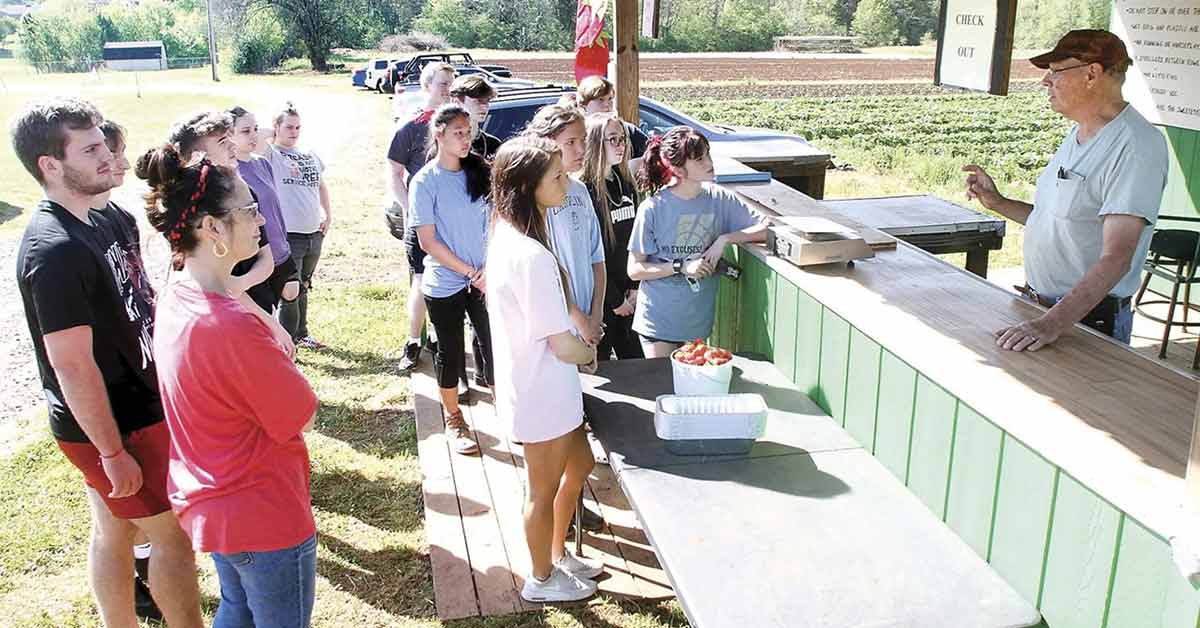
Local foods, once rare on school lunch trays, are gradually becoming more available in school cafeterias as states promote fresh produce, legumes, meats, and fish.
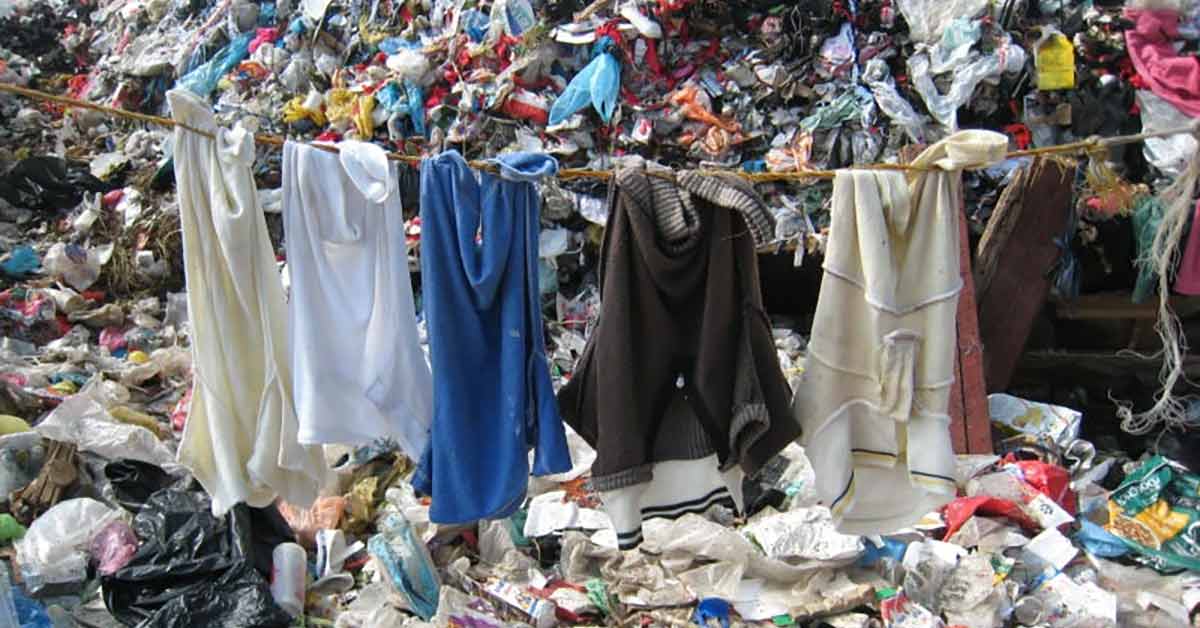
A slate of brands are marketing clothing that they say can break down in your backyard.
Coming home from war, Richard Casper struggled with depression and suicidal ideation, but he found the healing power of art and music.
Drilling and subsequent infrastructure development in the Arctic would have significant impacts on the tundra and would be disruptive to wildlife like caribou and polar bears.
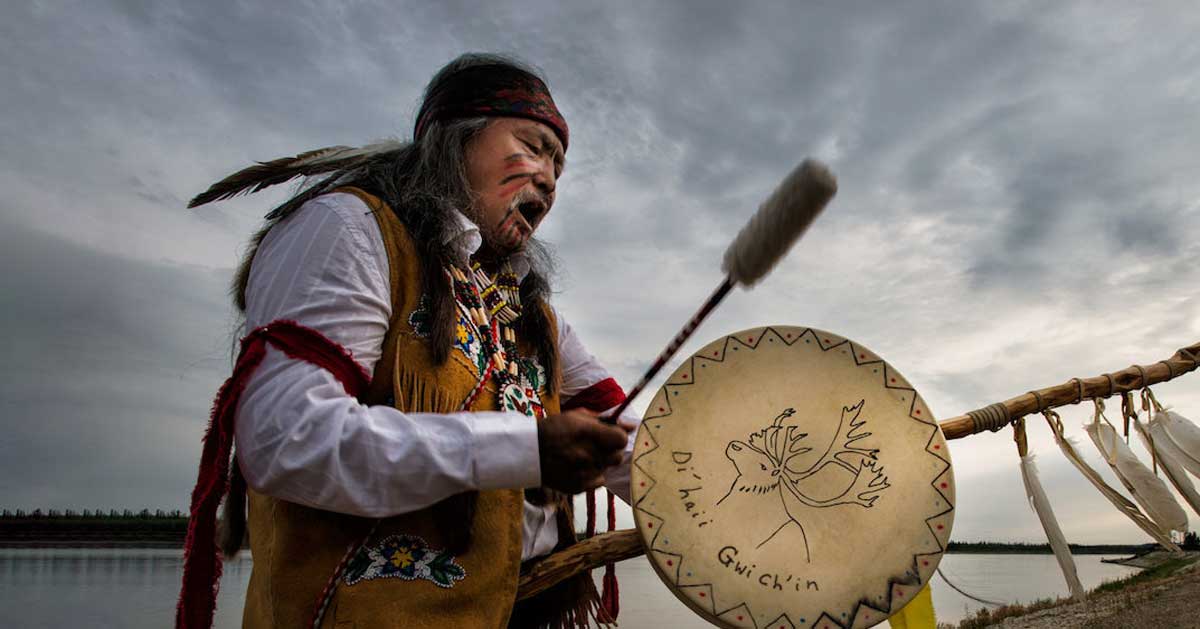
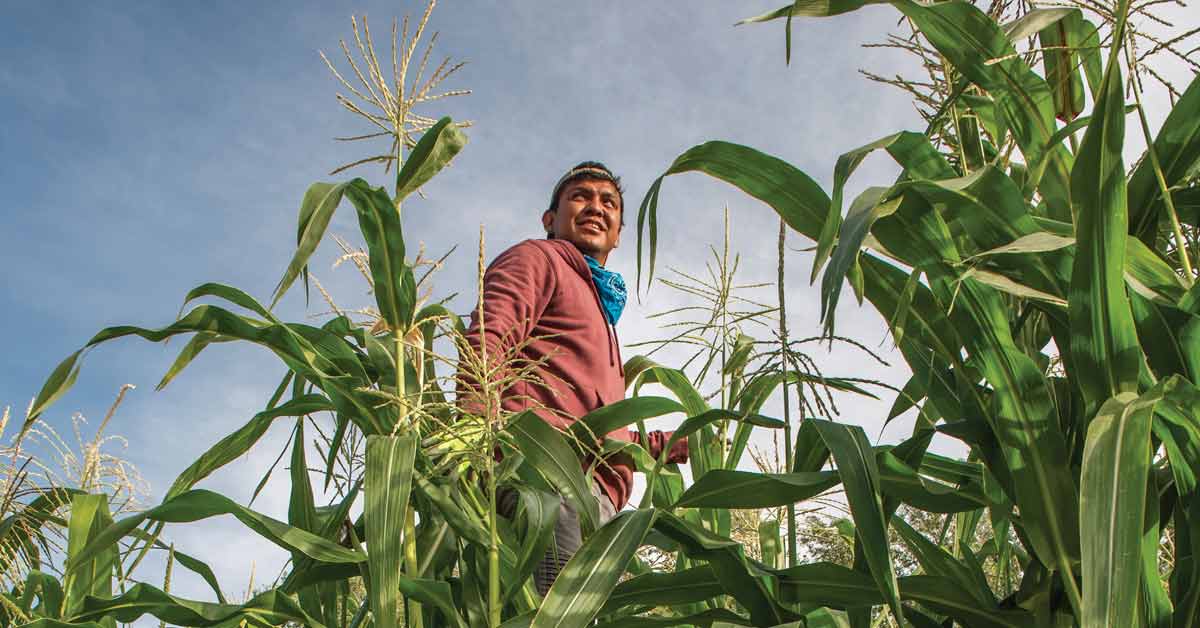
In myriad tribal communities, food sovereignty has blossomed from a concept into a full-blown movement.
Different tribes have varied histories of land dispossession, leading tribes to work with individuals, organizations, and governments to return Native land
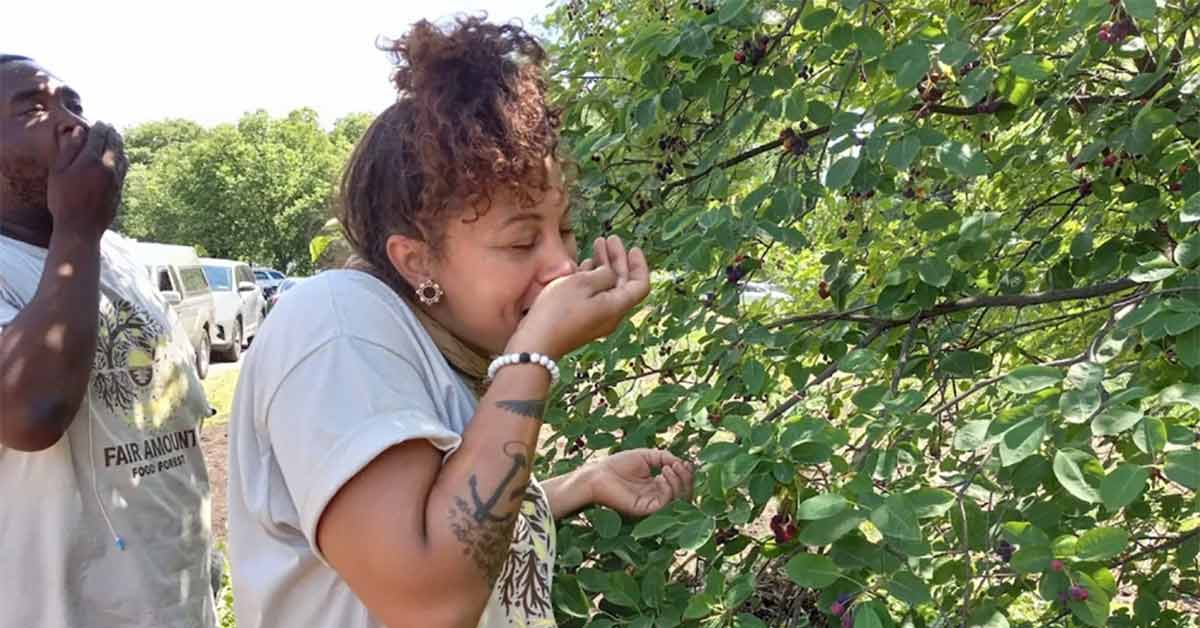
From backyards to sidewalks, communities in Philadelphia and beyond see food-bearing trees as a path to food justice and climate adaptation.
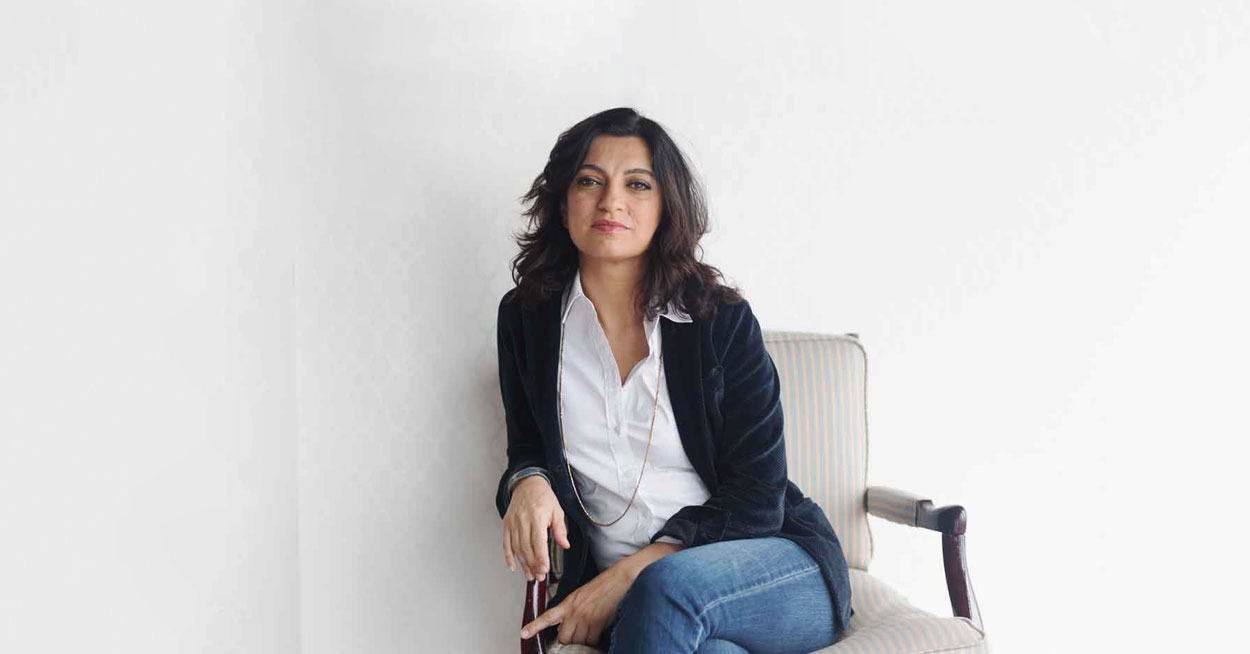
Mahmoudi’s success with organizing for Iran and her heart for her home country led her to transition away from environmental activism to create United for Iran, an independent nonprofit focused civil liberties in Iran.
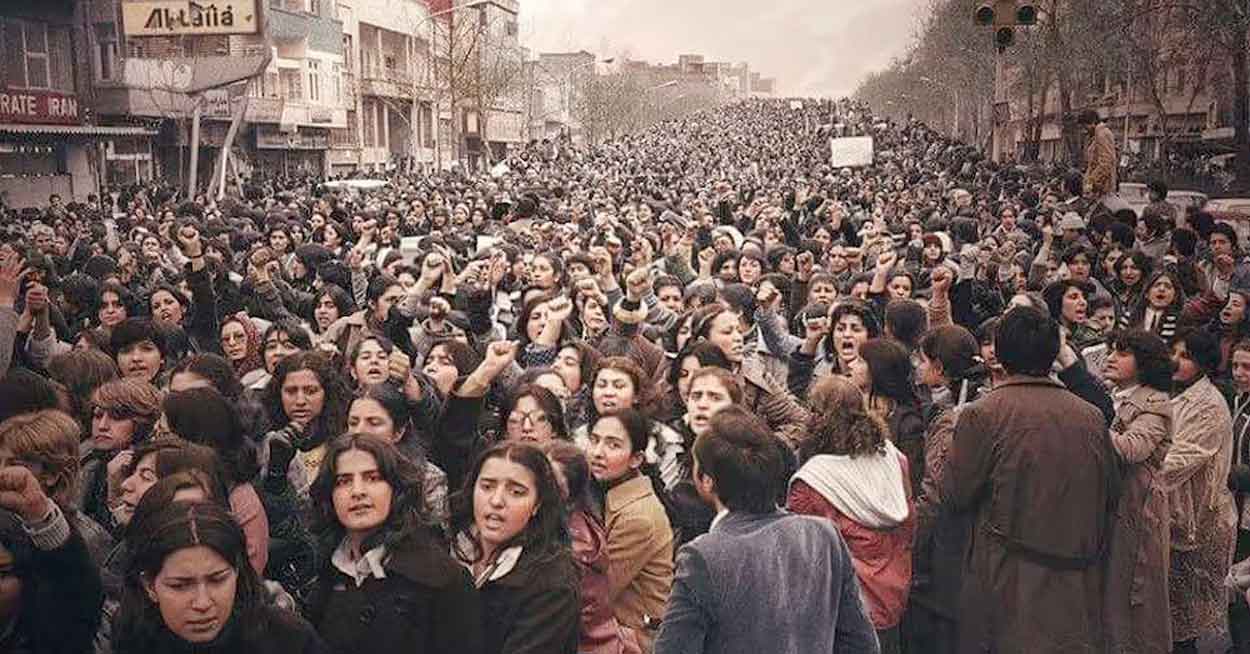
While the protests started with anger over the enforcement of the hijab, they represent a much wider movement that now poses the greatest threat the theocratic regime has faced since the 1979 revolution.
With the help of city school kids, an organization is restoring long-depleted oyster beds that once flourished in the waters that surround New York City. The bivalves are cleaning the water and protecting shorelines.
Small but growing programs show how even the most vulnerable adults can succeed in college.