Good Good Good’s collection of positive news stories
Your weekly roundup of the best good news worth celebrating...
In 2025 and 2026, efforts to roll back LGBTQ+ rights were repeatedly stalled — or stamped out altogether.
British poet Andrew Mears lives in North East England, which has some of the highest rates of homelessness in the country.
Aarti Malhotra reminds her viewers: “You never know what someone is going through.”
Over seven years, 600 supporters have helped raise nearly $126,000 to protect endangered sea turtle eggs.
The new data was backed by additional multi-agency reporting from the United Nations.
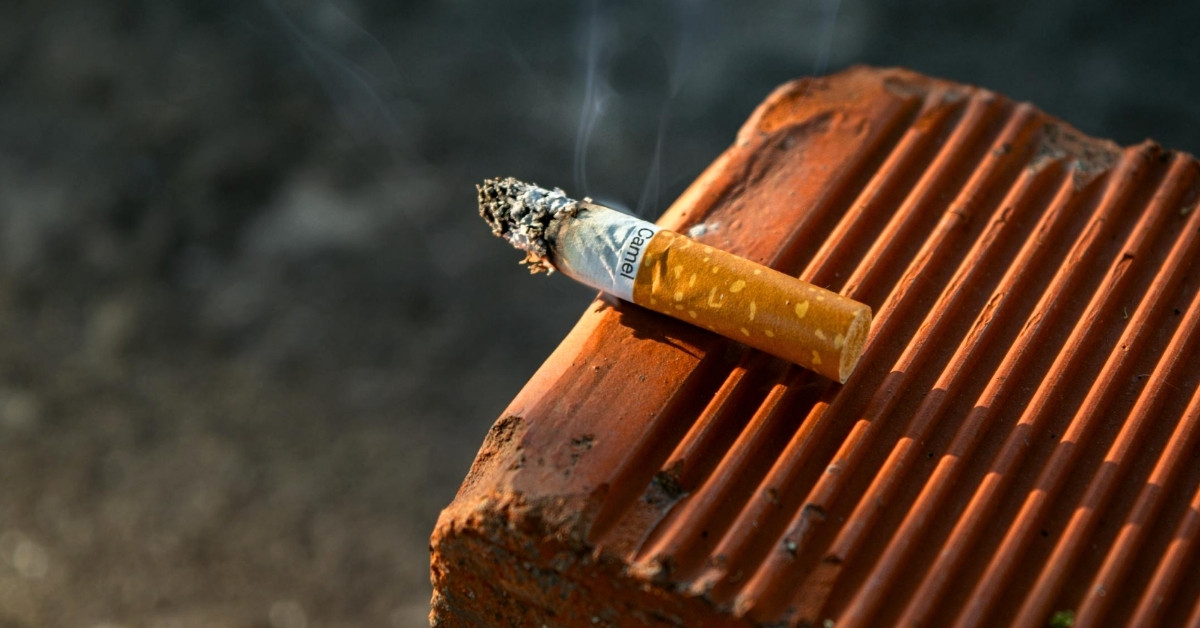
The green burial industry is expected to surpass $1 billion by the end of 2030.
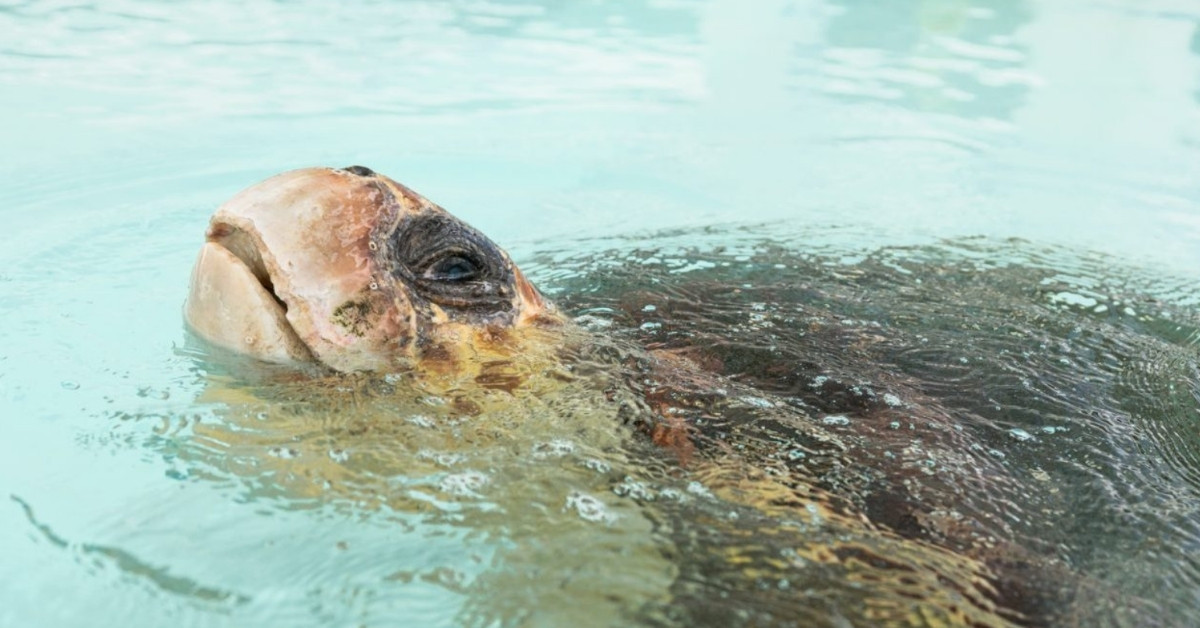
The 170-pound loggerhead sea turtle “beat the odds” last summer and has since swam over 870 miles around the Florida Keys.
The Knitting Nannas have been saving animals around the world one stitch at a time.
The Bardiya National Park region experiences frequent human-wildlife conflict incidents, mostly involving elephants and tigers, leading to fatalities and injuries among both communities and wildlife.
A lawsuit by the ACLU of Florida argues that the city “selectively enforced” its ordinances against an LGBTQ+ couple.
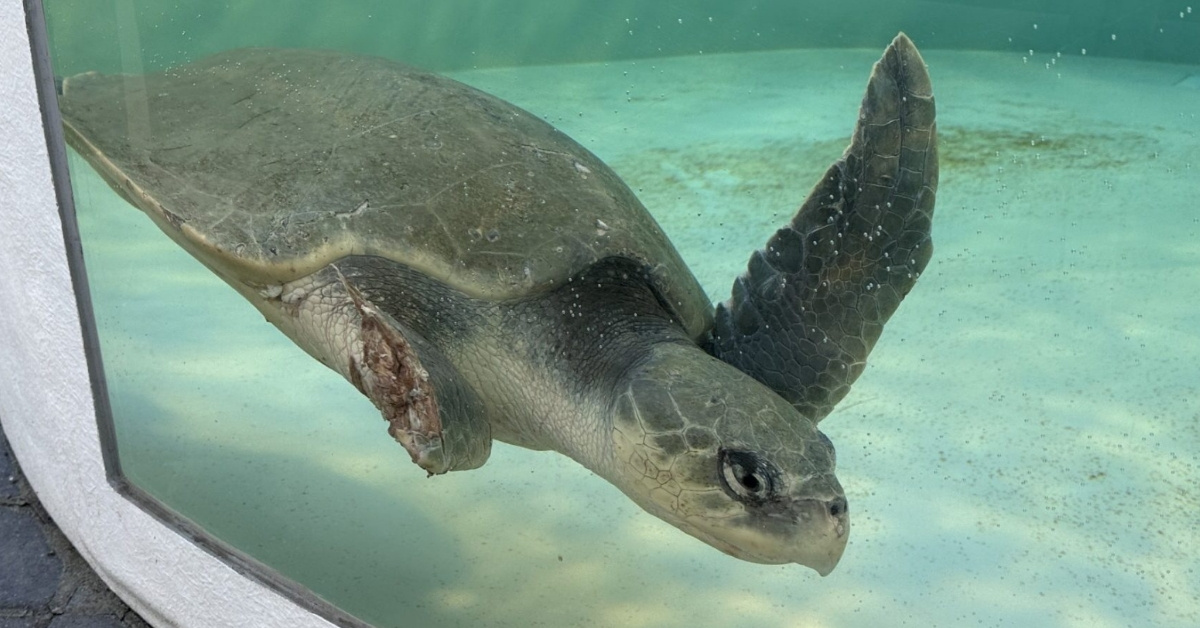
Amelie has joined a unique group of amputee sea turtles that are being monitored by the Smithsonian Conservation Biology Institute.
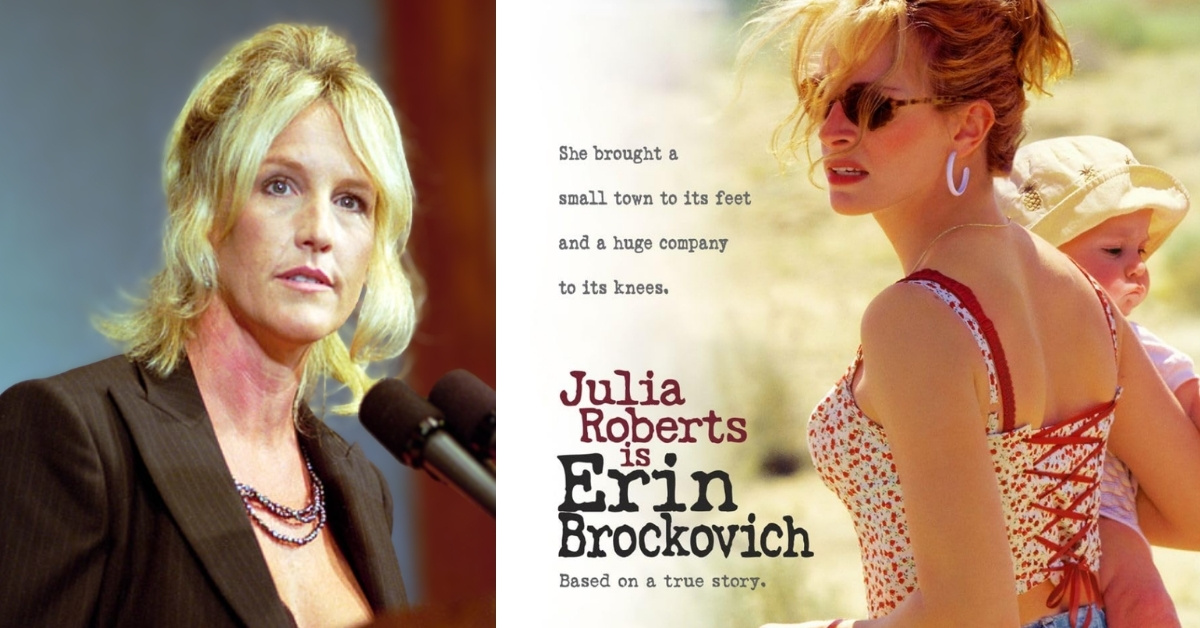
In 2000, Brockovich’s story was adapted for film, with Julia Roberts leading the cast.
A new solar-powered boat created by Korean startup Ecopeace cleans up waterways while commuters are aboard.
Swim Shady, and fellow loggerhead Paddles, were in critical condition when they were rescued near Juno Beach, Florida.
When leopardesses go off to hunt, their babies can get separated in the process. That’s when Wildlife SOS steps in to help.
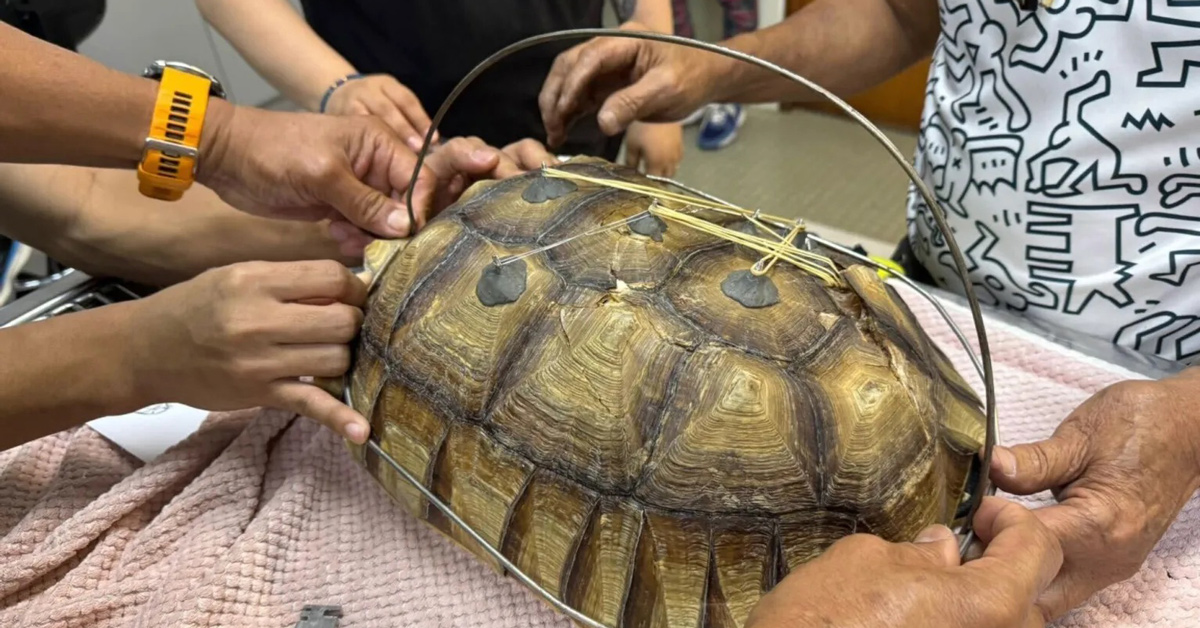
The right side of the tortoise's carapace, or shell, was completely shattered.
Researchers at the Royal Melbourne Institute of Technology discovered a novel approach to creating bricks.
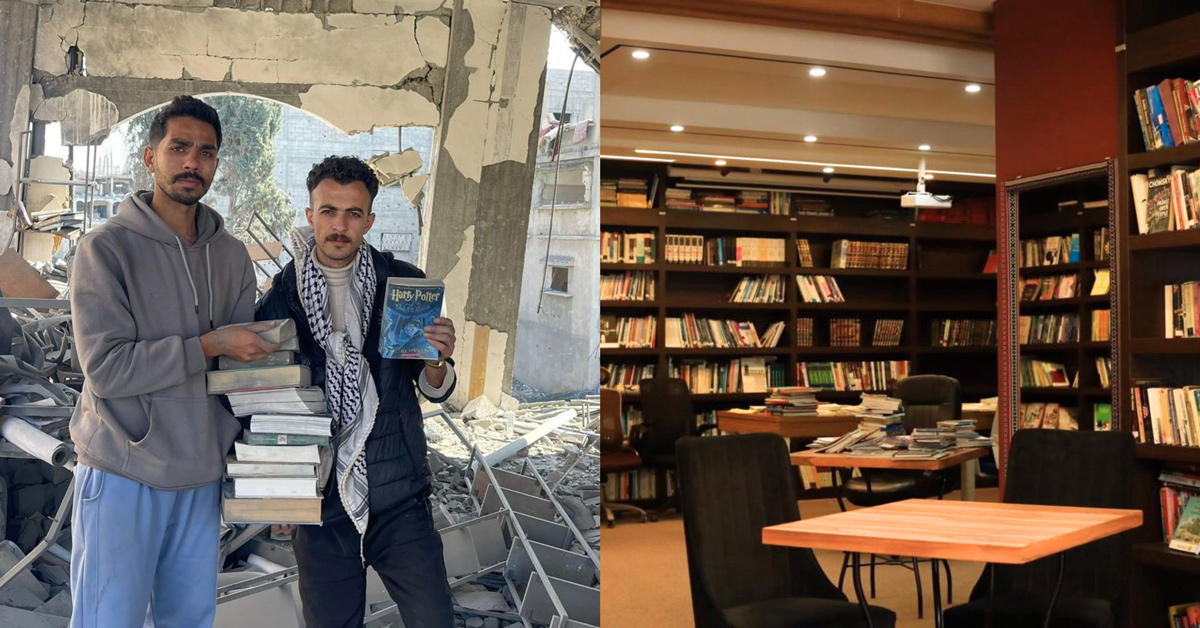
Israel has destroyed 90% of Gaza’s schools, all of its universities, numerous archives, museums, and historical sites, and at least 13 libraries.
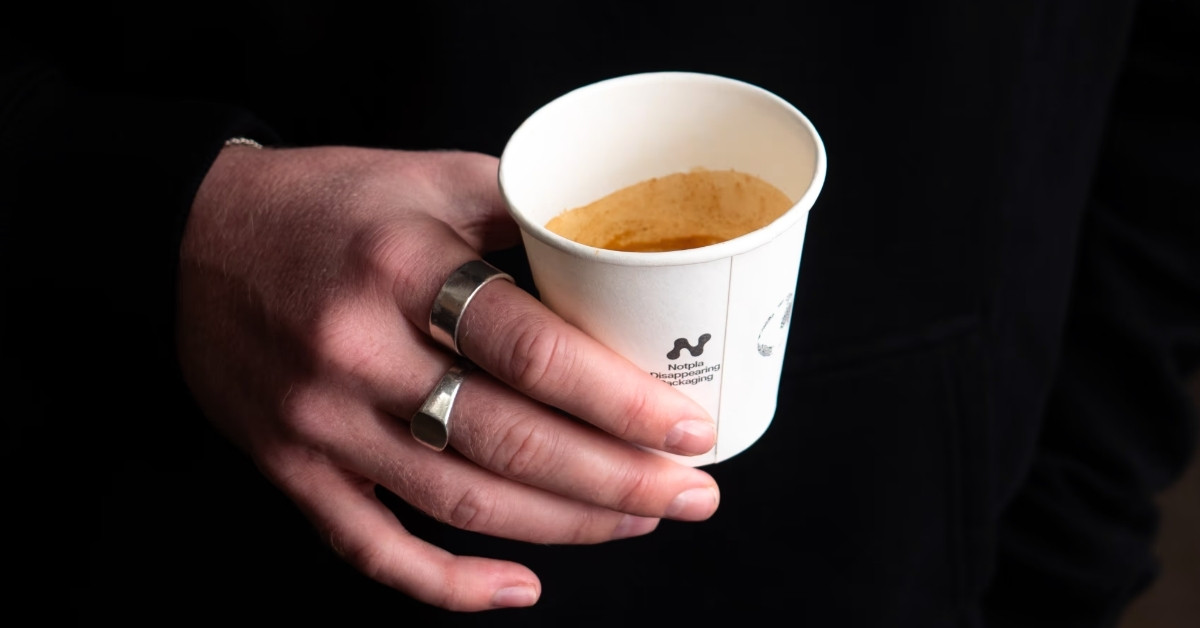
Traditional cups contain plastic linings that make them difficult to recycle — so Notpla is using seaweed instead.
A new study from the Lancet Planetary Health journal confirms what scientists have long predicted.
The first warm, wet spring night sends frogs and salamanders from the forest, bearing fresh evidence of threats from warming winters, drying pools, and traffic.