Stories of Indigenous activists and communities making a difference — plus, ways you can support their work
Your weekly roundup of the best good news worth celebrating...
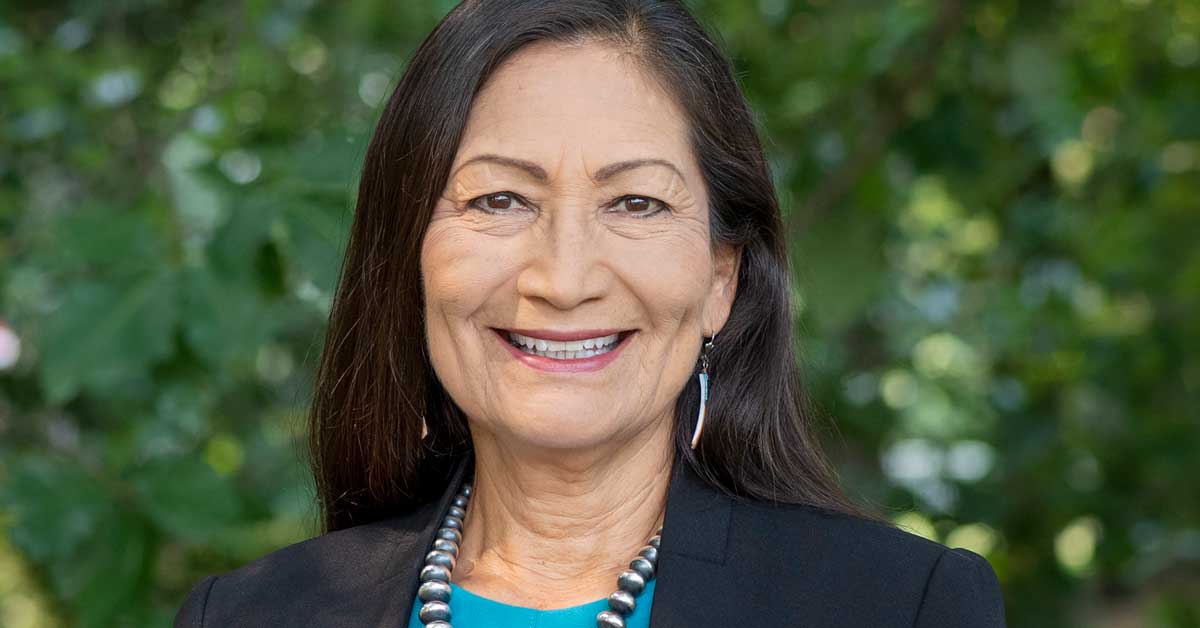
Democrat Deb Haaland will be the country's first Native woman governor, and Democrat Peggy Flanagan is set to become the first Native woman to secure a U.S. Senate seat.
Tribal nations across the country are trying to restore culturally important species, like the Arctic grayling, while grappling with climate change.
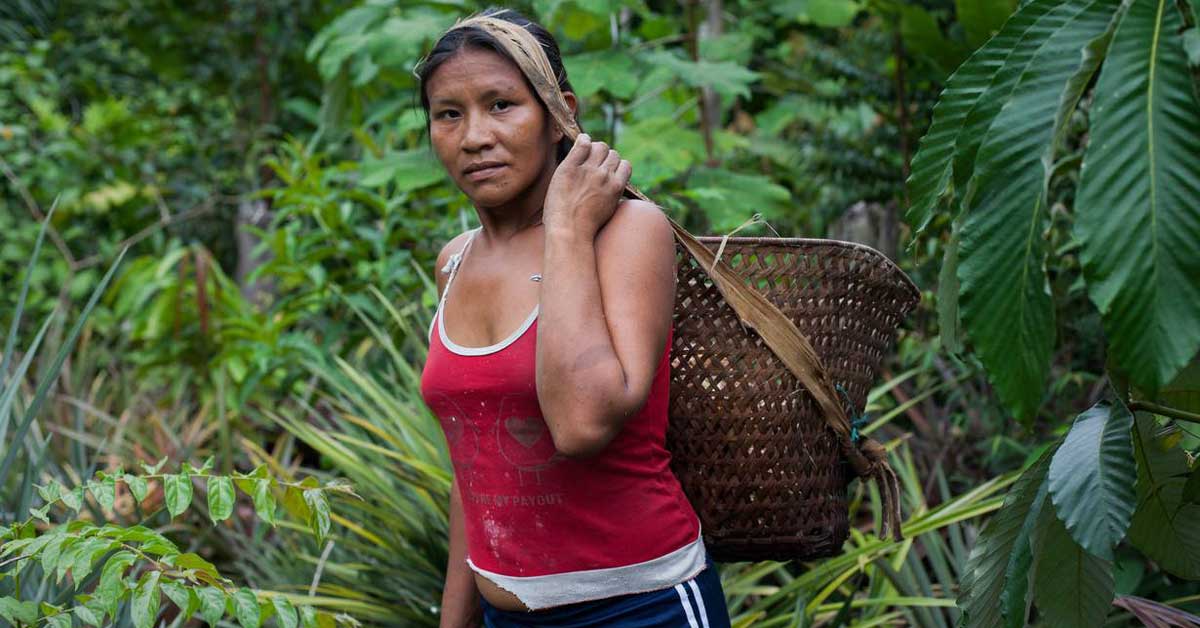
To help the turtles recover, a group of seven Siekopai women, who call themselves Tari Nomiowa’i, or “turtle women,” patrol the riverbanks looking for turtle tracks and nests.
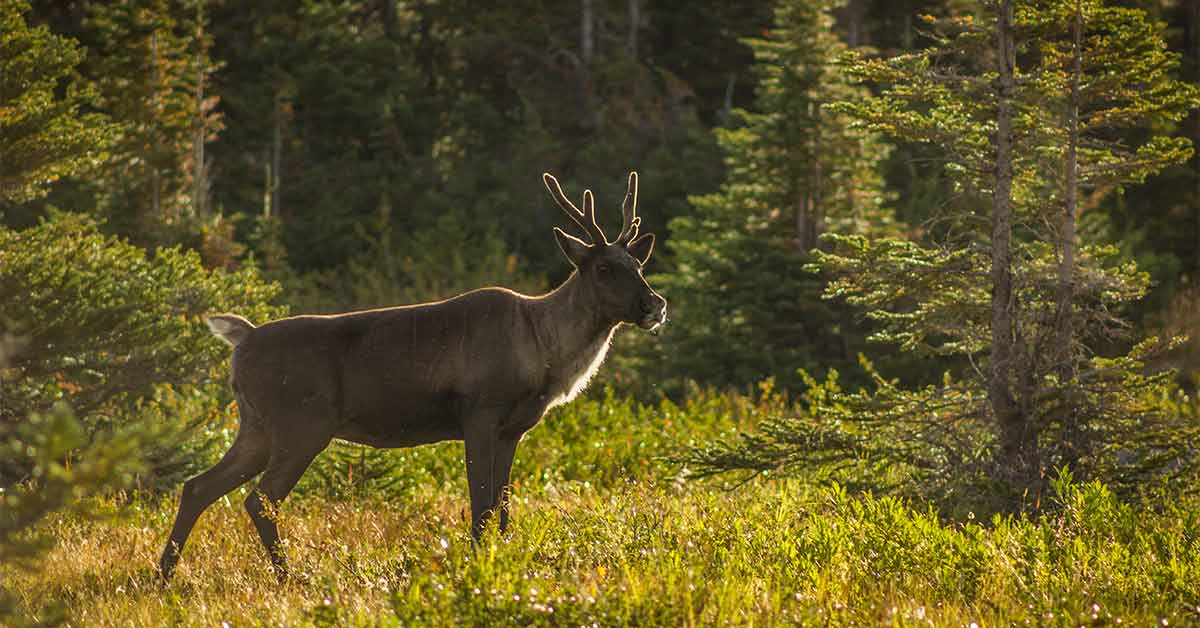
An Indigenous-led conservation program in British Columbia, Canada, has successfully increased a caribou herd from 38 individuals to 113 in less than a decade, according to a new study.
Threatened by development, five bodies of water are suing the State of Florida, making the unprecedented argument that nature has legal rights, too.
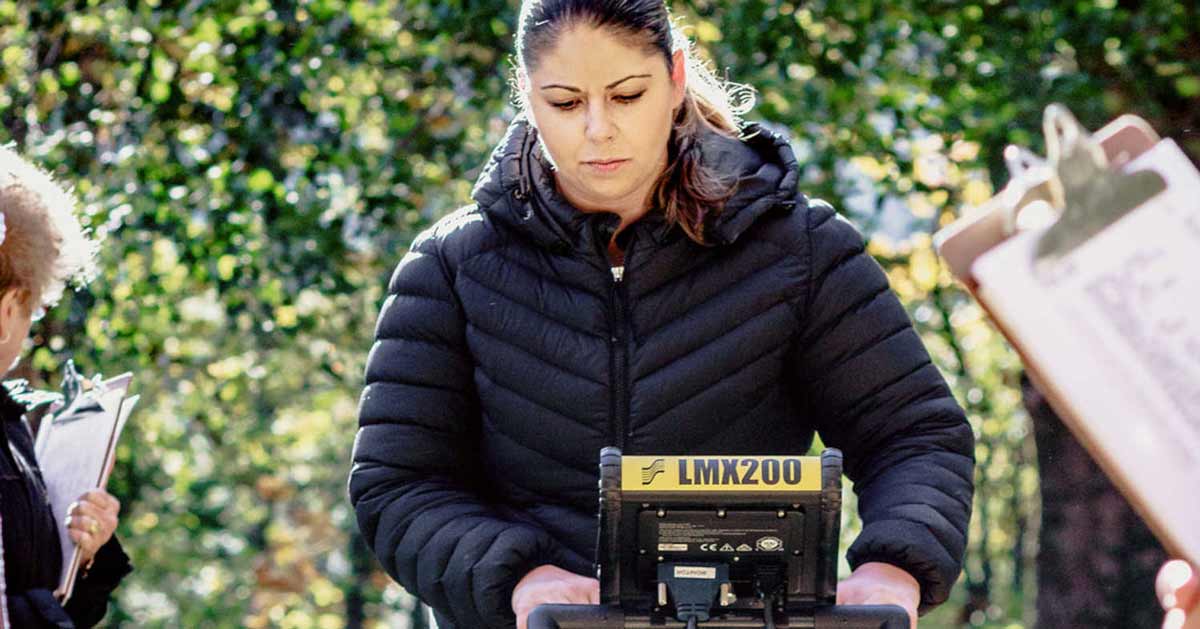
Indigenous groups across Canada have used GPR — along with other site survey technologies such as magnetometry and drones — to identify more than 1,800 possible graves at former residential schools, confirming an open secret.
With 2,000 fluent Cherokee language speakers still alive, the Cherokee Nation is looking for unique ways to preserve the language. "An Indigenous language is lost every two weeks around the world,” said Howard Paden, executive director of the Cherokee Nation Language Department.
Intersectional environmentalism is the mainstream environmentalist movement demanding that our planet and its people are both cared for and seen as interconnected.
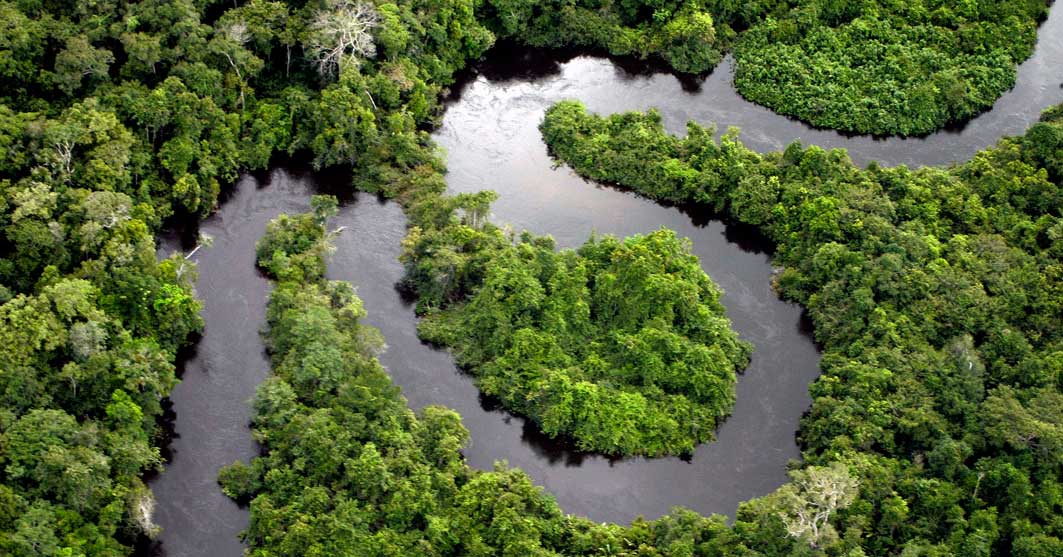
Indigenous communities are widely considered the best guardians of vanishing rainforests. From using farm plots later regrown as forest to looking at nature as having its own rights, here’s why that’s the case
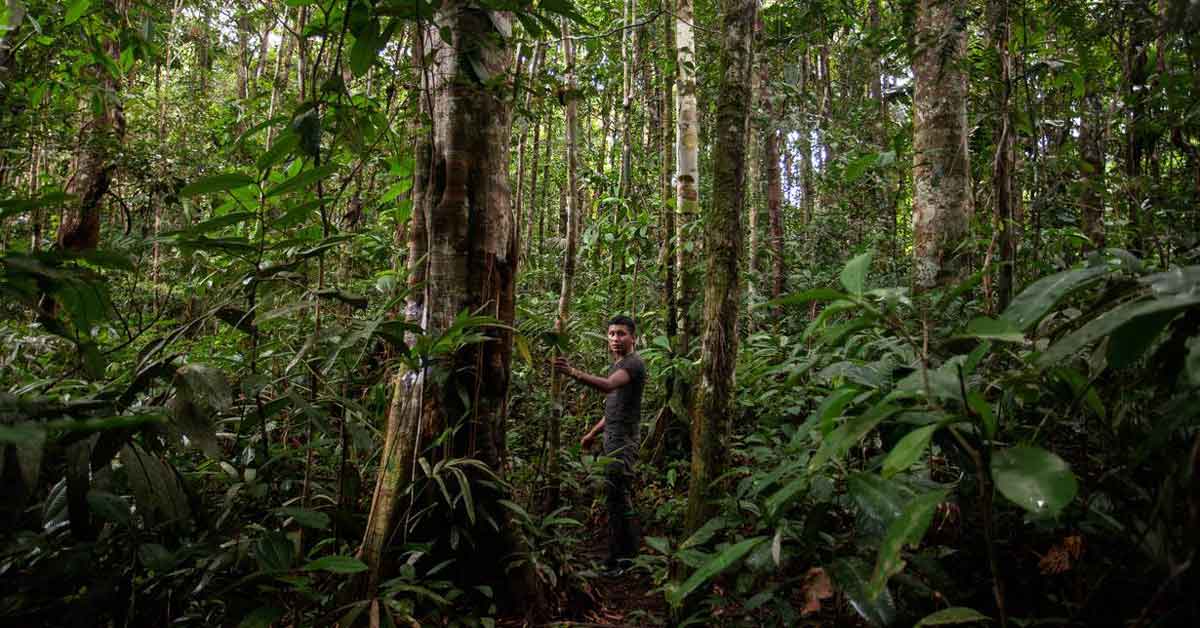
Creating the next generation of Amazon indigenous leaders is key to preserving fast-vanishing tropical forests.
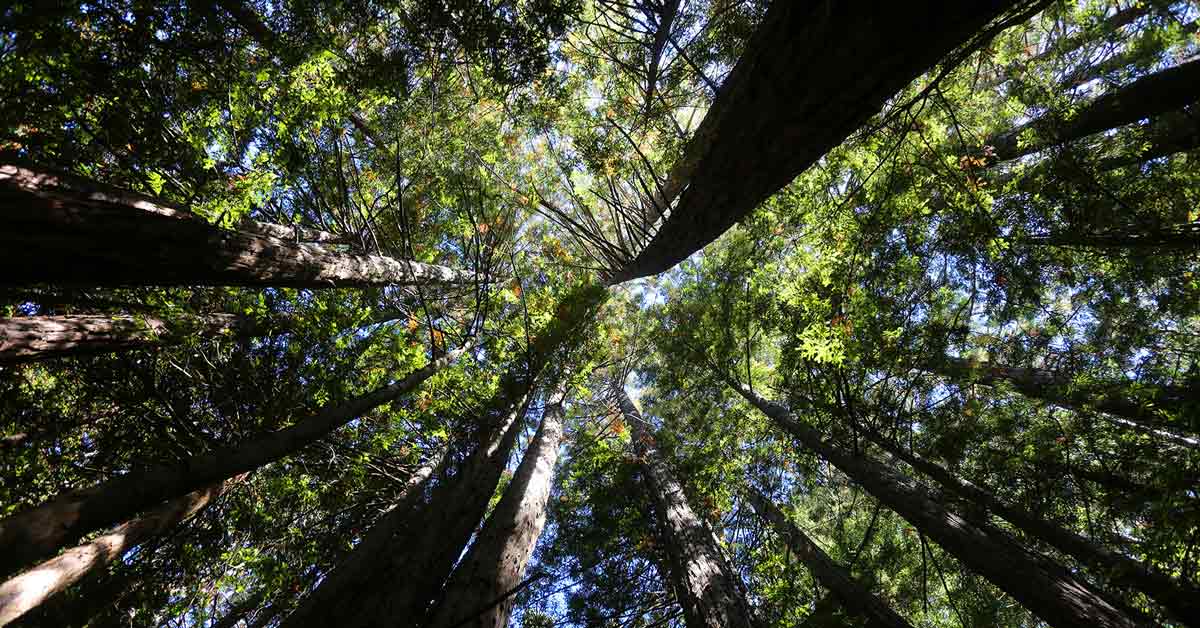
The InterTribal Sinkyone Wilderness Council is working with Save the Redwoods League, which donated the land, to protect California’s remaining oil-growth forest, along with endangered species such as the northern spotted owl and marbled murrelet.
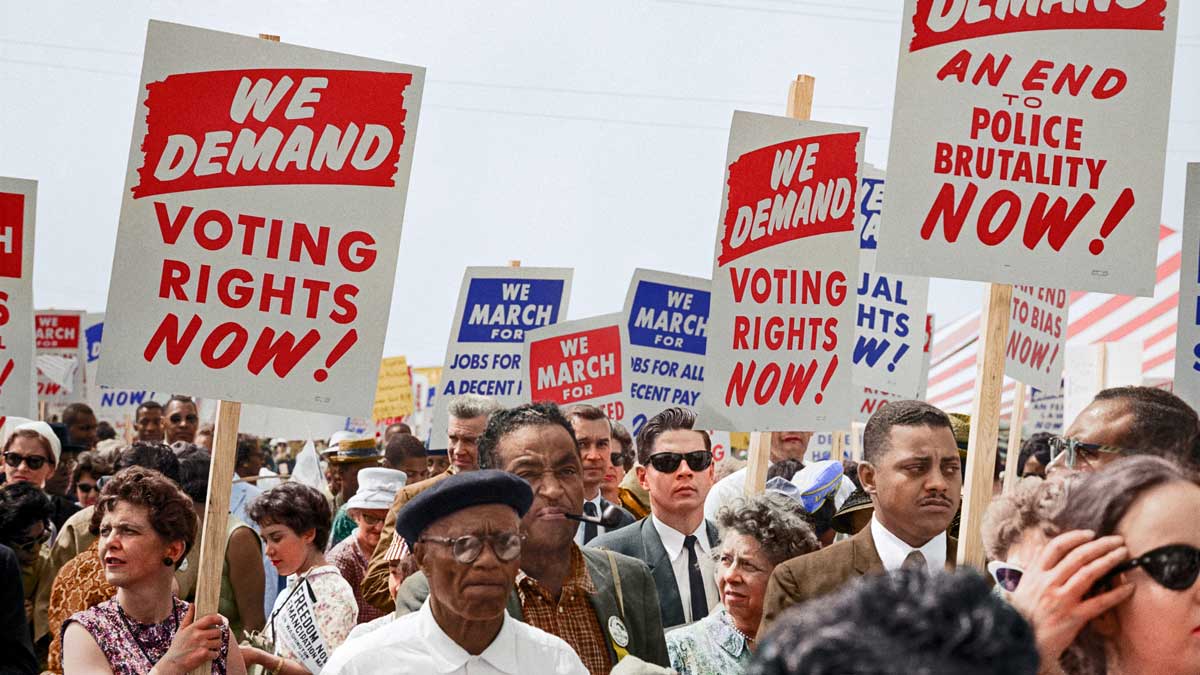
Highlighting a contribution from each state toward civil rights in America, along with what led to that historical moment and the change it brought.
The last year may have been the first time we saw the inclinations that longtime wildlife conservation and protection efforts were really paying off: for turtles, rhinos, tigers, pandas, bald eagles, and more.
The ultimate list of the best good news stories from the year 2021.
A new plan called the Amazon Sacred Headwaters initiative proposes the protection of 80% of the Amazon in Peru and Ecuador by 2025, consisting of 35 million hectares (86 million acres) of rainforest.
Deb Haaland, an enrolled member of the Laguna Pueblo, said she is 'proud to be in a position' to start with a term offensive to Indigenous women on 650 different places on federal land.
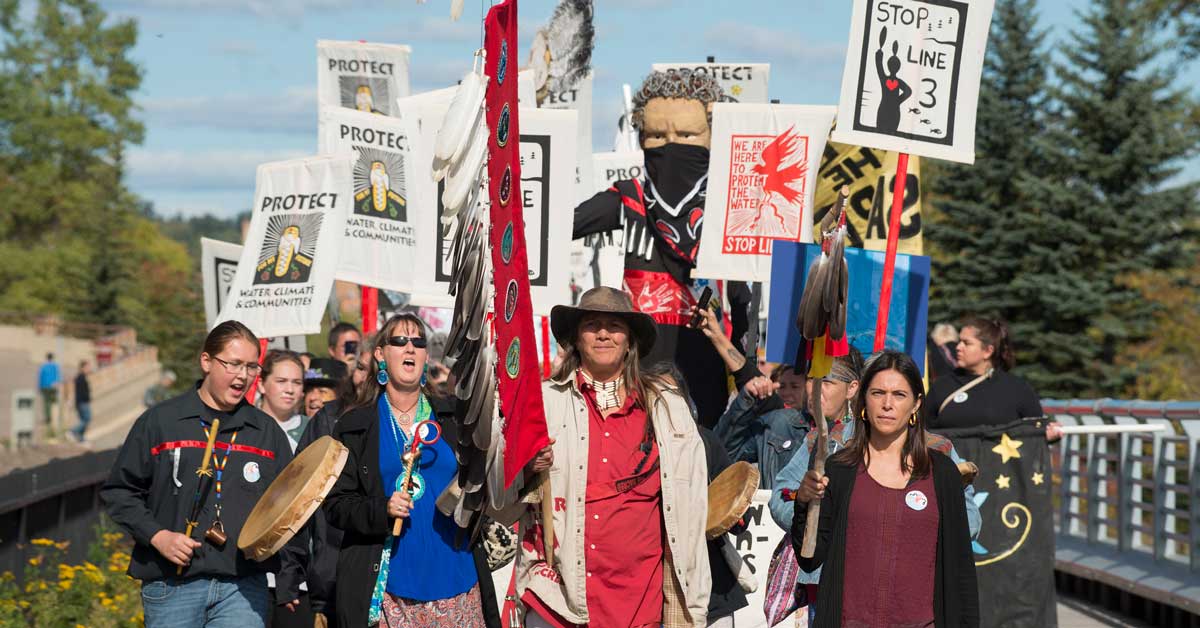
Indigenous activists have fought time and time again for the sacred nature of both land and water: we’ve seen them fight against the implementation of The Dakota Access Pipeline, the Trans Mountain pipeline, and at the forefront of the anti-Line 3 movement.
Indigenous activists have always been at the frontlines of global issues to preserve the sacredness of Earth and stand for human rights. Here are seven activists to follow from North America, South America, and Australia.
Hawaii's Indigenous communities are working to educate settlers and tourists alike on Hawaii and its colonial past and present and creatively raising awareness about decolonization.
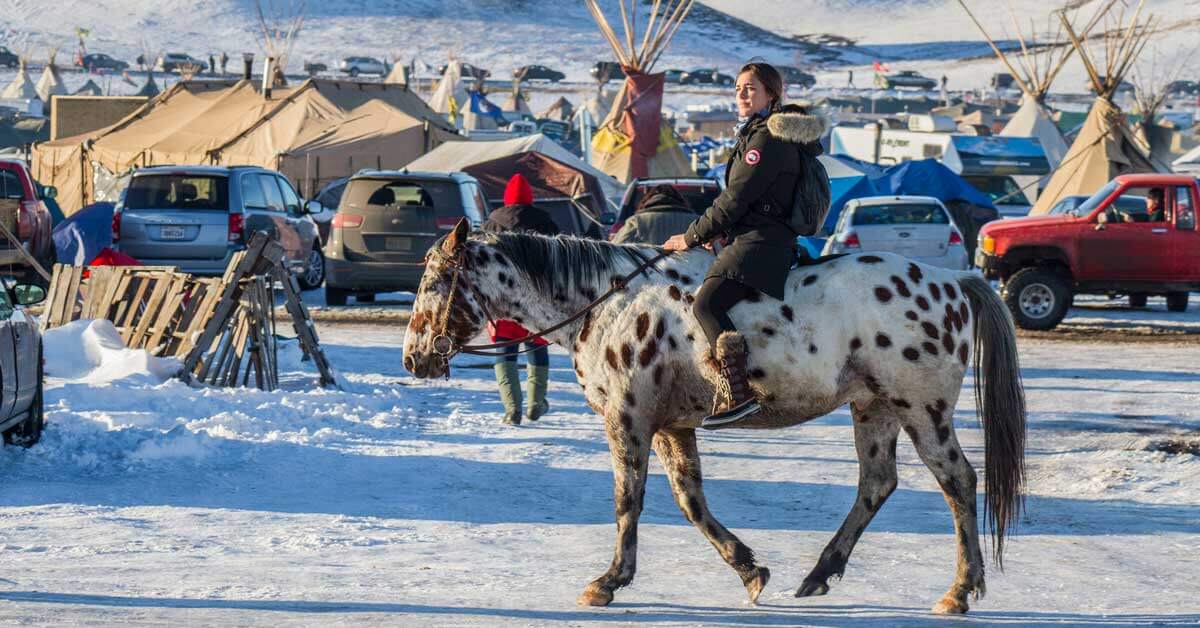
At the Standing Rock Reservation between North & South Dakota, a community of Indigenous activists is working to protect water and water systems across the U.S. They are known as Water Protectors: a group of cultural organizers who believe in the sacred nature of water and land.
We profiled seven runners using running as a platform to build community and fight for justice — for both people and the planet.
Members of nearly 40 Indigenous communities in northern Peru were given training to use smartphone mapping apps that receive early deforestation alerts.