People, organizations, and governments improving people's health
Your weekly roundup of the best good news worth celebrating...
According to experts, being intersex is a physical characteristic that’s as common as having red hair or green eyes.
The ballot measure's failure offers a rebuke to efforts by Missouri’s Republican leaders, who largely oppose abortion.
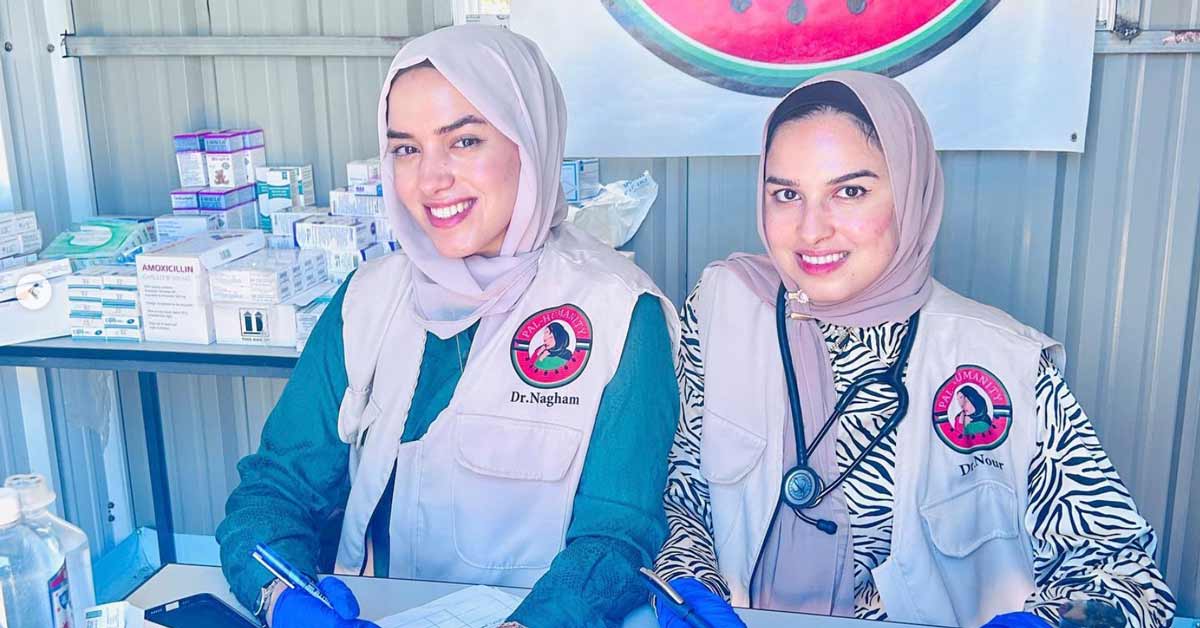
Dr. Nour and Dr. Nagham are sisters and physicians working on the ground in Gaza. Together, they founded Pal Humanity.
Anti-personnel mines continue to maim and kill even after conflicts end — and it is mainly civilians who suffer the horrific consequences.
A new method for tackling wildlife trafficking uses a tiny sample of air extracted from a shipping container — and the incredible power of a dog’s nose.
Sydney Peterson’s condition can’t be cured, but she’s researching to help others who have neurological conditions — when she’s not winning medals.
The “Lush Life” singer also signed autographs and did dances with fans.
The model was first developed in 2001 and has been implemented in 25 countries around the world since.
This is the first time TED’s Audacious Project has invested in an organization specifically focused on abortion access and care.
The number of maternal overdose deaths in Colorado dropped 60% from 2022 to 2023.
The ultimate calendar of March’s awareness days, national months, and more...
The “Black Panther” actress is speaking up about an often overlooked condition in reproductive health.
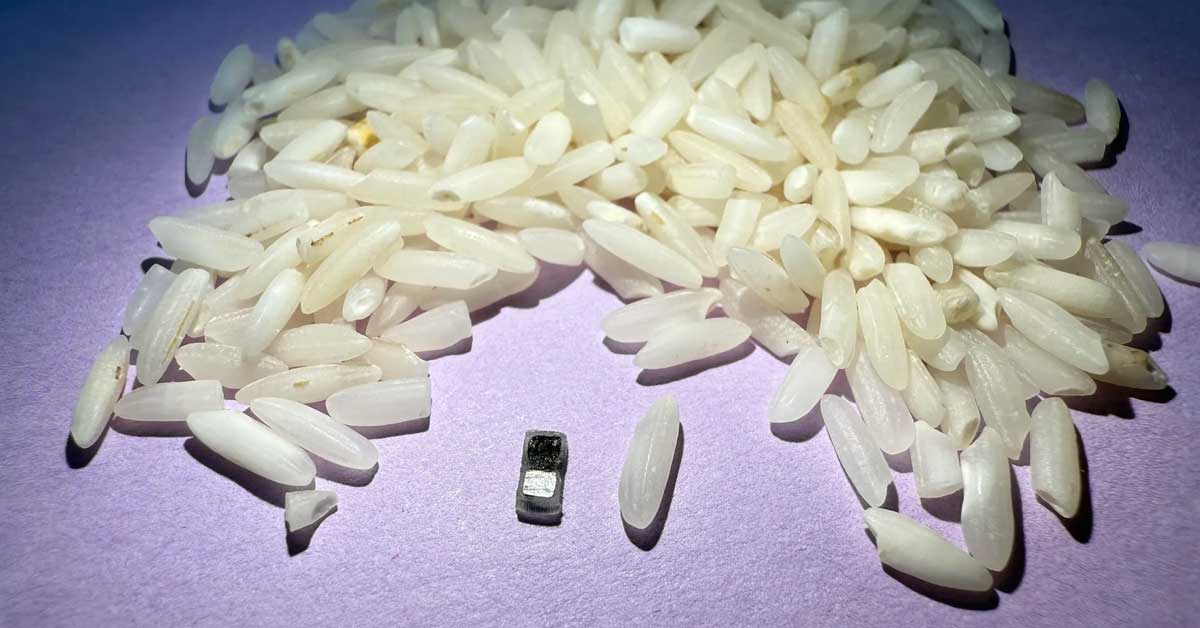
The device also dissolves once it is no longer needed, making invasive removal a thing of the past.
From cleaning up ocean plastic to preventing homelessness, the new cohort of fellows receives funding necessary to execute their world-changing work.
A 2024 Harvard study found that 21% of Americans live with serious loneliness, and 73% of respondents think technology is one of the reasons. Here are 8 ways people are making friends offline.
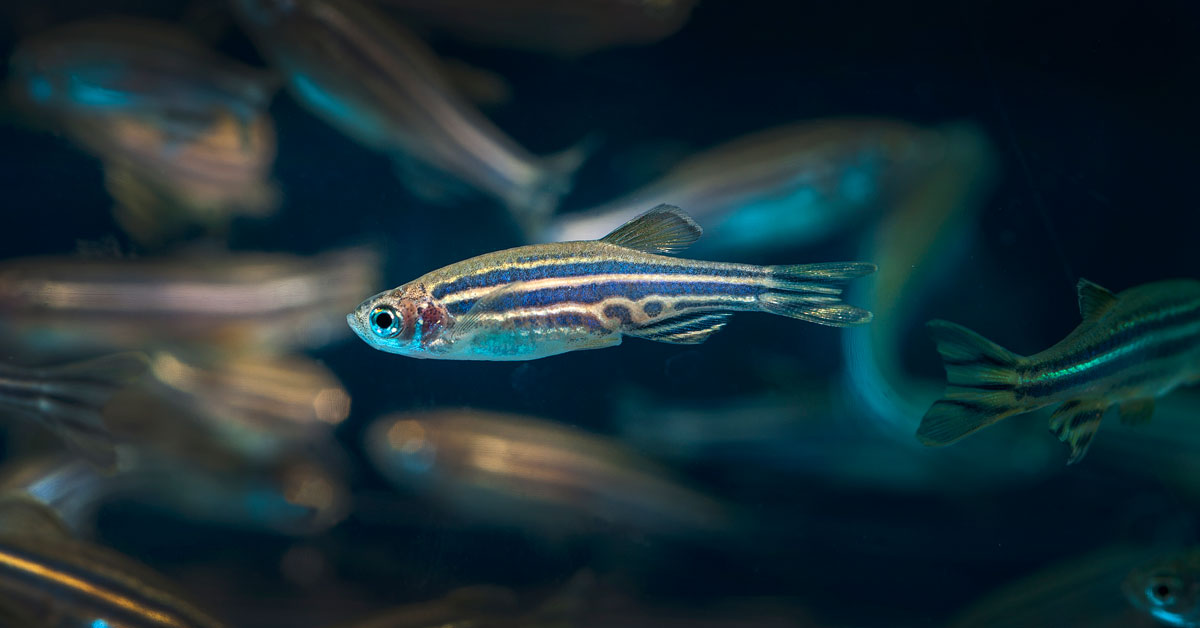
Zebrafish have genetic characteristics that make it possible to rebuild neural networks after severe injuries.
Brooks Bell and Sarah Beran want to reduce the stigma surrounding colon cancer.
More than 25 million adults in the United States have tinnitus.