Good news about
Stories About Using Technology and Innovation To Make a Difference
Your weekly roundup of the best good news worth celebrating...
October 2026’s best good news, ranked by 5 million Instagram views. See the top 16, led by a bill that would ban Flock cameras nationwide.
A new method for tackling wildlife trafficking uses a tiny sample of air extracted from a shipping container — and the incredible power of a dog’s nose.
Jane Ferguson has led the way for women war reporters. Now, she’s changing war reporting for everyone.
About 2.2 billion people on the planet still lack access to clean drinking water. A new desert-tested device could help.
In a time when lands are experiencing the effects of climate change, protecting wild spaces may require action, not inaction.
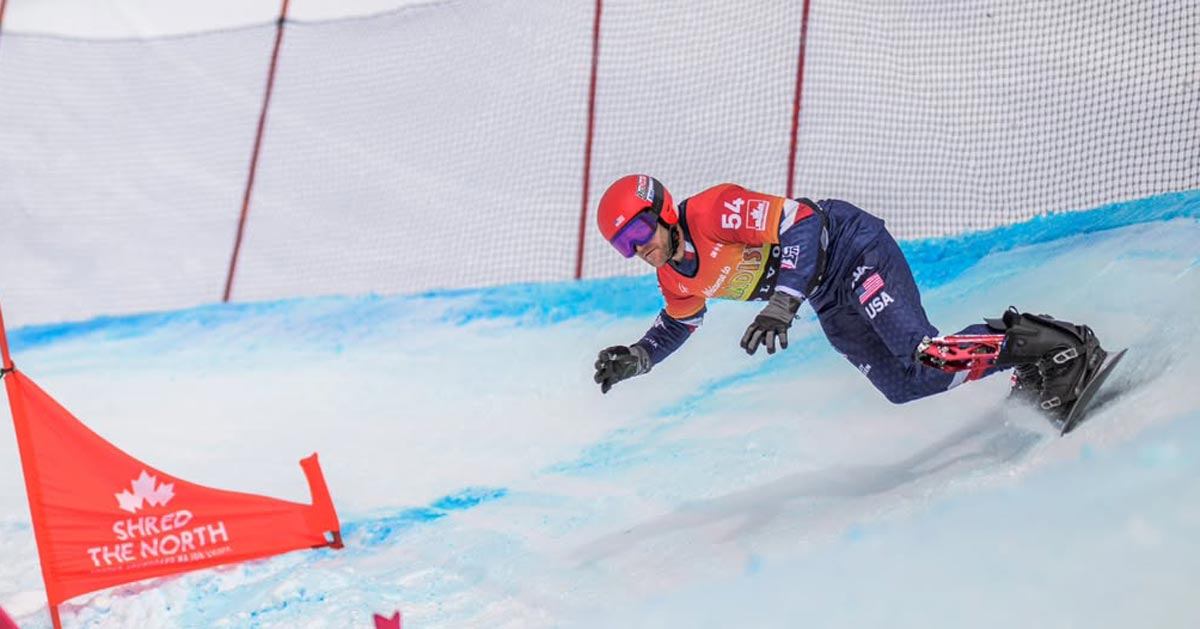
Mike Schultz first made his own prosthetic leg in 2010. Now, his company BioDapt provides equipment to other elite para athletes.
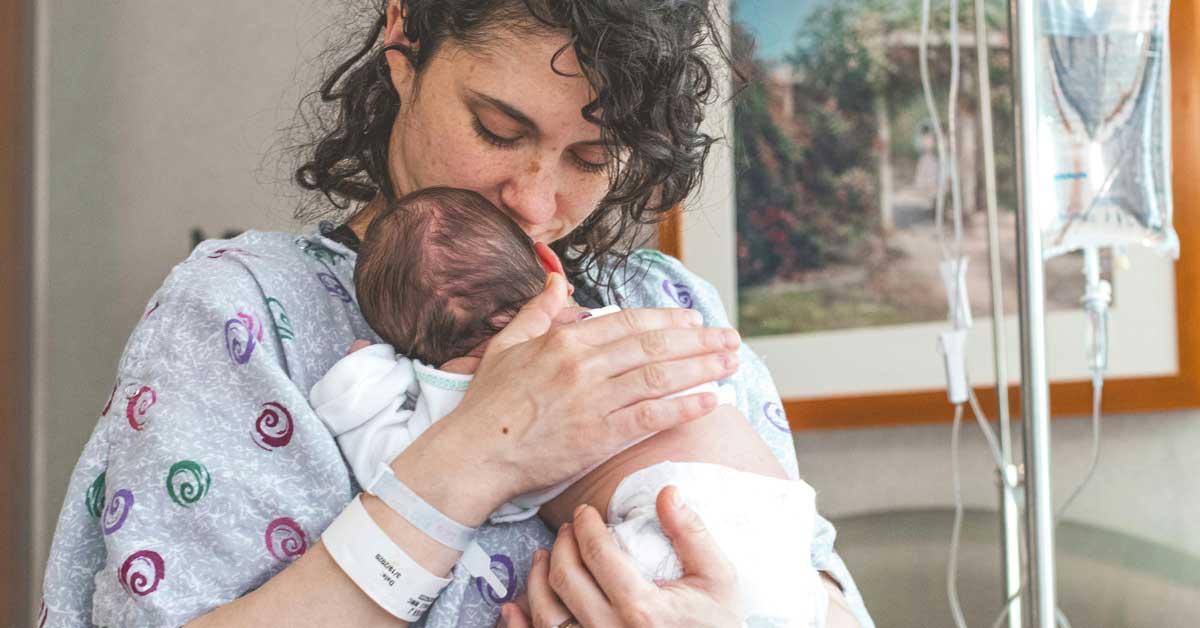
The number of maternal overdose deaths in Colorado dropped 60% from 2022 to 2023.
Olivia Drewery created the design to meet her own needs, noting that most clothing brands are not designed with neurodivergent people in mind.
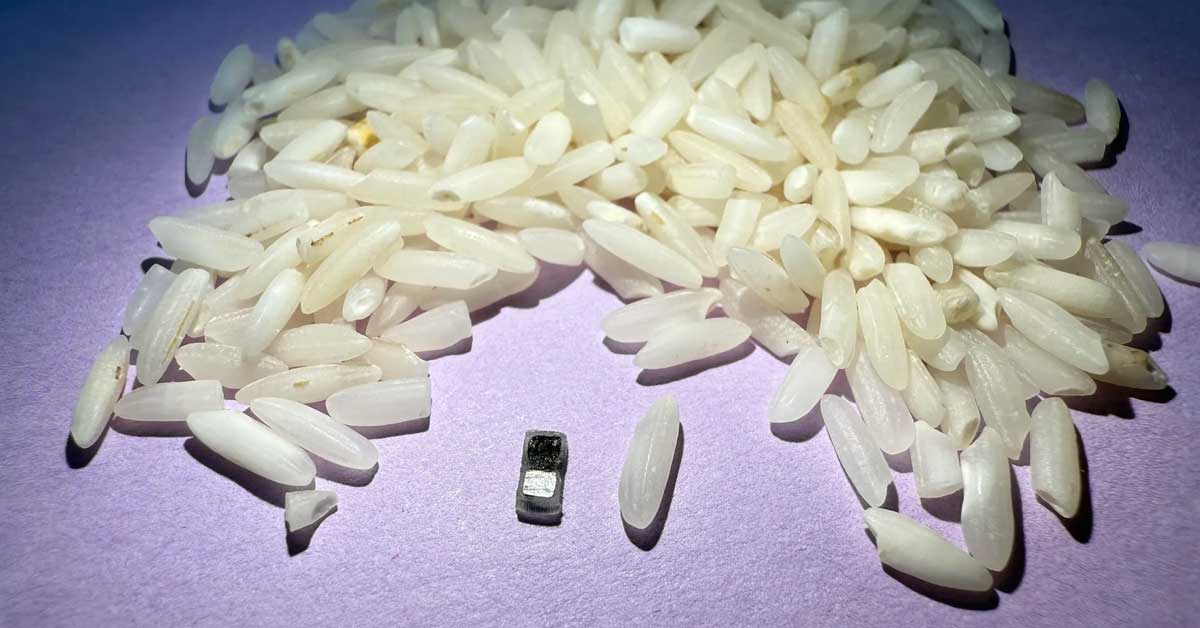
The device also dissolves once it is no longer needed, making invasive removal a thing of the past.
From cleaning up ocean plastic to preventing homelessness, the new cohort of fellows receives funding necessary to execute their world-changing work.
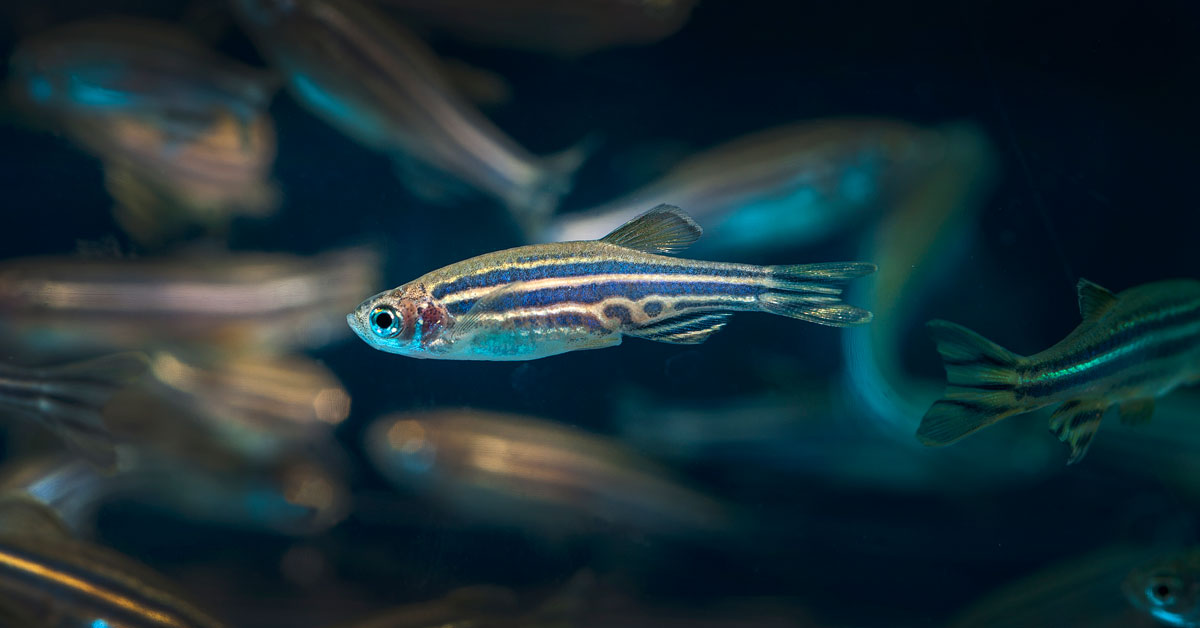
Zebrafish have genetic characteristics that make it possible to rebuild neural networks after severe injuries.
The Animal Care Centers of New York have decided to turn a viral AI video into a real happily ever after.
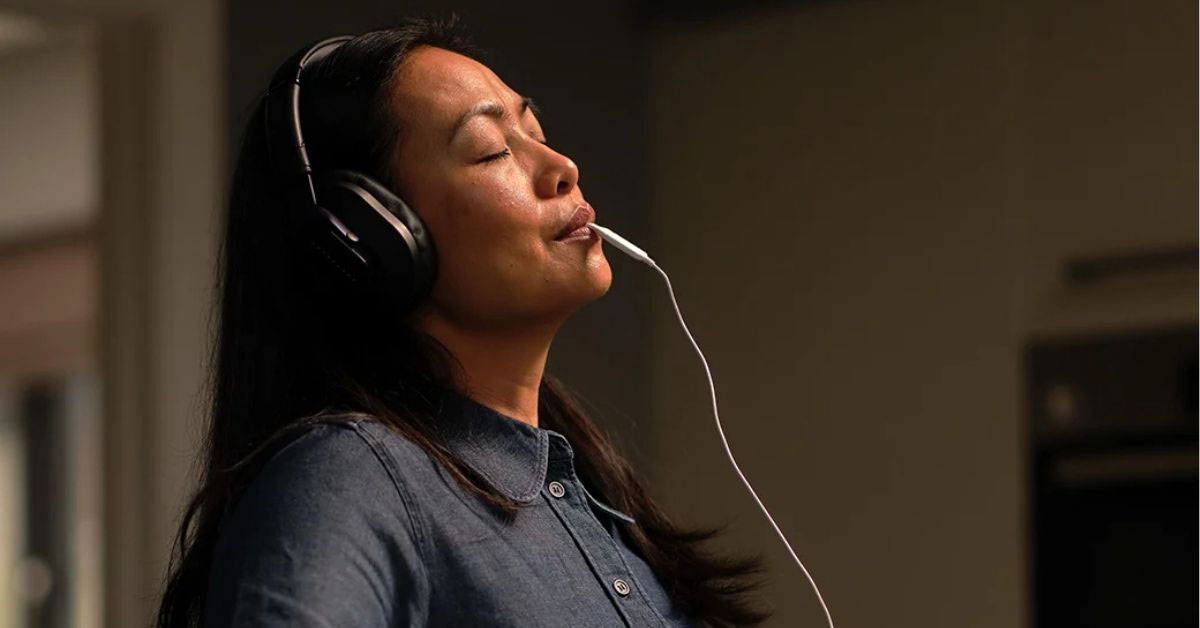
More than 25 million adults in the United States have tinnitus.
Hank and John Green’s annual charity livestream, Project for Awesome, has been a smash fundraising success since 2007.
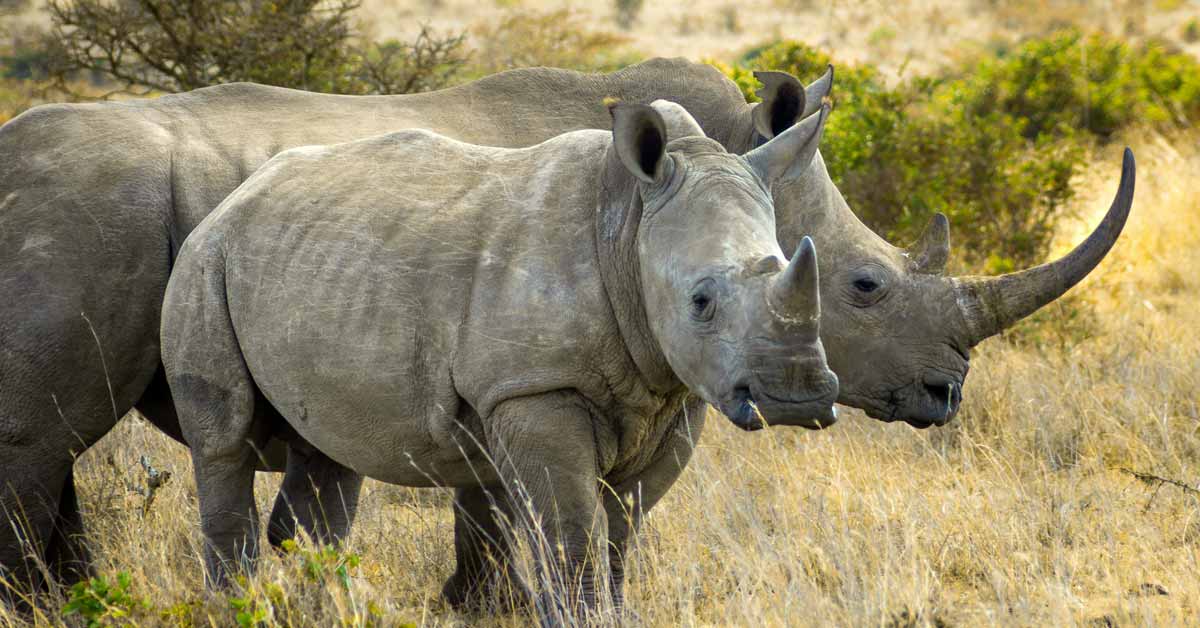
Wildlife trafficking is one of the most lucrative illicit industries worldwide. It nets between $7 billion and $23 billion per year.
Ideally, your messages are finding the trees well, but you can also report damaged limbs or declining health to ecology experts.
Wearers might feel the strings of a violin on their arms or the beat of a drum on their back.
The creative method could pave the way for researchers to detect — and fix — soil degradation.