Celebrating positive news about animals making a difference for people — and people making a difference for animals
Your weekly roundup of the best good news worth celebrating...
Dogfighting is a widespread underground practice in Italy, but the Humane World for Animals Italy is hard at work to bring it to an end — and give rescued dogs a second chance.
The farmers behind the popular documentary, “The Biggest Little Farm,” spent a fortune to keep gophers at bay. Then they let predators step in.
In North America, the land mammal is second only in size to the bison.
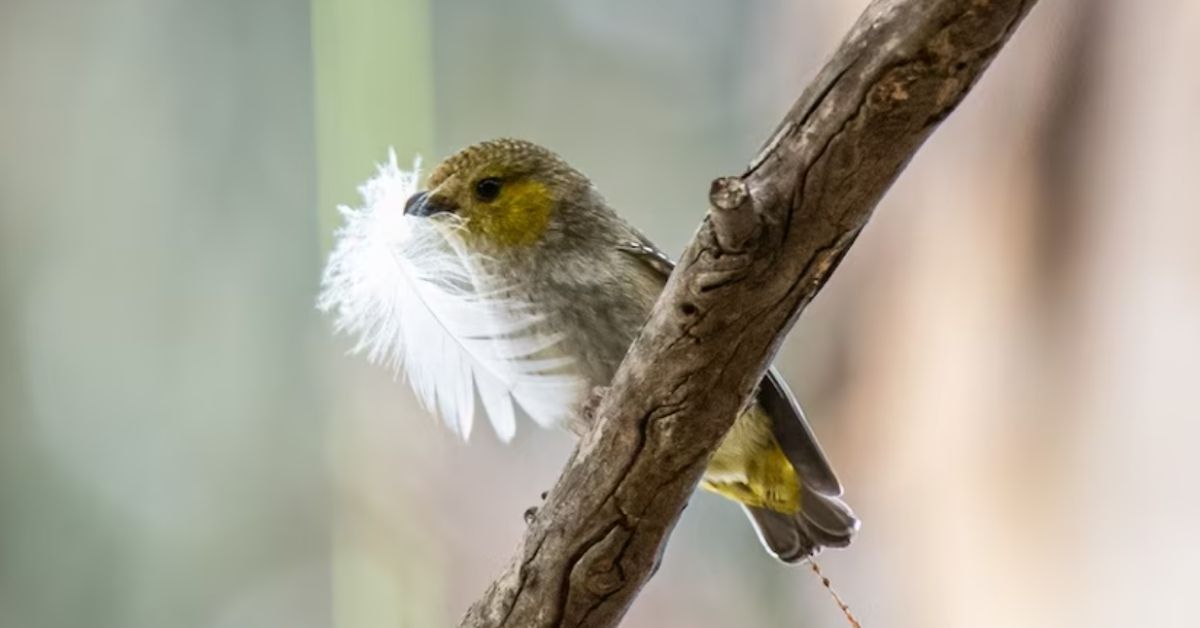
The forty-spotted pardalote is only found in Australia — and it's in dire need of help.
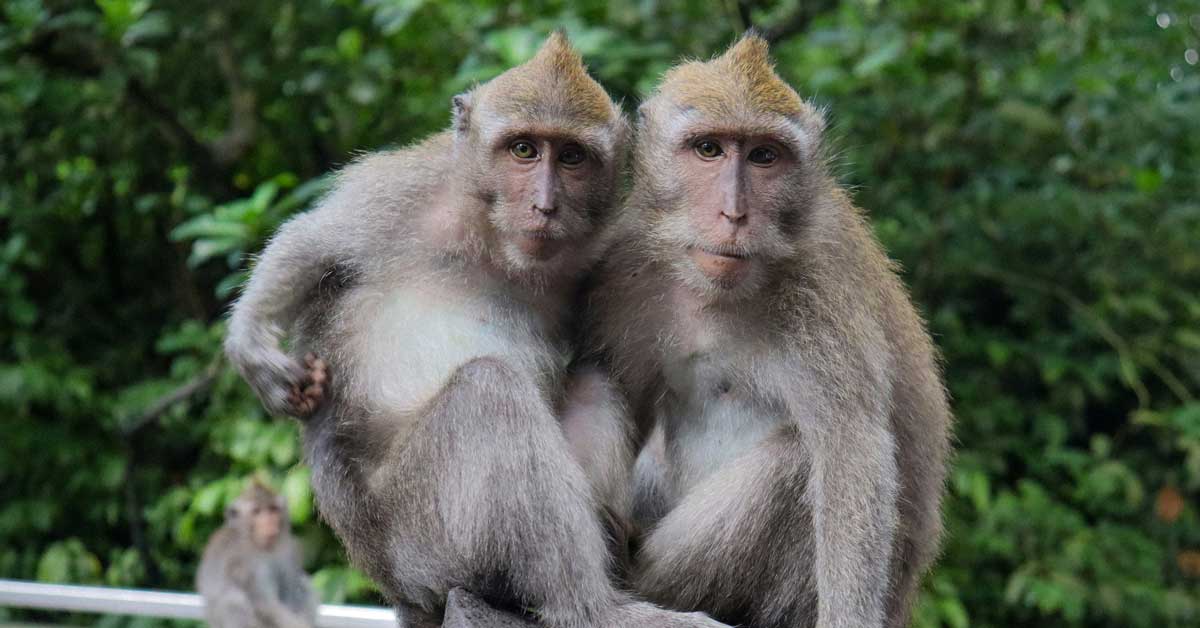
A growing body of research suggests same-sex behavior in nonhuman primates is important to social connections.
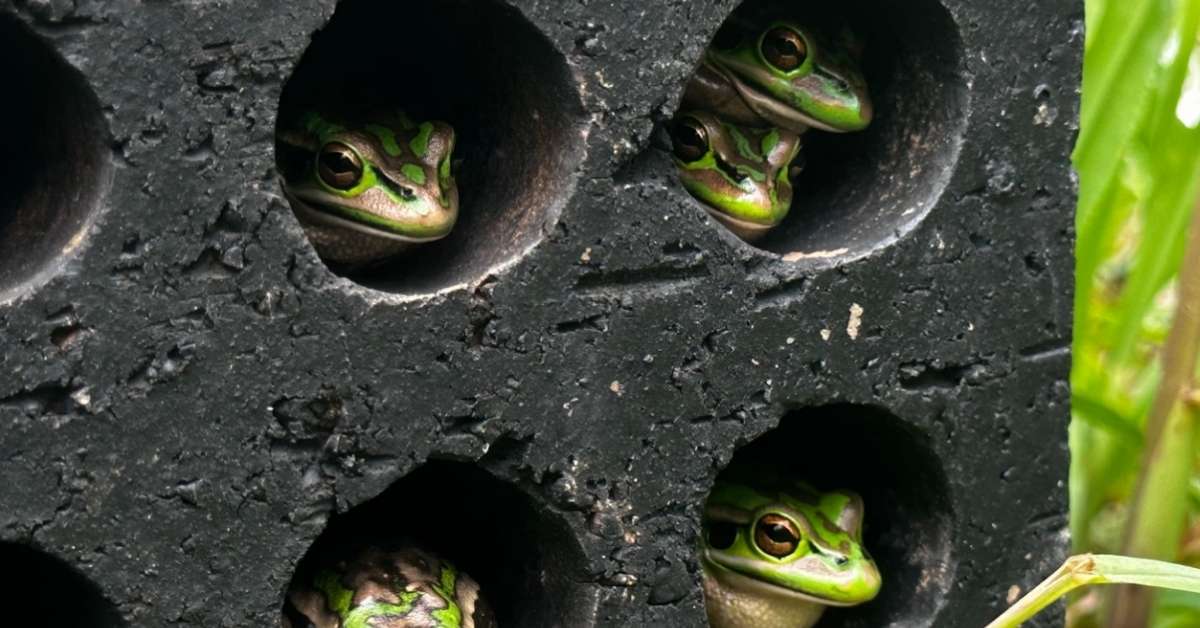
Green and golden bell frogs used to be everywhere in Australia, until a deadly virus reduced their range by 90%. Then Anthony Waddle stepped in.
These tools can reshape how scientists and the general public understand animals by getting to know formerly anonymous creatures as individuals.
A team of students at Tohoku University in northeastern Japan discovered a new species purely by happenstance.
Since 2005, the global count of living mammal species has risen by 25%.
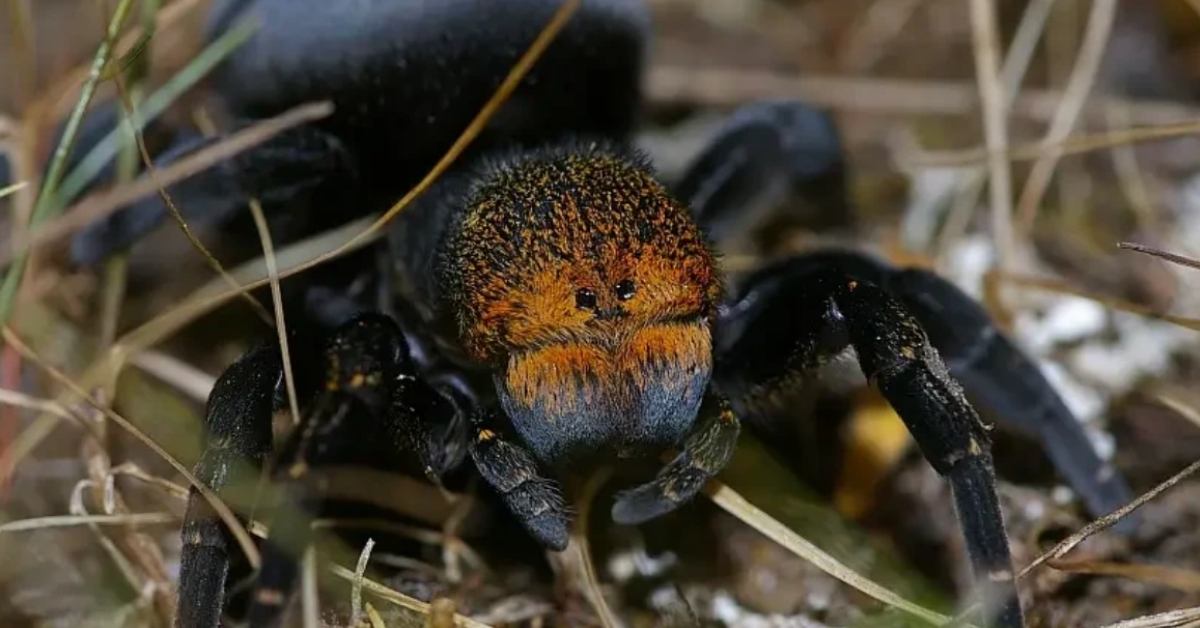
It may look, and smell, foul — but this spider marks the latest exciting discovery in a string of new species found in the past year.
The elusive creature has faced mounting threats across the country, but it had been entirely wiped out in Ohio for nearly 200 years.
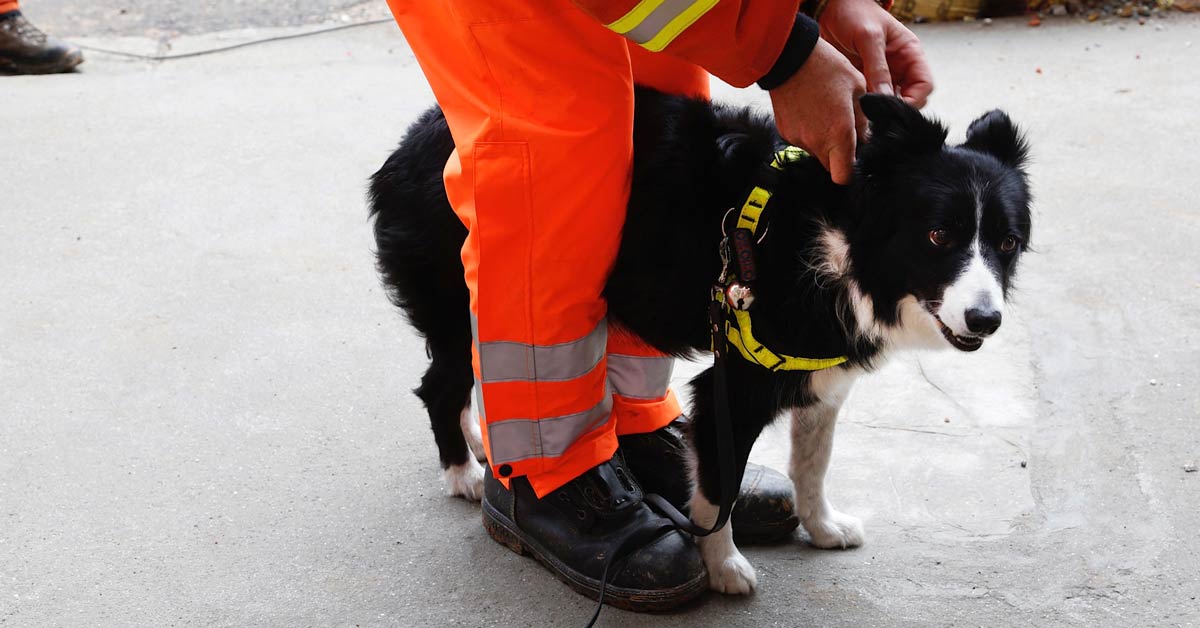
The working pups won’t be out of a job any time soon, but they might get even better at their life-saving work.
The male specimens of the family bear an uncanny resemblance to giant ladybugs.
Luiz Rocha has dedicated his life to the study of fish. His latest research uncovered a treasure trove of new sea creatures.
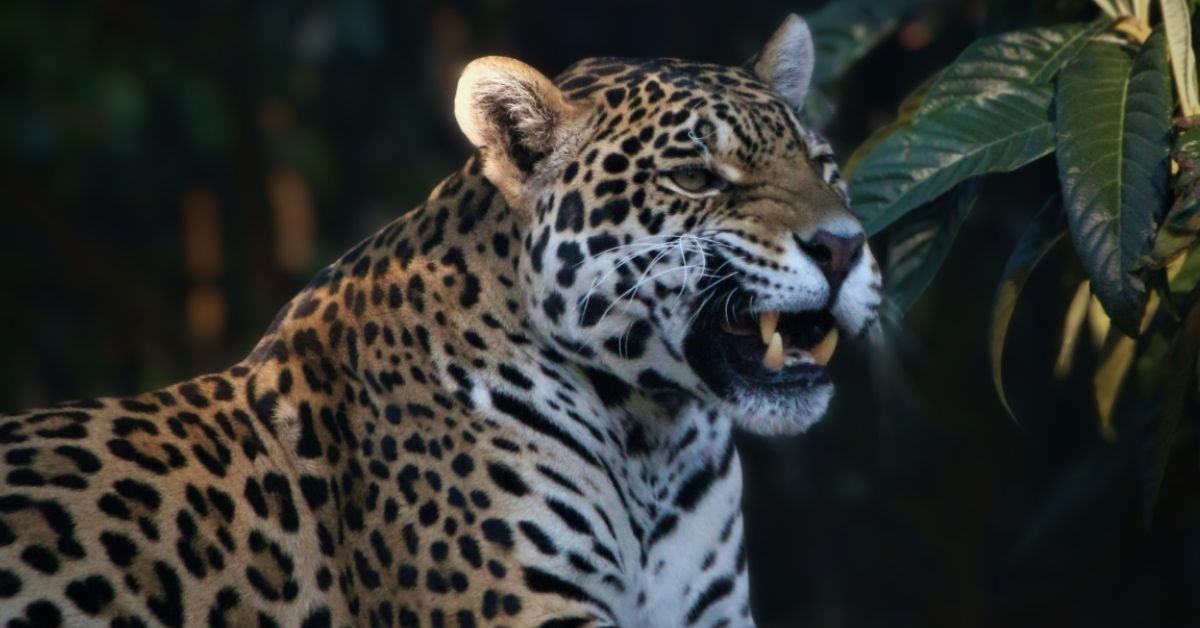
A rare jaguar sighting is giving conservationists hope in the Grand Canyon State.
Professor John Wiens from the University of Arizona has shed new light on the pace of new species discoveries — and how it compares to extinction rates.
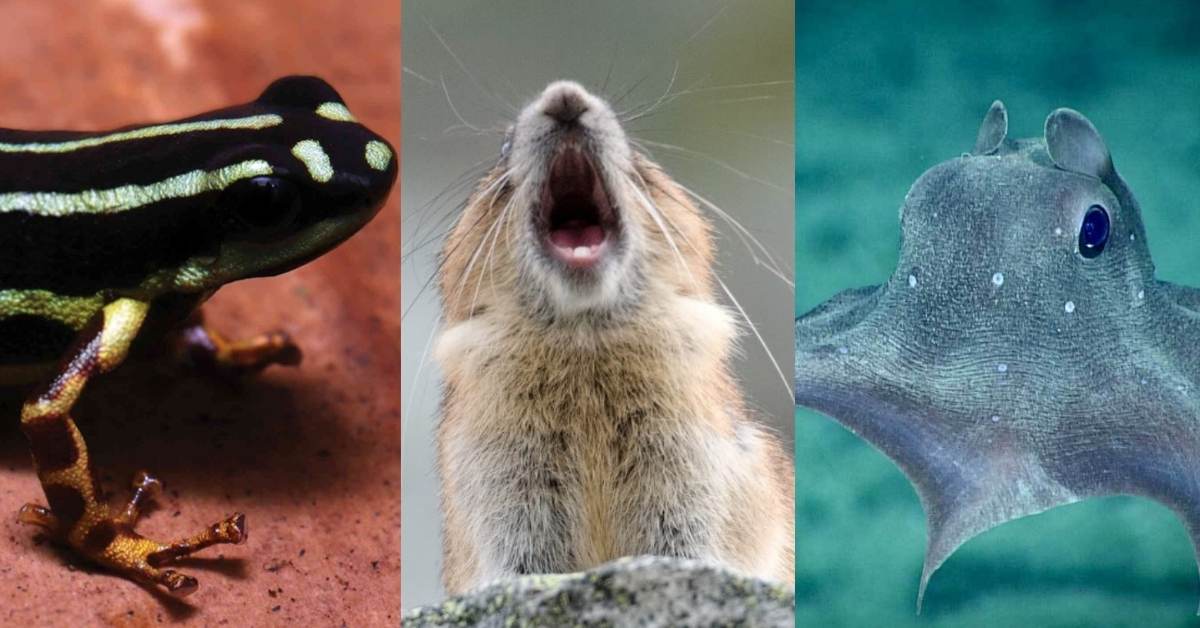
From a butterfly shaped by 40,000 years of isolation to creatures 1,400 feet below the sea, scientists uncovered thousands of new species in 2025 — and these nine discoveries stood out amongst the rest.
The study of climate change refugia — places that are buffered from the worst effects of global warming — has grown rapidly in recent years.