May is Mental Health Awareness Month! This national month of awareness and action has been recognized since 1949, as mental health activists and practitioners across the country work to spread the word that mental health is something everyone should care about.
With events, screenings, activities, and more, Mental Health Awareness Month is a catalyst for us to learn more, seek help, offer support, and open our hearts and minds to vulnerable conversations.
While it’s important to celebrate and take care of mental health every single day, it’s helpful to have somewhere to start. We’ve created a guide on how to celebrate Mental Health Awareness Month this year.
By the way, some of the links in this article (like books!) are affiliate links, which means if you make a purchase after clicking a link, we may earn a commission at no extra cost to you. Thank you!
Activities & Ideas To Celebrate Mental Health Awareness Month
Learn
Learn more about your own mental health.
Learning more about your own mental health can be one of the most empowering things you can do for yourself.
Do this by taking an online mental health screening. You can use this opportunity to seek professional help (in the form of therapy), journal about your findings, or connect with a loved one who may also have experience with a certain mental health condition.
Listen to mental health podcasts.
Podcasts aren’t the same as therapy or counseling, but they sure can help us feel seen and understood in new ways — especially when they’re made by brilliant professionals or folks with lived experiences.
We’ve rounded up some of our favorite mental health podcasts for you to get a head start.
Subscribe to mental health newsletters.
Just like mental health podcasts, mental health newsletters can be a great way to keep yourself surrounded with helpful, informative, and inspiring mental health-related content.
We’ve curated a list of the best mental health newsletters for you to subscribe to.
Follow creators or bookmark resources sharing reliable information about mental health.
TikTok therapy isn’t the same as clinical mental health care, but creators, apps, and campaigns can be amazing at using the Internet for good. Trust us; we’ve found them!
Shop around on social media to find reliable creators, or start with some awesome ADHD content creators, this art therapist TikToker, or these mental health apps that help Black folks navigate mental health.
Read books about mental health.
We’re certain your local library or independent bookstore has a wide array of resources for your mental health studies, but if you’re looking for some recommendations, here are a few reads to check out as you expand your mental health knowledge:
- "Reasons To Stay Alive" by Matt Haig (Bookshop) (Amazon)
- "My Grandmother's Hands: Radicalized Trauma and the Pathway to Mending Our Hearts and Bodies" by Resmaa Menakem (Bookshop) (Amazon)
- "Burnout: The Secret to Unlocking the Stress Cycle" by Emily Nagoski (Bookshop) (Amazon)
- "Permission To Come Home: Reclaiming Mental Health As Asian Americans" by Jenny Wang (Bookshop) (Amazon)
- "I Thought It Was Just Me (But It Isn't)" by Brené Brown (Bookshop) (Amazon)
- "Willow Weep For Me: A Black Woman's Journey Through Depression" by Nana-Ama Danquah (Bookshop) (Amazon)
- “Why Am I Like This? My Brain Isn’t Broken (And Neither Is Yours)” by Gemma Styles (Bookshop) (Amazon)
- "Nobody's Normal: How Culture Created The Stigma Of Mental Illness" by Roy Richard Grinker (Bookshop) (Amazon)
Take Care of Yourself
Create strong self-care practices.
Self-care is a big buzzword these days, but we encourage you to create strong, proactive self-care practices that give you the energy and space to thrive.
We’ve put together a number of guides to support your self-care journey:
- Self Care Ideas
- Best Self-Care Apps
- Self-Care Quotes
- How To Cheer Yourself Up
- How To Build a Self-Care Kit
- Self Care Journals & Planners
- Self-Care Affirmations
Find a therapist.
A great therapist can help you gain valuable insights, provide support and guidance when you are facing challenges, help you confront and heal trauma, and give you the tools to create a life you love. You deserve to find your perfect fit!
Good news: we created a comprehensive guide to finding a therapist.
Celebrate good news.
Speaking of good news, the world is full of it! Take it from us, we’re a good news media company that literally makes a monthly print newspaper filled with good news. (And you should subscribe!)
When we fill our brains with reminders that there’s lots of good in the world, it helps us feel more hopeful about the future and encourages us to be a part of creating that better future.
Subscribe to a positive news email newsletter like ours, check out good news websites, and do everything possible to make sure you’re exposed to hopeful news stories on a regular basis.
Here are a few positive news stories to get you started:
- These barbers are helping Black men talk about mental health
- Mental health activists are creating safe and inclusive spaces online and IRL
- Hospitals are prescribing storytelling for older adults to help them fight social isolation
- Noah Kahan donated millions to rural mental health initiatives during his last tour
- An interactive map is crowd-sourcing 'neurodivergent-friendly' spaces across New York City
You can also check out our whole library of mental health good news.
Consume the news thoughtfully.
Although we’re big fans of finding the good, we know that the news can feel incredibly heavy at times.
While it’s important to stay up-to-date on what’s happening in the world, (because the privilege of experiencing bad news through the news comes with the requirement that you use that privilege for good) you can still consume the news responsibly.
Choose who you get your news from thoughtfully. We’ve also put together a guide on how to read the news with intentionality.
Try meditating.
Apps like Headspace, Calm, and Breethe make self-care activities like mediation easy and accessible. Give your meditation practice a go this month and see what can happen when you expand your self care toolkit.
Celebrate
Attend an event in support of Mental Health Awareness Month.
A great way to spread awareness about mental health is by engaging in events in your community or online to learn more and connect with others who are willing to share their experiences with mental health conditions.
On a national scale, you can look forward to Mental Health Day of Action on May 15, which encourages people to urge Congress to fund mental health interventions.
You can even host your own event, gathering friends and community members to reach out to elected officials, lead a fundraiser, organize a walk or run, or include a local mental health professional in a forum or Q&A.
Get a mental health tattoo.
We’ll admit that this one is a bit more wild. If you’ve always thought about getting a tattoo, there’s no time like the present.
A mental health tattoo can honor your ability to overcome and offer a reminder to yourself and others that hope is real.
Explore our curated collection of mental health tattoo ideas.
Take Action
Contact your representatives to urge them to prioritize mental health.
You have the tools to urge your elected officials to make mental health a priority! Here are a few things you can do:
- Ask your governor or mayor to formally declare May as Mental Health Month. Mental Health America has a toolkit with a sample proclamation, as well as talking points to share with your local officials.
- Check out Mental Health America’s State of Mental Health In America report and share it with your elected officials.
- Contact your member of Congress or Senator to express why you think they should make mental health policy and research a priority. This kind of work is more vital now than ever.
Get certified in mental health first aid.
If you’re looking for the tools to directly help others in times of crisis, you should consider getting certified in a mental health first aid course.
Mental Health First Aid offers in-person courses around the country, led by two certified instructors. Participants will learn how to help someone experiencing a mental health crisis by identifying, understanding, and responding to signs of addiction or mental health conditions.
If you’re looking for a digital certification, the Born This Way Foundation and Jack.org have created the Be There Certificate, which teaches participants how to recognize when someone might be struggling with their mental health and how to safely support them while maintaining one’s own mental health.
The course is free of charge and has six interactive lessons that can be accessed at any time. It is also offered in English, French, and Spanish.
Share your story.
Part of spreading awareness means sharing your story and your experiences in a safe way. The National Alliance on Mental Illness encourages folks to share their experiences with mental health to be shared on their website or social media channels.
Volunteer.
Use your time and talents to support a mental health organization! Whether it's advocating for suicide prevention, volunteering with a hotline or respite center in your area, or offering support, like a meal or help with care tasks to someone going through a difficult time, your big heart is needed.
Donate.
Whether you want to donate to a national or local nonprofit or support a community member affected by mental illness through a mutual aid fund, your assistance can make a difference. Here are a few organizations to keep in mind:
- Mental Health America
- National Alliance on Mental Illness
- The Trevor Project
- Trans Lifeline
- Project LETS
- American Foundation for Suicide Prevention
- The Loveland Foundation
- National Latino Behavioral Health Association
- Active Minds
- Asian Mental Health Collective
- Native Guardians Foundation
- Heads Up Guys
- Support For The Psyche
- Schizophrenia & Psychosis Action Alliance
- Peace of Mind Foundation
Share Resources with Others
Share mental health resources.
Making mental health resources widely accessible makes it that much easier for even one person to get the help they need.
You can view our mental health resource guide here!
Be thoughtful about the information you share online.
That being said, if you choose to engage with mental health stories and resources online this month, keep in mind that these topics can be heavy and triggering for others. Consider adding content warnings to your posts or encouraging others to do the same.
Disability rights activist Liz Sparrow has a great beginner’s guide to trigger warnings to get you started.
Wear your mental health on your sleeve. (Literally.)
You can help reduce stigma and communicate that you're a safe person to talk to by wearing clothes that bring awareness to mental health.
When you wear apparel with meaningful mental health messages, you're sharing important words with strangers who may need to hear them. Plus, you might inspire an important conversation.
Check out our article that curated the best mental health awareness shirts that also donate to charities.
At Work
If you’re an employer, host professional events and initiatives that support employee mental health.
Whether this is hosting a stress reduction workshop, implementing new time-off policies, welcoming a mental health speaker, or leading a company-wide discussion, you have the privilege and responsibility to make your work environment safe, inclusive, and filled with resources that support employee wellbeing.
Check out Empower Work, a program that provides confidential support for work challenges.
Empower Work is a nonprofit on a mission to build healthier, more equitable workplaces. They offer immediate, confidential support for work challenges through SMS or webchat with trained peer counselors.
Advocate for or use mental health days or paid time off.
Mental health days are an important tool for all workers to access time off when they need to, while also facilitating important conversations about mental health and burnout in the workplace.
Perhaps this month is the time for your company to roll out company-wide mental health days, or even more generous paid time-off offerings. By prioritizing time to rest, we can boost morale, redefine the modern workplace, and show people we care.
Use your platform or company to advocate for mental health.
Raise funds, release a product supporting mental health awareness, create a social media campaign, publish a blog post, or invest in new benefits that support your team and your community during Mental Health Awareness Month.
Whatever you do, we encourage you to use reliable research to make your offerings inclusive and equitable.
At School
Offer resources and information to students.
Teachers and trusted adults are responsible for making sure that students know what mental health resources are available to them. This is a great time to initiate conversations about mental health or remind students how they can come to you for help.
If your school doesn’t have a lot of resources or materials for these conversations, the Substance Abuse and Mental Health Services Administration has a great landing page for educators to help get the ball rolling.
Engage in a Mental Health Awareness Month project at school.
Can you hand out lime green ribbons for mental health awareness? Is there a suitable movie or documentary viewing and discussion you can share with your students? What about celebrating your appreciation for school counselors or social workers during this time?
Consider hosting a spirit day in your school to open the dialogue about mental health and engage with one another in a meaningful way. Mental Health America even has work sheets and journal prompts to help!
Support LGBTQ+ youth.
LGBTQ+ youth are at an increased risk for mental health conditions and suicide. In fact, The Trevor Project — an organization that works to prevent suicide in LGBTQ+ youth — found that LGBTQ+ youth who reported having at least one accepting adult were 40% less likely to report a suicide attempt.
There are a number of ways to support LGBTQ+ youth inside and out of the classroom — we even have a comprehensive guide! In the meantime, consider doing the following:
- Designate your classroom as an LGBTQ+ safe space
- Take an ally training course through The Trevor Project with your colleagues
- Sponsor a Gay Straight Alliance or other inclusive club in your school. The Gay Lesbian & Straight Education Network has awesome resources for teachers and students.
Host a Q&A with a mental health professional for parents and students.
School administration and counseling teams can host a forum for parents and students, offering expert insights into mental health.
Choose a topic and host a Q&A style chat for parents with a clinician or representative from your local Department of Behavioral Health.
This can also be done for students during the school day, all inviting participants to ask experts any questions they may have regarding mental health.
Educators may consider creating a safe space for students to anonymously submit questions, to keep things well-organized and confidential.
Get help if you need it.
All of these action items and activities are a great way to get you and your community involved in the conversation surrounding mental health. However, we know that when you’re struggling with your mental health, it can be hard to find the help, support, and community you need.
If you are in immediate need of safety, please contact the following:
Emergency Medical Services
911
National Suicide Prevention Lifeline
988
suicidepreventionlifeline.org
Crisis Text Line
Text CRISIS to 741-741
crisistextline.org
The Trevor Project 24/7 Hotline
1-866-488-7386
thetrevorproject.org
And if you are not in immediate crisis and would still like access to more resources, visit our list of Mental Health Resources for more information.
Frequently Asked Questions
What month is National Mental Health Awareness Month?
May is National Mental Health Awareness Month. Advocates, organizations, and professionals observe this month by sharing information in the media, hosting awareness events, and performing mental health screenings. The goal of Mental Health Awareness Month is to increase knowledge and end the stigma surrounding mental health.
What is the theme for Mental Health Month 2026?
The theme of Mental Health Awareness Month 2025 is “More Good Days, Together,” according to Mental Health America. Advocates say the goal is to help people have more good days by “meeting them where they are, supporting them as whole people, and understanding that ‘good’ is defined by their unique experiences and goals.”
Is October or May Mental Health Awareness Month?
Mental Health Awareness Month takes place during the month of May. However, National Depression and Mental Health Screening Month, as well as ADHD Awareness Month, are celebrated in the month of October. It can be easy to get them mixed up!
You can also explore this full guide to every mental health awareness holiday.
What are some good mental health quotes?
We've curated the best quotes about mental health in a variety of articles:
- The Best Mental Health Quotes
- The Best Quotes About Suicide To Help Prevention
- The Best Quotes About Self Care
- The Best Positive Quotes & Quotes About Toxic Positivity
When is World Mental Health Day?
World Mental Health Day is celebrated on October 10. Like other mental health awareness holidays, World Mental Health Day seeks to raise awareness. According to the World Health Organization, the goal of World Mental Health Day is to mobilize efforts in support of mental health and improve mental health care worldwide.
May is also Asian American & Pacific Islander Heritage Month and Jewish American Heritage Month. Make sure to explore our guides to learn how to celebrate these important heritage months.
If you’re a long-time Good Good Good reader, or if you’re a first-timer, hey! Welcome! Hello! We’re glad you’re here.
One thing that you’ll quickly learn about us — or something you may have picked up on already — is that we are in the business of real good news, not so much feel good news.
Our goal is not to live in blissful ignorance (ahem, toxic positivity), but to be deeply informed and in touch with the world, so we can do our part to make it even better.
There’s a popular quote by poet and Black feminist leader Toi Derricotte that may be familiar to you: “Joy is an act of resistance.”
Derricotte argues that joy, especially the joy of Black women, is a tool against oppression, that it provides freedom in the face of systemic injustices that endlessly attempt to stifle the experiences of marginalized people.
So, not only does happiness serve as a revolutionary means to survival, but it is also an indicator that a country, group, or region is doing good in the world.
According to the World Happiness Report, there are six components to measure national happiness: income (more on this in a minute), healthy life expectancy, social support, freedom, trust and generosity.
Here are five pieces of happiness news that will help put that all into perspective, and hopefully, add a little joy to your day:
5 pieces of happiness news that remind us: we’re doing alright
Harvard study shows that community makes us happier
In 1938, scientists began tracking the health of 268 Harvard sophomores in what would become one of the world’s longest studies of human development: The Harvard Study of Adult Development.
Although the study only included Harvard men (the school was still only open to men when the study began), original participants included President John F. Kennedy and Washington Post editor Ben Bradlee. 80 years later, only 19 subjects are still alive, and they are all in their mid-90s.
Scientists did eventually expand their research to include children of the original participants, now numbering 1,300, aged in their 50s and 60s.
While there are a number of takeaways from the study, and Harvard has collected ample data on the subjects’ life experiences, aging, and health, researchers discovered something especially revealing: that more than genes, money, or fame, close relationships kept people happy throughout their lives.
“Those ties protect people from life’s discontents, help to delay mental and physical decline, and are better predictors of long and happy lives than social class, IQ, or even genes,” a story in the Harvard Gazette states. “That finding proved true across the board.”
Researchers found a strong correlation between the men’s flourishing lives and their relationships with family, friends, and community, even going so far as to suggest that people’s level of satisfaction with their relationships at age 50 was a better predictor of physical health than their cholesterol levels. Experts also discovered that subjects with strong social support experienced less mental deterioration with age.
“When the study began, nobody cared about empathy or attachment,” said psychiatrist Georg Valliant, who joined the team as a researcher in 1966 and led the study between 1972 and 2004. “But the key to healthy aging is relationships, relationships, relationships.”
The U.S. has actually gotten happier
Before you get too excited, yes, the United States is still working through some major systemic issues, and lots of individuals and populations are suffering at the hands of these issues, but the World Happiness Report shows the U.S. as the 16th happiest country, out of 150 countries worldwide, in 2022.
Finland has it all figured out, taking first place again for the fifth consecutive year, but the U.S. has jumped three places since 2021. John Helliwell, a World Happiness Report editor, refers to increased “benevolence and trust” during the COVID-19 pandemic as a catalyst for these statistics.
"This surge of benevolence, which was especially great for the helping of strangers, provides powerful evidence that people respond to help others in need, creating in the process more happiness for the beneficiaries, good examples for others to follow, and better lives for themselves," Helliwell said.
This increase in generosity leans into the idea of social citizenship which posits communal activism, interdependence, and wealth redistribution as pathways to wellbeing. Because of the global pandemic, governments around the world have seen an increase in community-building.
Statistics shared in June 2021 illustrate that 73% of UK residents said they were confident they could turn to others in their community for help during the pandemic, and 81% shared that they felt people were doing more to help others than before COVID-19.
As mutual aid becomes a more widespread vehicle for community care, citizens strive to achieve and improve equity in social programs across the board, and youth lean into activism in hopes of a brighter future, “looking for the helpers” may be the best thing we can do in hopes of a happier America.
Researchers agree that laws promoting LGBTQ+ equality make people happier
While it may not come as a shock that increased human rights do in fact lead to higher levels of wellbeing, it is exciting to know that researchers have found strong correlations between countries with robust LGBTQ+ rights and well-being.
LGBTQ+ communities often face highly increased rates of depression and suicide caused by a lack of social acceptance. Therefore, creating a society where they can thrive under the full extent of the law leads to increased well-being across the board.
In fact, a 2019 study concludes that “LGBT inclusion and economic development are mutually reinforcing to each other. Legal rights for LGB people are associated with higher levels of economic development, and the same correlation was found for legal rights for transgender people in an earlier study.”
A University of Washington study also found that married LGBTQ+ older adults were healthier and happier than single people in the same age group. This study was the first of its kind to explore the potential benefits of marriage among LGBTQ+ couples, after the Obergefell v. Hodges ruling in 2015.
“In the nearly 50 years since Stonewall, same-sex marriage went from being a pipe dream to a legal quagmire to reality — and it may be one of the most profound changes to social policy in recent history,” said the study’s lead author, Jayn Goldsen.
Countries are starting to ditch the GDP in their happiness measurements
Adopting a concept introduced by Buddhist nation Bhutan in 1972, a number of nations are now turning to the idea of “Gross National Happiness” in place of “Gross Domestic Product.”
Countries like New Zealand and the UK are moving away from productivity and an economic bottom line, and towards the welfare of their people.
New Zealand Prime Minister Jacinda Ardern adopted this approach in 2019, prioritizing improving the prosperity of local communities compared to a national average.
GDP measurements often make assumptions about standards of living, which are often different across socioeconomic spectrums, and therefore do not provide an accurate measure of success nationwide.
Combined with five government spending priorities (improving mental health, reducing child poverty, addressing inequalities in Indigenous communities, thriving in a digital age, and transitioning to a low-emission, sustainable economy), Ardern said she hoped this approach would lay “the foundation for not just one well-being budget, but a different approach for government decision-making altogether.”
Similarly, the United Kingdom measures well-being through a lens of various income brackets.
In 2020, the Conversation reported that Canadians are also beginning to shift away from GDP indicators and more towards environmental protection and sustainability. In a peer-reviewed study, results showed the following:
- Nearly 43% of respondents were likely to support a Canadian politician who would not pursue economic growth as a major policy goal
- 65% of respondents backed the idea of moving towards an economic system of reduced levels of consumption
- Over 80% of respondents agreed that Canadians should find ways to increase quality of life while reducing material consumption
- Between 60 and 88% of respondents prioritize environmental protection, even if it slows down economic growth
These findings, combined with the big moves of other countries, illustrate that, perhaps, GDP is no longer a viable measurement for happiness, and putting people above profit would lead to greater success around the globe.
Scientists suggest learning — not rewards — provides a new happiness framework
Many of us might assume that winning the lottery or purchasing something we’ve always wanted might make us happier, but that joy is often short-lived, or might not meet our expectations, according to scientists Robb Rutledge and Bastien Blain.
Instead, their research suggests, that long-term happiness is best found in learning opportunities, rather than in the rewards we might reap. Their research included a study of 75 participants, who played a game with the objective to win a reward.
The likelihood of receiving a reward was unrelated to the size of the reward, so the scientists could separate the contributions of learning and reward in determining the happiness of the participants.
They found that the happiness of the participants was not at all dependent on the size of the reward, but rather, when the outcomes of the game were better than expected.
“This helped participants update beliefs while ignoring information about the size of the rewards,” Rutledge and Blain write. “In other words, it was the process of learning how the game worked which made people feel good, rather than the amount of reward they win.”
The researchers said that this pattern makes sense, as learning is often considered intrinsically rewarding, like when we pick up a new language, remember historical facts, or conquer a computer game.
This research provides a new framework for exploring happiness — and you can help, too! Rutledge and Blain developed a smartphone app: The Happiness Project, where users can play games and report on their happiness as they play them, contributing to the ongoing scientific research on happiness.
Overall, we recognize that happiness is a major marker in understanding a country’s well-being, and in turn, creating policy to prioritize and build upon the well-being of its people.
However, when you’re feeling overwhelmed or heartbroken about the world: we want to remind you that it’s OK to feel that way, and it’s OK to take care of yourself before you are able to channel your empathy into good. No economic policy or fancy study can capture joy and keep it alive all the time, but we can work towards a future where it’s a little bit easier to find.
We’re striving for good — not perfect. We’re glad you’re doing the work with us.
Bad news is always at our fingertips, and it often feels like there’s never enough good news.
If you’re like me, you’ve probably had the experience of getting a push notification from your news app that made your heart sink — or you’ve stayed up way too late doomscrolling through heartbreaking news on the dim light of your phone.
While it’s important to be informed and to consume the news with intentionality, it’s also important that we fill our lives with much more goodness.
The world is filled with people creating beautiful, creative, and hope-filled solutions to the world’s biggest problems: Climate Change, War & Conflict, Racial Injustice, Mental Health, and more.
What if those positive stories were given as much (or more!) digital real estate on our home screens as the bad news stories that plague our apps.
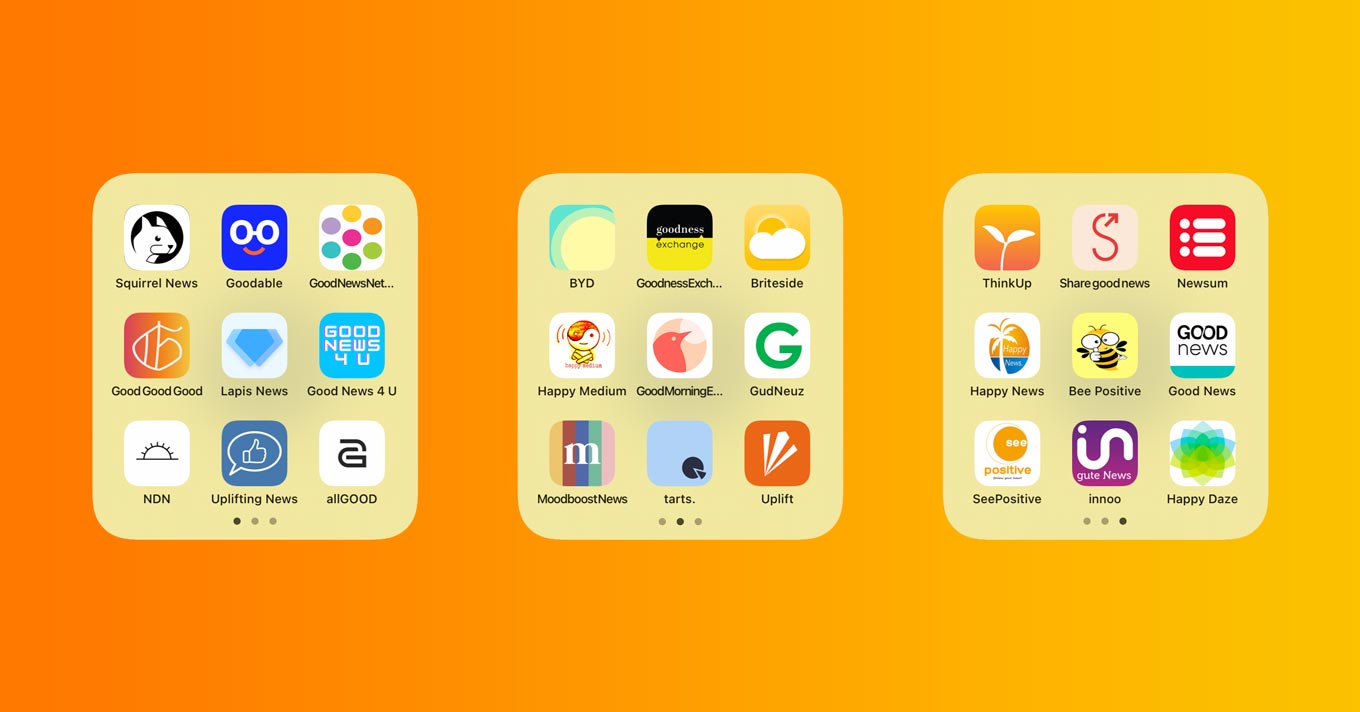
That’s the problem these app creators set out to solve.
Running a positive news media company isn’t easy (we know firsthand) — and a lot of well-intentioned ideas end up falling by the wayside. A quick search of your app store for “good news” will bring up dozens of once-amazing apps that haven’t been updated in years and unfortunately no longer function.
We downloaded every single app that claims to help users find positive news — and we vetted them, figured out which ones were still running, and created this guide to the best positive news apps on the market.
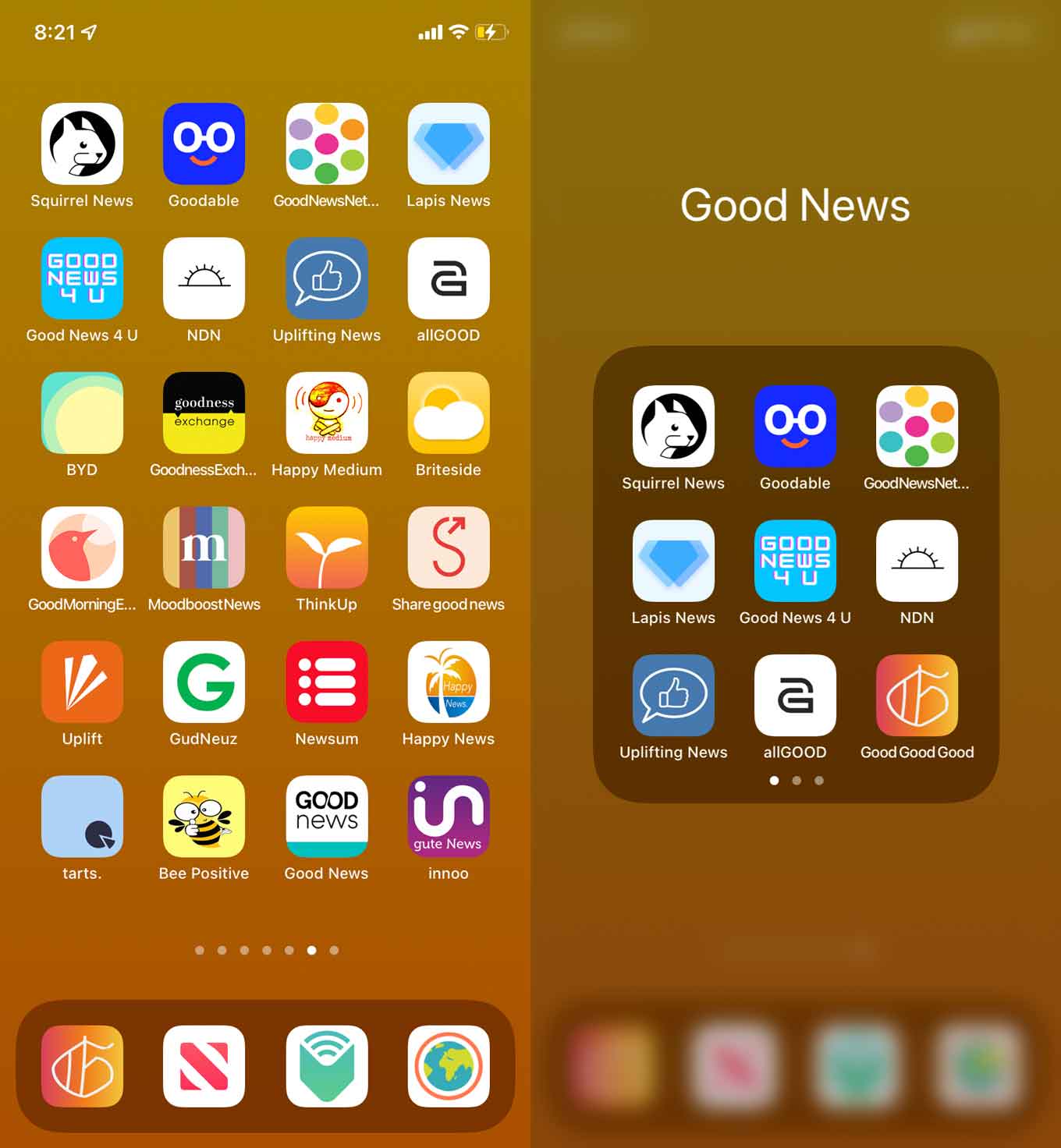
Fortunately, there are some incredible options. Whether you're looking for headlines from around the world or uplifting stories about people who have made a difference, these apps have got you covered.
By the way, if there's a new app you think we should check out, just send us an email.
9 Best Positive News Apps
Squirrel News
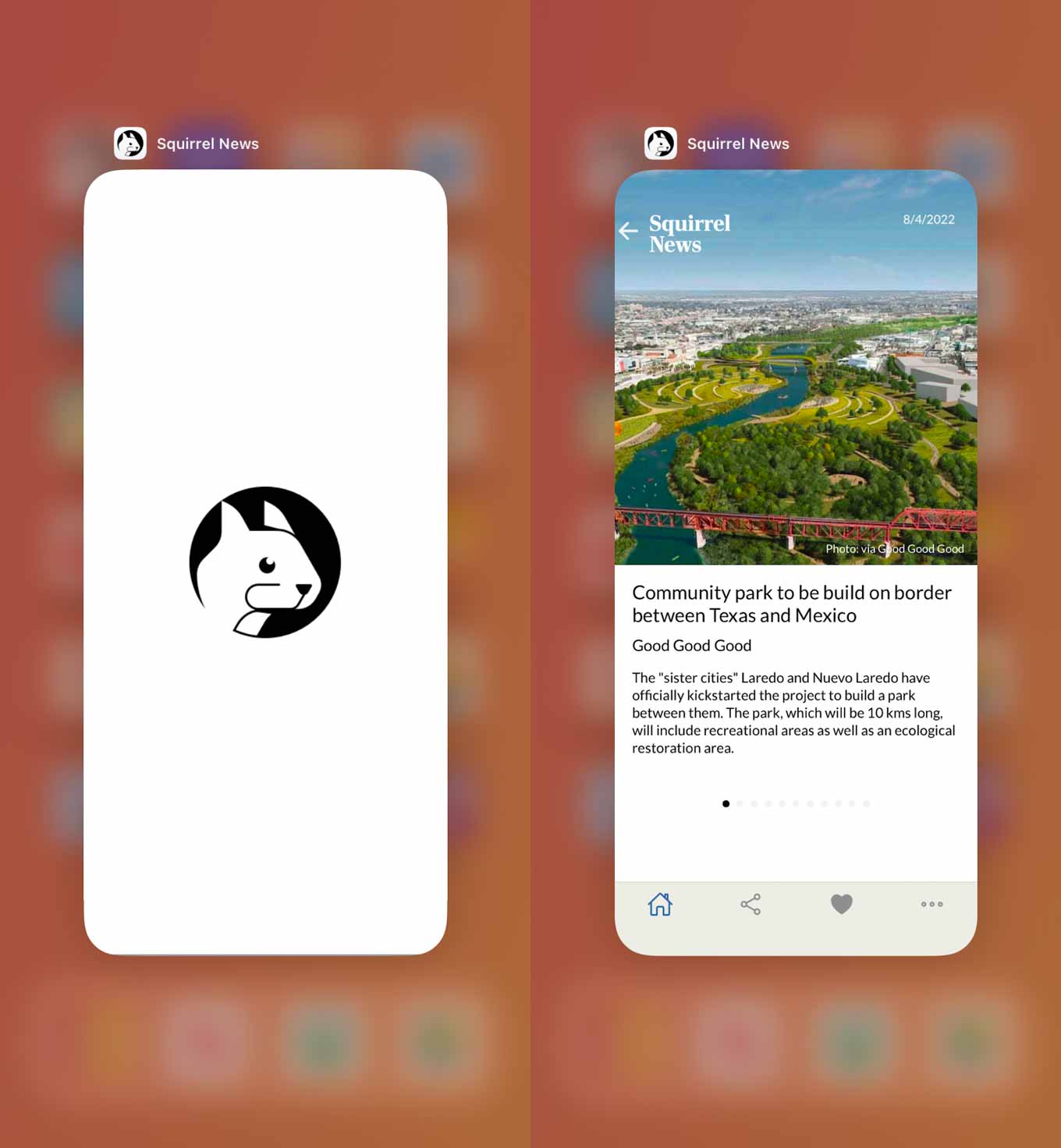
While many good news apps get bogged down with bloated features, unlimited stories, or creative design choices, Squirrel News keeps it simple.
The team of journalists behind the constructive news app collects the most important solution-oriented news articles from trusted sources and curates them into daily collections.
For every new collection of stories released, you can count on getting to read 10-12 positive news articles. No need to spend the whole day scrolling — you can trust they’ve curated everything you need to know so you can feel more hopeful, then put down your phone.
The app is free and primarily supported by voluntary donations.
(PS: You should also check out their podcast — which we named one of our favorite good news podcasts.)
Available: App Store | Google Play | Web
Goodable
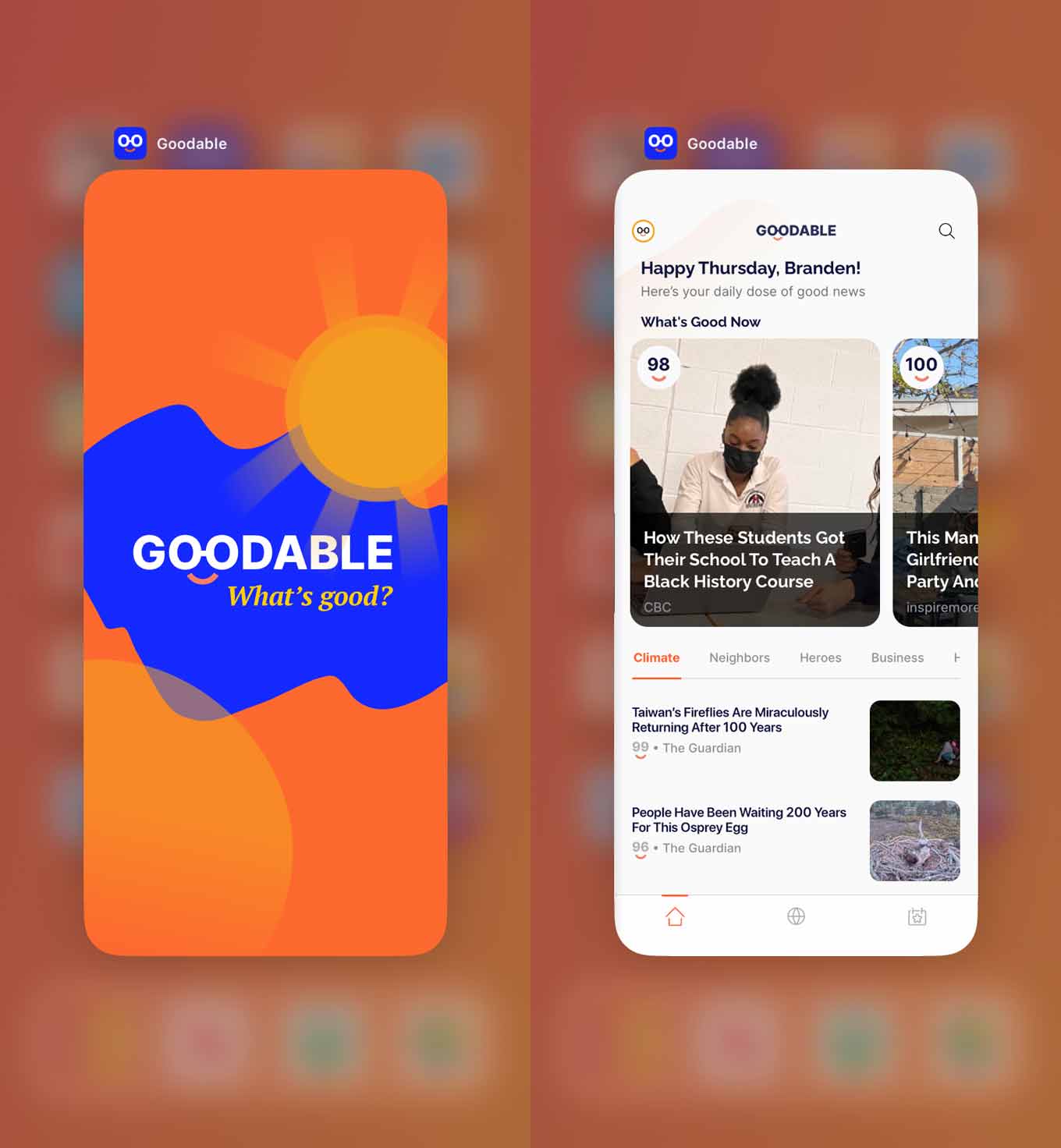
Goodable’s load screen colorfully welcomes you into the app by asking “What’s good?” It then shows you a personalized “daily dose of good news” with the app’s top-rated stories at the top of the screen.
Their quest is to help you stop doomscrolling
Goodable breaks down their categories into Health, Climate, Heroes, Tech, Neighbors, Sports, Culture, Animals, Science, and Business — so you can jump quickly into relevant news about what you care most about. And their search tool makes it really easy to find stories about a particular country, topic, or person.
All of the articles inside Goodable are curated from the best sources of positivity, wholesome content, and inspiring stories on the internet — so it’s kind of a one-stop-shop for all of your happy news needs.
The news portion of the app is free — but they offer paid access to Goodable Spark, which includes psychologist-created “guided journeys and easy goals… designed to help you treat anxiety, depression, and stress.”
Available: App Store | Google Play
Good News Network

In the world of positive news, Good News Network is ubiquitous. They’ve been filling the internet with positivity for more than 25 years — and the work of their founder, Geri Weis-Corbley absolutely paved the way for many other positive news websites and resources — including Good Good Good.
Their app isn’t anything fancy — but it gets the job done! It’s simply an app version of their site, featuring their whole collection of news articles, ‘This Day in History’ features, quotes of the day, and ‘Good Talks.’
You can turn on push notifications for topics you care about — so you can quit feeling anxious every time your phone buzzes.
The app is ad-supported and allows you to remove all ads from the app for $2.99 per month.
Available: App Store | Google Play
Lapis News
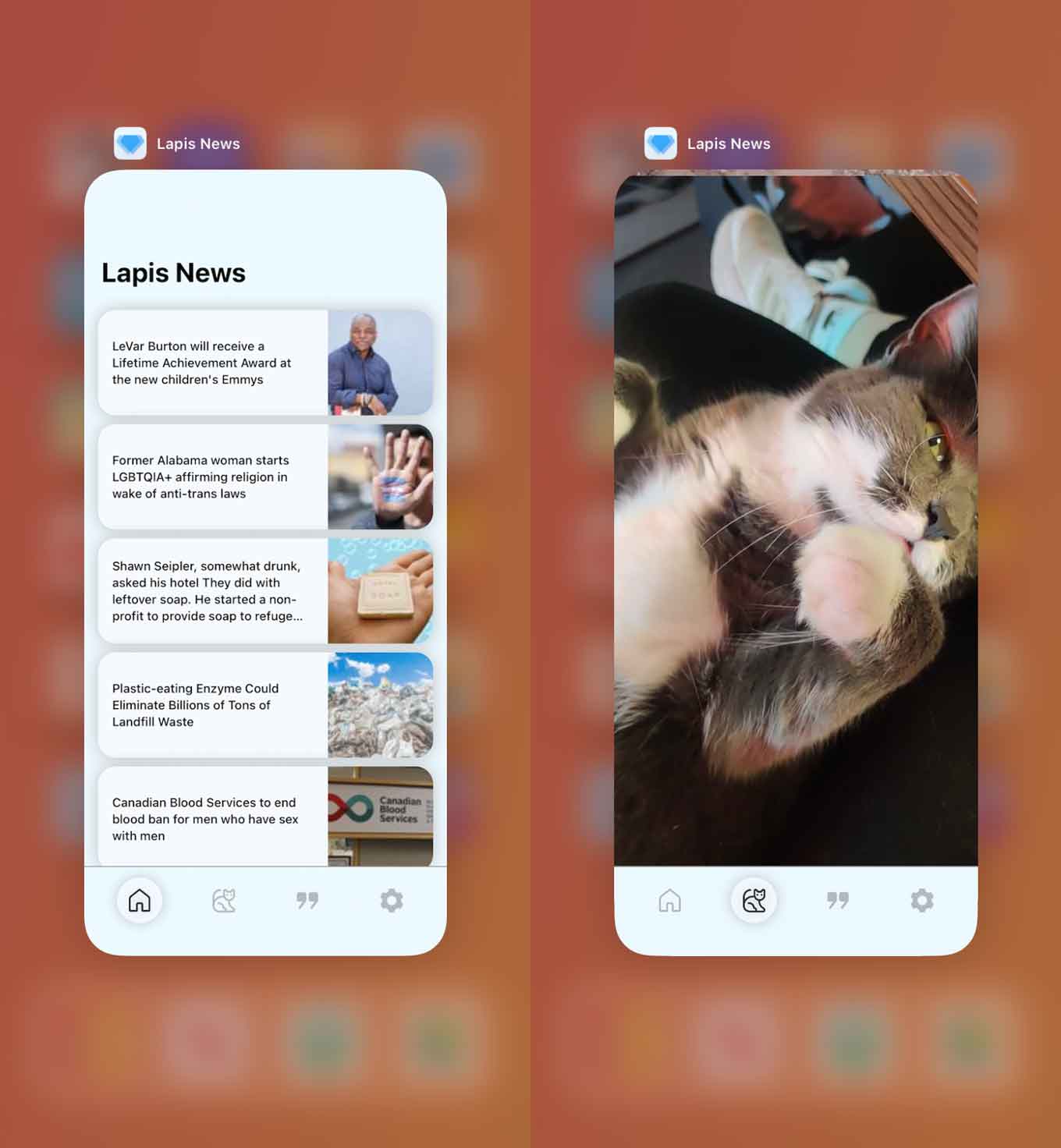
Lapis News is another wonderfully simple uplifting news app. The free app features a simple feed of the day’s top positive stories, curated from around the internet.
Next to the news tab is a tab devoted to videos of cute animals. Think of it as a mini-TikTok feed with just wholesome pets and wildlife.
Lastly, the app includes a whole tab dedicated to jokes, so you can scroll through one-liners to entertain your friends and family after you’ve told them the day’s uplifting news.
Available: App Store
allGOOD NEWS

While this app has zero bells and whistles, it does exactly what you need it to do and will leave you feeling more optimistic about the world in no time.
Flick your finger upward to preview a new good news story. Swipe side to side to read it. Repeat. It’s kind of like Tinder for good news, except you swipe for smiles instead of subpar dates.
The free app adds 4-8 new articles per day, and you can infinitely swipe through previous days’ positive news stories, as well.
Available: App Store | Google Play
Uplifting News
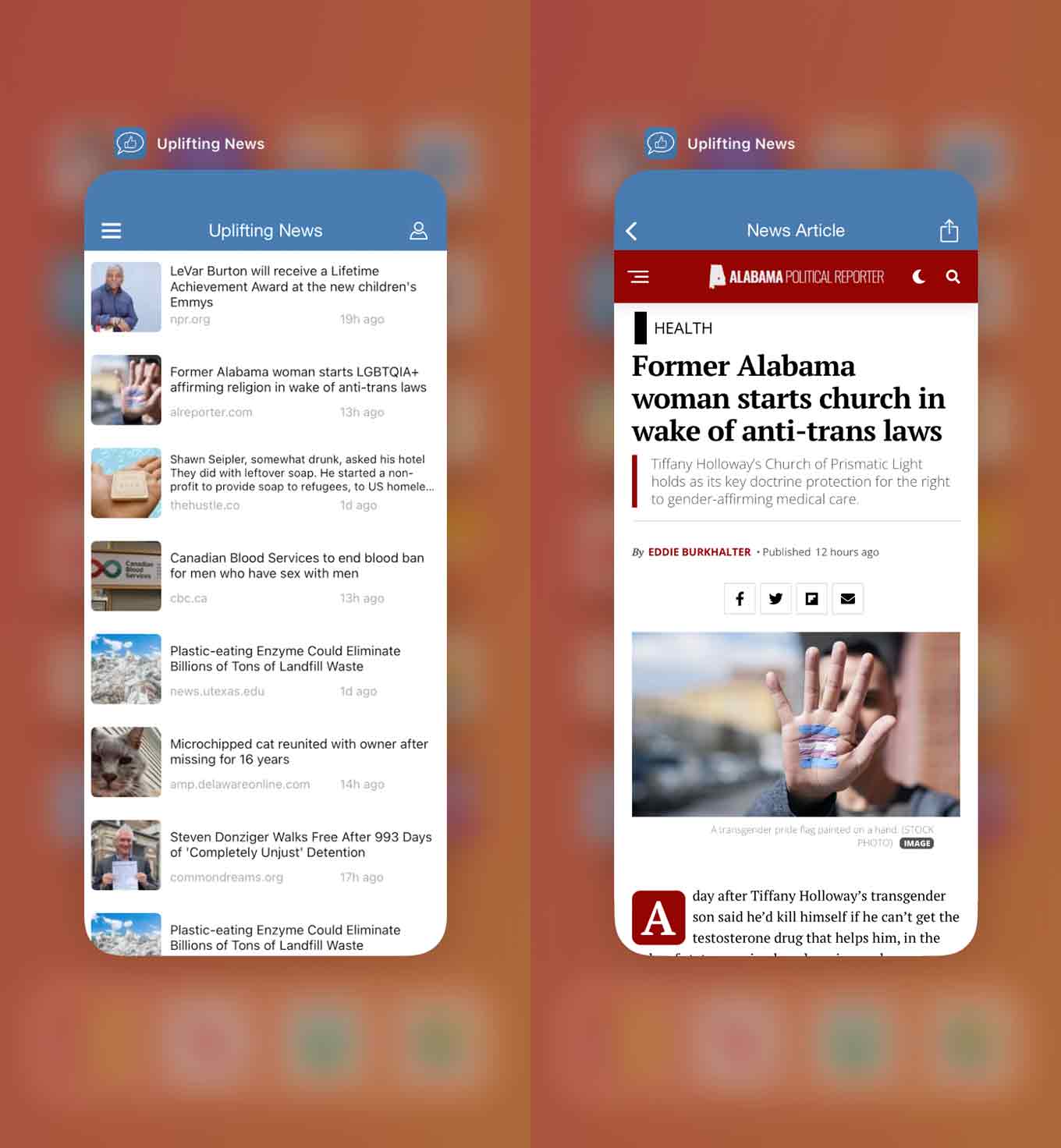
This simple app makes it easy to preview the day's curated uplifting news stories. Updated, daily this app pulls from a variety of trustworthy publishers.
Uniquely this app allows you to upgrade to a premium version for $4.99/month to unlock unlimited article — plus sharing and posting features. Even if you don't pay, the app will let you read the top 10 articles of the day.
Available: App Store
Brighten Your Day

Brighten Your Day (or BYD) is a positive social network that allows you to share uplifting news articles that inspire you — and connect with others who share similar interests.
While the app seems to be inactive (when we joined, it had been 9 months since someone last posted a story) it’s still fully functional. In fact, we just added one of our favorite recent good news stories, and it posted to the BYD news feeds just fine.
We’re including this app in the hopes that it takes off again — because the world would be a better place if social media was filled with hope instead of cynicism.
Available: App Store | Google Play
Add Good News To Your Apple News or Google News

While most of us feel anxious just thinking about our phones’ news apps, it’s possible to harness them for good.
Google News and Apple News are simply algorithms that show you more of what you regularly consume.
If you spend a lot of time doomscrolling, they’re going to assume you want more bad news and will be glad to deliver.
But if you choose to prioritize solution-oriented positive media, the apps will help surface more for you.
Take a minute to go into Google News and Apple News and hit the follow button on Good Good Good’s profile. You’ll be telling the app to prioritize good news in the algorithm.
→ Follow Good News on Google News
→ Follow Good News on Apple News
Add any site as an "app" on your phone

If your goal is simply to have easy access to positive news on your phone, there’s a great hack on how to do this for Android or iPhone.
You can turn any mobile website into an “app” by adding a bookmark to your phone’s home screen.
→ This tutorial can walk you through this simple process for Android and iPhone.
We recommend giving it a try with our good news website: goodgoodgood.co!
Lastly, apps are great — but sometimes it's helpful to go analog. → Consider a subscription to the Goodnewspaper: a positive news newspaper.
That’s not all! If you love celebrating good on your phone, you’ll also love doing good on your phone. Check out our collection of the best apps for making a difference.
Plus, a few good news stories recommended for you:
- Innovative Apps & Tech Tools Are Supporting Farmers Across Africa
- Peru’s Indigenous Tribes Are Using Tech Tools to Track Amazon Deforestation
- Smartphone Apps Are Among the Biggest Advances and Breakthroughs In Mental Health Worth Celebrating
- This App is Fighting Food Insecurity in the U.S.
- Meet The App That Helps People Find Public Benefits
- Meet the Doctor Who Created an App To Bring Healthcare To Refugee Women
- Ground News On How To Combat Your Media Echo Chamber
And some apps and resources you might like:
“All’s well that ends well”, wrote William Shakespeare over 400 years ago. The words may still seem to ring true today, but turns out they don’t. We have just busted the old myth in a recent brain imaging experiment, published in the Journal of Neuroscience.
Experiences that end well are not necessarily good overall and experiences that end less well are not necessarily all that bad.
For example, if you play five rounds of poker you get more overall enjoyment from winning twice in the middle than once at the end – but we don’t always realize this.
In fact, one of the numerous foibles that prompt us to make poor decisions is an unwarranted preference for happy endings.
A happy ending means things got better as the experience unfolded. However, focusing on happy endings can make us neglect what happened along the way. A happy ending may be brief and come after a long period of mediocrity.
Most of us enjoy it when our pleasant experiences are as long as possible, but at the same time, we want things to end well.
When Dumbledore died at the end of the Harry Potter film, some people might have felt that their whole experience was ruined.
But enjoyment that has already been had should not be discounted because of a disappointing end. A long holiday with brilliant weather except for the last day is not worse overall than a much shorter holiday with good weather throughout.
However, this is exactly how some people feel about past experiences. And this obsession with things getting better and better all the time is a Banker’s Fallacy – focusing on short-term growth at the expense of long-term outcome.
The core of the problem is the difference between what we enjoy while it lasts and what we want again after the final impression. Fixating on the happy end only maximizes our final impression, not our overall enjoyment.
The neuroscience of happy endings
To examine this phenomenon, we invited 27 volunteers to take part in a virtual gambling experiment. The participants watched pots of money on a computer screen as gold coins of different sizes dropped into the pots one by one. A happy ending would be one where larger gold coins dropped at the end of the sequence.
The experiment took place in an MRI scanner, which allowed us to monitor the brain’s activity as the participants examined pairs of sequences of gold coins. After each pair, they got to decide which pot they preferred.
It turned out that there is a good reason why people are attracted to happy endings. Computational analyses of the brain recordings showed that we register the value of an experience in two distinct brain regions.
The overall value is encoded in a brain region called the amygdala, which has a mixed reputation. It has been argued that amygdala activation mediates emotional responses that can lead to irrational behavior, but it has also been shown that it can rationally encode the outcome of economic saving strategies.
But the amygdala’s influence on decision making is marked down by disincentive activity in a region called the anterior insula if a previous experience doesn’t end well. The anterior insula is sometimes associated with processing negative experiences, such as disgust – suggesting that some people are actively repulsed by the unhappy end.
In the gambling experiment, good decision-makers picked the pots with the most money in total, regardless of whether they got larger gold coins at the end. They showed a strong representation of the overall value in the amygdala, whereas suboptimal decision-makers had stronger activity in the anterior insula.
In other words, good decision-makers need to be able to overrule a displeasing impression of an experience, such as an unhappy end.
Let’s say you are going out for dinner and you chose between a Greek and an Italian restaurant where you’ve been before – essentially asking your brain to compute which meal was best last time.
If all the dishes in the Greek restaurant were “quite good” then clearly the whole dinner was “quite good”.
But if the Italian starter was “so so”, the main dish was only “alright” but the tiramisu at the end was amazing, then you might have formed an overly positive impression of that Italian restaurant because the meal had a happy ending.
Since these brain mechanisms operate whether we want it or not, they may be reinforced by human culture with its interest in manipulating our perceptions through advertising, propaganda, fake news, and so forth – exploiting our susceptibility to narrative and storytelling.
No one is immune to advertising. The more institutions manipulate our thinking, the more our capacity to make good decisions is threatened.
Our intuitive brain really needs intervention from our more deliberate thinking processes to help us resist fake news and other manipulation.
Most of us already know how to do this for example by writing a list of pros and cons to support ourselves into wiser decisions, rather than relying on our gut feeling.
So it’s not only Shakespeare who was wrong. If our daily behavior becomes too narrowly focused on the immediate past, we’re missing out. We need to stop and think about what we are doing using our prefrontal cortex and overrule these impulses and focus on the most relevant aspect of the decision.
Long before Covid forced states to take desperate measures to find substitutes, schools often struggled to cover teacher absences.
Now, school districts want more than quick fixes.
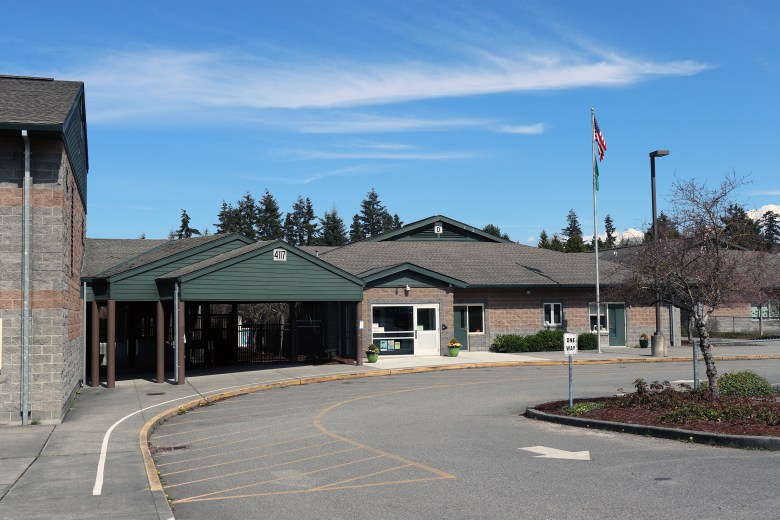
EVERETT, Wash. — Over the past few months, Nathan Roberts has witnessed dozens of substitute teachers stumble through their first days at Penny Creek Elementary School.
He’s watched them circle the parking lot outside, wondering whether to leave their car in a visitor or employee spot. He’s encountered subs in the hallway, looking for the library or a place to make copies of classwork. And he’s noticed when they struggle to remember a kid’s name while taking attendance or praising students for good work.
Roberts is a substitute, too, but by now he knows his way around campus.
Unlike the other subs — many of them parent volunteers or people looking for a little extra work — he’s a full-time, salaried employee with health benefits and a long-term contract with Everett Public Schools, north of Seattle.
In January, the school district hired Roberts and about two dozen other “floaters” as part of a broader effort to improve the quality of substitute teaching and alleviate a staffing crunch that grew dire during this winter’s Covid-19 surge.
“Instead of trying to find a sub every single morning, or bringing in administration, I can step in for the entire week and give those kids some consistency,” Roberts said.
“It’s so much better when I actually know the kid’s name and a little bit about their learning style or how to help when they’re struggling.”
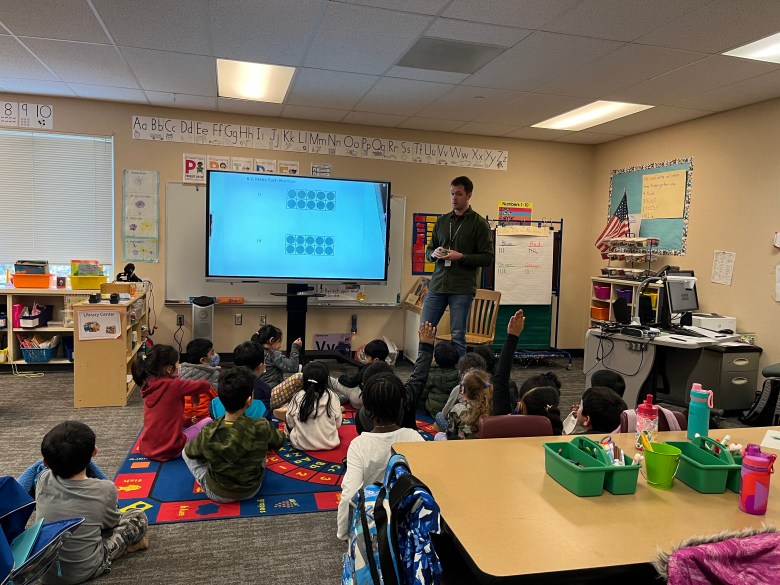
Roberts represents one example of how the recent coronavirus wave prompted school districts to reconsider their relationship with — and reliance on — substitute teachers.
Much like bus drivers and custodians, substitutes have long been among the lowest-paid workers in education but remain critical to keeping schools open day to day.
And they have a significant impact on student learning: Studies have linked teacher absences and uncertified, less trained subs to declines in student achievement.
Even before Covid, the U.S. faced a critical shortage of substitutes. Schools were unable to cover teacher absences some 20 percent of the time in 2018-19, according to the Frontline Research and Learning Institute, a research firm.
Black and Hispanic students and students living in poverty were most likely to have to go without substitutes, according to a 2020 study from the Annenberg Institute at Brown University.
Covid made a bad situation worse. Some 95 percent of district leaders reported in a recent survey that the pandemic caused a shortage of substitute teachers. And while the winter’s omicron wave has passed, the substitute staffing crunch isn’t going away.
1 in 5 — how many classes with absent teachers went unfilled in schools in 2018-19, before the pandemic
Teachers will continue to get sick and miss class even as the coronavirus goes from pandemic to endemic, and older, retired educators — who in normal times regularly serve as subs — might still be wary of stepping onto campuses depending on masking or vaccination mandates.
Principals, meanwhile, face increasing competition for temporary workers from the growing gig economy and an abundance of jobs in other fields.
The federal government provided billions of dollars to help schools recover from Covid, and some tapped that money for temporary stipends to attract new substitutes. But the stakes to find more permanent solutions are high.
“Teachers will continue to be absent, so we need to have a smarter way to cover those absences,” said Jessie Weiser, director of capacity building with Substantial Classrooms, a national nonprofit that works with school districts to improve the substitute experience. “Substitute teachers are an essential part of education. They’re not just a Plan B or an afterthought.”
When omicron hit the U.S. in December, policymakers and education leaders took desperate measures to shore up the pool of eligible substitutes.
School district administrators dusted off their teaching certificates to step in for absent educators. Some states tried to entice state employees and police officers into schools. And at least one governor called on National Guard members to volunteer as warm bodies in the front of classrooms.
Several states that previously required substitutes to have a bachelor’s degree lowered that threshold and now allow candidates with only a high school diploma to apply for emergency certification. That has raised questions about the quality of learning that students receive, especially at a time when disadvantaged students need even more help to make up instruction disrupted by the pandemic.
Carole Basile, dean of Arizona State University’s teachers college, criticized lowering the bar for temporary teachers. Her state allows substitutes with only high school diplomas to receive emergency certification and recently doubled to two years the length of those emergency licenses.
“A lot of substitutes only need a high school diploma and know very little about education,” Basile said. “That’s a crapshoot, really, for kids.”
Other places are offering pay bumps to substitutes. Around 60 percent of large school districts surveyed by the National Council on Teacher Quality, an advocacy group, increased pay for subs during the pandemic. The survey found substitutes on average got a raise of 18.5 percent — which the council described as “an unprecedented increase” in the past decade.
And a few districts, including Everett, provided health benefits to subs. That made a difference for Roberts, who had access to both health coverage and a retirement account from his first day as a floater.
“With subbing, you [usually] don’t get those benefits. You kind of have to take care of yourself,” Roberts said. “Having health insurance is a big deal during a pandemic.”
Weiser, with Substantial Classrooms, said it’s important for school leaders to consider what would make taking over a classroom for a full day more attractive than other, more flexible short-term gigs like driving for a ride-sharing service or delivering meals. Benefits may be one answer.
“How can we [schools] design jobs that are full-time, site-based, benefited roles that give people the stability that they may be craving … and attract a different group of people?” Weiser asked.
The Everett district’s decision to hire floaters and offer them benefits was part of a broader strategy born out of crisis. Last fall, in the district, nearly half of teacher absences went unfilled, compared with 26 percent in fall 2019.
Administrators, principals, librarians, and other staff members regularly covered those classrooms. Teachers collected extra stipends to sacrifice their planning periods to cover for a missing colleague. “Now hiring” signs outside the schools advertised critical job openings, including custodians, nurses, and substitutes.
The district of 20,000 students — where 42 percent come from low-income households, 21 percent are Hispanic and 5 percent are Black — eventually had to resort to hiring substitutes who had only emergency certification.
(In Washington state, districts can apply to hire emergency substitutes who have a bachelor’s degree but no formal education training.)
In January, the district also upped its daily pay — from $200 to $250 — for all substitutes who worked on Mondays or Fridays, the most common days for teachers to call out. And it created an extra stipend for those who work at least 15 days every month until summer break. Still, that wasn’t enough once the highly contagious omicron variant started spreading.
In the fall the superintendent charged a task force with overhauling the district’s approach to recruiting, placing, and training substitutes.
Its recommendations included limiting training that would require subs to fill in and reaching out to retired teachers, as well as hiring substitute floaters. Chad Golden, executive director of human resources, also added a position in his office dedicated to recruiting substitutes.
Golden said in March that the floater program had helped the district weather omicron, but no decision had been made on whether to continue funding that program after the pandemic ebbs.
Currently, the district is using federal Covid relief dollars to pay those substitutes, but Golden said the district’s general budget could cover the program in the future — if it helps improve coverage rates for absent teachers and school administrators report positive feedback.
As Everett waits to see if its efforts make a difference, the Central Falls School District in Rhode Island credits its survival during the omicron surge to changes it made to substitute teaching six years ago.
Jay Midwood, chief of human capital for the district, recalled his thinking at the time.
“The role of the substitute teacher was obsolete,” he said. “It just wasn’t working anymore. The days of just getting a warm body or person in there just didn’t impact teaching or learning in the way we know our kids needed it to be.”
The district, meanwhile, wanted to go beyond ensuring that high-quality instruction continued in the absence of a certified teacher. Midwood hoped to create a stable corps of substitutes while preparing them to become teachers.
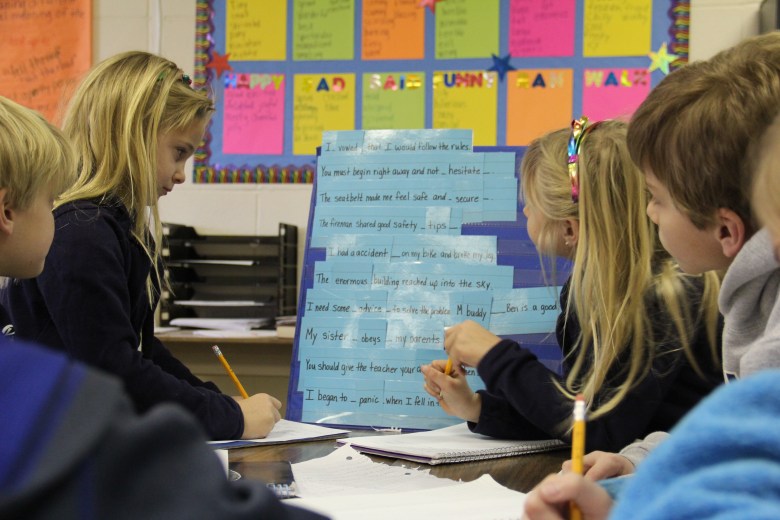
In 2016, the district launched a teaching fellowship program to provide yearlong contracts to about 30 aspiring teachers who are placed in its six schools.
They can earn a higher daily rate than traditional substitutes, or put the extra amount toward health benefits. The district also provides individual coaching for the fellows and pays them a stipend to attend after-school training.
“We want them to see that they’re not just a fish swimming around and nobody knows who they are,” Midwood said. “We want them to know we’re investing in them.”
The fellowship is budget neutral: The district covers the extra pay for each fellow by diverting what it would have offered to teachers giving up their planning periods.
Midwood credited the fellows for “keeping us above water” during the omicron surge, when about 20 percent of the district’s staff on average were calling out each day.
The program has also succeeded in creating a pipeline of potential educators who live in the same neighborhoods as Central Falls families.
(About 86 percent of the roughly 2,800 Central Falls students are economically disadvantaged, according to state data; 53 percent are Hispanic and 16 percent Black.)
The district so far has hired 21 former fellows as full-time teachers, and another 20 have moved on to teach in neighboring districts.
Back in Washington state, Seattle Public Schools has also tried to use substitute teaching as a way to both fill immediate needs and train future teachers.
Through its Academy for Rising Educators, launched in 2019, teachers-in-training take night and weekend classes at local colleges or universities to study for their certification and a guaranteed teaching placement in the city’s schools.
In the meantime, they serve as substitutes: About 60 substitutes hired in January come from the academy or similar programs, according to The Seattle Times.
Southeast of Seattle, the growing Tahoma School District, like Everett, hired full-time, roving substitutes to help with its immediate crisis. Administrators there also filled in for absent teachers — and returned to the central office with lessons about the reality of substitute teaching in Tahoma schools.
"It’s so much better when I actually know the kid’s name."
— Nathan Roberts, substitute teacher, Everett Public Schools
It had been 16 years since Kimberly Allison, the district’s instructional technology coordinator, had been in the classroom as a teacher. And after subbing for a week last winter, she started to sympathize with substitutes who get a call at 7 a.m. to report to school by 8 a.m.
“What can we do to make this better?” she remembered asking herself. “How do we get them to want to come back? When you really start looking at the substitute experience, it’s pretty abysmal.”
Recently, the district set a cap on how many teachers can be out at once for mandatory training. It also sent templates of lesson plans that teachers can leave for their temporary replacements. Allison hopes that next year, the district might offer stipends for substitutes to take additional training on classroom management and basic instructional skills.
“We’ve had the best of intentions, but a lot of stuff just never came to fruition,” she said. “This crisis really helped catapult us in the right direction.”
By late March, the students and staff at Penny Creek had won Nathan Roberts over.
Roberts, 28, had started applying for full-time teaching jobs earlier that month after finishing a master’s degree in education at Western Governors University, an online college. He added Penny Creek to the top of his list.
“I would love to stay here if a position’s open,” he said. “Everyone’s really supportive and professional. I know the kids now. They’re easier to work with.”
This story is part of the SoJo Exchange from the Solutions Journalism Network, a nonprofit organization dedicated to rigorous reporting about responses to social problems.
This story about substitutes was produced by The Hechinger Report, a nonprofit, independent news organization focused on inequality and innovation in education. Sign up for the Hechinger newsletter.
If you're looking for a little uplifting news, look no further than Reddit. (We’re not joking!) There are dozens of subreddits devoted to uplifting news and stories, and, as experts on good news, we've compiled some of the best subreddits here.
Featuring everything from stories of human progress to inspiring personal accomplishments, these subreddits will make you smile and give you hope for the future.
The Best Good News Subreddits on Reddit:
r/UpliftingNews
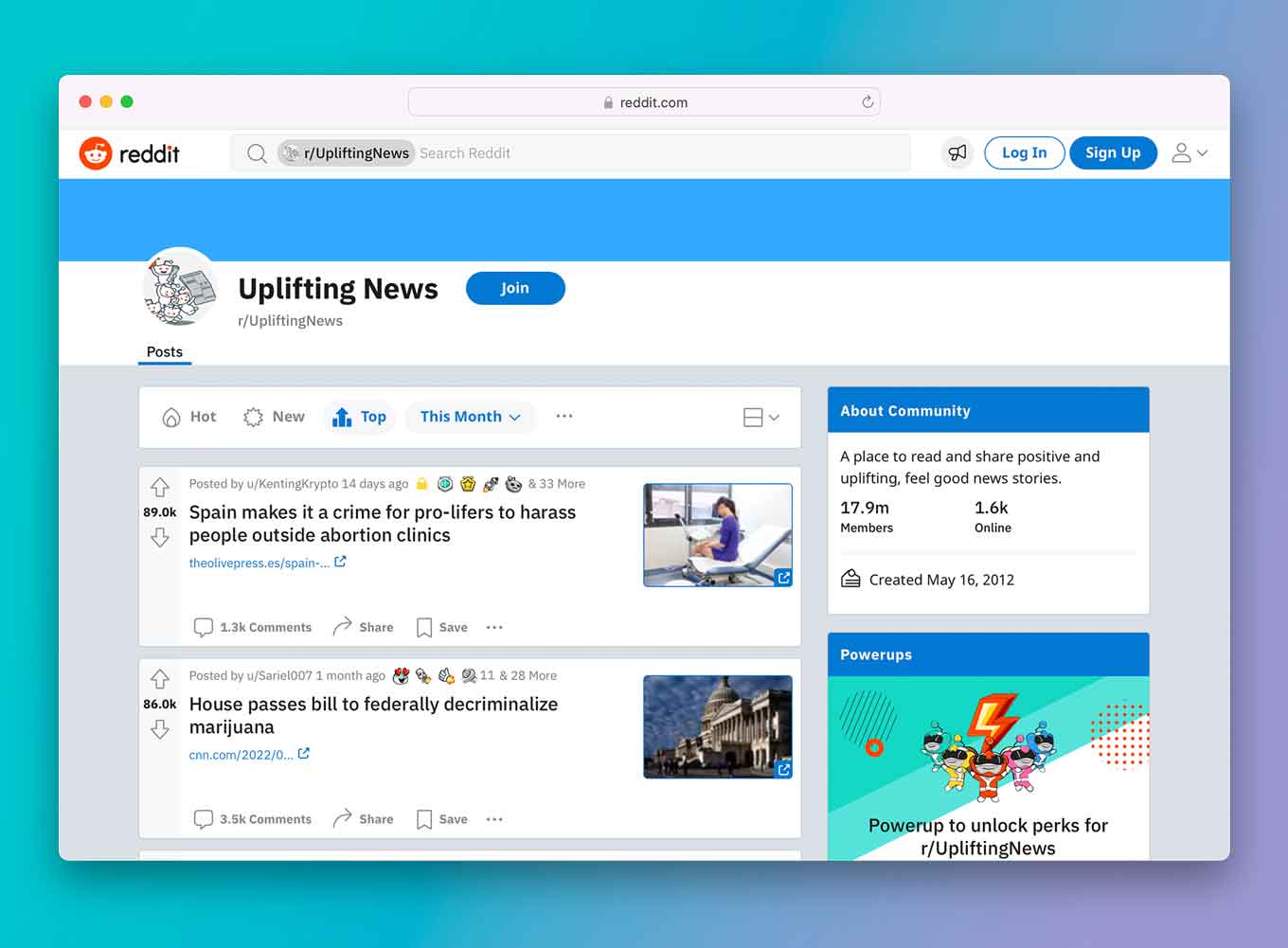
r/UpliftingNews is one of the most well-known subreddits on all of Reddit — and with more than 17.9 million members, it’s hands-down the largest positive news subreddit.
The subreddit’s mods have a pretty strict policy about what kinds of posts they allow on the subreddit. They only allow articles from established, authoritative, trustworthy news sources to be published, and they’re effective at ensuring that duplicate content is removed.
On top of that, its only two rules are effectively: 1. “Don’t be a dick” (which is an official rule), and 2. “This subreddit is meant to be a place free of excessive cynicism, negativity and bitterness. Toxic attitudes are not welcome here.” (which is auto-posted by a moderation bot on every article).
The result of all of this is that r/UpliftingNews is one of the best sources of good news on the internet. If something good happens in the world, you’re likely to find it here. And if there’s nuance to be found, you’ll see it being hashed out fairly respectfully in the comments.
r/GoodNews
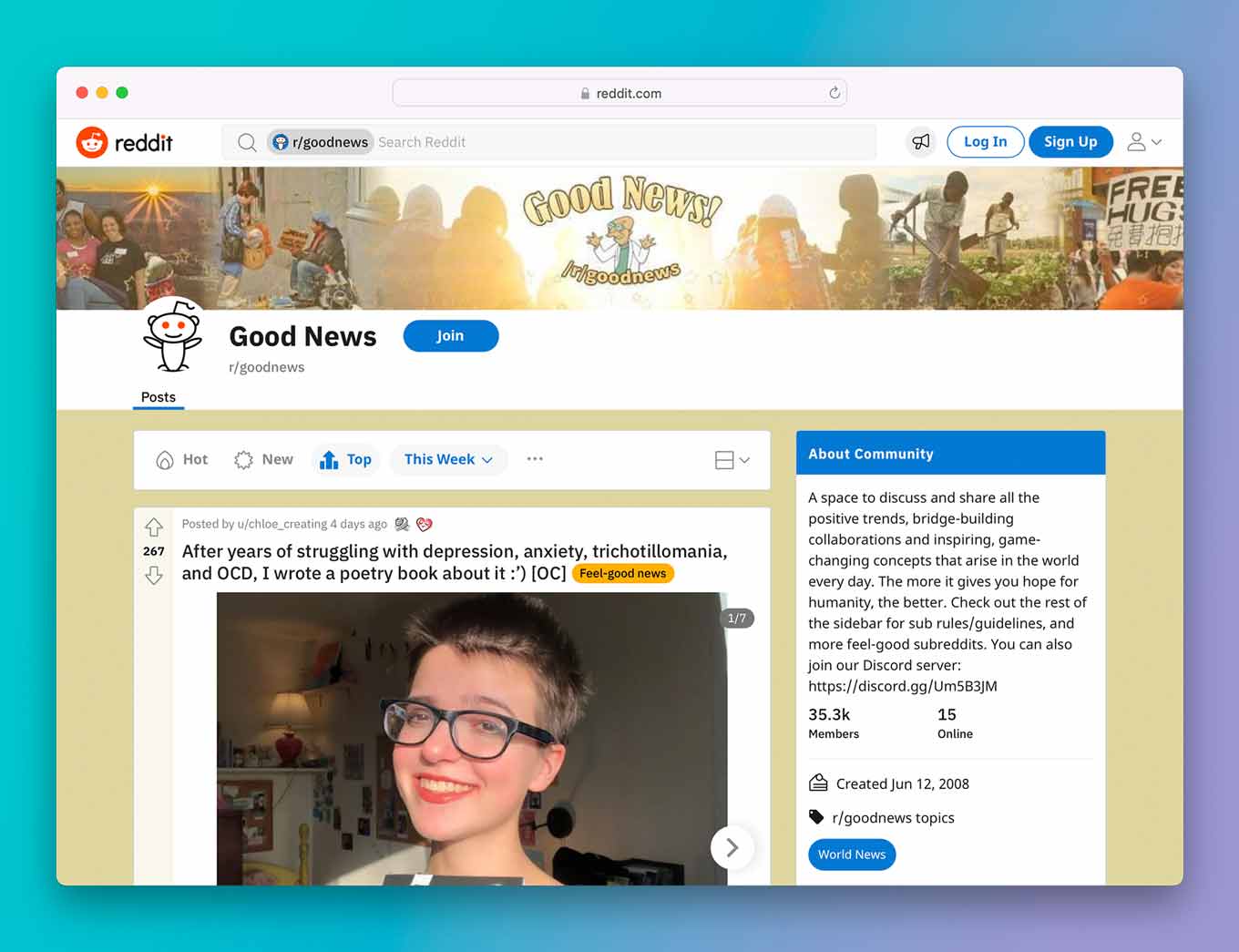
This subreddit is a lot like r/UpliftingNews in that they’re popular, have a decent amount of moderation, and they’re a source for good news.
But what sets them apart is that they allow good news to be posted from more sources, they allow people to share their own personal positive news (like achieving a mental health goal), and they use flairs to filter the topics of posts.
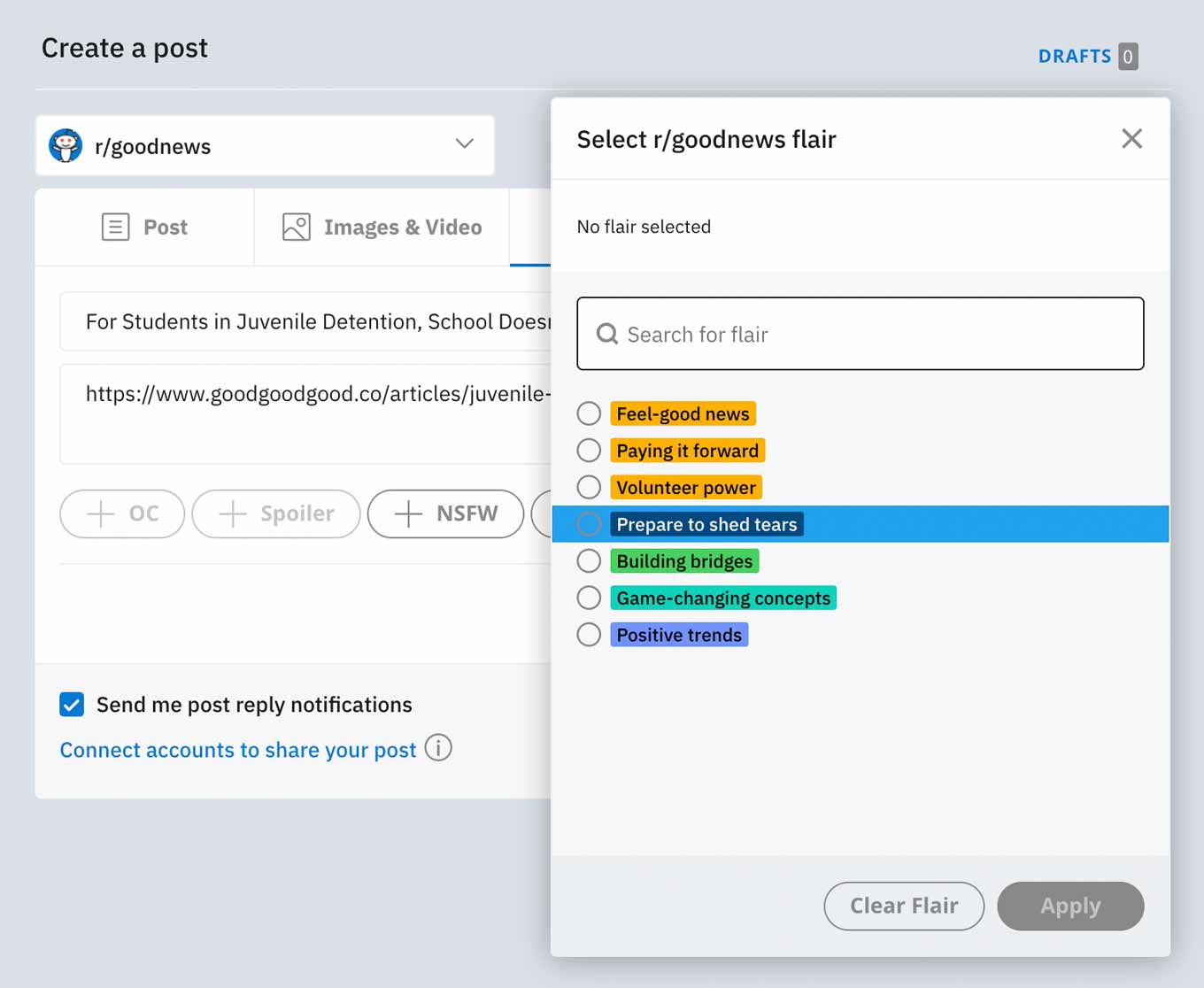
The topics (flairs) that are usually posted in this Subreddit are:
- “Feel-good news”
- “Paying it forward”
- “Volunteer power”
- “Prepare to shed tears”
- “Building bridges”
- “Game-changing concepts”
- “Positive trends”
r/UpliftingTrends
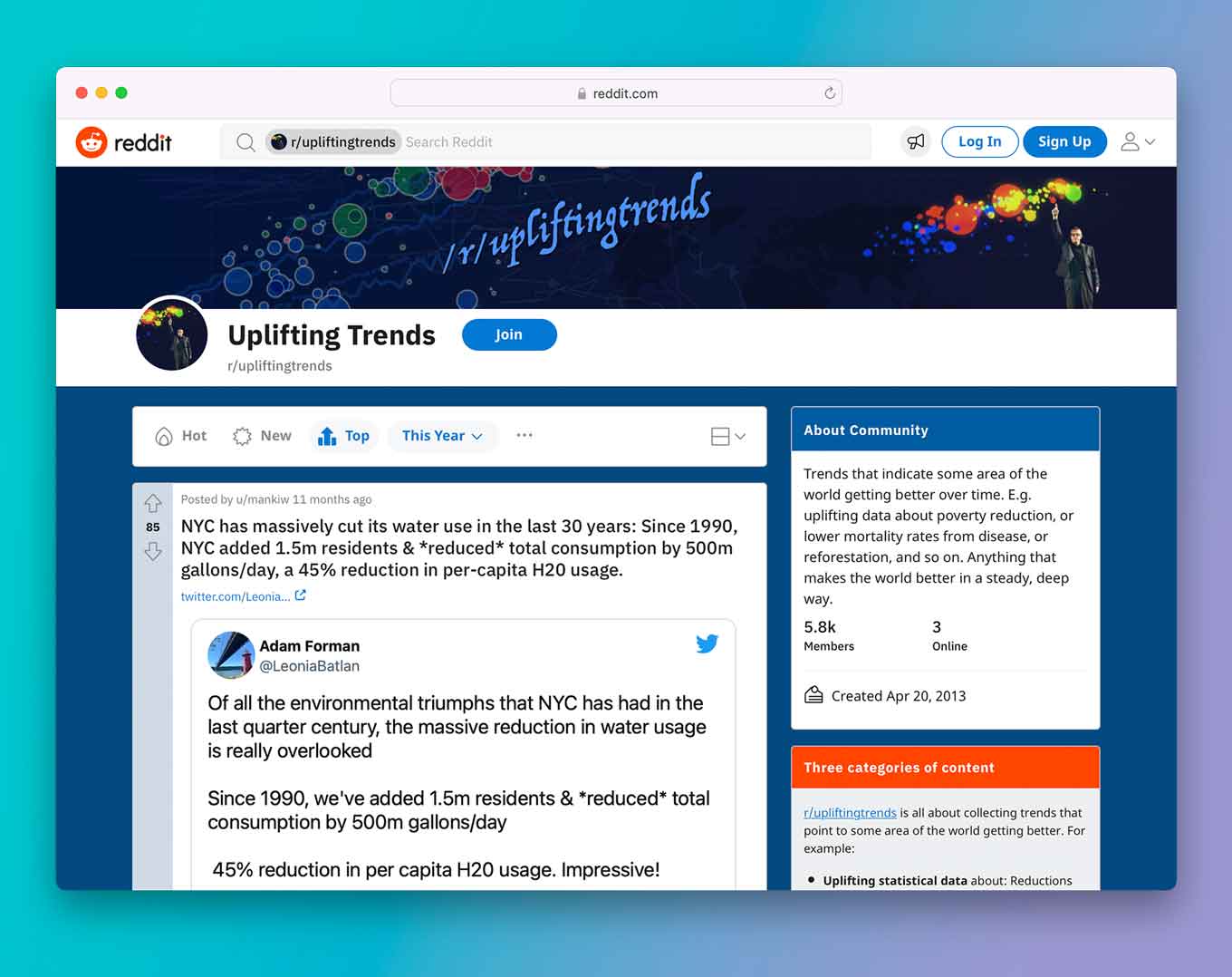
While this subreddit is much less popular than any of the previously mentioned subreddits, it’s one of our favorites. It highlights data and stories that show the positive progress the world has made over time.
They describe their mission as sharing “trends that indicate some area of the world getting better over time. E.g. uplifting data about poverty reduction, or lower mortality rates from disease, or reforestation, and so on. Anything that makes the world better in a steady, deep way.”
(We love positive data! Check out our article on how the world is getting better.)
r/HumansBeingBros
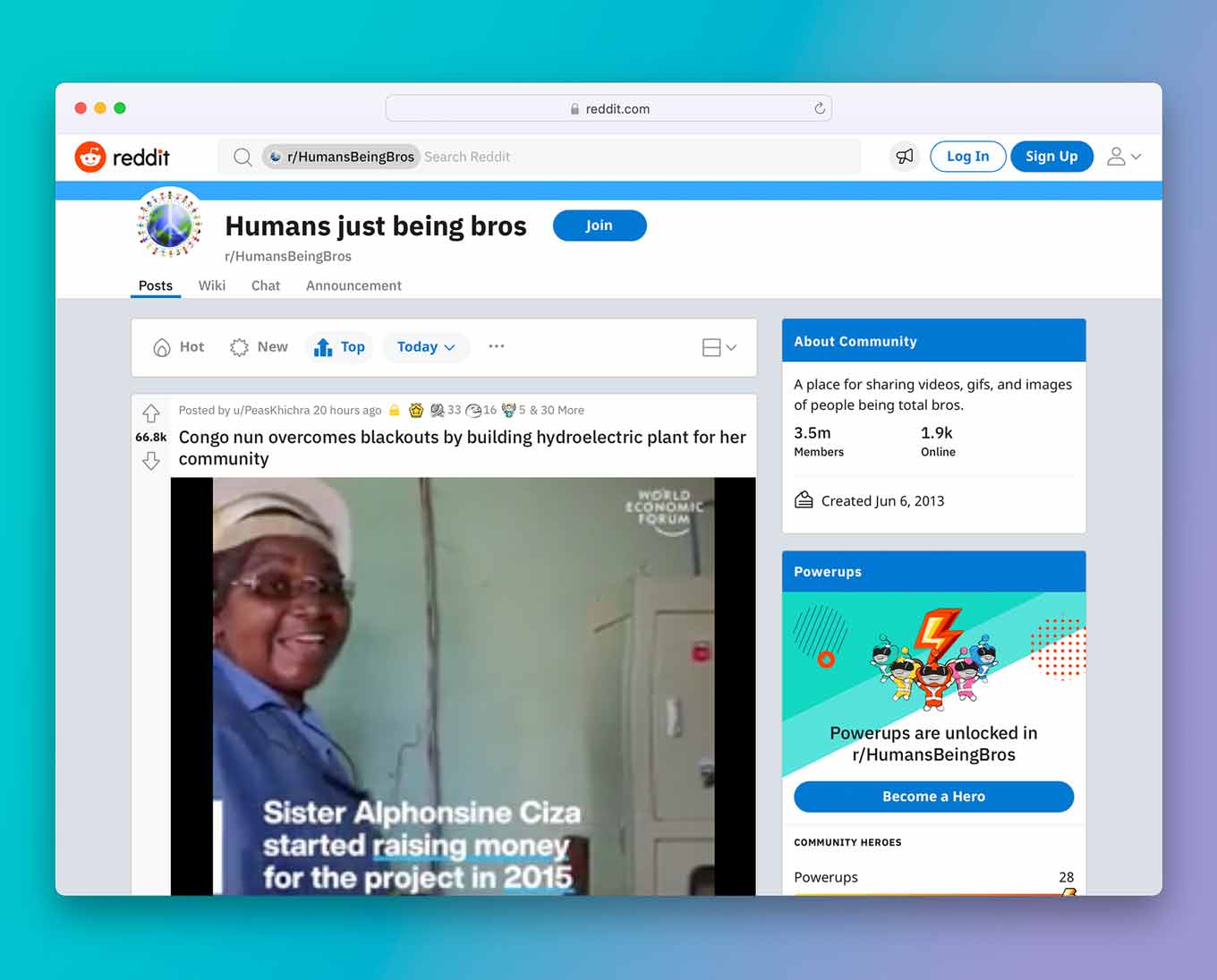
If you’re looking for wholesome content about humans making a difference, look no further. r/HumansBeingBros is centered around videos, gifs, and images of humans making the world a brighter place. And with 3.5 million members, there’s a seemingly never-ending number of new posts. You won’t find much news here, but you will find plenty of inspiration.
r/MadeMeSmile
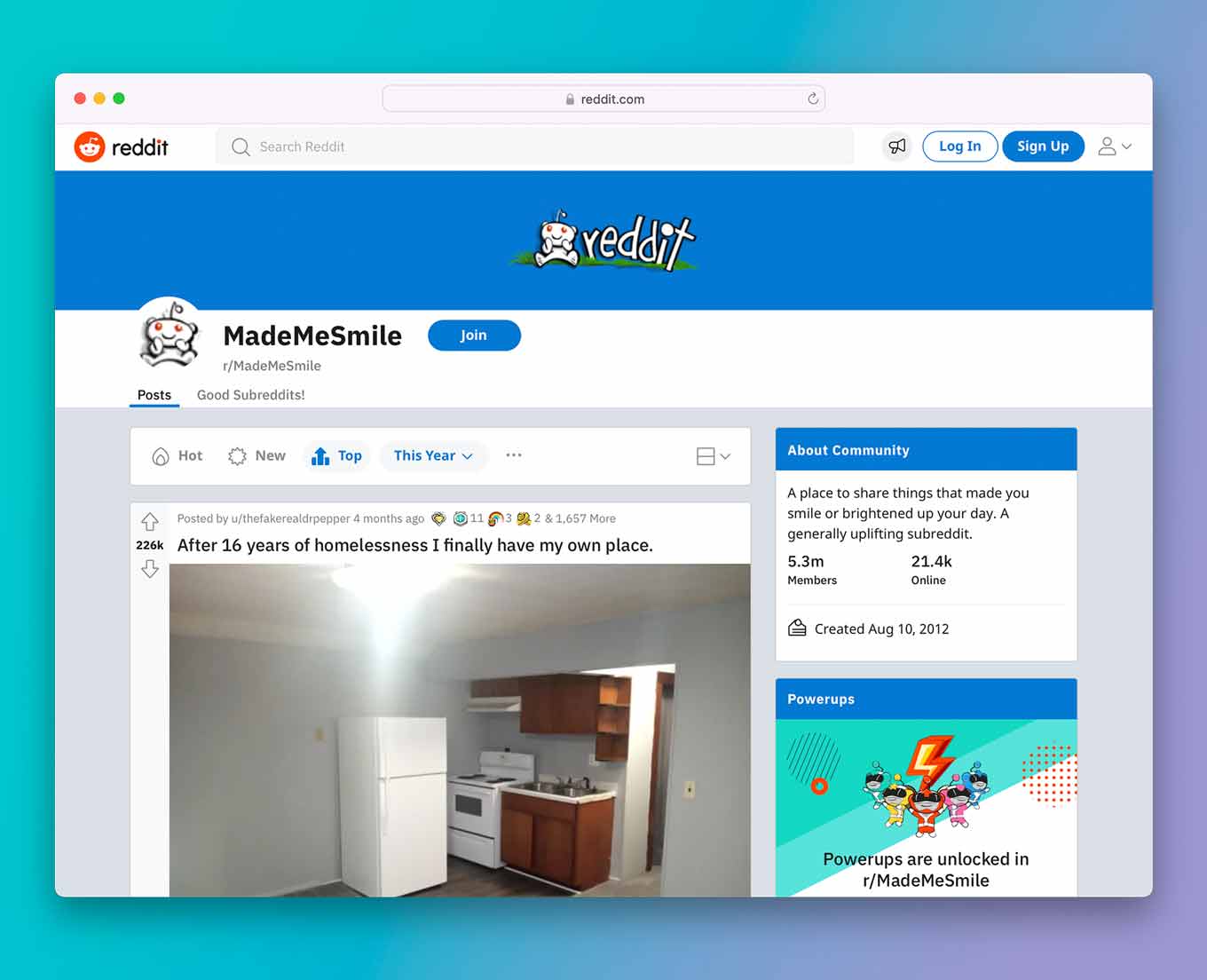
With 5.3 million members, r/MadeMeSmile is a blend between r/HumansBeingBros and r/GoodNews. It has a good number of uplifting personal stories and wholesome videos — and also highlights some positive news in current events. The community’s rules (like “no ragebaiting” and “don’t be a jerk” help keep the community positive.
r/PupliftingNews
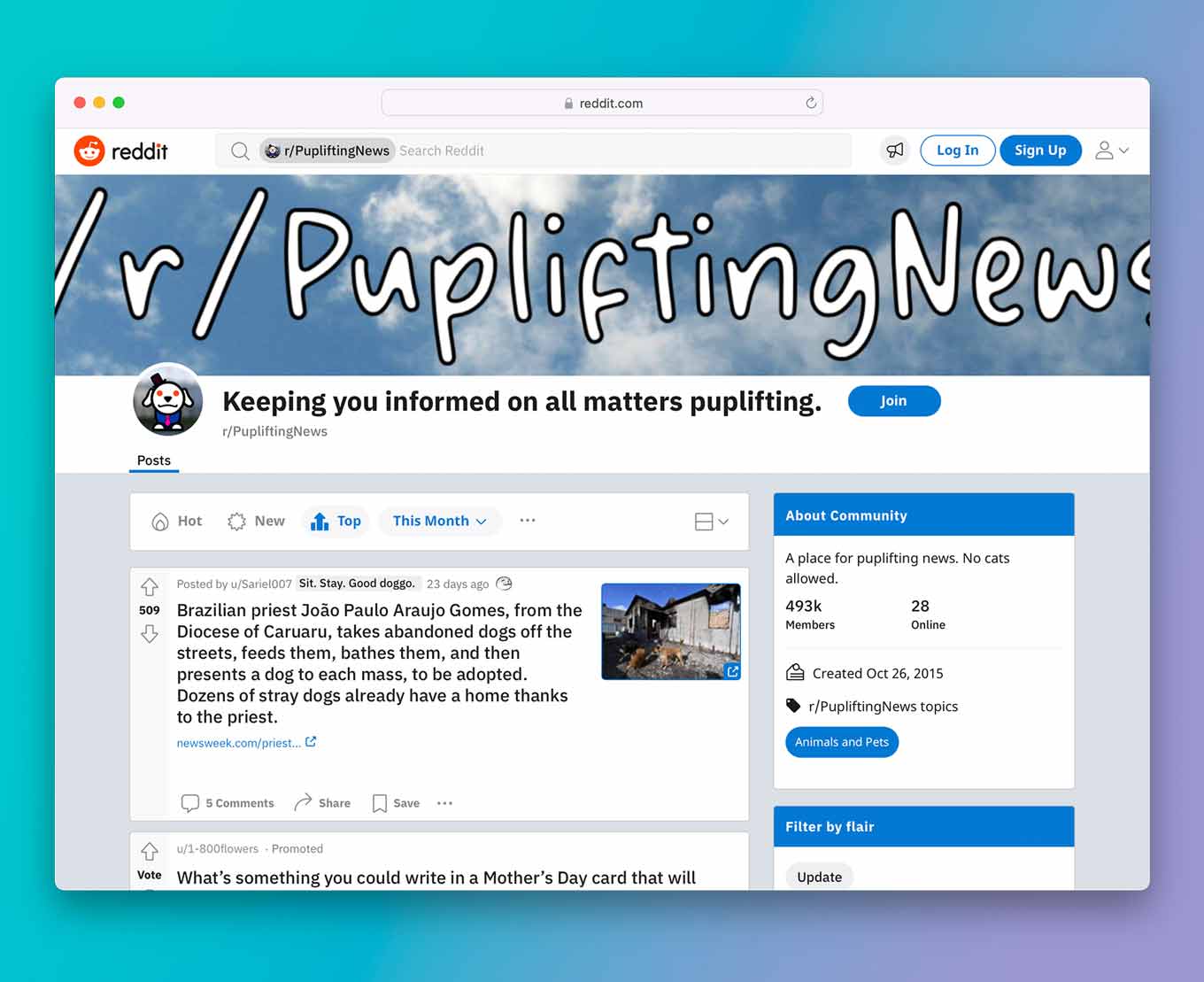
This subreddit is exactly what it sounds like: An unlimited supply of good news about dogs. (No cats allowed!) Unlike some of the other positive meme and video subreddits, r/PupliftingNews is actually exclusively news stories — which we love! Instead of feel-good news, this subreddit is full of real good news.
Find us sharing our favorite good news stories about dogs on this subreddit all day.
- 'Marley’s Mutts' Prison Program Pairs Dogs With Inmates – Healing Both
- Popular 'WeRateDogs' Twitter Raises Millions For Pets
- 12 Famous Veterinarians Who Inspire Us To Do Good
r/WholesomeMemes & r/Wholesome
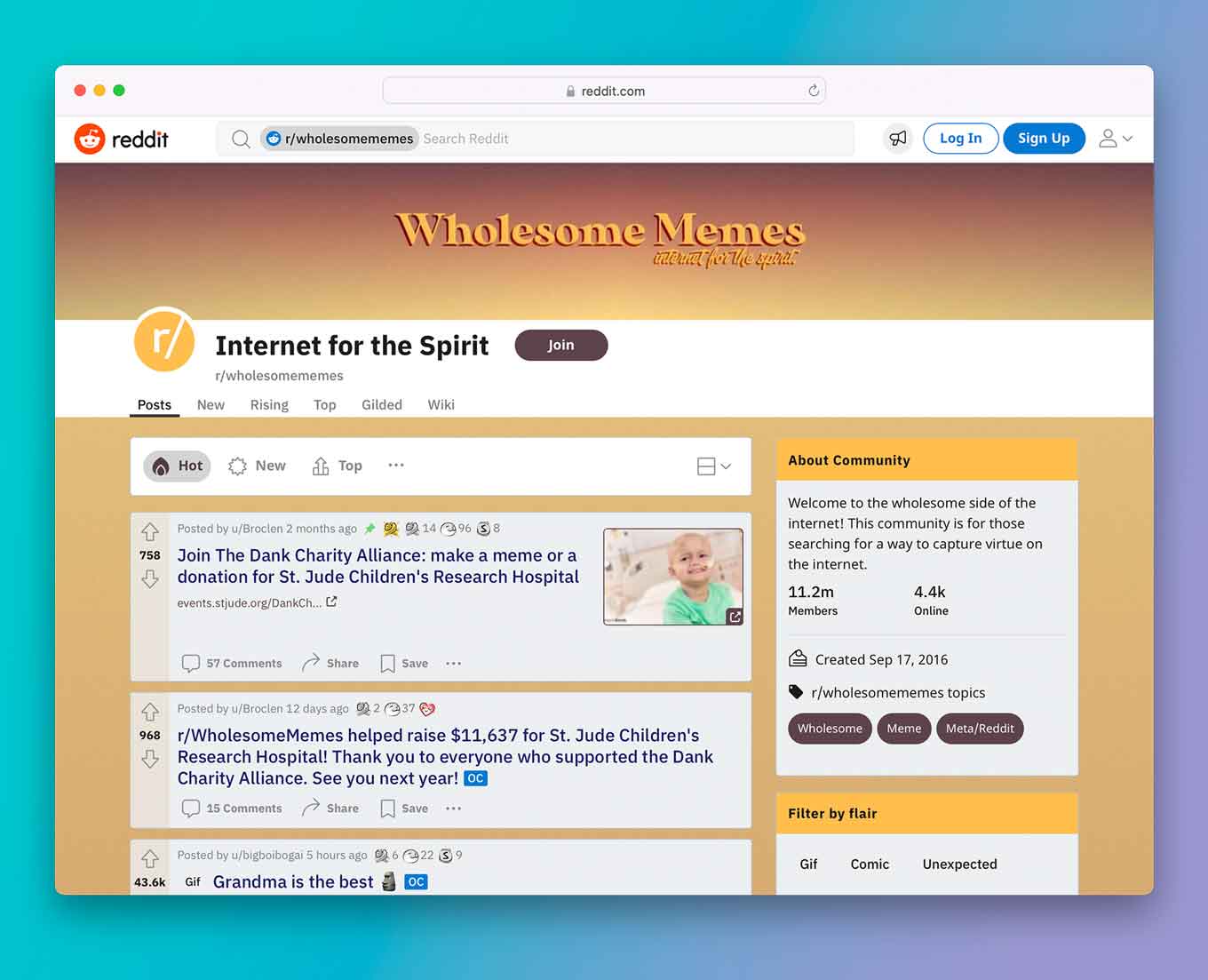
No list would be complete without these famous subreddits. While not exactly focused on good news, these two heartfelt subreddits are filled with positivity and will leave you feeling hopeful about the good that people can do for one another.
(We love wholesome memes! Explore our list of our team's favorites)
Wholesome Notable Mentions
- r/SomeGoodNews isn’t as active as it once was back when John Krasinski’s show was still running, but it’s still a treasure trove of positive news from the early days of 2020.
- If you’re looking for the best subreddits about climate change (and working to make a difference for the planet) look no further than our curated guide.
- All Nerdfighters (fans of John Green and Hank Green) know that the r/Nerdfighters subreddit is one of the most wholesome places on the internet. Come for the memes and stay for the positive fandom making a difference through Project for Awesome and more.
- If you’re looking for more good news around the internet, we’ve compiled our lists of the best good news websites, good news podcasts, and the best good news apps.
- Lastly, if you want to spend a bit less time online — and join a community of thousands of people who care about good news, make sure to check out our Goodnewspaper — a real life print newspaper filled with plenty of reasons to be hopeful.
As lockdowns around the world ease or end, it’s clear that the coronavirus crisis has brought racial, gender, and socio-economic inequalities into sharp focus. The Black Lives Matter protests suggest that a return to “business as usual” will be met with strong opposition.
A YouGov poll for the RSA (Royal Society of Arts) conducted in April 2020 at the height of the lockdown found just 9% of UK citizens wanted life to go back to the way it was before.
People’s mental health has rightly been a concern throughout lockdown. But with widespread reports of a decline in our sense of collective wellbeing, perhaps it is our sense of “happiness” as experienced during a pandemic that is changing.
How we understand happiness – often thought of as “subjective wellbeing” in contemporary psychology and economics – has changed over time and varies between cultures.
For example, before the Enlightenment, happiness under the Christian pastoral tradition was something to be experienced in the next life, to be ensured through prayer and subordinating oneself to God.
Two ways to see happiness

Two more recent versions of happiness put forward by American sociologist Sam Binkley are linked to systems of governance.
He argues that after the second world war, the prevalent social, or “welfarist” understanding of happiness posed that our mutual interdependence on each other and strong bonds within society led to wellbeing.
This was tied to Keynesian economics and the roll-out of social citizenship rights in many western democracies at this time, which sought to re-balance the inequities of capitalism through re-distributive taxation, rights to housing, healthcare, and a safety net for the unemployed.
However, welfare provision has been steadily eroded since the late 1970s by neoliberal governments on both sides of the Atlantic. A new individualist version of happiness has emerged, seen as something that can be augmented through adjusting attitudes and behaviors and strategically cultivating relationships.
The recent interest in promoting and measuring citizens’ happiness in many Western countries marks an important shift from policies that advance structural means to ensure collective wellbeing, to policies that focus on the personal.
This political interest in happiness has been underpinned by the new academic discipline of positive psychology that emerged in the late 1990s, which puts forward a concept of happiness as something that can be expertly calculated, scientifically measured, and improved.
Recent research supports the idea that people now understand happiness as an inward-looking undertaking. When asked to think about their subjective wellbeing, participants focused on information about their feelings, jobs, and relationships, while thoughts about contributing to the world were rare.
The idea that you can make yourself happier through conscious effort is undoubtedly appealing, but there is growing criticism of positive psychology.
Considering happiness to be dependent on a person’s attitudes and interpretation of their circumstances, rather than the circumstances themselves, transforms major social problems such as injustice, marginalization, debt, low-wage exploitation, and rising cost of living into merely matters of personal self-care.
This potential for victim-blaming is noted by essayist and activist Barbara Ehrenreich who writes about the widespread use of positive psychology rhetoric in the “positivity training” offered to employees being made redundant in US organizations.
Pendulum swinging back?

These two different versions of happiness have profound implications for how we understand ourselves, our relationship to society, and each other.
The “welfarist” approach sees humans as interdependent and fundamentally bound up with each other’s wellbeing. The individualistic incarnation conceives of the self as an independent work-in-progress that can be bettered through productivity.
Through interviews for my research I found that while people drew on both versions of happiness to talk about themselves and their lives, the individualistic idea of happiness as a personal project was common.
Many participants spoke of “working on their happiness”, through adjusting attitudes, making “good” choices, and practicing mindfulness to position themselves as successful, responsible citizens.
Since the global lockdown, however, “responsible” citizenship seems to have become more associated with building community and looking out for each other.
Government statistics released in June show that 73% of UK residents were confident that they could turn to others in their community for help during the pandemic, and 81% felt that people were doing more to help others than before the outbreak.
The separation from friends and family, from our workplaces, and from public life may have sparked a shift towards a more social, outward-facing view of wellbeing. Many people have felt the insecurity of losing jobs or income, perhaps for the first time. Alongside our reliance on key workers, our interdependence has become hard to ignore.
The Black Lives Matter protests may also speak to a more outward-facing understanding of wellbeing. As philosopher Hannah Arendt argued, it isn’t possible to be happy or free “without participating, and having a share in public power”.
In trying to understand the paradox between our focus on happiness and personal wellbeing and the simultaneous rise in depression and anxiety, the socialist feminist writer and academic Lynne Segal in her book Radical Happiness argues instead for seeking fulfillment in other people, and proposes communal activism as a powerful antidote to the individualized techniques of happiness that cut people off from their social worlds.
So as the world returns to shopping, traveling. and consuming, we return also to growing food insecurity, unemployment, and debt.
In the face of this, it is perhaps more important now than ever that the mutual aid groups, renewed sense of community and activism, and more outward-looking version of wellbeing continues and thrives.
In recent years LGBTQ+ rights have improved dramatically. Same-sex marriage is now legally performed and recognized in 28 countries.
Equality laws protect LGBTQ+ people at work and increased media coverage is improving knowledge and awareness of sexual orientations.
More must be done, however, to ensure equality for all, and researchers have been looking into how different factors like these contribute to the happiness and life satisfaction of people with minority sexual identities.
Studies have shown that, on average, homosexuals and bisexuals report lower levels of life satisfaction than heterosexuals.
This has been linked to homosexuals and bisexuals experiencing heteronormativity (the assumption that heterosexual orientation and binary gender identity are “normal”, which has led to the world being built to cater to the needs and desires of heterosexual life), which leads to stigmatization.
For our new study we looked deeper into the links between sexuality and life satisfaction, and found that people with an “other” sexual identity – such as pansexual, demisexual, or asexual – also experience lower levels of life satisfaction than heterosexuals.
Well-being differences
Using 150,000 responses collected over five years as part of the Understanding Society survey, we analyzed whether the happiest heterosexuals are happier than the happiest sexual minorities, and if the least happy sexual minorities are less happy than the least happy heterosexuals.
When looking at the data, we controlled for a number of things – such as age, employment, personality, and location – to make sure our results focused solely on sexual identity.
While other studies have looked at the “average” effect of sexual identity on happiness (where it has been shown that sexual minorities report lower levels of life satisfaction), my colleagues and I considered the whole well-being distribution.
That is, we looked at the differences between heterosexuals and sexual minorities at the lowest, average, and highest levels of self-reported life satisfaction.
Our results are clear that sexual identity is correlated with life satisfaction, but it is a nuanced picture. We found that homosexual males are less happy with their lives than heterosexual males, except for at the very top of the well-being distribution (where they are happiest).
We also saw that homosexual females are happier with their lives than heterosexual females. Although interestingly that is except for at the lowest levels of well-being.
Bisexuals – irrespective of gender – report the lowest levels of life satisfaction, and the loss to well-being associated with being bisexual (rather than heterosexual) is at least comparable to the effect of being unemployed or having ill-health.
In fact, out of all the sexual identities analyzed we found that bisexuals are the least satisfied with their lives.
“Other” sexual identities are associated with lower levels of life satisfaction in the bottom half of the distribution, but higher life satisfaction in the top half.
This means that the least happy people with an Other sexual identity are less happy than their heterosexual counterparts. But the happiest people with an Other sex identity are actually happier than their heterosexual counterparts.
While our findings highlight the importance of gender (or more precisely its interaction with sexual identity), this is only relevant for homosexuals.
As noted above, the results for homosexual males and homosexual females are drastically different.
This makes sense considering that other research has highlighted that societal attitudes towards lesbians are more preferential than to gay males.
So it is likely that the higher life satisfaction reported by lesbians (compared to heterosexual women) is associated with these more positive societal attitudes.
Identity and acceptance
Looking to our findings for other sexual identities, we believe that growing awareness (for example due to increased representation on television) is likely to have reduced the need for some people to “explain” their identity to others. This will have made reaffirming the validity of their sexuality to themselves easier too.
If we couple this with increasing self-awareness of an identity that gives meaning to attractions (or lack thereof), the positive well-being identified for this group is understandable.
While it could be argued that the same should be true of bisexuals, there is a significant difference between bisexuality and “other” identities. Bisexuality is an identity that has existed significantly longer and was part of the original LGBT movement.
And yet the greater minority stress experienced by bisexuals is likely a reflection of how they experience stigmatization from both heterosexual and homosexual communities through bi-erasure and lack of acceptance of bisexuality.
Overall our research shows that people with a minority sexual identity are on average less satisfied with their lives, but across the distribution of well-being a more positive picture emerges.
If we look at other research into the different societal attitudes and growing acceptance towards certain sexual identities, it is clear that being accepted is important.
Facing ostracization on the basis of your sexual identity has a large negative impact on how satisfied you are with your life.
In 1968, the late Robert F. Kennedy, then a presidential candidate in the United States, pointed out in a famous speech that Gross Domestic Product (GDP) “measures everything … except that which makes life worthwhile.”
More than 50 years have passed since that speech, and even though several pundits have noted the limitations of GDP as an indicator of human well-being, most countries and politicians are still fixated with GDP growth as a primary indicator of progress.
But change seems to be coming.
Recent news reports indicate that the Canadian government is mulling over introducing a budget that would focus on new indicators of progress like happiness and well-being.
If the federal Liberals do indeed focus on these new indicators, it would be a marked distinction from previous government budgets, which focused heavily on traditional economic measures such as GDP growth to indicate Canada’s progress.

GDP in use since the 1940s
Economic growth is the increase in the inflation-adjusted market value of goods and services produced in an economy and is measured as the percent increase of GDP. The GDP as an indicator has been in use since the 1940s and reflects the size of the economy.
Most countries pursue GDP growth as a primary policy objective since it’s often equated with social progress and well-being. But some experts have long criticized the fixation on economic growth and have proposed the use of alternative indicators to better capture societal improvement. Countries have so far been reluctant to use new indicators, partly because they’re considered subjective and harder to measure.
Although the focus on happiness and well-being would be unique in the Canadian context, new indicators of progress have been proposed in other countries such as New Zealand, Finland, and Bhutan. Even the European Commission’s Beyond GDP initiative is exploring indicators that better account for environmental and social measures.
While the government in Canada intends to move in this direction, would Canadians support such a shift?
Canadians’ views on GDP
A peer-reviewed study led by the lead author of this article explored the perceptions of Canadians on this topic. The study focused on assessing whether Canadians think that economic growth measured in GDP is the best measure of progress and prosperity.
The results show that nearly 43 percent of the respondents were likely to support a Canadian politician who would not pursue economic growth as a major policy goal.
The level of support varied across provinces — 38 percent of Albertans, 41 percent of Ontarians, 46 percent of British Columbians. and 48 percent of Quebecers were likely to support such a proposal.
In addition, 53 percent of participants agreed that a good life is possible without continuous economic growth while 26 percent of respondents were undecided and 21 percent disagreed.
These results indicate that many Canadians are open and could be willing to support new indicators of progress that move away from GDP growth, thereby boosting the federal government’s plan to focus more on happiness and well-being.
Fifty-six percent of respondents also said that Canada should not continue growing its economy if there’s substantial negative consequences, such as environmental degradation. The research was conducted using an online survey with a sample size of more than 1,000 Canadians spanning various age groups, income categories, and political affiliations.
Canadians prioritize environmental protection
The results of the study are in line with past surveys that found between 60 percent and 88 percent of people prioritize environmental protection even if it slows down economic growth, illustrating the importance that Canadians give to other non-economic goals.
Participants in the peer-reviewed study indicated a potentially high level of support for post-growth ideas; a majority of respondents supported a move away from a consumption-led economic model.
As many as 65 percent of respondents backed the idea of moving towards an economic system with reduced levels of consumption, and more than 80 percent agreed that, in view of limited natural resources, people should figure out ways to increase quality of life while reducing overall material consumption.
Although alternative indicators of progress have been criticized due to difficulties in their measurement, overall, the study recommends that governments could be more accountable to their citizens by using more comprehensive indicators of economic welfare.

Measuring well-being and happiness
These findings challenge the assumed consensus about the desirability of GDP growth, indicating that Canadians hold diverse views on this topic.
A significant proportion are open to considering other indicators of progress that could focus more on well-being and happiness than on increasing consumption.
With a deepening climate crisis, unprecedented biodiversity loss, and widespread inequality, it’s pertinent to remember the words of Robert F. Kennedy and question whether indefinite GDP growth will deliver true and long-lasting prosperity.
The time may be ripe to start pursuing other more laudable goals and many Canadians are likely to support such a shift.
On the evening of Monday, May 2nd, a draft opinion of the Supreme Court was leaked to Politico, showing that SCOTUS plans to overrule abortion access as described in the landmark case Roe v. Wade.
On the morning of Friday, June 24th, the Supreme Court overturned Roe v. Wade. This ruling puts abortion access into the hands of each state government, and in turn, could make abortion either illegal or highly restricted in more than half of U.S. states.
After the draft opinion leaked in May, the unprecedented piece of information mobilized reproductive justice advocates across the country.
The overturning of Roe v. Wade may have dire consequences on public health, especially for people of color who bear the brunt of further abortion restrictions, according to NPR.
As a result, this limitation could lead to negative long-term health problems, create a deficiency in access that would impact the number of pregnancy-related deaths, and for states that would continue to provide abortions, they would see an influx of patients, consequently overworking medical professionals and limiting who has access to care.
Banning abortion does not reduce abortions, but rather makes them less accessible, and oftentimes, less safe. Our goal — and we believe the goal of most Americans — is to keep one another safe, healthy, and autonomous.
(Plus there are a lot of ways to actually reduce abortion rates without banning them.)
Good Good Good is not the authority on reproductive justice, and we do not wish to contribute to ongoing political vitriol. What we do wish to do is combat fear with reliable information — and hope.
This article will offer essential information and resources about abortion access in the United States, direct you to organizations and networks that are helping, and give you a glimmer of hope to turn to when it feels like you don’t have the tools or space to help.
People of all genders need safe and accessible reproductive healthcare. For many, that includes abortion. Although we honor the individual beliefs that make up our country, and acknowledge that many people also personally disagree with abortion, there are circumstances that require abortion to be available without a court getting involved.
The nuance of this issue is staggering, but we know one thing to be true: helpers are showing up to keep people safe, make a better world for children and child-bearing folks to live in, and help individuals make decisions that are best for them.
Here’s how to take action for reproductive freedom following the Supreme Court decision:
Learn From Experts
Acknowledge that you may have learning to do
Many of our beliefs about abortion have been shaped by political infighting, quippy tweets, or straw man arguments. When we slow down and acknowledge that others carry more expertise than us, it gives us the opportunity to better learn about the data and history of abortion.
Read the Guttmacher Institute’s abortion fact sheet
The Guttmacher Institute is a leading research and policy organization committed to advancing sexual and reproductive health and rights worldwide. Their detailed fact sheet about abortion access in America is a great primer on the issue and outlines statistics barriers across populations. It’s 2.5 pages, includes graphs, and will take you less than 5 minutes.
Take this course about the history of abortion
Sharon McMahon — friend of Good Good Good and America’s government teacher — offers a variety of masterclasses about various topics Americans care about. This includes a course about the history of abortion in America. The course is $12.99 and takes learners through the legal history of abortion — without any shouting or arguing.
Listen to the ACCESS Podcast
A podcast all about abortion, ACCESS is produced and hosted by Garnet Henderson, an independent health and abortion journalist. The podcast tackles a different topic each episode, featuring the voices of people who have had abortions, as well as providers, funders, researchers, and more.
The show connects policy to people, breaks down complex issues, and brings humanity to the forefront to make education about abortion more accessible. You can listen to ACCESS wherever you get your podcasts.
Read this guide to abortion care
Speaking of Garnet Henderson, she published an award-winning guide to abortion care in 2018. Though some of the information about where and how to obtain an abortion is now outdated due to the Supreme Court news, this guide is a great start to understanding what happens during an abortion, the cost of an abortion, and lots of other logistical questions you may have.
Donate To Organizations
Support abortion funds in your state
A grassroots effort that started as a Twitter thread has turned into a widely-shared mutual aid document of abortion funds in each state. Hop onto the Google Doc to find an abortion fund in your community and send your donations there.
If you feel that your state’s funds have strong support, you can consider donating to a fund in any of the following highly restricted states: West Virginia, Mississippi, Kentucky, Missouri, Arkansas, South Dakota, North Dakota, Louisiana, Wisconsin, Indiana, Idaho, Utah, Georgia, Ohio, Oklahoma, Texas, Alabama, Arizona, Michigan, and Nebraska.
Support Keep Our Clinics
Keep Our Clinics is an organization that supports independent abortion providers nationwide, which are often underfunded in comparison to larger, national organizations. Keep Our Clinics financially assists small, community-based clinics with funding that covers security, building repairs, PPE and hazard pay, legal fees, and community education and advocacy.
Support National Network of Abortion Funds
The National Network of Abortion Funds is on a mission to remove the financial and logistical barriers to abortion access by centering people who have abortions and organizations at the intersections of racial, economic, and reproductive justice. Donations support their educational efforts and financial support of those seeking abortions.
Support The Brigid Alliance
The Brigid Alliance arranges and funds confidential, personalized travel support to those seeking abortion care in highly restricted areas. Their financial assistance and planning services help people traveling across state lines to access abortion care.
Support Physicians for Reproductive Health
Physicians for Reproductive Health is a doctor-led national advocacy organization using medical evidence to promote sound policy and practice. Their trained physicians live and practice in 45 states. They not only provide compassionate patient care, but actively seek to provide evidence-based research to affect policy change.
Support The 19th
The 19th is a nonprofit news organization reporting at the intersection of gender, race, politics, and policy in America. Their coverage of reproductive justice provides critical on-the-ground perspectives across the country. Donations from readers and supporters help power and sustain their mission to provide thoughtful, independent reporting.
Support Online Abortion Resource Squad
Online Abortion Resource Squad (OARS) is an online abortion accompaniment collective that helps ensure that there is quality information and support on all abortion-related online forums.
This peer-based online counseling model helps ensure that folks are finding the correct information on the Internet when they need qualified, practical, medical, and legal resources when it comes to abortion.
Take Action
Contact your representatives
If you are passionate about protecting abortion access in your state, contact your representatives at the state level and make your voice heard. Find your state legislators and express to them that you want access to abortion protected in your state, since it soon may no longer be protected on a federal level.
Additionally, you can contact your federal representatives and encourage them to support a bill to codify abortion access in all 50 states. You can access their contact information by entering your zip code on the U.S. House of Representatives website.
Volunteer for a local abortion clinic or organization
We all have a part to play in protecting abortion access — now more than ever. Look into volunteering for a local abortion organization. Most nonprofits have volunteer committees that are specific to different skillsets, like marketing, event planning, fundraising, and more.
Most of these organizations will be looking for people to engage with practical support networks, which include lodging, travel, and feeding those who may need support during their abortion care journeys.
Look to local grassroots organizations for volunteer opportunities, or even try sending a direct message to a small group who could use your help. Otherwise, you can sign up to volunteer with Online Abortion Resource Squad, NARAL or Trust Women.
Additionally, you can become an abortion clinic escort. Clinic escorts are urgently needed to keep those seeking abortion care safe as they enter care facilities. Keep in mind that this is a tough — and potentially dangerous — job, but if you're up for it, your community needs you. You can become a clinic escort for Planned Parenthood, but definitely see if your local clinic needs support first (they probably do!).
Many of these volunteer positions include training or other information, and you will be uplifted by others who share your values and want to keep community members safe.
Peacefully protest
Protests are popping up and being organized in cities across the country. You can look up protests in your community via Google — and if local news hasn't covered anything, check social media. Protesting is an effective way to publicly put pressure on elected officials to take action on a state or federal level.
Display posters
A simple way to show support for abortion access is to display pro-choice / abortion posters in your windows at your home or your business. We’ve collected a number of free abortion posters made available by generous artists.
Get involved in local elections
While it can feel discouraging to continuously hear the advice of “just get out and vote,” local and state elections make a major difference, especially when it looks like most states will have the power to decide what happens next for abortion access.
If a candidate in your area shares your values on this topic, see if you can support them financially, by volunteering, or of course — with your vote.
Find your local election office’s contact information, research your candidates, and do your part!
If there’s no candidate on the ballot that resonates with you, perhaps this is your sign to run for office. Run For Something has a variety of resources and tools to get you started.
Have reproductive resources on hand for yourself and others
Medical self-assisted abortions are a safe and effective way for people to access abortion care. Until this ruling, medication abortions were available to people in all 50 states — administered using mifepristone and misoprostol pills mailed straight to your door.
Plan C and Hey Jane are two providers of these abortion care options, and both have a number of resources to answer any further questions about medication abortions. Defer to them to understand if or how these medications are still available in your state.
If available in your state, pills can be purchased without any proof of pregnancy and can be kept on hand on an as-needed basis. (But please don’t hoard them).
Have contraceptives on hand for yourself and others
Additionally, you can keep contraceptives on hand for you or others. Favor (formerly known as the Pill Club) offers birth control pills sent on a subscription basis, often for free, if covered by your insurance. Favor also has the option to receive emergency contraception (commonly referred to as Plan B) with your subscription.
Keeping emergency contraception (or other forms of contraception such as condoms and diaphragms) on standby can be a great way to support a friend or community member if they cannot access more expensive forms of sexual care.
Share information for people seeking abortions
Finding reliable abortion providers is key in keeping folks safe in their journey to accessing care. Platforms like I Need An A and the National Abortion Federation have directories of abortion care providers available to all.
Having these resources on hand or sharing them on social media is a great way to spread the word and provide resources for someone who may need reproductive care.
Stay informed about your state's abortion policies
By nature, this decision puts abortion in the hands of state lawmakers, and it's vital to keep your finger on the pulse of local politics now more than ever. While some states had "trigger bans" in place that immediately outlawed abortion with the Supreme Court opinion, others are considered "sanctuary states."
Abortion-hostile states, or those who may be on the cusp of outlawing abortion may even call special legislative sessions to vote on the issue. Turn to leaders in your area to stay informed, engage in volunteer opportunities, and prepare to testify on the state level to keep abortion legal.
Understand your role in collective liberation
When big, scary things like this happen, we often find ourselves feeling so overwhelmed we don't know where to start. What if I want to go to a protest, but crowds make me anxious? What if I don't have a lot of money to donate right now? What if my job prevents me volunteering at events?
But there are many ways to be an activist. You are needed and valued in so many ways for whatever it is that you can bring to the table.
We are big fans of Slow Factory's guide to Callings & Roles For Collective Liberation. Take a look at this resource, see if a certain calling speaks to you, and find where you can best show up for your community.
Perhaps you can write postcards or help design fundraising pamphlets. Maybe you can cook meals for leaders who are working overtime to protect abortion rights. Maybe you can lend your living room to a group for a call-a-thon to your representatives.
Once you feel empowered in your unique ability to support your community, magic happens.
Follow Reproductive Rights Leaders on Social Media
Shout Your Abortion
Shout Your Abortion (@shoutyourabortion on Instagram) is an organization and digital community that shares stories of people who have gotten abortions to de-stigmatize and inform others. They are also an excellent hub for abortion resources, and offer mental and reproductive healthcare information for people of all gender identities.
Dr. Marta Perez
Dr. Marta Perez (@dr.martaperez on Instagram) is an obstetrician-gynecologist, assistant professor, researcher, and mom who shares a variety of information about reproductive health. With over 109,000 followers on Instagram, she provides reliable information about abortion — and reproductive healthcare as a whole — straight from the medical field.
Mini Timmaraju
Mini Timmaraju (@mintimm on Twitter) is the president of NARAL Pro-Choice America — the oldest membership organization dedicated to fighting for abortion access — and has been fighting for reproductive rights, gender justice, and racial justice for over 20 years.
Jamila Perritt, MD MPH
Dr. Jamila Perritt (@ReproRightsDoc on Twitter) is the president and CEO of Physicians for Reproductive Health, a doctor-led national advocacy organization using medical evidence to promote sound policy and practice.
As a physician, Dr. Perritt uses her position to bring attention to systemic inequities affecting access and health outcomes.
Get Inspired By People Taking Action
Meet the abortion clinic escort making her voice heard
Shelley Mann is the escort captain at CARE Reproductive Health, and her job is to get people seeking abortions safely inside their clinics. Protesters — who can become violent — often picket outside of these clinics, and escort teams are there to ensure patients get the care they need with as little harassment as possible.
Mann has turned to TikTok to show people what a day in the life outside an abortion clinic looks like, and CNN recently shared her story.
This doctor travels to South Dakota to perform abortions every week
Minnesota physician, Dr. Sarah Traxler, has spent the last seven years traveling to North Dakota to provide abortion services — making her the only abortion clinic in the state.
“I sort of feel, at some level, if I don’t do it and the other three physicians who do it with me, who else is going to do it? There wouldn’t be anything for these patients,” Dr. Traxler told CBS News.
The lack of in-state doctors and clinics is reportedly due to fear of harassment and potential retribution from hospitals.
South Dakota currently requires a 72-hour waiting period between the initial consultation and procedure — with the same doctor for both appointments.
Though Dr. Traxler and her team frequent the state, they commented that the lack of abortion providers has led to a five-week wait for an appointment.
Nebraska state senators blocked an abortion ban this past legislative session
Most interactive maps will show that Nebraska is one of many states likely to ban or highly restrict abortion in the event that the Supreme Court rules against federal abortion access. However, this legislative session, a group of state senators bought some time.
Abortion rights proponents won a surprising victory in April, blocking a bill that would enact a trigger ban in Nebraska, by just two votes. While the debate was strenuous, blocking this bill makes it possible for Nebraskans to access abortion regardless of the Supreme Court ruling — for now.
Nebraska Republican senators will likely call a special session to once again try to outlaw abortion in the state, and activists are working hard to prevent this.
Frequently Asked Questions
Did the Supreme Court making abortion illegal?
The Supreme Court's decision will overrule previous precedents from landmark case Roe v. Wade.
This ruling does not make abortion illegal, but rather make abortion a state issue, allowing each individual state to create laws and restrictions surrounding abortion. Like we said, we aren’t the experts. Check out this full explainer from the New York Times.
Can Congress pass a law to protect abortion?
The short answer is yes; Congress could pass a law to protect — or “codify” — abortion access nationwide. However, a bill of this nature is unlikely to pass, as the Senate is evenly divided between Democrats and Republicans, and as demonstrated last year, Democrats struggle to secure success on abortion access.
What do most Americans want abortion laws to be?
According to the Pew Research Center, about six in 10 Americans — or 59 percent — say abortion should be legal in all or most cases.
You look around and you see the world’s problems and solutions.
But you also look around and see a lot of opportunities to make the world a better place.
You believe in the power of individuals to make a difference — and you want to follow in the footsteps of the many heroes who chose to make a positive difference in their communities and the issues they care about.
But it’s not always easy to know how best to make a difference in the world.
We created this guide for you.
This guide breaks down dozens of unique ways you can help create positive change. One person can make a difference in the world — but it’s not your job to change the entire world. It’s simply your job to show up and play your part — whatever part that is.
We give you full permission to start small, with action steps that take very little time or money. And then, slowly, feel free to do a little more.
You’ll be changing the world in no time.
Ways To Create Positive Change in Your Community and Beyond
We broke this article down into how to make a difference in all kinds of ways. Scroll through and pick out an action step or two you can get started with this week. And then bookmark this page so you can come back again another day.
There’s no shortage of opportunities for each of us to make a positive impact on the world around us.
Care For the Environment
Buy less.
Before we get into any of these other action steps, we want to acknowledge that it’s not possible to buy your way to sustainability. The key to making a difference for the planet is to simply consume less. Use what you have until you can’t anymore.
Reduce food waste.
Did you know that, according to the USDA’s Economic Research Service, America simply throws away 30-40% of its total food? This means that food that could otherwise make it to people facing food insecurity and hunger is simply being thrown away. When that uneaten food ends up in landfills, it releases significant amounts of methane. Plus, the energy it takes to discard, transport, and dispose of food is bad for the environment.
While a decent percentage of the food waste comes from industry and retail, consumers can make a difference by not wasting food in our kitchens, using Too Good To Go or other do-good apps to help reduce food waste in your community.
Explore our entire guide to how to reduce food waste.
Get rid of things in a sustainable way.
When we have things we need to get rid of, it can feel easiest to just throw it in the trash. But the reality is that most of the time, it’s possible to give products a second life — or at least recycle them.
Check out a few tips:
- Shoes can actually be recycled or given a second life
- It’s possible to ethically and sustainably Marie Kondo your life
- It’s even possible to be thoughtful about how you dispose of your raked autumn leaves and Christmas tree
Recycle responsibly.
Have you ever heard of the phrase ‘wishcycling’? It’s when you just throw things into the recycling bin and hope that it’s recyclable. But the reality is that this can actually ruin entire batches of recyclables.
Instead, make sure to check your local city’s recycling rules (literally Google “recycling in my city”) when in doubt.
Bonus: Try out The Recycling Partnership, which just launched a beta version of their program, where users can send a message and get real-time recycling advice based on their zip code!
Eat less meat.
One of the easiest ways to reduce your personal carbon footprint is by eating less meat. Kudos to you if you can go fully vegan, but know that any reduction in meat consumption will have an outsized positive impact on the environment.
Producing meat requires a significant amount of land, water, and energy, and also emits one-quarter of the world’s total greenhouse gas emissions.
Eating less meat can be fun, too! You can join a global community of people who take part in ‘Meatless Mondays’, try out wonderful new cuisines, and experiment with new cooking techniques.
Ask media outlets to accurately report about climate change.
Weather disasters like hurricanes, floods, and even tornados are being made worse by climate change. It’s important that journalists acknowledge this. You can reach out to encourage writers and newsrooms to do so via this guide we created.
Advocate for systemic change.
The reality is that governments and corporations are overwhelmingly responsible for the climate problems we’re facing. And while our individual actions do matter, it’s important that we’re advocating for laws, systems, and norms to change on a systemic level. (More on that in the next section)
Get Involved in Politics
Practice contacting your elected officials.
Getting in touch with your elected officials can feel scary, but it’s genuinely super easy.
The short explanation is this: Just contact your representative and tell their office how you feel about an issue you care about. If you know how you’d like them to solve the problem, tell them. If not, just ask how they plan to address it — and tell them that you’ll be paying attention to see what they do.
Check out our “how to contact your elected officials” guide for all the details on how to get in touch (via phone, text, or email), what to say, and everything else you need to know.
Run for something.
It might feel scary to think about running for political office, but the reality is that if you care about your community, you’re qualified to run!
After working on Barack Obama and Hillary Clinton's presidential campaigns, Amanda Litman founded Run for Something, an organization dedicated to helping young and non-traditional candidates successfully run for office.
Sign up for information about how to run for a small or big elected position in your community! Or donate or volunteer to support someone else who’s bravely running.
Vote.
Voting is the easiest way to have an outsized impact on the world around you. According to the U.S. Census Bureau, only 66.8% of citizens 18 years and older voted in the 2020 election. With so many people staying at home, your vote matters even more.
Find out when your next election is, double-check that you’re registered, take some time to research candidates by looking at what policies they advocate for, create a plan for when and how you’ll vote, and then go out and… vote. (Don’t forget to take a selfie with your “I Voted” sticker!)
Remember, voting isn’t just about electing the president. Your votes for state and local officials can have an incredibly significant impact on your and your neighbors’ day-to-day lives. Show up at your polling location with your community’s best interests at heart.
Learn
Read books.
It sounds simple, but it’s really profound. Books are tools for empathy, gateways to knowledge, and roadmaps to positive action.
Whether you support a local bookstore, check out from your local library, or intentionally find an alternative to Amazon — pick up a book that interests you and start reading.
If you’re stumped on where to start, we’re highlighting the best new releases — about making a difference, building empathy, and learning from important voices — all year long.
Listen to podcasts.
Like books, podcasts give us a great opportunity to learn about new topics and hear from new voices in accessible and entertaining ways.
Get started with our “best-of” lists of excellent mental health podcasts, ADHD podcasts, and our own podcast, Sound Good.
Learn from elders who made a difference.
All throughout history there have been activists working to make the world a better place. And every new generation has the opportunity to learn from the difference-makers who came before them.
Read John Lewis’ advice for the next generation, read inspiring quotes from Coretta Scott King, Jane Goodall, Ruth Bader Ginsburg, Paul Farmer, E.O. Wilson, Dolly Parton, Desmond Tutu, and more.
Follow a diverse range of people on social media.
It’s helpful to intentionally audit who you’re following and why — so we can understand how to expand who we’re following. Consider asking yourself questions like:
Do the people in your social media feed overwhelmingly look like you? Is your following list mostly people who share your beliefs? Do the photos you like mostly come from people who share your life experience?
Once you’ve evaluated these, seek out voices that are underrepresented in your news feed. Learn from people who have different life experiences from you and use social media as a tool to build more empathy and understanding.
Donate
Commit to monthly donations.
Even if you don’t have a lot of money to donate, committing to donating monthly can be hugely beneficial to nonprofits. By signing up for recurring donations, you’re helping the organization project how much money they’ll have in the future. This allows them to invest in long-term projects and make a bigger difference.
Contribute to mutual aid funds.
When we think about making a donation, most of us think about donating to registered 501(c)(3) charities. (And that’s great!) But there are also likely amazing grassroots mutual aid funds being organized in your community to help people who often get left behind by traditional charities.
You can search for mutual aid funds near you at Mutual Aid Hub.
Donate without spending any money.
If you want to make a donation without spending any of your own money, check out Tab for a Cause. It’s a free browser extension that allows you to raise money for charitable causes simply by opening new browser tabs. You can also check out Ecosia as an alternative to Google.
Use the Internet for Good
Download some apps that make a difference.
From helping people who are visually impaired via a FaceTime-like app, to helping reduce food waste by buying discounted food from restaurants in your community — there are dozens of amazing apps that allow you to make a difference for others.
We created a guide of our favorite apps that do good. Download a few and get started making a positive impact from your phone.
Share helpful information about important causes on social media.
While sharing posts to your Instagram Story or hitting retweet shouldn’t be the end of your activism, it’s still a valuable way for you to amplify important ideas and help introduce your friends and followers with opportunities to make a difference.
Whether you have 100 followers or a million fans, think of yourself as a positive influence(r).
Engage With What’s Happening in the World
Consume the news thoughtfully.
The news can feel incredibly heavy at times. While it’s important to stay up-to-date on what’s happening in the world, (because the privilege of experiencing bad news through the news comes with the requirement that you use that privilege for good) you can still consume the news responsibly.
Choose who you get your news from thoughtfully. (Our podcast episodes with Sharon McMahon and the founder of Ground News dive into this topic.)
We also recommend reading the news — not watching the news. Lastly, we put together a guide on how to read the news with intentionality.
Learn from Fred Rogers by looking for the Helpers.
One of Mister Rogers’ most prolific quotes is actually the foundation for starting Good Good Good. He shared: When I was a boy and I would see scary things in the news, my mother would say to me, “Look for the helpers. You will always find people who are helping.”
Rogers’ mother didn’t say that when bad things happen in the world we should turn off the television. She actually said to look closer and find where the Helpers are.
And then, taking things a step further, we think you should join in and become a Helper yourself.
Only when we pay close attention, look for the Helpers, and then become Helpers ourselves can we truly make the world a better place.
Support Mental Health
Prioritize taking care of yourself.
We often think of self-care as (eco-friendly) candles and bubble baths after a hard day. But the best form of self-care should be proactive, not reactive.
This means that you know yourself well enough to set boundaries and care for yourself before you even reach a breaking point.
You can’t pour from an empty bucket, and you can’t make a difference if you’re burnt out.
Explore our curated list of self-care ideas.
Ask for help.
Sometimes it feels scary or selfish to seek help. Whether that means sharing the load with your loved ones or finding a professional to help, we encourage you to know yourself and your limits and seek help to support your mental health when you need it!
In fact, we created a comprehensive guide to finding a therapist to make it a little easier — and if you’re in need of immediate assistance, reach out to one of these mental health resources.
Take action for others.
May is Mental Health Awareness Month — and we put together a guide of ideas to celebrate the month by taking action for mental health. Whether you’re reading this in May or not, this is your ultimate guide on more ways to get involved and make a difference.
Celebrate good news.
The world is full of good news. Take it from us, we’re a good news media company that literally makes a monthly print newspaper filled with good news.
When we fill our brains with reminders that there’s lots of good in the world, it helps us feel more hopeful about the future and encourages us to be a part of creating that better future.
Subscribe to a positive news newsletter like ours, check out good news websites, and do everything possible to make sure you’re exposed to hopeful news stories on a regular basis.
And, lastly, when you’ve found good news — make sure you share it with others too!
Vote with Your Wallet
Buy local.
The biggest benefit of buying local is that you’re supporting business owners in your community — instead of big corporations somewhere else.
Every time you buy from a locally-owned business, you keep more money in your community — and also allow these small businesses to invest in your neighbors and neighborhoods.
Buy from underrepresented business owners.
People of color represent roughly 40% of the U.S. population, but only 20% of the nation’s business owners with employees. White men are significantly overrepresented in business, which means there’s a lot of opportunity to increase the number of businesses in this country by supporting women- and people-of-color-owned businesses.
When you intentionally shop from underrepresented business owners, you’re helping create a more equitable business environment.
(You can learn more about how to support Black-owned businesses in our guide.)
Look for certification labels.
There are a number of organizations that work hard to certify that brands are doing good one way or another. Look out for some of our favorites:
- 1% for the Planet: Certified companies donate at least 1% of their profits to environmental organizations
- Leaping Bunny: Ensures products are cruelty-free
- B Corp: A network of companies that are a force for good
- Climate Neutral: All member companies reduce and offset their carbon footprints
Boycott brands that don’t align with your values.
If you disagree with a business’s decisions — like how they treat their employees, source their products, care for the environment, communicate about important issues — then opt not to shop with them.
It may be inconvenient to find another company to shop with, but it’s worth the extra effort. You might play a role in encouraging the bad company to change, and you’re also supporting a good company. Win-win!
Buy ethical and sustainable products that give back.
There are lots of brands thoughtfully working to make a difference with the products they make. Check out some of our guides:
- Eco-friendly products for every room in your home
- The best gifts that give back
- More good recommendations
Volunteer
Volunteer remotely for a crisis line.
You don’t have to leave your house to make a difference for others. Organizations like Crisis Text Line and The Trevor Project have programs that train volunteers to become crisis counselors, helping people through online chat in their moment of need.
They’ll give you all of the training and support you need, and you’ll work in teams to help respond to people who are messaging the organizations seeking mental health support.
Find a small, local nonprofit to volunteer with.
One of the best ways to find an opportunity to volunteer is to simply pick up the phone and call a few local organizations that inspire you. They’ll likely be thrilled to give you a volunteer opportunity.
Remember, volunteering doesn’t just mean clichés like stocking shelves at a food pantry or helping set up for a gala. You can use your unique skills to help make a difference for an organization.
If you’re great with spreadsheets, volunteer to help organize their donor database. If you have a bubbly personality, volunteer to make phone calls. And if you’re creative, offer to help design social media assets.
Volunteer your technical skills.
If you’re techy, there’s an organization that helps people like you get matched up for projects with nonprofits. Develop for Good was founded by Mary Zhu while at Stanford. Since its inception, the organization has helped more than 1200 volunteers support more than 95 nonprofit projects, saving more than $4.2 million in development costs.
You can even take things further by finding a need and creating your own unique tech solution to help solve the problem. (Take inspiration from Aral Sürmeli, a Harvard-educated healthcare provider who launched the HERA app — a mobile app connecting refugee mothers and children with preventative healthcare.)
Get involved with an organization that supports refugees in your community.
Imagine you and your family needing to flee your home and your country to escape war, conflict, or instability. And then imagine arriving in a new community thousands of miles away, but being welcomed by kind, generous volunteers who are excited to welcome you and help support your transition. You could be that volunteer. Almost every state in the United States (and communities in other countries) has local resettlement organizations that help support refugees.
We curated a list of every refugee organization in each state — so you can find one to volunteer with or donate to. Their budgets are tight (especially over the last 5+ years) and they’ll be really grateful for whatever you can do to help.
More ways to make a difference in people’s lives
Take bystander intervention training.
Intervening when someone is being harassed feels scary. But an organization called Right To Be is making it easy to put an end to harassment. The organization has grown to 14 countries, where it provides free trainings on conflict de-escalation, bystander intervention, resilience, and more.
You can learn more in this podcast episode — and sign up for free training on their website.
Consider a career change to something that makes a difference.
If you have the privilege of being able to consider switching jobs… consider making a change. Become a social entrepreneur, join a nonprofit, or apply to work with a purpose-driven company.
Not only will you feel fulfilled to be using your skills for good, you’re also going to be encouraging your old employer (and employers like them) to positively change their business to retain good employees.
Peacefully protest.
There are many ways to protest — and all of them have strategic pros and cons. Connect with organizers with expertise on a topic you care about and join a protest.
A few examples include:
- Civil Disobedience: The Greensboro Lunch Counter Sit-Ins
- Vigils: March For Our Lives drawing attention to the need for gun regulations by placing body bags representing lives lost on National Mall
- Rallies: The historic March on Washington
- Lock-ons: Greenpeace activists creatively blocking the United States’ largest oil export facility
- Boycotts: The Montgomery Bus Boycot
And of course however you protest, make sure to practice safe protest techniques.
March for a cause.
Marching is one of the oldest and most iconic forms of protest in American history.The iconic March on Washington for Jobs and Freedom in 1963 created the tipping point that led to the passing of the Civil Rights Act of 1964 and Voting Rights Act of 1965.
In recent years we’ve seen the impact of peaceful protests like March For Our Lives and The Women’s March on national political discourse and changes to local, state, and federal laws.
The power of a march comes from large group of people coming together around a central mission, being seen publicly by community members and the media, and using that attention and energy to drive systemic and cultural change.
Find an issue you care about and look for an opportunity to join (or even organize) a march in your community.
You might also like: The best quotes about making a difference in the world
You might also like: The best ways to make a difference in your community
Indigenous groups in Canada and the U.S. are using ground penetrating radar to look for burial sites at former schools.
Over four days last May, members of the Tk’emlúps te Secwépemc — a First Nations community in the interior of British Columbia — oversaw a site survey of around two acres of land surrounding the province’s former Kamloops Indian Residential School.
Using an electromagnetic technology called ground penetrating radar (GPR), an archeology professor charted what appeared to be the grave shafts of 215 children lying below the ground. The technology furthered the long-held suspicion that there were remains of missing children hidden on the land of the school.
Former students at the school recall being woken at night to dig graves, for example, and a child’s rib bone and a juvenile tooth had surfaced in the area.
Kamloops was the largest of the 139 government-sanctioned residential schools in the country that operated between the 1880s and 1990s. The facilities separated 150,000 Indigenous children from their families and educated them in English or French while banning native languages and indoctrinating them into Christianity.
"We had a knowing in our community that we were able to verify," Rosanne Casimir, the Tk’emlúps te Secwépemc chief, stated in a press release after the graves were discovered.
"To our knowledge, these missing children are undocumented deaths," she said. "Some were as young as three years old."
At the time, few people in Canada had heard of GPR. This century-old technology emits a high-frequency pulse into the ground. When the pulse is reflected back to the surface, the elapsed time gets fed into computer software, offering a visual representation of what’s under the earth.
Utility companies and archeologists have been using it for decades, but more recently it has been used to unearth Canada’s bleak history surrounding its residential schools.
So far, Indigenous groups across Canada have used GPR — along with other site survey technologies such as magnetometry and drones — to identify more than 1,800 possible graves at former residential schools, confirming an open secret.
The Truth and Reconciliation Commission of Canada, established as part of a settlement agreement between residential school survivors and the Canadian government in 2008 to document the history and impact of the school system, has identified 3,200 child deaths at the schools.
But in 2009, its request for $1.5 million Canadian dollars (about $1.35 million U.S dollars at the time) to hunt for unmarked graves was turned down by the Canadian federal government.
In 2020, though, the Tk’emlúps te Secwépemc secured a Canadian Heritage grant to fund its search, taking advantage of increasingly affordable and accurate GPR technology.
"The depth at which you can get a signal from and the quality of the data that it produces has increased rapidly over, let’s say, the last 10 years," said David Markus, an assistant professor of archeology at Clemson University in South Carolina.
The Kamloops discovery kindled a fiery national conversation about residential schools, and last August the Canadian government announced 250 million Canadian dollars (around $200 million U.S dollars) in support for residential school grave searches and community emotional support.
The news also intensified interest in the United States in the use of GPR and other non-invasive technologies at its own Indian boarding schools, and to help locate hidden graveyards of Native Americans and Black people.
Last June, citing the Kamloops news, U.S. interior secretary Deb Haaland — a member of the Laguna Pueblo tribe in New Mexico whose grandparents were sent to boarding schools as children — announced the Federal Indian Boarding School Initiative, which seeks to create an inventory of schools, discover burial sites, and identify the names and tribal affiliations of children who went to these schools.
Such a process is currently underway at the former Carlisle Indian Industrial School in Pennsylvania. In 2017, a GPR survey confirmed which grave markers in its cemeteries likely corresponded to a burial, and discovered 55 other underground anomalies that needed further investigation. Since then, the U.S. Department of the Army, which owns the property, has exhumed the remains of at least 23 children and returned them to their home communities.
Indigenous groups across Canada have used GPR — along with other site survey technologies such as magnetometry and drones — to identify more than 1,800 possible graves at former residential schools, confirming an open secret.
Even with the advances in GPR and other tools, however, the public can misunderstand what the equipment actually reveals. Major media outlets have published headlines stating that people are finding “bodies” in Canada.
And according to Marsha Small, who is doing her Ph.D. at Montana State University and has been searching for burial sites at the Chemawa Cemetery near Salem, Oregon, on and off for nearly a decade, people often mistakenly think of GPR as a magic tool that can help uncover bodies and burial sites, when often what’s being detected are tree roots and other masses.
"All it’s going to give you is pixelated images of difference in soil composition — that’s it," says Markus. "When you’re doing ground penetrating radar, there’s this misconception from some quarters of the general population that we can scan the ground and magically we’re going to see a skull or a femur or whatever."
To fully identify graves, remains, and identities, researchers must also gather records, collect oral histories, and possibly disinter bodies — and it’s not clear yet if communities will want to take the final painful step.
"Everyone is up in arms and wants answers yesterday," says Eldon Yellowhorn, an Indigenous studies professor at Simon Fraser University in British Columbia.
For communities with children who died at Kamloops and at other schools with unmarked graves, technology serves as just an early step: Only years of painful work and substantial funding will help the secretly buried find a semblance of home.
Says Yellowhorn: "Let’s make a 20-year plan or a 30-year plan. [It’s] not going to happen overnight."
Before the advent of GPR, you often had to grab a shovel or use other basic technologies to locate a possible unmarked grave. "Not everybody likes you poking holes in the cemetery," says Markus. As a result, there was little people could do when they suspected hidden burials.
Then accessible GPR emerged. Invented around 1910, just six years after radar technology itself, GPR was initially used in the late 1920s to measure the thickness of glaciers, then by the military to locate underground tunnels.
In recent decades, utility companies have used GPR to look for underground wires and pipes. Over time, the technology became more finely tuned and affordable, and archeologists have become skilled at using GPR to locate buried artifacts.
Today, the cheapest devices sell for around $14,000, and numerous private companies offer survey services.
Results from a GPR survey are displayed on a computer showing a signal to indicate soil disruptions. "Not every hyperbola is a burial or a grave — there’s tree roots, there’s masses, and other things in the substrate," Small says.
She notes that it takes years of training to operate GPR equipment and interpret the results. "I’ve just barely started my journey even though I’ve been immersed in it for some time."
"People often mistakenly think of GPR as a magic tool that can help uncover bodies and burial sites, when often what’s being detected are tree roots and other masses." says Small.
Small and others also employ magnetometers — handheld instruments often used by engineers and archaeologists to monitor the magnetic field of a given location.
Magnetic readings of topsoil are different than those of subsoil, so detecting changes can indicate previous digging. But magnetometers must be held at a steady distance from the ground while walking, a process that requires a deft touch.
GPR equipment, in contrast, gets mounted on something that looks like a lawn mower or baby carriage, and gets rolled over the ground. In her work, Small depends on both technologies to help sort through tree roots, different soil types, and moisture content.
Andrew Martindale, a professor of archaeology at the University of British Columbia, says there are 23 variables identified by GPR that can indicate underground graves, but not every variable is present in every grave shaft.
"Unmarked graves are in various contexts," says Martindale, who has worked with the Musqueam Indian Band in Vancouver, British Columbia. "The technology may not work to the same degree in all places."
In many cases, cemeteries are placed in areas where the soil is easy to dig, and GPR can produce clear readings. But "[the] residential school landscape includes clandestine burials," Martindale says, and these locations can prove trickier.
When the technology detects anomalies outlining a rectangle in an east-west orientation, that may be a grave, since Christians usually bury people facing east.
Even secret burials at residential schools, which were often church-run, would be orchestrated by staff and follow this custom, although some unofficial burials may not have this orientation.
The size of the disturbance can suggest if the buried could be an adult or a child. But a site survey alone can’t distinguish between an abandoned dig and an actual grave; it can’t reveal bodies or bones, and it can miss graves or overestimate them.
If there’s an area of earth that has been disturbed, “it’ll tell you the edges of that disturbance,” said Yellowhorn. “It won’t tell you anything beyond that.”
Yellowhorn, who is part of a collaborative effort led by the Sioux Valley Dakota Nation and supported by researchers at three Canadian universities to conduct site surveys at the 600-acre Brandon Indian Residential School in Manitoba, uses multiple technologies to get more accurate results, sometimes starting with a controlled burn of a suspected graveyard depending on the location. “Vegetation can obscure a lot of what’s there, ” he said.
Yellowhorn also uses drones to take images of the land at different times of the day, which can reveal swales or other surface inconsistencies that could indicate previous digging.
He carries out burns when the vegetation is dry, including in the fall, and then observes how the snow settles and melts by spring. After that, he will often use both GPR and a magnetometer.
Those buried in graves that are unmarked, uninscribed, or indicated with an ephemeral object, such as a piece of wood, often come from disenfranchised communities.
Decades later, their ancestors often lack the rights to the burial site, and site survey technology cannot be brought in without access to the land.
In the U.S., no one even knows how many boarding schools existed. The National Native American Boarding School Healing Coalition, formed in 2012 to understand and address the trauma these schools caused, estimates there were 367 in 29 states, with some still in operation today.
Residential schools for Indigenous children in Canada were government-sponsored schools run by churches, and some of their land has been sold off to private individuals who were often not Indigenous themselves.
In Brandon, Yellowhorn says, one plot his team wants to search is now part of a trailer park, where one of the cemeteries was located. “That’s something we don’t have any control over,” he said.
The situation is grim for Black cemeteries in the U.S. as well. As America expanded and developed more highways and suburbs, they “were allowed to pave over and build over cemeteries, Black cemeteries,” says Kami Fletcher, an associate professor of history at Albright College in Reading, Pennsylvania.
The African-American Burial Grounds Network Act was introduced in the U.S. House of Representatives in 2019 and is working its way through Congress.
If passed, it would direct the Department of Interior to set up a network within the National Park Service to help discover, record, and preserve long-ignored cemeteries and graves.
Fletcher says widespread support for uncovering and respecting Black graves signals an important change. “Honestly, it really will do a lot because it brings attention to want to study these places,” she said.
A related bill that “directs the National Park Service (NPS) to conduct a study of ways to identify, interpret, preserve, and record unmarked, previously abandoned, underserved, or other burial grounds relating to the historic African American experience” passed the Senate in late 2020.

Using technology to find unmarked graves can have profound emotional consequences for affected communities. “You can’t just show up with a bunch of gear and push it around and not think that you’re going to have an impact on peoples’ lives,” says Martindale. He says GPR research at residential schools used to be run by universities before some communities began hiring professional firms to do the work.
The preferred model is First Nations themselves developing capacity, says Martindale. Across Canada, many Indigenous groups are acquiring their own site survey equipment, learning how to use it, and leading their own searches.
Small says she’s seldom the most technically skilled person on a survey site, but has a valuable role in bringing in people who know the local tribal customs and language. “I know that as a Cheyenne person that I am more linked to these people, to the children in the cemetery than a non-Native is,” she says.
The Canadian Archaeological Association working group on investigating unmarked graves has outlined a 10-step process for conducting this research.
While the order of the steps is up to each community, the first step mentioned recommends community-based work that encourages Indigenous people to lead the effort in finding missing children and includes training people to use site survey technologies.
Another step involves offering spiritual and mental health support for the communities.
“Before you bring the gear out and start surveying, physically looking for unmarked graves, there’s a lot of things that need to be taken into account,” says Martindale, who is a member of the working group.
"You can’t just show up with a bunch of gear and push it around and not think that you’re going to have an impact on peoples’ lives," says Martindale.
Another step, conducting archival research, comes with its own challenges. According to The Truth and Reconciliation Commission of Canada, one-third of children who died at residential schools did not have their names recorded upon their death, about one-quarter did not have their gender noted, and one-half had no cause of death cited.
While Canada’s federal government signed a memorandum of understanding in early 2022 to release residential school records, that won’t offer a complete picture.
Many school records still have not been released by religious groups, including the Catholic Church — and the government says privacy issues can complicate what may be shared.
Yellowhorn and his team in Brandon have identified the names of more than 100 children they suspect may have died at the site of the school.
“We ferret through every kind of nook and cranny where we can find any kind of information,” he says, including archival records and oral histories.
The final stage of the process — deciding whether or not to disinter graves — is among the most difficult, and for the Tk’emlúps te Secwépemc, still years away: Last year’s GPR survey covered just two acres of the 160-acre site, and its archival research efforts have been stymied by a lack of access to school records held by the federal government and the religious order that ran the school — although the group has committed to handing these over.
As for Yellowhorn, whose research team is still in the early stages of site work in Brandon, he remains optimistic despite the obstacles posed by finances, politics, public perceptions, and the ongoing pandemic.
“[It’s] all very new and very raw for people,” he says.
Moving forward will involve “finding ways to deal with this, find solace in the work, and recognize that there are things we can do, we’re not powerless here,” and that “knowledge is power.”
From San Francisco to the Midwest to New York, the pandemic has triggered a policy rethink about the fairness of fines and fees for prison phone calls, overdue library books, and parking violations
— Driving fines, court fees hit low-income groups hardest
— Pandemic triggers hundreds of reforms to tackle inequity
— Few cities audit revenue from fees in relation to costs
During Paul Conley Briley's time in a San Francisco jail a few years ago, one of the hardest parts was not talking with his family as he sought to spare them the cost of expensive prison phone calls.
"If an incarcerated person made two 15-minute calls a day, it would have cost $300 over an average 70-day stay," he said. "I knew they didn't have the money."
It did not stop there, he said, pointing to the sky-high prices U.S. prisoners pay for basic items like soap, as well as a long list of fees charged by courts and jail authorities that can leave inmates and their families in debt for years.
Today, Briley is a regional coordinator for All of Us or None, a nonprofit that advocates for the incarcerated and their families across the United States, where there is growing debate about the often unequal impact of common fees and fines.
From parking tickets to library fines, such levies have faced increased scrutiny due to the pandemic and anti-racism protests, and hundreds of local reforms have been enacted, according to monitoring by the Fines and Fees Justice Center.
Last month, participants from more than 50 U.S. cities and counties gathered for a first-ever "bootcamp" event aimed at sharing lessons and plans, said Joanna Weiss, co-director of the advocacy group.
"Fines and fees are a problem everywhere, and it's remarkable … how many places are hungry to address this problem," she told the Thomson Reuters Foundation.
'High Pain, Low Gain'
Much of the momentum stems from a 2015 report into the killing of Black teenager Michael Brown, who was shot dead by police in Ferguson, Missouri.
A Justice Department (DOJ) report found Ferguson's police department was getting almost a quarter of its budget from fines and fees — a city-wide revenue strategy that was not only racialized, but was "shaping" policing practices.
"That report showed that when you take a poor community and try to use this method to fill budget holes, you're trying to get money from the poorest members of the community," Weiss said.
More than a third of Americans may have difficulty covering a $400 emergency expense, the Federal Reserve found last year, meaning a fine, compounded by late fees, can leave a family in dire straits.
In Ferguson, unpaid fines also quickly turned into arrest warrants to collect them, the DOJ found, with more than 16,000 people having outstanding warrants in late 2014 — in a town of 21,000.
Subsequent studies found such problems went far beyond Ferguson, Weiss said.
San Francisco was one of the first places to confront the problem, scrapping all administrative fees in its criminal justice system in 2018, said Anne Stuhldreher, director of the San Francisco Treasurer's Financial Justice Project.
That covered fees for probation, pre-sentencing reports, ankle bracelet rentals and more, and saw the city write off $32 million in debt owed by 21,000 people.
With help from Briley and others, San Francisco also made jail phone calls free — prompting call volumes to jump by 40% — and banned revenue generation from products or services for incarcerated people and their families.
A federal bill currently under debate would strengthen regulators' ability to crack down on "unjust and unreasonable" prison phone charges.
"A lot of this is 'high pain, low gain'," Stuhldreher said.
San Francisco also was a pioneer in halting the suspension of drivers' licenses for unpaid traffic tickets, prompting 22 states and Washington D.C. to follow suit and sparking a federal proposal.
"At a time when the COVID-19 pandemic has made it even harder for Americans to pay their bills and care for their families, taking away someone's driver's license can make it nearly impossible to hold down a job and therefore pay back their debts," Senator Chris Coons said in a statement.
Coons is the author of a bill that would ban suspending a driver's license for non-payment of a civil or criminal fine or fee.
Holistic Assessment
It is not yet clear how such reforms will affect cities' revenue, said Anand Subramanian, managing director of PolicyLink, a nonprofit.
"In some places it actually increases, and in some places it doesn't. But nobody has really done a holistic assessment," he said, noting many cities and counties are ill-equipped to evaluate revenue from fines versus collection costs.
PolicyLink organized last month's "bootcamp" event, in part to introduce officials to the need for such audits.
Local officials have been more open to re-examining fees than fines, which some see as serving an important punitive function, Subramanian said, even as there is little evidence they guide public behavior.
Such opposition was seen in St. Paul, Minnesota, which eliminated library late fines starting in 2019, triggering angry reactions as if "the sky was falling, with conversations around personal responsibility," recalled Muneer Karcher-Ramos, director of the city's Office of Financial Empowerment.
But the positive impact of scrapping the fines was immediate, he said, with 40,000 patrons returning to St. Paul libraries in the first three months. Among people of color, numbers rose by double digits.
Buoyed by the experience, city officials went further when the pandemic struck — eliminating water shutoffs, waiving vehicle towing and impound fees, and halting the collection of old debts.
The end result is a broad cultural change across the city's government, Karcher-Ramos said, with officials regularly questioning remaining levies and their impact on equity.
"Has it changed the way we think about things in St. Paul? Absolutely," he said. "It's a conversation all the time now."
Reporting by Carey L. Biron; Editing by Helen Popper. This story was published with permission from the Thomson Reuters Foundation, the charitable arm of Thomson Reuters, that covers the lives of people around the world who struggle to live freely or fairly.
Sepp Eisenriegler loves giving second chances: To the defunct electrical appliances awaiting repair or refurbishment, the hundreds of unemployed people he’s trained as skilled repairers over the decades and even the two rescue dogs that follow him devotedly around R.U.S.Z., the repair and service center he founded in Vienna in 1998.
It wasn’t always an easy road, but he’s noticed a sea change in the past couple of years. It started with Fridays for Future: “Attitudes started to change. We saw more and more young people in our weekly repair café and as clients at our repair shop.”
When the pandemic hit, business increased again: “People were uncertain about the future and decided to save money by having things repaired instead of buying them new. At the same time, everyone had too much time and started cleaning out their garages and attics, finding all sorts of old things with sentimental value that they wanted to have repaired.”

And then came the Vienna repair bonus. The city of Vienna started the Reparaturbon as a pilot in 2020 as a way to promote repair and support local businesses. Through the scheme, which has since concluded, 50 percent of repair costs were subsidized by the city, capped at €100.
The bonus, which covered anything repairable, from clothing and electronics to bicycles and furniture, was a success: Over 35,000 items were repaired through the scheme, saving 850 tons of CO2 emissions.
Other Austrian cities had tried repair bonuses in the past, but the beauty of the Viennese model was in its simplicity: while previously customers had to pay for the repair in full and then jump through bureaucratic hoops for reimbursement, they can now simply pay half of the cost, with the rest reimbursed directly to the repair shop. In January 2021 Austria also reduced the tax (VAT) on repairs of bicycles, shoes and clothing.
Now a national repair bonus, which will kick off this April, will adopt the same approach focusing on E-waste, which is the fastest growing waste stream in the developed world. 83,000 tons of it land in Austrian landfills every year, of which only around 17 percent is recycled. The national repair bonus will subsidize 50 percent of repair costs for electronic and electrical equipment, capped at €200 per repair.
The price of repair is one of the biggest mental hurdles that prevent people from seeing it as a viable option, says Chloé Mikolajczak, a campaigner for Right to Repair Europe.
"We find that if the cost of repair is 30 percent or higher than the cost of a new product, people don’t tend to repair."
Eisenriegler has often experienced this firsthand: "If we tell a customer that the repair of their washing machine will cost €152, they often say "sure, but for €250 I can buy a new one on sale.""
The repair bonus promotes a mind shift that will pay dividends once repair becomes the more accessible option.
Since the Viennese repair bonus started, local repair shops have seen a rise in new customers, as well as a rise in the quality of repair, as people decided to splurge on better spare parts, says Markus Piringer from the eco-counseling NGO, DIE UMWELTBERATUNG, who also coordinates the Repair Network.
“But I prefer the idea of changing the whole economic system — the repair bonus is just a single step,” he points out.
“The repair bonus is an excellent crutch to compensate for the failure of the market,” agrees Eisenriegler. A glut of cheap low-quality products combined with the high cost of repair due to expensive spare parts and labor have skewed people’s perceptions.
A system change is needed in the long-term, including a right to repair on all products that are not limited to professional repair people, easy and affordable access to spare parts and environmental tax reform.
Until that day comes, the repair bonus model is gaining in popularity as a bridging measure. Both the German state of Thüringen and the city of Portland followed Vienna’s example with their own schemes in the spring of 2021.
Eisenriegler, who has spent the better part of 30 years lobbying for sustainable solutions in Brussels, already sees the first signs of an EU-wide repair bonus. It is being discussed in connection with eco-social tax reforms, but he points out that the desired systemic change would make the repair bonus obsolete:
“If we have a tax reform where labor is taxed less while resources become more expensive, we won’t be needing this crutch anymore.”
The Austrian repair bonus, which is expected to run until 2026, is financed by €130 million from the EU Covid-19 recovery fund, and is expected to subsidize 400,000 repairs.
Piringer points out that Austria might have trouble meeting a steep rise in demand, since there is a dearth of skilled repair professionals.
Luckily, Eisenriegler is already a few steps ahead. In September, 2021 he started a pilot program in cooperation with the Austrian Public Employment Service (AMS) and the Vocational Training Institute (BFI), in which 10 long-term unemployed people were trained in repair in a 6-month program. In a way, his story has come full circle: R.U.S.Z. started out as a work-integration social enterprise that turned about 400 people from marginalized backgrounds into repair professionals in its first decade.
The plan is to extend this model to other Austrian states and abroad, and they are currently in discussions to add a repair specialization to the mechatronics course at the BFI.
He expects that the first graduates of this program might be entering the workforce in 5 years’ time, and they will find themselves in a very different world.
The eco-design regulation that gave EU its first right to repair legislation in 2021 will soon include tablets and smartphones, and there are discussions about an EU-wide repairability index based on the French model, as well as several other policy initiatives regarding the right to repair.
Coupled with a move towards environmental taxation, these changes could soon pave the way towards a world where repair, not replacement, is the first choice. Mikolajczak is looking forward to it: “I think it’s going to be a great year for repair.”
In 2017, the abortion rate in the U.S. reached a historic low at 13.5 abortions per every 1,000 women aged 15-44. In 1973, when abortion became legal at the federal level with the U.S. Supreme Court decision in Roe v. Wade, it was 16.5.
While the number of abortions spiked initially following the court ruling in 1973, they’ve been steadily decreasing every single year since.
While abortion is an important aspect of overall health care, and all people with the ability to get pregnant deserve to have safe, affordable, easy access to it — it can also be traumatic; physically, emotionally, and mentally.
So, the fact that we’ve seen fewer people having abortions overall is encouraging — and it’s happened while Roe v. Wade has been the precedent for abortion access.
Does banning abortion actually help prevent abortion?
The reality is: Removing access to abortion is life-threatening, and isn’t actually an effective (or safe) way to reduce the number of abortions.
Preventing people from accessing abortion does not make them need abortions any less, but instead adds another barrier to safe reproductive healthcare.
A 2016 analysis published in The Lancet found that the average abortion rate in countries where it’s outlawed is 37 per 1,000 women — and 34 per 1,000 in countries where it is legal. In other words, there’s no evidence that banning abortion reduces the number of abortions.
There are, however, a few data-backed, safe, and effective ways to reduce the number of abortions that have nothing to do with banning it — and a lot to do with understanding why women have unintended pregnancies and seek abortion in the first place. However, if someone does seek an abortion, there should be no shame, stigma — or legal barrier — in making that deeply personal choice.
If you feel passionate about this, check out our guide to protecting safe and accessible reproductive care!
We’ve compiled a few approaches that actually do decrease abortion — and help folks who want to have children do so in safe, supported ways.
How you can actually decrease abortion without banning it —
1. Invest in comprehensive sex education
A 2011 study published in the National Library of Medicine found that states that primarily teach abstinence-only sex education have the highest rates of both teen pregnancy and teen birth.
With that in mind, sex education is only legally mandated in 22 states, and of these, only 12 mandate teaching about contraception and only seven require that the information be medically accurate, according to a 2013 report by the Center for American Progress.
So, if a majority of young people in America aren’t learning about contraception, consent, or healthy relationships, what happens? Aside from higher rates of sexually transmitted infections, lack of understanding of reproductive anatomy, and reports of sexual assault, unwanted pregnancy is a major byproduct of abstinence-only sex education.
Though teen pregnancies already make up a minority of abortions, in California’s case, abortions dropped from 76 per 1,000 teens in 1988 to 26 per 1,000 in 2005 after evidence-based, comprehensive sex education was introduced in schools.
Comprehensive sex ed includes evidence-based information about gender, sexuality, and reproduction, and according to the Guttmacher Institute, equips young people with “life skills including critical thinking, communication and negotiation, self-development and decision-making; sense of self; confidence; assertiveness; ability to take responsibility; ability to ask questions and seek help; and empathy.”
2. Prioritize the fight against sexual violence
Although the Guttmacher Institute reports that only 1% of women obtain abortions because they became pregnant after rape or sexual assault, putting an end to sexual violence will increase the wellbeing of folks everywhere — and subsequently reduce unwanted pregnancies.
Reducing sexual violence does begin from a young age, teaching enthusiastic consent from the start (which is a key part of comprehensive sex education).
However, we can also urge lawmakers to prioritize stricter laws against sexual violence, prosecute offenders of sexual violence (right now, less than 1% of reported assaults face conviction in America), and encourage more bystander training and community support across the country.
3. Improve access to contraception
Similar to how one might use sunscreen to prevent skin cancer or wear a mask to reduce their chances of contracting COVID-19, people use contraceptives to prevent pregnancy — and ultimately, prevent abortion.
Introducing preventative measures instead of curative measures is a key approach to public health.
In 2011, nearly half of all pregnancies in the U.S. were unintended, which is significantly higher in the U.S. than in other developed countries. Of those unwanted pregnancies, nearly half ended in abortion. To prevent these pregnancies, folks need affordable access to contraceptive care.
In 2007, the Contraceptive CHOICE Project launched and provided over 9,000 women with free contraceptive counseling and the contraception of their choice for two to three years.
Long-acting, reversible contraception (LARC) options, like IUDs and implants, are a highly effective way to prevent pregnancy, and consequently prevent the need for abortion. In that CHOICE program, among participants who used LARCs, there were only .27 unintended pregnancies per 100 women per year — among those who did not, there were 4.55.
Additionally, for six years beginning in 2009, Colorado gave teens and low-income women free IUDs and implants. By 2013, the teen birth rate dropped 40% and the abortion rate dropped 42%, according to the Colorado Department of Public Health and Environment.
While these are more effective than condoms, daily pills, or monthly patches, they’re also more expensive, which makes access for teens and lower-income families challenging.
Implementing programs or funding that provides them free of charge to those who want or need them would be a highly effective way to reduce unintended pregnancies.
Another form of contraceptive care is a vasectomy, a simple, often low-cost procedure for men that provides a highly successful, permanent form of birth control — that can be reversed.
4. Require federal paid family leave
Paid family leave is a critical component of reproductive healthcare, allowing parents to heal from childbirth, offer financial stability, and develop nurturing relationships and environments for their children.
According to the Guttmacher Institute, around 75% of abortion patients in 2014 had an income below the federal poverty level ($15,730 for a family of two) or were low-income (100-199% of the federal poverty level).
Guttmacher also found that one of the most common reasons given for having an abortion is that the person cannot afford a child or another child.
And yet, the United States is one of only two nations in the world that does not guarantee paid family leave for parents, according to the International Labour Organization.
The Family and Medical Leave Act of 1993 is the most current federal law, which requires larger employers to allow a new parent up to 12 weeks of unpaid leave after the birth of a child, meaning that new parents can only take time off from work if they can afford to do so.
Countries that offer generous paid family leave — like South Korea and Norway — have excellent education, health, and wellbeing statistics for children, as well.
5. Offer universal health care
Another overwhelming cost of parenthood comes with giving birth. According to Forbes, the U.S. is the most expensive nation in the world to give birth.
Depending on location, average medical bills for giving birth, with insurance, can range from $4,500 to $11,200 for a vaginal delivery. For C-sections, patients can anticipate paying between $5,100 and $15,000. Without insurance, or with additional health complications, costs can be much higher.
Parents are often forced to take out payment plans, go into debt, rely on social programs like Medicaid, or move to a different state — all to pay for the few days before their child even comes home.
As mentioned, the most common reason for folks to seek an abortion is a lack of financial freedom. The journal of Obstetrics and Gynecology found that women who live in poverty account for 42.4% of abortions.
Offering universal health care makes maternity and birth much more accessible and safe — and much more desirable. For example, in Norway, parents get a full year of paid parental leave following the birth of a child — which is completely free across the country.
Not only is this helpful for decreasing abortion, but it demonstrates a benefit to maternal mortality as a whole. The United States has the highest maternal mortality rate of all developed countries with 23.8 deaths per 100,000 live births, compared to Norway with 2 deaths per 100,000 live births.
6. Offer affordable or free childcare options
For parents facing financial strain, affordable or free childcare is necessary to facilitate a safe and healthy pregnancy and early childhood.
Child allowances — like the expanded Child Tax Credit — are shown to support children and families and boost the economy, as well as reduce abortions.
Three academic studies have tested this; one using a child allowance program in Spain, one using a “baby bonus” in Italy, and others using changes in the enforcement of child support in U.S. states. All found the same thing: when mothers get more financial support for childbearing, they are far less likely to pursue abortion, according to the American Enterprise Institute.
Whether affordable childcare is approached through these financial allowances, subsidizing childcare, or introducing bills that cap the cost of childcare per household, the solutions are there; if only the government will embrace them.
7. Reduce disparities in pregnancy outcomes by prioritizing racial equity in healthcare
In the United States, Black Americans have the highest infant mortality rate of any racial or ethnic group. Structural racism upholds these pregnancy outcomes, as racial inequality in health and social services often leads to poorer quality care.
In addition, weathering — a term that encompasses the cumulative biological impact of racism and sexism — puts Black mothers at higher risk for mental and physical health conditions, such as preeclampsia, eclampsia, embolisms, and mental health conditions, according to the Center for American Progress.
Concern for personal and fetal health is one of the most common reasons someone might seek an abortion, according to the Guttmacher Institute. Pregnancy puts a unique and irreversible strain on the body, which can ultimately lead to lifelong health conditions, ongoing mental illness, and chronic pain; all things that would influence someone’s decision to bear a child.
To combat these racial disparities, Black parents need tools to navigate the healthcare system, as well as a system that actually supports and uplifts them in their individual maternal experiences.
We must increase access to birth options like midwives and doulas, halt the overuse of c-sections in the United States, eliminate maternity care deserts, screen and treat women for preterm births, and strengthen already existing reproductive support programs.
8. Provide quality prenatal and postnatal care
Although Black Americans face a devastating disparity in maternal healthcare and should be prioritized in the advancement of the entire health system, all birthing parents need increased quality and access to prenatal and postnatal care.
According to the National Partnership for Women and Families, almost 20% of pregnant people are unable to have their first prenatal visits as soon as they want it, citing financial, insurance, and other reasons for this undesirable delay. Additionally, nearly 10% of parents have no postpartum visit or no postpartum care for the same reasons.
As we explored earlier, both health concerns and financial limitations are major factors in terminating a pregnancy. Improved prenatal and postnatal care give parents the tools they need to have successful pregnancies.
Prenatal and postnatal care are umbrella terms for many of the care approaches we’ve already covered. Access to paid parental leave, access to affordable healthcare (this means those expensive prenatal vitamins, too!), improved reproductive health education, and well-developed social support nets make for healthier — and more desired — pregnancy outcomes.
9. Provide mental health support in postpartum
Postpartum depression impacts one in seven parents who recently gave birth, according to the Cleveland Clinic. Though highly treatable, those who have a personal or family history with depression, have limited social support, relationship conflict, ambivalence about the pregnancy, pregnancy complications, and are young or single parents, face a higher risk of experiencing this condition.
In addition, postpartum depression can result in ongoing mood or anxiety disorders, affecting one in five postpartum parents, according to the Journal of Health Affairs.
Still, many newly postpartum parents report that depression is not discussed during their postpartum care, according to the National Partnership for Women and Families.
Similarly, those who seek abortions report doing so for similar postpartum depression high-risk identifiers, such as having little social support, a history of mental health conditions, or simply not wanting to be pregnant.
Increasing access to mental healthcare postpartum can mean the difference between life-changing support, and lifelong struggles with mental illness.
One case study is (again) the Netherlands, where in the first week postpartum, all birthing parents receive daily care from maternity nurses, as well as optional access to “POP” care, which is a multidisciplinary approach to psychiatry, obstetrics, and pediatrics, according to Cambridge University.
Perhaps the U.S. could take a page out of their book, including mental healthcare in their overhaul of maternal healthcare.
10. Ensure access to safe and affordable housing
New data from the National Low Income Housing Coalition found that nearly half of American workers (whose median wage is $21 per hour) can’t afford a one-bedroom rental (which, on average, requires workers to make $20.40 per hour).
“The federal government has long used 30% of income as a threshold for affordable rent,” described The Guardian. “For affluent households, this still leaves plenty of money for essential purchases, but research has found that low-income families begin to cut back on necessities when housing costs exceed the 30% threshold.”
For an individual, a couple, or a family who is already paying more than 30% of their income to housing, bringing a child into the equation can feel untenable.
It’s clear that when families don’t have access to affordable housing, they become vulnerable to a variety of negative impacts.
For kids this includes poorer health, poorer performance in school, increased lifetime risk of depression, higher risk of asthma, and lower average weight.
And for adults, this includes less ability to afford nutritious food, reduced access to care, higher rates of debt, higher risk of homelessness, and higher rates of mental distress.
All of these points correlate with the experiences of those who choose to terminate a pregnancy.
By ensuring access to affordable housing, especially in places where there is currently a shortage, more people who find themselves with an accidental pregnancy will have the stability they need to provide a healthy future for themselves and their children.
11. Create more reliability and consistency in abortion laws
After the news following the Supreme Court’s leaked draft opinion that would significantly change abortion access in America, folks have been feeling existential, impending fear about reproductive rights.
Confusing information sends people spiraling, wondering if abortion is even legal (yes, it still is); what states will soon ban abortion (about half of them); or how to access emergency contraception (like Plan B or Ella).
This mass panic about reproductive care has led people to purchase abortion pills online (which, for the record, are different than emergency contraceptives).
Formal abortion bans will cause this demand to skyrocket even more, experts say. While it’s great that this care is accessible, increased demand means limited options will soon become a reality.
And those seeking care from medical experts in-person now face an even tougher decision. Following the Texas abortion ban, which only allows abortion up to the sixth week of pregnancy, clinics saw an increase of pregnant people rushing to get care.
According to a Slate article, healthcare providers at Houston Women’s Reproductive Services see that many patients are “coming in so early that their pregnancies are undetectable by the ultrasound machine, even if their pregnancy tests come back positive.”
The narrow window to obtain a legal abortion in Texas has influenced people to feel pressured to make a decision: terminate the pregnancy immediately, or have a state-mandated childbirth.
“They frequently tell us, ‘I just don’t feel like I’ve had enough time to think about this,’” patient counselor Marjorie Eisen told Slate.
Legislators were hoping this ban would encourage Texans to have fewer abortions,“but in fact, in some ways, we think it’s rushing people,” Eisen said.
If legislators truly want to decrease abortion, they must create consistency, access, and equity in all aspects of reproductive care.
Having nuanced discussions about the needs, health, safety, and social impact of pregnancy and child-rearing in America is the only way to truly improve the lives of parents and their children.
May is Asian American Pacific Islander Heritage Month! This annual month-long event is an opportunity to celebrate the many contributions and achievements of the Asian American and Pacific Islander (AAPI) community.
Given the vast diversity of the AAPI community, it’s important to recognize that the AAPI umbrella is not a monolith.
During May, it’s important to give our attention to the concerns and needs of the AAPI community and find long term ways to support them. And it is especially important to do so in 2025, as recent rollbacks of Diversity, Equity, and Inclusion programs aim to target all marginalized communities across the U.S.
Below, you can find resources and ways to uplift the AAPI community nationwide and in your own community!
5 Facts To Know About AAPI Heritage Month History
- Asian American Pacific Islander Heritage Month was originally a week; it was President Jimmy Carter who signed it into law in 1978 designating a week to celebrate the AAPI community.
- President George H. W. Bush signed a bill in 1990 that extended the week into the full month and President Barack Obama changed the name to Asian American and Pacific Islander Heritage Month in 2009.
- According to the 2020 Census, there are 24 million people in the United States who fall under the umbrella of AAPI, and the Pew Research Center has found that Asian Americans are the fastest-growing ethnic group in America.
- Lawmakers chose May because of its historical significance for the AAPI community. It commemorates the immigration of the first Japanese people to the United States, as well as Golden Spike Day (May 10, 1869), which marked the completion of the transcontinental railroad, largely built by Chinese laborers.
- Asian American Pacific Islander Heritage Month was able to exist due to the traction from the civil rights movement in the 70s; they were able to find momentum because of Black History Month and Hispanic Heritage Month.
While it’s important to learn more about and uplift the experiences of Asian Americans and Pacific Islanders every single day, it’s helpful to have somewhere to start. We’ve created a guide on how to celebrate Asian American and Pacific Islander Heritage Month this year.
By the way, some of the links in this article (like books!) are affiliate links, which means if you make a purchase after clicking a link, we may earn a commission at no extra cost to you. Thank you!
Activities & Ideas for Asian American Pacific Islander Heritage Month
Learn
Watch a documentary about Asian American history.
Asian American history is American history. And a great way to ensure you’re well-informed during May is by watching documentaries.
We recommend watching the documentary Asian Americans by PBS; it's a five-episode series on the fastest-growing ethnic group in American history.
Dive into research.
Read this comprehensive list of resources from Stop AAPI Hate. From educational materials to a template you can use to contact your local lawmakers, this list is a great asset for both members and allies of the AAPI community.
Visit an AAPI museum in your community.
Museums and cultural centers are a great starting point to learn more about AAPI history, especially the local impact and contributions they have made.
Check out this list for some iconic museums around the United States — and also consider searching Google Maps for smaller, local museums in your community.
Learn the difference between Asian Americans and Pacific Islanders.
Understanding the difference between these two groups is essential when it comes to celebrating AAPIHM.
In the 1970s, with fewer immigrants from these regions, it was important to band together.
Recent years, however, have seen growing criticism of the usage of this umbrella term — and it’s valuable to learn about that conversation as well.
Listen to podcasts from the AAPI community.
Whether you want to be informed or entertained, there is a podcast out there that you can support. We enjoy and recommend Tim Chantarangsu and David So’s YouTube collaborations — and their podcast, Dudes Behind the Foods, doesn’t disappoint!
If you’re looking for more recommendations, this list is a great starting point.
Buy books from AAPI-owned bookstores.
By the way, some of the links below may be affiliate links — which means Good Good Good may earn a commission if you make a purchase, at no cost to you!
You can support the AAPI community by shopping from local AAPI-owned bookstores. Check out this list of storefronts to support in California, Colorado, Georgia, Illinois, Michigan, New York, and Oregon.
You can also discover and easily support local AAPI-owned bookstores online via Libro.fm (via this curated list) or Bookshop.org (by selecting “Asian-American & Pacific Islander-owned Bookstores” from the Filters dropdown of their Store Locator).
Libro.fm and Bookshop.org also happen to be two fantastic Amazon alternatives.
Read books from AAPI authors.
While you’re shopping from AAPI-owned bookstores (or your wonderful local library), you should also support and learn from AAPI authors!
The publishing industry has a diversity problem — but change is possible.
It is important and valuable to boost stories written by AAPI authors, and what better way to demonstrate that you want to keep hearing from these voices and experiences than to financially support them?
Some recommendations include:
- "Minor Feelings: An Asian American Reckoning" by Cathy Park Hong (Bookshop) (Libro.fm)
- "Crying in H Mart" by Michelle Zauner (Bookshop) (Libro.fm)
- "Pachinko" by Min Jin Lee (Bookshop) (Libro.fm)
- "Hawaii's Story" by Queen Lili'uokalani (Bookshop) (Libro.fm)
Follow AAPI activists, educators, and leaders on social media.
To support the ongoing efforts to advance AAPI rights, you can follow organizers on social media and bring their mission to your own community.
Some folks to follow include:
- Amanda Nguyen — founder of Rise, civil rights activist
- Jamaica Osorio — author
- Ai-jen Poo — domestic workers organizer
- Esmé Weijun Wang — author, previously a guest on Sounds Good
- Aditi Mayer — social justice digital creator
- And me: Sara Li — journalist, and former Good Good Good managing editor
Take Action
Learn how to pronounce Asian names.
One of the easiest and most impactful actions you can take is learning how to properly pronounce Asian names.
Constantly mispronouncing an ethnic name can be considered a form of microaggression, especially when our society has no qualms about learning how to say other “difficult” names such as Tchaikovsky, Nietzsche, or Schopenhauer.
If you’re not sure, ask! As with most things, people feel valued when you make the effort.
Shop AAPI-owned businesses.
Just like supporting AAPI authors supports positive industry change, shopping AAPI businesses ensures that the money you are spending gets reinvested in these communities. If you’re not sure where to begin, Asian Founded is a fantastic starting point.
Help stop violence against AAPI communities.
In the wake of the COVID-19 pandemic, we have seen an alarming growth in anti-Asian sentiment. Taking a bystander awareness course will help you be prepared to assist in de-escalating those situations should you happen to witness them.
Donate to support Hawaiian families who have been displaced because of colonization.
One of the greatest issues Hawaii has struggled with over the years has been the displacement of its Indigenous communities to make room for both the military and the millions of tourists that visit the islands every year. Kahumana Organic Farms is a nonprofit that helps homeless families in Hawaii that have suffered the toll of these industries.
Donate to support Asian migrant sex workers.
Red Canary Song is a wonderful nonprofit that supports Asian and migrant sex workers. Your donations go a long way to help their efforts to decriminalize this line of work, a necessity when it comes to ensuring labor and anti-trafficking protections, and decreasing deportations.
Provide a meal for AAPI elders.
Heart of Dinner is a New York City-based nonprofit that provides meals to the most vulnerable of the AAPI community: the elders. You can see exactly where and who your support is going towards.
If you live in New York, you can volunteer to pack meals, deliver meals, write notes, or work behind-the-scenes on logistics. If you live anywhere else in the world, you can donate, host a fundraiser or find out if there are similar local efforts you can join.
Go to a rally, reading, or in-person event.
One way to show up for the AAPI community is to do exactly that: show up. You can search for local events in your town to see if there are any rallies, protests, or readings that aim to support the AAPI Rights movement. Facebook’s events tab and sites like Meetup or Eventbrite are easy ways to find out what is happening near you.
At Work
Fight for salary transparency to combat racial and gender pay gaps.
Culturally, we have been taught to not discuss how much we earn. This custom has been widely used as a tool of oppression and, specifically within the AAPI community, it has also contributed to further promoting the “model minority” myth.
It is also important to note that while generally AAPI women face the smallest pay gap, that difference highly varies within the communities covered under that umbrella.
Check your biases and commit to fighting racial discrimination in the workplace.
Though most studies on hiring discrimination focus on white vs. Black names, it is not hard to infer that this is something that also affects other people of non-white backgrounds.
This, the model minority myth, and other preconceptions still affect most workplaces, so it is important to self-reflect on how you can improve, as well as actively work to prevent those issues from being considered acceptable.
Create (or join) an Employee Resource Group.
Employee Resource Groups are employee-led volunteer groups created with the intent to foster safe and empowering spaces for employees to express themselves, build community, and seek support at work. Supporting these groups helps attract a more diverse workforce and reduces turnover in the long run.
Highlight AAPI Heritage Month in your company newsletter.
If your brand or company sends a newsletter to customers or team members, this is a great way to inform folks about AAPI Heritage Month in a thoughtful way.
Create a section where you highlight historical figures, give folks tips for how to celebrate, share ways to give back to AAPI folks in your community — and maybe even share this article as a resource! (If you use stock photos, check out our guide to diverse stock photos.)
For Kids & Students at School
Support AAPI curriculums in school.
Asian American Pacific Islander history is American history, though not every school district accurately reflects that. You can support the ongoing movement to teach our school children more about AAPI contributions to the country in their classrooms by contacting your local school district and asking them to implement more policies that support and protect these minorities, as well as requesting that more materials made by AAPI creators and educators be featured, taught and discussed.
Organize or request an AAPI creator speaking event.
Whether offering inviting an invitation to speak on social issues or perhaps to do a stand-up gig, if there is a creator you love, asking your school administrators to organize an event supports their platform, and is a great way to mobilize your community into active participation.
Teach children about racism and diversity.
If you have young children, it is particularly important to teach them from an early age about the importance of diversity and how racism still impacts us as a society. A great way to do that is by encouraging them to consume media that features characters of other races and ethnicities, especially as the leads, or by reading age-appropriate books on the subject.
Frequently Asked Questions
What month is AAPI Heritage Month?
May is AAPI Heritage Month — and was because it marks two important events in Asian American history: the arrival of the first known Japanese immigrants in 1843 and the completion of the transcontinental railroad in 1869, which was built by Chinese immigrant workers.
What are some issues the AAPI community faces?
Xenophobia is an institutional barrier that makes it hard for the AAPI community to achieve equality in America. However, resources like language translation services, access to healthcare and education, and bystander awareness help make the lives of Asian Americans and Pacific Islanders in the US easier.
What is the theme for 2025’s Asian American and Pacific Islander Heritage Month?
The 2025 theme for AAPI Heritage Month has been dubbed “A Legacy of Leadership and Resilience” by the Federal Asian Pacific American Council.
What are some hashtags to use on social media for AAPI Heritage Month?
The most common social media hashtags used to promote AAPI Heritage Month currently include:
- #aapihm
- #apihm
- #aapiheritagemonth
- #aapimonth
- #asianlivesmatter
- #stopasianhate
- #stopaapihate
- #justiceforasianwomen
What ethnic groups are Pacific Islanders?
Pacific Islanders include a diverse range of ethnic groups native to the Pacific Islands region. Major groups are Polynesians (including Hawaiians, Samoans, Tongans), Melanesians (Fijians, Papua New Guineans, Solomon Islanders), and Micronesians (Chamorros, Palauans, Marshallese). These groups share common cultural traits and ancestry, but also have distinct identities
May is also Mental Health Awareness Month and Jewish American Heritage Month. Make sure to explore our guides to learn how to celebrate these important heritage months.
Good News: This "Dinner Series" Company Pivoted To Providing Meals For the Elderly During the Pandemic
The COVID-19 pandemic has taken an emotional, mental, and physical toll on Asian Americans and Pacific Islanders.
As a result of the rampant xenophobia that stemmed from the pandemic, there’s been an increase in harassment and hate crimes against the AAPI community.
But for actress Yin Chang (Gossip Girl’s Nelly Yuki) and her partner, Moonlynn Tsai, none of this deterred them from finding a way to support their community during hardship.
In 2015, Yin and Moonlynn founded Heart of Dinner as a community-oriented dinner series in Los Angeles. Traditionally, dinner series have been exclusive events at a private location where a one-of-a-kind menu is presented as an immersive experience with like-minded guests.
Six years later, when COVID-19 hit, their business began to falter and they recognized that hosting intimate dinners would no longer be a viable business strategy.
Initially, they thought they could pivot Heart of Dinner into a food tour of Chinatown, showcasing the different businesses that were affected by the pandemic.
But when the city asked its residents to stay at home, they knew they had to pivot again and had the idea to still give back to the AAPI community and do good.
And from there, Heart of Dinner turned into a nonprofit food delivery service.
Their goal is to provide their elders with support through traditional Taiwanese meals and letters handwritten by volunteers. “We just want them to feel a sense of home, hug them with the memories,” said Yin to Vogue.
According to VICE, the first endeavor by Heart of Dinner was 120 orders of five-spiced tofu, mushroom, napa cabbage, and goji berries, delivered to Hong Ning Housing for the Elderly in Manhattan.
It was a clear success, as they've since gone on to provide meals to elders in Brooklyn and Queens too.
Though their initial plan didn’t work out, what started off as a two-women entrepreneurial idea has turned into a community rally across New York City.
“We were in a position of privilege, so we were wondering how to pass it forward,” Yin told Vogue. “We heard about elderly people being attacked on the streets of Chinatown. We thought about our own grandparents, and how they could easily have been one of these people. So I started calling around to different organizations to find out about the vulnerable in our community, and learning so much from them.”
Heart of Dinner is now volunteer-led, with Yin and Moonlynn cooking the meals from their home and partnering with different organizations around the city to distribute the meals.
Meanwhile, artists are paid to decorate the delivery bags and volunteers write letters to the elders. Together, it’s an assembly line of empathy.
Through the power of community, Heart of Dinner has brought together over 3,500 volunteers to deliver over 100,000 meals to East Asian elders in need.
You might also like: How To Celebrate AAPI Heritage Month
How To Get Involved with Heart of Dinner
No matter where you live:
Write Notes: An amazing way to get involved is to write thoughtful notes to be included in meal deliveries. Heart of Dinner is specifically looking for volunteers who can write in Chinese, Korean, Japanese, or Tagalog — but are totally okay with using Google Translate to do so!
They have some specific specifications (like how to write boldly, how big the notes should be, etc) on their website. You can deliver these in-person in NYC, or you can mail them in from wherever you live.
Learn more and get set up to send in notes.
Work Behind the Scenes: Heart of Dinner, and most organizations, need volunteers to help beyond manual labor. If you're skilled in things like design, marketing, logistics, fundraising, copywriting, strategy, or, honestly, anything else — reach out about getting involved.
If you live in New York City:
Pack Meals: Every Wednesday, Heart of Dinner volunteers meet at a variety of locations to pack meals to be delivered to elders. The organization says they need volunteers who are “team players and have a warm and positive attitude.”
Volunteering will require wearing multiple hats at once to ensure meals are put together and packed in bags, bundles of (sometimes heavy) meals are carried, and ingredients and other items are carried to and from vehicles, storage spaces, and offices. You might also clean and organize.
If all of that works well for you, sign up to volunteer as a meal packer.
Deliver Meals: Also every Wednesday: Heart of Dinner volunteers come together for 3-4 hours mid-day to deliver meals to elders in the Lower Eastside.
According to Heart of Dinner, volunteers must be “healthy and able-bodied, have a license to drive and have access to [a car], or be willing to be a passenger and paired with a volunteer driver.”
If that works well for your schedule, check out this page to learn more and sign up to drive.
Decorate Bags: If you're artistic (or want to be artistic!) you can volunteer to decorate food delivery bags! This is such a delightful way to bring more simple joy to humans through volunteering. Learn more about how to get involved and sign up for a shift.
This article was originally published in The Small Business Edition of the Goodnewspaper in 2021. You can get your own good news newspaper by subscribing today.
There's no one quite like Bono.
Musician, activist, and all-around amazing human, Bono has inspired people around the world with his music and his message of hope and peace.
He is the lead singer of the band U2 and has been using his fame to fight for social justice since the early 1980s.
As the founder of ONE and (RED), Bono has played a significant role in persuading policymakers and corporations to allocate huge swaths of money toward solving some of the most important issues facing the world.
In honor of his birthday (and because his mission-driven work is so admirable), we've collected some of our favorite quotes from him.
Whether you’re a diehard U2 fan, only know his music from the time Apple forced their album onto your phone, or have been influenced by Bono’s humanitarian efforts, may these quotes leave you feeling inspired to make a difference.
The Best Quotes From Bono:
Famous Quotes
“Whenever you see darkness, there is extraordinary opportunity for the light to burn brighter.”
— Bono
“Where you live should not determine whether you live, or whether you die.”
— Bono
“I'm a musician. I write songs. I just hope when the day is done I've been able to tear a little corner off of the darkness.”
— Bono
“I wish to begin again on a daily basis. To be born again every day is something that I try to do. And I'm deadly serious about that.”
— Bono, in the book “Bono: In Conversation with Michka Assayas”
“Essentially, I'm a very real person; good and bad. And the public image is one of being very good, I suppose. But one of the reasons I'm attracted to people like Martin Luther King, Jr., Gandhi, Christ, to pacifism, is because naturally, I'm the guy that would not turn the other cheek - but, when people see you're attracted to that, they think you are that.”
— Bono
“It's not only joy as an act of defiance; it’s business as usual as an act of defiance. This is just: Do your thing.”
— Bono
On Change
“Music can change the world because it can change people.”
— Bono
“Pop music often tells you everything is OK, while rock music tells you that it's not OK, but you can change it.”
— Bono, On the Move
“Dream up the kind of world you want to live in. Dream out loud.”
— Bono
“We can't fix all problems but we must fix the ones we can.”
— Bono
“The world is more malleable than you think, and it's waiting for you to hammer it into shape.”
— Bono
“I can't change the world but I can change the world in me.”
— Bono
“In the end it is certainly not celebrities or personalities who change the world… it is social movements.”
— Bono, at ONE and (RED)’s 10th-anniversary celebration
On Activism & Human Rights
“Peace is the opposite of dreaming. It’s built slowly and surely through brutal compromises and tiny victories that you don’t even see. It’s a messy business, bringing peace into the world.”
— Bono
“God is in the slums, in the cardboard boxes where the poor play house. God is in the silence of a mother who has infected her child with a virus that will end both their lives. God is in the cries heard under the rubble of war. God is in the debris of wasted opportunity and lives, and God is with us if we are with them.”
— Bono
“Every age has its massive moral blind spots. We might not see them, but our children will.”
— Bono, U2 By U2
“At a certain point, I just felt, you know, God is not looking for alms, God is looking for action.”
— Bono
“I'm never nervous when I go to meet heads of state. I feel they should be nervous, because they are the ones who'll be held accountable for the lives their decisions will impact the most.”
— Bono, in the book “Bono: In Conversation with Michka Assayas”
The fact is that this generation — yours, my generation... we're the first generation that can look at poverty and disease, look across the ocean to Africa and say with a straight face, we can be the first to end this sort of stupid extreme poverty, where in the world of plenty, a child can die for lack of food in its belly.
— Bono, at his 2004 PENN Address
“There were 700,000 people on the medication when we started (RED); now we’re at 15 million. The big issue right now is keeping people engaged. If we build on what we’ve done over the last 15 years we can control this epidemic… until we get a vaccine. Which we will do.”
— Bono, speaking about his organization, (RED), in 2016
“The frontier of national interest is no longer the national border. You may not be interested in the trouble on a far-off street or across the Mediterranean on the other side of the globe, but let me assure you, that trouble is interested in you. Our fate is a shared fate. But which fate will it be?”
— Bono, at the Munich Security Conference in 2017
On Faith
“Stop asking God to bless what you're doing. Find out what God's doing. It's already blessed.”
— Bono
“You see, at the center of all religions is the idea of Karma. You know, what you put out comes back to you: an eye for an eye, a tooth for a tooth, or in physics; in physical laws every action is met by an equal or an opposite one. It's clear to me that Karma is at the very heart of the universe. I'm absolutely sure of it. And yet, along comes this idea called Grace to upend all that "as you reap, so you will sow" stuff. Grace defies reason and logic. Love interrupts, if you like, the consequences of your actions, which in my case is very good news indeed, because I've done a lot of stupid stuff. But I'd be in big trouble if Karma was going to finally be my judge. I'd be in deep shit. It doesn't excuse my mistakes, but I'm holding out for Grace.”
— Bono
“Christians are hard to tolerate; I don’t know how Jesus does it”
— Bono
“Sometimes religion gets in the way of God.”
— Bono
“Honesty, vulnerability and a good amount of courageous faith allows you to cry out in your bewilderment and not lose your belief in the process. These things allow you to wrestle your faith rather than lose it.”
— Bono
On America
“I love America and I hate it. I'm torn between the two. I have two conflicting visions of America. One is a kind of dream landscape and the other is a kind of black comedy.”
— Bono
“[America] shaped the struggle for civil rights and women’s rights and gay rights. I don’t know how, but I seemed to know that America wasn’t just a country. I felt it was an idea, if not yet a fact.”
— Bono
“Even when it got messy. Even when it got wild. America isn’t classical music, America is punk rock, America is hip-hop. I had a sense of America’s wrestling with itself, caught in the act of becoming… becoming itself… becoming its better self.”
— Bono, after winning the J. William Fulbright Prize for International Understanding
More Quotes
“In general people put too much faith in the rich, the famous, the politicians, and not enough faith in themselves.”
— Bono
“Perspective is the cure for depression.”
— Bono
“The right to be irresponsible and stupid is something I hold very dear. And luckily it is something I do well.”
— Bono
“Books! I dunno if I ever told you this, but books are the greatest gift one person can give another.”
— Bono
“My heroes are the ones who survived doing it wrong, who made mistakes, but recovered from them.”
— Bono
“The ones whose light will remain with me long after they have burnt out are the ones that had grace. Because it's rare that the gift comes with grace. Some of the biggest arseholes I've ever met are the most gifted. Because it's "pretty girl" syndrome. Being gifted is like being born beautiful. You don't have to work a day in a year in your life for it. You were born with it. In one sense, it's like blue blood, money, gift, or beauty. They are the things that should make you the most humble, because they are not the things you have earned. They are the things you were given. Yet, it is my experience that they male people the most spoiled. And the people who work the hardest, and who have overcome the most obstacles on their life, who have reason to beat their breasts are the most humble, sometimes. I can't get over that. it's bewildering to me. To make it through success and still have manners, to still have curiosity, intellectual curiosity, to still have some grace, to keep your dignity, that is really... rare.”
— Bono, in the book “Bono: In Conversation with Michka Assayas”
“In my view, the only thing worse than a rock star is a rock star with a conscience.”
— Bono
“You don't become an 'artist' unless you've got something missing somewhere. Blaise Pascal called it a God-shaped hole. Everyone's got one but some are blacker and wider than others. It's a feeling of being abandoned, cut adrift in space and time-sometimes following the loss of a loved one. You can never completely fill that hole-you can try with songs, family, faith and by living a full life… but when things are silent, you can still hear the hissing of what's missing.”
— Bono
“Feelings are much stronger than thoughts. We are all led by instinct, and our intellect catches up later”
— Bono
“To be one, to be united is a great thing. But to respect the right to be different is maybe even greater.”
— Bono
“In my view, the only thing worse than a rock star is a rock star with a conscience.”
— Bono
You might also like:
Red is the color of emergency.
Global emergencies — whether HIV or COVID-19 — tend to hit the most vulnerable populations the hardest.
The nonprofit (RED) — co-founded by musician and activist Bono — works to fight these emergencies by supporting programs on the ground (via The Global Fund) that help millions of people impacted by HIV/AIDS by partnering with globally known brands to raise funds.
Thanks to the work of organizations like (RED), people around the world have access to life-saving medication.
In light of the ongoing COVID-19 pandemic, (RED) is working closely with the Global Fund to help protect (RED)-funded HIV/AIDS programs and fight COVID-19.
(RED) makes it simple for you to support programs on the ground that help millions of people impacted by HIV/AIDS and COVID-19.

We've tried nearly every (RED)-branded product that's been released in the last five years — and we've collected our best recommendations for (RED) products to make a difference.
By the way, some of the links in this article are affiliate links, which means if you make a purchase after clicking a link, we may earn a commission at no extra cost to you. Thank you!
The Best Product (RED) Items To Shop and Gift
(RED) Apple Watch
Apple is one of (RED)'s longest-term partners — and the duo works together to create beautiful red-colored devices that fight global pandemics.
If you were already thinking about buying an Apple Watch (for fitness, easy access to music on the go, health tracking, or staying in touch), now is the perfect time to buy the (RED) version.
Right now, Apple is working with (RED) to redirect 100% of eligible proceeds from sales directly to the Global Fund's COVID-19 response.
(RED) iPhone
Every few years, most of us have to buy a new phone — and every time, it feels like a big chunk of change. Choosing to buy a (RED) iPhone instead of a different color ensures that your big purchase makes a difference. Plus, the red color feels fun!
PS: If you're in between phone purchases, check out their (RED) phone cases!
Theragun Mini

The Theragun Mini is your on-the-go massage device. It has three settings to help soothe cramps, knots, and tension. (There's a larger Pro version that's way more expensive, but unless you need the added reach, this smaller, cheaper option will be more than enough.)
These devices have been a massive hit among athletes in recent years, and now that they're partnering with (RED) to help make a difference in the world, it's the perfect excuse to pick one up.
Band Together Band-Aids
Here's the thing: You're probably going to buy Band-Aids sometime soon anyway. So you might as well buy some that support (RED)'s mission to end AIDS. Every box you purchase support's a day's supply of life-saving HIV medication that helps prevent the transmission of the virus from a mother to her child.
Morel Sunglasses

If you're in the market for some new sunglasses, look no further than Morel. Every Morel purchase helps fight global health emergencies. The brand has pulled out all the stops with a variety of styles to choose from — all with a little pop of the color red.
Beats Solo3 Wireless On-Ear Headphones

These fantastic headphones from Apple's Beats brand offer Spatial Audio, 40 hours of listening time, and utilize Apple's W1 chip which allows you to connect simultaneously to your iPhone, iPad, Apple Watch, and Mac. Plus, 5 minutes of charging will get you 3 hours of listening to your favorite music.
A member of our team has been testing these for almost three years — and they're still working great. The most sustainable purchase you can make is to buy something that lasts a long time — and these headphones fit the bill. Plus, of course, they help fight HIV/AIDS and are uniquely red.
(RED) Lokai Bracelet
The Lokai bracelet reminds us to stay humble and stay hopeful. This red, white, and black one has water from Mount Everest, the highest point on earth, and mud from the Dead Sea, the lowest point on earth.
TRUFF Hotter Sauce

Luxury hot sauce? It exists, and it’s delicious. The vegan Hotter hot sauce from TRUFF packs a punch and goes with everything (really, everything). Once you get used to adding TRUFF sauce to your meals, you won't be able to quit.
Earth Rated Dog Poop Bags
If you're a dog lover, you likely don't love carrying your dog's full poop bags around when you're on a walk. This poop bag dispenser has a handy hook that'll carry around your dog's doo-doo for you. (You might also like reading our deep-dive on sustainable dog poop bags.)
ADO(RED) Apparel

(RED) partnered with social media-famous pets to create a limited edition merch line featuring their adorable faces. If you want to support your favorite online animals, this is a great way to make a difference and make a fashion statement simultaneously.
Balthazar & Rose Hand Towel
This artisanal hand towel also doubles as a napkin or placemat — clever! It’s available as a set of two in herringbone and striped designs. 10% from every purchase will support the Global Fund’s COVID-19 Response and critical HIV/AIDS programs in sub-Saharan Africa.
Closca Helmet

For the cyclist in your life, the Closca helmet is a stylish, safe, and portable option. It’s even foldable, so you're never without one. Whether you're a daily cyclist, like using city bikes when convenient, or looking for a perfect gift, the Closca helmet will turn heads (and save yours).
Closca Water Bottle
Another innovative Closca creation, the Closca water bottle is the last water bottle you'll ever need. Both ends unscrew, so it's easy to clean. It offers all the benefits of a glass bottle but is wrapped in silicone to ensure it never shatters. And it offers a unique strap design that makes it easy to attach to the outside of your backpack, suitcase, or purse. And of course, 15% of proceeds go directly to The Global Fund to fight HIV/AIDS, COVID-19, and other pandemics.
Vahdam Assorted Tea Sets

If you're looking for a fun, experiential gift — or you just love to try new teas, look no further than Vahdam's tea sets. They support the fight against global pandemics and taste delicious.
Durex Condoms
(RED) partnered with Durex to create (RED)-branded condoms with the fantastic tagline "Have sex. Save lives." If you're already going to buy condoms, buy these. Plus, they come in a cute and convenient tin.
Gita Robot From Piaggio Fast Forward

Okay, we'll be honest. This is the only product on this list our team hasn't actually tried. But we want to! This tiny robot will follow you wherever you go and help you carry whatever you need to be carried.
It travels at pedestrian speeds and can carry up to 40lb in its cargo bin.
Whether you use it as an accessibility tool or just think it's fun, it's an enjoyable and unique way to support (RED)'s work combatting pandemics worldwide. Live in the future while your purchase works to create a better future.
One thing we love about (RED) is that they're always partnering with new brands on products that make a difference. Check out this page for more products from (RED) and its partners.
Don’t just celebrate (RED) on World AIDS Day — we’ve collected all of each year's HIV/AIDS awareness days.
A doula collective is training emergency responders from across the state in best practices, filling a crucial gap in disaster response.
When Hurricane Laura hit Louisiana in August 2020, over 10,500 residents from the southwestern part of the state fled their homes for New Orleans. A central evacuation resource hub where evacuees could go to find basic necessities like food, water, and clothing was set up downtown.
Malaika Ludman, a doula and certified lactation consultant, along with others from the Birthmark Doula Collective, had been planning for a moment like this — they had weathered hurricane season with their clients for years.
The New Orleans Breastfeeding Center, a program run by the collective, had previously created emergency infant feeding kits tailored to nursing parents, yellow drawstring backpacks filled with things like ice packs to keep milk cold, nursing covers, water and sanitizer that Ludman and others were prepared to distribute.
But at the evacuation center, Ludman, who is also the program coordinator for the collective’s emergency preparedness program, realized the situation would be more complex than handing out supplies:
The large majority of families they spoke with were feeding their babies with formula, and cans of powdered formula donated to the center were being handed out without any other supplies, like a way to sterilize or clean baby bottles.
Bottles can harbor bacteria if they aren’t cleaned properly, so without dish soap or a bottle brush it can be dangerous.
"For the baby, it can mean diarrhea – that’s the biggest problem – and dehydration," Ludman said. "It can be especially scary for a baby that’s born prematurely or who has a weak immune system."
As the climate crisis worsens, leading to more dangerous hurricanes and longer wildfire seasons, more mothers and breastfeeding parents — who are already considered uniquely vulnerable to the climate crisis — will need assistance to feed their babies in shelter settings.
States are increasingly starting to recognize this problem and are turning to grassroots groups like the Birthmark Doula Collective to help skirt deadly consequences.
Seeing the lack of resources and general guidance for parents, the doulas pivoted in the aftermath of Hurricane Laura.
They began conducting feeding assessments — a quick interview with parents to figure out how they fed their babies prior to the disaster — and within a few weeks had created a new set of kits to distribute.
This time they were buckets instead of bags, which were filled with dish soap, bottle brushes and liquid 2-ounce bottles of ready-to-feed formula — the safest kind of formula in emergency situations since it does not require water or electricity.
They also launched a 24-hour emergency parent-infant hotline that they activated the night before the hurricane hit and that ran for four weeks. It was staffed with doulas and lactation counselors and a local organization that helped interpret for those who spoke Spanish. Sixty people called in needing information on where to find things like diapers and clothing or advice on breastfeeding their infants through a disaster.
The grassroots response led by the doula collective points to a major gap in emergency planning in the United States. In 2005, in the days after Hurricane Katrina, several babies died of dehydration when food and water ran out due to a poor emergency response.
And, in 2016, the World Breastfeeding Trends Initiative gave the United States its lowest score for emergency preparedness for safe infant and child feeding in an analysis of 84 countries.
The Federal Emergency Management Agency (FEMA) has a series of guidelines it follows to prepare and respond to disasters including one detailing “mass care,” or the deployment of shelter and food in times of emergency or disaster. Sarah DeYoung, an assistant professor at the University of Delaware and disaster researcher, notes there are hardly any references to infant feeding needs.
There is more information in emergency planning documents on preparing for companion animals rather than infants or babies, she said.
"There’s kind of vague statements about anticipating that families may be arriving in shelters, (but) nothing about saying, make sure there’s a breastfeeding space with a sink for washing hands or a place to plug in a breast pump or all these other provisions. There’s nothing specific to safe infant feedings. … So that’s really lacking in guidance."
There are many things the country could be doing to improve how it accommodates people with infants, DeYoung said, starting with encouraging breastfeeding, which is considered the healthiest way to feed an infant.
If someone is already breastfeeding, they sometimes need support in continuing that practice through an event like a hurricane.
"Breastfeeding parents are in a very stressful and traumatic situation. And a lot of times they think that it affects their milk supply, or even the quality of their milk. That’s one of the big myths," Ludman said. "Stress doesn’t actually lower your milk supply. But it can delay the flow of the milk."
However, there are barriers, as the doulas witnessed in New Orleans. Historically, low-income people breastfeed at lower rates. That’s for a few reasons, including lack of support and care postpartum, and working in jobs that don’t give paid parental leave. But feeding babies with formula is usually more expensive and becomes more complicated when evacuating to a shelter.
"When a disaster hits, that divide becomes even greater," Ludman said. "Those families become dependent on the state or the city for food and for resources." If there is no formula available "then what do those families do?"
Multiple studies show that babies in disasters are more likely to be malnourished, to get sick or even die if they are formula fed.
"So thinking about it as a human rights issue is really critical," DeYoung said. "And in the United States, it’s a racial justice issue as well, because minority populations are more likely to be exposed to disasters."
One step the United States could take is adhering to a set of guidelines created by the World Health Organization (WHO) aimed at regulating the marketing of formula, DeYoung said.
The code was originally created in the 1980s after formula companies like Nestlé had been aggressively targeting mothers in developing countries using a variety of misleading tactics, including having employees dressed in nurse uniforms extoll the benefits of their product to new parents.
The WHO code more broadly is used to help countries develop plans to encourage breastfeeding. "It comes in handy in disasters if providers and organizations know about the WHO code, because then they can safely provide guidelines for infant feeding and disasters," DeYoung said.
In the case of Hurricane Laura, it would have laid out guidance over how to provide formula to mothers without inadvertently advertising it to those who might not need it.
Most professionals like DeYoung say handing out formula should be more akin to the ways emergency response professionals distribute medicine.
Instead, formula comes in as donations from well meaning community members and is distributed ad hoc.
The United States is the only country out of 195 member states in the World Health Assembly, the decision-making body of the WHO, that has not formally signed on to the code. "That’s probably the biggest barrier at the policy level," DeYoung said.
After Hurricane Laura, the doulas participated in a stakeholder meeting with others involved in the city’s disaster response to unpack what they had documented at the evacuation resource center.
In that meeting they detailed the lack of safe formula distribution and gaps in assistance for nursing parents. Shortly after, they saw their first win.
A nutritionist from the WIC program, which provides assistance for low-income people with infants and children, had heard their concerns about liquid formula being a safer option during emergencies.
"So she went to WIC and advocated to update their emergency preparedness policy, and made it so that WIC moving forward, will be able to issue liquid ready to feed formula to families in an emergency," Ludman said. This is crucial, because only 14 percent of WIC recipients breastfeed their babies.
After Hurricane Laura, the collective also partnered with the Bureau of Family Services, who collaborated with them on a grant from the National Association of County and City Health Officials, to train over 440 emergency response professionals in the state on the basic principles of safe infant feeding in emergencies.
Those who’ve gone through the training include people who staff shelters, social workers, food bank workers, responders involved in evacuations, and representatives from the Bureau of Community Preparedness, among other groups. The courses are conducted by Ludman and Latona Giwa, the cofounder of the collective, in a series of live online training and pre-recorded webinars.
"I think the training is super helpful in helping leaders and staff understand why and how breastfeeding can be protected and supported, really as the safest feeding option," said Marci Brewer, the neonatal initiatives manager with the Bureau of Family Health.
"And that everybody, including families, and emergency responders, and health professionals really also understand how to safely and appropriately use infant formula."
An effort to better serve parents and infants in emergency response is beginning to take hold in other states as well. In Colorado, where wildfire season is becoming more destructive, Allison Wilson, a strategic initiatives coordinator for Jefferson County’s public health department, developed a program to train 30 safe-infant feeding volunteers in disaster response. They can be deployed to shelters, or someone’s house, or can assist someone virtually both in the Denver-metro area and statewide.
The volunteers already come from infant feeding backgrounds, like as a lactation counselor for example, and their training helps them apply that skillset in a disaster setting, Wilson said.
"It is a lot about understanding emergency preparedness and then understanding how you would be called on and deployed to support a family," Wilson said.
"Things could have been going great at home but then you had to evacuate. You forgot your pump, now one side is engorged, and the baby is upset because it’s a new setting. It’s just all those things can happen so quickly. … How can we support the family because everything else has changed?"
Wilson, who has swapped strategies and solutions with Ludman, has also ordered 450 of the safe infant kits to distribute both prior and during emergencies. Wilson’s been working with the Medical Reserve Corps, a national volunteer program, as a partner who could distribute these kits to families when disaster hits.
Back in Louisiana, Brewer, with the Bureau of Family Services, said the county will be more prepared this hurricane season. Over 300 responders have now been trained by the doula collective and several agencies like the Red Cross are working to update their intake forms to better identify people who might need safe infant feeding support after being evacuated.
They’ve also more widely distributed the information for the parent-infant hotline that the doula collective built.
Ludman would like to see some of these projects eventually be taken over by other agencies. Frankly, the doulas’ resources are stretched thin. "It’s figuring out how we can make our hotline a sustainable thing," she said. "We staff it as Birthmark, but we’re not that many people, we don’t have that much money."
In September, the work of the collective was honored by the New Orleans City Council for their assistance during yet another hurricane, this time Ida, which hit the city center.
At the time of the storm, many of the doulas from the collective had to evacuate.
Months prior they had worked out a collaboration with a group of lactation counselors in Florida to staff the hotline from afar in the likely event they themselves would have to escape the city.
The doulas’ work has proved crucial, Brewer said. "They’ve really been an expert and the elite leader in this space. And really it’s my goal to build on their expertise and knowledge and make sure that we’re really using that to change and improve our system in Louisiana."
She added: “They’ve served as a catalyst for this work. And I’m just really thankful to be a partner with them.”
Header image created by Good Good Good in collaboration with DALL-E AI.