There are a lot of amazing working dogs in the world: Medical alert dogs, seeing-eye dogs, bomb-sniffing dogs, rescue dogs — you name it. They live to serve, and we live to love them. But there’s a category of working dogs you may not have met before: Conservation dogs.
These dogs are a whole lot more impressive than my apartment-domesticated Shiba Inu, who often seems dismayed when I bring a bag on our walks to pick up litter in the neighborhood — or those beloved doodles, who might prefer to eat poop rather than simply sniff it out.
No — these are pups who are trained to save the planet.
Working Dogs For Conservation (WD4C) is the world’s leading conservation dog organization, based in the rugged plains of Missoula, Montana. Building upon techniques like narcotics and cadaver detection, as well as search and rescue, the organization pioneered the use of dogs’ extraordinary sense of smell to protect wild places. WD4C has a pack of over 25 dogs, each with a different combination of specialty scents and duties.
There’s Belgian Malinois Fenix who works with scouts in North Luangwa National Park to locate and confirm the safety of the park’s rhinos; or Tobias, a Labrador Retriever who works in Glacier National Park at watercraft check stations, searching for invasive Quagga and Zebra Mussels. Not to mention Seamus, a border collie who helps monitor and eradicate noxious weeds in Montana and has found evidence of the endangered San Joaquin kit fox in California.
Nearly all dogs in the pack have been rescued from shelters, and while their work is invaluable, their high-energy needs are met every day in the wild, and at the end of the day, they get to curl up in safe, loving homes.
WD4C’s dogs work in three continents to end wildlife trafficking (dogs are trained to detect ammunition, guns, poisons, snares, ivory, rhino horn, and pangolin scales), spot invasive species, monitor endangered species with other conservation groups, and even contribute to environmental justice, helping identify contaminants in Indigenous communities.
These aren’t just dogs with jobs; they’re canines with careers.
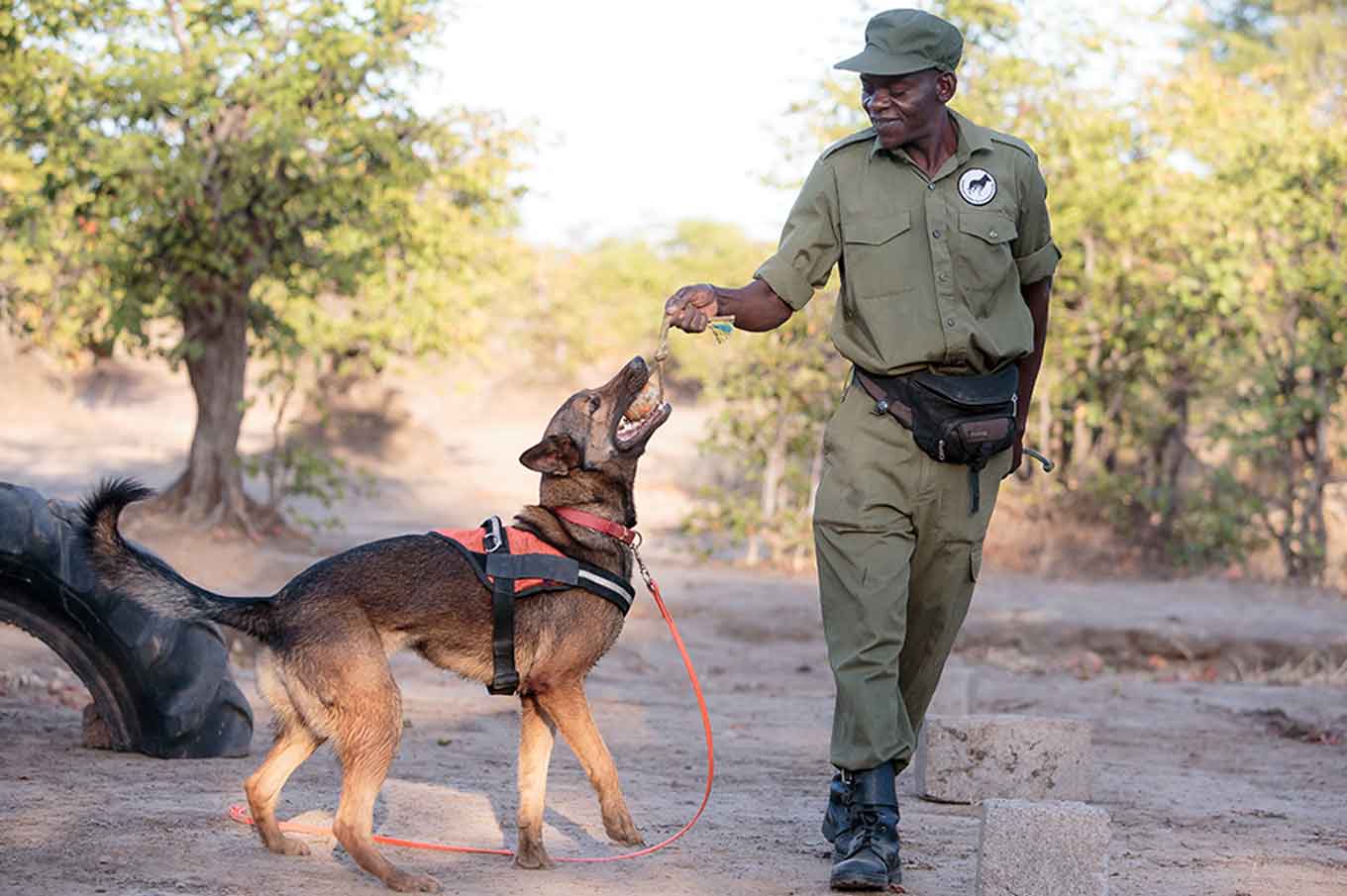
And it all comes down to the superiority of their snouts. Humans have approximately 5 million scent receptors in our noses, while dogs can have upwards of 220 million, according to WD4C. Dogs are simply better than people in this regard (and in nearly all regards, to be honest).
“For years, scientists have been trying to develop an instrument that is as sensitive as a dog’s nose,” the WD4C website says. “We wish them luck. In the meantime, we’ll stick with our pack.”
Most recently, in 2022, the organization launched its partnership with Indigenous Vision: the Blackfoot Environmental Justice Program. The project uses its fleet of conservation detection dogs to assist in sniffing out mink and otter scat in areas that are used for traditional food and fiber gathering in the lands and waters of the Blackfoot reservation. From there, chemical analyses are conducted to identify contaminants like heavy metals, pharmaceuticals, and endocrine disruptors.
In recent decades, unusual cancers and thyroid issues have emerged across the Blackfoot community, and its people have been forced to stop harvesting some wild plants and animals they rely on for sustenance and economic security.
The conservation dogs bring the reservation peace of mind. Well, rather, they are assisting Souta Calling Last, an ecological researcher who grew up on the reservation and was recently awarded a grant from the Environmental Protection Agency to create a detailed virtual map.
According to Grist, when finished, the map will have more than 30 layers, depicting sites of cultural importance, traditional names for rivers and valleys, toxic dumps, areas where it is dangerous to harvest plants and animals, and more.
This mapping project will provide an invaluable resource to the Blackfoot community, helping fight food insecurity and negative health outcomes, while reinforcing the Nation’s agency over their cultural identity and knowledge.
WD4C’s next project on Blackfoot land will be to sniff out chronic wasting disease, a very understudied illness that could lead to massive die-offs in deer and elk populations, which Blackfeet people rely on — and potentially poses danger to human life, as well.
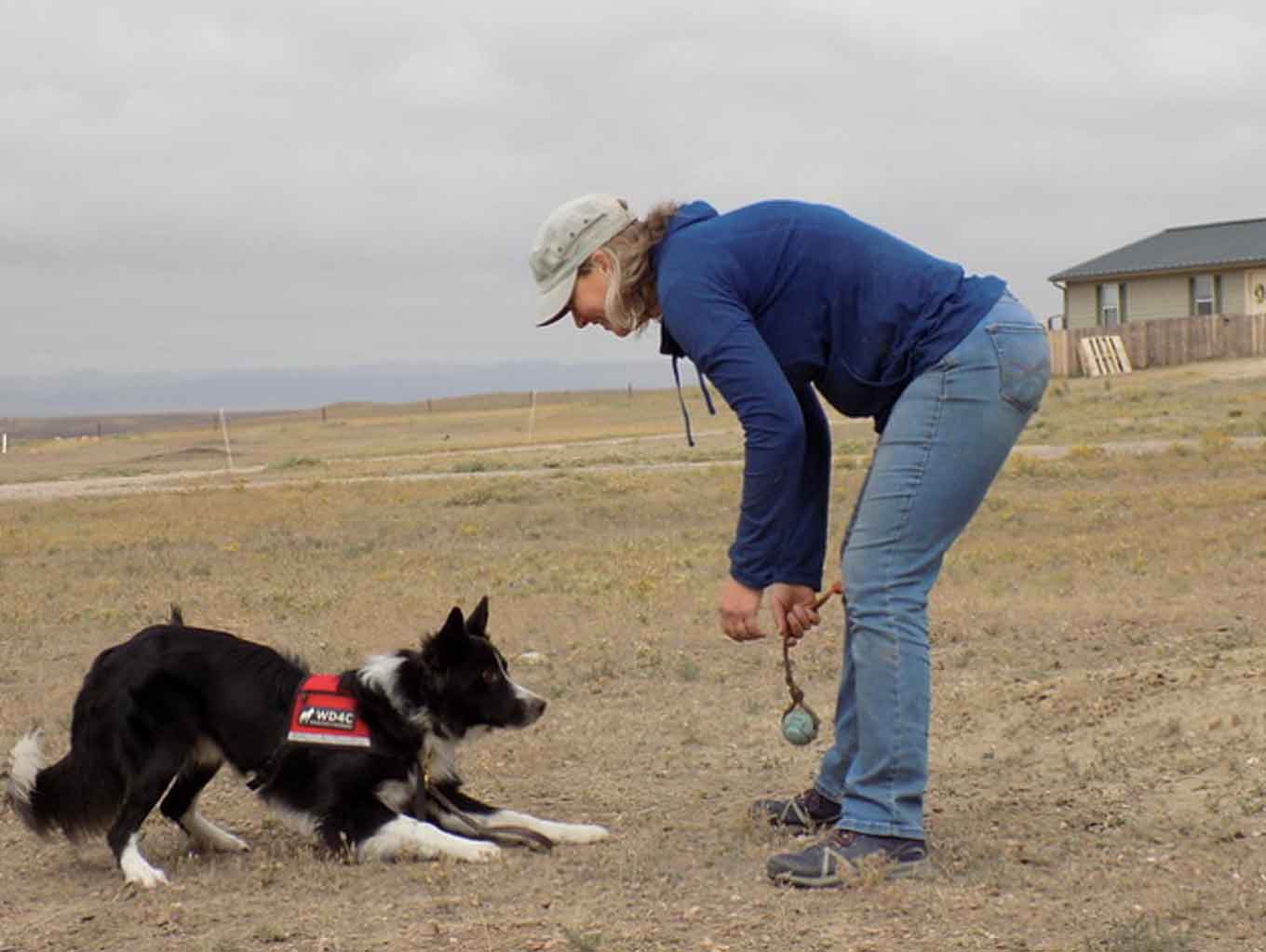
The threat is intimidating, but the conservationist canines are cool, calm, and collected in the face of an unknown terrain — standing by, tails wagging, happy to help.
“Our ball-loving rescues love their jobs,” WD4C’s website shares the perfect summary of their pack. “They give us everything in the field, and they have a home with us forever.”
A version of this article was originally published in The 2023 Animals Edition of the Goodnewspaper.
Get your own Goodnewspaper by becoming a good news subscriber today.
Every month at Good Good Good, we plan upcoming good news content for our Instagram, Goodnewsletter, Goodnewspaper, podcast, website, and more. Our work is always centered on hopeful stories about people making a difference in the world — and action steps on how each of us can make a difference ourselves.
With so many holidays, awareness days, education weeks, and activism months happening all year long, we’ve been slowly collecting all of these events in a private internal calendar.
We made our Monthly Cause Awareness Calendar publicly available earlier this year — alongside dozens more awareness holidays calendars.
And now we’re publishing our guide to Hispanic holidays!
Our hope is this resource will help you or your organization bring attention to these important days — not just around Hispanic Heritage Month or famous holidays like Dia De Los Muertos — but all year long.
Hispanic and Latino holidays are an important way to celebrate and honor the rich history and culture of the Hispanic community. The holidays included in this guide recognize the diverse traditions, heritage, and cultural expressions across Spanish speaking countries, encompassing both religious observances and national commemorations.
Where applicable, we’ve included resources around highlighted holidays — usually in the form of good news around particular topics, relevant quotes or recommendations, or action steps on how to make a difference. We encourage you to share them if you find them helpful.
We’ve worked hard to make this among the most comprehensive collection of Hispanic holidays and celebrations on the internet. Always double-check dates, as they may shift from year to year or country to country.
Bookmark this page and revisit it as often as you need. We’ll continue to update it and add to it over time.
Hispanic Holidays, Cultural Celebrations, and Latin American Events
January
Days
Día de la Liberación / Liberation Day (Cuba) - January 1
Día de la Victoria / Victory Day (Cuba) - January 2
Día de los Reyes Mago / Three Kings Day - January 6
Epiphany Day (Dominican Republic) - January 6
Tamborrada (Spain) - January 20
Feast of Our Lady of Altagracia (Dominican Republic) - January 21
Juan Pablo Duarte Day (Dominican Republic) - January 26
Weeks
Dance of the Parachicos (Mexico) - January 15 to 23
Fiestas Calle San Sebastian (Puerto Rico) - 2nd or 3rd week of January
National Festival of Folklore (Argentina) - 9-day celebration near the end of January
El Carnaval del Pais (Argentina) - Every Saturday of January and February
February
Days
Treaty of Guadalupe Hidalgo (Mexico) - February 2
Fiesta de la Virgen de Candelaria (Bolivia, Uruguay) - February 2
Día de San Blas (Paraguay) - February 3
Anniversary of the Constitution (Mexico) - 1st Monday of February
Caravana del Zorro (Guatemala) - 1st Saturday of February
Día de la Marimba (Guatemala) - February 20
Flag Day (Mexico) - February 24
Independence Day (Dominican Republic) - February 27
Weeks
El Carnaval del Pais (Argentina) - Every Saturday of January and February
March
Days
Emancipation Day (Puerto Rico) - March 22
National Day of Life, Peace, and Justice (El Salvador) - March 26
César Chávez Holiday (California, Arizona, and Texas) - March 31
Weeks
Carnival / Carnaval - Festive season taking place before Lent
Las Fallas de Valencia (Spain) - March 15 to 19
April
Days
Malvinas Day (Argentina) - April 2
National Heroes Day (Costa Rica) - April 11
Punta Gorda Festival (Honduras) - April 12
Pan American Day - April 14
Anniversary of the Beginning of the Independence Movement (Venezuela) - April 19
33 Patriots Day (Uruguay) - April 19
Spanish Language Day - April 23
Sant Jordi Festival (Spain) - April 23
Día del Niño (Mexico) - April 30
Weeks
La Semana Santa / (Holy Week) - Week before Easter Sunday
Months
La Feria de Abril (Spain)
May
Days
La Batalla de Puebla / (Cinco de Mayo) - May 5
Mother’s Day / Día de la Madre (Spain) - 1st Sunday of May
Mother’s Day / Día de la Madre (Mexico, El Salvador, Guatemala) - May 10
Mother’s Day / Día de la Madre (Most Hispanic countries) - 2nd Sunday of May
Independence Day (Paraguay) - May 15
Battle of Las Piedras (Paraguay) - May 18
Independence Day (Cuba) - May 20
The Battle of Pichincha (Ecuador) - May 24
Día de la Revolución (Argentina) - May 25
Verbana de San Juan (Paraguay) - May 28 and 29
Weeks
Fiesta de los Patios (Spain) - 1st week of May
Feria de San Isidro (Honduras) - A week preceding the 3rd Saturday of May
June
Days
Liberation Day (Nicaragua) - June 18
Natalicio de Artigas (Uruguay) - June 19
Feast of Corpus Christi - Thursday after Trinity Sunday
Artigas Day (Uruguay) - June 19
Father’s Day / Día del Padre - 3rd Sunday of June
Flag Day (Argentina) - June 20
Año Nuevo Andino (Bolivia) - June 21
National Day of Indigenous Peoples (Chile) - June 21
El Colacho (Spain) - Sunday after the celebration of Corpus Christi
Noche de San Juan (Spain) - June 23
Aniversario de la Batalla de Carabobo (Colombia, Venezuela) - June 24
King’s Day (Spain) - June 24
Día de San Pedro (Puerto Rico) - June 24
Haro Wine Festival (Spain) - June 28 to 30
July
Days
Independence Day (Venezuela) - July 5
Independence Day (Argentina) - July 9
Guelaguetza Festival (Mexico) - 2nd Monday following July 16
Revolution Day (Nicaragua) - July 19
Independence Day (Colombia) - July 20
Natalicio del Libertador (Colombia, Venezuela) - July 25
Santiago Apóstol (Spain) - July 25
Constitution Day (Peru) - July 25
Constitution Day (Puerto Rico) - July 25
Conmemoración del asalto a Moncada (Cuba) - July 25
Revolution Day (Cuba) - July 26
Independence Day (Peru) - July 28 and 29
Nanduti Festival (Paraguay) - Held on the last weekend of July
Weeks
San Fermín Festival (Spain) - July 6 to 14
August
Days
Santo Domingo de Guzman Festival (Nicaragua) - August 1 to 10
Día de la Revolución Agraria (Bolivia) - August 2
Independence Day (Bolivia) - August 6
Batalla de Junin (Peru) - August 6
Batalla de Boyacá - August 7
Independence Day (Ecuador) - August 10
Feast of the Virgen de Ukrupiña - August 14
Feast of the Assumption - August 15
Mother’s Day / Día de la Madre (Costa Rica) - August 15
Restoration Day (Dominican Republic) - August 16
San Martín Day (Argentina) - August 17
National Parks Day (Costa Rica) - August 14
Independence Day (Uruguay) - August 25
La Tomatina (Spain) - Last Wednesday of August
La Raima (Spain) - Last Friday of August
Weeks
Fiestas Agostinas - August 1 to 6
Festa Major de Gràcia (Spain) - 8-day celebration in August
Months
Las Fiestas Patronales (Puerto Rico)
September
Days
Feast of Nuestra Señora de la Caridad del Cobre (Cuba) - September 8
Anniversary of the Battle of San Jacinto (Nicaragua) - September 14
Independence Day (Costa Rica) - September 15
Independence Day (Ecuador) - September 15
Independence Day (Guatemala) - September 15
Independence Day (Honduras) - September 15
Independence Day (Nicaragua) - September 15
El Grito de Dolores (Mexico) - September 15
Independence Day (Mexico) - September 16
Independence Day (Chile) - September 18
Army Day (Chile) - September 19
Grito de Lares (Puerto Rico) - September 23
The Feast of Saint Michael the Archangel - September 29
Months
Hispanic Heritage Month - September 15 to October 15
Read and share this guide on how to celebrate Hispanic Heritage Month — plus, check out these Hispanic Heritage Month quotes
October
Days
Children’s Day (El Salvador) - October 1
Combate de Angamos (Peru) - October 8
Independencia de Guayaquil (Ecuador) - October 9
Grito de Yara (Colombia) - October 10
National Day of Spain / Independence Day (Spain) - October 12
Día de La Raza (Most Hispanic countries) - October 12
National Latinx AIDS Awareness Day - October 15
El Señor de los Milagros (Peru) - October 18
Anniversary of the 1944 Revolution (Guatemala) - October 20
Mother’s Day / Día de la Madre (Argentina) - 3rd Sunday of October
Reformation Day (Chile) - October 31
Weeks
Festival Internacional Cervantino - 1st three weeks of October
Months
Hispanic Heritage Month - September 15 to October 15
Read and share this guide on how to celebrate Hispanic Heritage Month — plus, check out these Hispanic Heritage Month quotes
November
Days
Día de los Angelitos (Mexico) - November 1
Día de Todos los Santos / All Saints’ Day - November 1
Skach Koyl Day (Guatemala) - November 1
Día de Los Muertos / Day of the Dead - November 2
Independencia de Cuenca (Ecuador) - November 3
Independence Day (Panama) - November 3
Flag Day (Panama) - November 4
Colón Day (Panama) - November 5
National Pupusa Day (El Salvador) - 2nd Sunday of November
Constitution Day (Dominican Republic) - November 6
Primer Grito de Independencia de la Villa de Los Santos (Panama) - November 10
Feast of Nuestra Señora de la Divina Providencia (Puerto Rico) - November 19
Discovery of Puerto Rico Day - November 19
Mexican Revolution Day - November 20
Feast of Nuestra Señora de La Paz - November 21
Día de Santa Cecilia - November 22
San Miguel Carnival (El Salvador) - Last Saturday of November
December
Days
Constitution Day (Spain) - December 6
Día de las Velitas / Day of the Little Candles (Colombia) - December 7
La Quema del Diablo (Guatemala) - December 7
La Immaculada Concepción de María - December 8
Batalla de Ayacucho (Peru) - December 9
Feast of Our Lady of Guadalupe - December 12
National Mourning Day (Panama) - December 20
Noche de Rabanos (Mexico) - December 23
Noche Buena - December 24
Día de los Inocentes / Feast of the Holy Innocents (Mexico, El Salvador, Spain, Venezuela) - December 28
Els Enfarinats (Spain) - December 28
Weeks
Las Posadas - December 16 to 24
Explore More Events:
Main Awareness Calendars: All Awareness Holidays | Heritage Months | International Days
More Awareness Calendars: Animals | Pets | Environment & Sustainability | Books | Libraries | Religion | LGBTQ+ | Black & African American | Women | Mental Health | Health | Healthcare | Disability | Cancer | HIV/AIDS
Awareness Days & Months: January | February | March | April | May | June | July | August | September | October | November | December
Is this list missing a holiday or awareness week/month? Let us know. We want to ensure this list is comprehensive and inclusive.
Earlier this month, 66-year-old Laura Ann Carleton — the owner of clothing store Mag.Pi, in the San Bernardino mountains of California — was shot and killed.
The man who shot her had made disparaging remarks about the Pride flag displayed outside the shop. This was not the first time Carleton’s flags had seen hatred; every time someone ripped down a Pride flag, she would hang a bigger one, the New York Times reported.
But this time, her allyship cost her life.
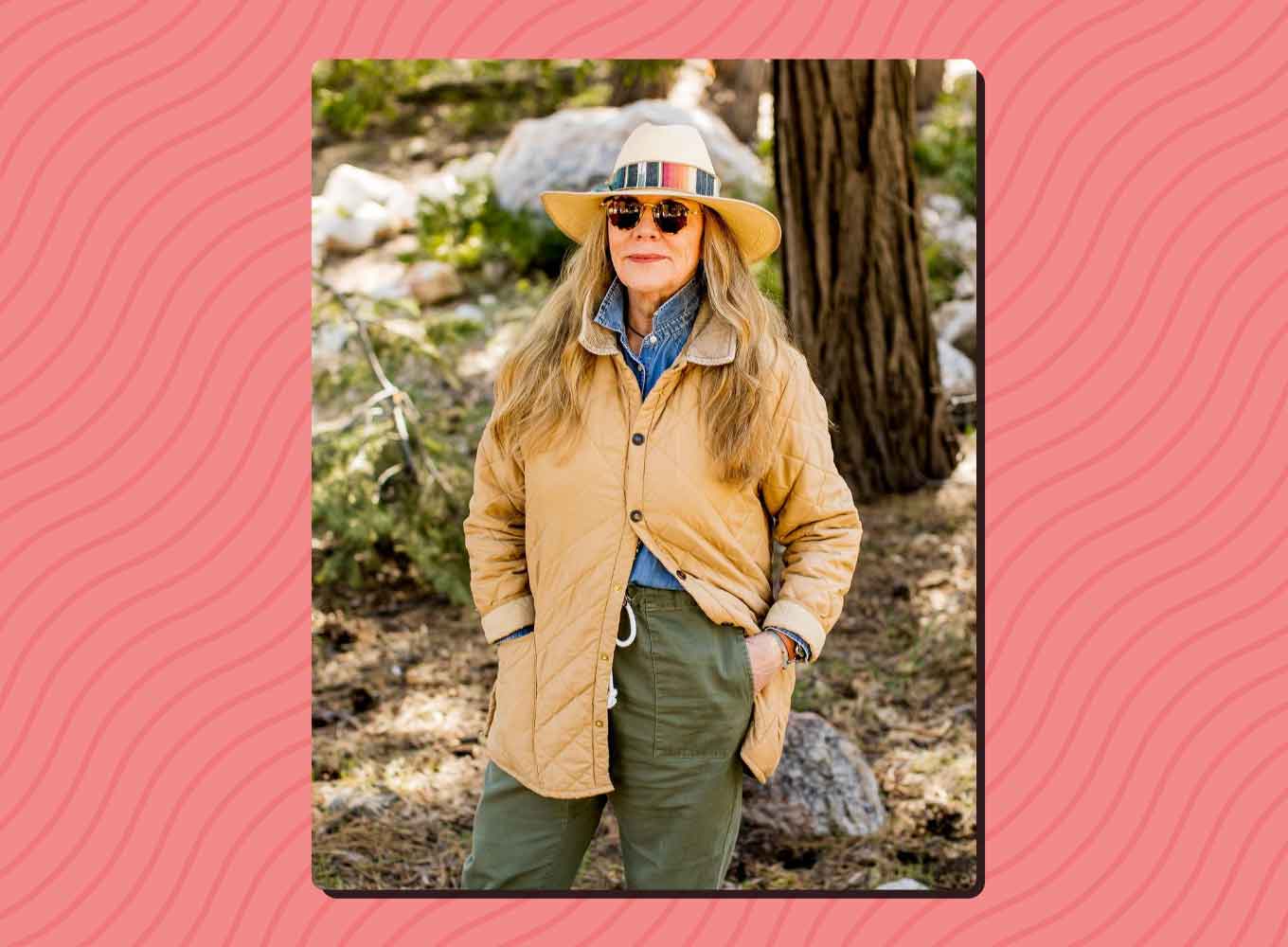
Of course, the mother of nine and beloved community member represents so many Americans who operate small businesses and use their spaces to remind other community members they are welcome as they are.
And there are indeed other business owners who are part of the LGBTQ+ community and face ongoing threats to their safety for merely existing in a brick and mortar shop.
(Carleton did not identify as LGBTQ+ but spent time helping and advocating for the community, and Mag.Pi was listed as a “business ally” by Lake Arrowhead LGBTQ, a local community organization.)
Ladyfingers Letterpress, a stationery and gift shop in Colorado Springs, Colo. is no stranger to such experiences.
The store, which is owned and operated by LGBTQ+ couple Arley Torsone and Morgan Calderini, responded last year after a fatal shooting in the Club Q nightclub in Colorado Springs took the lives of five people and injured 18 others.
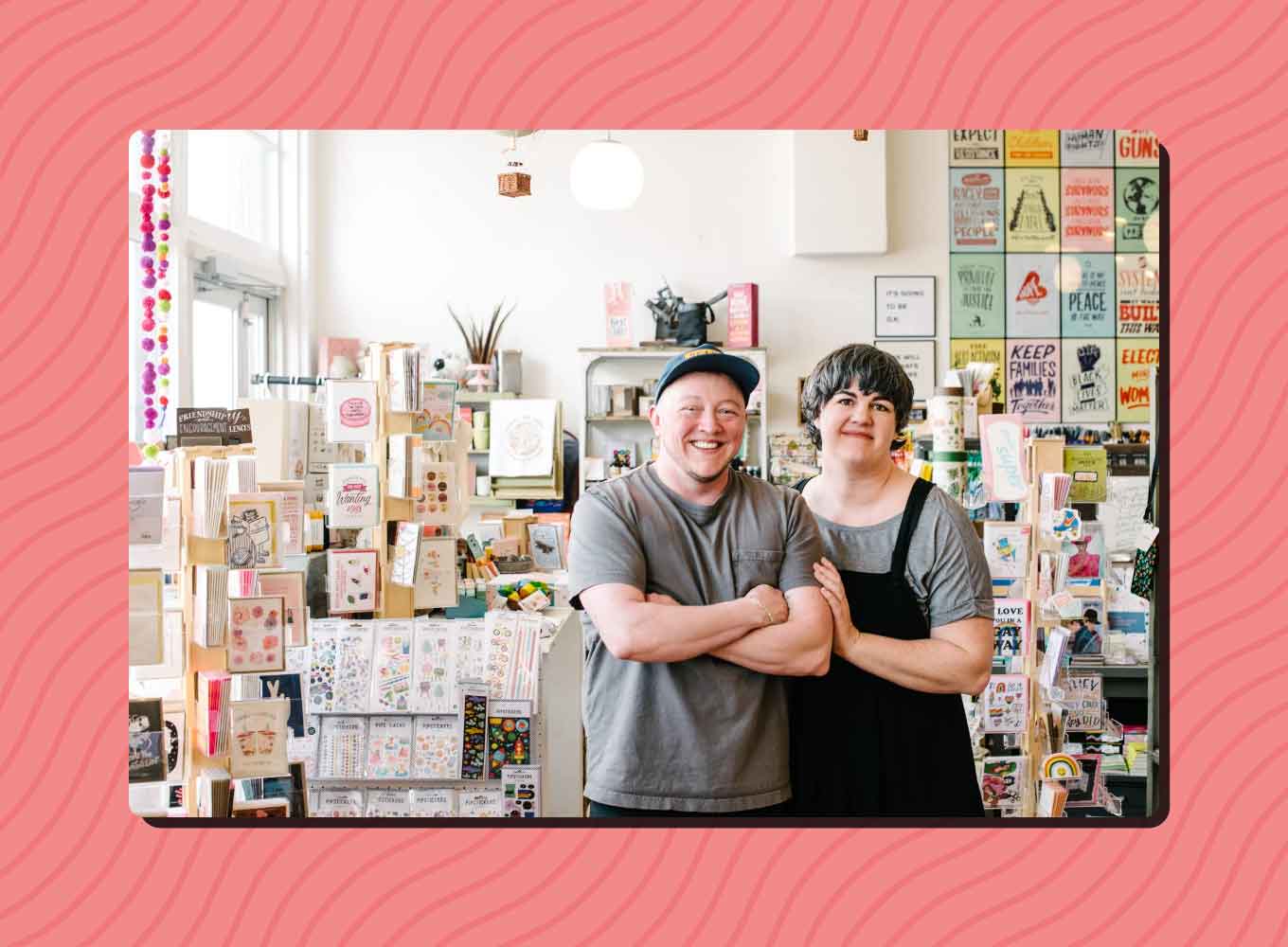
The duo organized mutual aid fundraisers immediately, but they also did something more visible: distributing and displaying Pride flags throughout the city, to “wrap us in rainbows.”
Pride flags were collected in conjunction with monetary and gift card donations that could immediately be distributed to community members reeling from the tragedy. Working with national flag-flying companies, as well as the local Bread and Roses Legal Center’s “Queers For Q” mutual aid fundraiser (which ultimately raised and distributed over $35,000), the shop gathered over 3,500 donated flags.
“The idea that we could be a conduit for covering the town in rainbow flags and giving people what they are asking for is a very small thing that feels pretty huge,” an Instagram post from the shop read.
Now, Ladyfingers is at it again. This time, they’re wrapping Lake Arrowhead in rainbows.
“We are so deeply saddened and sick for the loss of Lauri’s life. And the lives of all people to violence motivated by hate for LGBTQIA+ community that occurs everyday, everywhere,” the business shared on Instagram. “Can you help wrap the Lake Arrowhead community in rainbow Pride flags?”
The post continued to share where people could donate flags — and funds — including a memorial fund created with Carleton’s family and Mountain Provisions Cooperative, a farm-to-table co-op in Lake Arrowhead, which Carleton led.
Ladyfingers also reached out to other area businesses in Lake Arrowhead to serve as a distribution point for community members, connecting through networks of friends and creative businesses.
They landed on Rustic Arts Cabin Outfitters, which will act as a home base for flag deliveries and will distribute them throughout the community.
Donors can mail Pride flags to Rustic Arts Cabin Outfitters at the following address:
32088 Highway 18 #813
Running Springs, California 92382
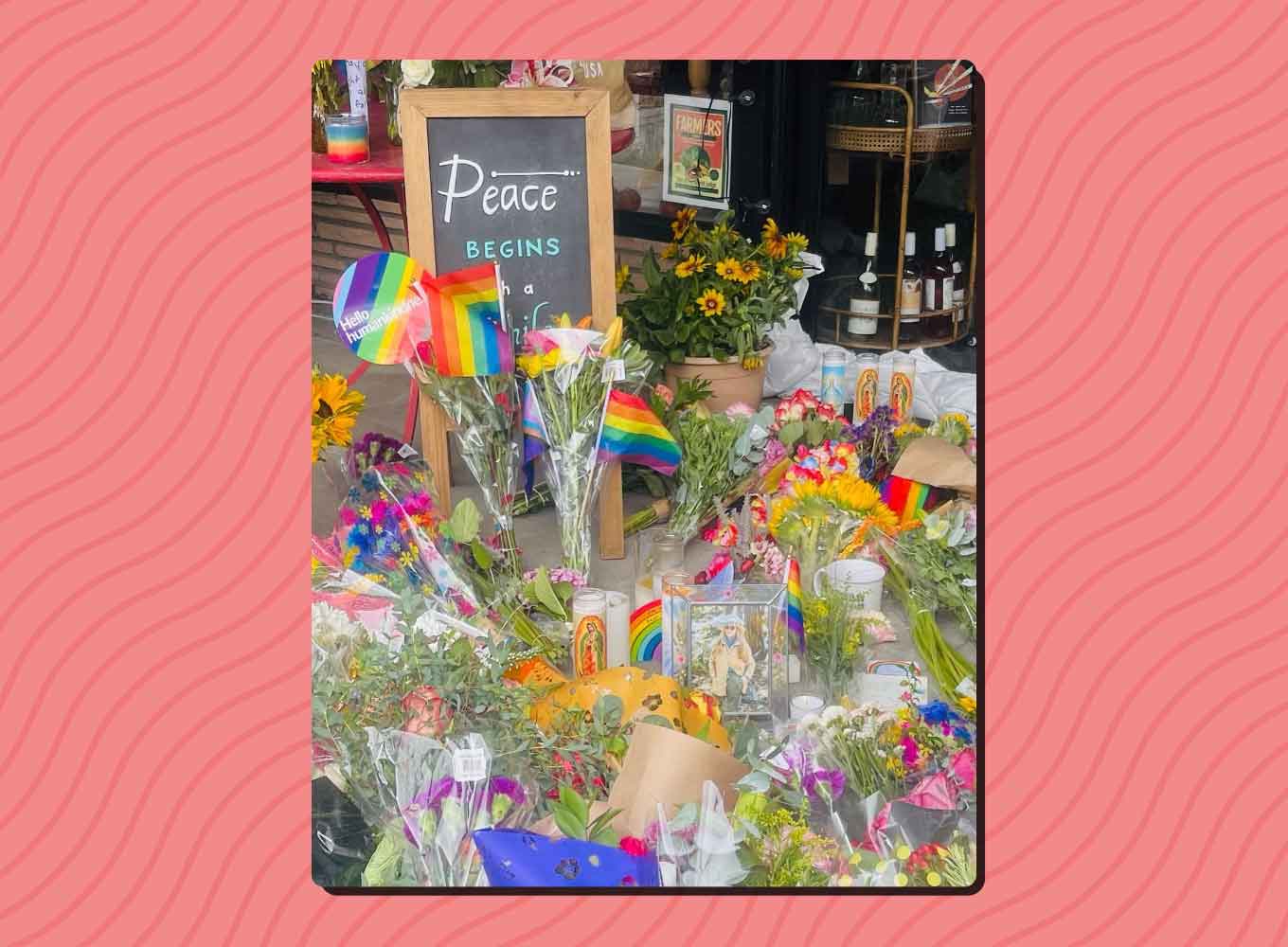
“Prior to the attack on the queer and trans folks in Colorado last November, we were often the only ones who had a flag up. We issued a request for the world to Wrap Us In Rainbows in the aftermath,” Ladyfingers continued in their Instagram post.
“Over 3,500 rainbow flags were sent to our shop, we gave them away to anyone in town who wanted one. It is now just over nine months since, and our town is still wrapped in rainbows. You know which businesses are ‘safe,’ who is an ally, and who is not. That is a powerful thing in the face of terror.”
The Colorado shop, though over 1,000 miles from the Lake Arrowhead community, knows what it’s like to be taken care of in the aftermath of tragedy.
“Thank you for this,” a gift shop, this one located in New York, commented. “Our package will be on its way.
“I love the connections here,” another Instagram user said in the comments. “I will definitely be helping with this effort.”
Although this is an amazing act of solidarity among small business owners — and the LGBTQ+ community — it should not have to happen. Ladyfingers said it best:
“Let’s not stop our work at sending flags. Please move beyond shopping as support and allyship. Connect with the community you live in (in real life) and listen. How can you show up? What gifts can you share?” the business shared on social media, closing their call for donations with one last plea.
“We don’t want to do this work again – please.”
Header images courtesy of Lauren Memarian, Mountain Provisions Cooperative, and Ladyfingers Letterpress
Every day the Good Good Good team collects the best good news in the world and shares it with our community. Here are the highlights for this week!
If you want to get good news in your inbox every day, join the Goodnewsletter — the free daily newsletter designed to leave you feeling hopeful.
The Best Positive News We’re Celebrating This Week —
A Black-owned video game company is diversifying the industry by mentoring hundreds of diverse developers
Leroy Jones was no stranger to prejudice when he began seeking work in the video game industry, but the racism he experienced when applying to work at game studios was “on another level.” So, he started his own game development company: 3D Dojo Studios.
Recruiting from pools of game enthusiasts in his network and through online forums, Jones started hosting workshops and art challenges to attract diverse creators. Soon he was at the helm of a free online community composed of over 500 game developers and enthusiasts across the world, connecting to build their careers.
And the studio just announced its first original title: “DA PAPER BOY.” It was designed and developed by members of the studio’s online community — “50% people of color, 20% female, and 30% disabled,” Jones told us — with zero budget. This kind of collective approach aims to help diverse game developers build the skills they need to succeed in a major industry.
What’s the nuance? 3D Dojo Studios’ debut game is one of less than 5% of video games even worked on by a Black developer, let alone developed by a Black-owned studio — so while it’s great news and progress, more support is needed. That looks like pay transparency, physical resources, investment in recruiting, and more.
Artificial intelligence helped improve breast cancer detection by 20% in a new, first-of-its-kind study
Early results from a new breast cancer trial in Sweden had really promising findings: artificial intelligence (AI) was able to accurately detect 20% more breast cancers from mammograms than a traditional radiologist screening.
It’s the first study of its kind to look at using AI in breast cancer screening. And according to the newly published results, AI-supported analyses of mammograms also led to a significantly lower workload for radiologists — they spent 44% less time reading mammograms.
The results are preliminary, as the study is still underway in Sweden. And researchers acknowledged that while the results are encouraging, they “are not enough on their own to confirm that AI is ready to be implemented in mammography screening.”
It’s incredible progress to celebrate, as catching breast cancer early on is critical in successfully treating it in patients. And while there are certainly risks to consider when using in a medical setting, utilizing AI to help detect breast cancer early on is a huge opportunity, too.
→ Read more
Researchers created a plant-based filter that can remove 99.9% of microplastics from water
Microplastics are pervasive in Earth’s waterways, causing harm to the health of both marine life and humans. Whether they came off of clothing in the wash, broke down from a larger piece of plastic, or were a byproduct of commercial production — there’s no current technology to effectively capture and remove them.
But researchers from the University of British Colombia in Canada think they just found a biodegradable, renewable solution. The bioCap filters water through a sawdust substrate modified with tannic acid, which is a naturally occurring, readily available plant polyphenol.
Their device was able to capture between 95.2% and 99.9% of a wide variety of microplastics filtered through it.
Why is this good news? In addition to being excellent news for human health and marine ecosystems, the fact that this filter is plastic-free means it won’t be contributing further to the problem of plastic pollution. Plus, it uses products that are both widely available and renewable.
A breakthrough in the shipping industry, the first wind-powered cargo ship just set sail on its first voyage
The shipping industry is notoriously carbon-intensive, burning an immense amount of fossil fuels to carry food and other goods around the world. In an effort to lower its fuel consumption (and emissions), one ship just implemented new wind-powered technology.
The 750-foot-long Pyxis Ocean is equipped with WindWings, which are made from the same material as wind turbines. The ship’s new wings could lead to about a one-fifth reduction in emissions.
And while more decarbonization needs to happen in the industry in order to avoid the worst impacts of climate change, the real-life implementation of this technology is helping it get closer to its net-zero goals.
Why is this good news? In carrying trillions of dollars worth of good around the world on the ocean, cargo ships burn hundreds of millions of tons of fossil fuels every year — accounting for about 3% of the world’s greenhouse gas emissions. That number is expected to climb as demand for shipping increases, but could be prevented with solutions like WindWings.
A Mexican pharmacy mascot is helping bring affordable healthcare to all and provide jobs for disabled folks
Outfitted with a wholesome smile, bald head, and mustache, Dr. Simi represents a chain of pharmacies across Mexico: Similares.
The pharmacy was one of the first in Latin America to make cheap, generic medication accessible to the public, and provide on-site consultations in isolated areas of Mexico — and Dr. Simi became a household figure people could trust.
These days, Dr. Simi has been captivating audiences on stage with world-famous acts, like Lady Gaga, Dua Lipa, Harry Styles, Coldplay, and more, as fans throw plush dolls of his likeness on stage to show pride in their Mexican heritage.
Similares doesn’t make a profit selling them either. Rather, a company called CINIA designs and manufactures the Dr. Simi dolls and employs a team of folks with mental and physical disabilities — and they make each doll by hand.
And the trend of throwing dolls on stage has increased the demand for Dr. Simi dolls, boosting production from 12,000 to 40,000 per month.
Rescuers in Pakistan saved eight people, including children, trapped in a cable car dangling hundreds of feet in the air
A cable car in a northern province of Pakistan offers a lifeline for people in a remote village to reach school, the hospital, and more. Earlier this week, two cables supporting the car snapped, leaving it and eight passengers inside dangling — by what appeared to be one last remaining cable — hundreds of feet in the air.
Military rescue crews jumped into action, rescuing two people using a rope attached to a helicopter, and a zip line for the rest. Following the 12-hour rescue mission, the Pakistani military said the rescuers used “unparalleled skill and efficiency” to ensure all passengers reached safety.
Several of the passengers on board were children between the ages of 10 and 15 on their way to school.
Why is this good news? Despite the fact that this vital piece of infrastructure failed, both bystanders and official rescue crews worked together to ensure all those on board reached safety. It’s a great reminder that when we work together we can do so much good to help others — whether it’s in a remote village in Pakistan, or solving global crises.
After a fatal, hate-motivated shooting, a Colorado small business is sending Pride flags to a California community
Earlier this month, Laura (“Lauri”) Ann Carleton — owner of a clothing store in the Lake Arrowhead community of California and committed ally to the LGBTQ+ community — was shot and killed by a man who made disparaging remarks about the Pride flag displayed outside her shop.
Devastatingly, Carleton's shop isn't alone in this experience. LGBTQ+-owned Ladyfingers Letterpress in Colorado Springs has been the target of hatred, and after the shooting in the Club Q nightclub last year took the lives of five people and injured 18 others — they responded.
In addition to immediately organizing mutual aid fundraisers, the shop (which is owned by an LGBTQ+ couple) did something more visible: distributing and displaying Pride flags throughout the city, to “wrap us in rainbows.”
Now, they’re supporting the Lake Arrowhead with a similar initiative — sending Pride flag donations to wrap them in rainbows, too.
Take action to support Lake Arrowhead and the LGBTQ+ community right now:
- Display your own Pride flag. Whether it’s in your home, at your desk, or your business, displaying a Pride flag is a great way to show your allyship and make sure the people around you know you’re a safe, affirming space. (Here’s a great place to get one, if you need!)
- Send a Pride flag to Lake Arrowhead. Join in Ladyfingers Letterpress’s "Wrap Them in Rainbows" initiative and send a flag to Rustic Arts Cabin Outfitters, which will act as a home base for flag deliveries and will distribute them throughout the community.
- Donate to the Lauri Carleton Memorial fund. The fund was created with Carleton’s family and Lake Arrowhead LGBTQ for Mountain Provisions Cooperative, and all donations will be used to “keep Lauri’s legacy alive” in the community.
In a single outing, an ocean cleanup team just removed a record 25,000 pounds of trash from the ocean
Located in the Pacific Ocean between Hawaii and California, the Great Pacific Garbage Patch is largest of the world’s five ocean garbage patches. It’s a massive pile of plastic and other trash carried and collected by ocean currents and winds.
And the nonprofit organization The Ocean Cleanup just removed the largest amount of trash from the patch yet — 25,000 pounds in a single extraction. It’s a major milestone as the group works to remove 90% of the garbage from the patch by 2040.
Marine garbage patches are a threat to marine ecosystems, animals, and humans. Marine life get tangled in fishing nets and eat small pieces of plastic, the patches transport and introduce non-native species. And microplastics found in seafood and even drinking water pose a threat to human health.
And the race to clean these patches up is on: The Ocean Cleanup is working on a new cleanup system that could clear a football field-sized area of garbage every five seconds.
More good news of the week —
Organized by Native Hawaiians, “community hubs” are helping lead Maui wildfire relief efforts. The hubs are grounded in the Hawaiian values of caring for and sharing with one another, and also a response to a lack of more official government support.
The U.S. just launched a program to provide electricity to more Native American homes. An initial $72.5 million will address a lack of infrastructure in Native communities, like the 1 in 5 homes on the Navajo Nation reservation that don’t have electricity.
Ghana just became the 29th country in Africa and 124th globally to abolish the death penalty. It’s a major victory for human rights in the country, which currently has 176 prisoners on death row, and in the fight to abolish the death penalty everywhere.
New South Wales’ gay conversion therapy ban will be expanded to include transgender or gender diverse people. The government is looking to make any activity attempting to change or suppress a person’s sexual orientation or gender identity illegal.
Ecuadorians just voted against drilling for oil in a protected area of the Amazon. The decision will require the state oil company to end its operations in a region that’s home to two uncontacted tribes and is a hotspot of biodiversity.
A new comedy series is advocating for biodiversity and animal conservation by putting animals in therapy. “Animals in Therapy” is a new comedy web series that uses comedy and connection to deliver an important message about endangered species.
A new study found that increasing plant diversity in urban green spaces led to a sevenfold increase in the number of insect species. Improving biodiversity is now another proven benefit of urban greening initiatives, along with helping mitigate urban heating, and improving physical health and mental wellbeing.
Around 4,000 beagles rescued from cages at a breeding and research facility are now thriving in their new homes. The animals were kept in distressing conditions, and were rescued after a 60-day operation one year ago.
Philanthropist MacKenzie Scott has donated $147 million to 24 nonprofits in the first half of the year. The donations ranged from $1 million to $15 million, and nearly half went to charities focused on early-childhood education and development.
For its football season opener against Hawaii, Vanderbilt is donating a portion of ticket sales to the Maui Strong fund. Organized by the Hawaii Community Foundation, the Maui Strong Fund has been quickly responding to wildfire recovery efforts on Maui.
After the first was a “mind-blowing” success, Montreal is now adding nine more car-free streets. Four years ago, the city made a 2.5-kilometer stretch of a busy downtown street car-free for the summer and locals and tourists turned it into “a daily festival.”
A Dutch supermarket chain is trialing “true pricing” to raise awareness about the hidden costs of food. Albert Heijn is giving customers the option to pay either the normal price or the real price, which factors in the cost to the environment or the lack of a living wage for workers.
A free pop-up camp on Maui is giving both parents and children much-needed relief as they recover from the wildfires. Run by former summer camp directors, Project:Camp’s goal is to help bring resilience to communities under stress — which Maui and Lahaina both desperately need right now.
A new millionaire’s tax in Massachusetts is paying for free school lunches for all children. The new 4% tax on the state's wealthiest residents will generate $1 billion, a portion of which will provide all public-school students with free weekday meals.
Officials in Mexico just announced 13 new protected areas across six states — and more are on the way. Six new national parks and seven “flora and fauna protection areas” cover over 44,000 acres and bring the country’s federally protected areas to 200 total.
In the face of enormous corporate interests, doom-inducing news about the environment, and economic hardships that make it difficult to merely exist, it makes sense that so many young people feel like they can’t do anything to help save the planet.
I’ll say that again: It makes sense!
That doesn’t mean that you should give into climate anxiety, but it does mean that it’s perfectly acceptable to start small. The size of the climate crisis seems like a giant ocean wave, and we’re just sitting there on our little surfboards with our metal straws and bamboo utensils, responsible for fixing it all.
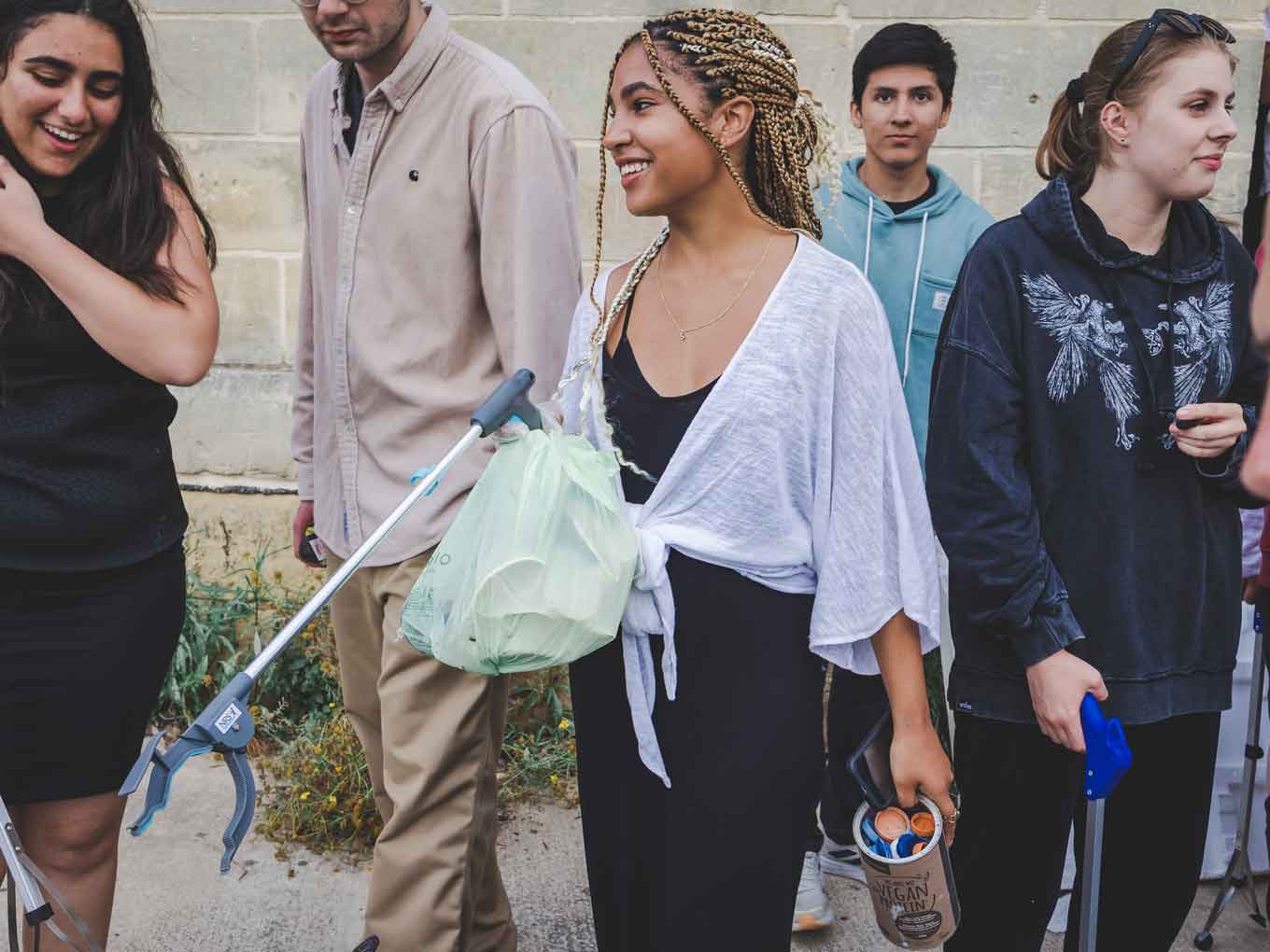
The good news? In community, we can make a difference.
That’s what inspired Sharona Shnayder to start Tuesdays for Trash.
What is Tuesdays for Trash?
Tuesdays for Trash is a global grassroots movement that aims to give people around the world a simple way to mobilize for a sustainable future. The mission? Pick up trash on Tuesdays. That’s it! What started as two friends picking up trash in their neighborhood now spans 40 countries with more than 10 chapters.
Like so many new endeavors, Tuesdays for Trash (also known as T4T) started during the height of the COVID-19 pandemic in 2020. Shnayder and her friend, Wanda, wanted a way to get outside and give back to the community during lockdowns.
“We were feeling really restless and decided this would be the safest, easiest, and most impactful way to connect with our environment again,” Shnayder told Good Good Good.
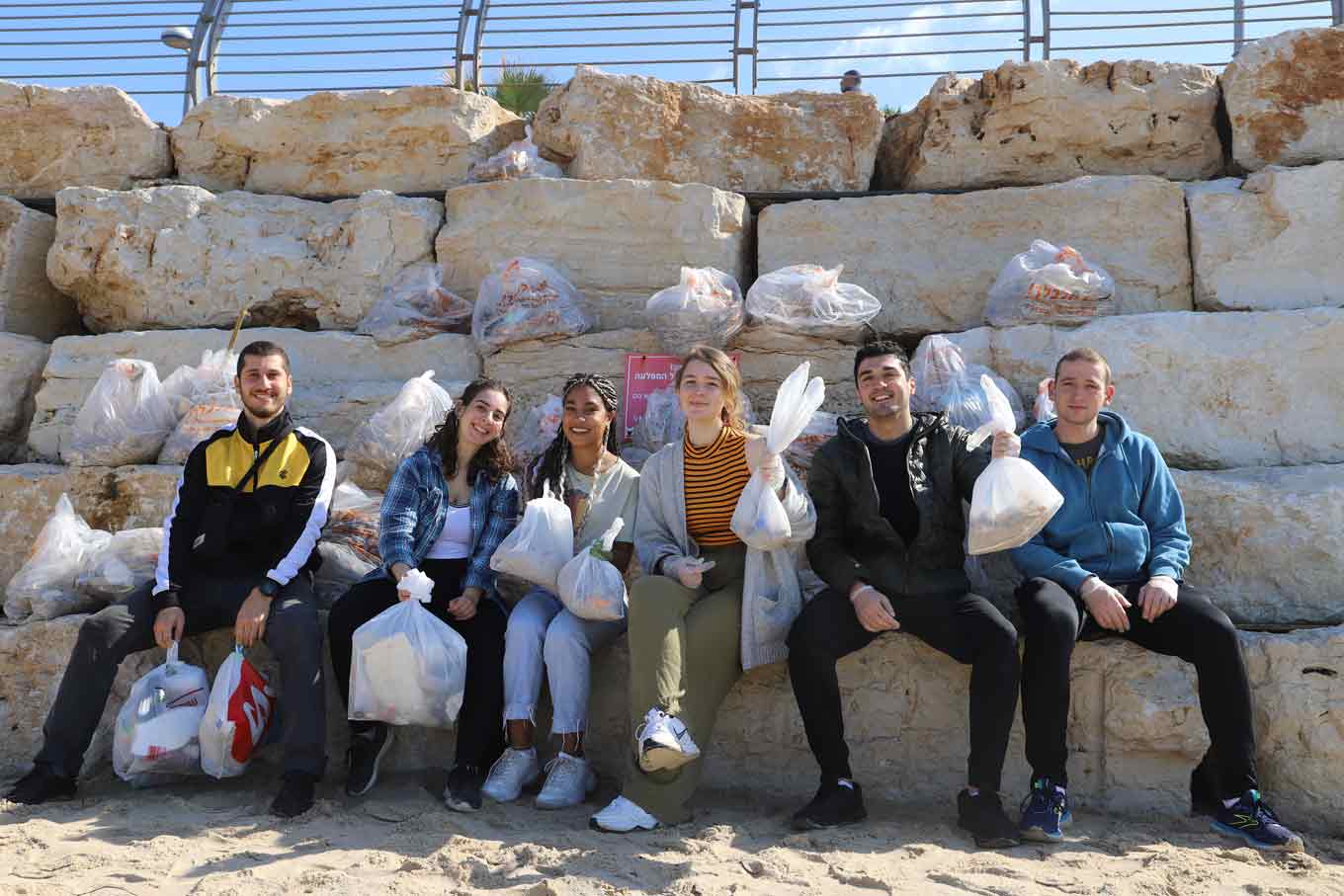
The two began picking up trash on their university campus, and then they caught the bug for getting others involved.
“Our vision was that if we can get everyone to love and care for our planet, the possibilities for change are endless,” she said.
The simplicity of the mission — and its catchy title — made it easy to build community. As more people got in on the action, they’d share the progress from their cleanups using the #TuesdaysForTrash hashtag on social media.
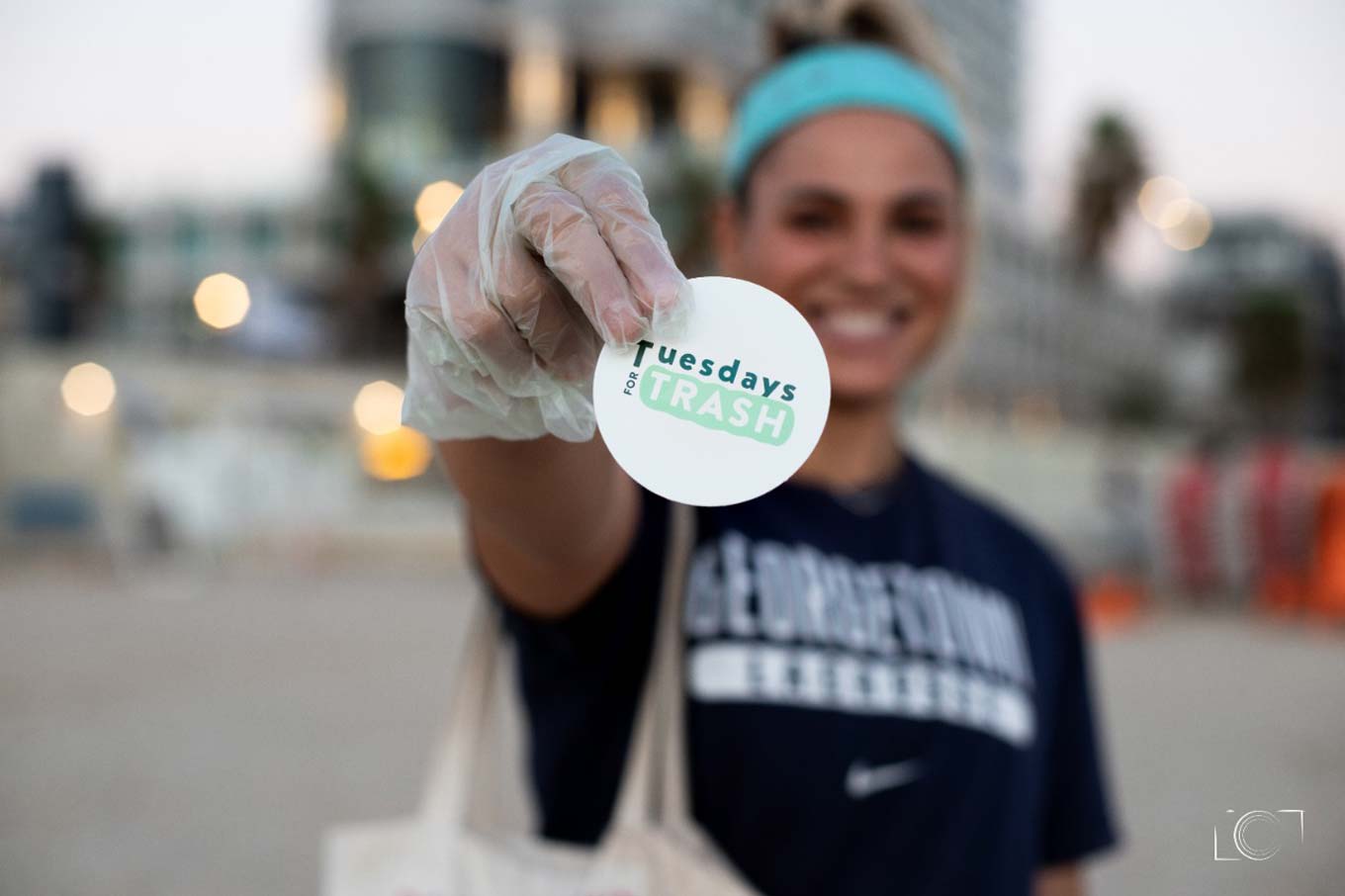
Now, three years later, the movement has found global awareness, giving way to a greater understanding of global waste management, activism learning opportunities, and how to hold the culprits of this crisis accountable.
Over 38,000 pounds of trash have been removed from the environment by T4T participants, who span six continents. Over 10 specific chapters of the organization have popped up across the globe, from Shnayder’s homebase of Tel Aviv, Israel, to Portland, Oregon.
Participants can also help keep track of their progress by logging their weekly clean-ups on T4T’s Trash Tracker. The organization has also developed materials like an Activist Workbook to help maintain mobility among the community.
And it’s working.
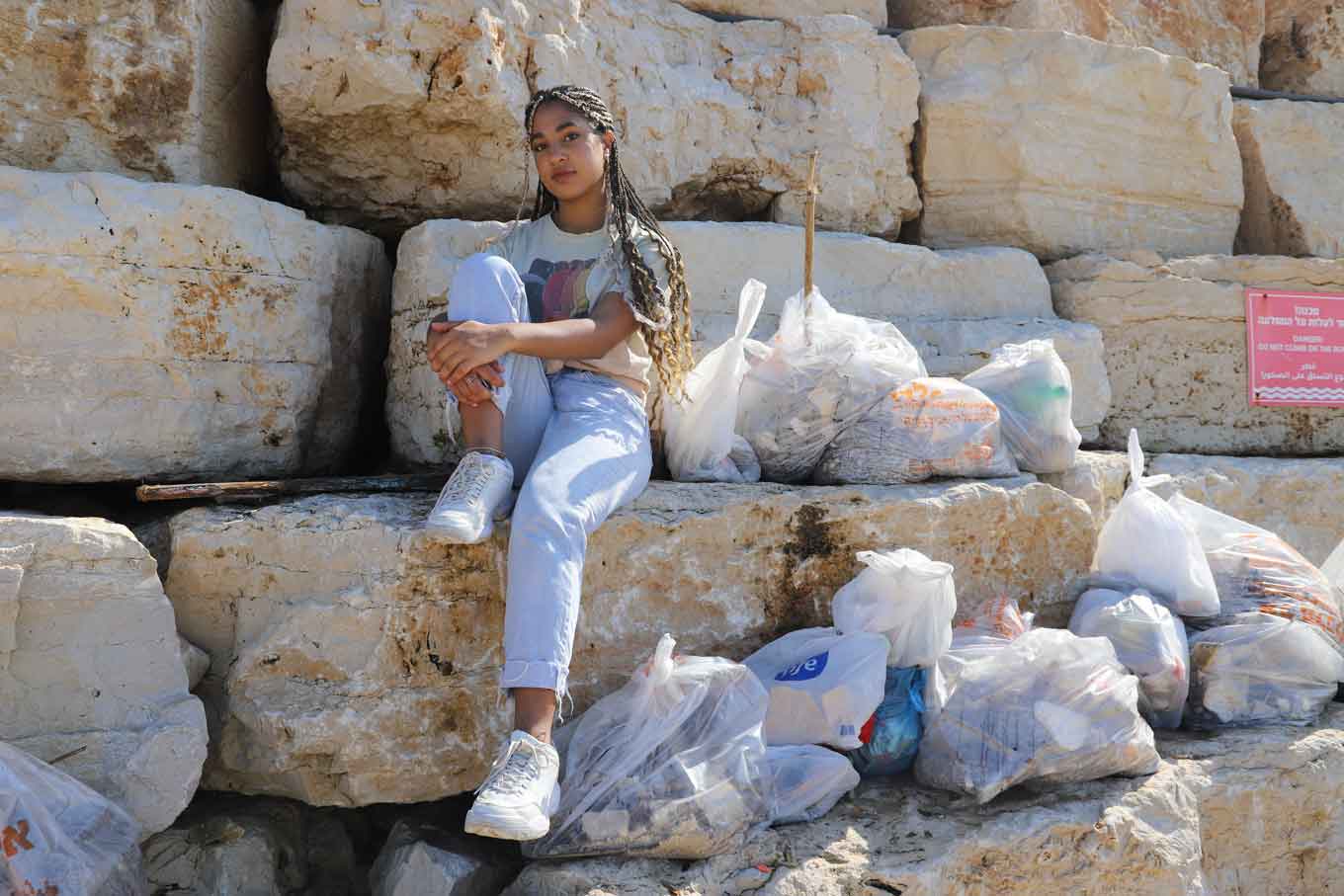
“What we’ve found is that by cleaning up [Tel Aviv] for the past two years, it’s actually staying clean,” Shnayder said. “There’s a psychological aspect to littering, and when an area is clean, people are less inclined to trash it; they feel guilty or shameful, so eventually it stays that way.”
Tel Aviv is the biggest chapter of the T4T movement, and while Shnayder is proud of the efficacy of local stewardship, education, and community engagement, the next step is confronting the systems that enable environmental harm.
“In order to push this progress further, our team has been working on a waste management proposal with the president of Israel’s climate forum that will build the necessary infrastructure and actionable policy recommendations aimed at improving waste management practices, funding mechanisms, and representation in decision-making,” she said.
“When we do this, we hope to effect more resilient environments, sustainable livelihoods, and of course, communal knowledge exchange.”
How to participate in Tuesdays for Trash
The best way to engage with Tuesdays for Trash is by simply getting outside, picking up trash, sharing it on social media, and encouraging others. Participants can search for local chapters to join a group cleanup, or even start their own with the help of the organization.
“The beauty of the movement is it’s so easy to join and take action,” Shnayder said. “That’s the entire point, really; turning this intimidating global crisis into a manageable and effective action that allows you to set a new routine and mindset as a steward of your local environment.”
One especially exciting way to get involved is coming up on September 16, World Cleanup Day.

Tuesdays for Trash is co-hosting an event called Run for the Planet, where participants across the globe can join together for a community-led or individual walk or run to pick up trash seen along their chosen route.
During the event, all participants are encouraged to stream, post, and discuss their findings on social media.
“It may not be your trash, but it is your planet,” Shnayder said, encouraging people to join. “It's a ripple effect because collective action is made up of individuals, and that's really the crux of sustainable change.”
Header image courtesy of Dahlia Jamous/Tuesdays for Trash
Banned Books: the phrase itself stirs curiosity and a sense of rebellion.
Books are often banned for challenging the status quo, pushing boundaries, or questioning the prevailing social and cultural norms.
While some may see these works as controversial, they’re often the very texts that open our minds, expand our horizons, and provoke meaningful dialogue. They remind us that to make a positive difference in society, one has to dare to think differently and challenge accepted beliefs.
Throughout history, many of the greatest thinkers and authors have found themselves in hot water for their ideas. Yet, it’s often these very books that become the cornerstones of intellectual growth and social progress. They inspire us to question, explore, and ignite change.
We’ve gathered some powerful quotes from and about banned books, which celebrate the invaluable role these works play in promoting critical thinking and fostering a more equitable society.
Whether you’re an avid reader, a free-speech advocate, or simply someone curious about the world’s most debated texts, these quotes will make you appreciate the transformative power of challenging literature.
Take a journey through these quotes and get inspired to explore the books that have been deemed too provocative, too radical, or too groundbreaking for their time.
You might also like: How To Help During Banned Books Week | Good Good Good Book Recommendations | Book Holidays & Months Calendar | Quotes About Books & Reading
The Best Quotes About Banned Books
“Banning books is just another form of bullying. It’s all about fear and an assumption of power. The key is to address the fear and deny the power.”
— James Howe
“A dangerous book will always be in danger from those it threatens with the demand that they question their assumptions. They’d rather hang on to the assumptions and ban the book.”
— Ursula K. Le Guin, The Wave in the Mind: Talks and Essays on the Writer, the Reader and the Imagination
“Today, some of the books that shaped my life and the lives of so many others — are being challenged by people who disagree with certain ideas or perspectives. And librarians are on the front lines, fighting every day to make the widest possible range of viewpoints, opinions, and ideas available to everyone.”
— Barack Obama
“Let children read whatever they want and then talk about it with them. If parents and kids can talk together, we won’t have as much censorship because we won’t have as much fear.”
— Judy Blume
“Censorship is telling a man he can’t have a steak just because a baby can’t chew it.”
— Mark Twain
“We need to be teased, questioned, and disrupted. Our minds need to be stirred up.”
— Ray Bradbury, Fahrenheit 451
“When you tear out a man’s tongue, you are not proving him a liar, you’re only telling the world that you fear what he might say.”
— George R.R. Martin
“The thought that leads me to contemplate with dread the erasure of other voices, of unwritten novels, poems whispered or swallowed for fear of being overheard by the wrong people, outlawed languages flourishing underground, essayists’ questions challenging authority never being posed, unstaged plays, canceled films — that thought is a nightmare. As though a whole universe is being described in invisible ink.”
— Toni Morrison
“It’s emotionally taxing to have my book(s) banned. But not because they’re my books, but because all I can think about is the message it sends to the Black kids who see themselves in my books.
They deserve to have their stories told whether it makes you comfortable or not.”
— Angie Thomas, in a tweet
“The important task of literature is to free man, not to censor him, and that is why Puritanism was the most destructive and evil force which ever oppressed people and their literature: it created hypocrisy, perversion, fears, sterility.”
— Anaïs Nin, The Diary of Anaïs Nin, Vol. 4: 1944-1947
“The main issue I have with this is that these bannings and challenges send a clear message to queer kids and kids of color: We would rather not think about you, learn about you, or accept you. I grew up in a conservative district where bannings were common. As someone who was dealing with homophobia, racism, homelessness, and abuse as a child/teenager, it was horrifically isolating to see adults in my life say that we shouldn’t talk about those issues or that kids shouldn’t be exposed to them. These ‘issues’ weren’t things in a book to me; I couldn’t close the covers, put them back on the shelf, and forget them. It was my everyday life.”
— Mark Oshiro, in an interview
“The books that the world calls immoral are the books that show the world its own shame.”
— Oscar Wilde
“All censorships exist to prevent anyone from challenging current conceptions and existing institutions. All progress is initiated by challenging current conceptions, and executed by supplanting existing institutions. Consequently, the first condition of progress is the removal of censorship.”
— George Bernard Shaw, Mrs. Warren’s Profession
“There are no bad authors for children… because every child is different. They can find the stories they need to, and they bring themselves to stories.”
— Neil Gaiman
“If this nation is to be wise as well as strong, if we are to achieve our destiny, then we need more new ideas for more wise men reading more good books in more public libraries. These libraries should be open to all — except the censor. We must know all the facts and hear all the alternatives and listen to all the criticisms. Let us welcome controversial books and controversial authors. For the Bill of Rights is the guardian of our security as well as our liberty.”
— John F. Kennedy
“Authors often get most of the attention when it comes to issues around book banning and intellectual freedom, but those who really deserve the plaudits and attention are the teachers and librarians and community members doing the work every day to keep books available.
They often take far greater risks than any author in defense of intellectual freedom. So the next time you see a teacher or librarian, please thank them on behalf of authors, readers, and the communities they serve.”
— John Green, in a tweet
“Lock up your libraries if you like; but there is no gate, no lock, no bolt that you can set upon the freedom of my mind.”
— Virginia Woolf, A Room of One’s Own
“He who destroys a good book kills reason itself.”
— John Milton
“If all printers were determined not to print anything till they were sure it would offend nobody, there would be very little printed.”
— Benjamin Franklin
“I hate it that Americans are taught to fear some books and some ideas as though they were diseases.”
— Kurt Vonnegut
“Although there are those who wish to ban my books because I have used language that is painful, I have chosen to use the language that was spoken during the period, for I refuse to whitewash history. The language was painful and life was painful for many African Americans, including my family. I remember the pain.”
— Mildred D. Taylor, The Land
“If there’s one American belief I hold above all others, it’s that those who would set themselves up in judgment on matters of what is ‘right’ and what is ‘best’ should be given no rest; that they should have to defend their behavior most stringently. As a nation, we’ve been through too many fights to preserve our rights of free thought to let them go just because some prude with a highlighter doesn’t approve of them.”
— Stephen King, in his blog
“If we want truth, every man ought to be free to say what he things without fear.”
— Erasmus
“Books won’t stay banned. They won’t burn. Ideas won’t go to jail.”
— Alfred Whitney Griswold
“Books with heavy topics are not going to harm children. Children still have to exist in a world full of these heavy topics, and are going to be affected by them whether they read the book or not. Having a book though, gives them the tools, the language, the resources, and the education so that when they are having to deal with a heavy topic, they have a roadmap for how to handle it.”
— George M. Johnson
“Reading develops cognitive skills. It trains our minds to think critically and to question what you are told. This is why dictators censor or ban books. It’s why it was illegal to teach slaves to read. It’s why girls in developing countries have acid thrown in their faces when they walk to school.”
— Karin Slaughter
“If you only read the books that everyone else is reading, you can only think what everyone else is thinking.”
— Haruki Murakami, Norwegian Wood
“Harmful literature is more useful than useful literature, for it is antientropic, it is a means of combating calcification… It is utopian, absurd… It is right 150 years later.”
— Yevgeny Zamyatin
“Having the freedom to read and the freedom to choose is one of the best gifts my parents ever gave me.”
— Judy Blume
“I’m always sorry that people ban my books. Many times I’ve been called the most banned. Many times my books are banned by people who never read two sentences.”
— Maya Angelou
“The burning of a book is a sad, sad sight, for even though a book is nothing but ink and paper, it feels as if the ideas contained in the book are disappearing as the pages turn to ashes and the cover and binding — which is the term for the stitching and glue that holds the pages together — blacken and curl as the flames do their wicked work. When someone is burning a book, they are showing utter contempt for all of the thinking that produced its ideas, all of the labor that went into its words and sentences, and all of the trouble that befell the author.”
— Lemony Snicket, A Series of Unfortunate Events #12: The Penultimate Peril
“Books and all forms of writing have always been objects of terror to those who seek to suppress truth.”
— Wole Soyinka, The Man Died: The Prison Notes
“The dirtiest book of all is the expurgated book.”
— Walt Whitman
“I think there’s a certain amount of condescension toward teen readers in all of this — that somehow we must protect them because they don’t have the intellectual sophistication or nuance to understand what the point of a scene is and can only take everything literally. But that’s, of course, ludicrous. Kids do not read Animal Farm and think, ‘We really need to get rid of all these pigs, they’re revolutionaries.’ They think, ‘Ah, this is a metaphor.’”
— John Green
“To be told your books can’t be on display or that your books are inappropriate because they simply reflect your life and experiences… it’s not only an act of censorship but an act of violence to the community.”
— Deborah Caldwell-Stone
“If a public school were to remove every book because it contains one word deemed objectionable to some parent, then there would be no books at all in our public libraries.”
— Peter Scheer
“Censorship, like charity, should begin at home; but unlike charity, it should end there.”
— Clare Booth Luce
“I take the side of young people, but I am also a realist; it is especially offensive to me when an uptight adult suggests that my stories are ‘inappropriate’ for young readers. I imagine, when I write, that I am writing for young readers — not for uptight adults.”
— John Irving
“Banning books gives us silence when we need speech. It closes our ears when we need to listen. It makes us blind when we need sight.”
— Stephen Chbosky
“All these people talk so eloquently about getting back to good old-fashioned values. Well, as an old poop I can remember back to when we had those old-fashioned values, and I say let’s get back to the good old-fashioned First Amendment of the good old-fashioned Constitution of the United States — and to hell with the censors! Give me knowledge or give me death!”
— Kurt Vonnegut
“Censorship is the child of fear and the father of ignorance.”
— Laurie Halse Anderson, Speak
“To reject the word is to reject the human search.”
— Max Lerner
“You know what they say: When people start burning books they’ll soon burn human beings.”
— Cornelia Funke
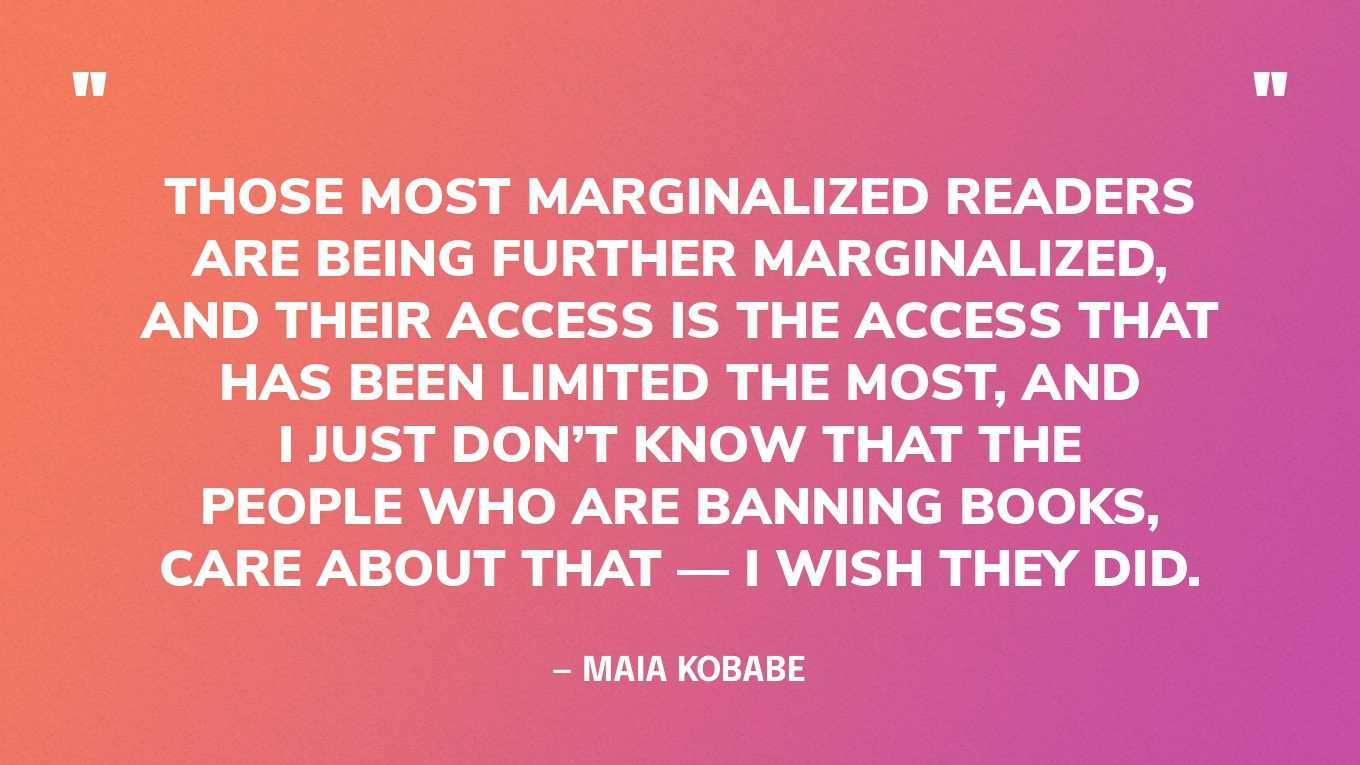
“Those most marginalized readers are being further marginalized, and their access is the access that has been limited the most, and I just don’t know that the people who are banning books, care about that — I wish they did.”
— Maia Kobabe
“I feel personally there hasn’t been a word written or uttered that shouldn’t be published.”
— Barney Rosset
“Censorship reflects a society’s lack of confidence in itself.”
— Potter Stewart
“Submitting to censorship is to enter the seductive world of ‘The Giver’: the world where there are no bad words and no bad deeds. But it is also the world where choice has been taken away and reality distorted. And that is the most dangerous world of all.”
— Lois Lowry
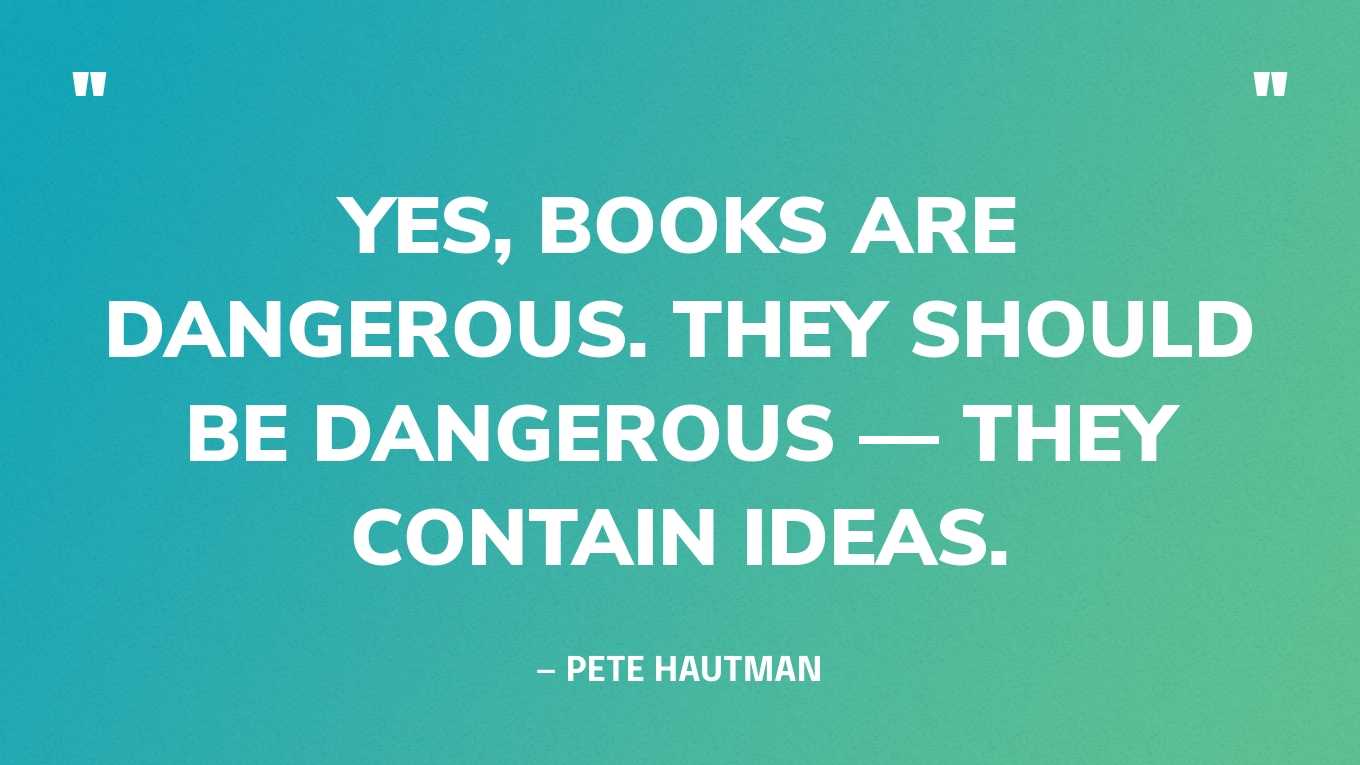
“Yes, books are dangerous. They should be dangerous — they contain ideas.”
— Pete Hautman
Every month at Good Good Good, we plan upcoming good news content for our Instagram, Goodnewsletter, Goodnewspaper, podcast, website, and more. Our work is always centered on hopeful stories about people making a difference in the world — and action steps on how each of us can join in with that good work.
With so many holidays, awareness days, education weeks, and activism months happening all year long, we’ve been slowly collecting all of these events in a private internal calendar for years.
While we mostly focus on awareness days and months (see our Monthly Awareness Days and Months Calendar) — we’ve also been slowly collecting other holidays as well.
Today, for the first time, we’re publishing our guide to social media holidays.
Our hope is this resource will help you or your organization find some fun holidays to celebrate on social media throughout the year — and that maybe some of those might also be important awareness days.
Where applicable, we’ve included resources around highlighted holidays — usually in the form of good news around particular topics, relevant quotes or recommendations, or action steps on how to make a difference. We encourage you to share them if you find them helpful.
We’ve worked hard to make this the most comprehensive collection of social media holidays on the internet. Of course, always double-check dates, as organizers may occasionally change dates.
Bookmark this page and revisit it as often as you need. We’ll continue to update it and add to it over time.
Social Media Holidays To Celebrate
January
Days
New Year’s Day - January 1
Read our guide on New Year’s resolutions to help people and the planet or explore ideas for your “word of the year”
National Bloody Mary Day - January 1
National Hangover Day - January 1
World Introvert Day - January 2
Science Fiction Day - January 2
National Trivia Day - January 4
National Spaghetti Day - January 4
National Bird Day - January 5
National Take Down the Christmas Tree Day - January 6
International Cut Your Energy Costs Day - January 10
National Bittersweet Chocolate Day - January 10
Human Trafficking Awareness Day - January 11
Learn about Dressember and Thorn: two nonprofits fighting human trafficking in unique ways
International Thank You Day - January 11
Learn about the power of gratitude (and why you should write that thank-you note
National Hot Tea Day - January 12
Clean Off Your Desk Day - 2nd Monday of January
National Sticker Day - January 13
Make Your Dream Come True Day - January 13
National Hat Day - January 15
National Bagel Day - January 15
Martin Luther King Jr. Day - 3rd Monday of January
Get to know how best to celebrate Martin Luther King Day and read quotes from his wife, Coretta Scott King, and his daughter, Bernice King.
National Religious Freedom Day - January 16
Ditch Your Resolution Day - January 17
Thesaurus Day - January 18
National Popcorn Day - January 19
Dolly Parton’s Birthday - January 19th
Celebrate the day by reading Dolly Parton’s most inspiring quotes about making the world a better place
International Day of Acceptance - January 20
Cheese Lovers Day - January 20
Get To Know Your Customers Day - 3rd Thursday of January
International Sweatpants Day - January 21
National Hugging Day - January 21
National Pie Day - January 23
National Compliment Day - January 24
Macintosh Day - January 24
Community Manager Appreciation Day - 4th Monday of January
Opposite Day - January 25
National Chocolate Cake Day - January 27
Data Privacy Day - January 28
National Hot Chocolate Day - January 31
Lunar New Year - Date varies in January or February
Months
Cervical Health Awareness Month
National Blood Donor Month
National Braille Literacy Month
National CBD Month
National Hobby Month
Explore the ultimate list of hobbies — and our guide to hobbies for women
National Soup Month
February
Days
National Girls and Women in Sports Day - February 1
National Freedom Day - February 1
World Hijab Day - February 1
Groundhog Day - February 2
World Wetlands Day - February 2
National Golden Retriever Day - February 3
National Wear Red Day - February 3
National Thank a Mail Carrier Day - February 4
Rosa Parks’ Birthday - February 4
World Cancer Day - February 4
Learn about the good news about the fight against cancer and meet one doctor changing the way we treat cancer
National Weatherperson’s Day - February 5
National Frozen Yogurt Day - February 6
National Send a Card to a Friend Day - February 7
National Boy Scouts Day - February 8
Propose Day - February 8
Safer Internet Day - 2nd Tuesday of February
National Pizza Day - February 9
National Inventors’ Day - February 11
International Day of Women and Girls in Science - February 11
National Guitar Day - February 11
Abraham Lincoln’s Birthday - February 12
World Radio Day - February 13
Galentine’s Day - February 13
Shine a Light on Slavery Day - February 13th
Read about one nonprofit that found a creative way to combat human trafficking with a fashion challenge
Super Bowl - 2nd Sunday of February
Valentine’s Day - February 14
We put together a guide on fun ways to celebrate Valentine’s Day sustainably and a guide to eco-friendly sustainable Valentine’s Day gifts to buy
Random Acts of Kindness Day - February 17
Try one of these ideas for random acts of kindness and read about how to celebrate Random Acts of Kindness Day.
National Drink Wine Day - February 18
National Battery Day - February 18
World Whale Day - February 19th
Want some good news about whales? Humpback whales are THRIVING!
World Day of Social Justice - February 20
Check out our curated collection of the best quotes about social justice
Love Your Pet Day - February 20
International Mother Language Day - February 21
National Pancake Day - February 21
World Thinking Day - February 22
World Bartender Day - February 24
International Stand Up to Bullying Day - February 24
National Clam Chowder Day - February 25
Letter to an Elder Day - February 26
International Polar Bear Day - February 27
Floral Design Day - February 28
Presidents’ Day - 3rd Monday of February
National Skip the Straw Day - 4th Friday of February
Lunar New Year - Date varies in January or February
Mardi Gras - Tuesday before Ash Wednesday (Date varies in February or March)
Months
Black History Month
Read and share these ideas to celebrate Black History Month
National Heart Health Month
National Snack Food Month
March
Days
Zero Discrimination Day - March 1
National Wedding Planning Day - March 1
World Compliment Day - March 1
Learn about the power of compliments and explore the ultimate list of the best compliment ideas
National Read Across America Day - March 2
World Teen Mental Health Day - March 2
World Wildlife Day - March 3
Read and share ideas for how to celebrate World Wildlife Day
Caregiver Appreciation Day - March 3
National Grammar Day - March 4
National Salesperson Day - March 4
National Backcountry Ski Day - March 4
National Employee Appreciation Day - 1st Friday of March
National Day of Unplugging - 1st Friday of March
National Dentist’s Day - March 6
National Frozen Food Day - March 6
National Dress Day - March 6
National Be Heard Day - March 7
National Cereal Day - March 7
International Women’s Day - March 8
Read and share ideas for how to celebrate International Women’s Day
National Proofreading Day - March 8
Barbie Day - March 9
National Crab Meat Day - March 9
National Picnic Day - March 9
National Pack Your Lunch Day - March 10
Popcorn Lover’s Day - 2nd Thursday of March
World Plumbing Day - March 11
Plant a Flower Day - March 12
National Girl Scout Day - March 12
National K9 Veterans Day - March 13
Potato Chip Day - March 14
Pi Day - March 14
Daylight Savings - 2nd Sunday of March
National Napping Day - The day after Daylight Savings
World Consumer Rights Day - March 15
Equal Pay Day - Date varies each year
National Freedom of Information Day - March 16
Panda Bear Day - March 16
St. Patrick’s Day - March 17
Awkward Moments Day - March 18
Global Recycling Day - March 18
World Sleep Day - Friday before the Spring Vernal Equinox
National Let’s Laugh Day - March 19
National Poultry Day - March 19
World Oral Health Day - March 20
Proposal Day - March 20
International Day of Happiness - March 20
Fred Rogers’ Birthday - March 20th
Explore the ultimate list of the best quotes from Mister Rogers
World Storytelling Day - March 20
First Day of Spring - March 20
International Day for the Elimination of Racial Discrimination - March 21
World Down Syndrome Day - March 21
World Poetry Day - March 21
International Day of Forests - March 21
World Water Day - March 22
Check out this collection of the best positive news stories about water
American Diabetes Association Alert Day - 4th Tuesday of March
National Puppy Day - March 23
World Meteorological Day - March 23
National Cheesesteak Day - March 24
National Cocktail Day - March 24
Tolkien Reading Day - March 25
National Spinach Day - March 26
Purple Day - March 26
World Theatre Day - March 27
Earth Hour Day - Last Saturday of March
National Mom and Pop Business Owners Day - March 29
National Vietnam War Veterans’ Day - March 29
Doctor’s Day - March 30
National Take a Walk in the Park Day - March 30
World Backup Day - March 31
International Transgender Day of Visibility - March 31
Read and share the ultimate guide on how to celebrate International Transgender Day of Visibility
Manatee Appreciation Day - March 31
National Clams on the Half Shell Day - March 31
Mardi Gras - Tuesday before Ash Wednesday (Date varies in February or March)
Months
Women’s History Month
Explore our guide to activities and ideas for Women’s History Month — and read and share empowering quotes for Women’s History Month
Endometriosis Awareness Month
Brain Injury Awareness Month
International Ideas Month
Social Work Month
National Reading Month
Explore our top Good Good Good-approved book recommendations and make sure to shop with independent (non-Amazon) bookstores
Disability Awareness Month
Explore our calendar of disability awareness days and weeks
April
Days
April Fools’ Day - April 1
Check out Good Good Good’s article which may or may not be an April Fool’s joke
World Autism Acceptance Day - April 2
Find a Rainbow Day - April 3
National DIY Day - April 3
Jane Goodall’s Birthday - April 3
Celebrate Jane Goodall’s birthday by reading her most iconic quotes about animals, climate change, and living a meaningful life
World Party Day - April 3
Tell a Lie Day - April 4
Maya Angelou’s Birthday - April 4
Read and share the best quotes by Maya Angelou — plus check out all of Maya Angelou’s poems
Hug a Newsperson Day - April 4
National Flash Drive Day - April 5
National Walking Day - April 6
National Student-Athlete Day - April 6
National Carbonara Day - April 6
National Library Day - April 6th
Read about the many reasons libraries are important
World Health Day - April 7
Get inspired by quotes from global health advocate Paul Farmer and read the best positive articles about world health
National Beer Day - April 7
Walk to Work Day - April 7
National Siblings Day - April 10
Encourage a Young Writer Day - April 10
National Pet Day - April 11
Read and share the ultimate guide on how to celebrate National Pet Day
Grilled Cheese Sandwich Day - April 12
International Lawyers’ Day - April 12
International Day of Human Space Flight - April 12
International Plant Appreciation Day - April 13
National Scrabble Day - April 13
National Gardening Day - April 14
National Laundry Day - April 15
National Tax Day - April 15
National Wear Your Pajamas to Work Day - April 16
Husband Appreciation Day - April 16
National Librarian Day - April 16
National Cheese Ball Day - April 17
Haiku Poetry Day - April 17
National Columnists’ Day - April 18
Tax Day (U.S.) - April 18
National Look-Alike Day - April 20
Volunteer Recognition Day - April 20
National High-Five Day - 3rd Thursday of April
Get to Know Your Customers Day - 3rd Thursday of April
National Administrative Professionals Day - April 21
Kindergarten Day - April 21
Earth Day - April 22
Explore out guide full of activities and ideas to celebrate Earth Day. Plus: Read the best good news stories about climate change and all of Good Good Good’s positive coverage on the environment. And check out our list of the best Earth Day quotes.
National Picnic Day - April 23
World Laboratory Day - April 23
World Book Day - April 23
Check out these good book recommendations
National Mani and Pedi Day - April 25
World Penguin Day - April 25
National Telephone Day - April 25
World Malaria Day - April 25
Good news: The new malaria vaccine is poised to save millions of children’s lives
Administrative Professionals Day - April 26
International Lesbian Day of Visibility - April 26
Denim Day - Last Wednesday of April
National Take Our Daughters and Sons to Work Day - 4th Thursday of April
Arbor Day - Last Friday of April
Learn about how many trees are on planet earth, read our review of Ecosia (the free tool that plants trees while you surf the internet), explore tree quotes, and read all of our positive tree news.
National Superhero Day - April 28
International Astronomy Day - April 28
Pay It Forward Day - April 28
International Dance Day - April 29
National Honesty Day - April 30
Independent Bookstore Day - Last Saturday in April
Read and share the complete guide to Independent Bookstore Day celebration ideas. Plus: Learn about the best online bookstores that aren’t Amazon — many of which support local independent bookstores
National Adopt a Shelter Pet Day - April 30
Read and share these reasons to adopt a dog from your local shelter
International Jazz Day - April 30
Weeks
National Volunteer Week - Third Week of April
National Park Week - Week-long Event in April
Read and share our guide on ways to celebrate National Park Week. Plus: Learn about fee-free days at national parks and explore the best products and gifts that give back to national parks
Months
Arab American Heritage Month
Read and share the best ways to celebrate Arab American Heritage Month
Diversity Month
Earth Month
Learn about the history of Earth Month and ideas for how to celebrate Earth Month
National Stress Awareness Month
Autism Acceptance Month
Move More Month
National Poetry Month
National Brunch Month
World Landscape Architecture Month
May
Days
May Day - May 1
International Workers Day - May 1
National Fitness Day - May 1
World Press Freedom Day - May 3
World Asthma Day - 1st Tuesday of May
National Teacher Appreciation Day - 1st Tuesday of the first full week of May
Star Wars Day - May 4
International Firefighters Day - May 4
Cinco de Mayo - May 5
World Password Day - 1st Thursday of May
National Nurses Day - May 6
International No Diet Day - May 6
Space Day - 1st Friday of May
Fair Trade Day - 2nd Saturday of May
Mother’s Day - 2nd Sunday of May
Learn about the viral Mother’s Day campaign encouraging ‘phone calls not flowers’
Europe Day - May 9
National Moscato Day - May 9
National Small Business Day - May 10
Twilight Zone Day - May 11
National Receptionist Day - 2nd Wednesday of May
National Limerick Day - May 12
International Nurses Day - May 12
International Day of Families - May 15
Love a Tree Day - May 16
National Do Something Good For Your Neighbor Day - May 16
International Day Against Homophobia, Transphobia, and Biphobia - May 17
World Baking Day - May 17
National HIV Vaccine Awareness Day - May 18
Visit Your Relatives Day - May 18
International Museum Day - May 18
Global Accessibility Awareness Day - 3rd Thursday of May
National Bike to Work Day - 3rd Friday of May
Endangered Species Day - 3rd Friday of May
Pizza Party Day - May 19
NASCAR Day - May 20
National Endangered Species Day - May 20
National Rescue Dog Day - May 20
Read and share these reasons to adopt a rescue dog
Armed Forces Day - May 20
World Bee Day - May 20
“Bee Girl Sarah” is saving the bees and providing education on how others can join in
National Memo Day - May 21
World Whiskey Day - May 21
Eat More Fruits and Vegetables Day - May 21
Find out which fruits and veggies are in season right now
International Day of Biological Diversity Day - May 22
World Goth Day - May 22
World Paloma Day - May 22
Lucky Penny Day - May 23
World Turtle Day - May 23
Mister Rogers’ 143 Day - May 23
In honor of Mister Rogers’ love for the number 143 — learn how to celebrate 143 Day and check out the 143 best quotes from America’s neighbor
National Asparagus Day - March 24
National Scavenger Hut Day - May 24
National Missing Children’s Day - May 25
Tap Dance Day - May 25
National Heat Awareness Day - May 26
National Road Trip Day - May 26
National Red Nose Day - Last Thursday of May
Heat Awareness Day - Last Friday of May
National Sunscreen Day - May 27
National Brisket Day - May 28
Hamburger Day - May 28
Paperclip Day - May 29
Learn About Composting Day - May 29
Start by learning about food waste
Memorial Day - Last Monday of May
Mint Julep Day - May 30
National Creativity Day - May 30
National Smile Day - May 31
World No Tobacco Day - May 31
Natonal Senior Health & Fitness Day - May 31
Weeks
Teacher Appreciation Week - 1st full week of May
Read and share ideas for how to celebrate Teacher Appreciation Week
Small Business Week - 1st full week of May
National Nurses’ Week - May 6th-12th
Months
Asian American and Pacific Islander Heritage Month
Read and share ideas for how to celebrate AAPI Heritage Month
Jewish American Heritage Month
Read and share ideas for how to celebrate Jewish American Heritage Month
Mental Health Awareness Month
Read and share ideas for how to celebrate Mental Health Awareness Month
Older Americans Month
National Teen Self Esteem Month
No Mow May
Skin Cancer Awareness Month
National Clean Air Month
Global Employee Health & Fitness Month
National Photography Month
June
Days
Global Day of Parents - June 1
Dinosaur Day - June 1
National Nail Polish Day - June 1
National Olive Day - June 1
Leave the Office Early Day - June 2
National “I Love My Dentist” Day - June 2
World Running Day - June 2
World Bicycle Day - June 3
Natoinal Egg Day - June 3
World Cider Day - June 3
National Donut Day - 1st Friday of June
National Cheese Day - June 4
Shopping Cart Day - June 4
World Environment Day - June 5
National Cancer Survivors Day - 1st Sunday of June
Higher Education Day - June 6
National Chocolate Ice Cream Day - June 7
National Tailors Day - June 7
World Oceans Day - June 8
Read and share ideas about how to celebrate World Oceans Day
Best Friends Day - June 8
Herb and Spices Day - June 10
National Iced Tea Day - June 10
International Children’s Day - 2nd Sunday of June
National Corn on the Cob Day - June 11
Peanut Butter Cookie Day - June 12
World Blood Donor Day - June 14
National Flag Day - June 14
Global Wind Day - June 15
World Elder Abuse Awareness Day - June 15
National Fudge Day - June 16
Nursing Assistants Day - June 16
National Flip Flop Day - June 16
Global Garbage Man Day - June 17
Go Fishing Day - June 18
International Sushi Day - June 18
Juneteenth - June 19
Read and share ideas about how to thoughtfully celebrate Juneteenth and read these Juneteenth quotes
Father’s Day - 3rd Sunday of June
World Refugee Day - June 20
Read and share ideas about how to celebrate World Refugee Day, read quotes by and about refugees, and get inspired by the good being done by and for refugees around the world
Ice Cream Soda Day - June 20
National American Eagle Day - June 20
Go Skate Day - June 21
National Selfie Day - June 21
World Music Day - June 21
International Yoga Day - June 21
National HVAC Tech Day - June 22
National Hydration Day - June 23
National Pink Day - June 23
International Day of the Seafarer - June 25
Global Beatles Day - June 25
National Beautician’s Day - June 26
National Chocolate Pudding Day - June 26
National HIV Testing Day - June 27
National PTSD Awareness Day - June 27
National Sunglasses Day - June 27
Insurance Awareness Day - June 28
Social Media Day - June 30
National Handshake Day - Last Thursday of June
Months
Pride Month
Read and share ideas for how to thoughtfully celebrate LGBTQ+ Pride Month
Immigrant Heritage Month
Alzheimer’s & Brain Awareness Month
African-American Music Appreciation Month
Candy Month
Effective Communication Month
Animal Cruelty Prevention Month
Read and share the best quotes about stopping animal cruelty
Gun Violence Awareness Month
Take action to prevent gun violence in the United States
July
Days
Canada Day - July 1
Dive into the best good news from Canada
International Joke Day - July 1
International Reggae Day - July 1
National Postal Worker Day - July 1
World UFO Day - July 2
International Plastic Bag Free Day - July 3
Independence Day / Fourth of July - July 4
National Caesar Salad Day - July 4
National Workaholics Day - July 5
International Kissing Day - July 6
National Air Traffic Control Day - July 6
National Fried Chicken Day - July 6
Take Your Webmaster to Lunch Day - July 6
Global Forgiveness Day - July 7
World Chocolate Day - July 7
Use today as an opportunity to try delicious vegan and plant-based chocolates
National Video Games Day - July 8
National Pina Colada Day - July 9
Cheer Up the Lonely Day - July 11
Read these ideas on how to cheer yourself up
7-Eleven Day - July 11
National Swimming Pool Day - July 11
World Population Day - July 11
Pecan Pie Day - July 12
Malala Day - July 12
Read all of Malala Yousafzai’s most inspiring quotes
National French Fry Day - July 13
National Macaroni and Cheese Day - July 14
Shark Awareness Day - July 14
World Chimpanzee Day - July 14th
Read all of the best quotes from Jane Goodall and learn about famous conservationists
Social Media Giving Day - July 15
National Clean Beauty Day - July 15
Give Something Away Day - July 15
National Ice Cream Day - July 16
Be Love Day (King Center) - July 16
National Personal Chef Day - July 16
World Snake Day - July 16
World Emoji Day - July 17
National Ice Cream Day - July 17
National Tattoo Day - July 17
National Lottery Day - July 17
World Emoji Day - July 17
World Day for International Justice - July 17
Read and share from our curated collection of the best quotes about justice
Mandela Day - July 18
Read all of Nelson Mandela’s best quotes
World Listening Day - July 18
National Moon Day - July 20
World Jump Day - July 20
National Hot Dog Day - July 21
National Junk Food Day - July 21
Mango Day - July 22
Vanilla Ice Cream Day - July 23
Amelia Earhart Day - July 24
International Self Care Day - July 24
Learn how to celebrate International Self-Care Day. Plus: Explore inspiring self-care quotes and try out a few self-care ideas
National Tequila Day - July 24
Culinarians Day - July 25
National Hire a Veteran Day - July 25
National Wine and Cheese Day - July 25
Disability Independence Day - July 26
National Aunt and Uncle Day - July 26
National Refreshment Day - July 27
System Administrator Appreciation Day - July 28
International Tiger Day - July 29
National Lipstick Day - July 29
Get to Know Your Customers Day - 3rd Thursday of July
Talk in an Elevator Day - Last Friday of July
International Day of Friendship - July 30
National Avocado Day - July 31
National Watermelon Day - July 31
Months
Disability Pride Month
Get ideas for how to thoughtfully celebrate Disability Pride Month this year
Plastic Free July
BIPOC Mental Health Month
Explore these Black mental health resources
National Minority Mental Health Awareness Month
American Artist Appreciation Month
French-American Heritage Month
Independent Retailer Month
National Anti-Boredom Month
August
Days
Respect for Parents Day - August 1
Friendship Day - August 1
National Girlfriends’ Day - August 1
Ice Cream Sandwich Day - August 2
National Coloring Book Day - August 2
Esther Day - August 3
Read and share this guide about how to celebrate Esther Day
Chocolate Chip Cookie Day - August 4
International Beer Day - August 4
International Hangover Day - August 6
National Sister Day - August 6
Professional Speakers Day - August 7
Purple Heart Day - August 7
International Cat Day - August 8
National Book Lovers’ Day - August 9
International Day of the World’s Indigenous People - August 9
Get to know Indigenous activists making the world a better place
National Lazy Day - August 10
National Sons and Daughters Day - August 11
International Youth Day - August 12
World Elephant Day - August 12
International Lefthanders Day - August 13
National Financial Awareness Day - August 14
National Creamsicle Day - August 14
National Relaxation Day - August 15
National Tell a Joke Day - August 16
National Nonprofit Day - August 17
Check out this curated collection of examples of nonprofit organizations
National Thrift Shop Day - August 17
Read and share this guide to the best online thrift stores
Bad Poetry Day - August 18
National Potato Day - August 19
World Photo Day - August 19
World Humanitarian Day - August 19
Read our guide on ideas for celebrating World Humanitarian Day this year
National Lemonade Day - August 20
National Radio Day - August 20
World Mosquito Day - August 20
Senior Citizen’s Day - August 21
Tooth Fairy Day - August 22
National Waffle Day - August 24
National Dog Day - August 26
National Women’s Equality Day - August 26
National Grief Awareness Day - August 30
National Eat Outside Day - August 31
Months
National Black Business Month
Explore our guide to finding and supporting Black-owned businesses, restaurants, and more in your community
National Dog Month
September
Days
World Letter Writing Day - September 1
National Food Bank Day - September 2
Skyscraper Day - September 3
Every Woman Day - September 3
National Tailgating Day - September 4
International Bacon Day - September 4
National Wildlife Day - September 4
Labor Day - September 4
National Grandparents Day - 1st Sunday of September
International Day of Charity - September 5
Check out this curated list of great examples of charities
Be Late For Something Day - September 5
Cheese Pizza Day - September 5
Labor Day - 1st Monday of September
Read a Book Day - September 6
National Acorn Squash Day - September 7
International Day of Clean Air - September 7
National Beer Lovers Day - September 7
National Grateful Patient Day - September 7
International Literacy Day - September 8
World Physical Therapy Day - September 8
National 401(k) Day - September 8
R U OK Day - September 9
Stand Up to Cancer Day - 2nd Friday of September
World Suicide Prevention Day - September 10
Read about how to support someone who’s struggling with suicide
National Grandparents Day - September 10
National Video Game Day - September 10
National Day of Service and Remembrance - September 11
National Video Games Day - September 12
National Day of Encouragement - September 12
Positive Thinking Day - September 13
Read these curated collections of positive quotes and positive affirmations — and make sure to subscribe to the Goodnewspaper for the best positive news
Online Learning Day - September 15
International Day of Democracy - September 15
National Guacamole Day - September 16
Working Parents Day - September 16
National Dance Day - September 16
Citizenship Day - September 17
Wife Appreciation Day - September 17
National Cheeseburger Day - September 18
National Women’s Friendship Day - September 19
Talk Like a Pirate Day - September 19
International Day of Peace - September 21
World Alzheimer’s Day - September 21
Miniature Golf Day - September 21
Business Women’s Day - September 22
World Car-Free Day - September 22
Explore this list of ways to live and commute without a car
Hobbit Day - September 22
National Singles Day - September 23
National Hunting and Fishing Day - September 23
Celebrate Bisexuality Day - September 23
National Public Lands Day - September 24th
Read and share this guide on how to celebrate National Public Lands Day. Plus: Visit a national park for free today!
National Daughters Day - September 25
National Lobster Day - September 25
National Family Day - September 26
National Pancake Day - September 26
European Day of Languages - September 26
World Tourism Day - September 27
World Day of Migrants & Refugees - September 27
World Rabies Day - September 28
World News Day - September 28
Practice better news-consumption habits by learning how to read the news (and don’t forget the good news!)
National Women’s Health and Fitness Day - Last Wednesday of September
National Coffee Day - September 29
World Heart Day - September 29
International Podcast Day - September 30
Civic Day of Hacking - Date varies each year
Weeks
Banned Books Week
Read and share our guide to how to fight book bans during Banned Books Week and beyond
Suicide Prevention Week
Explore our guide to Suicide Prevention Week actions and ideas
Months
Hispanic Heritage Month (September 15 to October 15)
Read and share these ideas for how to thoughtfully celebrate Hispanic Heritage Month
World Alzheimer’s Month
Blood Cancer Awareness Month
Classical Music Month
Baby Safety Month
Library Card Sign-up Month
Mullets For Mental Health Month
Read this good news story about the Australians sporting mullets to raise money for mental health research
National Alcohol & Drug Addication Recovery Month
National Suicide Prevention Month
Checkout the Suicide Prevention Month action guide — and also read and share this collection of the best suicide prevention quotes
October
Days
International Day of Older Persons - October 1
International Coffee Day - October 1
World Vegeterian Day - October 1
International Day of Nonviolence - October 2
National Custodial Worker Day - October 2
Disabled Authors Day - October 2
Read and share the best books about disabilities — written by disabled authors
Name Your Car Day - October 2
Mean Girls Day - October 3
National Boyfriends’ Day - October 3
National Techies Day - October 3
World Habitat Day - 1st Monday of October
World Animal Day - October 4
There’s so much animal good news to celebrate! Dive into some of the best stories worth sharing.
National Taco Day - October 4
PGA Golf Day - October 4
National Do Something Nice Day - October 5
Inbox Zero Day - October 5
World Teachers’ Day - October 5
Read about these famous teachers and educators changing the world and watch these teacher TikToks
World Smile Day - October 6
World Smile Day - 1st Friday of October
Thanksgiving Day (Canada) - 2nd Monday of October
Indigenous Peoples’ Day - 2nd Monday of October
Fire Prevention Day - October 9
Columbus Day - October 9
World Inclusion Day - October 10
World Mental Health Day - October 10
Explore our guide to World Mental Health Day activities & shop mental health shirts that give back to charity
World Homeless Day - October 10
Explore our guide on how to create a homeless care package and share these quotes about homelessness
International Day of the Girl - October 11
National Coming Out Day - October 11
Eleanor Roosevelt’s Birthday - October 11
Read and share First Lady Eleanor Roosevelt’s most inspiring quotes
International Newspaper Carrier Day - October 12th
A fantastic day to show off your Goodnewspaper
World Sight Day - 2nd Thursday of October
Treat Yo’ Self Day - October 13th
The perfect day to practice some self-care! Check out our self-care ideas, the best self-care apps, and even some self-care quotes.
National Dessert Day - October 14
Global Handwashing Day - October 15
Spirit Day (for LGBTQ+ Youth) - October 15
World Food Day / World Hunger Day - October 16
Learn about hunger: How many people die of hunger? Is hunger a winnable war? How can we make a difference? And what quotes can inspire us to stop world hunger?
Bosses Day - October 16
International Day for the Eradication of Poverty - October 17
Learn from the leaders at the forefront of fighting poverty and the systemic injustices that cause it by reading quotes about poverty
National Pasta Day - October 17
Reptile Awareness Day - October 21
Back to the Future Day - October 21
International Stuttering Awareness Day - October 22
Get to know this organization helping to end the stigma around stuttering
Get to Know Your Customers Day - 3rd Thursday of October
National Boston Cream Pie Day - October 23
United Nations Day - October 24
Greasy Foods Day - October 25
International Artist Day - October 25
National Pumpkin Day - October 26
National Chocolate Day - October 28
National Frankenstein Day - October 29
National Cat Day - October 29
Bob Ross’ Birthday - October 29
National Publicist Day - October 30
National Candy Corn Day - October 30
Checklist Day - October 30
Halloween - October 31
Weeks
OCD Week - 2nd Week of October
Learn more about obsessive compulsive disorder from our guide: What actually is OCD — and how to make a difference for the people you care about
Pizzamas - Two-week Event in Fall
Read all about Pizzamas: a unique holiday raising money for charity
Months
Hispanic Heritage Month (September 15 to October 15)
Read and share this guide on how to celebrate Hispanic Heritage Month — plus, check out these Hispanic Heritage Month quotes
Global Diversity Awareness Month
AIDS Awareness Month
We’ve made a lot of progress in the fight against AIDS — and that’s worth celebrating!
LGBTQ+ History Month
Black History Month (UK)
Domestic Violence Awareness Month
National Bullying Prevention Awareness Month
National Cyber Security Awareness Month
Adopt a Shelter Dog Month
Breast Cancer Awareness Month
National Women’s Small Business Month
National Cookie Month
National Co-op Month
National Book Month
Explore our guide to activities and ideas to celebrate National Book Month
November
Days
National Authors Day - November 1
World Vegan Day - November 1
National Cook For Your Pets Day - November 1
National Stress Awareness Day - 1st Wednesday of November
National Sandwich Day - November 3
National Candy Day - November 4
National Cappuccino Day - November 8
Science, Technology, Engineering, and Math Day (STEM Day) - November 8
Social Media Kindness Day - November 9
Read and share these quotes about kindness — and this list of random acts of kindness
World Freedom Day - November 9
Forget-Me-Not Day - November 10
Veterans Day - November 11
World Kindness Day - November 13
Explore these activities and ideas for how to celebrate Veterans Day
World Diabetes Day - November 14
Clean Out Your Refrigerator Day - November 15
America Recycles Day - November 15
National Entrepreneurs Day - 3rd Tuesday of November
International Day for Tolerance - November 16
National Fast Food Day - November 16
World Philosophy Day - November 16
International Students Day - November 17
Social Enterprise Day - November 17
International Men’s Day - November 19
Univeral Children’s Day - November 20
Transgender Day of Remembrance - November 20
World Hello Day - November 21
World Television Day - November 21
National Jukebox Day - November 22
International Day for the Elimination of Violence Against Women - November 25
National Cake Day - November 26
Thanksgiving Day - 4th Thursday of November
National Day of Listening - 1st Friday after Thanksgiving
Black Friday - 1st Friday after Thanksgiving
Small Business Saturday - 1st Saturday after Thanksgiving
Explore these creative ideas for how to celebrate Small Business Saturday
Small Business Saturday - 1st Saturday after Thanksgiving
Cyber Monday - Monday after Thanksgiving
Giving Tuesday - Tuesday after Thanksgiving
Read and share our article on how and where to donate for Giving Tuesday (and more ideas) — plus, read the best Giving Tuesday quotes
Electronic Greeting Card Day - November 29
Computer Security Day - November 30
Months
Hunger and Homelessness Awareness Week - Week prior to Thanksgiving
Read and share these quotes about hunger — plus, learn how to create a homeless care package
Months
Native American Heritage Month
Explore the ultimate guide for how to (meaningfully) celebrate Native American Heritage Month
National Novel Writing Month
Movember
No Shave November
Men’s Health Awareness Month
Native American Heritage Month
Diabetes Awareness Month
Epilepsy Awareness Month
National Homeless Youth Awareness Month
National Gratitude Month
December
Days
World AIDS Day - December 1
Celebrate World AIDS Day by reading good news about the fight against HIV/AIDS
Rosa Parks Day - December 1
Read and share the best Rosa Parks quotes
International Day of Persons with Disabilities - December 3
National Santa’s List Day - December 4
National Cookie Day - December 4
World Soil Day - December 5
International Volunteer Day - December 5
Repeal Day - December 5
International Volunteer Day - December 5
Read and share these quotes about volunteering
Microwave Oven Day - December 6
Pretend to Be a Time Traveler Day - December 8
National Salesperson Day - 2nd Friday of December
International Human Rights Day - December 10
Nobel Prize Day - December 10
International Mountain Day - December 11
Poinsettia Day - December 12
National Cocoa Day - December 13
Bill of Rights Day - December 15
Ugly Sweater Day - December 16
National Maple Syrup Day - December 17
Free Shipping Day - December 18
International Migrants Day - December 18
Bah Humbug Day - December 21
Crossword Puzzle Day - December 21
Festivus - December 23
Christmas Adam - December 23
Christmas Eve - December 24
Christmas Day - December 25
Boxing Day - December 26
No Interruptions Day - December 27
Call a Friend Day - December 28
New Year’s Eve - December 31
Pick out your Word of the Year or a Resolution for the new year!
Months
AIDS Awareness Month
Dressember
Learn more about how Dressember is using dresses to make a difference
Learn a Foreign Language Month
National Car Donation Month
National Drunk Driving Prevention Month
National Write a Business Plan Month
Explore More Events:
Main Awareness Calendars: All Awareness Holidays | Heritage Months | Awareness Months | International Days | Social Media Holidays
More Awareness Calendars: Animals | Pets | Environment & Sustainability | Books | Libraries | Religion | LGBTQ+ | Black & African American | Hispanic | Women | Mental Health | Health | Healthcare | Disability | Cancer | HIV/AIDS
Awareness Days & Months: January | February | March | April | May | June | July | August | September | October | November | December
Is this list missing a holiday or awareness week/month? Let us know. We want to ensure this list is comprehensive and inclusive.
You might be familiar with internet duo (and world’s most wholesome siblings) Hank and John Green from their viral TikToks, vlogbrothers YouTube channel, or best-selling books.
However, they’re also astute social entrepreneurs.
The pair has been engaged in charitable endeavors for years, including their annual Project For Awesome and Pizzamas digital fundraisers, as well as their work in partnership with Partners in Health to build the Maternal Center of Excellence.

This center, which broke ground in April of 2021, will drastically improve health outcomes for maternal and childhood health in Sierra Leone (the country with the highest maternal mortality rate in the world).
To support this work, the brothers Green have launched a number of product lines that are simple and straight-to-the-point, answering a question John recently tweeted: “What if you could buy all the stuff you regularly need, and be guaranteed quality, with 100% of all the profits going to charity?”
They started with the Awesome Socks Club (selling socks designed by independent artists), Awesome Coffee Club (selling coffee grown in sustainable and ethical farms in Colombia), and Sun Basin Soap (selling soap handmade right in Hank’s hometown of Missoula, Montana).
All donate 100% of their profits to reducing maternal and childhood mortality in Sierra Leone.
Now, all three of these endeavors are housed under one roof: Good.Store. (Editor’s note: Use code GOODGOODGOOD to save 10% on your order)
What is the Good.Store?

Good.Store offers all of the products beloved under the Sun Basin Soap, Awesome Socks Club, and Awesome Coffee Club umbrellas through one-time purchase or subscribe-and-save models. This allows shoppers to combine brands in one purchase or subscription, reducing shipping costs and emissions, all while still doing good.
Hence the name.
Other adjacent items and accessories (such as a soap saver made from poplar wood, or a lovely nightingale mug for one’s decidedly awesome coffee) are available to purchase, too.
“We believe the things you love and need can enrich not just your life but also our shared world,” the Good.Store website reads.
“Hank and John Green have been making stuff for people for a long time, but after working with their community and organizations like Partners in Health to help people who need the most help, they found themselves more energized by that work than by profit.”
Good.Store quietly launched last week, unifying fan-favorite items under one brand.
“It’s time to subscribe to the good life!” the Good.Store Twitter account posted. “We’re ready to help you find the good stuff while making sure the world gets better along the way.”
This exciting merge might not come as a surprise to Nerdfighters (the name of Hank & John’s online community of fans), who may remember a tweet from Hank back in October 2020:
“Might f*ck around and take on Amazon,” he wrote. “Also, might not. Give me a decade and check back.”
It only took three years, but as Hank says, Good.Store represents “one step at a time.”
Hank and John have noteworthy experience and existing infrastructure in the e-commerce business. The duo have run DFTBA out of Missoula, Montana since 2008. DFTBA is an online platform and physical warehouse and fulfillment center that helps internet creators make and sell merch to fan communities. The DFTBA website lists 41 employees on its Meet Our Team page.
While Good.Store is a bit too young to entirely become an Amazon alternative, it certainly makes us hopeful for a future where our intentional purchases can have a real impact on people in need.
“This is the future!” John tweeted. “Amazing work, everyone!”
“If it bleeds, it leads” has long been a saying used in the media to describe how news stories featuring violence, death and destruction grab readers’ attention — and so dominate the news agenda. And, while many of us are aware of the negative effect that these kinds of story can have on us, it can still be hard to look away. We’re hardwired to sit up and take notice of them.
This “surveillance mode” is thought to be an evolutionary hangover from a time where survival odds were increased when we attended to the threats in our environment.
Research consistently shows bad news can have a negative effect on us. During the pandemic, multiple studies linked news consumption to poorer mental health, documenting symptoms of depression, anxiety, hopelessness and worry.
In our research, we found that spending as little as 2-4 minutes on Twitter or YouTube reading about the pandemic affected people’s moods adversely.
However, our latest study has found that looking at positive news stories — specifically, videos and articles featuring acts of kindness — can actually counteract the ill-effects of seeing negative news stories.
Less decline in mood
To conduct our study, we showed 1,800 participants news stories. Some only saw negative news stories — including footage of the Manchester bombing, animal cruelty, or brutal acts of violence.
Others were shown a negative news story, followed immediately by a positive news story. The positive story featured kind acts such as acts of heroism, people providing free veterinary care for stray animals, or philanthropy towards unemployed and homeless people.
We then asked participants to report how they felt before and after viewing the news content. We also asked them how inclined they were to believe in the goodness of others.
The group that was shown negative news stories followed by positive ones fared far better than people who were only shown a negative news story. They reported less decline in mood — instead feeling uplifted. They also held more positive views of humanity generally.
Curious to know whether there was something special about kindness specifically, we also tested how people exposed to a negative news story followed by an amusing one (such as swearing parrots, award-winning jokes or hapless American tourists) fared.
Amusing news stories certainly helped buffer the effects of bad news and reduce the mood disturbances they caused. But in comparison, participants who’d been shown acts of kindness reported a more positive mood on average, and a greater belief in the goodness of humanity.
This shows us there’s something unique about kindness which may buffer the effects of negative news on our mental health. However, further research is needed to establish whether these are long-term benefits, as we only measured how people felt immediately afterwards.

The power of kindness
There are many reasons why kindness may have this protective effect on our mood.
First off, it is valued universally. Seeing acts of kindness may remind us of our connection with others through shared values. It may also help us maintain the belief that the world and people in it are good, which is important for our wellbeing.
Third, seeing others being helped is the resolution to seeing them hurt. So-called “catastrophe compassion”, whereby positive behavior prevails despite negative circumstances, provides relief to the pain we experience when we see others suffering. Or, as one of our participants explained:
Knowing that there are a lot of people that are genuinely willing to help those affected by this attack somehow gives me a relief.
Similarly, other research has found that even when children had not caused or were not connected to the suffering of another person, they experienced a reduction in physiological stress simply by seeing the hurt person being helped.
Fourth, countless research has shown that witnessing others’ acts of moral beauty, such as kindness or heroism, triggers “elevation” — a positive and uplifting feeling which experts theorize acts as an emotional reset button, replacing feelings of cynicism with hope, love and optimism.
It will be important for future research to investigate which specific reasons explain why kindness has the protective effect that our research has demonstrated.
A powerful tool for boosting wellbeing
It’s clear that kindness is a powerful tool for boosting wellbeing. In my research, I found that doing an act of kindness a day can increase life satisfaction. And more recently, researchers found that selflessness trumps selfishness when it comes to improving your happiness.
Less is known about whether making a conscious effort to notice kindness has the same wellbeing benefits, although one study found that observing others’ kindness is as effective in boosting happiness as performing an act of kindness.
Our latest study shows that kindness-focused news stories can take the sting out of difficult, depressing coverage by replacing feelings of despair with hope. As another participant put it:
I still feel that we’re fundamentally decent … And that’s worth clinging to.
Perhaps including more kindness-based content in news coverage could prevent “mean world syndrome” — where people believe the world is more dangerous than it actually is, leading to heightened fear, anxiety and pessimism.
Other research has also found that positive news — such as bumble bees making a comeback or peace talks going well — make people feel better and want to do good things, such as voting or donating. This suggests there may be both personal and social benefits to showing positive news.
While it will be up to the media to make the change, our research makes the case for adding more balance to news coverage. Including more stories of kindness may help people feel better able to engage with these stories without perpetuating feelings of doom and hopelessness.
Cost-saving measures are key in today’s economic climate. But they can also have a positive impact on minimizing your environmental footprint. A prime example is maintaining your cars’ optimal tire pressure.
Over time, tires naturally lose pressure — typically by around 1 psi a month. As pressure decreases, the tire becomes flatter, causing increased friction between the road and the tire itself. This heightened friction results in greater drag, reducing the lifespan of your tire and meaning more fuel is needed for travel.
But driving with flatter tires also increases the number of tire wear particles that are released into the environment. These particles — less than a millimeter in size — have been classified as microplastics due to their chemical makeup.
Tire wear stands out as a major source of microplastic pollution. Globally, each person is responsible for around 1kg of microplastic pollution from tire wear released into the environment on average each year — with even higher rates observed in developed nations.
It is estimated that between 8% and 40% of these particles find their way into surface waters such as the sea, rivers and lakes through runoff from road surfaces, wastewater discharge or even through airborne transport.
However, tire wear microplastics have been largely overlooked as a microplastic pollutant. Their dark color makes them difficult to detect, so these particles can’t be identified using the traditional spectroscopy methods used to identify other more colorful plastic polymers.
To understand the extent of tire wear pollution, scientists have instead had to figure out ways to identify the chemicals that are associated with tires in water samples. Using these methods, tire wear chemicals have been found in 97% of river and estuary samples tested in Europe, the US and Japan.
And yet, we still know relatively little about the effects of tire wear pollutants on the health of marine animals. This is what my colleagues and I set out to discover in a recent study.
Filter feeders
Our study focused on two species common to estuaries in the north-east Atlantic — a bivalve called the peppery furrow shell and the ragworm. The bivalve feeds by filtering organic particles from the water and sediment.
The worm is primarily carnivorous, eating small creatures that live on the seafloor, but it also obtains some of its food from seawater and sediment. Both animals are likely to be exposed to tire wear particles and the potential toxins they contain.
We carried out two experiments. In the first, we exposed these animals to high concentrations of tire particles (10%) mixed into the sediment they burrow in for three days to see whether they ingested them. We then dissected the animals and counted any tire particles within their gastrointestinal tract.
Because the tire particles are rubbery, and could be compressed with a needle, we were able to analyze them under a microscope. We found that the worms only consumed small concentrations of tire particles (at most 33).
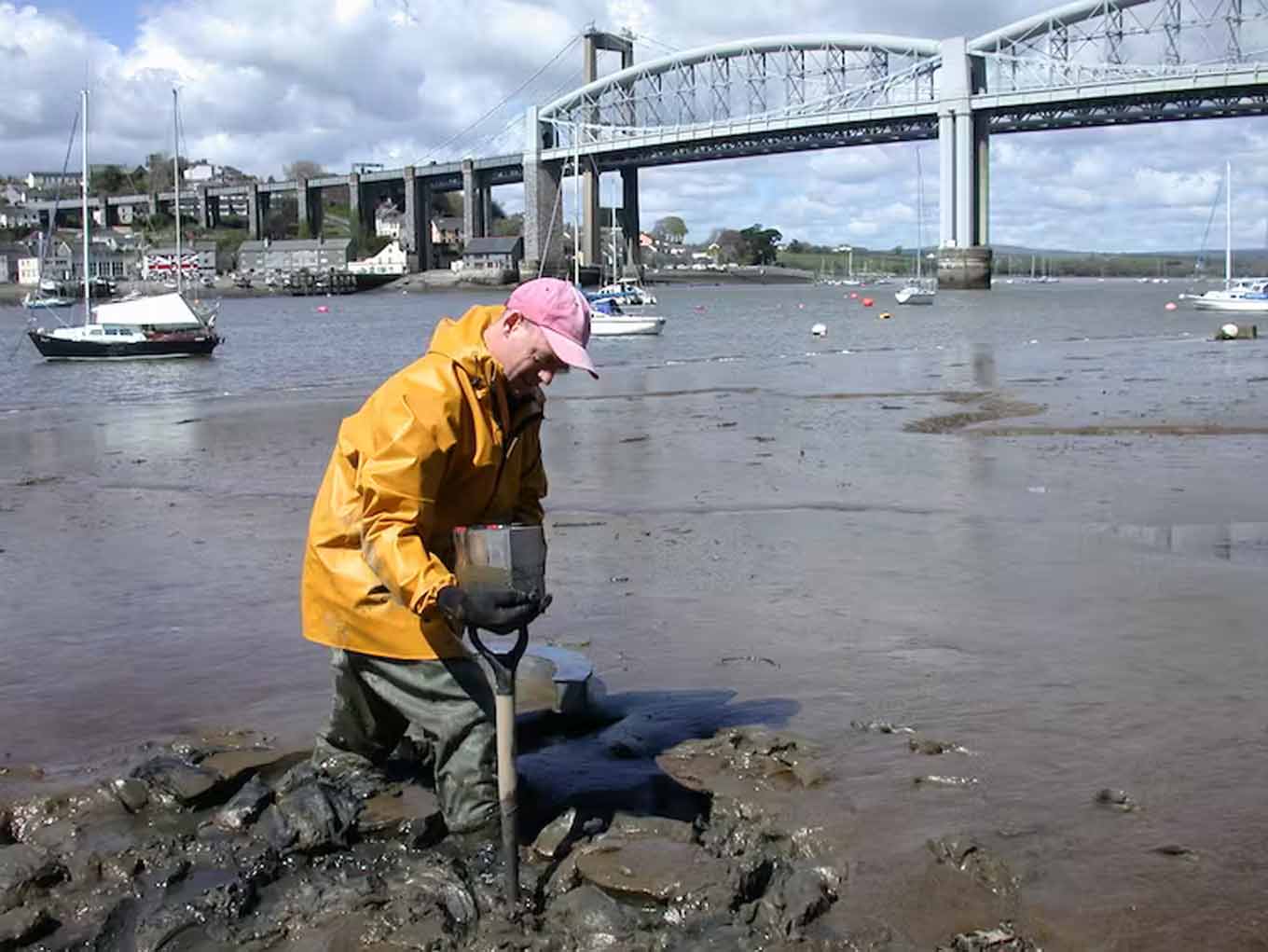
By contrast, the bivalves had large quantities of both sediment and tire particles in their stomachs — one bivalve had consumed over 1,000 tire particles.
In the second experiment, we exposed the animals to three concentrations of tire particles (0.2%, 1% and 5%) mixed into the sediment for three weeks. We did this to understand how this exposure affected their health.
We measured a number of health indicators, ranging from cellular to organism level. Bivalve health was affected at all of the concentrations tested, with feeding and burrowing impaired even at low concentrations (0.2%). At a high concentration (5%), we observed a decrease in protein content and an increase in oxidative stress.
Oxidative stress occurs when there are too many unstable molecules called free radicals in the body. These free radicals can lead to cell and tissue damage.
At low concentrations, the health of the worm was not affected. But we did observe a decrease in protein and energy content and signs of oxidative stress as exposure to tire wear particles increased.
Should we be concerned?
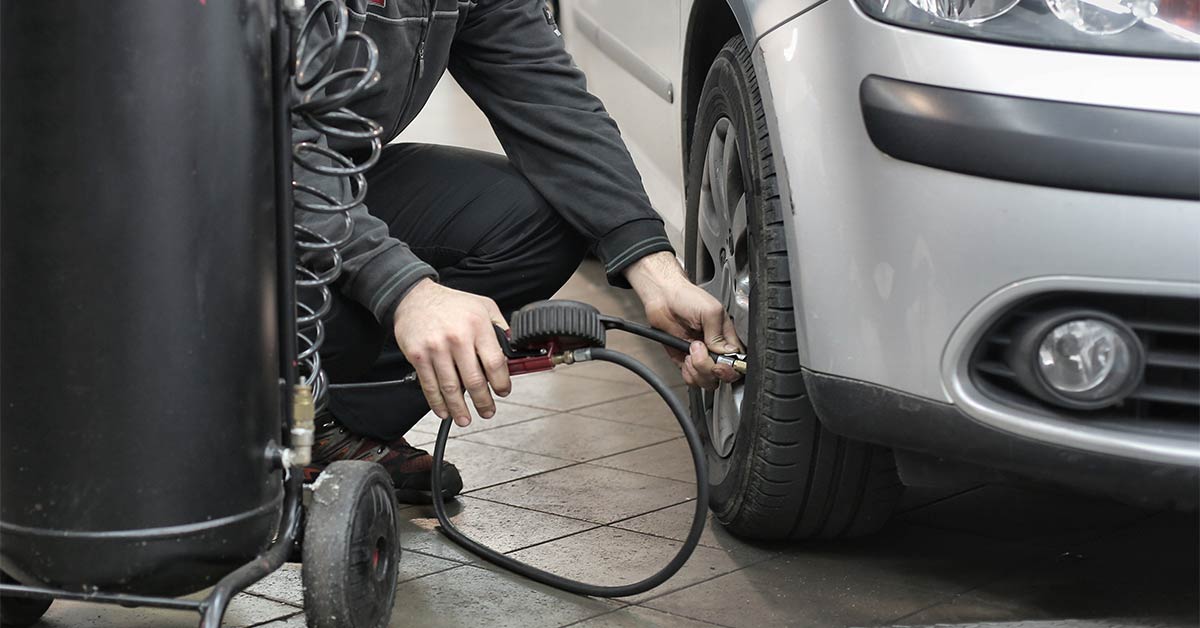
Concentrations of tire wear particles as high as 5% are unlikely in the natural environment. But our results are still worrying, particularly as the time in which the animals were exposed to the particles was short. The observed decrease in bivalve feeding and burrowing at low concentrations suggests exposure to tire wear microplastics in the wild will significantly impact this species.
Any decline in the health of these species could have a knock on effect on the wider marine ecosystem. Burrowing animals, like the bivalve, play crucial roles in recycling nutrients and enhancing photosynthesis. They are also an important food source for larger animals including birds, fish and crabs.
There is evidence that some of the chemicals that leach from these particles are toxic to marine animals. Research shows that they can reduce phytoplankton growth and harm the health of mussels.
The chemical make-up of tires varies depending on brand and car model — subsequently, toxicity will vary too. In the future, the complex mixture of components that go into the production of tires must be risk assessed more rigorously.
The chemicals that are found to have a negative impact on human and environmental health should then be substituted or removed, thereby reducing the impact of these microplastics in the environment.
Until then, there are several simple things you can do to help. These include maintaining the correct tire pressure, avoiding sharp braking or acceleration and reducing your vehicle load. All of these will reduce the amount of microplastics that your car releases into the environment.
Captivated by the mating habits of jellyfish, elephants mourning their ancestors, and proud lionesses cuddling their cubs, audiences love to peer into the private lives of creatures great and small — particularly in spectacular settings around the world.
A study by the BBC and the University of California Berkeley revealed why viewers choose to kick back and tune into programs like “Honey Badgers: Masters of Mayhem” and “The Tigers of Scotland” — nature documentaries trigger the neurochemicals of happiness, reducing stress and anxiety.
Some of the best proponents of the genre come from the BBC Natural History Unit, which has been cranking out award-winning nature documentaries since 1957, often in conjunction with natural historian and television producer Sir David Attenborough.
Now in his 90s, Attenborough has worked with the BBC for over 60 years. He is the genius behind several acclaimed and iconic series, including “Life” and “Blue Planet,” which millions worldwide continue to watch.
In recent years, a growing number of filmmakers have used their platforms to raise public consciousness about the many threats posed by global warming.
Coral bleaching, rising sea levels, farm animal cruelty, and melting polar ice caps have all been the subject of documentaries, as well as the significant role played by human beings concerning climate change and environmental degradation.
Celebrity activists like Leonardo DiCaprio and Oprah Winfrey have also lent their status to the movement, behind the camera and in front of it.
Our partners at Stacker put together a list of the the top nature documentaries of all time — based on user ratings from IMDb.
Consideration went to documentaries and single-season documentary miniseries focused on plants, animals, or the environment.
To qualify, the documentary or miniseries had to have at least 2,500 votes.
Read on to find out which films exposed barbarous ancient fishing practices, employed revolutionary photography techniques, or were recently outed for faking content...
You might also like: The Best Climate Change Documentaries | The Best Books About Climate Change
Highest-Rated Nature Documentaries of All Time
| Ranking | Documentary Title | IMDb Rating |
|---|---|---|
| #30 | Free Solo | 8.1 |
| #29 | Beautiful People | 8.2 |
| #28 | The Last Lions | 8.2 |
| #27 | Kiss the Ground | 8.2 |
| #26 | Racing Extinction | 8.2 |
| #25 | Virunga | 8.2 |
| #24 | Before the Flood | 8.2 |
| #23 | Koyaanisqatsi | 8.2 |
| #22 | Walking with Prehistoric Beasts | 8.3 |
| #21 | Wild China | 8.4 |
| #20 | The Salt of the Earth | 8.4 |
| #19 | Samsara | 8.4 |
| #18 | The Cove | 8.4 |
| #17 | Home | 8.5 |
| #16 | Wild Pacific | 8.7 |
| #15 | Wonders of the Universe | 8.8 |
| #14 | Nature's Great Events | 8.9 |
| #13 | Life in the Undergrowth | 9.0 |
| #12 | Dominion | 9.0 |
| #11 | Africa | 9.0 |
| #10 | Human Planet | 9.0 |
| #9 | Frozen Planet | 9.0 |
| #8 | The Blue Planet | 9.0 |
| #7 | The Life of Mammals | 9.1 |
| #6 | Life | 9.1 |
| #5 | The Hunt | 9.2 |
| #4 | Blue Planet II | 9.3 |
| #3 | Our Planet | 9.3 |
| #2 | Planet Earth | 9.4 |
| #1 | Planet Earth II | 9.5 |
#30. Free Solo (2018)
— Directors: Jimmy Chin, Elizabeth Chai Vasarhelyi
— IMDb user rating: 8.1
— Runtime: 100 minutes
"Free Solo" is the term for the kind of climbing done alone ("solo") and without the usual harnesses, ropes, and carabiners that most rock climbers use as a form of security and safety ("free" of that stuff).
The documentary captures climber Alex Honnold's free solo climbs up virtually vertical slabs of rock, capturing with dizzying clarity the danger of these climbs. The film builds to his ascent of El Capitan in Yosemite National Park — a well-known climbing destination of 5,000-plus feet.
#29. Beautiful People (1974)
— Director: Jamie Uys
— IMDb user rating: 8.2
— Runtime: 92 minutes
Directed by Jamie Uys of "The Gods Must Be Crazy" fame, "Beautiful People" (also released as "Animals are Beautiful People") takes a gentle and frequently humorous look at South African wildlife. A scene in which inebriated animals indulge in fermented fruit is one of the highlights of this 1975 Golden Globe winner.
#28. The Last Lions (2011)
— Director: Dereck Joubert
— IMDb user rating: 8.2
— Runtime: 88 minutes
The brainchild of conservationists and filmmakers Dereck and Beverly Joubert, "The Last Lions" plays like a feature film as it chronicles the trials and tribulations of Ma di Tau — a remarkable lioness committed to defending her family in Botswana's treacherous Okavango Delta.
Narrated by actor Jeremy Irons, the film draws attention to the plight of the wild lion population, which has dwindled from approximately 450,000 to 20,000 in the last 50 years.
#27. Kiss the Ground (2020)
— Directors: Joshua Tickell, Rebecca Harrell Tickell
— IMDb user rating: 8.2
— Runtime: 84 minutes
Narrated by award-winning actor Woody Harrelson, "Kiss the Ground" takes a hopeful approach to showcasing efforts to combat climate change. The Netflix documentary presents regenerating the world's soils as the solution to stabilizing Earth's climate.
Praised by many for featuring the old yet new practice of regenerative farming, the film was also criticized for ignoring the groups of Indigenous people who traditionally cared for the health of the soil before colonization disregarded their practices.
#26. Racing Extinction (2015)
— Director: Louie Psihoyos
— IMDb user rating: 8.2
— Runtime: 90 minutes
"Racing Extinction" explores the devastating effects of climate change on the world's oceans. Human activity — notably energy consumption — currently threatens half of the world's aquatic species with mass extinction. Helmed by Academy Award-winning director Louie Psihoyos, this documentary urges viewers to act before it's too late.
#25. Virunga (2014)
— Director: Orlando von Einsiedel
— IMDb user rating: 8.2
— Runtime: 100 minutes
In the Democratic Republic of Congo, a protected group of gorillas live in Virunga National Park. Director Orlando von Einsiedel and his crew head there to film a documentary about the park rangers and their dangerous work protecting the animals and the land ripe with oil and wanted by powerful oil companies. Instead, he ends up telling a story of the war between capitalism and conservation.
#24. Before the Flood (2016)
— Director: Fisher Stevens
— IMDb user rating: 8.2
— Runtime: 96 minutes
In "Before the Flood," United Nations Messenger of Peace Leonardo DiCaprio takes viewers on a journey around the world, illustrating the threat posed by global warming. Directed by Academy Award-winner Fisher Stevens, this National Geographic production practices what it preaches, offsetting carbon emissions created during production with a voluntary carbon tax.
#23. Koyaanisqatsi (1982)
— Director: Godfrey Reggio
— IMDb user rating: 8.2
— Runtime: 86 minutes
"Koyaanisqatsi" is a Hopi word that translates to "life out of balance" and is also the subject of director Godfrey Reggio's documentary, which details the inherent conflict between nature and urbanism. An original score by legendary composer Philip Glass complements the stunning cinematography.
#22. Walking with Prehistoric Beasts (2001)
— Stars: Kenneth Branagh, Stockard Channing, Larry Agenbroad, Frank Fish
— IMDb user rating: 8.3
— Runtime: 180 minutes
Also called "Walking with Beasts," this joint BBC/Discovery Channel effort explores life on Earth immediately after the big lizards became extinct. Sir Kenneth Branagh narrates this six-part look at the habits and habitats of wooly mammoths and saber-tooth predators.
#21. Wild China (2008)
— Star: Bernard Hill
— IMDb user rating: 8.4
— Runtime: 300 minutes
This groundbreaking six-part series transported never-before-seen images of Chinese wildlife into homes around the world. A Sino-British production, the project took two years to complete and includes rare footage of some of China's most remote regions, including the Mongolian steppes and the Tibetan plateau.
#20. The Salt of the Earth (2014)
— Directors: Juliano Ribeiro Salgado, Wim Wenders
— IMDb user rating: 8.4
— Runtime: 110 minutes
"The Salt of the Earth" follows acclaimed photographer Sebastião Salgado in his quest to document the planet's most arresting landscapes and their inhabitants. Directed by Juliano Ribeiro Salgado (the subject's son) and indie icon Wim Wenders, the film was nominated for the 2015 Academy Award for Best Documentary Feature.
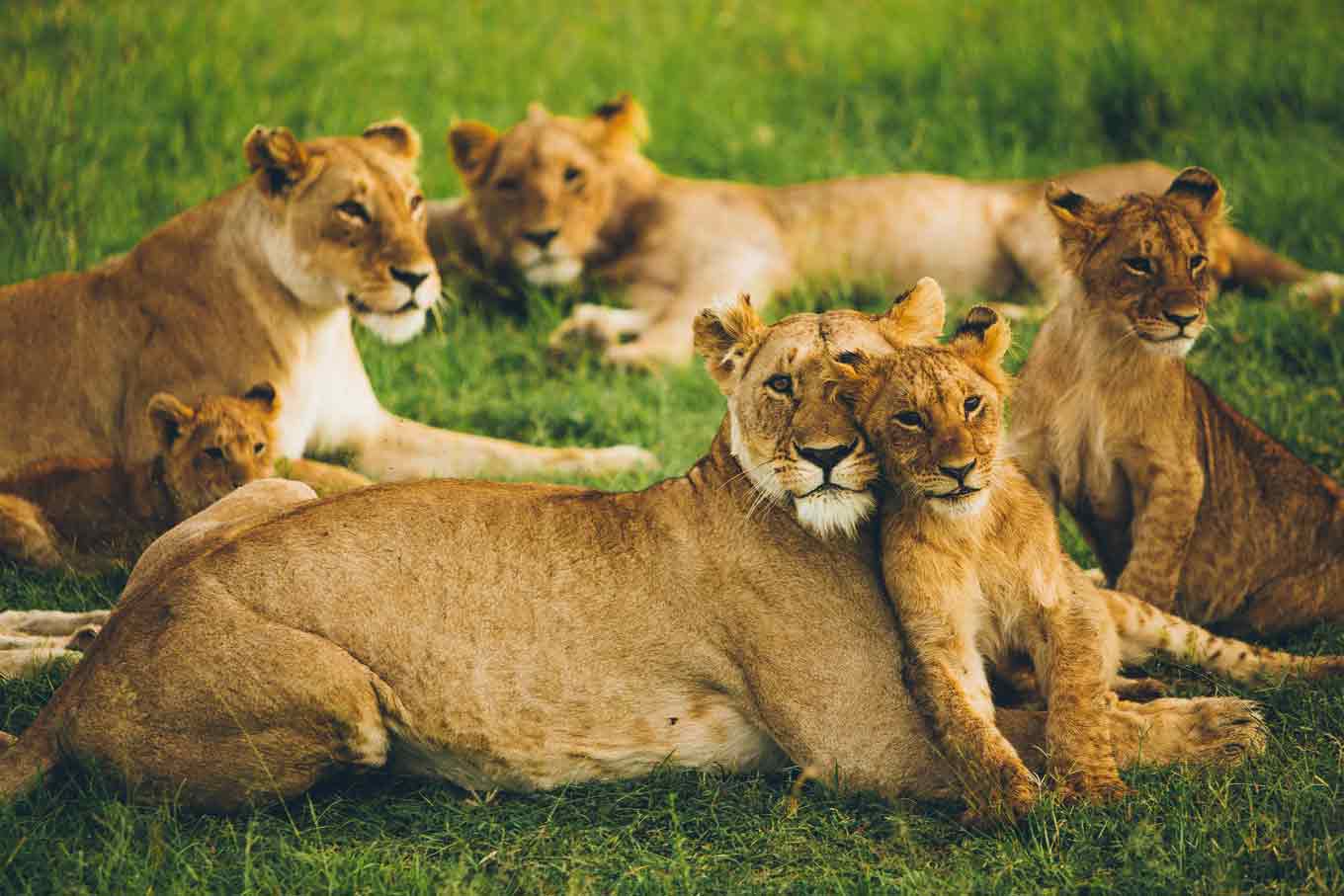
#19. Samsara (2011)
— Director: Ron Fricke
— IMDb user rating: 8.4
— Runtime: 102 minutes
From "Baraka" filmmakers Ron Fricke and Mark Magidson, this mesmerizing, non-narrative documentary was filmed over five years in over 25 countries. Shot using visually superior 70mm film, "Samsara" explores human spirituality as it relates to the Earth's natural rhythms.
#18. The Cove (2009)
— Director: Louie Psihoyos
— IMDb user rating: 8.4
— Runtime: 92 minutes
Using high-definition cameras disguised as rocks, director Louie Psihoyos and his crew exposed the covert and cruel practice of dolphin drive-hunting in Taiji, Japan, whereby schools of dolphins are hoarded into coves, trapped, and killed for profit.
Winner of the 2010 Academy Award for Best Documentary Feature, "The Cove" sparked outrage among animal activists worldwide as well as a hotly contested backlash against the Japanese fishing community.
#17. Home (2009)
— Director: Yann Arthus-Bertrand
— IMDb user rating: 8.5
— Runtime: 118 minutes
Earth, home to all human beings, is the star of this stunning documentary by Yann Arthus-Bertrand and produced by Luc Besson. The film showcases awe-inspiring aerial landscapes from 54 countries while simultaneously citing alarming statistics about climate change and its potentially devastating effects.
#16. Wild Pacific (2009)
— Stars: Benedict Cumberbatch, Mike Rowe, Richard Wollocombe, Mark Brownlow
— IMDb user rating: 8.7
— Runtime: 353 minutes
Released as "South Pacific" in the U.K., this six-part BBC series, narrated by Benedict Cumberbatch, explores the unique ecosystems of isolated South Pacific islands, including the Solomon Islands, Papua New Guinea, Palau, and Palmyra. The final installment, shot entirely in high definition, highlights climate-related dangers such as rising seas, overfishing, and reef damage.
#15. Wonders of the Universe (2011)
— Stars: Brian Cox, Steven Mackintosh
— IMDb user rating: 8.8
— Runtime: 240 minutes
University of Manchester physicist Brian Cox contemplates the origins of the universe and the history of man in this cerebral, four-part BBC documentary. In this follow-up to the 2010 series "Wonders of the Solar System," Cox turns to science for answers to existential questions that have plagued humanity since the dawn of consciousness.
#14. Nature's Great Events (2009)
— Stars: David Attenborough, Joe Stevens, Mike Holding, Shane Moore
— IMDb user rating: 8.9
— Runtime: 355 minutes
The BBC docuseries "Nature's Great Events" is a stunning cinematic look at some of nature's most significant events. With six episodes—including "The Great Salmon Run," detailing the annual salmon run and how it affects North America's ecosystem, and "The Great Flood," showing the flooding of the Okavango Delta in Botswana—it's as comprehensive an explainer of natural events as you can get in film.
#13. Life in the Undergrowth (2005)
— Star: David Attenborough
— IMDb user rating: 9.0
— Runtime: 250 minutes
Another David Attenborough vehicle, this 2005 BBC documentary exposes the secret lives of insects. Employing the latest technological advances in macrophotography, "Life in the Undergrowth" raised the bar for wildlife documentary filmmaking.
#12. Dominion (2018)
— Director: Chris Delforce
— IMDb user rating: 9.0
— Runtime: 120 minutes
Infamous for shocking and disturbing footage of animal cruelty, "Dominion" forces viewers to confront how the sausage gets made. In this case, how the hamburgers, ribs, and chicken breasts people enjoy are the result of the nauseating practices of meat farming.
The creators behind this documentary managed to get footage inside large-scale production farms and plants, using hidden cameras and drones to capture truly upsetting scenes of animal abuse that are a routine part of getting meat onto plates. Joaquin Phoenix, Rooney Mara, Sia, and more narrate.
#11. Africa (2013)
— Stars: David Attenborough, Simon Blakeney, Mark Deeble, Kevin Flay
— IMDb user rating: 9.0
— Runtime: 360 minutes
"Africa" takes viewers on an unprecedented journey across this geographically diverse continent's deserts, savannahs, and jungles. Presented by David Attenborough, "Africa" is just one of several BBC documentaries funded by the Chinese state broadcasting network China Central Television.
#10. Human Planet (2011)
— Stars: John Hurt, Roger Munns
— IMDb user rating: 9.0
— Runtime: 480 minutes
"Human Planet," another BBC/Discovery project, examines how people survive in some of the most brutal environments on the planet by building relationships with animals. Rocked by a scandal in 2018, Netflix pulled the documentary from its library amidst accusations of faked footage.
#9. Frozen Planet (2011–2012)
— Stars: David Attenborough, Alec Baldwin, Chadden Hunter, Michael Kelem
— IMDb user rating: 9.0
— Runtime: 333 minutes
Polar bears and penguins are front and center in this high-definition look at life above and below the ice. A BBC classic presented by natural historian and television personality Sir David Attenborough, "Frozen Planet" focuses on the Arctic and Antarctic — the two regions on the planet at greatest risk from global warming.
#8. The Blue Planet (2001)
— Stars: David Attenborough, Pierce Brosnan, Peter Scoones
— IMDb user rating: 9.0
— Runtime: 389 minutes
Water covers approximately three-quarters of the Earth's surface — the subject of this riveting eight-part BBC series narrated by David Attenborough, which took home two Emmys. In 2018, a newly discovered species of ocean plankton was christened Syracosphaera azureaplaneta, in honor of the series.
#7. The Life of Mammals (2002–2003)
— Star: David Attenborough
— IMDb user rating: 9.1
— Runtime: 500 minutes
A follow-up to BBC's "The Life of Birds," "The Life of Mammals" explores the origins and habits of arguably the planet's most engaging and improvising inhabitants. Highlights include nonagenarian presenter David Attenborough hanging out with a sloth.
#6. Life (2009)
— Stars: David Attenborough, Oprah Winfrey, Doug Allan, Roger Munns
— IMDb user rating: 9.1
— Runtime: 473 minutes
A BBC/Discovery co-production, "Life" focuses on Charles Darwin's "struggle for existence." David Attenborough narrated the original U.K. version of the film, but Oprah Winfrey replaced him for the documentary's U.S. release.
#5. The Hunt (2015)
— Stars: David Attenborough, Jamie McPherson, Huw Cordey, Damien Boisseau
— IMDb user rating: 9.2
— Runtime: 420 minutes
It's "kill or be killed" in this high-stakes BBC series, which casts killer whales and polar bears in a sympathetic light. Narrated by David Attenborough, "The Hunt" employed novel filming techniques to get the perfect shot, including cameras suspended from elephants.
#4. Blue Planet II (2017)
— Stars: David Attenborough, Peter Drost, Roger Munns, Roger Horrocks
— IMDb user rating: 9.3
— Runtime: 364 minutes
This sequel to the 2001 BBC series "Blue Planet" takes a second look at the high seas with new technology built especially for the follow-up series. Presenter David Attenborough guides viewers through the mating practices of ocean dwellers and warns against the dangers of global warming.
#3. Our Planet (2019)
— Star: David Attenborough
— IMDb user rating: 9.3
— Runtime: 403 minutes
The Netflix film "Our Planet" isn't a BBC production, but it sure looks like one. Produced by the same team responsible for "Planet Earth" and featuring the venerable David Attenborough, the film goes where many earlier nature documentaries fear to tread, compelling audiences to accept their own role in the destruction of the environment.
#2. Planet Earth (2006)
— Stars: David Attenborough, Sigourney Weaver, Nikolay Drozdov, Thomas Anguti Johnston
— IMDb user rating: 9.4
— Runtime: 538 minutes
This expensive BBC project is a remarkable 11-part series that transported audiences to a panoply of natural habitats spread over 64 countries. Actor Sigourney Weaver narrates the U.S. release, stepping in for the icon of British natural history, David Attenborough.
#1. Planet Earth II (2016)
— Stars: David Attenborough, Gordon Buchanan, Chadden Hunter, Fredi Devas
— IMDb user rating: 9.5
— Runtime: 298 minutes
"Planet Earth II" treads the same terrain as its predecessor, the 2006 mega-documentary "Planet Earth." All manner of creatures eat, hunt, and mate, but a decade later, they do so in Ultra-HD, which makes for even more riveting viewing.
This story was originally published by Stacker and republished pursuant to a CC BY-NC 4.0 License.
In moments of uncertainty or difficulty, we often seek assurance that things will turn out fine.
Without delving into toxic positivity, we can pursue gentle reminders that “everything will be OK” — providing a grounding force in the whirlwind of life’s ups and downs.
At Good Good Good, we offer reminders that there are reasons to be hopeful and optimistic through our coverage of meaningful good news. And we also create resources like this guide to reasons why everything will be ok.
And now, we’ve compiled a collection of quotes to offer you the reassurance and encouragement that everything will be OK.
These kinds of affirmations have been explored and affirmed by various thinkers, writers, and ordinary people who have faced adversity and emerged stronger over the course of years.
Whether you’re dealing with specific hardships or feeling overwhelmed by the state of the world, these quotes serve as a reminder of human resilience and the perpetual potential for positive change.
As you read on, may you find the strength and hope you need for the journey ahead:
The Best Quotes To Remind Us That Everything Will Be OK
Famous Quotes
“To be optimistic is to assume things will work out. To be hopeful is to realize things can work out if you work at them. Hope requires responsibility and agency; optimism relieves us of both. In rooting for your sports team, choose optimism. In rooting for democracy, choose hope.”
— Eric Liu
“No matter what happens, or how bad it seems today, life does go on, and it will be better tomorrow.”
— Maya Angelou
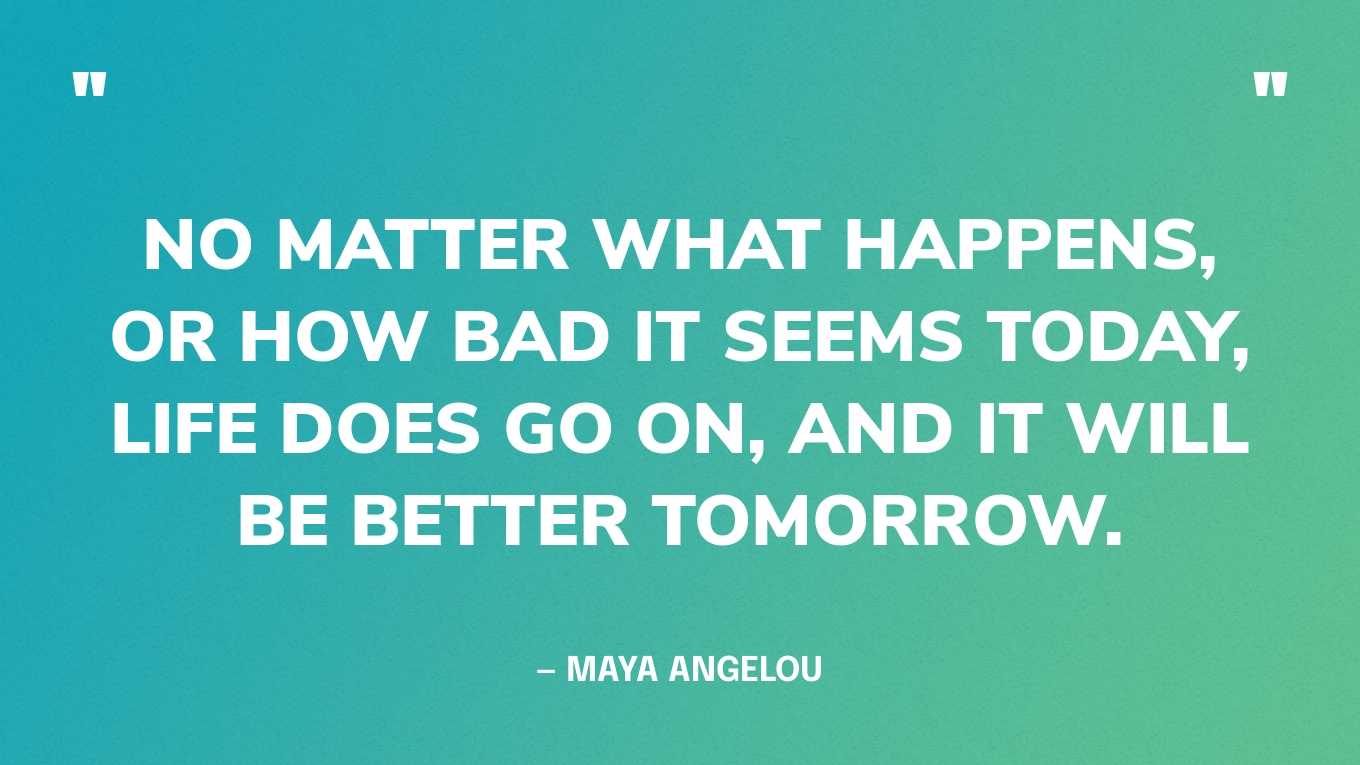
“Everything will be okay in the end. If it’s not okay, it’s not the end.”
— John Lennon
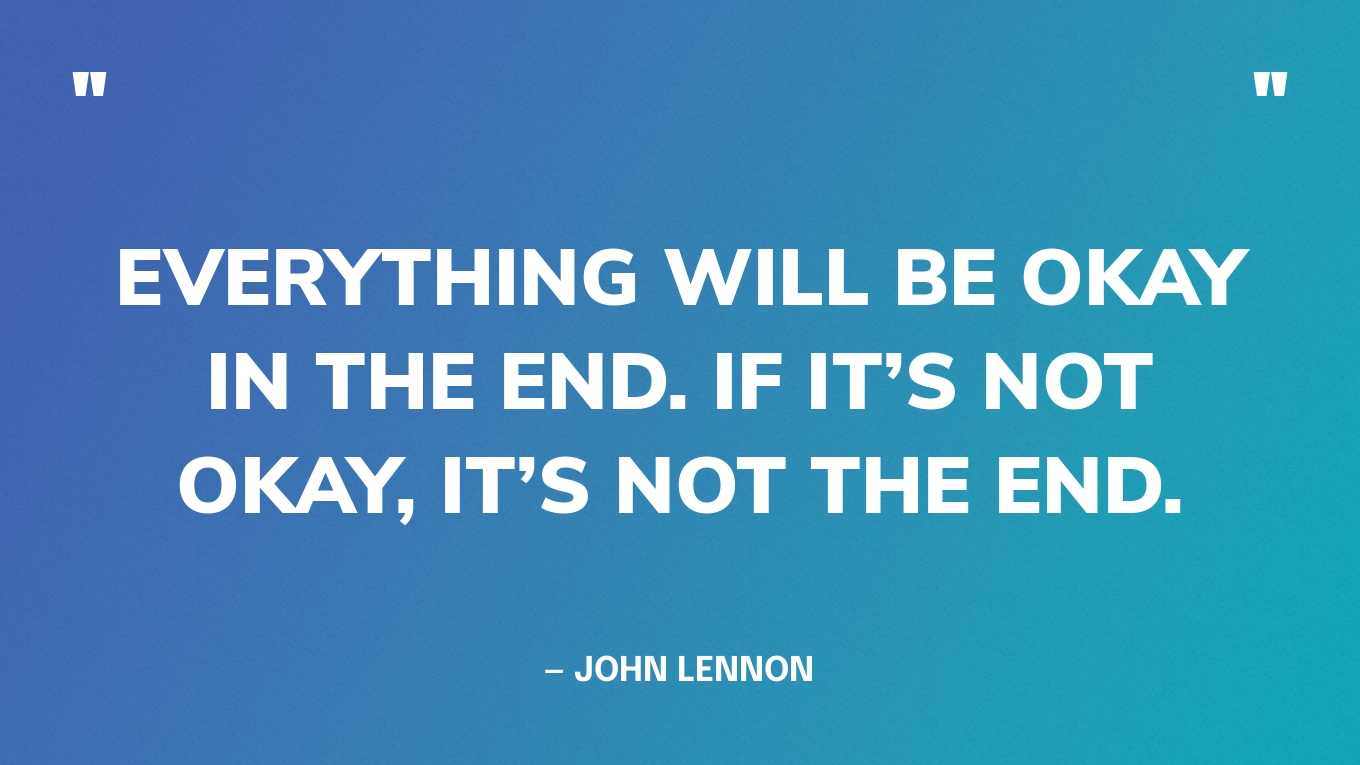
“In three words I can sum up everything I’ve learned about life: it goes on.”
— Robert Frost
“With the new day comes new strength and new thoughts.”
— Eleanor Roosevelt
“Success is not final, failure is not fatal: it is the courage to continue that counts.”
— Winston Churchill
“You have to learn that if you start good, everything will be okay.”
— Ruben Studdard
“Hardships often prepare ordinary people for an extraordinary destiny.”
— C.S. Lewis
“Even the darkest night will end and the sun will rise again.”
— Victor Hugo, Les Misérables
“We all have an unsuspected reserve of strength inside that emerges when life puts us to the test.”
— Isabel Allende
Inspirational Quotes
“You can cut all the flowers but you cannot keep spring from coming.”
— Pablo Neruda
“You gain strength, courage and confidence by every experience in which you really stop to look fear in the face. You are able to say to yourself, ‘I have lived through this horror. I can take the next thing that comes along.’ You must do the thing you think you cannot do.”
— Eleanor Roosevelt
“Believe in yourself and all that you are. Know that there is something inside you that is greater than any obstacle.”
— Christian D. Larson
“Always remember: if you’re going through hell, keep going.”
— Winston Churchill
“Even in the worst of situations — even when it seems no one in the world appreciates you — as long as you have hope, everything can get better.”
— Chris Colfer, The Wishing Spell
“If you’re not getting it perfect, life is still going to go around. The world still turns. It’s going to be ok. Tomorrow is a new day.”
— Katy Mixon
“Live the questions now. And then gradually but most assuredly, without you even noticing it, you will live your way into the answers.”
— Rainer Maria Rilke
Short Quotes
“Always remember, nothing is as bad as it seems.”
— Helen Fielding
“Sometimes life gets weird. Hang in there. It gets better.”
— Tanner Patrick
“Everything will be okay. Good things last, and the bad things will fade away. So, go find your good.”
— Jessica Park
“Morning will come, it has no choice.”
— Marty Rubin
“You don’t always win, but every time you lose, you get better.”
— Ian Somerhalder
“Even if it’s not going to be what you imagined, it’ll be just as good.”
— Maggie Stiefvater
“A problem is a chance for you to do your best.”
— Duke Ellington
“One day everything will be well, that is our hope. Everything’s fine today, that is our illusion.”
— Voltaire
“No pressure, no diamonds.”
— Thomas Carlyle
“Some days there won’t be a song in your heart. Sing anyway.”
— Emory Austin
More Quotes & Captions
“If something does go wrong, here is my advice, keep calm and carry on, and eventually everything will fall back in place.”
— Maira Kalman
“There is something good in all seeming failures. You are not to see that now. Time will reveal it. Be patient.”
— Swami Sivananda
“The best way to not feel hopeless is to get up and do something. Don’t wait for good things to happen to you. If you go out and make some good things happen, you will fill the world with hope, you will fill yourself with hope.”
— Barack Obama
“The fact that we have made progress is a proof point that progress is possible to make. And that’s exciting. That means you can do it. Whether or not you’re optimistic or pessimistic is beside the point. The point is that it’s possible.”
— Ezra Klein, in conversation with Kim Stanley Robinson
“Don’t give up when dark times come. The more storms you face in life, the stronger you’ll be. Hold on. Your greater is coming.”
— Germany Kent
“There are more things to alarm us than to harm us, and we suffer more often in apprehension than reality.”
— Seneca
“She stood in the storm, and when the wind did not blow her way, she adjusted her sails.”
— Elizabeth Edwards
“Promise me you’ll always remember: You’re braver than you believe, and stronger than you seem, and smarter than you think.”
— A. A. Milne, Winnie-The-Pooh
“When you get into a tight place and everything goes against you, till it seems as though you could not hang on a minute longer, never give up then, for that is just the place and time that the tide will turn.”
— Harriet Beecher Stowe
“Every problem has a solution. There’s always a way to fix something. So rest assured, all the right solutions will become known to you soon.”
— Steven Wolf
“Everything will be okay as soon as you are okay with everything. And that’s the only time everything will be okay. All you have to do is stop expecting the mind to fix what’s wrong inside of you.”
— Michael A. Singer
Indie singer Corook (also known as Corinne Savage) and their partner Olivia Barton took the world by storm this spring when they debuted their song “If I Were A Fish” on TikTok.
The catchy, uplifting song came from a place of healing, as Corook “was having a very emotional day, feeling insecure and out of place,” as they wrote in the video’s original caption.
Writing the song as a means to work through those feelings and “remember the joy in being different,” TikTok caught the hook — literally and figuratively. Users across the globe sang, danced, and reposted the song and its delightful lyrics.
“If I were a fish and you caught me, you’d say ‘look at that fish’ / shimmering in the sun / such a rare one / can’t believe that you caught one.”
Now, the whimsical song is being turned into a picture book.
Corook and Barton announced the book with a video posted on August 29, showing off a colorful cover by illustrator Mike Curato, which depicts Corook looking into a fish bowl to find their gilled-companion wearing a matching green hat.
The book’s author credits go to both Barton and Corook, who created the lyrics of the song together. In the video announcing the book, they were giddy, giggling as they tried to share the news.
“There are no words,” Corook begins.
Barton smiles at them, sighing.
“It’s for anybody that has been touched by this song and just for anybody that feels a little bit different in the world, which I think is all of us,” Corook continues. “It’s for kids, and it’s for inner children, and it’s for adults.”
The book is now available to pre-order through publisher MacMillan.
“From the musicians and viral TikTok creators of ‘If I Were A Fish,’ Corook and Olivia Barton, comes a picture book adaptation of their silly song with a serious message for everyone who’s ever had to navigate the highs and lows of the internet,” the book’s web page reads.
“This inspiring song about surrounding yourself with the people that make you the happiest is a timely reminder that it’s always best to be yourself.”
Of course, just like the song, TikTok users responded with glee.
“I will use this for work,” one user wrote in the comment section of the announcement video. “I’m a music therapist!”
“OUR SONG OF THE SUMMER!!” another added, emphasized with caps-lock. “All the kids [are] getting them for Christmas.”
“This song helped me so much during my first weeks of being a mumma,” someone else shared. “We will treasure this book!”
“If I Were A Fish” is available for pre-order now through its release on December 5, 2023.
→ Read the full lyrics to “If I Were A Fish”
Header images courtesy of Corook and MacMillan

At the beginning of August, the Department of State launched a new federal agency: The Bureau of Global Health, Security and Diplomacy (GHSD).
The creation of this agency is designed to focus on global health and pandemic prevention by coordinating U.S. foreign assistance and fostering international cooperation.
Basically, it’s what the country should have had at the start of COVID-19.
“The COVID-19 pandemic underscored the vital role the United States must play in addressing global health and health security issues,” Antony J. Blinken, Secretary of State, said in a statement.
“To ensure U.S. leadership is sustained moving forward, the Bureau will provide a unified voice of leadership on global health security and diplomacy, combining strengths, functions, personnel, and resources from various offices.”
What is the Bureau of Global Health, Security and Diplomacy?
The Bureau of Global Health, Security, and Diplomacy is housed under the State Department and bridges national security and foreign policy to advance human health around the globe. Ambassador John N. Nkengasong leads the bureau and oversees programs to improve health outcomes and maintain national security in the face of global health crises.
Nkengasong, who was the first director of the Africa CDC and has over 30 years of experience in public health as a virologist, is also the U.S. Global AIDS coordinator.
This includes the leadership of the U.S. President’s Emergency Plan for AIDS Relief (PEPFAR), which aims to end the HIV/AIDS pandemic as a global health threat — and has seen major success in its 20 years of operation. PEPFAR is also now housed under the new bureau.
Other offices, like the Office of International Health and Biodefense and the Coordinator for Global COVID-19 Response and Health Security are consolidated under GHSD, as well, for better coordination.
With the launch of GHSD, Nkengasong also announced PEPFAR’s new Safe Births, Healthy Babies initiative, a new two-year $40 million effort to accelerate progress in eliminating mother-to-child transmission of HIV.
This initiative will also work with existing partnerships between UNAIDS, PEPFAR, the Global Fund to Fight AIDS, Tuberculosis and Malaria, and the World Health Organization.
It’s an example of the kind of work Americans can expect from GHSD, informed by previous crises — and the lessons learned from them.
“The COVID-19 pandemic taught us three key lessons,” Nkengasong told NPR. “We are collectively more connected than we thought. We are more vulnerable than we thought. And we have inequities that exist so vast that it requires such a builder to ensure an effective coordination and enhance the efficiency of our response to any disease threat.”
While much of this work will include improved communication and streamlined funding for global health initiatives, it also provides hope for improved global distribution of things like diagnostics, therapeutics, vaccines, and personal protective equipment, according to Nkengasong.
GHSD also aims to strengthen already-established programming, to maintain disease control as national security.
“I’ve always said that the best way to prepare for the unknown is to invest adequately in the knowns... That is, immunization programs, HIV programs, tuberculosis and malaria programs, and maternal/child health,” Nkengasong told Think Global Health.
“If we invest in those systems, institutions, and structures adequately, then we are invariably preparing for the unknown. Because those same systems will be used in delivering services when you have a deadly disease threat.”
Although any governmental restructuring of this size causes valid concerns, the Center for Global Development’s senior fellows Victoria Fan and Prashant Yadav write that “there are reasons to be optimistic.”
“Given PEPFAR’s maturity and stability, as well as PEPFAR’s successes globally as a pioneer in breaking silos in global health in the U.S. interagency world, the new Bureau has the potential to share best practices and lessons internally in the State Department, domestically in the United States, and internationally,” they write.
As GHSD continues to roll out and combine insights from all of its sibling offices, Nkengasong’s goal is clear: to plan better for the next pandemic.
“The importance of this [GHSD] is the ability to coordinate, cooperate, collaborate, and communicate, which is central to ensuring an effective global security response,” he told NPR. “We are in an era that we cannot plan only for the disease that we have. … We should plan for the long haul.”
Life doesn’t come with an instruction manual — and neither do our conversations.
But sometimes, especially when you’re first getting to know someone, it is no easy feat to get past the stale small talk into a deeper conversation.
Although it would be handy to have a deck of conversation cards in our back pocket at all times, deep and meaningful relationships often start with organic question-asking.
Asking someone questions shows that we care about them and are interested in learning more about their lived experience. By taking the time to have meaningful conversations, we connect with people more deeply, have stronger relationships, and build communities that are able to uplift and support us.
Whether you’re flirting with a crush, learning more about your long-term partner, or just connecting with some new friends over a charcuterie board, here are a plethora of deep questions you can weave into your conversations.
You might also like: The Ultimate List of Ice Breaker Questions and The Ultimate List of Conversation Starters
The Best Deep Questions To Ask

Questions To Get To Know Someone Deeply
- What do you love about yourself?
- If there was anything you could change about yourself, what would it be?
- Do you consider yourself an introvert or extrovert?
- What is your relationship like with members of your family?
- What keeps you motivated every day?
- What do you enjoy most about your work?
- What do you dislike most about your work?
- Do you have any hobbies?
- What kinds of books do you like to read?
- What music are you most into right now?
- Did you have a favorite character from a show or movie growing up?
- If you could create a perfect day, what would it include?
- What are some of your biggest fears?
- Have you ever conquered a big fear? What was it like?
- Are you someone who likes surprises? Why or why not?
- What is your zodiac sign? Do you follow astrology?
- When was the last time you surprised yourself?
- What is the best gift you’ve ever received?
- What is the best gift you’ve ever given?
- Do you have any nicknames? Is there a name you’d like to be called more often?
- What are some of your favorite memories from the past year?
- What are some of your biggest pet peeves?
- Do you have a favorite color? Has it always been the same?
- If you made just a little more money, what is one small luxury you wish you could add to your life?
- How would your friends describe you?
- How would your parents describe you?
- What kind of impact do you want to have on your community?
- Would you consider yourself an animal lover? What is your favorite animal?
- How do you cope with big feelings?
- What are some accomplishments you’re really proud of?
- Who are your favorite people in your life, and what are they like?
- Who is someone you admire?
- When was the last time you laughed so hard you cried?
- Do you consider yourself religious or spiritual?
- Do you have a favorite nonprofit that you support?
- Do you believe in second chances?
- What is the hardest lesson you’ve had to learn?
- Would you consider yourself more of an optimist or a pessimist?
- What were some of your cringiest moments from your teenage years?
- Are you easily embarrassed?
- What are some of your core values?
- Do you have any habits you think others might consider weird or unusual?
- Do you believe in any conspiracy theories?
- If you could choose the next U.S. president, who would it be?
- Are you still friends with anyone from high school/your childhood?
- What movies do you think everyone needs to see?
- What do you really care about?
- What’s something that reminds you of home?
- Are you good at giving advice or feedback?
- Are you good at taking advice or feedback?
- Are you a morning person or night owl?
- Did you have any pets growing up? Were you particularly fond of any of them?
- Would you say you have a Type A or Type B personality?
- If I asked you ‘who are you?’ how would you answer?
- Where is your favorite place to go in the entire world?
- What qualities do you admire about your parents?
- What did you want to be when you grew up?
- What’s a skill you want to build or a hobby you want to explore more?
- Who is someone you compare yourself to?
- How do you spend the majority of your free time?
Deep Questions To Ask Friends
- What do you value most in our friendship?
- What are your current priorities in life?
- What has been on your mind recently?
- What do you need more or less of in your life?
- How can I best support you when you’re having a tough time?
- How do you feel about where you grew up?
- Are you happy where you are right now?
- Have you ever gotten into big trouble? What happened?
- If you could wave a magic wand and change anything about your life right now, what would it be?
- What qualities do you look for in a good friend?
- What does your support system look like these days?
- What’s the best piece of advice you’ve ever received?
- What is something not many people know about you?
- Do you have any hidden talents?
- What do you love doing together?
- Have you ever kept a secret from me?
- What do you wish people understood about you?
- What really frustrates you?
- What makes a day meaningful to you?
- How do you like to rest and relax?
- What is the biggest risk you’ve ever taken?
- Would you ever change careers?
- What decade do you think will be your favorite? Why?
- What are some big dreams you have for your life?
- Do you have any regrets? What are they and why?
- How have your values changed over time?
- What are your favorite personality traits in yourself or in others?
- What are you grateful for today?
- What role does love play in your life?
- How do you define true friendship?
- How do you think we can create a more inclusive society?
- What legacy would you like to leave behind for future generations?
Deep Questions To Ask Your Partner
- What do you want out of a relationship?
- Do you want children? If so, what would be your parenting approach?
- How is our relationship similar to your parents’ relationship?
- What can’t you live without?
- What are some goals you have yet to accomplish? How can I help you achieve them?
- What did your childhood bedroom look like?
- When you were younger, did you picture yourself ending up with someone like me?
- What are some of your biggest insecurities?
- What makes you feel confident?
- What was one of our best kisses?
- If you won the lottery, how would you spend the money?
- What is your dream living situation? House, camper van, cabin?
- What are some of your happiest memories from our relationship?
- What kinds of adventures do you want to have with me in the future?
- What boundaries are important to you?
- Have I supported you in the ways you need? How could I do that more often?
- How would you describe me to other people?
- How do you imagine I describe you to other people?
- What are the biggest lessons you’ve learned from previous relationships?
- What has our relationship taught you so far?
- What is your favorite feature of mine?
- Where do you see us in 15 years?
- How do you deal with conflict?
- How do I deal with conflict?
- When was the last time I made you laugh really hard?
- What is your least favorite chore?
- How do I make you feel loved?
- What do you think are the biggest things we could both work on to improve our relationship?
- If you thought I was making a bad decision, what would you do?
- What do you need to forgive yourself for?
- Besides me, who do you turn to for advice?
- What does retirement look like for you?
- What do we argue about the most?
- What songs make you think of me?
- What was your first impression of me?
- How do you want to be remembered?
- Is there anything you’ve always wanted to know about me?
- What fictional couples remind you of us?
- What is the best compliment I have ever given you?
- Do you think we spend enough time together?
- How has our relationship evolved since we first met?
Deep Questions To Get To Know Your Crush
- What’s something that always makes you smile?
- Would you consider yourself a flirt?
- What do you look for in a relationship?
- How would you describe your sense of humor?
- What are you passionate about?
- What qualities do you value most in a person?
- What are you curious about?
- Do you have a favorite quote or affirmation that inspires you?
- Would you say you like to take risks and step out of your comfort zone?
- What’s a life lesson you’ve learned recently?
- What is your favorite way to connect with other people?
- What’s your idea of a perfect date?
- In what ways do you think we’re similar?
- Did you vote in the last election?
- What are some causes you care about?
- When is your birthday? How do you like to celebrate?
- Do you prefer to plan ahead or be spontaneous?
- What were you like as a kid? How have you changed?
- Have you ever had your heart broken?
- Have you ever broken someone’s heart?
- How do you resolve conflict?
- What is something you’re unwilling to compromise on?
- What’s the worst thing about dating these days?
- What’s something you want to do differently in your next relationship?
- What is your relationship with your mental health?
- What is the most romantic thing someone has ever done for you?
- How do you know if someone is right for you?
- What is the perfect way to ask someone out?
- What goals are you working toward right now?
- What artist could you listen to on repeat?
- What meal can you cook the best?
- Do you have a lot of friends or a small circle?
- What do you like to do when you’re bored?
- Do you collect anything?
- What’s your worst habit?
- What three items would you want to have if you were stuck on a deserted island?
- Who is one person you can talk to about anything?
- Have you ever kept a journal or diary?
- What is a piece of art or media that has meant something significant to you?
- What’s the craziest thing you’ve ever done? Would you do it again?
- What do you think about when you’re by yourself?
Deep Questions To Ask a Guy
- What were your past relationships like?
- Do you have any strong opinions about Taylor Swift?
- If you were a superhero, what would you want your powers to be?
- If you were a woman for a day, what would you do?
- Did you play sports growing up?
- Do you ever feel pressured to not show emotion? How has that impacted you?
- How do you build friendships with other men?
- What do you think about society’s idea of what a man should be?
- When was the last time you experienced privilege as a man? What did you learn from it?
- How would you define your relationship with masculinity?
- What is your relationship like with your parents?
- What are your thoughts on chivalry?
Deep Questions To Ask a Girl
- What are some times that you’ve experienced sexism in the world? How do you wish things were different?
- What’s your relationship like with femininity?
- Do you ever want to be a mother? Why or why not?
- What is the best depiction of womanhood in film or TV?
- If you were a man for a day, what would you do?
- Who is an empowering female figure in your life?
- What makes you feel empowered and confident?
- Do you ever feel pressure to present or look a certain way? How has that impacted you?
- What do you think about society’s idea of what a woman should be?
- What is your favorite thing to do in your relationships to other women?
- What kinds of actions make you feel safe and supported by men?
- How do you want to balance responsibilities in a relationship?
Deep Questions About Life
- What do you think your life’s purpose is?
- Do you have a hunch about how you will die?
- If you could see the future in a crystal ball, what would you want to know?
- How do you think you’d be different if you were raised in a different family?
- What do you think makes a meaningful life?
- What would you do if you found out you had six months to live?
- What are you holding onto that might be holding you back?
- Do you “work to live” or “live to work?”
- How do you measure success?
- If you restarted your life from the very beginning, do you think you’d still end up here?
- What actually gets you out of bed in the morning?
- If you had to describe this year of your life with only one word, what would your word of the year be?
- What can you do today that you weren’t capable of a year ago?
- What would you do differently if you knew nobody would judge you?
- What is the difference between really living and just existing?
- When you are 80 years old, what will matter to you most?
- What do you want most out of life?
- Where do you find inspiration?
- What do you want to change most about the world?
You might also like: The best quotes about life
Other Good Questions to Ask
Philosophical Questions
- What is the meaning of life?
- Do you believe in free will, or are the outcomes of our lives determined by external factors?
- Can you truly know anything with absolute certainty?
- What do you think is your purpose in life?
- How do we define and understand our identities?
- Do you think people are inherently good?
- What do you think happens when we die?
- Do you believe in an afterlife?
- What is the relationship between past, present, and future?
- Do you believe in good and evil?
- Who decides what’s right and wrong?
- Does the “truth” exist, or is everything just subjective?
- What is important enough to go to war over?
- Is stealing to feed a hungry person wrong?
- Would you ever give up your life to save someone else?
- What moral rules should we all follow?
- What makes a person worth saving?
Icebreaker Questions
- What is your most-used emoji?
- What fictional family would you most like to join?
- What is the best thing about being you?
- What is the best joke you know?
- What is your go-to karaoke song?
- If you were a dog breed, what dog breed would you be?
- What is one item on your bucket list?
- What is your favorite place you’ve traveled to?
- What is the best romantic comedy?
- What was the last thing you ate?
- What is your #1 recommendation in this city?
- You no longer have to work. What would you do on a Tuesday?
- What person from history would you create a monument of?
- Who is the most famous person you’ve ever met?
- How would you describe your job to a little kid?
- What was your first online screen name?
- Of all of the fruits in the world — which one is the worst?
- Show me your phone wallpaper. Is there a story behind it?
- What season would you be?
- What is your favorite scent?
- What snack do you get at the movies?
- Are you a good dancer? Bust a move!
- What is one thing someone would never guess about you?
Deep Would-You-Rather Questions
- Would you rather be happy and know nothing or worried and know everything?
- Would you rather be famous or forgotten after your death?
- Would you rather be stronger or smarter?
- Would you rather go through life unable to forget anything, or unable to remember anything?
- If money wasn’t an issue, would you rather spend the next decade as a student or as an employee?
- Would you rather be immortal, or live naturally?
- Would you rather change the past or the future?
- Would you rather be 90 years old or 9 years old for the rest of your life?
- Would you rather talk to animals or be fluent in all languages?
- Would you rather marry the person of your dreams or have the job of your dreams?
- Would you rather know how you’ll die, or when you’ll die?
Thought-Provoking Questions
- What makes human beings connected?
- Do people have souls?
- Would you break the law to save someone you love?
- Which is worse: Failing or never trying?
- Is it more important to love or be loved?
- If you had the chance to go back in time and change something, would you do it?
- What stands between you and happiness?
- Can there be happiness without sadness?
- Do you own things or do your things own you?
- How would you describe freedom?
- When have you felt most like yourself?
- What do you owe yourself?

Call it what you want: being an animal lover, a devout dog parent, a bird watcher, or a cat lady. Either way, there’s a good chance most of us feel connected to animals in one way or another. (Is a dolphin-themed childhood bedroom ringing a bell for anyone else?)
But whether it’s the threat of dwindling biodiversity, overcrowded animal shelters, or the existential burden of climate change, the animals need our help.
And the good news is that there is always something we can do to help. No matter what type of activism you are most inclined to take up, if you’re passionate about animals, there are countless ways to take action.
We also know it can be hard to get started and that it’s overwhelming to know when, where, or how to get involved.
We’ve put together a list that includes what you can do to help shelter pets, homeless or abandoned pets, wild animals, your own pets, and more, so you can go forth and make a real difference.
How To Support Animals — In All Kinds of Ways
Help Shelter Pets
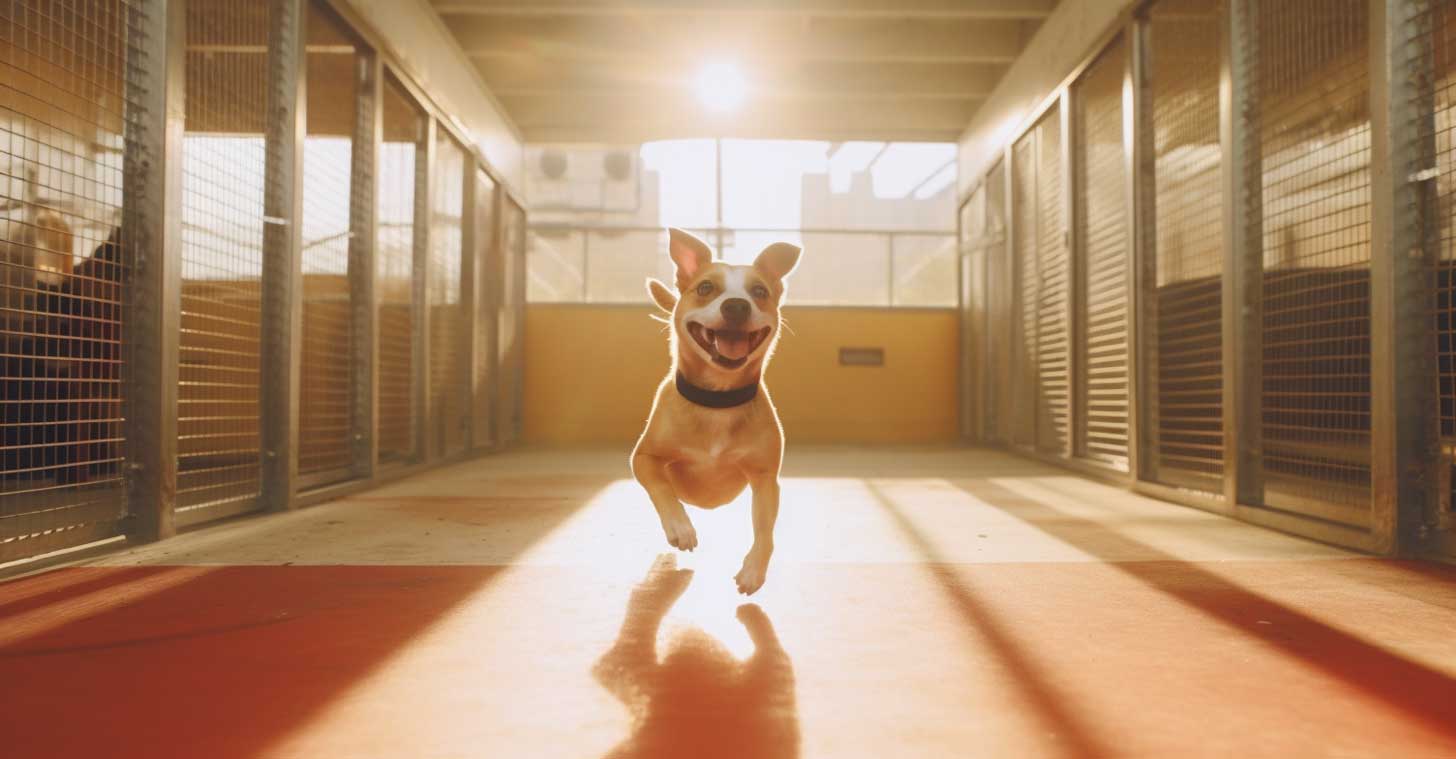
Adopt.
The best thing you can do for a shelter animal? Adopt them! If you have the means, resources, and capacity to welcome a new furry (or scaly or feathery) family member into your life, this is your sign to do it.
And if you need some more convincing, here are some really valid reasons why you should adopt a dog (or any shelter pet!).
Volunteer at your local shelter.
As much as it pains us to say this, you cannot adopt every available pet from your local shelter. But you can certainly hang out with them!
Whether it’s walks, enrichment time, cleaning habitats, or even doing laundry, your local shelter is likely in dire need of some more help.
Find a shelter or animal rescue organization near you — and reach out to learn more about its volunteer programs. Like, do it now! We’ll wait here.
Donate funds to a local shelter.
If you don’t have the free time you’d like to volunteer regularly at a shelter, you can also donate funds. Your financial contributions will go toward hiring valuable staff, providing essential resources and medical care to animals, and all kinds of meaningful work.
If you don’t have a rescue or shelter near you, you can always donate to larger pet rescue organizations like Best Friends Animal Society, the Humane Society of the United States, or the ASPCA.
Sponsor a pet adoption.
Some organizations offer donation options that allow community members to specifically sponsor the adoption fees involved in getting pets into loving homes.
Some businesses or anonymous donors will even pay for a large number of adoptions so shelters can offer fee-free pet adoptions for a window of time. This incentive is great for getting people to finally take the leap — especially during periods of overcrowding.
This can also be done informally. Say you find a stray animal in need of a safe home, but you’re not able to take it in. If your neighbor is, but they need some financial help in making it happen, you can provide that support, even if you can’t provide shelter.
Donate items to a local shelter.
You can also donate any number of household and pet care items to your local shelter! Be sure to check before donating to see what items would be helpful.
That being said, most shelters are often in need of items such as gently used towels and blankets; pet beds; bowls and food dishes; soft toys and puzzles; measuring cups; poop bags; cat litter; litter boxes, unopened cleaning products; unopened food and treats; carriers and kennels; and collars, harnesses, and leashes.
Be a vocal advocate for pet adoption.
Even if you’re not in a place to adopt a pet (or your spouse has put you at a limit of five dogs), you can still be a staunch supporter of pet adoption!
Help connect a friend to a local rescue or shelter to find their first pet. Share available animals on social media. Remind folks about upcoming adoption events or fundraisers.
Spread awareness about puppy mills and unethical breeders.
Even if you can’t convince someone to adopt a pet from a shelter, you can still spread awareness about the issue of unethical breeding.
Puppy mills and backyard breeders are often home to cruel and abusive practices that can even lead to lifelong health conditions for dogs. Plus, they contribute to the overcrowding of shelters and keep more animals in need from finding loving homes.
Sadly, the Humane Society estimates that there are at least 10,000 puppy mills in operation across the United States. Share some of these facts and figures with someone who might be considering dog ownership and help them find a better option.
Follow (and support) shelters and rescues on social media.
Our animal-filled For You Pages have become one of the best avenues for spreading the word about adoptable animals.
Whether you already follow some of the best animal shelters on social media or you just want to help amplify the efforts of a small organization in your community, a cute puppy pic goes a long way.
Foster an animal.
OK, maybe you can’t fully commit to adopting a pet, but maybe you could be a foster parent? Most shelters and pet adoption organizations have foster programs that help keep their kennels open to intake new animals and help provide more loving and engaging homes for those adoptable friends.
These programs usually include comprehensive application and interviewing processes to ensure that these fosters are well cared for. If you’re up for the task, reach out to your local shelter!
Get creative.
Volunteering with a shelter doesn’t just have to mean picking up poop. You can also use your own creative talents to contribute!
Have some leftover fabric or craft supplies? Make your own dog or cat toys! Are you a social media whiz or a skilled photographer? Volunteer your time and labor to help spruce up a shelter’s website or Instagram account. Love spreadsheets? See if they need someone to help organize data.
Truly — the possibilities are endless.
Host a fundraising event.
Want to make your dollar go a long way? Host a fundraiser for a shelter!
Maybe you’re a small business owner who can loan your shop to the cause or sponsor a 5K. Perhaps you’re a savvy event planner who can reach out to contacts across the community.
Even if all you can do is drive around town sticking signs in various yards, whatever you can contribute will be a huge help.
Donate your used car to an animal shelter or rescue.
So you’re fresh out of towels and rags to donate, but did you know that you can even donate your old car to a shelter? That’s right!
Check out the Humane Society of the United States’ car donation program, Humane Cars, to learn more or schedule a pick-up.
Teach children about animal welfare.
Preventing animal cruelty starts from an early age. Consider reading books with your students or children about taking care of animals, or even work together to create some kid-friendly volunteer ideas for your local shelter.
Help Homeless or Abandoned Pets in Your Neighborhood
Support TNR efforts for stray cats.
Calling all cat whisperers!
TNR stands for Trap-Neuter-Return. This is the process of humanely trapping, sterilizing, vaccinating, and returning community cats to their outdoor homes. This helps reduce overpopulation, improve the health of cats in the community, and ultimately, reduce euthanasia if and when they are rescued by a shelter or medical team.
Shelters, organizations, and even veterinarians across the country run these programs — and offer free or low-cost spay and neuter services, as well. See how you can help in these efforts or support them financially.
Spread awareness about animal cruelty.
Similarly to sharing vital information about puppy mills and unethical breeding, it’s important to know how to be able to spot animal cruelty.
If there are animals in your area that might be abused or neglected, you can step in to report their owners and get these animals to a safe haven.
Have the phone numbers of local rescues or animal shelters saved in your phone.
Even though most things are a quick Google search away these days, sometimes, in a high-stress moment (say… you just found a litter of kittens on the side of the road), you’ll want to be able to quickly phone an expert.
Take a moment to add the contact information of your local shelter or animal control team in your phone for safekeeping.
Volunteer with your city.
While volunteering with your local animal shelter is a great way to support homeless pets, it might be time to initiate contact with your local government, too.
If stray or abandoned animals seem to be an ongoing issue, reporting information to all stakeholders is important to help find a solution. Heck, maybe you will be a part of the solution!
If you’re the Snow White of the neighborhood and all the animals seem to flock to you, you will be an immensely helpful asset in creating programs and systems to keep these animal companions safe.
Put out water bowls.
Are there animals in your area who seemingly roam without a home? Set out some water bowls (and maybe even some food) to make sure they have access to clean and fresh drinking water.
Just make sure you’re refreshing these every day, so they don’t become dirty or home to water-borne diseases!
Take a class or training to become an expert in animal rescue.
While it’s usually best to leave it to the experts when it comes to animal rescue, you can become an expert in your own right! Organizations across the country have training classes to equip you with the skills you need to respond in a crisis.
Check out courses from organizations like the Animal Rescue Professionals Association, the Humane Society of the United States, and the ASPCA Learning Lab.
Help Wild Animals
Make your property wildlife-friendly.
Whether you plant native pollinators, plants, and grasses in your garden, or you’re using sustainable swaps to make your outdoor space more welcoming to wildlife, making small changes in your yard or near your home can be a big help.
Consider things like wildlife-friendly lighting that doesn’t cause light pollution, choosing a grass lawn alternative, and avoiding pesticides in your garden.
Donate to a charity that protects animals.
Just like animal shelters need your support, so do conservation and animal protection organizations. There are countless nonprofits that work tirelessly to make the world a better place for animals, but here are a few you might consider contributing to:
- IFAW
- World Wildlife Fund
- Wildlife Conservation Society
- Jane Goodall Institute
- National Wildlife Federation
Use humane methods of pest control.
Whether you’re controlling an infestation in your home or trying to keep the mosquito bites to a minimum, there are safe and effective tools that are still considerate of wildlife.
For example, consider mosquito dunks to manage those bug bites instead of chemical-based sprays, and definitely opt away from glue traps when it comes to rodent control.
Volunteer with a local wildlife sanctuary.
Similarly to animal shelters, wildlife sanctuaries and organizations need your help, too! Explore the options by researching wildlife sanctuaries near you, thanks to the Global Federation of Animal Sanctuaries.
Hang bird feeders.
If you don’t have a yard or garden, one way you can make your space animal-friendly is by hanging bird feeders outside your apartment or porch.
While bird feeders may just seem like an aesthetic decoration (or a selfish way to see new bird friends), ensuring birds have access to safe and readily available food and water can be instrumental to bird populations.
Just make sure you keep these spaces clean, so as not to spread disease or illness among the birds! (And maybe pass on this option if you have outdoor cats.)
Help Animals in General
Opt for a plant-based diet.
If you’re not ready to fully choose a vegan or plant-based lifestyle, you can definitely still make conscious choices to reduce your meat, dairy, and egg consumption.
Not only is reducing our meat consumption better for the environment, but it also helps reduce animal suffering and cruelty.
Not sure where to start? Here’s a list of over 500 vegan grocery ideas to add to your list. Or… get some vegetarian fast food.
Only shop cruelty-free products.
When you’re shopping for health and beauty, medical, or cleaning products, you’ll want to make sure you’re only picking up items that are certified as cruelty-free. These are products that do not test on animals, and they’re easily identifiable by a “Leaping Bunny” logo.
You can also search online to see if a brand or product is cruelty-free.
Ditch the single-use plastics.
By now, we all know how single-use plastics have damaged our environment — especially the ocean. While the call to action has long been to “save the turtles,” we’ll save a lot of animals when we choose to use a more sustainable option.
And you know what will save even more animals? Governments enforcing regulations about plastic use and disposal.
Cut fur and animal textiles out of your fashion statements.
Though it’s become more rare thanks to regulations and initiatives to ban the use of animal furs and skins in clothing production, make sure you’re not shopping for any goods that are made with animal furs, skins, or feathers.
There are certainly other ethical options you can shop, like wool or alpaca textiles, since those are often distributed under much more strict regulations and considerations — and animals are not killed in the process of a seasonal shearing.
Learn more about animal welfare through books and documentaries.
If you’re passionate about animals and want to know more about their welfare and protection, there are loads of books you can check out from your local library and documentaries you can stream. Here are just a few recommendations:
Books:
- “In The Shadow of Man” by Jane Goodall
- “The Humane Gardener: Nurturing a Backyard Habitat for Wildlife” by Nancy Lawson
- “Wilding: Returning Nature to Our Farm” by Isabella Tree
Documentaries:
- Our Planet (Netflix)
- Life in Color with David Attenborough (Netflix)
- Great Migrations (National Geographic)
Call your representatives.
Whether you want to express your concerns about a new development that would harm wildlife habitats or implore an elected official to establish protections for certain species, calling your representatives is the first step.
Help Your Own Pets
Spay and neuter your pets.
Not only is it better for their long-term health, but spaying and neutering your pets helps to combat overpopulation in shelters and communities.
Affordable spay and neuter clinics are available at most shelters or community veterinarians, and this one-time cost will make a major impact on the life of your pets and others.
Microchip and/or ID your pets.
ID tags and microchipping are vital steps to ensuring the safety of your pets. In the event that your pet gets lost, ID tags and microchips make it much easier for a shelter to help your beloved friend find their way home.
Plus, there are some darn cute dog tags out there these days.
Ensure your pets are up-to-date on their vaccinations.
Another public safety concern, it’s important to make sure that your pets have all of their necessary vaccinations to keep them — and all of their fellow furry friends — safe.
Similar to spaying and neutering, many shelters and vets offer low-cost vaccination clinics a few times a year. Look for some in your area!
Prepare a disaster kit.
As much as we hope disaster will never strike, it’s important to have an emergency response plan in place in the event of a crisis. Whether a climate disaster, illness, or accident, you’ll want to be able to quickly gather your pet(s) and their things when evacuating your home.
Have a plan in place, as well as an emergency pet kit with all of your beloved companion’s essentials. This might include:
- First aid supplies
- Food and water
- Bowls
- Collar with ID tags
- Veterinary records
- Medications or prescriptions
- Care instructions and emergency contact information
- Leash and other walking supplies
- A crate or carrier
Plan for the future.
Not only is it important to plan for crises, but it’s also important to plan for the unimaginable. We know, it’s tough to think about, but you’ll feel a lot better knowing your best friend will be in good hands.
First, you’ll want to have a “safe haven plan” in the event that you need to evacuate or become incapacitated and need help caring for your pet. Consider who will take care of your pet or where they can be boarded (like local vet’s offices or daycare facilities), or if there are hotels within your region that are pet-friendly.
You may also want to consider a pet trust or pet protection agreement that declares who will be responsible for your pet in the event that you become incapacitated or deceased. This ensures that your pet goes to a loving home and is not taken to a shelter or euthanized.
Opt for safe and eco-friendly toys and pet products.
Your pets deserve products that are safe for their health — and their environment. Look for items that do not contain any harmful chemicals or ingredients and are durable and well-made.
To help you out, we’ve compiled a guide to our favorite sustainable pet products — and our favorite gifts for animal lovers!
Keep the planet clean for your pets.
While you should always clean up your dog doo, it’s also important to make sure the world around you is clean for your pets!
Pick up litter on your walks, remove harmful chemicals or items from your home and yard, and do your part to make the world safer and more inhabitable for all our animal friends.

Americans spent $136.8 billion on their pets in 2022, according to a survey reported by Forbes. That’s up 10.68% from 2021.
There’s no shame in that game; our beloved cats and dogs deserve to be loved and spoiled! But as our furry friends are increasingly pampered, it’s important to be mindful of the kind of impact that consumption has on the earth.
According to a 2017 study, feeding dogs and cats creates the equivalent of around 64 million tons of carbon dioxide in the United States each year — approximately the same impact as 13.6 million cars on the road.
And that’s not mentioning all of the added waste of plastic toys, litter, poop bags, and — if you’re as stylish as my dog — the (unessential) outfits and leashes.
So, when we do spoil our babies, it’s in our best interest — and the planet’s — to find them the most eco-friendly pet products on the market.
Besides, who wouldn’t choose a more health- and planet-forward option for their best friend? To make it a little easier, we’ve rounded up some of the best sustainable pet products out there and compiled them here.
Before we get started, a couple of disclaimers:
As you know, we’re big believers in supporting small businesses and seeking out alternatives to Amazon and other giant corporations. However, we also understand how important affordable and accessible options are, so we’ve provided as many retail options as we can find for each of these products.
This is also your reminder to only buy what you truly need, even though those puppy dog eyes sure can be tempting! Your fluffy companions know they are loved without the latest and greatest squeaky toy — we promise.
By the way, some of the links in this article are from our partners and affiliates, which means we may earn a commission at no extra cost to you. Everything in this article was independently and honestly written by the Good Good Good team. Thank you for your support!
The Best Sustainable Pet Products For All Your Furry Friends
In some of these sections, you’ll see products that have been sent to members of our team (or products we already own!) that we have reviewed for this article to help you make an even more informed purchasing decision.
Our reviews are always honest. Receiving free products for testing never impacts our writing — and brands don’t have any influence on our writing or editorial process.
For the products that we haven’t been able to try ourselves (yet!), we have researched their sustainability claims to provide as much helpful information as we can. We are always updating articles and testing products to provide the most up-to-date first-hand experiences for our readers.
Dog Toys
BetterBone
BetterBone makes safe dog bones that are nylon-free and made with two natural ingredients: PEFC sustainably forested wood flour, and renewable sugarcane oil.
Not only is this a natural and eco-friendly alternative to most mainstream nylon bones, but it’s also unflavored, making it a safe option for dogs with allergies.
It’s also reportedly splinter-resistant, and although you can throw it away when your dog is done, if you want to grind up the bone into smaller pieces, it is biodegradable over the course of five to 15 years.
Plus, every dog bone sold plants a tree, making your BetterBone carbon-neutral!
Our review: The Kind Pet sent my dog, Mirio, a three-year-old Shiba Inu, a BetterBone to try out. Mirio is a big bone chewer, and I always worry about all of the little pieces he’s ingesting.
Are they safe for him? Are they safe for the planet once he poops them out? What do I do when I need to dispose of old bones? BetterBone answered all of those questions and soothed those anxieties with just one quick read of its minimal cardboard packaging.
While it did make me nervous upon the first few chews that Mirio was going to break or chip a tooth on the hard material, it seems very durable and engaging for him (and his dental hygiene!) without being unsafe.
Shop: Amazon | The Kind Pet | BetterBone
West Paw Toppl Toy

If TikTok has you trying out all the best enrichment activities for your pooch, there’s a chance you already know about West Paw’s popular Toppl Treat Toy.
This is a non-toxic and dishwasher-safe treat dispensing toy that is made with the brand’s durable “Zogoflex” material that can be infinitely recycled through the “Join the Loop” recycling program.
That said, the Toppl is marketed as being virtually indestructible, so hopefully your canine companion will be able to enjoy it for years to come.
The toy comes in four different sizes and is perfect for treat recipes that include nut butters, cheese chunks, mashed bananas and sweet potatoes, dog biscuits, and more. Plus, it’s ideal for freezing, so you can entertain your pup even on the hottest summer days.
West Paw is also a certified B corp and supports loads of charitable organizations and community programs.
Our review: West Paw sent me a Toppl Treat Toy to try out with Mirio! I went into this product test eager after seeing other dog accounts post about it on social media, and I left loving how versatile and engaging it is.
I filled the toy with a couple of kibbles and healthy snacks like frozen blueberries and broccoli, and topped it off with some dog-safe peanut butter. It was a stimulating toy for Mirio, and I’ve continued to use it as a slow-feeder option for his meal times.
Depending on how I fill it, the toy keeps him busy and enriched for at least 15 minutes, and I really love knowing it’s made with safe and durable materials.

The inner area can be difficult to clean, but it definitely doesn’t detract from the benefits, as long as you commit to taking good care of it.
Shop: Amazon | Chewy | West Paw
Earth Rated Fly Toy

While many of Earth Rated’s dog toys are made of responsibly-sourced natural rubber, the Fly toy (basically a fancy frisbee) is made from thermoplastic elastomer (TPE).
In lay doggie terms, the material is used to ensure that the toy can fly and float while still meeting rigorous durability standards. Fly is also dishwasher- and freezer-safe, and certified just like child-safe toys.
While the Fly toy isn’t as eco-friendly as other toys, Earth Rated’s commitment to sustainability is still impressive. The company is a certified B corp and partners with SNAP Quebec, a nonprofit dedicated to the protection of nature.
Our review: Earth Rated sent team member Megan’s dog, Jemma, a Fly toy.

Megan says: Jemma loves when we get packages, especially when they’re for her! A frisbee is one of Jemma’s favorite outside toys — fetching, sure, but she also loves to chew them. I’ve been worried about the hard plastic hurting her teeth and jaw, so Earth Rated’s option is a perfect fit.
She got to playing right away, and I was happy to have no concerns about the impact on the toy’s durability or her safety.
Cotton Rope

Make your next round of tug guilt-free with a natural or organic cotton rope! While there are plenty of these on the market, you’ll want to look for ropes that are not dyed and are made with certified natural or organic fibers.
This means the toy will be safe for your pup’s tugging or flossing fun time, while also being biodegradable and/or compostable!
Shop: Amazon | Chewy | The Kind Pet
Planet Dog Orbee-Tuff Ball

The Orbee-Tuff Ball from Planet Dog is made from a recyclable, non-toxic, and durable material so your pup can have a blast, whether they’re playing fetch or chewing.
Made in the U.S. with rubber that is BPA-, lead-, and phthalate-free, this bouncy and buoyant ball is also infused with a natural mint oil to freshen your dog’s breath as they play and chew.
While the ball is recyclable, it should last a while, and it can be rinsed clean after a muddy romp in the yard.
Shop: Amazon | Chewy | Outward Hound
Hemp Plush Toys

For the snugglers — or the pups who prefer a softer playtime experience — a plush toy is often the way to go! But so many plushies are made with poly-fill and other chemicals that can be harmful to the long-term health of your pup and the planet.
A hemp plush toy is the perfect alternative. Free of polyesters and poly-filled stuffing, dye — and sometimes — plastic squeakers, hemp toys are manufactured with heavy duty cotton threads and fillings for a safer experience across the board.
Shop: Chewy | The Kind Pet
Project Hive Pet Company Dog Disc

Project Hive Pet Company provides safe toys and treats for pets while also protecting bees and creating healthy bee habitats with every purchase. A certified B corp, member of 1% for the Planet, and climate neutral, the brand is dedicated to sustainability at every turn.
The popular Dog Disc is built to last and made with BPA-, latex-, and phthalate-free rubber and is fully recyclable. (If your local municipality doesn’t recycle it, Project Hive Pet Company will!)
Plus, your purchase helps plant wildflowers and restores vital habitats to bees across the world with nonprofit partners The Bee and Butterfly Habitat Fund and the Canadian Honey Council.
Shop: Amazon | Chewy | Project Hive Pet Company
Cat Toys
Cardboard Balls

If you’re a cat owner, you likely know that the best toy you could give your furry friend is a cardboard box. This is the next best thing!
Cardboard balls are perfect for cats who love to play ball by swatting, chewing and hunting those tiny spheres around the house.
A great alternative to a plastic toy, these cardboard balls are easy to recycle or compost when your feline is finished with their fun.
Shop: Amazon | Chewy | The Kind Pet
Wool Toys

The cat equivalent of a plush squeaky toy for dogs, wool toys make for great stimulation and play time for your kittens without any plastics or polyesters.
Made with natural fibers, wool toys are typically rich in lanolin, which is naturally antimicrobial and odor-resistant. Win-win! Make sure you choose a toy that is free of non-toxic dyes, and you and your cat comrade will have endless fun.
Shop: Amazon | Chewy | The Kind Pet
Eco Cat Teaser Toy

Teaser toys, sometimes called “flirt poles,” are made for interactive play that includes both you and your feline friend. Eco-friendly teaser toys will include a wooden stick, toys made with natural fibers like cotton or hemp, and natural catnip to reduce those carbon pawprints.
Pet Beds
Cat Cave
Every cat deserves the perfect hideaway. Made with odor-resistant and sustainable wool, a Cat Cave bed is the perfect safe haven that is easily portable and cozy for your little shadow.
Bonus! Since Cat Caves are made with natural fibers, they’re 100% compostable when your kitty wears it out — or inevitably moves on to a basket you were already using.
Our review: The Kind Pet sent team member Megan’s cat, Nixon, the cozy (handmade!) wool Cat Cave.
Megan says: Nixon is your pretty typical cat and very much likes to be elusive and find sneaky hiding places around the house, so this is the perfect little hideaway for him!
He's a bit apprehensive about new things, but we snuck a couple treats inside to encourage him to check it out. The Cat Cave is soft and inviting, so he’ll likely hide away comfortably as soon as we turn our backs.
Shop: Amazon | Chewy | The Kind Pet
Molly Mutt Fillable Pet Bed

Molly Mutt’s pet beds are different from the traditional approach. Instead of a pre-filled bed with a bunch of poly-fill stuffing, Molly Mutt beds are a stuffable, water-resistant cotton canvas cover, which allows you to fill them with any textiles (like old pillows, blankets, or clothes).
Plus, by using recycled textiles instead of a foam mattress, Molly Mutt stuffable beds produce 85% less CO2 emissions than traditional dog beds!
Shop: Amazon | Chewy | The Kind Pet
West Paw Heyday Dog Bed

The Heyday bed from West Paw is made with recycled IntelliLoft filler made from recycled plastic bottles and is certified by OEKO-TEX for no toxic chemicals or materials.
The bed comes in four colors and four sizes, and it’s easily spot-cleaned or machine-washable. Sounds like the perfect place for a snooze, if you ask us.
Shop: Amazon | Chewy | West Paw
→ Explore our entire guide to the best eco-friendly dog beds
Treats
Pawstries Cat Treats

Pawstries “Purrstries” cat treats are handmade with 100% natural ingredients like salmon, tuna, or chicken, along with catnip, gluten-free flour, and eggs.
They don’t contain any artificial preservatives, chemicals, or hormones, and are packaged in a glass jar that can be easily reused or recycled.
Our review: The Kind Pet sent Megan’s cat, Nixon, a jar of Purrstries cat treats.

Megan says: Don't let the photo fool you — when there's no camera around, this boy demolishes these crunchy treats as soon as I put them in front of him. He usually has to share treats with his doggie sister, so I love that these treats are special just for him.
I’m also excited to reuse the jar for any number of storage options when he’s all done (which may be soon. He really loves them.)
Shop: The Kind Pet | Pawstries
Calvin’s Craft Upcycled Dog Treats

Have you ever seen dog treats packaged in an aluminum can? Now you have! Calvin’s Craft makes tasty vegetarian dog treats out of food waste. Uh, what?
Yep! Here’s how it works: After grains are used to make beer, Calvin’s Craft upcycles them with other ingredients and bakes them into wholesome treats for your pups! And, of course, no alcohol remains during this process.
They don’t contain any fillers or preservatives, and you can easily recycle the can when your canine has had every last crumb.
Shop: The Kind Pet
Chippin
Have you ever watched your dog eat a bug off of the sidewalk and thought “well, I guess it’s protein?” These treats are for you.
Chippin makes their pup-ortedly delicious snacks from cricket, spirulina, and wild-caught silver copi proteins instead of other meats. These proteins have much better environmental qualities, like zero-methane, carbon-absorbing, or population control impacts.
Plus, the treats are packaged in plastic-neutral packaging, so you and your furry friend can give it two paws up.
Shop: Amazon | Chewy | Chippin | Earth Hero
Shameless Pets Upcycled Treats

Shameless Pets is one of the world’s first pet brands as part of the Upcycled Certified Program.
This third-party certification verifies that Shameless Pets treats are made with upcycled nutritious ingredients, like fruits and vegetables, eggshells, lobster, salmon skins, sunflower meal, and more.
Partnering with suppliers across North America, Shameless Pets “rescues” misfit or surplus foods to help combat food waste — and provide delicious and nutritious snacks for your beloved companions.
Shop: Amazon | Chewy | Shameless Pets
Grooming
Zoop Between Bath Spray
Zoop’s pet grooming products are all made without harsh chemicals, compounds, solvents, or air pollutants. The brand’s Between Bath Spray helps moisturize coats, soothe sensitive skin, neutralize odors and prevent shedding between your dog’s grooming appointments.
Ingredients include aloe vera, vegetable glycerin, and a natural pomegranate citrus fragrance, among other natural skincare ingredients.
Our review: Zoop sent me and Mirio a bottle of Between Bath Spray to review for this article.
I love how the smell is fresh but not too overpowering, and it’s really easy to apply when Mirio gets that particularly sweaty summer dog smell.
When bathtime is a hassle, it helps so much to know that I can trust a product to keep my dog smelling as handsome as he looks with all natural ingredients.
Earth Rated Grooming Wipes

Earth Rated’s plant-based dog grooming wipes are manufactured at a facility that uses 100% solar power, are USDA Certified 99% Biobased, hypoallergenic, and dermatologist-tested.
Made with ingredients that are Leaping Bunny Cruelty-Free certified, like aloe vera and Vitamin E, these wipes are free of alcohol and parabens, but full of all the good stuff you need to keep your pup fresh and clean.
Our review: Earth Rated sent team member Megan’s dog, Jemma, a package of grooming wipes.

Megan says: Summers in Florida can be quite rainy, so the wipes have been perfect for giving Jemma’s paws a quick clean before coming inside. I like that they're unscented so there are no harsh smells bothering her sniffer.

I also had a laugh-out-loud moment at the message on the dog wipes seal: It was a little too on-the-nose for our girl who absolutely does not like a bath.
Dandylion Paw Cleanser

Dandylion’s paw cleanser is a no-rinse foaming formula that makes cleaning your puppy's paws easy and safe.
With soft silicone bristles that help you reach in between those toe beans, the cleanser itself is made with plant-based ingredients that provide soothing and antimicrobial benefits to irritated, itchy, or dirty paws.
The bottles are made from PET and are fully recyclable, and the cleanser is free from sulfates, parabens, drying alcohols, artificial fragrances, dyes, and more.
Our review: Owning a dog with a big personality often means picking my battles — and cleaning his feet is just one of those things that we often neglect. I found Dandylion long before writing this article and am excited to affirm that it is a game-changer for those stinky feet.
The quick pump and clean motion makes it easier to clean Mirio’s feet quickly, and I feel good knowing that he can lick his toes or the bottle without concern for his safety — or the planet’s, for that matter.
This has especially become a helpful product for itchy seasonal allergies, and I have genuinely recommended it to lots of other dog parent friends!
Bamboo Pet Toothbrush

While most pets aren’t big fans of teeth-brushing to begin with, painful plastic toothbrushes don’t really make the process easier. Bamboo toothbrushes, on the other hand, can make for a more pleasant experience — and are easier to recycle or compost when you’re done using them.
Look for toothbrushes with handles that are made from FSC certified bamboo.
Shop: Amazon | Chewy | The Kind Pet
Chagrin Valley Paw Balm

It’s only a matter of time (and inclement weather) before your pup has some dry, cracked paw pads. Soothe those raw paws with a natural balm made with organic ingredients, like sunflower oil, mullein, and beeswax.
Chagrin Valley’s Paw Balm also contains anti-inflammatory, anti-fungal, and antimicrobial properties to help treat minor wounds and insect bites, all while being safe for licking, too.
Shop: Amazon | The Kind Pet
Chagrin Valley Pet Shampoo Bar

Made with organic coconut oil, coconut milk, avocado oil, and sweet almond oil, this pet shampoo bar from Chagrin Valley Pet is the perfect natural solution for bath time.
Unscented and filled with moisturizing oils, this zero-waste shampoo bar makes your pet’s coat silky and soft, all while naturally cleansing your stinky little sidekick.
Shop: Amazon | The Kind Pet
Bamboo Pet Comb
Just like a toothbrush, your pet deserves a fur-care product made responsibly. Bamboo combs are perfect for detangling long, curly, and coarse fur gently and easily, with a supportive and sustainable bamboo base.
Made with stronger and more reliable materials, as opposed to a cheap, plastic model, a bamboo pet comb will be a longer-lasting grooming go-to perfect for all those tough-to-brush spots.
Shop: Amazon | Chewy | The Kind Pet
Waste
Earth Rated Recycled Poop Bags & Dispenser

Earth Rated uses 65% post-consumer recycled plastic in its dog poop bags, giving a second life to more than 5 million pounds of landfill-pound plastic each year.
Since it can be tricky to compost dog poop bags, sourcing these waste picker-uppers from brands that used recycled materials is a great way to go!
Plus, Earth Rated uses less energy and is less reliant on fossil fuels, since the brand is not creating plastic from scratch, all while contributing to a circular economy in efforts to reduce plastic waste.
The poop bag dispenser is also lightweight and durable, featuring a click-and-lock closure so you’re not losing bags (or accidentally littering!) on your daily stroll.
Our review: Earth Rated sent me a roll of poop bags and a dispenser to test out, and I am not full of crap when I say that this might be my new favorite pet product.

I love how thoughtfully the dispenser is designed and how easy it is to clip onto different leashes. It also has a hook on the back for hands-free doo-doo duty, so you can keep the stink at a distance when there isn’t a trash can in sight.

I also can tell how high-quality the bags themselves are, and although I have enjoyed biodegradable bags made from natural materials in the past, these are also a solid option if you’re looking for waste bags made of recycled plastics.
Pooch Paper

Pooch Paper makes individual sheets of recycled, non-chlorine bleached paper that are a great alternative to single-use plastic bags.
They’re 100% biodegradable and compostable and manufactured using renewable energy. All you have to do is use the paper to pick up your pup’s waste, fold the sides together, and twist them closed. Then, toss them in your pet waste-approved compost, or allow them to biodegrade in the trash.
Important note: Always verify with your city about rules for composting pet waste and learn how to properly compost waste at home.
Shop: Amazon | Chewy | The Kind Pet
Cycle Dog Biodegradable Poop Bags

Cycle Dog’s oxo-biodegradable poop bags are the perfect alternative to those who don’t have access to composting pet waste.
Made with upcycled corn and plant starches, you’ll be good to just toss these bad boys in the trash when you’re done, and they’ll biodegrade on their own.
Shop: The Kind Pet
→ Explore our entire guide to the best eco-friendly dog poop bags
Tuft & Paw’s Really Great Cat Litter

Tuft & Paw’s cat litter is the real deal. The dust-free litter is made with just five ingredients: soybean fiber, corn starch, corn flour, guar gum, and charcoal.
It disintegrates completely in water, making it safe to flush down the toilet or compost, as long as you adhere to local regulations. How’s that for potty training?!
It also helps prevent food waste, since Tuft & Paw primarily uses soybean fiber, which is a byproduct of the soy industry that would otherwise go to a landfill. Instead, the brand repurposes it into absorbent cat litter that makes for easier cleanup for you and your kitty.
Shop: Tuft & Paw
Walking Gear
Hoadin Cork Leash & Harness
Hoadin is an acronym for Help Out A Dog In Need. Not only does the brand support nonprofit partners helping dogs in need, but it creates sustainable products you and your pup will love.
The brand’s cork walking accessories are made without plastic fasteners or nylon webbing and feature quick-release, durable aluminum buckles, and of course, water-resistant cork that is easy to clean and totally vegan and cruelty-free.
Our review: The Kind Pet sent my pup, Mirio, a cork leash and harness set to try out. I always get nervous when trying out new walking items for him, because he’s a total escape artist and needs to be secure and easy to handle.
Lucky for us, this harness is a great fit. I love how tough and durable it feels, while also being soft and smooth. The natural color compliments his fur, he looks as stylish as ever, and I get to know that we’re using something that wasn’t made with plastics or polyesters.

The leash is a little shorter than I’d like for our long daily walks, but it’s perfect for shorter outings, or times when I need to keep Mirio close by.
Shop: The Kind Pet | Hoadin
Awoo Walk Set

Awoo makes dog walking essentials with 100% GRS-certified recycled polyester. This is done through a process that turns post-consumer plastics into soft, durable yarns, and the average Awoo purchase helps repurpose the equivalent of five plastic bottles.
Awoo also manufactures its products in factories in China and Taiwan that prioritize worker safety, fair wages, and product quality.
Plus, when you’re done with your walking gear, you can even send it back to the brand to be repaired, recycled, or included in its upcycling program.
Our review: Awoo sent team member Branden a Walk Set for his dog, Poptart.
Branden says: We've been in the market for a new harness and I'd already wanted to try out the Infinity Dog Leash.
The Huggie Harness is super functional and can be fitted two different ways — which makes it really easy for me (or dog-sitters!) to put on her.
The Infinity Leash is amazing (learn more about all the ways you can use it!) but my only complaint is that — for those who are taller, plus-size, or just have a short dog (like me, with all three!) — the 7-foot leash isn't quite long enough to wear as a hands-free leash.
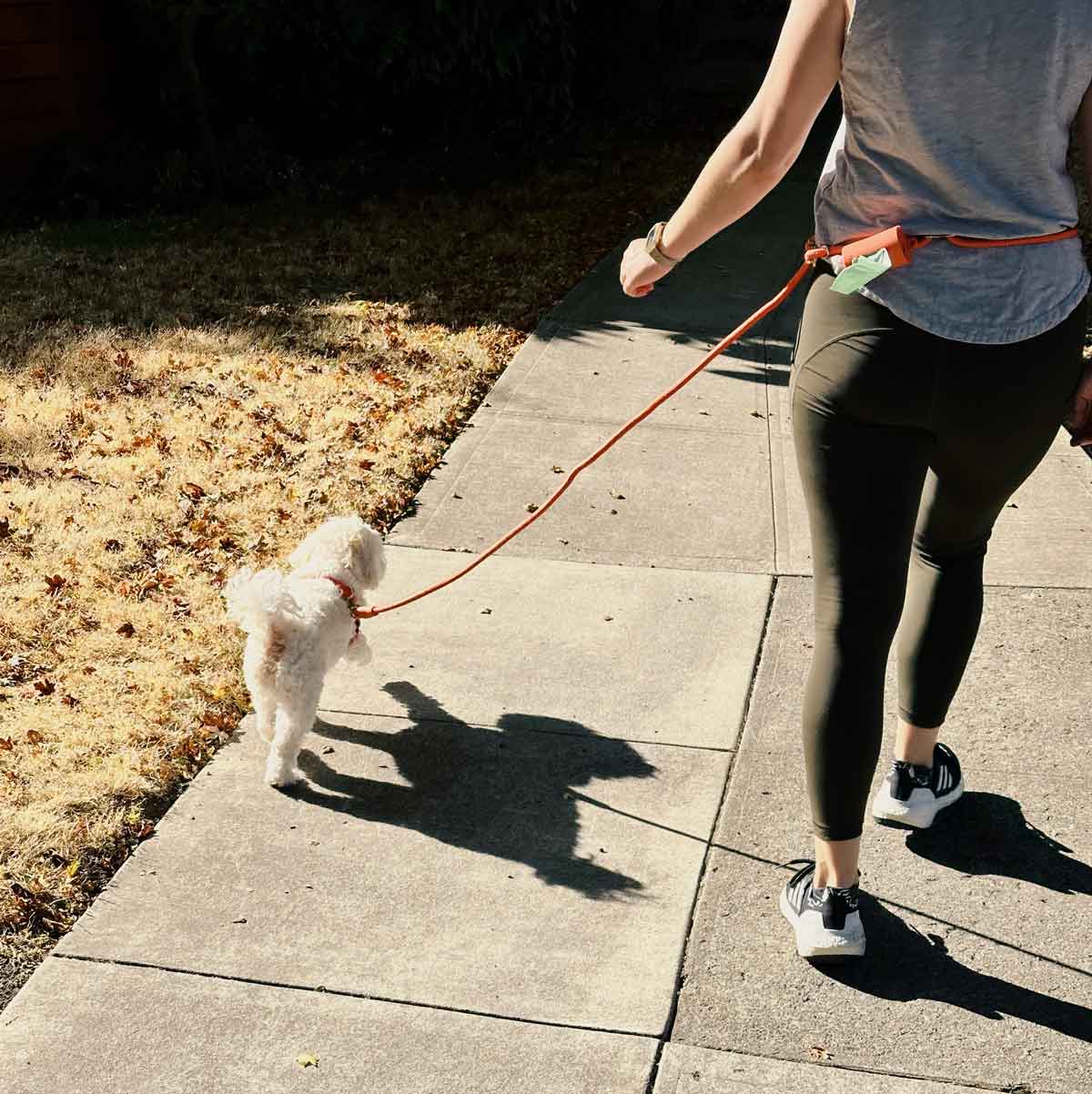
No matter who you are, definitely skip the 5-foot leash and go for the 7-foot option — and keep in mind that it may still be too short to wear around your waist or cross-body on your walks.
That said, everything from Awoo feels incredibly high-quality, visually gorgeous (I love every colorway), and I imagine Poptart will have these items the rest of her life.
Shop: Awoo | Chewy | Earth Hero
Cycle Dog Upcycled Leash & Collar

Cycle Dog makes its collars, leashes, and toys with upcycled bicycle inner tubes. By using materials from bike tubes that would otherwise be thrown into landfills every year, Cycle Dog has reclaimed hundreds of thousands of discarded inner tube rubber since 2009.
The best part? The recycled rubber is durable and waterproof — and prevents about 1,000 times less bacterial growth compared to standard nylon collars and leashes.
Shop: Amazon | The Kind Pet
The Good Dog Company Hemp Corduroy Collar

Every dog needs a reliable collar. The Good Dog makes collars with certified organic cotton and super-soft hemp, which helps keep your pup’s accessories odor-free.
Hemp and organic cotton crops require less water and energy, making them a sustainable option that is easy to use, clean, and enjoy every day. Plus, hemp is hypoallergenic, so it’s great for those sensitive doggies, too!
Shop: Amazon | Earth Hero
Pettsie Cat Collar

The perfect accessory for both you and your cat, Pettsie’s matching cat collar sets are as stylish as they are sustainable. Made with durable hemp and 100% cotton canvas, these friendship collars/bracelets are lightweight and comfortable for years of use.
Collars also have a breakaway feature, enabling a safe escape for cats that might get stuck in any number of sticky situations.
Springer Travel Water Bottle

The solution for keeping your dog hydrated on the go without a flimsy plastic water bottle? Springer’s travel bottle. Designed with an attached bowl, you simply squeeze the bottle to fill up the bowl with water and release a built-in drain to retain the excess water.
Leak-free and made with food-safe and BPA-free polypropylene plastic, the bottle also has an aluminum carabiner for easy travel. Springer is also a member of 1% For The Planet, so 1% of the brand’s annual sales go back to environmental causes.
Shop: Amazon | Chewy | Springer
Apparel & Accessories
Natural Cotton Bandana

In a world where a dog can wear almost anything these days, a classic natural cotton dog bandana is still the best way to go.
Sustainably handmade, and often by small designers across the U.S, natural cotton bandanas utilize water-based inks and dyes for low-waste impacts. Lots of times, these skilled craftspeople will also use recycled materials, too.
Shop: The Kind Pet
Canada Pooch Eco-Parka
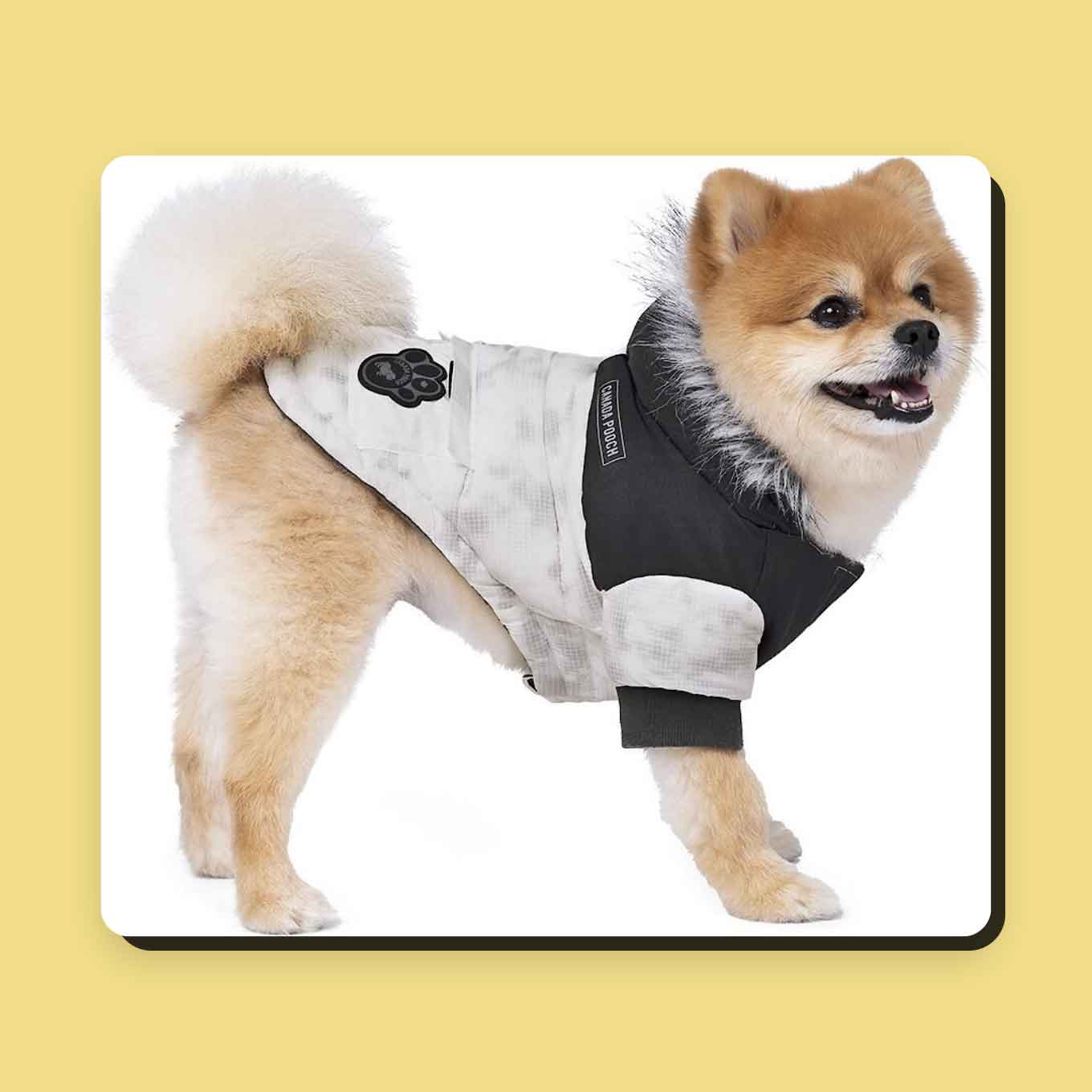
Canada Pooch’s Eco-Parka is the perfect coat for a chilly winter day. With a water-resistant exterior, thick insulation, and fleece lining, your pup will stay warm on even the coldest adventures.
Oh, and did we mention it’s made from 100% recycled fabrics? This extra-warm outerwear option makes for a great eco-friendly selection that will keep your pup cozy all winter long.
Shop: Canada Pooch | Chewy
House Dogge Hoodie

Nothing says comfort and warmth quite like a favorite sweatshirt. So, of course your dog deserves the same.
The House Dogge Hoodie is made with chemical-free, breathable, all-natural cotton fibers, and includes wool lettering that is OEKO-TEX-certified, anti-microbial, and biodegradable.
House Dogge only makes its goods in small batches, so as not to over-produce, and uses recycled, upcycled, or biodegradable materials in its packaging.
Shop: Free People | House Dogge
Home Goods
Americat Stainless Steel Bowls

Did you know that plastic and ceramic pet food bowls usually harbor hidden bacteria? Stainless steel bowls are simply the way to go!
These bowls from Americat are free from lead and radioactive metals, and are considered non-toxic, and human-grade. They’re also dishwasher-safe for easy cleaning, and can be recycled at the end of their life cycle.
Shop: Amazon | The Kind Pet
West Paw Recycled No-Slip Bowl

West Paw’s No-Slip Bowl is made with Seaflex — or, recycled ocean-bound plastic — and Zogoflex, a zero-waste, recyclable plastic that can be used again and again in West Paw products.
The bowl is top-rack dishwasher-safe, BPA and latex-free, FDA compliant, and recyclable through the brand’s Join The Loop recycling program.
Beco Pets Bamboo Dog Bowl

The Bamboo Dog Bowl from Beco Pets is made from a blend of renewable bamboo and rice husk.
BPA-free and stylish, the plant-based bowl is the perfect addition to any kitchen, and is also dishwasher-safe and easy to clean.
Beco Pets has also won the Ethical Award from the Ethical Company Organization, recognizing the brand for its outstanding ethical and corporate social responsibility.
Shop: Amazon | Earth Hero
Americat Feeding Mat

Our pets really can chow down like it’s their job (and it kind of is). This feeding mat from Americat is the perfect placement to catch all the spills and food at your dog or cat’s feeding station.
Made with 50% post-consumer recycled materials and BPA- and phthalate-free plastic fibers, this mat is washable, waterproof, and eco-friendly, so you can protect your floors — and the earth — with ease.
Shop: Amazon | The Kind Pet
Mau Cat Tree
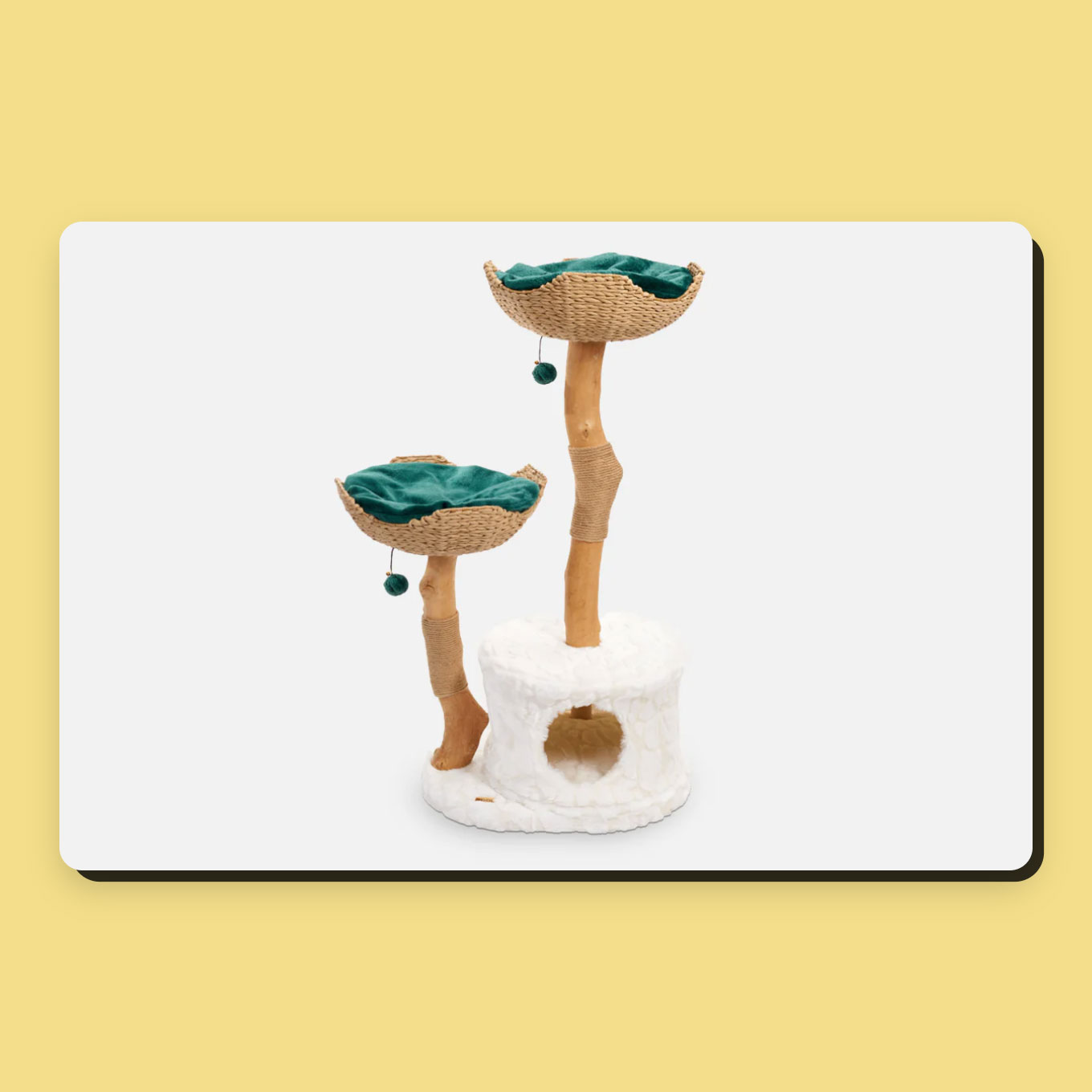
Mau Pets makes modern and sustainable cat furniture made with real tree branches, sustainably sourced from trees that no longer bear fruit.
Including woven baskets and pom-poms, you can replace or interchange pieces of the cat tree directly through Mau’s website, without having to get a whole new piece of furniture after standard wear and tear.
Plus, Mau plants a tree for every purchase and donates 5% of its revenue to animal welfare and environmental conservation organizations.
It really is the thought that counts.
Sometimes this cliché gets thrown around during the holiday season, but perhaps it really should lead our gift-giving thought process.
After all, what everyone really wants is a gift that makes them feel special, known, and understood. And they especially don’t want a gift that goes to waste in the “return” or “re-gift” piles.
If you’re looking for ideas for sentimental gifts that make your loved ones feel extra loved, you’ve come to the right place.
You might also like: The Best Consumable Gifts | The Best Experience Gifts
By the way, some of the products and links in this article are affiliates, which means we may earn a commission at no extra cost to you. Everything in this article was independently and honestly written by the Good Good Good team. Thank you for your support!
The Best Sentimental Gifts You Can Give Your Loved Ones
A Fujifilm Instax camera to document memories
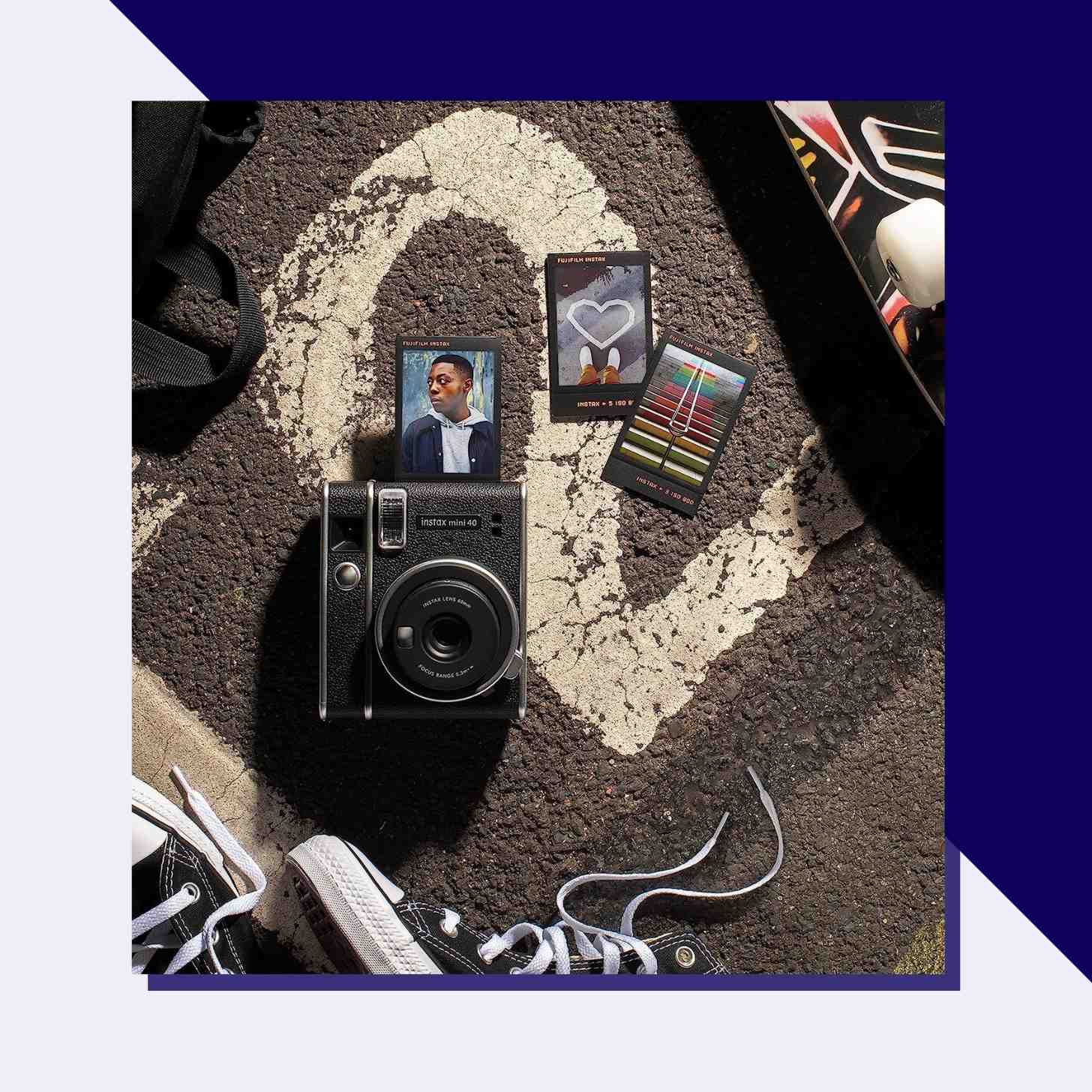
The first step in sentimentality? Holding onto beloved memories!
Instax cameras are great at providing that simultaneous instant gratification of a lovely photo with the classic vintage touch of holding a printed image in your hand.
Shop: Amazon
Artifact Uprising photo prints

If you’re looking for larger photo prints, Artifact Uprising offers gorgeous prints in various sizes — and they’re made sustainably with recycled paper!
Shop: Artifact Uprising
An astrology book all about them
Calling all Leos! Consider an astrology book that takes your gift recipient on a trip to the stars to learn all about themselves and understand their full birth chart.
Shop: Birthdate Co. | Etsy
A personalized history book from the New York Times

Any history buffs in the house? The New York Times makes these beautifully bound books of all the front pages of the iconic paper from each of your gift recipient’s birthdays.
This is a meaningful way to look back on the years and get a larger picture of what was going on in the world with each rotation around the sun.
Shop: Uncommon Goods
A fancy book valet for their coziest reading endeavors

This one is for the bookworms.
Is it just me, or is it almost impossible to get fully comfortable when reading a book? You’ve got your book or e-reader, your favorite beverage, and maybe a snack or reading glasses — where does it all go?!
A book valet keeps everything in one place and helps your voracious reader move from reading nook to reading nook around the house.
Shop: Etsy | Uncommon Goods
A custom journal for their innermost thoughts
Giving someone a space to tell their story is one of the most empowering things you can do — even if it’s in the privacy of a personalized journal.
Shop: Etsy | Papier | Minted | Uncommon Goods
→ Check out our full guide to guided journals and self-care planners!
A set of personalized stationery

For all the words that they’ll share with the world, a set of personalized stationery gets our stamp of approval. This also makes a great gift for milestones like graduation or starting a new job!
→ Check out our favorite eco-friendly stationery brands!
An affirmation card deck
Who doesn’t love a good positive affirmation? Card decks like these are a great and simple way to tell someone you think they’re amazing — and that they should believe it.
Shop: Amazon | Etsy | Uncommon Goods
This DIY picture book all about them
You don’t have to be a kid to appreciate a picture book! For the folks with big imaginations, give them the opportunity to write their story in picture-book format.
Shop: Uncommon Goods
An eco-friendly bouquet of flowers from ReVased
ReVased is a small women-owned flower delivery business that sustainably sources its stems from farms — and even donates flowers to nonprofits, too!
If you’re planning to gift someone a bouquet of flowers, nothing is quite as meaningful as this.
Shop: ReVased
A book filled with things you love about them

If you’d rather do the creating, you can get an easy-to-fill book that helps you communicate all the things you love about this special person.
Framed artwork from a beloved artisan
Art prints can be so special and meaningful. Perhaps you’ve found a stunning watercolor image of their favorite flower or an abstract painting that would fit in perfectly with all of their other decor.
Check out any number of artisan marketplaces for the perfect piece!
Shop: Etsy | Framebridge | Minted
A Storyworth subscription
Storyworth is a subscription service that sends your gift recipient weekly prompts, encouraging them to preserve memories or tell silly stories that are worth documenting.
Then, those stories can be printed in a beautiful book that can be cherished for a lifetime!
Shop: Storyworth
A print newspaper filled with good news
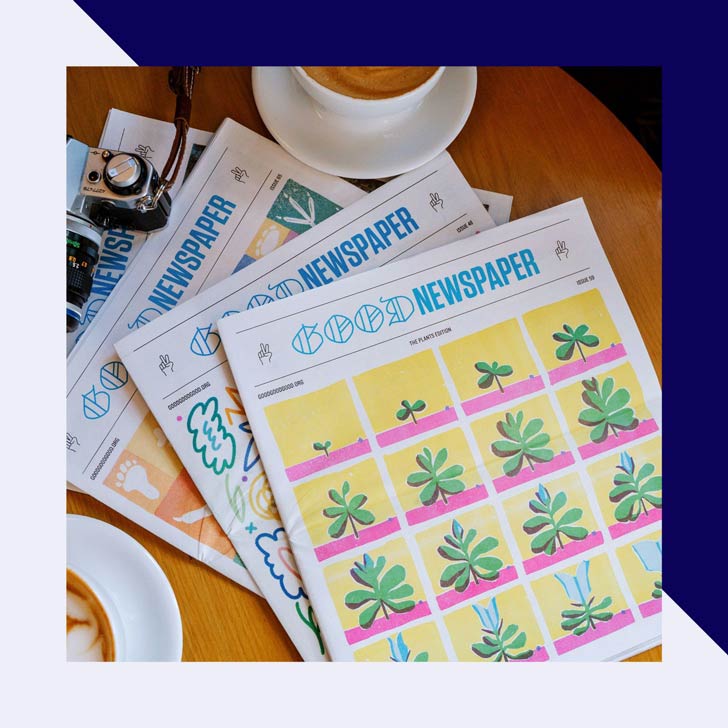
It’s all of the nostalgia of the newspaper your loved one grew up with… but with none of the bad news! We might be biased but a subscription to the Goodnewspaper might be the best gift out there.
Shop: Goodnewspaper
A custom music box with a special tune
Music boxes are not just for tiny ballerinas anymore!
Get a custom keepsake box that contains a favorite photo — and plays a meaningful song when it’s opened.
Shop: Etsy
A nice picture frame to hold your most cherished memories together
Once you have those printed photos we mentioned earlier, you’ll probably need a place to keep them.
A beautiful picture frame is always such a special staple in any home — bonus points if it’s engraved or made from a special material that means something to your gift recipient!
Shop: Amazon | Etsy | Uncommon Goods
A beautiful photo album or book
Maybe your loved one already has a wall full of photos or is running low on tabletop space. A photo album is another way to keep precious moments in one place.
Shop: Artifact Uprising | Etsy | Shutterfly
This CatBird love letter necklace
This extra-special necklace from CatBird includes an engravable charm for you to write a tiny love letter to your gift recipient.
Made with 100% recycled solid 14k yellow gold, this charm will stay close to their heart for years to come.
Shop: CatBird
Any personalized bracelet from Bauble Bar
Say something that sparkles. Whether you customize one of these bracelets with your gift recipient’s name, their child’s name — or heck, even their pet’s name — it’s sure to wow.
You can also opt for positive words (or your word of the year!) like “hope” or “peace.”
Shop: Bauble Bar
A family birthstone necklace
This is the surefire way to make your mom cry. A family birthstone necklace includes the stones of multiple family members, making a beautiful rainbow of gems that represent all the people you love most.
Shop: Etsy | Uncommon Goods
A botanical birth month jewelry dish

Does your gift recipient already have enough jewelry? There’s a good chance they don’t have a place to store it!
Get them a beautifully unique jewelry dish adorned with the flower that corresponds to their birth month.
Shop: Etsy | Uncommon Goods
A Viewfinder of all your favorite moments together
If you’re interested in going a more playful direction, a Viewfinder (and an accompanying custom photo reel) takes a nostalgic and beloved toy and makes it all yours.
Shop: Amazon | Etsy | Uncommon Goods
A candle that smells like home
Well, we can’t always recreate your grandma’s lasagna, or the exact combination of ocean water and seagulls-carrying-french-fries, but we sure can try.
Get a Homesick Candle that captures the scent of their favorite state, or even their college town.
Shop: Amazon | Homesick Candles
→ Need more inspiration? Explore this guide of eco-friendly candles!
A beautiful map of their favorite place

Need the perfect keepsake to remember that life-changing adventure? Get a map of your honeymoon destination, the city where you met, or just the place you call home.
Shop: Etsy | Uncommon Goods
A set of glasses etched with the map of their favorite city

Whether you want to remember the times you spent in a specific city, or you want to invoke memories of their hometown, grab a set of glasses that outline that special place.
Pro tip? Get a bottle of whiskey or a bag of coffee beans from that place to make the drink in the glass even more sentimental.
Shop: Etsy | Uncommon Goods
→ Want something nice but a little less customized? Check out our favorite recycled glassware!
A map of the night sky on a special date or anniversary
We often think of a place as the pin on the map, pointing to a building or a street name. But a place in time is also written in the stars.
Capture their most meaningful memories as a grid of the night sky: the day their child was born, the night you met, or the moment you said “I do.”
Shop: Etsy | Uncommon Goods
This bracelet that contains sand from their favorite beach
Experiencing the perfect beach getaway often makes you wish you could just bottle up the moment and keep it forever.
While this item can’t exactly create the magic that would keep you from your desk job forever, it does remind your loved one of a favorite trip to your choice of one of thousands of beaches around the globe.
Shop: Uncommon Goods
A blueprint of their favorite sports arena
Whether your gift recipient is a die-hard Cubs fan, never wants to forget the hot dog they ate at Dodger Stadium, or wants to remember their Eras Tour show, this vintage-style blueprint poster will bring those core memories to life.
Shop: Etsy | Uncommon Goods
Or… a print of their favorite ski trails

If your loved one is more of a ski bunny than a sports fanatic, there’s something for them, too!
Get them an art print that follows their favorite ski trails or resorts from the majestic mountains.
Shop: Etsy | Uncommon Goods
For the homebody, a watercolor portrait of their home sweet home

If your person doesn’t quite have a taste for adventure and would prefer to stay home all day, we’ve got the thing for them, too.
A watercolor portrait of their beloved home — or the place they just moved into — is always a sweet touch.
Shop: Etsy | Uncommon Goods
An artistic portrait of their beloved pet
Call us biased, but most of all, we’d cherish a portrait of our furry friends. Pick from endless styles, formats, and finishes and put that beloved companion in the hall of fame where they belong.
Shop: Crown & Paw | Etsy | Uncommon Goods
An embroidered sweatshirt with their dog’s face on it
If your gift recipient would be more likely to carry their pooch on their person, an embroidered sweatshirt could be the way to go. These custom apparel items put those beloved pups right next to your heart to wear all day long.
Shop: Etsy | Uncommon Goods
A necklace personalized with their pet’s nose print
If you want to go a fancier route, a piece of jewelry makes for the perfect keepsake, as well. These necklaces can be personalized with their pet’s nose print!
The only tricky part will be actually acquiring a photo or print of that beloved boop.
Shop: Etsy | Uncommon Goods
→ Check out our full guide to gifts for animal lovers!
A monogrammed mug for their morning coffee

Although most of us already have a pretty robust collection of mugs, we all deserve a favorite. Get them a monogrammed mug that will earn the top spot on the shelf!
Shop: Anthropologie | Etsy | Amazon
Their favorite sweet treat
Nothing says “I care about you” more than an invitation to enjoy something decadent. Chocolate, anyone?
Shop: Amazon | Maeve Chocolate
→ Check out our full guide to the best consumable gifts for more ideas!
A cutting board inscribed with a beloved family recipe

Perfect to display in a kitchen or use for that show-stopping charcuterie board, these cutting boards are both meaningful and practical.
Shop: Etsy | Uncommon Goods
A cookbook filled with family recipes

Pass down generations of family recipes in a way that is both timeless and chic. Own those Jell-O salads and Christmas cookies with a simple custom cover that will quickly become a staple in the kitchen.
Shop: Etsy | Uncommon Goods
For the chef, a monogrammed knife

Knives are already a meaningful (and pricey) gift, so an extra few dollars to engrave them with your chef’s name or initials will make them that much more special.
Can I get a “yes, chef?!”
Shop: Etsy | Williams-Sonoma
A personalized harvest basket for the green thumb among us
That seasonal produce deserves a beautiful place to land.
If your gift recipient is a gardening enthusiast, help them pick fruits and vegetables in style with this personalized harvest basket.
Shop: Etsy | Uncommon Goods
This long-distance favorite: The Lovebox
Go beyond text messages and send a message that means the world.
The Lovebox is a digital messenger that spins when your recipient receives a message. Different designs of the box allow users to send messages, emojis, and photos.
Shop: Amazon | Uncommon Goods
This art print that features an upcycled customized record
Playlists and burned CDs are so yesterday. Take it to another level and share a list of songs via this beautiful art print that includes a real upcycled vinyl.
Shop: Uncommon Goods
An extra thoughtful gift box from Greetabl
Gone are the days of boring fruit baskets and impersonal corporate gifts.
Greetabl gives users the chance to personalize their (small but mighty) gift boxes with photos, meaningful messages, and hand-selected goodies.
Shop: Greetabl
A throw blanket stitched with a handwritten letter

Wrap them in love — literally. This blanket allows you to print a meaningful handwritten message right onto its soft and cozy threads.
Perfect for an anniversary, Valentine’s Day, or even as a real-life thank you note.
Shop: Etsy | Uncommon Goods
A monogrammed passport holder

Have a globe-trotter in your midst? Get them a colorful custom passport holder for all of their travels!
It’s basically the equivalent of saying “I’ll miss you but at least you can see Italy in style.”
Shop: Etsy | Sprinkled with Pink
A personalized playing card holder
Poker player? Card game enthusiast? World champion of Spoons? Give them a place to store those playing cards that is alllll theirs.
Shop: Etsy | Uncommon Goods
This welcome mat that helps them say what they really feel
Letterfolk’s tile mats give people the freedom to switch out their doormat greetings with ease. Plus, they’re cute as all get-out.
If your gift recipient loves to host, always has something witty to say, or just loves to dedicate a moment to home design, this is for them.
Shop: Letterfolk
An embroidered Boat & Tote from L.L. Bean
If you haven’t already fallen in love with L.L. Bean’s Boat & Tote bags from the iconic Instagram account @ironicboatandtote, allow us to introduce you to the tote bag of everyone’s dreams.
Get the bag embroidered with their initials, a favorite saying, or something Tom Wambsgans-approved.
Shop: L.L. Bean
A pair of custom-designed shoes
Take a cult-classic shoe like a Chaco sandal or some high-top Converse and make them totally unique!
Both shoe companies offer the option to create custom designs, with various colors, patterns, and embroidery. Help your favorite person step out in a way only they can.
This customizable camp flag to adorn their wall
Whether you’re calling back memories or sayings from your old summer camp days, or you just want to invite a playful and meaningful element of design to your loved one’s space, a camp flag is a great way to do so!
Shop: Etsy
A whimsical night light engraved with their name
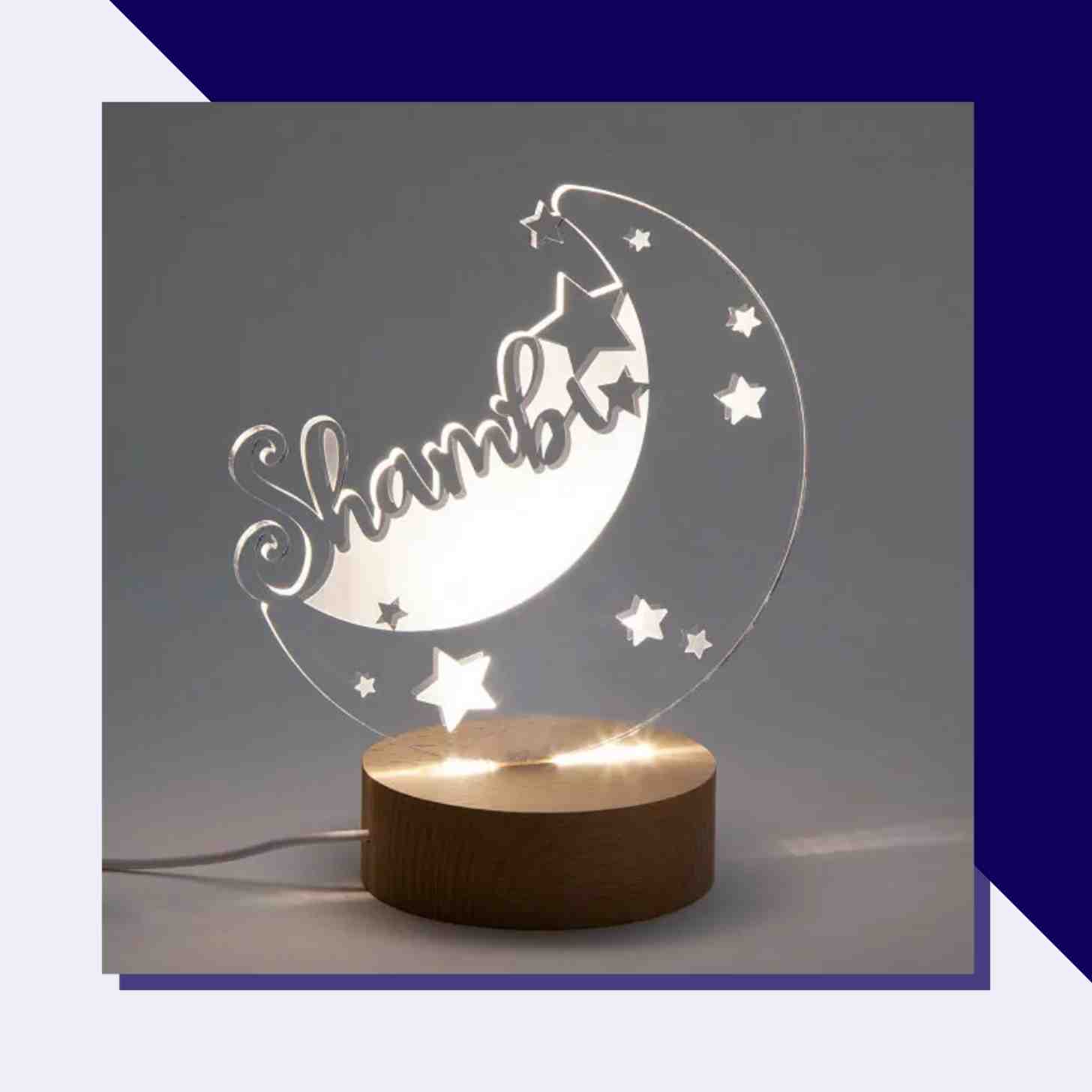
For those kiddos who are scared of the dark — or those grown-ups who trip on their way to the bathroom in the middle of the night — these personalized night lights are both cute and practical.
Shop: Etsy
A pride flag to display with, well, pride
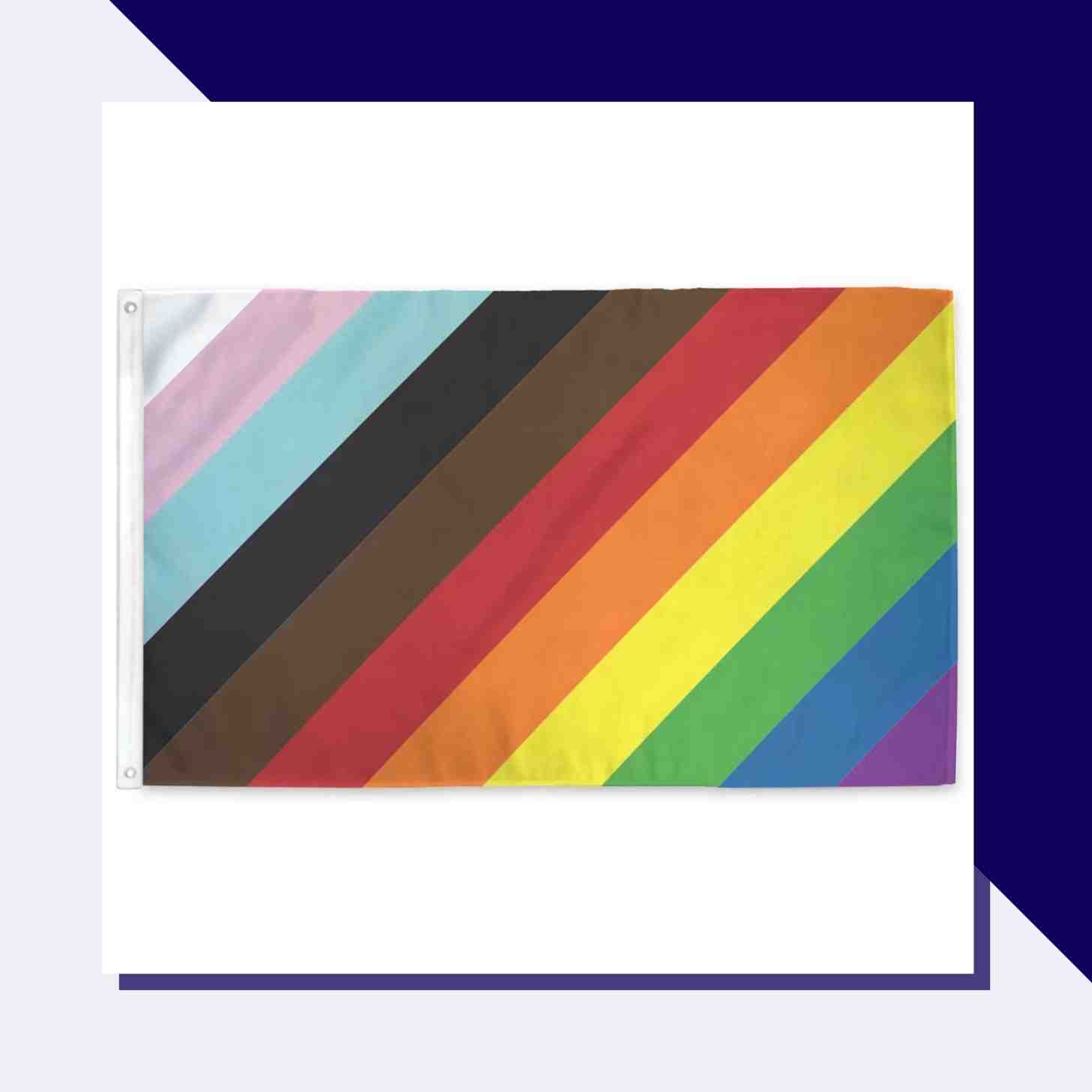
Nothing says “I love you and cherish our relationship” than a pride flag that symbolizes acceptance and joy.
Whether your loved one recently came out, or you want to celebrate their love for any occasion, find their pride flag design and let that thing wave!
Shop: Amazon | Flags For Good
→ Explore our full guide of LGBTQ+ pride flags!
A donation to their favorite cause or charity
At the end of the day, none of us really need a custom shirt or necklace. If you’re still stuck on how to share a meaningful gift with your loved ones, consider donating to their favorite cause or charity.
You can set up donations in their name, print off a fun certificate they can frame, or talk about what kind of difference this gift can make.
Donate: Check out this ultimate list of nonprofit organizations
Every day the Good Good Good team collects the best good news in the world and shares it with our community. Here are the highlights for this week!
If you want to get good news in your inbox every day, join the Goodnewsletter — the free daily newsletter designed to leave you feeling hopeful.
The Best Positive News We’re Celebrating This Week —
To help reduce waste, a university hosted a yard sale for incoming students filled with donated household items from “move-out day”
After seeing the number of home goods that were ending up in campus dumpsters every year, Marquette University in Milwaukee, Wisconsin came up with a solution to both reduce waste during move-out week and make home furnishing more accessible for incoming students.
As part of its Markept sustainability program, the university created a “yard sale” called Iggy's Market. On move-out week, employees collect student-donated items to be stored in shipping containers for incoming students to take what they need to furnish their homes.
On just the first day of the yard sale, over 60 graduate and international students shopped the market’s secondhand items.
Why is this good news? Not only does offering secondhand items to students help reduce the amount of perfectly good, usable housewares that end up in a landfill, it’s also financially beneficial. Furnishing your home can be logistically and financially challenging for many college students, especially for international students.
John and Hank Green just launched a new shop where 100% of the profits from anything you buy go to charity
Authors, content creators, and entrepreneurs John and Hank Green have been engaged in charitable endeavors for years, including their annual Project For Awesome and Pizzamas digital fundraisers, as well as their work in partnership with Partners in Health to build the Maternal Center of Excellence.
To support this work, the brothers Green have launched a number of product lines for simple items that most of us use every single day: socks, coffee, and soap. And when you buy them, 100% of profits go to reducing maternal and childhood mortality in Sierra Leone.
And now, all three of these endeavors are housed under one roof: Good.Store. The new Good.Store offers all of the products through one-time purchase or subscribe-and-save models. This allows shoppers to combine brands in one purchase or subscription, reducing shipping costs and emissions — all while still doing good.
Why is this good news? Aside from the convenient of a one-stop-shopping experience, because profits go to charity, purchases from the Good.Store will quite literally directly improve health outcomes for maternal and childhood health in Sierra Leone, which has the highest maternal mortality rate in the world.
Investment in renewable energy hit a record-breaking $358 billion globally in the first half of 2023
A critical part of decarbonization and the fight against climate change is in switching to renewable energy sources — and according to new data, the world continues to make record-breaking investments in that switch.
In just the first six months of 2023, global new investment in renewable energy grew to $358 billion, representing a 22% rise compared to the same period last year, and an all-time high for any six-month period.
The vast majority of investments were in solar energy, with a total of $239 billion invested, which was a 43% rise compared to the same time period last year. China and the U.S. are leading the way in investments, which is also encouraging — since wealthier countries have contributed the most to climate change.
It’s important to note that while this progress is incredible, hopeful, and worth celebrating — experts say even more is needed to put us on track to reach net-zero targets and avoid the worst impacts of the climate crisis that come with two degrees Celsius of warming.
Starting in September, Lego will start selling braille bricks to help vision-impaired children learn to read
Since 2020, Lego has been providing bricks coded with braille letters and numbers for free to schools and services for vision-impaired children. The bricks had been tested and developed in partnership with blind organizations all around the world.
Now, starting next month, consumers will be able to purchase packs of the braille bricks. The packs they’re producing will include educational game ideas and more to help families and siblings learn and play together, too.
While there are certainly alternative technologies to using braille for those who are visually impaired, blind adults still report they like the freedom of being able to read with their fingers, too.
Why is this good news? In addition to providing more independence, according to the European Blind Union, knowing braille leads to improved spelling, reading, and writing skills in those who are vision impaired, which in turn can lead to higher education levels and more employment opportunities.
A group of Philadelphians raised over $17,000 to eliminate $1.6 million in medical debt for 1,700 of their neighbors
After hearing about churches forgiving medical debt, aorganizer and nurse in Philadelphia decided they wanted to gather their “mostly-queer, dirtbag” friends to do the same — and now their neighbors are $1.6 million less in debt.
Thanks to donations from 55 people alongside a $5,00o donor match, Claire Hirschberg and Lou Garner helped raise over $17,000 to purchase and forgive more than $1.6 million in medical debt through RIP Medical Debt.
Starting mid-September, 1,700 of the group’s neighbors in Philly will get letters saying their medical debt has been cleared. The group celebrated with a “debt burning” at the city’s Chicken Pier — where they symbolically burned a giant medical billing statement.
Why is this good news? For so many people in the U.S., an unexpected medical event can spell financial disaster. While fundraisers and debt-clearing campaigns like this group from Philly organized shouldn’t be a thing in the first place — it’s a good reminder that everyday, “ordinary” people really can see a problem, take action, and make a huge difference.
The viral “If I Were A Fish” TikTok song is now being turned into a playful picture book for all ages
Indie singer Corook (also known as Corinne Savage) and their partner Olivia Barton took the world by storm this spring when they debuted their song “If I Were A Fish” on TikTok.
The catchy, uplifting song came from a place of healing, as Corook wrote the catchy, uplifting song from a place of healing after having “a very emotional day, feeling insecure and out of place.” They wrote the song to “remember the joy in being different.”
TikTok users across the globe sang, danced, and reposted the song and its delightful lyrics. And now, the whimsical song is being turned into a picture book — and fans and followers of the duo are just as delighted by the news as when the song first debuted.
Why is this good news? The book’s description reads, “This inspiring song about surrounding yourself with the people that make you the happiest is a timely reminder that it’s always best to be yourself.” The song filled our fyp's with good — and it'll do the same for our bookshelves!
More good news of the week —
Doctors are using stem cells to restore vision to people who have had devastating eye injuries. Eye surgeons have been working to fix a serious and specific eye problem that can cause pain and permanent vision loss called limbal stem cell deficiency.
The FDA just approved the first RSV vaccine for pregnant mothers to protect babies. RSV can be particularly dangerous in infants, and this vaccine transfers protective antibodies from mother to infant before birth.
Pennsylvania’s Solar for Schools program is creating jobs, cutting taxes, improving teacher pay, and increasing educational programming. One school distric recently installed 3,500 panels and anticipates saving $1.6 million over 20 years, allocated towards teacher salaries and facility upgrades.
Eight states across the U.S. will be providing free meals for all kids in school this school year. Joining California and Maine, Minnesota, New Mexico, Colorado, Vermont, Michigan, and Massachusetts are making meals permanently free starting this year.
A new Arizona law will give all 911 operators in the state unlimited access to mental health services. In signing the bill, the governor said that operators “can experience extremely traumatic situations that they take home with them” and need the support.
New research found that coral reefs in one part of the Pacific Ocean have shown a historic increase in climate resistance. The reefs’ adjustment to higher ocean temperatures could reduce future bleaching impacts of climate change.
Camera trap images of critically endangered eastern lowland gorillas just confirmed the presence of healthy family groups in the DRC. There are only 6,800 left of the subspecies, which is threatened by hunting, deforestation and mining activities,
A new program in Massachusetts will provide free community college for older adults. The state will invest $20 million in the first year of MassReconnect, which will make community college free for residents over age 25.
Scientists have developed a new power plant condenser coating that could cut 460 million tons of carbon dioxide per year. Weaning the world off fossil fuels will take some time, so finding ways to make energy generation more efficient is important.
To help lower healthcare costs, the Biden administration announced the first 10 medicines up for price negotiations. The medications treat diabetes, cancer and other conditions, are taken by millions of older Americans, and cost Medicare billions of dollars annually.
An “unloved, unutilized” flood meadow in England has been reconnected to a river to become a wildlife haven. The meadow was disconnected from the river in the late 1800s for a railroad line, and will now become a vibrant and open habitat for wildlife and the public.
Thanks to reintroduction efforts, a pair of ospreys has successfully bred in Ireland for the first time in 200 years. The birds produced at least two—possibly three—chicks at a confidential location in County Fermanagh, Northern Ireland.
The U.S. has a new federal bureau focused on global health and pandemic prevention. The newly established Bureau of Global Health, Security and Diplomacy will coordinate U.S. foreign assistance and foster international cooperation.
The Nebraska women’s volleyball team just broke the women’s sports attendance world record with 92,003 fans. The previous women's sport world attendance record was 91,648, set in 2022 during a UEFA Women's Champions League soccer semifinal in Barcelona.
The UN just issued a formal statement saying governments must respond to youth demands for climate action. The UN Committee on the Rights of the Child concludes that the climate emergency, the collapse of biodiversity and pervasive pollution – “is an urgent and systemic threat to children’s rights globally”.
The HIV/AIDS epidemic spiked in the 1980s, resulting in the death of over 100,000 people from 1981 to 1990, making an irreversible mark on our world from a social, medical, and political perspective.
Globally, over 38 million people live with HIV — two-thirds of whom are in Africa. In the U.S., about 1.2 million people live with HIV, affecting Black, Latine, and LGBTQ+ communities the most.
Much of the published dialogue and media representation surrounding the epidemic primarily center the harrowing mortality statistics or the subsequent scientific advancement. While these are irrefutable parts of the crisis, it often leaves out the human aspect, erasing the very real impact on relationships, families, and communities.
Our partners at Stacker compiled a list of books — including nonfiction, memoir, fiction, anthologies, and poetry — that underscore the humanity of people diagnosed with HIV or AIDS. The list features works from authors with proximity to the HIV/AIDS epidemic either through a personal diagnosis, the loss or care for loved ones living with HIV or AIDS, or connected social or political advocacy work.
Books on this list were written as early as the mid-1980s and were curated based on audience reception and cultural impact, critic reviews, and awards or nominations.
Explore these must-read books that humanize the HIV/AIDS experience
'And the Band Played On: Politics, People, and the AIDS Epidemic' by Randy Shilts
Written by Randy Shilts — known in the '80s as the first openly gay reporter for the San Francisco Chronicle — "And the Band Played On" published in 1987 is critically acclaimed for its detailed investigative journalism covering the inadequate response to the AIDS epidemic.
The book takes the reader through the height of the epidemic, beginning with the death of Danish surgeon Grethe Rask in 1977 — considered to have one of the first AIDS-related cases outside of Africa — and ending with Rock Hudson (a 1950s-1960s heartthrob whose sexuality was a topic of speculation), his AIDS-related diagnosis, and subsequent death.
Through this timeline, "And the Band Played On" asserted that the AIDS crisis was preventable but was allowed to spread due to the government's disinterest in aiding continental Africans (and later gay men).
Before his death from AIDS-related complications in 1994, Shilts said in a 1987 interview with the New York Times: "Any good reporter could have done this story. But I think the reason I did it, and no one else did, is because I am gay. It was happening to people I cared about and loved."
'Facing It: A Novel of AIDS' by Paul Reed
Author Paul Reed, known for centering the AIDS crisis in his works while traversing topics like masculinity, sexuality, and spirituality, published "Facing It" in 1984. He penned many types of literature (including journal-style memoirs and safer-sex erotica under a pen name) and is well-known for writing about gay men and their experiences, and "Facing It" is credited as one of the first works of fiction to focus on the AIDS epidemic.
Reed passed away from an AIDS-related illness in 2002, and his final work, "Swollen," was published later that year.
'The Darker Proof: Stories from a Crisis' by Adam Mars-Jones and Edmund White
Published in 1987, "The Darker Proof" compiles seven short fiction works about the collective experience of characters navigating HIV diagnoses. American novelist and memoirist Edmund White, who has lived with HIV since 1985, and British literary critic and author Adam Mars-Jones are notable writers who have been outspoken about their lived experiences as gay men both in their published works and publicly, writing three and four of the pieces in the collection, respectively.
These stories illustrate not only the experience of gay men diagnosed with HIV but show the impact on their families, partners, and communities. An expanded version was published in 1988.
'Close to the Knives: A Memoir of Disintegration' by David Wojnarowicz
Renowned as an HIV/AIDS activist and a visual artist of various mediums, David Wojnarowicz published his 1991 memoir essay collection "Close to the Knives" a year before he died from AIDS at 37. The book traverses the harsh reality for many LGBTQ+ people, both past and present, through honest yet humorous details of Wojnarowicz's personal experience with familial abuse, HIV/AIDS, sex, drug abuse, houselessness, and art.
Fellow gay novelist Dennis Cooper remarked that Wojnarowicz "has the best conscience of any writer I know," calling his memoir fierce, erotic, haunting, and truthful—urging that it "should be given to every teenager immediately."
'AIDS and Its Metaphors' by Susan Sontag
Author Susan Sontag, who wrote other AIDS epidemic-centered pieces like "The Way We Live Now," compares her experience of navigating the stigma and shame surrounding cancer treatment with the stigma surrounding HIV-positive individuals in the 1980s in "AIDS and Its Metaphors." Published in 1989, the book challenges the ways people living with HIV or AIDS are immediately maligned and blamed for their illness, primarily due to the connections made between the disease, gay men, and IV drug users.
To illustrate how society ostracizes those who are ill, Sontag compares HIV/AIDS to not just cancer but the military, pollution, and plague, using metaphors to argue that such demonization negatively contributes to the outcomes of both patients with cancer, HIV, and AIDS.
'Body Counts: A Memoir of Politics, Sex, AIDS, and Survival' by Sean Strub
In 2014, advocate, speaker, and politician Sean Strub published the memoir "Body Counts." The book chronicles his time working in politics while secretly navigating his sexuality to later becoming a radical activist with AIDS Coalition to Unleash Power, or ACT UP, alongside his own journey with HIV, giving readers an intimate glimpse of the AIDS epidemic over multiple decades.
Strub, known for being outspoken against the stigmatization people living with HIV and AIDS, is the founder of POZ magazine — a leading publication focused on education surrounding HIV/AIDS. He also serves as executive director of the Sero Project, an organization that combats the criminalization of people who are HIV-positive.
'Let the Record Show: A Political History of ACT UP New York, 1987-1993' by Sarah Schulman
Gay activist, writer, and AIDS historian Sarah Schulman is known for her published works on LGBTQ+ communities and their experiences with the HIV/AIDS epidemic. "Let the Record Show" is the written version of several interviews collected for the ACT UP Oral History Project. The 2021 work showcases how the grassroots organization was successful in its direct action, advocacy, and political work thanks to its adherence to civil disobedience and decentralized structure, with Shulman highlighting the roles women and people of color played in ACT UP's goal of ending the AIDS crisis.
'Push' by Sapphire
The 1996 novel "Push" centers on a teenage protagonist named Precious who has to navigate living at the intersection of multiple marginalized identities, including a history of recurrent familial abuse that led to her HIV diagnosis and becoming a teen mom of two.
As a larger-bodied, dark-skinned girl with poor literacy from a low-income environment, Precious is forced to navigate the world's biases without adequate resources. Through the support of a teacher who encourages her to attend an HIV-positive support group, she learns to love herself through literature and writing.
While a work of fiction, reading Precious' journey from self-loathing to empowerment opens the door for conversation about HIV/AIDS that offers a nuanced perspective to the discussion around the impact and prevalence of the epidemic.
"Push" topped bestseller lists following the release of the 2009 film adaptation, which received several Academy Award nominations, including a win for Best Adapted Screenplay.
'Heaven's Coast: A Memoir' by Mark Doty
Poet Mark Doty's memoir "Heaven's Coast" covers the difficulty in the years following his partner Wally's 1989 AIDS diagnosis and passing in the early '90s as well as the deaths of other friends soon after. Called "searing" by the New York Times, Doty's 1996 memoir covers illness, loss, and finding queer community through letters from friends, honest prose, and journal-like entries.
Apart from "Heaven's Coast," the first of his three published memoirs, Doty is well-known for writing poetry condemning the mistreatment of gay people and the Reagan administration's failure to effectively respond to the HIV/AIDS epidemic.
'Don't Call Us Dead' by Danez Smith
Poet and performer Danez Smith's "Don't Call Us Dead" is an award-winning poetry collection that illustrates the barriers Black people must navigate, all while living at the intersection of various marginalized identities. As a queer and nonbinary Black person living with HIV, Smith places their experiences at the forefront of this 2017 collection to discuss institutional racism, sexuality, liberation, and stigma.
Smith's works have received widespread acclaim, as "Don't Call Us Dead" was shortlisted for the National Book Award for poetry and won the Forward Prize for Best Collection. Their poem from the book "summer, somewhere" was also awarded the Poetry Society of America's Four Quartets Prize.
'The Body and Its Dangers and Other Stories' by Allen Barnett

Allen Barnett's first work, "The Body and Its Dangers and Other Stories," is a 1990 collection of six short stories focusing on different gay and lesbian individuals struggling to find romance and connection due to the destruction of the LGBTQ+ community amid the AIDS crisis. Described as "sad" and "stoic" by Publishers Weekly, this sole collection of Barnett's published stories is considered one of the most important creative works to center the epidemic and its personal impact during this time.
Before he died of AIDS in 1991 at just 36, Barnett worked with Gay Men's Health Crisis and helped co-found the nonprofit organization Gay and Lesbian Alliance Against Defamation.
'Angels in America: A Gay Fantasia on National Themes' by Tony Kushner

"Angels in America" is a play by Tony Kushner that originally premiered in 1991 and received a second installment the following year before its Broadway debut in 1993.
"Millennium Approaches" and "Perestroika" are the play's two parts — which can be shown or read as separate pieces — and follow multiple people and storylines set in 1980s New York. The script uses heavy symbolism and metaphor to discuss the impact of the AIDS epidemic and the gay communities in the U.S. during that time.
The play has received numerous accolades, including the Pulitzer Prize for Drama, the Tony Award for Best Play, and the Drama Desk Award for Outstanding Play. A decade after its Broadway opening, a six-episode miniseries adaptation was released on HBO.
'Unending Dialogue: Voices From an AIDS Poetry Workshop' by Rachel Hadas

"Unending Dialogue," published in 1993, is a collection of poems written by participants of an AIDS support group for gay men. Educator and poet Rachel Hadas led these workshops in New York at the Gay Men's Health Crisis during the height of the crisis and edited the participants' work. Hadas' poems and essays were also included in the collection, offering reflections on the stigma of HIV-positive people and the workshop process as well as her own experience with illness and mortality.
'Stand by Me: The Forgotten History of Gay Liberation' by Jim Downs
Jim Downs' 2016 book "Stand by Me" gives insight into 1970s gay life before the AIDS crisis, offering a glimpse of queer communities outside of the well-known Stonewall riots. The historian's exploration touched on the presence of gay liberation before the ACT UP demonstrations, suggesting there was more to the lives of gay men than sexual exploration.
Downs' work shows how, despite the ostracization of queer folks during the time, many found community through the church, arts, and community centers in cities like Los Angeles and Philadelphia.
'Youngman: Selected Diaries of Lou Sullivan' by Lou Sullivan
"Youngman" is a 2019 collection of journal entries from the late Lou Sullivan, a gay transgender man who helped highlight the differences between sexuality and gender identity. A compilation of Sullivan's musings, "Youngman" reads much like an internal monologue. Though discussing the difficulties of being a trans man who identified as gay in the 1970s-1980s and the AIDS crisis, the writings also centered on sex, pleasure, and love.
After helping found the Gay, Lesbian, Bisexual, Transgender Historical Society and lobbying to change the criteria for gender-affirming surgery, Sullivan passed away from AIDS-related complications in 1991 at 39.
'Borrowed Time: An AIDS Memoir' by Paul Monette
Writer, poet, and activist Paul Monette's "Borrowed Time" details his partner Roger Horwitz's final 19 months — between the day of his AIDS diagnosis and his death. Monette's memoir illustrates an experience many endured during the '80s, covering the ways that loneliness, anger, and sorrow appeared while watching the health of his longtime partner decline.
In sharing his perspective, Monette's 1988 work brings a needed layer of humanity to the statistics many are familiar with. Monette lost another partner to AIDS before succumbing to the disease himself in 1995 at 49.
'My Government Means to Kill Me' by Rasheed Newson
Written by TV writer and producer Rasheed Newson, "My Government Means to Kill Me" is his 2022 breakout novel that illustrates what it means to be young, Black, and gay in the 1980s.
In this fictional coming-of-age story, protagonist Earl "Trey" Singleton III volunteers at an AIDS hospice in New York City, ultimately leading to his participation in ACT UP. Through these experiences, the reader watches Trey leave his family's mansion and experiences the limits of the American legal system as it relates to marginalized communities.
A work of fiction that "captivates through historically-grounded characters, relationships, events, and settings," "My Government Means to Kill Me" received accolades from the New York Times and was a finalist for the 2022 Lambda Literary Prize for gay fiction.
'Pedro and Me: Friendship, Loss, and What I Learned' by Judd Winick
Published in 2000, this graphic novel-style memoir details Judd Winick's friendship with HIV/AIDS educator Pedro Zamora, whom he met on MTV's "The Real World: San Francisco."
Zamora used his experience as an openly gay man living with AIDS to bring attention to the continued presence of stigma surrounding LGBTQ+ and HIV/AIDS-positive communities.
Written after Zamora's death in 1994, "Pedro and Me" covers Winick's experience as Zamora's housemate and what he learned from the educator to continue his advocacy work. "Pedro and Me" received many accolades, including Publishers Weekly Best Book of the Year and the American Library Association Best Books for Young Adults.
'Funeral Diva' by Pamela Sneed
Black lesbian writer and poet Pamela Sneed wove together poetry and prose to create "Funeral Diva," a collection spanning decades, from queer communities in the 1980s to those of the early 21st century. Sneed's collection discusses queer life and community and how varied topics pointedly affect Black LGBTQ+ persons, including ongoing homophobia, police brutality, and the HIV/AIDS crisis.
Published at the end of 2020, the book ends with Sneed offering her comparisons of the AIDS epidemic to that of the COVID-19 pandemic and how Black communities were disproportionately affected. In her review, "Citizen: An American Lyric" author, poet, and professor Claudia Rankine wrote, "This notable achievement, traveling from youth to adulthood, is a harrowing account of how Sneed transforms violence and pain into an artist's life."
'Ceremonies: Prose And Poetry' By Essex Hemphill

"Ceremonies" is a collection of works by Essex Hemphill, a widely renowned Black gay writer, poet, and spoken-word artist, published in 1992.
Within "Ceremonies," Hemphill traverses themes like Black queer identity, family, white culture, and HIV/AIDS within the community, in addition to offering a critique on the accepted objectification of Black men —most notably pointed at photographer Robert Mapplethorpe, who faced criticism for fetishizing the bodies of Black men in his work. Hemphill received several accolades as both a writer and editor in his lifetime before and after his death in 1995.
'This Wild Darkness: The Story of My Death' by Harold Brodkey
Harold Brodkey's essay collection, first published in 1996, details his experience with AIDS and the mental and physical struggle it caused him. Brodkey takes the reader from his initial AIDS diagnosis until he's too weak to continue writing, including the challenges of disclosing his condition to his family, undergoing medical treatment, and coping with childhood trauma.
Ten years after Brodkey's death, "This Wild Darkness" was adapted into a performance piece entitled "Questo buio feroce" and debuted in Rome in 2006.
'Fairyland: A Memoir of My Father' by Alysia Abbott
In her memoir "Fairyland," Alysia Abbot takes readers through her life in San Francisco in the '70s and '80s with her single father, who leaned into his bisexuality following her mother's death. Through a collage of her father's letters and journals, Abbot shares how many of her father's friends passed away from AIDS and her internal struggle with choosing to care for her father after his diagnosis or retaining the independence she'd discovered in college.
In her review, novelist and memoirist Dani Shapiro, author of "Devotion: A Memoir," wrote: "At once a father-daughter love story, a testament to survival, a meditation on profound loss, and a searing chronicle of a complex coming of age, 'Fairyland' is a beautiful, haunting book that instructs, even as it breaks our hearts."
'Remaking a Life: How Women Living with HIV/AIDS Confront Inequality' by Celeste Watkins-Hayes
In "Remaking a Life," writer and scholar Celeste Watkins-Hayes addresses how little HIV research is dedicated to Black women despite the disproportionate statistics. By threading the personal stories of women living with the disease with data from the past decade, Watkins-Hayes highlights the disparities among Black women. Published in 2019, the book details how many have discovered ways to live with — and even thrive despite — their diagnoses.
'Nobody Ever Said AIDS: Poems and Stories from Southern Africa' edited by Nobantu Rasebotsa, Meg Samuelson, and Kylie Thomas
Borne out of the creative writing competition created by the Swedish donor foundation Swedish International Development Cooperation Agency and the University of Cape Town, "Nobody Ever Said AIDS" compiles stories and poems from South African writers.
To combat literature that only focused on statistics from the 1980s and '90s, this 2005 anthology explores themes in connection with the epidemic, including loss, stigma, sexuality, and how HIV/AIDS impacts communities. By offering details through the creative telling of the writer's personal stories, a necessary human perspective is pulled further into the conversation about the role of HIV/AIDS in Africa.
'Ground Zero' by Andrew Holleran
Published in 1988, Andrew Holleran's "Ground Zero" is a collection of essays detailing the destruction within the gay community caused by the HIV/AIDS crisis. While his essays incorporate a journalistic reporting of the carnage left in the epidemic's wake, Holleran doesn't shy away from difficult emotions, vacillating between reflection, sadness, and fury.
Twenty years after its initial publication, the book was rereleased under the title "Chronicle of a Plague, Revisited: AIDS and Its Aftermath," with 10 additional essays and a new introduction.
This story was originally published by Stacker and republished pursuant to a CC BY-NC 4.0 License.