Daphne Frias is a woman of multitudes.
A 25-year-old, unapologetically Latina activist with cerebral palsy, Daphne uses a wheelchair, and has since she was in elementary school. After years of multi-disciplinary activism across disability justice, climate justice, and gun violence prevention movements, her experience in community organizing is vast and intersectional.
Last year, she was diagnosed with Stage 4 Hodgkins Lymphoma, and now in remission, she is reentering the activism scene with a renewed passion for the intersections of liberation.
Daphne has worked as a New York State Director with March For Our Lives; founded her own nonprofit, Box The Ballot, which aims to harness the power of absentee ballots; and was appointed as one of the North American Regional Focal Points for Sustainable Development Goal 16 at the UN Major Group for Children and Youth.
This work has led her to speak alongside figures like Greta Thunberg, Emma Watson, and Malala Yousafzai at major climate events around the globe, bringing visibility and nuance to the many-layered movements of our modern day.
She is working on her master’s degree in public health. Her thesis is about the Cure Violence Model and how social movements and epidemiology intertwine.
Daphne graciously sat down to chat with us about her experiences across the board in communities of activism, healthcare — and her home of West Harlem, New York.
This interview has been edited for length and clarity.
Daphne was also the guest editor of our first-ever Disability Edition of the Goodnewspaper, where a version of this article was originally published. Get your own Goodnewspaper by becoming a good news subscriber today.
In Conversation with Daphne Frias
Kamrin Baker, Good Good Good: To begin, for people who don’t know who you are, could you tell us who you are and what your experience is with disability and activism?
Daphne Frias: I am an organizer working at the intersections of environmental justice, disability justice, and gun violence prevention.
The thread that ties my work together is public health. I’ve been a scholar of public health for the last 11 years or so. I learned about public health when I was in high school, and it completely changed my life.
It really was like the missing puzzle piece in terms of why things are happening in my community the way that they are and the idea of social determinants of health and how your environment really does seriously impact how your physical and mental health shows up.
And in my community, in West Harlem, we live in a food desert. We are predisposed to tons of illnesses, like diabetes, heart disease, hypertension, asthma, all of these things. And it just felt like a given. Everybody has one of these things, or all of these things, or a combination. And there was never really an answer as to why.
And then when I started learning about public health, it really was just like that light bulb moment for me. Like, “wait, we’re not actually doing this to ourselves. There’s a whole system outside of us that is contributing to the way that these things are happening.”
It made me really angry because there’s always this sense of hopelessness where it’s like, “okay, I could be eating right, I could be doing all of the right things, but there’s still this overarching burden that exists.” And then you realize, yeah, because you’re not the one doing it.
I talk about how a lot in immigrant communities, especially communities of color, there’s this misconception where your voice is not powerful. And because we often come from low socioeconomic backgrounds and are often coming from families that have a mixture of documentation status, we’re taught to just keep our heads down and be grateful for everything that we have.
My hope is to inspire others — in communities like mine, from identities like mine — to know that their voice is powerful.
I understand not wanting to out yourself because the system hasn’t protected you overall, but at the same time, it’s never going to change if you don’t say something about it. So, that really is the crux of my activism, where my hope is to inspire others — in communities like mine, from identities like mine — to know that their voice is powerful.
I think that there’s also this misconception that activism has to be perfect. That it has to look one certain type of way, and you have to be the most articulate, knowledgeable person ever in order to be an activist.
But the only thing you really need is your voice and something that you care about. So, my work really just aims to empower folks to know that their voice is their greatest tool for creating change.
KB: Wow. That’s so beautiful. I feel the same way. I think so much of the rage that fuels the causes in the world I care about is that it always comes from this place of, like, you’re just expected to live with the bad. And, no, we don’t have to.
DF: Right, it’s like “oh well, that’s how it is. Oh well, my great grandparents had to deal with this.”
No, activism is literally breaking down intergenerational trauma and liberation for our families and for our timelines. Just because it’s happened for generations and generations doesn’t mean that our generation has to continue that.
KB: You spoke a little bit about how public health ties everything together for you. You’ve been an engaged activist for a long time in all of these different areas that overlap. Can you talk a bit about the intersectionality in your work, and how it’s impacted how you view the world?
DF: I think there is this multitude of systems of oppression that stems from all the different isms: ableism, racism, sexism, homophobia, all of that stuff, that contributes to the reason why certain communities are more disproportionately affected by these issues than others.
A system long before we even existed decided who was going to be part of the communities with advantages and the communities who were not going to have those advantages. And I don’t think some 400-year-old white man should determine the success of my communities and who gets to who gets to thrive and succeed.
I also think being a Latina, I’ve had to really grapple with things like racism and colorism. And being Dominican, we share our island with Haiti, and there’s a whole discourse that’s happened over the centuries of our islands where there is this hatred between Dominicans and Haitians, even though we share the same home and the same island. It’s still such a contentious debate.
My generation has really been the ones who have been breaking down the barriers in those uncomfortable conversations and helping others to embrace our Blackness. Even then, in the language, in Spanish and in English, there are certain connotations and phrases that are used within our everyday vocabulary to have racist and other degrading backgrounds.
My work is about showing people the systems that exist and showing them this sort of little game of life, and how we can not only win, but we can dismantle the system overall so there's an even playing field for everyone.
So, I’m trying to have these conversations with family, with others, and it’s been really hard because obviously, when you’re trying to change someone’s whole ideology, people get very uncomfortable. They’re like, “this is my culture. Are you trying to erase my culture and erase my identity?”
And it’s like, no, we’re trying to usher you into the best version of yourself and allow the culture to actually flourish and be beautiful like it should be, without getting weighed down and bogged down by past mistakes from other generations.
My work is about showing people the systems that exist and showing them this sort of little game of life, and how we can not only win, but we can dismantle the system overall so there’s an even playing field for everyone.
Over the last six or seven years of my work, I’ve really seen that change over time where a lot of young people are getting more involved in this space.
But there’s also a big shift in intergenerational collaboration where young people are feeling more confident in bringing some of these hard conversations back at home to their parents, to their elders, and saying, “listen, just because something was this way in your generation doesn’t mean that this is how things are going to keep going forward.”
Unless we have those hard conversations, I think that that’s one of the biggest barriers to creating equity overall, because people are so set in their ways. Unless we’re arming people with the right tools to have these conversations, then I think we’re not really going to get anywhere.
You might also like: What is “intersectional environmentalism” and how can I get involved?
KB: That’s such a valuable insight. You’ve actually experienced a big change in your activism recently because of your cancer diagnosis. Can you tell me more about that journey?
DF: It was a really intense journey. Before I got my diagnosis, I was sick for about two years. It started with fatigue and just general burnout vibes. That’s what I thought it was for a long time because I had been going, going, going for so many years without stopping.
When I was in Glasgow in 2021 for COP26, that’s when I really started feeling super sick. But I was also doing two weeks of conference, so I obviously wasn’t going to feel great. I came home, I slept it off for a while, and I still didn’t feel well.
I also had been diagnosed with COVID back in March 2020. So, I was in this weird fluctuating area of long COVID-type symptoms. A lot of my symptoms were also similar to the things that I experience on an everyday basis with my disability. So it was really hard to discern something that was abnormal versus something that I was experiencing my whole life.
It wasn’t until I started getting intense night sweats and fevers for no reason that I knew something was clearly off. When I tried to get a primary care doctor, there were none available in the city, none that would take my insurance. The ones that I could get appointments to were like nine, 10 months out. And I was like, “hey, I can’t wait months to figure out what’s going on with me.”
Then I started using a lot of urgent care and ER medicine, which is something that happens really often, especially in low-income communities. When people can’t access primary care, they use the systems that are meant to be emergent and for very specific instances as the primary care, and then those systems get overloaded and become a whole mess.
I had gotten some blood work done and everyone was like, “yeah, all the levels looked normal. Everything’s fine.” And this pattern continued for months. I would get labs drawn in different places. Everything was normal. And I said, “okay, yes, my labs look normal, but clearly something is wrong. And it’s not my anxiety or my depression because I’ve been an anxious girlie all my life. I can discern the difference.”
I remember telling one doctor, like, “listen, sir, I am a chronically anxious girl. I know my body and when anxiety is having a little party and when she’s having a little downtime. I can tell the difference. It’s not that.”
You shouldn't have to study healthcare in order to be treated properly and treated with agency by your doctor.
And then because of my experience in healthcare, I know how to read my labs. I know what things mean. And that always is like a point of contention between doctors and myself because I normally don’t tell them first when I’m going in that I’m studying public health and have a background in epidemiology. It isn’t until I feel like I’m not being listened to that I say, “actually, I know what I’m talking about,” and the appointment completely switches up.
It honestly breaks my heart because you shouldn’t have to study healthcare in order to be treated properly and treated with agency by your doctor.
Then, finally they’ll offer to run all these other additional tests and do these other extra workups. Like, you should have offered me that in the beginning. It shouldn’t matter whether you think I’m a peer or not for me to be treated with dignity.
And still, we played that game for two years. And then in June of last year [2022], I woke up one day and I had a lump on the side of my neck. And I remember telling my mom, “Mom, I have cancer.”
We did this process where we worked backwards. I had an idea that it was Hodgkins, so I was pretty much going to the doctors to confirm what I knew because, obviously, I couldn’t treat myself.
I went to urgent care, and then urgent care sent me to the ER. I had this lump and they were like, “yeah, it’s not really anything concerning.”
I was in excruciating pain at that point. Every night I’d be up until the morning, screaming and crying in pain because where my tumors ended up being were in my spine — and they were radiating all across my body.
After being sent home with opioids from the ER, I came back a few days later because the pain was getting worse and I wasn’t sleeping, and they finally admitted me. A few days later, I had my first CAT scan, and that’s when they saw the first signs of my tumors.
It was July 1, which for those who don’t know, July 1 is when all residents start their new residencies in New York. So, I was going in for these scans, literally when the new residents had just started, and I could see the fear on their faces when they came to tell me that I had cancer.
It was such an awkward experience because I had already read the report from the radiologist, and obviously they had read it, too. So they came into the room and asked me, “did you read the report?” And I was like “yeah.”
And they’re like “okay. We’re so sorry.” No one ever said the word ‘cancer.’ No one ever spoke about my diagnosis or anything like that.
If someone would have listened to me in the beginning, maybe I wouldn't have been that sick.
But my oncologist is amazing. It was really important for me to have an all-women team because of all the gaslighting I had experienced over the last few years. When I saw her, after my biopsy and CAT scan, she thought I was at Stage 2.
But after I got a full-body PET scan, I was diagnosed with Stage 4 Hodgkins Lymphoma. They had found over 25 tumors all over my body: in my spleen, in my neck, in my chest, in my bone marrow, in my pelvis, and all through my spine — which is why I was in excruciating pain.
KB: Wow.
DF: It was really difficult because when you see something like that, it’s validating. But at the same time, if someone would have listened to me in the beginning, maybe I wouldn’t have been that sick, right?
KB: I’d love to hear about going through that journey already disabled and how that was both an additional challenge and a vehicle for agency through the whole experience.
DF: Being disabled is also very interesting because I was very comfortable in these hospital settings. The way that I dealt with a lot of the trauma in relation to my cancer was very different from others because my body has always been in a fluctuating state of illness and sickness. So I also really understand the cues that my body is giving me and know how to tap into those.
It was funny; when I first met my oncologist, I was like, “yeah, I’m going to be the most high-maintenance patient you’ve ever had.” And she was like, “don’t worry, I’ve been doing this for over 25 years.” And then literally the third week in, she was like, “you know what? You were right.”
Literally every chemo side effect under the sun — even the ones that have a 1% chance of becoming a reality — I had every single side effect. And I would be messaging her on our patient portal like, “yeah, so this is happening now. What am I supposed to do about this?”
But she also really gave me a lot of agency over my care. I am a planner girl. I am a binder girl. I have binders for everything. So when I got diagnosed, I made a cancer binder and I printed out these guidelines, written in plain English — no medical jargon — for my mom and my sister, so they could know about my care and what to expect.
In true Daphne fashion, I also became an activist during my cancer journey.
I was also dedicated to getting every grant and every bit of free money that was out there. Like, getting healthy and getting chemo is one of the most expensive things you can go through, especially in America. I had all of that in my binder too, and that really helped me.
In true Daphne fashion, I also became an activist during my cancer journey, and I connected with a lot of other patients that were on my floor. Because I had that background of dealing with disability and chronic illness, I knew that becoming disabled is something that’s a radical, life-changing thing. From one day to the next, your body is one way and then your body is a completely different way. And that’s a very jarring experience.
So a lot of what I did was connecting with them to help them embrace their body at all different stages of the chemo experience, and giving dignity and agency to this whole process. At the end of my treatment, I donated a bell to my cancer unit, because it was a smaller unit and didn’t have a bell associated with it.
I am that girl that needs to celebrate. So I will be ringing my bell when I finish treatment. I will be ringing my bell for everybody to hear. And it has to be nice and crisp, like no janky bell in sight. So I ordered a bell and I had it engraved with our unit name.
Well, and then actually, I think it was like three chemos away from finishing, and our infusion unit flooded.
KB: Oh my god, you can’t catch a break.
DF: Yeah, over the Christmas weekend, the pipes burst and flooded the whole unit. So we were in this other smaller section, we actually just got to reopen our unit recently and I got to hang up the bell here and ring it. It was so amazing.
I also got to work with one of the fellows who was part of my medical team, and she wanted to get some grants for some new cancer research. I was her patient advocate, and I wrote a bunch of letters for her grant process, and she got both of them.
Overall, it has just been one of the most difficult, but also really rewarding processes, because I got to use my advocacy to impact this community that’s so important to me now. But I also learned so much about myself and my body.
I think people struggle to understand when I say I wouldn’t change this experience for anything. Yes, facing your own mortality is very, very scary and difficult. And at 25, I didn’t think I’d be making these life-altering decisions, but it has really just given me the autonomy to listen to myself and listen to my body because I was always really bad at that, especially in the activism space.
I always felt like I had to always be there showing up for every protest, rally, march, etc. And then when I couldn’t, I had an identity crisis. Like, what is my activism if I can’t do that stuff?
That’s when I really turned to social media and started talking about my journey and my experiences and still keeping up with activism in that way.
I’ve always told people there wasn’t one right way to be an activist, but in my own head, I always had this picture that it had to be a certain way for me. And I had to really learn how to take my own advice when I got sick.
KB: Wow, what a journey you’ve taken me on here. I think it’s so real, and what you just said, especially when you work in the climate space, everything just feels so urgent.
You want to show up and do everything you possibly can, but I think there’s a fine line between doing everything you can and doing everything you should. I think a lot of people would identify with that.
DF: I think a lot of my healing process in terms of the mental toll has been grappling with the anger I felt against the activism space for putting such a heavy burden on young people. For a long time after I got better, I’m like, “did I ignore the signs for so long because I was so committed to doing this work?”
And it really made me mourn this aspect of activism where there should be a sense of community, but oftentimes it doesn’t feel that way. It feels like you’re just doing this work by yourself.
We don’t want to be people’s inspiration. If you feel inspired, we want you to do something about it.
Plus, thinking about the climate crisis, and all these other additional factors of my environment that definitely contributed to my health and my cancer, it’s very interesting to be someone who’s fighting for the climate and then be affected by the climate as well.
Experiences like mine are only going to proliferate the more that we don't take action on the climate crisis.
I always talk about how we all are on the front lines of the climate crisis because we live on this planet and some communities feel those effects more than others. But then to be faced with a very present reality of that was a very jarring experience.
And I know that experiences like mine are only going to proliferate the more that we don’t take action on the climate crisis. So it has made it even that much more personal for me.
But it has definitely been a lot of grieving and a lot of working through those emotions to figure out where my place is back in this movement. I would cry during my treatment, being like, “Mom, no one will ever want to work with me again.”
A month within activism spaces feels like a year. Things happen so quickly, and to be almost out of the movement for an entire year felt like a decade. It was such a massive fear of mine that I wouldn’t be able to get back into the movement because it would have passed me by.
And as much thought, platform, and privilege as I’ve been given, I still have to work three times, four times, as hard being a disabled activist because our voices still are not being equitably included in spaces. I felt like I would have to start from square one getting back into this work after my treatment.
KB: Right, you’re feeling this totally existential thing, like, what’s my next act after this?
DF: And that’s the thing where activism promotes the sense of urgency that if you don’t know what the next step is, you feel really lost. Not to mention that gaining a platform, people look to you for answers. And a lot of the times during that process, I had no answers. I was just like, I’m doing my best. And to be that vulnerable is really scary.
KB: And I’m sure you experienced so many more insights as you think through those questions, like “where is the space for me here? What additional accommodations do I need to show up fully? How do I do that? How do the people around me do that?”
A big theme that has come up in our conversations is how disability can impact people at literally any point in their lives, and that the disability justice movement isn’t necessarily just a movement for people with disabilities. Can you elaborate on that?
DF: I talk about this a lot, especially within the climate space. The climate crisis is a disabling event.
The more that our planet deteriorates from us not taking action, the more people are going to lose vital things that they need to thrive and succeed, which will then push their bodies to the brink because they’re having to adapt to these very unsafe and unpredictable situations.
If you’re losing your home and you don’t have a clean source of water, that creates all sorts of health issues and social, emotional issues. And then I think obviously the biggest example was during the start of the pandemic and how many folks who survived the pandemic were dealing with new long-term disabilities.
It was a really interesting pinnacle where there were so many new folks joining the disability community — and we always welcome people — but it was also hard because it was only then that people were listening to us.
Like, we’ve been here the whole time. It shouldn’t take the influx of previously able-bodied people to come into this movement for people to start paying attention.
And I think a lot of that comes from the fact that just because you attain a disability doesn’t mean that your ableism evaporates, right? A lot of these newcomers into the community still had to dismantle a lot of their internalized ableism.
They were coming into the space with a lot of preconceived notions about disability and also grappling with the fact that suddenly the world that they were existing in was very ableist against them now, as well. So that’s a culture shock from a lot of different avenues.
I think what’s so stigmatizing is that folks know that the minute you become disabled, the system doesn’t see you anymore. I firmly believe that it’s not necessarily the physical implications of what disability means, but that erasure as a person and as a community is very foreign to a lot of people.
And if you’re used to living in a society that supports you, and then you go into a community where that no longer exists, that is a very radical shift, right?
We need cross-ability partnership and amplification because yes, disability could happen to you at any moment of your life, but also because able-bodied people already benefit from disability inclusion and universal design in ways that most people don’t even realize.
I see it all the time. Mothers with their strollers utilizing elevators. And I cannot tell you how many folks abuse push-buttons for doors just because they don’t want to open doors. And that’s okay. But it should make you realize like, “wow, this door is actually a lot heavier than I thought.”
The disability community is a community on the margins, but we don't exist in marginalized numbers.
Things like that are very vital. And I also think about how accessibility is not just about physical access, it’s about allowing you to show up in all of your identities, as well. So that includes language access, that includes gender-affirming care; that is access as well. I think folks need to broaden their idea of what access means and what access looks like.
Yes, those with physical disabilities and apparent disabilities are still more marginalized than others. But the more that we see access as a universal platform for equality, I think the further we’ll go into actually achieving it.
Not to mention, the disability community is a community on the margins, but we don’t exist in marginalized numbers. There are a billion of us all over the world. We are 15% of the population. And whenever I tell people that, they’re like, “okay, why don’t I see more disabled people?”
Because the system doesn’t want us to be seen. Just because you cannot see us and hear doesn’t mean that we aren’t being loud. It doesn’t mean that we aren’t here. There is a systematic reason why certain communities are more visible than others. If you want us to be visible, you actually have to implement the access for us to actually be there.
We’d rather see organizations trying than excluding us completely. I think there’s this idea that accessibility has to be perfect in order for it to be functional. And a lot of times, we just want to be able to be there and show up.
This reminded me of this one experience that happened to me a couple of months ago. My friend had an accident and had to get her leg amputated, and now she uses a wheelchair. I remember before her amputation, she was basically like, “can you teach me what it’s like to be disabled?”
We went around in her neighborhood and I was like, “okay, go on your daily path, however many stores you go to every single day and look at how many of them you’ll still be able to access in your wheelchair.” And out of 22 stores that we went to, like laundromat, coffee, breakfast, all of those things, everyday stuff, she was unable to access one.
She was like, “I never noticed that before because that wasn’t mine. But now that it is, this whole world is opened up before my eyes.”
Honestly, that’s like my biggest piece of advice, try to navigate the world looking at it in a way that doesn’t just function for you. And the more that we start to do that, I think the more that we will build solidarity.
KB: That’s amazing. You mentioned your experience studying public health. I’d love to talk more about that and how disability intersects with that experience, as well.
DF: The program that I actually learned about public health is called the Lang Youth Medical Program. It’s a program partnered with New York Presbyterian Hospital, which is the learning hospital connected to Columbia University. And this program was for youth from sixth to twelfth grade. It’s a long commitment.
You get taught by Columbia med students, interns, or different folks within the Columbia ecosystem. And you basically go to a mini medical school. We were actually able to do rounds with some of the doctors and meet patients as part of our clinical studies.
When I had these experiences, it made me realize how obsessed I am with being with patients and being with them in their most vulnerable moments, being like, “we’re going to get you through this.” My whole thing is like seeing a patient beyond their chart and beyond just their diagnoses.
In my program, we also learned about this discipline called narrative medicine, which is the study of using art and other forms of self-expression to understand the patient experience. So you use creative writing, art, storytelling, all different forms of expression. And a part of a patient’s chart is actually all of those examples and things like that. You get to understand the patient as a whole person, understand their story, understand their narrative, and actually use that to inform their treatment.
I’m also getting my master’s degree in public health. My master’s really focuses on this thing called the Cure Violence Model, which is this idea that you can use epidemiology to understand how social justice practices proliferate in communities and across the world.
This model was specifically attributed to gun violence, but then has been proliferated to other social justice issues. So we look at, what are the pressure points that cause an epidemic to be created? And then how can we use epidemiology to mitigate those pressure points and make it so that the community is healing itself?
I think if more folks understood that model where a community can take care of itself, then we can also use science to understand why things happen the way they happen.
KB: I love that conversation around access and greater understanding. Is there anything else you think is important to add?
DF: I think there’s also this misconception that the bare minimum should be enough for disabled people. I want to thrive and experience joy — not just exist in a little bubble or a little box.
That doesn’t work for me. The system has to change for me. I don’t have to change for the system. And I wish people understood that there’s also so much to learn from the disability community. We have had to exist and thrive for years and years in a society that isn’t made to survive.
I mean, President Roosevelt, he had polio and he used a wheelchair and he would literally hide away in the White House and not conduct press conferences because it was worse for him to be seen in his wheelchair than for him to be out there being a functioning President. And that stigma is still very real and still exists.
But I also think that there isn’t enough out there surrounding disabled joy. Because we’ve had so little, we’ve been able to find joy in literally anything and everywhere amongst ourselves. And I wish more people could tap into that disabled joy. And I think that that’s why using my platform — so more people can live full, joyful lives.
In 2011, we started a collection drive.
It was the result of a nudge from a few middle school students. After learning that a concerning number of our local population were living on the streets or hopping from shelter to shelter, these kids were eager to help.
While I appreciated their hearts for wanting to do good, I also felt anxious about the whole thing.
This was a big and complex challenge they wanted to address. It would require big and complex solutions — not middle schoolers.
I didn’t want to dampen their spirits, so I thought I’d at least make a phone call. The local shelter would most likely tell me how it was very sweet that these students wanted to help but it’d probably be best to just reach out when they were older.
Instead, they shared that our local shelter did have a very big need. I braced myself.
Socks.
For our shelter, like many others, socks were some of the most needed but least donated items.
It was the start of Fall, which meant cooler temperatures.
The shelter was in the process of gathering basic winter needs for the men, women, and children they served.
Their request was new socks. So, we had our mission.
We called it Socktober.
Local schools, churches, and businesses participated. I don’t remember how many pairs were collected, but it was more than I could fit in my car. It was emotional making the delivery. I thought that’d be it. Instead, it was just the start.
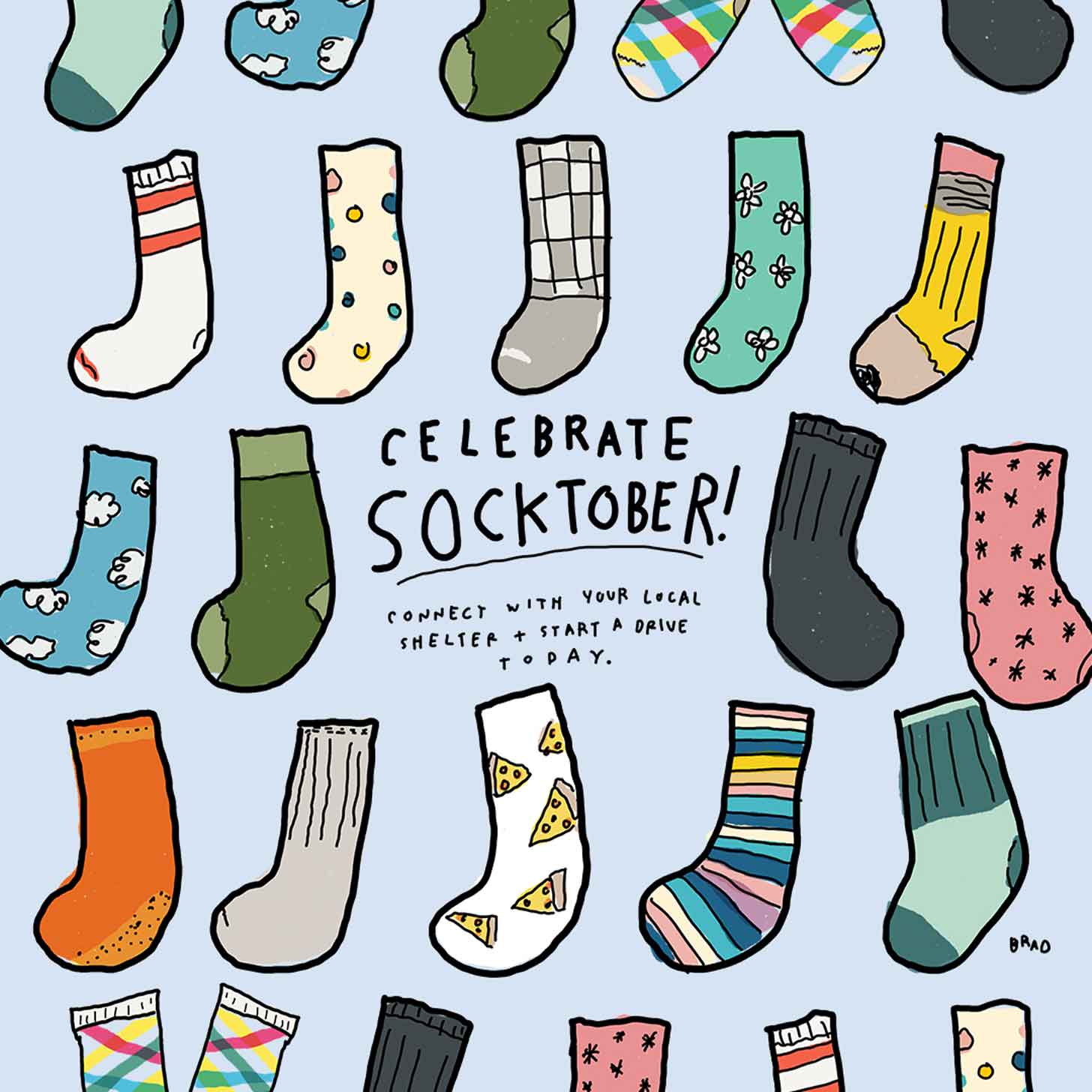
The next year, Socktober began to spread. It went beyond our community and even found its way to other states. The next year, I had just started the web series Kid President. After making an episode inviting everyone to start their own Socktober drive, they did.
Lots of people joined in. More people than I ever imagined joined in and they all wanted to help.
It hasn’t stopped.
This year, Socktober drives are happening across the United States and beyond. Schools have made it one of their annual community projects. Businesses have built it into their yearly giving and started fundraisers around it. We’ve seen places like Sesame Workshop, Happy Socks, Bonobos, Microsoft, and more join in.
It was even mentioned on Jeopardy!
The goal of Socktober is to connect people with their local shelters.
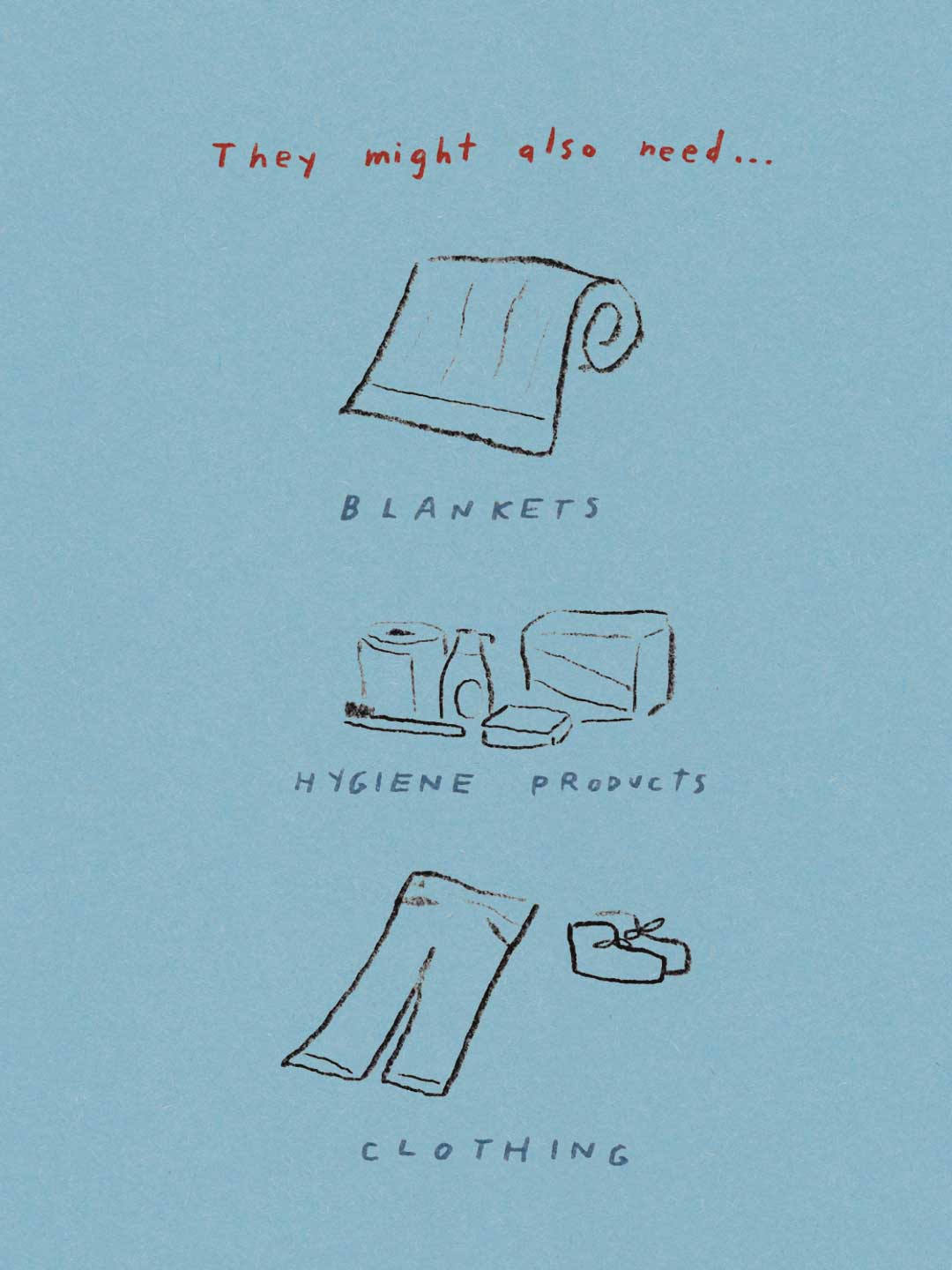
It’s a starting place. For many, they’ll discover socks are exactly what’s needed right now. They’ll also likely discover other ways to help neighbors in need beyond socks. Some years, it’s hygiene products or blankets. Sometimes it’s volunteer time. We’ve seen that shelters have a variety of needs in various areas — many of which could be quickly met by a small band of friends.
It’s incredible what creative, compassionate people can do when they rally together.
Through the years, I’ve seen people collect countless pairs of socks.
I’ve seen huge community meals put together.
I’ve seen people volunteer and dedicate time.
I’ve even seen new shelters built and dedicated.
Some of my favorite stories, though, are when people share how, through Socktober, they learned the name of someone they used to pass by daily on the street.
How You Can Help:
1. Connect with your local shelter!
Needs vary in each community!
Visit happysocktober.com to find a shelter near you.
You can find a directory of shelters working to serve the needs of neighbors here. You can also find printable flyers (created by young people) here or feel free to create your own. Share anything you create with me! I love to see and support you!
2. Collect what is needed!
Rally your community together to help!
Consider taking part in Socktober in whatever ways you can:
- Maybe it’s starting a collection drive.
- Maybe it’s donating time at your local shelter.
- Maybe it’s simply passing this blog post along.
3. DELIVER and REPEAT!
Let this be the start of something good!

If you’ve ever taken part in Socktober: thank you.
It’s estimated that more than half a million people in the United States are without a definite place to sleep tonight.
There’s a lot of work that needs to be done. There’s a world of challenges out there. With each new year, though, I’m reminded there’s also a world of good.
Happy Socktober!
This article originally appeared in The Enthusiast by Brad Montague and was republished by Good Good Good with permission.
The Enthusiast is “your weekly tap on the shoulder that life is worth living. New York Times bestselling author and illustrator Brad Montague delivers reminders of good in the world through stories old and new. This is a project rallying people to add real joy, hope, and beauty to the world.”
Subscribe to The Enthusiast for free to ensure you’ll always get first dibs on any new goodness from Brad Montague.
Frequently Asked Questions
Learn more about Socktober — with this FAQ written by the Good Good Good team:
What is Socktober?
Socktober (a combination of the words ‘socks’ and ‘October’) is an annual event celebrated in October every year. The holiday invites kids and grown-ups to start sock drives to benefit their local homeless shelters. Since 2011, socks have been donated by participants on all seven continents.
What are some more Socktober ideas?
Start a Socktober collection drive.
You can organize a Socktober collection drive for any group — whether it’s for your school, scout troop, afterschool club, house of worship, or friend group!
Your organizational skills will help others get involved and you’ll make an even bigger difference together!
Share about Socktober on social media.
Help Socktober go viral (again!) by sharing about Socktober on social media. Use the hashtag #Socktober with your posts. And make sure to show some love to other Socktober organizers who post from around the world, too!
Print out flyers about your community’s sock drive and hang them around your town!
Socktober is a wonderful opportunity to connect with your neighbors. Kids can design their own posters with all the details on how folks can donate socks, where the collection locations are, and where to learn more. Put them up around town and watch the sock donations roll in.
The Socktober team has already put together some flyer templates you can use, too.
Get featured in your local newspaper.
Use this as an opportunity to really get the word out by contacting your local newspaper. (They’ll be genuinely thrilled to cover a story about kids making a difference!)
You get to play a role in turning every newspaper into a “Goodnewspaper.”
Find more ways to get involved with your local shelter.
Socktober is a fantastic way to build a relationship with your local homeless shelter. You can ask them if there are other ways you can get involved — whether it’s more donation efforts, volunteer opportunities, or simply getting the word out.
How else can I support people experiencing homelessness?
There are a variety of ways to support unhoused people. Socks are the most-requested item by homeless shelters — but you can also put together a homeless care package with more daily necessities like food, soap, and first-aid supplies.
→ Explore Good Good Good’s full guide on how to help homeless people
Gratitude is more than just a simple “thank you;” it’s a transformative approach to life.
Maintaining a sense of thankfulness can shift our focus from what we lack to the abundance that already exists in our lives — creating a ripple effect of positivity.
Embracing gratitude can lead to greater happiness, better health, and stronger relationships. It’s backed by science and is a mindset that has been celebrated across cultures and philosophies for centuries.
Many wise individuals — from philosophers and spiritual leaders to activists and authors — have recognized the profound impact that gratitude can have on our well-being and overall life satisfaction.
Their words of wisdom serve as a source of inspiration for those of us looking to cultivate more gratitude in our daily lives.
Whether you’re well-practiced in the art of gratitude, celebrating Thanksgiving in November, or looking for ways to incorporate more gratitude into your daily life — these carefully curated quotes will help you recognize the good around you and inspire you to express thanks more often.
You might also like: The Ultimate List of Things To Be Grateful For
The Best Quotes About Gratitude
Famous Gratitude Quotes
“Gratitude is the sign of noble souls.”
— Aesop
“Gratitude can transform any situation. It alters your vibration, moving you from negative energy to positive. It’s the quickest, easiest, most powerful way to effect change in your life — this I know for sure.”
— Oprah Winfrey, What I Know for Sure
“Wear gratitude like a cloak, and it will feed every corner of your life.”
— Rumi
“Gratitude is a quality similar to electricity: It must be produced and discharged and used up in order to exist at all.”
— William Faulkner
“As we express our gratitude, we must never forget that the highest appreciation is not to utter words, but to live by them. We must learn the lessons taught by the mistakes of others. We must recognize our own shortcomings.”
— John F. Kennedy
“Gratitude looks to the Past and love to the Present; fear, avarice, lust, and ambition look ahead.”
— C.S. Lewis, The Screwtape Letters

“This is a wonderful day. I have never seen this one before.”
— Maya Angelou
“Always have an attitude of gratitude.”
— Sterling K. Brown
“Be grateful for what you already have while you pursue your goals. If you aren’t grateful for what you already have, what makes you think you would be happy with more.”
— Roy T. Bennett
“Do not spoil what you have by desiring what you have not; remember that what you now have was once among the things you only hoped for.”
— Epicurus

“I am happy because I’m grateful. I choose to be grateful. That gratitude allows me to be happy.”
— Will Arnett

“For my part, I am almost contented just now, and very thankful. Gratitude is a divine emotion: it fills the heart, but not to bursting; it warms it, but not to fever.”
— Charlotte Brontë

“If you don’t think you have anything to be grateful for, keep looking. Because you don’t just receive optimism.
You can’t wait for things to be great and the be grateful for that. You’ve got to behave in a way that promotes that.”
— Michael J. Fox
Inspiring Quotes About Gratitude
“Gratitude is an antidote to negative emotions, a neutralizer of envy, hostility, worry, and irritation. It is savoring; it is not taking things for granted; it is present-oriented.”
— Sonja Lyubomirsky

“What an astonishment to breathe on this breathing planet. What a blessing to be Earth loving Earth.”
— John Green, The Anthropocene Reviewed
“Thankfulness is the beginning of gratitude. Gratitude is the completion of thankfulness. Thankfulness may consist merely of words. Gratitude is shown in acts.”
— Henri Frederic Amiel
“Showing gratitude is one of the simplest yet most powerful things humans can do for each other.”
— Randy Pausch
“I cannot pretend I am without fear. But my predominant feeling is one of gratitude. I have loved and been loved; I have been given much and I have given something in return; I have read and traveled and thought and written… Above all, I have been a sentient being, a thinking animal, on this beautiful planet, and that in itself has been an enormous privilege and adventure.”
— Oliver Sacks, Gratitude
“Cultivate the habit of being grateful for every good thing that comes to you, and to give thanks continuously. And because all things have contributed to your advancement, you should include all things in your gratitude.”
— Ralph Waldo Emerson
“He is a wise man who does not grieve for the things which he has not, but rejoices for those which he has.”
— Epictetus
“In your darkest hour, give thanks, for in due time, the morning will come. And it will come with a ray of sunshine.”
— Michael Bassey Johnson, Song of a Nature Lover
Kindness and Gratitude Quotes
“Each day brings new opportunities, allowing you to constantly live with love — be there for others — bring a little light into someone’s day. Be grateful and live each day to the fullest.”
— Kyo Maclear, Birds Art Life: A Year of Observation
“Two kinds of gratitude: The sudden kind we feel for what we take; the larger kind we feel for what we give.”
— Edwin Arlington Robinson
“No matter what happens in life, be good to people. Being good to people is a wonderful legacy to leave behind.”
— Taylor Swift
“Gratitude is the sweetest thing in a seekers life — in all human life. If there is gratitude in your heart, then there will be tremendous sweetness in your eyes.”
— Sri Chinmoy
“The thankful receiver bears a plentiful harvest.”
— William Blake
“Love and kindness are never wasted. They always make a difference. They bless the one who receives them, and they bless you, the giver.”
— Barbara De Angelis
“Let us rise up and be thankful, for if we didn’t learn a lot today, at least we learned a little, and if we didn’t learn a little, at least we didn’t get sick, and if we got sick, at least we didn’t die; so, let us all be thankful.”
— Buddha
“In the end, though, maybe we must all give up trying to pay back the people in this world who sustain our lives. In the end, maybe it’s wiser to surrender before the miraculous scope of human generosity and to just keep saying thank you, forever and sincerely, for as long as we have voices.”
— Elizabeth Gilbert, Eat, Pray, Love
“Gratitude is the inward feeling of kindness received. Thankfulness is the natural impulse to express that feeling. Thanksgiving is the natural following of that impulse.”
— Henry Van Dyke
→ Read more quotes about kindness
For Kids
“Piglet noticed that even though he had a Very Small Heart, it could hold a rather large amount of Gratitude.”
— A.A. Milne, Winnie The Pooh

“When we give cheerfully and accept gratefully, everyone is blessed.”
— Maya Angelou
“Sometimes when you’re surrounded by dirt, CJ, you’re a better witness for what’s beautiful.”
— Matt de la Peña, Last Stop on Market Street
“Feeling gratitude and not expressing it is like wrapping a present and not giving it.”
— William Arthur Ward
“Thank you for being there whenever I needed you.”
— Mo Willems, The Thank You Book
“The secret of saying thanks is this: there is always something to be thankful for.”
— Douglas Wood, The Secret of Saying Thanks
“Thank you, hands, for playing, for painting, for writing, and for giving a hand to someone who needs it.”
— Pat Mora, Gracias/Thanks
Gratitude Quotes for Life
“Gratitude helps you to grow and expand; gratitude brings joy and laughter into your life and into the lives of all those around you.”
— Eileen Caddy, Opening Doors Within

“When it comes to life the critical thing is whether you take things for granted or take them with gratitude.”
— G.K. Chesterton
“In normal life we hardly realize how much more we receive than we give, and life cannot be rich without such gratitude. It is so easy to overestimate the importance of our own achievements compared with what we owe to the help of others.”
— Dietrich Bonhoeffer, Letters and Papers from Prison
“It’s a funny thing about life, once you begin to take note of the things you are grateful for, you begin to lose sight of the things that you lack.”
— Germany Kent
“Acknowledging the good that you already have in your life is the foundation for all abundance.”
— Eckhart Tolle, A New Earth: Awakening to Your Life’s Purpose
“I looked around and thought about my life. I felt grateful. I noticed every detail. That is the key to time travel. You can only move if you are actually in the moment. You have to be where you are to get where you need to go.”
— Amy Poehler
“Life is strange, beautiful, and terrifying…and I am thankful for every minute of it that I have had. I am thankful for every minute yet to come.”
— Benjamin W. Bass, Alone in the Light
→ Read more quotes about and for life
Gratitude Quotes for Friends
“Let us be grateful to the people who make us happy; they are the charming gardeners who make our souls blossom.”
— Marcel Proust
“I awoke this morning with devout thanksgiving for my friends, the old and the new.”
— Ralph Waldo Emerson
“Learn to remember you got great friends, don’t forget that and they will always care for you no matter what. Always remember to smile and look up at what you got in life.”
— Marilyn Monroe
“I think that real friendship always makes us feel such sweet gratitude, because the world almost always seems like a very hard desert, and the flowers that grow there seem to grow against such high odds.”
— Stephen King, The Eyes of the Dragon
“In everyone’s life, at some time, our inner fire goes out. It is then burst into flame by an encounter with another human being. We should all be thankful for those people who rekindle the inner spirit.”
— Albert Schweitzer

Self Gratitude Quotes
“Strive to find things to be thankful for, and just look for the good in who you are.”
— Bethany Hamilton
“Love is the miracle cure. Loving ourselves works miracles in our lives. I am not talking about vanity or arrogance… for that is not love. It is only fear. I am talking about having a great respect for ourselves and a gratitude for the miracle of our body and our mind.”
— Louise Hay
“I don’t have to chase extraordinary moments to find happiness — it’s right in front of me if I’m paying attention and practicing gratitude.”
— Brené Brown
“My body is a garden rooted in gratitude. Thank you is the biggest poem I’ve got inside of me.”
— Sabrina Benaim, Depression & Other Magic Tricks
Short Gratitude Quotes
“Be grateful for each day, even the dark ones.”
— Pepper Winters, The Son & His Hope
“Joy is the simplest form of gratitude.”
— Karl Barth
“What separates privilege from entitlement is gratitude.”
— Brené Brown
“Gratitude is not only the greatest of virtues, but the parent of all others.”
— Marcus Tullius Cicero
“When I started counting my blessings, my whole life turned around.”
— Willie Nelson
“Nothing is more honorable than a grateful heart.”
— Lucius Annaeus Seneca
“The highest tribute to the dead is not grief but gratitude.”
— Thornton Wilder
“Gratitude is the closest thing to beauty manifested in an emotion.”
— Mindy Kaling, Why Not Me
“Gratitude bestows reverence… changing forever how we experience life and the world.”
— John Milton
“The real gift of gratitude is that the more grateful you are, the more present you become.”
— Robert Holden
“Live a life full of humility, gratitude, intellectual curiosity, and never stop learning.”
— GZA
“Gratitude is the most exquisite form of courtesy.”
— Jacques Maritain
“So it is not happiness that makes us grateful. It’s gratefulness that makes us happy.”
— David Steindl-Rast, in a TED talk
“Silent gratitude isn’t very much to anyone.”
— Gertrude Stein
“O Lord that lends me life, lend me a heart replete with thankfulness.”
— William Shakespeare
“We often take for granted the very things that most deserve our gratitude.”
— Cynthia Ozick
“Appreciation is a wonderful thing. It makes what is excellent in others belong to us as well.”
— Voltaire
“The more grateful I am, the more beauty I see.”
— Mary Davis
“We should certainly count our blessings, but we should also make our blessings count.”
— Neal A. Maxwell
“Gratitude will shift you to a higher frequency, and you will attract much better things.”
— Rhonda Byrne
“The deepest craving of human nature is the need to be appreciated.”
— William James
“We learned about gratitude and humility — that so many people had a hand in our success.”
— Michelle Obama
Funny Gratitude Quotes
“Gratitude is the wine for the soul. Go on. Get drunk.”
— Rumi
“I feel a very unusual sensation — if it’s not indigestion, I think it must be gratitude.”
— Benhamin Disraeli
“I am grateful for what I am and have. My thanksgiving is perpetual.”
— Henry David Thoreau
“Let us be thankful for the fools. But for them the rest of us could not succeed.”
— Mark Twain
“So long, and thanks for all the fish.”
— Douglas Adams, The Hitchhiker's Guide to the Galaxy
More Gratitude Quotes & Captions
“When we focus on our gratitude, the tide of disappointment goes out and the tide of love rushes in.”
— Kristin Armstrong
“Some people are always grumbling because roses have thorns; I am thankful that thorns have roses.”
— Alphonse Karr
“Be happy, noble heart, be blessed for all the good thou hast done and wilt do hereafter, and let my gratitude remain in obscurity like your good deeds.”
— Alexandre Dumas, The Count of Monte Cristo
“Whatever we are waiting for — peace of mind, contentment, grace, the inner awareness of simple abundance — it will surely come to us, but only when we are ready to receive it with an open and grateful heart.”
— Sarah Ban Breathnach
“i thank the universe
for taking
everything it has taken
and giving to me
everything it is giving
— balance”
— Rupi Kaur, Milk and Honey
“I have learned over a period of time to be almost unconsciously grateful — as a child is — for a sunny day, blue water, flowers in a vase, a tree turning red. I have learned to be glad at dawn and when the sky is dark. Only children and a few spiritually evolved people are born to feel gratitude as naturally as they breathe, without even thinking. Most of us come to it step by painful step, to discover that gratitude is a form of acceptance.”
— Faith Baldwin
“My gratitude for good writing is unbounded; I’m grateful for it the way I’m grateful for the ocean.”
— Anne Lamott, Bird by Bird: Some Instructions on Writing and Life
“Reflect upon your present blessings, of which every man has plenty; not on your past misfortunes, of which all men have some.”
— Charles Dickens
“If having a soul means being able to feel love and loyalty and gratitude, then animals are better off than a lot of humans.”
— James Herriot , All Creatures Great and Small
“When I pray, I always thank Mother Nature for all the beauty in the world. It’s about having an attitude of gratitude.”
— Miranda Kerr
“Gratitude opens the door to the power, the wisdom, the creativity of the universe. You open the door through gratitude.”
— Deepak Chopra
While “consignment shop” and “thrift shop” are often used interchangeably, these secondhand retail experiences have distinct differences.
As the resell market continues to thrive, it’s projected to nearly double by 2027. This growth offers increased opportunities for folks seeking to refresh their wardrobe or explore the reselling market through consignment and thrift shopping.
From sustainable practices to curated selections, consignment shops offer a different shopping experience that appeals to those seeking both style and conscious consumption.
So, what exactly is a consignment shop? And how does it differ from traditional thrift stores?
As someone deeply entrenched in the vintage and resale market, I have first-hand experience navigating this terrain. We’ve curated some of the most-asked questions around consignment shopping, shedding light on their unique characteristics and why they’ve become a popular choice for shoppers and fashion enthusiasts!
Whether you’re a fashionista, an eco-conscious shopper, or someone interested in exploring the resale market, consignment shops provide an exciting avenue to discover hidden treasures while making a positive impact.
Everything You Need To Know About Consignment Shops
What’s the history of consignment shops?
I’ll try to keep this as brief as possible! After the Industrial Revolution made clothing more widely available (thus, cheaper), people began treating clothing as disposable. As such, Jewish immigrants in the U.S. saw an opportunity and started selling secondhand clothing out of pushcarts.
While the idea wasn’t exactly popular at the time (people associated secondhand goods with poverty and anti-Semitism was rampant), it wasn’t until Christian organizations began using it as a way to raise funds that the idea gained some legitimacy.
The concept of consignment shops soon gained momentum during the Great Depression as more people sought ways to make a little extra cash by selling their unwanted goods. At the same time, budget-conscious shoppers were ready and willing to find affordable items. Consignment shops soon emerged as a solution — bridging the gap between sellers and buyers.
Consignment shops have evolved and adapted to changing consumer demands throughout the years — diversifying their offerings beyond clothing to include furniture, accessories, household items, books, and more.
The appeal of consignment shopping expanded even more as people recognized the environmental benefits of recycling and reducing waste.
In recent years, the rise of online consignment platforms (think: TheRealReal and thredUp) has made this practice more accessible than ever — allowing sellers to reach a global audience from the comfort of their own homes.
Where does the word “consignment” originate from?
The term “consignment” comes from the Latin word “consignare,” meaning “to seal” or “to hand over.”
Simply put, it’s when someone hands over their items to another person to sell for them. The person who hands over these items is called the consignor, and the person (or business) who receives and sells said items is called the consignee.
The consignor still owns the items until they are sold, and the consignee helps sell them to others.
The term “consignment” has evolved and expanded throughout the years, finding its way into industries like fashion, art, antiques, and even car sales.
Consignment stores vs. thrift stores
Consignment and thrift stores differ in ownership, quality, pricing, and how profits are distributed.
In consignment stores, the items you see displayed belong to people who entrusted the store to sell on their behalf. The original owners (the consignors) receive a portion of the proceeds when and if their items are sold.
Thrift stores, on the other hand, sell donated items, and the store owns those items. The proceeds made often support social causes or local nonprofit organizations.
Quality-wise, consignment stores typically focus on higher-quality and gently used pieces that meet specific standards set by the store — making prices generally higher because the items are usually in better condition, higher in value, or from premium brands.
In contrast, thrift stores offer a wider range of goods, including both high and low-quality items, and their prices are typically lower since these pieces are donated and may vary in condition or demand.
Ultimately, the choice between consignment stores and thrift stores depends on personal preferences and shopping goals.
Consignment stores offer curated selections with potentially higher-quality items, while thrift stores provide a broader range of items at lower prices for frugal shoppers. Both options offer are typically good for our wallets and the planet — so we call that a win-win!
How do consignment shops work?
Consignment shops are basically partnerships between the shop owner (consignee) and individuals (consignors) who provide items for sale. The process typically begins when a person interested in selling their items brings them to the consignment shop.
Items can include anything from clothing, accessories, furniture, artwork, and more. The consignment shop then evaluates the items’ condition, quality, and marketability. If it meets the shop’s criteria, both parties enter into a consignment agreement that outlines the terms of the partnership (varies by shop, so be sure you read the terms).
Once the agreement is made, the consignment shop takes care of preparing the items for sale. This can include cleaning, repairing, or styling the items to enhance their marketability to potential buyers.
The items are then displayed in the consignment shop — either in-store or online — with prices set by the shop owner based on factors such as the item’s condition, brand, and demand. The consignment shop handles the marketing and selling of the products.
When an item sells, the consignment shop keeps a portion of the sale price as a commission or fee for their services. The remaining amount is paid to the consignor.
What are the benefits of shopping at a consignment shop?
Aside from the thrill of finding rare, one-of-a-kind pieces, the benefits of shopping at a consignment shop go beyond that.
Environmentally Friendly
In 2018, the Environmental Protection Agency reported that out of 17 million tons of textiles generated, only two million tons were recycled — while the rest ended up in landfills or incinerated.
Clothing is the primary contributor to municipal solid waste, followed by items like carpets and furniture. Supporting consignment shops is crucial to combat this issue, as it helps extend the lifespan of existing items and reduces the reliance on fast fashion brands known for their high volumes of output of low-quality garments (oh, and let’s not forget their human rights violations…).
By opting for consignment shopping, mindful consumers actively contribute to sustainability and eco-friendly practices, promoting a circular economy and minimizing environmental impact by giving pre-loved items a new lease on life.
Higher-quality Products
Consignment shops typically prioritize quality, ensuring that the items for sale are in good condition and well-maintained. By upholding these standards, they offer gently used merchandise for shoppers to discover high-quality items at a fraction of their original price.
With this kind of selective nature, consignment shop owners and staff often offer personalized service and expertise — oftentimes having extensive knowledge about the products — enabling them to provide tailored recommendations, styling tips, and insights into the unique pieces they carry.
Support Local Businesses & Neighbors
Consignment shopping is a powerful way to show a little love to local businesses and neighbors in your community. When you buy from consignment shops, you’re not just snagging great (often highly curated) pieces, but you’re also lending a helping hand to independent shop owners and local resellers. It’s a win-win situation that not only boosts the local economy but also creates a warm sense of community. We love to see that!
How are prices determined?
Folks (for good reason) are often curious about how those price tags on display items are determined. For the most part, the pricing of items in consignment shops considers: the brand of the item, its condition, the original retail value, and even the current market demand. Together, these factors contribute to the overall price of the item.
What happens if my item doesn’t sell?
It happens! The fate of unsold items varies depending on the consignment shop’s policies. Some shops offer the opportunity to renew the consignment period, granting the item a second chance to be rehomed. By extending the duration, the shop continues to display and promote your item.
In other cases, consignment shops may have protocols in place that require them to return unsold items to the original owner. This is when owners can explore alternative avenues — like online reselling.
It’s important to note that the specific approach to unsold items can differ between consignment shops. Therefore, it’s wise to familiarize yourself with the shop’s policies where you have consigned your item.
Are consignment shops reliable for finding authentic items?
Consignment shops are often reliable sources for finding authentic items. One of the advantages of consignment shopping is that these stores typically have thorough processes in place to authenticate the items they accept.
Authenticity verification varies from shop to shop, but reputable consignment stores employ trained staff who are knowledgeable about brands, materials, and authentication techniques.
However, it’s generally a good idea for shoppers to know a little bit about the brands (especially luxury brands) they are interested in buying and be vigilant when examining the quality, craftsmanship, and details of the items.
Frequently Asked Questions
What does it mean to buy on consignment?
To buy on consignment means to purchase an item that is owned by someone else but is being sold through a third-party seller (known as the consignee).
When you buy on consignment, you are typically purchasing pre-owned or secondhand goods. These items are usually in good condition and have been evaluated and accepted by the consignee based on specific quality standards. Common items sold on consignment include clothing, accessories, furniture, artwork, and antiques.
Is consignment the same as thrifting?
Consignment and thrifting are not the same. Though they share similarities (both involve buying secondhand items), they have distinct differences.
Thrift stores primarily rely on donations, meaning the items are given to the store without any direct payment to the original owner. On the other hand, consignment shops work by compensating the original owner when their item successfully sells.
Overall, people may choose between consignment and thrifting based on factors like budget, desired shopping experience, and preference for curated items or a diverse selection.
Why do people buy from consignment stores?
Savvy eco-conscious shoppers often opt for consignment stores instead of conventional clothing retailers for many reasons but the advantage it brings them is the satisfaction of making sustainable fashion choices and the opportunity to snag fashionable clothing pieces at discounted prices.
What types of items can I find in a consignment shop?
Consignment shops are treasure troves of diverse and delightful finds. From clothing and accessories to home decor, furniture, books, electronics, and even unique collectibles, consignment shops offer a fun assortment of pre-loved treasures.
What is the condition of the items sold?
The items sold in consignment shops generally fall into the category of “gently used.” This typically means that they have been previously owned or worn but are still in good condition and have plenty of life left in them.
Consignment shops are distinct in that they prioritize quality and carefully curate their inventory, ensuring that the items they accept for sale meet specific standards.
While the exact condition of the items may vary from shop to shop and from item to item, you can generally expect to find items in good condition, without major flaws or defects.
The passing of Senator Dianne Feinstein marks the end of an era in American politics.
For three decades in the Senate — and prior to that in significant roles in San Francisco — Feinstein was a witness to and shaper of pivotal moments in U.S. history. She was the longest-serving woman in the U.S. Senate.
Throughout her extensive career, she championed a myriad of causes, leaving an indelible mark on the nation’s fabric.
As with any figure who serves for such a duration, her methods and decisions occasionally stood at the center of debate.
As many reflect on her life and legacy in the wake of her passing, we’ve curated some of Dianne Feinstein’s most poignant quotes.
These words offer a lens into her vision, dedication, and the substantial role she played in both San Francisco and the larger American landscape.
Dive into the wisdom and perspectives of the late Senator Feinstein:
This is a developing story. Please check back for updates.
Best Dianne Feinstein Quotes
Famous Quotes
“America is big enough to admit when it’s wrong and confident enough to learn from its mistakes.”
— Dianne Feinstein
“Well, that day is gone, and it will not occur again.”
— Dianne Feinstein
“Ninety percent of leadership is the ability to communicate something people want.”
— Dianne Feinstein
“We’re not perfect, and there are some dark patches in our past, but what makes us special is that we recognize these evils, we come to grips with them, and we fix them.”
— Dianne Feinstein
“What’s my lesson? The lesson is you take it all with a grain of salt.”
— Dianne Feinstein
On Women in Office
“Women have begun to see that if I go through that doorway, I take everybody through it.”
— Dianne Feinstein
“We went from two women senators when I ran for office in 1992 to 24 today – and I know that number will keep climbing.”
— Dianne Feinstein, in a 2017 interview
“It has been a great pleasure to watch more and more women walk the halls of the Senate.”
— Dianne Feinstein, in 2022
Offering advice for women who want to run for office: “Run, but prepare yourself. So many times, and I’ve seen it happen in the Senate elections, talented young women go for the top first. You can’t do that. Start young and, you know, with a commission or committee or special effort. Earn your spurs... You don’t drop out, you take defeat after defeat after defeat, but you keep going.”
— Dianne Feinstein
On Her Approach To Politics
“I truly believe that there is a center in the political spectrum that is the best place to run something when you have a very diverse community. America is diverse; we are not all one people. We are many different colors, religions, backgrounds, education levels, all of it.”
— Dianne Feinstein, in a 2017 interview
“I don’t know. I felt I’d never be elected. See, look how hard it is, look at Hillary. I mean, look at what she’s gone through.”
— Dianne Feinstein, on why she never ran for President of the United States
This is a developing story. Please check back for updates.
You might also like: Ruth Bader Ginsburg Quotes | Madeleine Albright Quotes | Malala Yousafzai Quotes | Amanda Gorman Quotes | Coretta Scott King Quotes | Maya Angelou Quotes | Marsha P. Johnson Quotes | Glennon Doyle Quotes | Dolly Parton Quotes
Every day the Good Good Good team collects the best good news in the world and shares it with our community. Here are the highlights for this week!
If you want to get good news in your inbox every day, join the Goodnewsletter — the free daily newsletter designed to leave you feeling hopeful.
The Best Positive News We’re Celebrating This Week —
The Biden-Harris Administration just set up the first-ever White House office designed to specifically work on gun violence prevention
Late last week, President Joe Biden announced the creation of the first-ever White House Office of Gun Violence Prevention. The office will be overseen by Vice President Kamala Harris with the help of gun safety advocates.
Among its tasks, the office will work to implement existing gun violence prevention laws, like those passed earlier this year in the Bipartisan Safer Communities Act, and work with local authorities to pass gun safety legislation at the state level. It will also help support communities impacted by gun violence, and look into further action the administration can take to prevent gun violence.
Gun safety advocates are celebrating the new office, drawing the parallel to FEMA responding to hurricanes and earthquakes — having a dedicated office to respond to the public health crisis of gun violence is an essential government service.
Why is this good news? Gun violence continues to threaten the safety and security of people in communities all across the U.S. According to Gun Violence Archive, there have been 31,745 gun deaths so far this year, and 518 mass shootings. There are proven, effective ways to reduce these numbers — and this office will be dedicated to implementing them.
A data scientist is helping the world notice and celebrate progress — and be inspired to continue making a difference
We're taking a slightly different approach to this week's good progress to celebrate. Rather than celebrating a specific piece of good progress — we're looking at progress as a whole.
Hannah Ritchie is a data scientist at Our World in Data, and while she may have once found herself in the “camp of doomsday” when it came to the state of the world — once she started looking at the data, there was a lot more to be hopeful about than she’d perceived.
Our World in Data doesn’t just point out what's wrong with the world; it offers readers the tools to understand the problems deeply and identify where change is possible. It’s data for good. And in her recent TED Talk, Ritchie combatted the recent surge in climate doom with data to prove we’re anything but doomed.
In an interview after her talk, Ritchie told us, “The common phrase we use around data is that three statements can be true at the same time: The world is still awful. The world is much, much better. And the world can be much better.”
A new, state-of-the-art adaptive ski and snowboard center in Utah was designed and built specifically for adventurers with disabilities
The National Ability Center, a nonprofit that provides adaptive recreation and outdoor adventures for disabled individuals and families, is celebrating the opening of the McGrath Mountain Center at Park City Mountain in Utah.
The brand new state-of-the-art facility will cater to the needs of adventurers with disabilities. And its 9,400-square-foot footprint is a monumental upgrade compared to its humble beginnings in a double-wide trailer decades ago.
Plus, ADA-compliant accommodations can be challenging in the mountains — but with this new space, there’s now plenty of room for storing adaptive equipment, putting on snow gear, six accessible restrooms, and more.
Why is this good news? While ski and snowboard lessons will still be a focal point of the new facility, this new space will elevate the NAC’s offerings with improved programs and year-round seasonal activities and events. It will allow them to reach more people and provide meaningful and dignified outdoor adventures to all.
An Ohio businesswoman paid off the school lunch debt at a local elementary school so all students could enjoy ‘Ice Cream Friday’
In planning for its first-ever “Ice Cream Friday” event, an elementary school in Ohio shared a post on Facebook detailing that students with a negative balance in their lunch account would not be able to purchase ice cream, nor could they bring $1 cash or have a classmate pay for theirs.
The negative feedback was swift (and the school district promptly apologized for the “lack of empathy and sensitivity” in the post, which “fell short of our values”) — and so was a local businesswoman looking to help.
Naiyozcsia King, who owns Mz. Jade's Soul Food, contacted the school looking for a way to help — she ended up paying off all $411.15 of lunch debt owed by students. King said she’s been “a parent that has had a balance with a school system before,” so she was able to relate to the families and students.
What’s the nuance? We’ll always celebrate a Helper stepping up to make a difference in a heartbreaking, unfair situation — even when that situation shouldn’t exist in the first place. Providing meals to students at school shouldn’t put families in debt, and we’ve been excited to see more states implementing universal free school meals.
Two recent college graduates are building a grocery store that works around SNAP rules for food purchases
Under U.S. Department of Agriculture rules, SNAP (which stands for Supplemental Nutrition Assistance Program) benefits cannot be used to purchase hot food. As a result, most program participants are forced to purchase packaged food as opposed to hot, prepared meals.
Two recent graduates from the University of Pennsylvania, Alex Imbot and Eli Moraru are (legally) disrupting that model. They’re building The Community Grocer, which will stock usual grocery staples — as well as raw ingredient “meal kits,” like chicken with potatoes and vegetables.
Their customers will be able to purchase the uncooked meal kits with SNAP benefits, and then take them to a separate shop in the rear of the grocery store building — where there’s a kitchen.
There, the customer exchanges their meal kit for a recently cooked version of it at no charge. The meal kit they just handed over will then be cooked by a worker into another meal for another customer.
The European Union just reached a deal to ban ‘climate-neutral’ and other greenwashed product claims
To empower consumers and crack down on false, misleading advertising, the EU just passed a law to ban companies from using “generic” environmental and “climate-neutral” claims without proving those claims.
The new law comes at the longtime urging of activists, who argue the unsubstantiated claims are confusing and misleading for consumers looking to purchase more sustainably-made products.
Under the new law, which will go into effect in 2026, any “eco,” “natural,” or other environmental claims will have to be backed by evidence. For example, airlines will no longer be able to advertise “climate-neutral” flying with cheap carbon offsetting offers.
Why is this good news? Greenwashing is a dishonest practice that dupes consumers into thinking they are supporting an eco-conscious brand. Because the terminology is currently not regulated, companies can use it without having to prove any of the claims they make — leading consumers to think they’re purchasing or consuming a sustainable product, when they’re really not.
This move by the EU could have global implications for eliminating greenwashing in product advertising.
In the past year, the National Forest Foundation has reforested 21,000 acres of land and planted over 8 million trees
Since it was chartered by Congress in 1992, the National Forest Foundation has been a leading force in forest and grassland restoration and reforestation efforts — and it’s been a landmark year for the organization.
The NFF just announced that in the past year, it’s planted over 8 million trees — of 25 different species — and reforested over 21,000 acres of land. That’s about the equivalent to “roughly 198,450 NBA basketball courts worth of public lands.”
The NFF also does important wildfire prevention work, and in the past year has also raised $117 million towards fire mitigation in the North Yuba Landscape of the Tahoe National Forest. The mitigation efforts involve reducing a large number of trees (overcrowded forests lead to weaker trees) to prevent wide-spread forest fires.
Why is this good news? Pest infestations, drought, and wildfires make it difficult for forests to regenerate on their own, which is why NFF’s grant work is so vital. Tree planting and reforestation efforts lead to cleaner air, cleaner water, and healthier ecosystems.
→ Read more
When he realized he couldn’t install them on his own home, an Indiana man started helping nonprofits invest in solar panels
In 2019, John Smillie was feeling particularly anxious about the slow progress being made in addressing the climate crisis. In addition to volunteering with climate organizations to turn his eco-anxiety into action — he started the process of decarbonizing his own home.
Smillie replaced windows, sealed ducts, added insulation, installed heat pumps, and cut his home’s fossil fuel use by 84% — but when he went to install solar panels, he realized his roof wasn’t a good candidate for them. Ones on the buildings around him were, though.
After helping a nearby nonprofit organization install a solar panel system on their own roof, he expanded his efforts.
Smillie, who also has a finance degree, learned all about the incentives in the Inflation Reduction Act, and has since helped the local Boys & Girls Club install panels, and hosts workshops to teach other nonprofits about the benefits — and savings! — that come with switching to clean energy.
More good news of the week —
Thanks to an anonymous donation, a pristine 1,200-Acre preserve in Texas just opened to the public for the first time ever. Texas conservationists are especially thrilled about the news, since the newly opened Pecan Springs Karst Preserve is home to a handful of threatened and endangered species.
Lawmakers in California just passed a bill to make it easier for consumers to delete their online personal data. The Delete Act allows consumers to have every data broker delete their personal information, like address and spending habits, in just a single request.
Activists rallied in New York City ahead of a United Nations High-Level Meeting on the fight against tuberculosis. TB is the world’s deadliest, yet entirely curable disease and this rally built on the momentum of recent treatment victories, like the price reduction of life-saving test kits.
New data shows heavy-duty electric cargo trucks are driving farther and charging faster than they were a just couple of years ago. The range and the recharging speeds of the 21 trucks being tracked have roughly doubled compared to 2021, which is a good sign for cutting trucking emissions.
The Biden-Harris Administration announced the first steps in removing medical bills from credit scores. The Consumer Financial Protection Bureau said that including medical debt in credit scores is problematic because “mistakes and inaccuracies in medical billing are common.”
Brazil's Supreme Court just rejected efforts to restrict Native peoples' rights to reservations on their ancestral lands. The ruling sets a precedent for hundreds of Indigenous land claims and is expected to have widespread consequences for Indigenous land rights.
Thanks to conservation efforts, Africa’s white rhino population has increased for the first time in a decade. The species is classified as “near threatened” and new data shows populations rose by 5.6% — the first increase since 2012.
An eight-year-old in the U.K. just became the first to receive a kidney transplant that does not require her to take anti-rejection drugs. Doctors said the breakthrough was made possible by reprogramming her immune system using bone-marrow stem cells from the girl’s mother before giving her the new kidney.
A church in Texas just launched a new program to help fund health care for transgender youth. With no requirement for religious beliefs or church involvement, the program assists local families who need to travel out of state for healthcare for their children with a $1,000 grant.
San Diego just closed 150 yards of coastline to people and animals for seven years to protect sea lions and their cubs. Every summer, sea lions come ashore around La Jolla Point to give birth, nurse and breed, but tourists have been harassing and getting too close to them.
Massachusetts just became the first state to ban the purchase of single-use plastic bottles by state agencies. Currently, the state buys about 100,000 plastic bottles per year, and the executive order was combined with a second that will set state biodiversity conservation goals for 2030, 2040, and 2050.
According to its latest report, the The Global Fund partnership has saved a record 59 million lives since 2002. The success of its malaria, tuberculosis, and HIV is thanks to U.S. investment and rapid acceleration of treatment and prevention initiatives globally.
A new California law will double taxes on gun and ammunition sales to pay for school safety measures. It’s now the first state to place a separate tax on guns, and another new gun safety law will ban people from carrying guns in most public places.
The Oregon Fish and Wildlife Service just voted to ban wildlife killing contests in the state. Environmentalists, animal rights advocates, and hunters supported the ban, and research has shown that the contests don’t actually reduce predator populations.
New EU battery recycling regulations could lower demand for mining and improve battery recycling worldwide. Recycling the metals used in batteries has the potential to limit the need for environmentally damaging mining while also reducing electronic waste and switching to renewable energy.
Sustainability isn’t just a buzzword or trend; it’s a commitment to the future. As the effects of climate change, environmental degradation, and dwindling natural resources become increasingly apparent, the urgency to adopt sustainable practices grows.
Many environmentalists, scientists, policymakers, and visionaries have spoken about the importance of sustainable living. They encourage us to think long-term, to consider the bigger picture, and to recognize the intrinsic value of the natural world.
For those looking to be inspired by the ethos of sustainability, this curated collection of quotes offers insights and inspiration. They serve as a reminder of the critical role each of us plays in shaping a sustainable future.
Whether you’re an activist, a concerned citizen, or someone curious about sustainable living — these words will challenge and inspire you to make choices that benefit both the people and the planet.
Read on to explore the wisdom of those who have championed the cause of sustainability — urging us all to act responsibly and thoughtfully for the sake of our shared home:
The Best Sustainability Quotes
Famous Quotes
“Sustainability, ensuring the future of life on Earth, is an infinite game, the endless expression of generosity on behalf of all.”
— Paul Hawken
“If it can’t be reduced, reused, repaired, rebuilt, refurbished, refinished, resold, recycled, or composted, then it should be restricted, redesigned, or removed from production.”
— Pete Seeger
“The future is in our hands. Let’s come together, raise our voices, and demand the sustainable and just world we deserve.”
— Helena Gualinga
“There is no such thing as ‘away’. When we throw anything away it must go somewhere.”
— Annie Leonard
“The first rule of sustainability is to align with natural forces, or at least not try to defy them.”
— Paul Hawken
“It is one world. And it’s in our care. For the first time in the history of humanity, for the first time in 500 million years, one species has the future in the palm of its hands.”
— David Attenborough
“Sustainability is no longer about doing less harm. It’s about doing more good.”
— Jochen Zeitz
“Refuse what you do not need; reduce what you do need; reuse what you consume; recycle what you cannot refuse, reduce, or reuse; and rot (compost) the rest.”
— Bea Johnson
“Buy less, choose well. Make it last.”
— Vivienne Westwood
“There must be a better way to make the things we want, a way that doesn’t spoil the sky, or the rain, or the land.”
— Paul McCartney
“We have the power to change the narrative. Let’s rewrite the story of our planet and ensure that it’s a tale of resilience, sustainability, and hope.”
— Jamie Margolin
Business Sustainability
“When sustainability is viewed as being a matter of survival for your business, I believe you can create massive change.”
— Cameron Sinclair
“It cannot be right to manufacture billions of objects that are used for a matter of minutes, and then are with us for centuries.”
— Roz Savage
“Many business leaders are seeing the relationship between long term success and sustainability, and that’s very heartening.”
— Jacqueline Novogratz
“Sustainability includes how you run your business, and my bottom line includes how you treat your people. Sustainability starts with your staff.”
— Tom Douglas
On Going Green
“It’s time to shift from being consumers to being caretakers. We have the power to shape a sustainable world through our choices.”
— Mari Copeny
“We don’t have to engage in grand, heroic actions to participate in change. Small acts, when multiplied by millions of people, can transform the world.”
— Howard Zinn
“A nation that destroys its soils destroys itself. Forests are the lungs of our land, purifying the air and giving fresh strength to our people.”
— Franklin D. Roosevelt
“Anything else you’re interested in is not going to happen if you can’t breathe the air and drink the water. Don’t sit this one out. Do something. You are by accident of fate alive at an absolutely critical moment in the history of our planet.”
— Carl Sagan
“Nature holds the key to our aesthetic, intellectual, cognitive, and even spiritual satisfaction.”
— E.O. Wilson
“It’s time to ‘warrior up,’ stop polluting the planet and give water the same rights and protections as human beings.”
— Autumn Peltier
Green Motivational Quotes
“The greatest threat to our planet is the belief that someone else will save it.”
— Robert Swan
“At first, I was fighting to save rubber trees, then I thought I was fighting to save the Amazon rainforest. Now I realize I am fighting for humanity.”
— Chico Mendes
“Building a world where we meet our own needs without denying future generations a healthy society is not impossible, as some would assert. The question is where societies choose to put their creative efforts.”
— Christopher Flavin
“Unless someone like you cares a whole awful lot, nothing is going to get better. It’s not.”
— Dr. Seuss, The Lorax
“Every breath of air we take, every mouthful of food that we take, comes from the natural world. And if we damage the natural world, we damage ourselves.”
— David Attenborough
“Twenty-five years ago people could be excused for not knowing much about, or doing much, about climate change. Today we have no excuse.”
— Desmond Tutu
“Never doubt that a small group of thoughtful, committed citizens can change the world. Indeed, it is the only thing that ever has.”
— Margaret Mead
“We are the generation with the power to change the world. Let’s use that power to create a sustainable future for all.”
— Isra Hirsi
“Small actions can create big ripples. Each one of us has the power to make a difference in building a sustainable future.”
— Xiuhtezcatl Martinez
Green Living Quotes
“We don’t need a handful of people doing zero waste perfectly. We need millions of people doing it imperfectly.”
— Anne Marie Bonneau
“You cannot get through a single day without having an impact on the world around you. What you do makes a difference and you have to decide what kind of a difference you want to make.”
— Jane Goodall
“There must be more to life than having everything!”
— Maurice Sendak
“What’s the use of a fine house if you haven’t got a tolerable planet to put it on.”
— Henry David Thoreau
“Sustainability is not an option; it’s a mindset. We must think long-term and make choices that prioritize the health of our planet.”
— Isatou Ceesay
“We believe that we are part of the land, and that we come from the land. We learn that we have a right to protect the land and protect the water.”
— Autumn Peltier
Short Eco-Friendly Quotes
“Consume less; share better.”
— Hervé Kempf
“We can never have enough of Nature.”
— Henry David Thoreau
“We can’t just consume our way to a more sustainable world.”
— Jennifer Nini
“Treat the Earth as though we intend to stay here.”
— Crispin Tickell
“There are no passengers on spaceship earth. We are all crew.”
— Marshall McLuhan
“Be the change you wish to see in the world.”
— Mahatma Gandhi
“We are living on this planet as if we had another one to go to.”
— Terry Swearingen
Funny Sustainability Quotes
“The most environmentally friendly product is the one you didn’t buy.”
— Joshua Becker
“Our life is frittered away by detail… simplify, simplify, simplify! Simplicity of life and elevation of purpose.”
— Henry Thoreau
“Until man duplicates a blade of grass, nature can laugh at his so-called scientific knowledge.”
— Thomas Edison
“All I want is to stand in a field and to smell green, to taste air, to feel the earth want me, without all this concrete hating me.”
— Phillip Pulfrey
“Sustainable Development is more than meeting the needs of today and future generations; to my understanding, this definition better fits the sex industry.”
— M.F. Moonzajer
“Nature provides a free lunch, but only if we control our appetites.”
— William Ruckelshaus
On Fashion
“As consumers, we have so much power to change the world by just being careful in what we buy”
— Emma Watson
“Fast fashion is like fast food. After the sugar rush, it just leaves a bad taste in your mouth”
— Livia Firth
“Fashion can be a universal player in protecting the planet”
— Simone Cipriani
“There is no beauty in the finest cloth if it makes hunger and unhappiness”
— Mahatma Gandhi
“Call it eco-fashion if you like, I think it’s just common sense”
— Livia Firth
“Ethical and sustainable fashion is not a product. It’s a practice everyone is invited to practice. There’s no obligation to buy. And you can get started right now. Today.”
— Elizabeth L. Cline

On Climate Justice
“We cannot solve the climate crisis without addressing the underlying systems of injustice and inequality. Sustainability is about justice for all.”
— Varshini Prakash
“We may be young, but our voices are powerful. Together, we can create a movement that demands sustainable change and holds leaders accountable.”
— Xiye Bastida
“We have a single mission: to protect and hand on the planet to the next generation.”
— François Hollande
“We live in a strange world, where we think we can buy or build our way out of a crisis that has been created by buying and building things… Where celebrities, film and pop stars who have stood up against all injustices will not stand up for our environment and for climate justice because that would inflict on their right to fly around the world visiting their favourite restaurants, beaches and yoga retreats.”
— Greta Thunberg, No One Is Too Small to Make a Difference
“21st Century choice: Look after our planet, and it will look after us, or don’t and face the consequences.”
— Phil Harding
“There is no question that climate change is happening; the only arguable point is what part humans are playing in it.”
— David Attenborough
“It angers me when sustainability gets used as a buzzword. For 90 percent of the world, sustainability is a matter of survival.”
— Cameron Sinclair
“In such an emergency as we are in right now, everyone needs to take their moral responsibility, at least I think so, and use whatever power they have, whatever platform they have, to try to influence and push in the right direction, to make a change. I think that’s our duty as human beings.”
— Greta Thunberg
“Today we are faced with a challenge that calls for a shift in our thinking, so that humanity stops threatening its life-support system. We are called to assist the Earth to heal her wounds and in the process heal our own — indeed to embrace the whole of creation in all its diversity, beauty and wonder. Recognizing that sustainable development, democracy and peace are indivisible is an idea whose time has come”
— Wangari Maathai
“We need not only open trading systems, but systems that work for people around the world — taking into account not only the bottom line, but the well-being of working men and women, the protection of children against sweatshop labor, and the protection of the environment.”
— Al Gore
More Sustainability Quotes
“The truth is: the natural world is changing. And we are totally dependent on that world. It provides our food, water, and air. It is the most precious thing we have and we need to defend it.”
— David Attenborough
“You never change things by fighting the existing reality. To change something, build a new model that makes the existing model obsolete.”
— R. Buckminster Fuller
“We abuse the land because we regard it as a commodity, belonging to us. When we see land as a community to which we belong, then we may begin to use it with love and respect.”
— Aldo Leopold
“People ‘over-produce’ pollution because they are not paying for the costs of dealing with it.”
— Ha-Joon Chang
“We are at a unique stage in our history. Never before have we had such an awareness of what we are doing to the planet, and never before have we had the power to do something about that. Surely we all have a responsibility to care for our Blue Planet. The future of humanity and indeed, all life on earth, now depends on us.”
— David Attenborough
“We don’t inherit the Earth from our ancestors; we borrow it from our children. It’s our responsibility to leave them a thriving planet.”
— Xiye Bastida
→ Read more quotes about nature
Brené Brown — beloved for her iconic TED Talks, books, and podcasts — has filled the world with bold insights on vulnerability, courage, shame, and empathy.
A research professor at the University of Houston, she has spent decades studying these complex emotions and the profound impact they have on our lives.
Through her work, Brown has offered both solace and empowerment — urging us to embrace our imperfections and recognize the strength inherent in vulnerability.
Whether you’re a longtime admirer of her work or someone just discovering her profound insights — this curated collection of Brené Brown quotes will inspire introspection, resilience, and a deeper understanding of oneself and others.
These words illuminate the beauty of embracing our true selves and the freedom that comes from living authentically.
Dive into this collection and let Brené Brown’s wisdom guide you toward a life of greater authenticity, courage, and connection:
The Best Brené Brown Quotes
Famous Quotes
“Authenticity is the daily practice of letting go of who we think we’re supposed to be and embracing who we are.”
— Brené Brown, Rising Strong: How the Ability to Reset Transforms the Way We Live, Love, Parent, and Lead

“Love is the greatest thing we do. It’s the reason we’re here. We’re here to love.”
— Brené Brown, in an interview with Oprah Winfrey
“Being vulnerable is the ultimate act of courage.”
— Brené Brown, Daring Greatly

“Empathy is not just something that happens to us. Empathy is an action that we take.”
— Brené Brown, Braving the Wilderness: The Quest for True Belonging and the Courage to Stand Alone

“Vulnerability is not winning or losing; it’s having the courage to show up and be seen when we have no control over the outcome.”
— Brené Brown, Rising Strong

“Leadership is about courage. It’s about finding the courage to show up and have difficult conversations, to take risks and embrace change.”
— Brené Brown, Dare to Lead: Brave Work. Tough Conversations. Whole Hearts

“We can’t practice compassion with other people if we can’t treat ourselves kindly.”
— Brené Brown, The Power of Vulnerability TED Talk

“Learning to love and be kind to ourselves is a lifelong journey.”
— Brené Brown, Daring Greatly: How the Courage to Be Vulnerable Transforms the Way We Live, Love, Parent, and Lead

“Perfectionism is not self-improvement. Perfectionism is, at its core, about trying to earn approval and acceptance.”
— Brené Brown, The Gifts of Imperfection

“Vulnerability is the key to connection and the path to the feeling of worthiness.”
— Brené Brown, Daring Greatly

“The heart of leadership is connection, and connection is about empathy, curiosity, and emotional courage.”
— Brené Brown, Daring Greatly

“We need to stop with these false separations with tough and tender. Tough and tender can coexist and to me that’s kind of the equation for badassery.”
— Brené Brown, in an interview with Tim Ferris

“The willingness to show up changes us. It makes us a little braver each time.”
— Brené Brown, Daring Greatly

“Gratitude makes sense of our past, brings peace for today, and creates a vision for tomorrow.”
— Brené Brown, Rising Strong

“What’s the greater risk? Letting go of what people think, or letting go of how I feel, what I believe, and who I am?”
— Brené Brown, Daring Greatly

On Courage
“Courage starts with showing up and letting ourselves be seen.”
— Brené Brown, Daring Greatly: How the Courage to Be Vulnerable Transforms the Way We Live, Love, Parent, and Lead
“Courage, the original definition of courage, when it first came into the English language — it's from the Latin word ‘cor’ meaning ‘heart’. And the original definition was to tell the story of who you are with your whole heart.”
— Brené Brown, The Power of Vulnerability TED Talk
“Living a life of daring greatly means cultivating the courage to be vulnerable, to set boundaries, and to let ourselves be seen.”
— Brené Brown, Daring Greatly
“When we dare to drop the armor that protects us from feeling vulnerable, we open ourselves to the possibility of love, belonging, and joy.”
— Brené Brown, Daring Greatly
“I define vulnerability as emotional risk, exposure, uncertainty. It fuels our daily lives. And I've come to the belief — this is my 12th year doing this research — that vulnerability is our most accurate measurement of courage — to be vulnerable, to let ourselves be seen, to be honest.”
— Brené Brown, Listening to shame TED talk
“We cannot practice courage without the vulnerability of knowing what’s at stake.”
— Brené Brown, Rising Strong
→ Read more quotes about courage
→ Read more quotes about resilience
On Love
“Love is not something we give or get; it is something that we nurture and grow, a connection that can only be cultivated between two people when it exists within each one of them.”
— Brené Brown, Daring Greatly

“Love is not a noun, it’s a verb. Love — the feeling — is the fruit of love the verb or our actions.”
— Brené Brown, Rising Strong
“We cultivate love when we allow our most vulnerable and powerful selves to be deeply seen and known, and when we honor the spiritual connection that grows from that offering with trust, respect, kindness and affection.”
— Brené Brown, The Gifts of Imperfection
“Love is never absent. When we’re in the midst of struggle and pain, it’s hard to remember that, but it’s always there. The real work is to learn how to access it.”
— Brené Brown, Rising Strong
“Love and trust, in the absence of empathy, are transactional — You scratch my back, I’ll scratch yours.”
— Brené Brown, Daring Greatly
“I define love as an action that you take, a commitment that you make, and a promise that you keep to treat someone in a loving way.”
— Brené Brown, in an interview with Oprah Winfrey
“The practice of love is the practice of letting people in.”
— Brené Brown, Daring Greatly
“Love is not painless. It involves vulnerability and the possibility of being hurt.”
— Brené Brown, Daring Greatly
“Real love involves truth, accountability, and transformation. Without these elements, it’s not real love.”
— Brené Brown, Daring Greatly
“Love and belonging are irreducible needs of all people. We are biologically, cognitively, physically, and spiritually wired to love, to be loved, and to belong.”
— Brené Brown, Daring Greatly

On Vulnerability
“The most important thing is to remember that vulnerability is not weakness, it’s courage.”
— Brené Brown, Daring Greatly
“The simplest definition for vulnerability is really uncertainty, risk, and emotional exposure. Vulnerability is about the willingness to show up and be seen when you have cero control over the outcome.”
— Brené Brown, in an interview with Tim Ferris
“You cannot selectively numb emotion. You can’t say, here’s the bad stuff. Here’s vulnerability, here’s grief, here’s shame, here’s fear, here’s disappointment. I don’t want to feel these… So when we numb those, we numb joy, we numb gratitude, we numb happiness. And then, we are miserable, and we are looking for purpose and meaning, and then we feel vulnerable, so then we have a couple of beers and a banana nut muffin. And it becomes this dangerous cycle.”
— Brené Brown, The Power of Vulnerability TED Talk
“Vulnerability sounds like truth and feels like courage. Truth and courage aren’t always comfortable, but they’re never weakness.”
— Brené Brown, Daring Greatly
“Vulnerability is the birthplace of love, belonging, joy, courage, empathy, and creativity. It is the source of hope, empathy, accountability, and authenticity. If we want greater clarity in our purpose or deeper and more meaningful spiritual lives, vulnerability is the path.”
— Brené Brown, Daring Greatly
“I’m doing work with Pete Carroll in the Seattle Seahawks; we’re talking about vulnerability [and] I asked the same question to that group of players, ‘Give me an example of courage on the field or off that doesn’t require vulnerability.’ And it was so funny to me ‘cause they had to huddle for a minute and then they kinda came back and said, ‘There is no courage without vulnerability, not on or off the field. If you’re not all in, if you’re not putting yourself out there, you just can’t be brave.’ And so I think the job is dispelling the mythology about ‘vulnerability is weakness.’”
— Brené Brown, on a podcast
“Vulnerability is the core of shame and fear and our struggle for worthiness, but it appears that it’s also the birthplace of joy, of creativity, of belonging, of love.”
— Brené Brown, The Power of Vulnerability TED Talk
“When we shut ourselves off from vulnerability, we distance ourselves from the experiences that bring purpose and meaning to our lives.”
— Brené Brown, Daring Greatly
“Vulnerability is not knowing victory or defeat, it’s understanding the necessity of both; it’s engaging. It’s being all in.”
— Brené Brown, Daring Greatly
“Vulnerability is a risk, but it’s the only path to deeper connections and meaningful experiences.”
— Brené Brown, Rising Strong
“They [people from her research] believed that what made them vulnerable made them beautiful. They didn’t talk about vulnerability being comfortable, nor did they really talk about it being excruciating — as I had heard earlier in the shame interviewing. They just talked about it being necessary. They talked about the willingness to say, ‘I love you’ first, the willingness to do something where there are no guarantees, the willingness to breathe through waiting for the doctor to call after your mammogram. They’re willing to invest in a relationship that may or may not work out. They thought this was fundamental.”
— Brené Brown, The Power of Vulnerability TED Talk
“Vulnerability is the cornerstone of all emotions and feelings.”
— Brené Brown, Daring Greatly
“We can choose courage or we can choose comfort, but we can’t have both. Not at the same time.”
— Brené Brown, Daring Greatly
On Leadership
“Who we are is how we lead. Self-awareness, kindness, vision, accountability, trust, just basic skills of being a good human being to other human beings.”
— Brené Brown, in a podcast

“Leadership is about creating a culture where everyone feels seen, heard, and valued.”
— Brené Brown, Daring Greatly
“Leadership is not about being the boss. It’s about creating safety for everyone to show up, do their best work, and develop their full potential.”
— Brené Brown, The Power of Vulnerability TED Talk
“Leadership is not about being in charge. It’s about taking care of those in your charge.”
— Brené Brown, The Gifts of Imperfection
“The leader who doesn’t lead from the heart is only managing.”
— Brené Brown, Daring Greatly
“Leadership is a choice and it’s not about being in charge, it’s about taking care of those in our charge.”
— Brené Brown, Daring Greatly
“So to me, leadership, it may start with what we understand and know, but they are skills. They’re skills that are observable, measurable, teachable. We can practice them and it takes a tremendous amount of courage to put yourself out there and practice things. So you do have to build really some trust with the groups that you’re trying on new ways of showing up with.”
— Brené Brown, in a podcast
“Leadership is a practice, not a position.”
— Brené Brown, Daring Greatly

“Effective leadership is not about making speeches or being liked; leadership is defined by results not attributes.”
— Brené Brown, Daring Greatly
“The most transformational leaders that I work with have very clear boundaries and respect people when they set them and encourage them, applaud them, and appreciate them.”
— Brené Brown, in a podcast
“Leadership is tough. It requires the willingness to fail in a pretty public way. And if you are in a culture where there are great power differentials based on who you are, gender, race, ability, I'm gonna have a hard time accepting your results. That leadership only works for the best folks because who's defining those folks?”
— Brené Brown, in a podcast
“If you want to make a difference, the next time you see someone being cruel to another human being, take it personally. Take it personally because it is personal!”
— Brené Brown
“Leadership is about cultivating the ability to hold uncertainty and the willingness to learn, grow, and adapt.”
— Brené Brown, Daring Greatly
“The most effective leaders are the ones who are aware of their own emotions, and are able to manage them.”
— Brené Brown, The Power of Vulnerability TED Talk
“True leadership is about taking risks and embracing change.”
— Brené Brown, Daring Greatly

→ Read more quotes about making a difference
On Connection
“Empathy is the birthplace of love and compassion, and it’s the path to connection.”
— Brené Brown, The Power of Vulnerability TED Talk

“Love and belonging, those are irreducible needs of all people. We’re hardwired for connection.”
— Brené Brown, The Power of Vulnerability TED Talk
“Connection is the energy that is created between people when they feel seen, heard, and valued.”
— Brené Brown, Daring Greatly
“Connection is why we’re here; it’s what gives purpose and meaning to our lives.”
— Brené Brown, The Power of Vulnerability TED Talk
“In order for connection to happen, we have to allow ourselves to be seen, really seen.”
— Brené Brown, The Power of Vulnerability TED Talk
“Connection is the ability to recognize our shared humanity and to invite others into a sense of belonging and worthiness.”
— Brené Brown, Daring Greatly
“Connection is the key to empathy. When we can connect with others, we can understand their perspectives and experiences.”
— Brené Brown, Daring Greatly
“Connection requires vulnerability and the courage to be authentic and genuine.”
— Brené Brown, Daring Greatly
On Work
“We can’t do meaningful work without embracing vulnerability.”
— Brené Brown, Daring Greatly
“At work, I think we armor up more because there’s less trust, there’s less confidence. And I think we slip into kind of who we think we’re supposed to be at work. And we armor up using things like cynicism, perfectionism — needing to be the knower and be right versus the learner and get it right.”
— Brené Brown, in a podcast
“When we dare to show up and be seen, we can change the world with our work.”
— Brené Brown, Daring Greatly
“The things we do for love and belonging, the things we do for work, are the things that define us.”
— Brené Brown, Daring Greatly
On Self-Love
“Owning our story and loving ourselves through that process is the bravest thing that we’ll ever do.”
— Brené Brown, Daring Greatly

“Loving ourselves means accepting our imperfections.”
— Brené Brown
“When we work from a place that says, ‘I’m enough’ then we stop screaming and start listening, we’re kinder and gentler to the people around us, and we're kinder and gentler to ourselves.”
— Brené Brown, The Power of Vulnerability TED Talk
“Self-love is never arrogance. It’s the birthplace of human connection and respect.”
— Brené Brown, Daring Greatly
“Self-compassion leads to resilience.”
— Brené Brown, The Gifts of Imperfection
“The process of shame resilience is about accepting and owning our stories.”
— Brené Brown, Daring Greatly
“Choosing to practice gratitude and joy can be an act of resistance to negativity and despair.”
— Brené Brown, The Gifts of Imperfection
“True belonging is the spiritual practice of believing in and belonging to yourself.”
— Brené Brown, Daring Greatly
“The power of self-compassion is the power to heal and transform.”
— Brené Brown, The Gifts of Imperfection

→ Read more quotes about self-love
On Change
“The only way to change people’s behavior is to connect with them where they are.”
— Brené Brown, Daring Greatly

“The ability to hold space for other people and to stay present to the uncomfortable and emotional parts of our own lives is what gives us the capacity to change.”
— Brené Brown, Daring Greatly
“Change requires action, and action requires courage.”
— Brené Brown, Daring Greatly
→ Read more quotes about change
On Gratitude
“Gratitude is a practice that shifts your focus from what your life lacks to the abundance that is already present.”
— Brené Brown, The Gifts of Imperfection

“Gratitude turns what we have into enough.”
— Brené Brown, The Gifts of Imperfection
“Gratitude can transform common days into thanksgivings, turn routine jobs into joy, and change ordinary opportunities into blessings.”
— Brené Brown, The Gifts of Imperfection
“Gratitude is not a single event or an emotion; it’s a practice.”
— Brené Brown, The Gifts of Imperfection
“Gratitude is the recognition of goodness in our lives and a thankful response.”
— Brené Brown, Rising Strong
“Gratitude is a powerful catalyst for joy, resilience, and healing.”
— Brené Brown, Daring Greatly
“Gratitude does not change the scenery. It merely washes clean the glass you look through so you can clearly see the colors.”
— Brené Brown, The Gifts of Imperfection
“Gratitude doesn’t change the tough stuff. It makes it feel manageable.”
— Brené Brown, The Gifts of Imperfection
“Gratitude is the memory of the heart.”
— Brené Brown, Rising Strong

→ Read more quotes about gratitude
On Shame
“And shame is really easily understood as the fear of disconnection: Is there something about me that, if other people know it or see it, that I won’t be worthy of connection?”
— Brené Brown, The Power of Vulnerability TED Talk

“Shame hates to have words wrapped around it. If we talk about it, it loses its grip on us.”
— Brené Brown
“Shame is the intensely painful feeling or experience of believing that we are flawed and therefore unworthy of love and belonging.”
— Brené Brown, Daring Greatly
“The thing about shame that makes it so difficult is it needs three things to thrive in our lives… with secrecy, silence and judgment it grows exponentially.”
— Brené Brown, in an interview with Tim Ferris
“Shame is highly, highly correlated with addiction, depression, violence, aggression, bullying, suicide, eating disorders.”
— Brené Brown, Listening to Shame TED Talk
“Shame corrodes the very part of us that believes we are capable of change.”
— Brené Brown, Daring Greatly
“Shame is an epidemic in our culture, and it’s hampering our ability to live wholehearted lives.”
— Brené Brown, Listening to Shame TED Talk

“Shame cannot survive being spoken.”
— Brené Brown, Daring Greatly
“Vulnerability and shame go hand in hand. You simply cannot experience vulnerability without risking shame.”
— Brené Brown, The Power of Vulnerability TED Talk
“Shame is a universal experience. No one is immune to it.”
— Brené Brown, Daring Greatly
“Shame is the most powerful master emotion. It’s the fear that we’re not good enough.”
— Brené Brown, The Gifts of Imperfection
“We all have a story of shame. I think the difference between those who suffer and those who don’t is that the people who don’t suffer have learned to tell a different story.”
— Brené Brown, The Power of Vulnerability TED Talk
“Shame is a soul-eating emotion.”
— Brené Brown, Daring Greatly
“Shame is like a virus that is highly contagious. If one person is feeling shame, it’s almost impossible for them not to transfer that shame to others.”
— Brené Brown, in an interview with Tim Ferris
“Shame is toxic. When toxic shame is at the core of our self-worth, it creates a sense of profound disconnection.”
— Brené Brown, Daring Greatly

On Belonging
“Belonging is the innate human desire to be part of something larger than us.”
— Brené Brown, Braving the Wilderness: The Quest for True Belonging and the Courage to Stand Alone

“Belonging is what gives purpose and meaning to our lives.”
— Brené Brown, Braving the Wilderness
“Belonging is the spiritual practice of believing in and belonging to ourselves so fully that we can find sacredness both in being a part of something and in standing alone when necessary.”
— Brené Brown, Braving the Wilderness
“Belonging is the answer to the existential longing we all feel for a sense of connection and purpose.”
— Brené Brown, The Call to Courage
“Belonging starts with self-acceptance. Your level of belonging, in fact, can never be greater than your level of self-acceptance.”
— Brené Brown, Daring Greatly
“Belonging is the experience of feeling seen, heard, and valued for who we are and the experience of being a part of something greater than ourselves.”
— Brené Brown, Rising Strong
“When we belong to ourselves and are connected to others, we’re equipped to reach new levels of creativity and self-expression.”
— Brené Brown, The Power of Vulnerability TED Talk
“The story of belonging is the story of being seen, and the story of being seen is intimately connected to the story of being loved.”
— Brené Brown, Rising Strong
“Belonging to ourselves means being called to stand alone, authentically, in the wilderness.”
— Brené Brown, Braving the Wilderness
“Belonging doesn’t require us to change who we are, it requires us to be who we are.”
— Brené Brown, The Gifts of Imperfection

On Perfectionism
“Perfectionism is not the same thing as striving for excellence. Perfectionism is not about healthy achievement and growth; it’s a shield.”
— Brené Brown, The Gifts of Imperfection

“Perfectionism is the belief that if we do things perfectly, look perfect, and live perfect, we can minimize or avoid the pain of blame, judgment, and shame.”
— Brené Brown, The Gifts of Imperfection
“Perfectionism is a self-destructive and addictive belief system that fuels this primary thought: If I look perfect, live perfectly, and do everything perfectly, I can avoid or minimize the painful feelings of shame, judgment, and blame.”
— Brené Brown, The Gifts of Imperfection
“Perfectionism is not the key to success. In fact, research shows that perfectionism hampers achievement. Perfectionism is correlated with depression, anxiety, addiction, and life paralysis or missed opportunities.”
— Brené Brown, Daring Greatly
“Perfectionism is a twenty-ton shield that we lug around thinking it will protect us when, in fact, it’s the thing that’s really preventing us from being seen.”
— Brené Brown, The Gifts of Imperfection
”Perfectionism is not the same thing as striving for excellence. Perfectionism is not about healthy achievement and growth; it’s a shield.”
— Brené Brown, The Gifts of Imperfection
“Perfectionism is a twenty-ton shield that we lug around thinking it will protect us when, in fact, it’s the thing that’s really preventing us from being seen and taking flight.”
— Brené Brown, Daring Greatly
“Perfectionism is not a pursuit of the best. It is a pursuit of the worst in ourselves, the part that tells us that nothing we do will ever be good enough.”
— Brené Brown, Daring Greatly

On Empathy
“Empathy fuels connection. Sympathy drives disconnection.”
— Brené Brown, The Gifts of Imperfection
“Empathy is not sympathy. Empathy is feeling with people.”
— Brené Brown, The Power of Vulnerability TED Talk
“Empathy is the capacity to understand or share the feelings of another.”
— Brené Brown, Daring Greatly
“Empathy begins with recognizing our own story and enduring struggles in one another.”
— Brené Brown, Braving the Wilderness
“Empathy is not just about listening to people’s stories and feeling with them, it’s also about recognizing the emotions they’re feeling and using that recognition to create meaningful change.”
— Brené Brown, Dare to Lead
“Empathy is the cornerstone of connection and requires a willingness to lean in, see the world as others see it, and acknowledge their feelings.”
— Brené Brown, Dare to Lead
“Empathy is a choice, and it’s a vulnerable choice because in order to connect with you, I have to connect with something in myself that knows that feeling.”
— Brené Brown, The Power of Vulnerability TED Talk
“Empathy is a learnable skill, and we’re all capable of developing it. It’s like a muscle, the more we use it, the stronger it becomes.”
— Brené Brown, Daring Greatly
→ Read more quotes about empathy
Quotes from Articles, Podcast, and Social-Media
“You can’t change what you don’t acknowledge.”
— Brené Brown, in her podcast Unlocking Us
“You can’t get to courage without rumbling with vulnerability.”
— Brené Brown, in her podcast Unlocking Us
“Courage is like — it’s a habitus, a habit, a virtue: You get it by courageous acts. It’s like you learn to swim by swimming. You learn courage by couraging.”
— Brené Brown, in an interview
“The more you practice empathy, the more empathetic you become.”
— Brené Brown, in an interview
“Compassion is not a virtue; it is a commitment.”
— Brené Brown, in an interview
“When we deny our stories, they define us. When we own our stories, we get to write a brave new ending.”
— Brené Brown, The Power of Vulnerability TED Talk
“Hope is a function of struggle.”
— Brené Brown, Listening to Shame TED Talk
“The most powerful thing you can do when you’re in a shame spiral is to reach out and tell someone you trust.”
— Brené Brown, in her podcast Unlocking Us
“You can’t claim to care about the welfare of children and not support women’s autonomy, safety, and health.”
— Brené Brown, in a tweet
Short Quotes
“We don’t have to do all of it alone. We were never meant to.”
— Brené Brown, Rising Strong

“Whatever pain you can’t get rid of, make it your creative offering.”
— Brené Brown, in a tweet
“The opposite of play is not work — the opposite of play is depression.”
— Brené Brown, The Power of Vulnerability TED Talk
“The only way to make meaning is to let certain things go.”
— Brené Brown, Rising Strong
“Change is not easy, but it’s worth it.”
— Brené Brown, in an interview with Tim Ferris
“You cannot get to courage without vulnerability.”
— Brené Brown, The Power of Vulnerability TED Talk
“Love is a choice you make every day.”
— Brené Brown, in an interview with Oprah Winfrey
“Good leaders ask questions instead of giving orders.”
— Brené Brown, The Power of Vulnerability TED Talk
You might also like: Ruth Bader Ginsburg Quotes | Madeleine Albright Quotes | Malala Yousafzai Quotes | Amanda Gorman Quotes | Coretta Scott King Quotes | Maya Angelou Quotes | Marsha P. Johnson Quotes | Glennon Doyle Quotes | Dolly Parton Quotes | Eleanor Roosevelt Quotes
Women are a force to be reckoned with. In fact, there’s countless data to prove that educated and empowered women are the driving force behind positive change in their communities.
Interestingly, a study by the World Health Organization revealed that societies where women lead at the same rate as men see lower mortality rates and better mental health for all — including men! McKinsey & Company found that diverse workplaces are more productive and more profitable. And the United Nations reported that when women are given equal access to education, poverty rates drop.
Time and again, the message is clear: When women succeed, everyone succeeds.
In this list, Good Good Good celebrates the work of historic and modern-day heroines and their lasting economic, cultural, and environmental impacts on the world.
Meet These Women Activists Who Fought for Rights
Malala Yousafzai
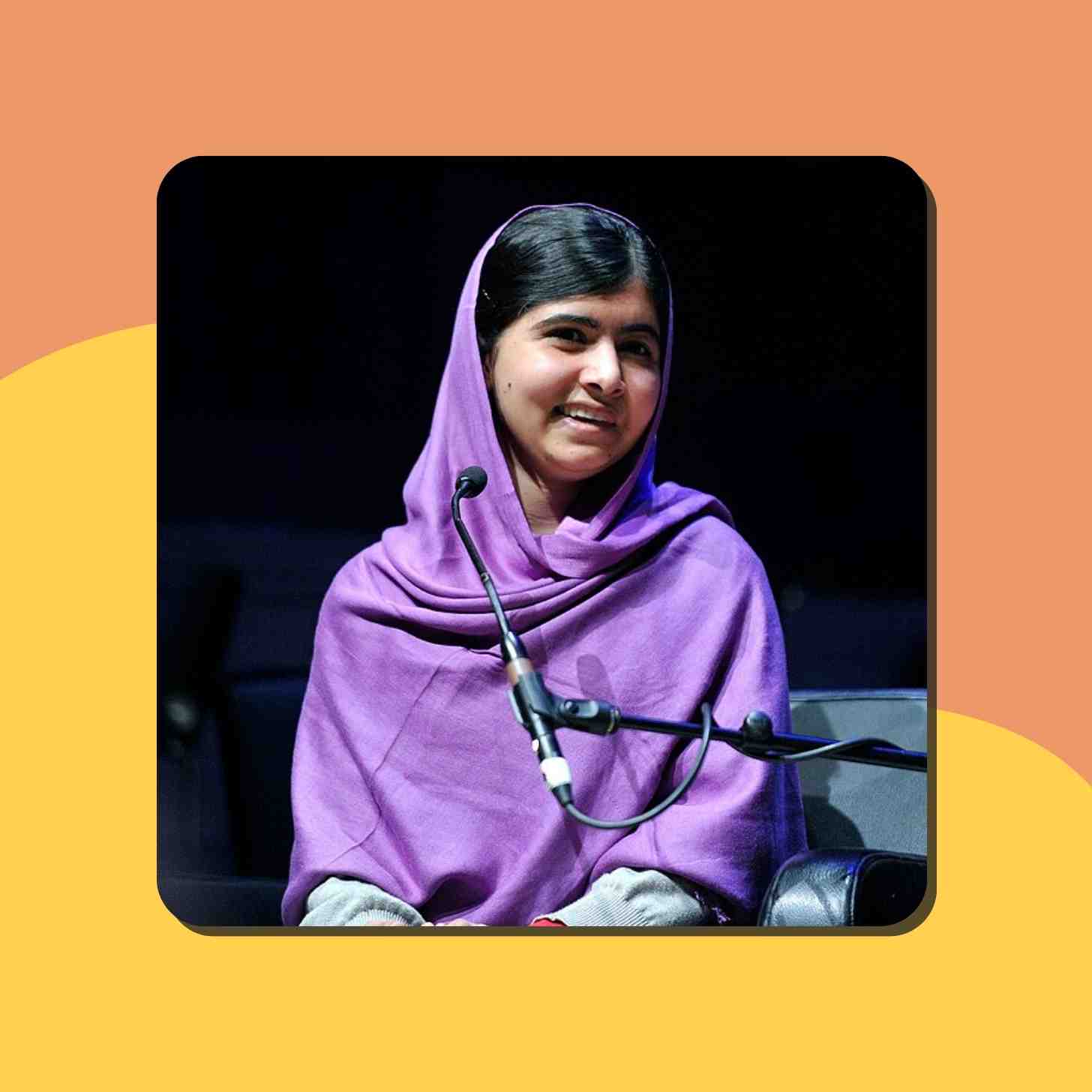
Malala Yousafzai is a Pakistani human rights activist who has spent years championing equal access to education.
Born in Mingora, Pakistan in 1997, Yousafzai grew up in a time of turmoil as the Taliban was sweeping control of the country and banning girls from going to school.
Despite her young age, Yousafzai found inspiration in her father — a teacher — and spoke up publicly about education injustice while continuing to attend school.
In 2012, at the age of 15, she was riding the bus home from school when a masked gunman accosted her and shot her in the head. After months of rehabilitation, she made a full recovery and relocated to the United Kingdom to continue her fight for equal education rights.
She would go on to become the youngest-ever Nobel Prize laureate in 2014 and continues her work as a human rights activist today.
“This award is not just for me,” Yousafzai said in her Nobel Prize acceptance speech. “It is for those forgotten children who want education. It is for those frightened children who want peace. It is for those voiceless children who want change. I’m here to stand up for their rights, to raise their voice.”
Helen Rodríguez-Trías
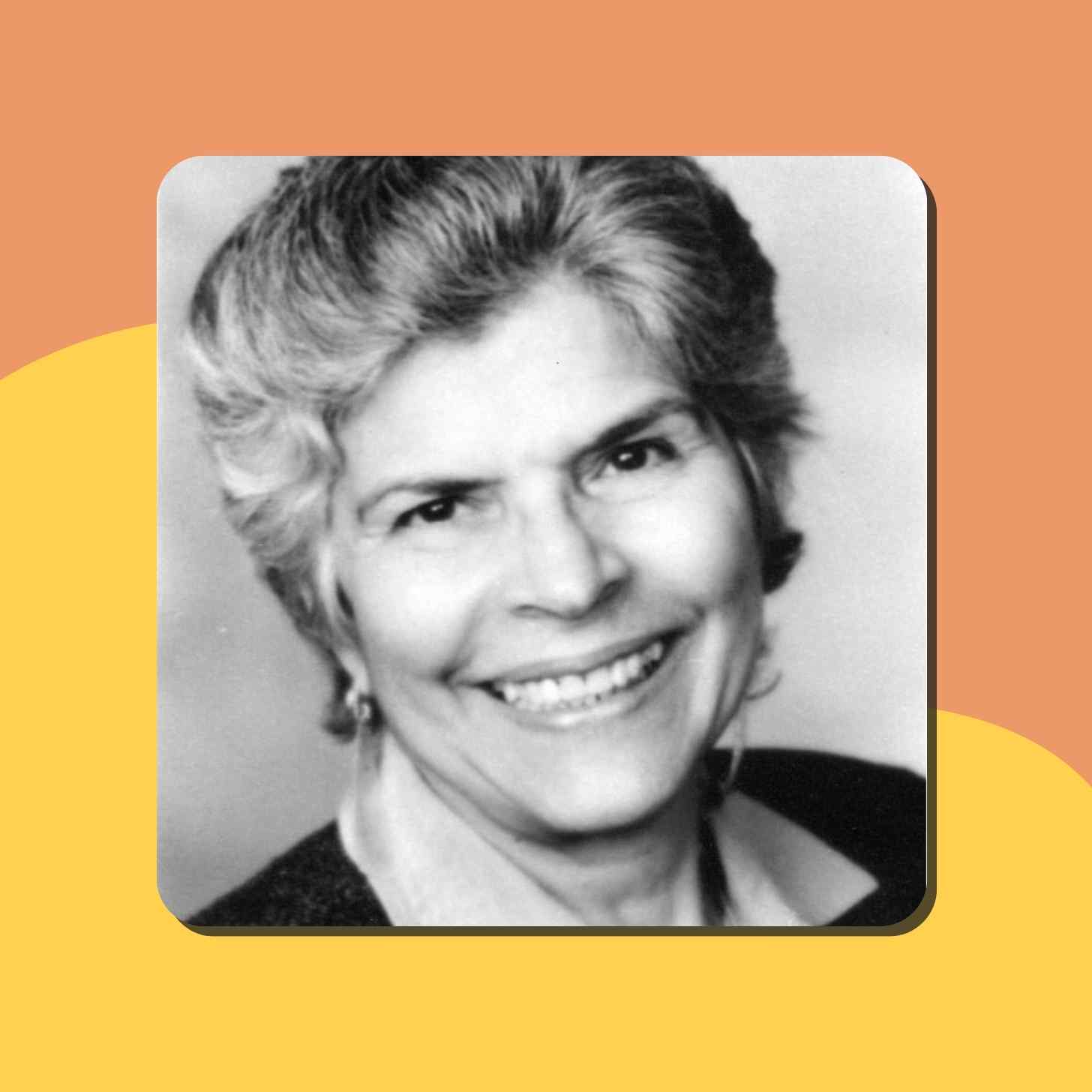
Dr. Helen Rodríguez-Trías dedicated her life to women’s health care and reproductive rights and was the first Latina director of the American Public Health Association.
Rodríguez-Trías was born in New York City in 1929 and spent the majority of her childhood in Puerto Rico. She returned to the island many times in her adult life and became a prominent figure in the Puerto Rican independence movement.
In 1947, Rodríguez-Trías graduated from the University of Puerto Rico with a medical degree and founded Puerto Rico’s first child care center for newborns. Due to her accomplishments in localized healthcare, Rodríguez-Trías halved Puerto Rico’s child mortality rate within three years.
Rodriguez-Trias pursued a lifelong career in healthcare. In the 1970s, she founded the Committee for Abortion Rights and Against Sterilization Abuse and the Committee to End Sterilization Abuse.
“I hope I’ll see in my lifetime a growing realization that we are one world,” Rodríguez-Trías once said. “And that no one is going to have quality of life unless we support everyone’s quality of life.”
Marsha P. Johnson
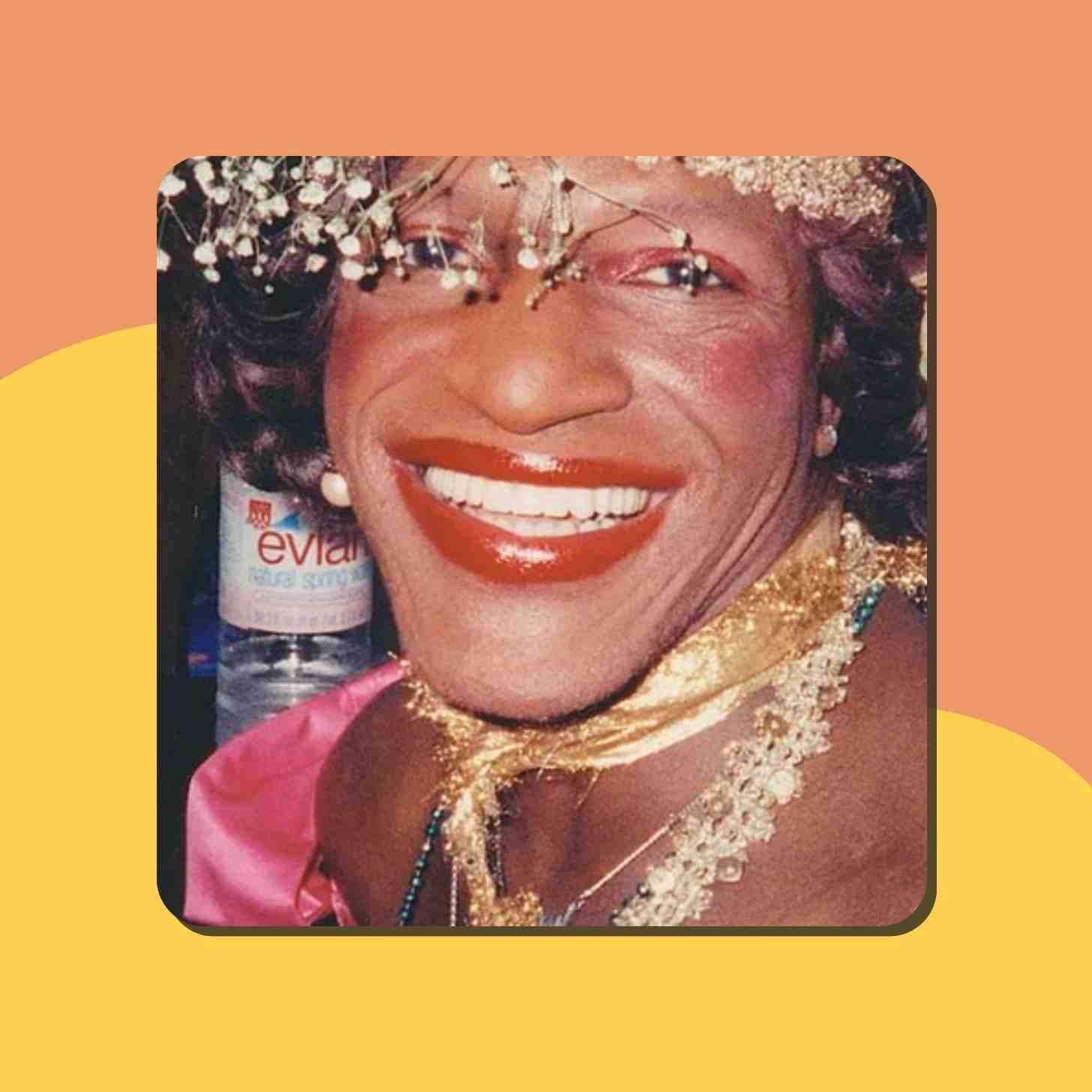
Marsha P. Johnson was an outspoken human rights advocate and Black transgender activist who was crucial to the Stonewall Uprising of 1969.
Johnson was born in New Jersey in 1945 to a working-class family of seven and grew up in an era where LGBTQ+ rights were under constant attack and it was illegal to even dance with someone of the same gender.
Johnson was only 23 years old when she was at the front lines of the New York City Stonewall Inn riots. During a police raid of the Stonewall Inn bar, Marsha began the uprising and encouraged fellow patrons to fight back against the cops.
A beloved fixture of the Greenwich Village community, Johnson was a famous drag queen who continued leading the charge for gay rights in weekly rallies and protests.
Today, a memorial bust of Johnson stands opposite the Stonewall Inn in Christopher Park. The plaque bears the iconic Johnson quote:
“History isn’t something you look back at and say it was inevitable, it happens because people make decisions that are sometimes very impulsive and of the moment, but those moments are cumulative realities.”
Ayana Elizabeth Johnson
Ayana Elizabeth Johnson is a famed marine biologist and policy expert who has shifted the modern political landscape with an optimistic, grounded approach to climate solutions.
A Brooklyn native born in 1980, Johnson is a Harvard and Scripps Institution of Oceanography scholar who has dedicated her career to ocean conservation that is centered on social justice.
In 2o13, Johnson co-founded the Blue Halo Initiative and spent a decade working with Caribbean fishing communities. She led the first-ever successful ocean zoning project in the Caribbean, which placed protections on the coastal waters of Barbuda.
In “All We Can Save: Truth, Courage, and Solutions for the Climate Crisis,” Johnson curated over a dozen poems and essays from women all around the world and honed in on the intersectional voices driving modern climate movement.
Her writing has been featured in various publications including The Guardian, Scientific American, and The New York Times, and she also hosts the “How to Save a Planet” podcast.
“To care about a changing climate we don’t have to be a tree-hugger or an environmentalist,” Johnson wrote in “All We Can Save.” “As long as we are a human alive today, then who we already are, and what we already care about, gives us all the reasons we need.”
Patsy Mink
Congresswoman Patsy Takemoto Mink was a record-breaking government figure and staunch advocate for equal education.
A third-generation Japanese-American, Mink was born on the island of Maui in 1927. Despite having early aspirations to become a physician, Mink was rejected from over a dozen medical schools because of her gender.
Mink eventually changed course and applied to law school. Post-graduation, Mink faced sexism and racism as she applied to law firms across the country and was denied time and again.
Mink set up a solo practice and became active in the Democratic Party of Hawaii throughout the 1950s. In 1964, she accomplished trifold milestones for the U.S. government and became the first woman from Hawaii, the first Asian-American woman, and the first woman of color ever elected to Congress.
Mink would go on to be a four-term member of Congress and was pivotal in defending Title IX of the Education Amendments, which protected students from discrimination on the basis of sex.
In a campaign leaflet from 1977, Mink proclaimed: “I have been guided by a single principle: That everyone—rich or poor, powerful or weak—should get fair and equal treatment from government.”
Lucy Stone

Lucy Stone was a lifelong feminist and suffragist who worked hard for equal rights for men and women, regardless of race.
Born in Massachusetts in 1818, Stone was raised as one of nine children. Her father was a veteran of the American Revolution and a staunch abolitionist.
When Stone graduated from Oberlin College in 1847, she had a strong passion for public speaking. At nearly 30 years old, Stone was hired by William Lloyd Garrison to deliver abolitionist speeches for the American Anti-Slavery Society.
In 1850, Stone organized the first National Women’s Rights Convention in Massachusetts. She traveled the lecture circuit for years, delivering speeches on gender equality.
In 1869, Stone diverged from her contemporaries Elizabeth Cady Stanton and Susan B. Anthony when she supported the passage of the 15th Constitutional Amendment, which granted Black men the right to vote.
In her final address to the public, Stone said: “Now all we need is to continue to speak the truth fearlessly, and we shall add to our number those who will turn the scale to the side of equal and full justice in all things.”
Greta Thunberg
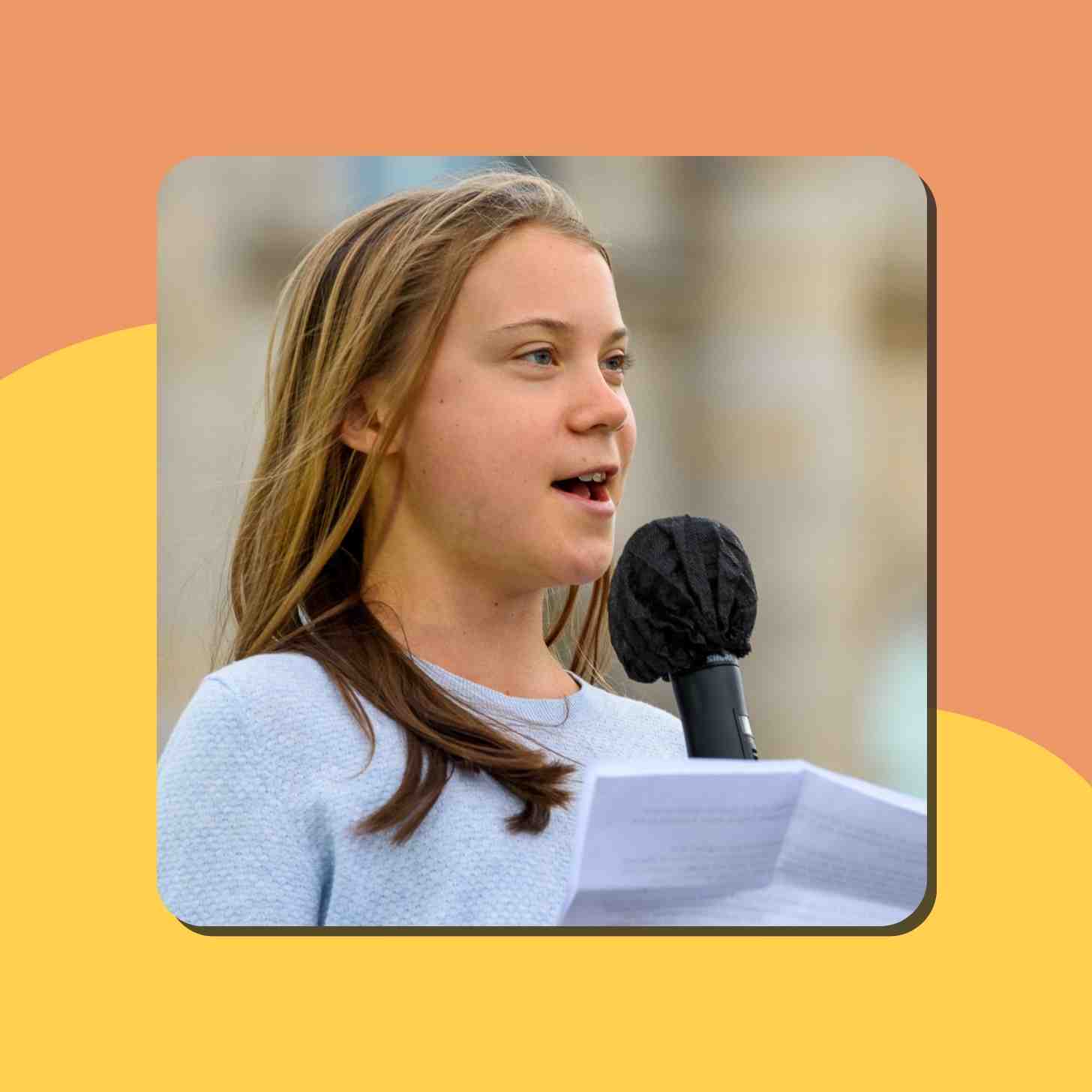
Greta Thunberg is one of the leading voices for climate activism in the world today and has been fighting for climate justice since she was just 15 years old.
Born in Stockholm, Sweden in 2003, Thunberg took an early interest in global politics and climate change. In 2018, Thunberg skipped school for three weeks to camp out in front of the Swedish Parliament.
As the days passed, hundreds of thousands of students around the globe joined Thunberg in her “School Strike for Climate,” and she gained worldwide recognition.
Thunberg used her new platform early and often, speaking at climate panels and challenging world leaders to take action against climate disasters.
Years later, Thunberg remains outspoken about environmental rights and continues to organize protests and raise funds for crisis relief. Twice in the past summer, Thunberg has been fined and arrested for police disobedience after refusing to abandon protest sites.
“We will not let you get away with this,” Thunberg said at the U.N. Climate Action Summit in 2019. “Right here, right now is where we draw the line. The world is waking up. And change is coming, whether you like it or not.”
Maya Angelou
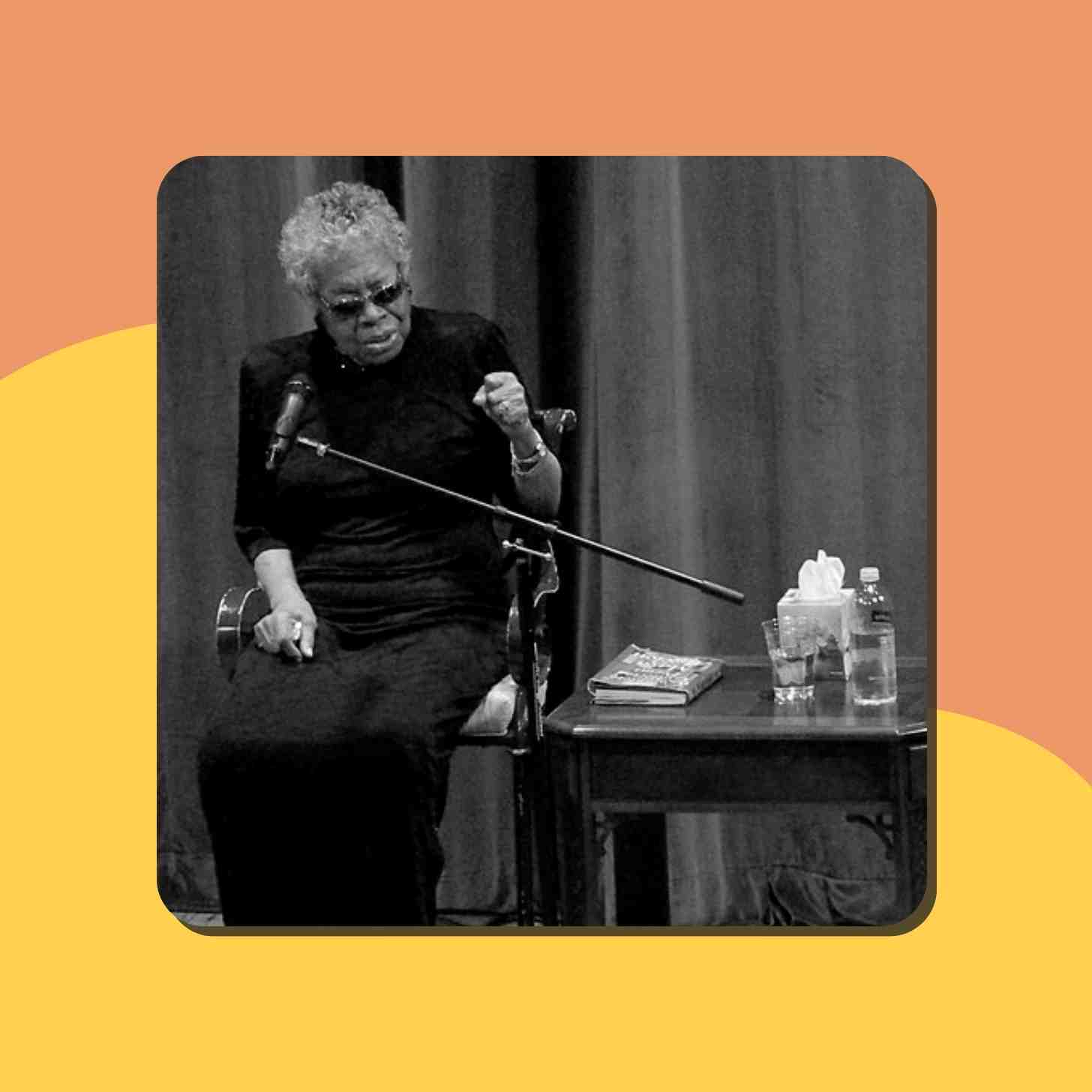
Maya Angelou was a beloved poet, author, and activist who was foundational to the Civil Rights Movement.
Angelou was born in St. Louis, Missouri in 1928 and grappled with mutism for six foundational years of her childhood in the wake of severe trauma. As she grew up, Angelou became fascinated with literature and wrote constantly.
Amidst World War II and an absence of men in the workforce, Angelou tirelessly applied to jobs day after day until she was hired as the first African-American woman to work as a streetcar conductor in San Francisco.
In 1969, Angelou published her lauded autobiography “I Know Why the Caged Bird Sings” and sparked a national conversation about gender, race, and sexual abuse.
Across eight decades, Angelou wrote countless poems, essays, and memoirs that encompassed prejudice, discrimination, and the triumph of the human condition.
“Do the best you can until you know better,” Angelou famously told Oprah Winfrey. “Then when you know better, do better.”
Simone Biles
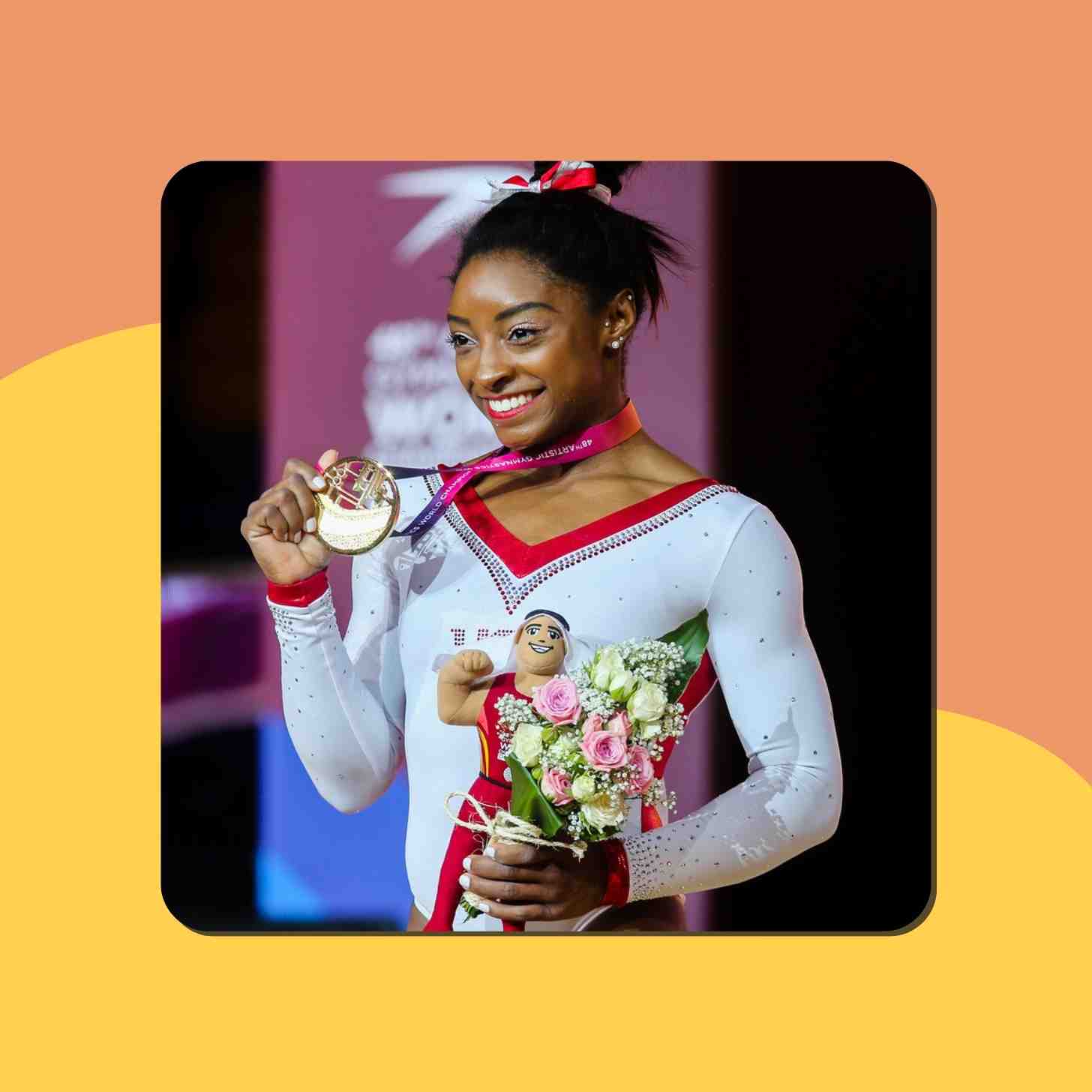
Simone Biles is a highly decorated Olympic athlete who has used her platform to spread mental health awareness, support children in the foster care system, and advocate for victims of sexual assault.
Born in Texas in 1997, Biles began training in gymnastics at the age of 6. At 19 years old, Biles competed in the 2016 Summer Olympics in Rio de Janeiro and became the first American Olympian — and the sixth female gymnast of all time — to win four gold medals in the same year.
Due to stress and a disorienting diagnosis of “the twisties,” Biles withdrew from a majority of the 2020 Tokyo Summer Olympic competitions.
With a global spotlight on her mental health, Biles handled the pressure with poise and urged young people in similar circumstances to seek out support systems and “use every outlet given to you.”
A year later, Biles gave a powerful testimony in the sexual abuse prosecution of former gymnastics doctor Larry Nassar and condemned multiple organizations for their negligence.
“We have been failed, and we deserve answers,” Biles told U.S. lawmakers in May 2022. “Nassar is where he belongs, but those who enabled him deserve to be held accountable. If they are not, I am convinced that this will continue to happen to others across Olympic sports.”
Nadia Murad
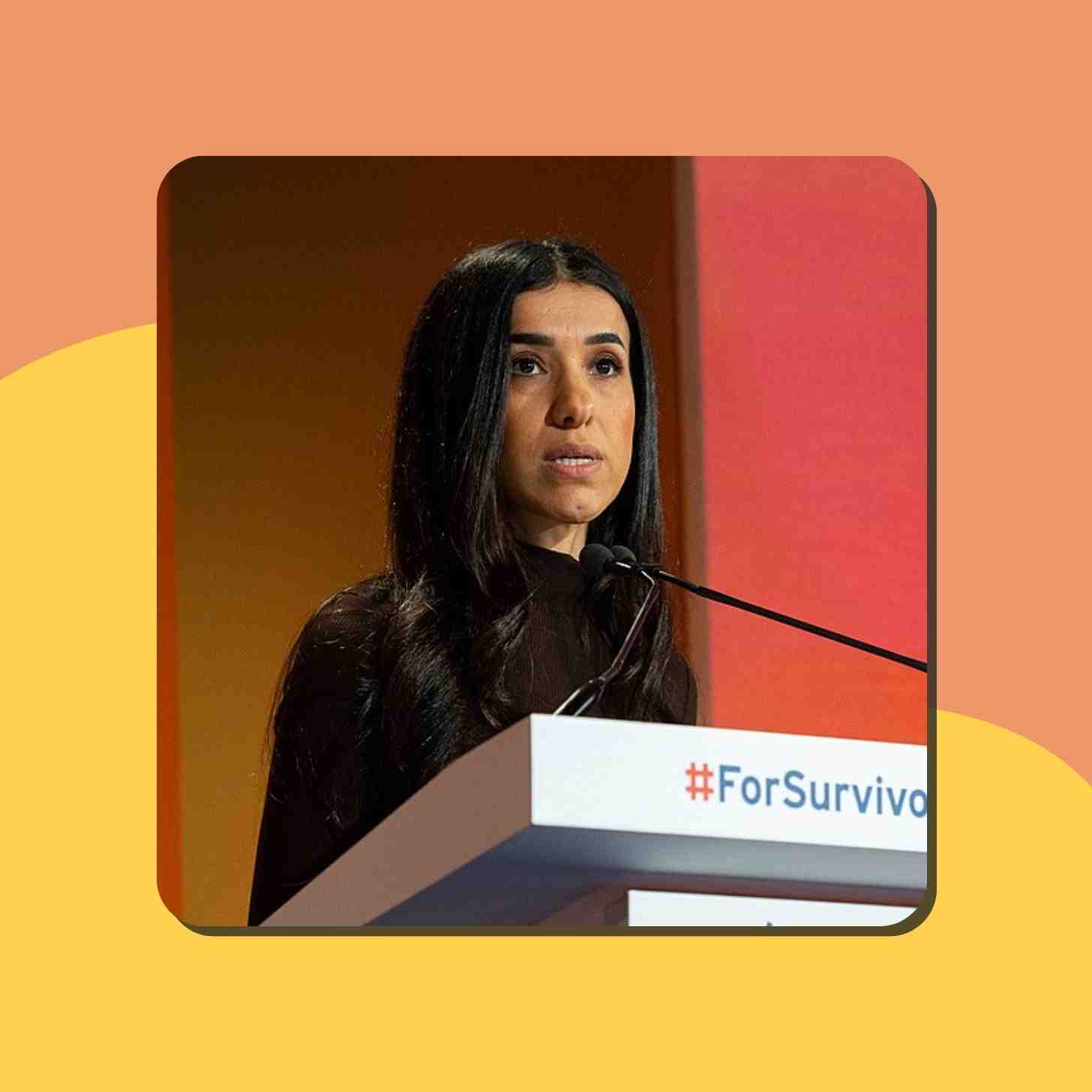
Nadia Murad is one of the leading voices against human trafficking and global terrorism in the world today.
Born in 1993, Murad was raised in the village of Kojo, Iraq. In 2014, when Murad was 21, the Islamic State targeted Kojo and committed acts of genocide against its Yazidi natives.
In the massacre, Murad was captured and trafficked by Islamic terrorists. After months in captivity, Murad escaped to Germany and reported the stories of violence and trauma to the international community.
In 2016, Murad was named the United Nations’ first Goodwill Ambassador for the Dignity of Survivors of Human Trafficking.
A year later, Murad released her memoir “The Last Girl: My Story of Captivity, and My Fight Against the Islamic State,” which recounted her personal stories of captivity, abuse, and escape.
In 2018, Murad became the first Iraqi to win the Nobel Peace Prize.
“Let us all unite to fight injustice and oppression,” Murad said in her Nobel acceptance speech. “Let us raise our voices together and say: No to violence, yes to peace, no to slavery, yes to freedom, no to racial discrimination, yes to equality and to human rights for all.”
Gloria Steinem

Gloria Steinem is a political activist and journalist and a crucial figure in second-wave feminist history.
Steinem was born in Toledo, Ohio in 1934 during the Great Depression. She grew up studying politics and government in school and became invested in grassroots activism after travels abroad in India.
Post-graduation, Steinem worked as a journalist but struggled to be taken seriously by her male peers. In 1963, she worked undercover at the Playboy Club in New York and wrote a scathing expose of the club’s rampant sexism.
In 1968, she created New York Magazine and stayed on as an editor and journalist. After years of reporting on politics, Steinem stepped into the spotlight and began performing speeches on gender equality and abortion rights.
In 1972, Steinem joined forces with Betty Friedan, Bella Abzug, and Shirley Chisholm to form the National Women’s Political Caucus.
Today Steinem continues her fight for social justice. In 2022, when Roe v. Wade was overturned, Steinem told the Associated Press: “Obviously, without the right of women and men to make decisions about our own bodies, there is no democracy.”
Byllye Avery
Byllye Yvonne Avery is a healthcare activist and prominent advocate for reproductive rights.
Avery was born in Waynesville, Georgia in 1937 and attended a segregated high school as a teenager. At Talladega College, Avery studied special education and became unwaveringly vocal about reproductive rights.
After the Roe v. Wade Supreme Court decision of 1973, Avery and her colleague raised the funds to open an abortion clinic in Gainesville.
In 1984, Byllye founded the National Black Women’s Health Project, a nonprofit organization centered on sex education and accessible healthcare.
Today, she continues to dismantle the stigma of abortion and fight for inequality and inequity.
“If we really want to make social change, if we really want to make economic change, if we want to have our society become responsive to everybody, we have to first deal with the lives of the people who struggle on the bottom,” Avery said in an interview in 2005.
Rosa Parks
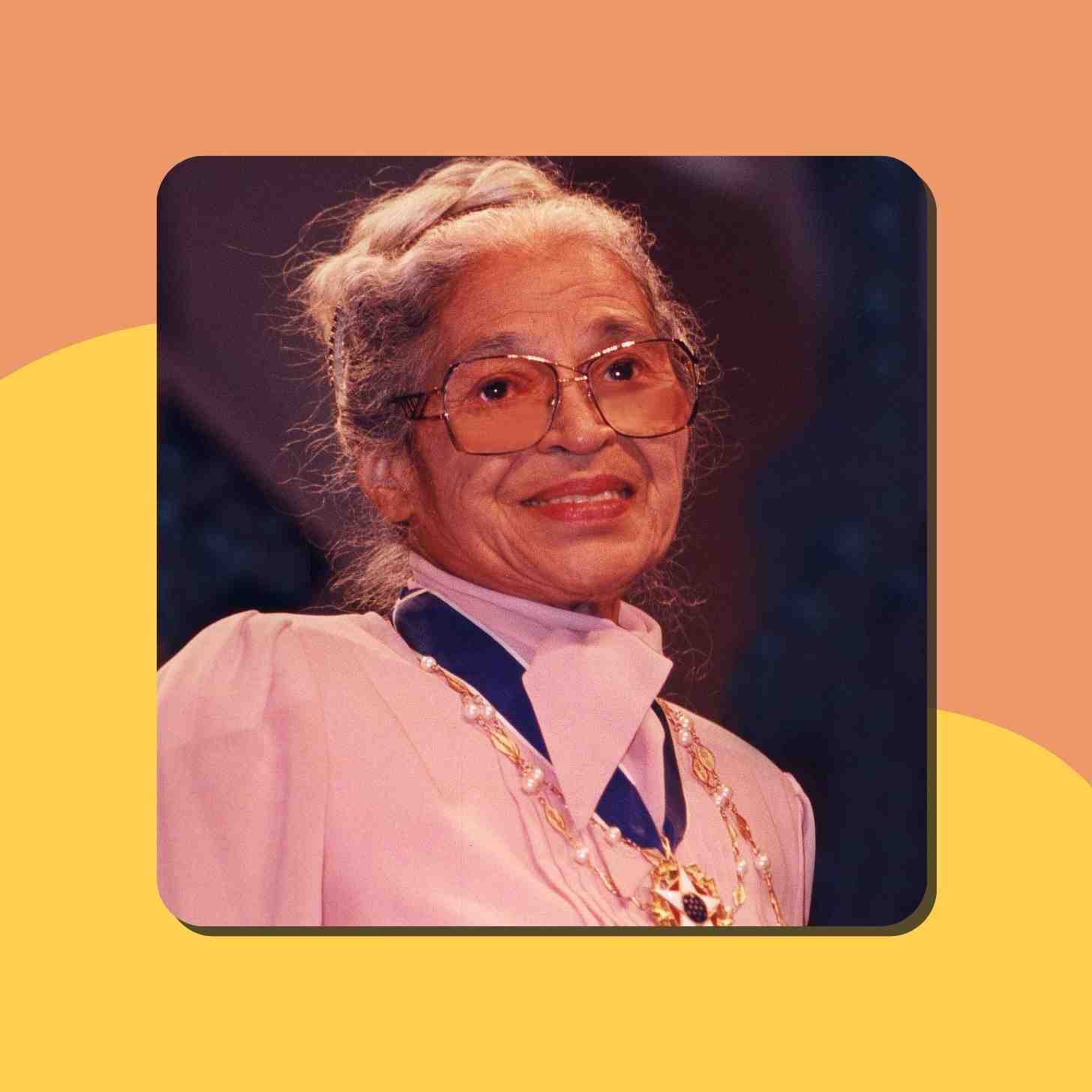
Rosa Parks was a racial justice activist who was crucial to the civil rights movement.
Parks was born in Tuskegee, Alabama in 1913. She worked most of her life as a seamstress and she began serving as the secretary of her local NAACP in Montgomery, Alabama in 1943.
In 1955, Parks was arrested for violating segregation laws when she was forcibly removed from the “colored section” of a city bus to accommodate a white man. Her arrest sparked outrage and the year-long Montgomery Bus Boycott, which led to the Supreme Court ruling that segregation on buses was unconstitutional.
After her arrest, Parks used her newfound fame to organize protests and collaborate with Civil Rights leaders like Martin Luther King Jr.
For her activism, Parks was awarded the Presidential Medal of Freedom in 1996 and the Congressional Gold Medal in 1999.
“I have learned over the years that when one’s mind is made up, this diminishes fear; knowing what must be done does away with fear,” Parks wrote in her memoir “Quiet Strength: the Faith, the Hope, and the Heart of a Woman Who Changed a Nation.”
What do you get someone who has everything?
This question likely echoes through our thoughts during every gift-giving season or special event. In a world where it’s so easy to buy yourself exactly what you want or need when you want or need it, the skill of giving meaningful or sentimental gifts can be hard to come by.
But it might be time to reassess your approach. What if your loved one doesn’t need something — but an experience?
Whether your goal is to help them create memories that will last a lifetime or just provide them an afternoon of relaxation and stress relief, there are plenty of experience gifts out there that will make your gift recipient feel special and appreciated.
Not to mention, an experience gift is also typically a more sustainable gift. No shipping, wrapping, landfills, or waste required.
Here are some of the best experience gifts you should consider this season —
By the way, some of the products and links in this article are affiliates, which means we may earn a commission at no extra cost to you. Everything in this article was independently and honestly written by the Good Good Good team. Thank you for your support!
You might also like: The Best Consumable Gifts
Our Favorite Experience Gifts — That Are Way More Memorable Than Any Old Item
A Kobo eReader
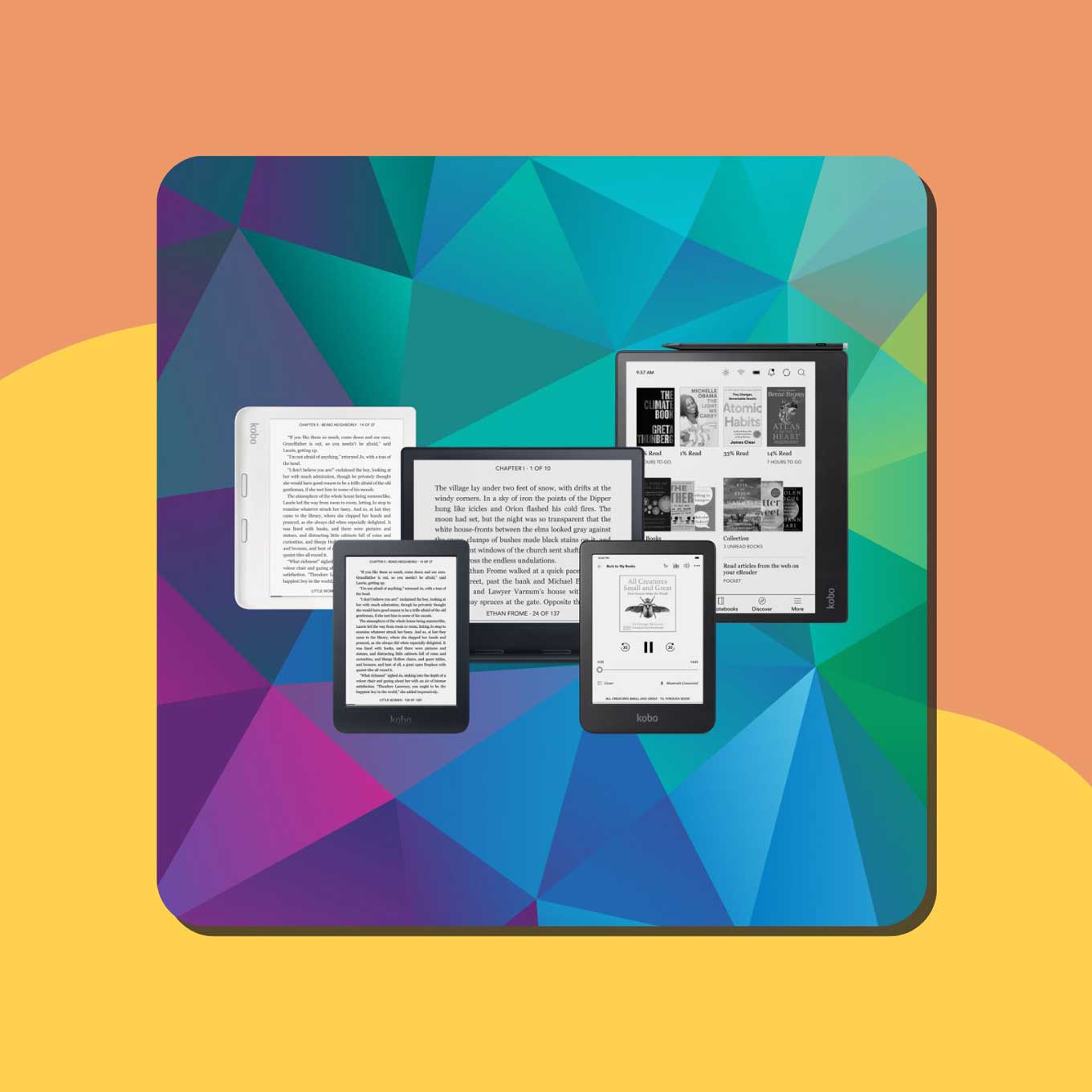
Gift a page-turning present for the reader in your life – from the armchair detective to the bathtub-reading romantic.
Kobo eReaders are jam-packed with features they’ll love, like front lights, an always-open bookstore, public library access and many more.
Can’t decide which model to choose? We’ve reviewed some of our favorite Kobo eReaders to make it even easier.
An excursion from Postcard Cabins
Postcard Cabins — formerly known as Getaway — has cozy tiny cabins in 29 cities in North America that are designed to be more than a destination and “create distance from the relentless demands of work, schedules, and technology.”
Gift the person you love an unscheduled, unstructured, and uninterrupted vacation that will leave them feeling refreshed and energized.
→ Gift a stay with Postcard Cabins
A meal subscription box
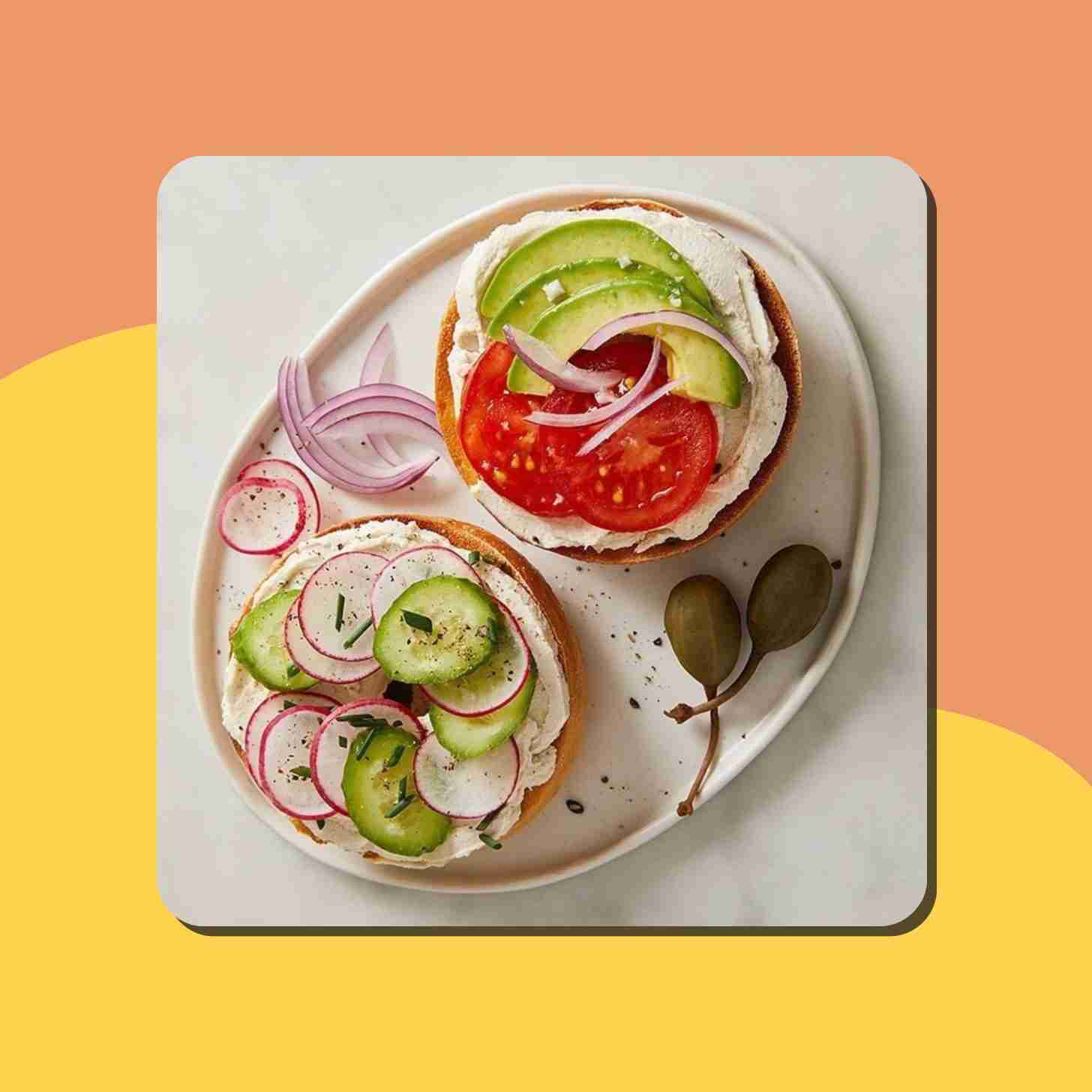
You’ve heard all the rave reviews about meal boxes — who wouldn’t want to make their weekly grocery load lighter?!
Gift them the greatest present of all: Not having to decide on dinner.
→ Shop: Misfits Market | Purple Carrot
Language-learning lessons
Is your gift recipient planning a big trip to a foreign country? Do they want to reconnect with their heritage? Or do they just want to sound cool while speaking French?
Consider a subscription to a language learning software!
→ Learn a language with Rosetta Stone
A flower delivery subscription

There are few experiences more delightful than a surprise flower bouquet to freshen up your space and remind you how loved you are.
Don’t just let this joy be a one-time event, and set up a flower delivery subscription for the special people in your life.
→ Send flowers from Urban Stems
A book filled with adventure prompts

Sometimes the best thing you can give someone is an idea of what to even do! The Adventure Book is full of scratch-off activities — for couples and solo travelers alike.
→ Shop: The Adventure Challenge | Amazon
A hands-on class from SkillShare
Skillshare is an online learning community with thousands of classes across countless topics. For the creative-minded gift recipient, Skillshare is great for learning more about illustration, design, photography, video, freelancing, and more.
Gift a class or set them up for success with a membership.
→ Gift a SkillShare class or membership
A custom video from their favorite celebrity
Cameo is a place where you can request custom video messages from a huge library of celebrities, influencers, athletes, and more. Find your gift recipient’s fav and give them some words of encouragement they’ll replay over and over.
An outdoor class or expedition from REI
Whether it’s a hiking trip led by an expert, or an all-expenses-paid course on navigating the outdoors, your adventure lover will love this.
An appointment to get a new piercing

Rowan is a piercing salon with locations across the company. The best part? It’s marketed as the safest piercing experience ever — done only by licensed nurses.
An escape room in a box
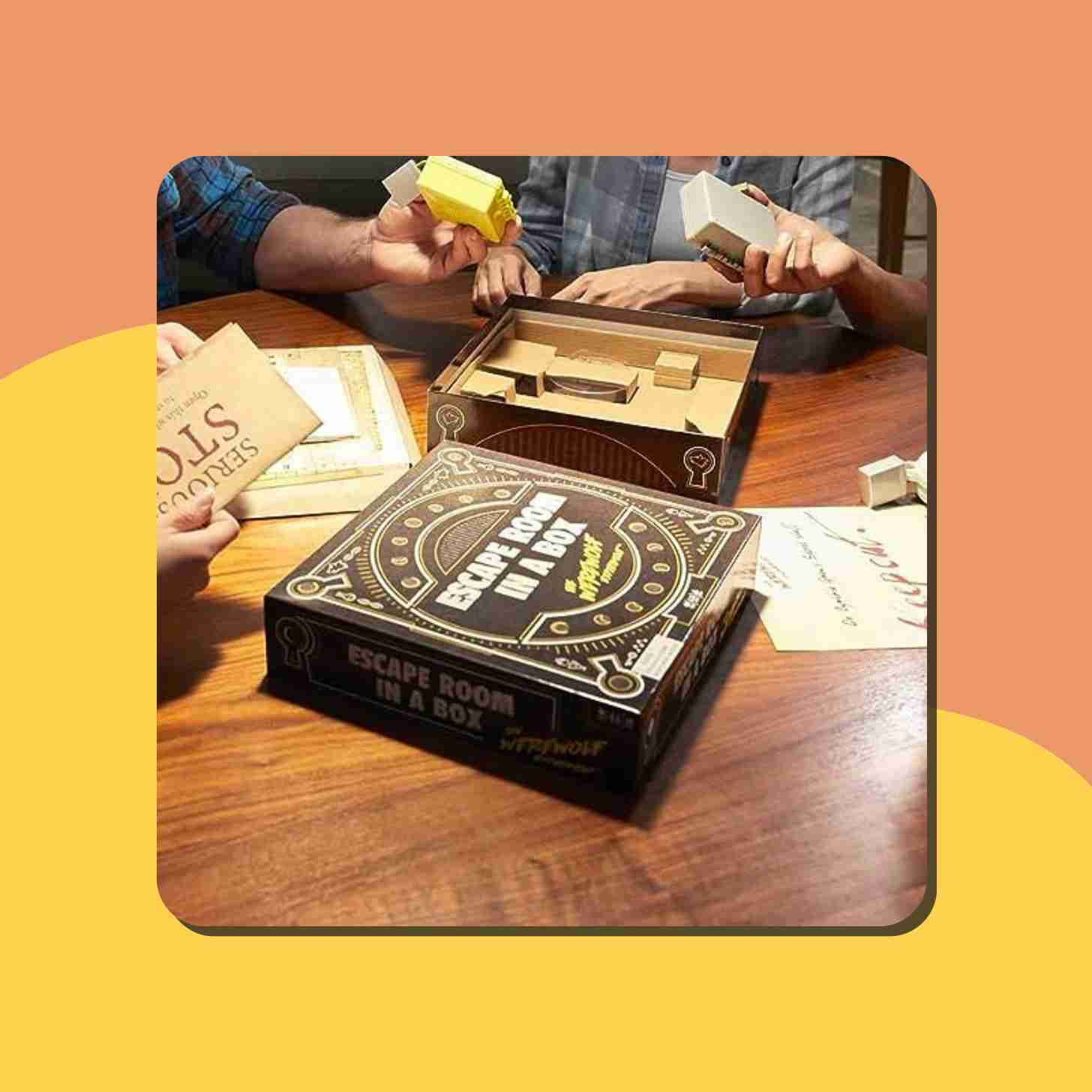
OK, we’d recommend starting with an IRL escape room experience, but if your gift recipient is a homebody who loves a good puzzle, this is the gift for them.
This exciting cooperation game requires players to solve 19 mental and physical puzzles that even connect to Amazon Alexa for an enhanced experience.
→ Shop: Amazon
Or, for the true crime enthusiasts, a murder mystery game
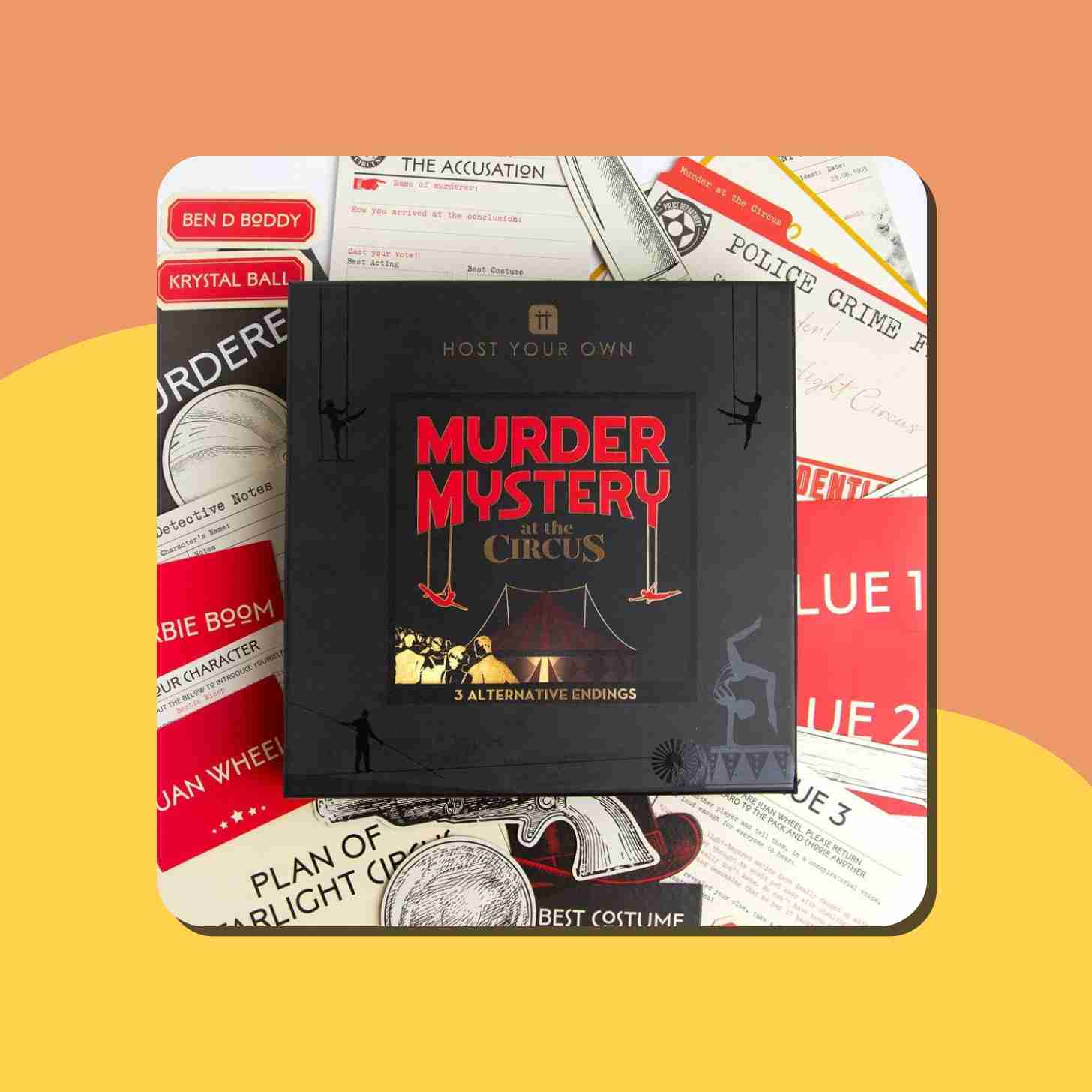
If your gift recipient is a little more interested in the macabre, there are also loads of true crime games on the market that will make for a fun night in.
Whether they want to “Hunt A Killer” or sort through some “Unsolved Case Files,” their murder mystery is just an “add to cart” away.
→ Shop: Amazon
A subscription to Rent the Runway
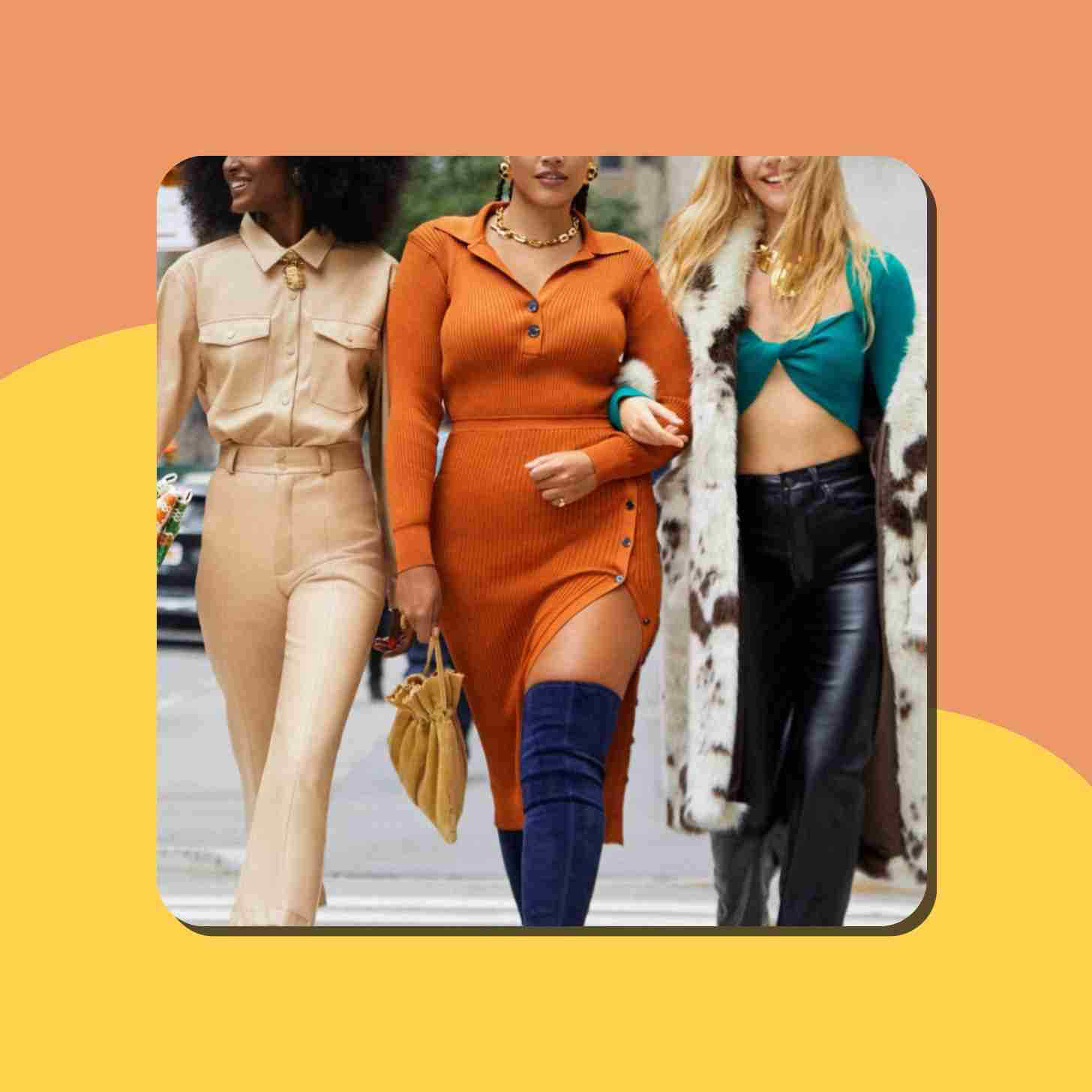
Got a fashionista on your gift-giving list? A subscription to Rent the Runway is a great way to help them embrace some new styles without breaking the bank — or the planet!
Psst… check out our other recommendations for renting a dress, too!
→ Gift a Rent the Runway subscription
A cooking class led by a culinary expert
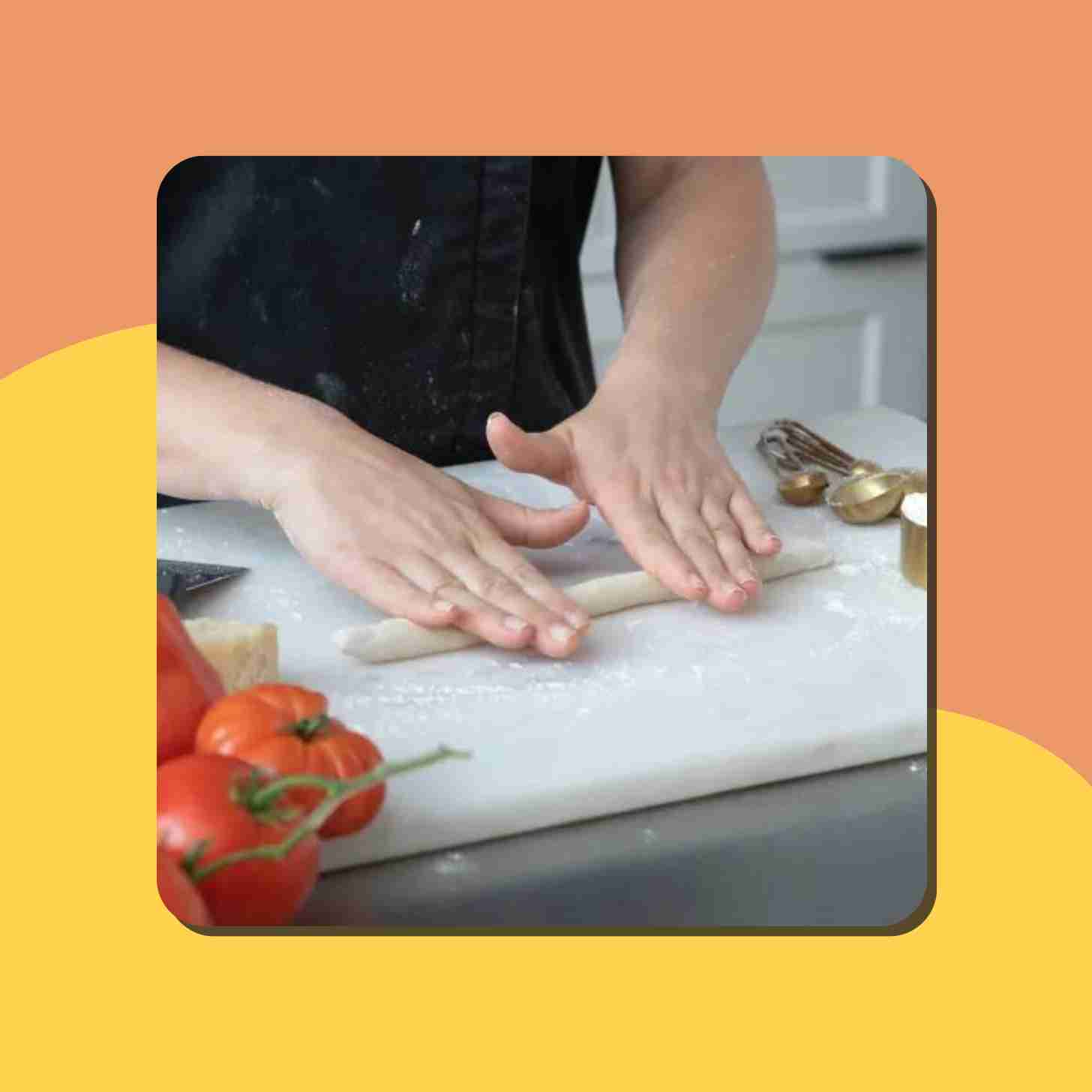
Whether your loved one is already a whiz in the kitchen or they need to learn some more basics, there is a cooking class out there that will cater (pun definitely intended) to their every wish.
→ Shop: Uncommon Goods | Sur La Table
A Make Your Own Hot Sauce kit
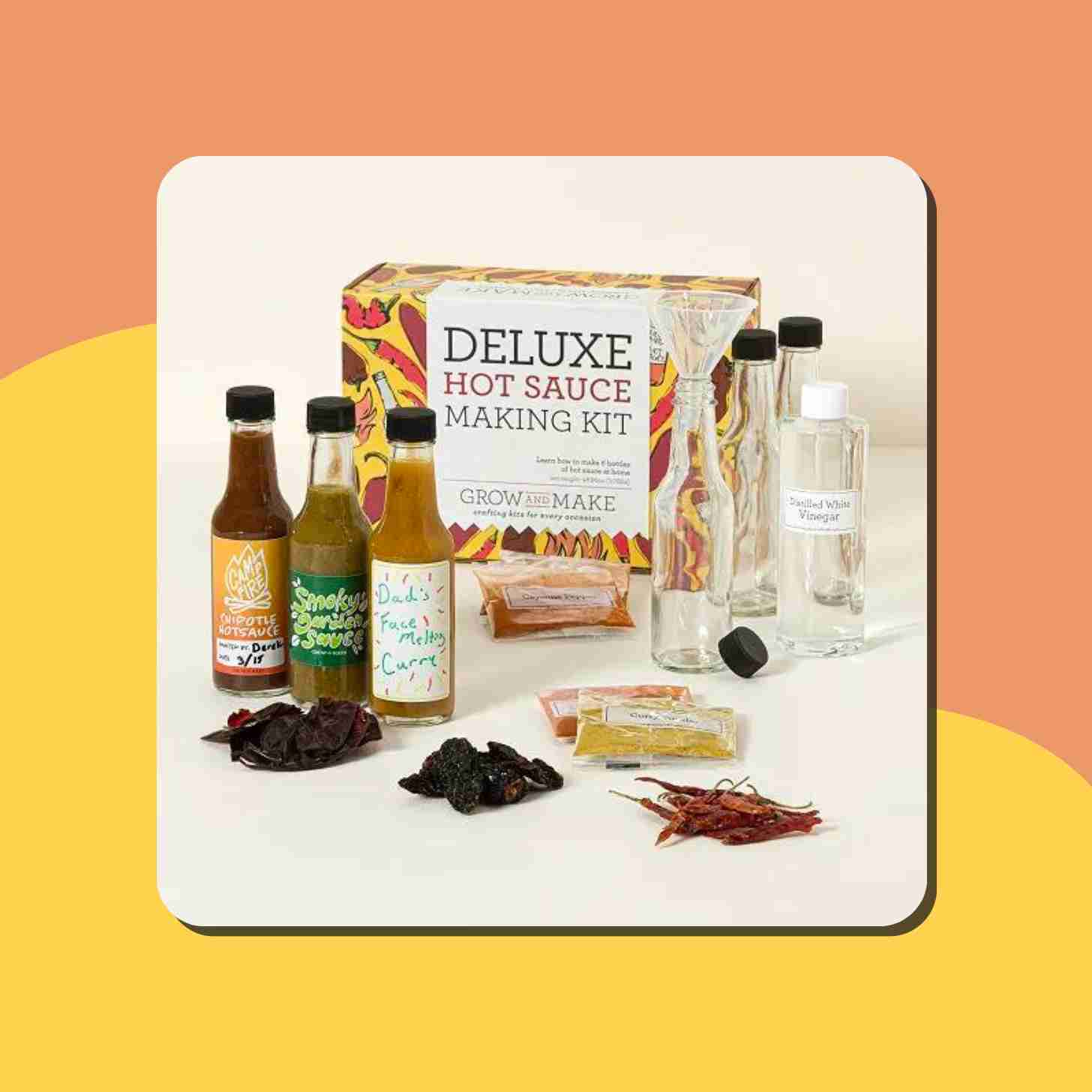
Do we have a “Hot Ones” fan in the house?! Help them bring their spiciest fantasies (no… not that kind) to life with a DIY hot sauce kit.
→ Shop: Etsy | Uncommon Goods
A spa treatment of their choosing
Gifting someone a spa treatment can always be difficult. How long of a massage would they want? Or would they prefer a facial? Maybe they just want their nails done?
Leave the decision-making to them, but make pampering themselves a bit easier with a SpaFinder gift card. All they have to do is plug in their zip code to find a participating spa near them.
Tinggly Experience Gift Package

A Tinggly Experience gift package allows you to pay for a loved one’s expenses on their next adventure! You pay a flat fee, and your recipient gets to select an experience or getaway of their choice.
Send them on a national park journey or simply can pick a destination like Colorado or Alaska and pay for your giftee’s stay in a beautiful hotel on their next journey.
Tinggly also plants trees with the Eden Reforestation Project every time you make a purchase!
An all-inclusive fitness and wellness pass

With thousands of classes and appointments to choose from — we’re talking fitness groups and sauna visits, people — a ClassPass gift card is the perfect self-care treat for those you love most.
→ Gift a fitness class with ClassPass
America The Beautiful National Park Pass
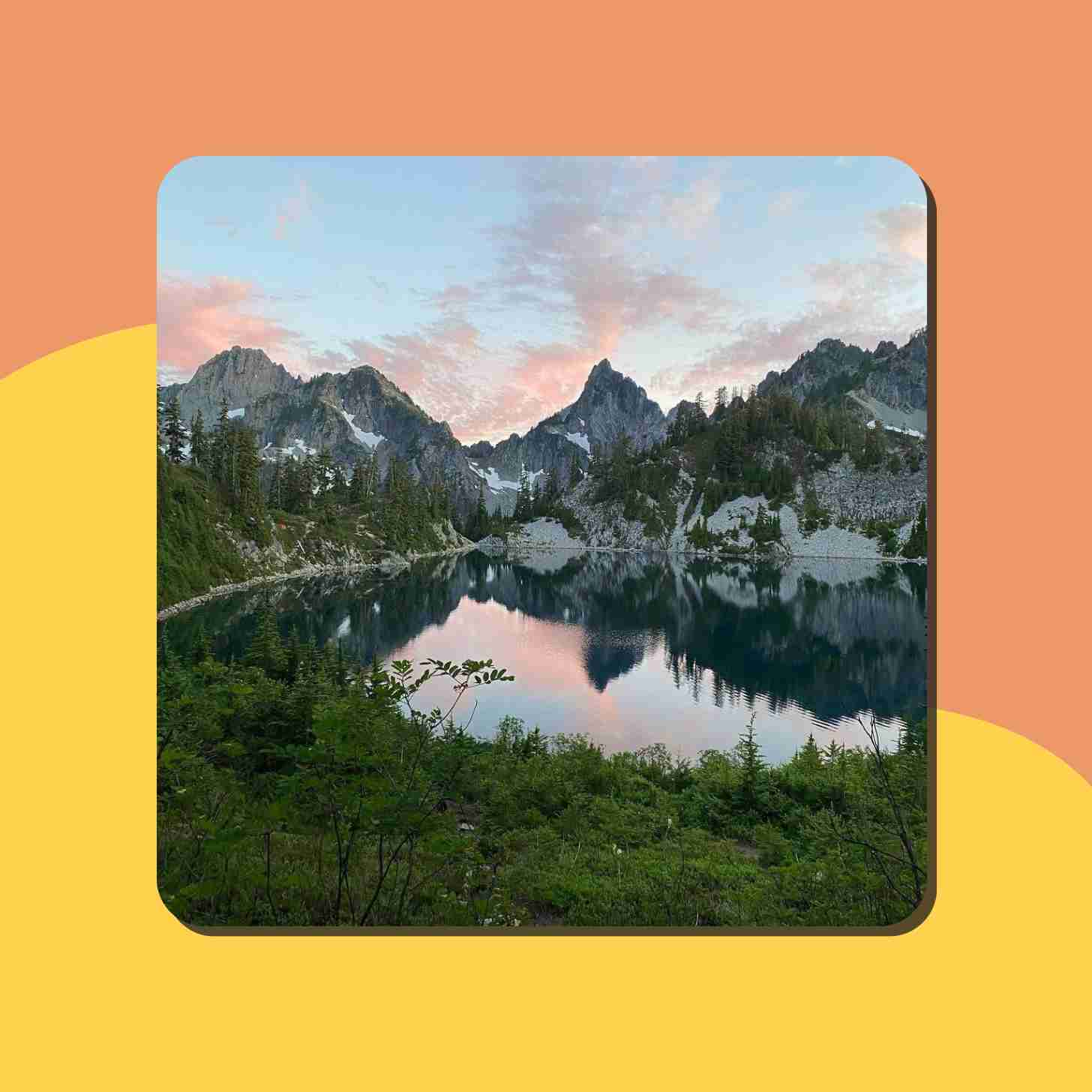
Need a gift for the national park lover in your life? Make it easy with an America The Beautiful National Park Pass!
This pass is good for a year’s worth of visits to more than 2,000 federal recreation sites across the U.S, including all the national parks. Take the stress of parking and logistics out of your loved one’s next trip with this easy and all-inclusive pass.
A tent for their next outdoor adventure
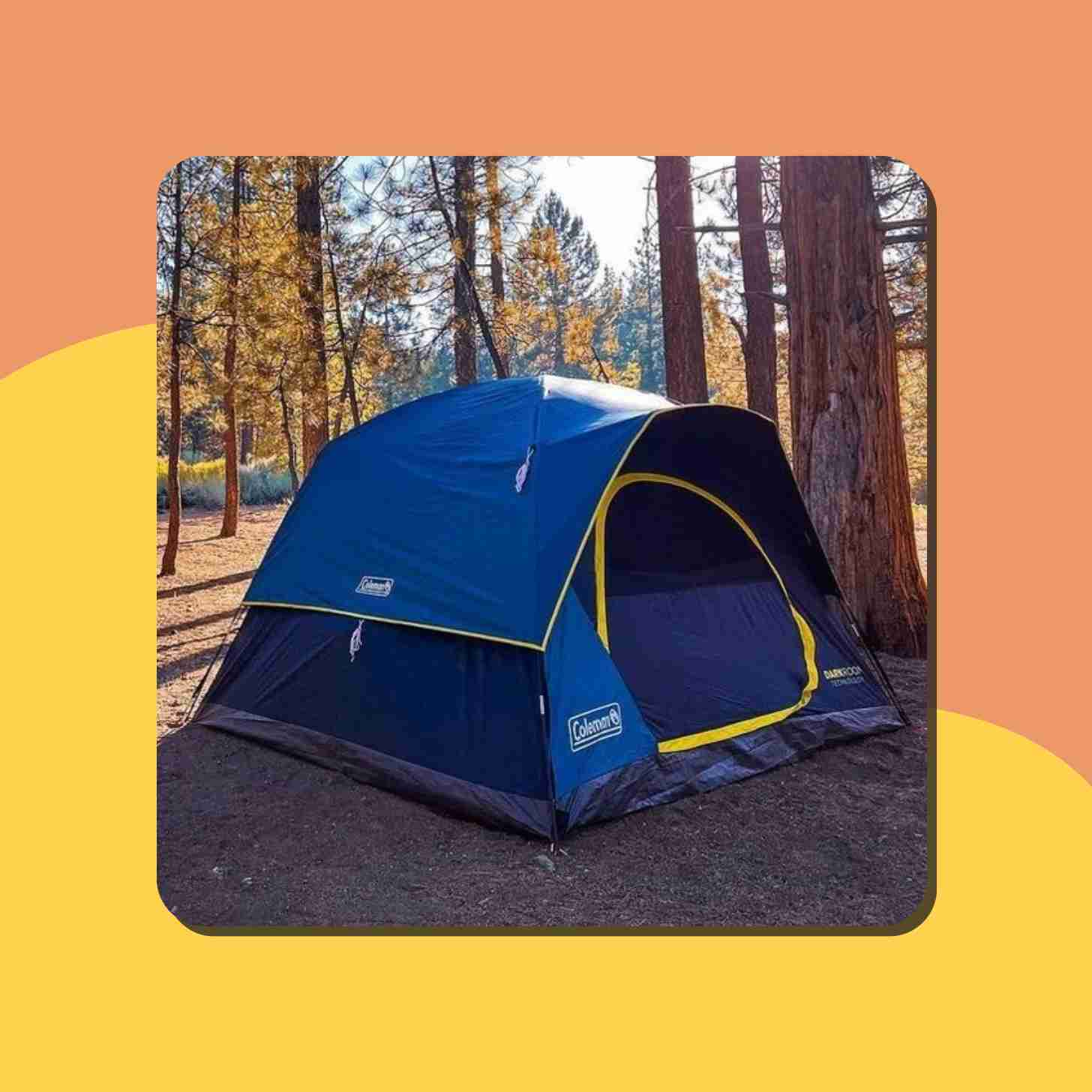
A solid tent is the experience gift that keeps giving! Keep them safe, cozy, and comfortable on their next camping trip with this awesome four-person camping tent with dark room technology.
An indoor skydiving lesson
Does your loved one have a taste for adventure — but maybe isn’t quite ready to jump out of a plane? We’ve got the next best thing!
Give them a memorable experience with an indoor skydiving lesson at a location near them.
This flower arranging class from Uncommon Goods
This 90-minute flower arranging class is perfect for any “budding” artist.
Help them enjoy the relaxing benefits of a creative, hands-on activity that allows them to create a work of living art, all directed by an expert floral artist who will share her professional techniques and designs.
→ Gift a flower arranging class
A goat milk soap-making kit
This fun and easy kit includes everything you need to make high-quality, custom soap — including three whole pounds of goat milk soap base.
Inspire your loved one to learn a new DIY craft or update their soap-making skills with these artisan creations.
This DIY solar printing kit
Who needs paint when you have the sun?! This eco-friendly DIY solar printing kit helps your giftee use items from nature to make beautiful art prints.
Using the craft of cyanotype printing, this beginner-friendly art method will turn into a hobby for the ages.
→ Gift a solar printing kit from Etsy
Headspace subscription
We could all use an excuse to take a deep breath these days. Give them the permission they need to unwind and mediate with ease.
Headspace has three-month and one-year gifting options to help incorporate everyday mindfulness, better sleep, and joyful movement into your loved ones’ lives.
→ Gift a subscription to Headspace
This create-your-own-video-game set

This digital experience is the perfect gift for gamers.
With a computer and free web-based, beginner-friendly editor, gamers as young as eight can practice coding and programming to transform this unit into a portal to adventure.
A starter candle kit from Siblings
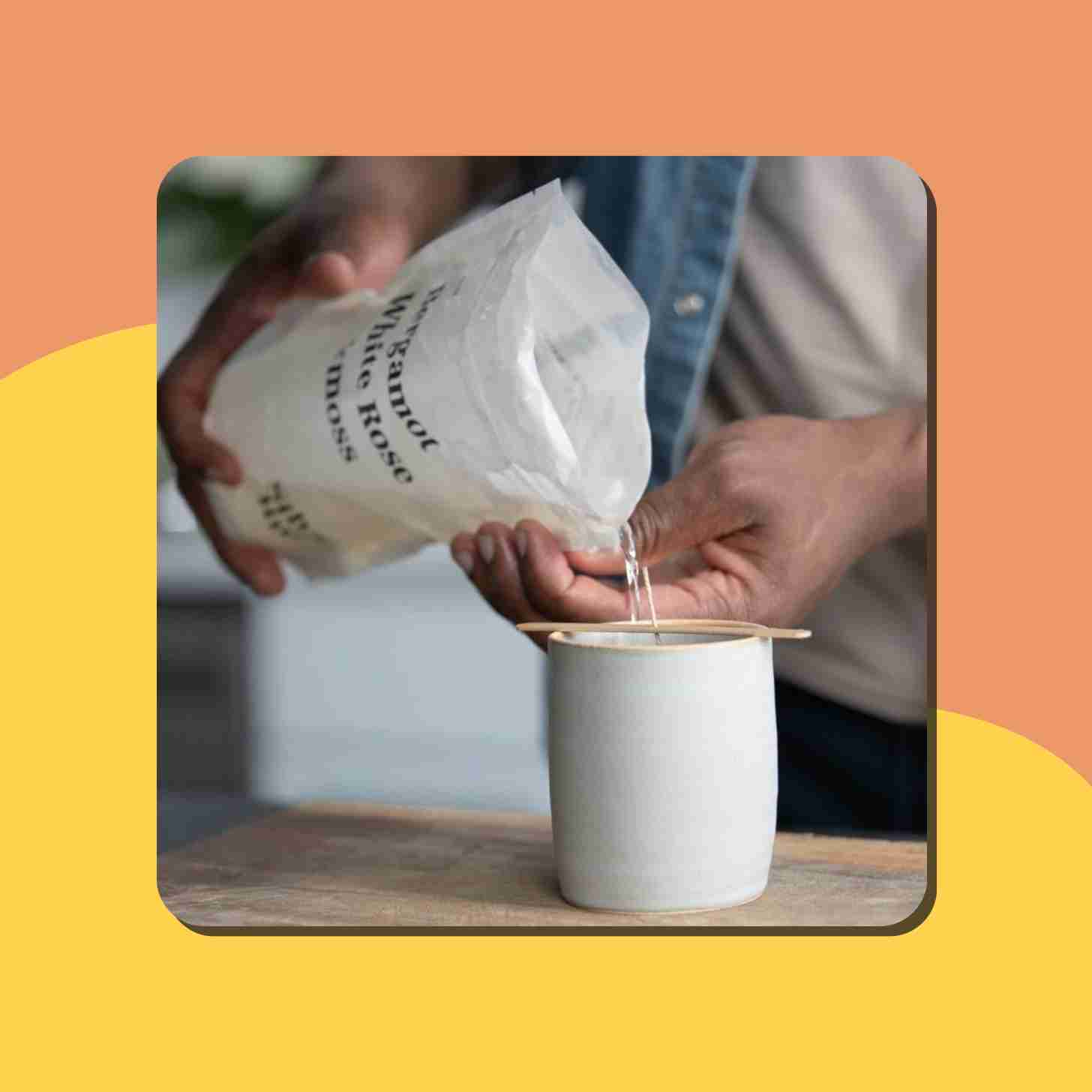
Siblings is an eco-friendly candle brand that meshes its commitment to the planet with a DIY element. With non-toxic scents, clean coconut wax blends, and 100% compostable packaging, your gift recipient can create their own candle completely guilt-free.
→ Gift a candle-making kit from Siblings
This unique tarot reading
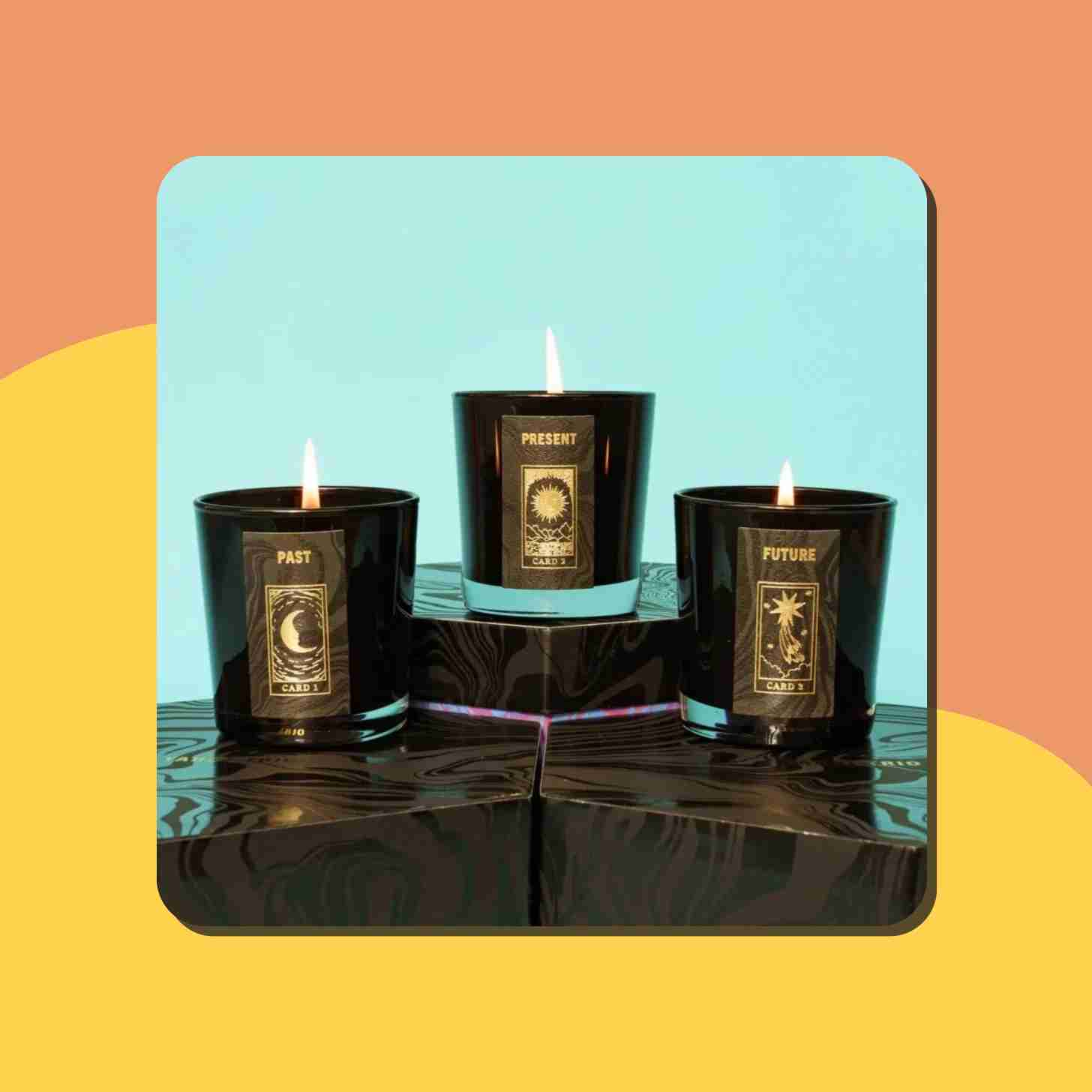
The Tarot Trio from Birthdate is the ultimate experience, designed to use the mysteries of the tarot to reveal insights into one’s past, present, and future.
Inside three candles, your gift recipient will find gold-plated charms depicting three tarot cards in the most unique reading they’ve ever had.
→ Gift tarot candle reading from Birthdate
A fragrance Explorer Box from Olfactory NYC
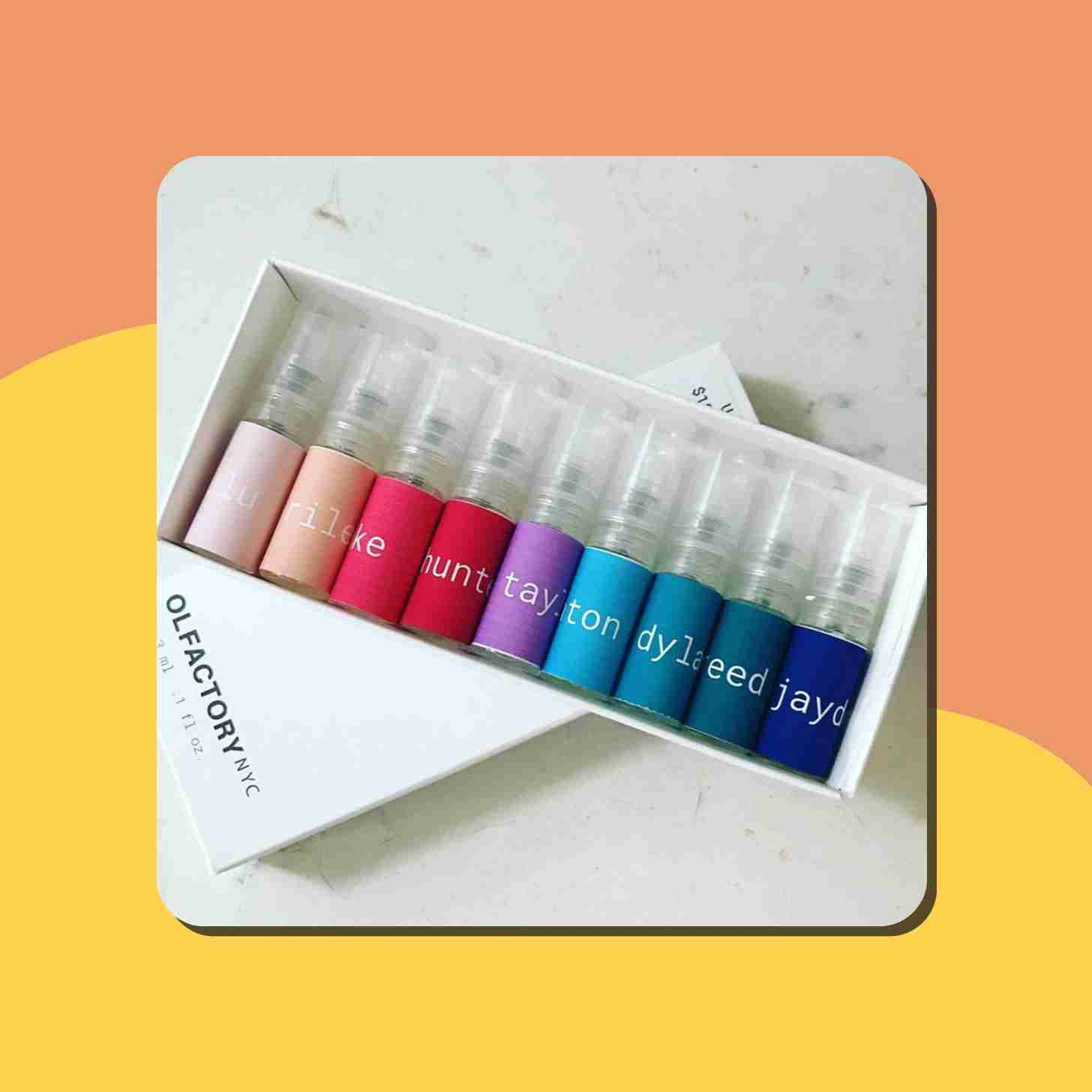
If your gift recipient loves trying out new fragrances or can’t stop talking about how they’re still on the hunt for the perfect perfume, consider the Explorer Box from Olfactory NYC!
The box includes 3-milliliter samples of Olfactory’s nine core scents. Your gift recipient can choose their favorite to customize — and then get a $20 off coupon on the next step in the custom scent creation process.
→ Send a fragrance Explorer Box
This DIY silver ring-making kit
The only thing more fun than wearing and styling jewelry? Creating it.
This easy DIY silver ring-making kit is a great beginner gift that walks your giftee through the process of carving a ring of their own. The kit comes with jeweler’s wax and a video tutorial.
Once they’re done carving and sculpting, they’ll send it back to have it cast into silver and professionally polished!
Some interior design help from Havenly

As beautifully chaotic as many home decor Pinterest boards are, sometimes we need the help of a professional.
Gift an online or in-person consultation with a professional interior designer. The experience includes tailoring a plan to your gift recipient’s preferences, collaborating with a professional designer, and access to a catalog of hundreds of home brands.
→ Gift an interior design consultation
Or a mindful decluttering workshop
Maybe your gift recipient isn’t ready to redesign their whole home but could use a little help making it more functional.
This Mindful Organizing workshop invites your gift recipient to spend two hours with a professional organizer — learning efficient, holistic ways to keep their space functional and clutter-free.
→ Book a decluttering consultation
This VR headset that contains hundreds of experiences
Got a tech-savvy loved one on your shopping list? A VR headset provides hundreds of immersive experiences they’re dreaming of.
With 3D positional audio, hand-tracking, and haptic feedback, users can access over 250 titles across gaming, fitness, social and multiplayer entertainment.
→ Shop: Amazon
A plant care workshop from The Sill

It’s the gift every overwhelmed plant parent needs: a plant care workshop! It can be so tricky to remember all the need-to-know info about various plants, so The Sill has created a multitude of online courses for the beginner green thumbs of the world.
The brand also offers a number of interactive in-person workshops, too!
→ Gift a plant care workshop from The Sill
For the dog parents, a DIY dog treat cooking class
As someone who loves her dog more than most human beings, I can confirm that this would be a dream experience to receive as a gift.
Your gift recipient will join other dog lovers for a 90-minute class that instructs them how to bake a canine-friendly cake and sweet, snackable dog treats.
→ Bake some biscuits with Uncommon Goods
Guitar lessons from Fender
Fender Play is Fender’s complete learning app for guitar, bass, and ukulele. By purchasing a gift card, you’ll help those budding musicians learn their first songs with step-by-step lessons, progress tracking, and an exclusive online community of players and instructors.
A personalized song for their ears only
Now, we can’t all be Taylor Swift, but if your gift recipient loves music, you can give them their very own song, written by singer/songwriter David Morgan.
Morgan will transform your memories and milestones into an original piece of music.
A monthly knitting subscription box
Calling all crafters! This knitting subscription box delivers everything needed to create a hand knit or crochet project.
Each box includes one monthly project with instructions and materials like yarn, needles, tools, and more.
→ Gift a knitting subscription
A book subscription from Book Of The Month Club
For the reader who loves to stay on top of new book releases, Book Of The Month Club offers three-, six-, and 12-month gift subscription options.
Your recipient will get to choose from five to seven curated hardcover and audiobook selections each month — and their books arrive in a luxurious blue box complete with sassy bookmarks. Plus, they can easily skip any month until they find a story they love.
→ Gift a monthly book subscription
A Goodnewspaper subscription
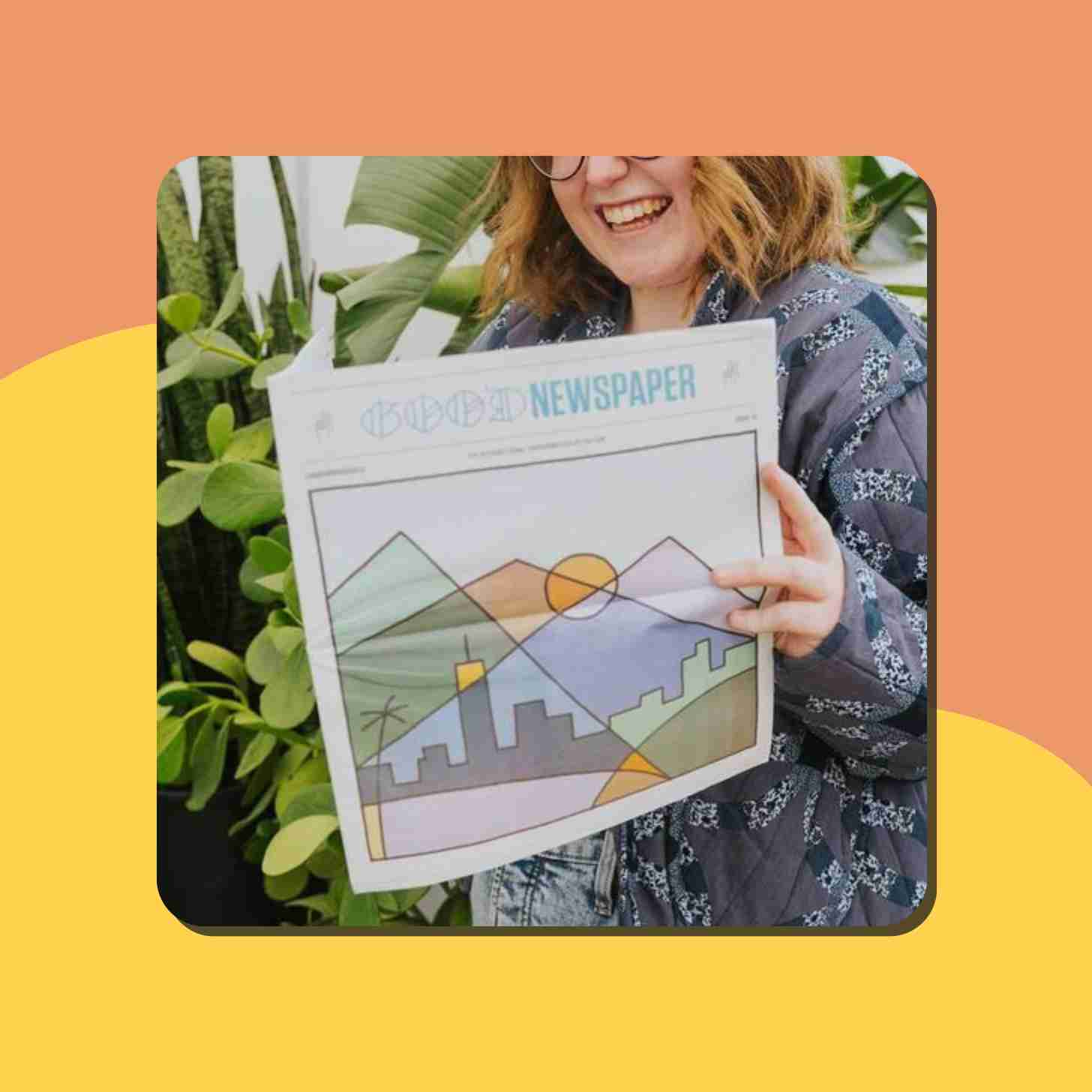
If you’re loving the subscription idea, this one’s our favorite.
We’ll admit our bias on this one: Every month Good Good Good creates a beautiful print newspaper filled with good news.
You can join thousands of subscribers who receive positivity on their doorstep — with themed issues like The Animals Edition, The Sustainability Edition, and The Mental Health Edition.
Plus, it’s small enough to be a stocking stuffer.
A scavenger hunt around the city
Let’s Roam takes the tricky logistics out of adventures and makes them even more fun. Check out scavenger hunts in cities across the country, as well as other games, activities, and team-building exercises.
→ Book a scavenger hunt with Let’s Roam
For the snow bunnies, a ski pass to one of 36 resorts in North America
Whether you want to gift someone a day pass for an upcoming vacation or you want to fund their year of skiing the slopes, Epic Pass offers a few different ski pass options for the snow bunnies in your life.
Plus, skiers and riders get immediate access to an online concierge that helps them plan the perfect ski vacation and keep track of multi-day itineraries.
An at-home pottery kit from Sculpd
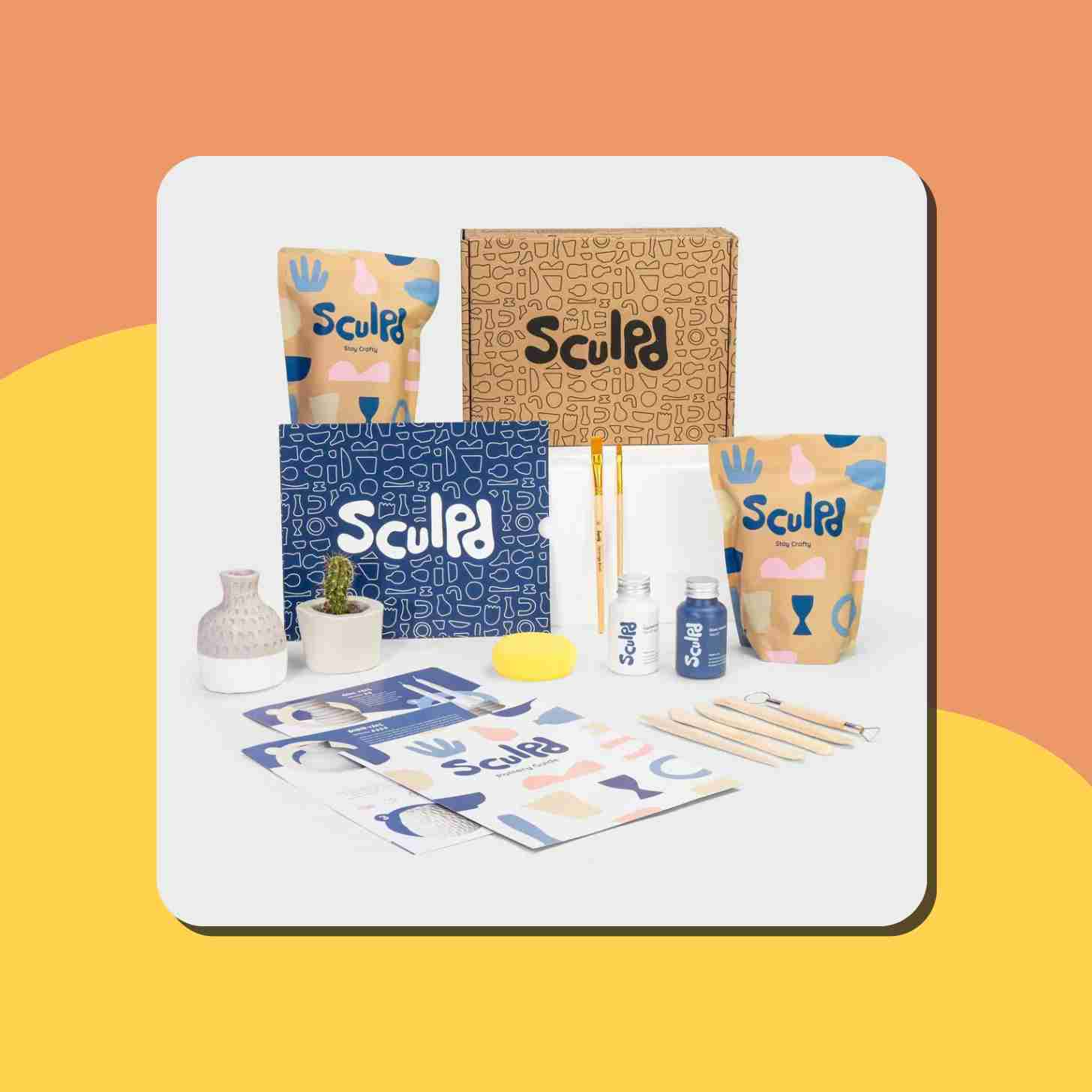
While the dream scenario is for everyone to be able to access a pottery or ceramics class taught by a skilled teacher, the DIY route is also a fun and accessible way to tap into their creativity.
This at-home pottery kit from Sculpd includes enough clay to share between two people for four to six creations, white paint and varnish, and an illustrated pottery guide.
MasterClass subscription
MasterClass is a platform where the world’s greatest leaders teach next-level classes to help you learn new skills and see the world differently. It’s almost like an exclusive TED Talk.
With a wide variety of topics in activism, conservation, business, food, wellness, and more — taught by leaders such as Dr. Jane Goodall and Amanda Gorman — there’s a MasterClass for everybody.
→ Gift a MasterClass membership
Bright Cellars wine subscription
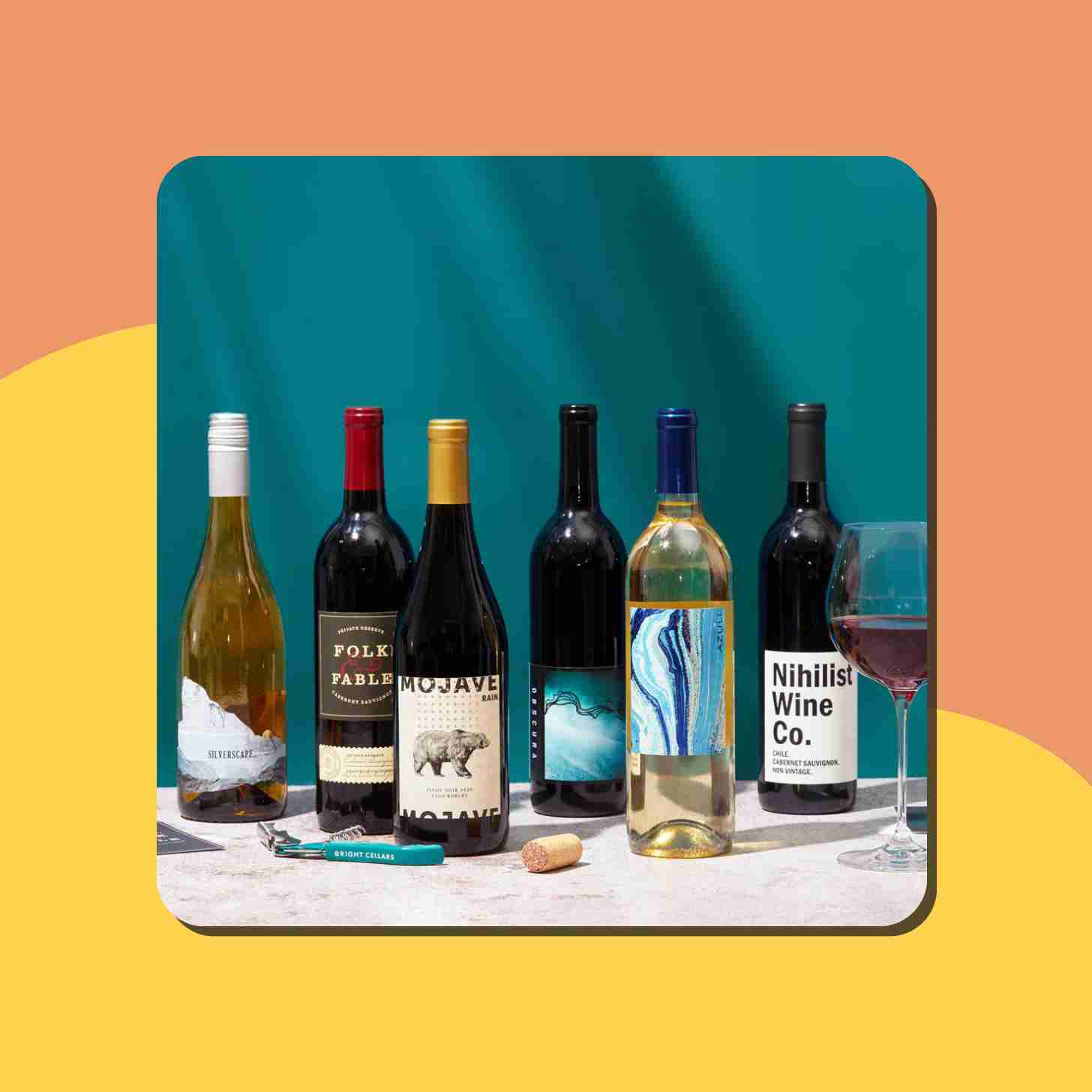
Let’s be real: The wine aisle isn't for everyone. Help your gift recipient take the guesswork out of shopping for wine with Bright Cellars.
All they have to do is take a quick seven-question quiz to assess their taste preferences, and Bright Cellars will deliver wine right to their doorstep.
For the botanical enthusiast, an at-home kombucha starter kit
True love is sharing your SCOBY (symbiotic culture of bacteria and yeast). This kombucha starter kit includes everything your giftee needs to make great tea right at home.
With organic tea, sugar, and a fresh live SCOBY culture, combined with materials like a glass jar and spigot, cloth cover, rubber band, and a printed brewing guide, they’ll be set up for success — and a healthier gut — in no time.
A night at the movies
Although it might seem simple, paying for a night at the movies is a generous gift almost anyone would appreciate receiving. Free tickets to the newest blockbuster? A large popcorn that doesn’t cost your life savings? Count us in.
It’s undeniable that social media shapes the way we view the world. The people we see on our phones and choose to follow help shape our understanding and biases of the world around us.
In particular, Nelson ZêPequéno, founder of the Instagram page @blackmenwithgardens, wants more for Black and brown men.
Black Men With Gardens is an Instagram page with over 153,000 followers, highlighting the magic in the mundane. That is, the magic of a simple garden.
As you scroll the page, you’ll find joyous smiles of Black children playing in gardens, families on farms, and fathers and sons learning about the healing properties of plants together. This is a welcome dichotomy, as Black men often show up on social media pages as memorials or tributes after another unnecessary, brutal murder at the hands of police.
“This is the real, average Black man, but the only portrayals we [see] are the exceptions or the ones that are being brutalized,” ZêPequéno shared in an interview with the Los Angeles Times.
“Like I said, that creates a narrative. Our pages have continued to grow and be a light and beacon in spite of all that and show that, yo, we are so much more.”
And it’s true: Black men are so much more.
ZêPequéno is committed to showing that on social media and actively brings resources and opportunities to his community in Los Angeles. He brings plant and gardening workshops to foster a deeper sense of community while equipping people with the tools necessary to nourish their creativity and appreciation for sustainability and the environment.
The Instagram page also includes a Stories Highlight titled, My reason.
Here, ZêPequéno shares, “Some people come to this page for the farmers. Some come to see the houseplant fanatics. Some come simply to see Black boy joy. Some come for the art. Some come for the vulnerability rarely allowed for Black men. Whatever the reason you visit this page, we should all agree that Black men returning to/being in touch with nature should be celebrated and encouraged.”
But it’s so much more than just seeing Black men being celebrated and encouraged. It’s also about moving the needle closer to true inclusivity and ending violence.
Black men are often met with seas of white faces and hefty barriers to entry in every industry. It’s a problem that deserves to be solved with urgency.
These barriers appear in employment, economic advancement, and even social media content creation, which ZêPequéno has experienced.
He told the Los Angeles Times, “There’s all these barriers systemically and institutionally that we are being subjected to. It’s harder to really break through as a Black creator. When I first started making plant content, the algorithms on various social media platforms would group my content with either police brutality videos or Black wealth videos.”
Black communities often face hurdles when partaking in gardening and farming, and who we picture when we think of these hobbies impact the Black community.
Sandra Louis, a self-taught farmer on Gabriola Island in BC, Canada and the creator behind On Our Farms, told Food52, “For a lot of people, when they think of a happy farmer, the first image that comes to mind is a white, middle-aged man in middle America wearing plaid and overalls.”
This is the image ZêPequéno is trying to change in his work, which has real-life impacts.
“I’ve had old white ladies write me on Instagram and be like ‘Hey, because of your Instagram page, I’m more likely to think the Black guy walking behind me is on his way to a plant shop and not thinking about robbing me,’” he told the Los Angeles Times.
“If you look deeper into any of the people that we’ve posted, they’re not just plant people. I’m not just a plant person,” ZêPequéno told the Los Angeles Times.
“They are actual people with very complex, deep lives, and our page helps to show that to people. There are people that haven’t grown up with and never were close to Black people. When they see an Instagram page that allows them to have deeper insight, that’s beneficial.”
John Lewis, an iconic figure in the civil rights movement, dedicated his life to fighting injustice and advocating for equal rights for all.
As a young man, he participated as a Freedom Rider, marched alongside Martin Luther King Jr., and led the Student Nonviolent Coordinating Committee. Later, as a member of Congress, he continued to champion issues of justice, equality, and civil rights.
Known for his unwavering commitment to nonviolence and his belief in the power of “good trouble,” Lewis inspired countless individuals to take a stand against oppression and to participate actively in shaping a more just society.
His words and actions serve as a beacon for those seeking guidance on issues of justice, activism, and moral leadership.
Throughout his life, John Lewis shared many insights on the importance of perseverance, hope, and the need for continued activism in the face of adversity.
(You can check out his memoirs and biographies in this list.)
Whether addressing youth, fellow politicians, or the general public — his words were always marked by a deep understanding of the nation’s history and a vision for a more inclusive, hopeful, and equitable future.
Discover the wisdom and insights of John Lewis in this collection of quotes. Let them serve as a testament to his enduring legacy and his unwavering belief in the power of collective action, courage, and the human spirit.
Whether you’re an activist, a student, or simply someone striving to make the world a better place, these words will inspire you to act with purpose, conviction, and hope:
The Best John Lewis Quotes
Famous Quotes
“Get in good trouble, necessary trouble, and help redeem the soul of America.”
— John Lewis
“I believe in freedom of speech, but I also believe that we have an obligation to condemn speech that is racist, bigoted, anti-Semitic, or hateful.”
— John Lewis, in a speech in Walking with the Wind: A Memoir of the Movement
“Whatever good work you do, whatever powerful, profound work — do it because it’s right or because it’s necessary. Do it to make change for the better. Do it because you know you must. Don’t do it for credit.”
— John Lewis, Carry On: Reflections for a New Generation
“It is only through examining history that you become aware of where you stand within the continuum of change.”
— John Lewis, Across That Bridge: A Vision for Change and the Future of America
“When you see something that is not the way it should be, don’t be afraid. Speak up, speak out, be courageous.”
— John Lewis, Carry On
“Destruction doesn’t work. Rioting isn’t a movement. We must be constructive and not destructive. Chaos is sowing more division and discord.”
— John Lewis, Carry On
“I had long ago decided that I wasn’t going to be bound by the mental shackles of hate, anger, and discontent. Forgiveness is medicine for the mind, balm for the body, and healing for the heart.”
— John Lewis, Carry On
“There is a power that can raise you up even from the lowliest of places and guide you to the forefront of change if you truly want to create a better world.”
— John Lewis, Across That Bridge
“It is the responsibility, yet the individual choice, of each of us to use the light we have to dispel the work of darkness, because if we do not, then the power of falsehood rises.”
— John Lewis, Across That Bridge
“To truly revolutionize our society, we must first revolutionize ourselves. We must be the change we seek if we are to effectively demand transformation from others.”
— John Lewis, Across That Bridge
“The only reason unjust systems exist is that the masses of people silently give their consent and believe these systems are necessary — whether for their security or survival.”
— John Lewis, Across That Bridge
On Peace
“Darkness cannot overcome darkness, only light can do that. Violence can never overcome violence, only peace can do that. Hate can never overcome hate, only love can do that.”
— John Lewis, riffing on a famous MLK quote, in his book Across That Bridge: Life Lessons and a Vision for Change
“It is so strange to me that we have learned to fly in the air like birds, learned to swim in the ocean like fish, shoot a rocket to the moon, but we have not yet learned how to live together in harmony with one another.”
— John Lewis, Across That Bridge
“There’s a quote of Dr. King’s that I use from time to time, which I rephrase: ‘To be bold, to be creative, to never give up, and never to hate — for hate is too big a burden to bear. I have decided to love.’”
— John Lewis, Carry On
“During the 1960s, we protested with non-violent methods. There is something peaceful, cleansing, and wholesome about being orderly and not threatening.”
— John Lewis, Carry On
“You are a light. You are the light. Never let anyone — any person or any force — dampen, dim or diminish your light. Study the path of others to make your way easier and more abundant. Lean toward the whispers of your own heart, discover the universal truth, and follow its dictates… Release the need to hate, to harbor division and the enticement of revenge. Release all bitterness. Hold only love, only peace in your heart, knowing that the battle of good to overcome evil is already won. Choose confrontation wisely, but when it is your time don’t be afraid to stand up, speak up, and speak out against injustice. And if you follow your truth down the road to peace and the affirmation of love, if you shine like a beacon for all to see, then the poetry of all the great dreamers and philosophers is yours to manifest in a nation, a world community, and a Beloved Community that is finally at peace with itself.”
— John Lewis, Across That Bridge
“Freedom is not a state; it is an act. It is not some enchanted garden perched high on a distant plateau where we can finally sit down and rest. Freedom is the continuous action we all must take, and each generation must do its part to create an even more fair, more just society. The work of love, peace, and justice will always be necessary, until their realism and their imperative takes hold of our imagination, crowds out any dream of hatred or revenge, and fills up our existence with their power.”
— John Lewis, Across That Bridge
“Ours is the struggle of a lifetime, or maybe even many lifetimes, and each one of us in every generation must do our part. And if we believe in the change we seek, then it is easy to commit to doing all we can, because the responsibility is ours alone to build a better society and a more peaceful world.”
— John Lewis, Across That Bridge
→ Read more quotes about peace
On Voting
“The right to vote is precious, almost sacred. It is the most powerful nonviolent tool or instrument in a democratic society. We must use it.”
— John Lewis
“As it stands now, the voting section of this bill will not help the thousands of black people who want to vote, it will not help the citizens of Mississippi, of Alabama, and Georgia who are qualified to vote but lack a sixth-grade education. One man, one vote is the African cry. It is ours, too. It must be ours.”
— John Lewis, in a speech on the March on Washington
“I gave a little blood on that bridge in Selma, Alabama for the right to vote. I am not going to stand by and let the Supreme Court take the right to vote away from us.”
— John Lewis, 50th anniversary of the March on Washington, August 2013
“Black men and women were not allowed to register to vote. My own mother, my own father, my grandfather, and my uncles and aunts could not register to vote because each time they attempted to register to vote, they were told they could not pass the literacy test.”
— John Lewis, in an interview
“Too many people struggled, suffered, and died to make it possible for every American to exercise their right to vote.”
— John Lewis, on PBS
“Selma helped make it possible for hundreds and thousands of people in the South to become registered voters and encouraged people all across America to become participants in a democratic process.”
— John Lewis, in an interview
“To make it hard, to make it difficult almost impossible for people to cast a vote is not in keeping with the democratic process.”
— John Lewis, in an interview
On Justice
“It’s the action, not the fruit of the action, that’s important. You have to do the right thing. It may not be in your power, may not be in your time, that there’ll be any fruit. But that doesn’t mean you stop doing the right thing. You may never know what results come from your action. But if you do nothing, there will be no result.”
— John Lewis, Across That Bridge
“It takes courage to admit that we participate in killing, violence, and hate around the world. And once you face the truth, it is difficult to retreat back into a state of unconsciousness. Becoming aware of the truth requires action, and that is when the struggle begins.”
— John Lewis, Across That Bridge
“Lynching and vigilantism were considered duties, the necessary protection of men who were guarding the sanctity of social boundaries and the “purity” of their lineage. No matter the rationale, these ideas put a virtuous face on centuries of brutal history that actually robbed our aggressors of their moral grounding and made them creative participants in violence.”
— John Lewis, Across That Bridge
“Informed activism requires reading the newspaper, tracking bills through the Library of Congress’s THOMAS website, and watching legislative debates on C-SPAN. It also means learning which legislators on all levels sit on committees that affect your issue.”
— John Lewis, Across That Bridge
“When you burn down a building or topple a car, the violence drowns out the injustice of what’s being done to you. It puts you on the same moral level as the people whose violence you are protesting. You’re no longer on the higher ground or plane. You make enemies of the people you need to win over to effect change.”
— John Lewis, Carry On
“Soul force is the ability to counter the forces of injustice with fearlessness, knowing that your soul is connected to the greatest force in the universe. Threats, violence, and aggression are simply tools that are used to make us doubt our capacity to overcome.”
— John Lewis, Across That Bridge
→ Read more quotes about justice
On Civil Rights
“There is still much more work to do. One movement will never offer all the growth humanity needs to experience. To expect so is to build your hopes on a puff of smoke, on a whispered breath; it is to anticipate an illusion.”
— John Lewis, Across That Bridge

“Rioting is not a movement. It is not an act of civil disobedience. I think it is a mistake for people to consider disorganized action, mayhem, and attacks on other people and property as an extension of any kind of movement. It is not. It is simply an explosion of emotion. That’s all. There is nothing constructive about it. It is destructive.”
— John Lewis, in a speech in Walking with the Wind
“In terms of our elected officials, I think we need to ask…: How far should we go with our need to know before we completely veer off into the personal and the private and leave behind any chance of having a legitimate debate or discussion or discourse about the issues at hand?”
— John Lewis, in a speech in Walking with the Wind
“We were very aware that our civility demonstrated above all the absurdity of brutalizing peaceful, law-abiding citizens and detaining them from exercising their constitutional rights.”
— John Lewis, Across That Bridge
“If we are truly to learn the lessons of the Civil Rights Movement, the Holocaust, or the conflict in Northern Ireland, we must concede that discomfort breeds dislike, dislike breeds disdain, disdain breeds contempt, and contempt breeds hate.”
— John Lewis, Across That Bridge
“No government, no multinational corporation, no agency at all could counter the mandates of a unified world community. And that is why so much energy and resources are invested in division and separation.”
— John Lewis, Across That Bridge
“We called it ‘making a way out of no way.’ So when we were standing in protest facing police dogs and fire hoses, we knew without any doubt that somebody who was greater than us all would make a way out of no way and protect the defenders of the truth.”
— John Lewis, Across That Bridge
“The question for us as a society is whether we participate in any way in the corruption of the defenseless, the undereducated, and the poor in spirit. We may not be able to stop the violence of others, but we can stop our own. A child is born in innocence, and this violence does not emerge out of thin air. It is created, fomented, and nurtured in them to their detriment.”
— John Lewis

On Democracy
“A democracy cannot thrive where power remains unchecked and justice is reserved for a select few. Ignoring these cries and failing to respond to this movement is simply not an option — for peace cannot exist where justice is not served.”
— John Lewis, on the George Floyd Justice in Policing Act
“We are involved now in a serious revolution. This nation is still a place of cheap political leaders who build their careers on immoral compromises and ally themselves with open forms of political, economic and social exploitation. What political leader here can stand up and say, “My party is the party of principles?”
— John Lewis, March: Book Two
“There was a time when politicians needed to be great orators because the people themselves were grappling with the challenges of conscience, trying to perceive what is ‘right’ and what is ‘wrong.’ But today, not only do we miss the eloquence of public speaking, but the moral compass of so many leaders seems to be skewed.”
— John Lewis, Across That Bridge
“Each of us has a moral obligation to stand up, speak up and speak out. When you see something that is not right, you must say something. You must do something. Democracy is not a state. It is an act, and each generation must do its part to help build what we called the Beloved Community, a nation and world society at peace with itself.”
— John Lewis, Across That Bridge
“Governments and corporations do not live. They have no power, no capacity in and of themselves. They are given life and derive all their authority from their ability to assist, benefit, and transform the lives of the people they touch. All authority emanates from the consent of the governed and the satisfaction of the customer.”
— John Lewis, Across That Bridge
“President Eisenhower warned us decades ago against feeding the enormous appetite of the military-industrial complex. And since that time we have disregarded the admonition of a president and a general and proceeded to revolve our entire economy around the industries of war.”
— John Lewis, Across That Bridge
“What is the purpose of a nation if not to empower human beings to live better together than they could individually? When government fails to meet the basic needs of humanity for food, shelter, clothing, and even more important — the room to grow and evolve — the people will begin to rely on one another, pool their resources and rise above the artificial limitations of tradition or law. Each of us has something significant to contribute to society be it physical, material, intellectual, emotional, or spiritual”
— John Lewis, Across That Bridge
“I meet so many ambitious young politicians and leaders who want to jump to the head of the line. They do not know how we arrived at this point in our history as a nation, but they believe they should be appointed to lead us into the future. They think that because they are educated, articulate, and talented someone should usher them down the red carpet to a throne of leadership. But real leaders are not appointed. They emerge out of the masses of the people and rise to the forefront through the circumstances of their lives. Either their inner journey or their human experience prepares them to take that role. They do not nominate themselves. They are called into service by a spirit moving through a people that point to them as the embodiment of the cause they serve.”
— John Lewis, Across That Bridge
“By the force of our demands, our determination and our numbers, we shall splinter the segregated South into a thousand pieces and put them back together in the image of God and democracy.”
— John Lewis, March: Book Two
“Some of us gave a little blood for the right to participate in the democratic process.”
— John Lewis, speech at Goodwin College, 2013
On Education
“I believe that teachers — whether in elementary schools, at the secondary level, or at colleges and universities — every teacher deserves the Nobel Peace Prize just for maintaining order in our schools!”
— John Lewis
“I loved going to the library. It was the first time I ever saw Black newspapers and magazines like JET, Ebony, the Baltimore Afro-American, or the Chicago Defender. And I’ll never forget my librarian.”
— John Lewis, March: Book One
“Even though the truth can’t be denied or erased, it can be systemically obscured, strategically misinterpreted, and hidden from mainstream comprehension”
— John Lewis, Across That Bridge
“We need to make books available to children so they can easily learn about the world, and they can follow their imaginations. Children who read maintain their sense of wonder and ask questions — necessary questions — that make us examine why things are the way they are.”
— John Lewis
“There are hundreds and thousands of young Americans who cannot or will not receive an education, because in order to get an education, you have to spend money. Students come out of college and universities with unbelievable debt. It’s not right, it’s not fair, and it’s not just, in a society such as ours. And those dollars are not going to the teachers.”
— John Lewis
“Be prepared to organize nonviolent workshops — a teach-in around what is happening in America today. Organize your teachers and schoolmates, and be prepared to engage in some action.”
— John Lewis
On Faith
“The power of faith is transformative. It can be utilized in your own personal life to change your individual condition, and it can be used as a lifeline of spiritual strength to change a nation.”
— John Lewis, Across That Bridge
“Faith, to me, is knowing in the solid core of your soul that the work is already done, even as an idea is being conceived in your mind. It is being as sure as you are about your dreams as you are about anything you know as a hard fact.”
— John Lewis, Across That Bridge
“Whenever the people finally reject the efforts to fragment their collective energies into warring factions and remember their divine union with one another, when they throw off material distractions and irrelevant negativity and hear their souls speak with one voice, they will rise up. And whatever is in their path will either transform or transpire.”
— John Lewis, Across That Bridge
“Martin Luther King Jr. was much more than a dreamer. He believed that faith had no meaning unless it had the power to resolve the problems of our daily lives.”
— John Lewis, Across That Bridge
“Each and every one of us has the power to turn our enemies around because we are all a spark of the divine. It does not matter whether we are fit or weak, short and scrawny, or big and strong. There is no adversary who can defeat us if we believe in our own inner capacity to overcome. Sometimes we have to gain tools to overcome our adversaries. We might need to study, to get help, to pray, or develop a plan, but there is no obstacle we as human beings cannot overcome.”
— John Lewis, Across That Bridge
Short Quotes
“Some people have told me that I am a rare bird in the blue sky of dreamers.”
— John Lewis, Across That Bridge
“America, a nation destined for greatness but tarnished by a persistent, nagging untruth”
— John Lewis, Across That Bridge
“I believed innocently and profoundly as a child that the world could be a better place.”
— John Lewis, Across That Bridge
“We are one people, one family, the human family, and what affects one of us affects us all.”
— John Lewis, Across That Bridge
“Fury spends itself pretty quickly when there’s no fury facing it.”
— John Lewis, March: Book One
More Quotes
“Every generation leaves behind a legacy. What that legacy will be is determined by the people of that generation. What legacy do you want to leave behind?”
— John Lewis, Across That Bridge
“These young people are saying we all have a right to know what is in the air we breathe, in the water we drink, and the food we eat. It is our responsibility to leave this planet cleaner and greener. That must be our legacy.”
— John Lewis, on youth climate activists in a statement released in September 2019
“Instead of suggesting that people with cultures and customs we do not understand, people with different color skin, or those who speak another language are somehow beneath us, instead of developing an elaborate rationale to justify our discomfort, it is more honest to simply admit our insecurity and gain acceptance.”
— John Lewis, Across That Bridge
“We could not waste time harboring bitterness or resentment. We knew that our focus had to be on what we hoped to create, not the indignities we were pressing to leave behind.”
— John Lewis, Across That Bridge
“We think of ourselves as more enlightened, more developed than the ‘primitive’ peoples our civilizations have supplanted, yet in all our advancement, we are responsible for more death, more suffering, more murder and mayhem than any period in recorded history.”
— John Lewis, Across That Bridge
“We saw that our attackers were also victims, victims of a negative indoctrination that taught the false values of superiority and inferiority, the sanction of violence and brutality, and the justification of inhumanity and hate.”
— John Lewis, Across That Bridge
“Malcolm [X] talked about the need to shift our focus from race to class, both among one another and between ourselves and the white community. He said he believed that was the root of our problems, not just in America, but all over the world. Malcolm was saying, in effect, that it is a struggle for the poor — for those who have been left out and left behind — and that it transcends race.”
― John Lewis, March: Book Three
“When we set our minds against one another, when we focus on destructive energy and propagate the negative notions of separation, division, discrimination, rejection, domination, and war, we waste our power in a futile attempt to debase, degrade, and even destroy the light in others.”
— John Lewis, Across That Bridge
“We in the movement decided to actualize our belief that the hatred we experienced was not based on any truth, but was actually an illusion in the minds of those who hated us.”
— John Lewis, Across That Bridge
“We have a ‘fast-food mentality’ that expects an instant return on our investment of time, attention, and effort, a return that is concrete and clear. We are so comfortable charging forward and succeeding through our aggression and innovation that the idea of patience can seem contrary to our instincts.”
— John Lewis, Across That Bridge
“We no longer dwell in that daydream. We were shaken to realism by the harshness of what we have witnessed in the last few years — the vilification of President Obama, a drive to wreck his legacy and undo the progress we have made as a nation in the last hundred years, a disdain for the sick and the poor, militarization of the police, and the weaponizing of government not to serve as an advocate, but as an agent of oppression and compliance.”
— John Lewis, Across That Bridge
“Nothing can stop the power of a committed and determined people to make a difference in our society. Why? Because human beings are the most dynamic link to the divine on this planet.”
— John Lewis, Across That Bridge
We all either know — or are — a strong, independent woman.
What makes an independent woman is not her ability to carry the weight of the world on her shoulders (though, it seems we like to ask women to do that a lot), but her self-assurance, integrity, and authenticity in the face of a world that so often asks her to be small, obedient, and without complexity.
Independent women are not independent because they are without community, partnership, or love, but rather because they show up as their full selves within those relationships. And that is something to celebrate.
Whether you’re honoring a brilliant independent woman in your life, trying to tap into that independent spirit yourself, or just want to more deeply explore femininity in its many forms, we’ve compiled some quotes for you.
You might also like: Quotes To Empower Women | Strong Women Quotes | Feminist Quotes | Women’s History Month Quotes | News About Inspiring Women
The Best Independent Women Quotes
Famous Quotes
“A woman with a voice is a powerful woman. She has the confidence to realize her full potential and will be able to contribute significantly to the improvement of the planet.”
— Eleanor Roosevelt

“When you can’t find someone to follow, you have to find a way to lead by example.”
— Roxane Gay, Bad Feminist
“I am no bird; and no net ensnares me: I am a free human being with an independent will.”
— Charlotte Brontë, Jane Eyre

“Remember that no one will hand you power or responsibility; you must take them yourself and make the necessary effort to obtain them.”
— Helen Keller

“Women, like men, should try to do the impossible, and when they fail, their failure should be a challenge to others.”
— Amelia Earhart

“If you’re comfortable with yourself and know yourself, you’re going to shine and radiate and other people are going to be drawn to you.”
— Dolly Parton

“A strong, independent woman will break or bend the rules whenever and wherever it is essential to emerging above social norms that constrict or compel them into compliance.”
— Sonia Sotomayor

“I want all the girls without an exception to have that space for themselves where they have opportunities to be the women they wish to be.”
— Priyanka Chopra

“It took me quite a long time to develop a voice, and now that I have it, I am not going to be silent.”
— Madeleine Albright

“I will not have my life narrowed down. I will not bow down to somebody else’s whim or to someone else’s ignorance.”
— bell hooks

“If I’m going to become a strong, independent woman and self-sufficient, I’m going to have to continue to make good decisions for myself.”
— Porsha Williams

“Owning our story can be hard but not nearly as difficult as spending our lives running from it.”
— Brené Brown
“A strong, independent woman has the confidence to be her best self. Yes, it requires courage and strength, but it is well worth it.”
— Sheryl Sandberg

“Strong, independent women like you stand and deal with themselves, face the world with pride and confidence, and carry the universe in their heart.”
— Sonia Sotomayor

“You’re going to walk into many rooms where you may be the only one who looks like you or who has had the experiences you’ve had. So you use that voice and be strong.”
— Kamala Harris

“Beware, for I am fearless and therefore powerful.”
— Mary Shelley

Financially Independent Women Quotes
“Economic equity is enormous empowerment of women. Having jobs that provide income means that women can be a more effective force, a more equal force, in the political process. Women with income take themselves more seriously and they are taken more seriously.”
— Betty Friedan

“Money won’t create success, but the freedom to make choices will lead to success in all areas of your life including financial independence.”
— Oprah Winfrey
“Do what you love, and success will follow. Passion is the fuel behind a successful career.”
— Meg Whitman
“A woman must have money and a room of her own if she is to write fiction; and that, as you will see, leaves the great problem of the true nature of woman and the true nature of fiction unsolved.”
— Virginia Woolf, A Room of One’s Own
“For women, financial independence is a matter of necessity.”
— Carrie Schwab-Pomerantz

“I was desperate to understand money. Not to make it, to understand it. I wanted to know how it worked, and I wanted to know so that I would have enough and would be able to make good financial decisions.”
— Mellody Hobson
“Financial independence is paramount. My mom always says that when a woman is financially independent, she has the ability to live life on her own terms. I think that was the soundest advice that I ever got. No matter where you go in life or who you get married to, you have to be financially independent — whether you use it or not.”
— Priyanka Chopra
“When money flows into the hands of women, who have the authority to use it, everything changes — for women, their families, and their communities.”
— Melinda Gates
“The notion that women shouldn’t care about personal success — or the work that gets them there — is disingenuous; it is impossible for women not to have jobs anymore, so it doesn’t make sense to expect them to structure their lives around getting married. The real failure is our cultural incapacity to make room for women to live and thrive outside of traditional conceptions of femininity and relationships. After all, we can eat without marriage, but not without work.”
— Samhita Mukhopadhyay
“Even if I had my own money, which I don’t, it would belong to my husband the minute we were married. If we had children they would belong to him, not me. They would be his property. So don’t sit there and tell me that marriage isn’t an economic proposition, because it is.”
— “Little Women” (2019)
“I wanted to be an independent woman, a woman who could pay for her bills, a woman who could run her own life — and I became that woman.”
— Diane von Furstenberg

Single Independent Women Quotes
“If you really are going to be a happy single, you have to stop treating being single as the annoying time that you pass between relationships and embrace it. Rather than focusing on what you lack, focus on what you have: you.”
— Natalie Lue
“Figure out who are you separate from your family, and the man or woman you’re in a relationship with. Find who you are in this world and what you need to feel good alone. I think that’s the most important thing in life. Find a sense of self. With that, you can do anything else.”
— Angelina Jolie
“I’m not interested in being anyone’s arm candy, I’m not interested in being anyone’s accessory. I’m interested in being valued for who I am.”
— Gloria Steinem
“I recommend to all my friends that they be alone for a while. When you’re in love or dating someone, you filter your life decisions through their eyes. When you spend a few years being who you are, completely unbiased, you can figure out what you actually want.”
— Taylor Swift
“I am too intelligent, too demanding, and too resourceful for anyone to be able to take charge of me entirely. No one knows me or loves me completely. I have only myself.”
— Simone de Beauvoir
Short Quotes
“Own yourself, woman.”
— Toni Morrison

“I like being a strong, independent woman, and to be honest, I was never afraid to be on my own.”
— Dido Armstrong
“Only I can change my life. No one can do it for me.”
— Carol Burnett
“Power is not given to you. You must take it.”
— Beyoncé
“I love the person I’ve become because I fought to become her.”
— Kaci Diane

“Nothing can dim the light which shines from within.”
— Maya Angelou
“You deserve the world even if it means giving it to yourself.”
— r.h. Sin
“Every day is a new opportunity to change your life and be who you want to be.”
— Demi Lovato
“You have to believe in yourself when no one else does.”
— Serena Williams

“Do not whine… do not complain. Work harder. Spend more time alone.”
— Joan Didion
“A lot of people are afraid to say what they want. That’s why they don’t get what they want.”
— Madonna
“It isn’t where you came from. It’s where you’re going that counts.”
— Ella Fitzgerald
“I have an independent streak. You know, it’s kind of hard to tell an independent woman what to do.”
— Betty Ford
“My mother told me to be a lady. And for her, that meant be your own person, be independent.”
— Ruth Bader Ginsburg
“In politics, if you want anything said, ask a man; if you want anything done, ask a woman.”
— Margaret Thatcher
“Be a first-rate version of yourself, not a second-rate version of someone else.”
— Judy Garland
“A girl should be two things: who and what she wants.”
— Coco Chanel
“Stop wearing your wishbone where your backbone ought to be.”
— Elizabeth Gilbert
“You can’t be hesitant about who you are.”
— Viola Davis
“I don’t want other people to decide who I am. I want to decide that for myself.”
— Emma Watson

More Quotes
“No one can heal you. You must learn to be your own company, your own cure. You cannot retreat into someone else for fulfillment.”
— Janet Mock

“When women lose themselves, the world loses its way. We do not need more selfless women. What we need right now is more women who have detoxed themselves so completely from the world’s expectations that they are full of nothing but themselves. What we need are women who are full of themselves. A woman who is full of herself knows and trusts herself enough to say and do what must be done. She lets the rest burn.”
— Glennon Doyle
“Our collective experience has shown that when women have the power to make their own choices, good things happen.”
— Madeleine Albright
“I don’t have to prove anything to anyone. I only have to follow my heart and concentrate on what I want to say to the world. I run my world.”
— Beyoncé

“I’m here. I’m present. I’m a contributor to society. I deserve to be part of this conversation. I have an opinion. Listen to me roar.”
— Gina Rodriguez-LoCicero
“Our first job in life as women is to get to know ourselves. I think a lot of times we don’t do that. We spend our time pleasing, satisfying, looking out into the world to define who we are; listening to the messages, the images, the limited definitions that people have of who we are.”
— Michelle Obama
“My mom raised me to be an independent woman, and if there is anything I want in life, to go after it. And that nobody could hold me back. The only person that could do that was myself. That’s the core of who I am and she ingrained that in me at a really young age, so I’ve been an independent, strong person my whole life.”
— Liz Carmouche
“Life is not easy for any of us. But what of that? We must have perseverance and above all confidence in ourselves. We must believe that we are gifted for something and that this thing must be attained.”
— Marie Curie
“I’ve had a lot of voices tell me what I should be making. Personally, I would much rather live and die by my own hand. If my stuff sucks, then at least I made it suck. I didn’t allow some person, some old dude in a suit, to make it suck for me.”
— Zendaya
“I found that every time I asked for permission the answer tended to be no, so I had to make my own yeses.”
— Issa Rae
“The beauty of a woman is not in the clothes she wears, the figure that she carries, or the way she combs her hair. The beauty of a woman is seen in her eyes because that is the doorway to her heart, the place where love resides. True beauty in a woman is reflected in her soul. It’s the caring that she lovingly gives, the passion that she shows & the beauty of a woman only grows with passing years.”
— Audrey Hepburn
“I believe that it is as much a right and duty for women to do something with their lives as for men and we are not going to be satisfied with such frivolous parts as you give us.”
— Louisa May-Alcott
“We need women who are so strong they can be gentle, so educated they can be humble, so fierce they can be compassionate, so passionate they can be rational, and so disciplined they can be free.”
— Kavita Ramdas
“You need to know that you’re enough — a mantra that has now ingrained itself so deeply within me that not a day goes by without hearing it chime in my head.”
— Meghan Markle
“We need to understand that there is no formula for how women should lead their lives. That is why we must respect the choices that each woman makes for herself and her family. Every woman deserves the chance to realize her God-given potential.”
— Hillary Clinton
“I have a confidence about my life that comes from standing tall on my own two feet.”
— Jane Fonda
“You have to never get old, never be rude, never show off, never be selfish, never fall down, never fail, never show fear, never get out of line. It’s too hard! It’s too contradictory and nobody gives you a medal or says thank you! And it turns out in fact that not only are you doing everything wrong, but also everything is your fault. I’m just so tired of watching myself and every single other woman tie herself into knots so that people will like us.”
— “Barbie” (2023)

Libraries are fun, safe spaces for communities to come together, share resources, and preserve local histories. However many public libraries in the U.S. are chronically underfunded due to continued tax cuts and threats to education access.
Fortunately, one community has dreamed up a creative solution to support their local library.
On Sept. 30th, the Americana Tattoo parlor of Denton, Texas hosted a flash tattoo pop-up event to raise funds for the Denton Public Library.
Americana owner Justin Underwood organized the event as a way to support the Emily Fowler Library Foundation — an organization that directly supports improvements and services for the Denton Public Library. Of the funds raised, 50 percent went directly to the foundation.
“A lot of people like tattoos,” Underwood said in an interview with the Denton Record-Chronicle. “It’s easy to spend money and get a tattoo if you get to donate it to a cool cause.”
The pop-up ran for 7 hours on a first come, first serve basis. At one point, the parlor had a dozen people waiting outside its doors.
On the event’s Facebook page, Americana Tattoo said the proceeds went toward Denton Public Library’s mission to “build community by promoting lifelong learning, encouraging human connections, and sharing resources.”
Libraries are more than just a place to borrow books; they are community hubs that promote accessible education for all ages.
A majority of public libraries offer free classes and workshops, preserve archival history, and provide safe spaces for marginalized teens and people experiencing homelessness. Many were instrumental in providing frontline care to their patrons when COVID-19 spiked in their communities.
Libraries across the U.S. also offer a surprising amount of nontraditional items for loan. Objects range from toolboxes and museum passes to sewing machines and bike locks — items which are all immensely helpful to low-income households.
Unfortunately, public libraries in the U.S. are vastly underfunded. Libraries do receive a portion of state taxes, but that number is a very small percentage of their total annual revenue. And political restrictions on education access — like book bans — have direct impacts on library funding.
The truth is that most libraries are funded by their communities through individual donations and foundations.
In September, the Northern Tier Regional Library of Gibsonia, PA hosted a regency tea party that raised $850 in donations for their “Love Your Library” campaign.
The Kellogg-Hubbard Library of Montpelier, VT is currently hosting an online auction to raise money after a flood destroyed an entire collection of books reserved and shut the building down for repair. Items range from collectible first print books and rock climbing classes to a signed Taylor Swift poster.
Americana Tattoo’s collaboration with the Denton Public library is one more example of local community fundraising efforts that keep the lights on in libraries across the country.
Alexis Clingan — Treasurer of the Emily Fowler Library Foundation — told the Denton Record-Chronicle that it was heartening to see so many people turn out in support for the flash tattoo event.
“It just feels so great to do what we’re good at to … support a cause that’s really important,” Clingan said.
You might also like: The Goodnewspaper is now available for free at your local library
Every day the Good Good Good team collects the best good news in the world and shares it with our community. Here are the highlights for this week!
If you want to get good news in your inbox every day, join the Goodnewsletter — the free daily newsletter designed to leave you feeling hopeful.
The Best Positive News We’re Celebrating This Week —
Despite challenges, a new Gallup poll found that Gen Z is overwhelmingly optimistic about the future
Based on questions related to health, schooling, and personal fulfillment, results from a new nationwide poll found that 76% of Generation Z are optimistic about the future and 82% believe they’ll achieve their goals.
Notably, despite struggling more with their mental health than previous generations, the study posited that “more than three in five Gen Z members” who rated their mental health as “only fair” still had optimism for the future.
Additionally, though younger members of Gen Z said they wanted to pursue higher education — they still felt unprepared for the future. However, “feeling prepared” trended upwards again for college-age Gen Z members.
Why is this good news? When we take on this kind of optimistic outlook — one that’s decidedly not toxic positivity — we're better able to pay attention to the heartbreak, pain, and injustices of the world, and play an active role in creating solutions to those problems.
We've already seen so many times Gen Z has stepped up to make a difference — and this data points to even more to come.
Rooftop solar capacity has increased by an unprecedented 349% in South Africa in just over a year
South Africa is currently experiencing a crisis in its electricity system, with rolling blackouts since 2007 due to aging coal power plant infrastructure. Seventeen coal power plants provide the majority of the country’s electricity, and the older plants regularly break down and have unplanned outages.
Meanwhile, businesses and citizens — frustrated by the unreliability of the country's electricity system — have been leading an unprecedented investment in renewable energy.
New data shows that rooftop solar capacity in South Africa has increased from 983 megawatts in March 2022 to 4,412 megawatts as of June 2023 — a 349% increase in just over a year. The shift has already helped residents avoid the blackouts and have reliable electricity.
The South African Government is also backing the energy transition, with a rebate that allows folks who install panels to claim rebates for 25% of the cost of panels.
Researchers and engineers just unveiled the first-ever crash test dummy modeled after a woman’s body
In an effort to manufacture vehicles in a way that’s safer for more people, researchers just unveiled the first-ever prototype of a crash test dummy made in reference to a woman’s body.
Up until now, crash test dummies were created based entirely on the average man’s body, with a “slightly smaller” version used to represent a woman’s body. The research team believes this could contribute to women being 73% more likely than men to be injured in an accident, according to a 2019 study.
While there are a number of factors that contribute to vehicle safety, the team of researchers believes that crash-testing cars with dummies that more accurately represent the nuances of a woman’s body could lead to safer seats and features for everyone who drives a car.
What’s the nuance? It’s important to acknowledge that bodies come in all shapes and sizes, and have all kinds of unique intricacies and differences. While no single crash test dummy could account for this in developing safer cars, it’s good progress that the industry is moving toward a model where safety features aren’t based on a single body type.
Johnson & Johnson says it will not enforce its patents for a lifesaving tuberculosis treatment in 134 low- and middle-income countries
Johnson & Johnson just made a major, life-saving announcement: it does not plan to enforce patents on a treatment for tuberculosis in 134 low- and middle-income countries.
The treatment is called bedaquiline, and it’s essential in treating “multidrug-resistant” TB, a particularly deadly form of the virus that impacts half a million people every year. For years and for millions of people, the drug has been out of reach since J&J’s patents prevented affordable, generic versions of it from being created.
This announcement from J&J — which could reduce the price of bedaquiline by at least 50% — is being celebrated by TB activists and global health organizations who have long been pushing for the company to end its patents and make the treatment affordable and accessible where it’s most needed.
Why is this good news? The World Health Organization estimates that 10 million people across the globe fall ill with TB every year. And, although it is a highly preventable and curable disease, 1.5 million people still die each year because of it — making TB the world’s top infectious killer.
The World Health Organization just recommended a second malaria vaccine specifically for young children
Global health leaders are celebrating the World Health’s Organization’s approval of a second vaccine against malaria — one that’s specifically intended for children between 5 and 36 months old, who are among the most vulnerable to the disease.
The first malaria vaccine was approved two years ago, and while people have been living with the disease, the goal is to avoid infection entirely. And the new vaccine’s trials showed incredibly encouraging results to reach that goal: there was a 75% reduction in malaria cases in the year after vaccinating young children.
The second vaccine will also help address a shortage of the first, and comes at a time when there's been a growing resistance to an anti-malaria drug that had been a powerful tool in combating the disease for decades.
Why is this good news? In 2021 an estimated 619,000 people died of malaria across Africa — most of them children. Experts estimate that by adding this new vaccine to their toolkit, “tens of thousands of children’s lives will be saved every year.”
In just a few years, a tiny Caribbean island was transformed from a barren “rock” to a wildlife haven
Before the launch of an eco-restoration project, the island of Redonda in the Caribbean was home to invasive black rats that preyed on reptiles and birds’ eggs and goats from early colonists that ate up any vegetation.
Then, in 2016, the people of Antigua and Barbuda launched an ambitious project to restore the island. After relocating the goats and rats, the island quickly showed signs of recovery — first, with vegetation and greenery, and then wildlife.
Today, the island is a biodiversity hotspot. It’s officially been designated as a protected area and is filled with threatened species, species found nowhere else in the world, seabird colonies that have global importance, endemic lizards, migratory bird nests, and more.
Why is this good news? The Redonda Ecosystem Reserve includes seagrass meadows and a coral reef and spans 74,000 acres — making it the largest marine protected area in the Eastern Caribbean and helping the country meet its goal to protect 30% of the planet for nature by 2030 as part of the larger Global Biodiversity Framework.
The effort is a testament to the hugely important conservation work that can be done right where you are — with what you have.
→ Read more
Founded by a Black artist, an Instagram movement is helping change the way the world sees Black men
Black Men With Gardens is an Instagram page with over 153,000 followers, highlighting the magic in the mundane: the magic of a simple garden.
As you scroll the page, you’ll find joyous smiles of Black children playing in gardens, families on farms, and fathers and sons learning about the healing properties of plants together. And it’s a welcome dichotomy, as Black men too often appear on social media pages as memorials or tributes after another unnecessary, brutal murder at the hands of police.
The page’s founder, Nelson ZêPequéno wants to reverse that narrative about Black men, and says that his page’s portrayal is actually “the real, average Black man.”
In addition to showing that on social media, ZêPequéno actively brings resources and opportunities to his community in Los Angeles. His plant and gardening workshops foster a deeper sense of community while equipping people with the tools necessary to nourish their creativity and appreciation for sustainability and the environment.
More good news of the week —
President Biden and Congress passed a bill to keep the government open through mid-November. The bill temporarily avoids a government shutdown, which would have impacted thousands of government workers and services.
Six young people in Portugal are suing 32 countries across Europe for their inaction over the climate crisis. The activists are between the ages of 11 and 24, and argue that their rights to life and privacy without discrimination are being violated.
School districts across the country are introducing more plant-based, low-carbon meal options into school lunches. California in particular has introduced a number of policies to not only make lunch menus more climate-friendly, but healthier and more inclusive for diet restrictions and preferences.
Laphonza Butler will make history as the the first Black lesbian to serve in Congress in history. Butler was just chosen by California’s governor to replace the late Senator Diane Feinstein and is also the first openly LGBTQ+ senator from the state.
Thanks to investment in widespread treatment, new HIV cases in Amsterdam have dropped to nearly zero. The city has a goal of reaching zero new cases by 2026, and there were only 9 new cases in 2022 — down from 66 in 2021.
Engineers created a simple, inexpensive solar desalination system that converts seawater into drinkable water. Making drinkable water more easily, cheaply accessible, the scientists resolved issues from earlier systems to produce more even more safe drinking water, too.
California just banned school boards from rejecting textbooks based on their teachings about race and gender. The new law goes into effect immediately and prevents banning instructional materials or library books because they provide “inclusive and diverse perspectives in compliance with state law.”
A group of people in Germany is buying freedom for people jailed for not paying public transport fees. Freiheitsfonds (The Freedom Fund) has paid more than €800,000 to help around 850 people walk free after a discriminatory, Nazi-era law put them in jail.
Two scientists just won the Nobel Prize in medicine for their work that enabled the creation of mRNA vaccines against COVID-19. Hungarian-American Katalin Karikó and American Drew Weissman’s “groundbreaking findings ... fundamentally changed our understanding of how mRNA interacts with our immune system.”
After Florida restricted how schools could teach Black history, more than 260 churches started an effort to teach it “truthfully.” A nonprofit coalition called Faith in Florida created an 11-chapter tool kit to guide churches and suggest books, articles, and more through “the lens of truth.”
A global network of 1,700 volunteer photographers is giving free family portraits for stillborn infants. Now I Lay Me Down to Sleep was founded by a mother who experienced infant loss herself and understood the importance of creating lasting memories for grieving parents.
The Biden-Harris administration just approved student loan debt relief for an additional 125,000 people. The forgiveness adds up to $9 billion in student loans, bringing the total approved debt cancellation to $127 billion for nearly 3.6 million borrowers.
An alliance of 45 countries pledged to raise $12 billion to conserve and restore coral reefs. The International Coral Reef Initiative said it would secure public and private investment to protect coral ecosystems, which sustain a quarter of the world's marine species and more than a billion people.
An endangered Sumatran rhino was just born in a conservation area in Indonesia. A 2019 assessment of threatened species conducted by the Indonesian government found that there were just 80 Sumatran rhinos left in the world.
Claudine Gay just made history as the first Black person to be inaugurated as president of Harvard University. Gay is also the second woman ever to lead the university, and the outgoing president said she “will provide Harvard with the strong moral compass necessary to lead this great university.”
When a large group of people are thrown into a classroom, workplace, or party for the first time, it can be difficult getting the conversation flowing.
Icebreaker questions are a great way to break the tension, but some traditional prompts can sometimes veer into divisive territory or tasteless would-you-rather questions that “otherize” people.
Fortunately, we’ve drawn up a long list of questions that allow people to get to know one another in a safe and comfortable environment.
So whether you are leading a group of new students, friends, or colleagues — on or off Zoom — we have curated the ultimate list of fun icebreakers that can relieve anxiety and open up endless good-hearted conversations.
You might also like: Conversation Starters for Meaningful Connection | Deep Questions To Ask in Any Situation
Ice breaker questions that get the conversation going
Empowering questions
- What is something that you’ve accomplished in the last five years that you’re proud of?
- What is your favorite trait about yourself?
- What advice would you give your younger self?
- What is the last nice thing you did for someone else?
- Who is someone in your community that inspires you?
- How do you give back to your community?
- Which small business do you love to support?
- Do you have a unique skill or talent that you are proud of?
- What do you do to practice self-care after a long day?
- What is a small thing in your day-to-day life that brings you joy?
- What are you grateful for today?
- How do you practice positive affirmations?
- Is there an event in your life that went better than planned?
- What is your favorite song that never fails to cheer you up?
- What celebrity do you think you look the most like?
- What is your favorite thing about your partner? If you’re single, what trait do you look for in a prospective partner?
- What is your favorite thing about your country?
- Who is your best friend, and why do they make your life better?
- Is there an inspiring quote that helps get you through the day?
- Which famous activists inspire you?
- What is something you’ve always wanted to do for your community?
Light-hearted questions
- Who makes you laugh the most?
- If you could have any five liquids come out of your fingers on one hand, what would they be?
- What is your favorite go-to joke?
- What is the silliest fashion craze you lived through?
- What’s your favorite thing that you’ve ever thrifted?
- What’s the first concert you went to?
- What’s the best concert you’ve ever been to?
- Have you ever made a music playlist for someone else? Has anyone ever made one for you?
- What dance move are you secretly great at?
- What’s the best prank you’ve ever pulled? If not, is there one that you’ve always wanted to pull off?
- What would you title your autobiography?
- What is your go-to karaoke song?
- What genre of music would you play if you were hosting a dinner party?
- What is a book you wish you could read again for the first time?
- What three emojis do you use the most?
- What compliment do you receive the most?
- What compliment do you wish you received more often?
- When was the last time you laughed so hard you couldn’t talk?
- Is there a childhood activity you wish you could incorporate more into your daily life?
- How would you describe yourself in three words?
- What is at the top of your bucket list?
- Do you have any recurring dreams?
- What’s a piece of good news that you learned lately?
Would you rather questions
- If you could time travel, would you rather visit the past or the future?
- Would you rather live in a treehouse for a week or on a houseboat for a week?
- Would you rather give an Oscars acceptance speech or a Nobel Peace Prize acceptance speech?
- Would you rather live in a foreign country for a year or spend 12 months in 12 different countries?
- Would you rather have four full seasons or experience one season all year long?
- Would you rather be a famous athlete or a famous movie star?
- Would you rather have a personal chef or a personal assistant?
- Would you rather speak all human languages or only be able to speak to animals?
- Would you rather perform onstage with your favorite band, or be in the audience cheering them on?
- Would you rather be a main character in a romantic comedy or an action-adventure film?
- Would you rather pick one mood to be in for the rest of your life or change your mood every day?
- Would you rather know one thing about your future or learn five things that you didn’t know about your past?
- Would you rather perform on stage at a comedy show or host your own podcast?
- Would you rather sing every time you speak or dance every time you move?
- Would you rather have the ability to speak to animals or speak to plants?
- Would you rather spend the day at the beach or spend the day at an amusement park?
- Would you rather be an astronaut discovering new planets or a deep sea diver discovering new species?
- Would you rather have the ability to never be late or never be lost?
- Would you rather live your life a second time or be reincarnated into someone else?
- Would you rather have the ability to fly or the ability to teleport?
- Would you rather have the power to control the weather or control the time?
Throwback questions
- Where is your hometown? Do you have multiple places you would consider home?
- What is your favorite home-cooked meal?
- Is there a family tradition that is unique to your family?
- When you were a kid, what did you want to be when you grew up?
- What games did you play as a kid? Were any of them made up?
- Did you have a favorite children’s book growing up?
- What TV show would you try to stay up and watch as a kid?
- Who was your favorite family member growing up?
- What is the best present you’ve ever received? What’s the best gift you’ve ever given?
- What was your favorite room in your childhood home?
- Who was your best childhood friend? Are you still in contact with them?
- What was your silliest fear when you were younger?
- What was your best Halloween costume?
- Who was your favorite actor or actress when you were growing up?
- What was one of your favorite trips you took as a child?
- Is there a smell that is nostalgic for you?
- What were your favorite subjects in school?
- Did you have any pets as a kid? If not, which ones did you want to have?
- What was your first job experience like?
- Did you ever compete in a talent show? What was your talent as a kid?
Questions about hobbies and interests
- What is your favorite thing to do outside of work?
- What is your feel-good guilty pleasure?
- What is a skill or hobby that you would like to learn?
- What’s your favorite holiday or awareness month?
- What’s one thing you’re unbeatable at?
- At a trivia night, which category do you know the most about?
- What is your favorite sport to watch?
- What is your favorite sport to play?
- What TV show character are you most like?
- What TV show could you watch on repeat and never grow tired of?
- If you could get your friends together for a movie marathon of your choice, what movie franchise would you pick?
- What movie do you wish they would make a sequel of?
- What is a film that you wish more people had seen?
- What is your favorite snack and drink combo when you go to a movie theater?
- What’s a documentary that inspired you?
- Do you have a favorite TED talk?
- Do you play any instruments? If not, which one would you want to learn?
- What is your favorite food to cook when you have guests over?
- What is the best meal you’ve ever had at a restaurant?
- What is your favorite thing to do on a hot summer day?
- What is your favorite thing to do on a rainy day indoors?
- Which National Parks have you visited? Which ones would you like to visit?
- Do you collect anything?
- What hobbies do you think you’ll still be doing 20 years from now?
You might also like: The Ultimate List of Hobbies To Try
Fun hypothetical questions
- If you could travel anywhere in the world at no cost, where would you go?
- If you were to backpack through Europe, what countries would you want to visit?
- If you could become fluent in any language overnight, what language would you choose?
- If you could transform into any animal, which one would you pick?
- If you had to transform into a werewolf, vampire, or ghost, which supernatural creature would you be?
- If you could have dinner with any famous person — living or dead — who would you pick?
- If you could plan a perfect meal, what would you eat?
- If your pet could talk, what would they say?
- If you were stranded on a desert island, what three books would you bring with you?
- What movie do you wish you could live in?
- If you were able to meet your favorite celebrity, what would you say to them?
- If you could invent an ice cream flavor, what would be in it?
- If you were a DJ at a club, what would your name be?
- If you could play sports professionally, what team would you play on?
- If you could plan out the perfect music festival, what three bands or musicians — living or dead — would you book?
- If you could sing like any famous singer in the world, who would it be?
- If you could only listen to one album for the rest of your life, which one would you choose?
- If you could have an unlimited gift card for any business in the world, which one would you choose?
- If you could only eat one meal for the rest of your life, which one would it be?
- If you could donate a million dollars to any nonprofit organization in the world, which one would it be?
Questions for work colleagues
- If there was no dress code at work, how would you dress?
- What’s something on or near your desk that cheers you up?
- What is your favorite snack to have during a work break?
- What does your morning routine look like before you clock in at work?
- Do you have any favorite newsletters you subscribe to?
- What is your favorite way to spend your day off?
- If you could plan the next work party, what location would you pick?
- Is there a TV show you wish more people at the office watched?
- How do you stay motivated when you get stuck in a work slump?
- If you could have an unlimited supply of beverages in the work fridge, which drink would you pick?
- If the office started a sports league, which sport would we be the best at?
- Which coworker would you like to learn more about?
- If you could swap jobs with anyone in the company for a day, who would you choose?
- If you could change the company name or logo, what would you change it to?
- If we could keep any animal in the world as an office pet, which one would you choose?
- What is something that gives you hope?
- Who at work has influenced you the most?
- What is your favorite thing about your job?
- What three emotions would you use to describe your workday?
- What is a small change that could make your work life better?
- If your department doubled its budget overnight, how would you want that money to be spent?
- What advice would you go back in time and give to yourself on the first day you started at the company?
- What is your favorite company value?
Questions to ask colleagues who work from home
- If your window could magically look out to any place on the planet, what would your ideal view be?
- What’s the funniest or strangest thing that’s ever happened to you during a meeting?
- If you could work from anywhere in the world, which location would you pick?
- Which website or app do you use the most?
- Do you have a favorite news website? (Or a good news website?)
- Do you have any house plants?
- Which plant or flower is your favorite?
- Do you have any exercises or stretches you like to do from home?
- What is one book that you can strongly recommend to everyone attending this virtual meeting?
- Is there a place in your home where you feel the most productive?
- What is a work task that is easier to complete from home?
- What do you typically do right after you log off from work?
- What is your ideal setup for the perfect nap?
- What is the strangest email sign-off you’ve ever read?
- What is one object in the room with you right now that you’d like to share with your co-workers?
- Which work accomplishment are you most proud of?
- What are things that help you look for the light in tough situations?
- Which colleague would you be the most excited to meet in real life?
- Which colleague would you like to shout out for their hard work?
- If the company were to mail you a care package, what three things would you love to find in it?
- If the entire office were to meet up in one location for a reunion, where should we meet?
Questions to ask students and young children
- What is your favorite animal and why?
- What is your favorite color? Do you own any clothes or accessories in that color?
- What is your favorite fruit?
- If you could swap grades with another student for a day, which grade would you want to be in?
- Who is a kid who inspires you to make a difference?
- What is your favorite type of weather?
- What is your favorite season of the year? What is your favorite activity to do during that season?
- Have you ever gone camping? If not, where would you want to go camping overnight?
- If you could have any superpower in the world, which one would you choose?
- What comic book hero would you like to meet in real life?
- If you had to dress everyday like one cartoon character, which one would you pick?
- What animal do you think is the ugliest? What animal do you think is the prettiest?
- If you could choose what the cafeteria will serve this week, what food would you pick?
- What is something artistic that you’ve created that you’re proud of?
- If you could have a classroom pet, which one would it be?
- What are some ways that you’ve been kind to animals in your life?
- What board game would you want to bring in and play with everyone?
- What’s your favorite game to play outside?
- If you could have a magical garden with unlimited fruits and vegetables, which ones would you plant?
- What animal would be the funniest pet to own?
- What is one way you want to make a difference in the world?
- What is your favorite thing to do after school?
- What’s your favorite personality trait that you look for in a friend?
- What would the perfect treehouse look like to you?
- If you could visit any planet in the solar system, where would you go?
Questions for college students
- What is your major? What would your second choice for a major be?
- How do you plan to do good in your career?
- What is a cause that inspires you?
- How do you practice activism?
- What do you miss most about your hometown?
- What comfort food reminds you of home?
- What is one skill you have that would surprise your classmates?
- If you could invent a new class at this college, what would it be?
- What teacher has had the greatest impact on your education?
- What is the most difficult class you’ve ever taken and why?
- What is the weirdest class you’ve ever had to take online?
- What is one thing you and your roommate have in common?
- When was the last time you changed your mind about something?
- What is your favorite underrated thing to do on campus?
- If you could study abroad anywhere in the world, where would it be?
- If you could start a new club or organization on campus, what would it be?
- What would you bring in for show-and-tell as an adult?
- What is the best advice you’ve ever been given?
- If you could do a speech on any historical figure, who would it be and why?
- How would you teach today’s lesson if you were the teacher?
- What historical figure would you invite to be a substitute teacher for this class?
- If you were to plan a perfect year-end party for this class, what would it entail?
- What are you looking forward to most after graduating from college?
- What will you miss the most about college?
More icebreaker questions
- What celebrity do you most admire?
- What’s something you changed your mind about recently?
- Is a hot dog a sandwich?
- Have you ever entered a talent show? What was your talent?
- Who is a woman who inspires you?
- Do you think traveling to space on vacation will be possible in our lifetimes?
- If you could work anywhere in the world, where would you work?
- What’s one experience that you miss from being a kid?
- What’s something you changed your mind about recently?
- What are you optimistic about in the coming year?
Now that the ice is broken and everyone is feeling more comfortable, you can ease into the main agenda or activity of the day.
Feel free to bookmark this list and come back to it anytime your group hits a mental block or you’re welcoming new people into the fold!
You might also like: The Best Conversation Cards for Couples and Friends
Every month at Good Good Good, we plan upcoming good news content for our Instagram, Goodnewsletter, Goodnewspaper, podcast, website, and more. Our work is always centered on hopeful stories about people making a difference in the world — and action steps on how each of us can join in with that good work.
With so many holidays, awareness days, education weeks, and heritage months happening all year long, we’ve been slowly collecting all of these events in a private internal calendar for years.
We made our Monthly Cause Awareness Calendar publicly available earlier this year. We’ve also published a comprehensive guide to Heritage Months and series of other calendars of holidays to celebrate.
And now we’re publishing our simple guide to every single awareness month.
Our hope is this resource will help you or your organization highlight relevant holidays — not just around the big holidays — but all year long, with important celebrations.
Where applicable, we've included resources around highlighted holidays — usually in the form of good news around particular topics, relevant quotes or recommendations, or action steps on how to make a difference. We encourage you to share them if you find them helpful.
We’ve worked hard to make this the most comprehensive collection of awareness months on the internet. Each holiday is organized alphabetically. Always double-check dates, as organizers may occasionally change dates.
Bookmark this page and revisit it as often as you need. We’ll continue to update it and add to it over time.
Awareness, Heritage, and History Months —
January
Cervical Health Awareness Month
Learn about the women fighting in court for access to HPV vaccines
Dry January
Glaucoma Awareness Month
Mental Wellness Month
Read and share quotes about mental health
National Adopt a Rescued Bird Month
National Blood Donor Month
National Codependency Awareness Month
National Eye Care Month
National Hobby Month
Explore the ultimate list of hobbies — and our guide to hobbies for women
National Stalking Awareness Month
Poverty Awareness Month
Read and share quotes about poverty
Self-Love Month
Explore the best quotes about self-care — and read 101 ideas for self-care.
Veganuary
Explore this guide to building a vegan grocery list
Walk Your Dog Month
The dog poop bag industry is full of greenwashing, but fortunately, we’ve put together a guide on compostable and sustainable dog poop bags and alternatives
February
Adopt a Rescued Rabbit Month
American Heart Month
Black History Month
Read and share these ideas to celebrate Black History Month
Dog Training Education Month
Humpback Whale Awareness Month
Read good news about humpback whales
Jewish Disability Awareness and Inclusion Month
Low Vision Awareness Month
National Bird-Feeding Month
National Cancer Prevention Month
National Cat Health Month
Pet Dental Health Month
March
Bisexual Health Awareness Month
Brain Injury Awareness Month
Cerebral Palsy Awareness Month
Color Therapy Month
Colorectal Cancer Awareness Month
Deep Vein Thrombosis (DVT) Prevention Awareness Month
Developmental Disabilities Awareness Month
Disability Awareness Month
Explore our calendar of disability awareness days and weeks
Endometriosis Awareness Month
Essential Tremor Month
Greek American Heritage Month
Irish-American Heritage Month
Kidney Month
Kidney Cancer Awareness Month
Myeloma Action Month
Multiple Sclerosis Awareness Month
National Reading Month
Explore our top Good Good Good-approved book recommendations and make sure to shop with independent (non-Amazon) bookstores
National Trisomy Awareness Month
Red Cross Month
Self-Injury Awareness Month
Social Work Month
Women’s History Month
Explore our guide to activities and ideas for Women’s History Month — and read and share empowering quotes for Women’s History Month
April
Alcohol Awareness Month
Arab American Heritage Month
Read and share this guide on how to celebrate Arab American Heritage Month
Autism Acceptance Month
Community College Month
Cushing Disease Awareness Month
Earth Month
Read and share our guide on how to celebrate Earth Month — and explore some inspiring climate-change good news
Esophageal Cancer Awareness Month
Limb Loss and Limb Difference Awareness Month
National Adopt-a-Greyhound Month
National Cancer Control Month
National Counseling Awareness Month
This is the perfect month to start counseling! Learn how to find a therapist
National Donate Life Month
Learn about how donating life can be an impactful way to give back to your community
National Frog Month
National Garden Month
National Heartworm Awareness Month
National Oral, Head, and Neck Cancer Awareness Month
Paralyzed Veterans Across America Month
Parkinson’s Awareness Month
Prevention of Cruelty to Animals Month
Sarcoidosis Awareness Month
Sexual Assault Awareness Month
Stress Awareness Month
Testicular Cancer Awareness Month
May
ALS Awareness Month
American Stroke Month
Apraxia Awareness Month
Asian American and Pacific Islander Heritage Month
Read and share ideas for how to celebrate AAPI Heritage Month
Be Kind To Animals Month
Read and share good news about animals
Better Speech and Hearing Month
Bladder Cancer Awareness Month
Borderline Personality Disorder Awareness Month
Brain Cancer Awareness Month
Celiac Awareness Month
Cystic Fibrosis Awareness Month
Ehlers-Danlos Syndrome (EDS) Month
Fibromyalgia Awareness Month
Gardening for Wildlife Month
Read about the water-guzzling yards getting a celebrity makeover
Hepatitis Awareness Month
High Blood Pressure Education Month
Huntington’s Disease Awareness Month
Jewish American Heritage Month
Read and share ideas for how to celebrate Jewish American Heritage Month
Lupus Awareness Month
Lyme Disease Awareness Month
Read the good news about the new mRNA vaccine that may offer protection against Lyme
Mental Health Awareness Month
Read and share ideas for how to celebrate Mental Health Awareness Month
Mobility Awareness Month
Multiple Sclerosis Awareness Month
Myositis Awareness Month
National Asthma and Allergy Awareness Month
National Cancer Research Month
National Clean Air Month
Learn about the WHO air pollution guidelines aiming to improve health
National Melanoma / Skin Cancer Detection and Prevention Month
National NF (Neurofibromatosis) Month
No Mow May
Learn about creating a low- or no-mow lawn — and more ways to create an eco-friendly home and garden
Older Americans Month
Oncology Nursing Month
Pet Cancer Awareness Month
Learn about the inspiring work being done by the ‘We Rate Dogs’ community to support dogs with cancer and other medical problems
UK Maternal Health Awareness Month
Wildfire Preparedness Month
Read this good news story about the program providing stability for kids after wildfires
June
Alzheimer’s and Brain Awareness Month
Read about this music program supporting people with Alzheimer’s
Antiphospholipid Antibody Syndrome (APS) Awareness Month
Animal Cruelty Prevention Month
Read and share the best quotes about stopping animal cruelty
Audiobook Appreciation Month
Read and share our guide to the best audiobook platforms (that aren’t Amazon’s Audible)
Cancer Immunotherapy Awareness Month
Cancer Survivors Month
Read the good news about how cancer deaths are rapidly decreasing
Caribbean-American Heritage Month
Children’s Awareness Month
Great Outdoors Month
Learn about this year’s fee-free days at national parks and read the best quotes about national parks
Gun Violence Awareness Month
Take action to prevent gun violence in the United States
Hemiplegic Migraine Awareness Month
Immigrant Heritage Month
Migraine and Headache Awareness Month
National Men’s Health Awareness Month
National Pollinators Month
National Rose Month
National Zoo and Aquarium Month
Pride Month
Read the ultimate guide on ideas for how to thoughtfully celebrate Pride Month — and explore this curated list of the best LGBTQ+ pride quotes
PTSD Awareness Month
Listen to this podcast conversation with Richard Casper — a veteran using art to help other veterans recover from PTSD
July
Disability Pride Month
Read and share ideas for thoughtfully celebrating Disability Pride Month
Fragile X (FXS) Awareness Month
French-American Heritage Month
National Minority Mental Health Awareness Month
Also called BIPOC Mental Health Month — explore these Black mental health resources
National Bison Month
Read the good news about America’s bison making a comeback
National Cleft & Craniofacial Awareness & Prevention Month
Plastic Free July
Sarcoma and Bone Cancer Awareness Month
UV Safety Awareness Month
Wild About Wildlife Month
Learn about the initiatives to take down livestock fences to help support wildlife
August
Appendix Cancer Awareness Month
Don’t Be a Bully Month
Read and share Hank Green’s iconic quote about bullying
Fat Liberation Month
National Black Business Month
Explore our guide to finding and supporting Black-owned businesses, restaurants, and more in your community
National Immunization Awareness Month
National Road Victim Month
National Traffic Awareness Month
Spinal Muscular Atrophy Awareness Month
Stevens-Johnson Syndrome (SJS) Awareness Month
Transgender History Month
World Cancer Support Month
September
Achalasia Awareness Month
Alopecia Awareness Month
Animal Pain Awareness Month
Blood Cancer Awareness Month
Childhood Cancer Awareness Month
Read this good news story about how Instagram-famous “Doug the Pug” gives back to kids with cancer
Craniofacial Awareness Month
Falls Prevention Month
Gynecologic Cancer Awareness Month
Healthy Aging Month
Hispanic Heritage Month - September 15 to October 15
Read and share ideas for how to thoughtfully celebrate Hispanic Heritage Month
Leukemia, Lymphoma, and Hodgkin’s Lymphoma Awareness Month
Library Card Sign-up Month
Read about all the reasons libraries are the best
Lymphoma Awareness Month
Microplastic Awareness Month
Mullets For Mental Health Month
Read this good news story about the Australians sporting mullets to raise money for mental health research
National Alcohol & Drug Addiction Recovery Month
National Childhood Obesity Awareness Month
National Guide Dog Month
National Ovarian Cancer Awareness Month
National Hydrocephalus Awareness Month
National Recovery Month
National Save a Tiger Month
Good news! The number of endangered tigers has increased by 40%!
National Self-Care Awareness Month
Practice self-care with these self-care ideas and get inspired by these self-care quotes
National Sickle Cell Awareness Month
National Suicide Prevention Awareness Month
Checkout the Suicide Prevention Month action guide — and also read and share this collection of the best suicide prevention quotes
Orthostatic Tremor Awareness Month
Pain Awareness Month
Listen to our podcast interviews with Ruthie Lindsey and Grace Theisen about their experiences dealing with chronic pain
Peripheral Artery Disease (PAD) Awareness Month
Polycystic Ovary Syndrome Awareness Month
Prostate Cancer Awareness Month
Spinal Cord Injury Awareness Month
Thyroid Cancer Awareness Month
World Alzheimer’s Disease Month
World Animal Remembrance Month
October
ADHD Awareness Month
Explore Good Good Good’s resource guide — featuring the best podcasts, blogs, and TikToks about ADHD
AIDS Awareness Month
We’ve made a lot of progress in the fight against AIDS — and that’s worth celebrating!
Breast Cancer Awareness Month
Listen to Good Good Good’s interview with Paige More, founder of The Breasties
Colon Cancer Awareness Month
Cybersecurity Awareness Month
Depression Awareness Month
Listen to our podcast interview with John Moe, a comedian fighting depression with humor — and read about the U.S. decreasing depression stigma for the first time
Down Syndrome Awareness Month
Dwarfism Awareness Month
Dysautonomia Awareness Month
Dyslexia Awareness Month
Audiobooks are a great accessibility tool for people with dyslexia — explore our guide to the best audiobook apps
Eczema Awareness Month
Filipino-American History Month
German-American Heritage Month
Health Literacy Month
Hispanic Heritage Month (continued; September 15 to October 15)
Read and share our guide on how to celebrate Hispanic Heritage Month
Italian-American Heritage Month
Learning Disability Awareness Month
LGBTQ+ History Month
Read about LGBTQ+ history from before Stonewall
Liver Cancer Awareness Month
National Book Month
Explore our guide to activities and ideas to celebrate National Book Month
National Breast Cancer Awareness Month
National Bullying Prevention Month
National Co-op Month
National Depression Education and Awareness Month
National Depression and Mental Health Screening Month
Listen to our podcast interview with John Moe, a comedian fighting depression with humor — and read about the U.S. decreasing depression stigma for the first time
National Disability Employment Awareness Month
National Vegetarian Month
Pregnancy & Infant Loss Awareness Month
Raynaud’s Awareness Month
Rett Syndrome Awareness Month
Selective Mutism Awareness Month
Sober October
Socktober
Learn more about Socktober and how to celebrate and get involved
Spina Bifida Awareness Month
Squirrel Awareness Month
World Animal Month
World Habitat Awareness Month
November
Adopt a Turkey Month
COPD Awareness Month
Dercum’s Disease (Adiposis Dolorosa) Awareness Month
Diabetes Awareness Month
Epilepsy Awareness Month
Lung Cancer Awareness Month
Manatee Awareness Month
Movember
National Homeless Youth Awareness Month
Native American Heritage Month
Explore the ultimate guide for how to (meaningfully) celebrate Native American Heritage Month
No-Drink November
Pancreatic Cancer Awareness Month
December
Dressember
Learn more about how Dressember is using dresses to make a difference
HIV/AIDS Awareness Month
International Sharps Injury Prevention Awareness Month
Learn a Foreign Language Month
National Car Donation Month
Seasonal Affective Disorder Awareness Month
Universal Human Rights Month
World Twin To Twin Transfusion Syndrome Awareness Month
Explore More Events:
Main Awareness Calendars: All Awareness Holidays | Heritage Months | Awareness Months | International Days | Social Media Holidays
More Awareness Calendars: Animals | Pets | Environment & Sustainability | Books | Libraries | Religion | LGBTQ+ | Black & African American | Hispanic | Women | Mental Health | Health | Healthcare | Disability | Cancer | HIV/AIDS
Awareness Days & Months: January | February | March | April | May | June | July | August | September | October | November | December
Is this list missing a holiday or awareness week/month? Let us know. We want to ensure this list is comprehensive and inclusive.
Depression is heavy — and the stigma surrounding it can add to the burden. Nearly 30% of all Americans have been formally diagnosed with depression (per a 2023 Gallup poll) — and 73% of Americans know someone with a mental health disorder (per a 2019 CBS News poll).
If you’re struggling with depression, please know that hope is real and healing is possible.
At Good Good Good, we take mental health seriously — celebrating mental health activists, advances in psychological support, opportunities for proactive self-care, and more conversations about mental health that help destigmatize mental illnesses.
Over the course of years, the Good Good Good team has slowly collected our favorite mental health-related quotes and today we’re sharing a curated list of depression-related quotes for the first time.
We hope these words from thoughtful experts, allies, and people who have dealt with depression will leave you feeling less alone. Dive into these quotes about depression:
Please know that asking for help is a sign of strength — not weakness. If you’re in a crisis, please dial 988 to reach the Suicide & Crisis Lifeline. If you’re looking for professional help or looking for specific support, we encourage you to use Good Good Good’s Mental Health Resources Guide. You can also text HOME to 741-741 to instantly connect with a trained crisis counselor, 24/7, for free.
The Best Quotes About Depression
Famous Quotes
“There is hope, even when your brain tells you there isn’t.”
— John Green
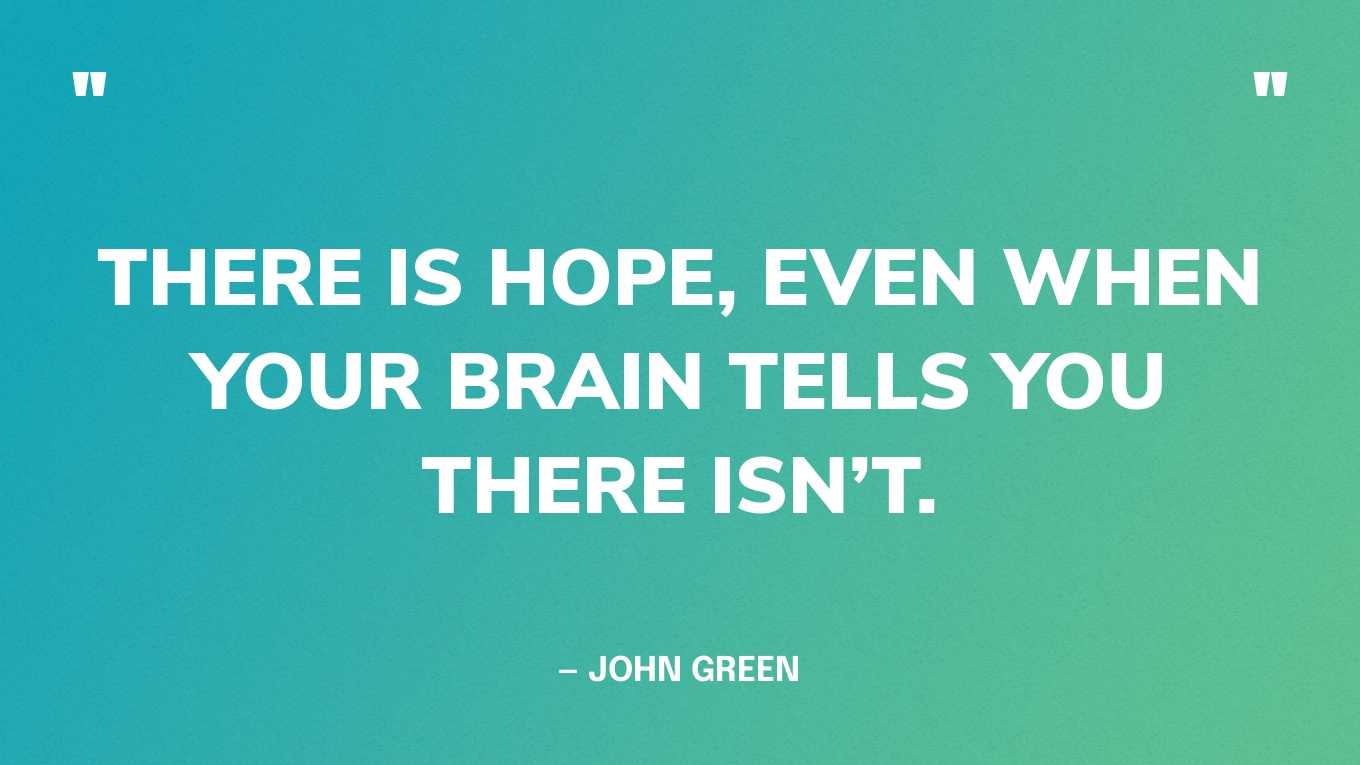
“Depression is being colorblind and constantly told how colorful the world is.”
— Atticus, Lvoe.: Poems, Epigrams & Aphorisms
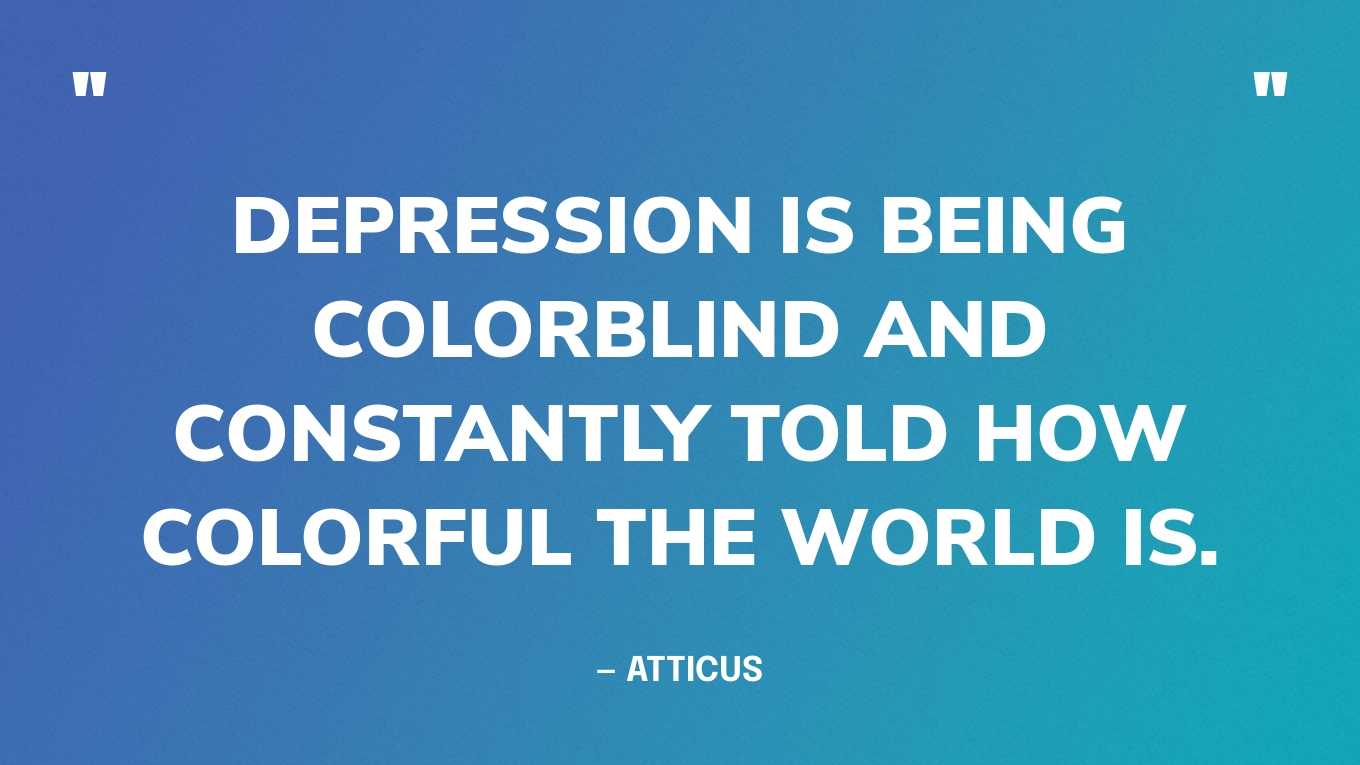
“It is okay to have depression, it is okay to have anxiety and it is okay to have an adjustment disorder. We need to improve the conversation. We all have mental health in the same way we all have physical health.”
— Prince Harry
“The only way to get to the other side of the tunnel is to go through it, not around it.”
— Lori Gottlieb, Maybe You Should Talk to Someone: A Therapist, Her Therapist, and Our Lives Revealed
“Depression is so exhausting. It takes up so much of your time and energy, and silence about it, it really does make the depression worse.”
— Andrew Solomon, in his TED Talk, Depression, The Secret We Share
“If you could only sense how important you are to the lives of those you meet; how important you can be to the people you may never even dream of. There is something of yourself that you leave at every meeting with another person.”
— Fred Rogers
“If you are uncomfortable — in deep pain, angry, yearning, confused — you don’t have a problem, you have a life. Being human is not hard because you’re doing it wrong, it’s hard because you’re doing it right.”
— Glennon Doyle
“My depression isn’t something that I suffer from, but it’s not something that I’m cured of. It’s just a thing I have to manage. And so the more I learn about it, the more I learn about myself, the more I learn about my traumas and triggers, the better I am at being proactive and heading it off before it can, you know, cause a lot of damage.”
— John Moe, in a podcast
“There is no standard normal. Normal is subjective. There are seven billion versions of normal on this planet.”
— Matt Haig, Reasons to Stay Alive
“Every one of your weaknesses exists for a reason — and, more importantly, they don’t actually mean you are weak. To think of your self-doubt, of your depression, or your inexperience as weakness is to misunderstand them entirely. All those things will contain an important message for you, if you look at them from the right angle.”
— Lee Crutchley, Nobody Knows What They’re Doing
“What I thought would kill me, didn’t. Every time I said to myself: I can’t take this anymore — I was wrong. The truth was that I could and did take it all — and I kept surviving. Surviving again and again made me less afraid of myself, of other people, of life.”
— Glennon Doyle
“Mental health problems don’t define who you are. They are something you experience. You walk in the rain and you feel the rain, but, importantly, you are not the rain.”
— Matt Haig
Motivational Quotes
“Though I am often in the depths of misery, there is still calmness, pure harmony and music inside me. I see paintings or drawings in the poorest cottages, in the dirtiest corners. And my mind is driven towards these things with an irresistible momentum.”
— Vincent van Gogh
“I am learning every day to allow the space between where I am and where I want to be to inspire me and not terrify me.”
— Tracee Ellis Ross
“I want to share all this in one place because if we talk, things get better, and more people we love might stick around so we can love them more.”
— John Moe, The Hilarious World of Depression
“So we need to stop the ignorance, stop the intolerance, stop the stigma, and stop the silence, and we need to take away the taboos, take a look at the truth, and start talking, because the only way we’re going to beat a problem that people are battling alone is by standing strong together, by standing strong together. And I believe that we can.”
— Kevin Breel, in his TED Talk, Confessions of a Depressed Comic
“It’s your outlook on life that counts. If you take yourself lightly and don’t take yourself too seriously, pretty soon you can find the humor in our everyday lives. And sometimes it can be a lifesaver.”
— Betty White
“While it’s true you don’t have all the time in the world, you do have all your time in the world. You have literally your entire life to live with yourself, to adapt, and to accomplish goals.”
— Adam J. Kurtz, You Are Here (For Now): A Guide to Finding Your Way
“The only meaningful thing we can offer one another is love. Not advice, not questions about our choices, not suggestions for the future, just love.”
— Glennon Doyle
“Every laugh and good time that comes my way feels ten times better than before I knew such sadness.”
— Lori Gottlieb, Maybe You Should Talk to Someone
“As long as you as an individual... can convince yourself that in order to move forward as best you can you have to be optimistic, you can be described as ‘one of the faithful,’ one of those people who can say, ‘Well, look, something’s going to happen! Let’s just keep trying. Let’s not give up.’”
— Tom Hanks
“Perhaps you have to have a little bit of hope to believe that beauty can be found, to believe that life does come back, that something can surprise you. And maybe hope and wonder are somehow related. Maybe wonder feeds hope and hope feeds wonder. You see something beautiful and it reminds you that it’s possible to see something beautiful.”
— Jamie Tworkowski, If You Feel Too Much
“Experiencing sadness and anger can make you feel more creative, and by being creative you can get beyond your pain or negativity.”
— Yoko Ono
“So, instead of looking for hope, try this:
Don’t hope.
Don’t despair, either.
In fact, don’t deign to believe you know anything. It’s that assumption of knowing with such blind, fervent, emotional certainty that gets us into these kinds of pickles in the first place.
Don’t hope for better. Just be better.
Be something better. Be more compassionate, more resilient, more humble, more disciplined…
Be a better human.”
— Mark Manson, Everything is F*cked: A Book About Hope
“I make a point to appreciate all the little things in my life. I go out and smell the air after a good, hard rain. These small actions help remind me that there are so many great, glorious pieces of good in the world.”
— Dolly Parton, Dream More
Celebrities Talking About Depression
“Every struggle in your life has shaped you into the person you are today. Be thankful for the hard times, they can only make you stronger.”
— Keanu Reeves
“Keep yourself busy if you want to avoid depression. For me, inactivity is the enemy.”
— Matt Lucas
“I understand your pain. Trust me, I do. I’ve seen people go from the darkest moments in their lives to living a happy, fulfilling life. You can do it too. I believe in you. You are not a burden. You will never be a burden.”
— Sophie Turner
“You can turn your life around. You can go through hell and back. It is possible. Never underestimate yourself. I believe in you.”
— Demi Lovato
“I have a chemical imbalance that, in its most extreme state, will lead me to a mental hospital... I outlasted my problems. I am mentally ill. I can say that. I am not ashamed of that. I survived that, I’m still surviving it, but bring it on.”
— Carrie Fisher
“I think the saddest people always try their hardest to make people happy because they know what it’s like to feel absolutely worthless, and they don’t want anyone else to feel like that.”
— Robin Williams
“I found that with depression, one of the most important things you can realize is that you’re not alone. You’re not the first to go through it, you’re not gonna be the last to go through it.”
— Dwayne “The Rock” Johnson
“If you know someone who’s depressed please resolve to never ask them why. Depression isn’t a straightforward response to a bad situation; depression just is, like the weather. Try to understand the blackness, lethargy, hopelessness and loneliness they’re going through. Be there for them when they come through the other side. It’s hard to be a friend to someone who’s depressed, but it is one of the kindest, noblest and best things you will ever do.”
— Stephen Fry
“If you have been brutally broken but still have the courage to be gentle to other living beings, then you’re a badass with a heart of an angel.”
— Keanu Reeves
“I had everything I needed to be happy. And yet, for much of the last year, I felt unhappy. I started taking an antidepressant, which helped and I started sharing the news with friends and family — I felt like everyone deserved an explanation, and I didn’t know how else to say it other than the only way I know: just saying it. It got easier and easier to say it aloud every time.”
— Chrissy Teigen
“In some of the darkest and hardest moments, there is always a part of me that is okay. And I can always access that part of me.”
— Tracee Ellis Ross
About Fighting and Overcoming Depression
“One foot, then the other. Don’t look at all five feet at once. Just take a step. And when you’ve taken that step, take one more. Eventually you’ll make it to the shower. And you’ll make it to tomorrow and next year too. One step.”
— Lori Gottlieb, Maybe You Should Talk to Someone
“We’re all in this together. It’s okay to be honest. It’s okay to ask for help. It’s okay to say you’re stuck, or that you’re haunted or that you can’t begin to let go. We can all relate to those things. Screw the stigma that says otherwise. Break the silence and break the cycle, for you are more than just your pain. You are not alone. And people need other people.”
— Jamie Tworkowski, If You Feel Too Much: Thoughts on Things Found and Lost and Hoped For
“Part of what makes things better in time is that you yourself get better. You grow into your own. You hone your skills. You learn to embrace who you are and find strength in that identity.”
— Adam J. Kurtz, You Are Here (For Now)
“When you come out of the grips of a depression there is an incredible relief, but not one you feel allowed to celebrate. Instead, the feeling of victory is replaced with anxiety that it will happen again, and with shame and vulnerability when you see how your illness affected your family, your work, everything left untouched while you struggled to survive. We come back to life thinner, paler, weaker… but as survivors. Survivors who don’t get pats on the back from coworkers who congratulate them on making it. Survivors who wake to more work than before because their friends and family are exhausted from helping them fight a battle they may not even understand. I hope to one day see a sea of people all wearing silver ribbons as a sign that they understand the secret battle, and as a celebration of the victories made each day as we individually pull ourselves up out of our foxholes to see our scars heal, and to remember what the sun looks like.”
— Jenny Lawson, Furiously Happy: A Funny Book About Horrible Things
“Learning to identify the cyclical nature of the depression loop and to recognize your own depression cues… is crucial for uncovering happiness… because knowing what triggers your own depression loop is a powerful first step toward being able to overcome depression. Having awareness gives you space to make choices.”
— Elisha Goldstein, Uncovering Happiness: Overcoming Depression with Mindfulness and Self-Compassion
“Some periods of our growth are so confusing that we don’t even recognize that growth is happening. We may feel hostile or angry or weepy and hysterical, or we may feel depressed. It would never occur to us, unless we stumbled on a book or a person who explained to us, that we were in fact in the process of change, of actually becoming larger, spiritually, than we were before. Whenever we grow, we tend to feel it, as a young seed must feel the weight and inertia of the earth as it seeks to break out of its shell on its way to becoming a plant. Often the feeling is anything but pleasant. But what is most unpleasant is the not knowing what is happening. Those long periods when something inside ourselves seems to be waiting, holding its breath, unsure about what the next step should be, eventually become the periods we wait for, for it is in those periods that we realize that we are being prepared for the next phase of our life and that, in all probability, a new level of the personality is about to be revealed.”
— Alice Walker, Living by the Word
“How did those people who have better lives even with bigger depression manage to get through? What is the mechanism of resilience? And what I came up with over time was that the people who deny their experience, and say, ‘I was depressed a long time ago, I never want to think about it again, I’m not going to look at it and I’m just going to get on with my life,’ ironically, those are the people who are most enslaved by what they have. Shutting out the depression strengthens it. While you hide from it, it grows. And the people who do better are the ones who are able to tolerate the fact that they have this condition. Those who can tolerate their depression are the ones who achieve resilience.”
— Andrew Solomon, in his TED Talk
“There will be a lot of adapting. There will be a lot of letting go. It is scary but necessary work to make, do, and make do in the service of becoming a version of yourself you can feel content living with. Release the baggage, your scars will be reminder enough of the lessons learned in the process.”
— Adam J. Kurtz, You Are Here (For Now): A Guide to Finding Your Way
“When I think of the return after the journey through and beyond depression, I remember stories from around the world in which the hero sets off to find the priceless jewel or the peerless bride. He travels long and far, overcoming countless obstacles, only to return home to discover that the jewel was sitting on his windowsill, that the ideal bride all along had lived next door. The scene of our lives may or may not be different, but, as we come to the close of this part of our journey, we have new eyes with which to see it.”
— James S. Gordon, Unstuck: Your Guide to the Seven-Stage Journey Out Of Depression
“We have to fight to not get lost in our own pain. We have to fight to remember the good, the thing we love around us, the things that we are thankful for. Don’t buy the lie that your story is just a tragedy. And don’t buy the lie that you are the only character in your story.”
— Jamie Tworkowski
Self Care Quotes
“When I loved myself enough, I began leaving whatever wasn’t healthy. This meant people, jobs, my own beliefs, and habits — anything that kept me small. My judgement called it disloyal. Now I see it as self-loving.”
— Kim McMillen
“The secret of health for both mind and body is not to mourn for the past, worry about the future, or anticipate troubles, but to live in the present moment wisely and earnestly.”
— Buddha
“When you recover or discover something that nourishes your soul and brings joy, care enough about yourself to make room for it in your life.”
— Jean Shinoda Bolen
“When you feel like you can’t fight anymore — don’t give up. Just take some time to rest.”
— TWLOHA
“Don’t take your health for granted. Don’t take your body for granted. Do something today that communicates to your body that you desire to care for it. Tomorrow is not promised.”
— Jada Pinkett Smith
“You are imperfect, you are wired for struggle, but you are worthy of love and belonging.”
— Brené Brown
“Wherever you are, at any moment, try and find something beautiful. A face, a line out of a poem, the clouds out of a window, some graffiti, a wind farm. Beauty cleans the mind.”
— Matt Haig, Reasons to Stay Alive
“I have come to believe that caring for myself is not self-indulgent. Caring for myself is an act of survival.”
— Audre Lorde
“Take a shower, wash off the day. Drink a glass of water. Make the room dark. Lie down and close your eyes. Notice the silence. Notice your heart. Still beating. Still fighting. You made it, after all. You made it, another day. And you can make it one more. You’re doing just fine.”
— Charlotte Eriksson
“But part of getting to know yourself is to unknow yourself — to let go of the limiting stories you’ve told yourself about who you are so that you aren’t trapped by them, so you can live your life and not the story you’ve been telling yourself about your life.”
— Lori Gottlieb, Maybe You Should Talk to Someone
“Trauma comes to all of us, and its consequences can be terrible. The good news is that all of us can use tools of self-awareness and self-care to heal our trauma and, indeed, to become healthier and more whole than we’ve ever been.”
— James S. Gordon, Transforming Trauma: The Path to Hope and Healing
→ Read more quotes about self care
Helping Others with Depression Quotes
“Try to understand the blackness, lethargy, hopelessness, and loneliness they’re going through. Be there for them when they come through the other side. It’s hard to be a friend to someone who’s depressed, but it is one of the kindest, noblest, and best things you will ever do.”
― Stephen Fry
“More than anything, my wish for you is this: That when your awful darkest days come, you will know you’re not alone. Pain will tell you to keep quiet, but that’s a lie. Life is fragile and we all break in different ways. I hope you know you can be honest. I hope you know that you can ask for help. Did you catch that? It is absolutely positively okay to ask for help. It simply means you’re human. Help is real and it is possible; people find it every day.”
— Jamie Tworkowski, If You Feel Too Much
“I know so many people who feel hopeless, and they ask me, ‘What should I do?’ And I say: ‘Act. Do something.’ Because that is the best medicine against sadness and depression.”
— Greta Thunberg
“Hope is a funny thing because in a way it’s everywhere. Like, people will say ‘Everything happens for a reason’ or ‘It will all work out in the end’ — which are very hopeful sentiments — it’s just that they’re also, you know, b*llsh*t. And for me anyway, they just don’t hold up in the face of real suffering. But I’ll tell you what does hold up for me. There’s an Emily Dickinson poem that starts out, ‘Hope’ is the thing with feathers — That perches in the soul — And sings the tune without the words — And never stops — at all.’
And you’ll notice that Emily Dickinson doesn’t say that one never stops hearing the song of hope — only that it doesn’t stop playing.
I’m really sorry that you’re in so much pain, and your pain is real, but the song of hope is still singing. And I know you can’t hear it, but someday soon you will.”
— John Green
“The greatest degree of inner tranquility comes from the development of love and compassion. The more we care for the happiness of others, the greater is our own sense of well-being.”
— The Dalai Lama
“For saddies, encouragement is revelatory. Rather than making their resolve stronger, it will implant a resolve where none had been. ‘Because this person believes in me,’ the saddie thinks, ‘and this person is not me, they may have a point.’”
— John Moe, The Hilarious World of Depression
“On July 4, 2013, my world came crashing in on me. That was the day I got a phone call from my mom telling me that my 22-year-old nephew, Paul, had ended his life, after years of battling depression and anxiety. There are no words that can describe the devastation I felt. Paul and I were very close, but I had no idea he was in so much pain. Neither one of us had ever talked to the other about our struggles. The shame and stigma kept us both silent. Now, my way of dealing with adversity is to face it head on…”
— Nikki Webber Allen, in her TED Talk
“One of the most important steps in therapy is helping people take responsibility for their current predicaments, because once they realize that they can (and must) construct their own lives, they’re free to generate change. Often, though, people carry around the belief that the majority of their problems are circumstantial or situational — which is to say, external. And if the problems are caused by everyone and everything else, by stuff out there, why should they bother to change themselves? Even if they decide to do things differently, won’t the rest of the world still be the same? It’s a reasonable argument. But that’s not how life generally works. Remember Sartre’s famous line ‘Hell is other people’? It’s true — the world is filled with difficult people (or, as John would have it, ‘idiots’). I’ll bet you could name five truly difficult people off the top of your head right now — some you assiduously avoid, others you would assiduously avoid if they didn’t share your last name. But sometimes — more often than we tend to realize — those difficult people are us. That’s right — sometimes hell is us. Sometimes we are the cause of our difficulties. And if we can step out of our own way, something astonishing happens.”
— Lori Gottlieb, Maybe You Should Talk to Someone
“You will need to be that other person to someone else, a living breathing screaming invitation to believe better things.”
— Jamie Tworkowski, If You Feel Too Much
“People who are hurting don’t need avoiders, protectors, or fixers. What we need are patient, loving witnesses. People to sit quietly and hold space for us. People to stand in helpful vigil to our pain.”
— Glennon Doyle
“These days, I share my story openly, and I ask others to share theirs, too. I believe that’s what it takes to help people who may be suffering in silence to know that they are not alone and to know that with help, they can heal.”
— Nikki Webber Allen, Don’t suffer from your depression in silence
Depression Awareness
“Yes, there is discrimination against people with mental illness and, yes, it can be a scary thing to talk about. But the hunger to do so is there, and by being open yourself you can get that conversation out on the dance floor.”
— John Moe, The Hilarious World of Depression
“Real depression isn’t being sad when something in your life goes wrong. Real depression is being sad when everything in your life is going right. That’s real depression, and that’s what I suffer from. And to be totally honest, that’s hard for me to stand up here and say. It’s hard for me to talk about, and it seems to be hard for everyone to talk about, so much so that no one’s talking about it. And no one’s talking about depression, but we need to be, because right now it’s a massive problem. But we don’t see it on social media, right?… And so because we don’t see it, we don’t see the severity of it. But the severity of it and the seriousness of it is this: every 30 seconds, every 30 seconds, somewhere, someone in the world takes their own life because of depression, and it might be two blocks away, it might be two countries away, it might be two continents away, but it’s happening, and it’s happening every single day.”
— Kevin Breel, in his TED Talk, Confessions of a Depressed Comic
“But my point is, if we don’t talk about this stuff, and we don’t learn how to deal with our lives, it’s not going to be one in four. It’s going to be four in four who are really, really going to get ill in the upstairs department. And while we’re at it, can we please stop the stigma?”
— Ruby Wax, in her TED Talk, What’s so Funny About Mental Illness?
“It’s time for all of us — physicians, therapists, and patients — to bring these dark flashes of despair, these terrible preoccupations with death, out of the closet of fear and shame and into the open space of shared discussion.”
— James S. Gordon, Unstuck
“We need to speak up and shatter the silence. We need to be the ones who are brave for what we believe in, because if there’s one thing that I’ve come to realize if there’s one thing that I see as the biggest problem, it’s not in building a world where we eliminate the ignorance of others. It’s in building a world where we teach the acceptance of ourselves, where we’re okay with who we are because when we get honest, we see that we all struggle and we all suffer.”
— Kevin Breel, in his TED Talk, Confessions of a Depressed Comic
“When you are depressed you feel alone, and that no one is going through quite what you are going through. You are so scared of appearing in any way mad you internalize everything, and you are so scared that people will alienate you further you clam up and don’t speak about it, which is a shame, as speaking about it helps.”
— Matt Haig, Reasons to Stay Alive
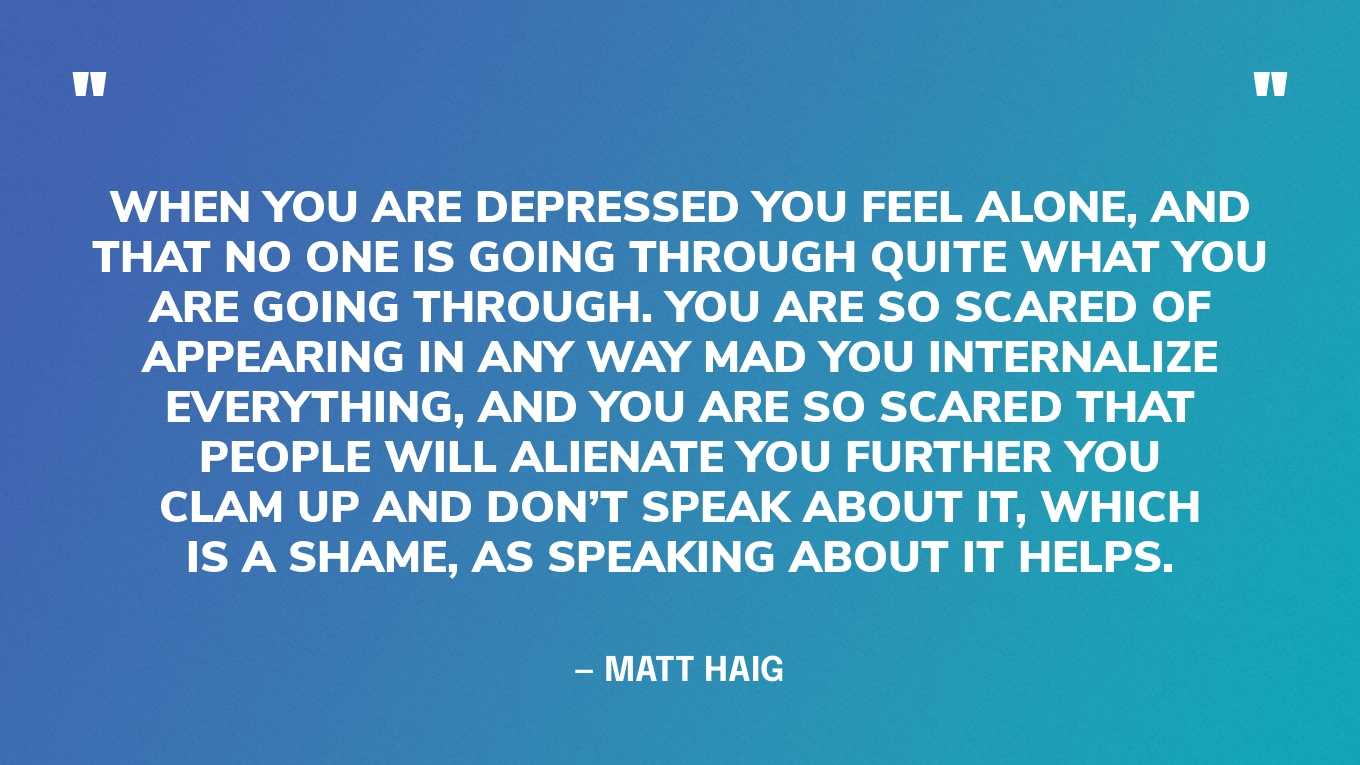
Short Quotes
“Believe that life is worth living and your belief will help create the fact.”
— William James
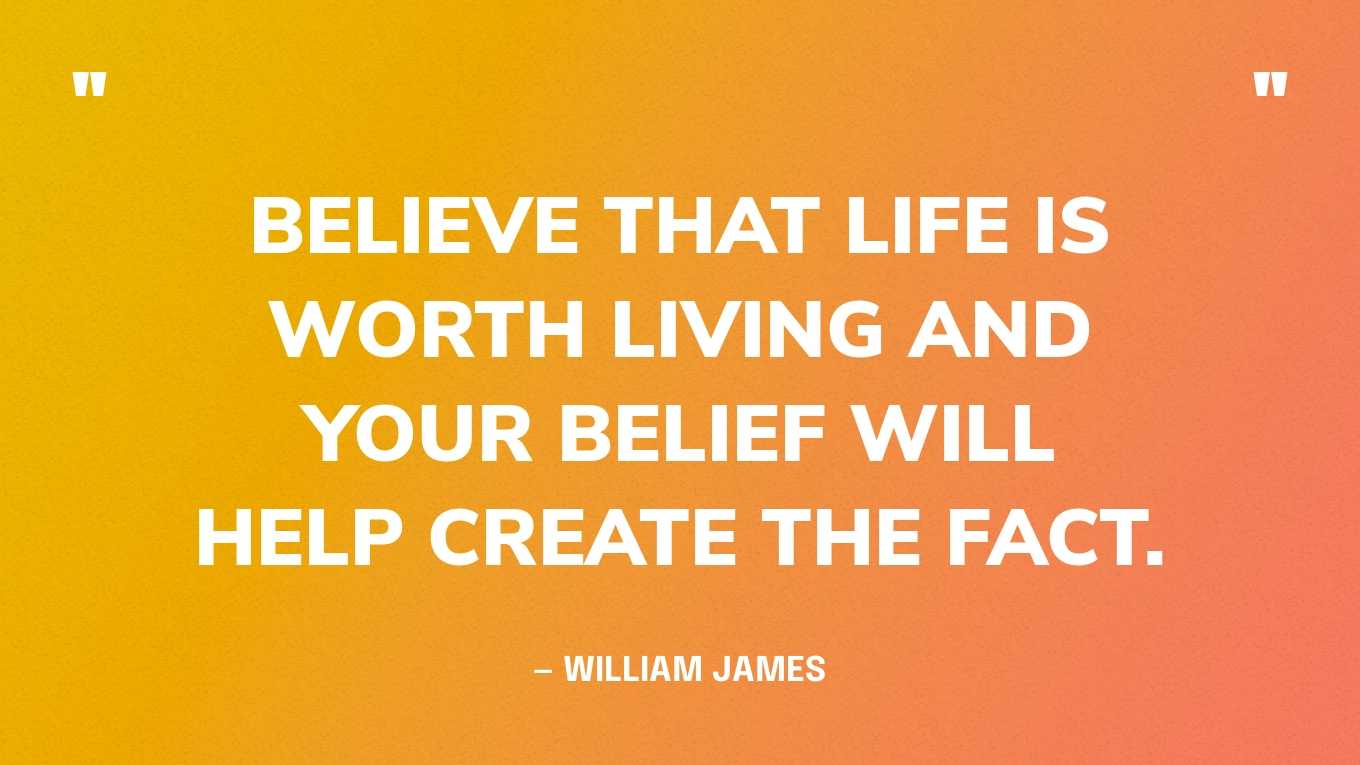
“Although the world is full of suffering, it is also full of the overcoming of it.”
— Helen Keller
“The opposite of depression is not happiness, but vitality.”
— Andrew Solomon, The Noonday Demon: An Atlas of Depression
“We are responsible for experiences that aren’t our fault all the time. This is part of life.”
— Mark Manson, The Subtle Art of Not Giving a F*ck: A Counterintuitive Approach to Living a Good Life
“Talk to yourself like you would to someone you love.”
— Brené Brown
“If your compassion does not include yourself, it is incomplete.”
— Jack Kornfield
“Who you are is defined by what you’re willing to struggle for.”
— Mark Manson, The Subtle Art of Not Giving a F*ck
“I bear the dungeon within me; within me is winter, ice, and despair; I have darkness in my soul.”
— Victor Hugo, The Hunchback of Notre-Dame
“You can be a depressive and be happy, just as you can be a sober alcoholic.”
— Matt Haig, Reasons to Stay Alive
“Suffering through your fears and anxieties is what allows you to build courage and perseverance.”
— Mark Manson
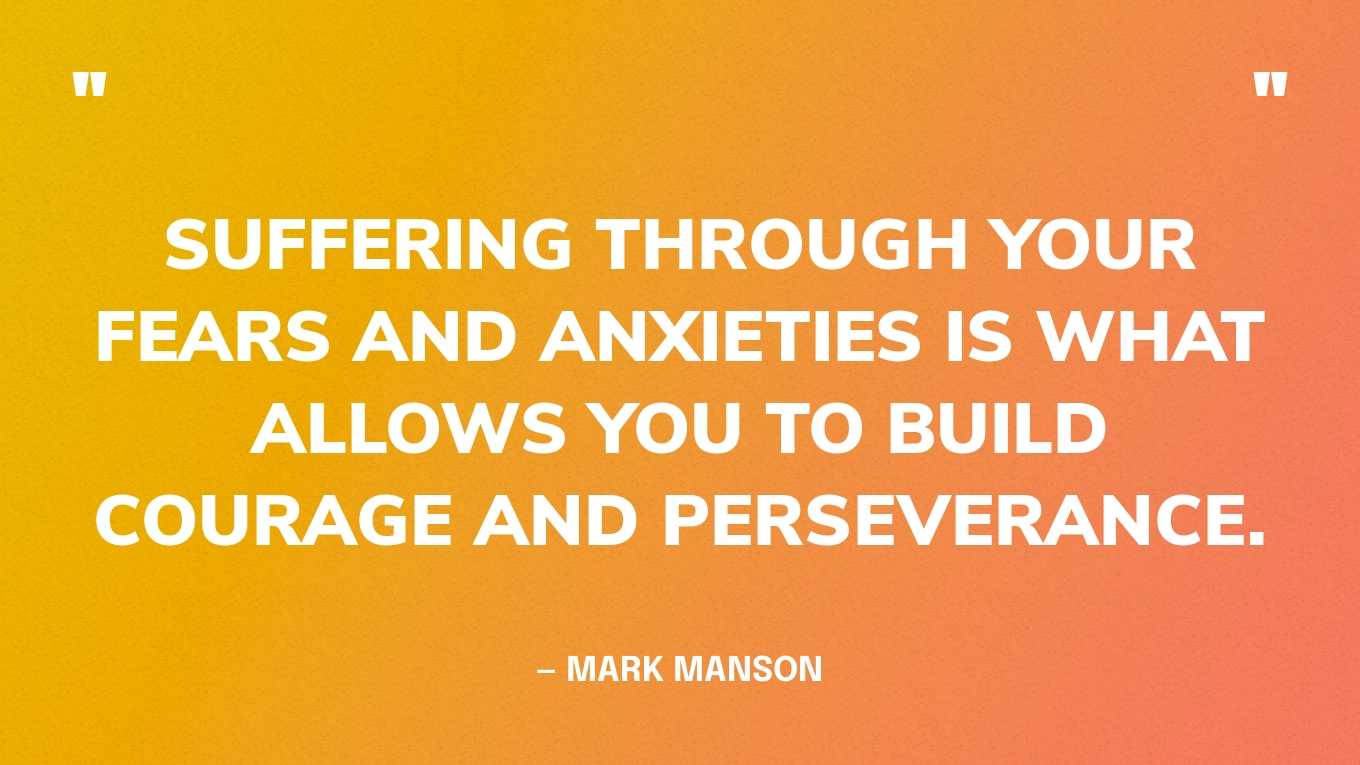
Funny Quotes
“I just give myself permission to suck… I find this hugely liberating.”
— John Green
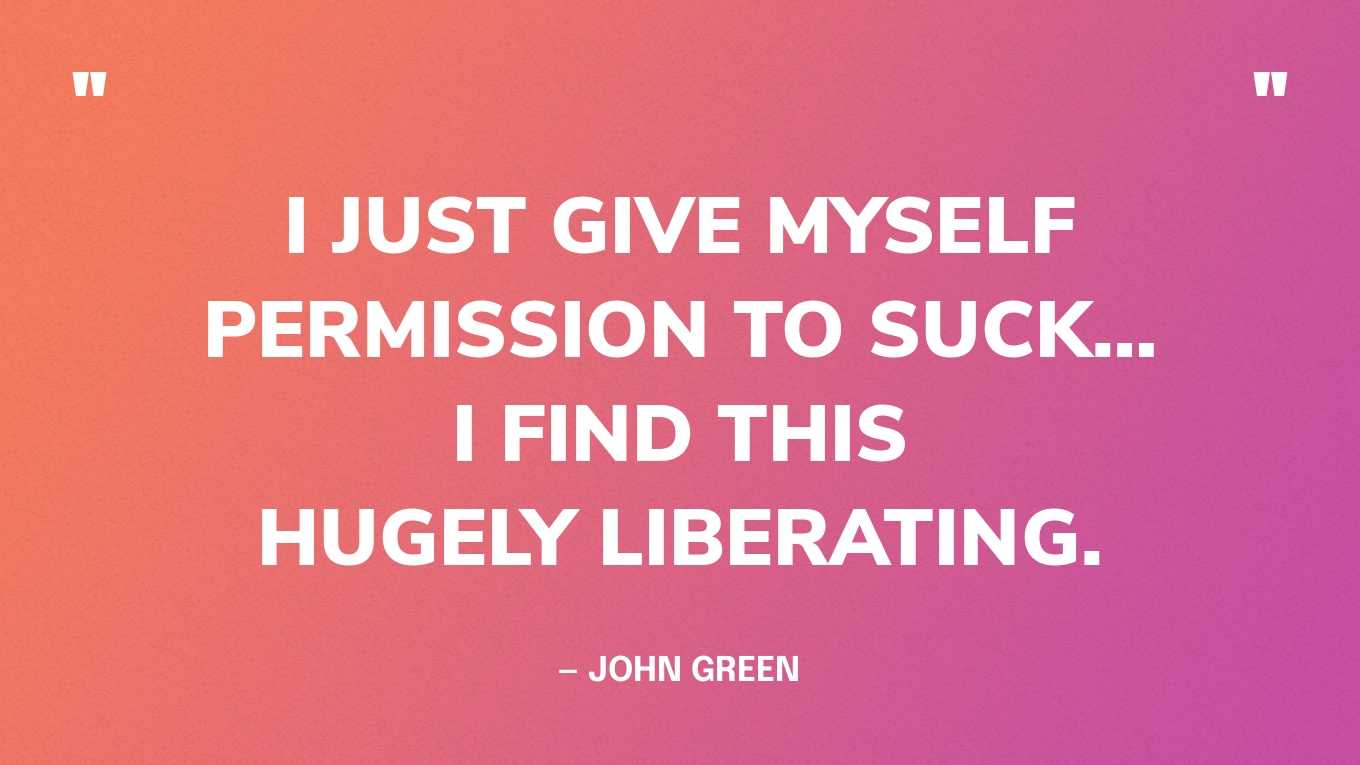
“Many people hear voices when no one is there. Some of them are called mad and are shut up in rooms where they stare at the walls all day. Others are called writers and they do pretty much the same thing.”
— Margaret Chittenden
“But people who are depressed will also say, ‘No matter what we do, we’re all just going to die in the end.’ Or they’ll say, ‘There can be no true communion between two human beings. Each of us is trapped in his own body.’ To which you have to say, ‘That’s true, but I think we should focus right now on what to have for breakfast.’”
— Andrew Solomon, in his TED Talk, Depression, The Secret We Share
“‘You’re overthinking it.’ I have anxiety. I have no other type of thinking available.”
— Matt Haig, The Midnight Library
“Finding a therapist is a bit like dating. You might have to have some very boring or weird or tense meetings before you find someone you connect with.”
— John Moe, The Hilarious World of Depression
“All you need is love. But a little chocolate now and then doesn’t hurt.”
— Charles M. Shultz
“I became insane with long intervals of horrible sanity.”
— Edgar Allen Poe
More Quotes
“The beautiful people we have known are those who have known defeat, known suffering, known struggle, known loss, and have found their way out of those depths.”
— Elisabeth Kübler-Ross
“If pursuing the positive is a negative, then pursuing the negative generates the positive. The pain you pursue in the gym results in better all-around health and energy. The failures in business are what lead to a better understanding of what’s necessary to be successful.”
— Mark Manson, The Subtle Art of Not Giving a F*ck
“It is important not to suppress your feelings altogether when you are depressed. It is equally important to avoid terrible arguments or expressions of outrage. You should steer clear of emotionally damaging behavior. People forgive, but it is best not to stir things up to the point at which forgiveness is required. When you are depressed, you need the love of other people, and yet depression fosters actions that destroy that love. Depressed people often stick pins into their own life rafts. The conscious mind can intervene. One is not helpless.”
— Andrew Solomon, The Noonday Demon: An Atlas of Depression
“Whether an illness affects your heart, your arm, or your brain, it’s still an illness, and there shouldn’t be any distinction. We would never tell someone with a broken leg that they should stop wallowing and get it together. We don’t consider taking medication for an ear infection something to be ashamed of. We shouldn’t treat mental health conditions any differently. Instead, we should make it clear that getting help isn’t a sign of weakness — it’s a sign of strength — and we should ensure that people can get the treatment they need.”
— Michelle Obama
“Suffering has been stronger than all other teachings and has taught me to understand what your heart used to be. I have been bent and broken, but — I hope — into a better shape.”
— Charles Dickens
“And what you really fear the most isn’t the suffering inside of you. It’s the stigma inside of others, it’s the shame, it’s the embarrassment, it’s the disapproving look on a friend’s face, it’s the whispers in the hallway that you’re weak, it’s the comments that you’re crazy. That’s what keeps you from getting help. That’s what makes you hold it in and hide it. It’s the stigma. So you hold it in and you hide it, and you hold it in and you hide it.”
— Kevin Breel, in his TED Talk, Confessions of a Depressed Comic
“And one of the things that often gets lost in discussions of depression is that you know it’s ridiculous. You know it’s ridiculous while you’re experiencing it. You know that most people manage to listen to their messages and eat lunch and organize themselves to take a shower and go out the front door and that it’s not a big deal, and yet you are nonetheless in its grip and you are unable to figure out any way around it.”
— Andrew Solomon, in his TED Talk, Depression, The Secret We Share
“I learned that there is good in this world, if you look hard enough for it. I learned that not everyone is disappointing, including me, and that a 1,257-foot bump in the ground can feel higher than a bell tower if you’re standing next to the right person.”
— Jennifer Niven, All the Bright Places
“I enjoy almost everything. Yet I have some restless searcher in me. Why is there not a discovery in life? Something one can lay hands on and say, “This is it”? My depression is a harassed feeling. I’m looking: but that’s not it — that’s not it. What is it? And shall I die before I find it?”
— Virginia Woolf, A Writer’s Diary
“The body might be expending very little actual energy, but the mind is running a marathon combined with an obstacle course. Are you depressed and find yourself tired all the time? That may be because you do a decathlon every day.”
— John Moe, The Hilarious World of Depression
“If at first you don’t succeed, congratulations welcome to life it is hard sometimes but also mostly okay.”
— Adam J. Kurtz, You Are Here (For Now): A Guide to Finding Your Way
“Negative emotions are a call to action. When you feel them, it’s because you’re supposed to do something. Positive emotions, on the other hand, are rewards for taking the proper action. When you feel them, life seems simple and there is nothing else to do but enjoy it.”
— Mark Manson
“Depression is also smaller than you. Always, it is smaller than you, even when it feels vast. It operates within you, you do not operate within it. It may be a dark cloud passing across the sky but — if that is the metaphor — you are the sky. You were there before it. And the cloud can’t exist without the sky, but the sky can exist without the cloud.”
— Matt Haig, Reasons to Stay Alive
“If more people understand the reality of mental illness and get disabused of the Hollywood myths about it, the stigma about getting help will diminish, and then we’ll live in a healthier society.”
— John Moe, The Hilarious World of Depression
You might also like…
…some hope: Explore our list of 30+ reasons why everything will be okay and quotes about hope
…some self-care: Check out 101 self-care ideas & the best self-care quotes (that aren’t all toxic positivity… ugh)
…some good news: We send daily emails filled with good news and even better — a monthly snail mail Goodnewspaper
…some opportunities to make a difference: Learn how to help somebody struggling with suicide, how to ask hard questions (because they matter), & how to celebrate Mental Health Awareness Month and Suicide Prevention Month
Expressing gratitude is one of the simplest yet most powerful things humans can do for each other.
The act of saying “thank you” doesn’t just acknowledge someone’s kindness, effort, or presence; it also reinforces the bonds of respect and appreciation that form the foundation of positive relationships.
In the rush of daily life, these two small words can mean so much, serving as a reminder of our interconnectedness and the impact we have on one another’s lives.
From literary figures to philosophers, from leaders to teachers — people across time and cultures have recognized the significance of gratitude. Their reflections on giving thanks have yielded a wealth of quotes that inspire us to express our gratitude more freely and deeply.
We’ve curated a selection of ‘Thank You’ quotes that encapsulate the beauty and importance of saying thanks.
Whether you’re looking to add a special touch to a thank-you card, seeking the right words to convey your appreciation, celebrating Thanksgiving, or simply wishing to reflect on the power of gratitude, these quotes can serve as a heartfelt reminder of the value in expressing our thanks.
You might also like: Gratitude Quotes | Thanksgiving Quotes | Teacher Appreciation Quotes | Things To Be Grateful For | Quotes About Giving Back | Best Compliments | Positive Words To Describe a Person | Qualities of a Good Person
The Best Thank You Quotes
Famous Quotes
“We must find time to stop and thank the people who make a difference in our lives.”
— John F. Kennedy
“When we give cheerfully and accept gratefully, everyone is blessed.”
— Maya Angelou
“Don’t let the sun go down without saying thank you to someone, and without admitting to yourself that absolutely no one gets this far alone.”
— Stephen King
“Be thankful for what you have; you’ll end up having more. If you concentrate on what you don’t have, you will never, ever have enough.”
— Oprah Winfrey
“Appreciation is a wonderful thing. It makes what is excellent in others belong to us as well.”
— Voltaire
“The best way to show my gratitude is to accept everything, even my problems, with joy.”
— Mother Teresa
“I am grateful for the opportunity to fight for what’s right, to stand up against injustice, and to make a difference in the world.”
— Malala Yousafzai
“‘Thank you’ is the best prayer that anyone could say. I say that one a lot. Thank you expresses extreme gratitude, humility, understanding.”
— Alice Walker
“Gratitude is a quality similar to electricity: it must be produced and discharged and used up in order to exist at all.”
— William Faulkner
Thank You Quotes for Friends
“I’m so thankful for friendship. It beautifies life so much.”
— L.M. Montgomery
“For me, every hour is grace. And I feel gratitude in my heart each time I can meet someone and look at his or her smile.”
— Elie Wiesel
“A true friend is the greatest of all blessings, and that which we take the least care of all to acquire.”
— François de La Rochefoucauld
“Each friend represents a world in us, a world possibly not born until they arrive, and it is only by this meeting that a new world is born.”
— Anaïs Nin
“Let us be grateful to people who make us happy; they are the charming gardeners who make our souls blossom.”
— Marcel Proust
Thank You for Your Support Quotes
“At times our own light goes out and is rekindled by a spark from another person. Each of us has cause to think with deep gratitude of those who have lighted the flame within us.”
— Albert Schweitzer
“You cannot do a kindness too soon because you never know how soon it will be too late.”
— Ralph Waldo Emerson
“You have influenced my life in such a positive way words cannot express my appreciation. You are truly an inspiration.”
— Catherine Pulsipher
“The smallest act of kindness is worth more than the grandest intention.”
— Oscar Wilde
“Thank you for accepting me as I am, with my virtues and defects.”
— Jenni Rivera
“You ought to be thankful a whole heaping lot, for the places and people you’re lucky you’re not!”
— Dr. Seuss, Did I Ever Tell You How Lucky You Are?
“Appreciation can make a day — even change a life. Your willingness to put it into words is all that is necessary.”
— Margaret Cousins
Thank You Quotes for Teachers
“I am indebted to my father for living, but to my teacher for living well.”
— Alexander the Great
“Education is not the filling of a pot but the lighting of a fire.”
— W.B. Yeats
“One looks back with appreciation to the brilliant teachers, but with gratitude to those who touched our human feelings.”
— Carl Jung
“Teacher appreciation makes the world of education go around.”
— Helen Peters
→ Read more quotes about teacher appreciation
On Gratitude
“Feeling gratitude and not expressing it is like wrapping a present and not giving it.”
— William Arthur Ward
“To speak gratitude is courteous and pleasant, to enact gratitude is generous and noble, but to live gratitude is to touch Heaven.”
— Johannes A. Gaertner
“The more one does and sees and feels, the more one is able to do, and the more genuine may be one’s appreciation of fundamental things like home, and love, and understanding companionship.”
— Amelia Earhart
“The real gift of gratitude is that the more grateful you are, the more present you become.”
— Robert Holden
“I feel a very unusual sensation — if it is not indigestion, I think it must be gratitude.”
— Benjamin Disraeli
“When we focus on our gratitude, the tide of disappointment goes out and the tide of love rushes in.”
— Kristin Armstrong
“If a fellow isn’t thankful for what he’s got, he isn’t likely to be thankful for what he’s going to get.”
— Frank A. Clark
“Showing gratitude is one of the simplest yet most powerful things humans can do for each other.”
— Randy Pausch
“If people begin to be more grateful, they will see the wonders of life.”
— Lailah Gifty Akita
“A thankful heart is not only the greatest virtue, but the parent of all other virtues.”
— Cicero Marcus Tullius
“Let gratitude be the pillow upon which you kneel to say your nightly prayer. And let faith be the bridge you build to overcome evil and welcome good.”
— Maya Angelou, Celebrations: Rituals of Peace and Prayer
“For my part, I am almost contented just now, and very thankful. Gratitude is a divine emotion: it fills the heart, but not to bursting; it warms, but not to fever.”
— Charlotte Brontë
“Piglet noticed that even though he had a Very Small Heart, it could hold a rather large amount of Gratitude.”
— A.A. Milne, Winnie-The-Pooh
“As we express our gratitude, we must never forget that the highest appreciation is not to utter words, but to live by them.”
— John F. Kennedy
“I am grateful for what I am and have. My thanksgiving is perpetual.”
— Henry David Thoreau
“The heart that gives thanks is a happy one, for we cannot feel thankful and unhappy at the same time”
— Douglas Wood
“Cultivate the habit of being grateful for every good thing that comes to you, and to give thanks continuously. And because all things have contributed to your advancement, you should include all things in your gratitude.”
— Ralph Waldo Emerson
“You want to become a better person? Just give thanks. Give thanks for all of it.”
— Kamand Kojouri
“When you practice gratefulness, there is a sense of respect towards others.”
— Dalai Lama
“It’s a funny thing about life, once you begin to take note of the things you are grateful for, you begin to lose sight of the things that you lack.”
— Germany Kent
“We learned about gratitude and humility — that so many people had a hand in our success.”
— Michelle Obama
“I am happy because I’m grateful. I choose to be grateful. That gratitude allows me to be happy.”
— Will Arnett
“Gratitude bestows reverence… changing forever how we experience life and the world.”
— John Milton
“I have a lot to be thankful for. I am healthy, happy, and I am loved.”
— Reba McEntire
→ Read more quotes about gratitude
Short Quotes
“Let all your thinks be thanks.”
— W.H Auden
“When I started counting my blessings, my whole life turned around.”
— Willie Nelson
“Silent gratitude isn’t very much use to anyone.”
— Gertrude Stein
“What separates privilege from entitlement is gratitude.”
— Brené Brown
“Kindness is a language which the deaf can hear and the blind can see.”
— Mark Twain
“If you want the rainbow, you gotta put up with the rain.”
— Dolly Parton
“I’m thankful for each and every day. We never know when time is up.”
— Chuck Berry
“Let us be kinder to one another.”
— Aldous Huxley
“Thanks for this day, for all birds safe in their nests, for whatever this is, for life.”
— Barbara Kingsolver
“What if today, we were just grateful for everything.”
— Charlie Brown
“O Lord that lends me life, lend me a heart replete with thankfulness.”
— William Shakespeare
“Gratitude is the of noble souls.”
— Aesop
“The thankful receiver bears a plentiful harvest.”
— William Blake
“Saying thank you is more than good manners, it is good spirituality.”
— Alfred Agache
→ Read more short quotes
More ‘Thank You’ Quotes
“It costs nothing to say please and thank you. But forgetting those magic words can cost you everything.”
— Frank Sonnenberg
“Life’s under no obligation to give us what we expect. We take what we get and are thankful it’s no worse than it is.”
— Margaret Mitchell
“When we start paying attention to the services we receive, stop and really see the person who is doing it and take the time to say thank you, our entire day will change.”
— Brenda Shoshanna
“In the external scheme of things, shining moments are as brief as the twinkling of an eye, yet such twinklings are what eternity is made of — moments when we human beings can say ‘I love you,’ ‘I’m proud of you,’ ‘I forgive you,’ ‘I’m grateful for you.’ That’s what eternity is made of: invisible imperishable good stuff.”
— Fred Rogers
“Saying ‘thank you’ is one of the greatest things that people can do. And I worry about those who don’t feel the necessity of giving thanks — that that isn’t important. I think it’s one of the most important things that there is.”
— Fred Rogers
“Strive to find things to be thankful for, and just look for the good in who you are.”
— Bethany Hamilton
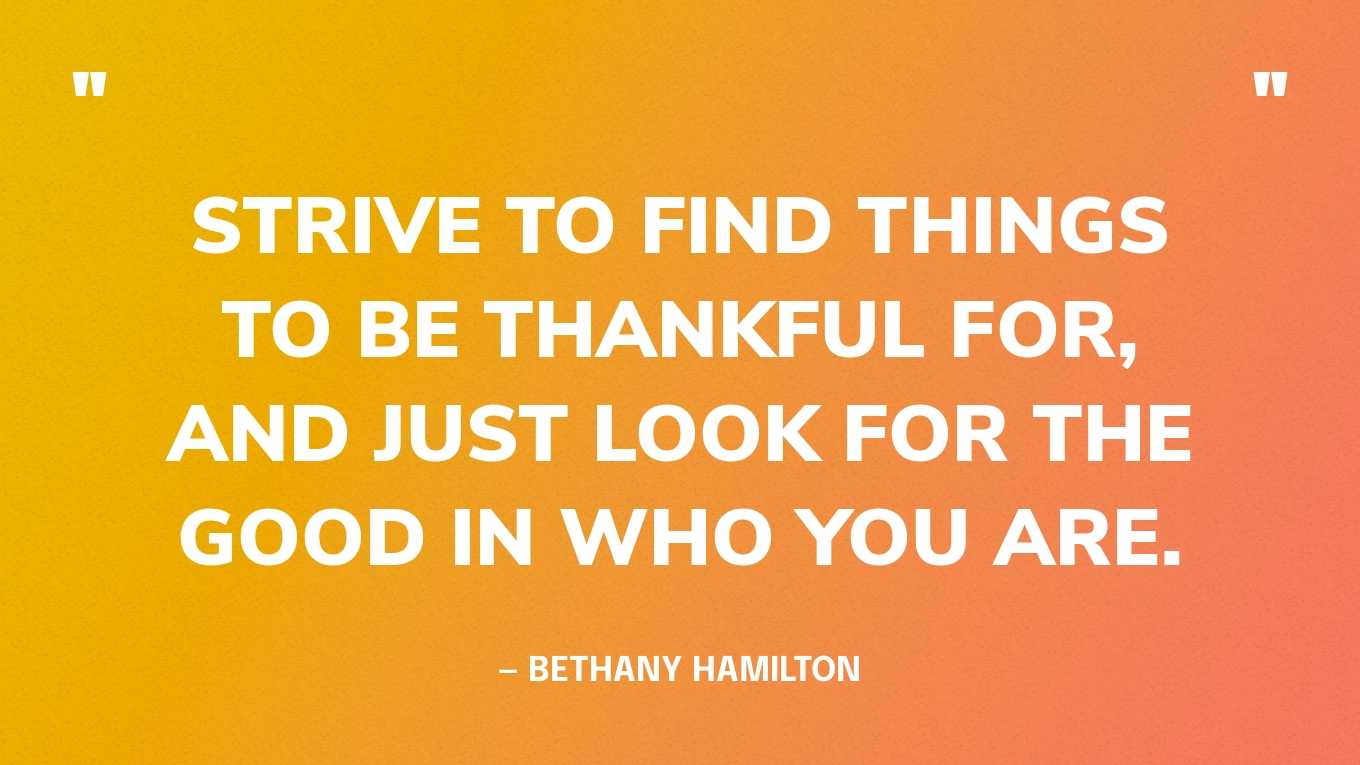
“Reflect upon your present blessings — of which every man has many — not on your past misfortunes, of which all men have some.”
— Charles Dickens
“In the end, though, maybe we must all give up trying to pay back the people in this world who sustain our lives. In the end, maybe it’s wiser to surrender before the miraculous scope of human generosity and to just keep saying thank you, forever and sincerely, for as long as we have voices.”
— Elizabeth Gilbert
“There is no better way to thank God for your sight than by giving a helping hand to someone in the dark.”
— Hellen Keller
“Do not spoil what you have by desiring what you have not; remember that what you now have was once among the things you only hoped for.”
— Epicurus
“The soul that gives thanks can find comfort in everything; the soul that complains can find comfort in nothing.”
— Hannah Whitall Smith
“I am what I am, I’m doing very well in my life, and I’m thankful to God for that.”
— LL Cool J
“Some people are always grumbling because roses have thorns; I am thankful that thorns have roses.”
— Alphonse Karr
“We can only be said to be alive in those moments when our hearts are conscious of our treasures.”
— Thornton Wilder
“Thank you for life, and all the little ups and downs that make it worth living.”
— Travis Barker
Indigenous communities across the U.S. have had a long and historic battle against federal policies that have promoted land theft, relocated Native tribes, and destroyed entire ecosystems.
A study that surveyed data collected over 300 years — and encompassed 400 Native American tribes in the U.S. — revealed that Native Americans have lost 99 percent of their land due to dispossession and forced migration.
Land theft and forced removal of Native tribes began during the early European colonization of North America in the 17th century. Dispossession continued on for centuries — including the Trail of Tears in the mid-19th century which resulted in the removal of 60,000 people and the deaths of thousands.
This displacement not only resulted in the physical destruction of farms, fields, and ecosystems that Native tribes relied on for food and wellbeing, but also the generational loss of cultural heritage and agricultural teachings.
Fortunately, the Native American Food Sovereignty Alliance is working hard to restore and revitalize Indigenous food systems and promote food sovereignty.
What is food sovereignty?
Food sovereignty is a food system in which the producers and consumers of local agriculture also regulate the production and control the distribution of that food.
It places power in the hands of farmers and agricultural workers and advocates for environmentally sustainable farming, hunting, fishing, and gardening practices.
Food sovereignty promotes resilient localized food systems and values traditional techniques and cultural practices.
Although they often overlap and align in human rights efforts, food sovereignty is different from food insecurity — which addresses the inability for individuals to access and afford food.
Unfortunately, food sovereignty has been harder for Indigenous communities to achieve due to land loss, displacement, and the decimation of Native food sources like bison.
NAFSA is on a mission to correct that.
NAFSA’s primary initiatives promote seed keeping and skill sharing.
NAFSA first sprouted up in 2005 when representatives from 13 Native tribes across North America convened to share knowledge, skills, and seed keeping techniques.
Seed keeping, also known as seed saving, is a practice that traces back to over 12,000 years ago and involves preserving seeds from vegetables, grains, flowers, trees, nuts, berries, herbs for future planting.
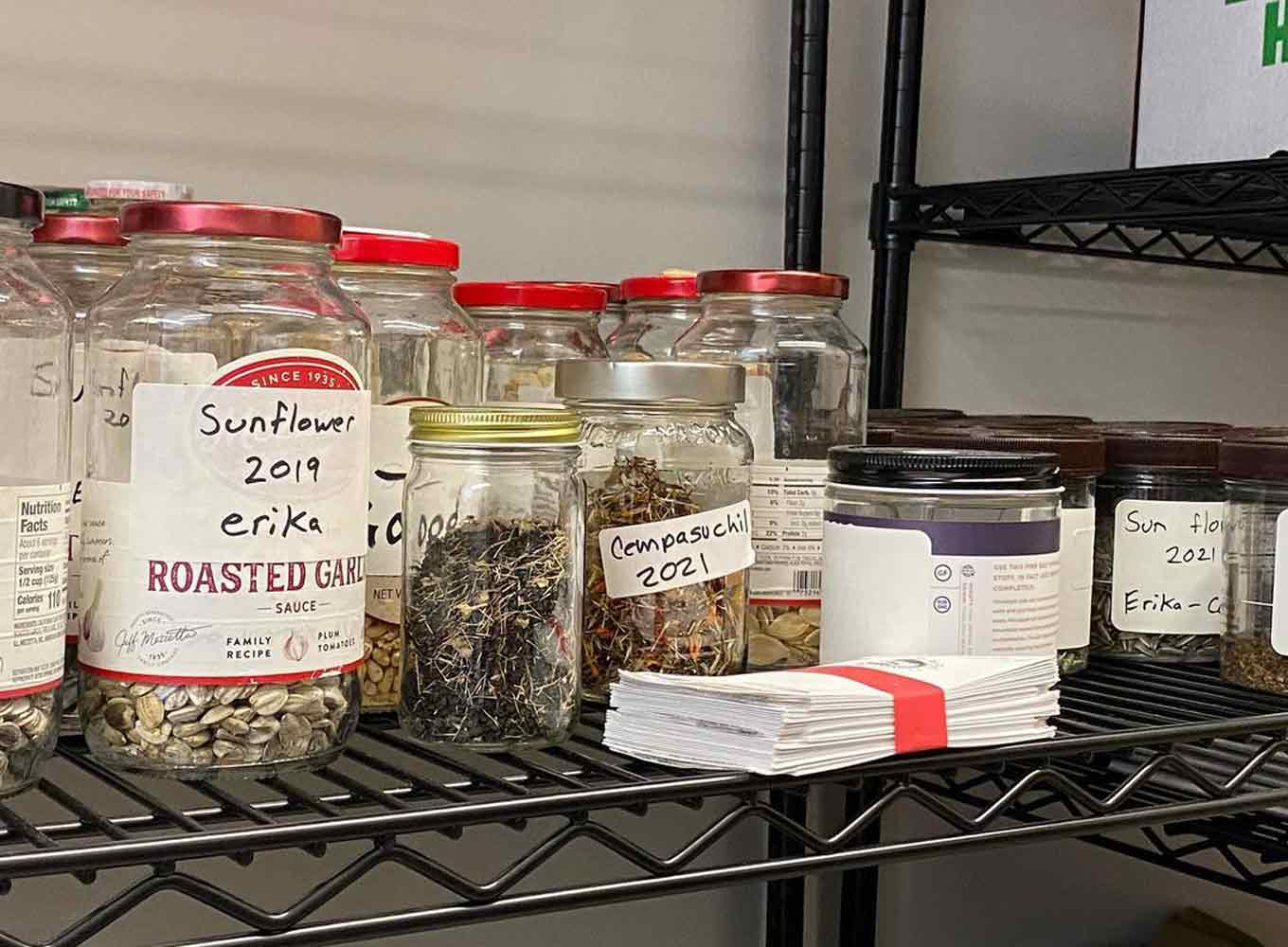
“Across Turtle Island, there is a growing Indigenous movement of the grand rematriation of seeds and foods back into our communities,” said Rowen White, the National Program Director for the Indigenous Seed Keeper Network.
White continued on to say: “Some [seeds] have been missing for centuries, carried on long journeys in smokey buckskin pouches, encircled around the necks of peoples who were forced to relocate from the land of their births, their ancestral grounds … Decades later, these seeds are now coming home.”
NAFSA was founded in 2013 and incorporated in the Navajo Nation in 2014.
A decade after its creation, NAFSA continues to leverage natural resources and promote knowledge sharing nationwide through programs like the Indigenous Seedkeeper Network and Food and Culinary Mentorship Program.
“From Indigenous seed keeping to mentoring Native chefs at regional food summits, NAFSA is connecting people with resources, education and mentoring,” said NAFSA Executive Director Diane Wilson. “At the heart of our work is a commitment to honoring the ancestral knowledge that will restore food security and ensure the health of our communities.”
NAFSA grants help a network of native communities across the country.
In early 2023, NAFSA Food and Culinary grants totaling $105,000 went directly to individuals promoting food sovereignty in their communities.
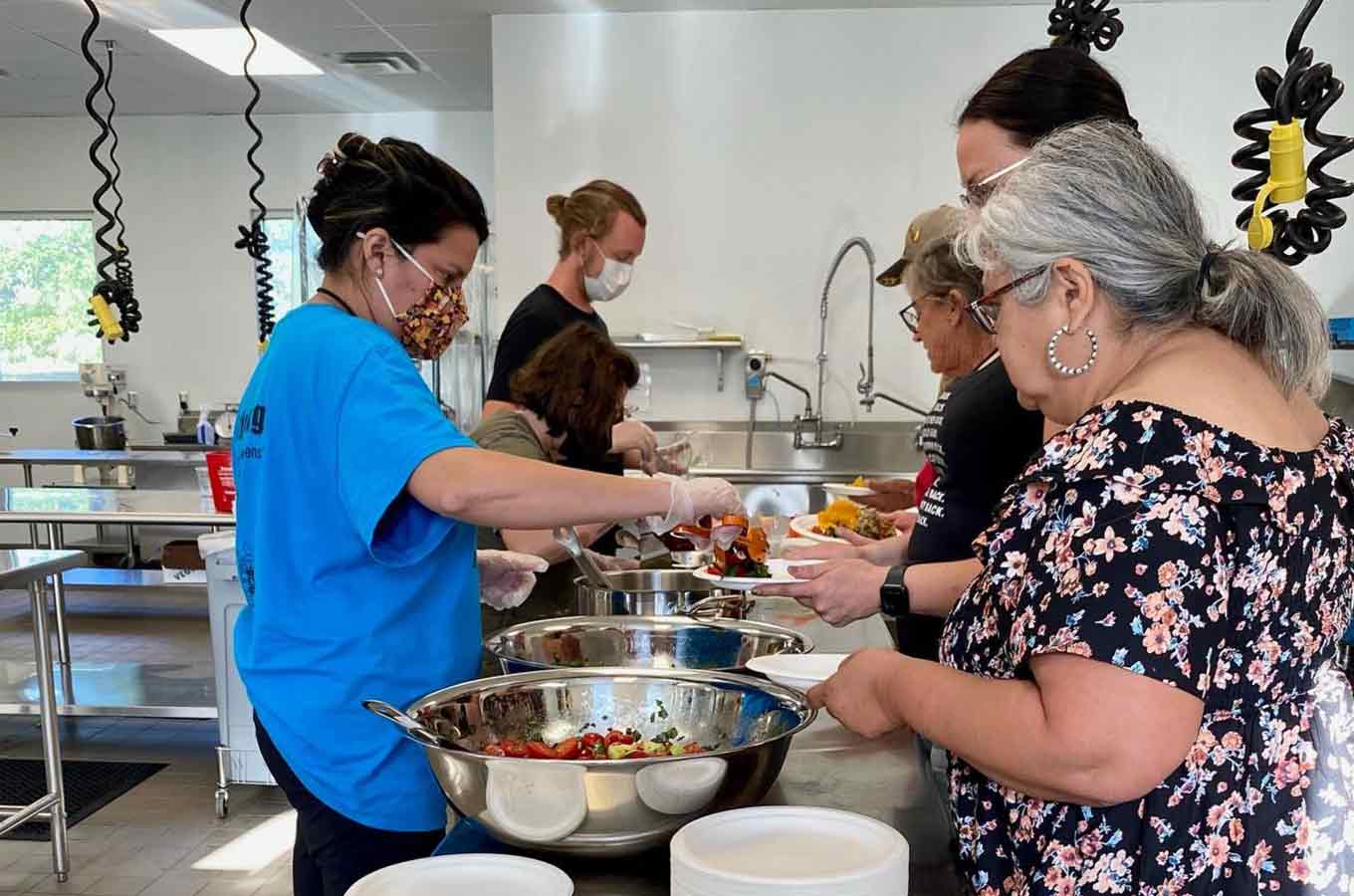
The funds went toward a variety of cultural practices that included bird harvesting in the Wabanaki homelands of Maine, beekeeping introduction to Navajo communities in New Mexico, and the Texas Tribal Buffalo Project in the Lipan Apache Band of Texas.
“Bringing buffalo back to where they are from is just like bringing us, our families, back to where we were from, to acknowledge that they actually lived here,” said Richard Gonzalez, Vice-Chairman of the Lipan Apache Band of Texas. “There’s people in Texas today that never knew there were ever buffalo in Texas, just like they didn’t know there were Apaches here.”
NAFSA is putting Native educators at the forefront.
NAFSA is currently producing a ten-part series of free seminars from a wide network of educators who lead talks on gardening, cooking, plant medicines, cultural traditions, climate resilience, and much more.
“The land needs us and we need the land,” Mariana Harvey said in an online seminar for NAFSA on Plant Teachings. “We get so many messages around why we’re so destructive and if no humans were here everything would just be great and that’s not true…we can be healing to the land.”
On October 9th, the official NAFSA Instagram account posted a statement in honor of Indigenous Peoples Day:
“As we reflect on this day, it is evident that ancestral practices and traditions have outlasted institutions, initiatives, entities, and bureaucracies. Our bond, our shared stories, are rooted deep in ancestral wisdom.”
Header image courtesy of NAFSA